Best hotels in Jiuzhaigou | A Curated Visual Guide to Top Stays
Welcome to PressBeyond, the ultimate curated visual guide for design-driven hotels! My name is Will Miller and these are my recommendations for the best boutique and luxury hotels in Jiuzhaigou.
I am the founder of PressBeyond and I am an ultra-meticulous hotel curator who loves clean visuals. I have individually analyzed and tiered each hotel included in this guide based on a variety of criteria (architecture & design, location, brand & brand affiliation, existing reviews, and my own personal experiences), and importantly, I have hand-selected the leading imagery for each hotel to provide you with easily-digestible, yet detailed and complete, like-for-like, high-level visual profiles. I felt this summarization step was a critical missing piece across existing guides, blogs, and booking platforms. My aim is to make it easier for people to identify hotel environments that resonate with them, along with enabling them to visualize the types of social experiences that those environments help foster. My brain doesn't work when exposed to cluttered content, so my goal was to create the opposite.
Underneath this, we are also a full booking engine offering 5% Venmo cash back along with other exclusive perks. For all of you design-obsessed hotel enthusiasts out there, I hope this guide helps get you to where you see yourself!
An Overview of the Boutique & Luxury Hotel Landscape in Jiuzhaigou
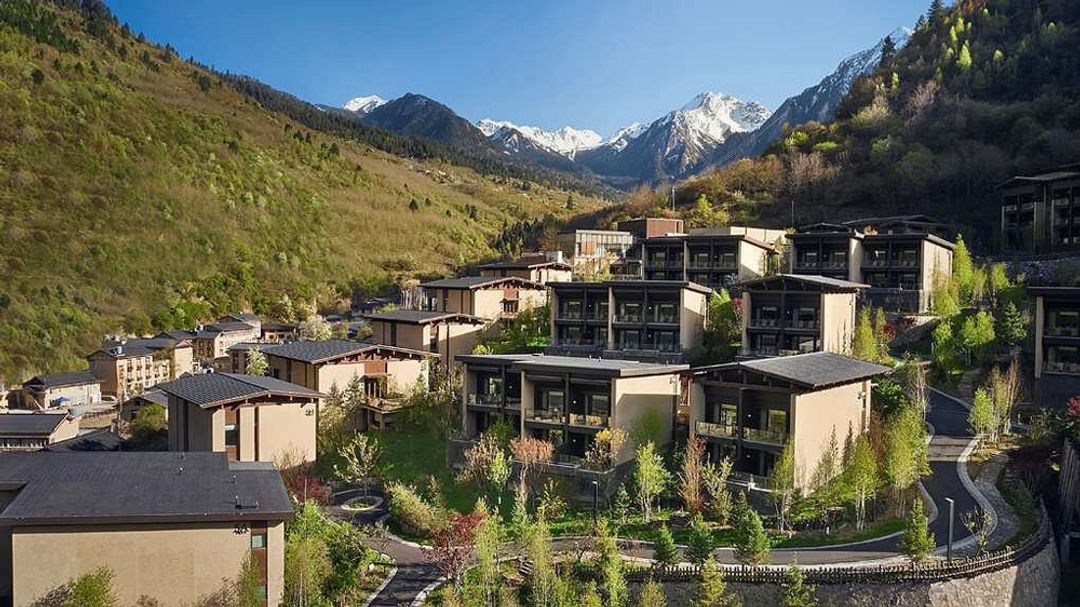
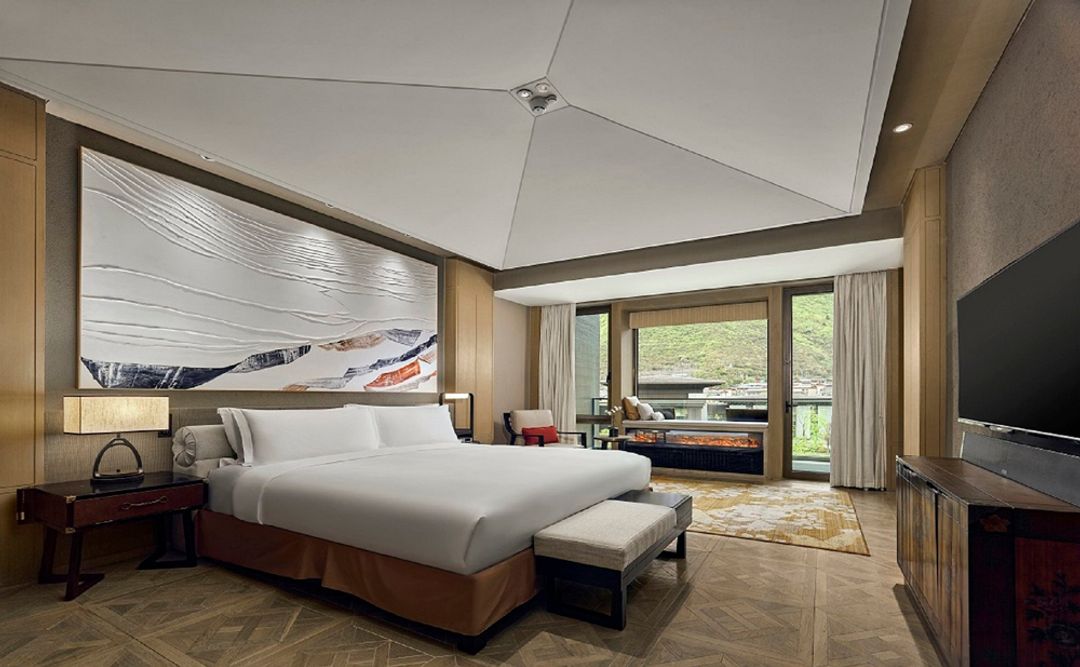
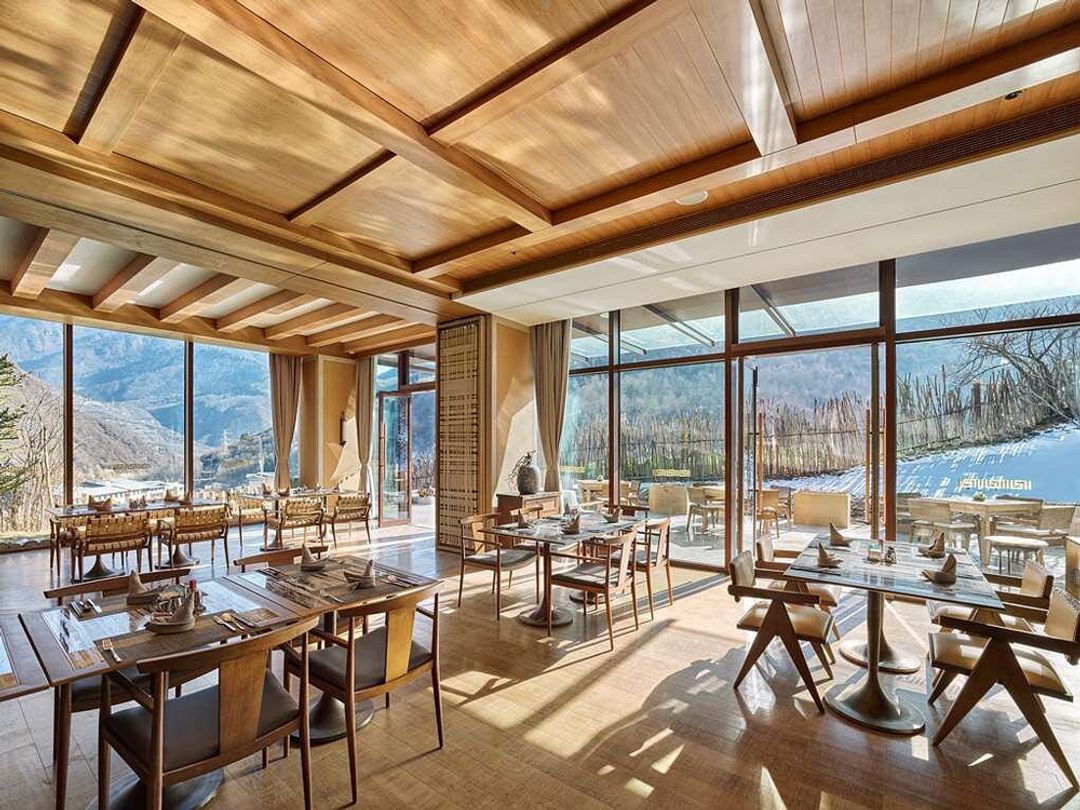
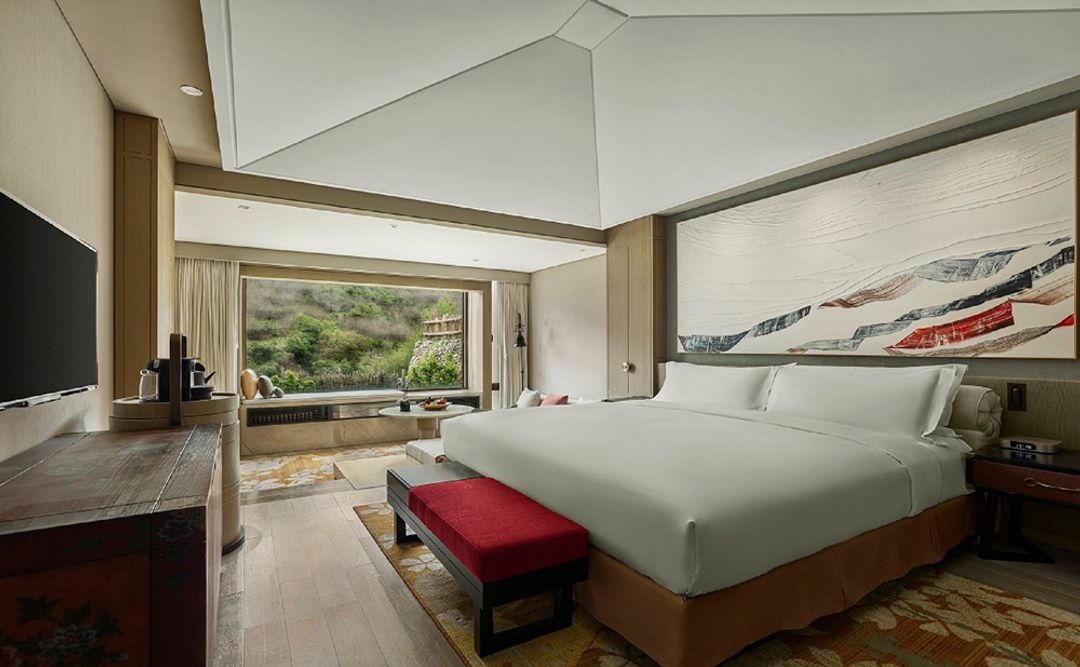
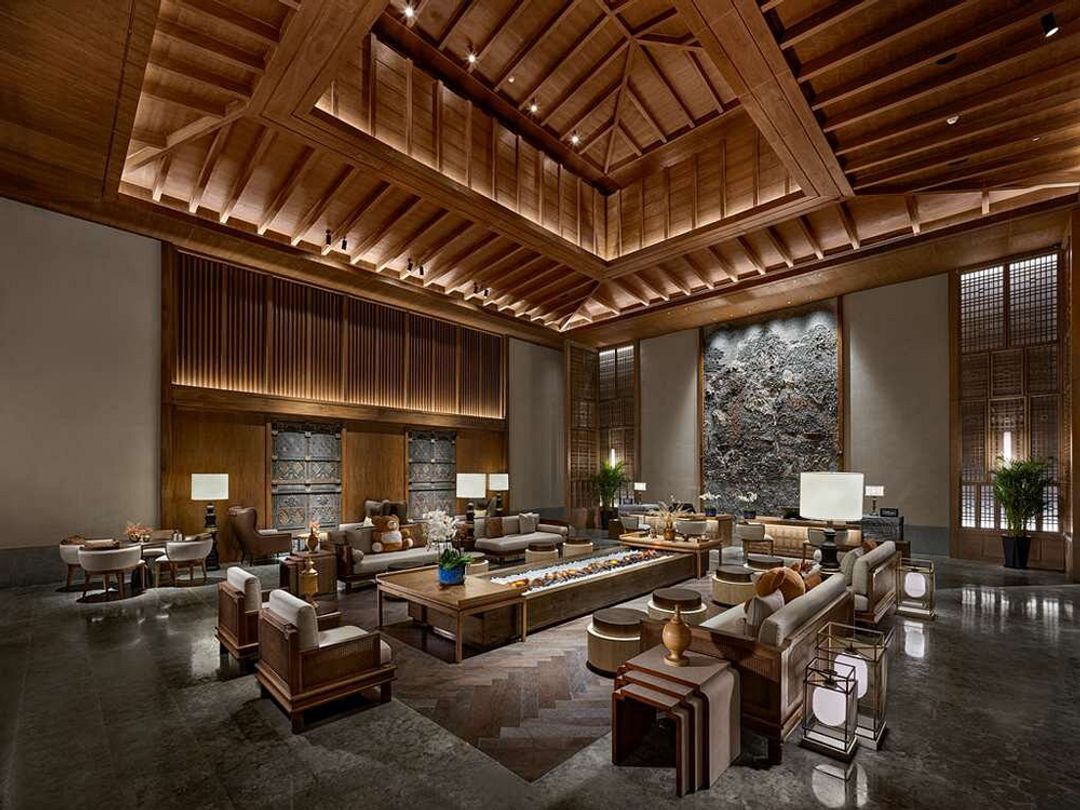
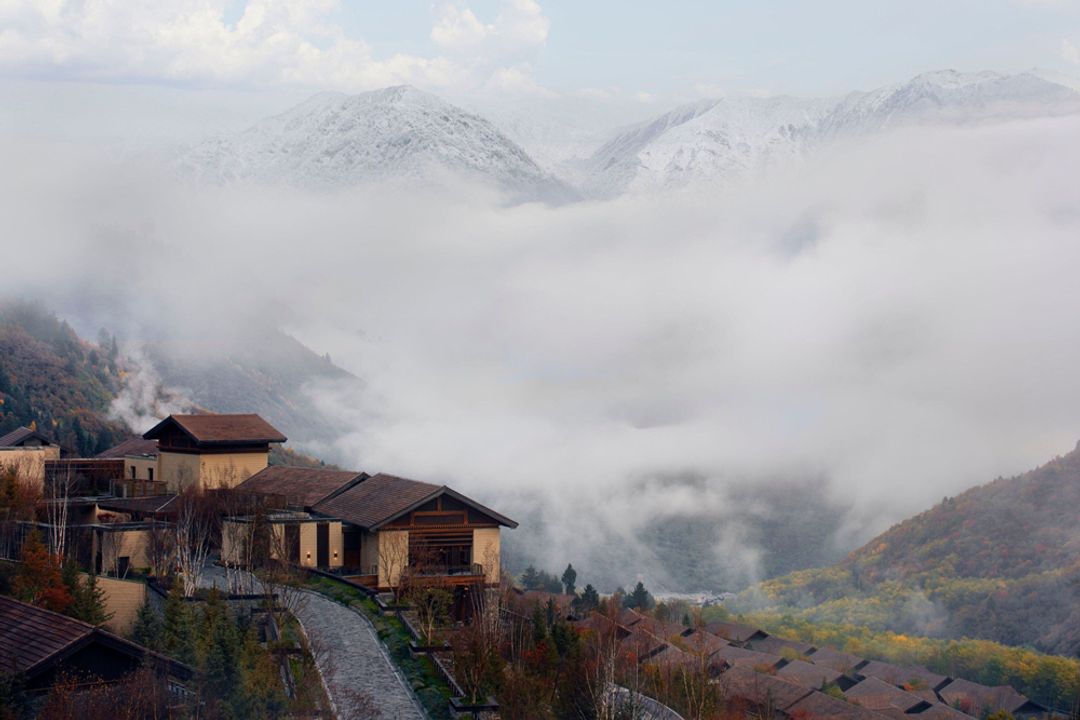
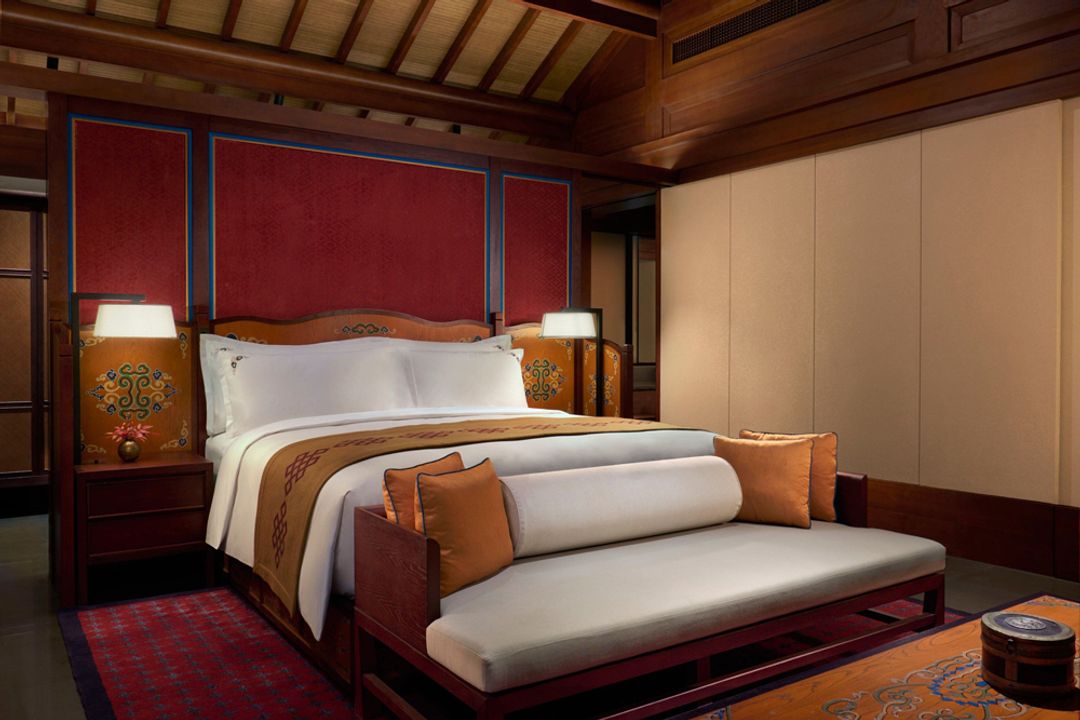
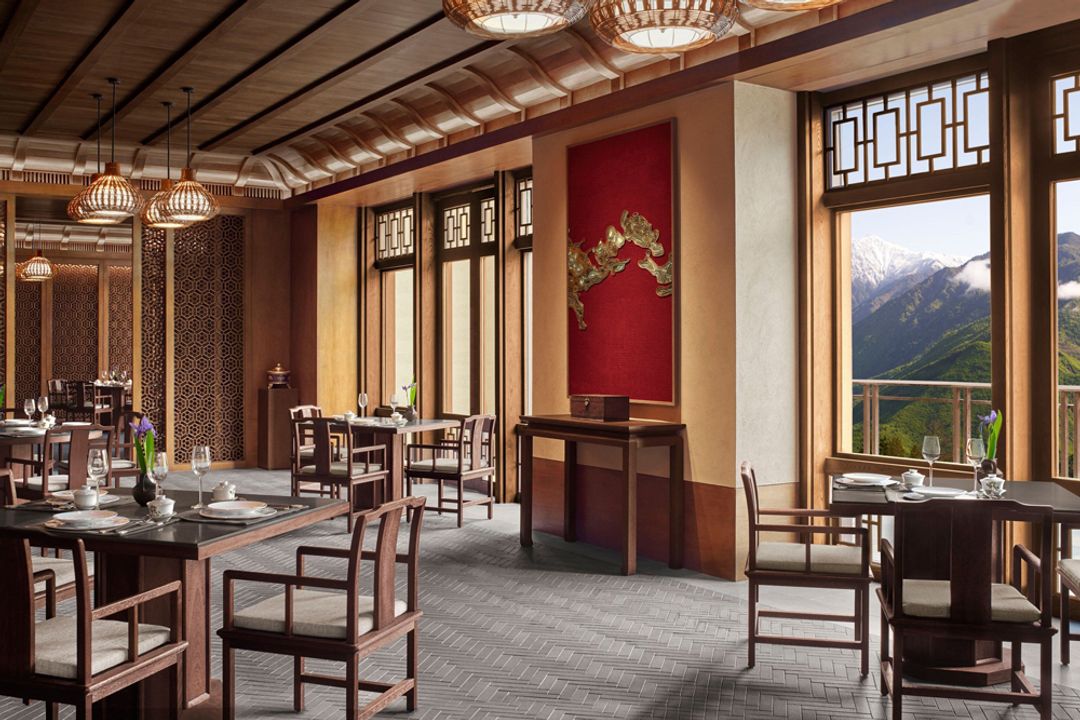
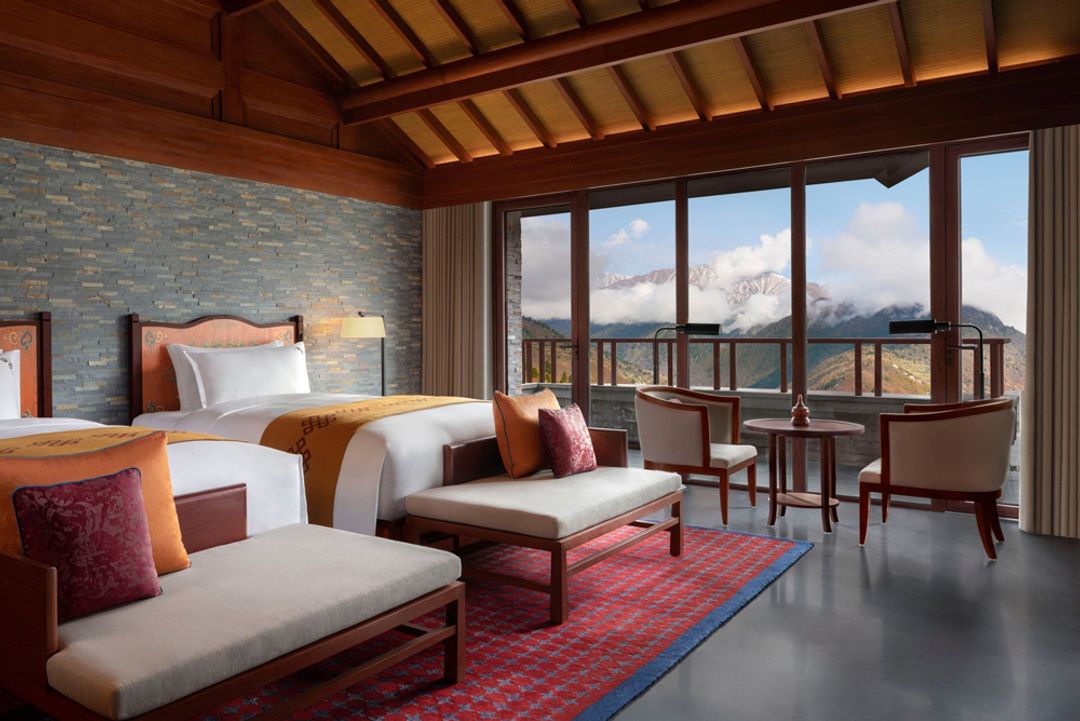
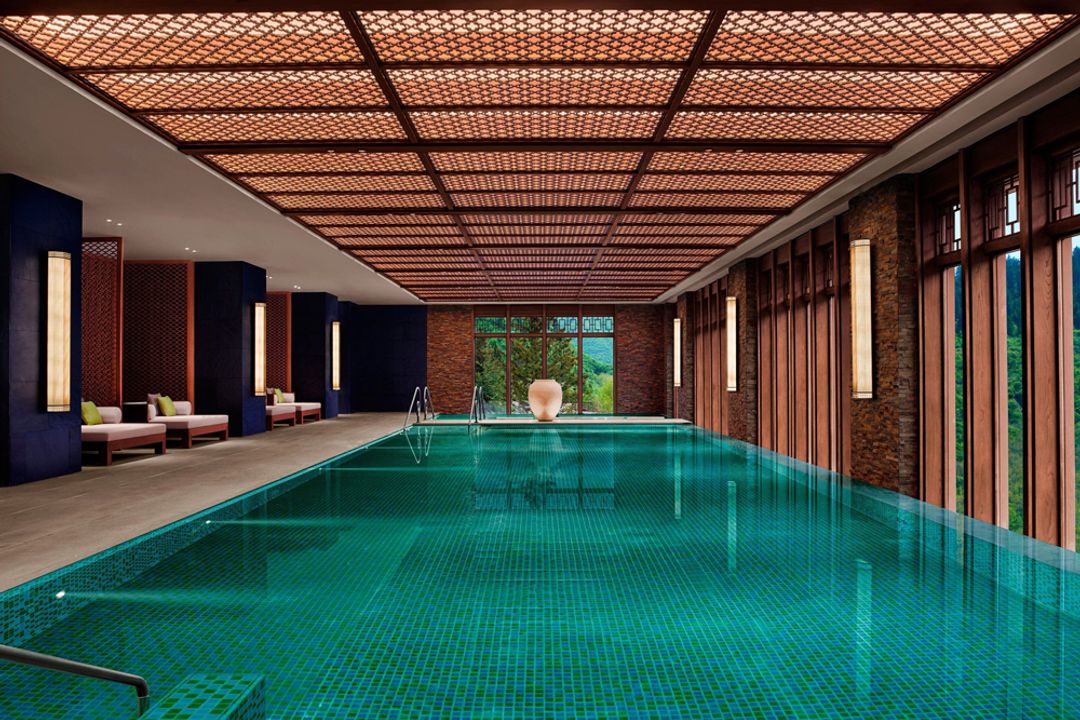
The road into Jiuzhaigou Valley winds through Tibetan villages and conifer forests before the landscape does something almost implausible — turquoise lakes stacked at altitude, travertine terraces, waterfalls tumbling through stands of golden larch. The scenery has drawn visitors since UNESCO designation in 1992, but the architecture of accommodation here has always struggled to match the ambition of what surrounds it. That tension between extraordinary natural setting and the built response to it is the central question for anyone choosing where to stay. Both listed properties sit within Zhangzha, the main township at the valley's entrance and the practical hub for visitors — it is less a neighborhood in any urban sense than a staging point, a strip of guesthouses and hotels pressed between mountain slopes, with Tibetan architectural motifs applied to varying degrees of conviction. The Conrad Jiuzhaigou operates at the upper range of what a major international chain typically delivers in a remote Chinese park zone: substantial, polished, and well-calibrated for the kind of traveler who wants reliable comfort after long days at elevation. At around $186 per night, it represents a considered middle ground — present in its amenities, quieter in its design ambitions. The Rissai Valley, a Ritz-Carlton Reserve, is an altogether different proposition and the more architecturally considered of the two. The Reserve tier within Ritz-Carlton's portfolio has consistently produced properties where site specificity and locally rooted design are treated as primary concerns rather than decorative gestures — see Mandapa in Bali or Kabo Wabo in Costa Rica for the pattern. Rissai follows that logic into Tibetan material culture: the interiors draw on local stone, timber joinery, and textiles in ways that feel research-driven rather than decorative, and the property's layout reads as a genuine attempt to engage the valley's topography rather than impose upon it. At $1,181 per night, it is priced at the extreme end of what remote Chinese luxury commands, and the gap between the two properties here is not merely financial — it reflects a fundamental difference in design intent. For travelers who come to Jiuzhaigou for the landscape and want their accommodation to hold a conversation with it, rather than simply provide a comfortable retreat from it, Rissai is the more honest answer.