Best hotels in Ningbo, China | Visually Compare Top Stays Side-by-Side
Welcome to PressBeyond - a curated visual guide to design-driven hotels and the fastest way to compare them.
An Overview of the Boutique & Luxury Hotel Landscape in Ningbo, China
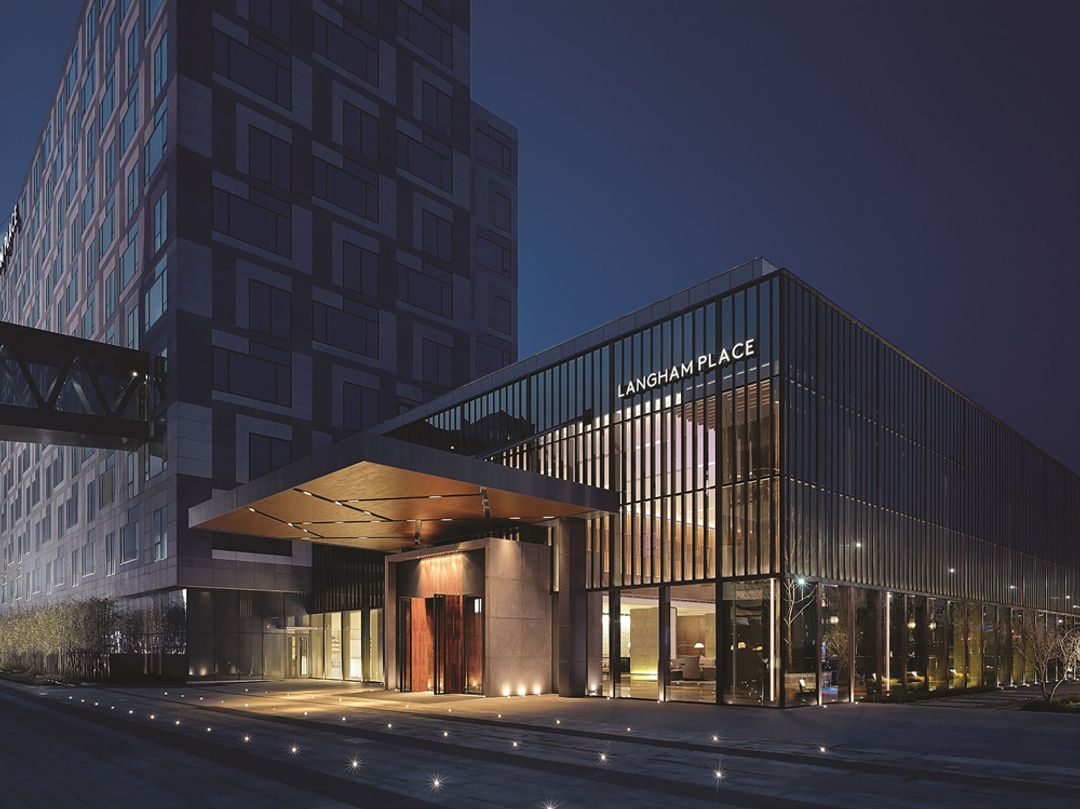
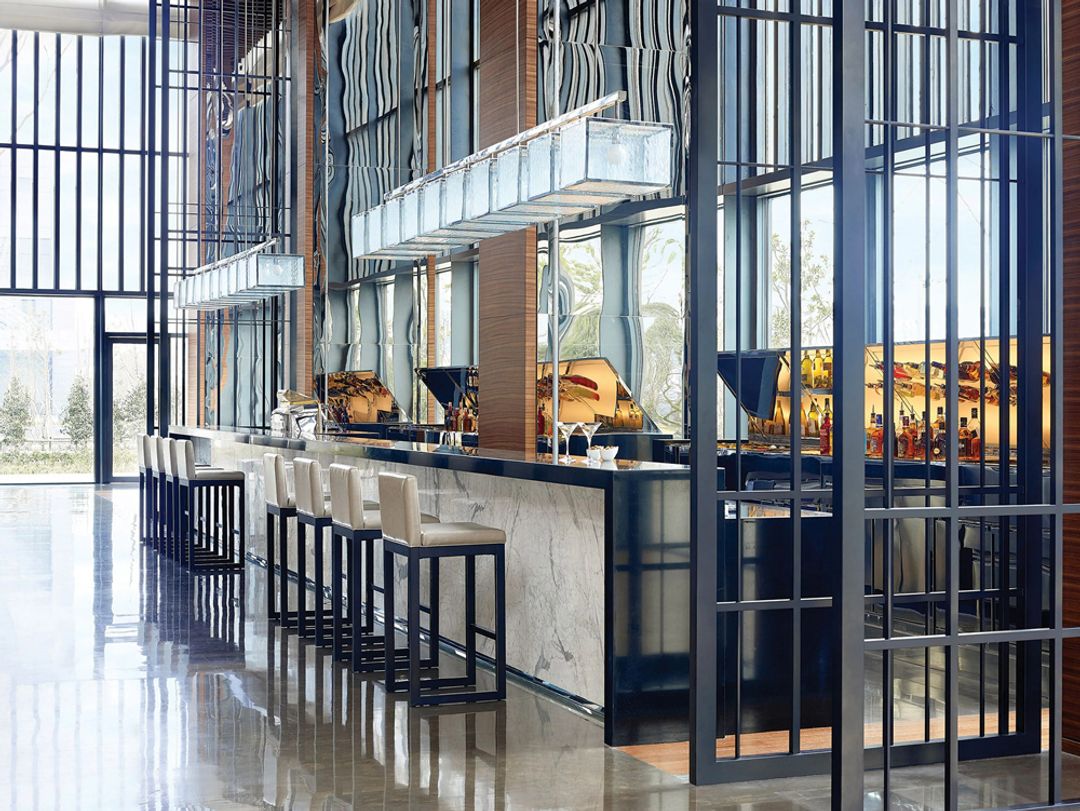
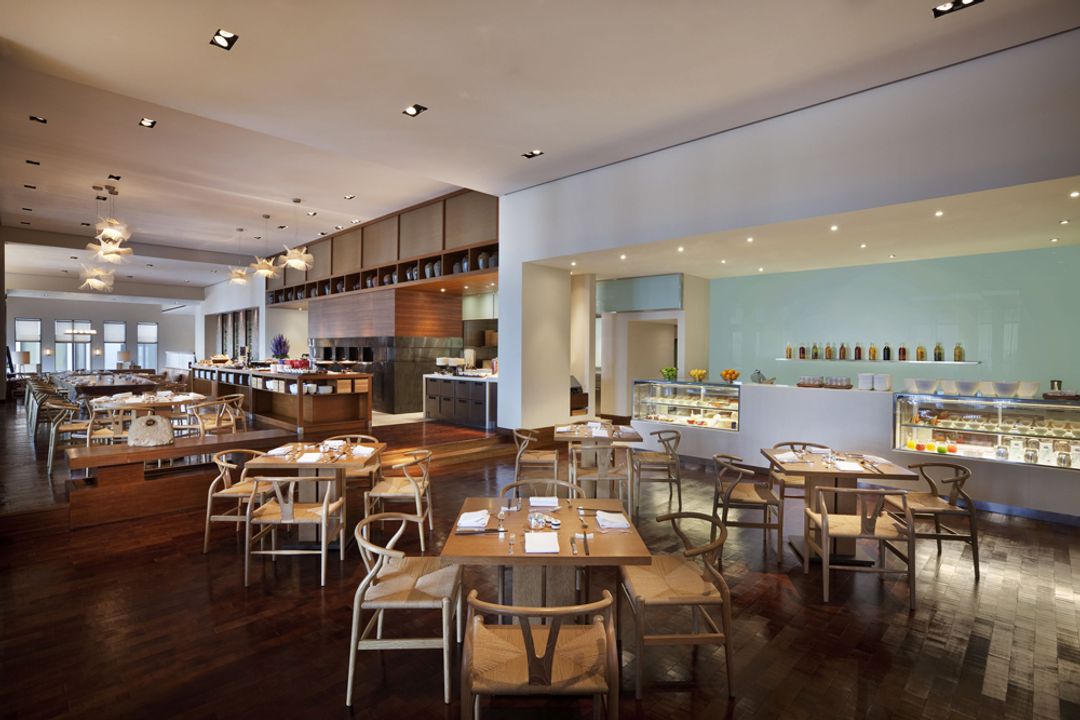
Ningbo is a city that earns less attention than it deserves, which is partly a function of geography and partly of temperament. Wedged between Hangzhou and Shanghai in the Yangtze River Delta, it has long been a trading city of genuine consequence, the ancestral home of much of Shanghai's merchant class and a port whose reach shaped Chinese commercial culture for centuries. That mercantile seriousness still runs through the city's bones. The contemporary architecture here tends toward ambition rather than whimsy, and the Langham Place Ningbo Culture Plaza, positioned in the city's cultural and commercial center, reflects exactly that disposition. It sits within the Culture Plaza development, a civic-scaled project that draws the hotel into dialogue with surrounding institutions rather than isolating it as a stand-alone object. At this price point, it is the most pragmatic of the three properties, but pragmatic in Ningbo terms still means a level of finish and operational care that most Chinese cities of comparable size cannot match.
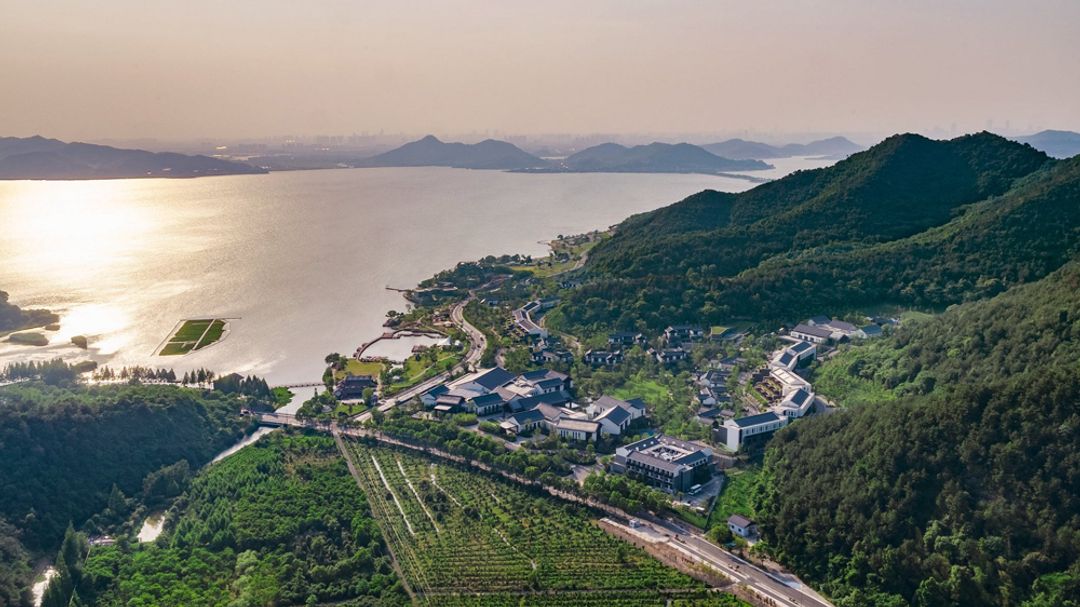
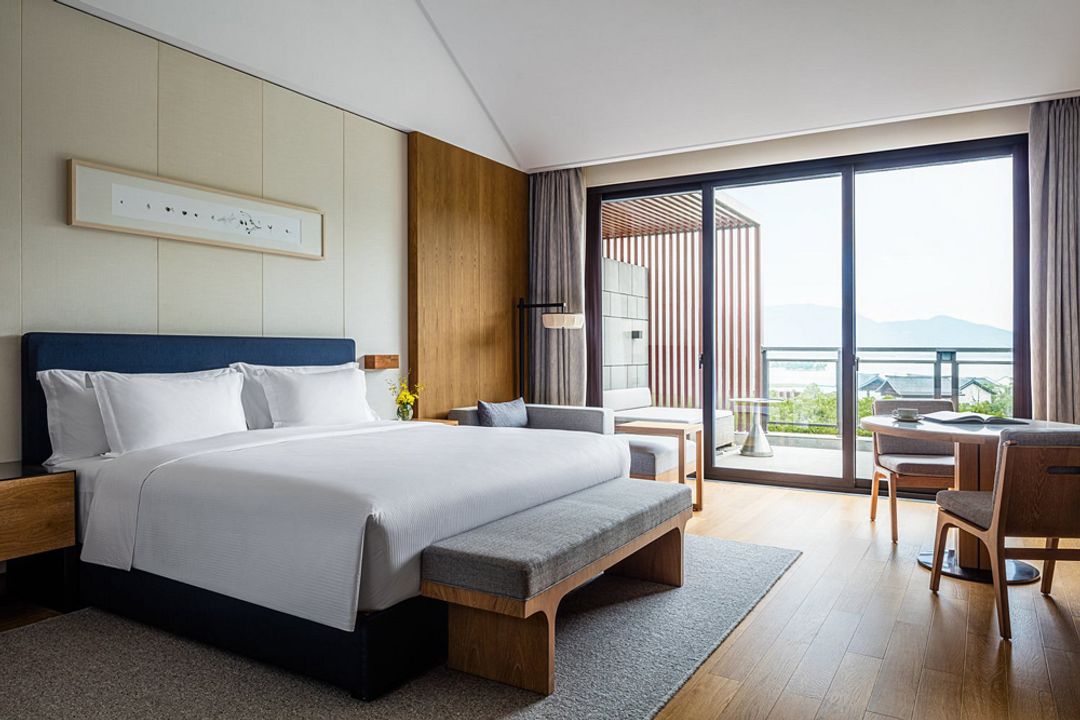
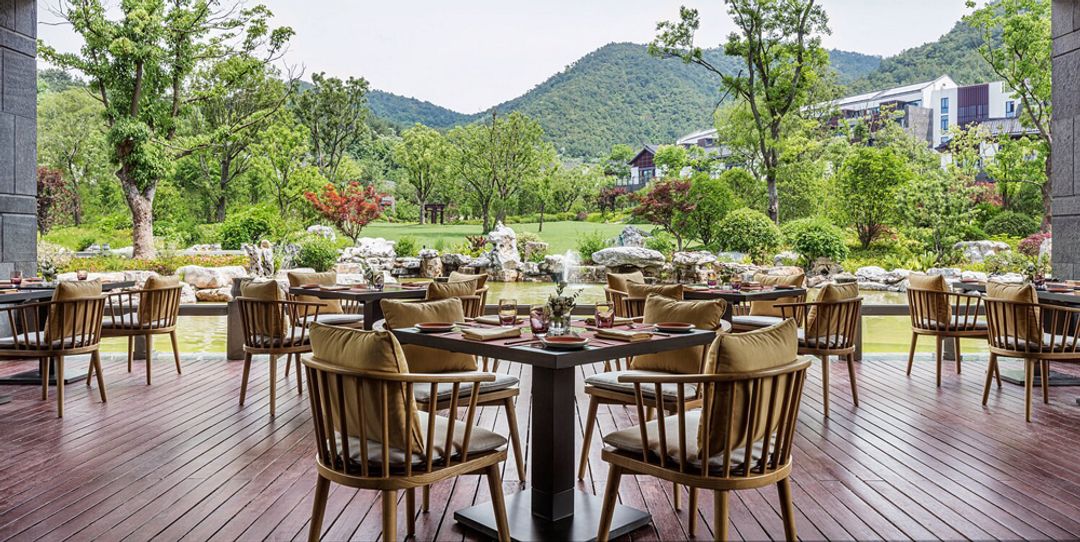
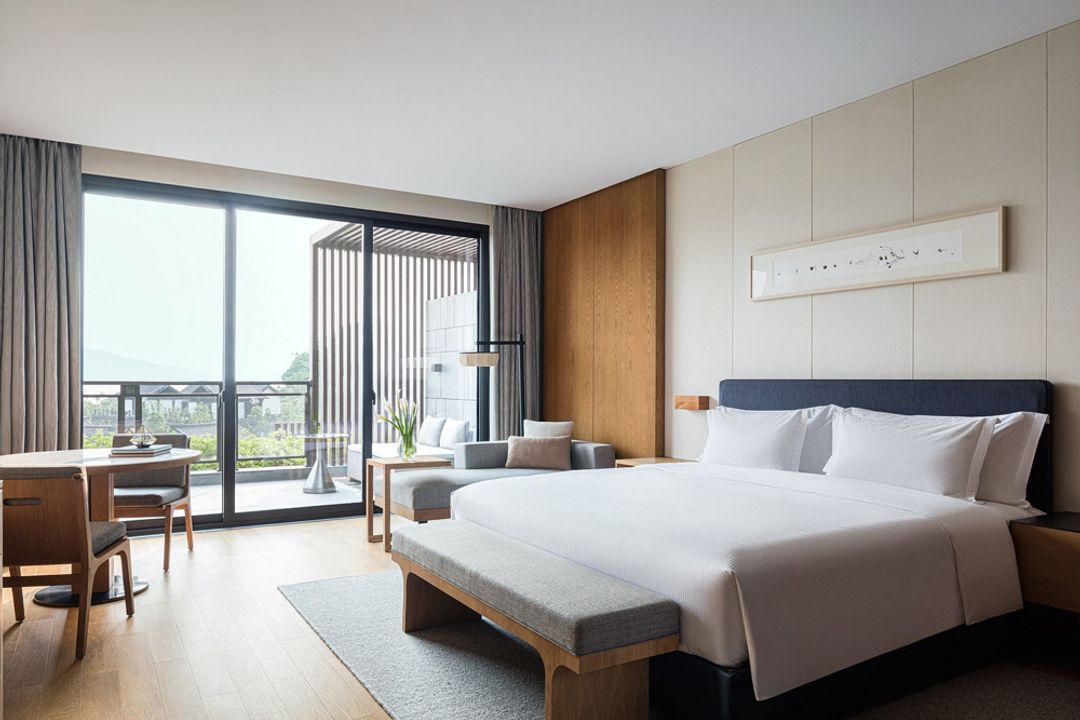
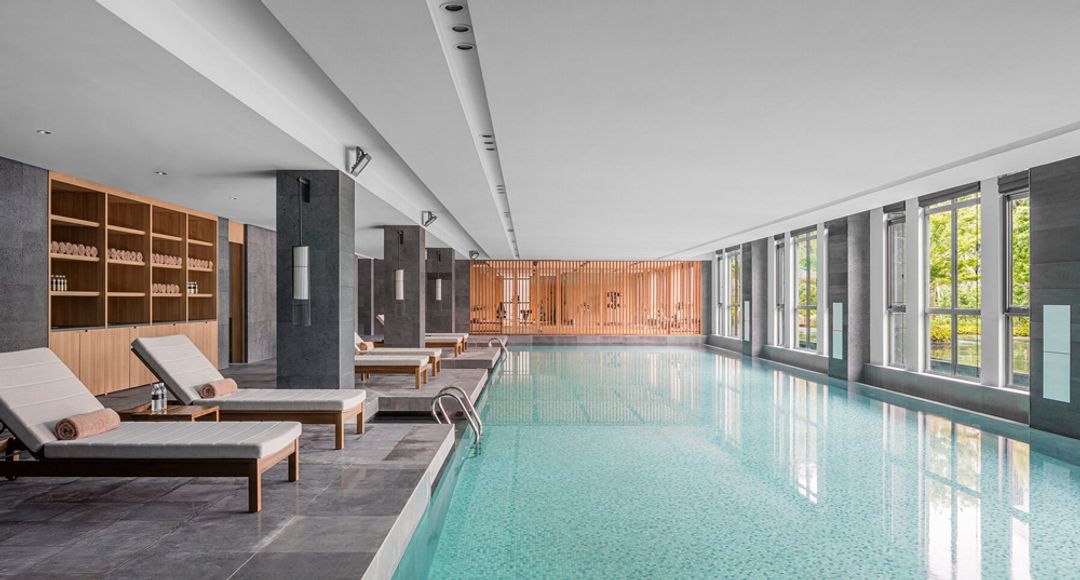
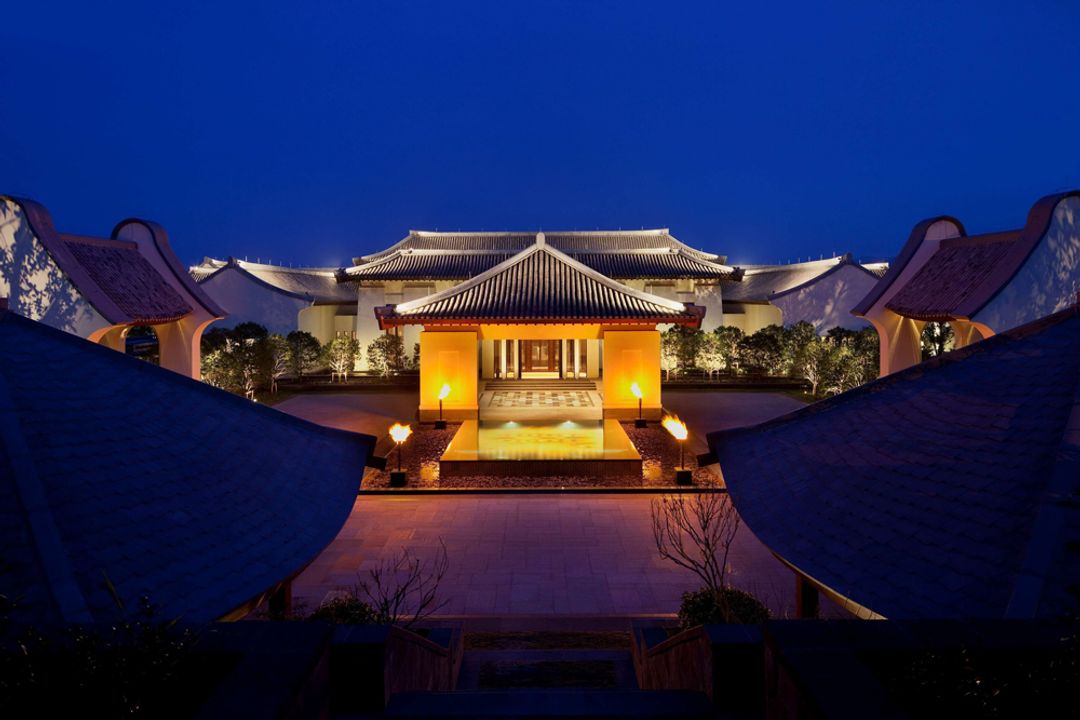
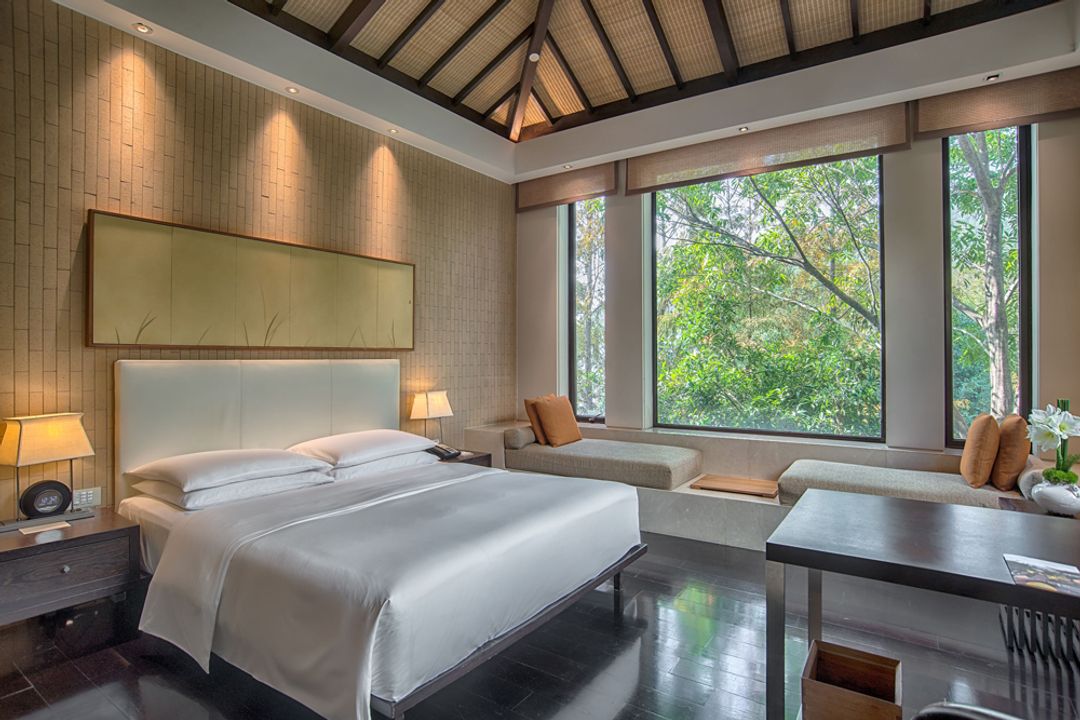
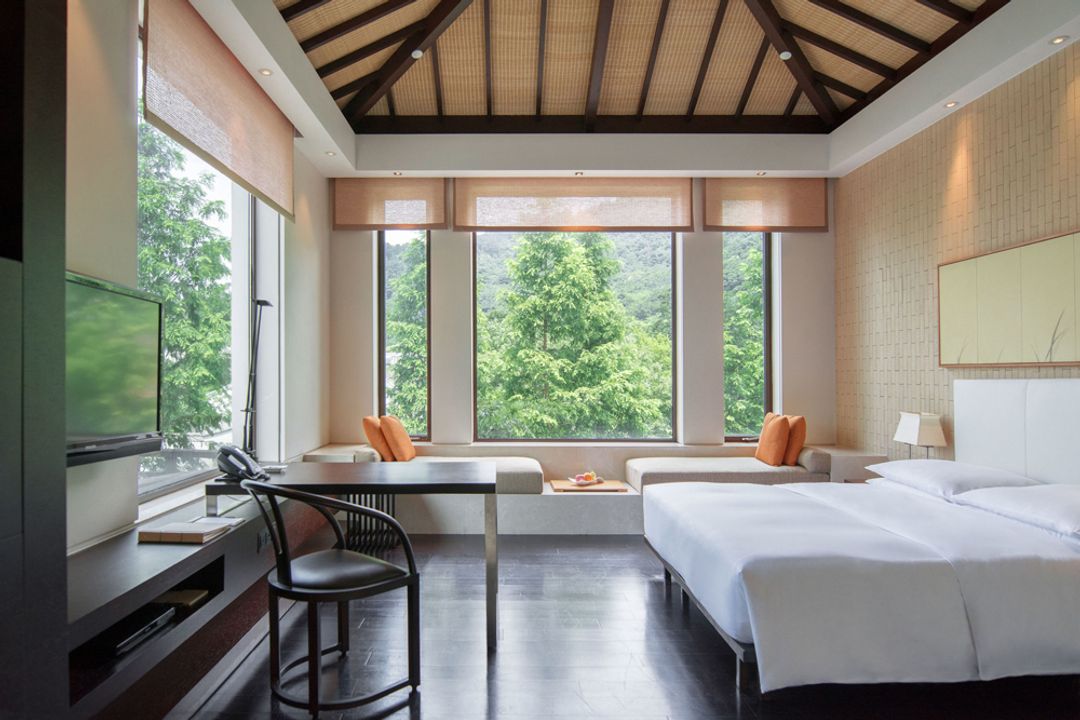
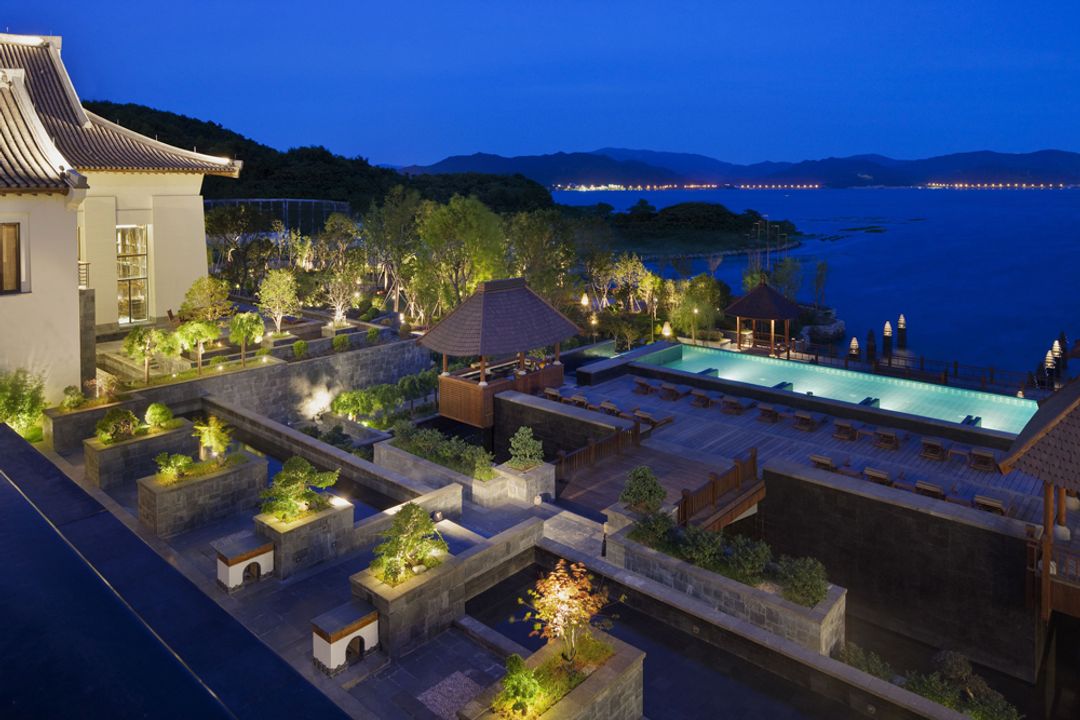
The sharper design interest, though, lies outside the urban core entirely. Dongqian Lake, roughly twenty kilometers southeast of the city center, is where Ningbo's hospitality ambitions have concentrated most seriously. The lake itself is substantial, one of the largest freshwater lakes in eastern China, and the low hills and water views give both of the properties here a spatial expansiveness that the city proper cannot offer. The Cordis Dongqian Lake Ningbo works in a calmer register, its mid-range positioning within the lake precinct making it a considered choice for travelers who want proximity to water and landscape without full resort immersion. The Park Hyatt Ningbo Resort and Spa, by contrast, commits entirely to the resort mode, with architecture that spreads across the lakeside terrain in a low horizontal composition, allowing the landscape to carry considerable weight in the overall experience. The Park Hyatt brand globally tends to prioritize refinement over spectacle, and the Ningbo property holds to that disposition, offering a kind of quiet material seriousness that suits the setting.
Choosing between the city and the lake amounts to choosing between two different versions of what a visit to Ningbo can mean. The Langham Place grounds you in a working Chinese city with genuine historical depth and a contemporary civic ambition worth observing at street level. The two Dongqian Lake properties, whatever their differences in price and scale, share an orientation toward landscape and stillness that the urban core cannot provide. Neither is a compromise.