Best hotels in Tianjin, China | Visually Compare Top Stays Side-by-Side
Welcome to PressBeyond - a curated visual guide to design-driven hotels and the fastest way to compare them.
An Overview of the Boutique & Luxury Hotel Landscape in Tianjin, China
Tianjin is the city that reminds you how much of modern China was assembled by foreign hands. The former treaty port contains one of the most concentrated deposits of European colonial architecture anywhere in East Asia, its old concession districts layered with Italianate villas, French boulevards, German civic buildings, and British Gothic banks, all compressed into a few square kilometers along the Hai River. That history gives the city its visual density and its peculiar atmosphere: a place that looks, in certain lights, like a European capital that somehow drifted east and was absorbed by the North China plain.
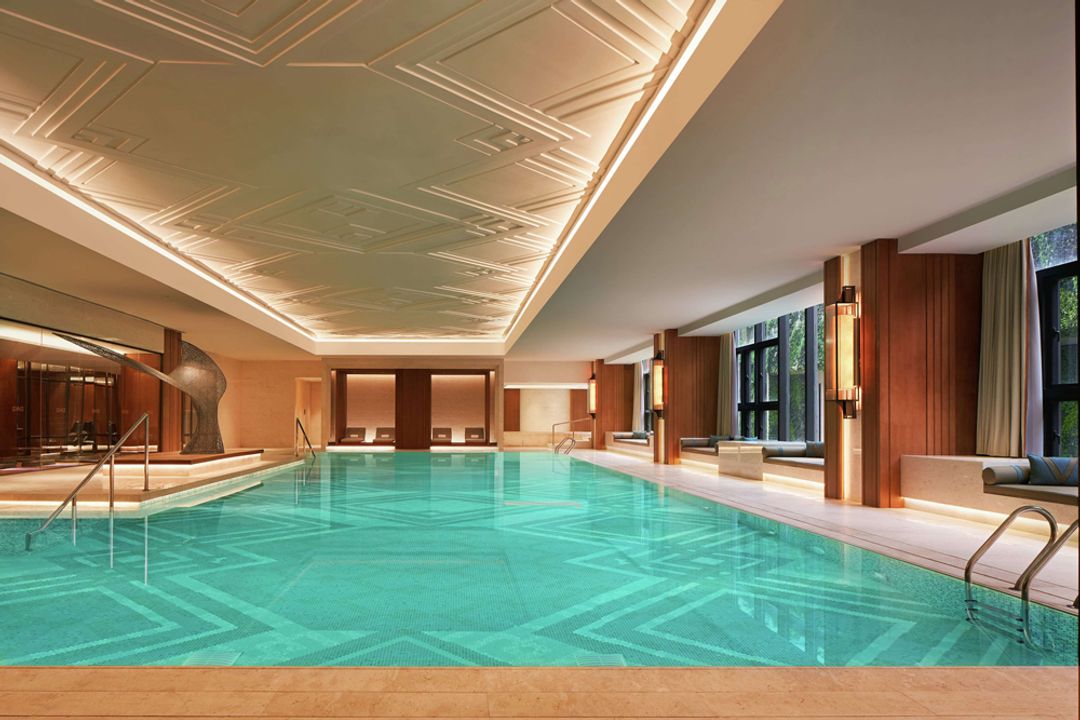
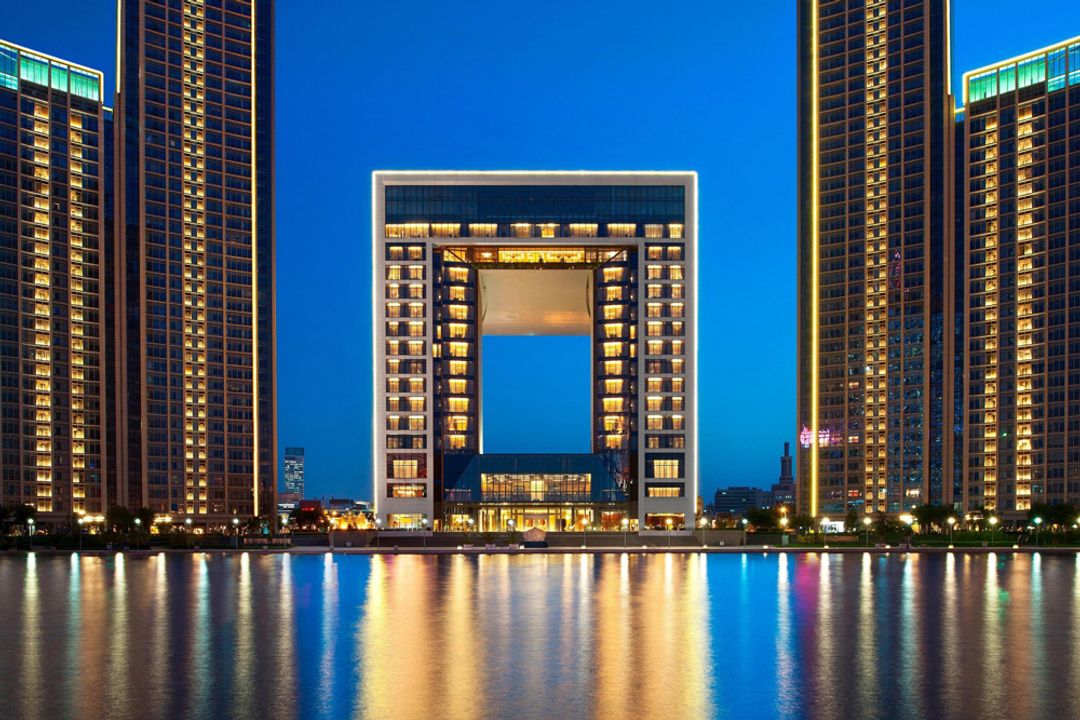
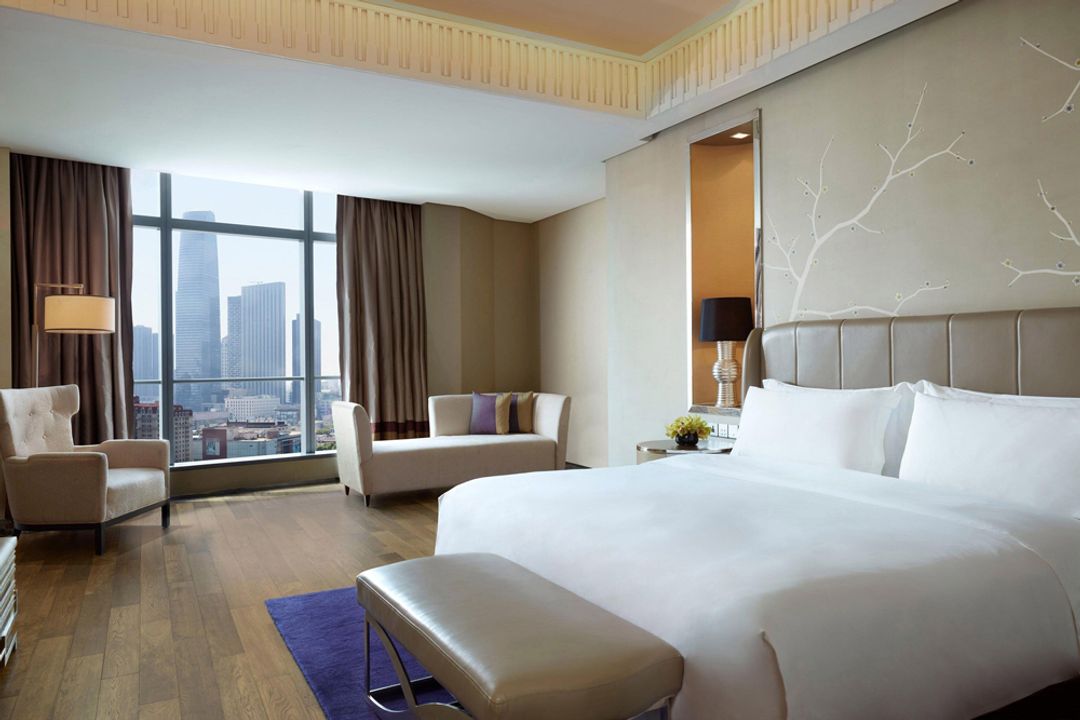
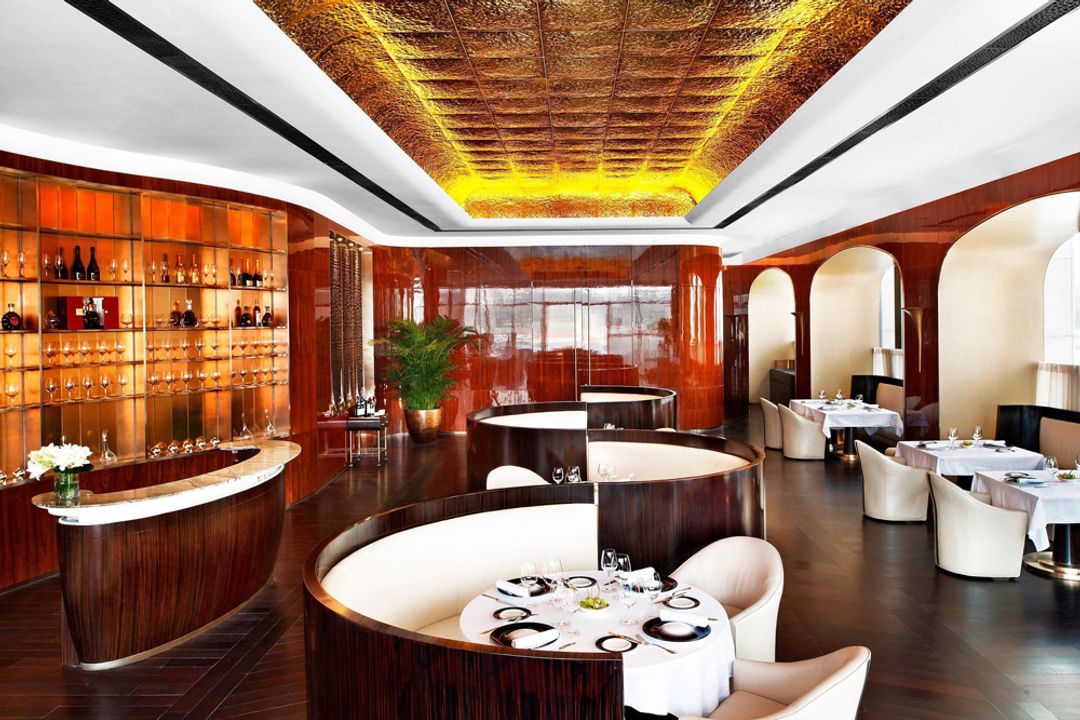
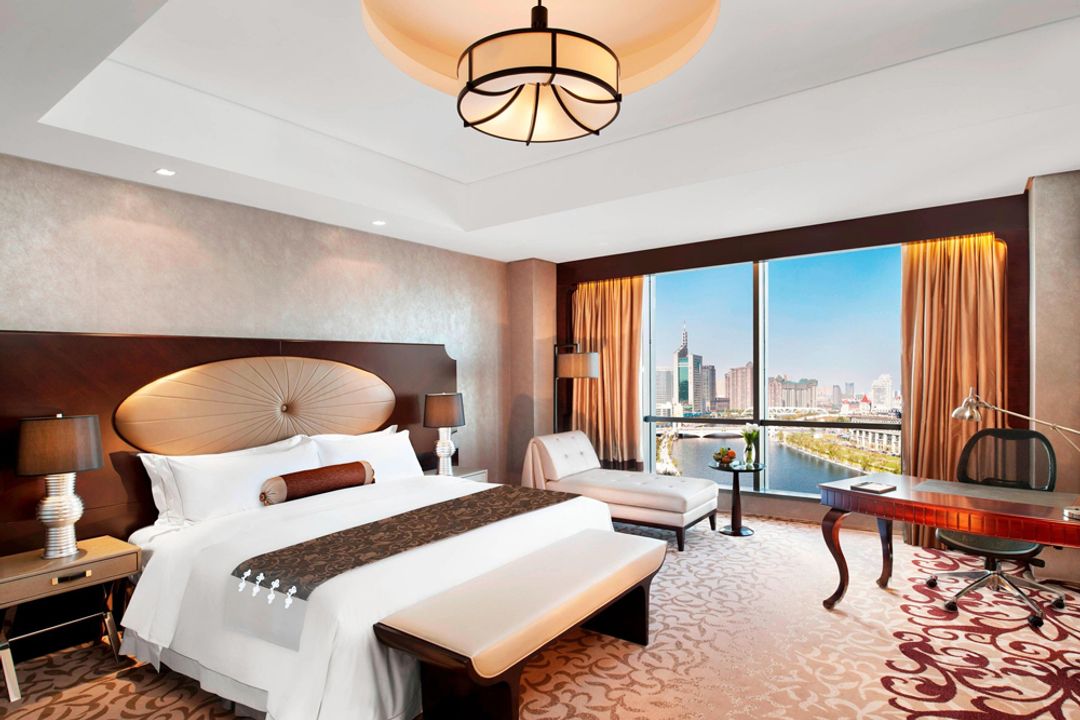
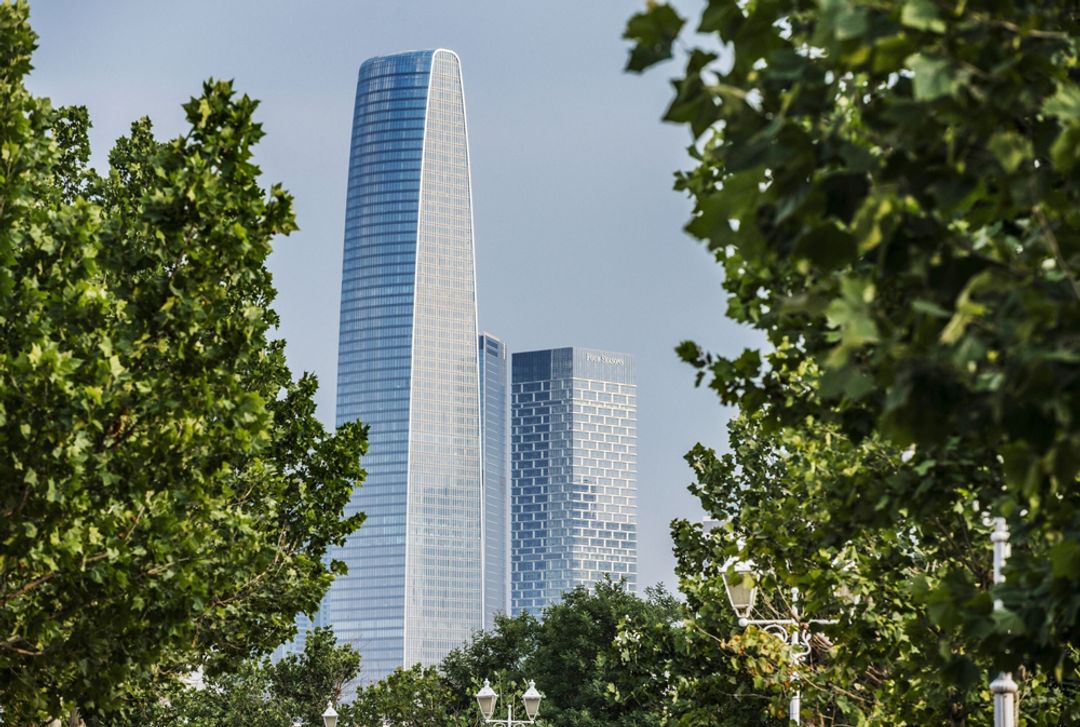
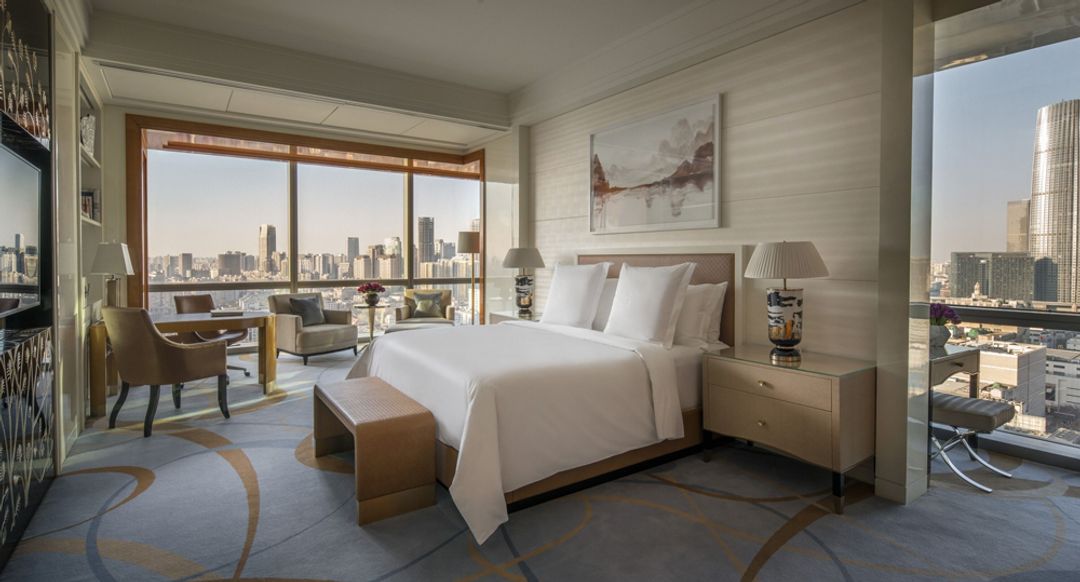
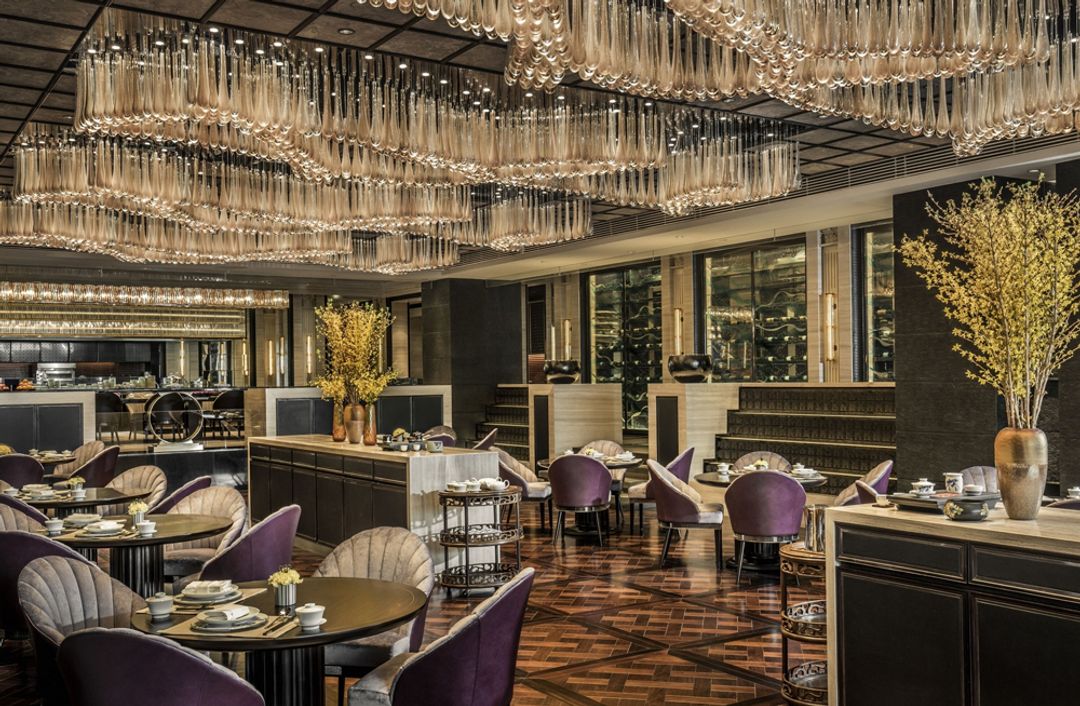
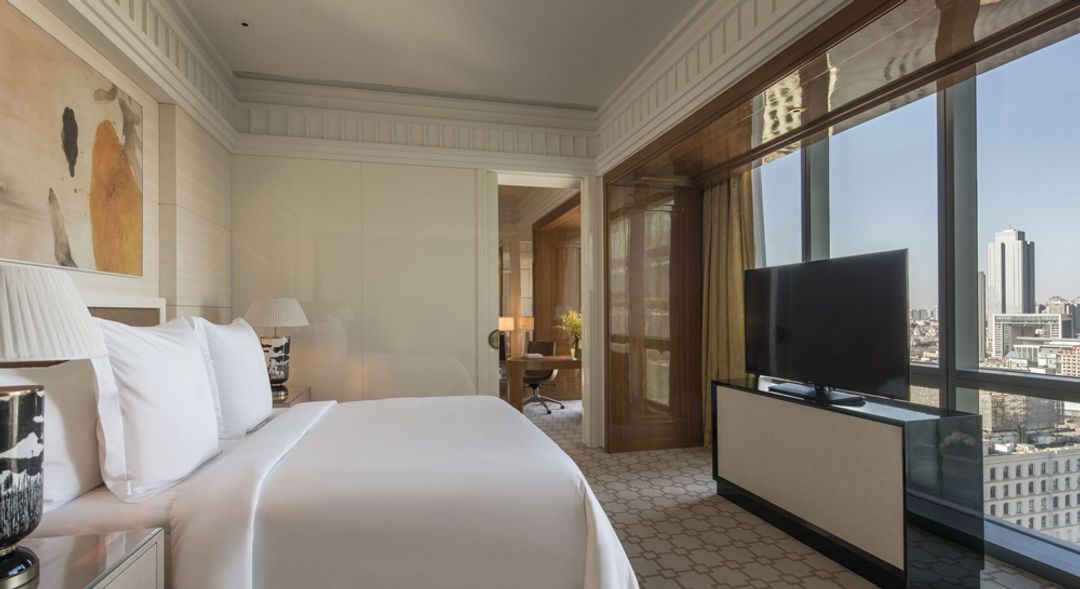
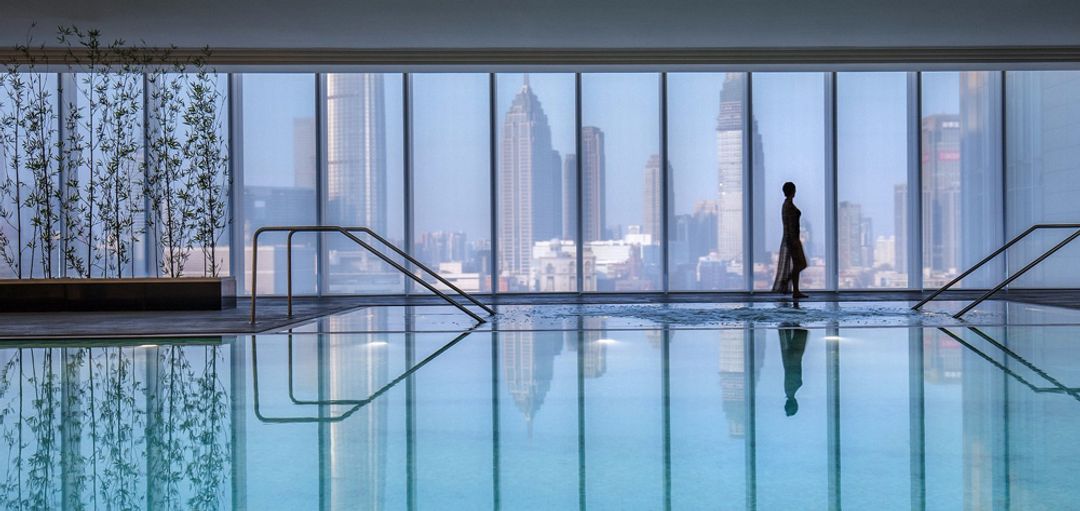
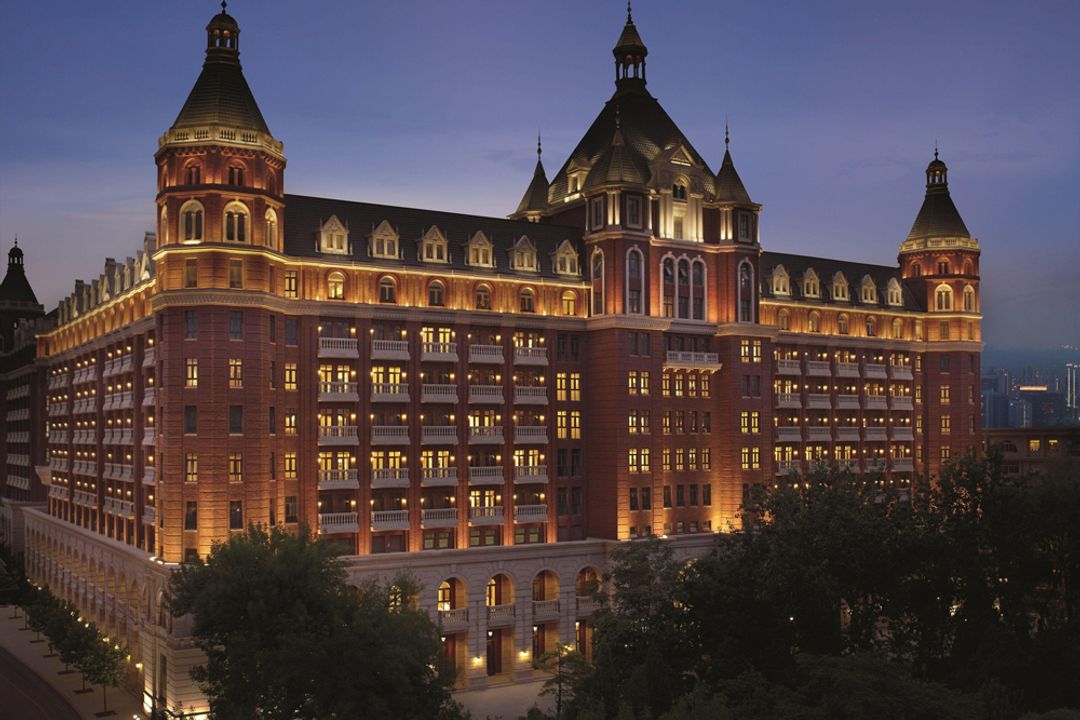
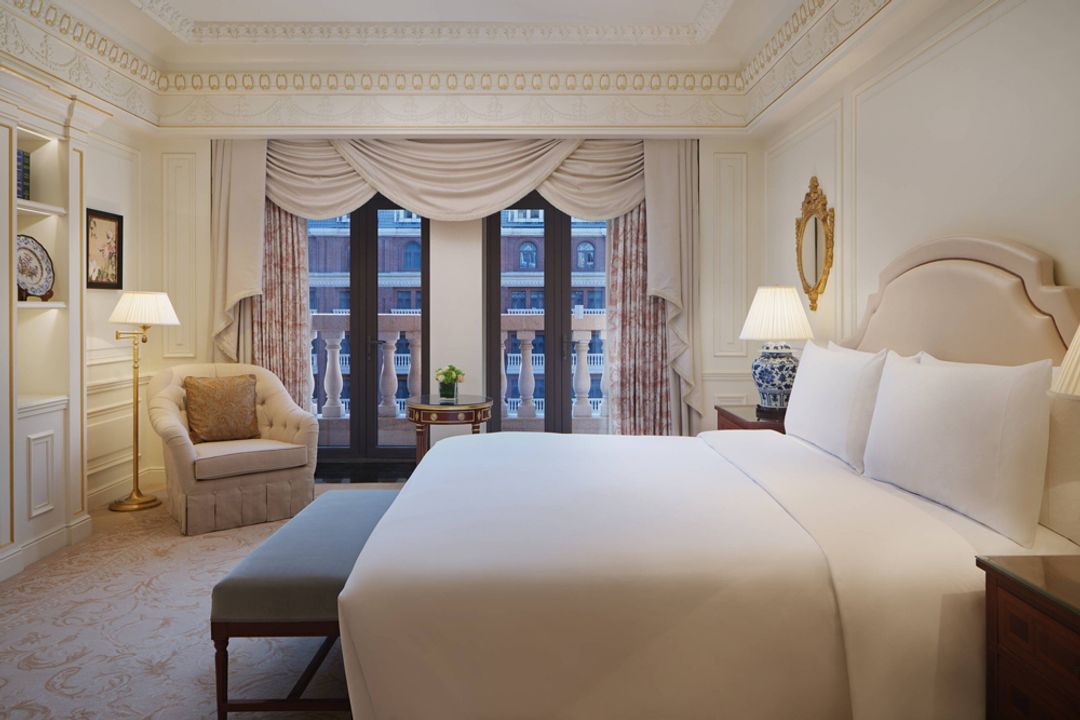
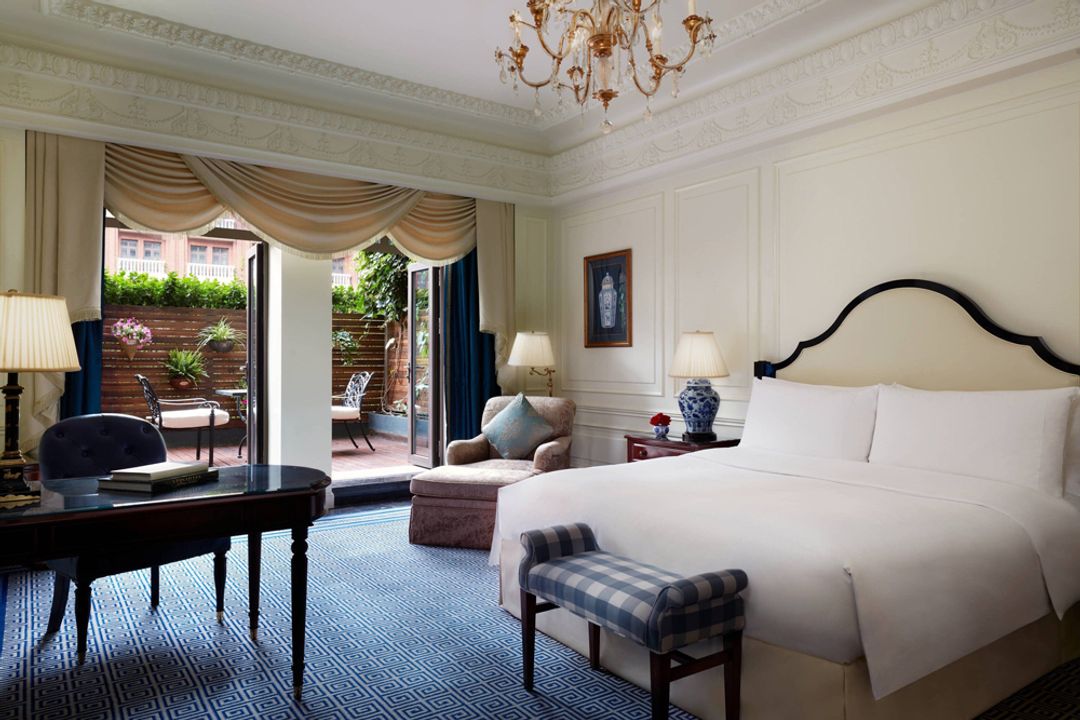
Heping District sits at the heart of that colonial inheritance, and it is where three of the four hotels in this portfolio have converged. The Ritz-Carlton Tianjin, the Four Seasons, and the St. Regis are all positioned within reach of the old concession streetscapes, the pedestrianized shopping corridors of Binjiang Dao, and the cultural institutions clustered around Jiefang Bei Lu. The St. Regis brings the brand's characteristic Beaux-Arts formality, which reads here with an almost geological naturalness, given that Heping's existing fabric was already shaped by that same European institutional language a century ago. The Four Seasons and the Ritz-Carlton operate with the polished contemporary interiors their brands favor globally, each calibrated to the business travel market that drives much of Tianjin's hotel demand, the city being both a major port and a satellite to Beijing's administrative gravity. For anyone whose instinct is to notice the grain of a place, Heping offers the advantage of context: step outside any of these three hotels and the architecture of the surrounding blocks actually rewards attention.
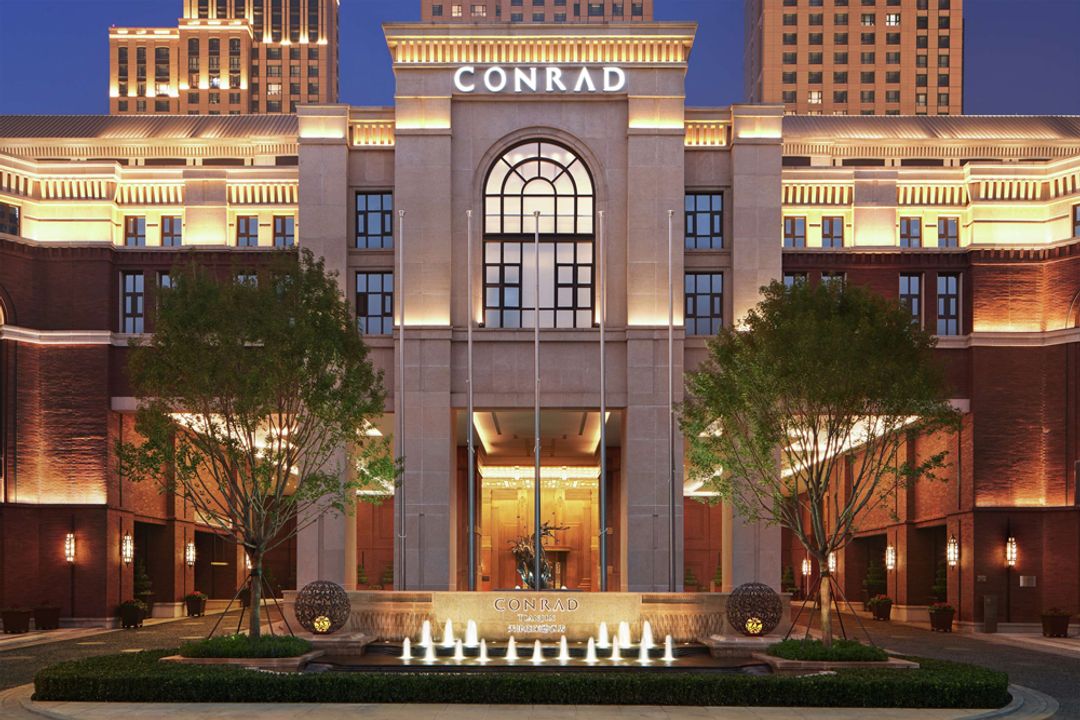
The Conrad Tianjin sits apart, in Nankai District, which extends toward the urban interior and carries a more workday character. Nankai is home to one of China's most respected universities and has a quieter, less tourist-facing energy than the concession zones. The Conrad's placement there suits travelers who prefer to move through the city rather than be positioned within its postcard radius. The four properties, taken together, reflect something consistent about Tianjin's current moment: significant international brand investment, competitively priced relative to Beijing, and an architectural backdrop that none of the hotels have needed to invent because the city had already done that work across the previous hundred years.