Best hotels in Cotswolds | A Curated Visual Guide to Top Stays
Welcome to PressBeyond, the ultimate curated visual guide for design-driven hotels! My name is Will Miller and these are my recommendations for the best boutique and luxury hotels in Cotswolds.
I am the founder of PressBeyond and I am an ultra-meticulous hotel curator who loves clean visuals. I have individually analyzed and tiered each hotel included in this guide based on a variety of criteria (architecture & design, location, brand & brand affiliation, existing reviews, and my own personal experiences), and importantly, I have hand-selected the leading imagery for each hotel to provide you with easily-digestible, yet detailed and complete, like-for-like, high-level visual profiles. I felt this summarization step was a critical missing piece across existing guides, blogs, and booking platforms. My aim is to make it easier for people to identify hotel environments that resonate with them, along with enabling them to visualize the types of social experiences that those environments help foster. My brain doesn't work when exposed to cluttered content, so my goal was to create the opposite.
Underneath this, we are also a full booking engine offering 5% Venmo cash back along with other exclusive perks. For all of you design-obsessed hotel enthusiasts out there, I hope this guide helps get you to where you see yourself!
An Overview of the Boutique & Luxury Hotel Landscape in Cotswolds
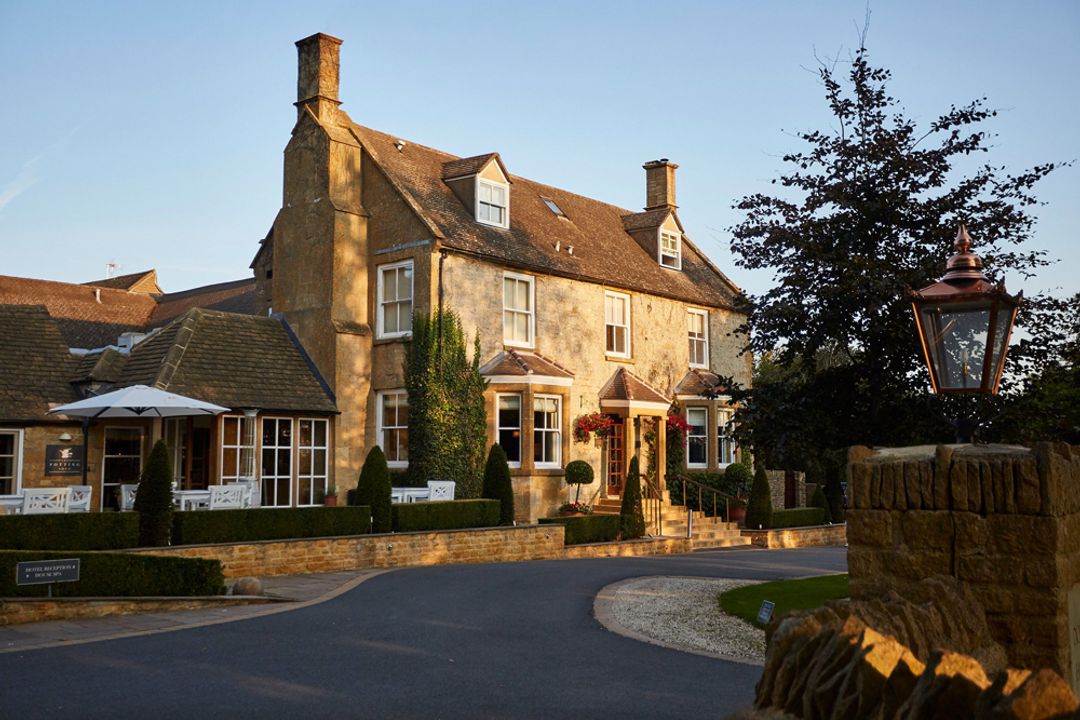
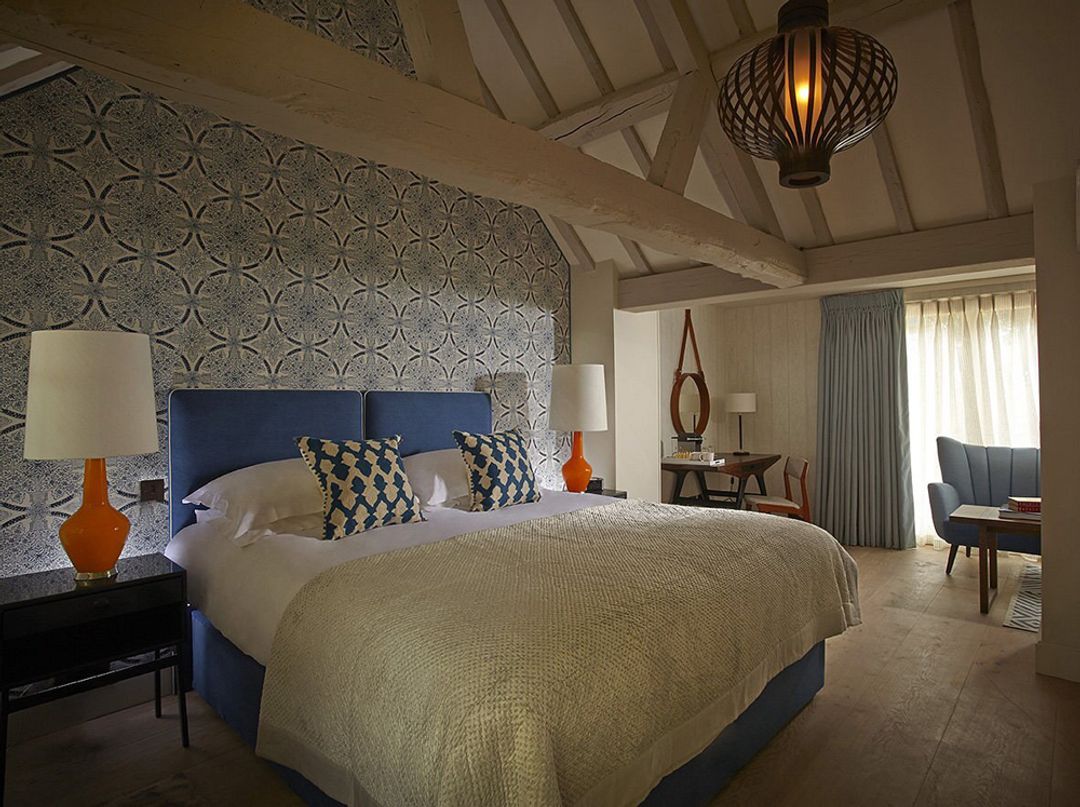
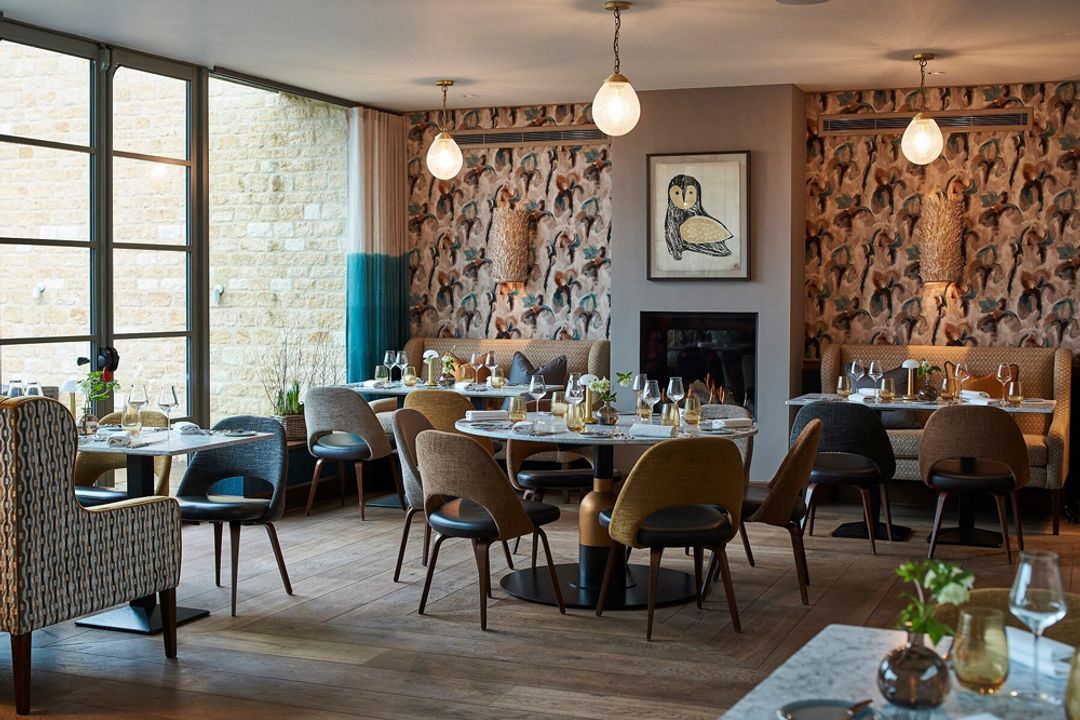
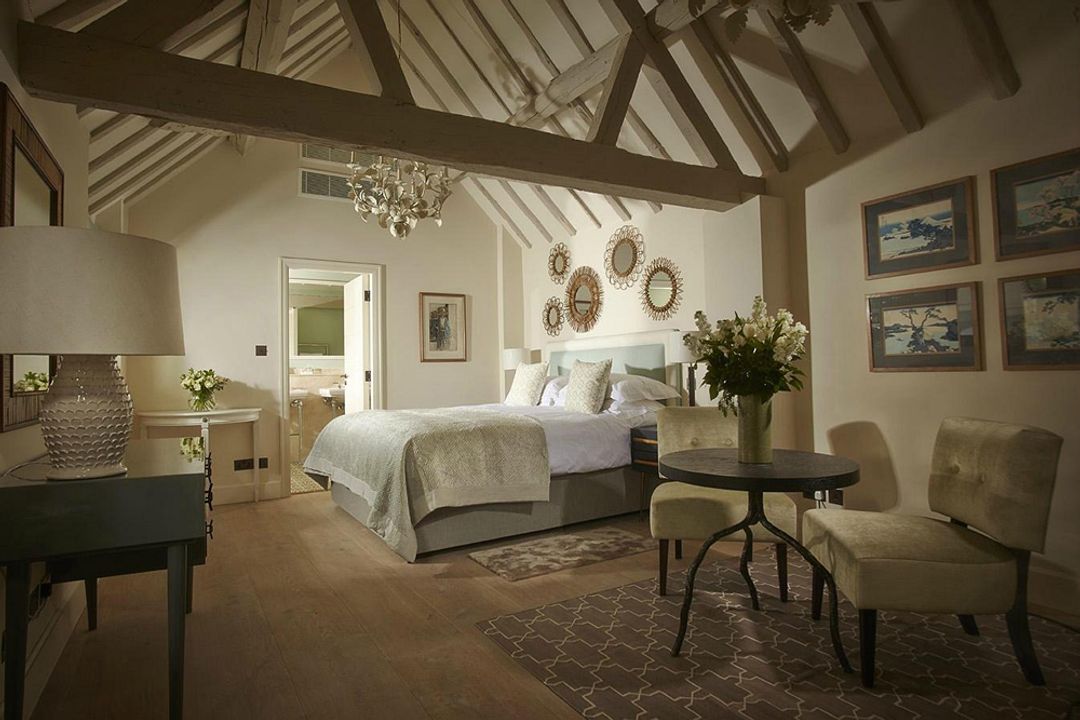
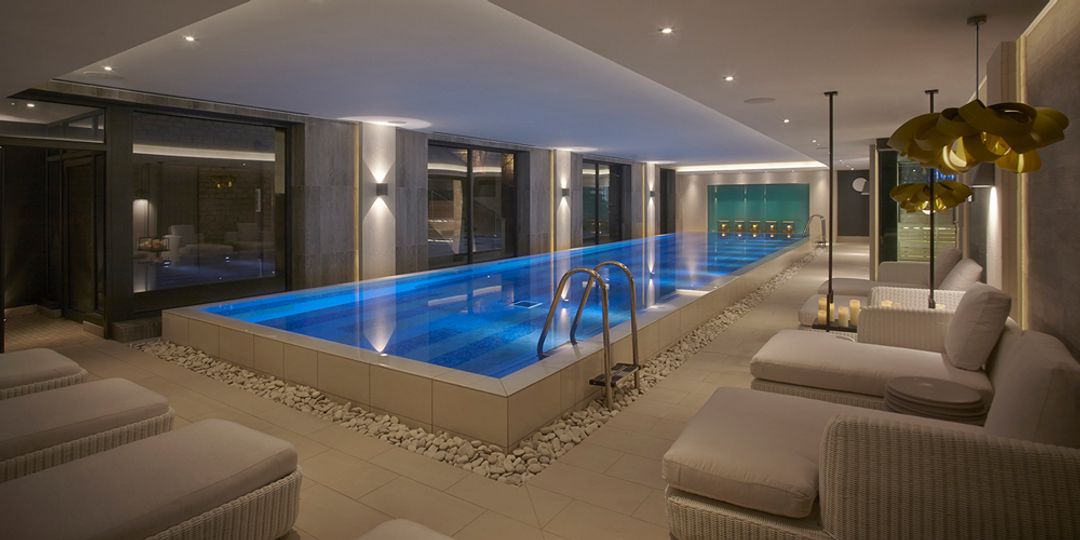
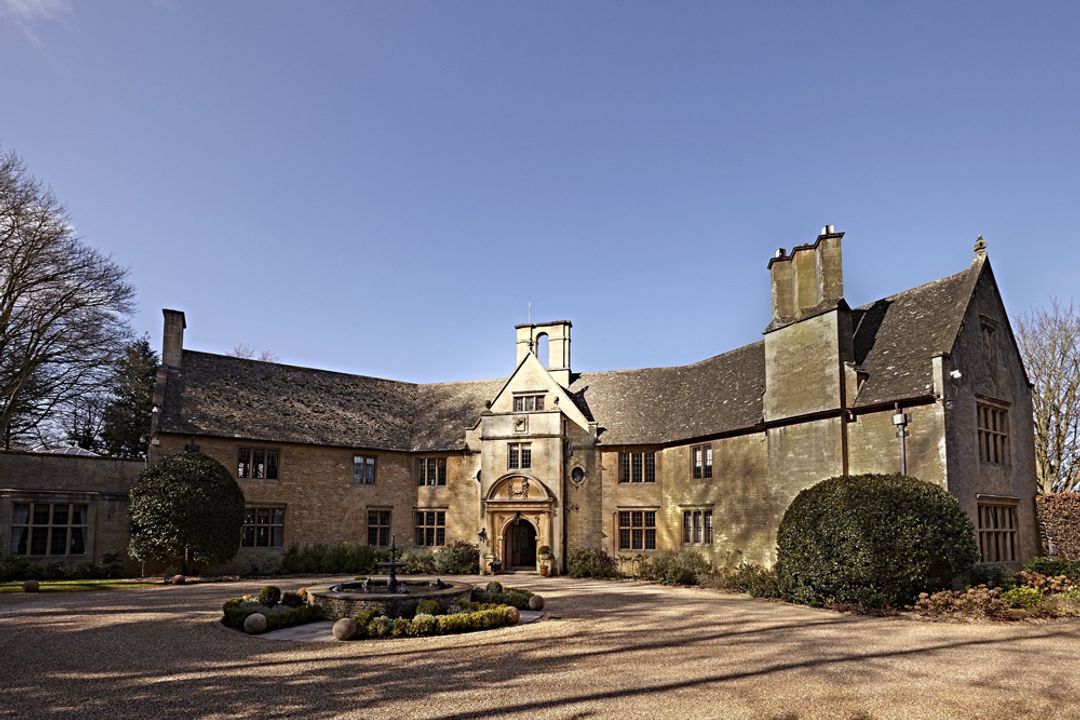
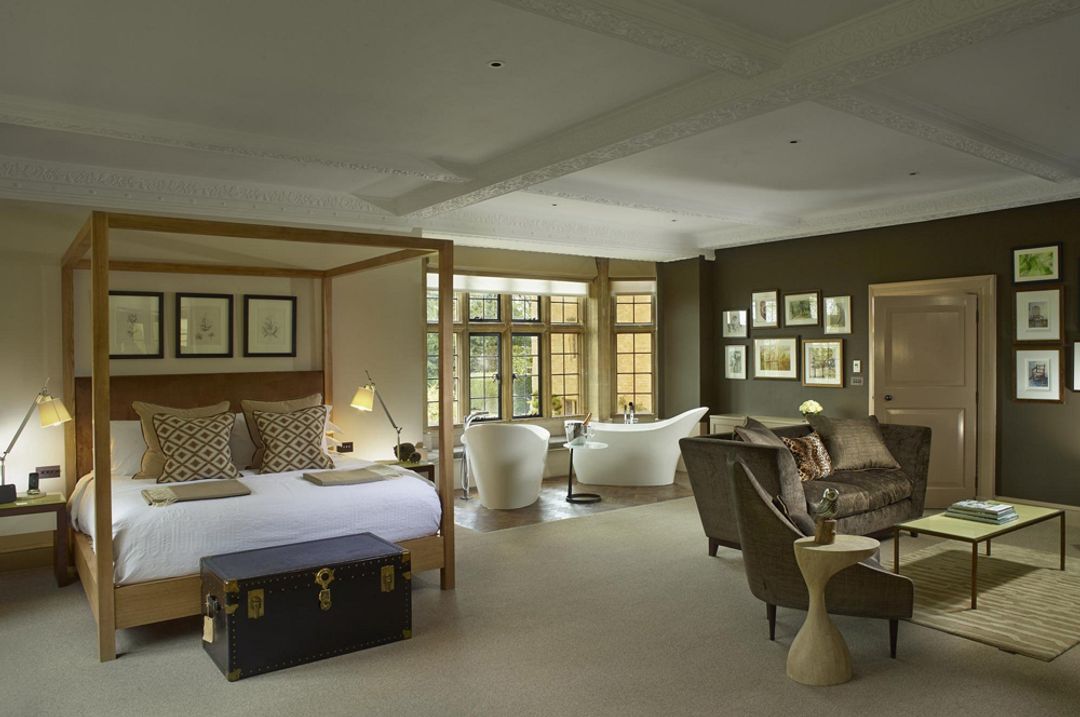
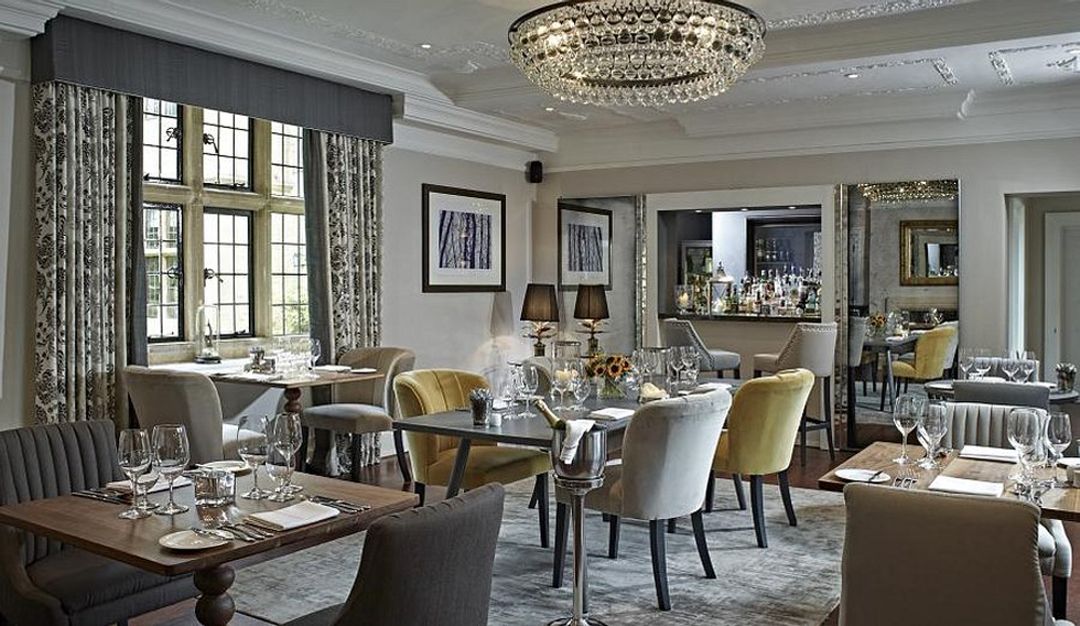
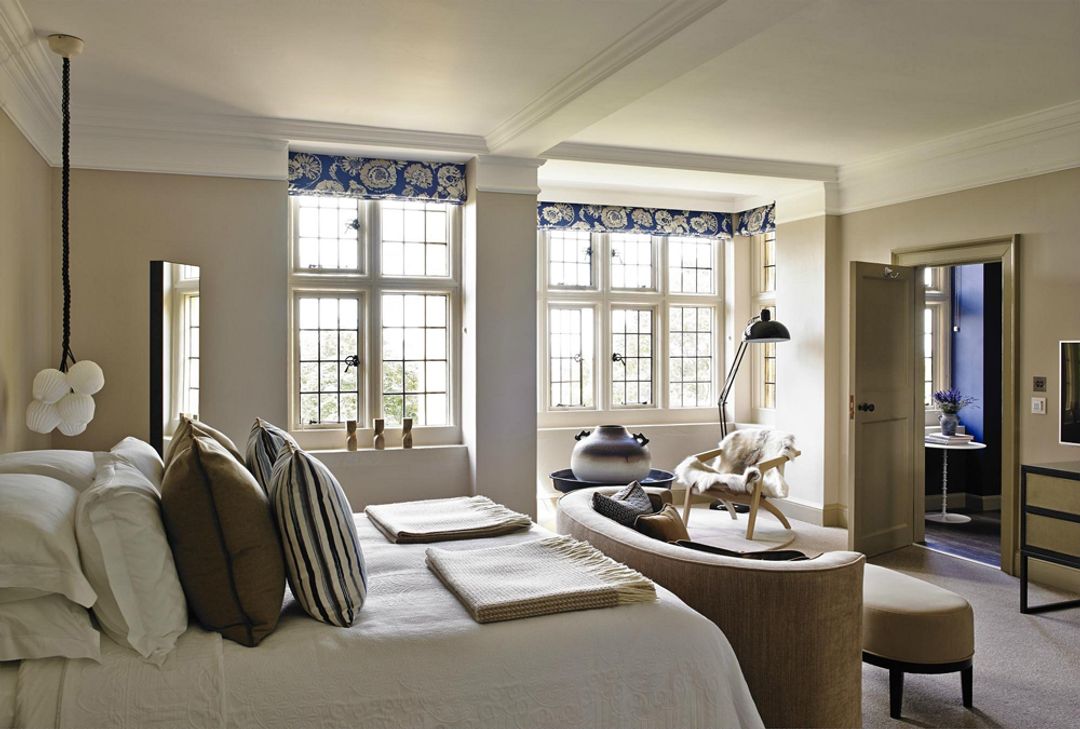
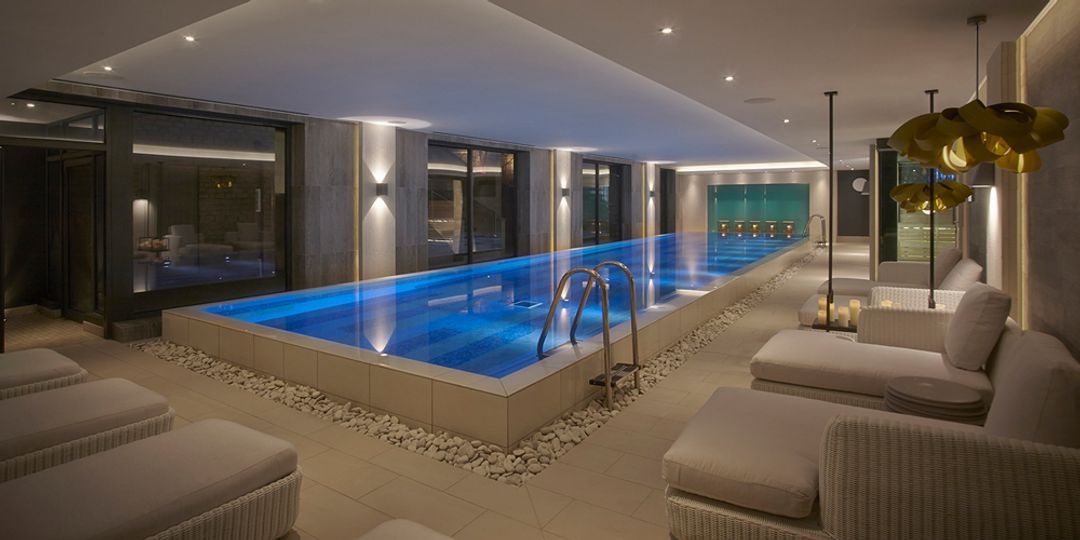
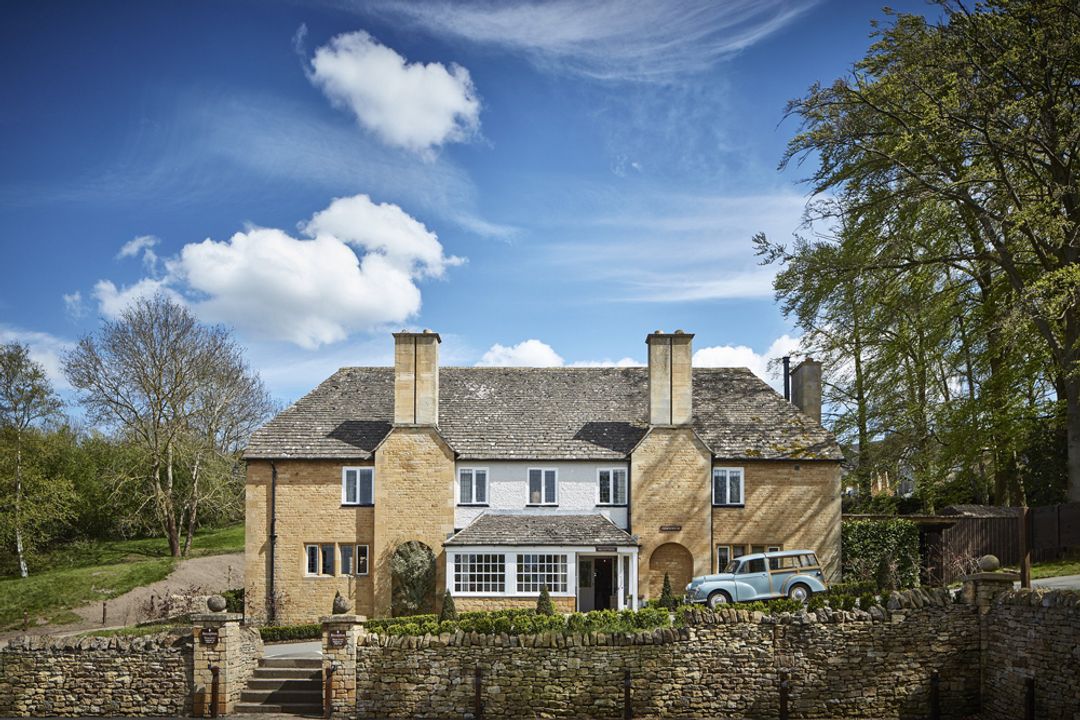
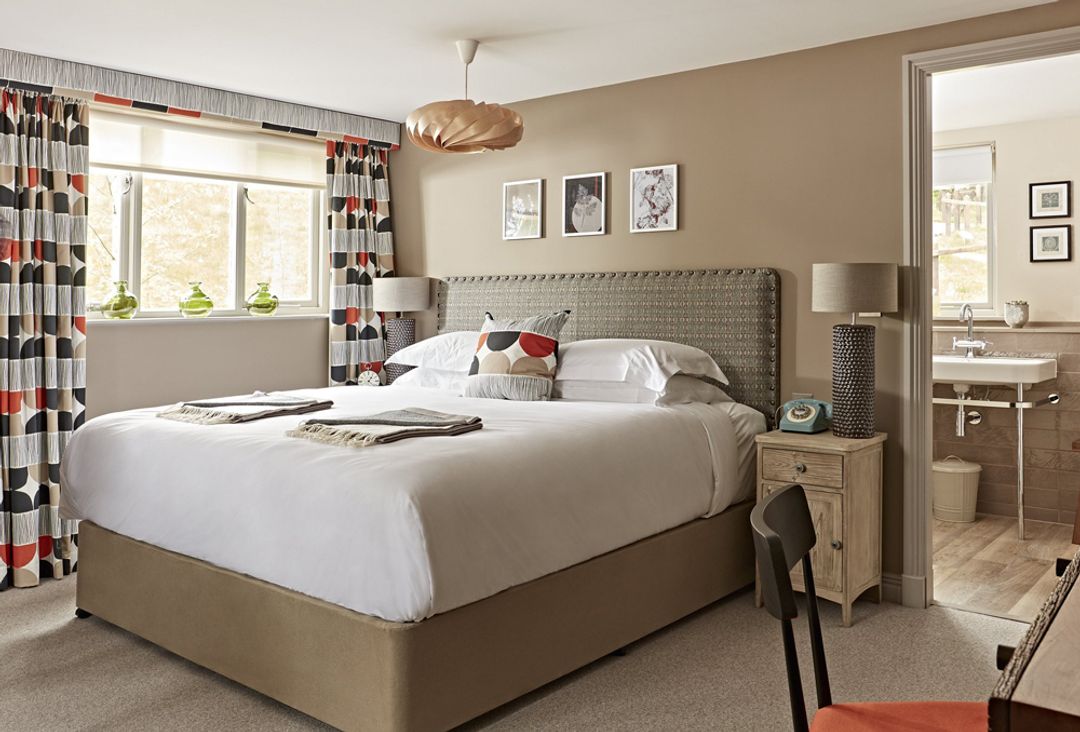
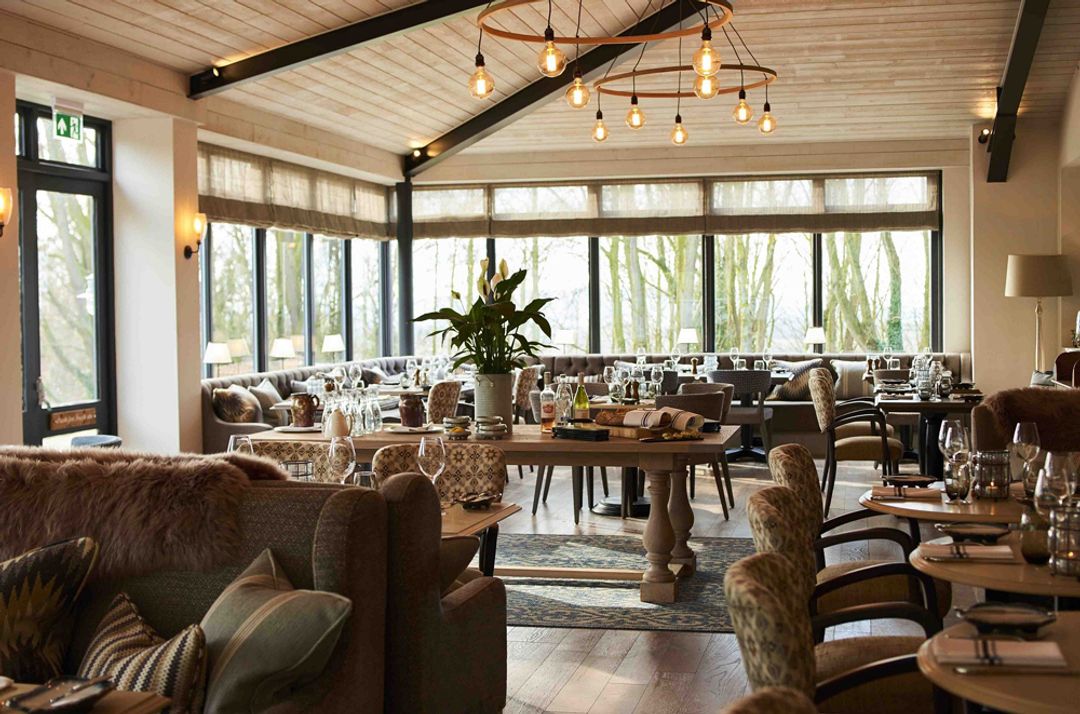
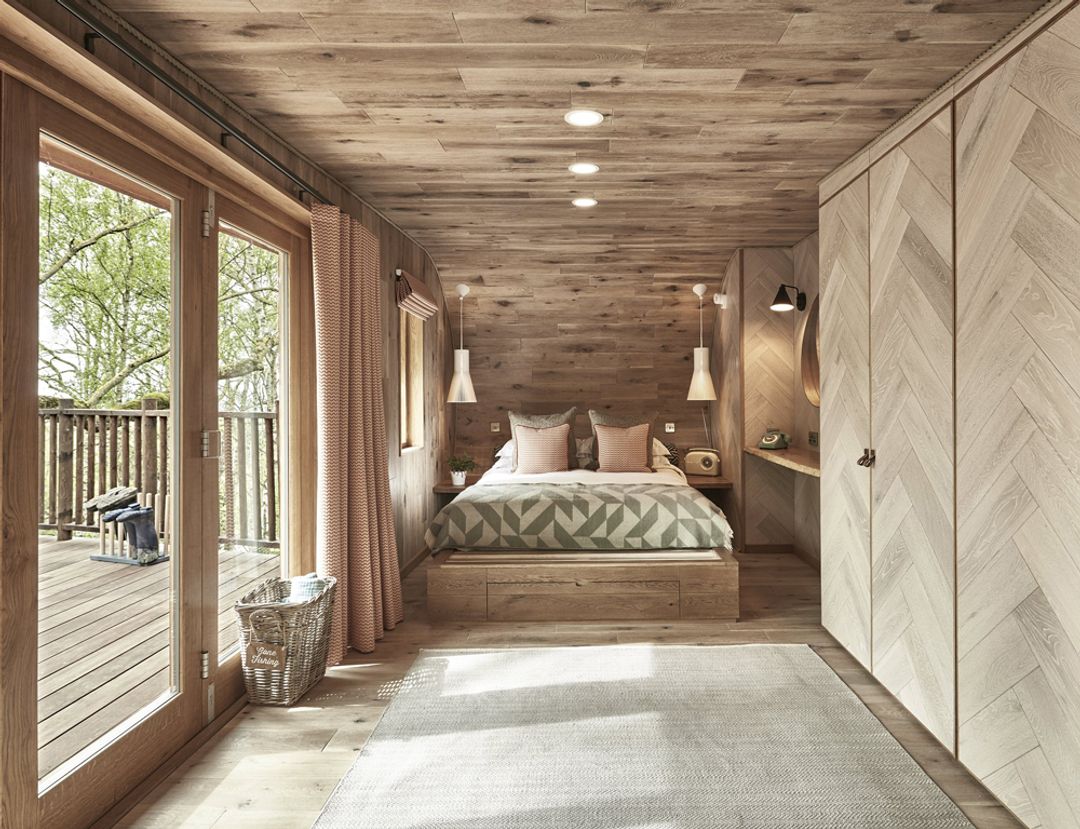
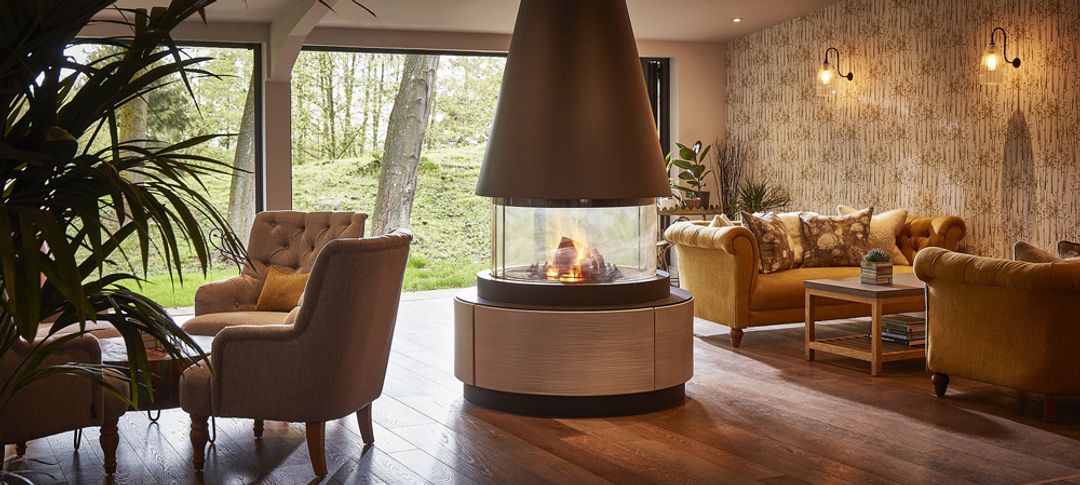
Broadway sits at the northern edge of the Cotswolds, close enough to the Vale of Evesham that the light feels different here — softer, more agricultural, less manicured than the villages further south. It is also, somewhat unexpectedly, where three of the more interesting places to stay in the region have clustered, each occupying a distinct position on the question of how a historic English landscape should translate into contemporary hospitality. Dormy House Hotel made its name on restraint and warmth rather than period showmanship. The converted 17th-century farmhouse has been expanded and refined over the years into something that manages the difficult trick of feeling genuinely relaxed at the higher end of the market — exposed stone, considered lighting, interiors that favor texture over statement. Foxhill Manor operates at a different register entirely. A small, privately run manor house with only eight rooms, it carries the highest price point of the three and earns it through an intimacy that larger properties structurally cannot offer: a house that feels borrowed rather than checked into, with interiors that read like the accumulation of genuine taste rather than a design brief. The Fish Hotel, set on the same Broadway estate as Dormy House, takes a lighter approach — a collection of lodges and cabins dispersed across the grounds, with a more outdoor-oriented identity that lowers the formality without abandoning the attention to material quality that the site demands. What is telling about all three is that none of them attempts the Cotswolds cliché of frozen-in-amber English country life, all chintz and ancestral portraiture. The design thinking here is contemporary in its editing, even when the buildings themselves are centuries old. For a traveler coming to the region specifically for its architecture and landscape — the honey-colored limestone, the dry-stone walls, the particular quality of an English meadow in low morning sun — Broadway offers more considered accommodation than its modest village scale might suggest. The choice between the three comes down to what kind of attention you want: the sociable, spa-inflected polish of Dormy House, the near-private house experience of Foxhill Manor, or the deliberately unpretentious outdoor ease of The Fish.