Best hotels in Nadi, Fiji | Visually Compare Top Stays Side-by-Side
Welcome to PressBeyond - a curated visual guide to design-driven hotels and the fastest way to compare them.
An Overview of the Boutique & Luxury Hotel Landscape in Nadi, Fiji
Fiji's western corridor, stretching from the main island of Viti Levu out through the Mamanuca and Lau island groups, is where isolation becomes a calibrated choice rather than a geographic accident. Getting here means layering transport: international arrivals into Nadi, then a seaplane, a boat transfer, or a short prop-plane hop, depending on which property you are headed toward. That logistical friction is itself a kind of filter, and the three properties on this list sit at genuinely different distances from the mainland, both physically and in terms of what they ask of a traveler.
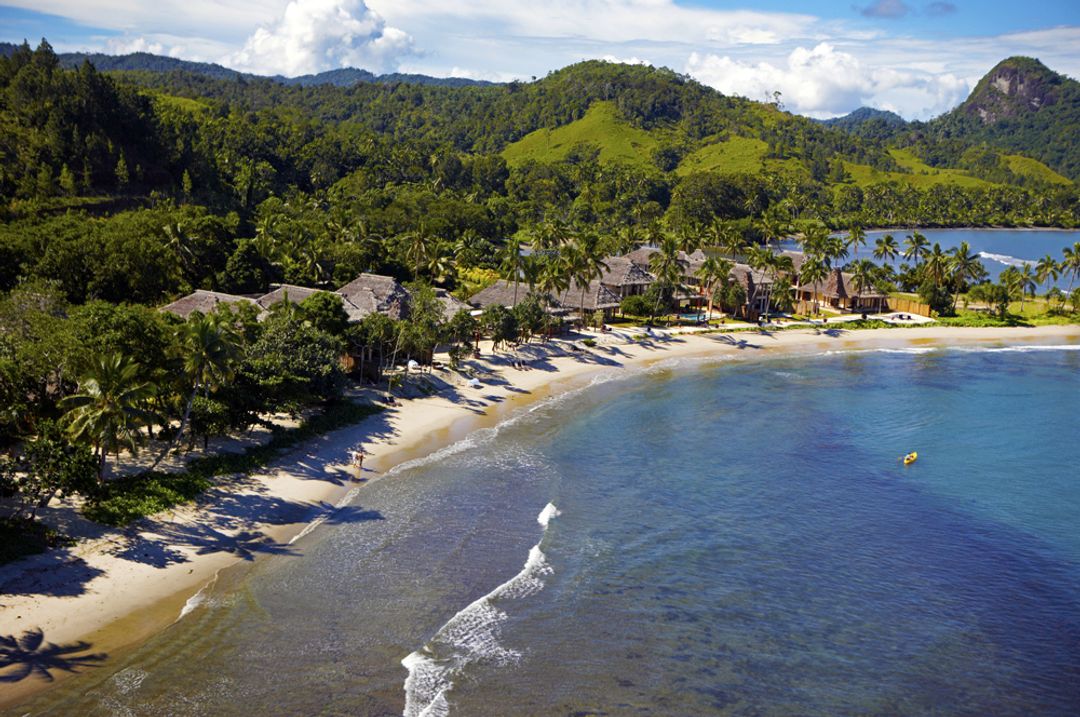
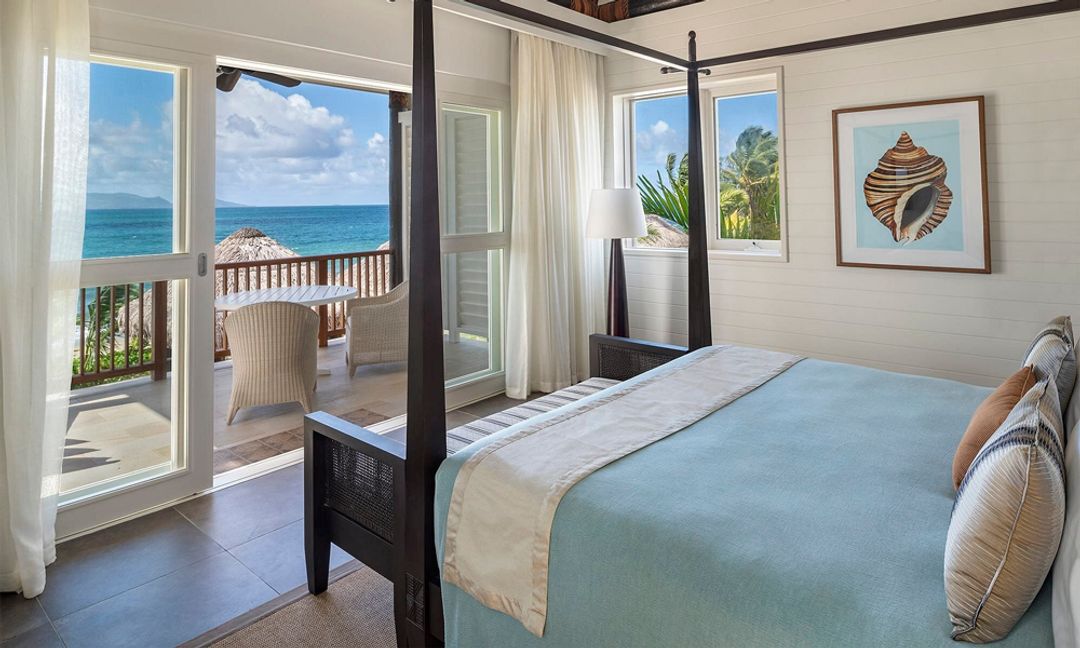
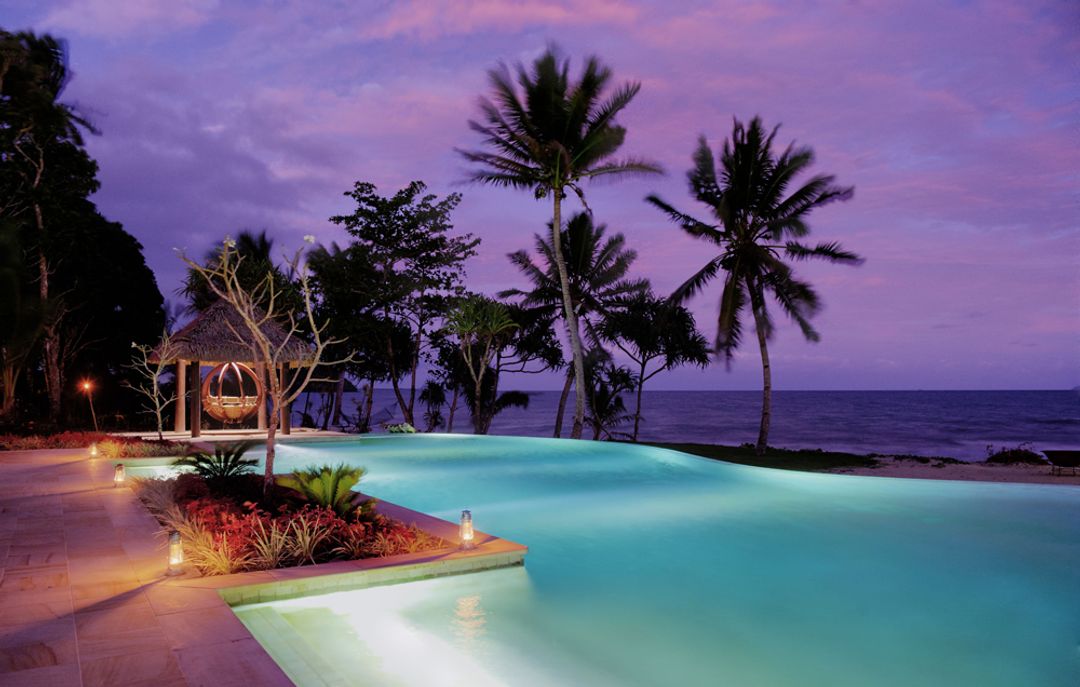
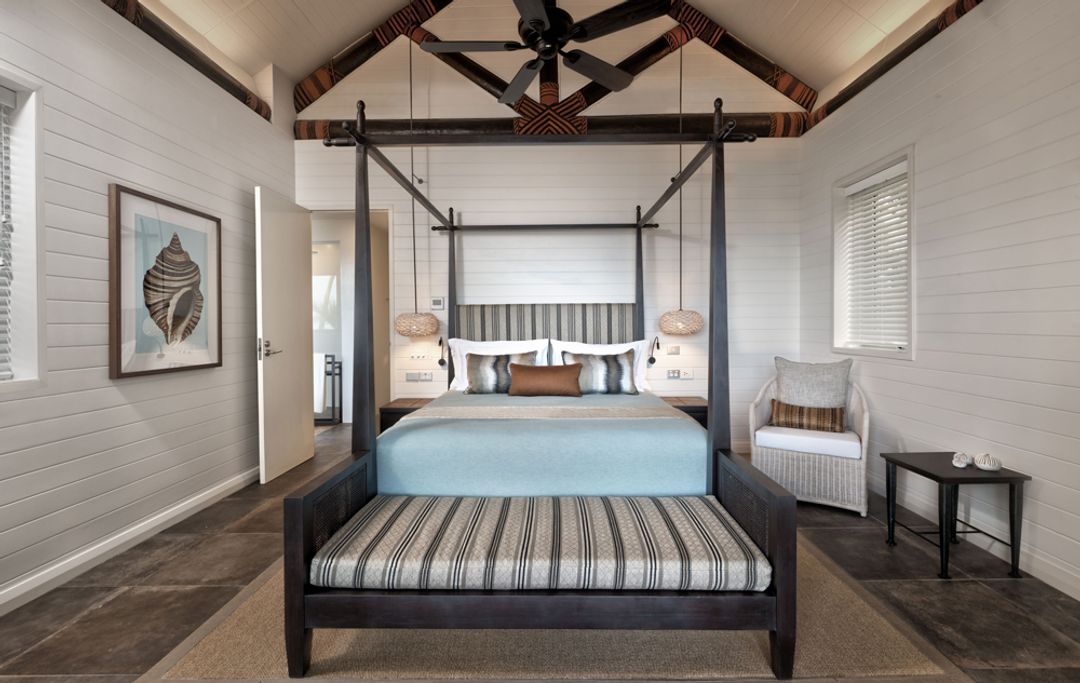
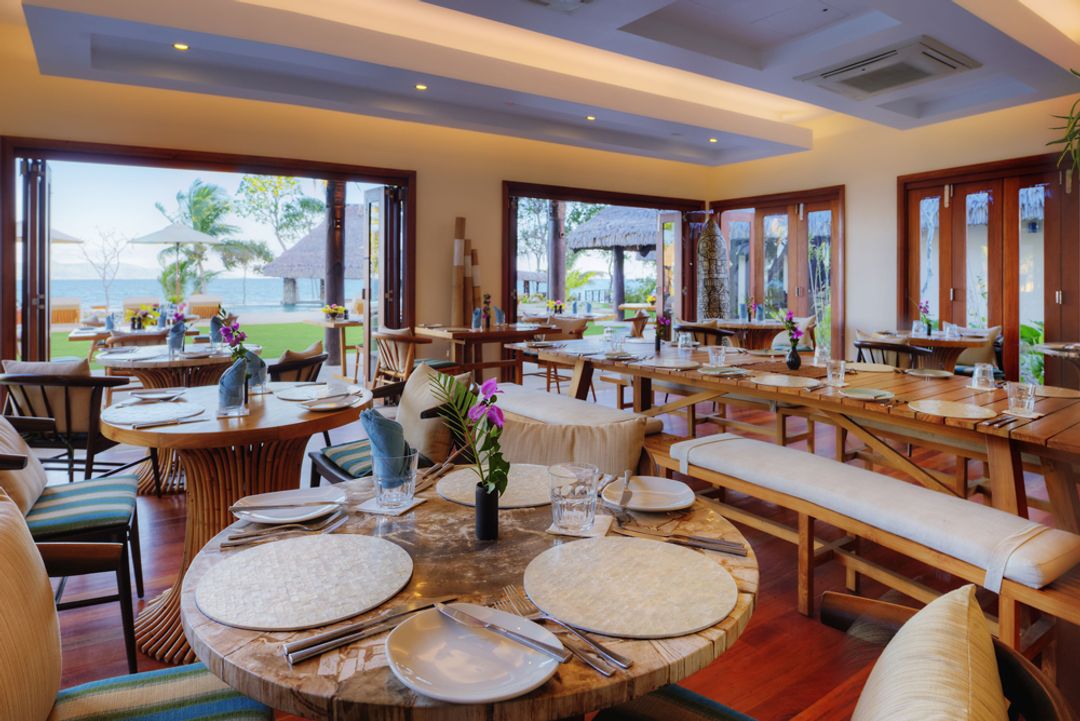
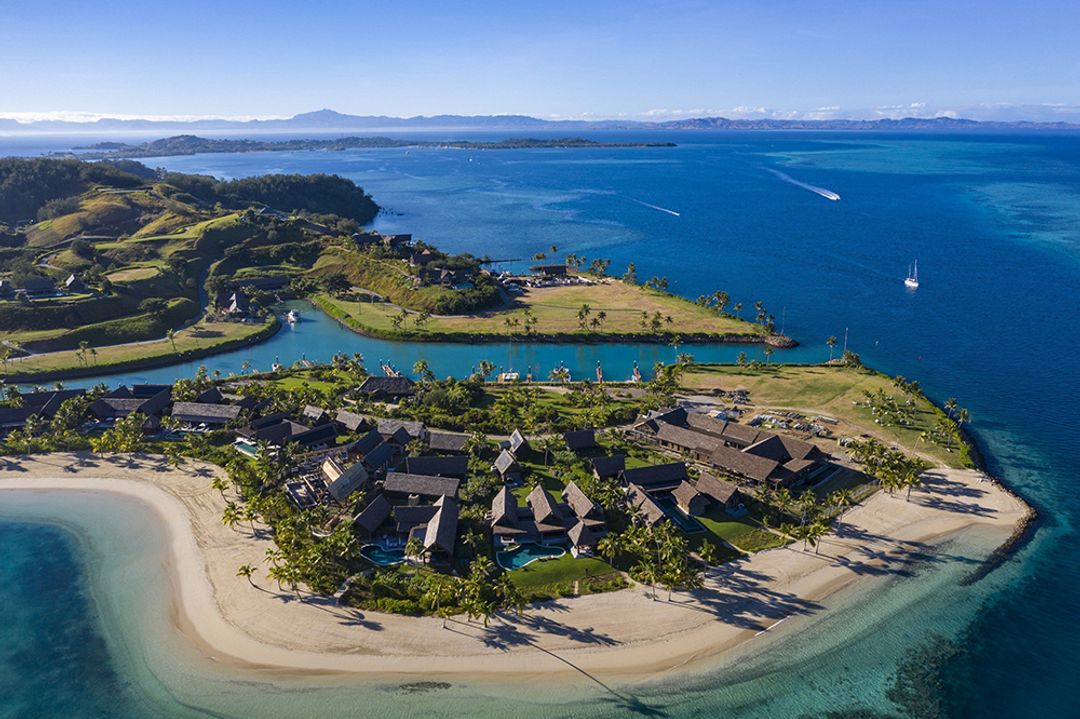
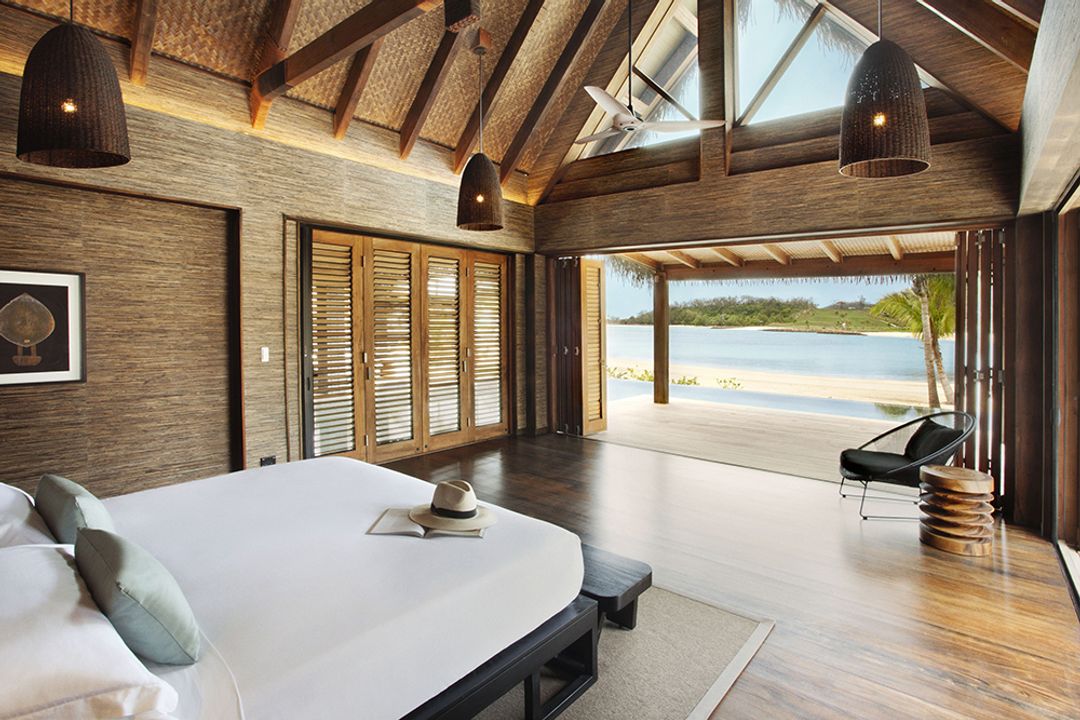
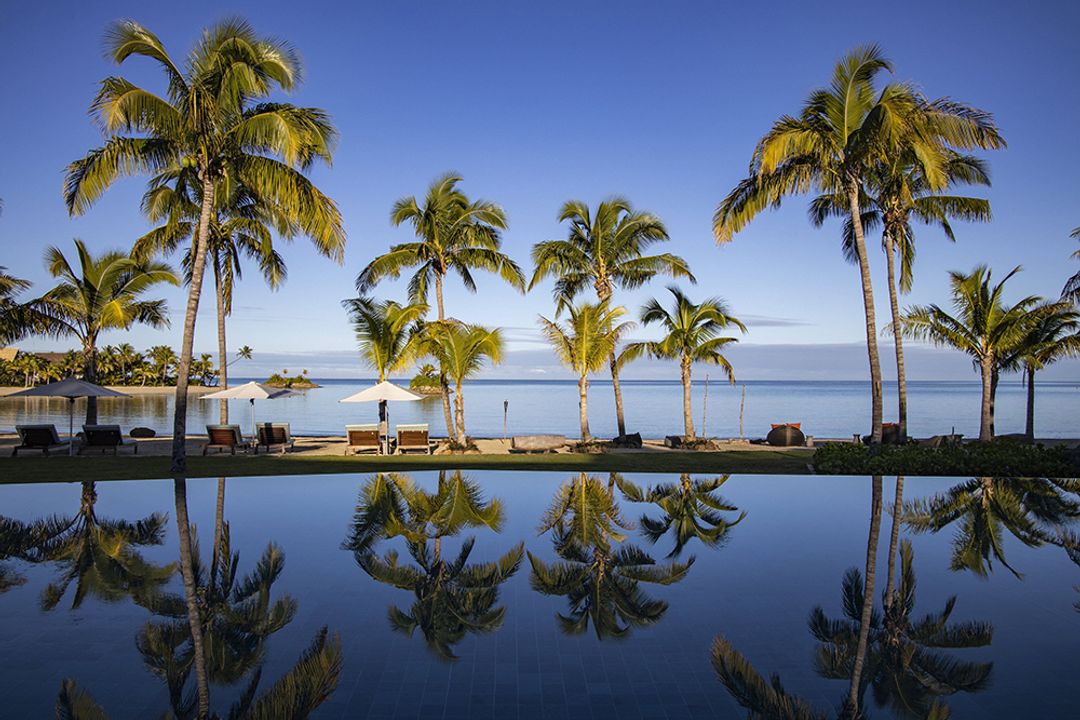
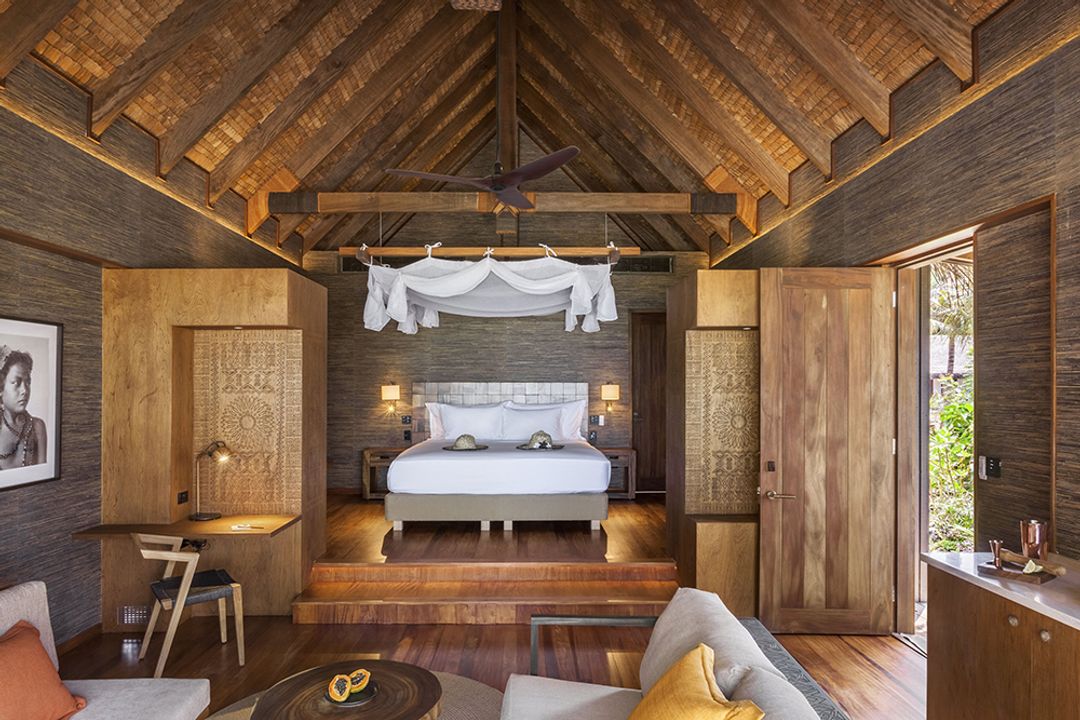
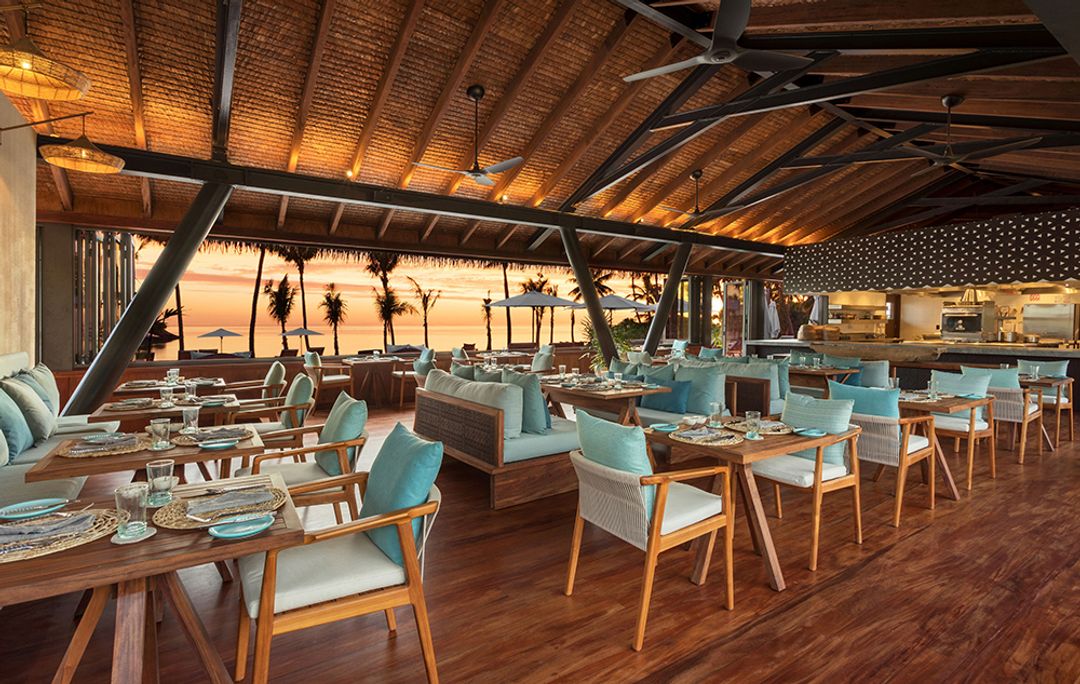
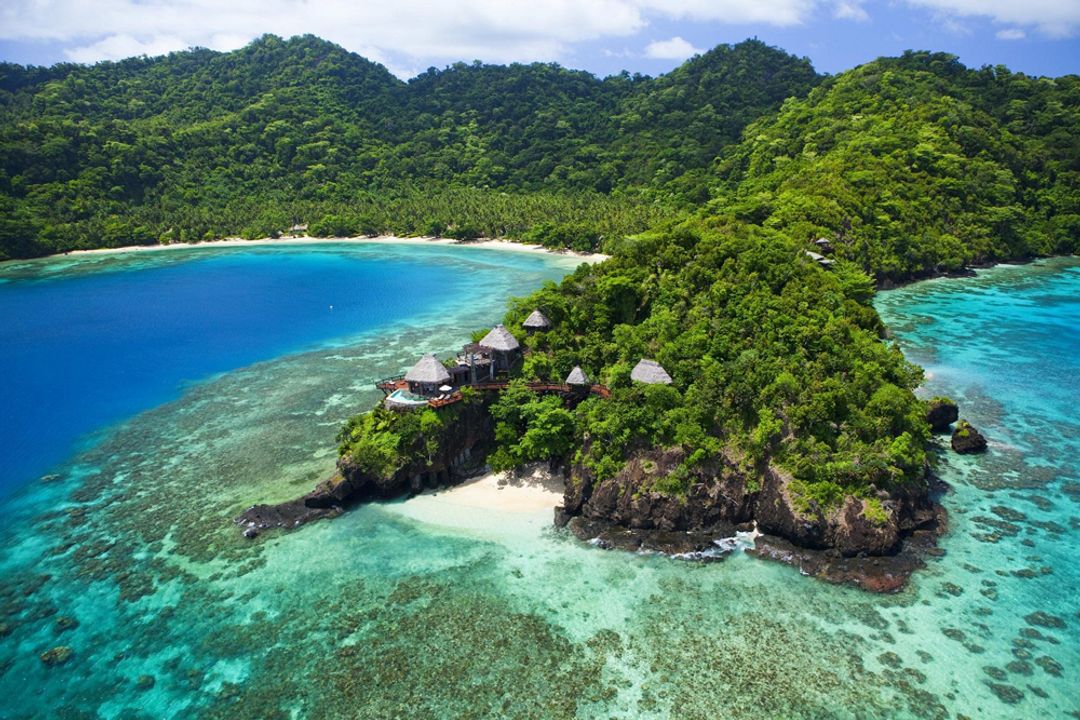
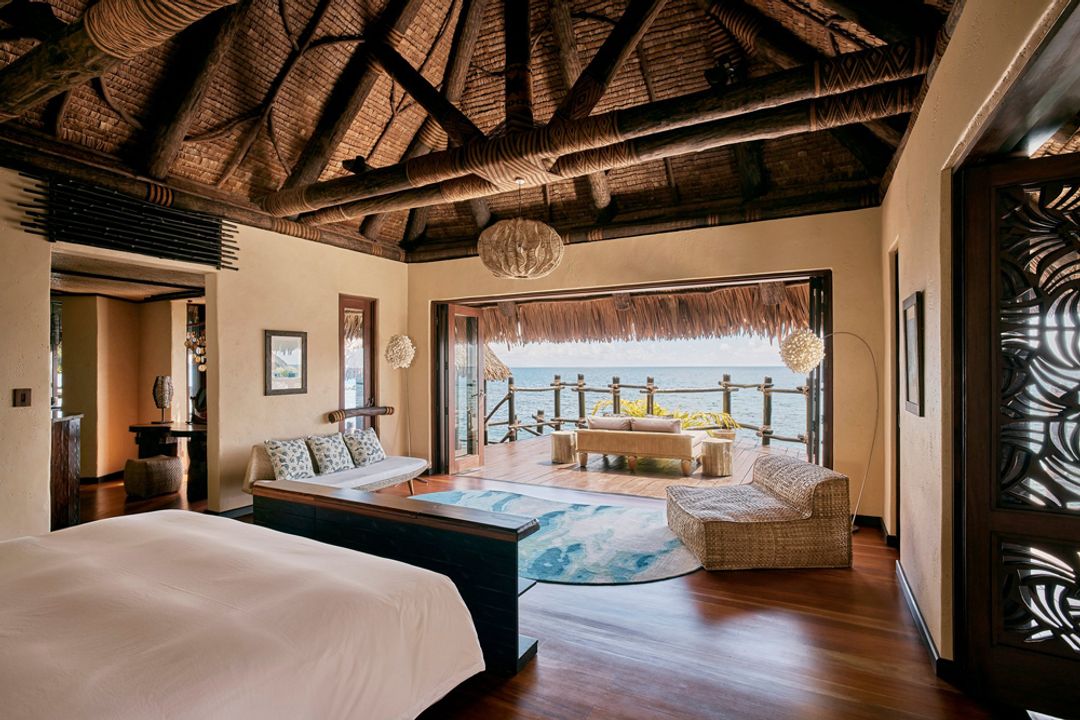
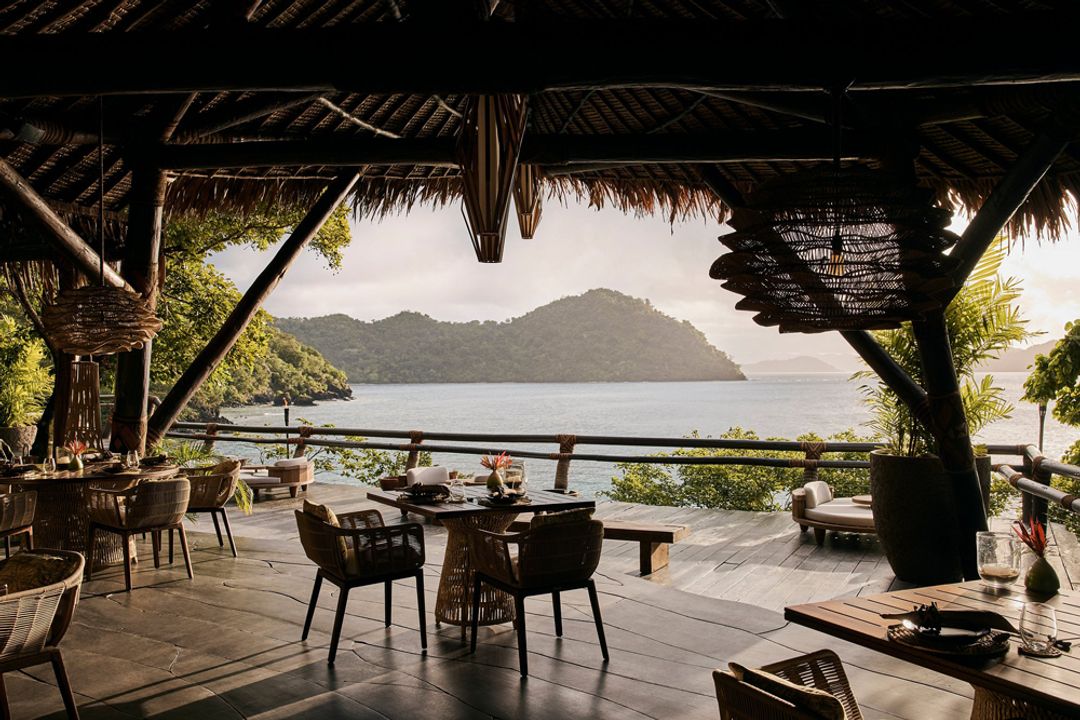
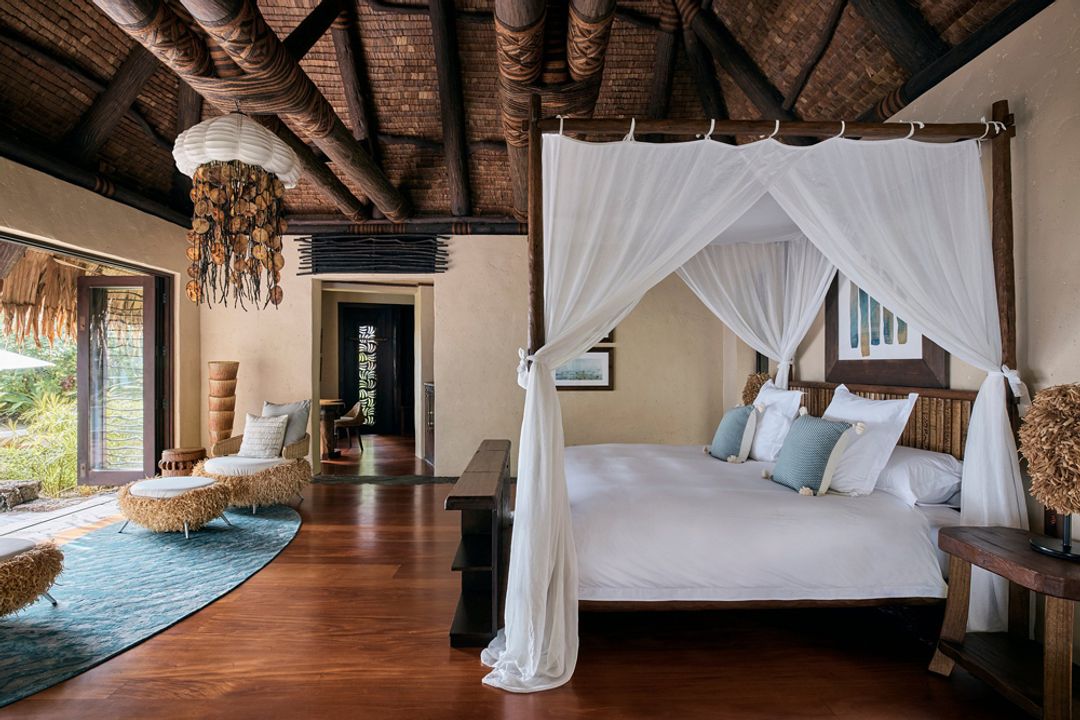
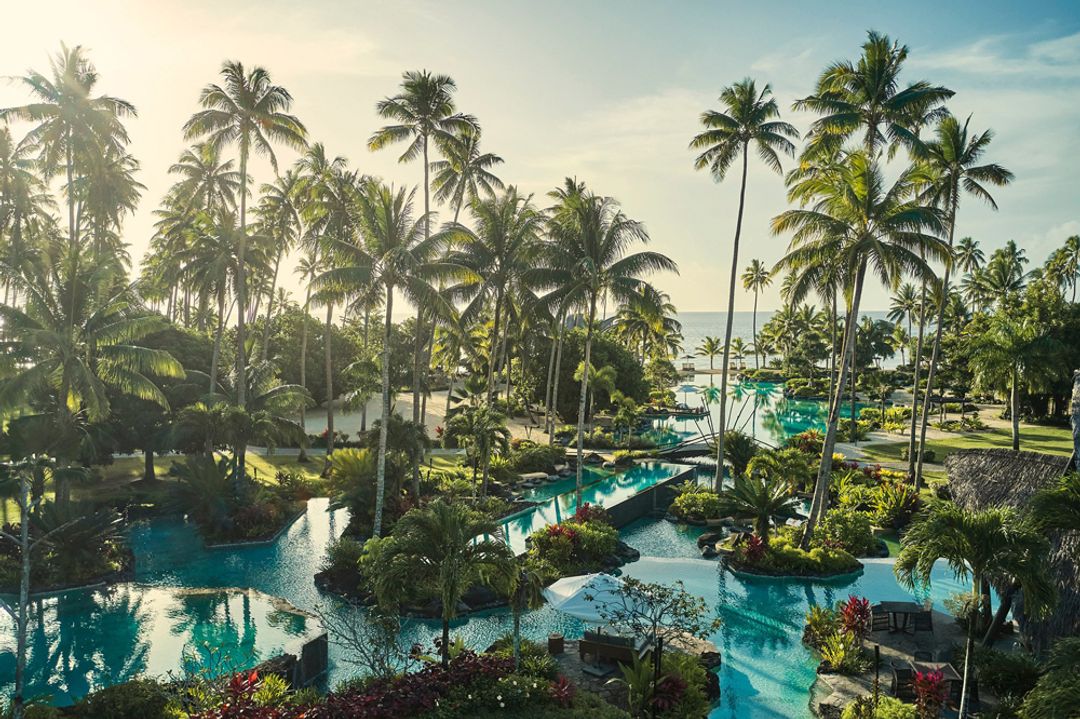
Nanuku Resort in Pacific Harbour is the closest to conventional accessibility, positioned on Viti Levu's Coral Coast with a drive rather than a water crossing between it and Nadi. The resort draws on Fijian vernacular forms without reducing them to theme-park decoration, and the bure-style villas retain a material honesty that keeps the property grounded in its landscape. Six Senses Fiji occupies Malolo Island in the Mamanucas, reachable by fast boat or seaplane, and brings the brand's characteristic rigor around wellness and environmental accountability to a setting of reef-fringed beaches and volcanic hillside. The interiors lean toward natural fibers and earthy tones, consistent with Six Senses' global material palette, but the site itself, with its views across the island chain, gives the experience a specificity that transcends the formula. Then there is COMO Laucala Island, in a category of its own by any measure. Laucala sits roughly 350 kilometers northeast of Suva in the Lau Group, accessible only by private aircraft. The resort occupies an island previously owned by Malcolm Forbes and later redeveloped under COMO with a scale and spatial ambition that few properties anywhere can match: twenty-five villas spread across more than 3,000 acres of working farmland, golf course, reef, and rainforest. The design registers as quietly monumental rather than showy, using local materials and traditional Fijian construction techniques at a size and finish level that the nightly rate reflects without apology.
What connects these three, despite their differences in scale, access, and cost, is a shared resistance to the generic tropical resort template. Each one is bound, in different ways, to its actual site rather than floating above it in air-conditioned indifference. For anyone whose travel instinct runs toward place over amenity, that distinction matters more than the thread count.