Best hotels in Montpellier, France | Visually Compare Top Stays Side-by-Side
Welcome to PressBeyond - a curated visual guide to design-driven hotels and the fastest way to compare them.
An Overview of the Boutique & Luxury Hotel Landscape in Montpellier, France
Montpellier is a city that tends to confound expectations. It lacks the Roman infrastructure of Nîmes and the papal grandeur of Avignon, yet its medieval core, the Écusson, is among the most coherent historic neighborhoods in southern France, a tight lattice of hôtels particuliers and limestone lanes that has resisted the kind of tourist erosion that hollows out comparable old towns. The university, founded in 1289, still defines the city's rhythm. Students and architects coexist here with a civic seriousness about contemporary urbanism, evident in Ricardo Bofill's Antigone district and Jean Nouvel's work further west.
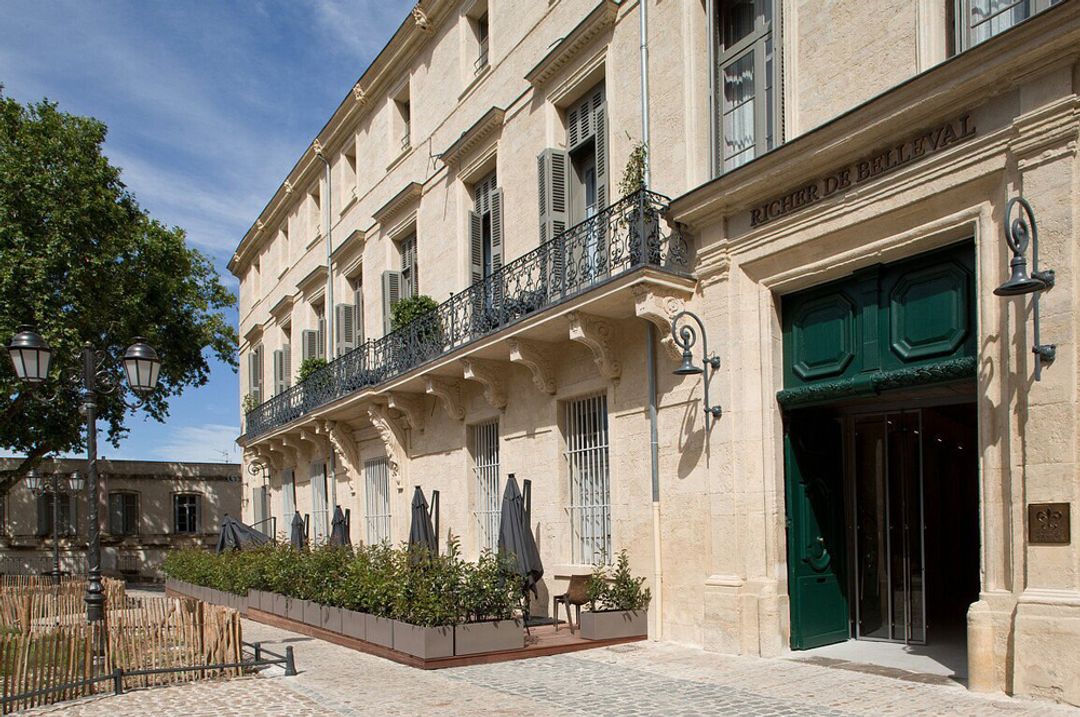
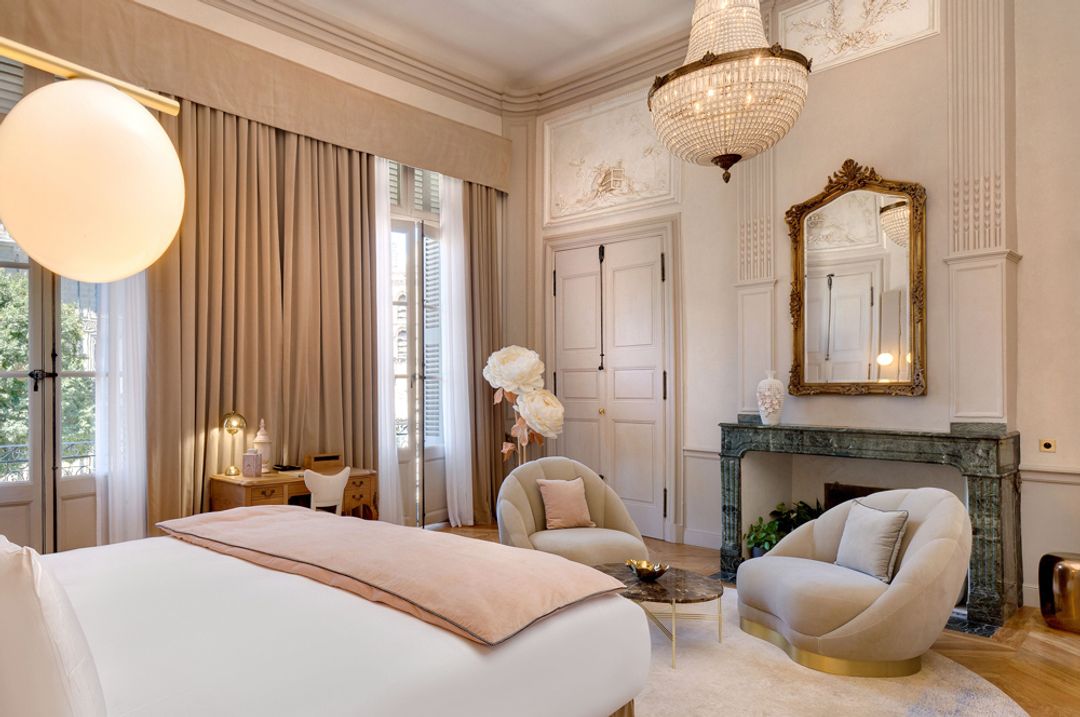
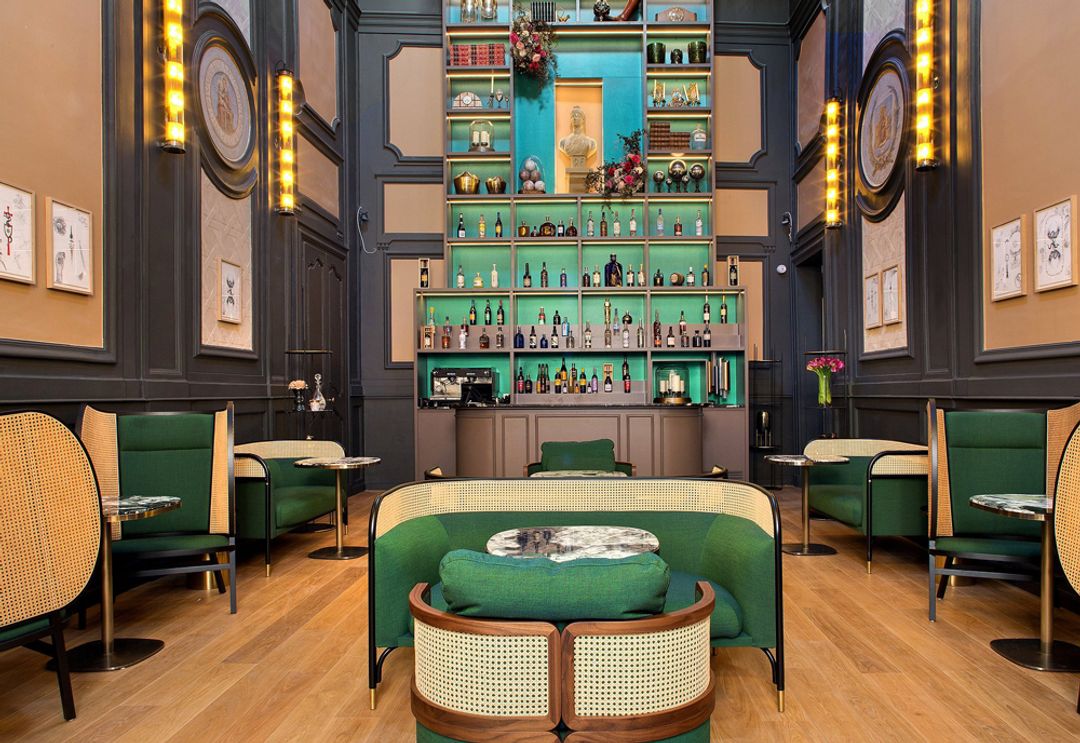
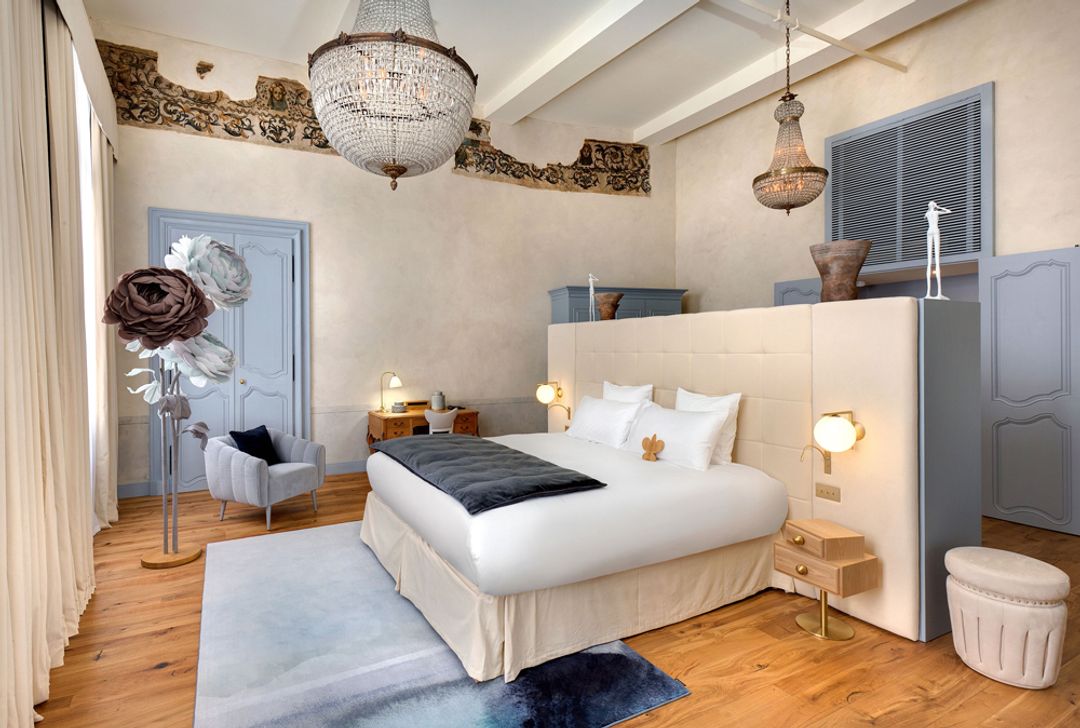
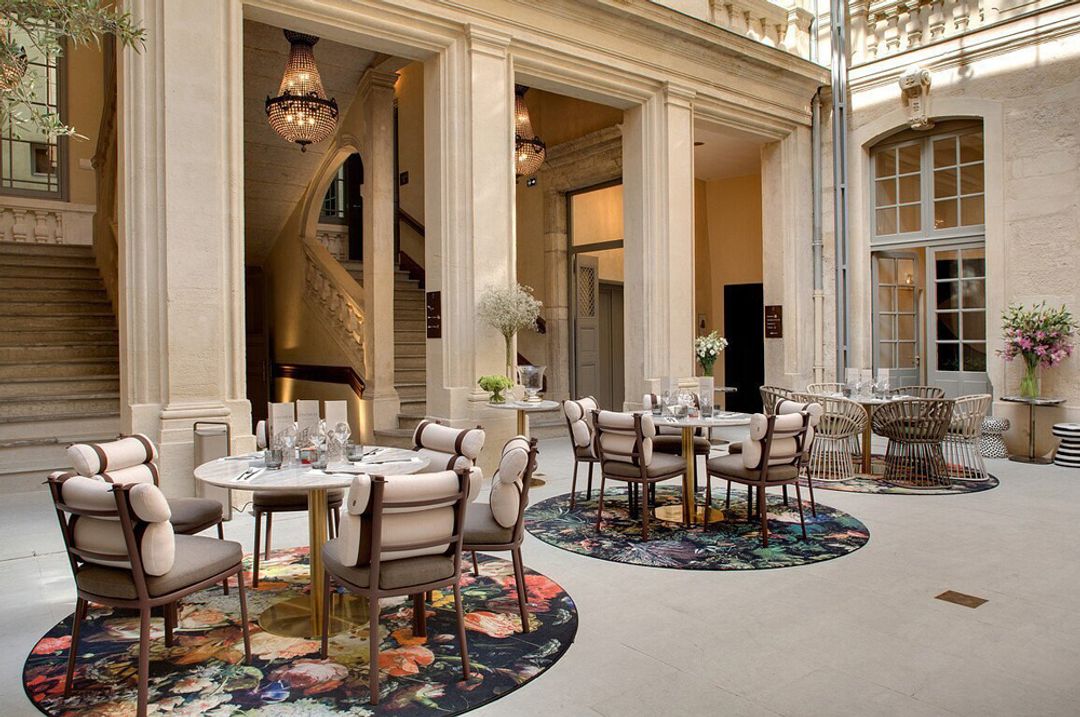
Hôtel Richer de Belleval occupies the Écusson directly, installed inside the seventeenth-century mansion of Pierre Richer de Belleval, the botanist who founded France's first botanical garden nearby. The restoration, overseen by the French designer Jacques Garcia, is unapologetically theatrical: dark lacquered walls, period furniture given new upholstery, a courtyard garden that references the property's horticultural past. Garcia's approach always risks tipping into pastiche, but here the building's actual age and provenance absorb the drama without collapsing under it. For anyone whose instinct is to read a city through its built layers, staying inside the Écusson rather than on its edges matters considerably. The streets change character at a walking scale that only becomes obvious once you are actually embedded in them.
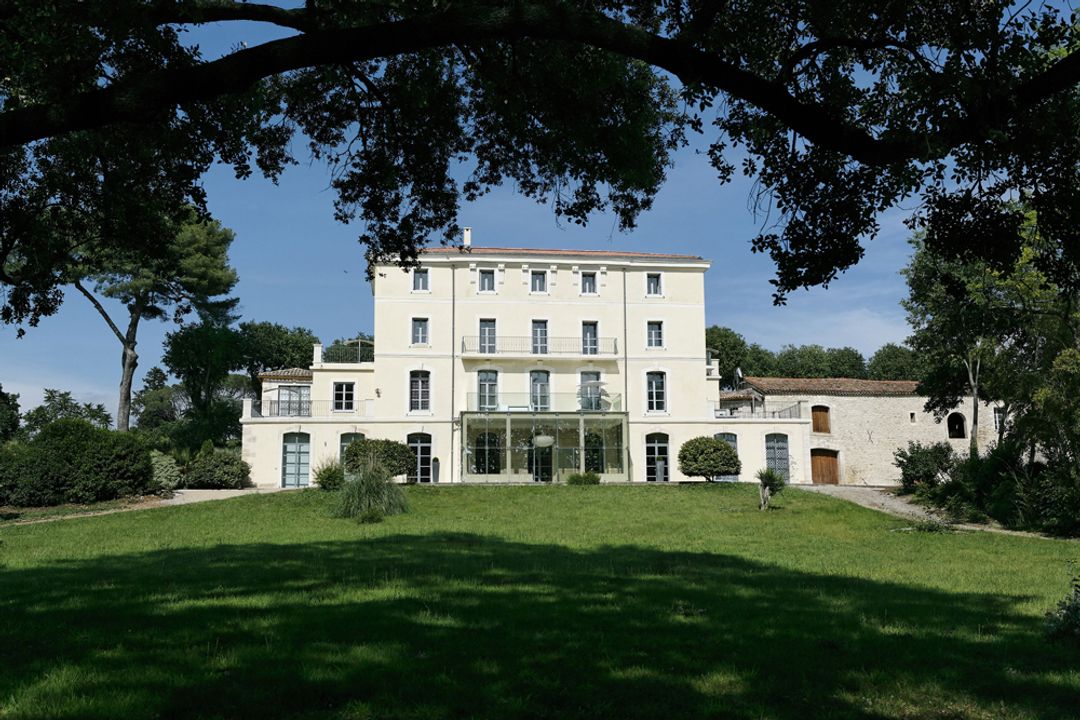
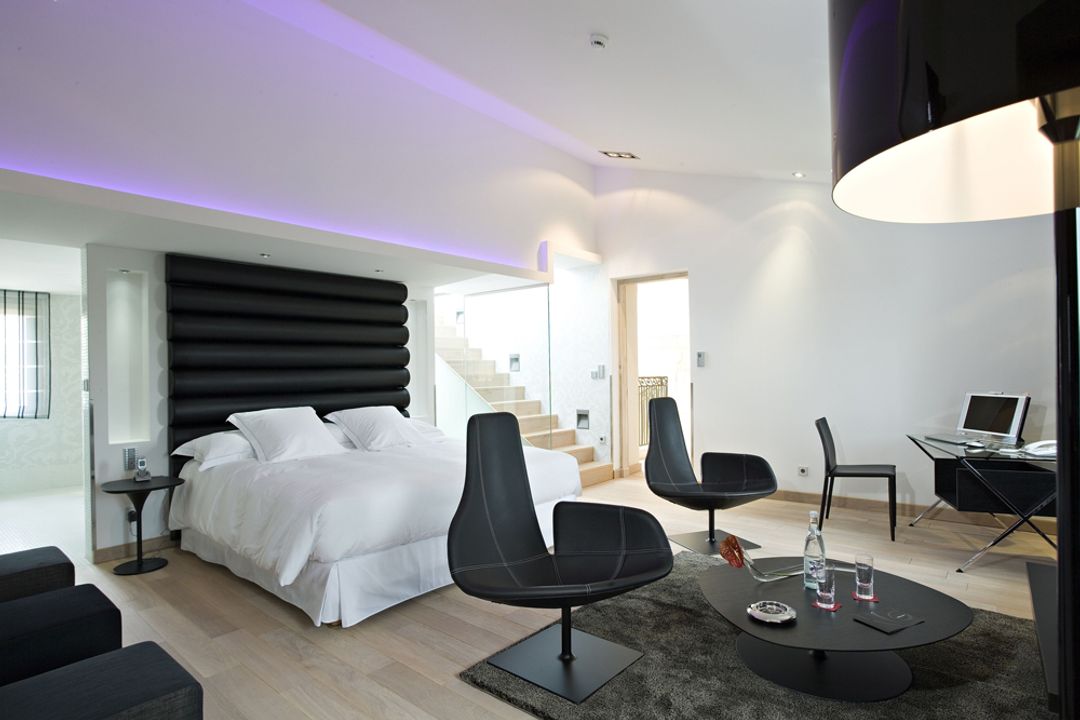
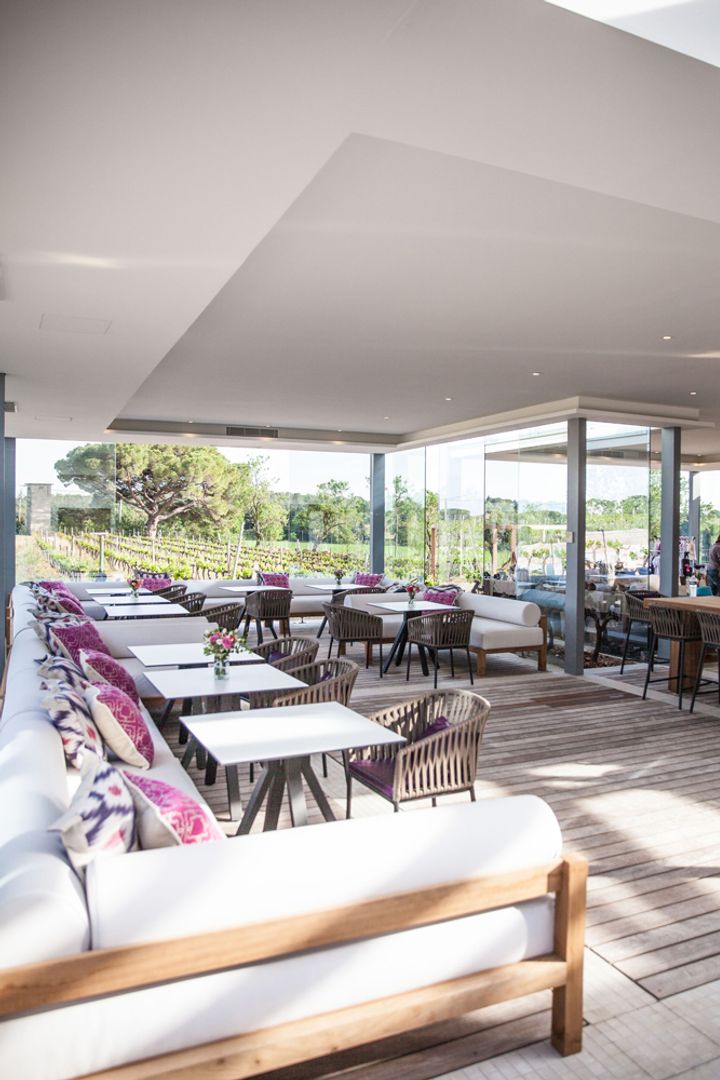
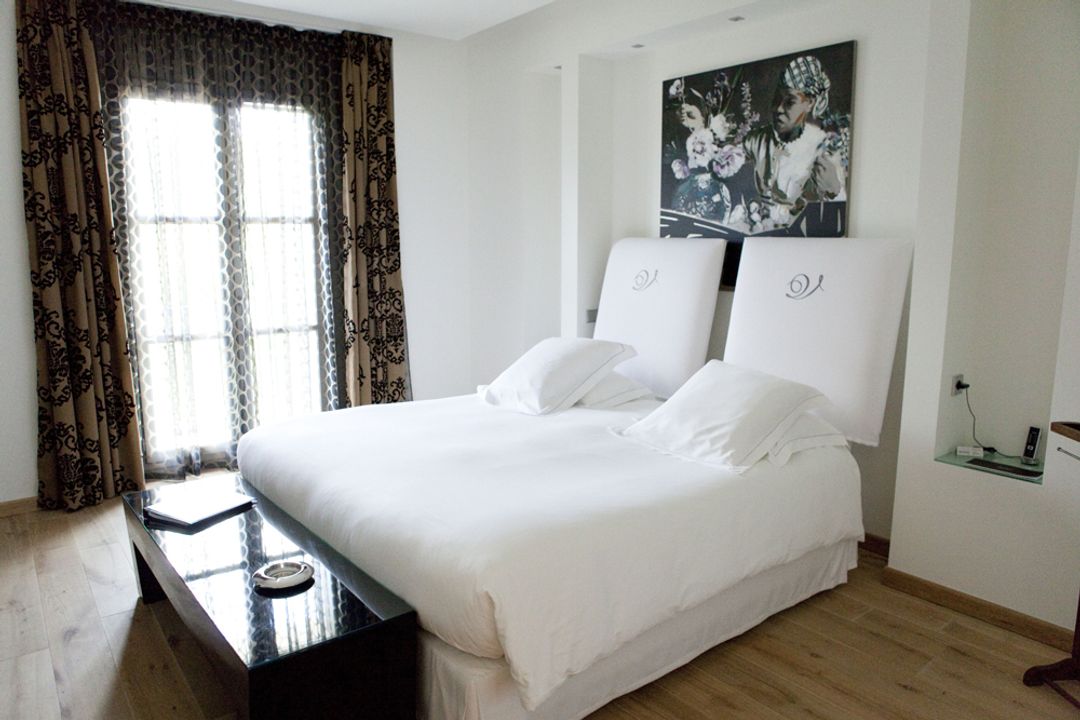
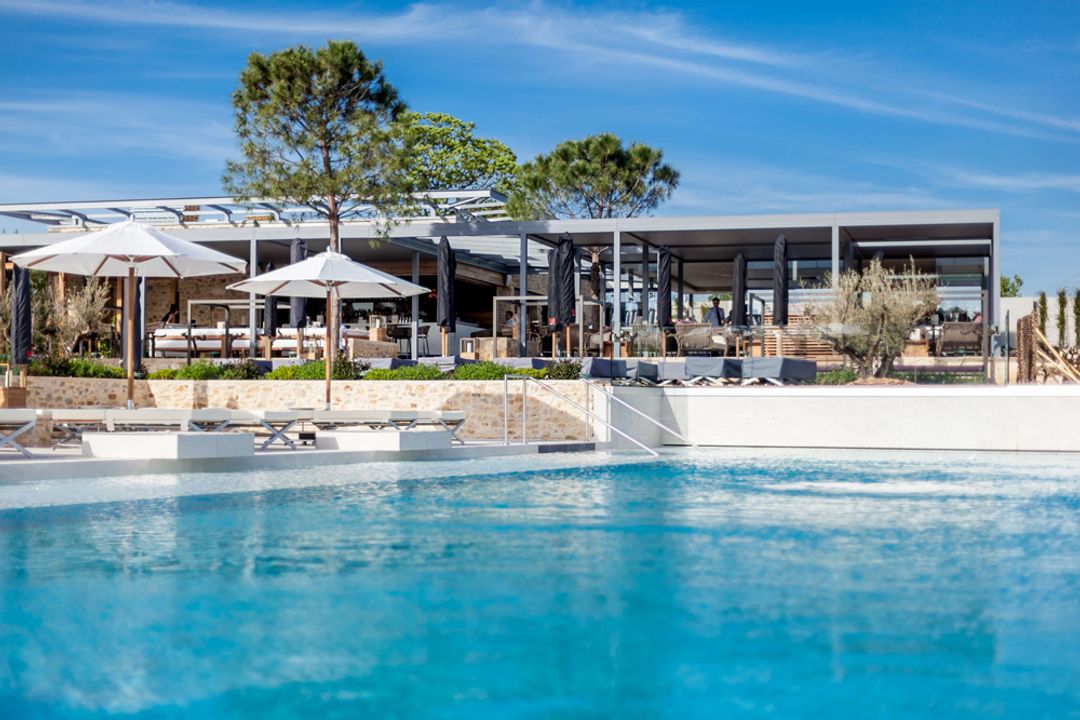
Le Domaine de Verchant operates on an entirely different proposition. Set in Castelnau-le-Lez, a short drive east of the city center, it is a seventeenth-century domaine converted into a hotel and spa, surrounded by its own vineyards. The interior registers as restrained contemporary beside Garcia's operatics: clean-lined furnishings, local stone, a palette drawn from the garrigue rather than the archive. Verchant is the choice for a traveler who wants Montpellier as context rather than constant foreground, who might spend mornings in the city and return in the afternoon to something quieter and more self-contained. The estate produces its own wine, which places it within a Languedoc tradition of serious domaines that have always served as places for extended, unhurried stays. Both properties, taken together, describe the two registers this part of France does particularly well: the dense, historically saturated interior of an old town, and the slow agricultural landscape that begins almost immediately beyond it.