Best hotels in Chennai | Visually Compare Top Stays Side-by-Side
Welcome to PressBeyond - a curated visual guide to design-driven hotels and the fastest way to compare them.
An Overview of the Boutique & Luxury Hotel Landscape in Chennai
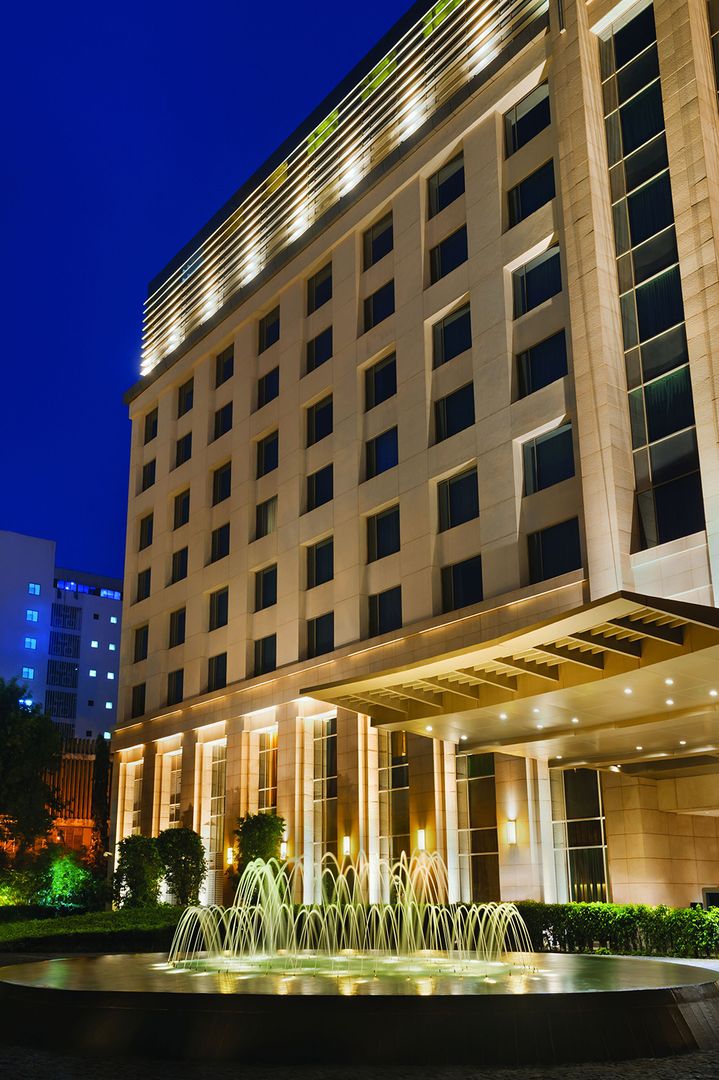
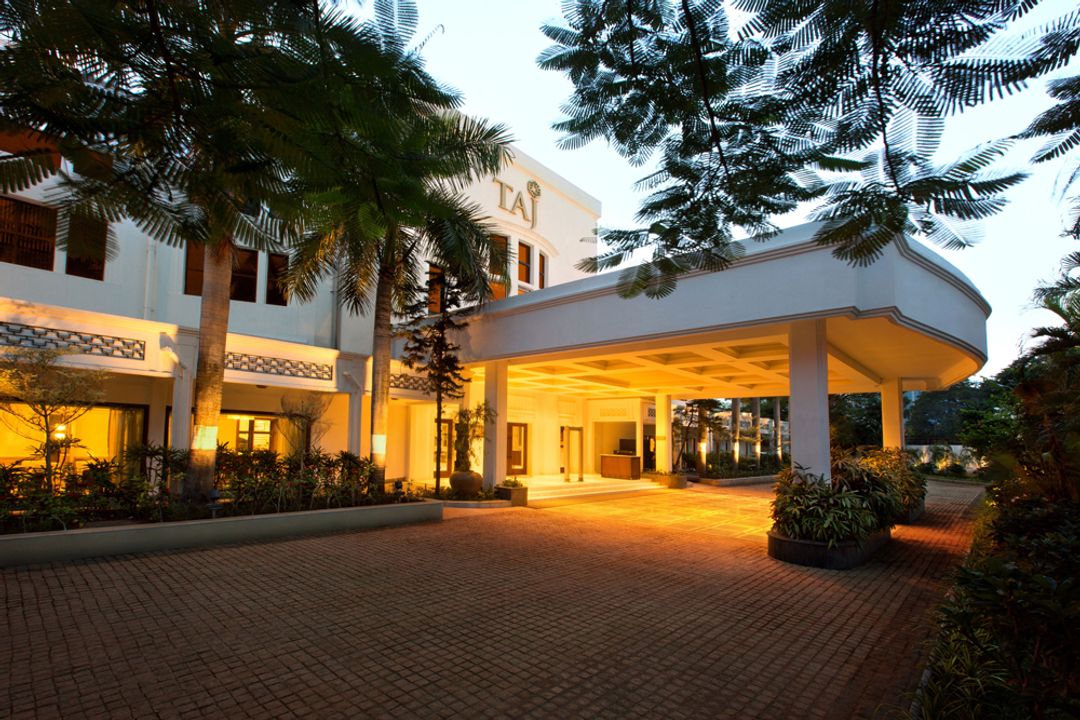
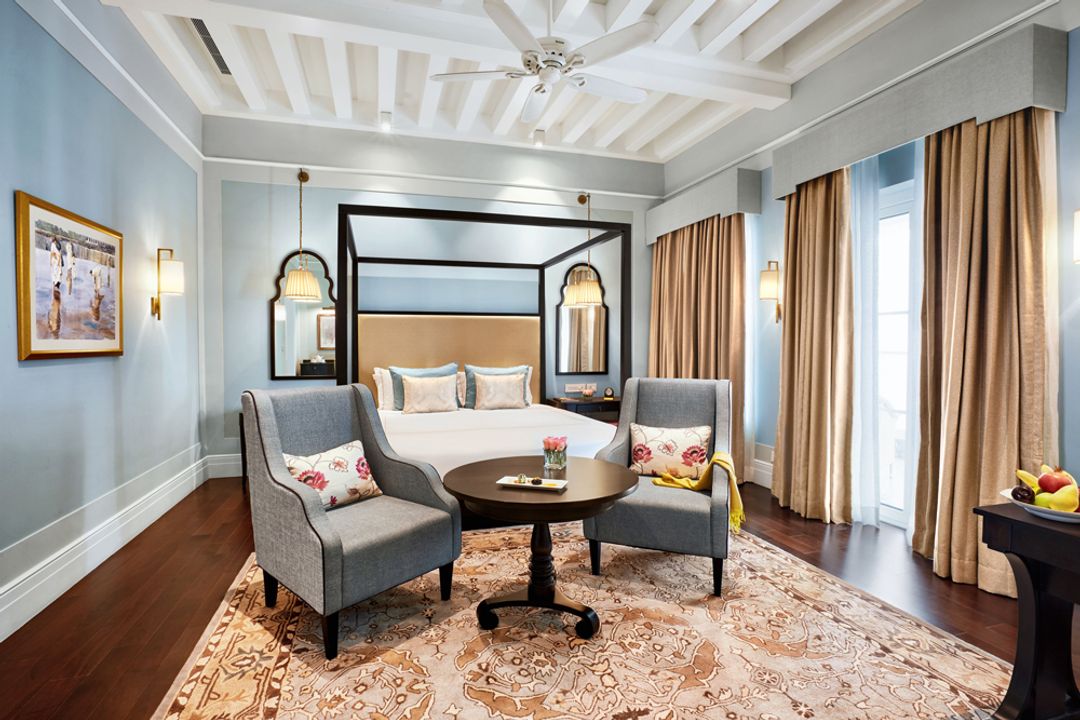
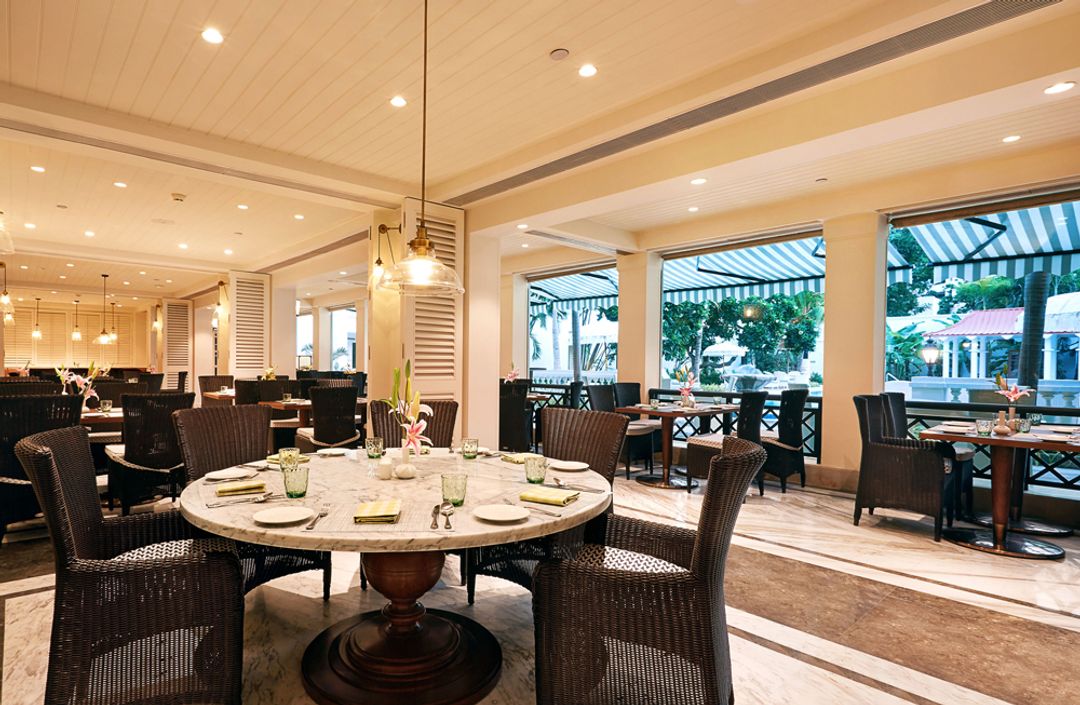
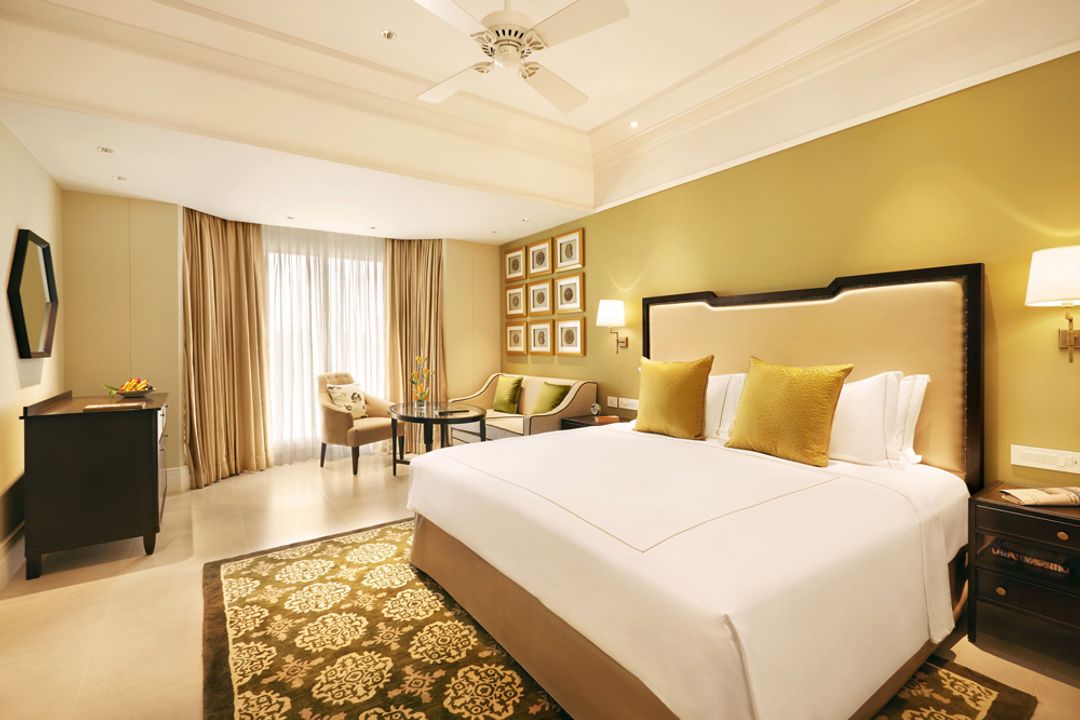
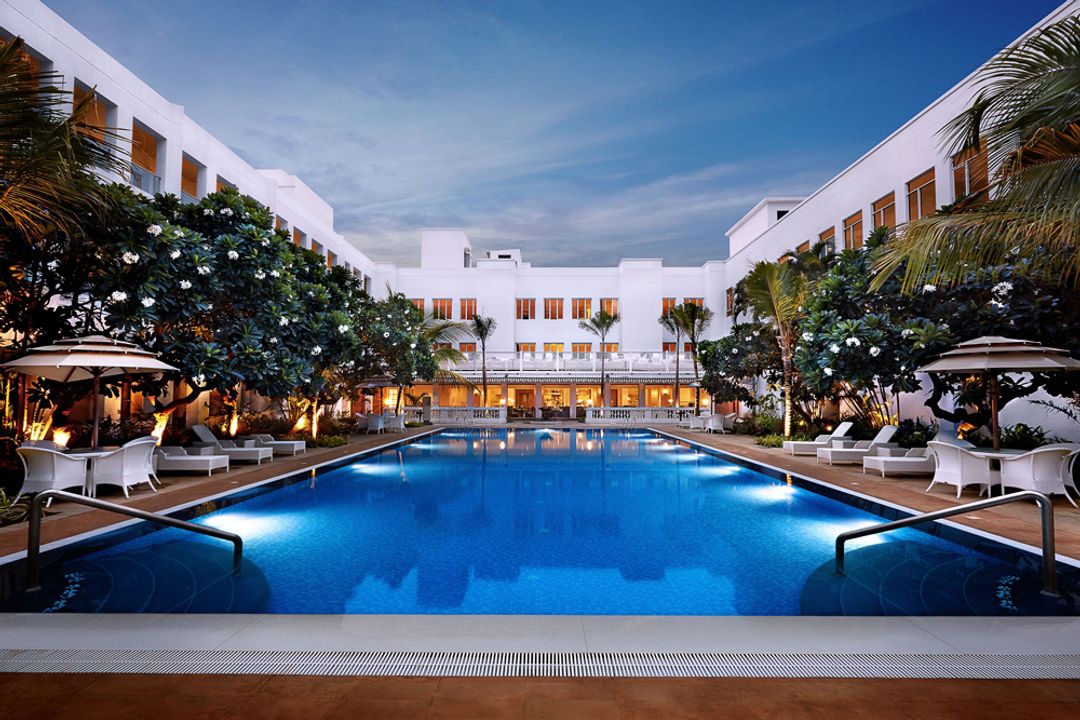
The British left Chennai with a particular kind of architectural stubbornness — colonnaded facades, deep verandahs, laterite and lime plaster — and the city's better hotels have spent decades negotiating with that inheritance rather than escaping it. Nowhere is this clearer than at the Taj Connemara on Anna Salai, a property whose bones trace back to the 1890s and whose successive renovations have preserved enough of the original volume and rhythm to feel genuinely rooted rather than merely costumed. Its neighbor on the same corridor, Taj Coromandel, takes a different position: a mid-century block that leans into a cleaner, post-independence modernism, updated with richer materials and a polish that suits the corporate and diplomatic traffic Anna Salai has always attracted. Together they represent the city's central axis — formal, institutional, historically weighted — without being interchangeable.
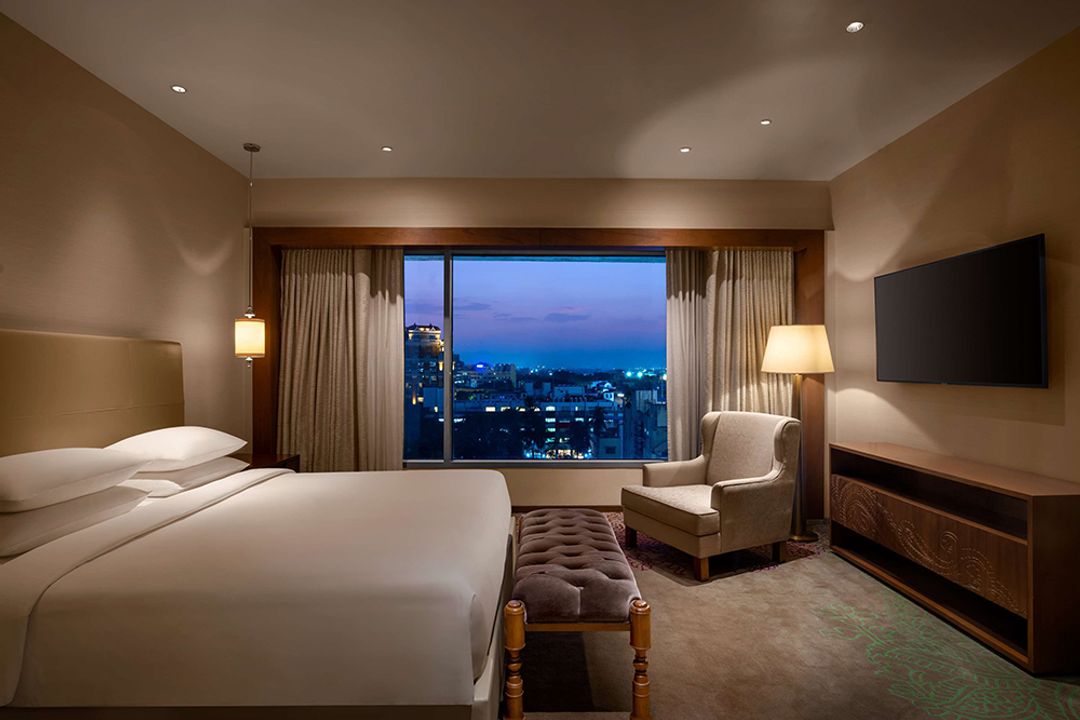
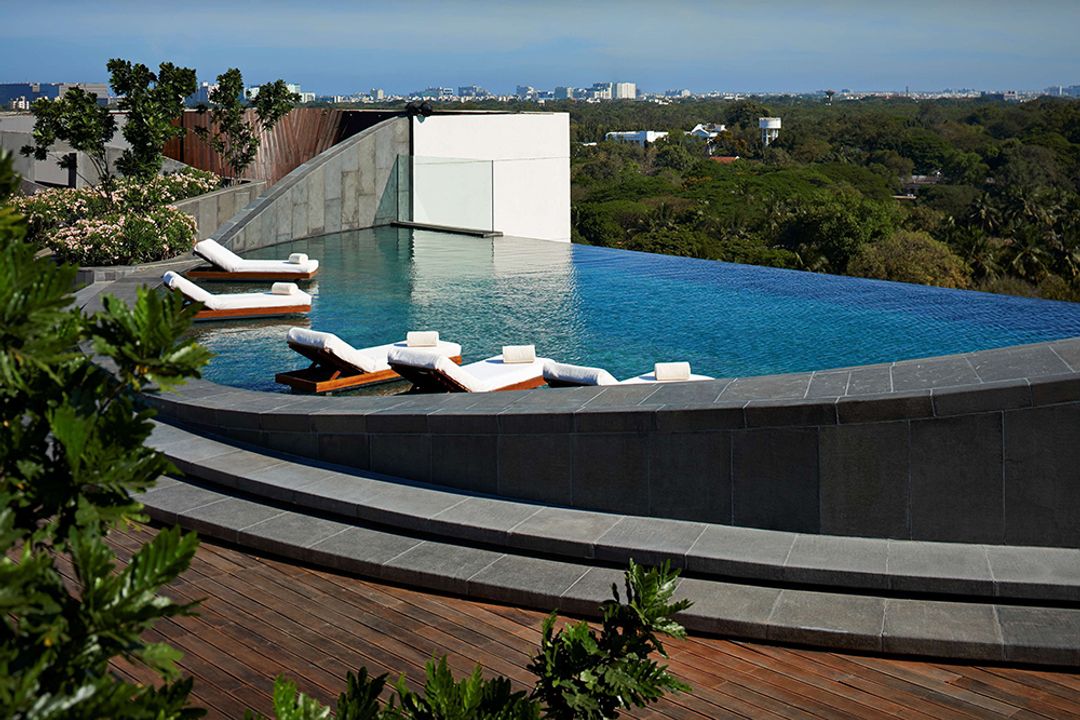
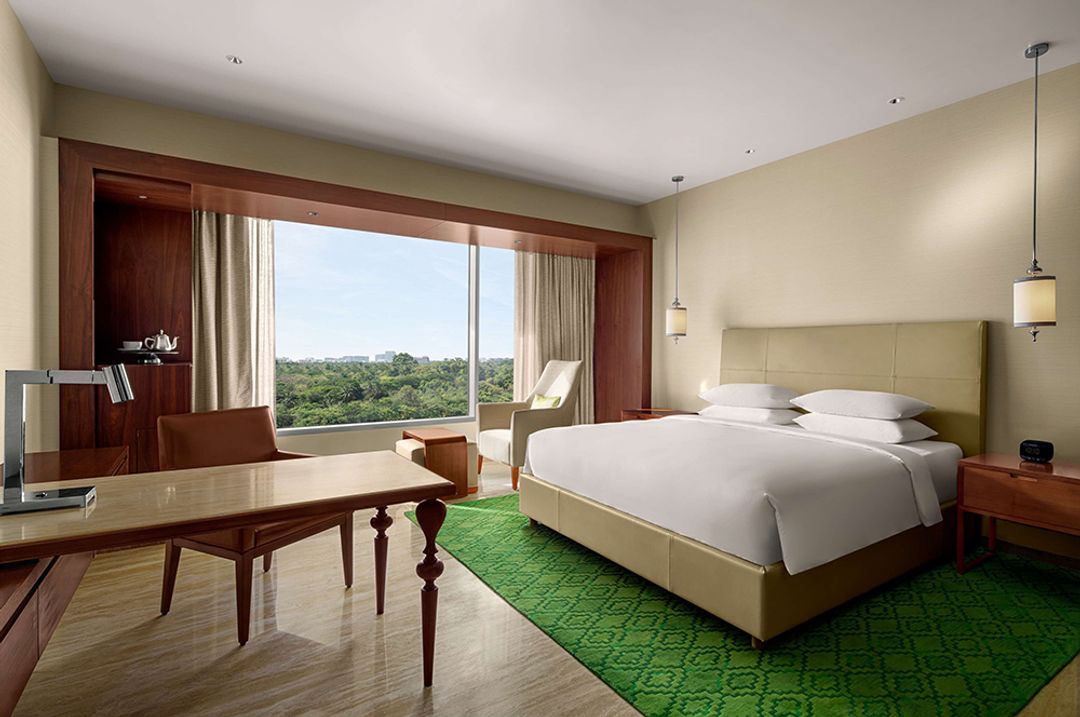
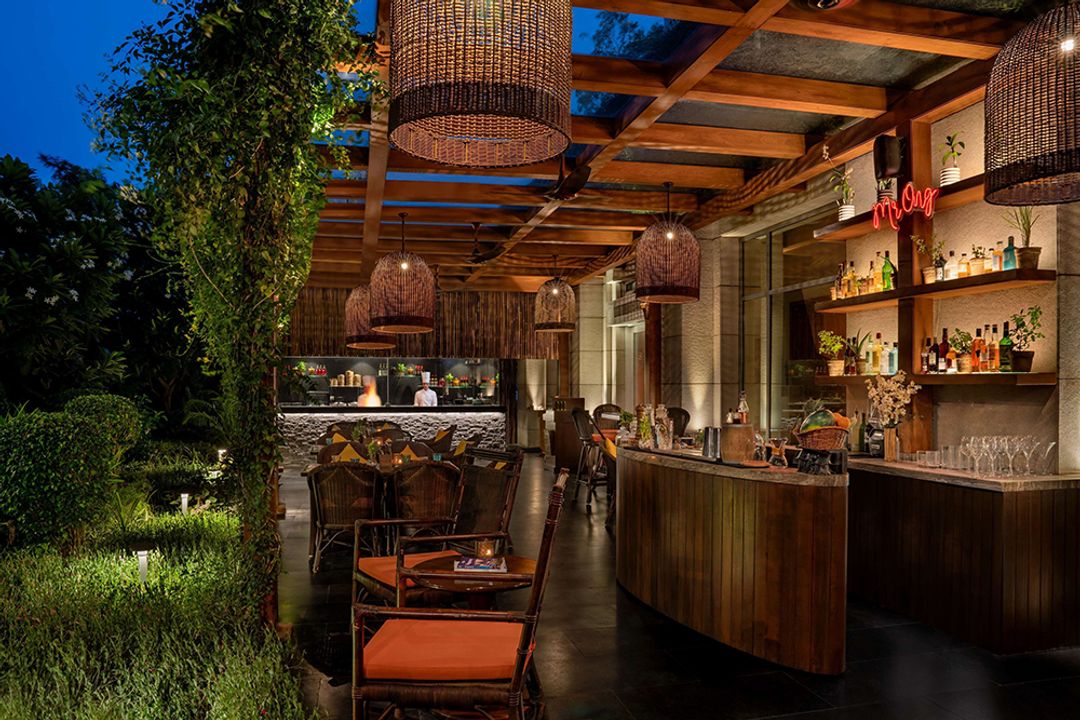
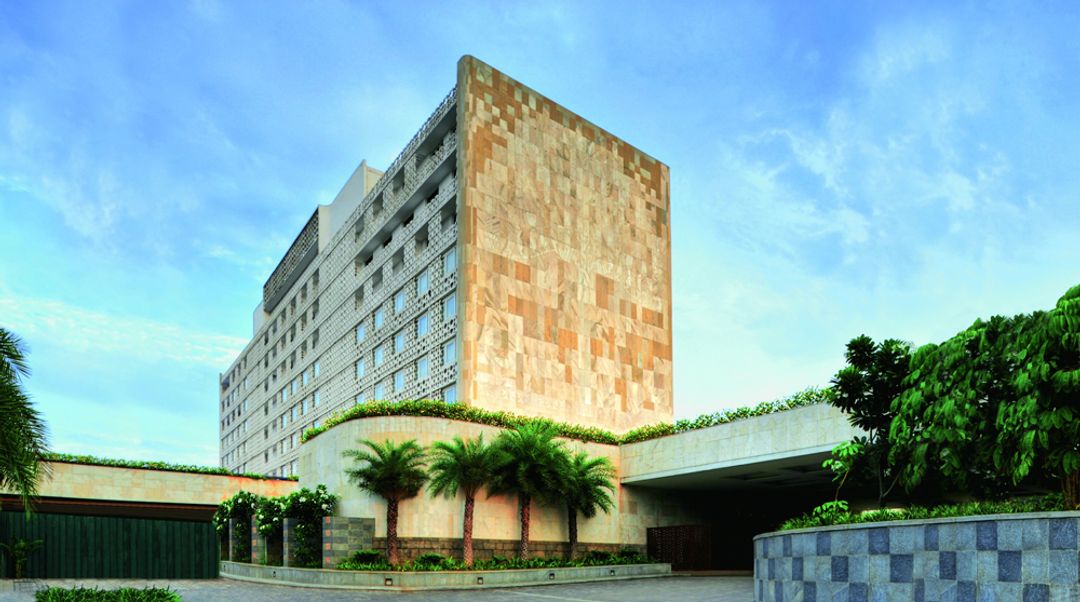
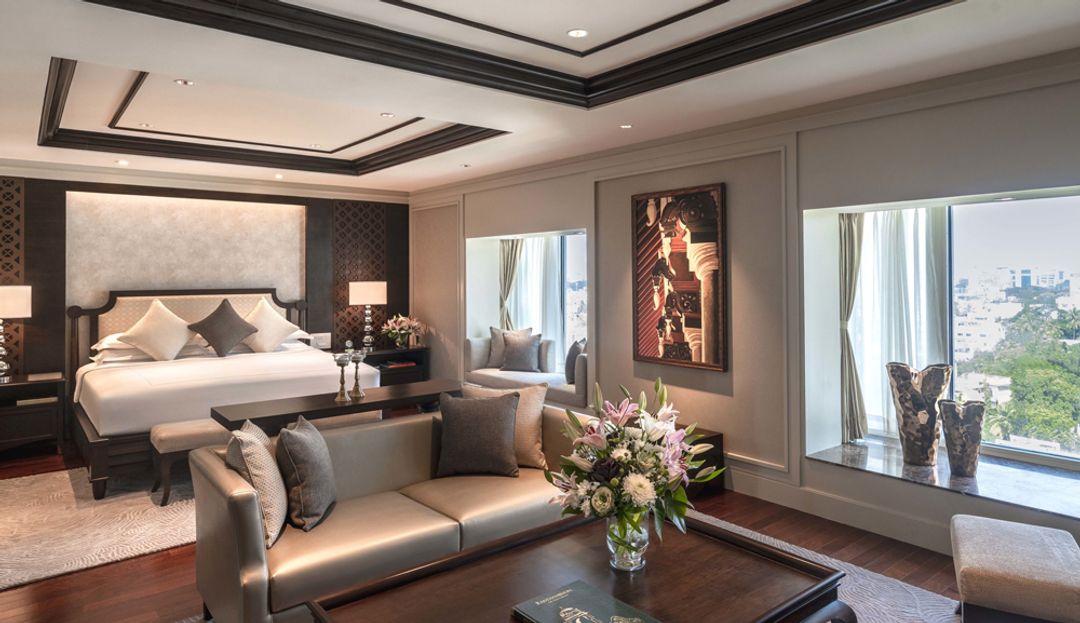
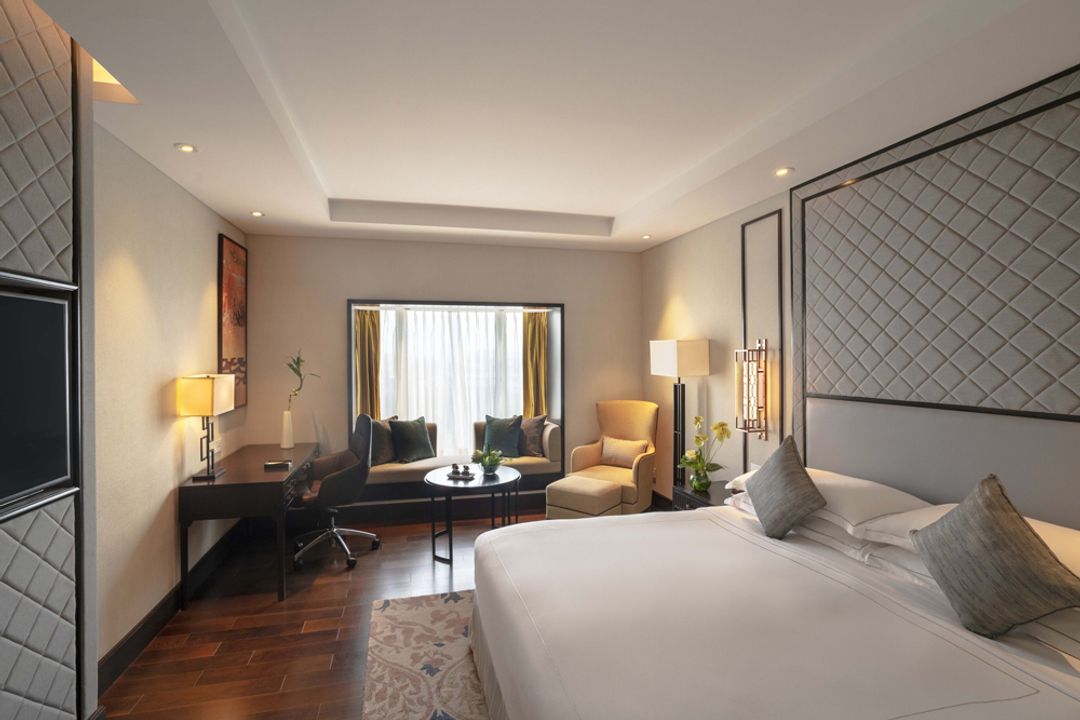
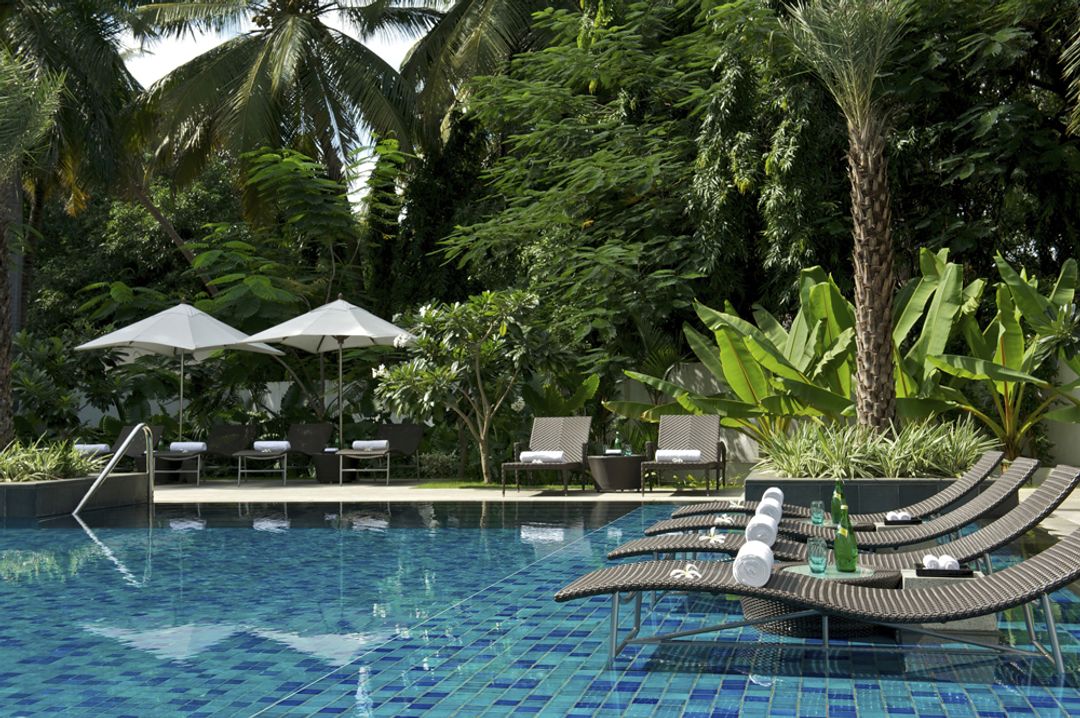
Guindy pulls the argument in another direction entirely. The Park Hyatt Chennai, set within the RMZ Millennia business district, is the city's clearest statement of contemporary hospitality architecture — calm, horizontal, and unusually considered in its use of light for a building embedded in a commercial park. The interiors work through material restraint rather than period reference: stone, dark timber, water features that read more Singaporean than South Indian, which is either a critique or a feature depending on what you came for. It suits travelers whose Chennai is made of conference rooms and long dinners rather than Fort St. George and the Marina.
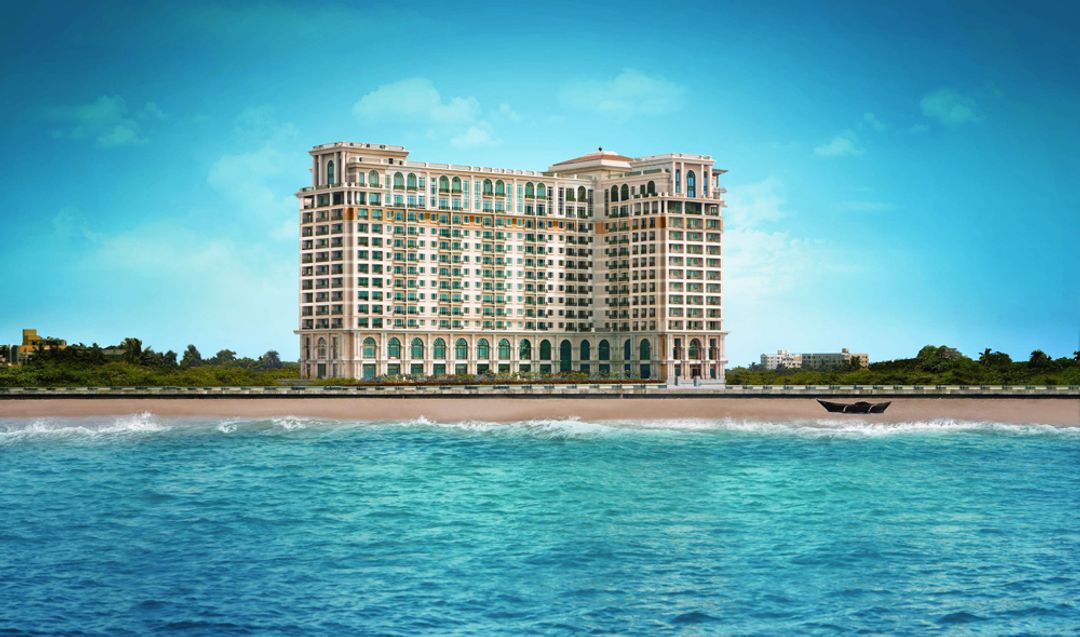
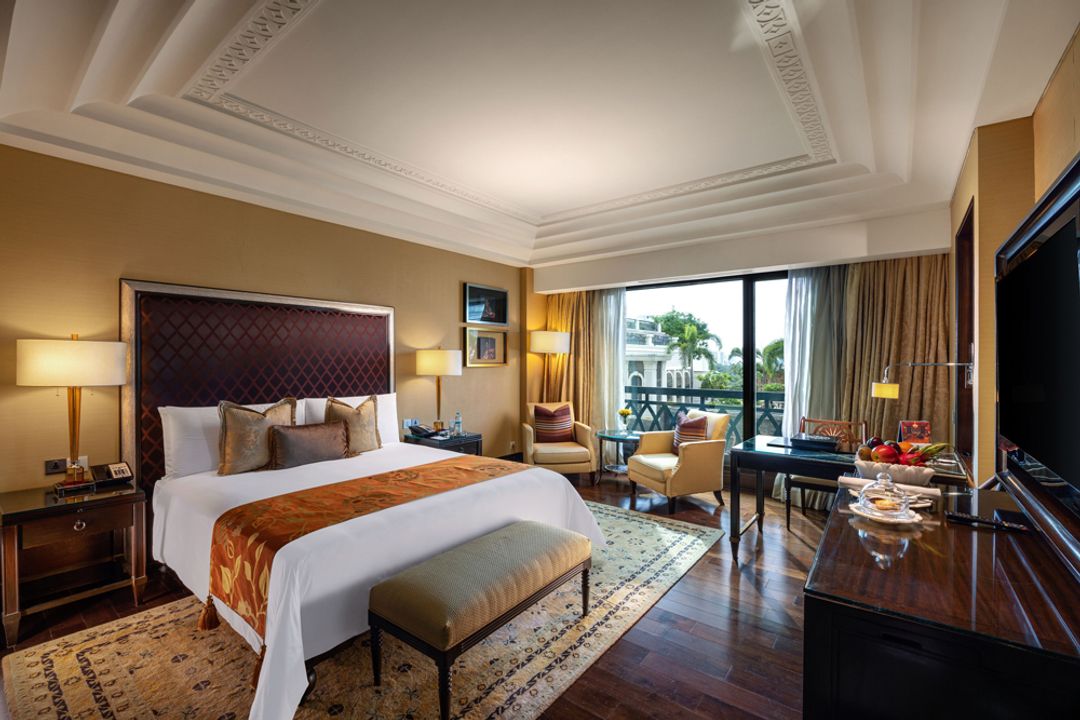
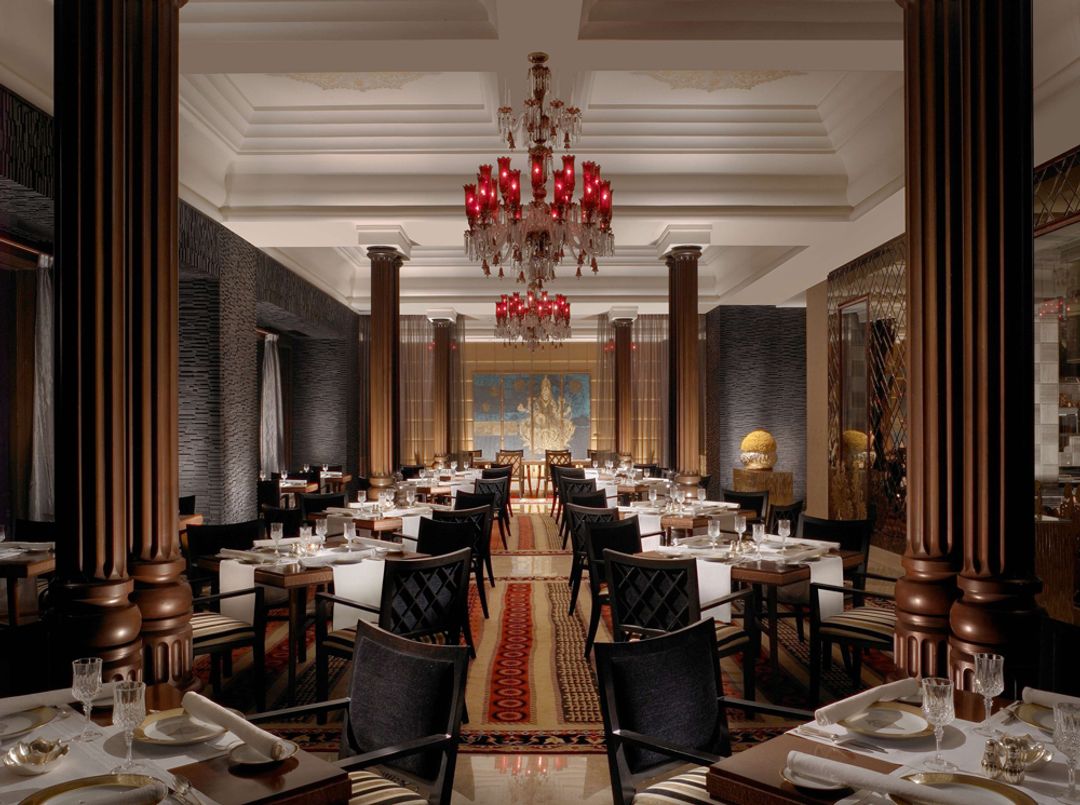
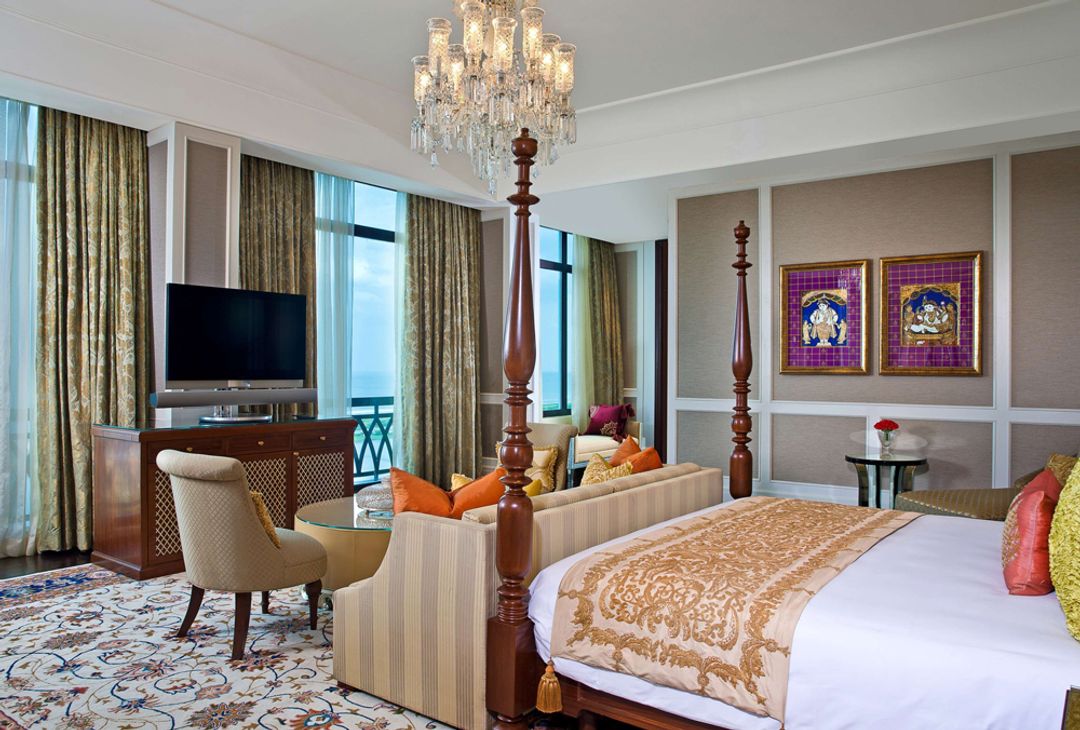
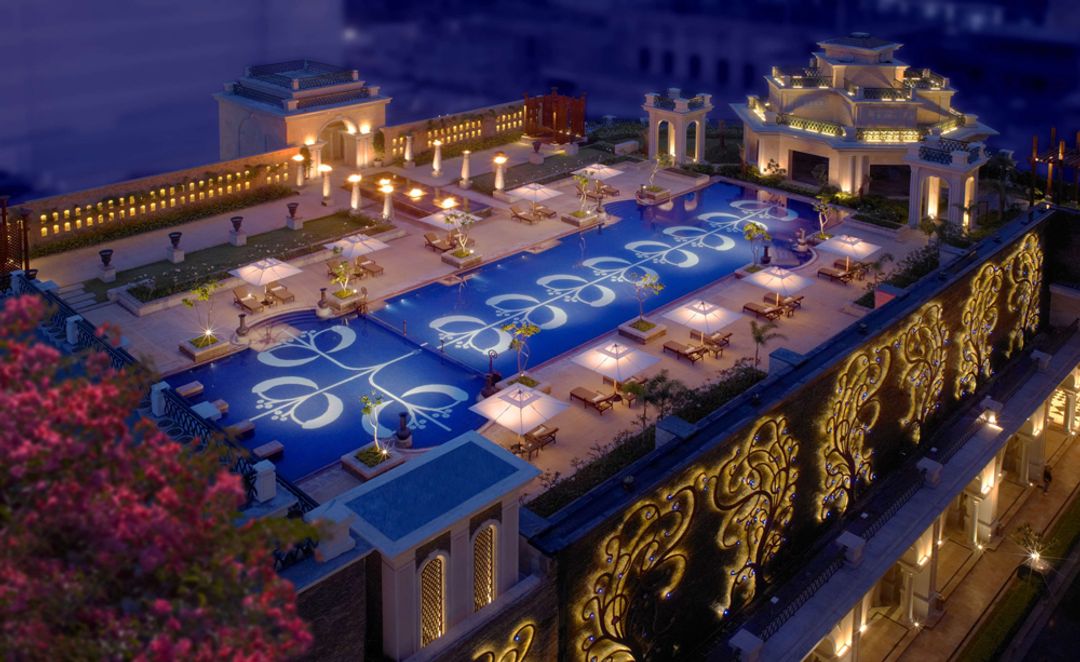
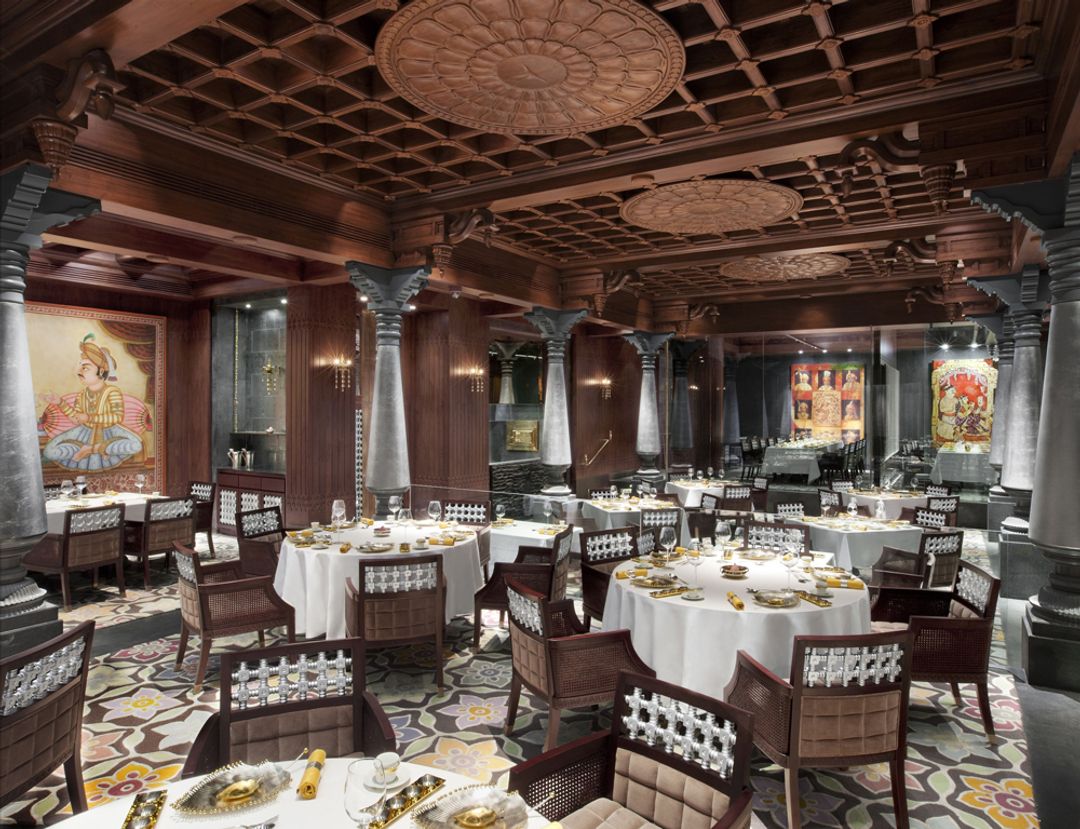
The Leela Palace Chennai, positioned along Adyar Creek in the city's southern residential reaches, attempts something more explicitly regional — Dravidian architectural motifs translated into a contemporary luxury idiom, with pitched roofs, bracketed overhangs, and interior courtyard logic that gestures toward Tamil Nadu's temple town typology without being literal about it. The execution is grander and more theatrical than the Connemara's quiet historicism, and the Adyar location places guests closer to the quieter, greener neighborhoods where old Chennai money actually lives. For a design-conscious traveler, the choice between these four ultimately turns on what kind of time the city represents: the layered colonial record of Anna Salai, the glass-and-granite present of Guindy, or the aspirational vernacular of the creek-side south.