Best hotels in Niseko, Japan | Visually Compare Top Stays Side-by-Side
Welcome to PressBeyond - a curated visual guide to design-driven hotels and the fastest way to compare them.
An Overview of the Boutique & Luxury Hotel Landscape in Niseko, Japan
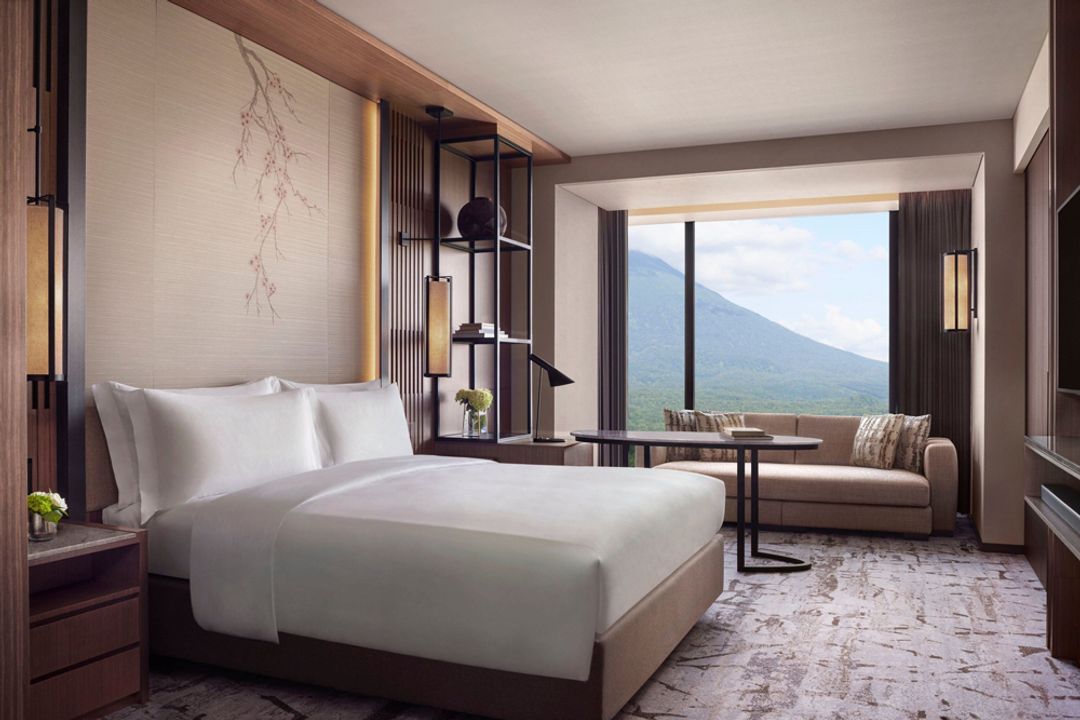
Niseko sits in Hokkaido's Shakotan Peninsula hinterland, where the volcanic cone of Mount Yotei dominates the skyline and snowfall statistics have turned a relatively remote agricultural valley into one of Asia's most closely watched ski destinations. The built environment arrived fast and uneven, which makes it genuinely interesting: Canadian ski chalets, Japanese ryokan sensibilities, and international hotel ambitions have layered on top of each other across a landscape that receives more powder than almost anywhere in the northern hemisphere. The two properties featured here occupy distinct zones of that landscape, and the difference between them says something real about where Niseko is headed.
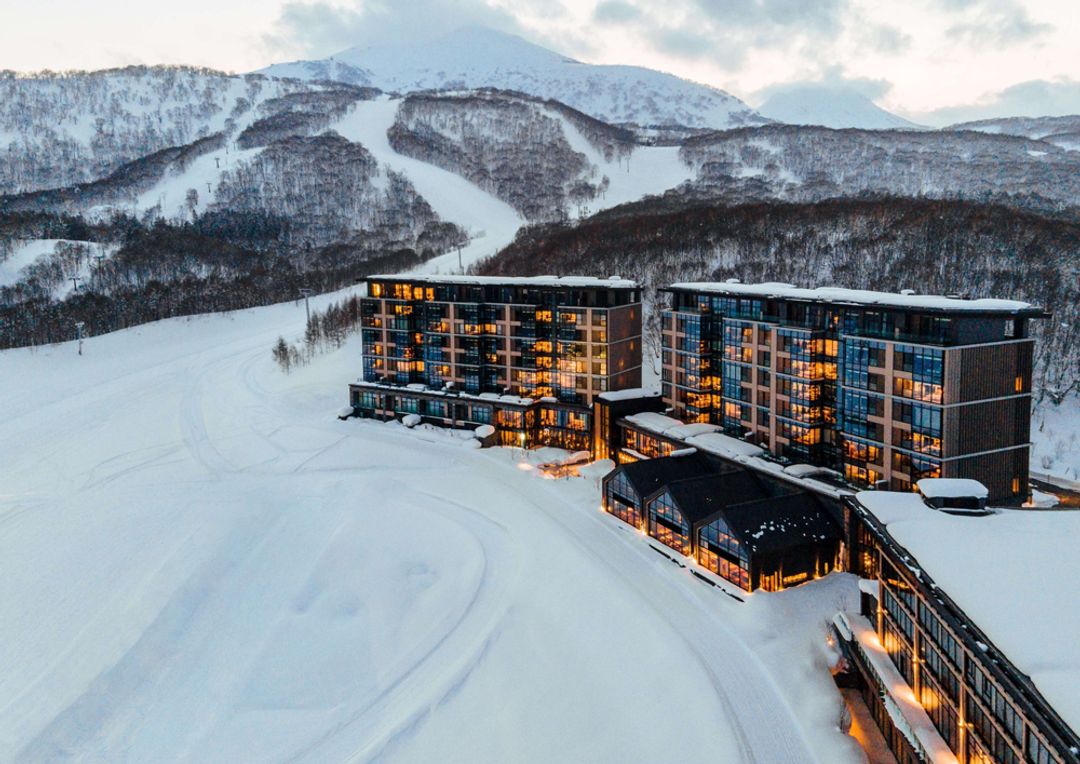
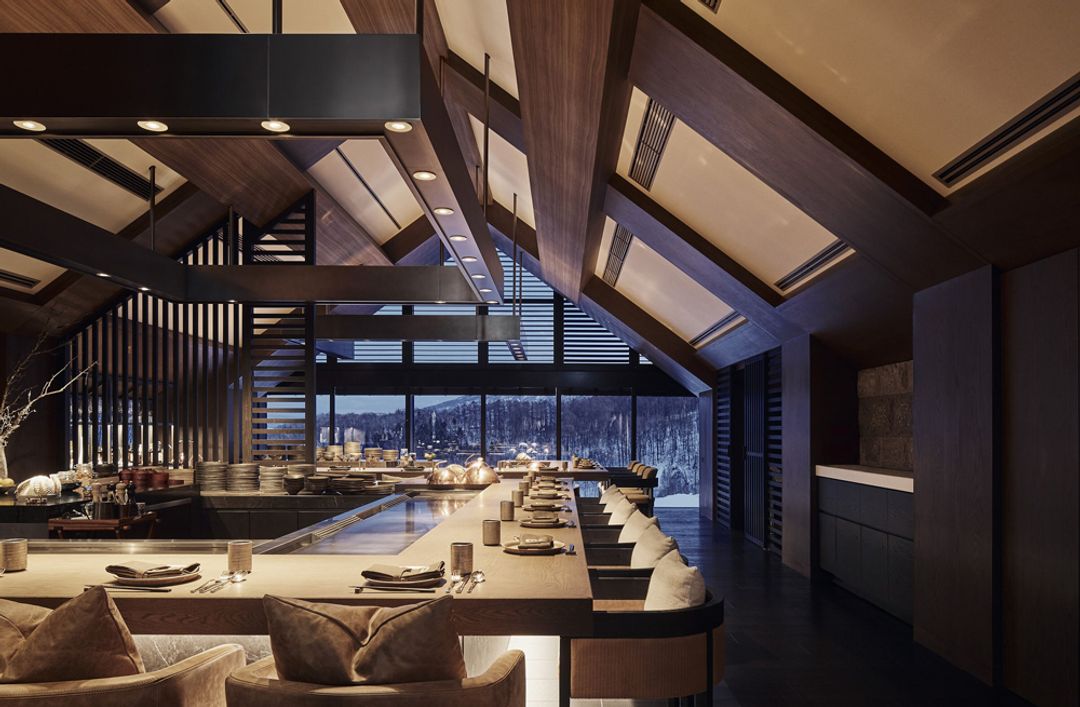
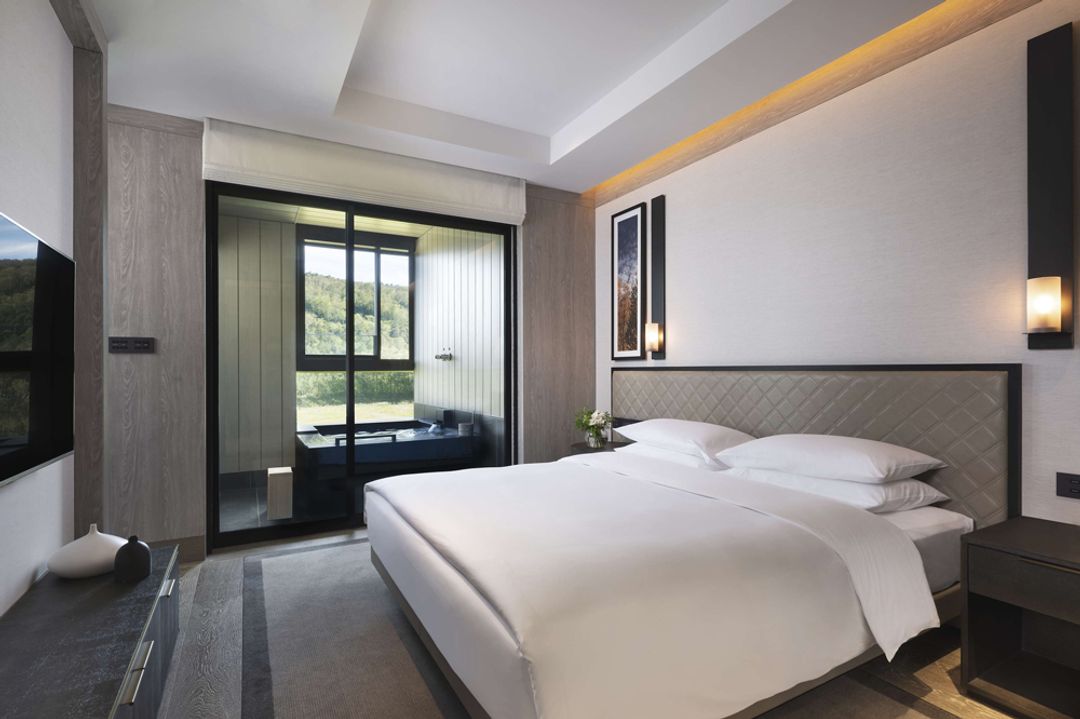
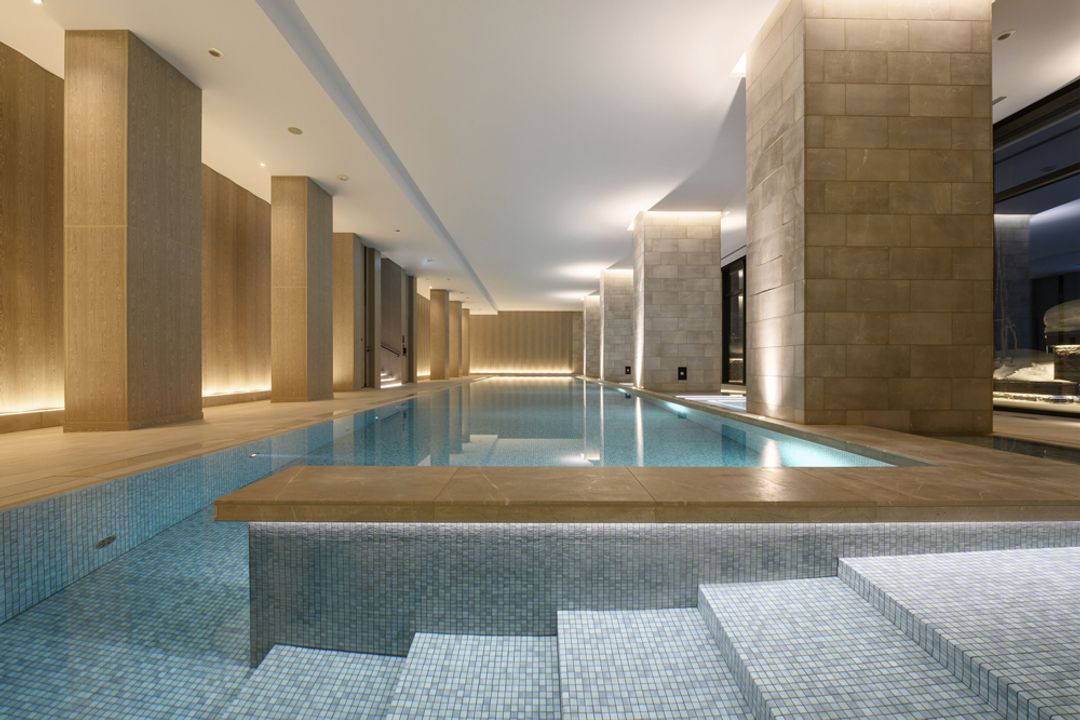
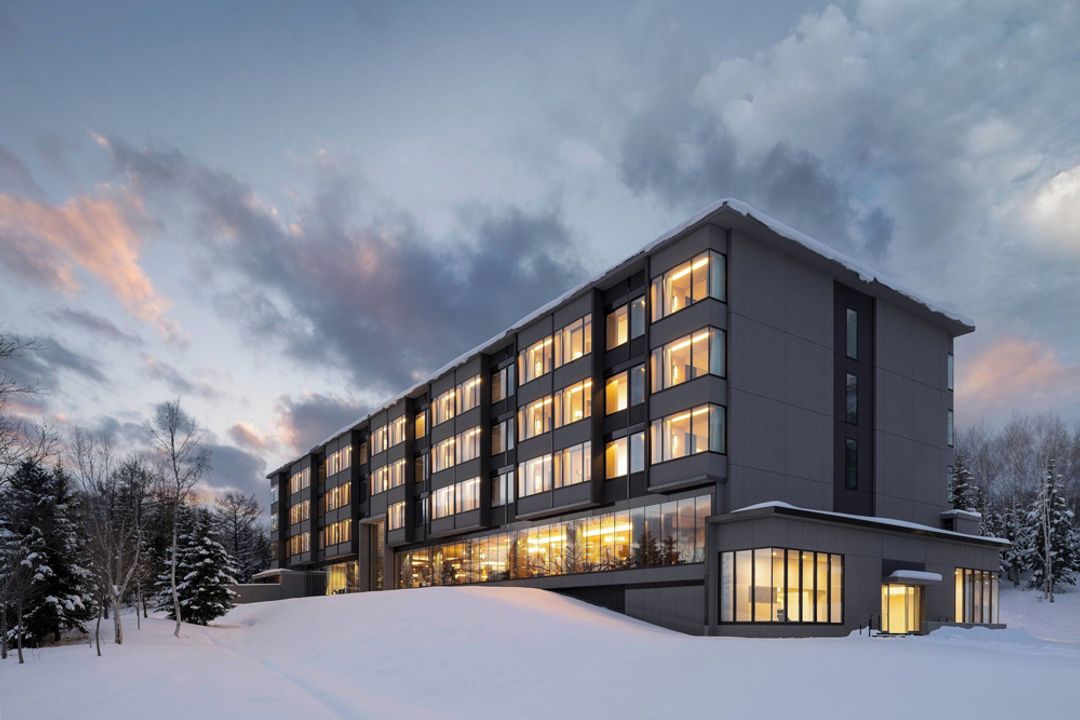
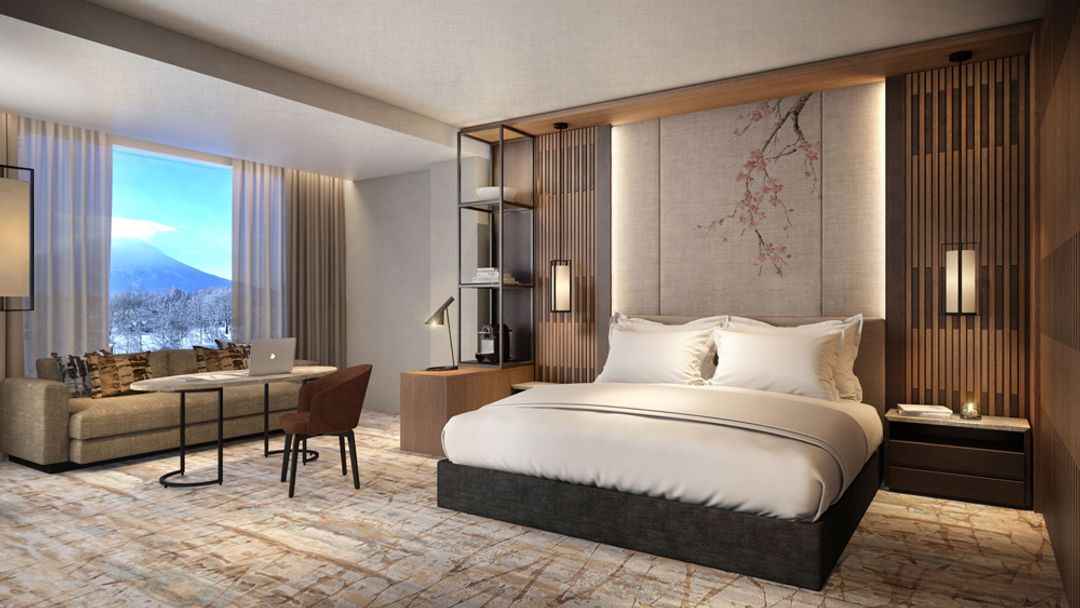
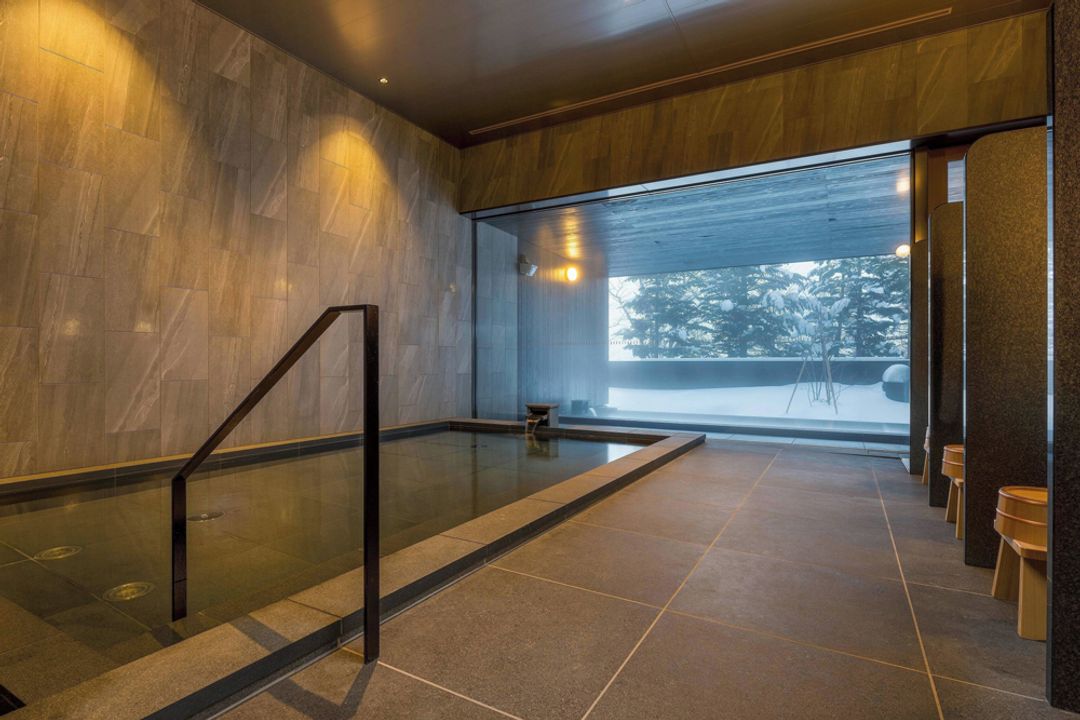
Higashiyama Niseko Village, a Ritz-Carlton Reserve, occupies the quieter southern flank of the ski area, where the Niseko Village ski resort sits at some remove from the louder commercial energy of Hirafu. The Reserve brand, a tier above the standard Ritz-Carlton offering, applies a philosophy of place-specificity that suits Hokkaido well: the property leans into timber, stone, and a muted material palette drawn from the surrounding forests, and the onsen facilities connect directly to the thermal water culture that runs through this part of Japan. At 396 dollars a night on average, it is the more considered stay, designed for travelers who want immersion in a particular environment rather than proximity to the après-ski circuit. The Niseko Village precinct itself retains a lower density than neighboring zones, which gives the property breathing room that newer developments have struggled to protect.
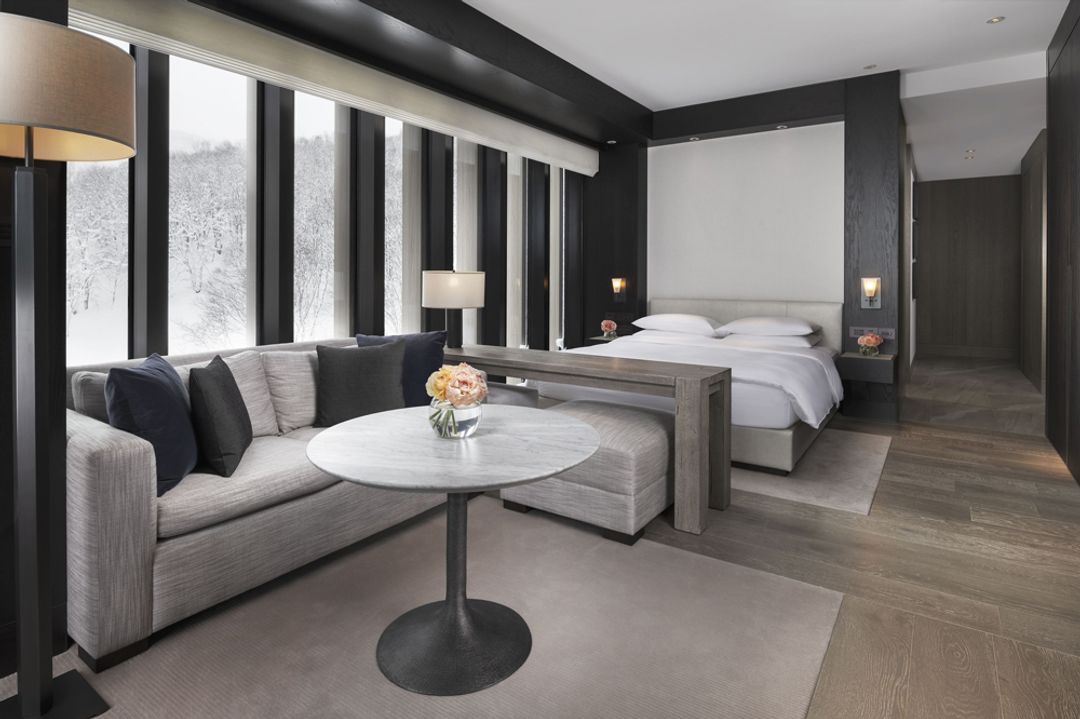
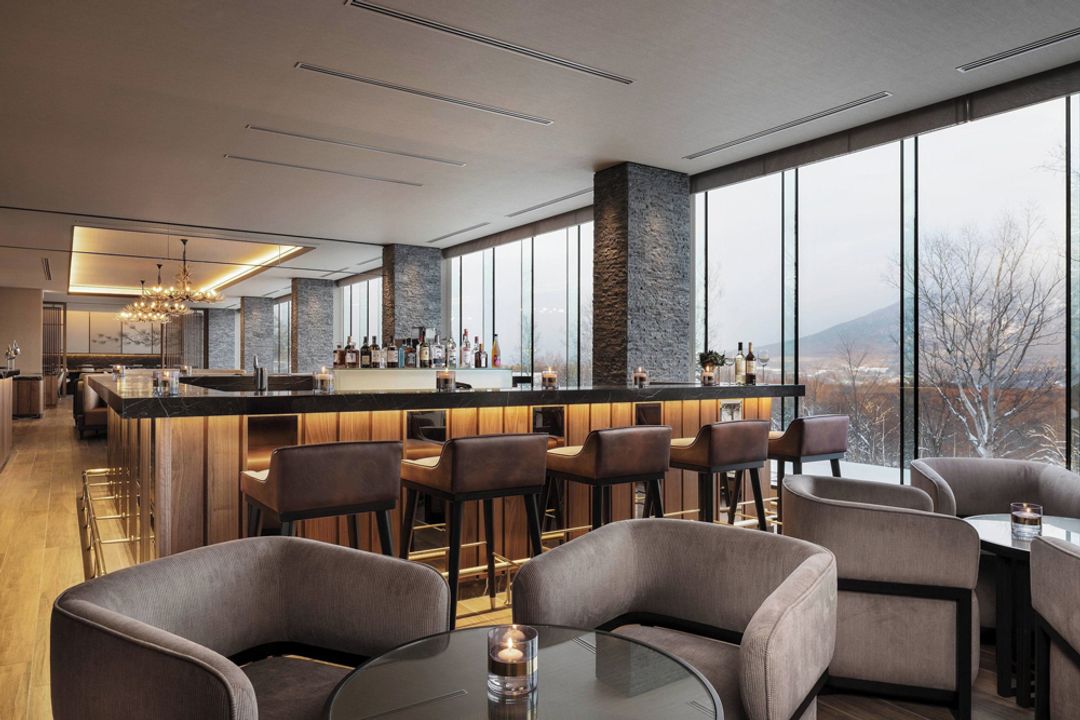
The Park Hyatt Niseko Hanazono, in the Hanazono zone at the eastern edge of the resort area, operates at a different register entirely. Hanazono is younger in its development and has attracted a more contemporary hotel vocabulary, and the Park Hyatt fits that context: the property is architecturally composed, with the brand's characteristic restraint applied to a ski-in, ski-out site that makes it genuinely functional for anyone who came to Hokkaido primarily to ski. At 237 dollars a night on average, it represents the more accessible entry point without sacrificing the material quality that the Park Hyatt brand applies consistently across its portfolio. For a traveler weighing these two properties, the question is less about budget than about orientation: settlement in a quieter, more spa-centered environment versus direct engagement with the mountain.