Best hotels in Nairobi, Kenya | Visually Compare Top Stays Side-by-Side
Welcome to PressBeyond - a curated visual guide to design-driven hotels and the fastest way to compare them.
An Overview of the Boutique & Luxury Hotel Landscape in Nairobi, Kenya
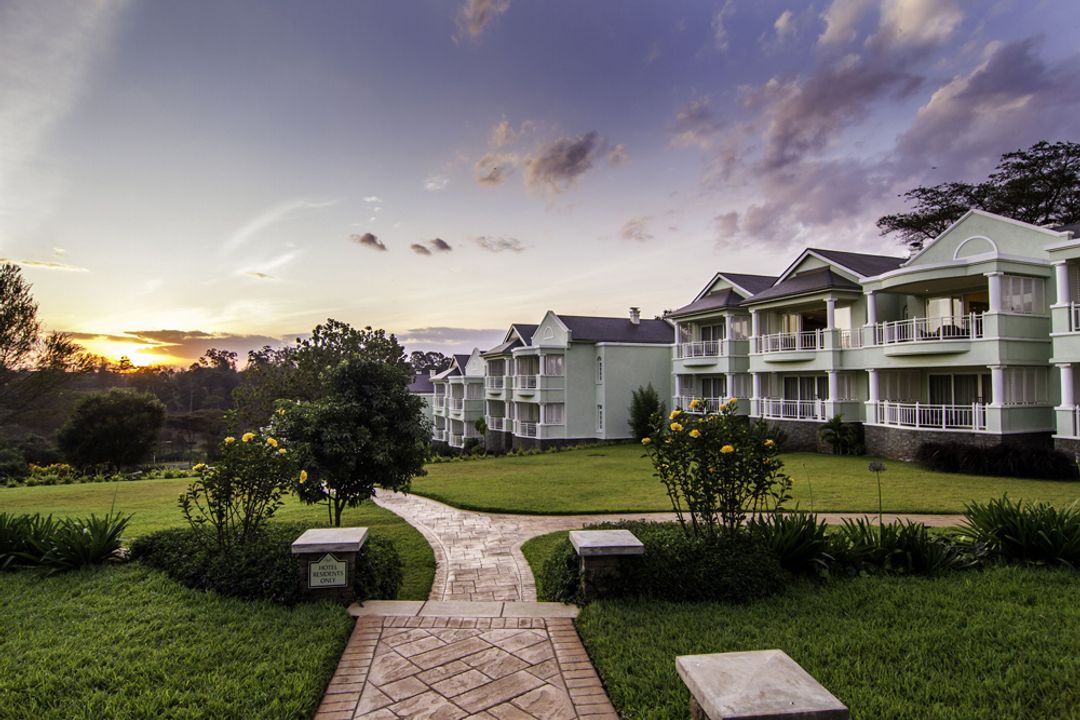
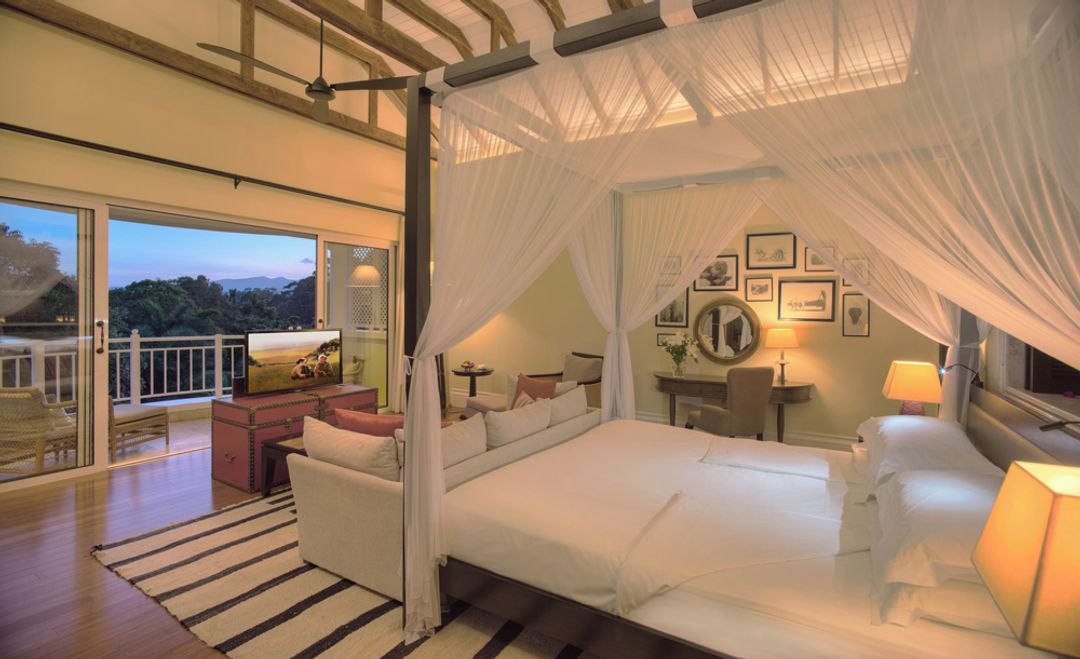
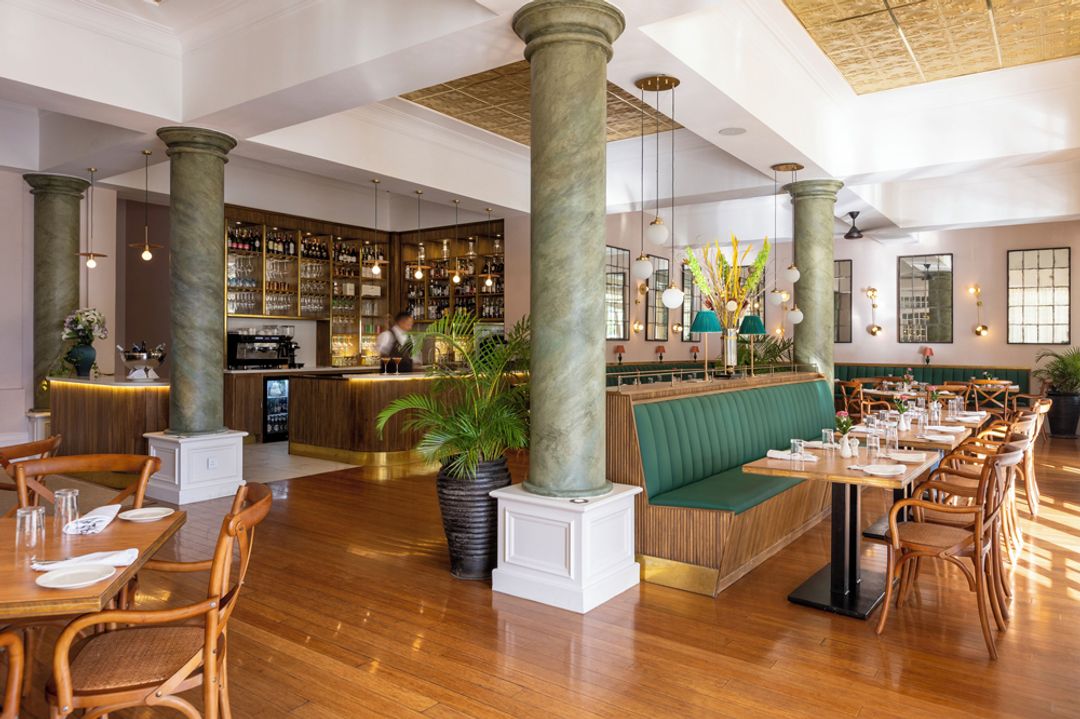
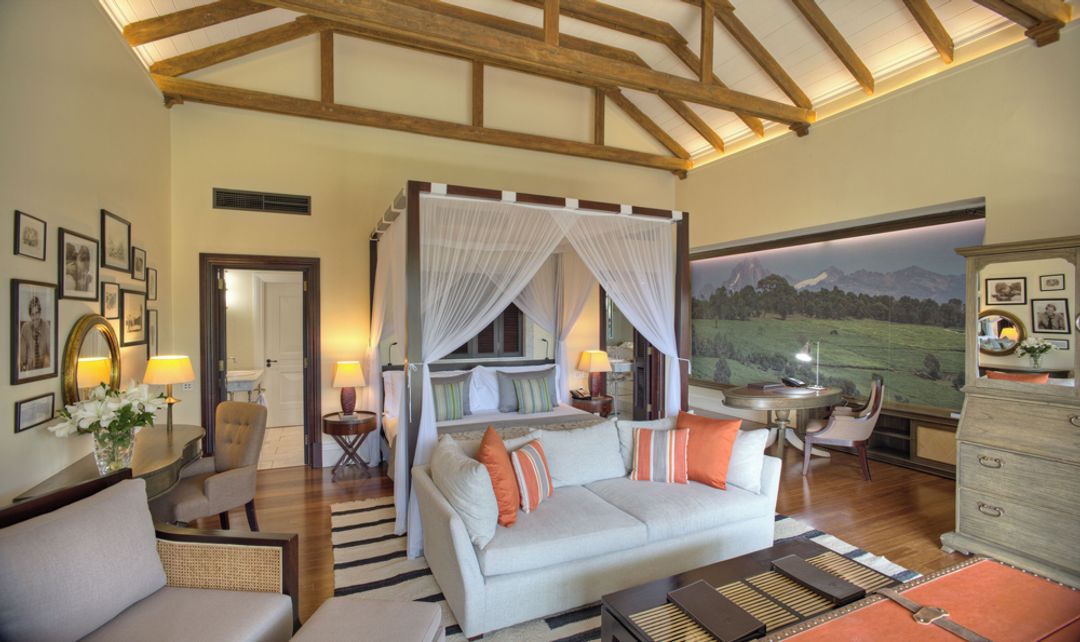
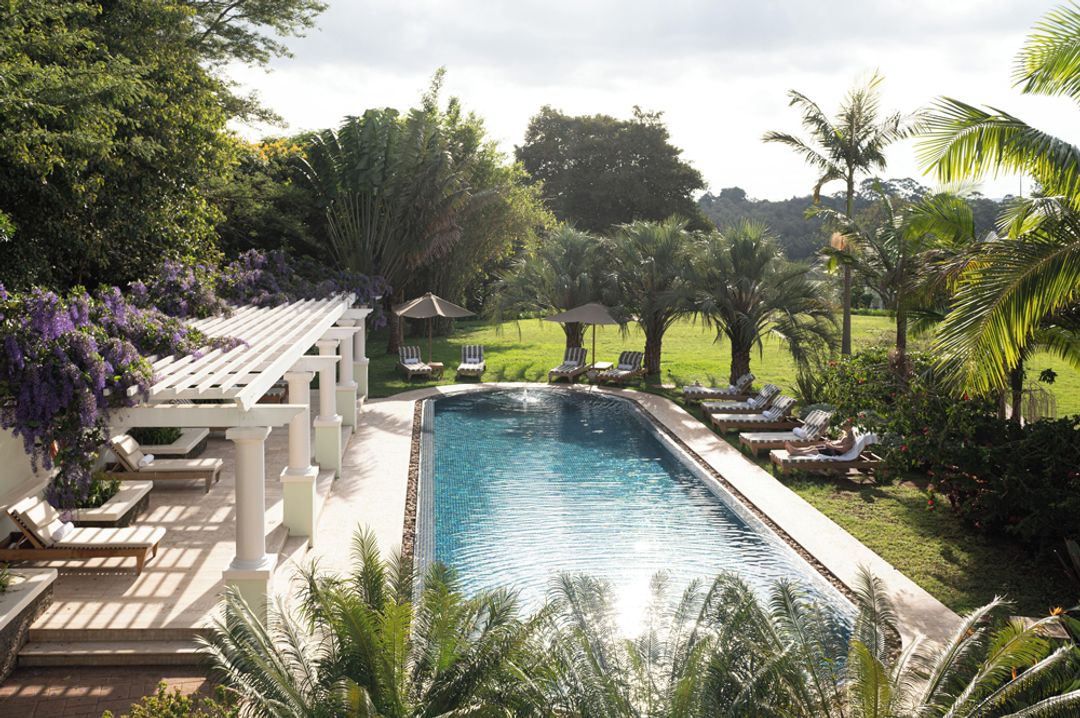
Karen sits at the edge of Nairobi in a way that feels fundamentally different from the city center, not as a suburb in the dormitory sense but as a parallel world of colonial-era farmland slowly absorbed into something more self-consciously residential. The neighborhood takes its name from Karen Blixen, whose coffee farm occupied this stretch of the Ngong Hills foothills in the early twentieth century, and the low-slung profile of the land, the acacia canopy, the generous plots, all persist. Hemingways Nairobi inhabits this register entirely. Set within a manor-style property on roughly four acres, it operates at a scale that feels more private estate than hotel, with 45 suites, serious wine cellars, and a level of personal service that places it among the more rarefied small luxury properties on the continent. The architecture draws from Cape Dutch and colonial East African precedents without tipping into pastiche, and the gardens are genuinely planted, not landscaped in the resort sense.
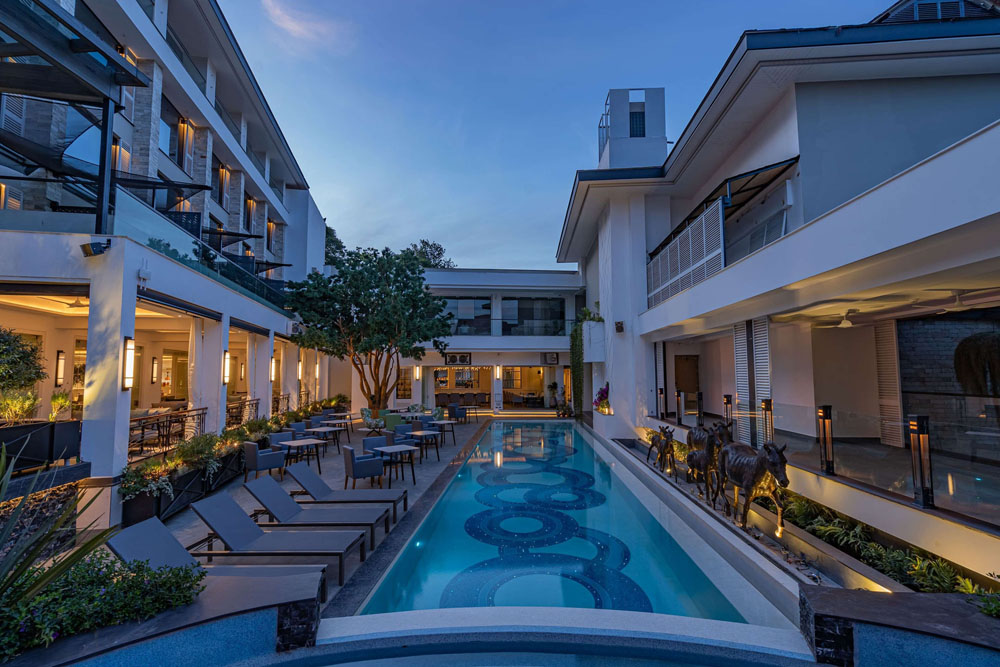
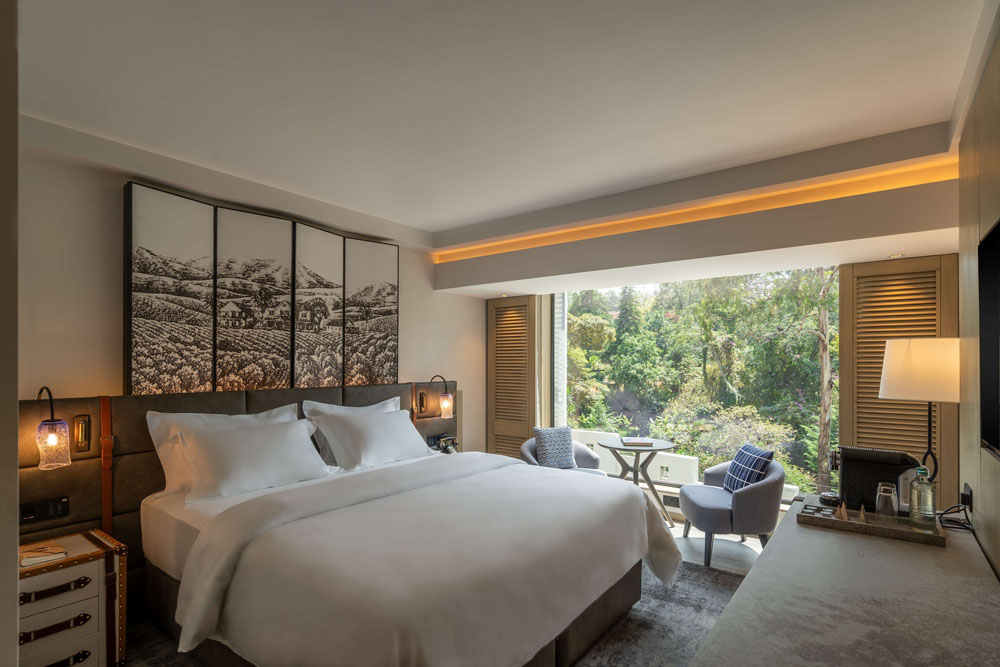
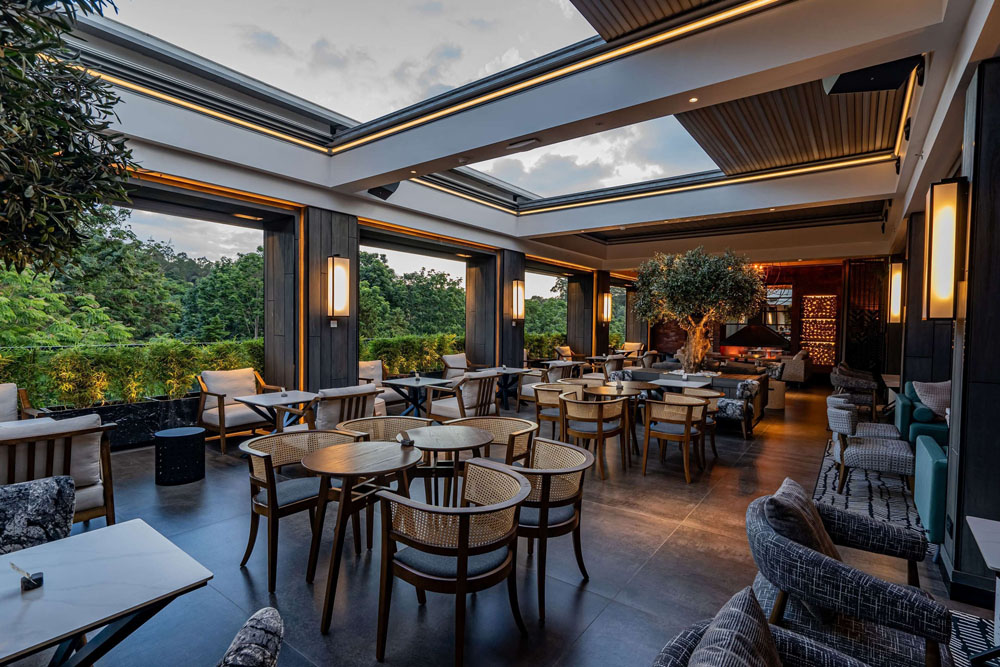
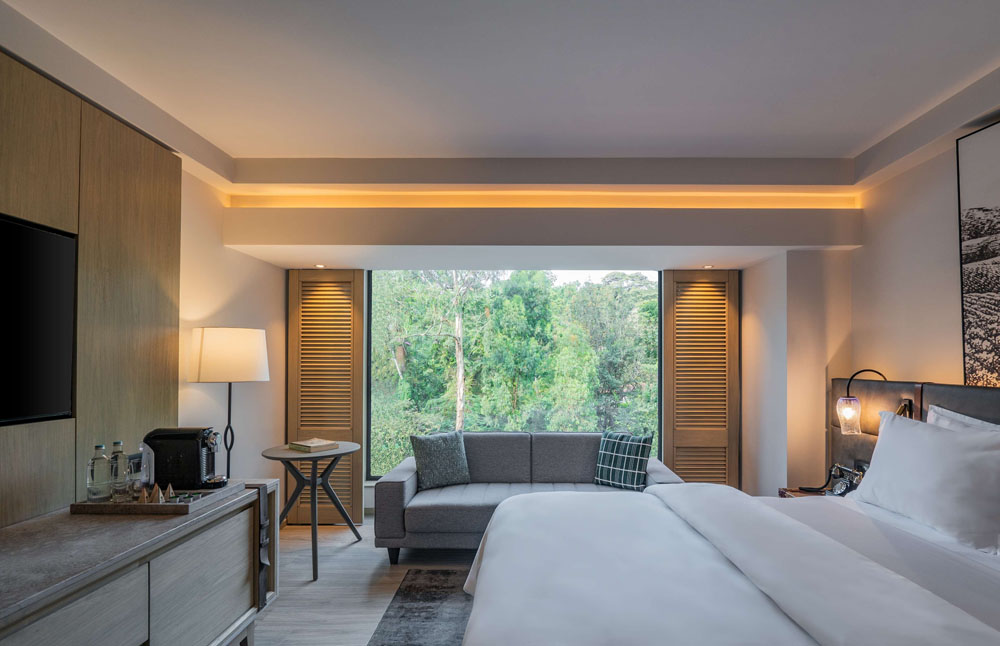
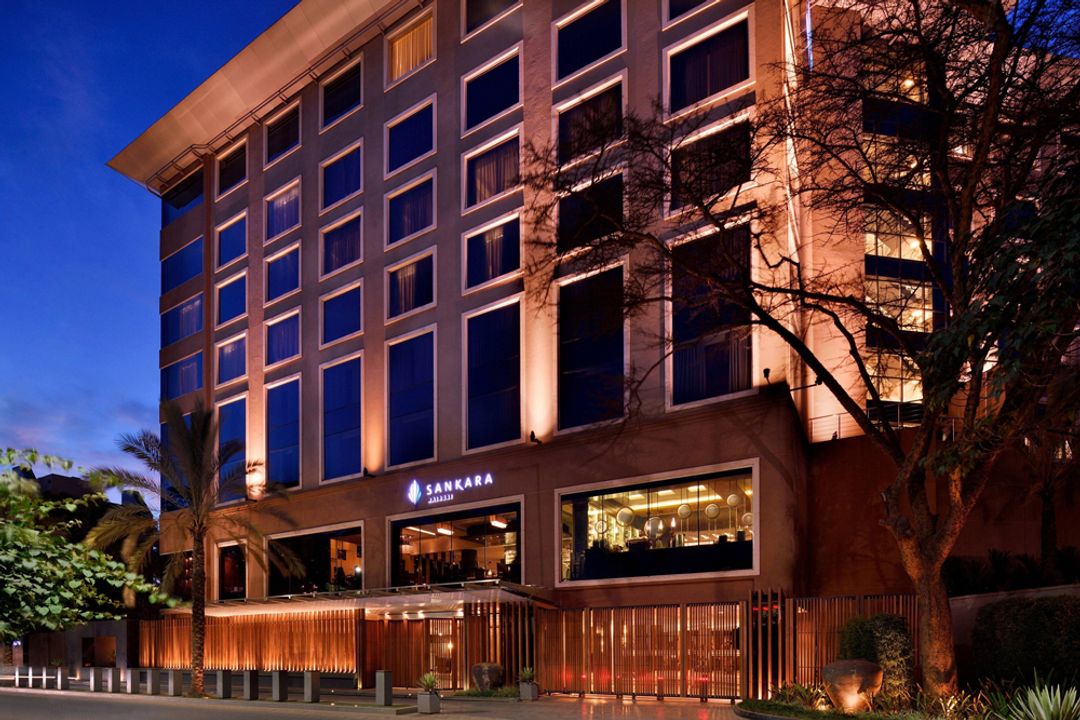
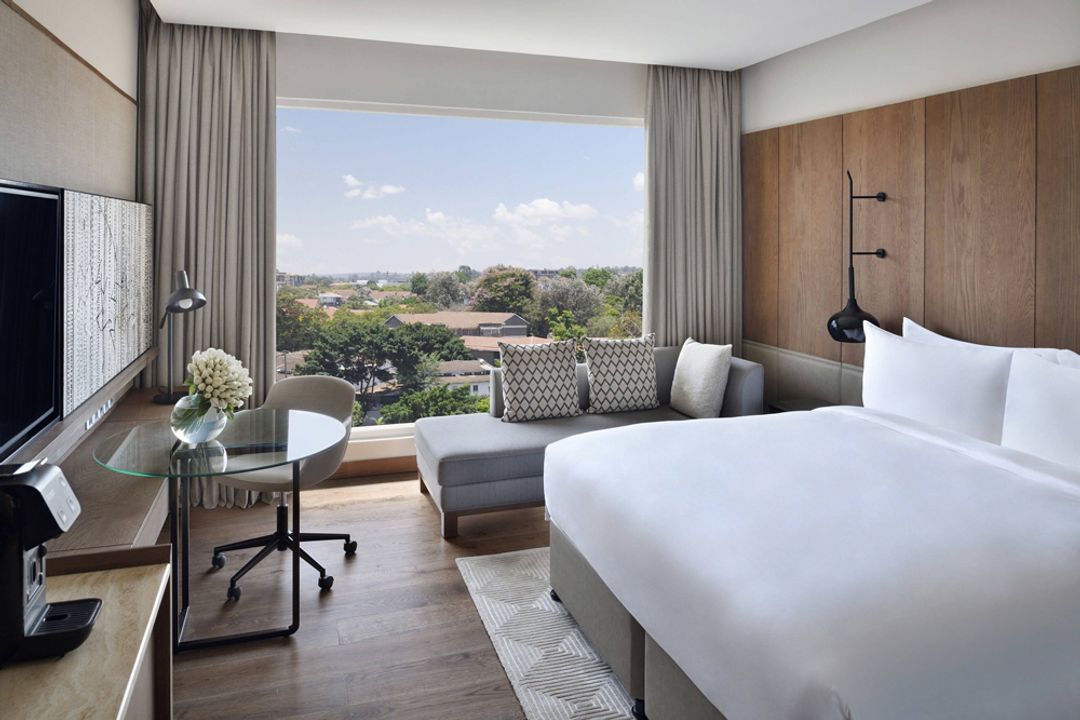
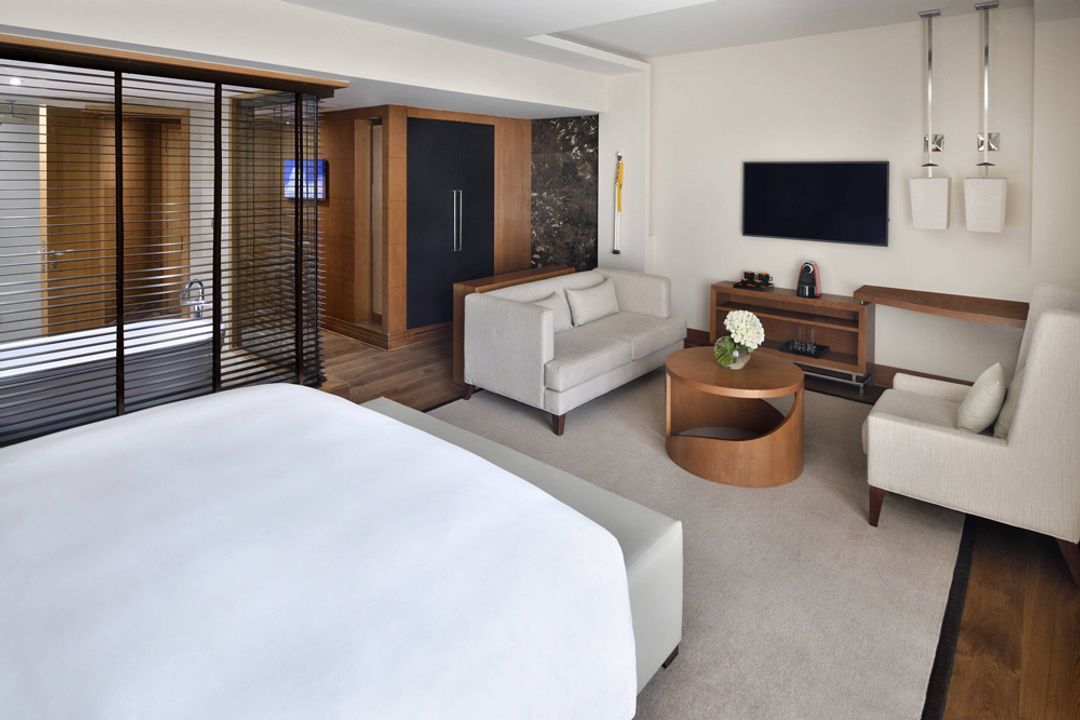
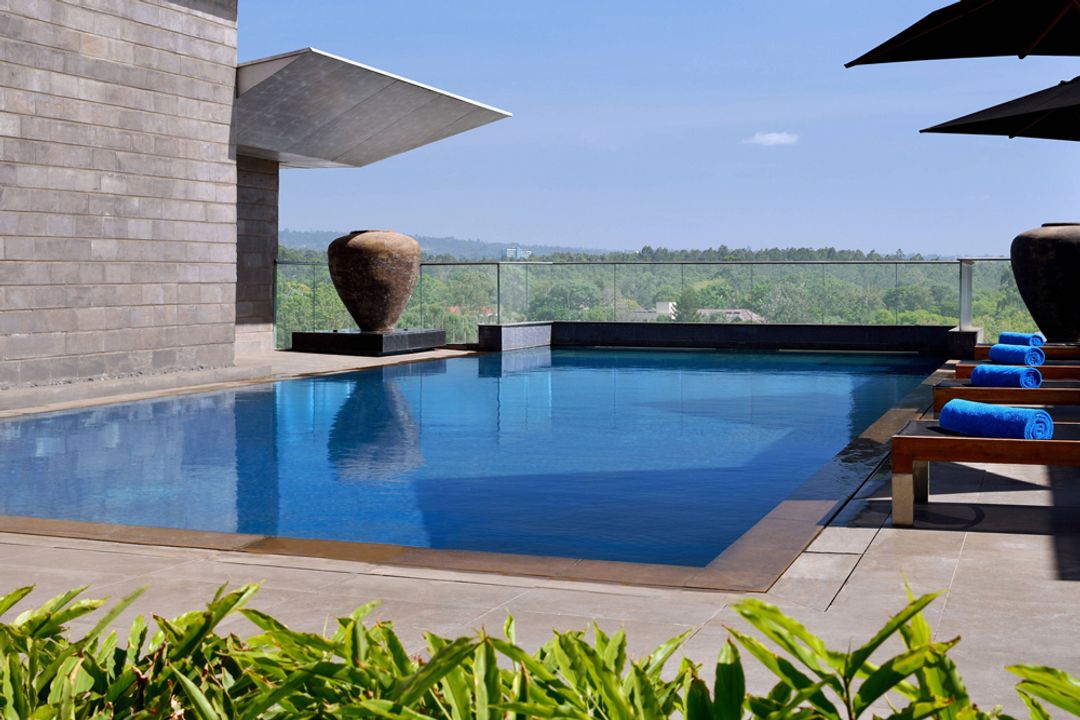
Westlands and Kitisuru represent a different Nairobi entirely, the northward expansion of the city that became home to diplomatic missions, Kenyan Asian business families, and an increasingly cosmopolitan professional class through the late twentieth century. Sankara Nairobi, part of Marriott's Autograph Collection, sits on Woodvale Grove in Westlands and takes its formal cues from contemporary East African modernism, with a clean tower profile and interiors that favor warm timber tones and local textile references without over-explaining them. It is a genuinely urban hotel in a way Hemingways is not, positioned near the galleries, restaurants, and office buildings that define Nairobi's commercial north. Kwetu Nairobi, a few minutes further into the quieter green enclave of Kitisuru under Hilton's Curio Collection, reads more as a boutique retreat: smaller in scale, more architecturally residential, and clearly aimed at anyone who finds the full urban press of Westlands too relentless but still wants to be within reach of it.
What these three properties collectively suggest is that where you sleep in Nairobi is also a decision about which city you want to be in. Karen and Hemingways offer a Nairobi of long distances, slow mornings, and historical layering. Westlands and Kitisuru, through Sankara and Kwetu, offer proximity to the city as it is actually being built right now. The traveler whose instinct is to notice how a place is changing will likely find the north more generative.