Best hotels in Marbella, Spain | Visually Compare Top Stays Side-by-Side
Welcome to PressBeyond - a curated visual guide to design-driven hotels and the fastest way to compare them.
An Overview of the Boutique & Luxury Hotel Landscape in Marbella, Spain
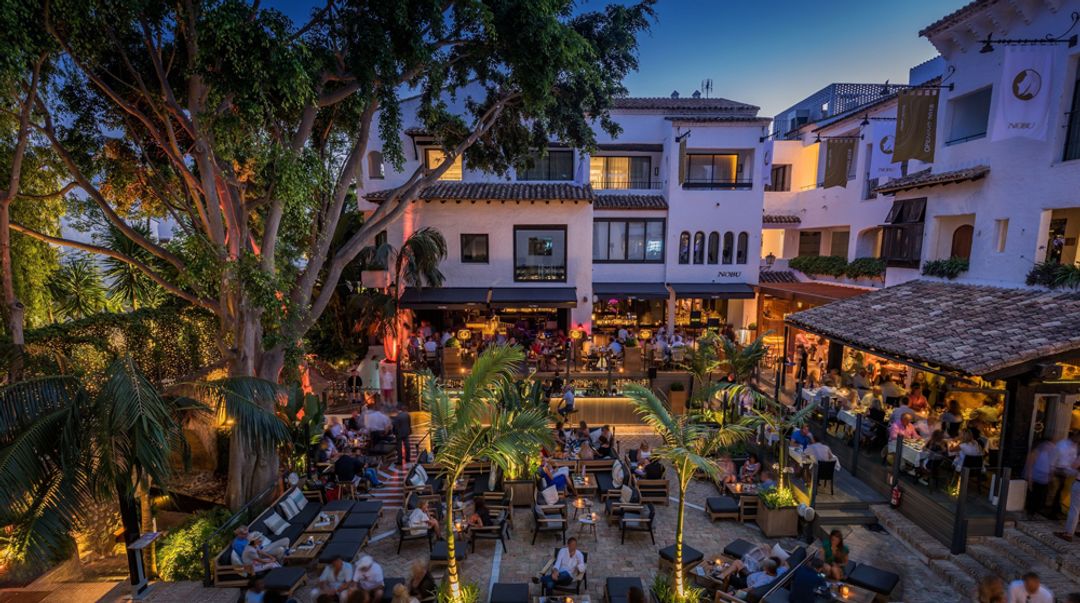
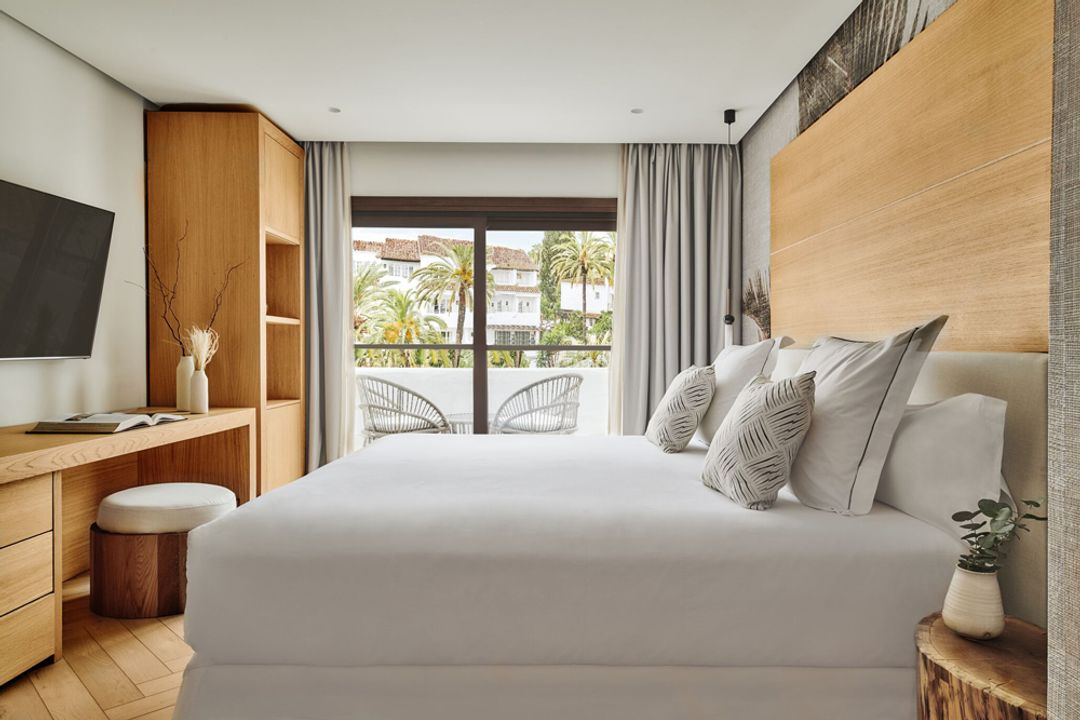
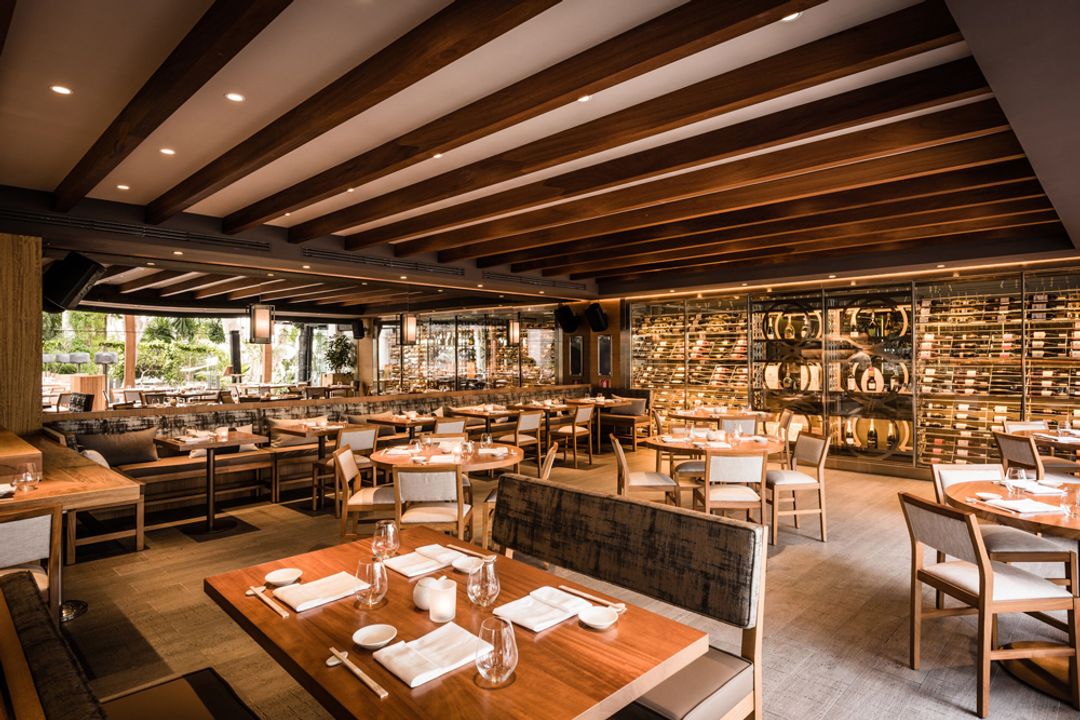
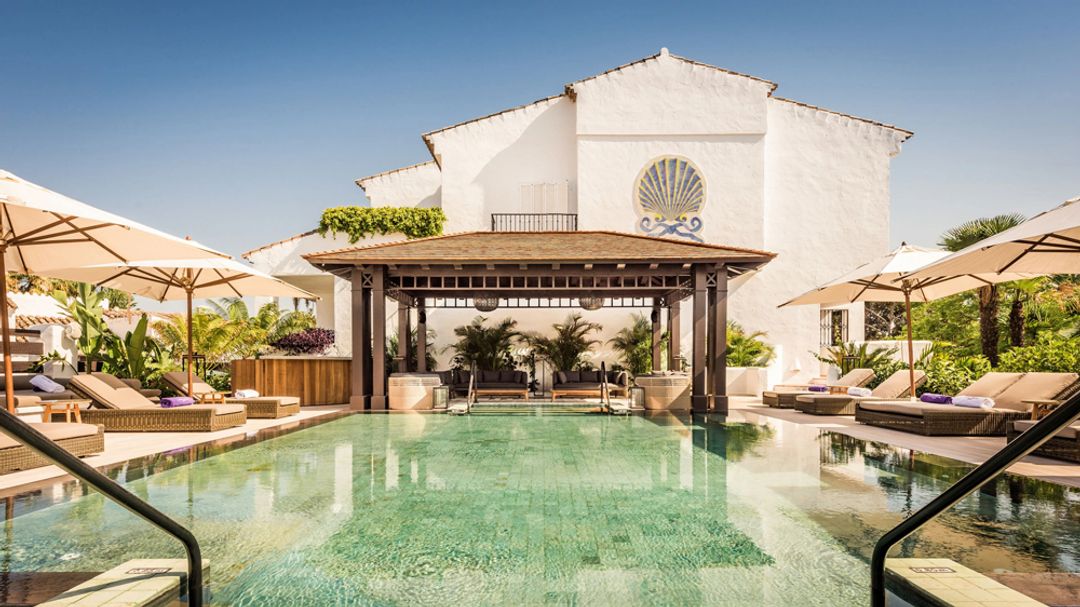
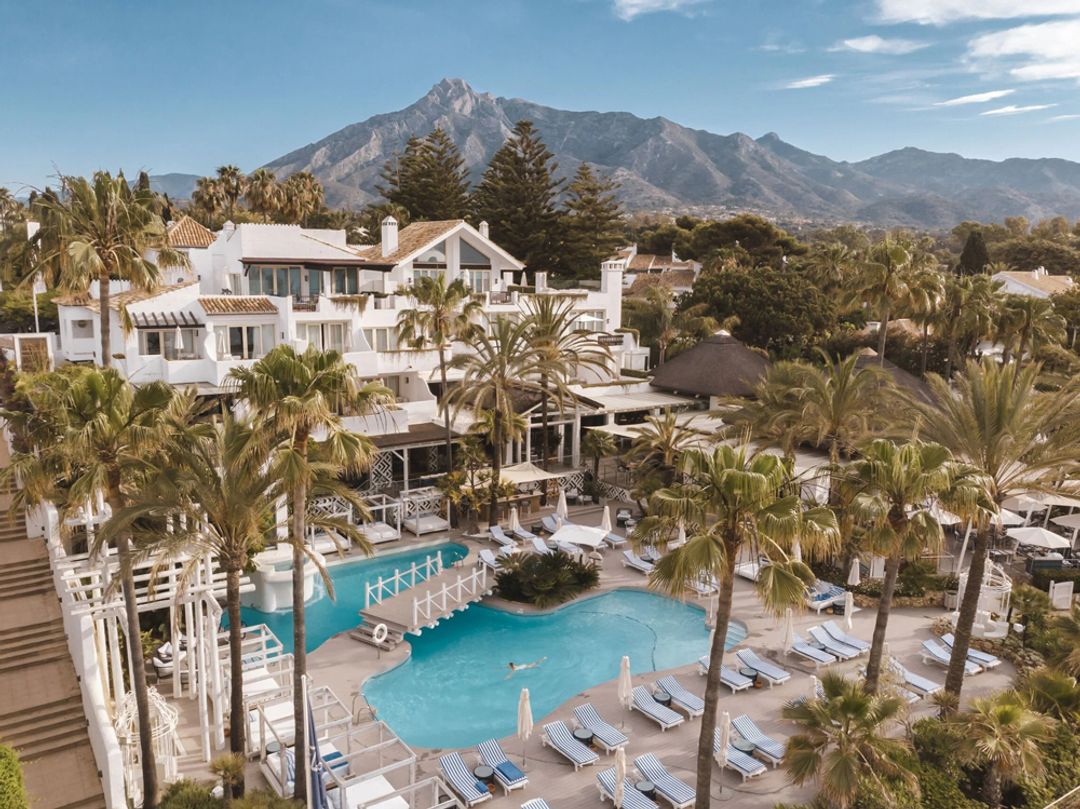
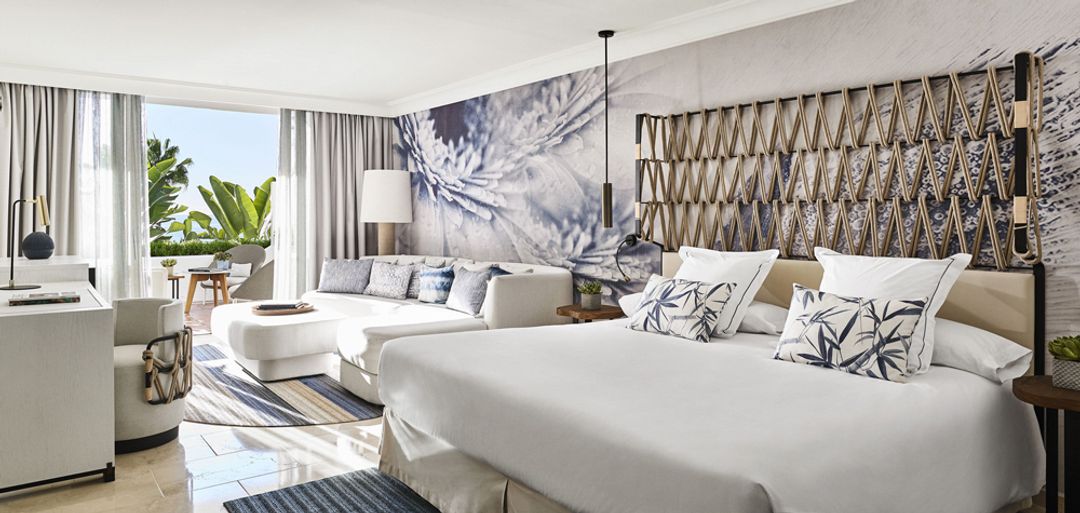
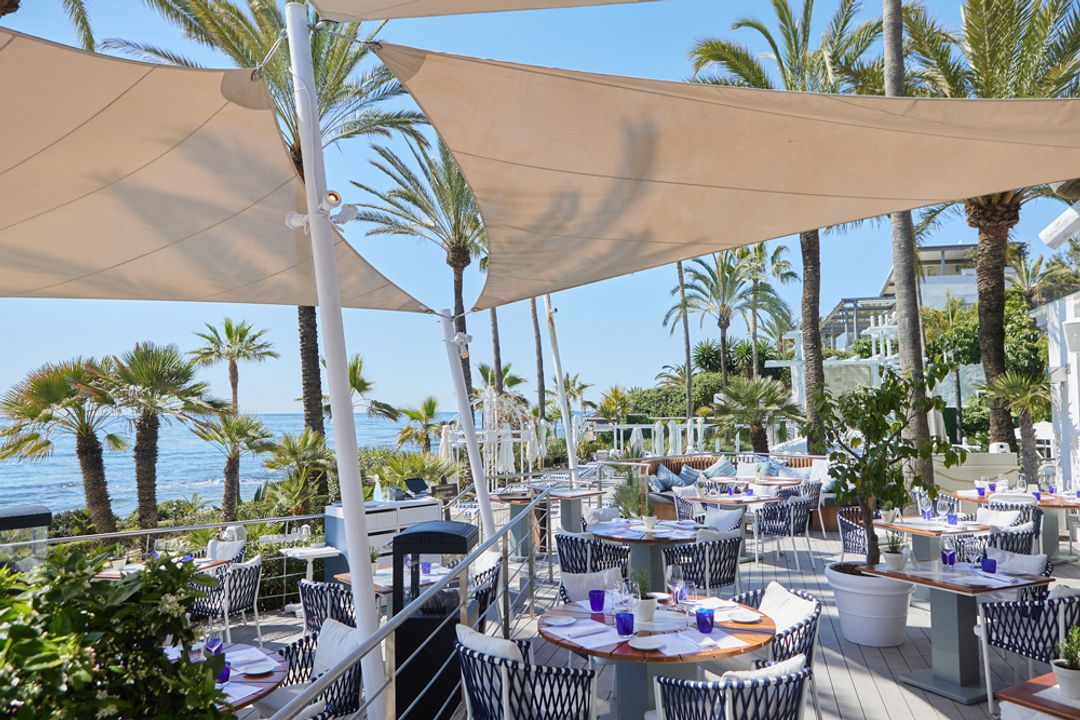
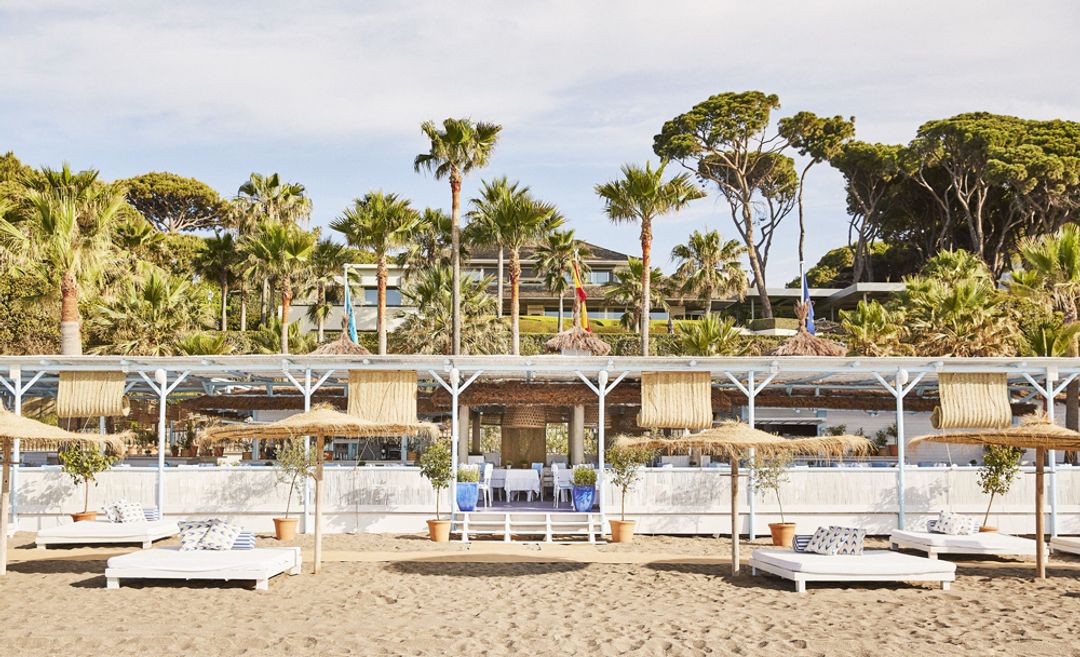
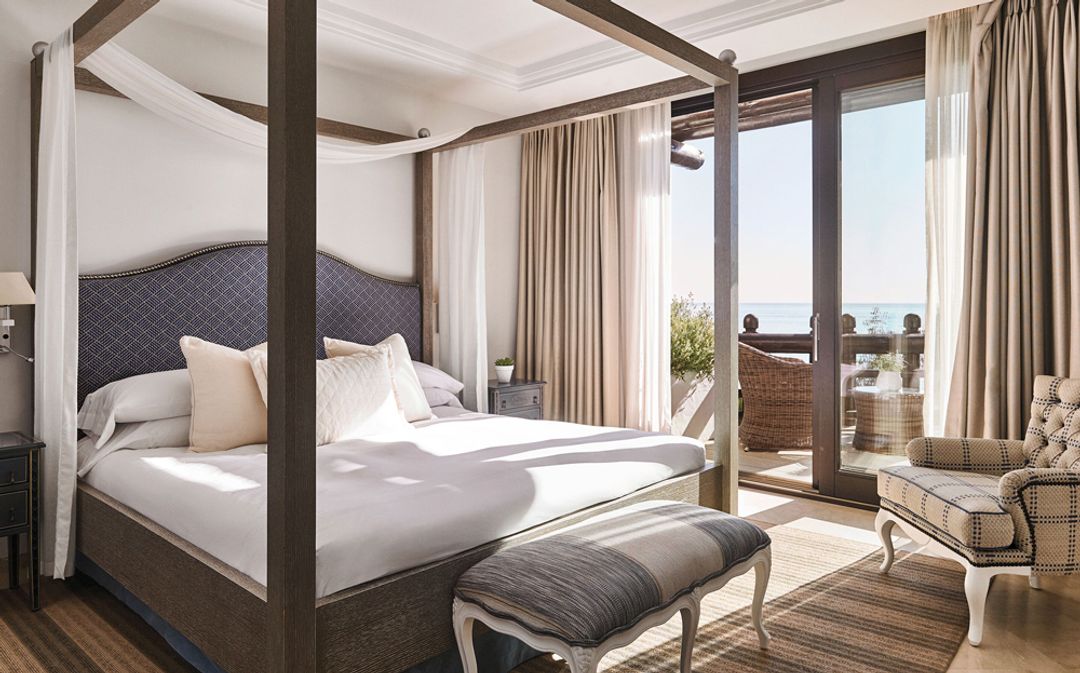
The Golden Mile, the six-kilometer stretch of coastline running between Marbella and Puerto Banús, has been the address of serious money since Alfonso von Hohenlohe opened the Marbella Club Hotel in 1954. That original property, now trading as the Marbella Club Hotel Golf Resort & Spa, set the template that the whole coast would spend the next seven decades amplifying: low-rise whitewashed pavilions arranged through subtropical gardens, with the Mediterranean framed at the end of every sightline. The architecture is Andalusian vernacular pulled into a mid-century resort sensibility, and despite successive renovations it retains a horizontal, almost residential calm that newer competitors have struggled to match. Directly adjacent, the Puente Romano Beach Resort began in 1979 as a residential development and carries that domestic scale into its current incarnation as a hotel, its Moorish arches and terracotta rooflines laced through mature gardens thick with bougainvillea. The Nobu Hotel Marbella represents a more recent commercial register on the same stretch, its branding-forward identity imported wholesale from Robert De Niro and Nobu Matsuhisa's global hospitality enterprise, and while it lacks the site-specific character of its neighbors, it brings a contemporary energy that younger visitors find more immediately legible than the old-guard formality of the Marbella Club.
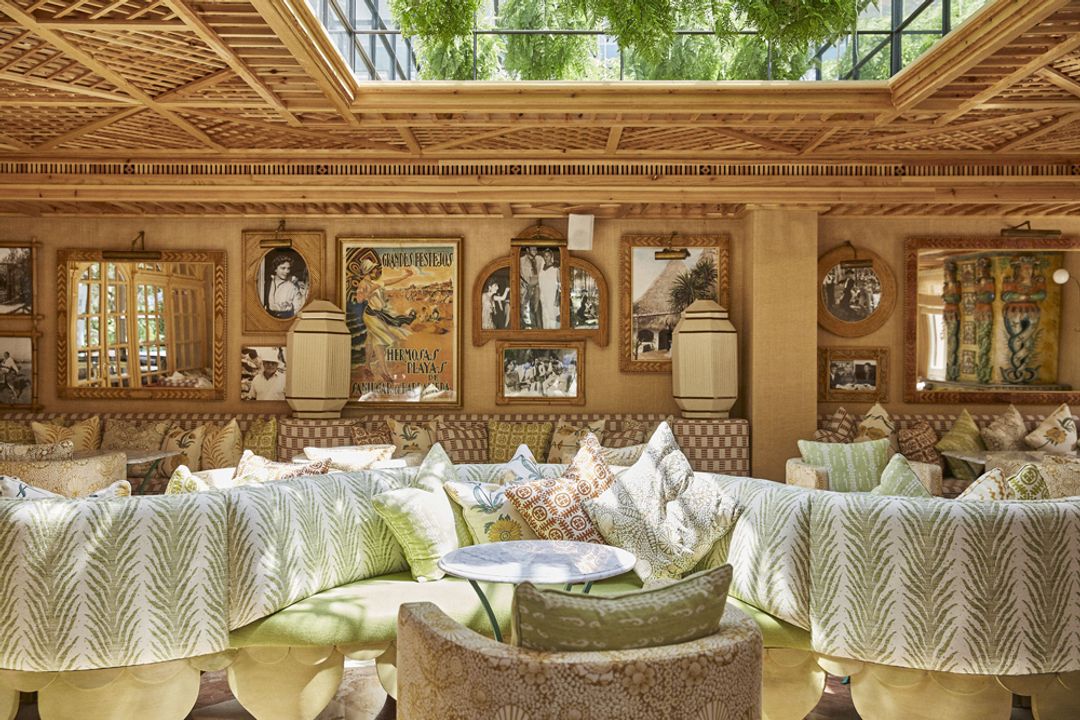
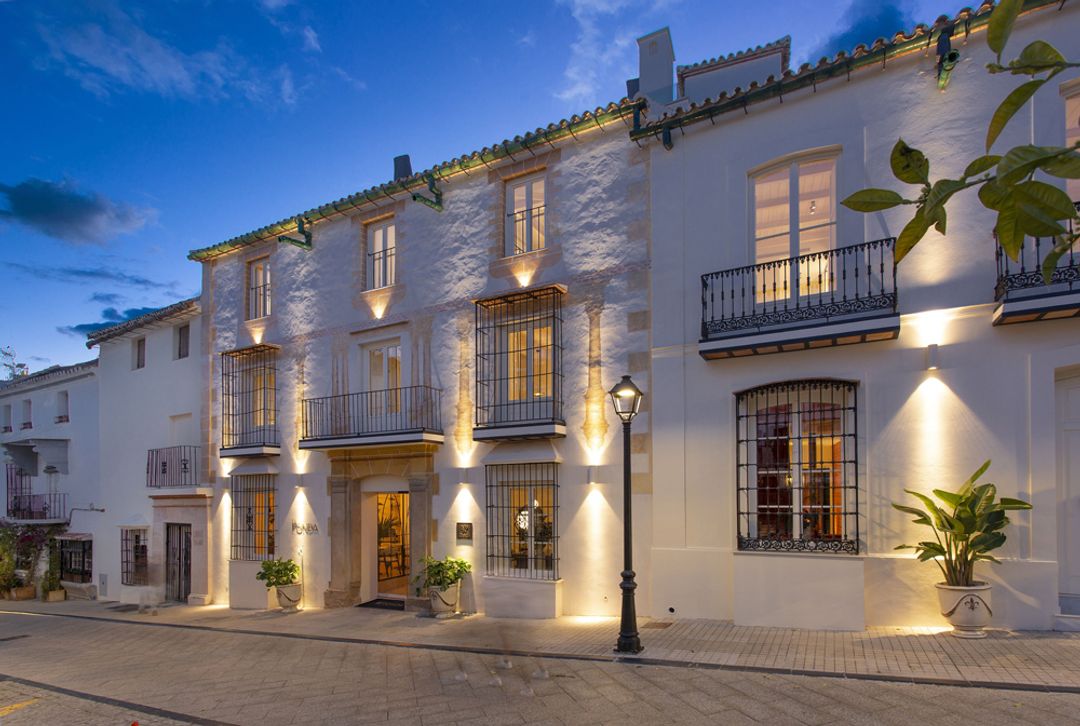
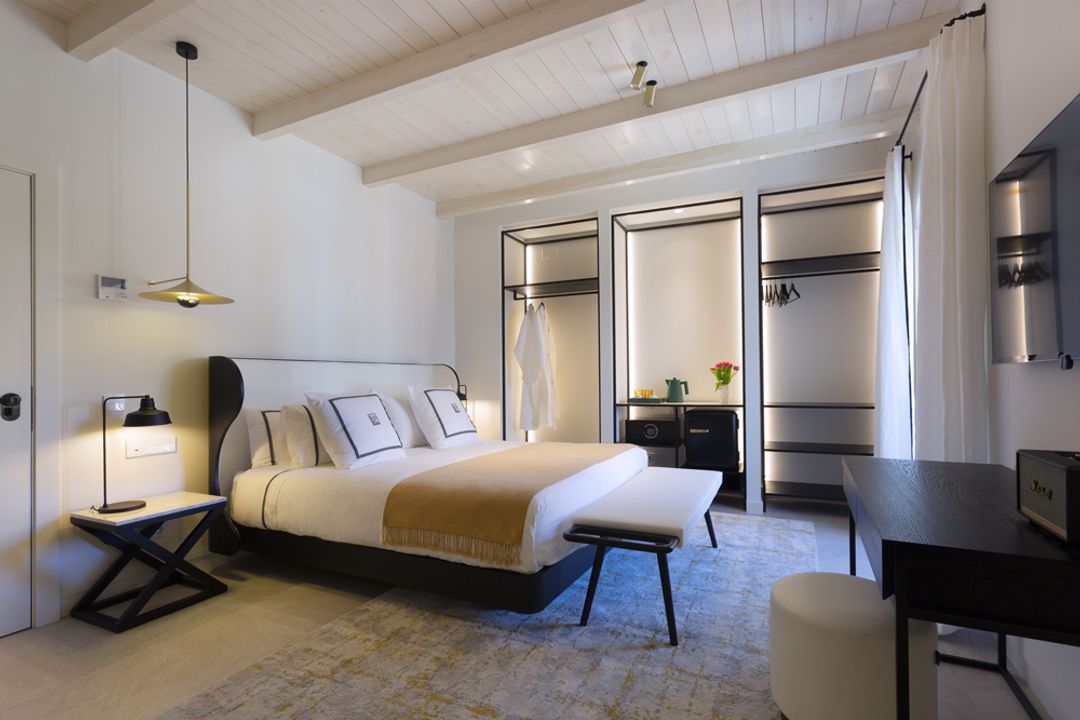
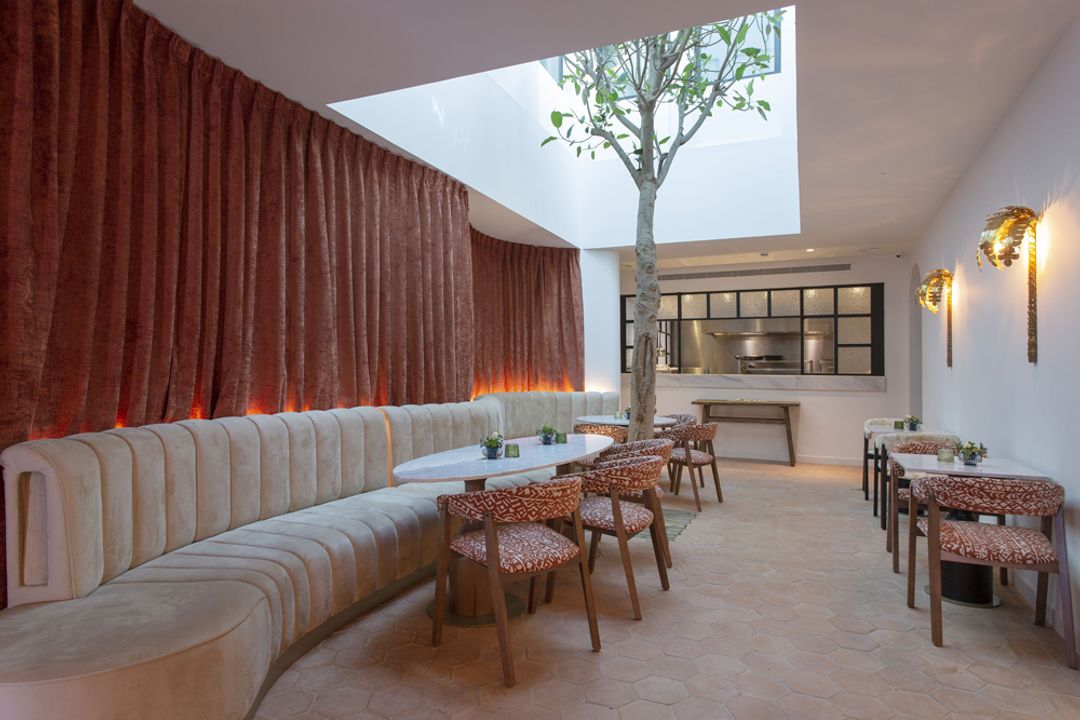
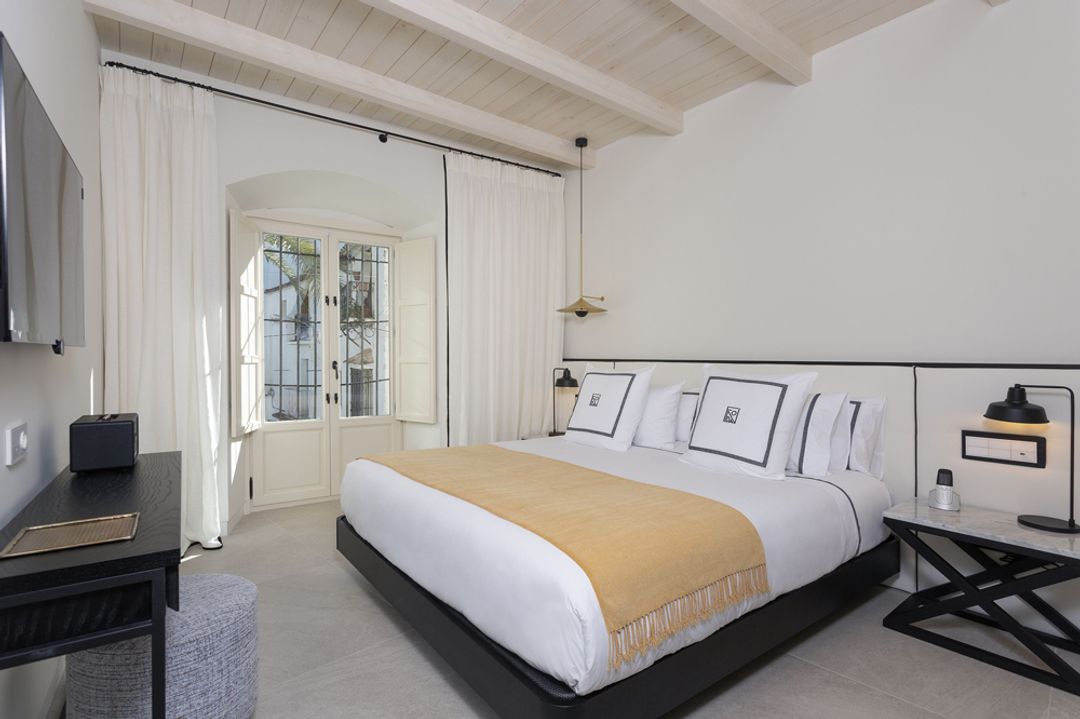
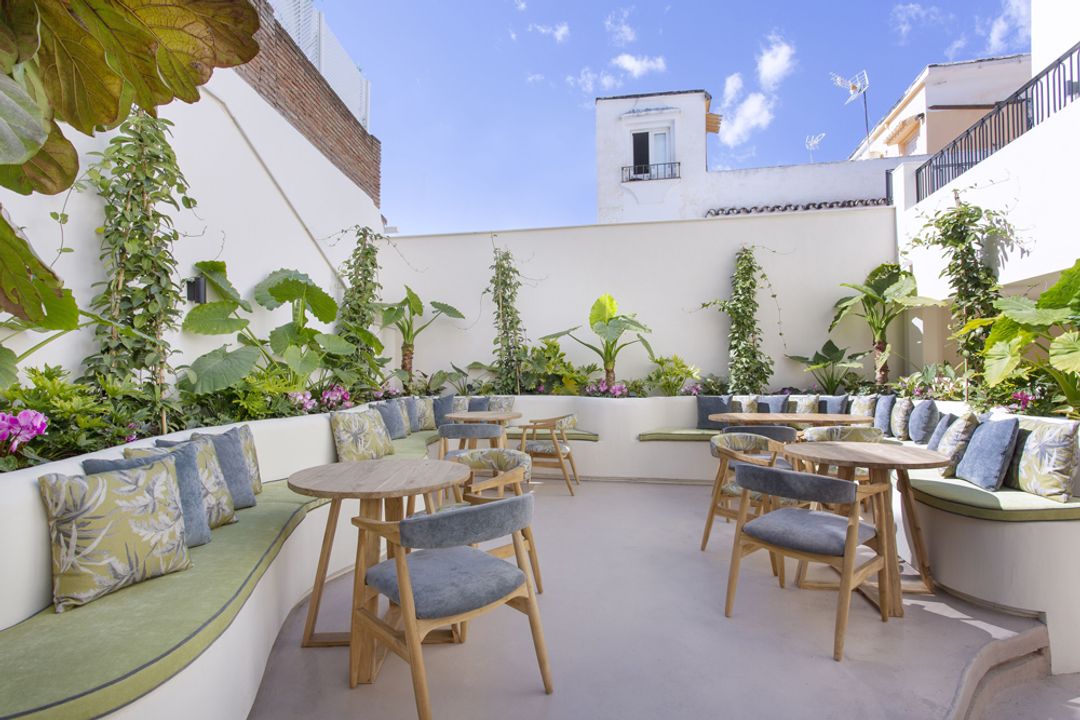
Those willing to leave the coast entirely will find the city's oldest quarter operating on a completely different scale. Old Town Marbella is compact, whitewashed, and genuinely medieval in its street plan, and La Fonda Heritage Hotel occupies a building with roots in the 16th century near the Plaza de los Naranjos. The property's interiors layer hand-painted azulejo tiles, antique wrought iron, and local artisanal craft in ways that feel less like décor and more like accumulated history, making it the most architecturally grounded address in the city despite its mid-range positioning.
For a traveler whose instinct is to read buildings as documents of place, Old Town wins without contest. The Golden Mile hotels, for all their expense, are primarily selling a lifestyle performance, one refined and comfortable and occasionally genuinely beautiful, but fundamentally conceived around pool access and status address rather than architectural intention. What Marbella offers across both zones is a choice between two distinct ideas of the Mediterranean, one that belongs to the postwar leisure economy and another that predates it by four centuries.