Best hotels in Menorca, Spain | Visually Compare Top Stays Side-by-Side
Welcome to PressBeyond - a curated visual guide to design-driven hotels and the fastest way to compare them.
An Overview of the Boutique & Luxury Hotel Landscape in Menorca, Spain
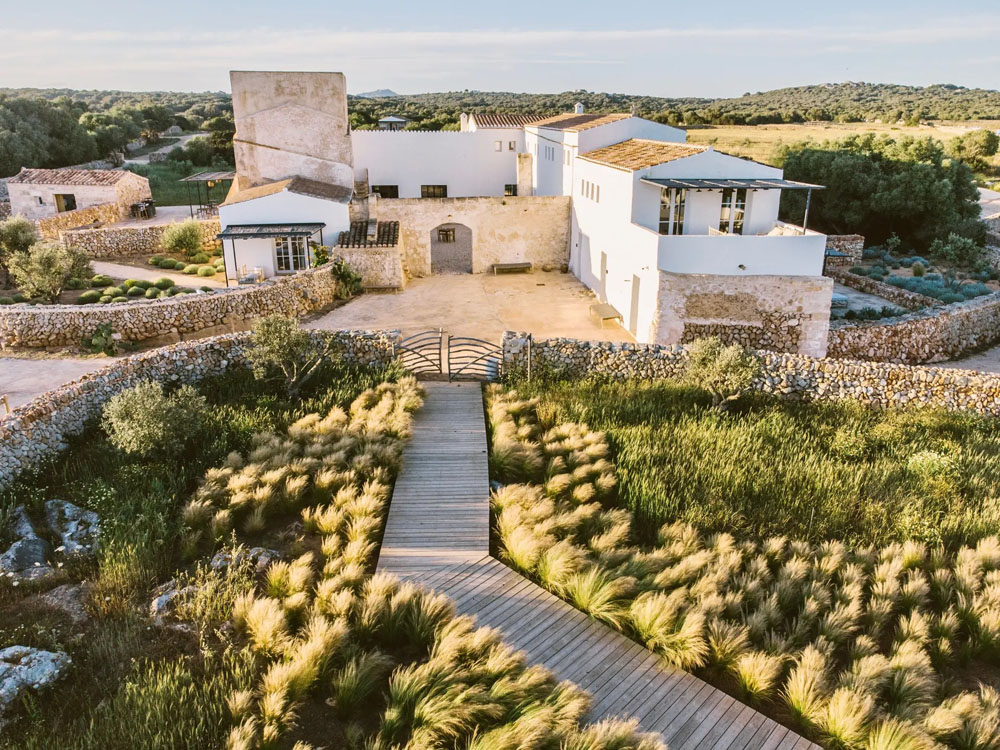
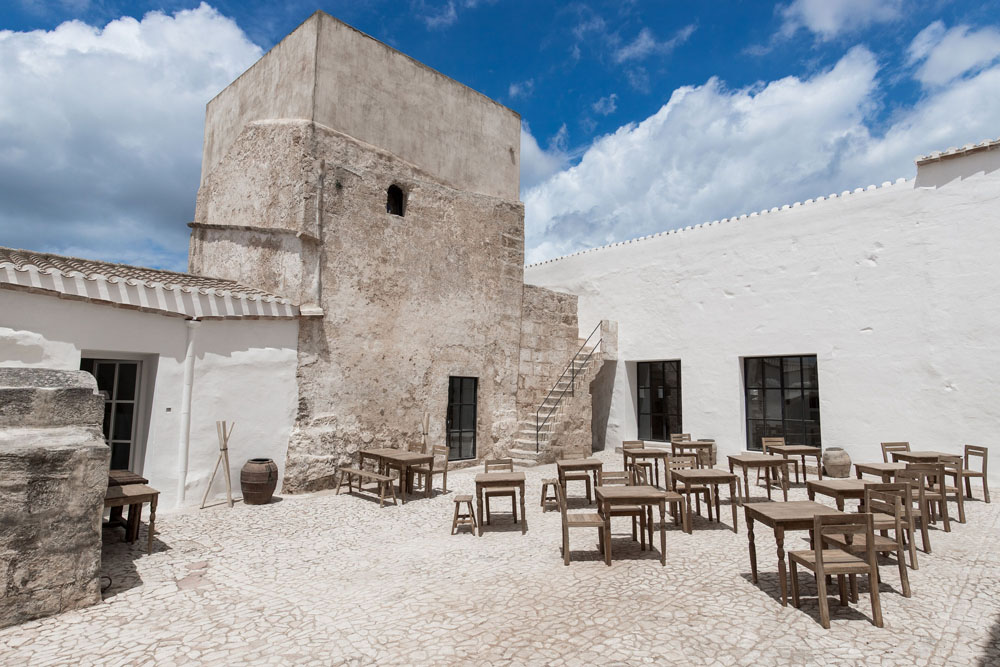
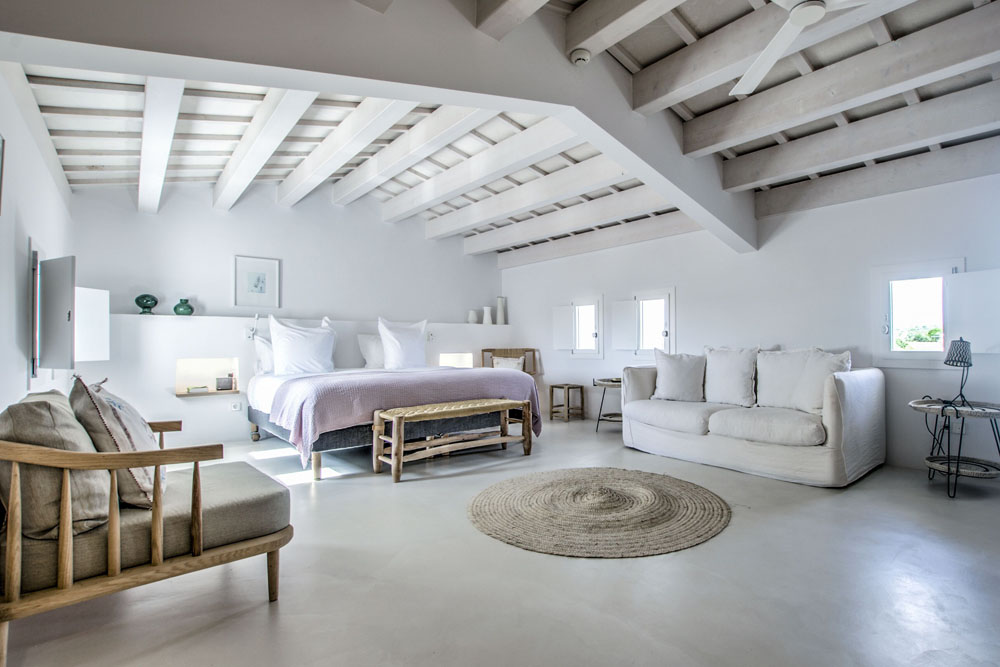
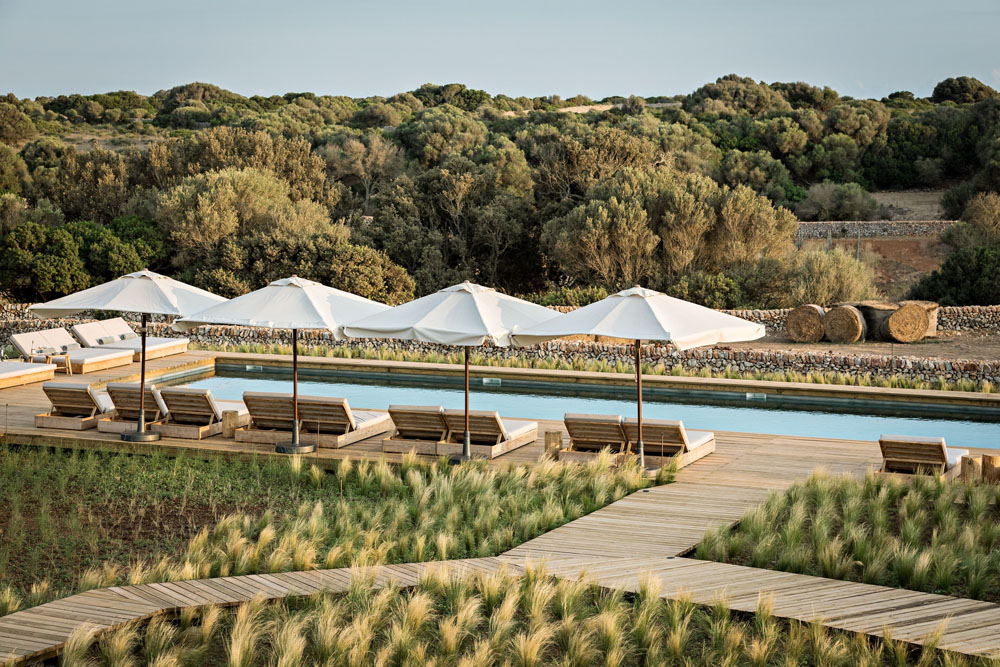
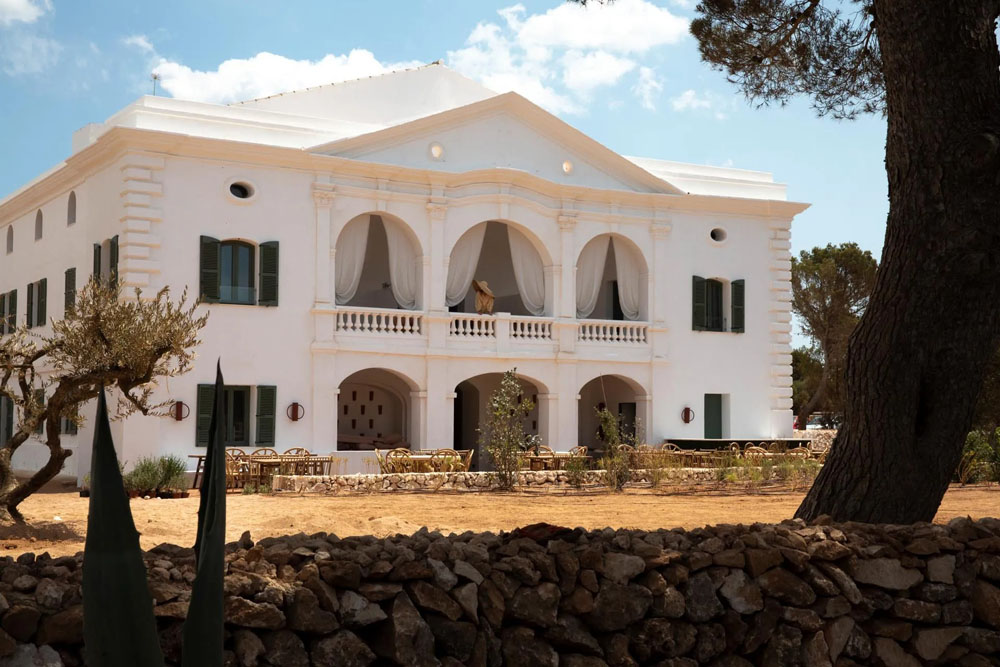
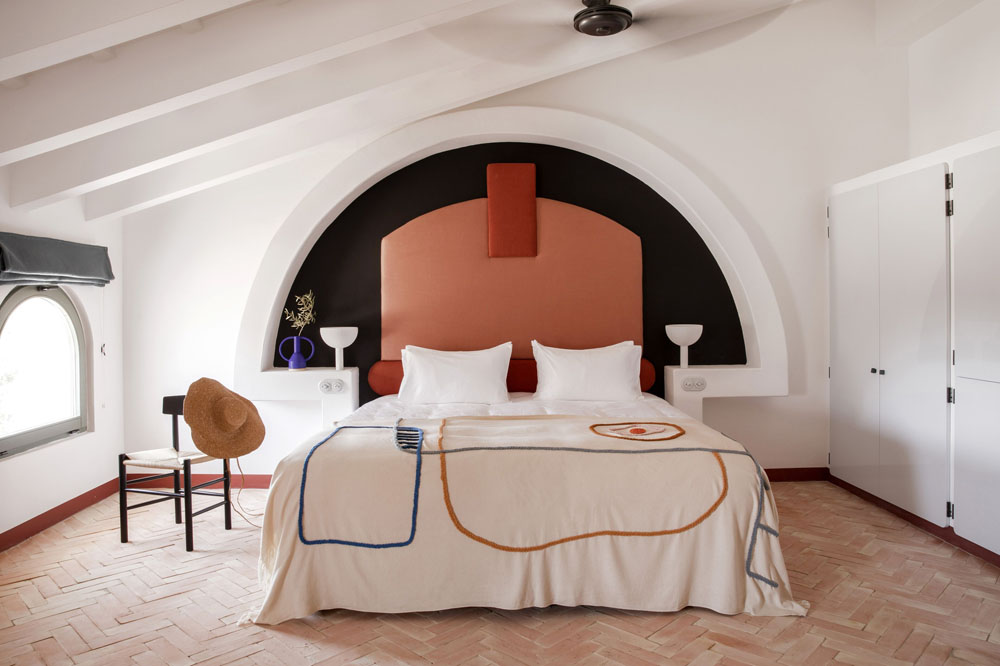
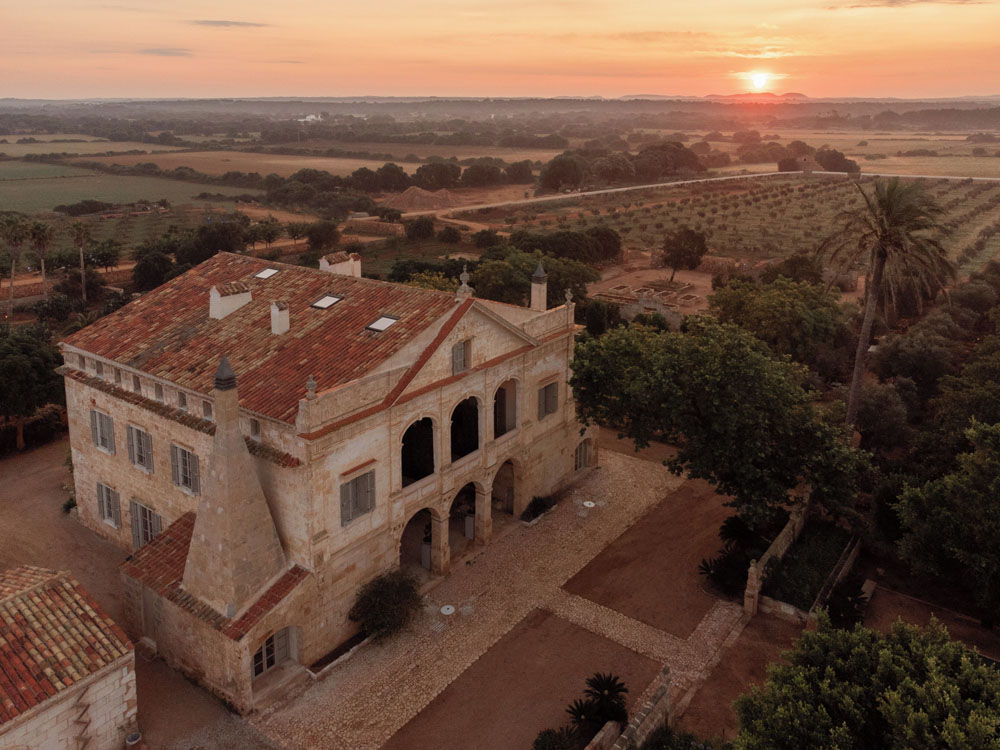
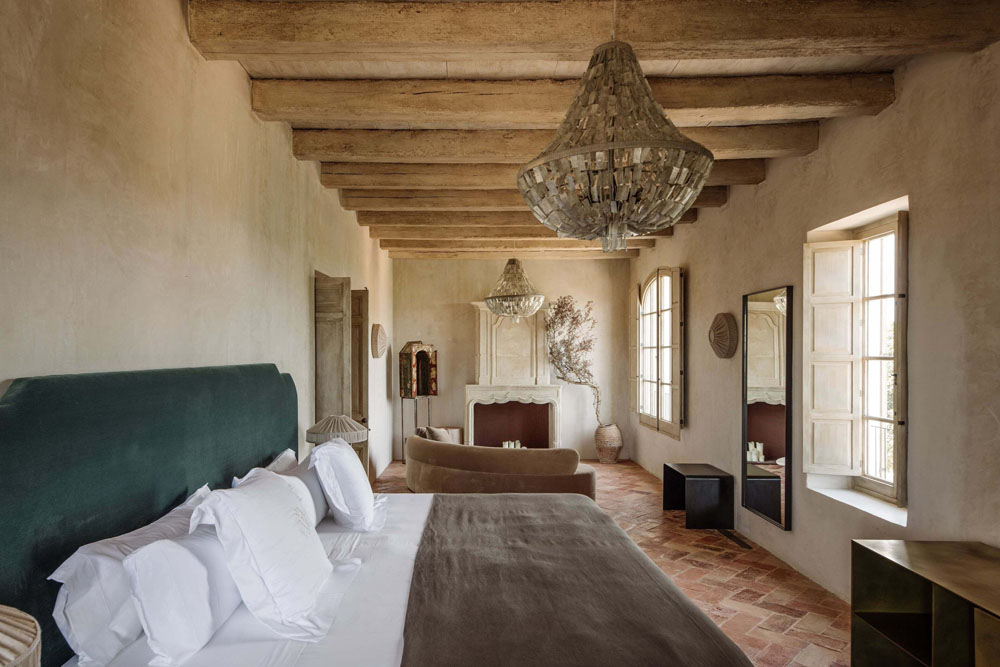
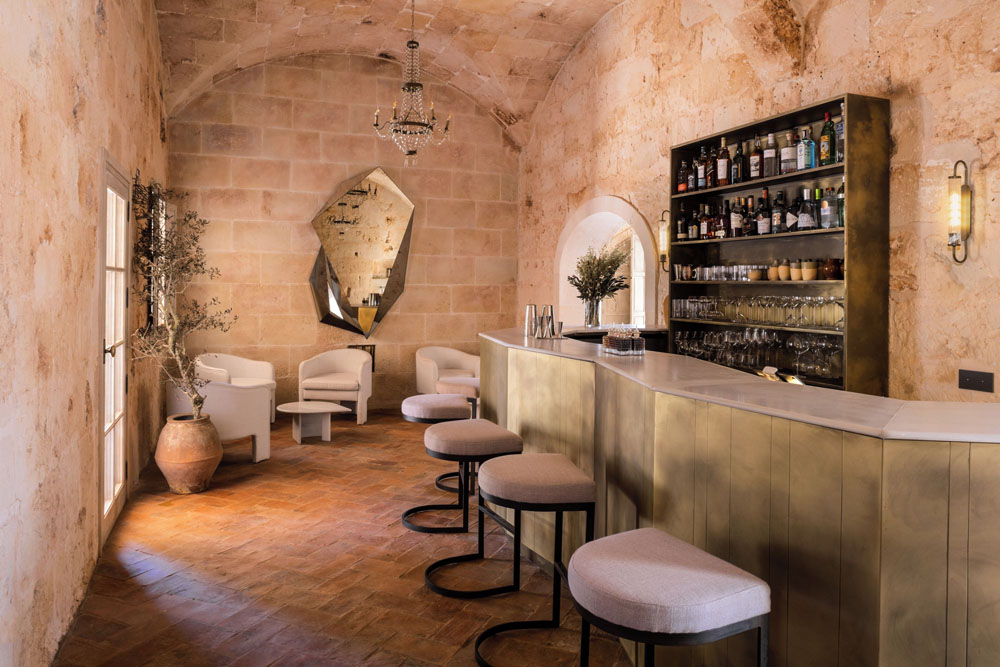
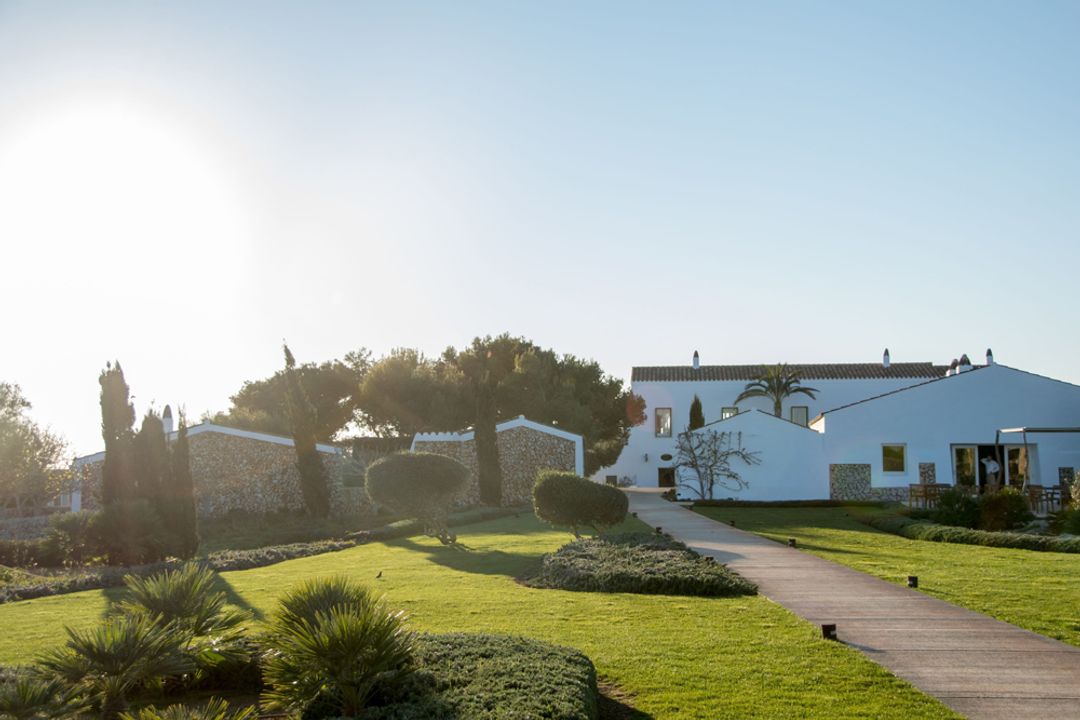
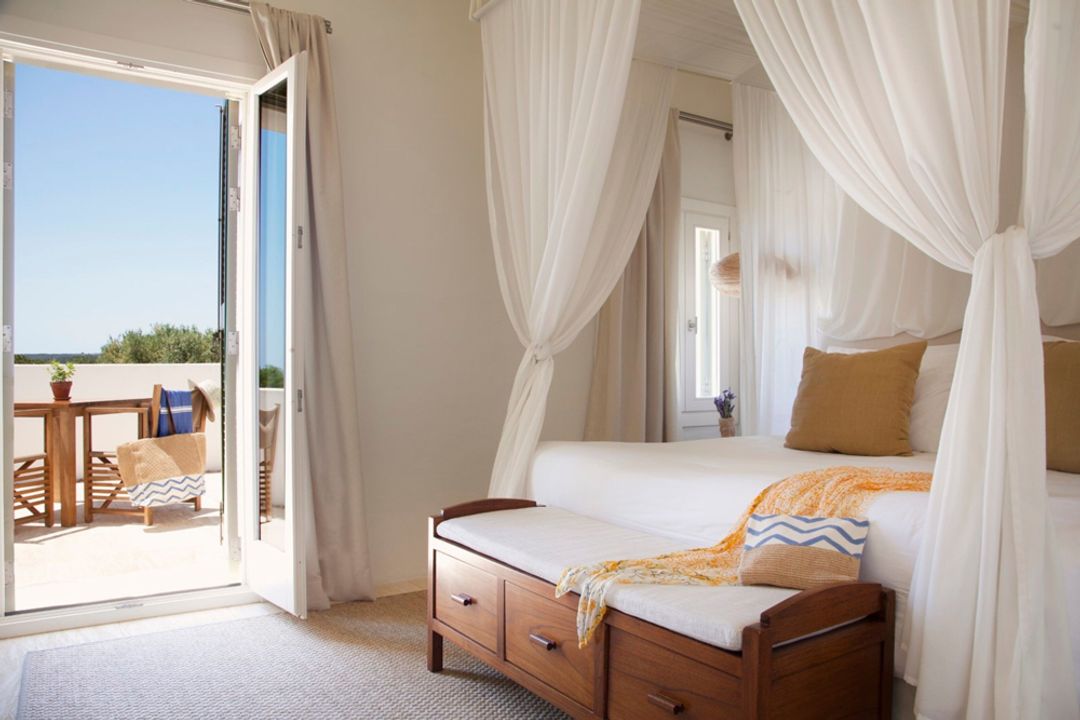
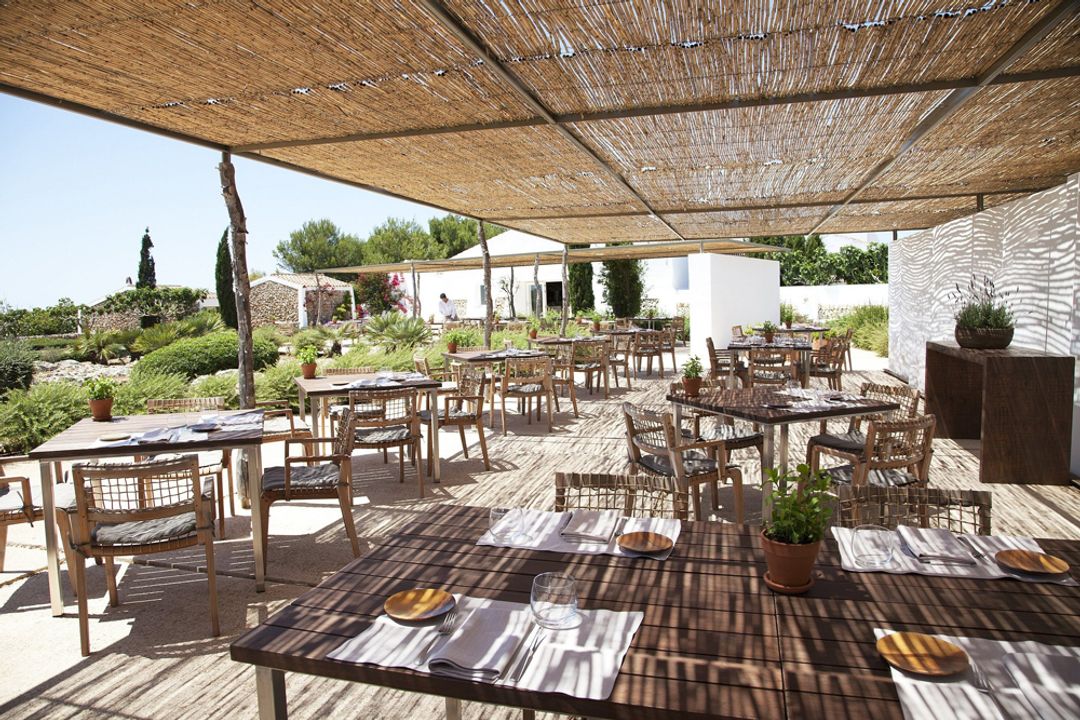
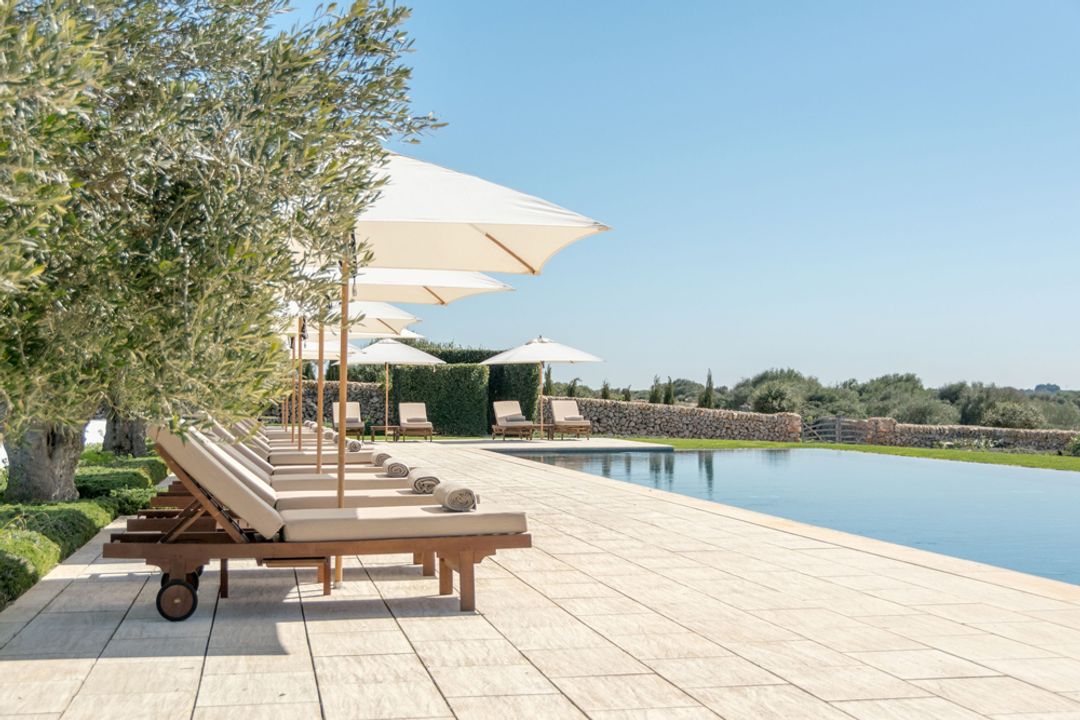
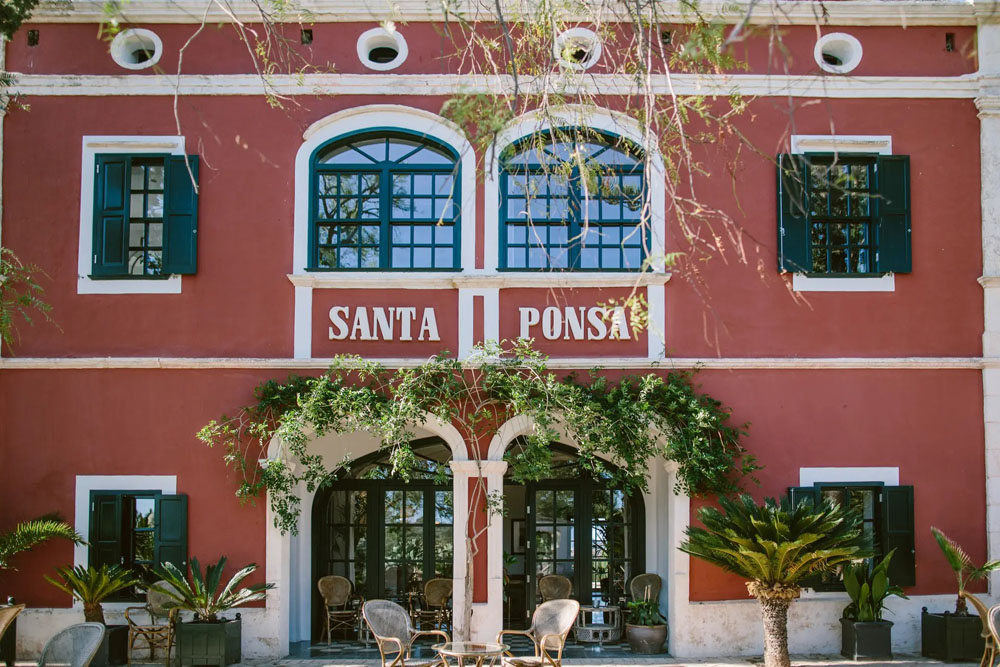
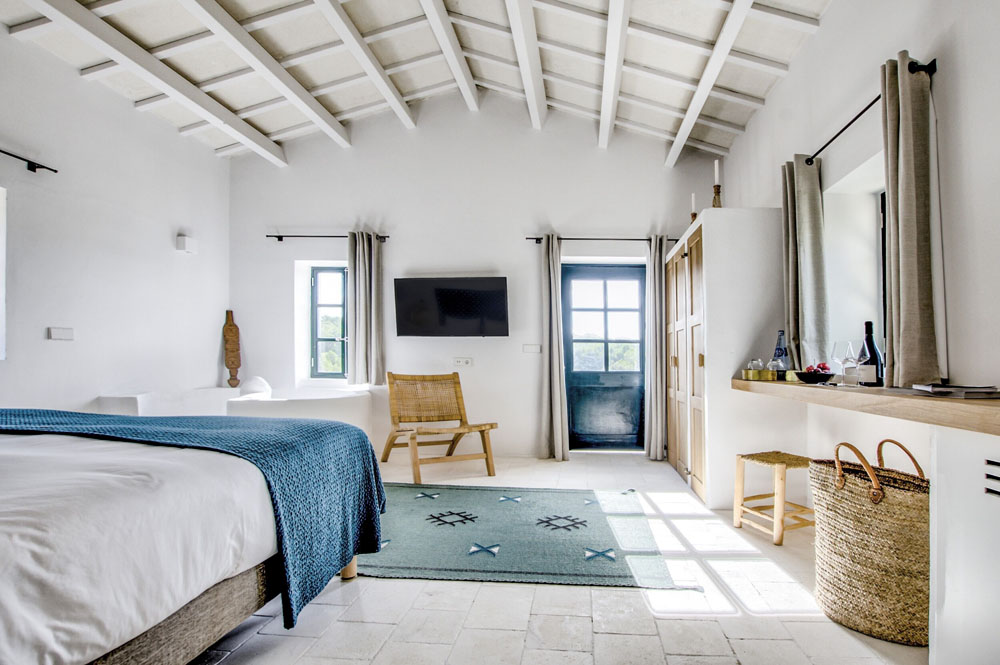
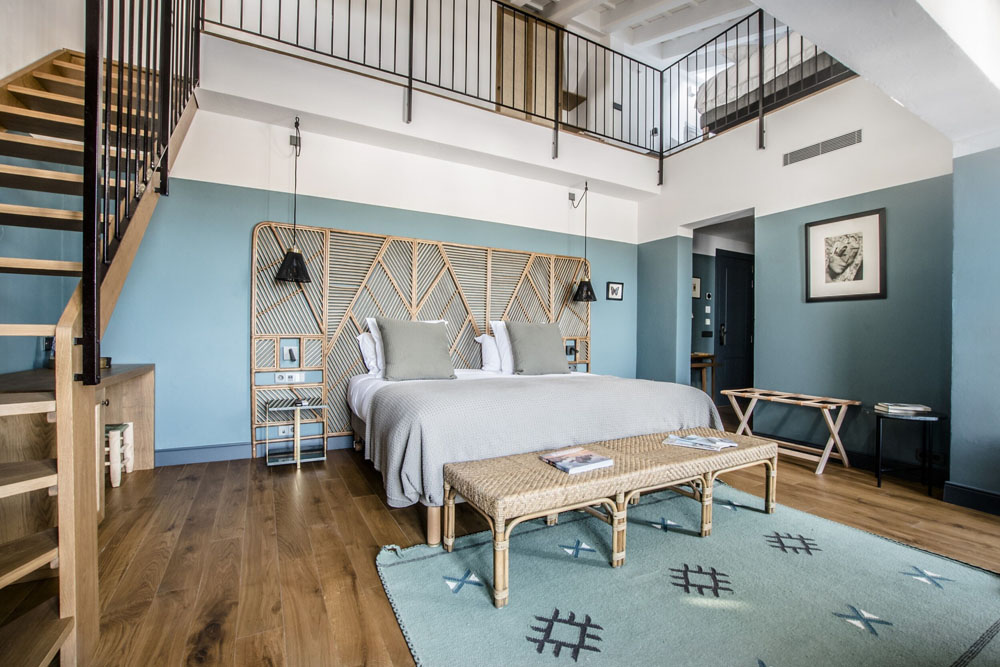
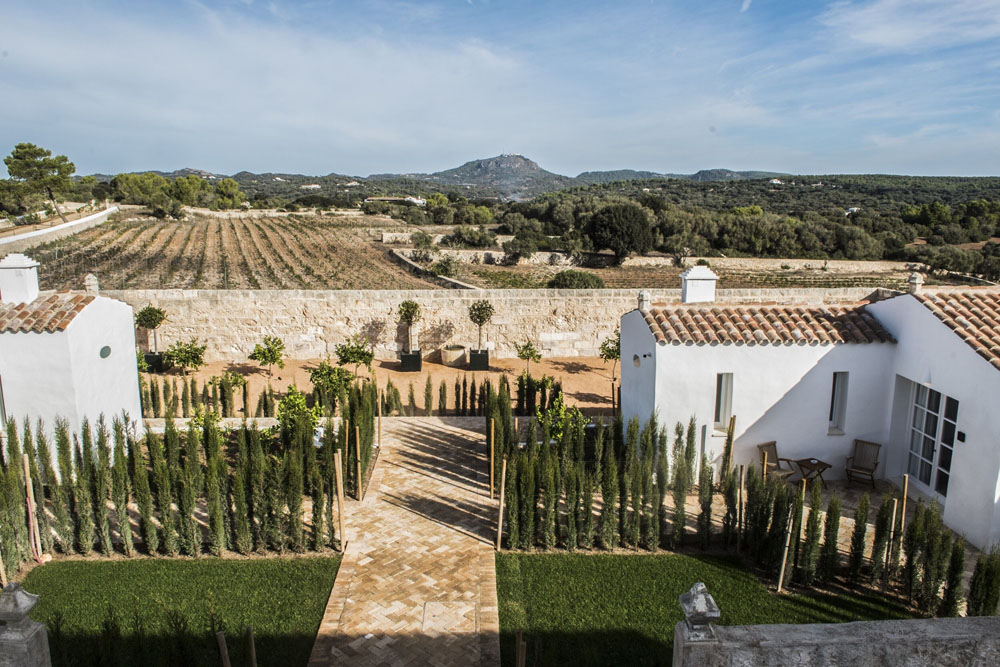
Menorca earns its UNESCO Biosphere Reserve status in ways you feel before you understand them: the light is particular here, flattened and clear, and the island's vernacular architecture — whitewashed farmhouses called llocs, dry-stone walls threading the interior, green-shuttered windows facing away from the tramuntana — reads as a continuous design decision made over centuries. That restraint shapes what the best hotels here are actually doing. At Torralbenc, a former agricultural estate near Alaior, the conversion preserves the working geometry of the original finca: low whitewashed volumes, a wine cellar still in use, landscape that hasn't been manicured into resort softness. The Fontenille group operates two distinct properties nearby, Torre Vella and Santa Ponsa, both rooted in the same Alaior countryside but differentiated by scale and intensity, Torre Vella sitting at the higher end with a more considered interior finish throughout.
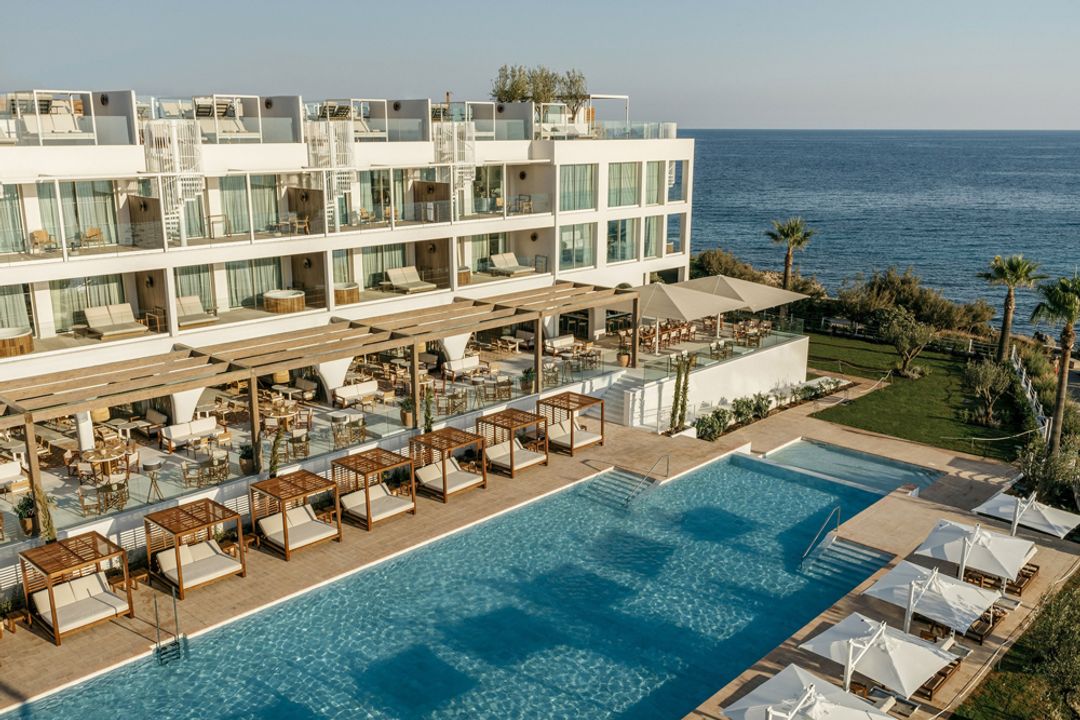
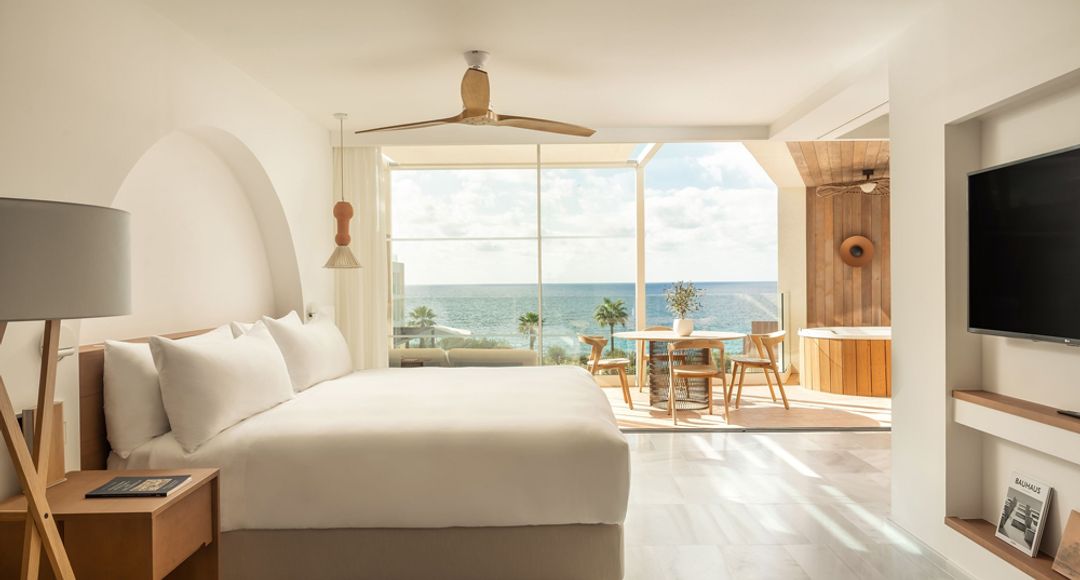
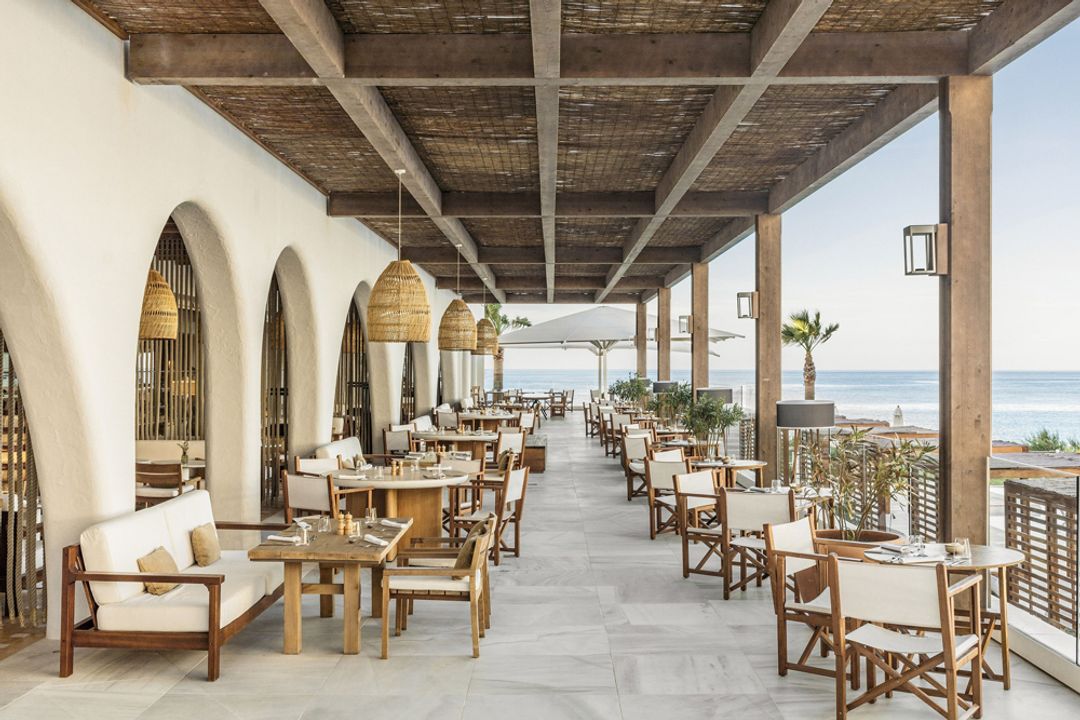
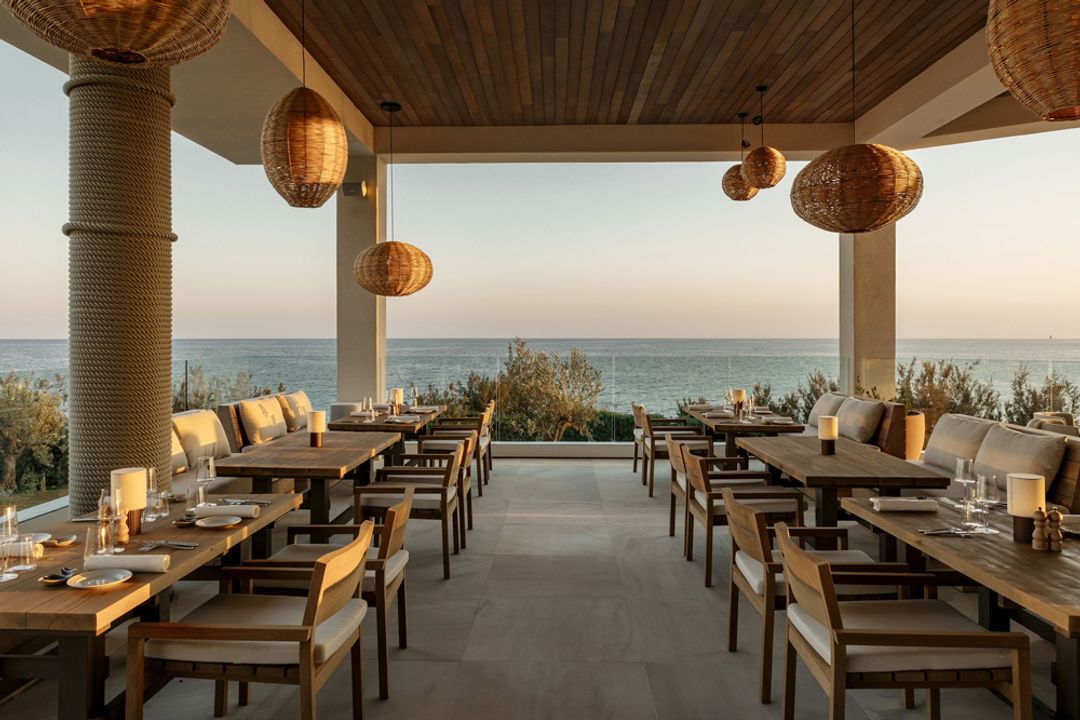
The south coast brings a different register. Villa Le Blanc, Gran Meliá's property at Santo Tomàs, occupies a clifftop position above one of the island's calmer bays and represents the group's adults-only Gran Meliá tier, which means a more polished, overtly curated sensibility than the agrarian conversions further inland. Menorca Experimental at Cala Llucalari belongs to the Paris-based Experimental Group, whose properties elsewhere in Europe — Menorca's Balearic neighbors included — tend to combine a certain studied informality with genuinely committed interiors; here the setting is a remote south-coast cala, which keeps the property feeling less accessible and more deliberate for it. Vestige Son Vell in Ciutadella, the island's handsome baroque capital on the western tip, occupies a different urban register entirely: Ciutadella's cathedral quarter and harbor give it an architectural seriousness that the rural fincas don't need to contend with.
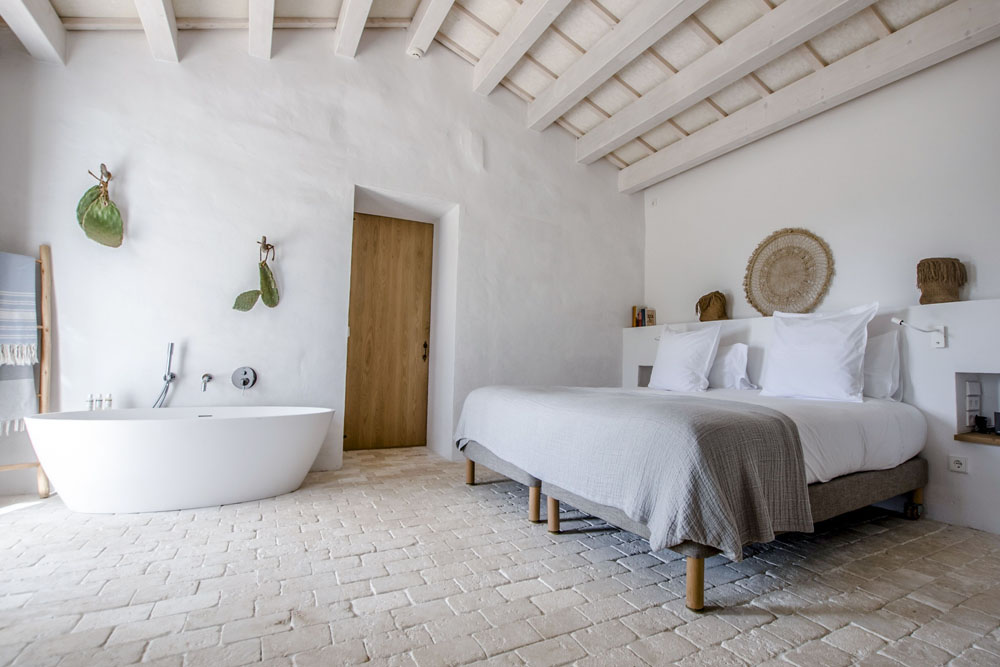
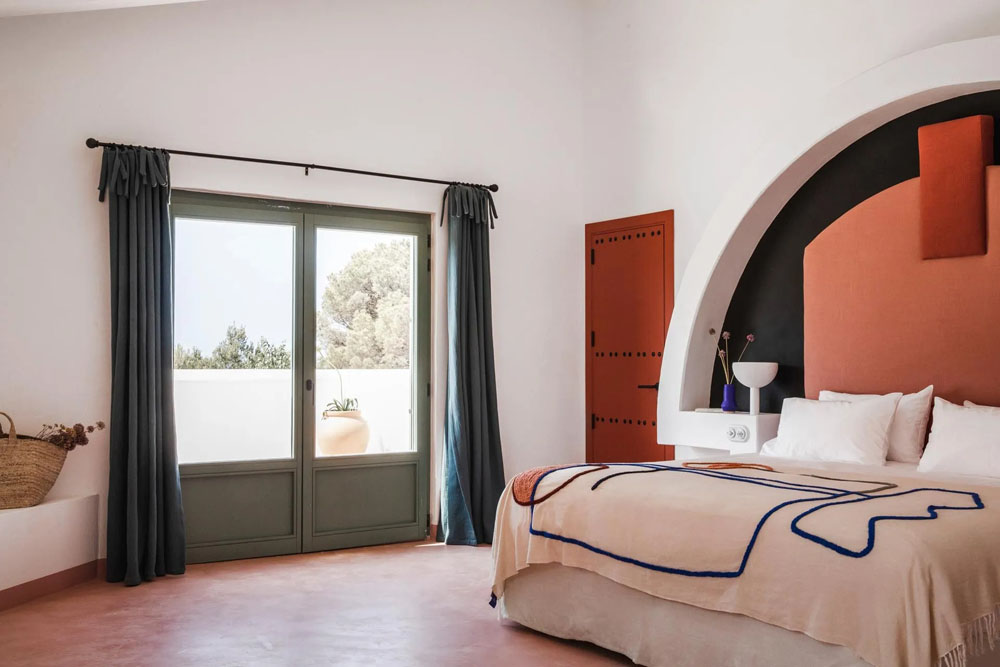
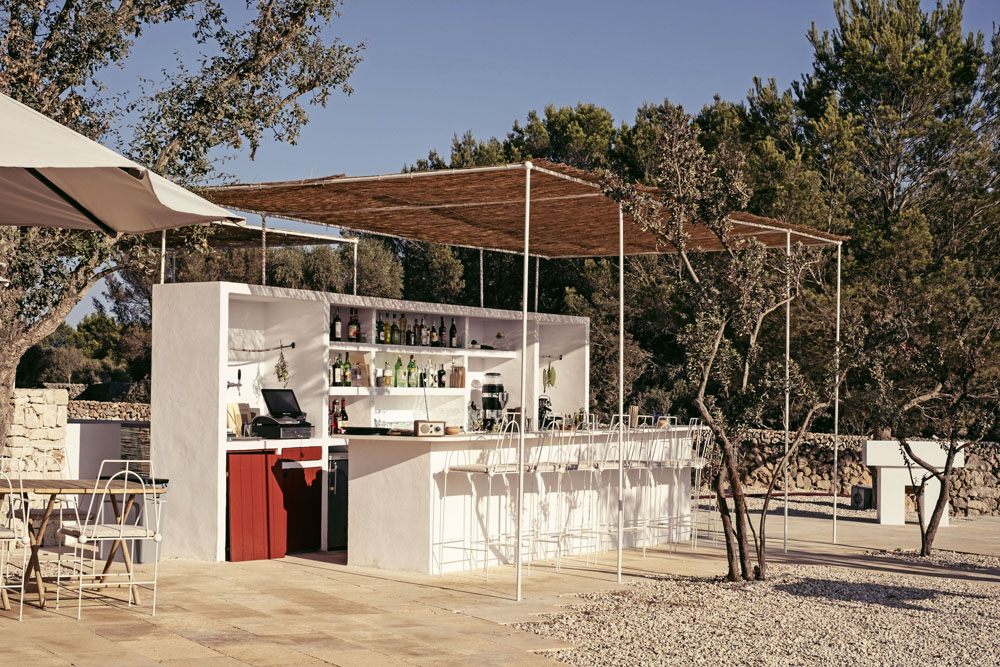
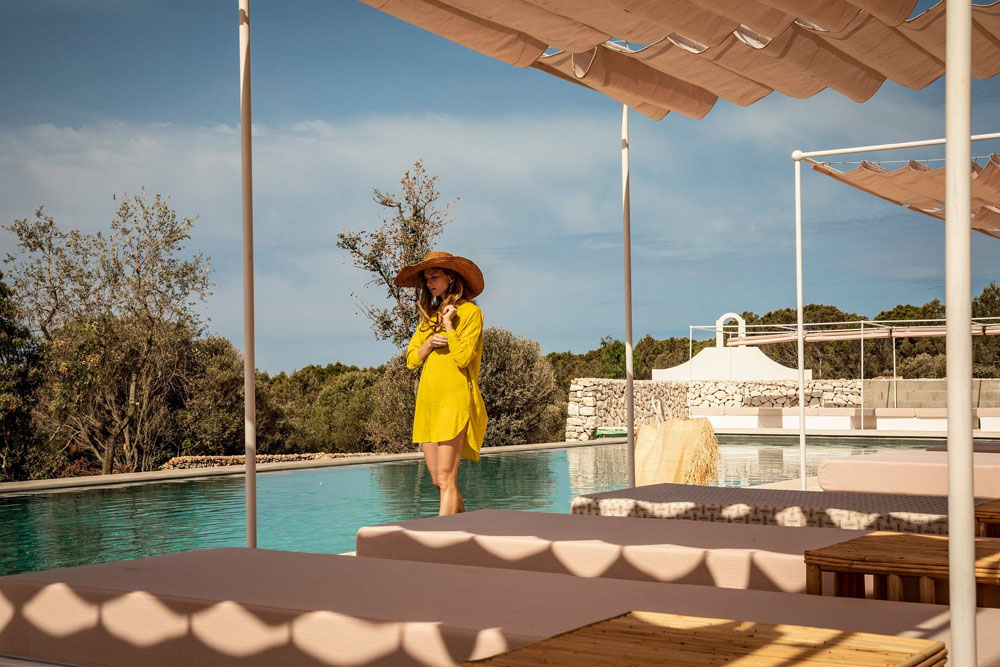
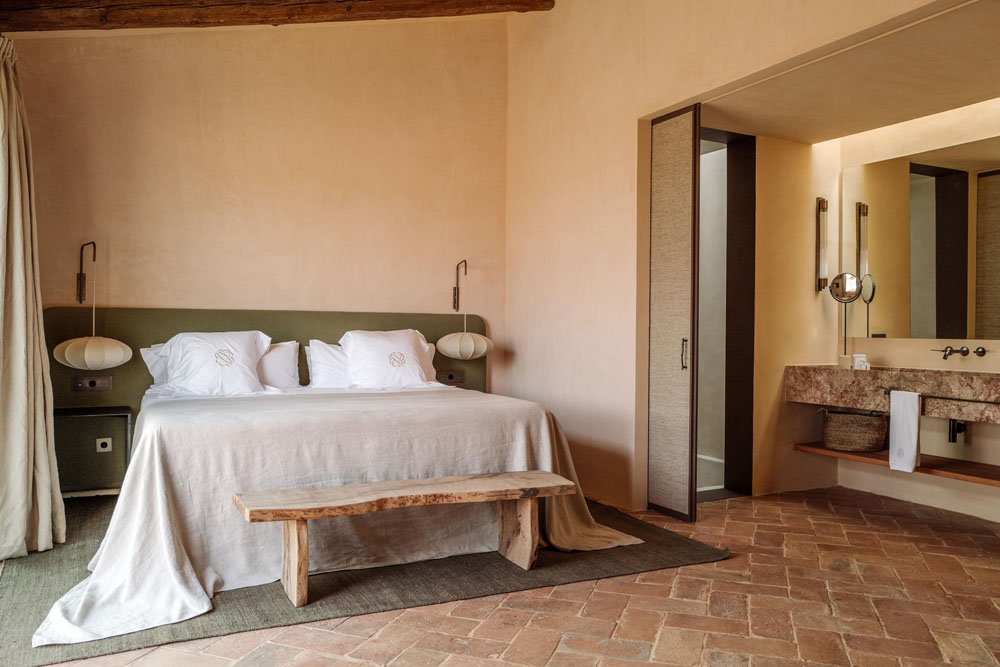
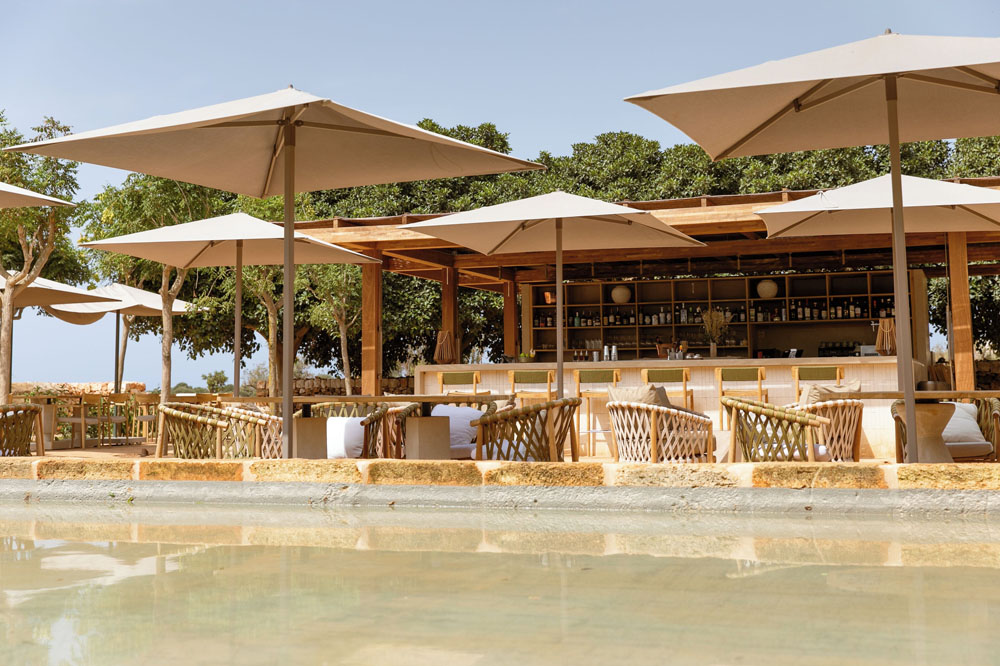
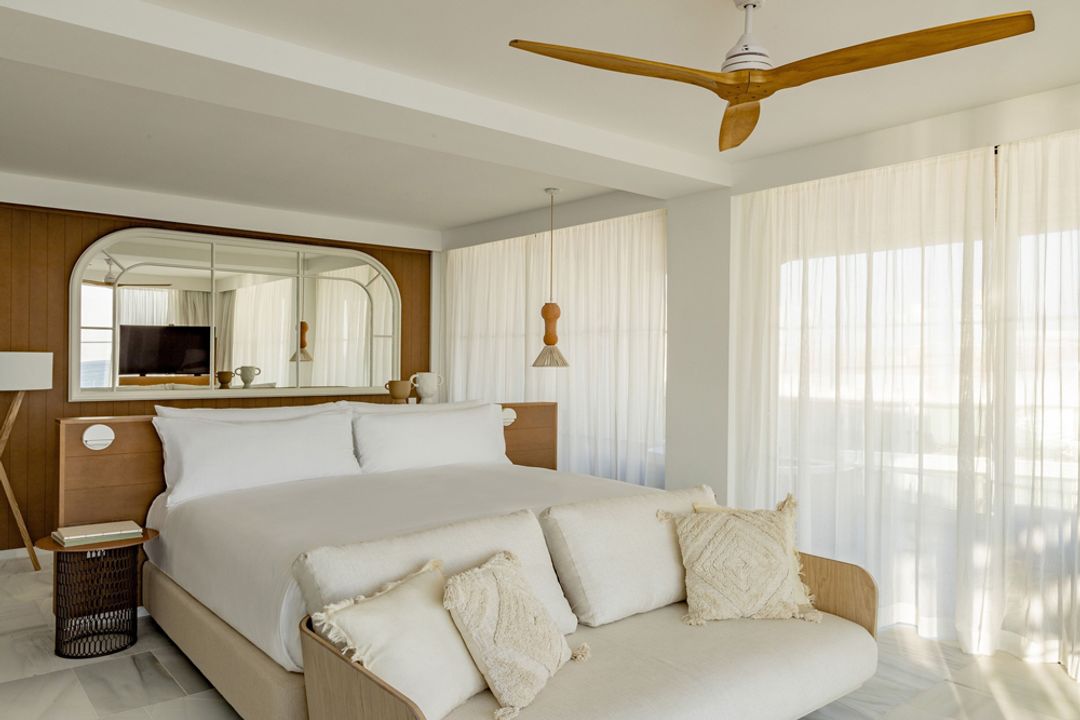
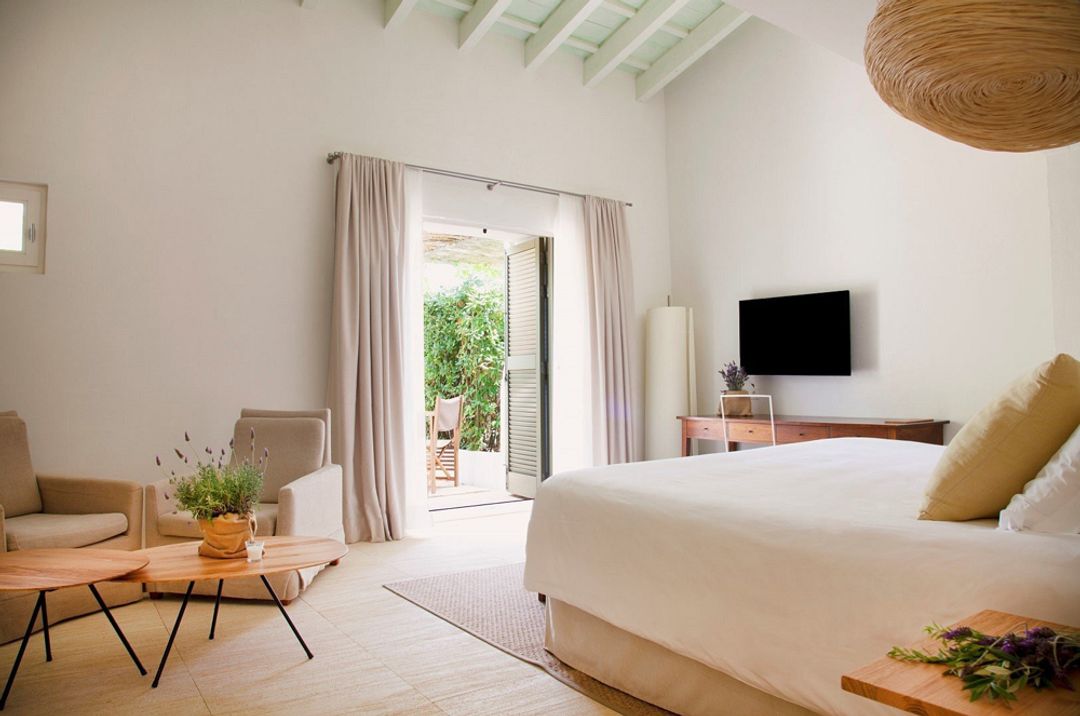
What connects these properties, despite the differences in ownership and positioning, is a shared respect for the island's material palette: local marès sandstone, whitewash, timber, and a general refusal of anything that would read as imported luxury spectacle. Menorca is not Ibiza, and its hotels seem to understand that. For anyone whose instinct is to notice how a building sits in its landscape — whether the walls are original, whether the plantings are indigenous, whether the pool has been added thoughtfully or just dropped in — this island rewards patience and specificity. The interior south is where that patience is most richly returned.