Best hotels in Chiang Rai | A Curated Visual Guide to Top Stays
Welcome to PressBeyond, the ultimate curated visual guide for design-driven hotels! My name is Will Miller and these are my recommendations for the best boutique and luxury hotels in Chiang Rai.
I am the founder of PressBeyond and I am an ultra-meticulous hotel curator who loves clean visuals. I have individually analyzed and tiered each hotel included in this guide based on a variety of criteria (architecture & design, location, brand & brand affiliation, existing reviews, and my own personal experiences), and importantly, I have hand-selected the leading imagery for each hotel to provide you with easily-digestible, yet detailed and complete, like-for-like, high-level visual profiles. I felt this summarization step was a critical missing piece across existing guides, blogs, and booking platforms. My aim is to make it easier for people to identify hotel environments that resonate with them, along with enabling them to visualize the types of social experiences that those environments help foster. My brain doesn't work when exposed to cluttered content, so my goal was to create the opposite.
Underneath this, we are also a full booking engine offering 5% Venmo cash back along with other exclusive perks. For all of you design-obsessed hotel enthusiasts out there, I hope this guide helps get you to where you see yourself!
An Overview of the Boutique & Luxury Hotel Landscape in Chiang Rai
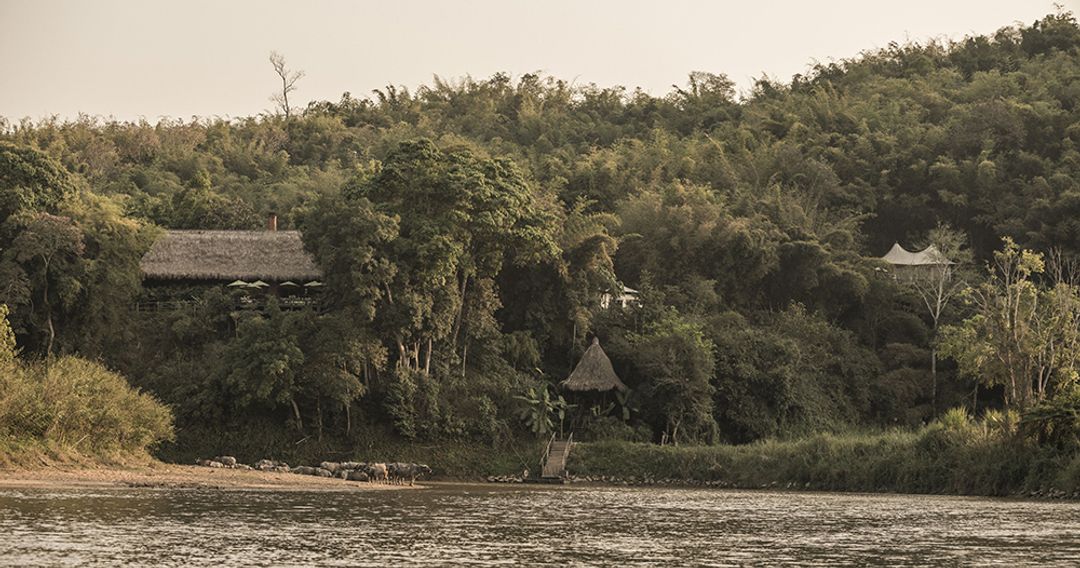
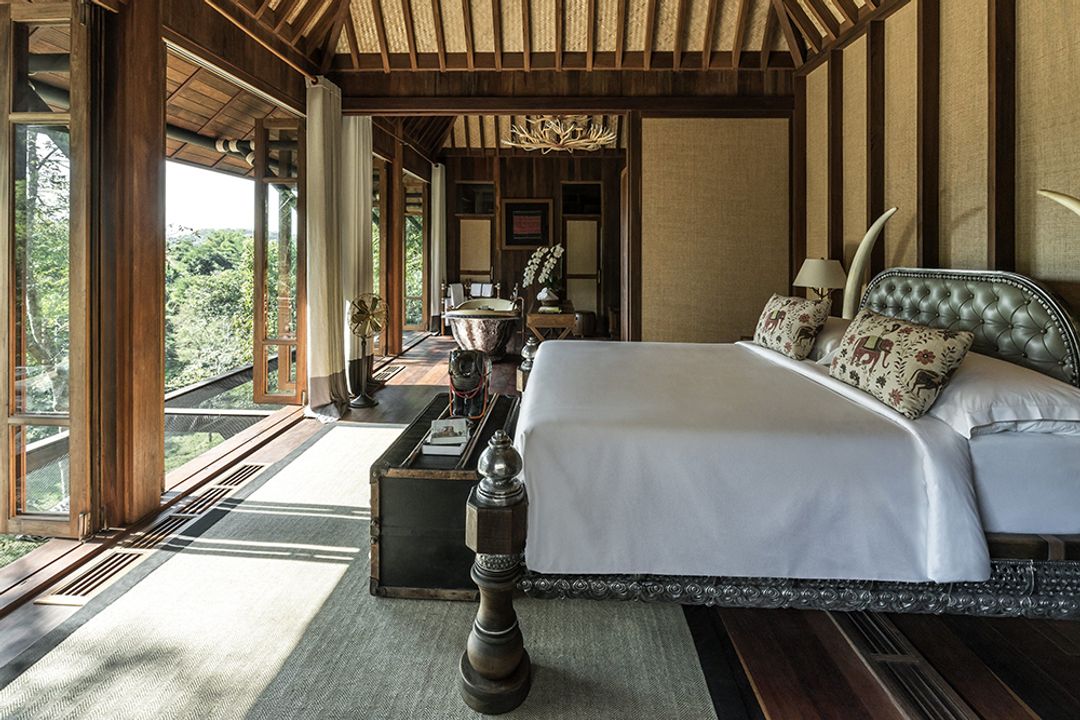
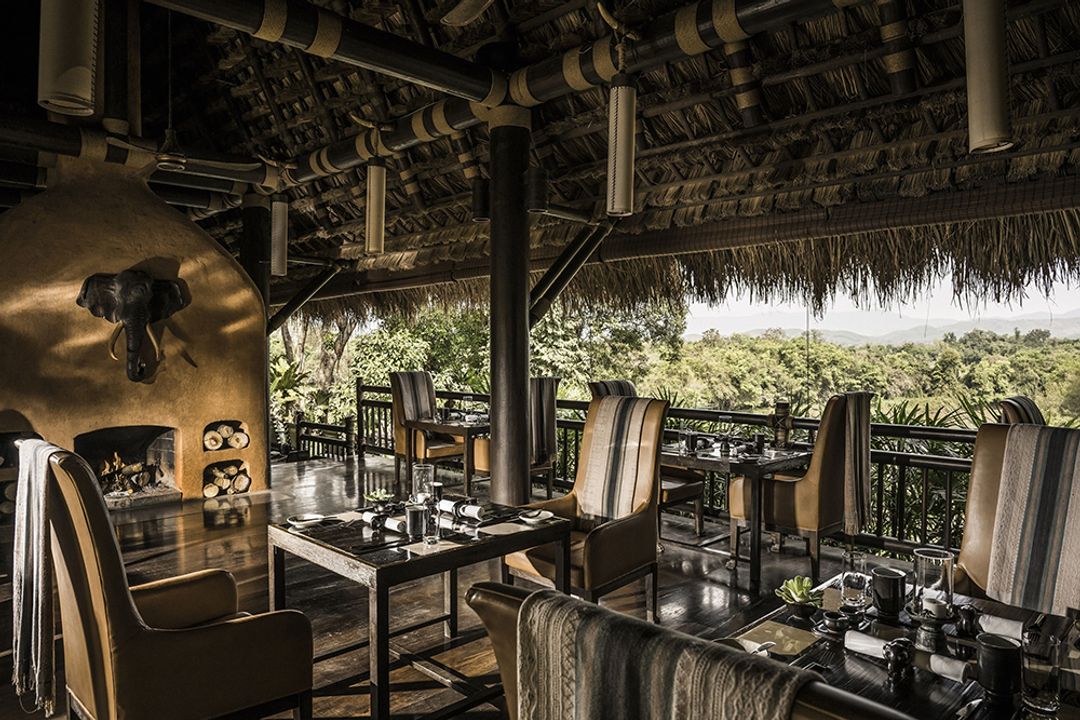
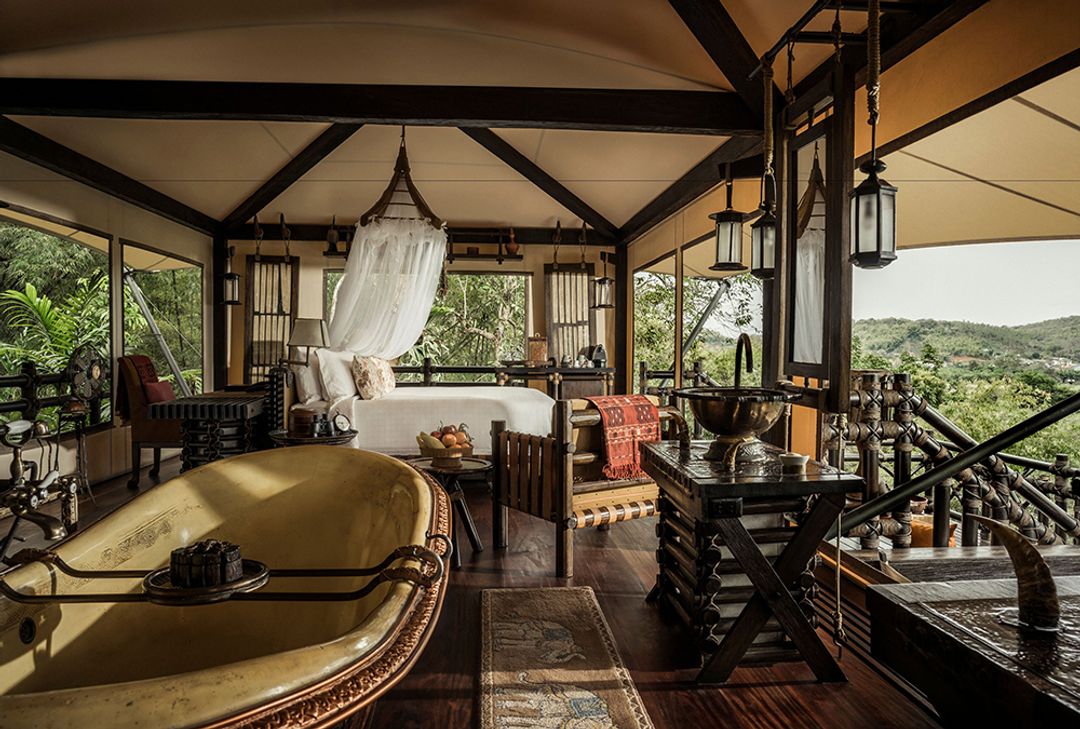
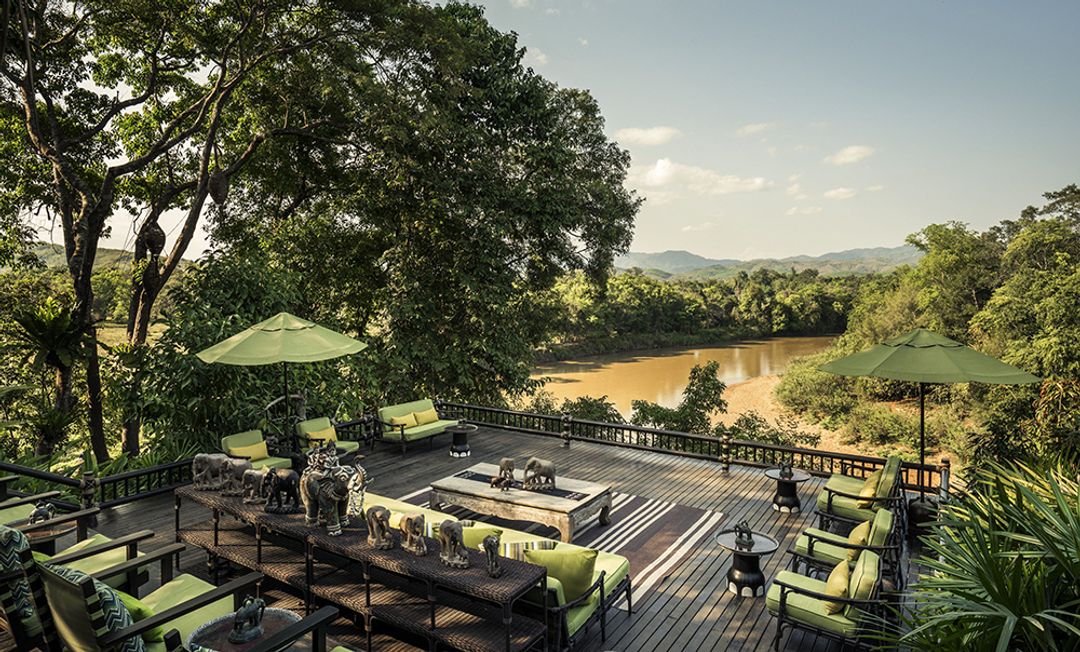
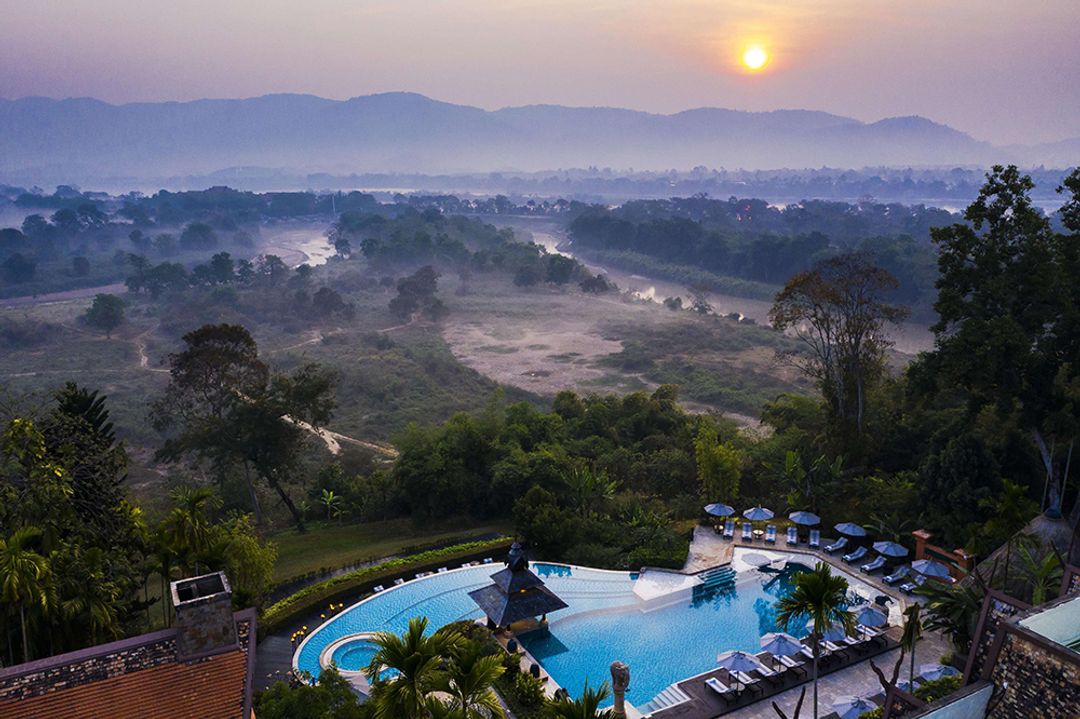
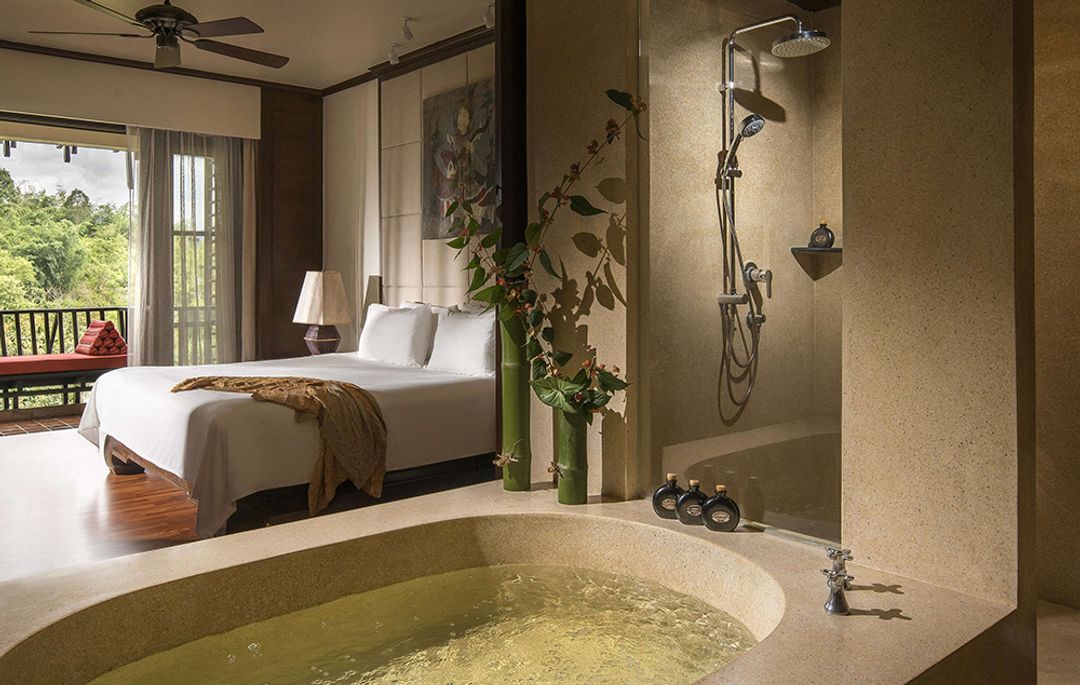
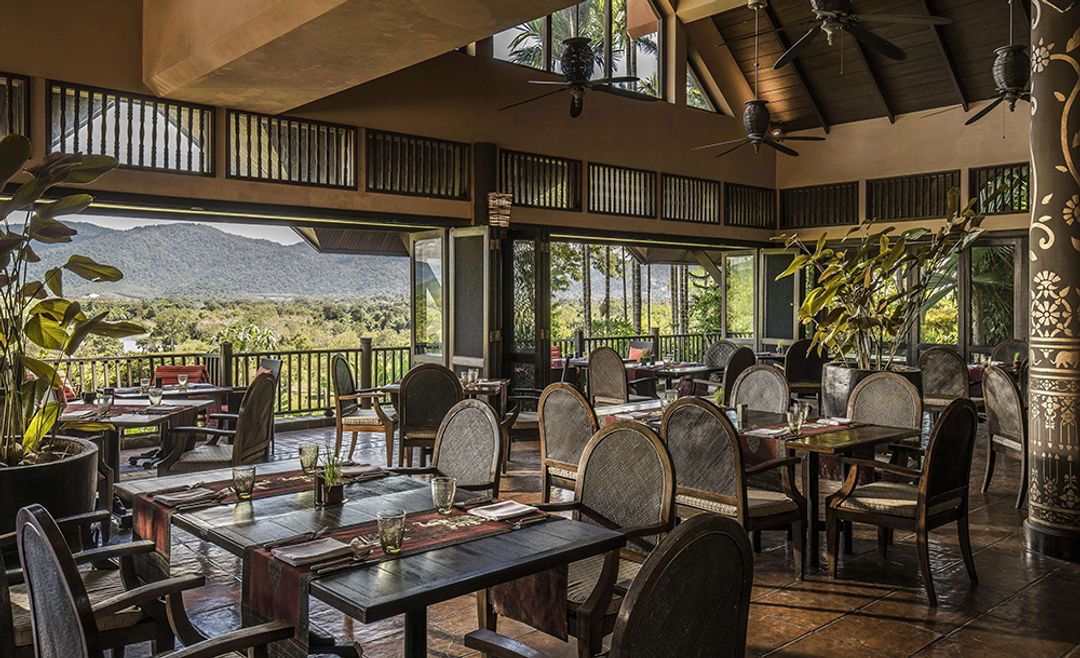
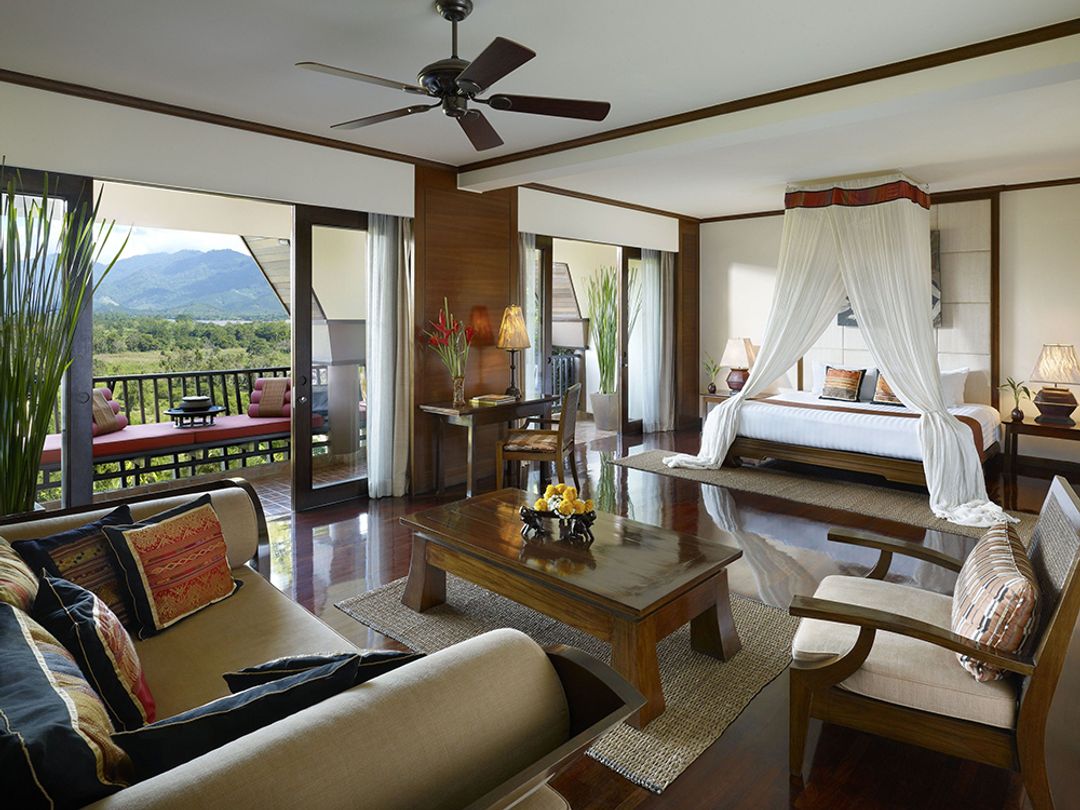
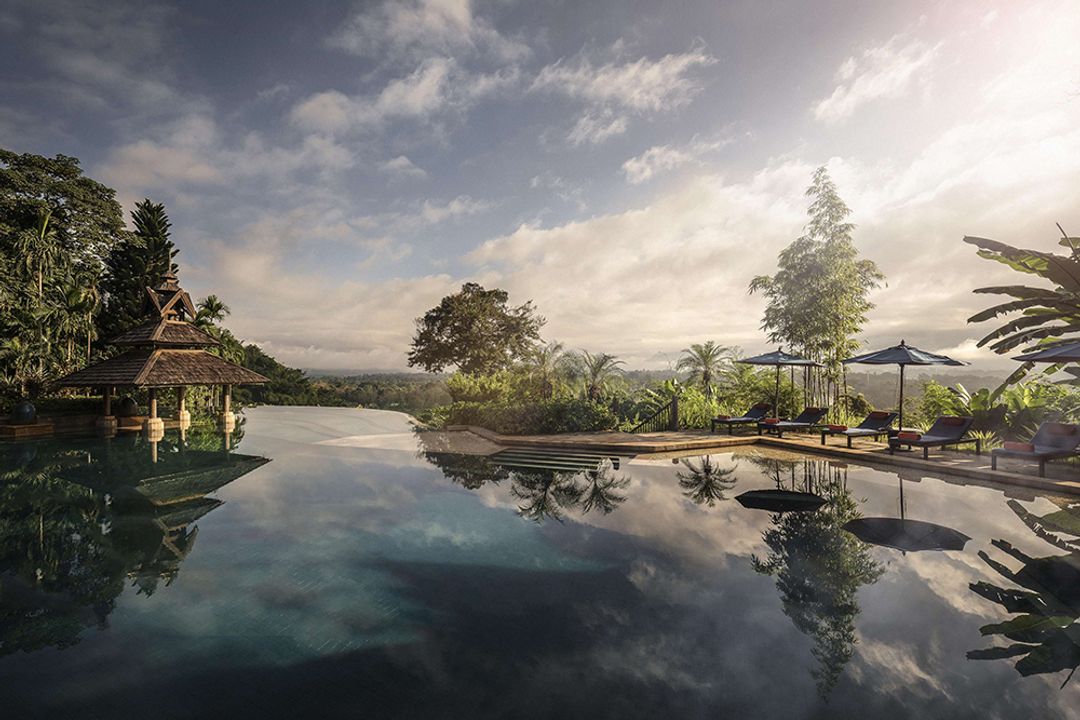
The northernmost reach of Thailand, where the Ruak and Mekong rivers converge at the point where Thailand, Myanmar, and Laos meet, has never been a place that rewards haste. Chiang Rai province wears its remoteness deliberately — the Golden Triangle carries centuries of fraught history, from opium trade routes to the slow, contested transition toward agricultural alternatives, and the landscape itself, all river mist and teak forest and terraced hillsides, resists easy summarization. What's remarkable is that two of the most considered camp-and-resort experiences in Southeast Asia have planted themselves precisely here, using that charged geography as a design premise rather than a backdrop. The Anantara Golden Triangle Elephant Camp and Resort sits at the apex of the three-country confluence, and its architecture does something relatively rare in Thai resort design: it leans into the panoramic rather than hiding from it. Terraced into the hillside above the rivers, the property frames what is arguably one of the most geopolitically loaded views in the region through the calm language of traditional Lanna-influenced structures and open-air pavilions. Its elephant camp component gives it an ecological dimension that shapes the entire experience, and the resort earns its price point through that combination of place, program, and a design sensibility that feels rooted rather than imported. A short distance deeper into the forest, the Four Seasons Tented Camp Golden Triangle operates at a different register entirely — more intimate, more materially specific, and considerably more expensive, at over two thousand dollars per night. The camp's tents are not the glamping shorthand that word has come to imply elsewhere; they are engineered structures with genuine craft investment, drawing on Karen and Akha textile traditions in their interiors and placing guests in close proximity to the mahout-led elephant program at the property's core. Where the Anantara reads as a resort that happens to be in extraordinary terrain, the Four Seasons Tented Camp feels like it was conceived specifically for this forest, this river bend, this particular quality of morning light filtering through bamboo. For the design-conscious traveler, the choice between the two is ultimately a question of scale: one offers a full resort architecture to move through, the other offers deliberate reduction, the kind of carefully constructed simplicity that takes far more effort to achieve than abundance ever does.