Best hotels in Tampa, Florida | Visually Compare Top Stays Side-by-Side
Welcome to PressBeyond - a curated visual guide to design-driven hotels and the fastest way to compare them.
An Overview of the Boutique & Luxury Hotel Landscape in Tampa, Florida
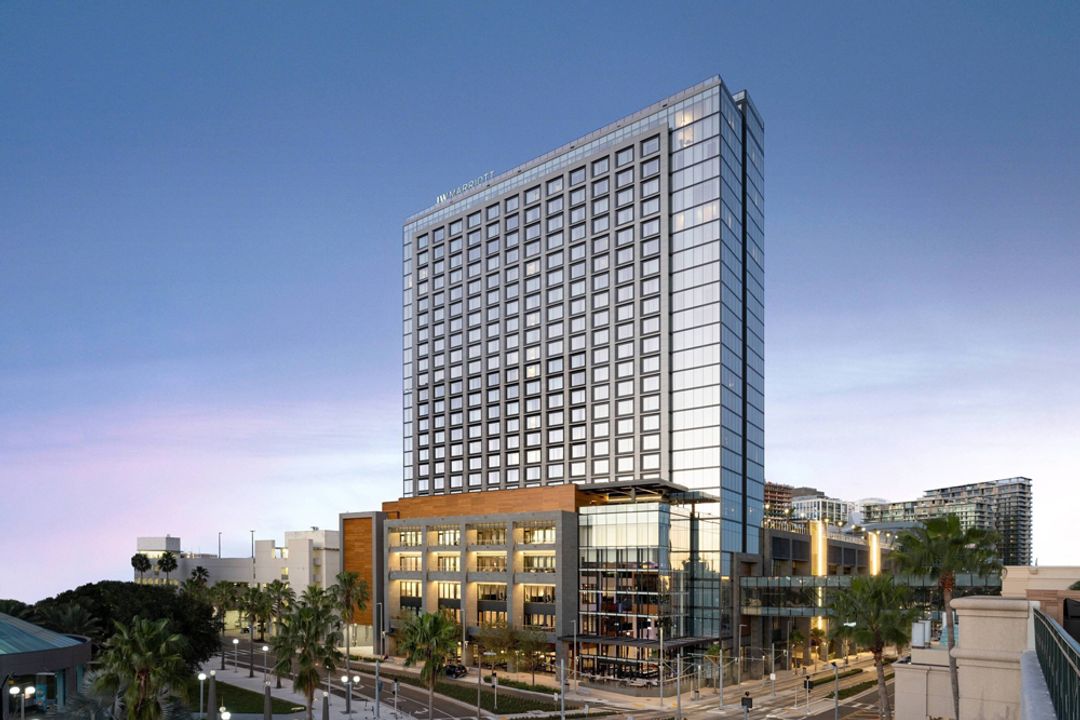
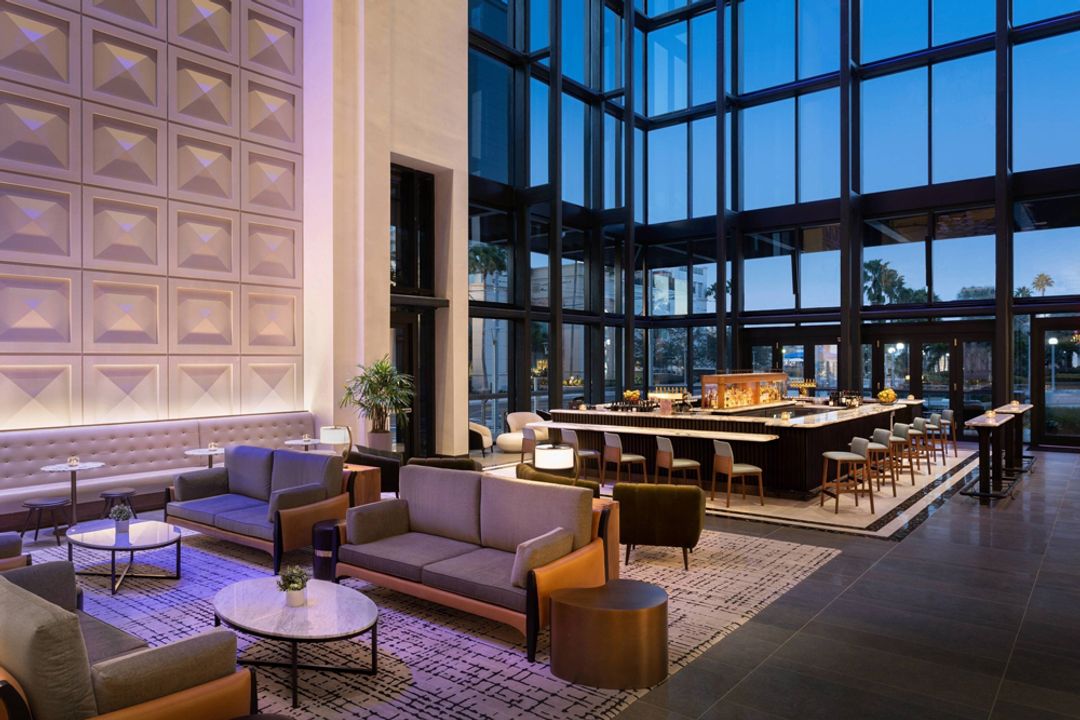
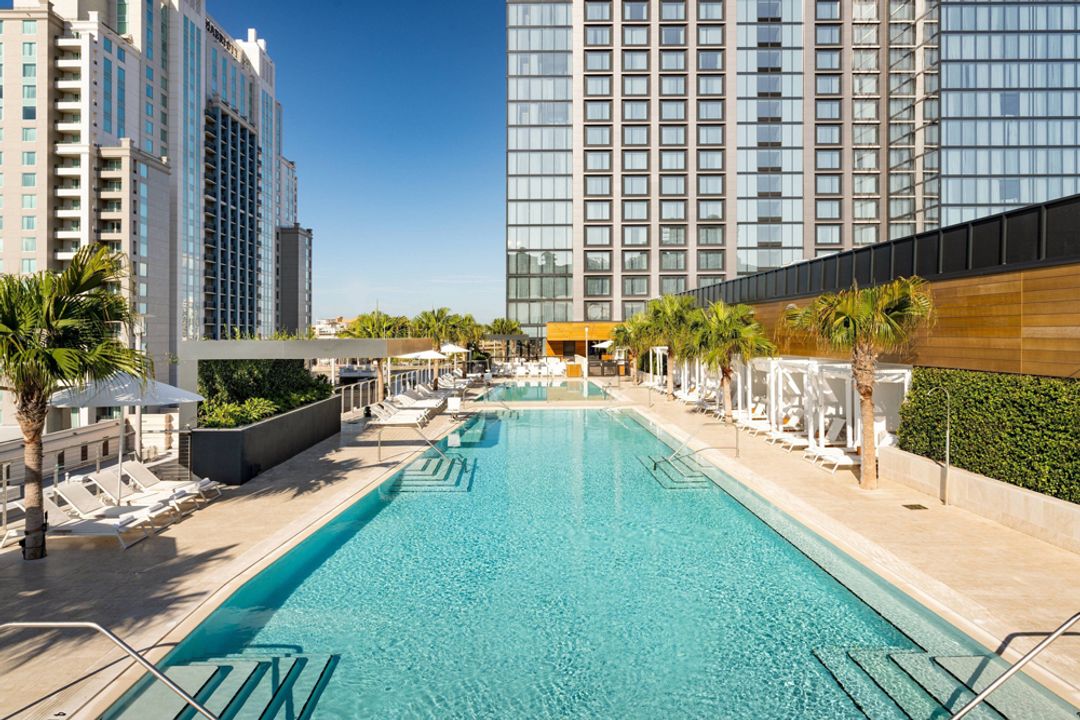
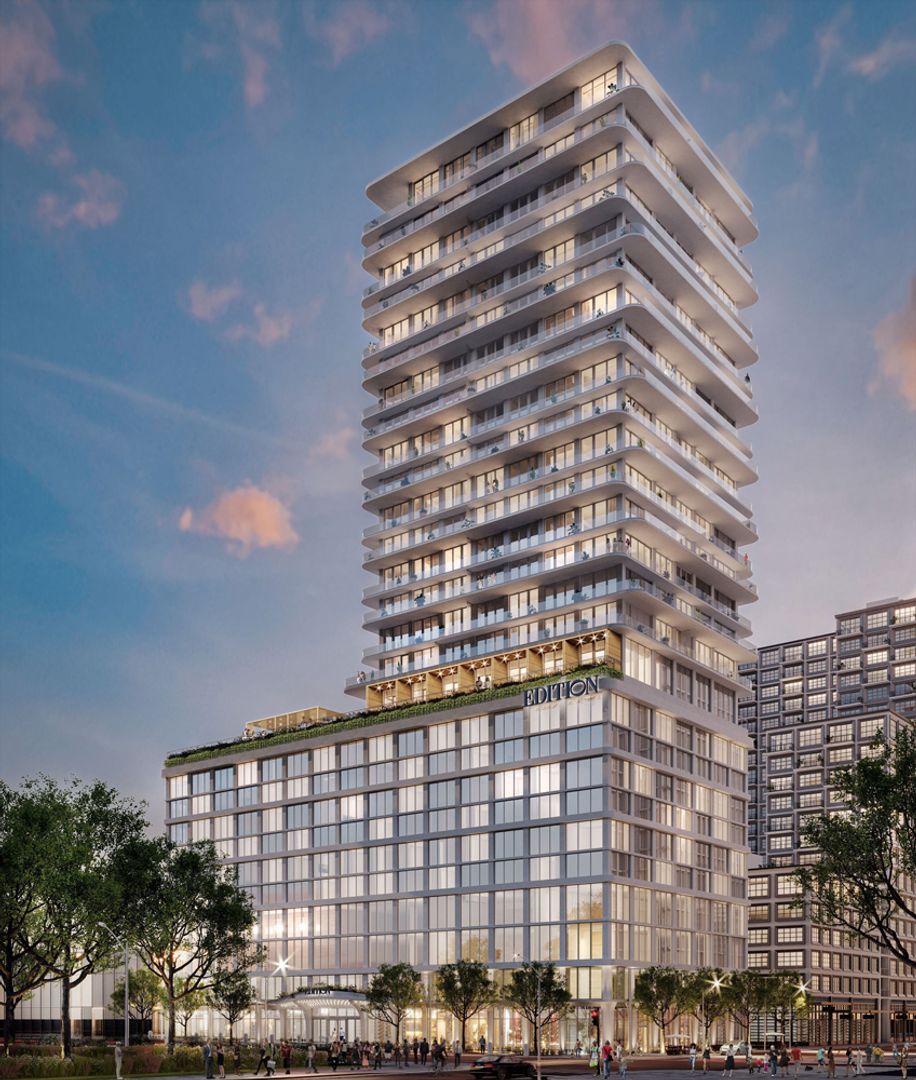
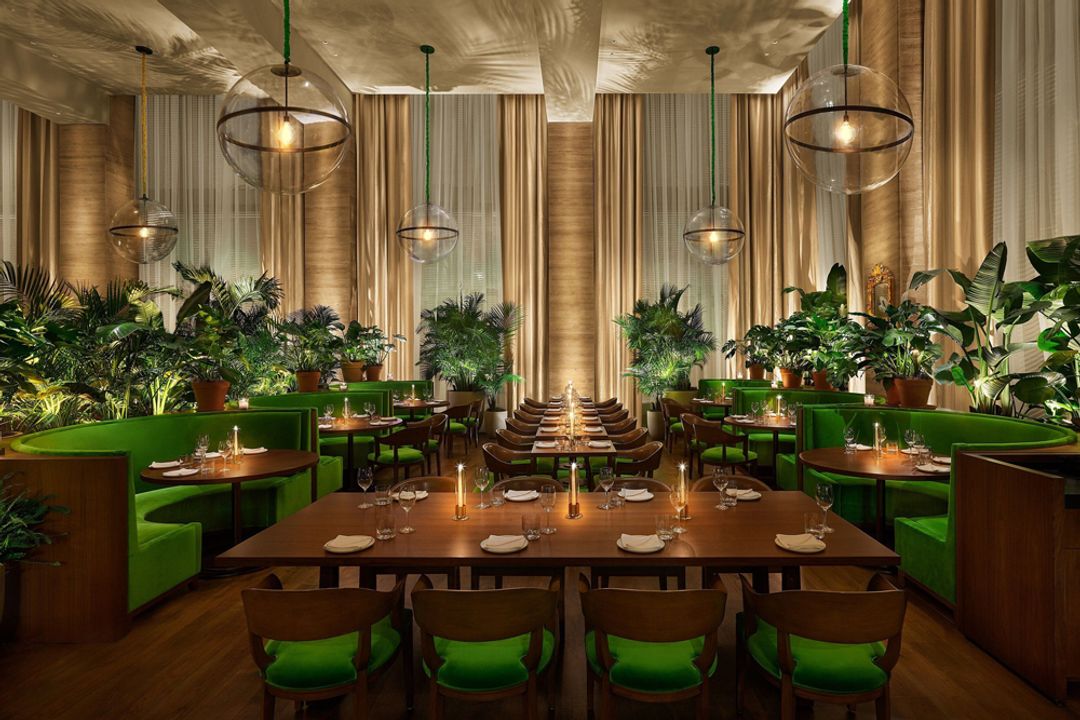
Tampa is, at its core, a city of distinct neighborhoods that have developed at very different speeds — and the best way to understand where to stay is to understand what each quarter is actually doing architecturally. Water Street is the boldest example: a privately driven, billion-dollar urban development that has remade the southern edge of downtown into something Tampa had never quite attempted before. The Tampa EDITION, which brought Ian Schrager's brand into the district, anchors the cultural ambition of the whole project, with interiors that lean into scale and material contrast rather than period comfort. The JW Marriott Tampa Water Street occupies the same territory and competes on a different register, prioritizing connected amenities and a corporate confidence that suits the neighborhood's mood. For anyone whose instinct is to notice how a city is rebuilding itself in real time, Water Street is where that story is most concentrated.
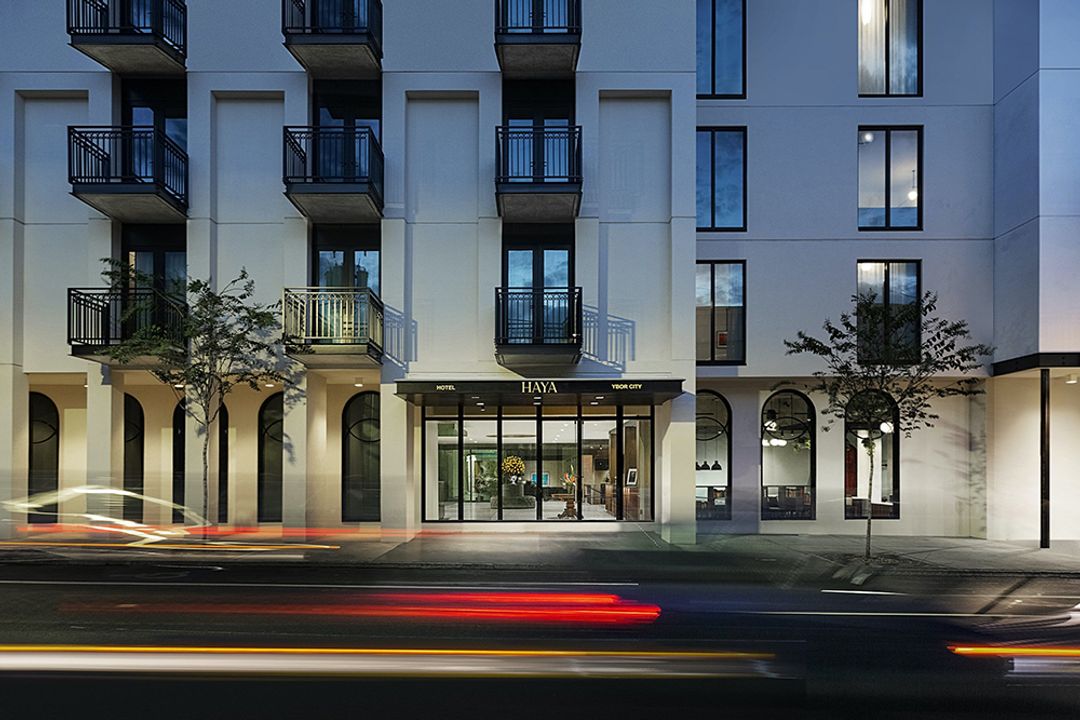
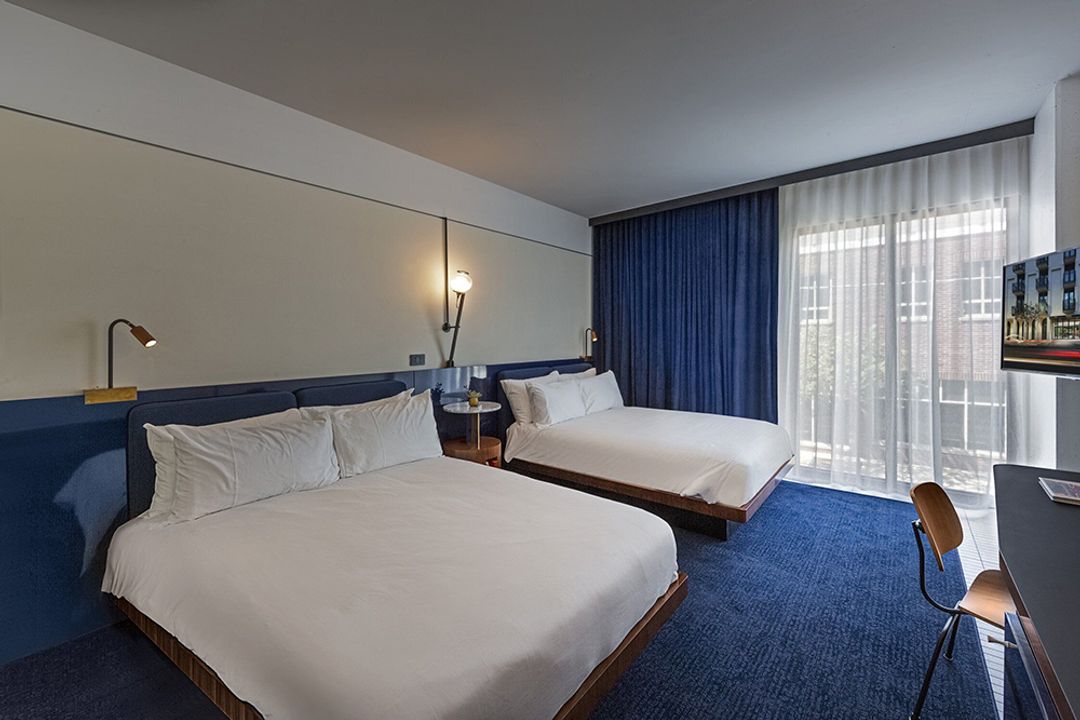
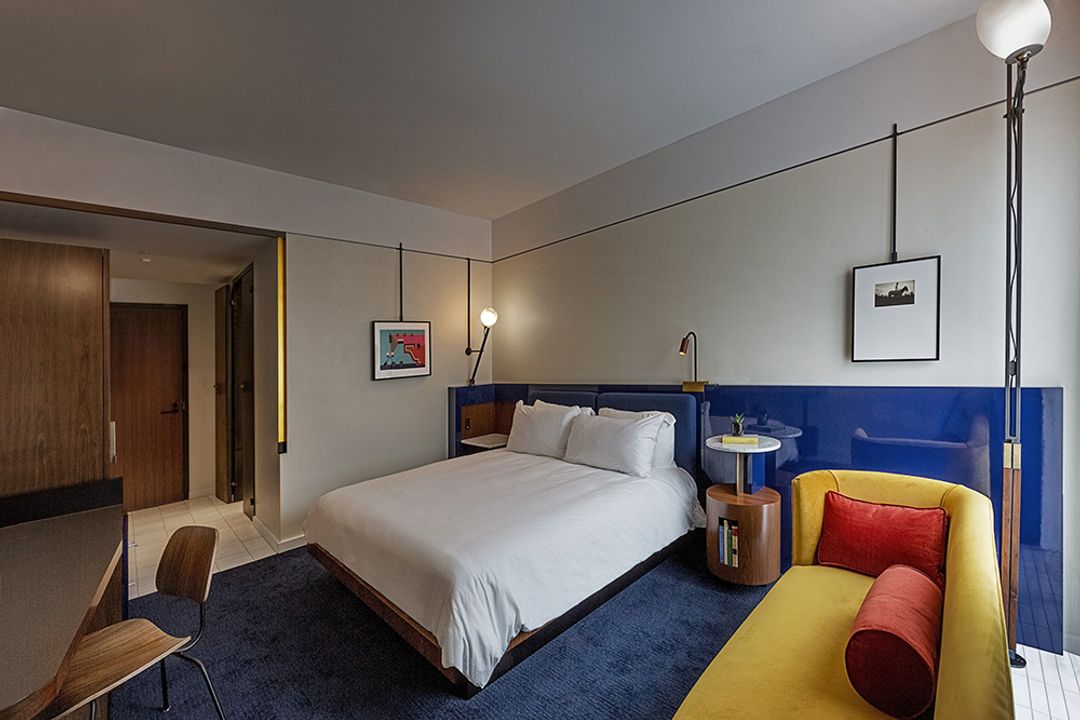
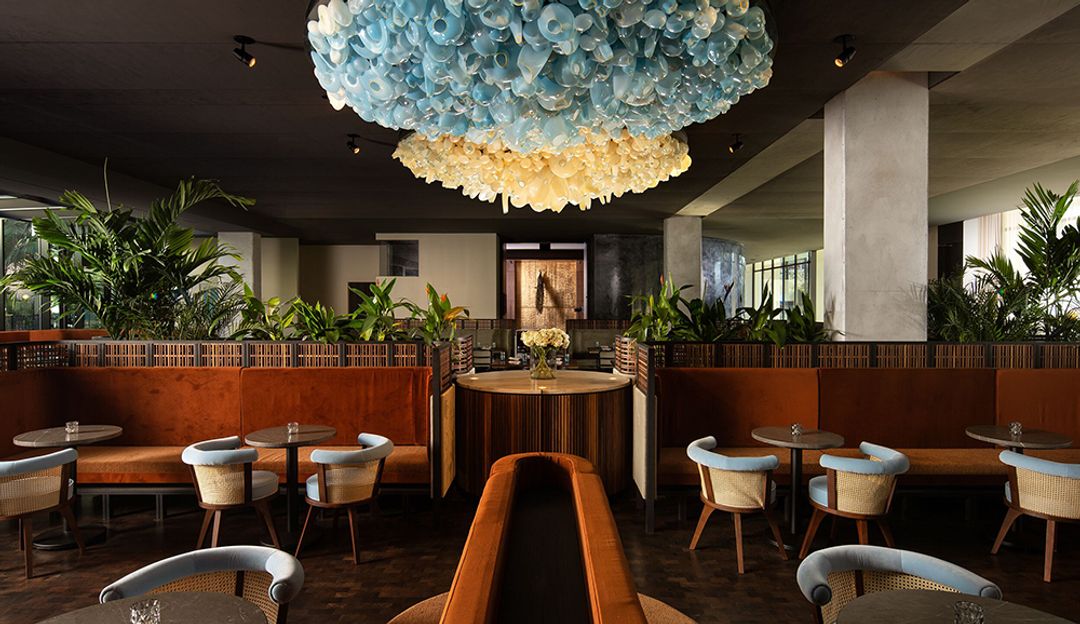
Ybor City tells a different story. The neighborhood was built in the 1880s and 1890s to house the cigar industry — Cuban, Spanish, and Italian workers who gave the quarter its wrought iron balconies, brick warehouses, and densely layered street life. Hotel Haya, which occupies a former cigar factory, reads that history honestly without aestheticizing it into nostalgia. The interiors reference the neighborhood's Latin heritage through material warmth and craft detail rather than theme-park signage, and at $160 a night it remains one of the more genuinely considered stays in the city at its price point. Staying here means accepting that Ybor operates on its own rhythm, somewhat removed from the waterfront momentum, which for many travelers will be the point.
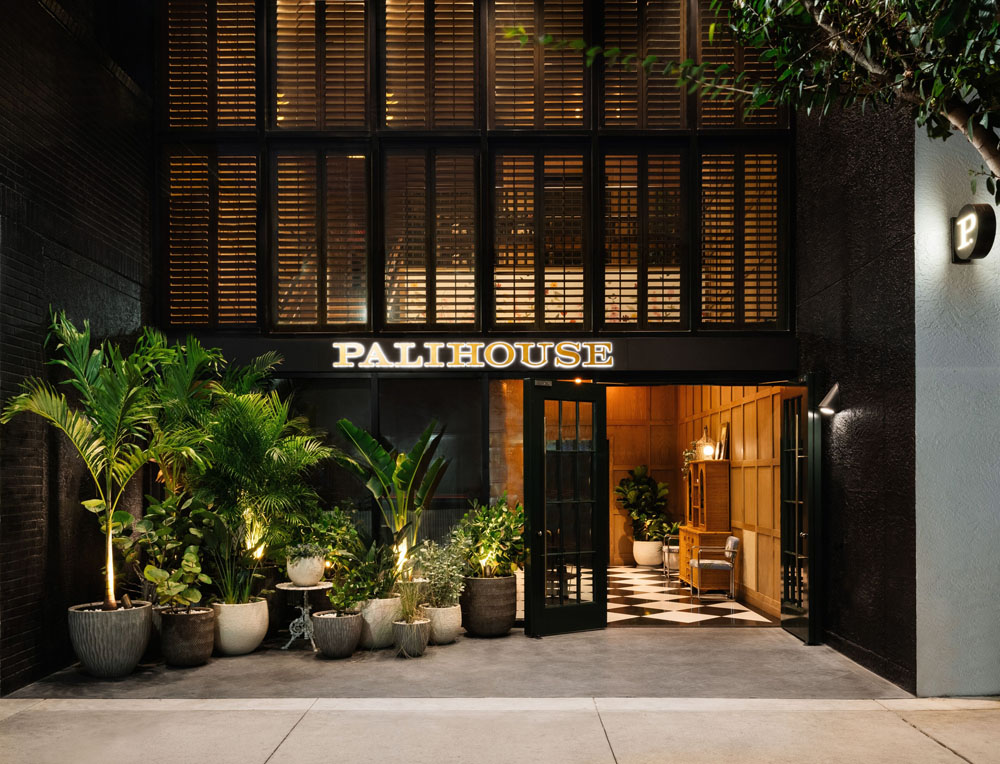
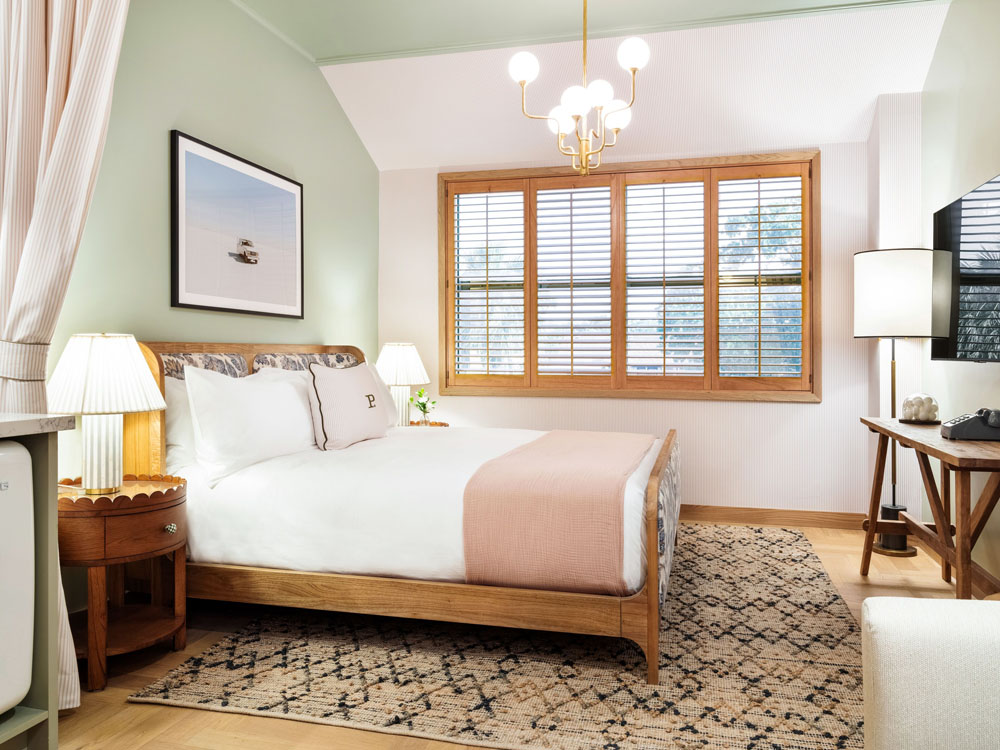
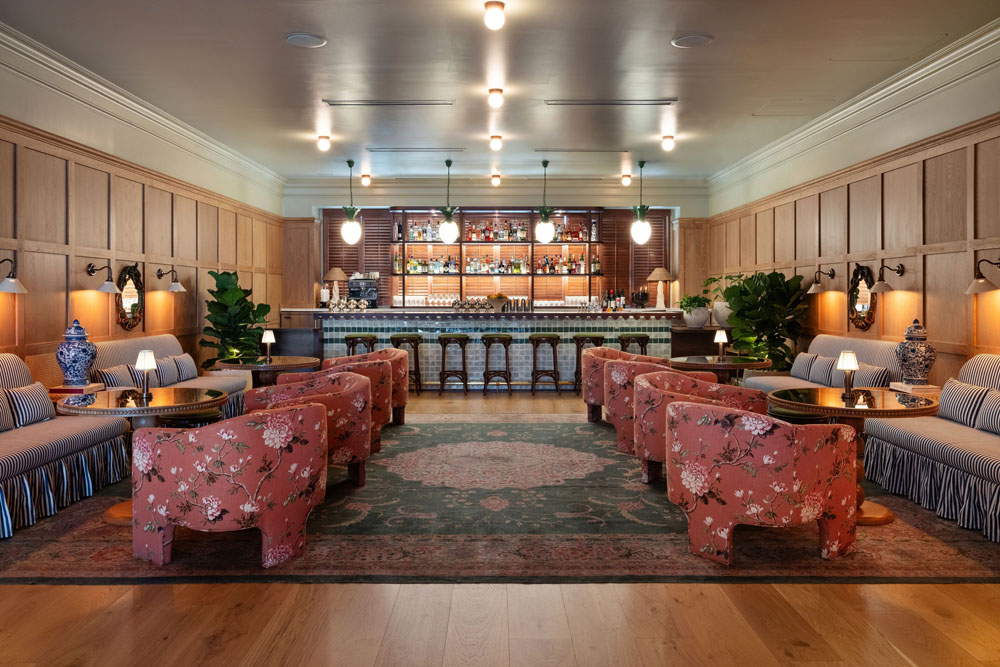
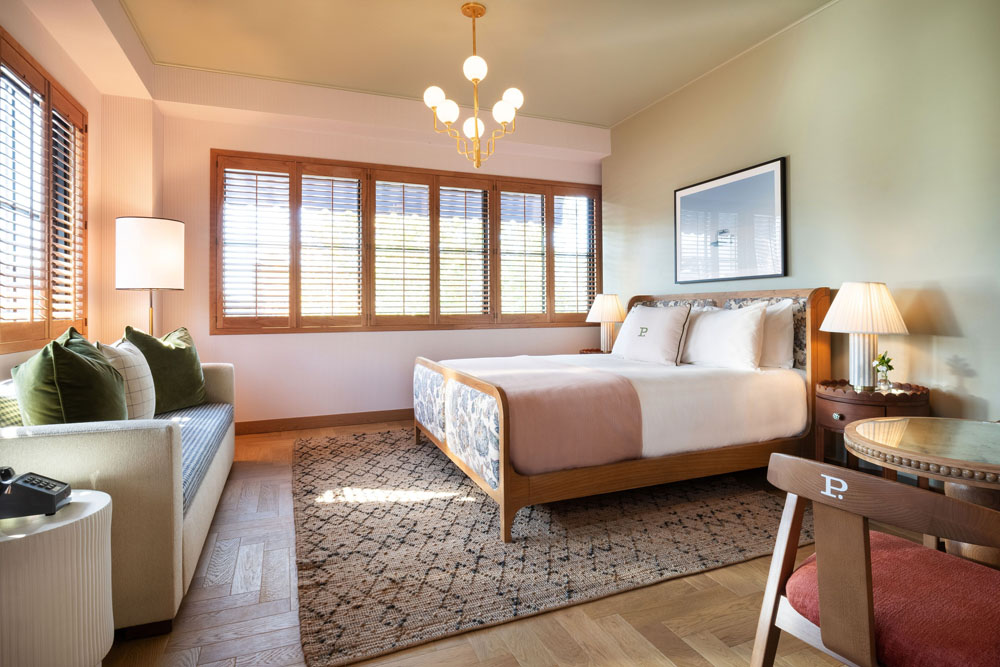
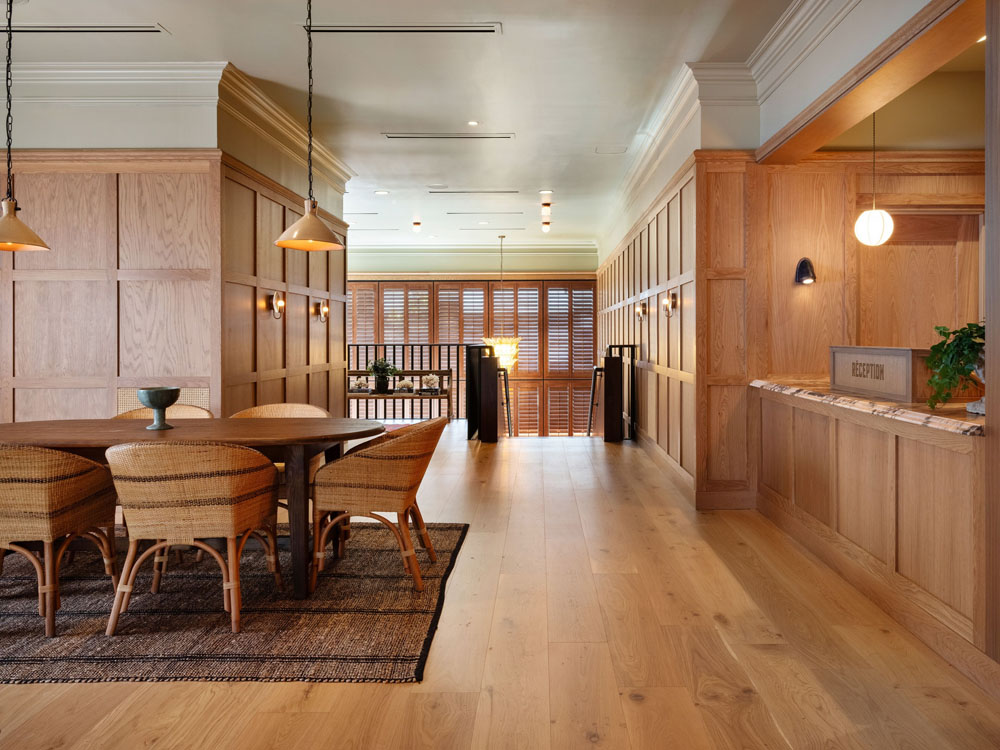
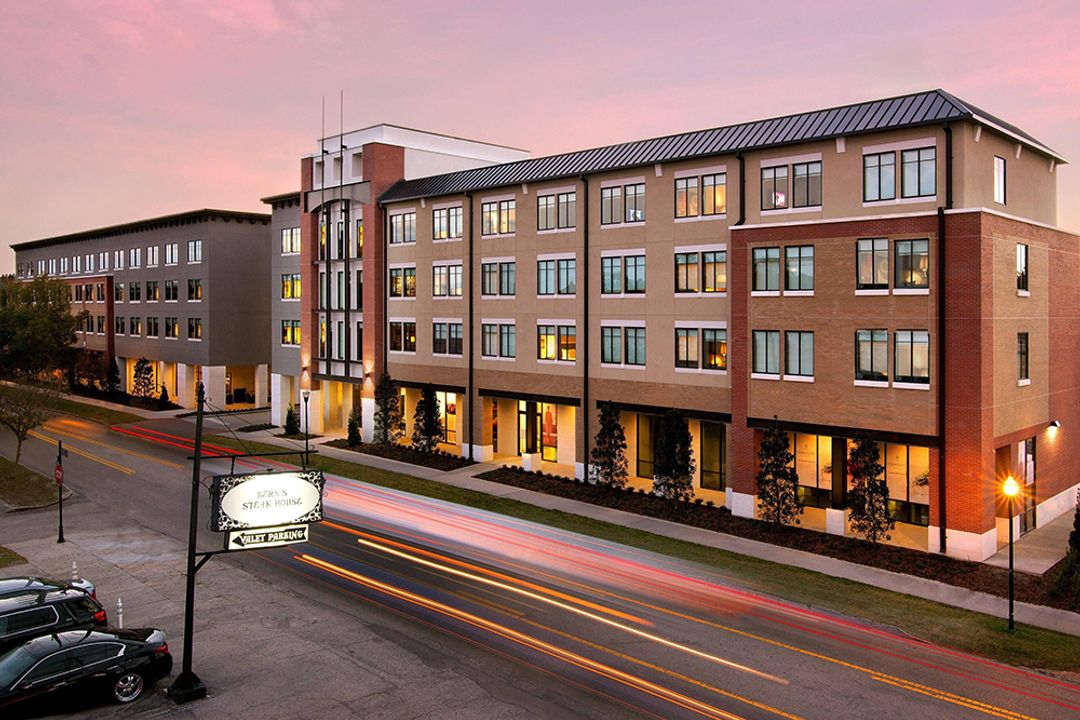
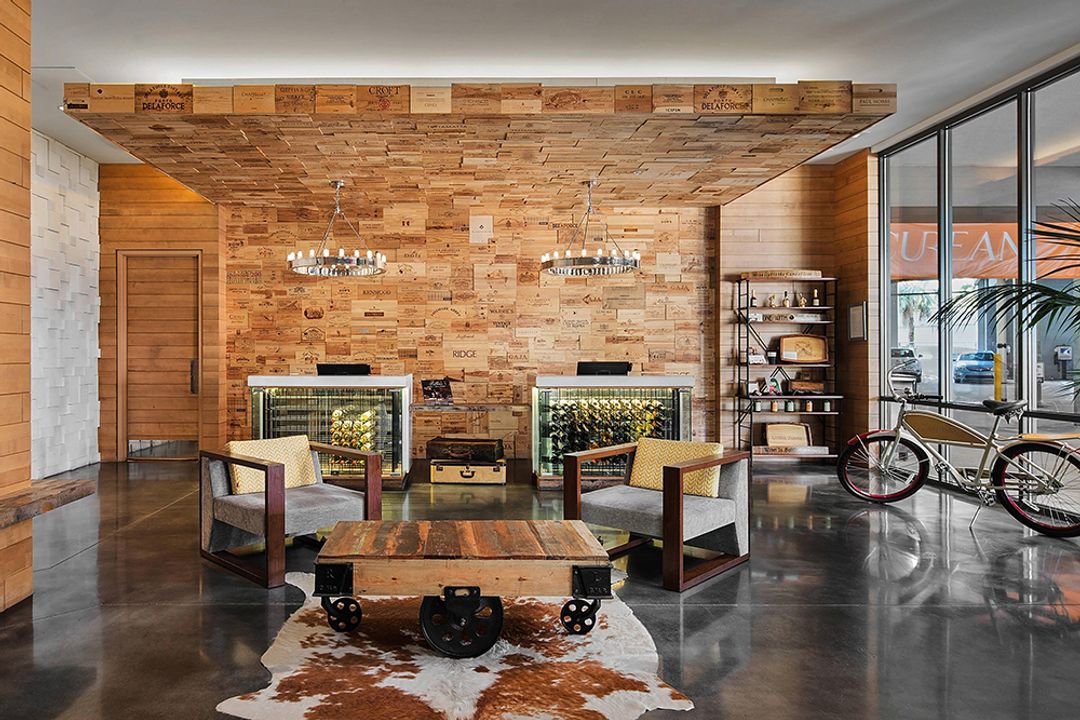
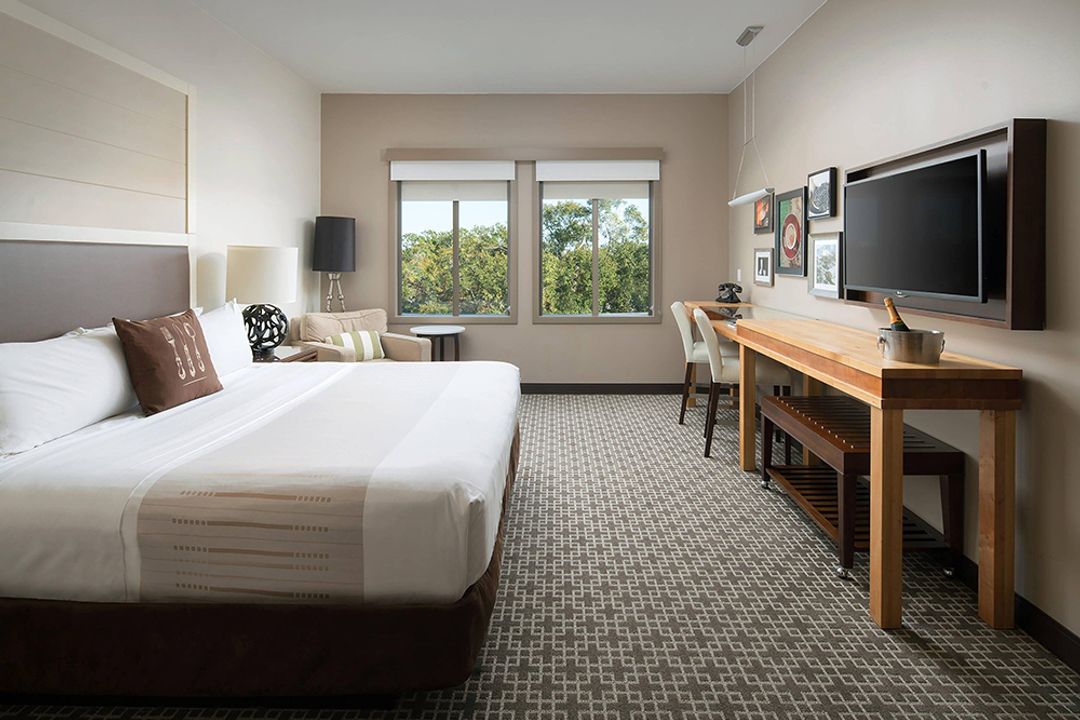
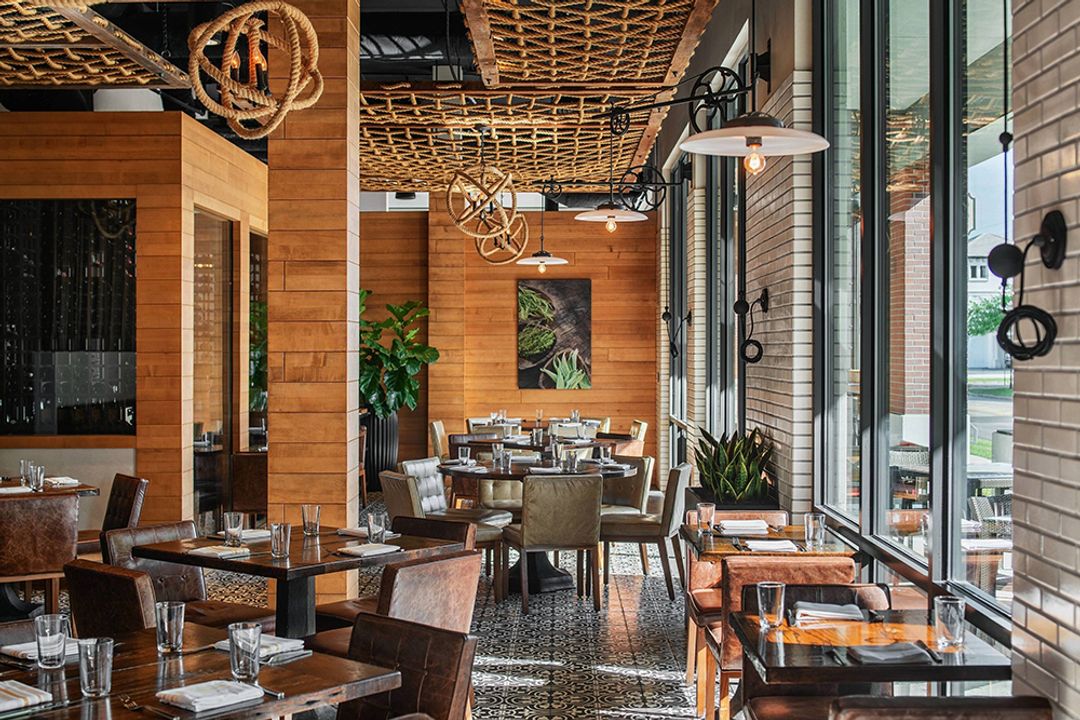
The city's residential west side completes the picture. Hyde Park Village is Tampa's most walkable, tree-lined quarter, and Palihouse has recognized that its California-bred sensibility for apartment-style living translates well to neighborhoods that already think of themselves as local rather than tourist. The Epicurean Hotel in SoHo, a few blocks away, built its identity around the Publix-owned Wine & Food Festival circuit before that became a cliché, and its food-focused programming still gives it a coherent personality that many lifestyle hotels lose by the second year. Together, these two properties serve a traveler who wants the city filtered through neighborhood life rather than waterfront ambition, and both deliver that at rates that feel proportionate to what they're actually offering.