Best hotels in Honolulu (O‘ahu) | A Curated Visual Guide to Top Stays
Welcome to PressBeyond, the ultimate curated visual guide for design-driven hotels! My name is Will Miller and these are my recommendations for the best boutique and luxury hotels in Honolulu (O‘ahu).
I am the founder of PressBeyond and I am an ultra-meticulous hotel curator who loves clean visuals. I have individually analyzed and tiered each hotel included in this guide based on a variety of criteria (architecture & design, location, brand & brand affiliation, existing reviews, and my own personal experiences), and importantly, I have hand-selected the leading imagery for each hotel to provide you with easily-digestible, yet detailed and complete, like-for-like, high-level visual profiles. I felt this summarization step was a critical missing piece across existing guides, blogs, and booking platforms. My aim is to make it easier for people to identify hotel environments that resonate with them, along with enabling them to visualize the types of social experiences that those environments help foster. My brain doesn't work when exposed to cluttered content, so my goal was to create the opposite.
Underneath this, we are also a full booking engine offering 5% Venmo cash back along with other exclusive perks. For all of you design-obsessed hotel enthusiasts out there, I hope this guide helps get you to where you see yourself!
An Overview of the Boutique & Luxury Hotel Landscape in Honolulu (O‘ahu)
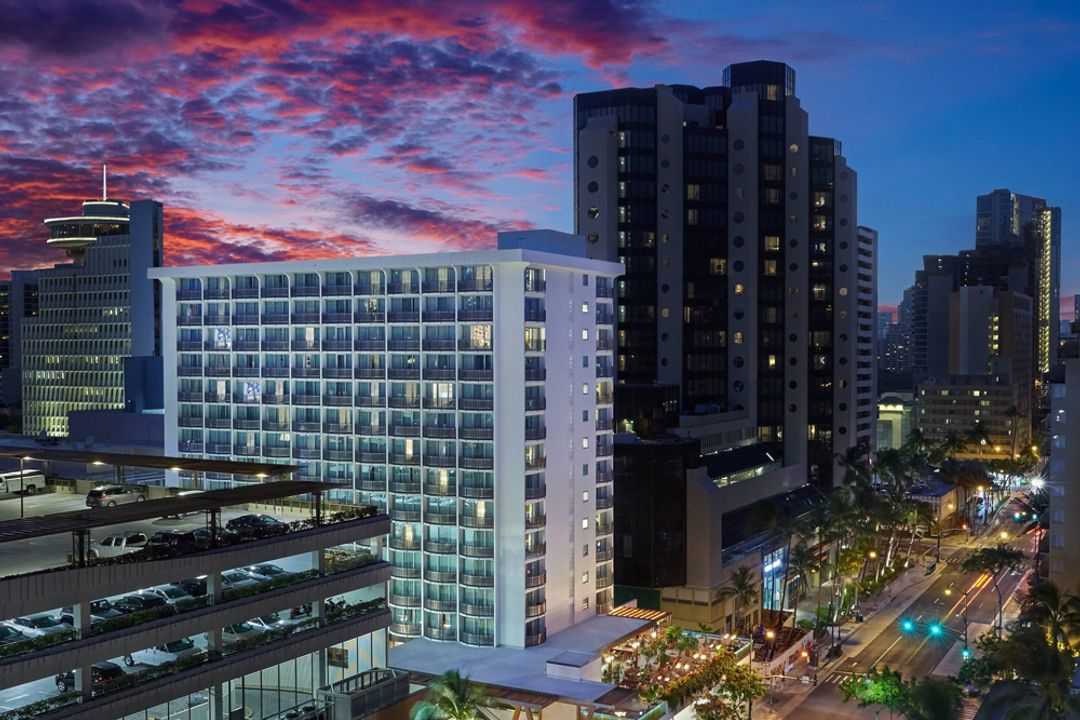
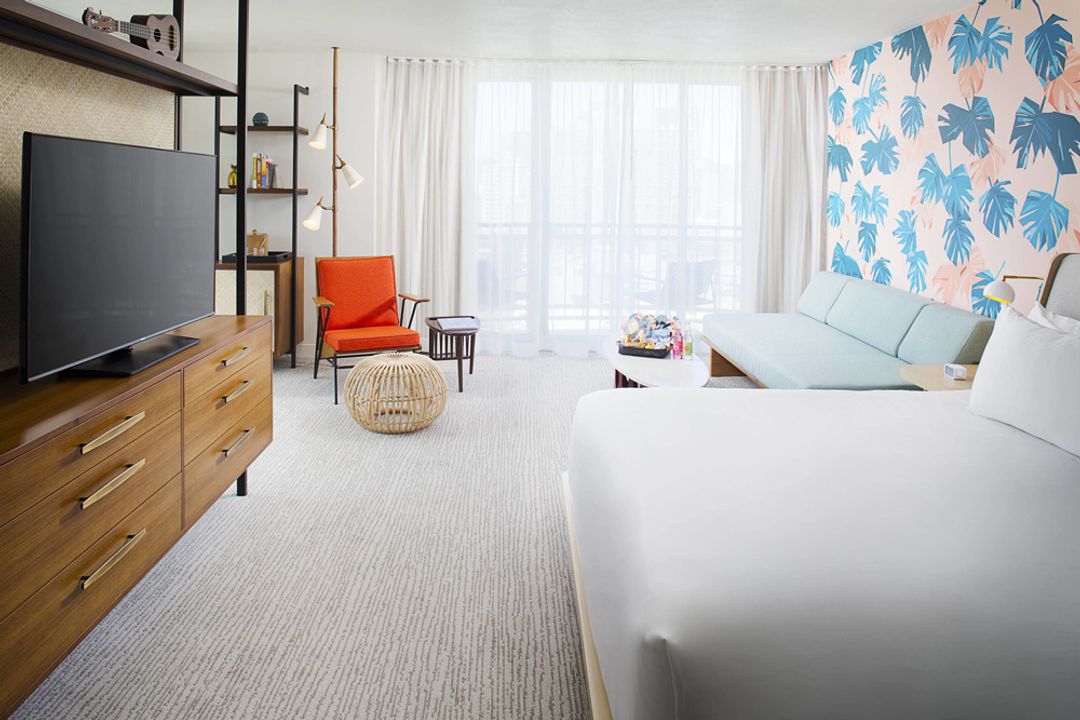
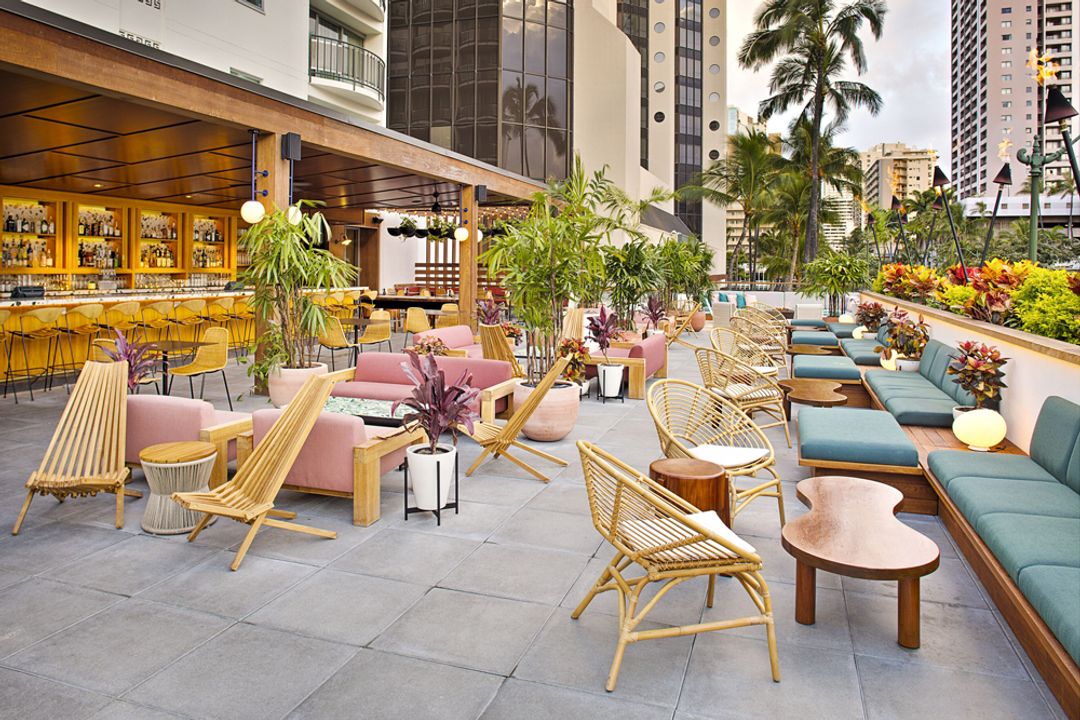
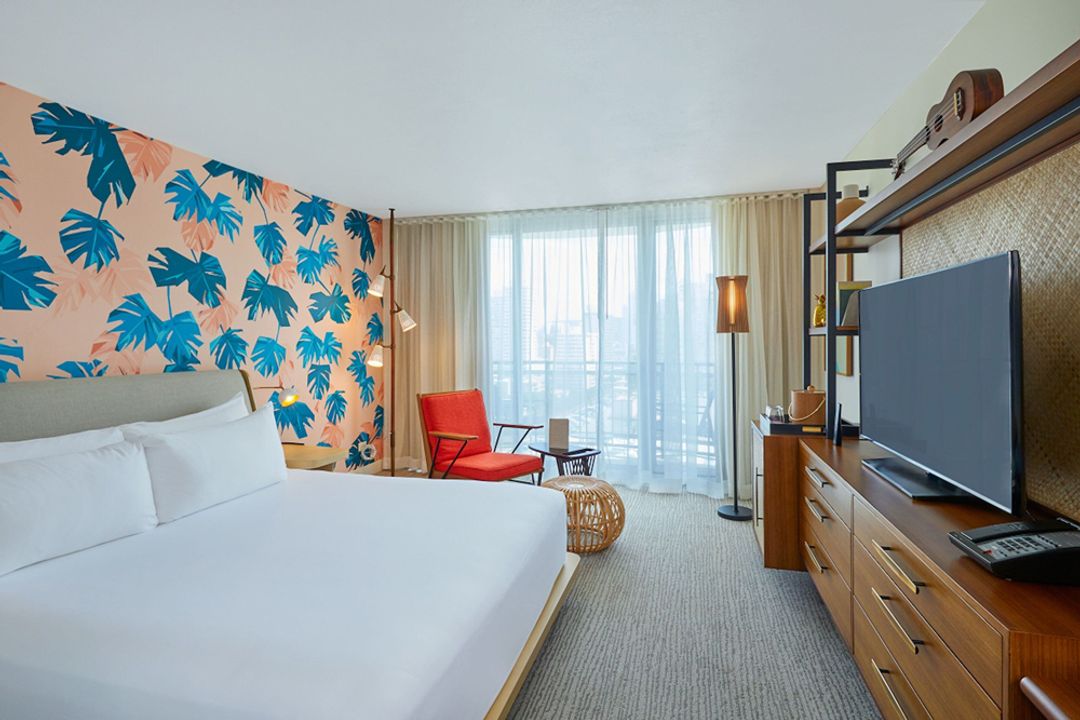
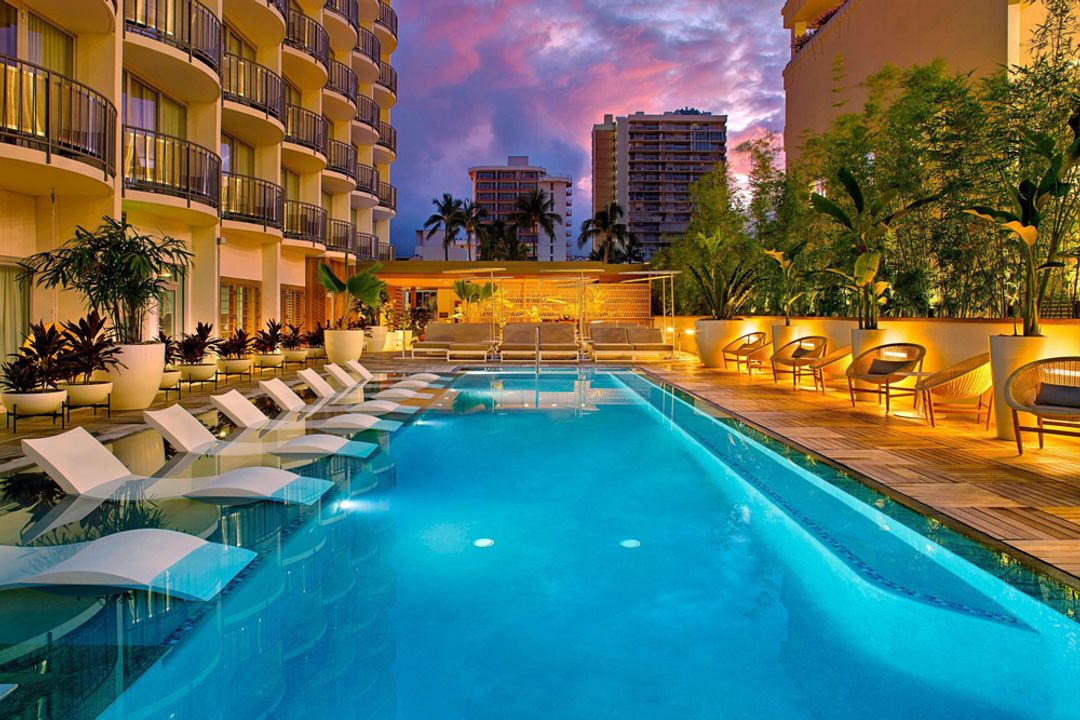
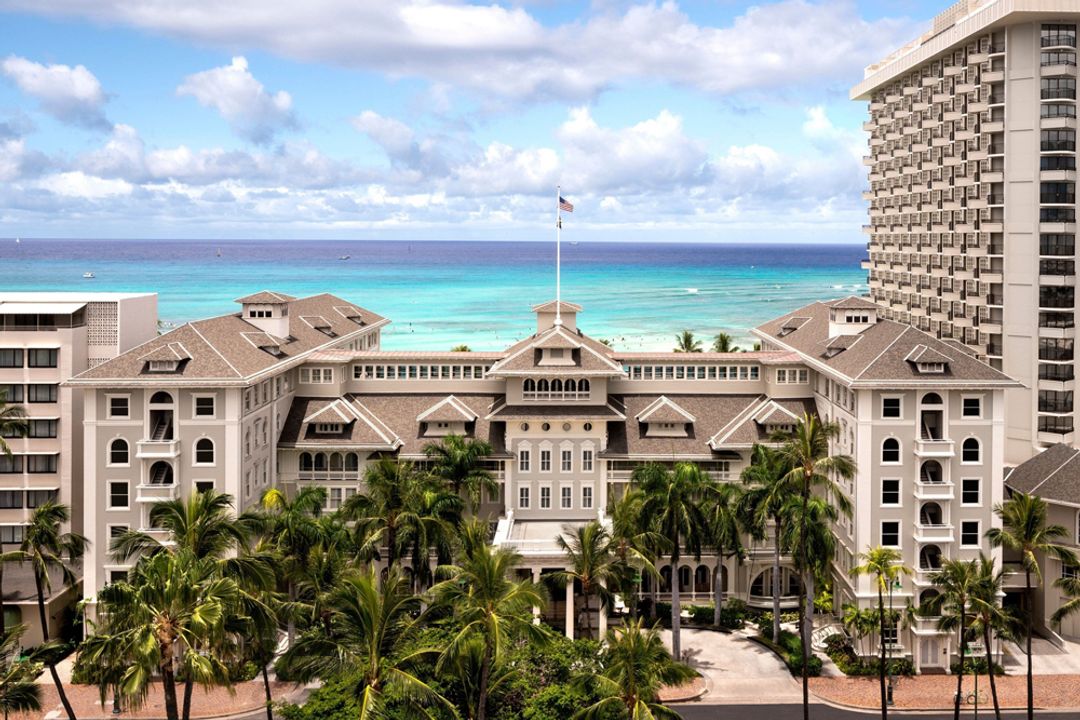
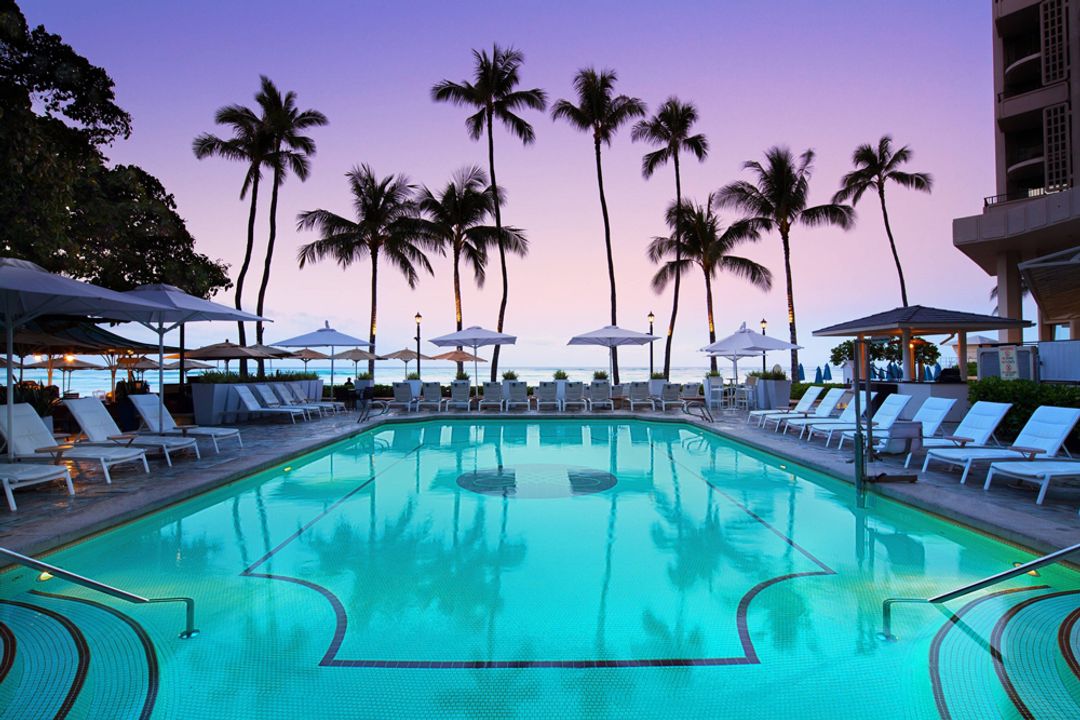
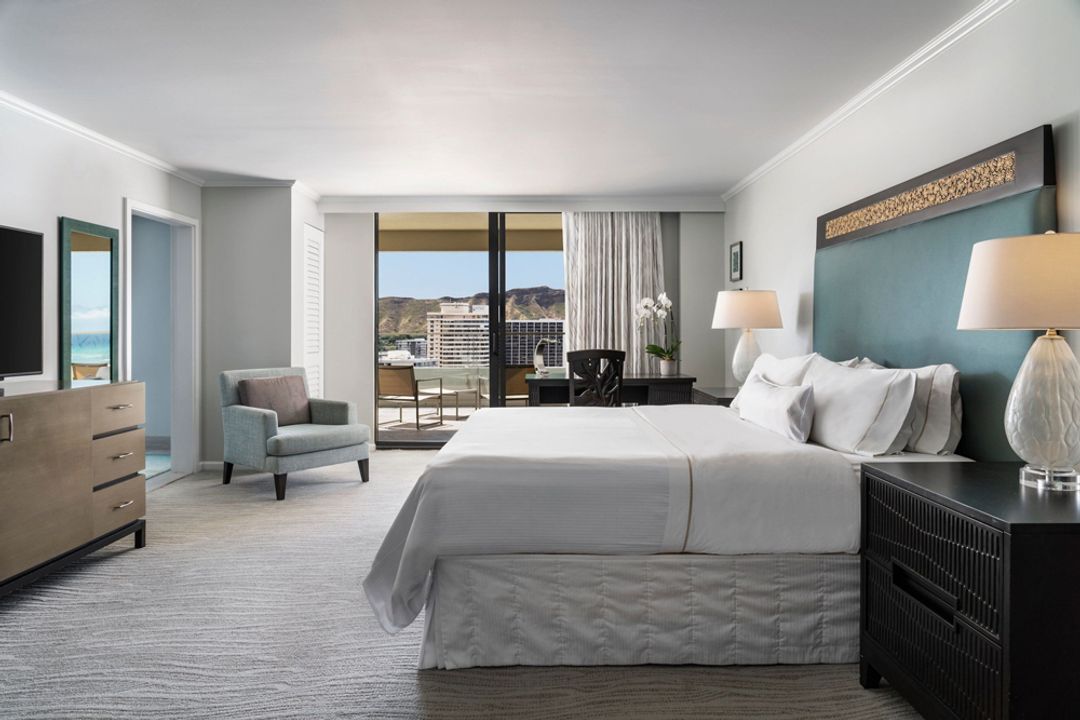
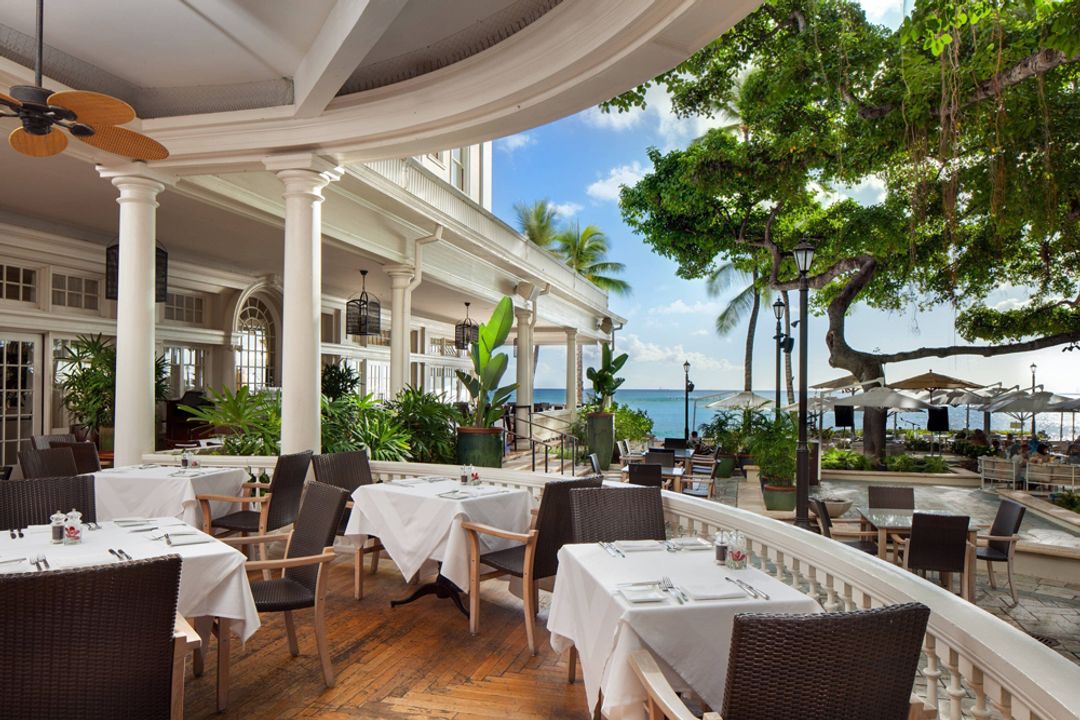
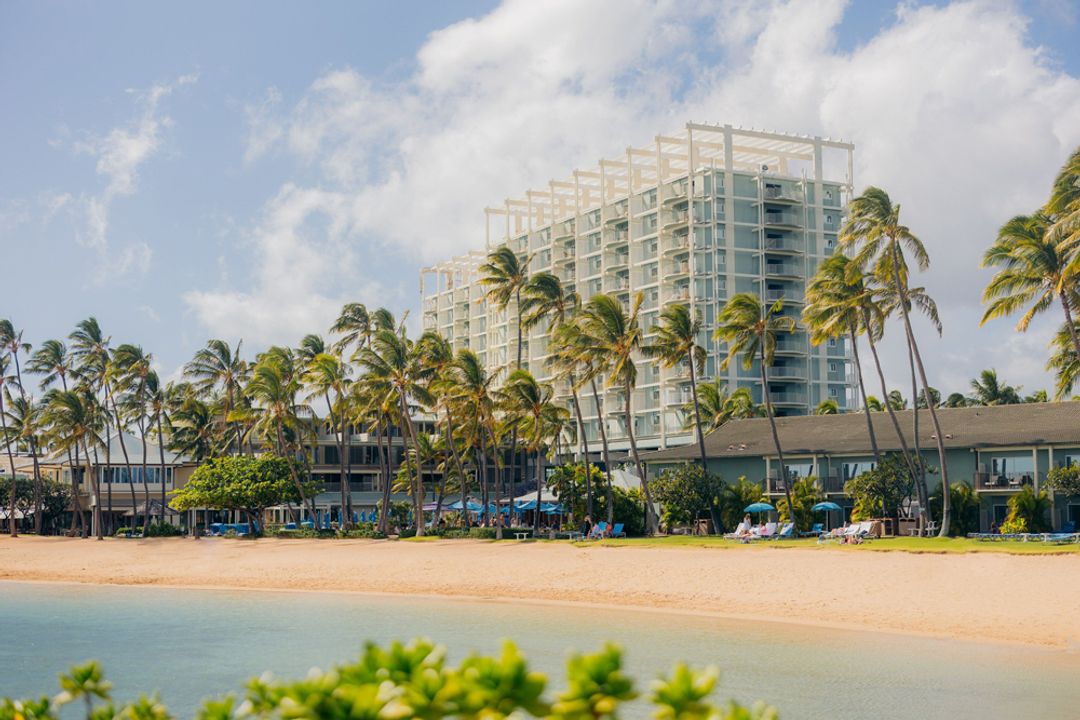
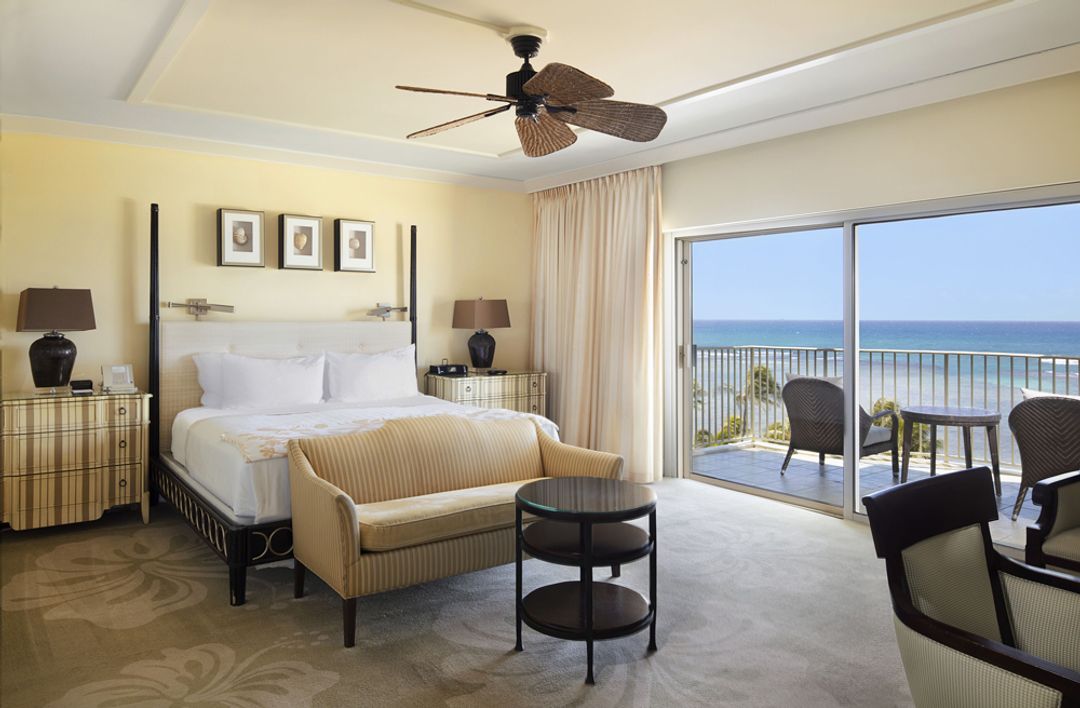
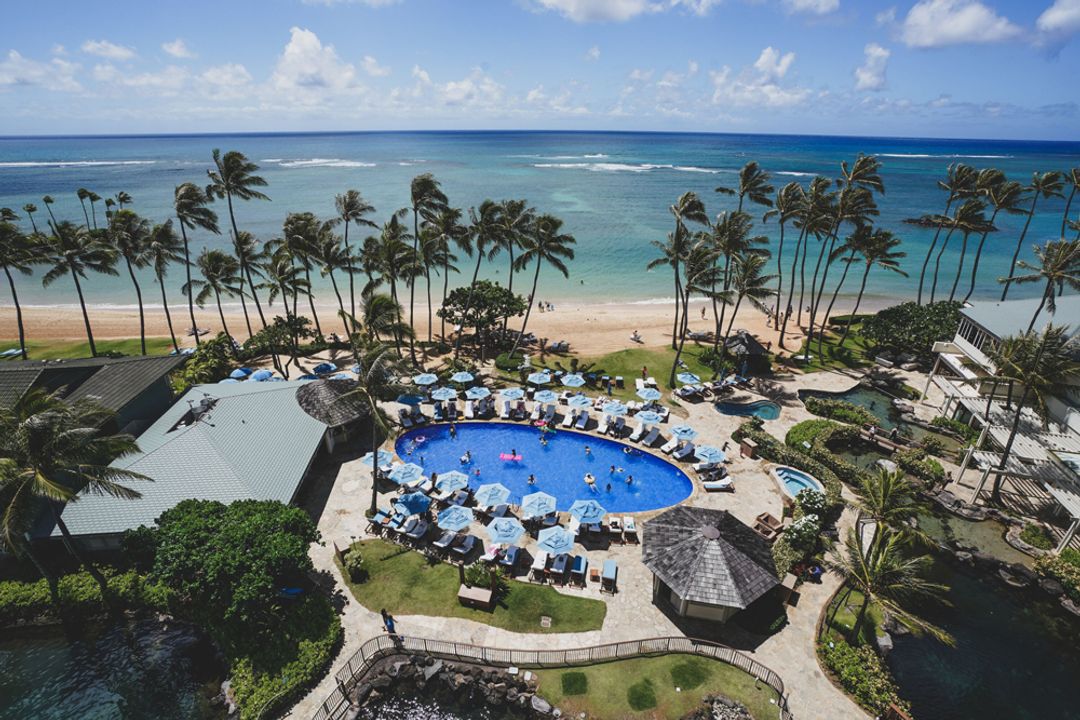
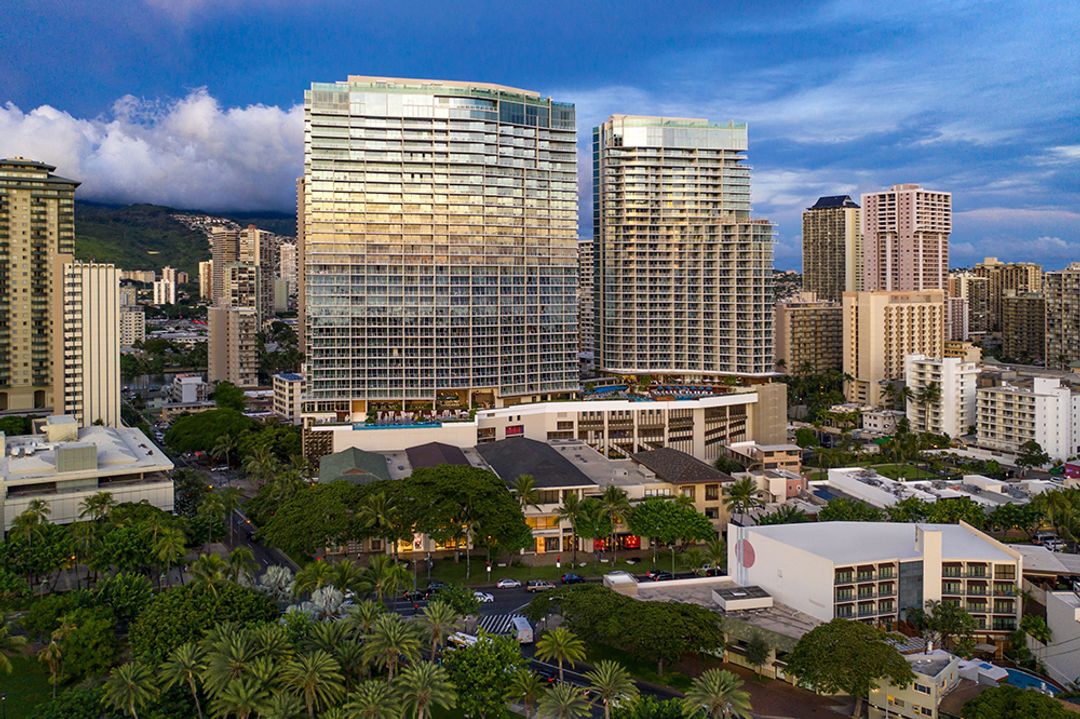
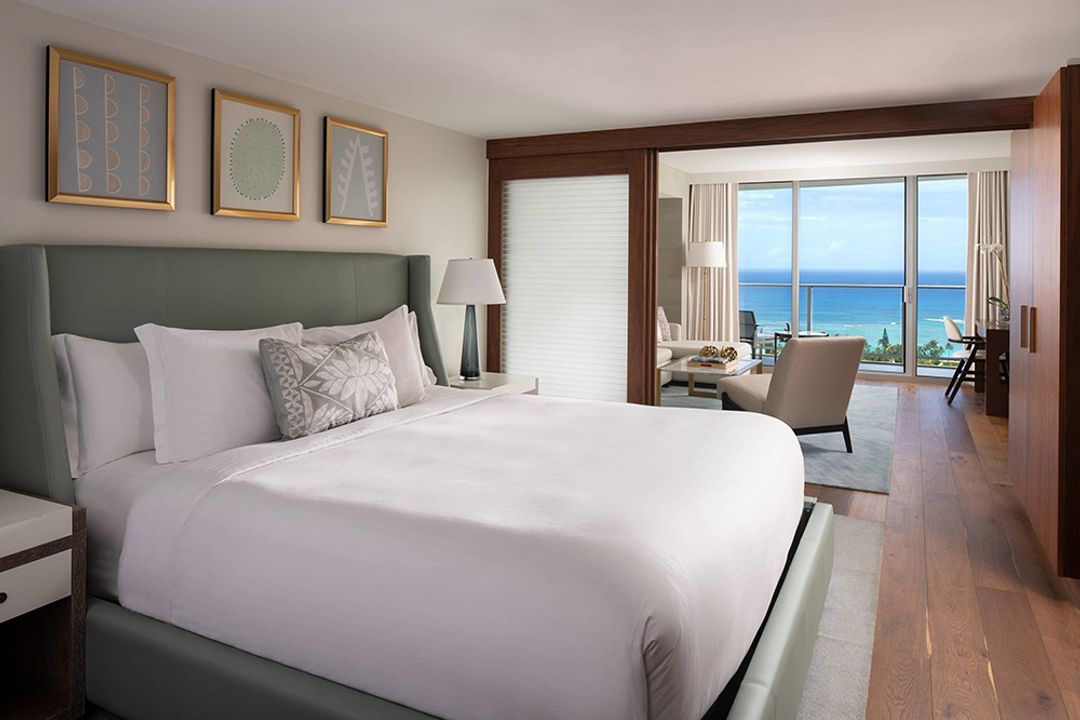
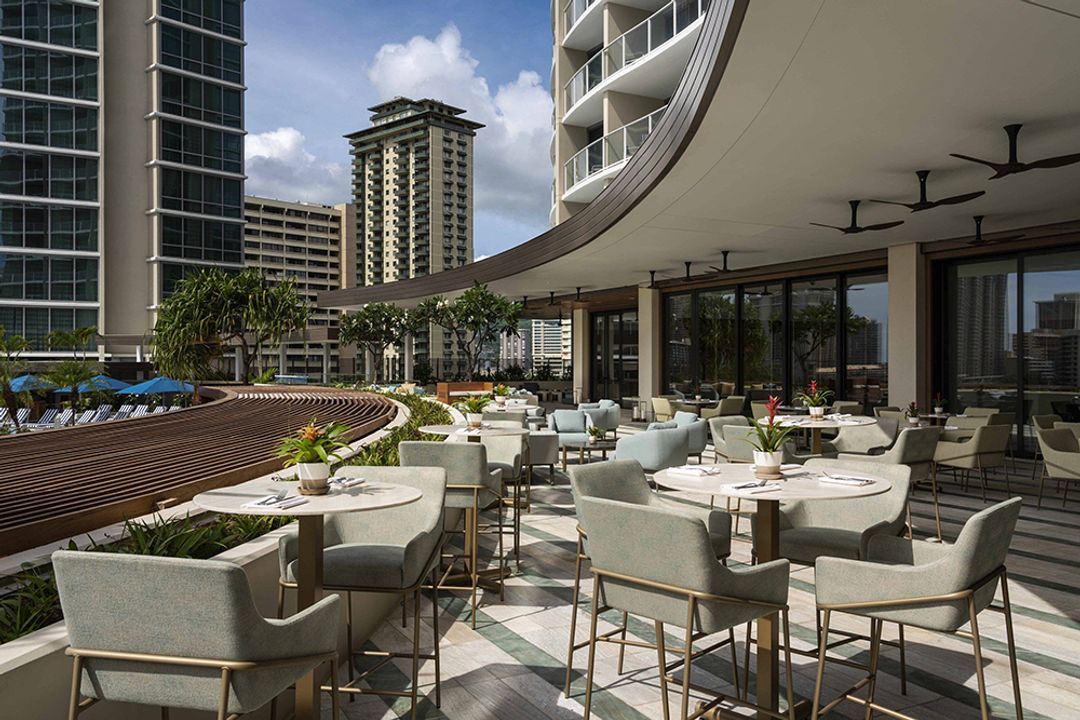
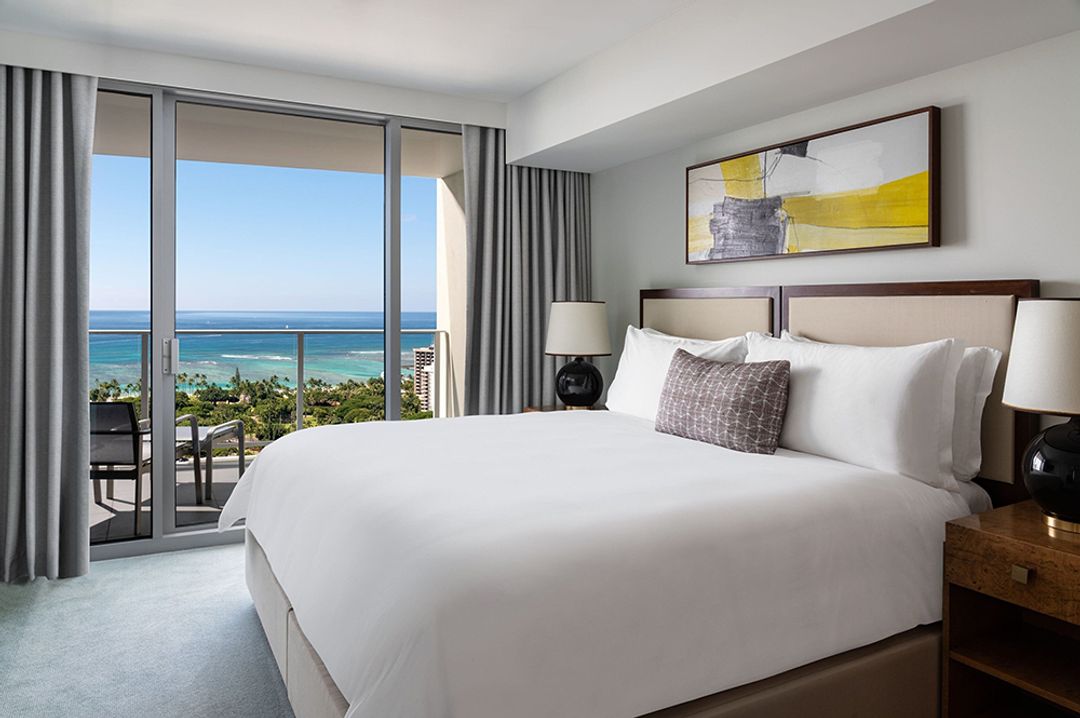
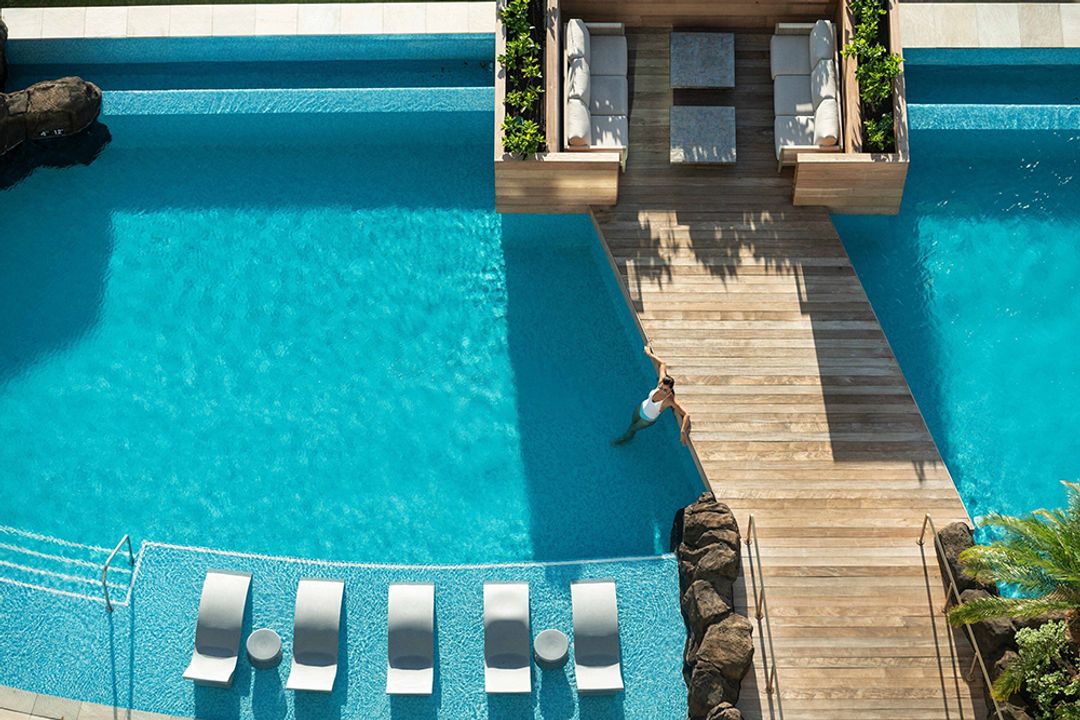
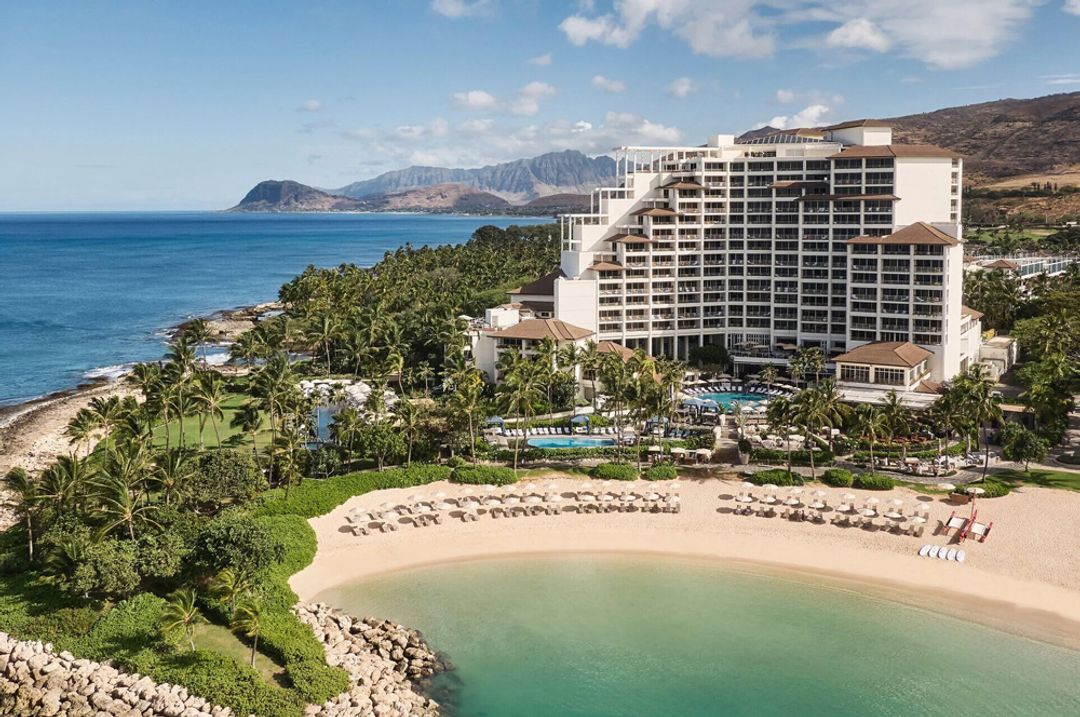
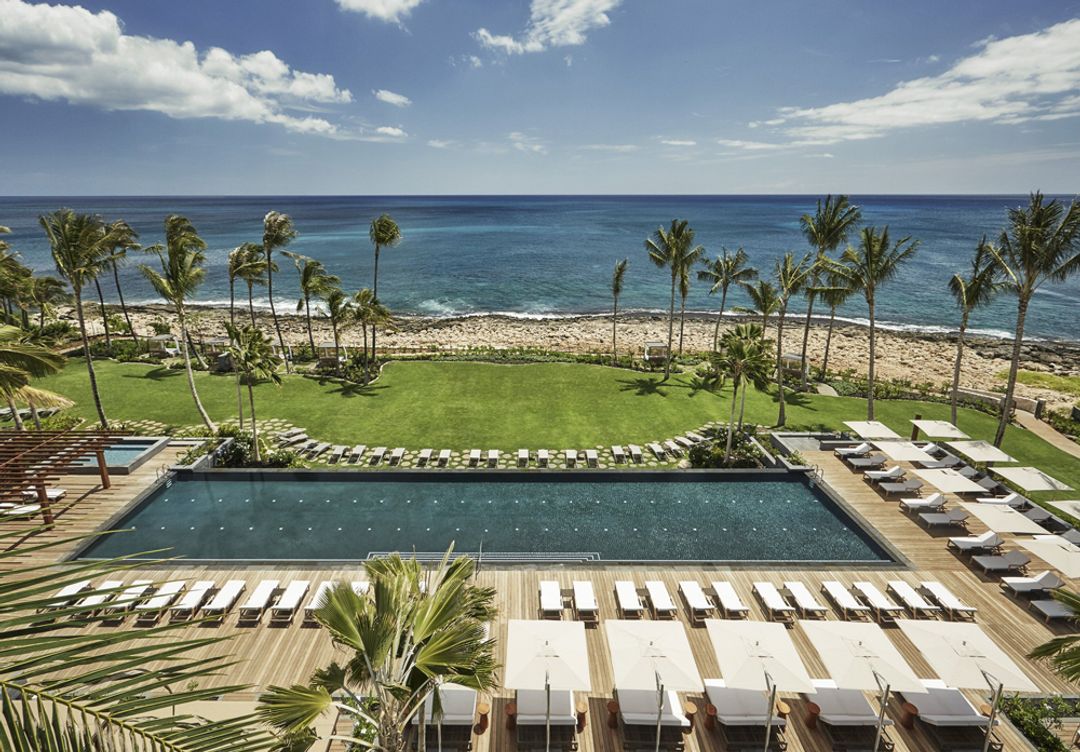
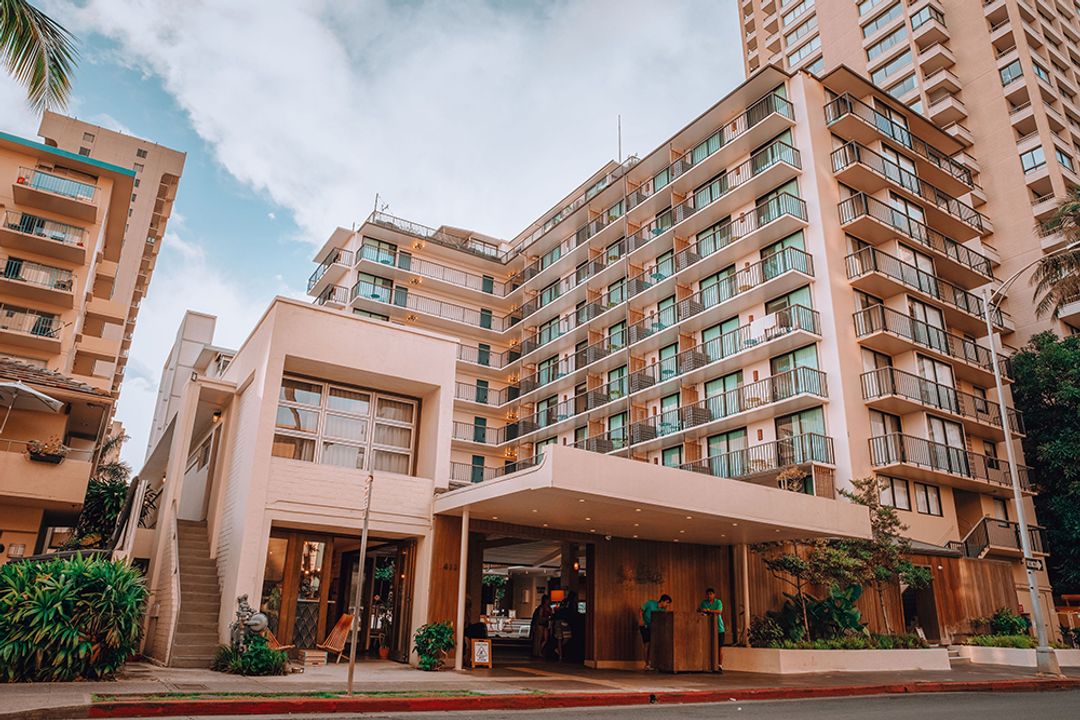
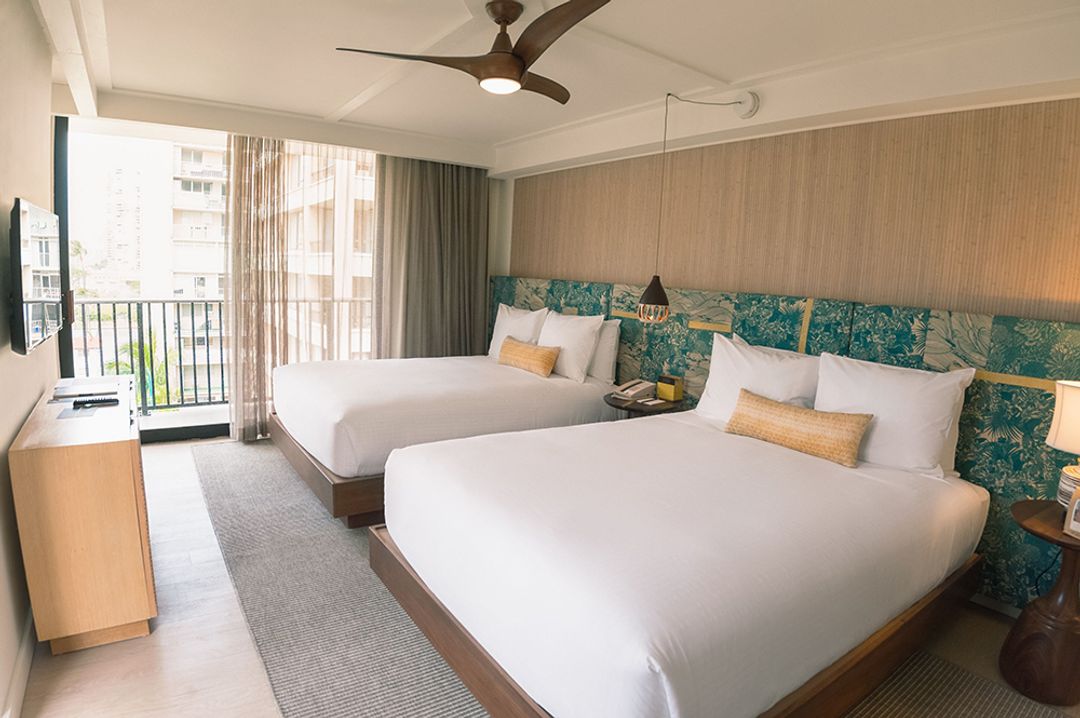
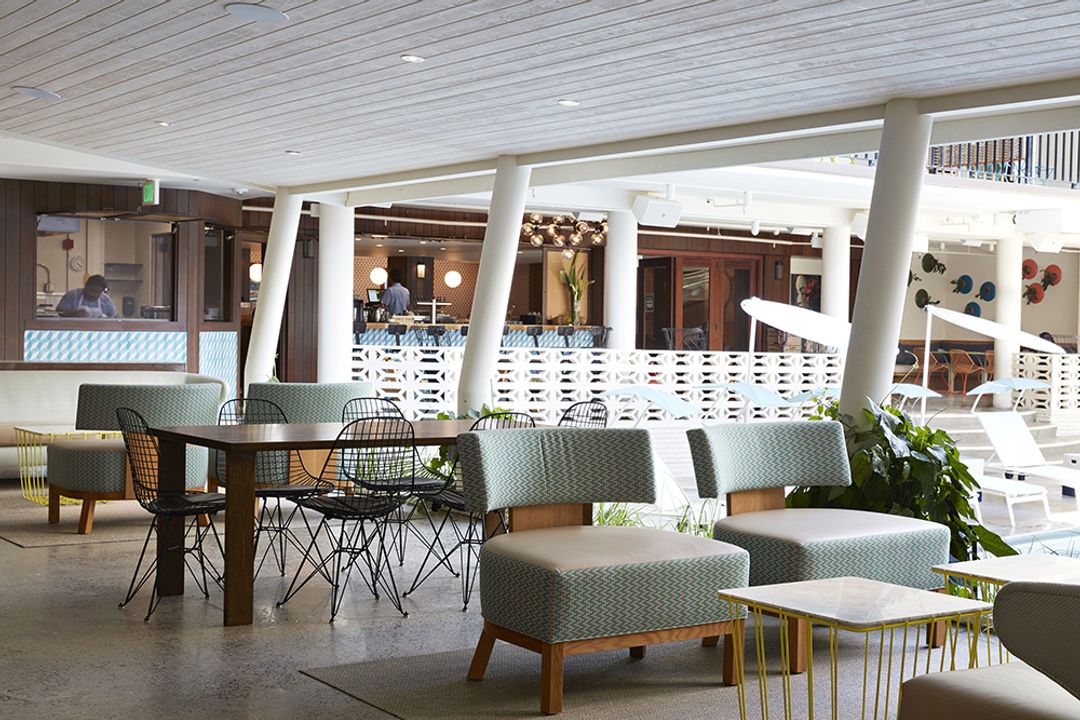
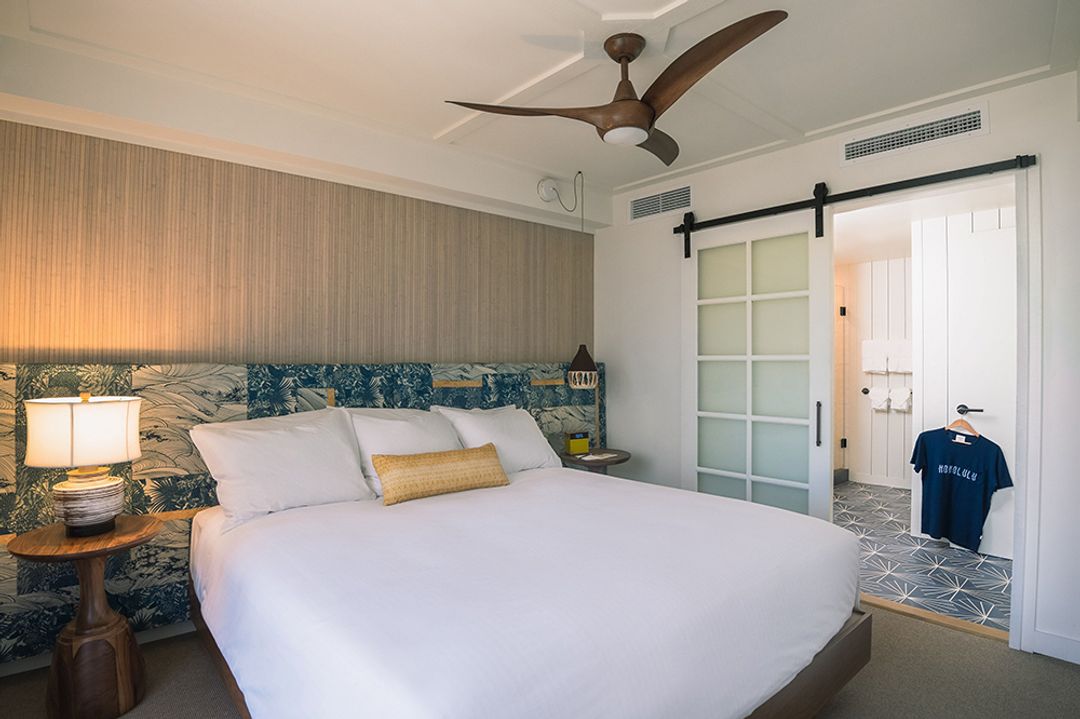
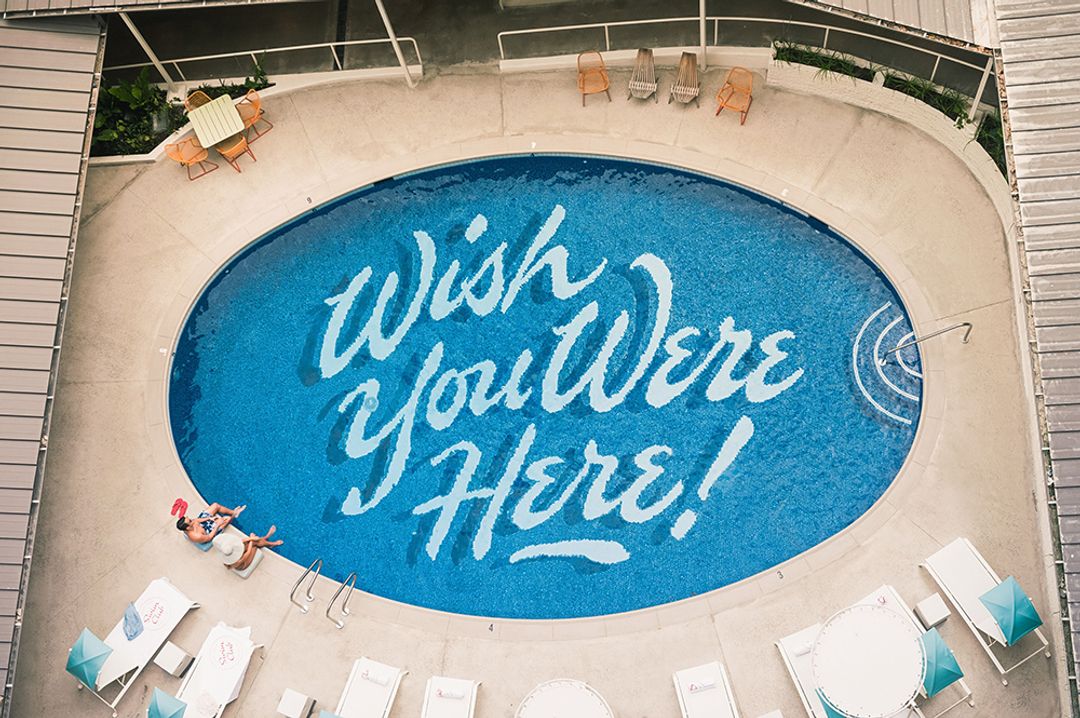
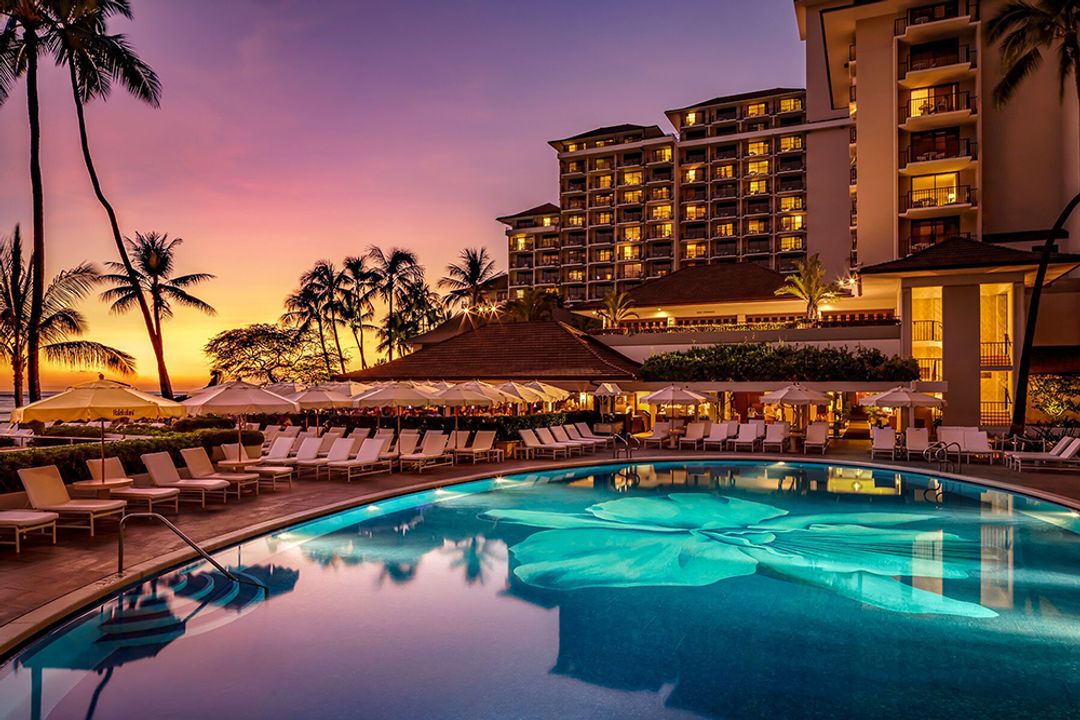
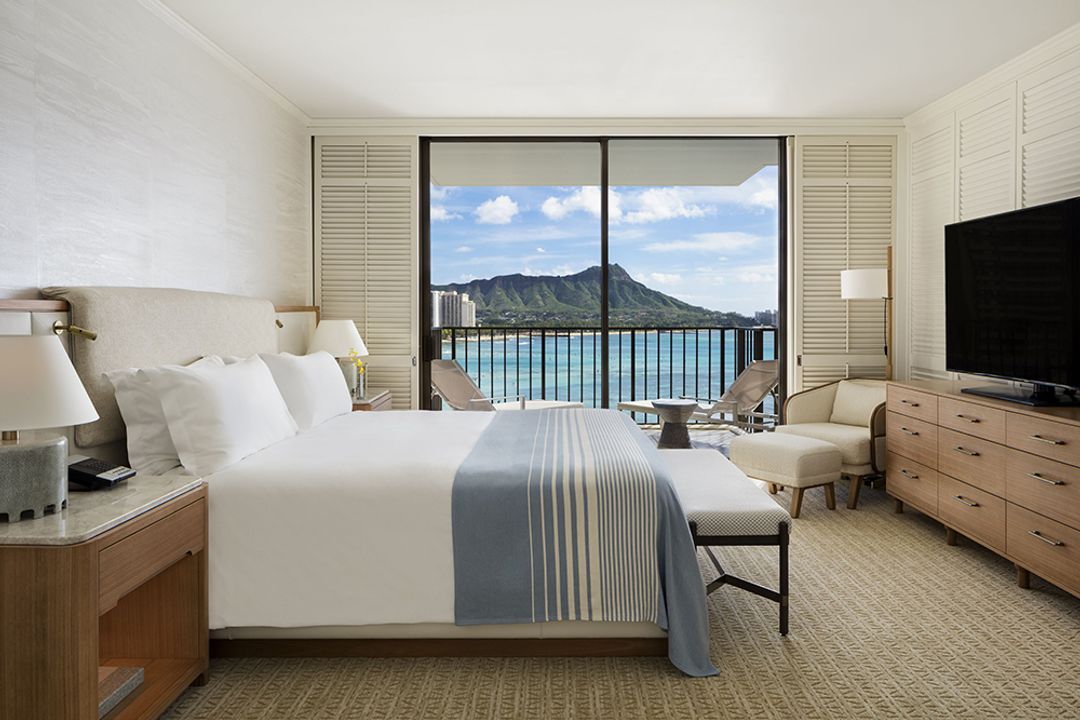
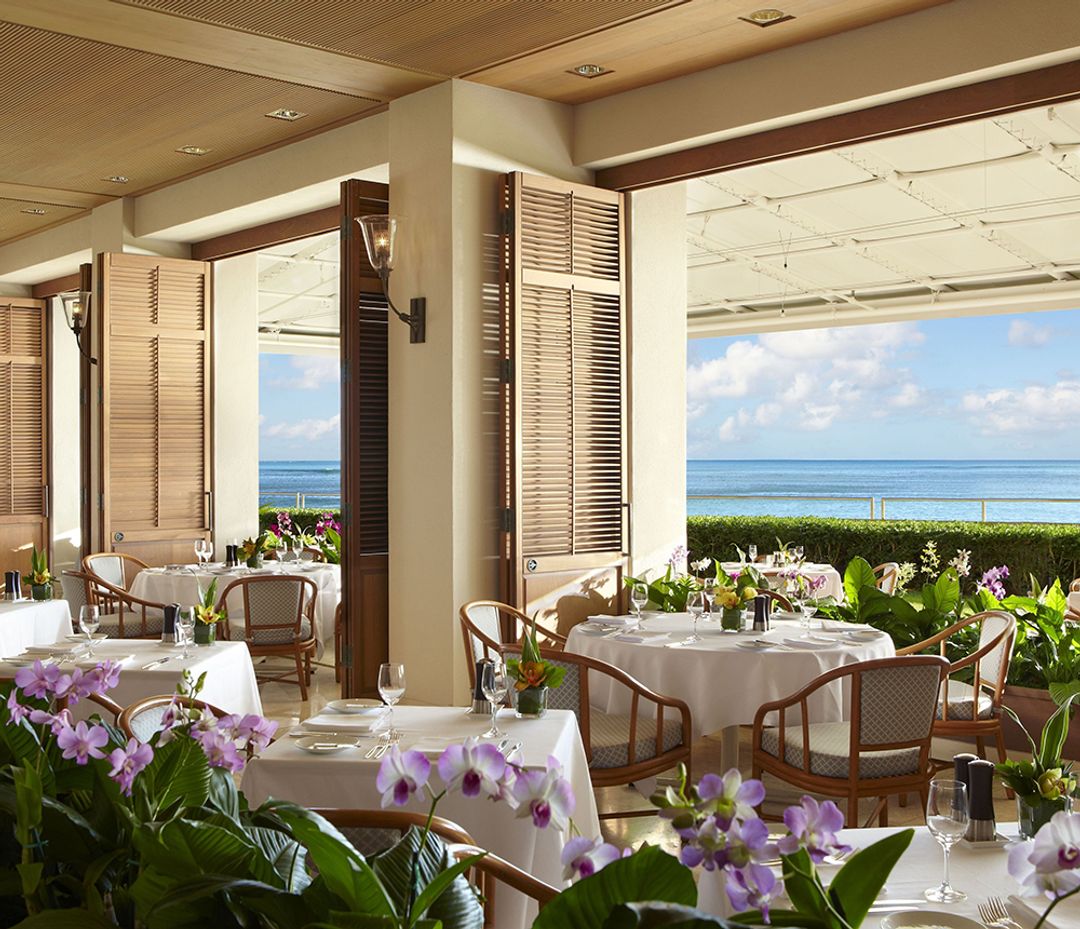
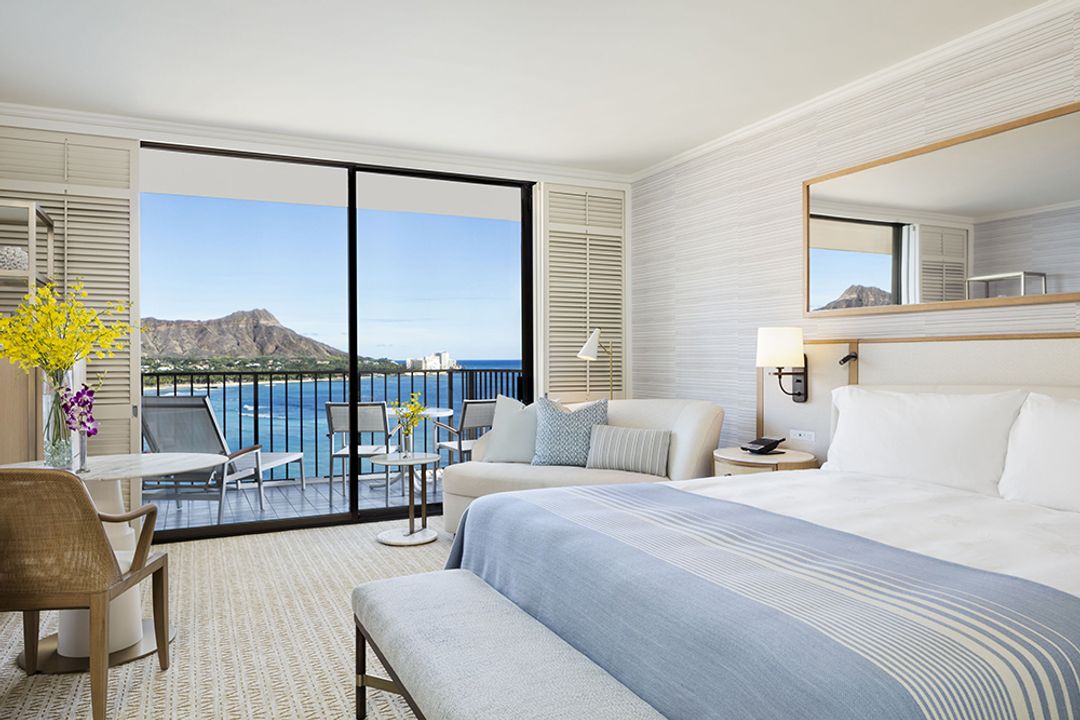
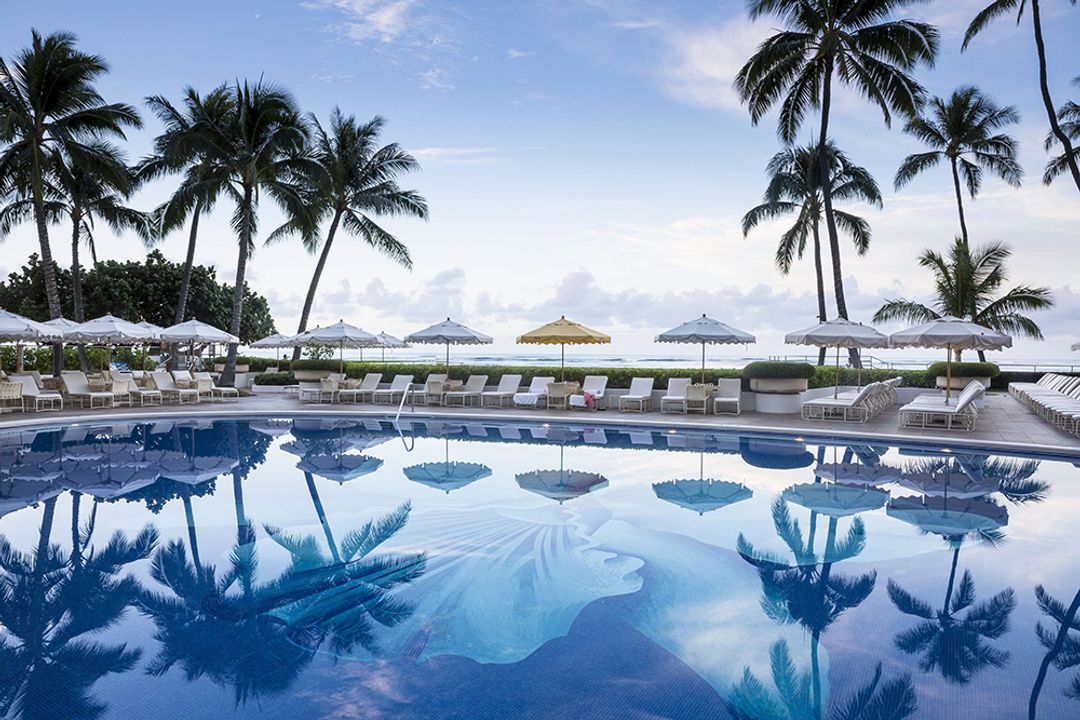
Waikiki is older than most people give it credit for. The Moana Surfrider, which opened in 1901 and remains the oldest hotel on the island, set the formal register early — a Colonial Revival facade on Kalākaua Avenue that has weathered a century of development without losing its composure. Halekulani, a few blocks west, operates at a different frequency: understated, almost monastic in its restraint, its white-on-white palette and garden-facing rooms making an argument for subtraction at a moment when Waikiki rewards excess. These two represent the beachfront's institutional memory. The Ritz-Carlton Residences, by contrast, occupy a vertical position in the city's newer residential-hotel typology — not a resort in any traditional sense but a tower-based hybrid that treats the ocean view as the primary design gesture. The more interesting design conversation in Waikiki is happening one block inland. The Laylow, an Autograph Collection property, works with a mid-century Hawaiian vernacular that feels genuinely earned rather than costumed — louvered screens, terrazzo, a muted palette that references the postwar resort architecture of Honolulu without turning it into a theme. The Surfjack Hotel & Swim Club, nearby, operates in a similar register but with a lighter, more graphic sensibility: the swim club as social infrastructure, the kind of pool deck that functions as the hotel's living room. Both properties make a case for Waikiki as something more architecturally layered than its reputation for mirrored towers and souvenir shops usually allows. Leave the city and the proposition changes entirely. The Kahala Hotel & Resort, tucked behind Diamond Head in the residential quiet of Kahala, has been receiving a certain kind of guest — discreet, repeat, often famous — since 1964, and its lagoon-side setting and low-rise scale feel deliberately apart from Waikiki's density. Further out, at the western end of O'ahu, the Four Seasons Resort at Ko Olina inhabits a landscape that feels almost entirely removed from urban Honolulu: a constructed lagoon, broad grounds, a resort logic that trades the energy of the city for something more deliberate. Whether that trade is worth making depends on what you came to the island for — the reef, the room, or the specific compression of history and modernity that only Waikiki, for all its contradictions, actually delivers.