Best hotels in Indianapolis | Visually Compare Top Stays Side-by-Side
Welcome to PressBeyond - a curated visual guide to design-driven hotels and the fastest way to compare them.
An Overview of the Boutique & Luxury Hotel Landscape in Indianapolis
Indianapolis tends to surprise visitors who arrive expecting a flat Midwestern grid of convention hotels and sports bars. The city's most compelling recent architecture has emerged not from downtown's monument-heavy core but from adaptive reuse — the careful resurrection of early twentieth-century industrial buildings into something genuinely worth sleeping in. Both properties on this platform belong to that tradition, and together they make a case for Indianapolis as a city that knows what it has and isn't in a hurry to bulldoze it.
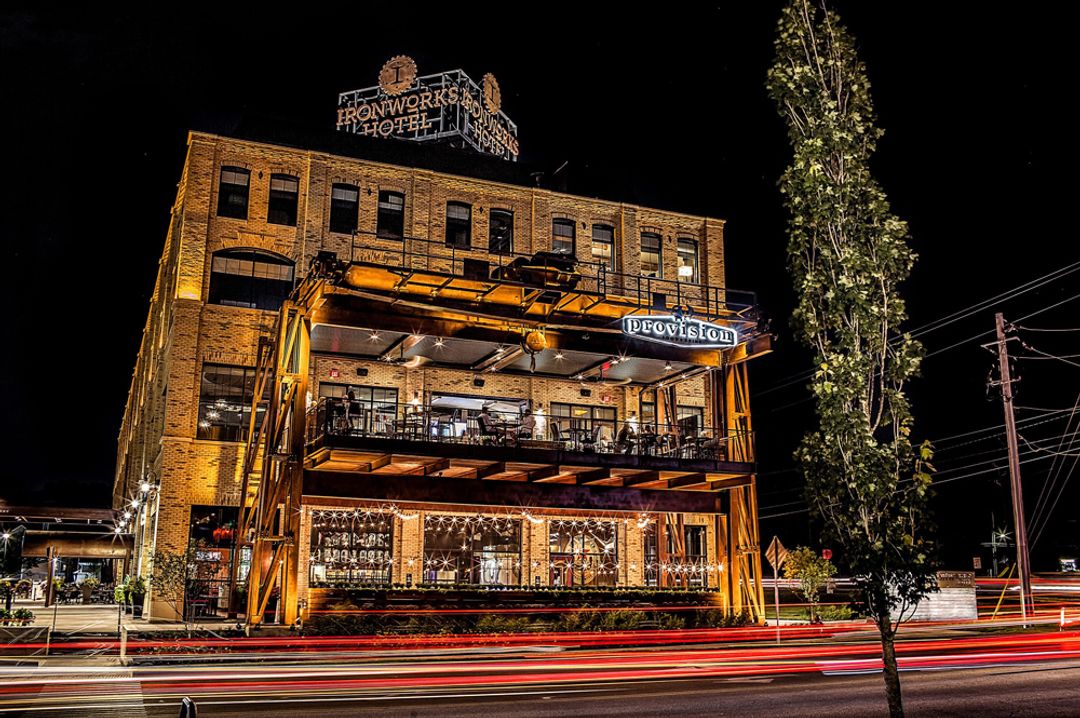
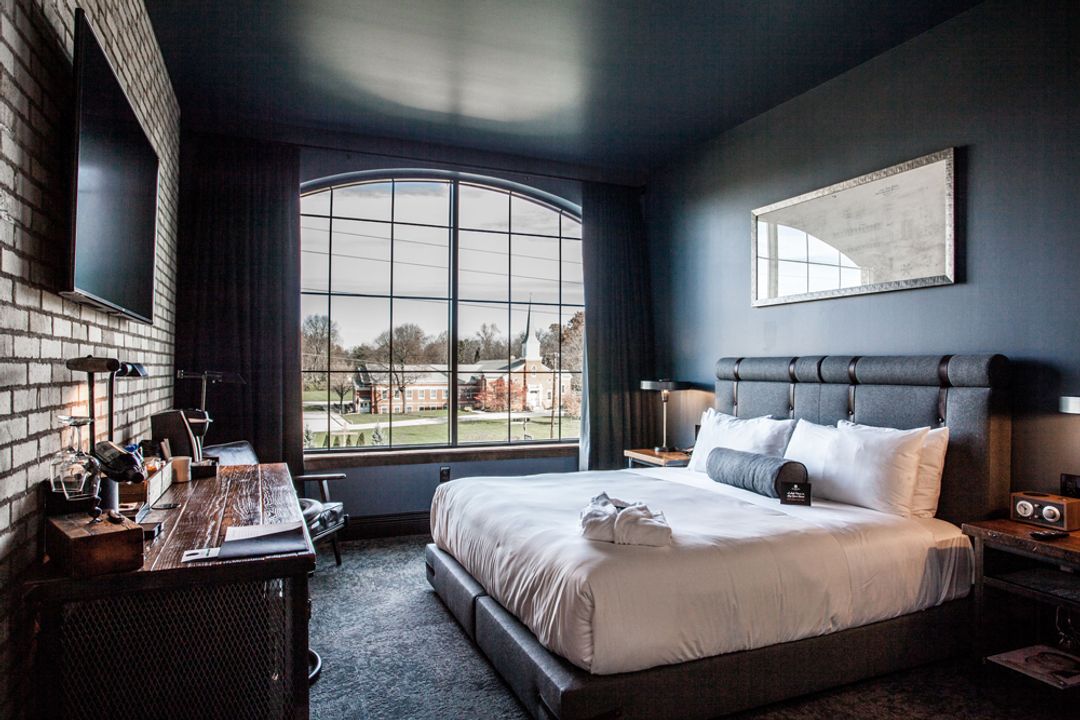
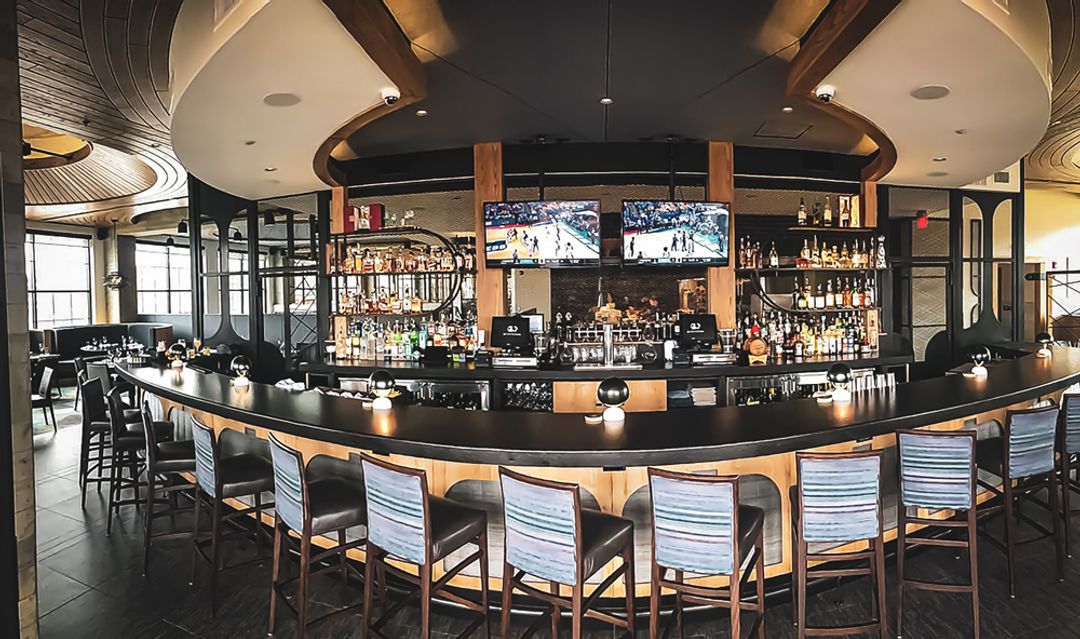
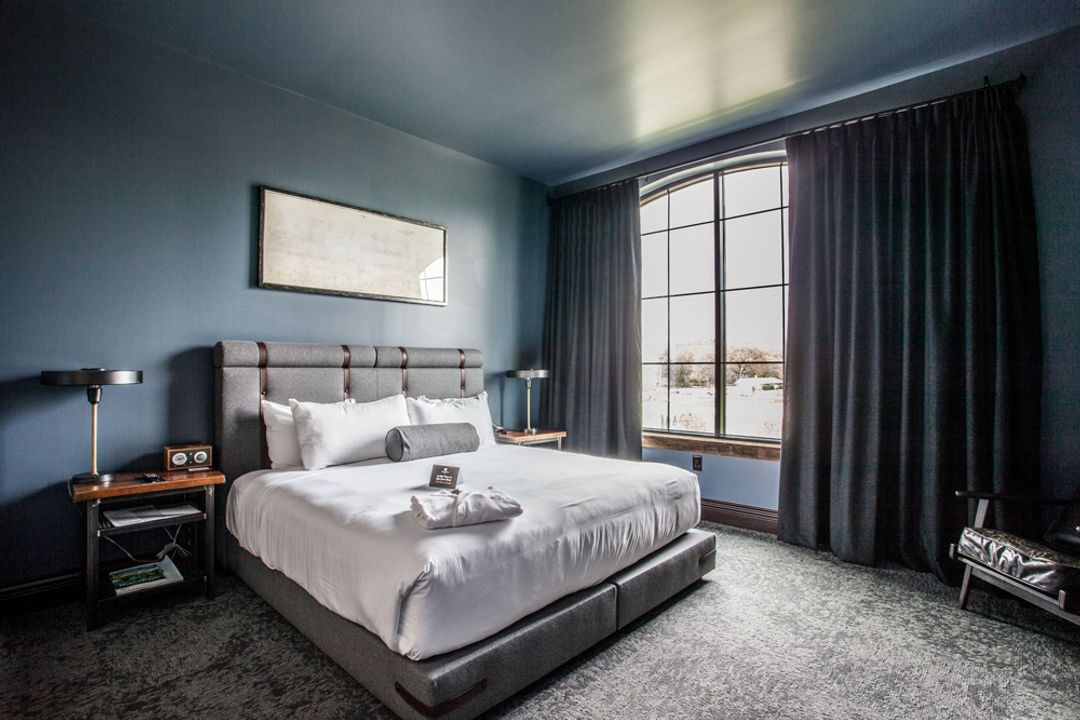
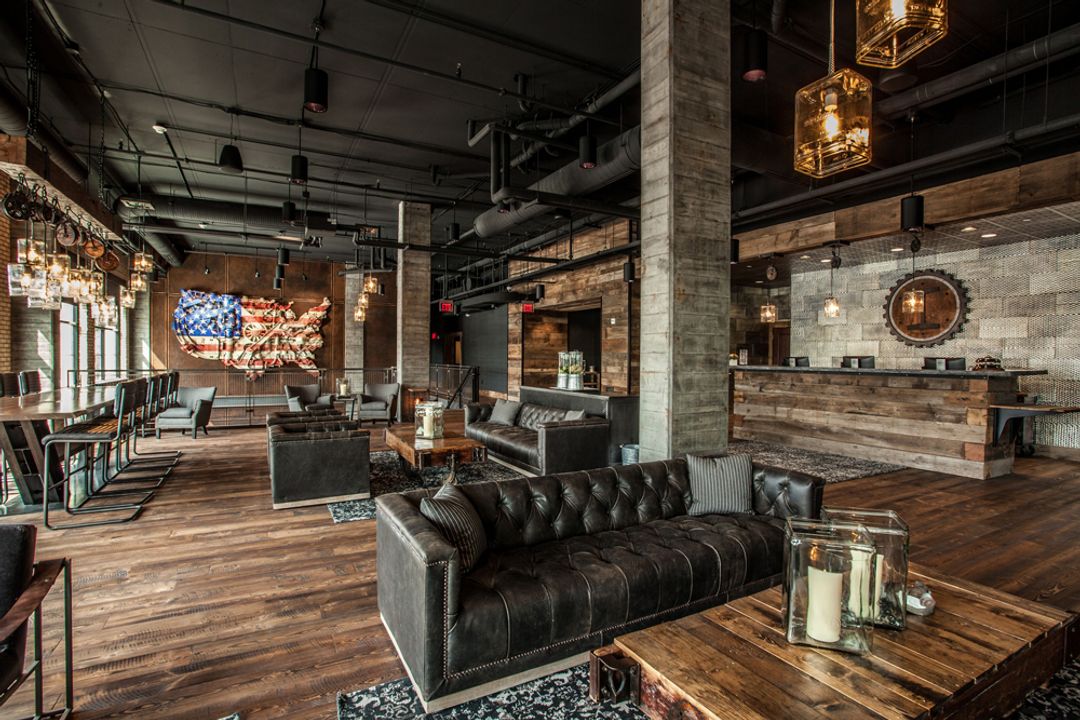
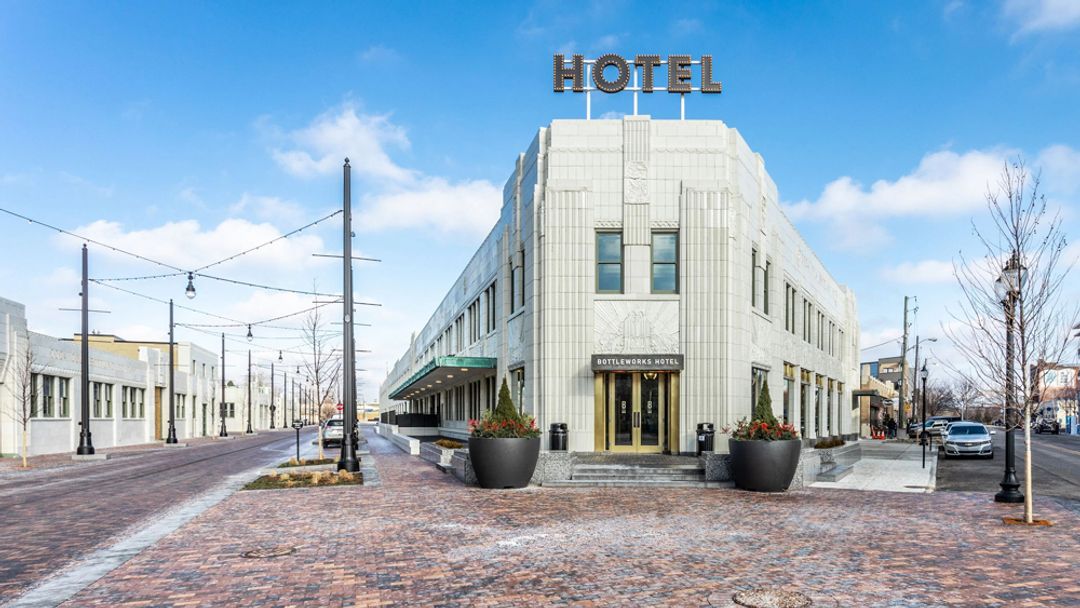
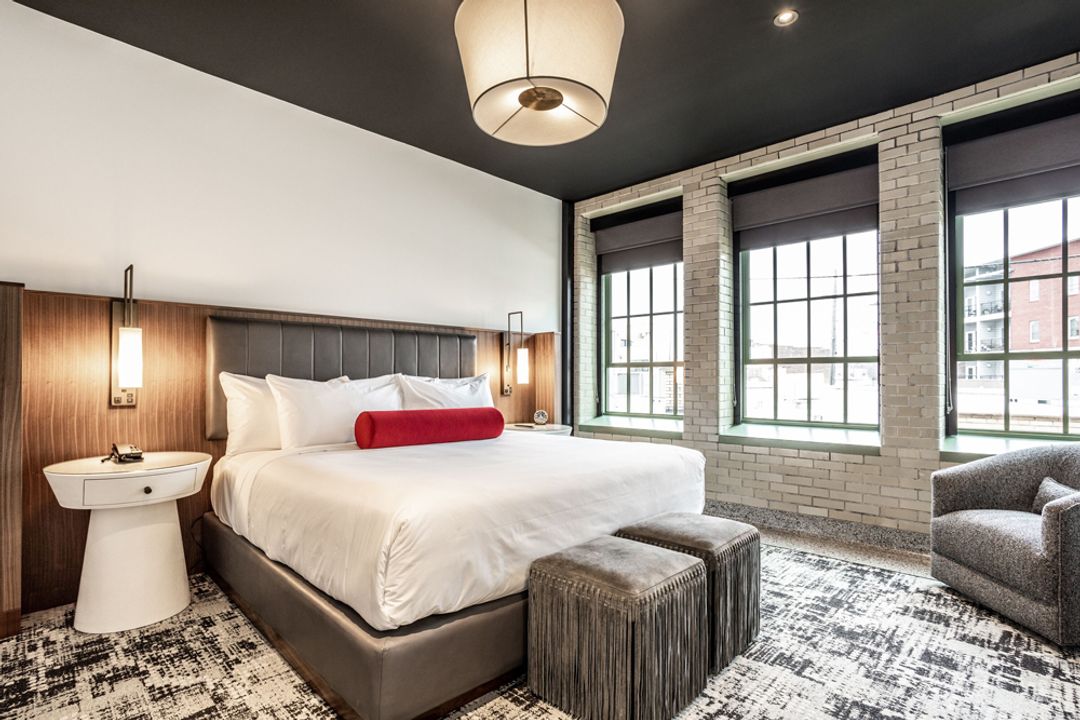
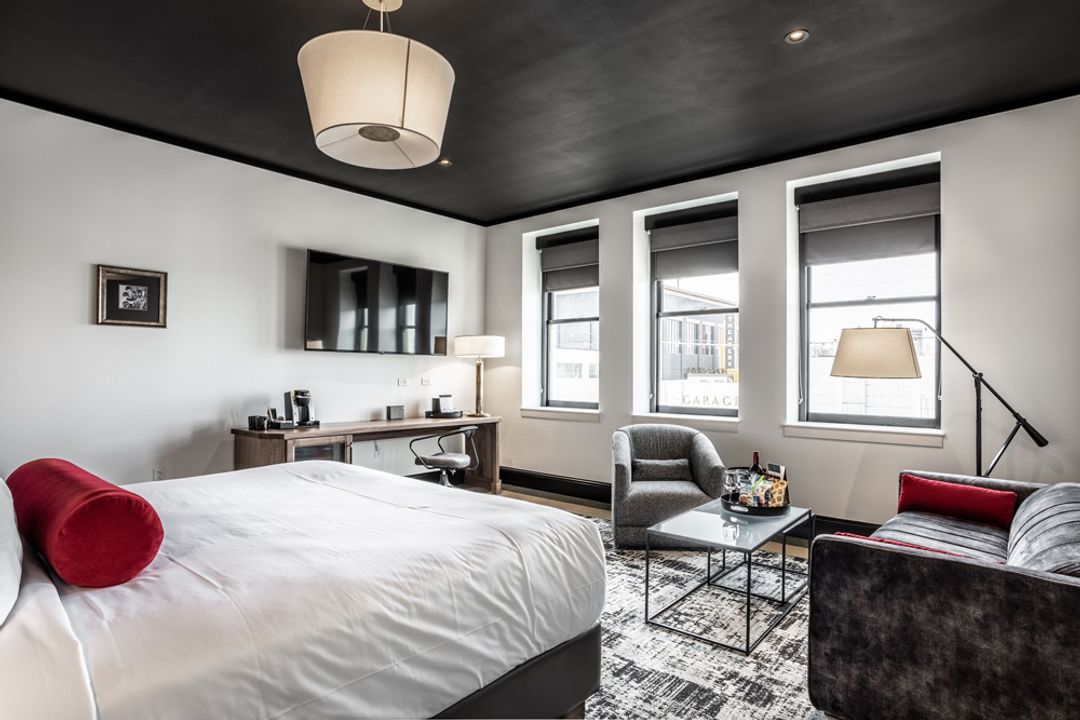
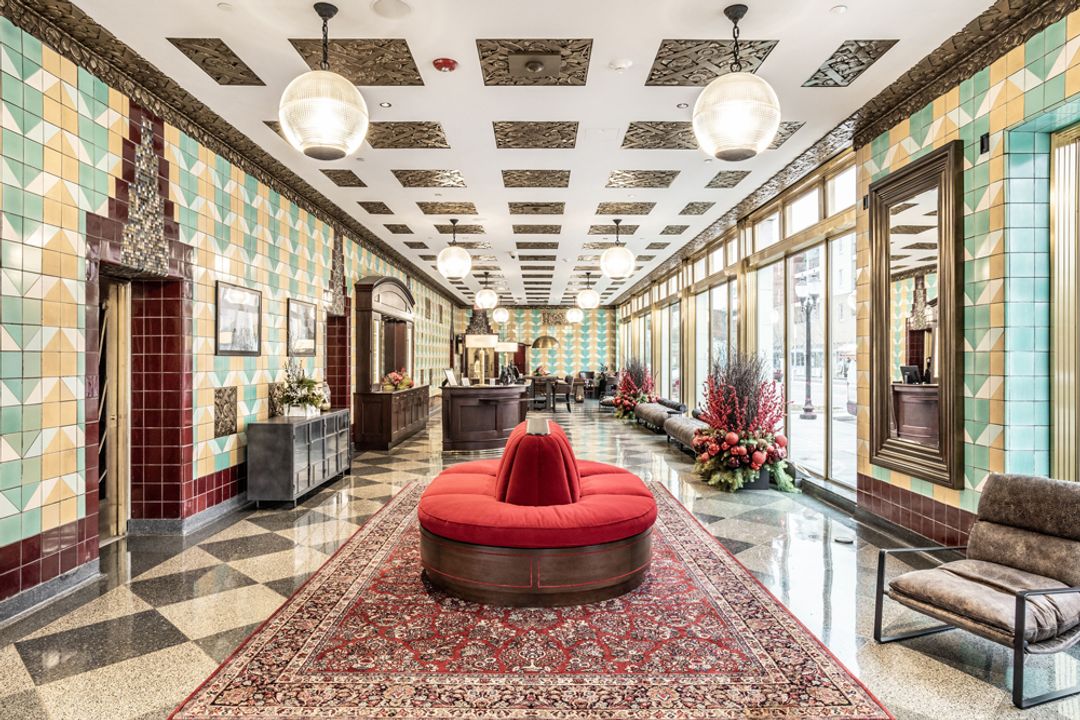
The Bottleworks Hotel, which opened in 2020 within the Coca-Cola Bottling Plant complex on Massachusetts Avenue, is the more architecturally ambitious of the two. The 1931 Art Deco building was designed by Rubush and Hunter, and its restoration — carried out as part of the broader Bottleworks District development — preserved the barrel-vaulted ceilings, terrazzo floors, and period tile work that give the interior its particular weight. The neighborhood itself, Mass Ave as locals abbreviate it, has been Indianapolis's most culturally active corridor for decades, lined with independent galleries, theaters, and restaurants. Staying here puts you inside that energy rather than adjacent to it. On the North Side, the Ironworks Hotel Indy operates from a converted industrial complex in the Keystone at the Crossing area — a slightly quieter, more suburban-feeling pocket of the city, but one that suits the hotel's material honesty: exposed steel, brick, and timber frame a spare, warm interior that reads more like a well-edited loft than a branded hotel product.
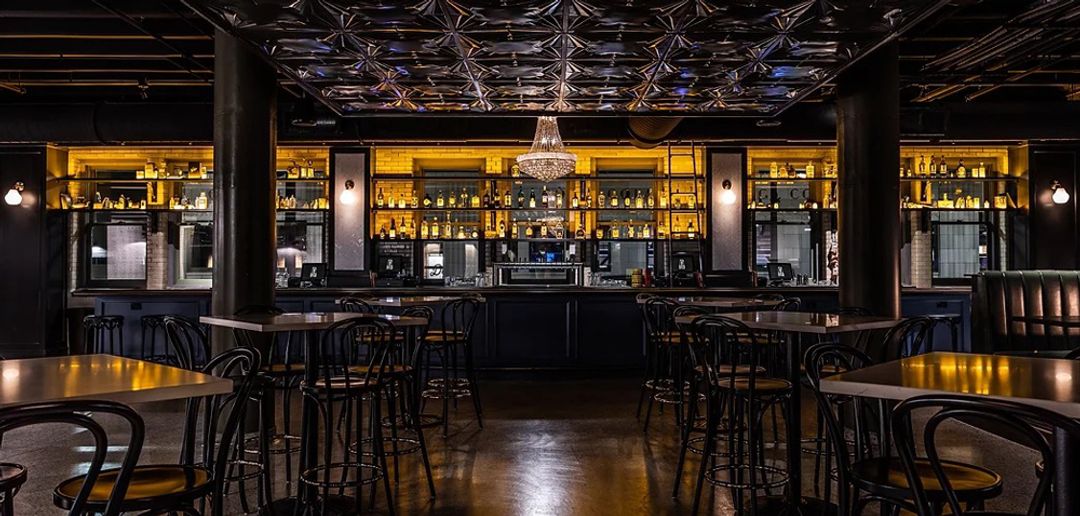
What distinguishes both properties is a shared commitment to the bones of their buildings rather than the imposition of a decorator's concept over them. At the Bottleworks, the original machinery details and signage have been integrated into the guest experience as artifacts rather than erased or replicated as props. At the Ironworks, the industrial vocabulary is deployed with enough restraint that it feels earned. For a design-conscious traveler, the choice between them is really a question of what kind of Indianapolis you want to inhabit: the dense, walkable urban energy of Mass Ave, or a quieter North Side base from which to move through the city at your own pace. Either way, the industrial past is doing most of the architectural heavy lifting, and that turns out to be enough.