Best hotels in Lake Tahoe, Nevada | Visually Compare Top Stays Side-by-Side
Welcome to PressBeyond - a curated visual guide to design-driven hotels and the fastest way to compare them.
An Overview of the Boutique & Luxury Hotel Landscape in Lake Tahoe, Nevada
Lake Tahoe sits at 6,225 feet in the Sierra Nevada, a place where the altitude clarifies everything: the light, the cold, the quality of the water. Its two shores have always operated differently. The South Shore developed as the more accessible, more democratized edge of the lake, connected to gambling and mid-century roadside culture. The North Shore and its mountain resort corridors tilted toward quieter wealth, ski development, and second-home discretion. That division still shapes where you sleep here.
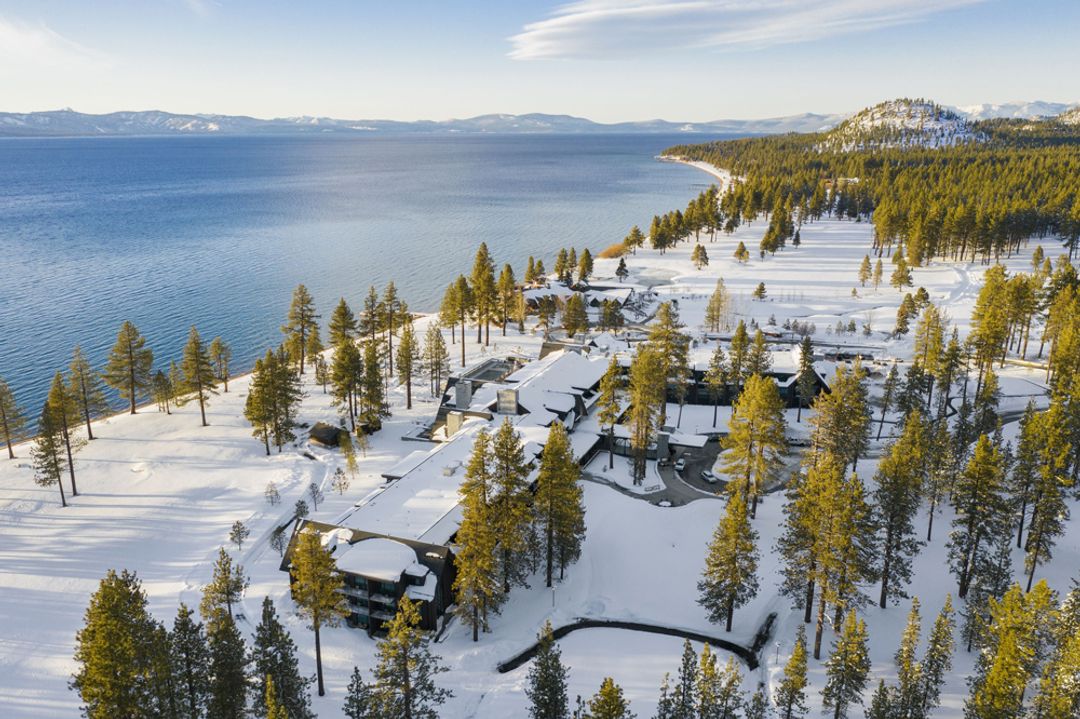
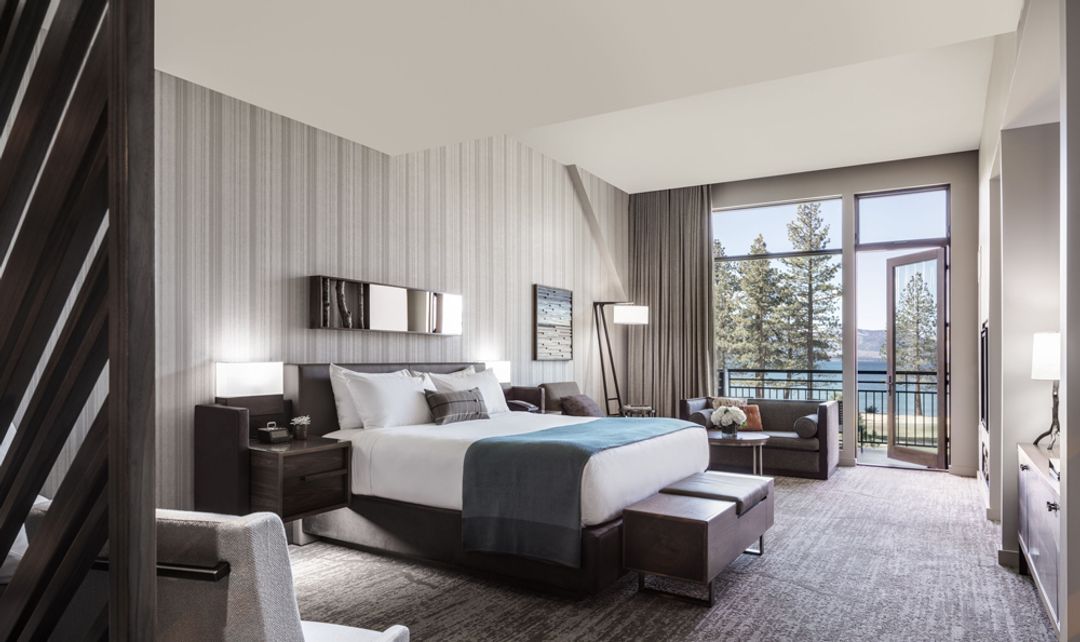
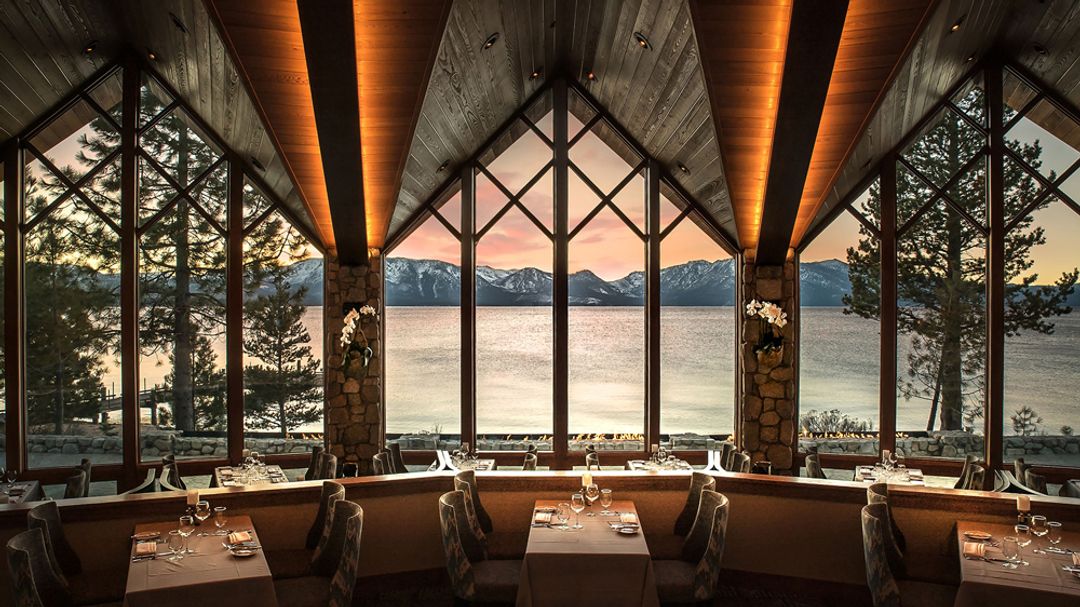
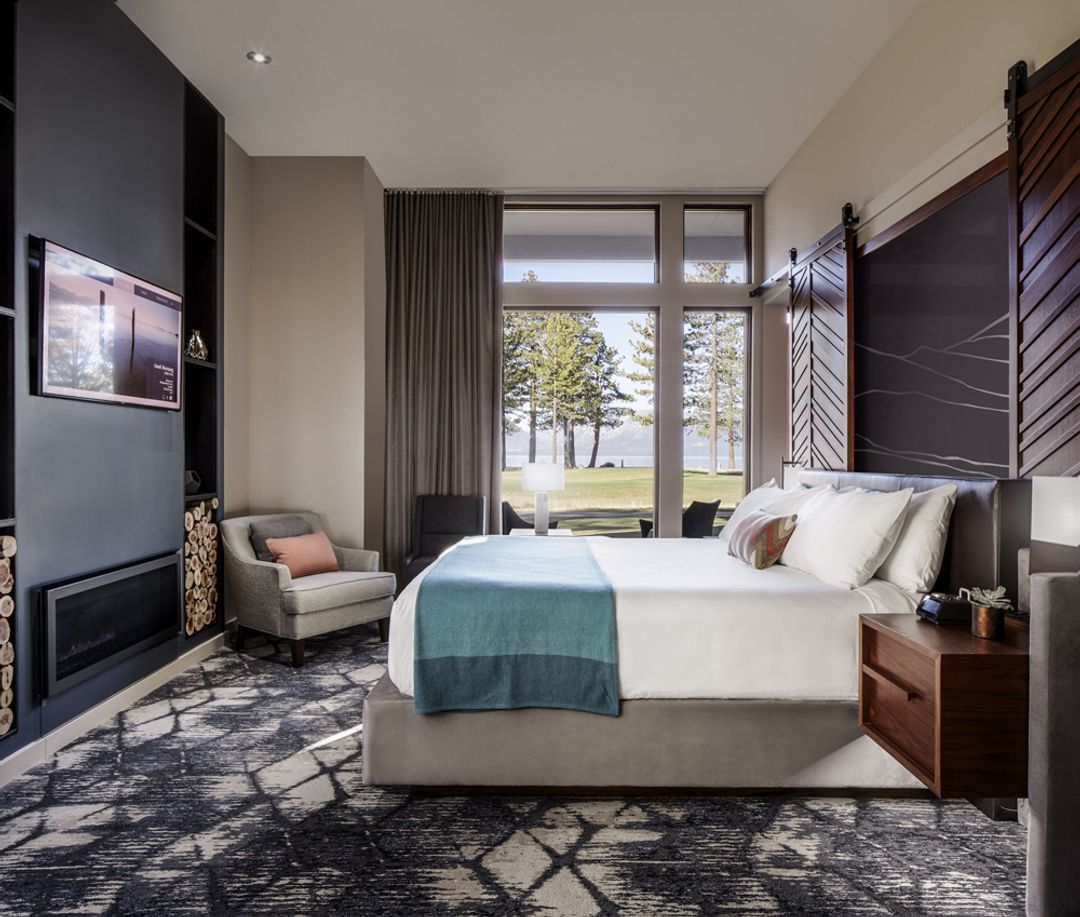
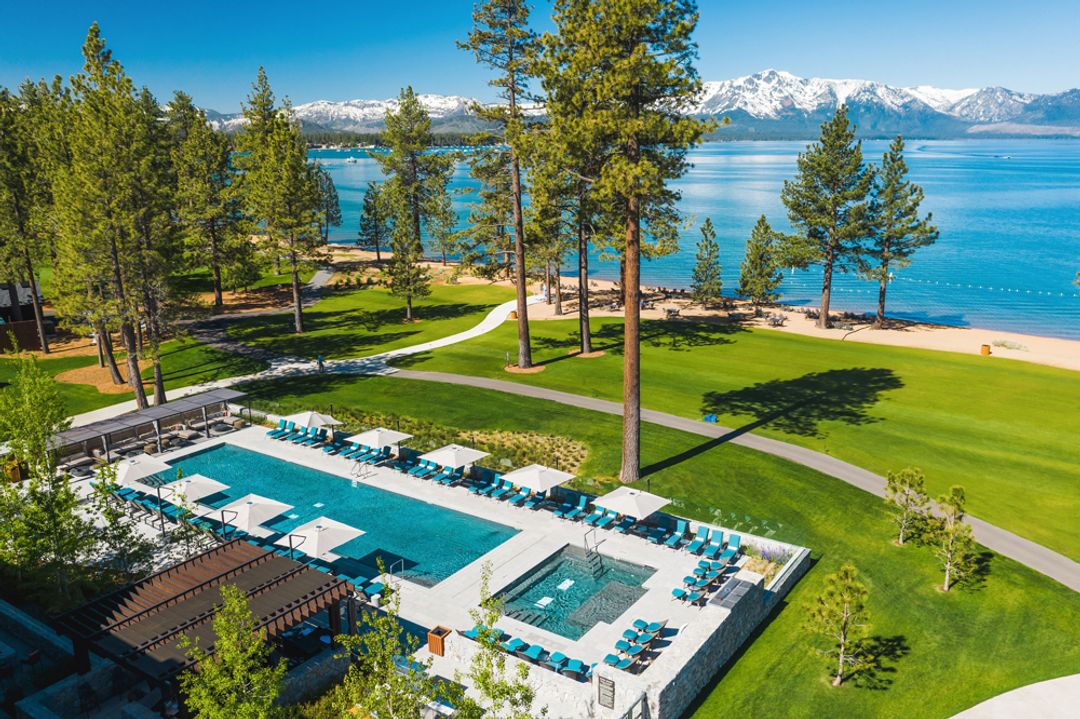
Edgewood Tahoe Resort occupies a rare position on the South Shore: a lakeside property at Stateline with direct beach access and views across to the Nevada mountains. The architecture, completed in its current resort form in 2017, keeps a pronounced horizontal profile that defers to the waterline rather than competing with it. The interiors draw on Sierra vernacular materials, exposed timber and local stone, without falling into the trap of forced rusticity. It reads as a serious resort that happens to be in a place with genuine natural stakes, and the golf course setting gives the property an unusual amount of breathing room for a lakeshore site where developable land is tightly held.
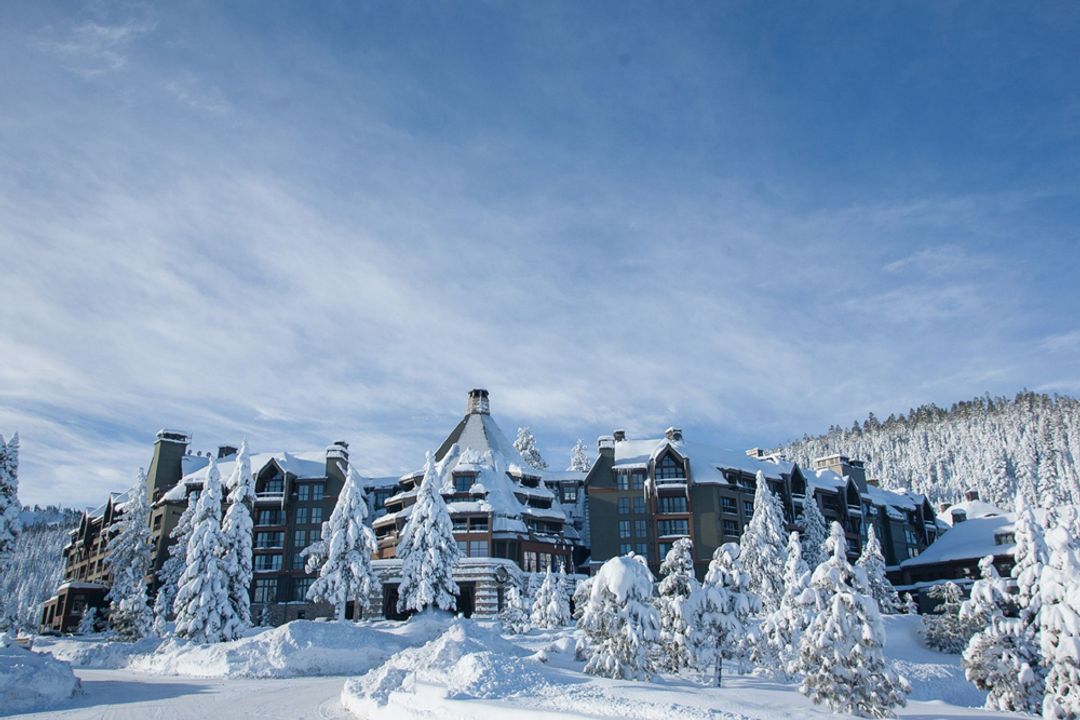
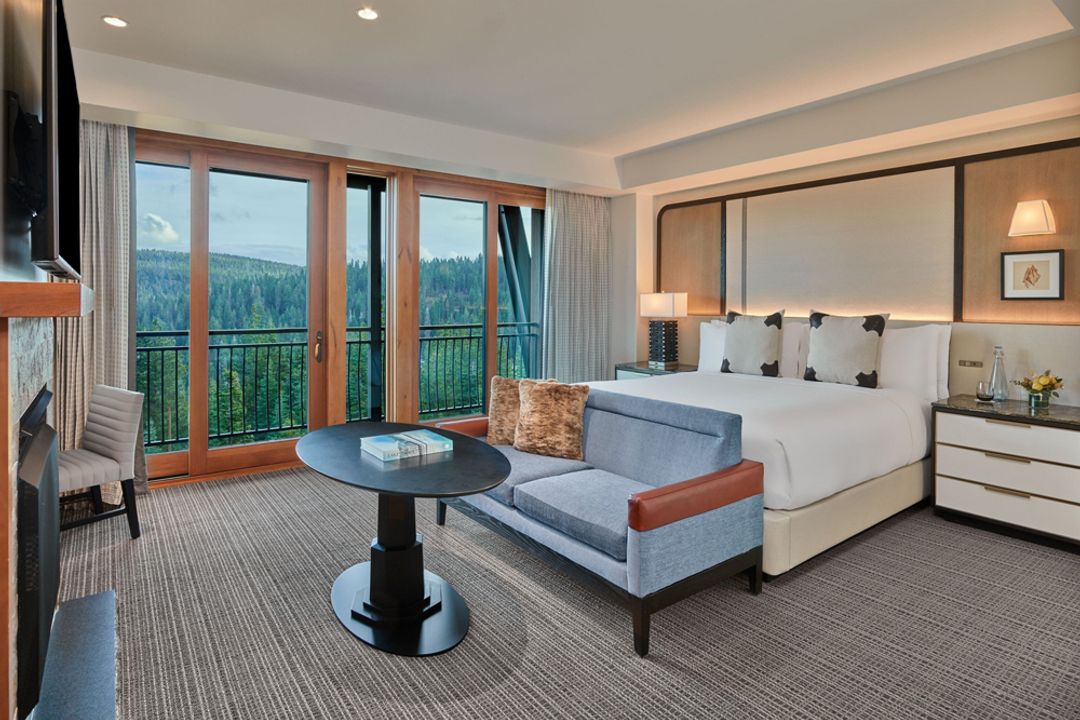
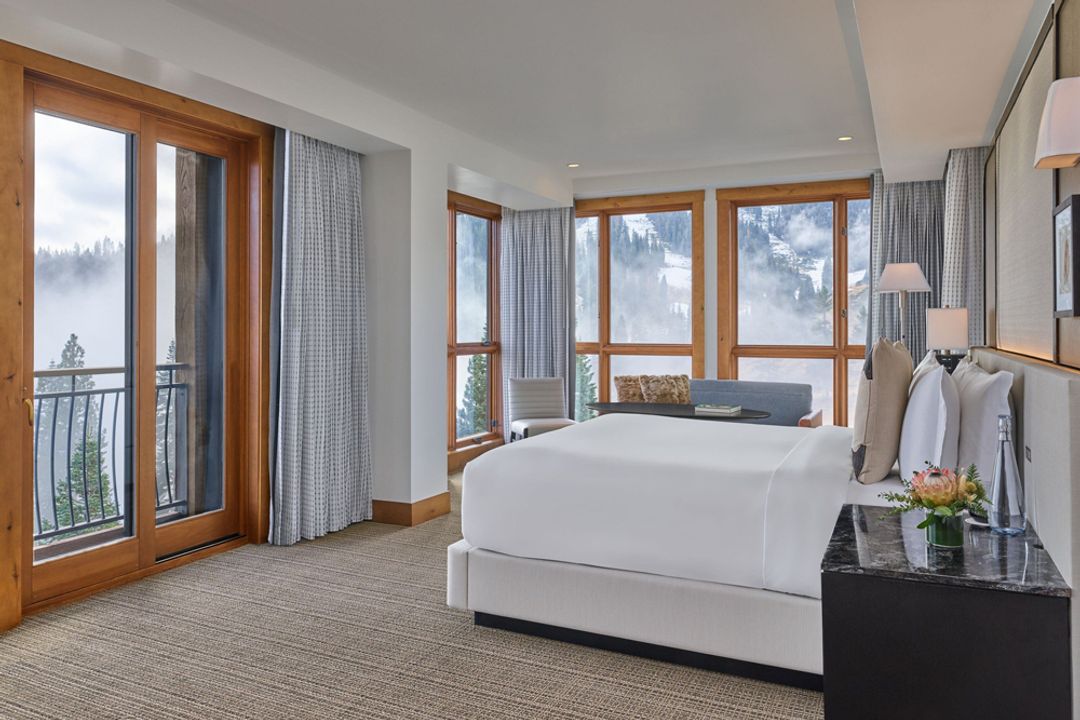
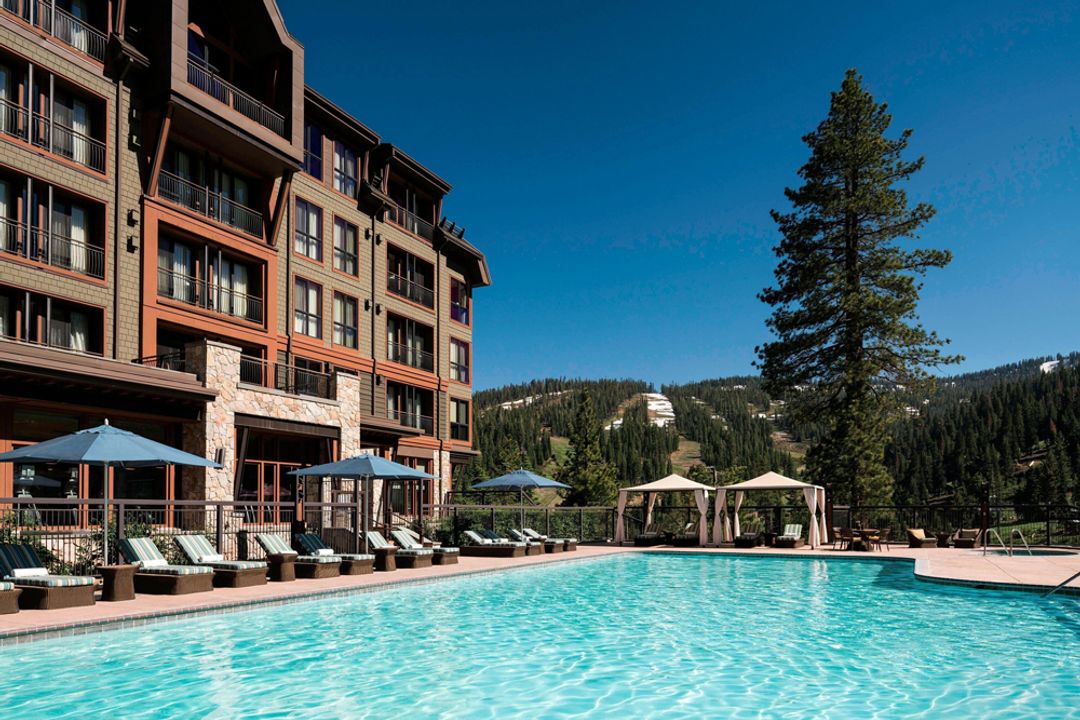
The Ritz-Carlton Lake Tahoe takes a different position entirely, both geographically and temperamentally. Embedded within the Northstar California ski resort north of Truckee, it operates as a ski-in, ski-out mountain hotel with no pretense of being a lakeside retreat. The property, which opened in 2009, sits at 8,000 feet at the base of Northstar's village, and its architecture tracks closer to alpine lodge than Sierra cabin: heavy timber framing, stone fireplaces scaled to the volume of the public spaces, a deliberate warmth calibrated against the fact that the mountain environment around it can be genuinely hostile for much of the year. For a traveler whose trip is organized around time on the mountain rather than time on the water, it functions as the more focused choice. What these two properties share, despite the distance between them and the different registers they occupy, is seriousness about their respective landscapes. Neither is trading on the name of the lake alone.