Best hotels in San Antonio, TX | Visually Compare Top Stays Side-by-Side
Welcome to PressBeyond - a curated visual guide to design-driven hotels and the fastest way to compare them.
An Overview of the Boutique & Luxury Hotel Landscape in San Antonio, TX
San Antonio is a city that carries its history more visibly than most American cities do, where the Spanish colonial past, the German immigrant industrial era, and the Sun Belt boom years coexist in the same few square miles without much effort at reconciliation. The River Walk, that narrow artificial promenade engineered in the 1930s by architect Robert Hugman, has always been the city's central tourist fact, and both properties on this list sit near its northern extension, a quieter, less commercially saturated stretch that runs toward the Pearl district and feels like a different city from the tourist-dense loop around the Alamo.
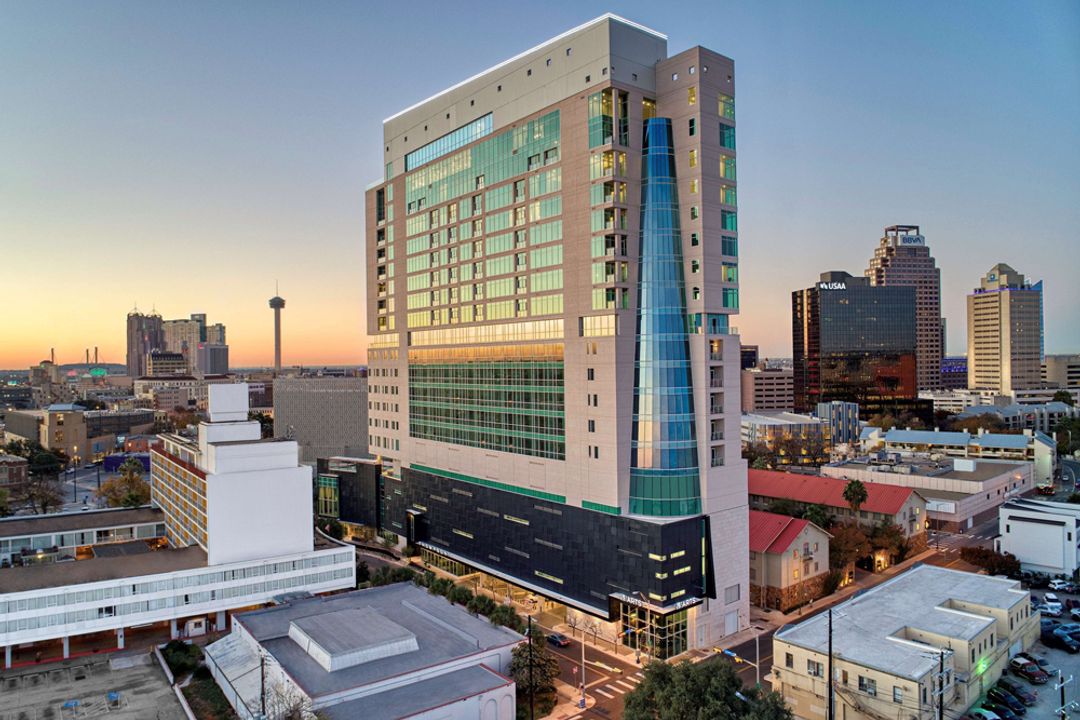
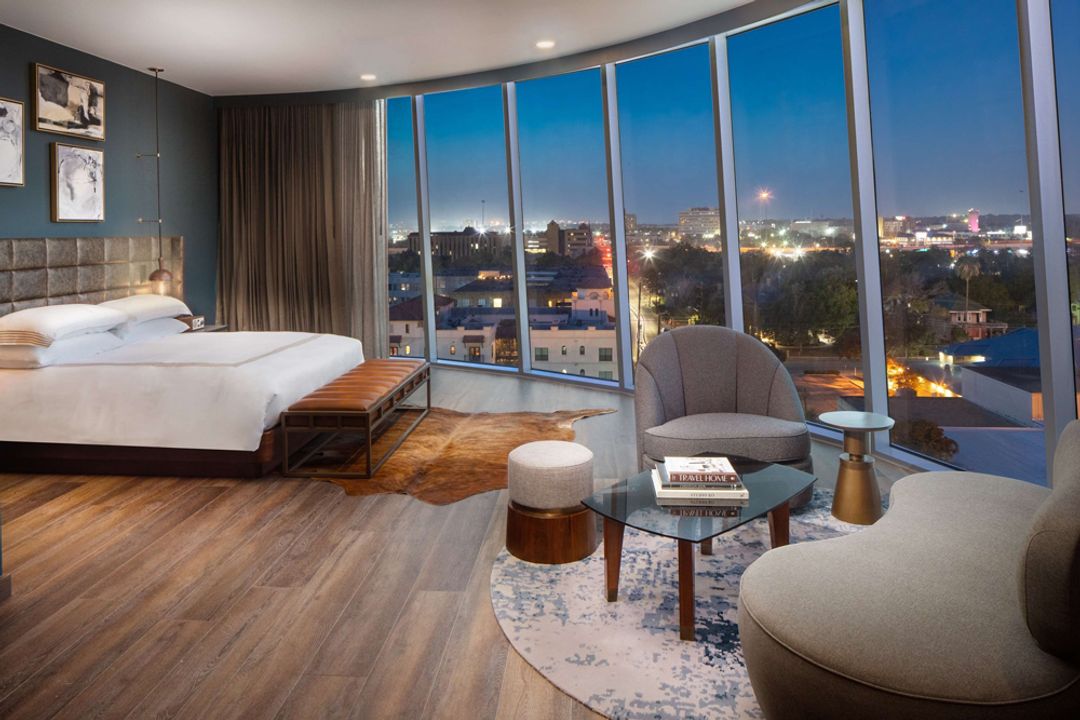
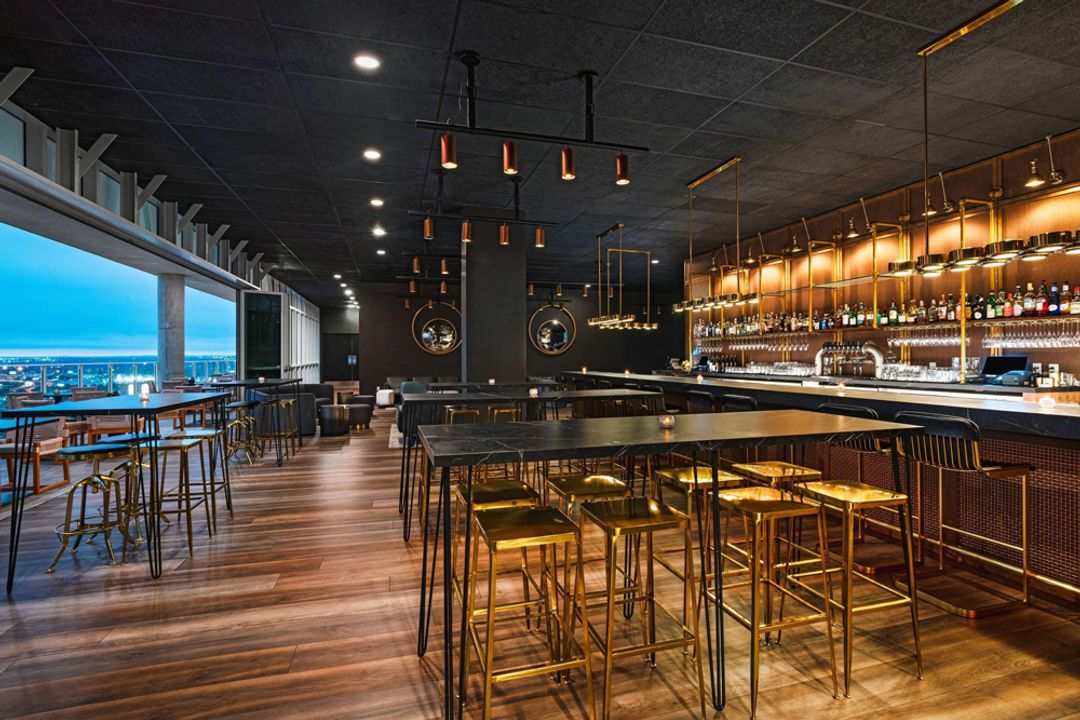
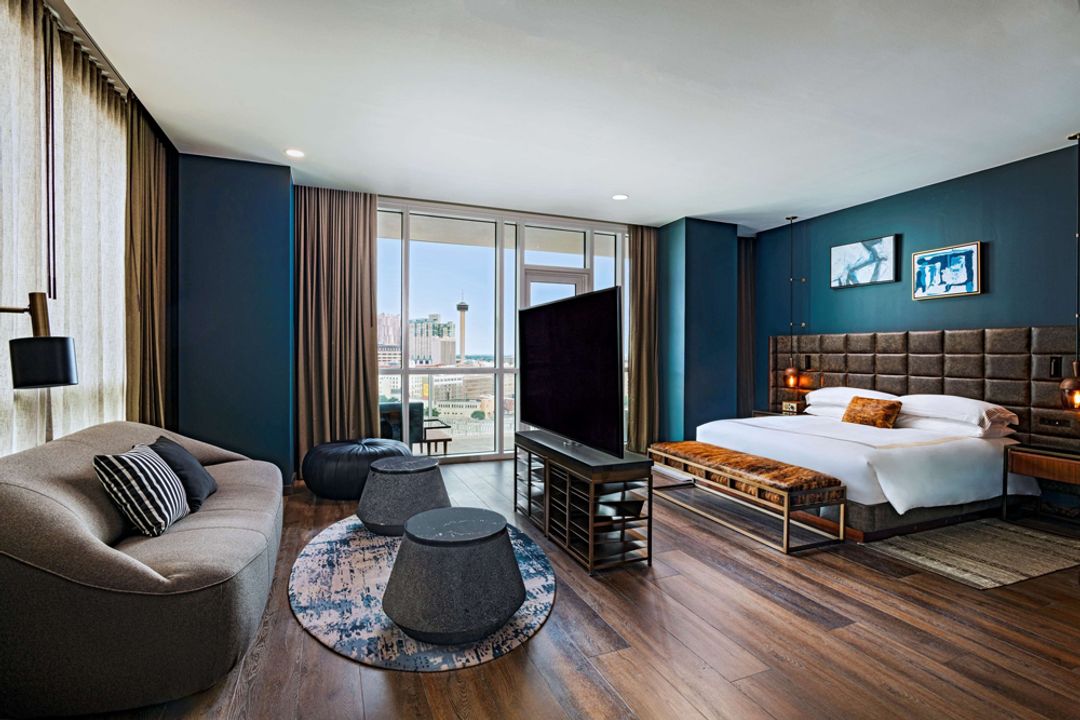
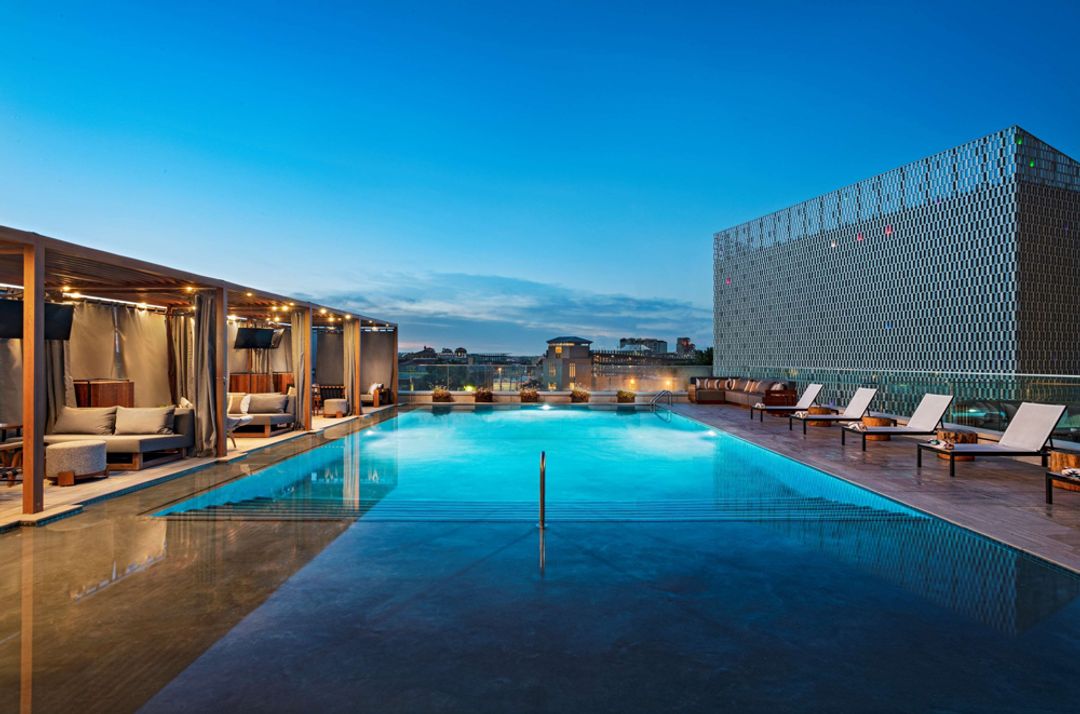
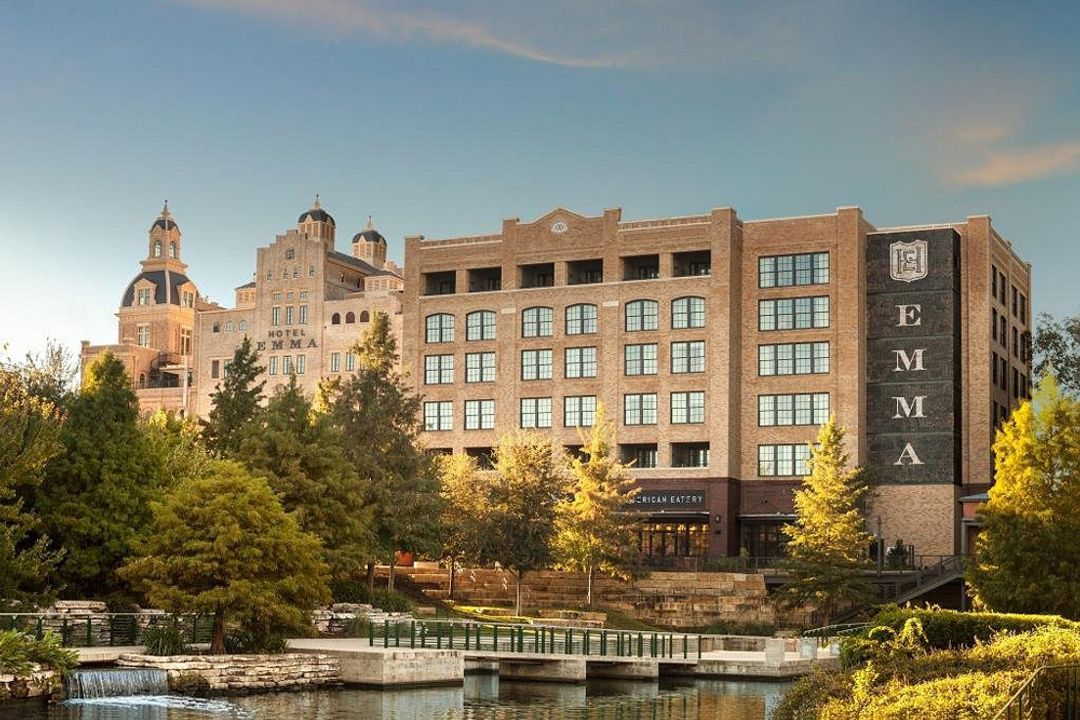
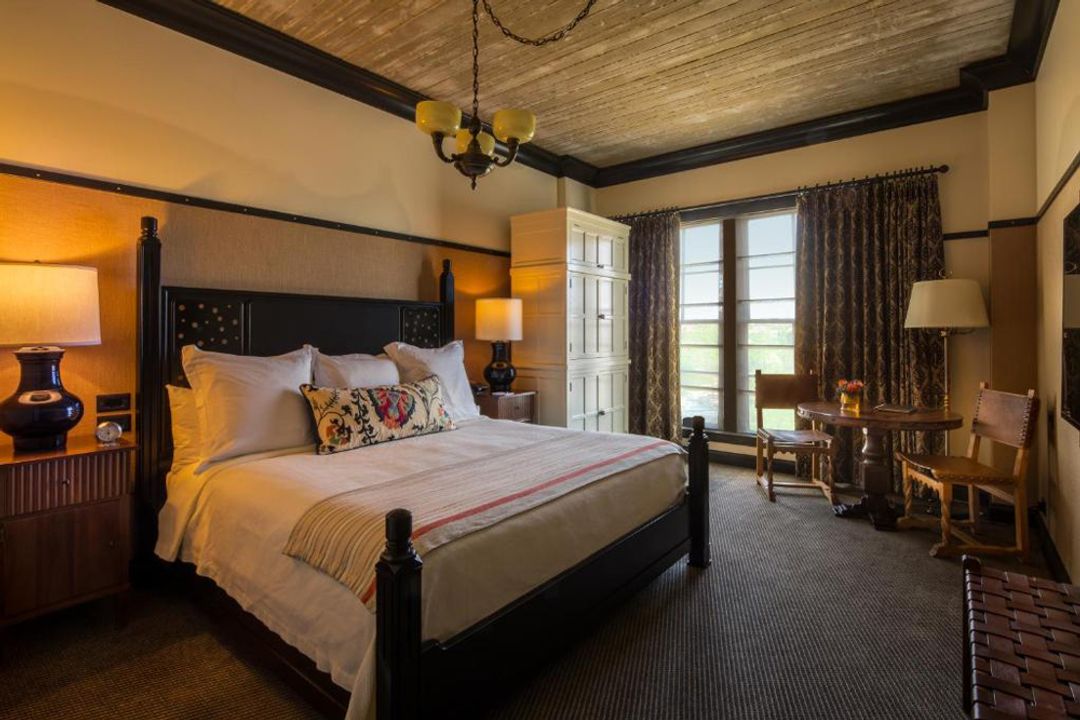
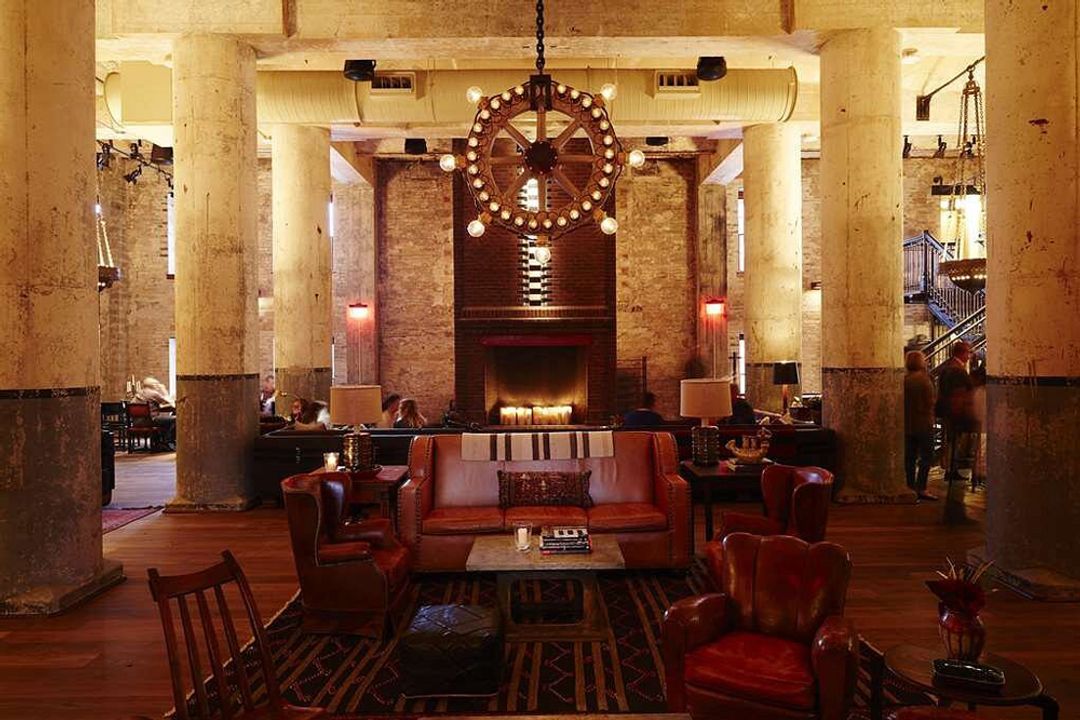
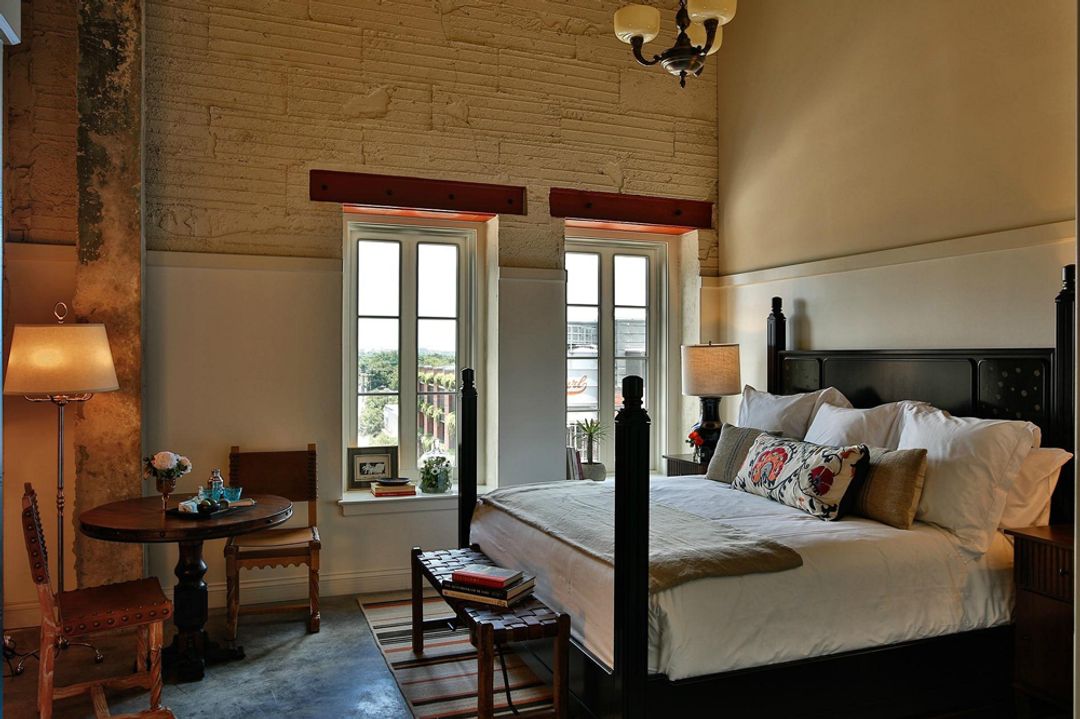
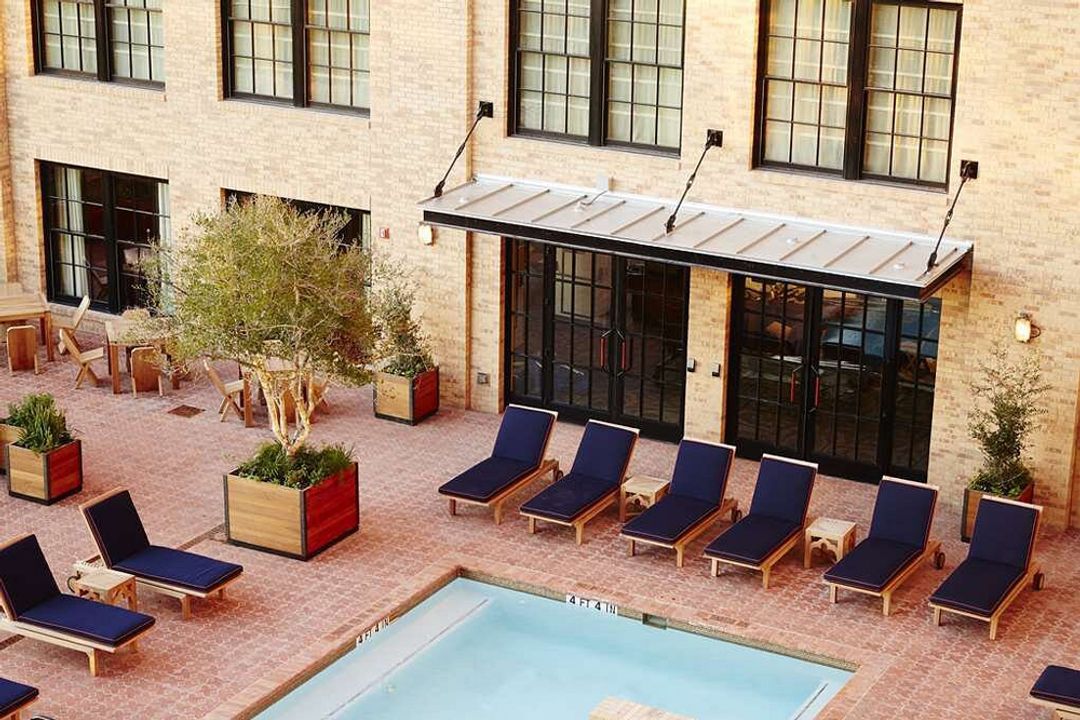
The Thompson San Antonio occupies a new tower on the north River Walk edge, and its appeal is largely contemporary and vertical, with rooms and terraces oriented toward the water and the downtown skyline. It reads as a confident urban hotel, polished in the way Thompson properties generally are, aimed at travelers who want the River Walk address without the mariachi soundtrack that follows you through the central bend. A few minutes farther north, Hotel Emma at Pearl is the more considered of the two choices, and the more historically grounded. The Pearl Brewery complex, originally built in the late 1800s and anchored by a Romanesque brew house in rusticated limestone, was converted into a mixed-use district and the hotel opened in 2015. The Emma's interiors draw heavily on the industrial archaeology of the building: cast iron, copper brewing vessels repurposed as decorative objects, exposed structural beams, and a palette that stays close to the materials already present rather than layering over them. It is the kind of conversion that rewards the traveler who reads buildings, who will notice that the grandeur here was not installed but recovered.
The Pearl district itself has developed into San Antonio's most coherent neighborhood for food, independent retail, and weekend market culture, which makes Hotel Emma a more embedded experience than the Thompson's downtown adjacency. Choosing between them is partly a question of what you want the city to feel like from your base: the Thompson offers frictionless access to the River Walk's central attractions, while the Emma positions you inside a specific piece of San Antonio's material and industrial past. Both rates reflect the premium on River Walk proximity, though the Emma's higher average price is consistent with what a genuinely singular adaptive reuse project can sustain in a city with relatively few of them.