Best hotels in Moab, Utah | Visually Compare Top Stays Side-by-Side
Welcome to PressBeyond - a curated visual guide to design-driven hotels and the fastest way to compare them.
An Overview of the Boutique & Luxury Hotel Landscape in Moab, Utah
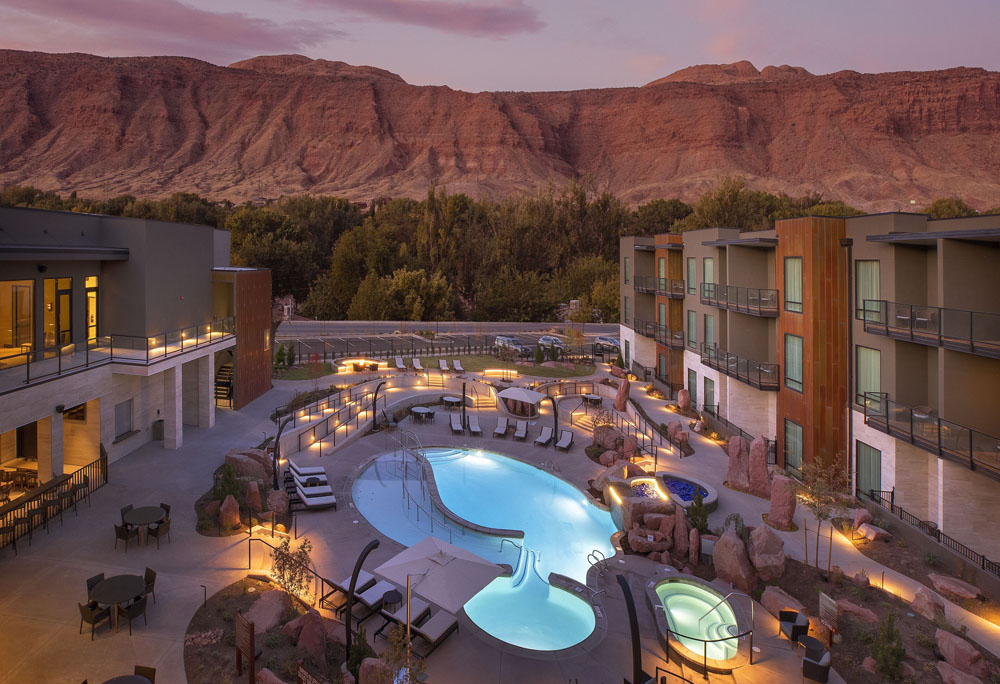
The Colorado Plateau does most of the design work in Moab. The sandstone formations that ring the town, burnt sienna shading into deep ochre depending on the hour and the season, make every architectural decision feel like a response to an overwhelming physical fact. Hotels here are not really competing with each other so much as they are each proposing a different way to be inside that landscape, whether that means standing close to it from a town address or dissolving into it entirely.
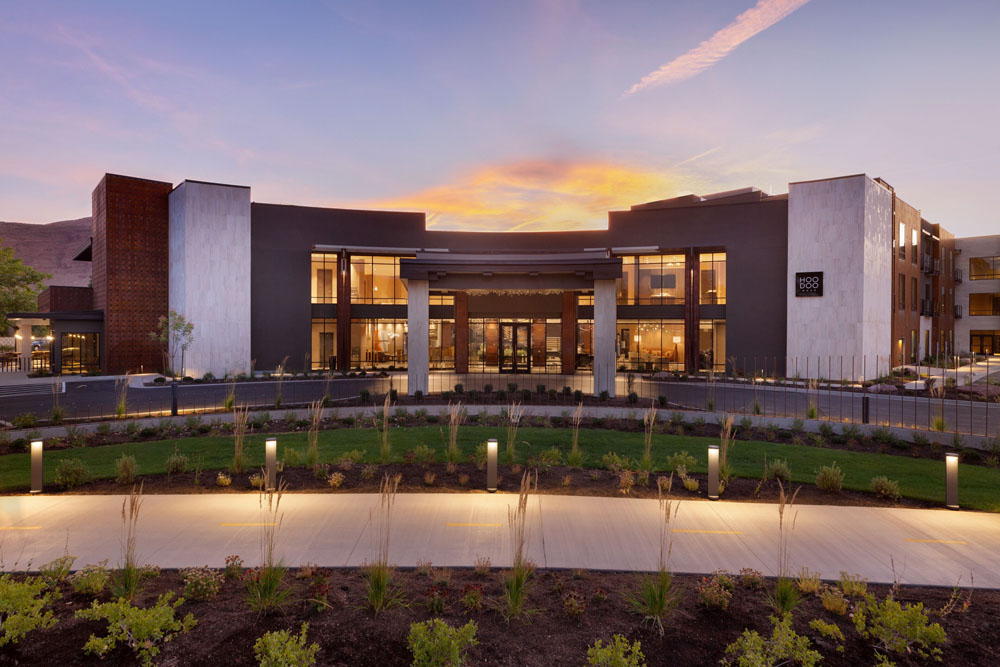
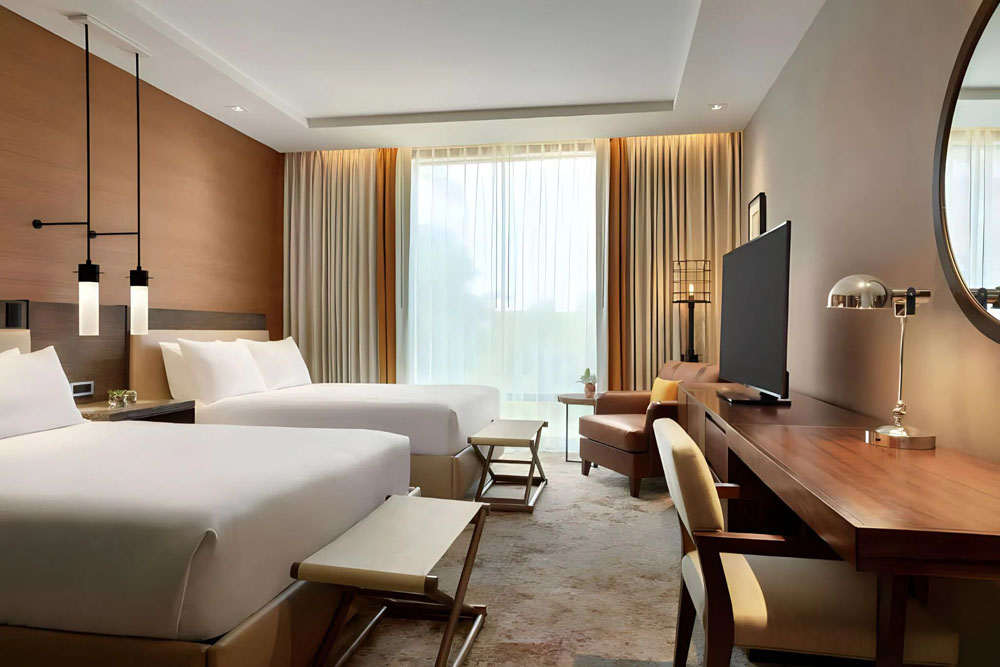
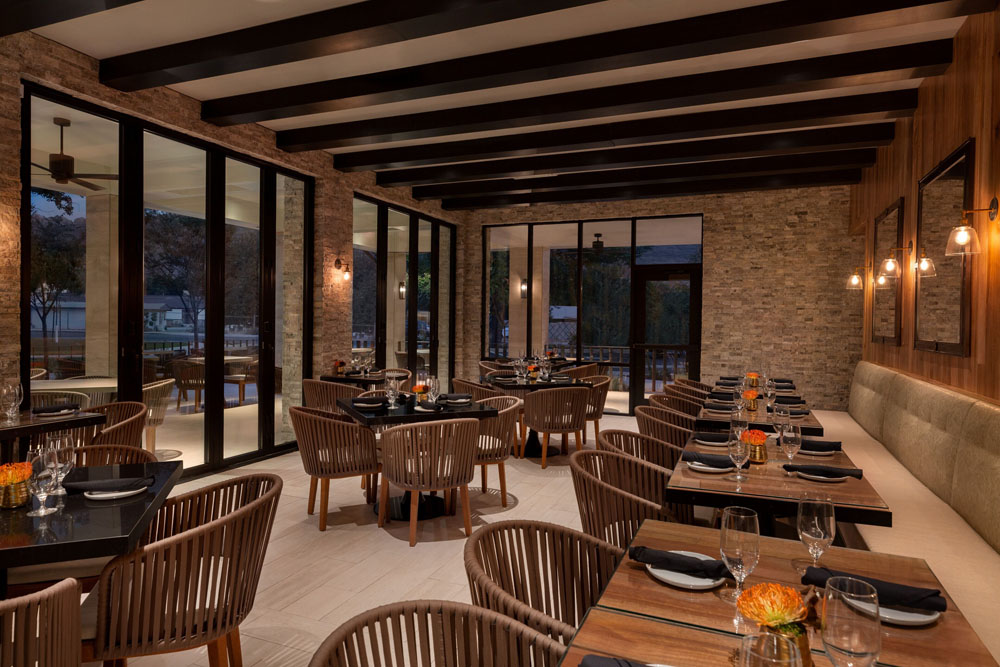
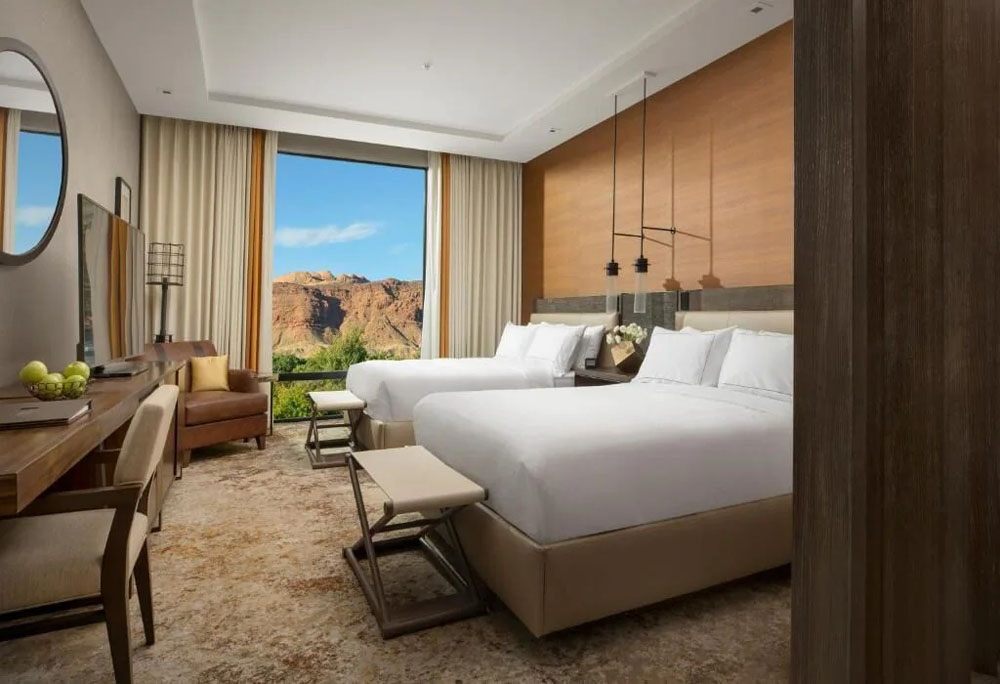
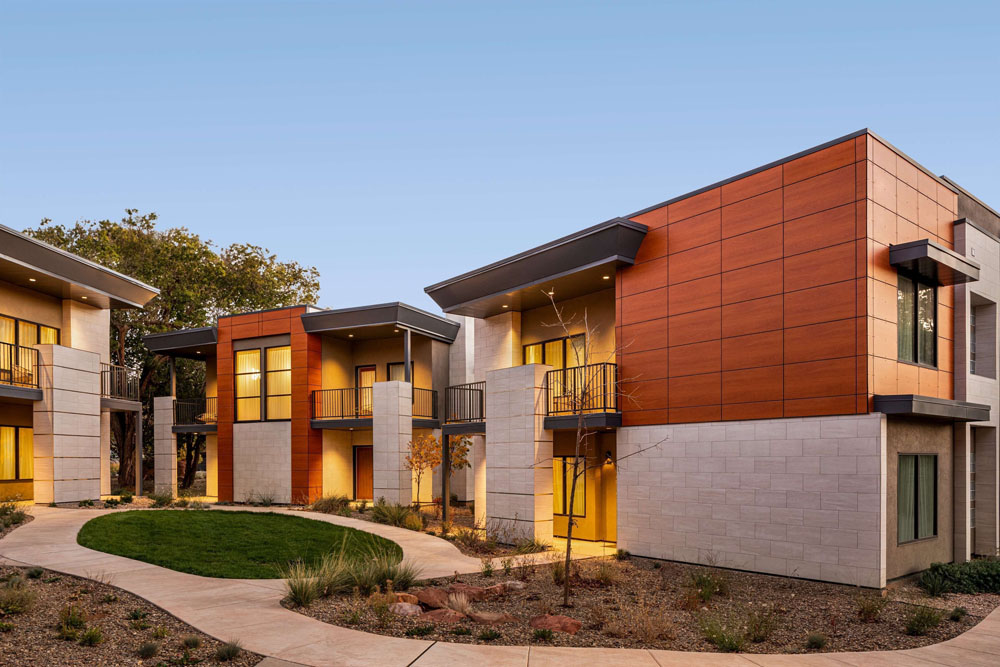
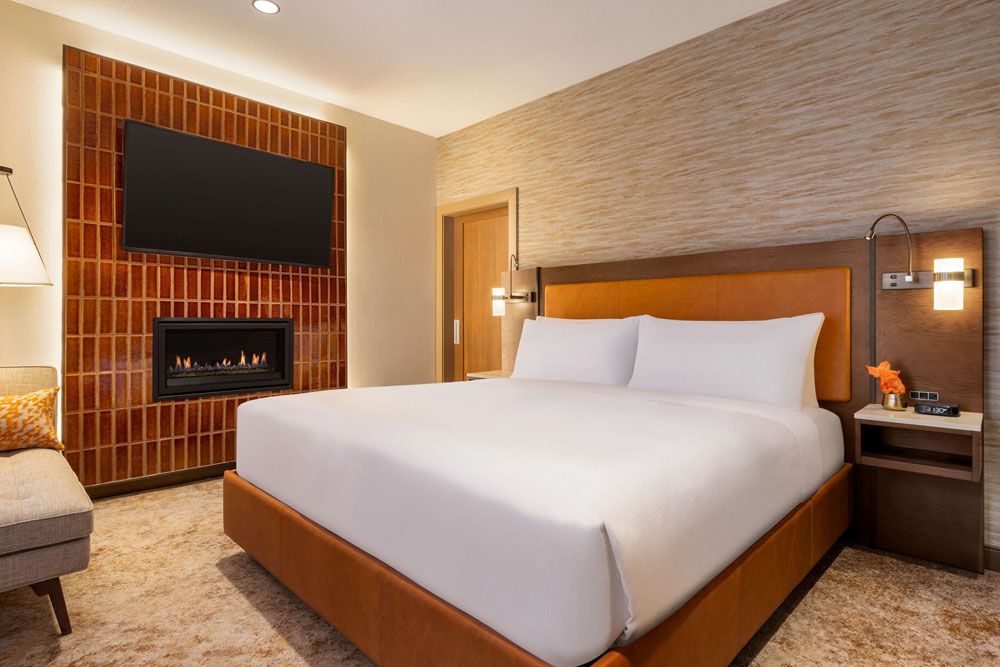
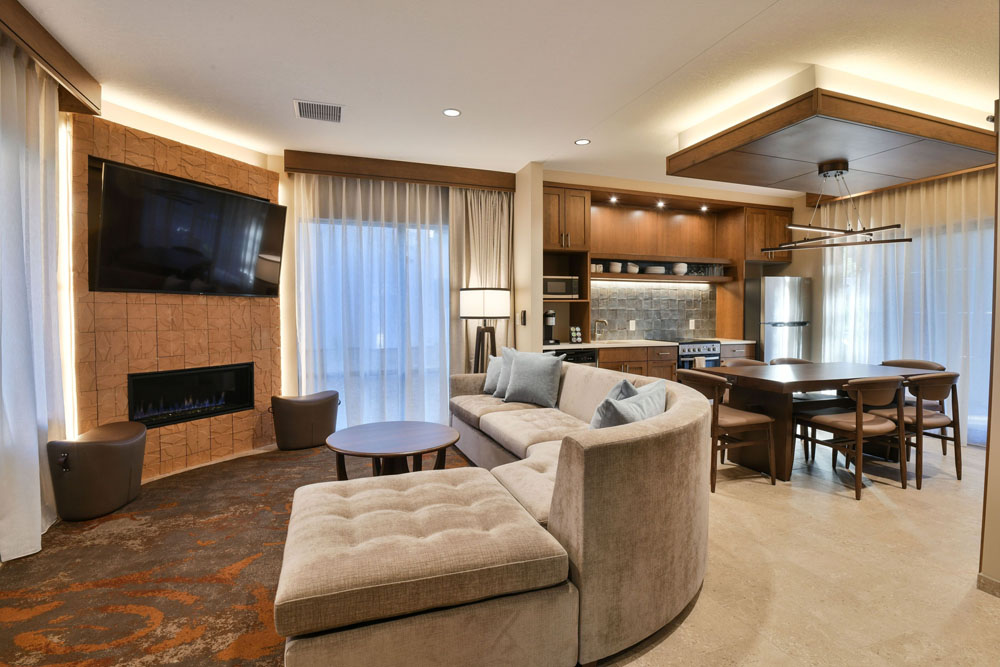
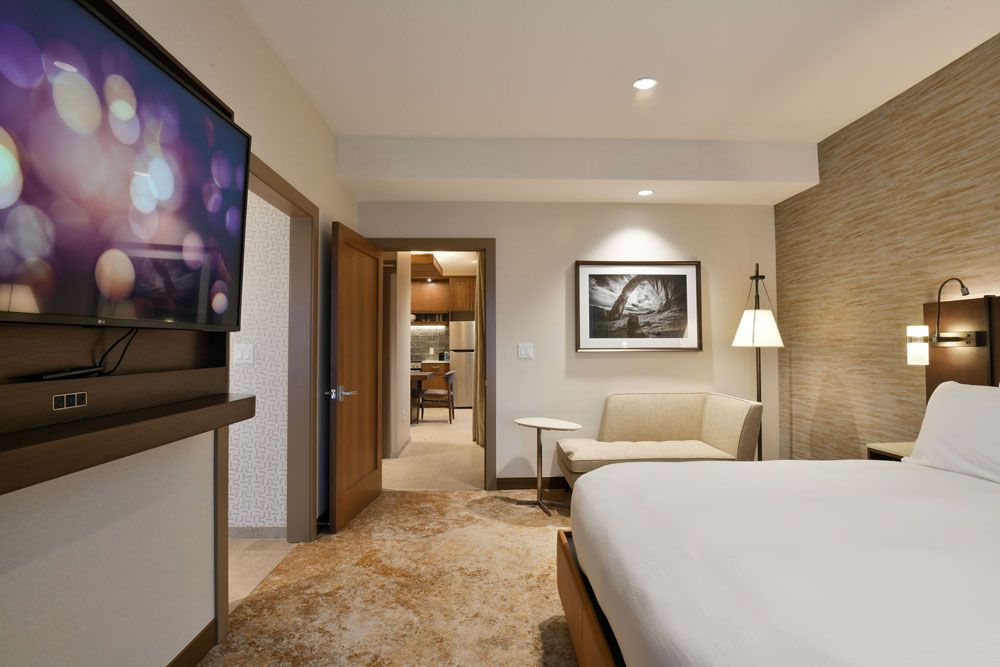
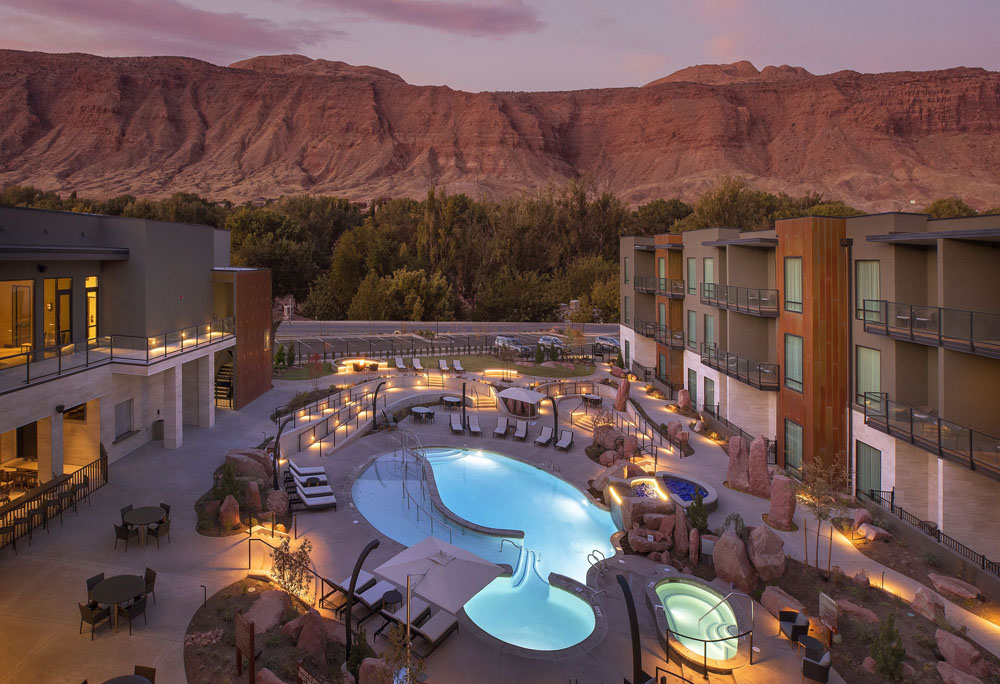
On Main Street, the Hoodoo Moab, Curio Collection by Hilton occupies a more grounded position, offering considered midrange accommodation with a calibrated sense of place rather than spectacle. Its sister product, the Casitas at the Hoodoo Moab, steps the experience up considerably, with freestanding casita units that give guests a degree of spatial privacy unusual for a property sitting within walking distance of restaurants and outfitters. The distinction between the two tiers is genuinely meaningful here: the Casitas rate, sitting above five hundred dollars a night, reflects an architectural upgrade in footprint and seclusion rather than simply a higher thread count. For the traveler whose instinct is to notice materials and spatial mood, Main Street is the pragmatic base, close enough to the town's gear shops, coffee counters, and canyon access points to function well as a working hub.
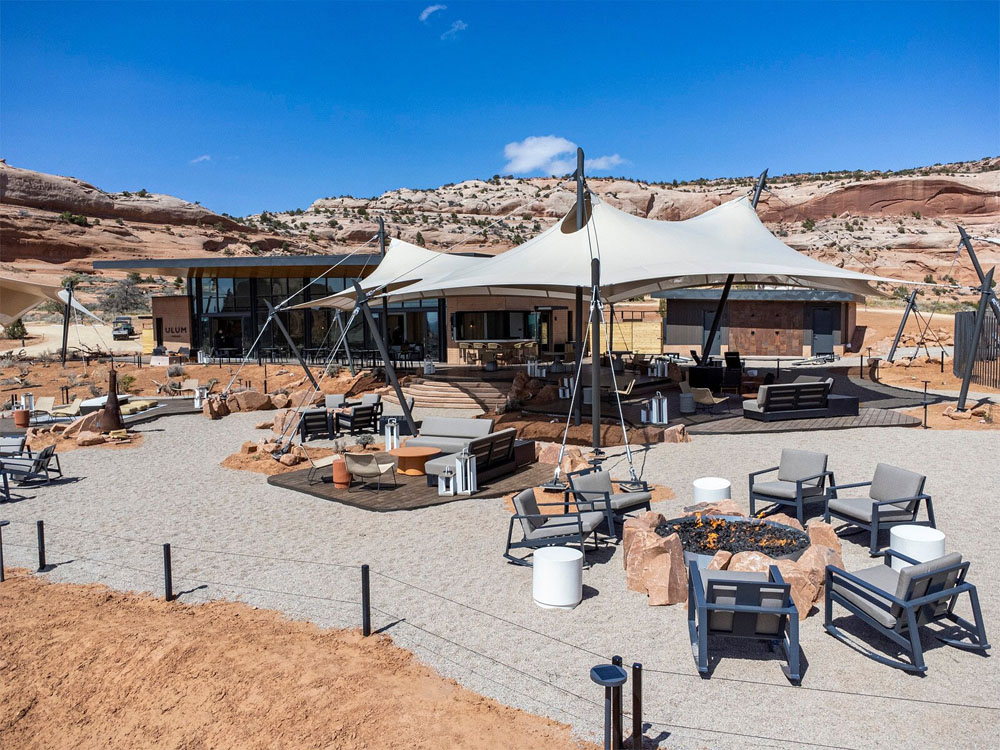
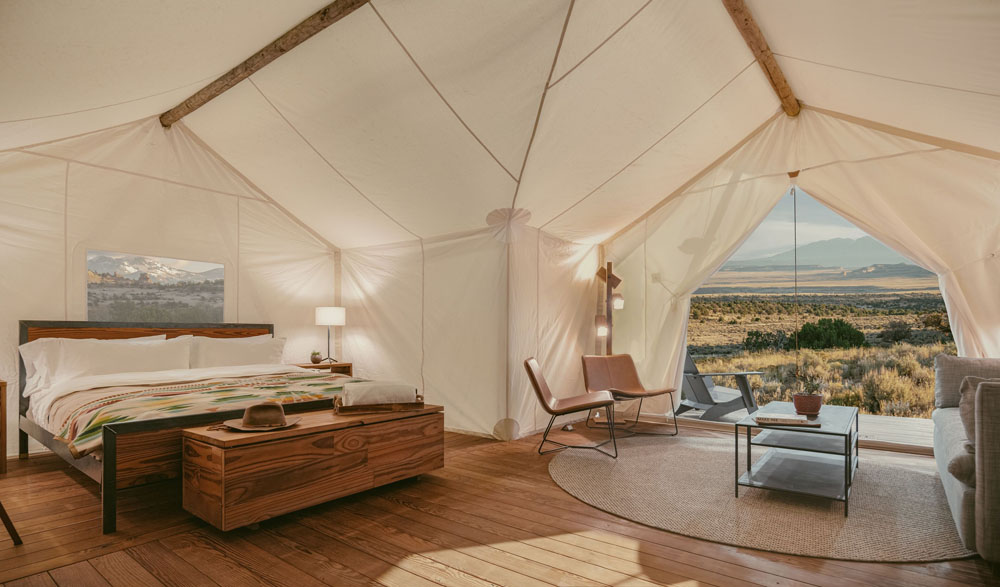
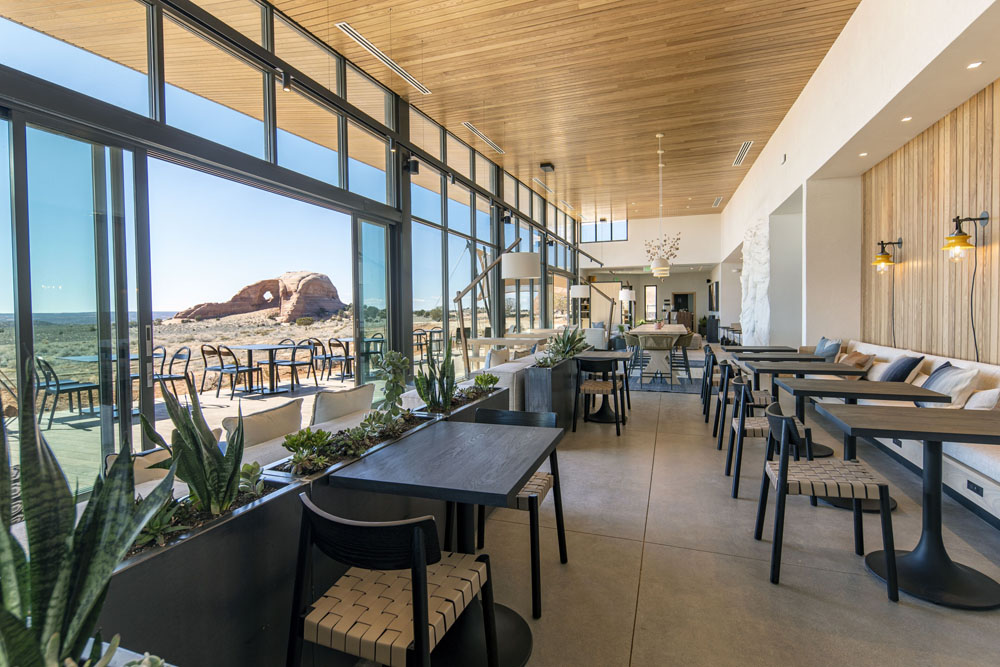
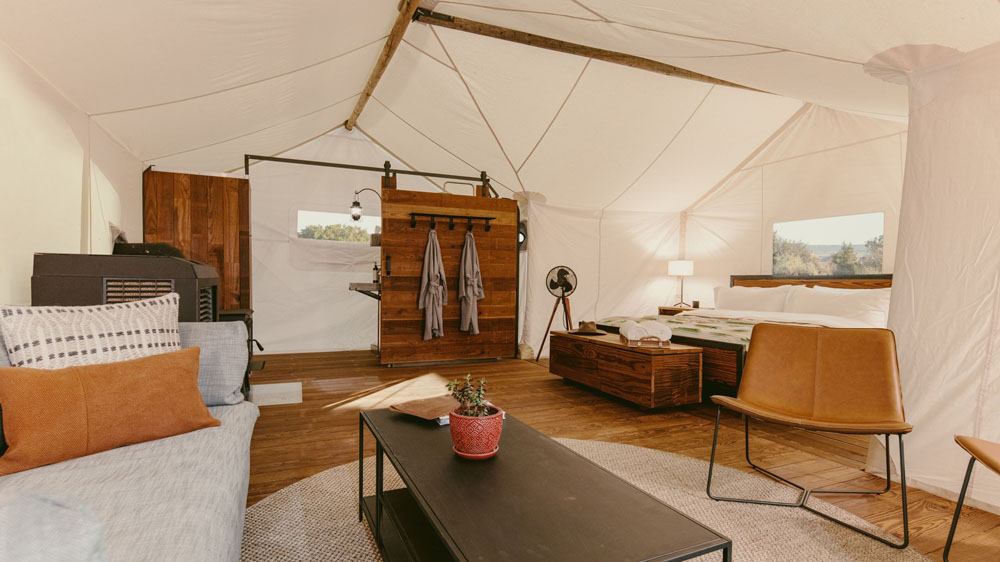
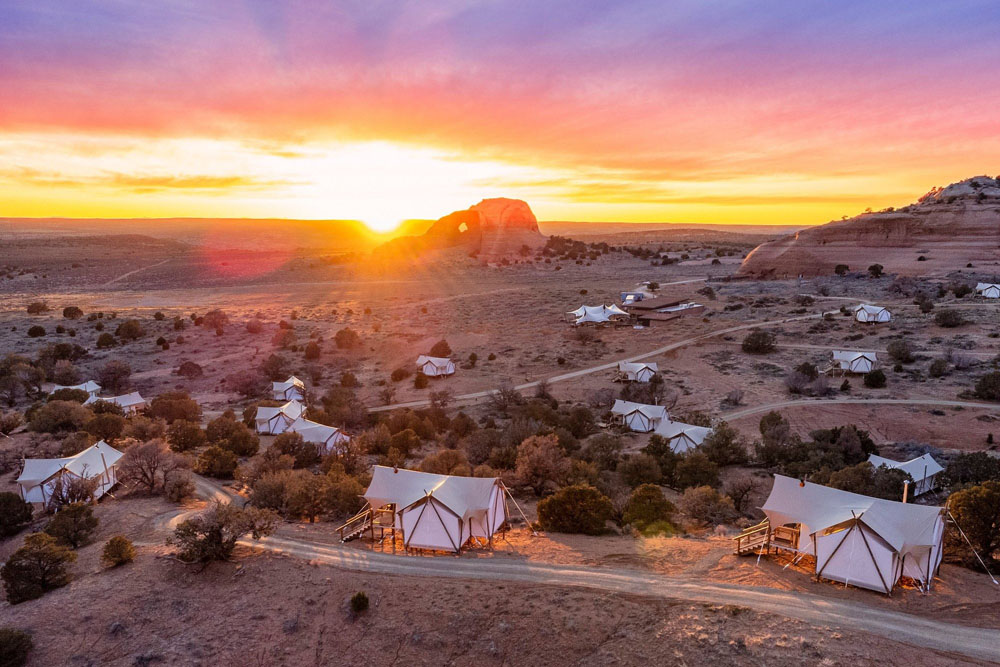
ULUM Moab, located further out toward the La Sal Mountains, operates on an entirely different premise. The property places tent-like structures directly in the desert, and the architecture, such as it is, prioritizes transparency over enclosure. The tent pavilions frame unobstructed views of Arches National Park's mesa lines and allow the plateau light to move through the space across the day in ways a solid structure never could. At nearly seven hundred dollars a night, ULUM is not selling convenience. It is selling proximity, the experience of waking in a structure with almost no visual barrier between the guest and several hundred million years of geological event. Whether that proposition holds depends entirely on what a traveler is after: the person who wants Moab as a town, with its particular desert-Southwest informality, will find the Hoodoo properties better calibrated to that appetite. The person who came for the rock, the silence, and the quality of the light at six in the morning will find that ULUM has removed almost every obstacle between them and it.