Best hotels in Hanoi, Vietnam | Visually Compare Top Stays Side-by-Side
Welcome to PressBeyond - a curated visual guide to design-driven hotels and the fastest way to compare them.
An Overview of the Boutique & Luxury Hotel Landscape in Hanoi, Vietnam
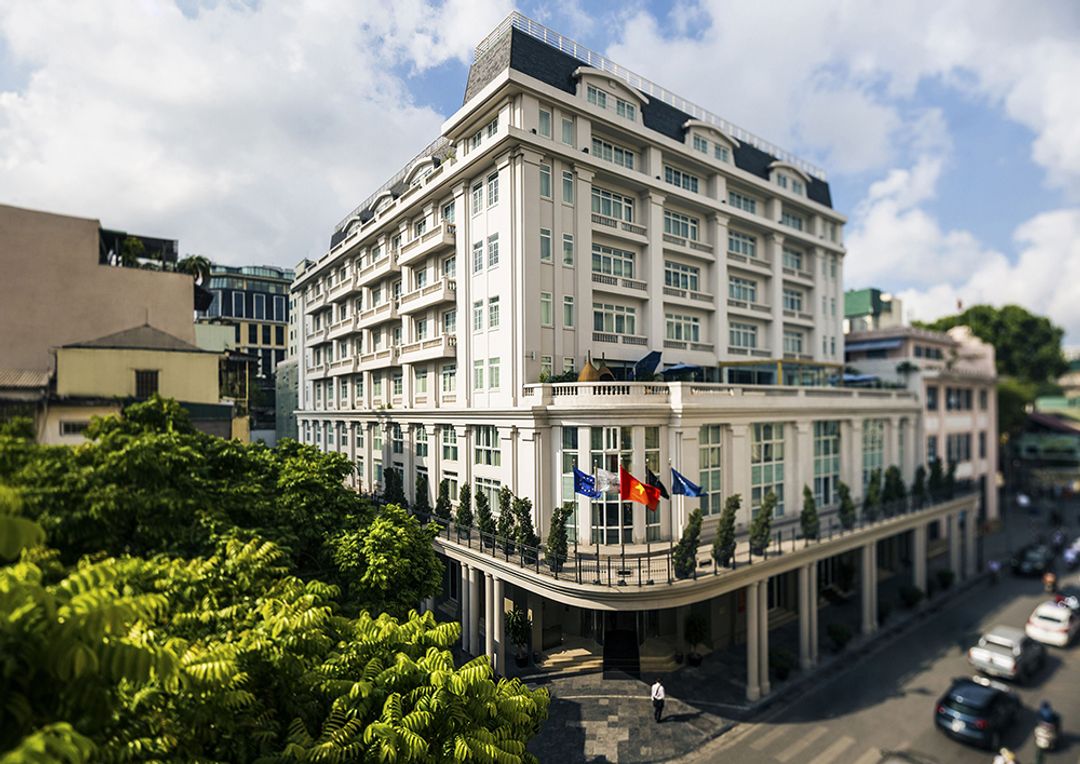
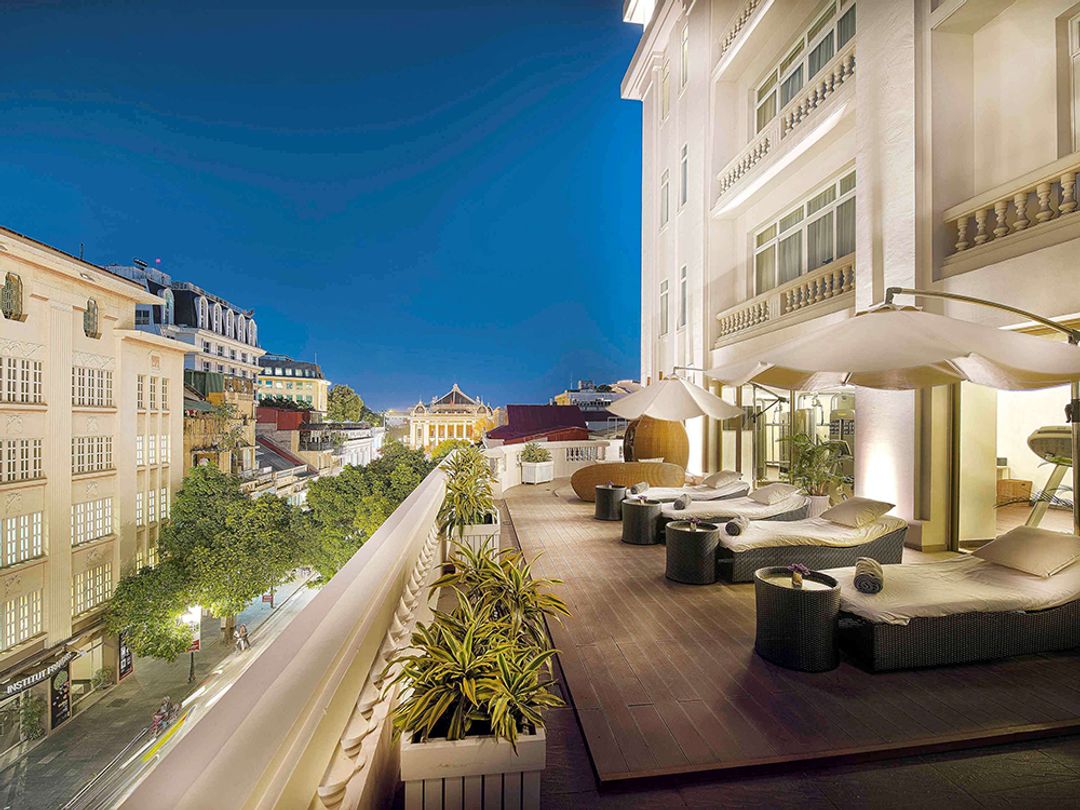
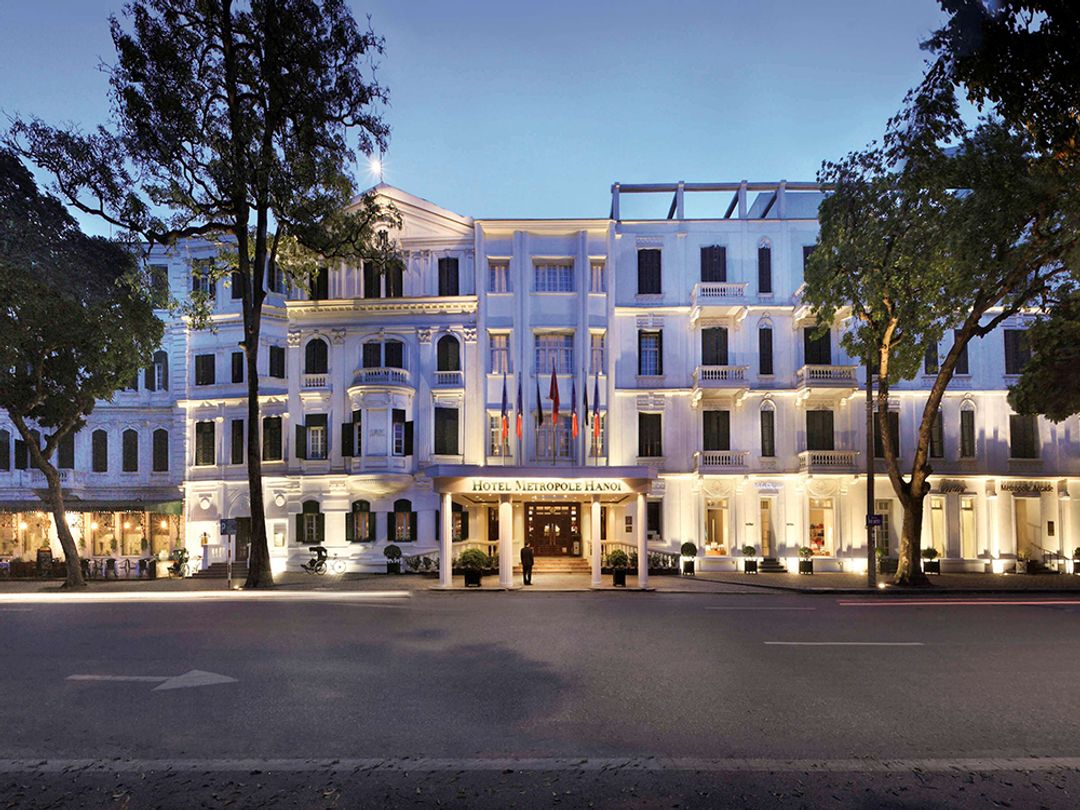
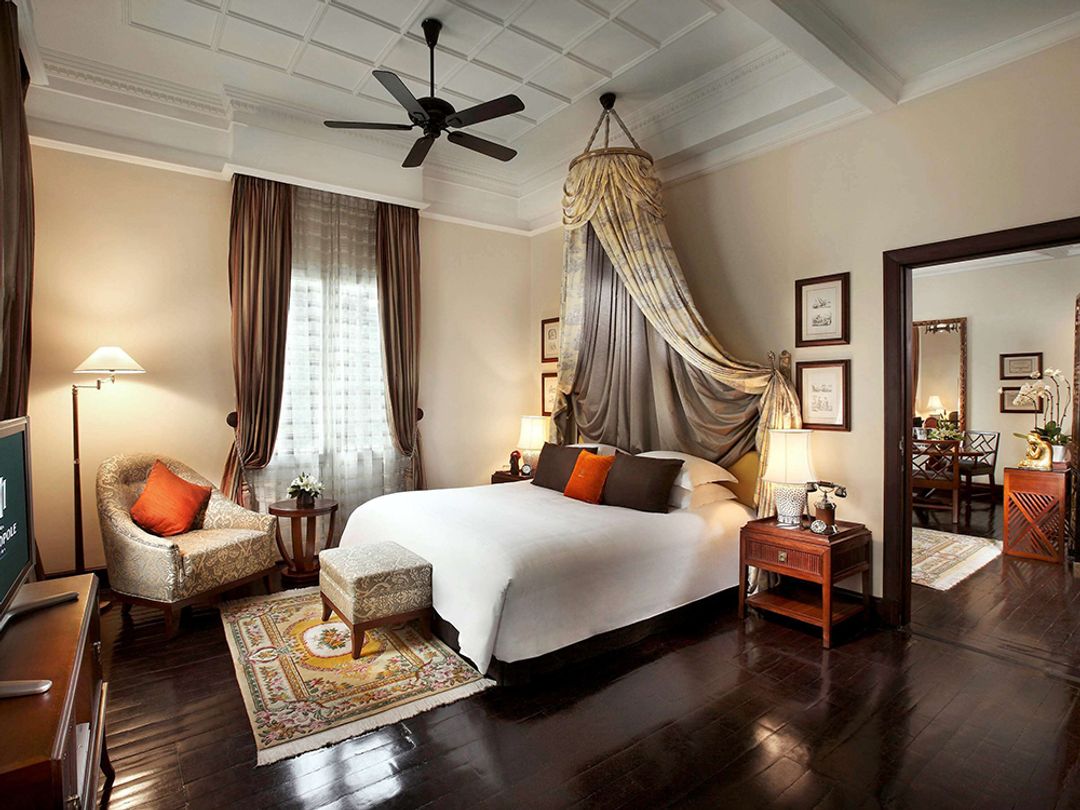
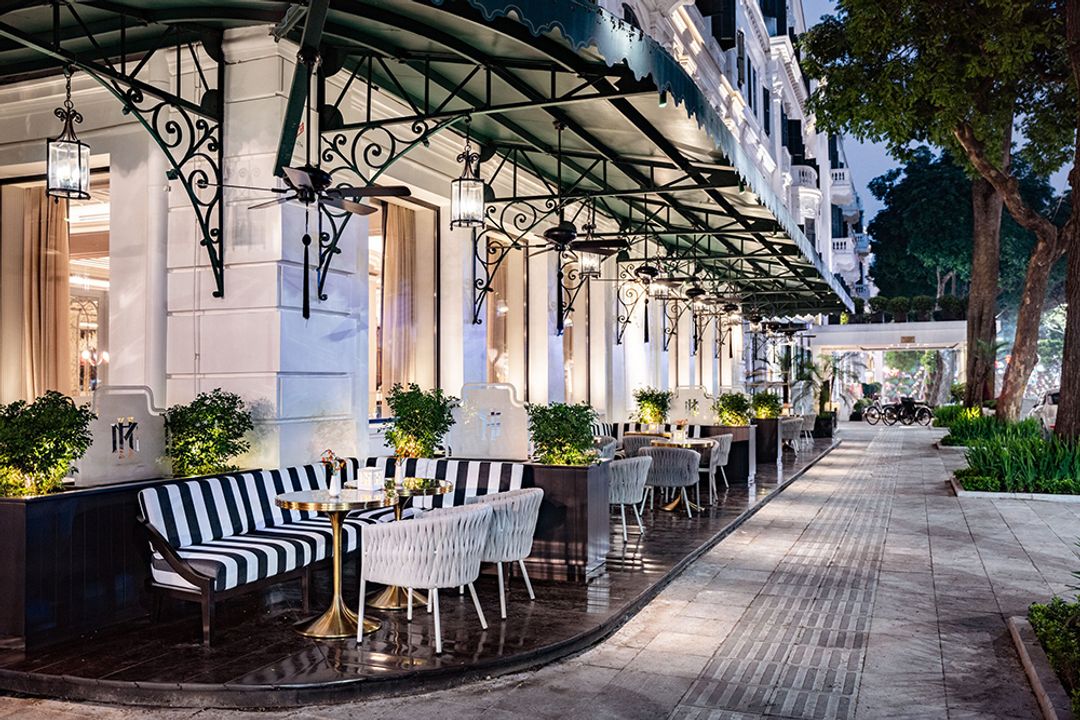
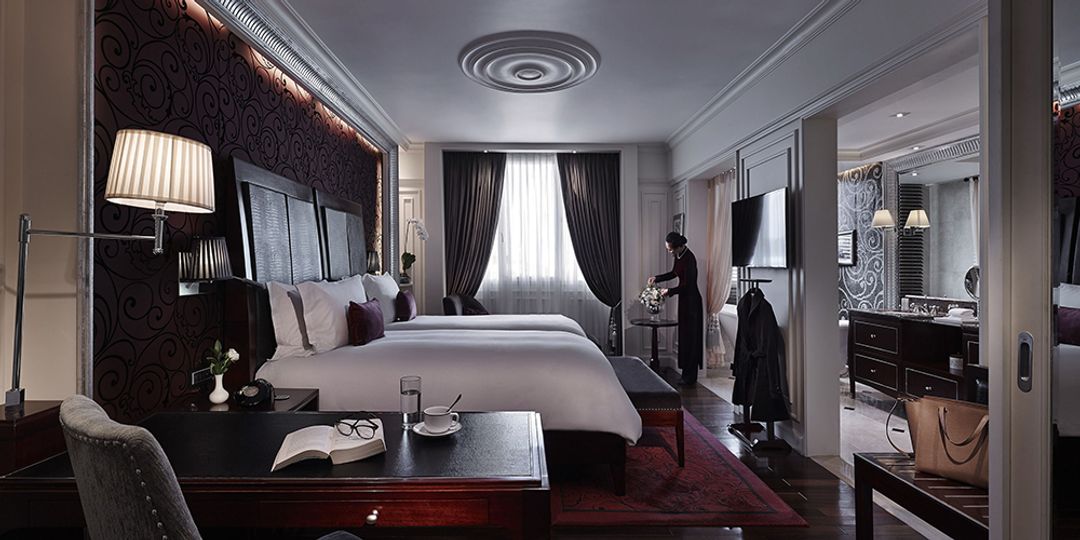
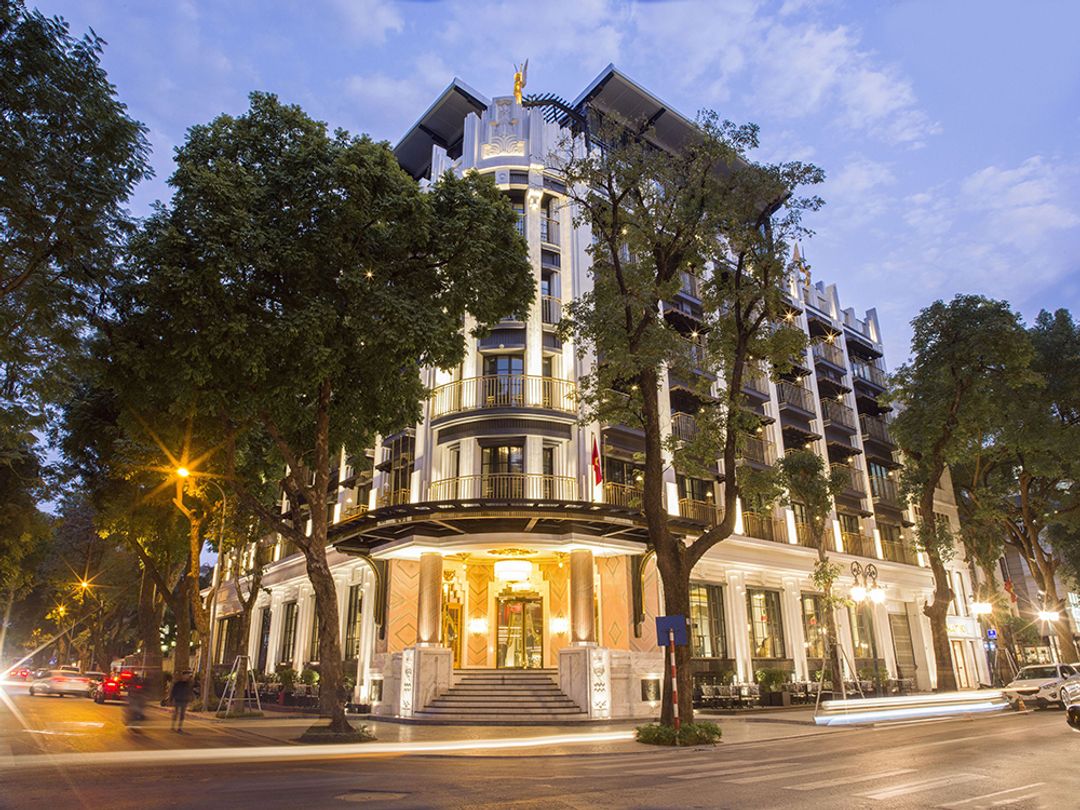
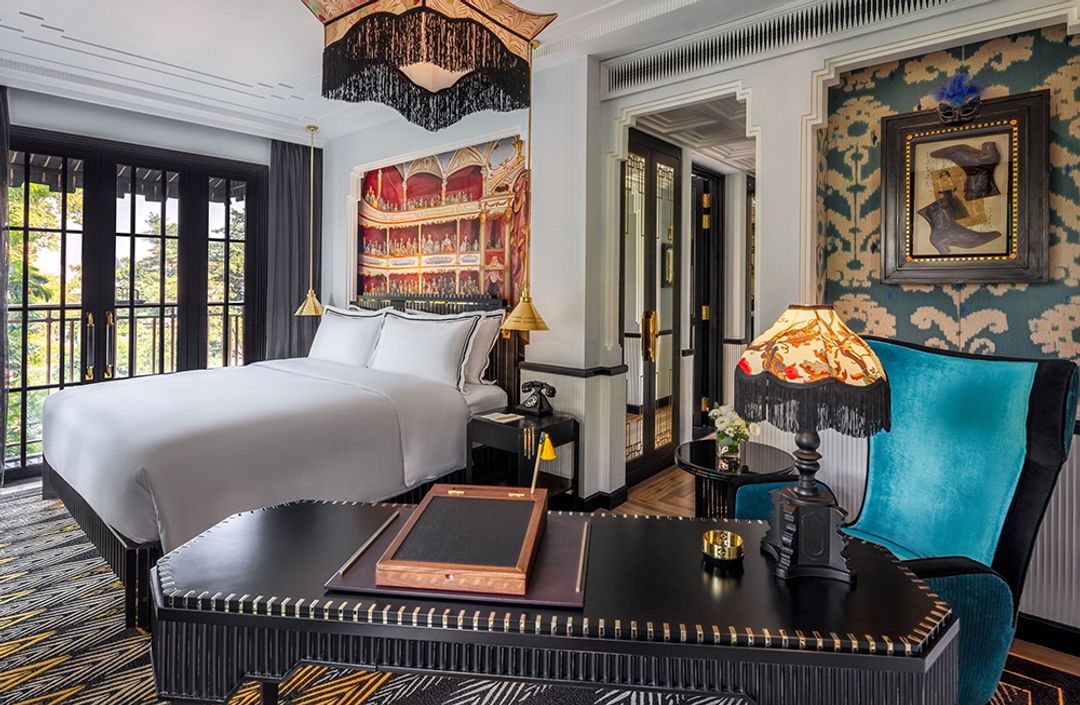
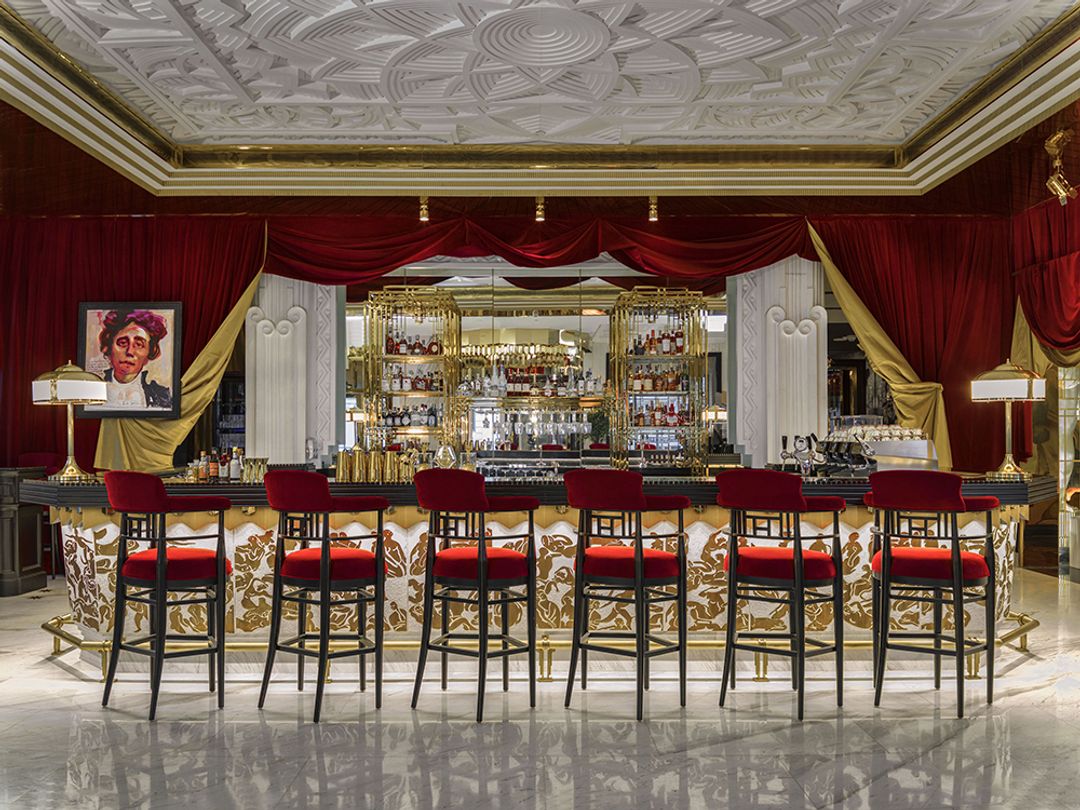
The French Quarter of Hanoi is colonial architecture at its most concentrated and most candid — yellow ochre facades, shuttered windows, broad plane trees shading pavements that were laid when this was the administrative heart of French Indochina. Staying here means inhabiting that history rather than observing it from a distance. The Sofitel Legend Metropole Hanoi, open since 1901 and a register of everything Hanoi has survived, is the obvious lodestone: its white-colonnaded wings and tiled verandas have sheltered Graham Greene, Charlie Chaplin, and Jane Fonda, and its wartime bunker remains accessible beneath the pool terrace. The Capella Hanoi, which opened in 2022, arrives at the same address of colonial grandeur from an entirely different angle, with Bill Bensley's interiors channeling Vietnamese operatic tradition through jewel-toned lacquerwork and theatrical chandeliers. These two share a block and almost nothing else aesthetically, which says something useful about how far the French Quarter has room for contradictions. Hotel de l'Opera Hanoi, an MGallery property facing the 1911 Municipal Theatre, reads as the more restrained option among them, its Beaux-Arts bones preserved beneath interiors that lean into the period without overdoing the reproduction details.
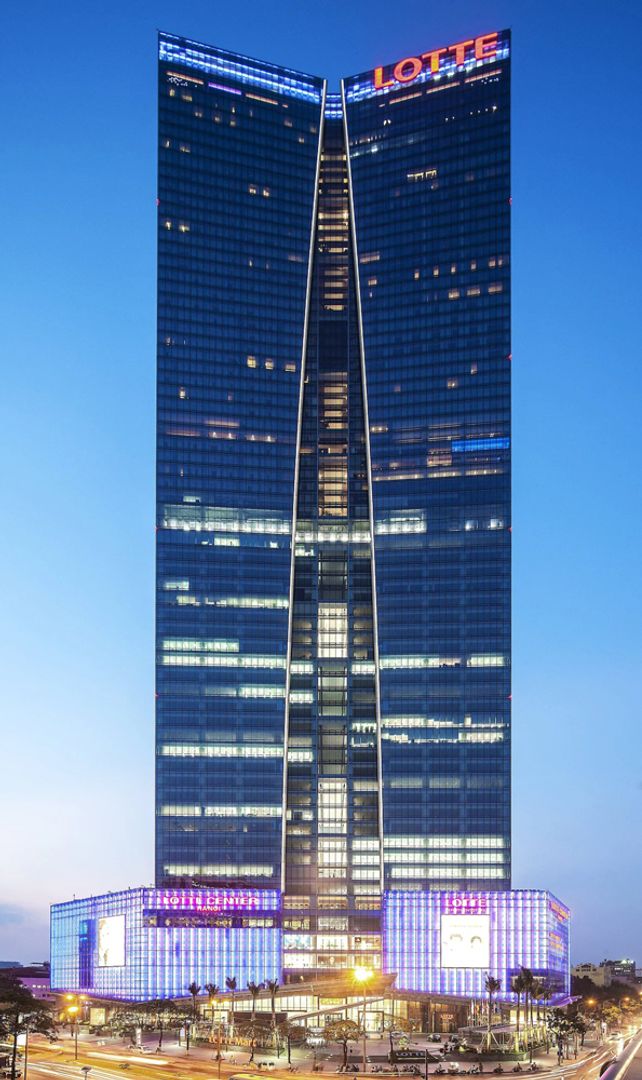
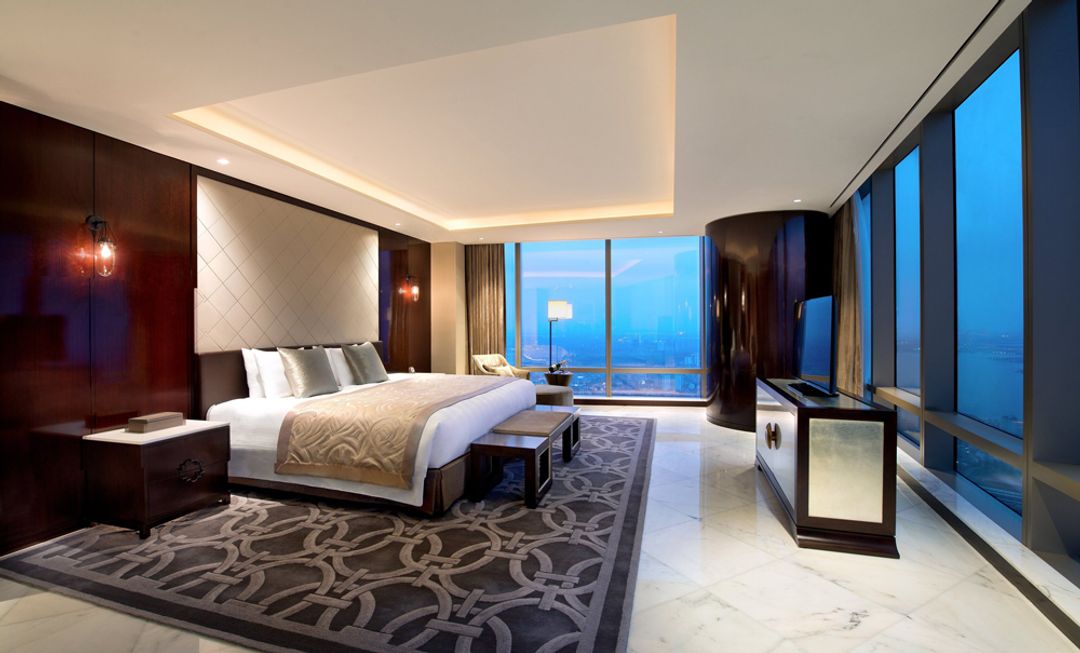
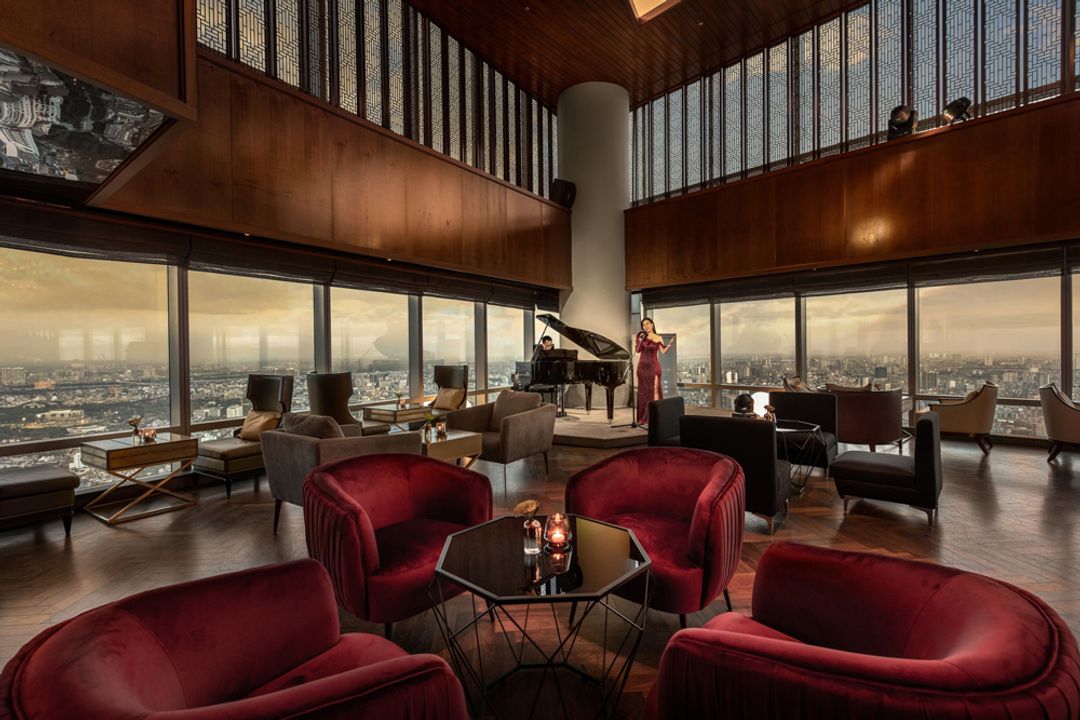
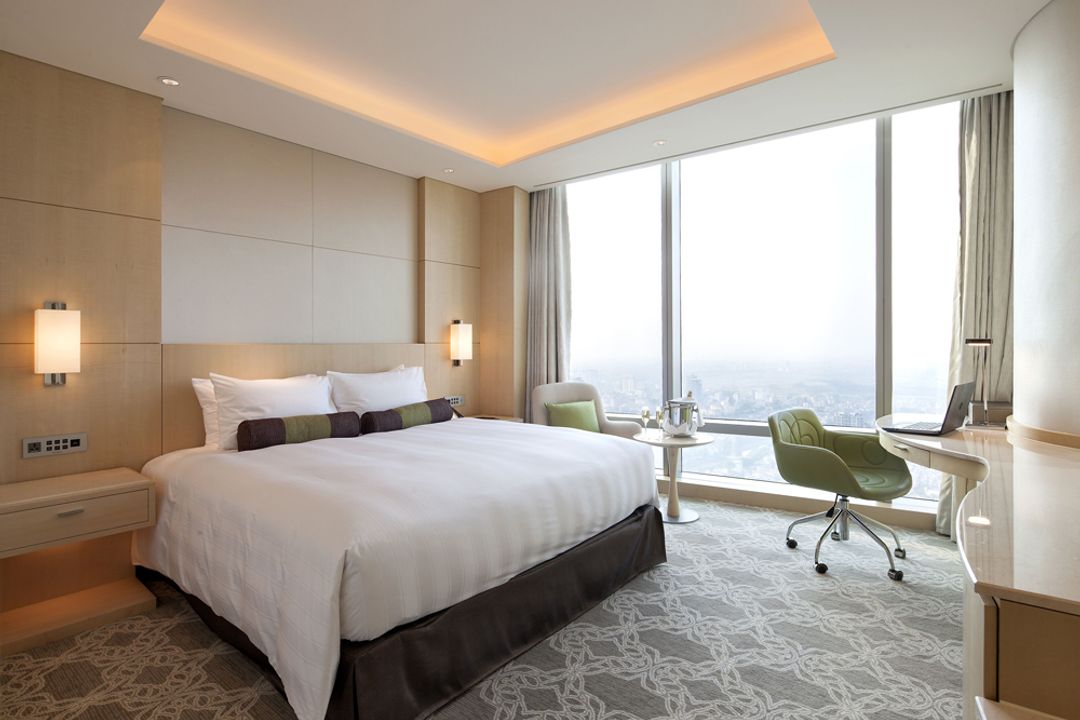
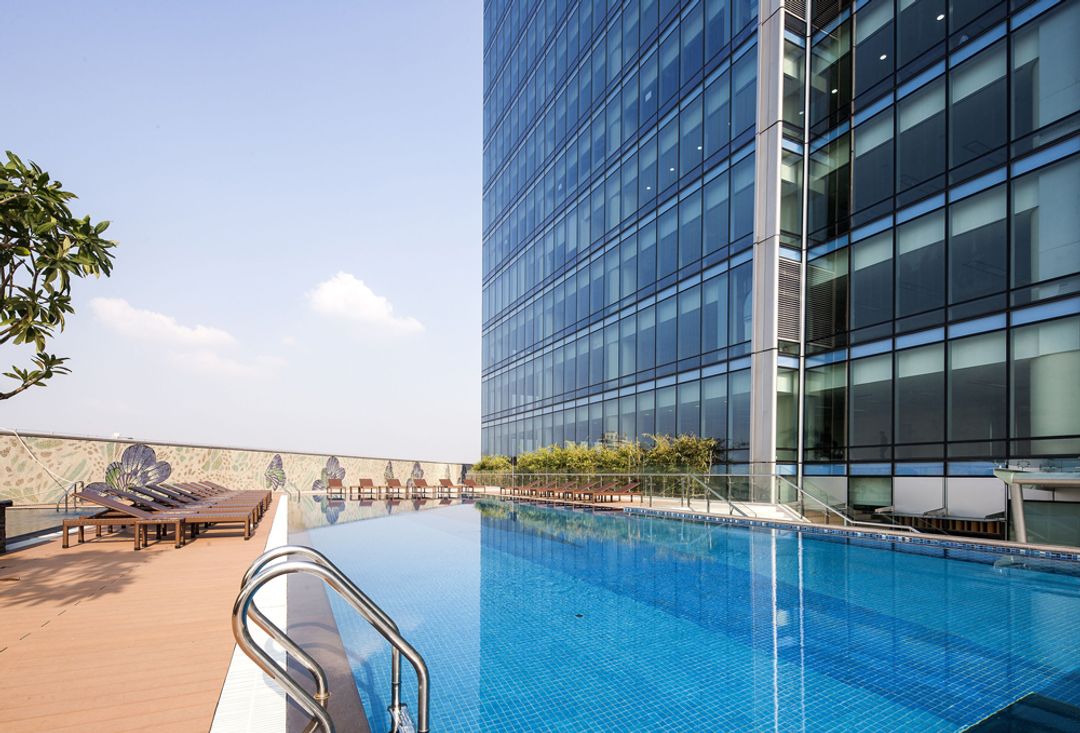
Across the Hoan Kiem Lake, the Old Quarter operates at a different pitch entirely. Streets here were historically organized by trade, each alley named for the goods once sold there, tin and silk and paper spilling from shophouses whose narrow frontages reflect a medieval land tax on width. Lotte Hotel Hanoi, a contemporary tower rising above this district, represents a different hospitality impulse: South Korean in ownership and internationalist in tone, it serves the business traveler and the family on a regional holiday rather than anyone whose instinct is to notice the patina of a painted shutter.
For travelers who want to read a city through its surfaces and sediment, the French Quarter is where Hanoi becomes most itself, not as nostalgia but as active material. The Metropole's covered arcade and the Capella's gilded opera-house references pull in different directions, and that productive tension is worth paying for. The Old Quarter, for all its sensory richness at street level, is better walked through than slept in from a Lotte tower room, unless proximity to the maze of it matters more than the architecture around you.