Best hotels in Santiago, Chile | Visually Compare Top Stays Side-by-Side
Welcome to PressBeyond - a curated visual guide to design-driven hotels and the fastest way to compare them.
An Overview of the Boutique & Luxury Hotel Landscape in Santiago, Chile
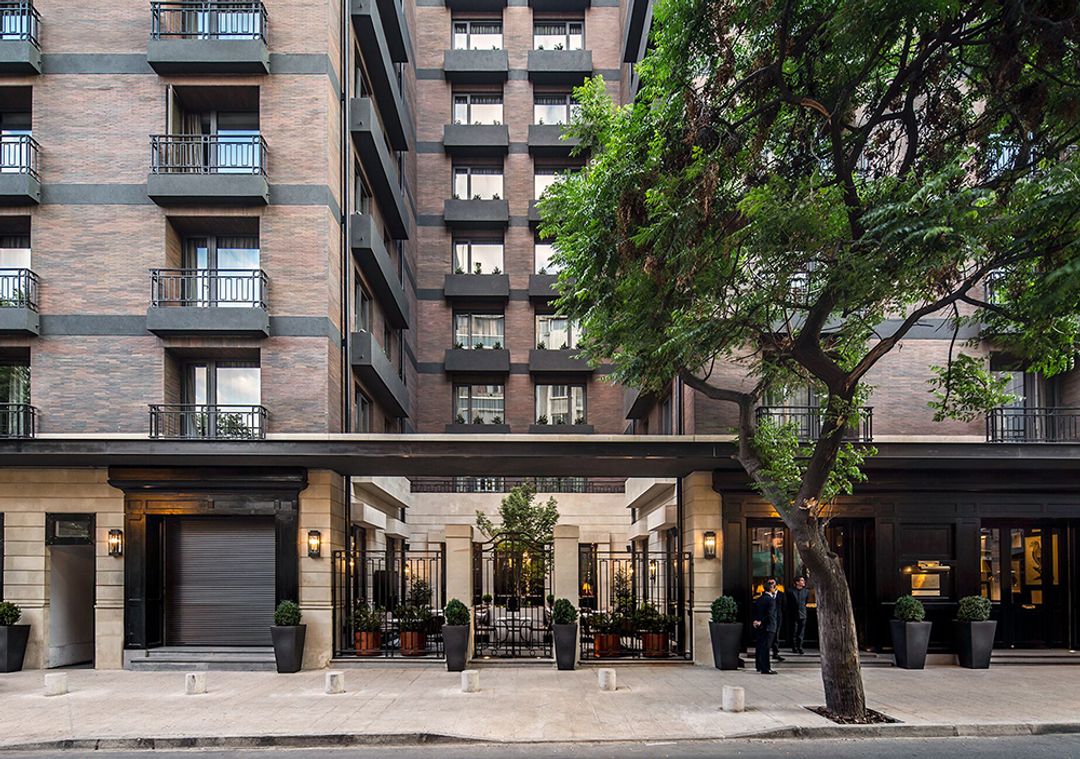
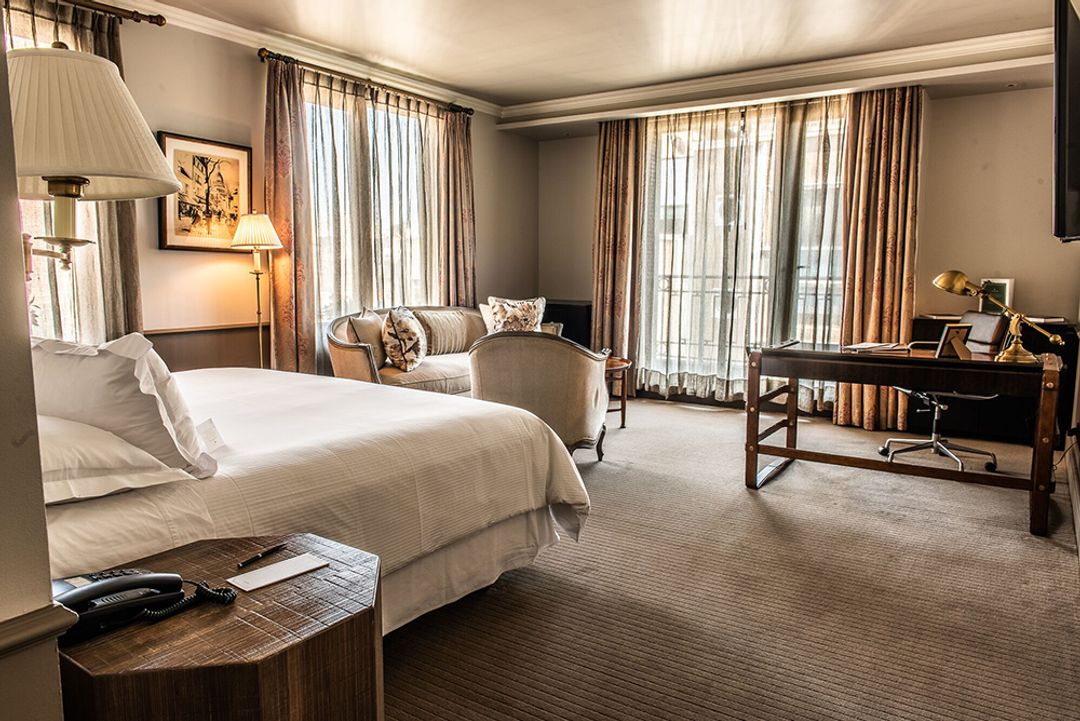
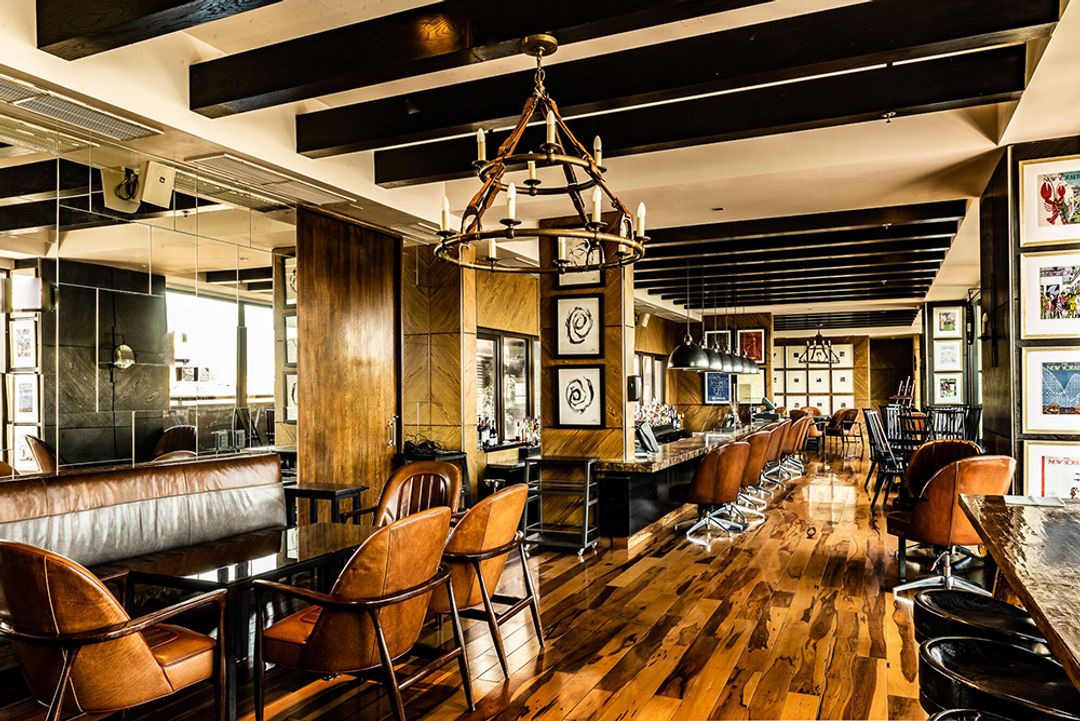
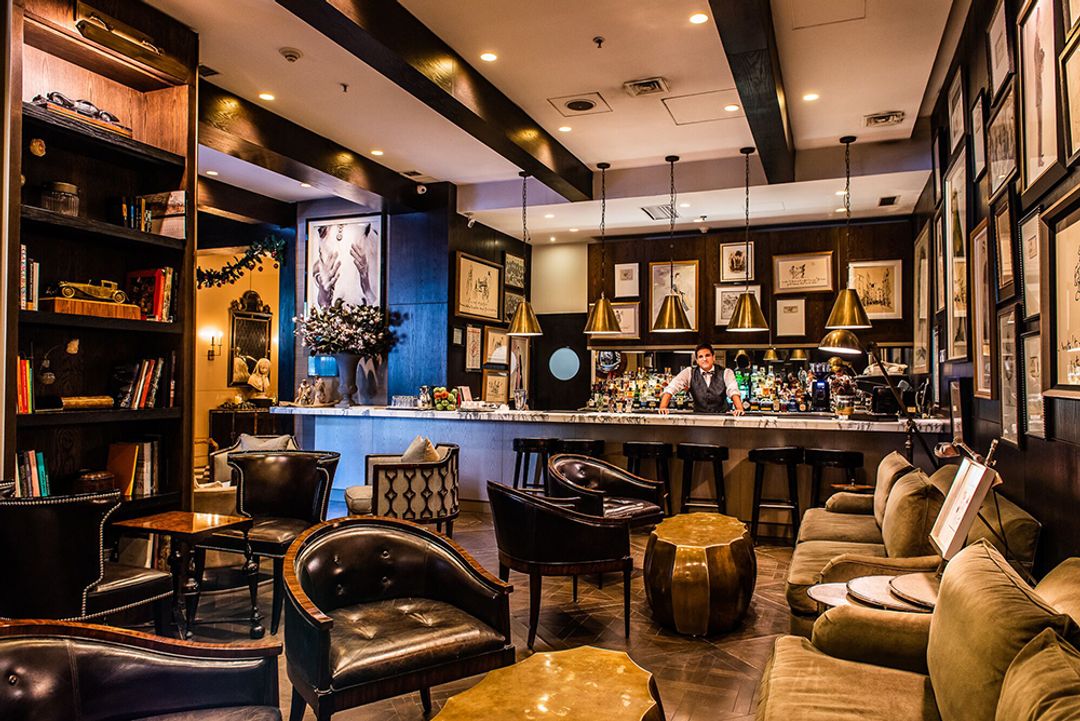
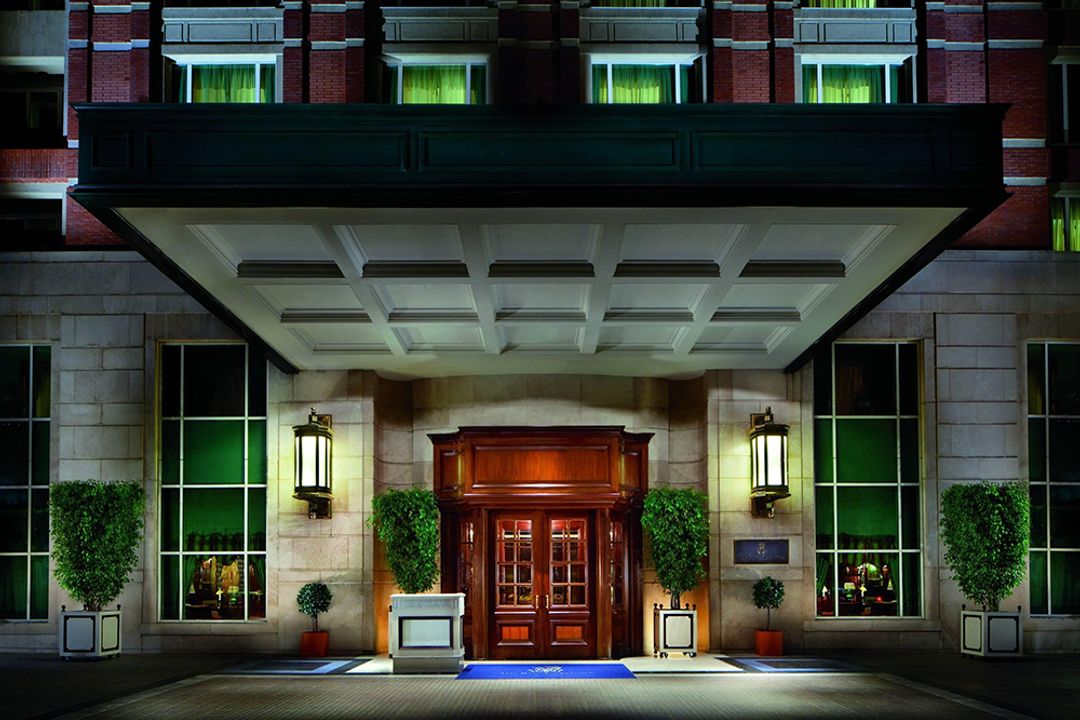
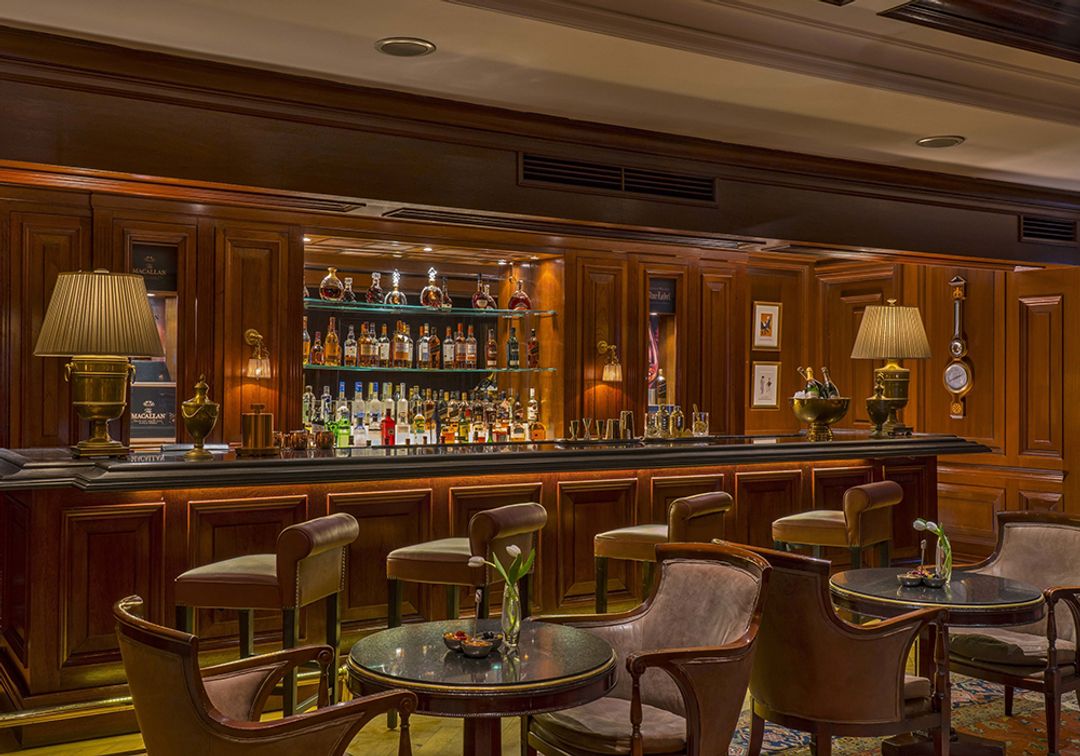
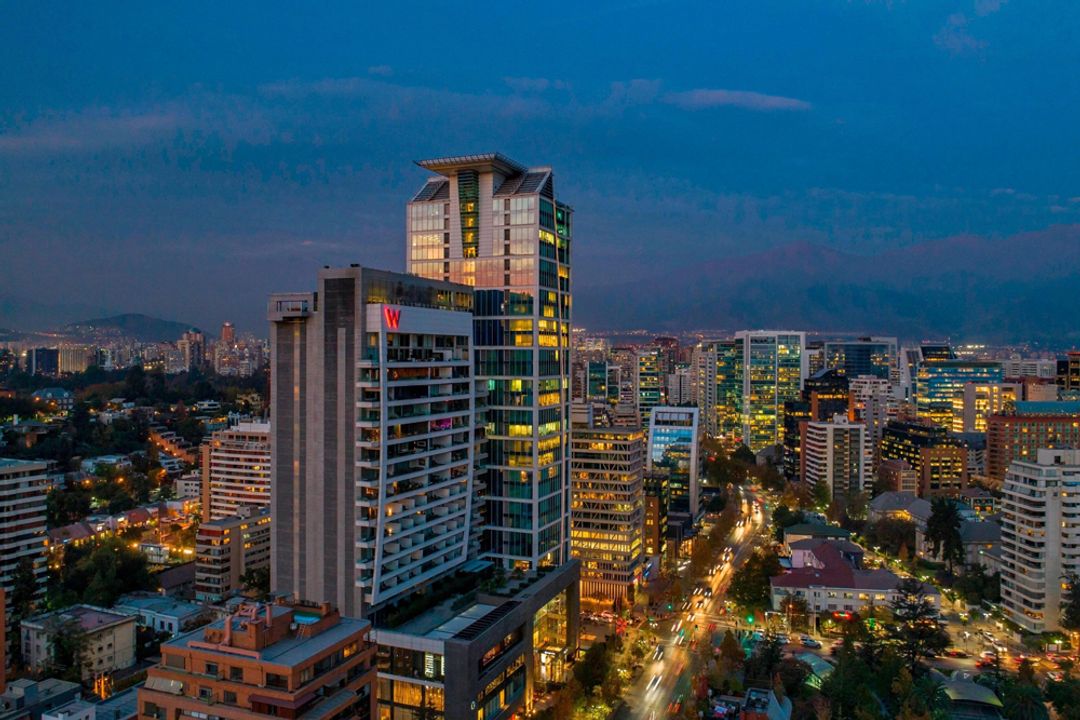
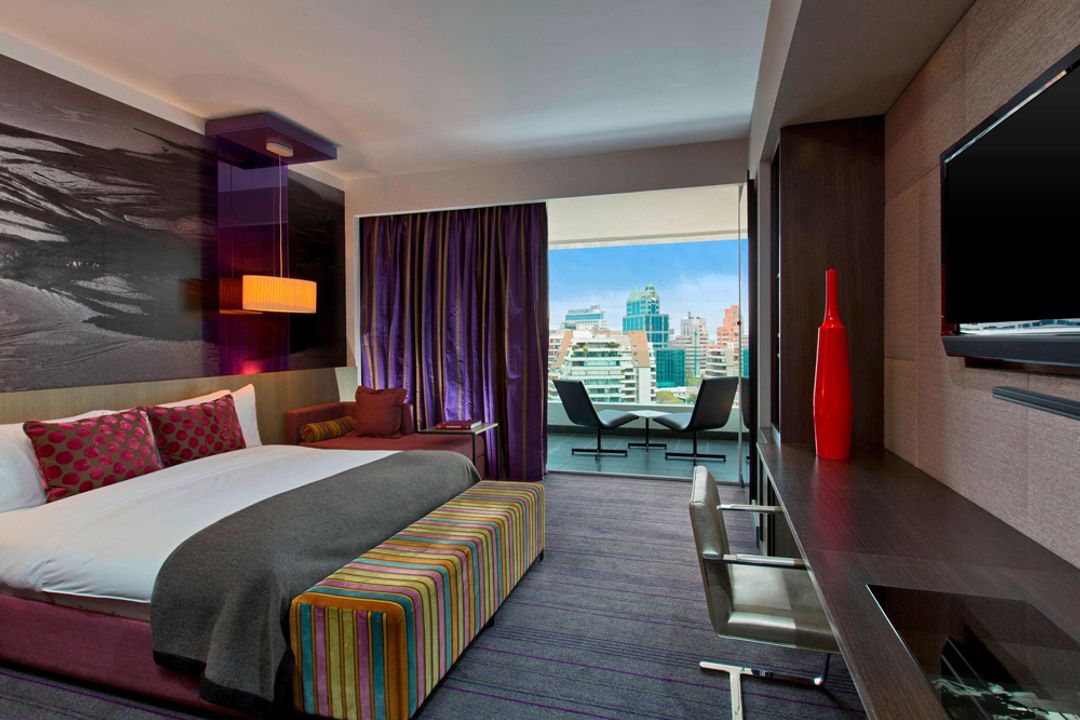
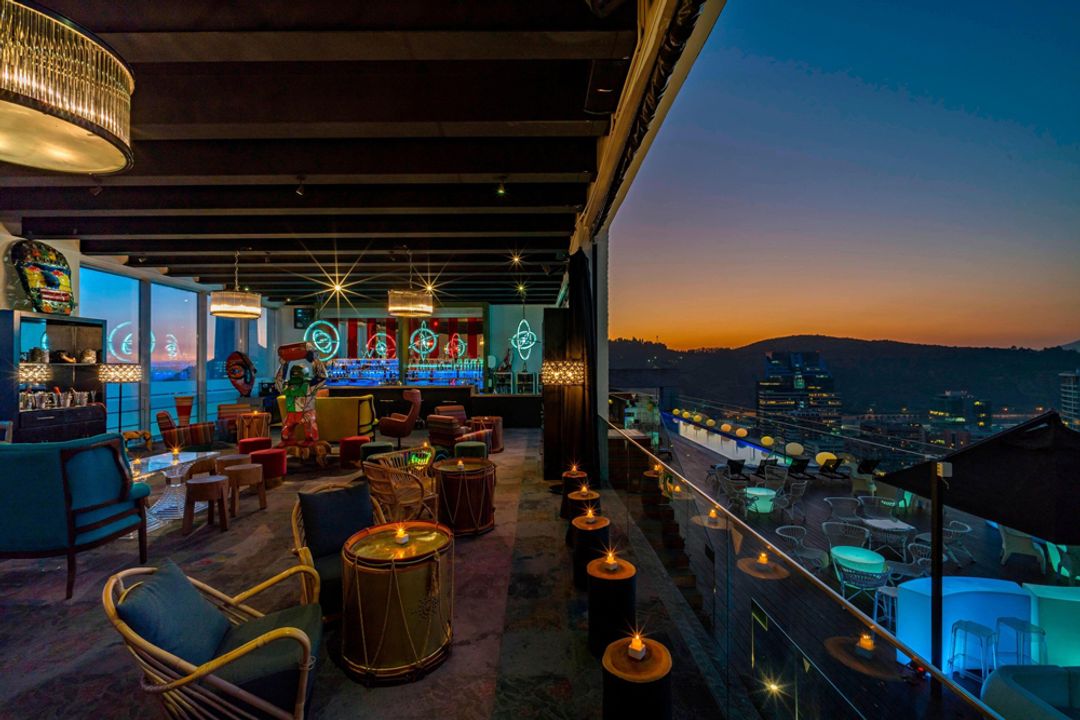
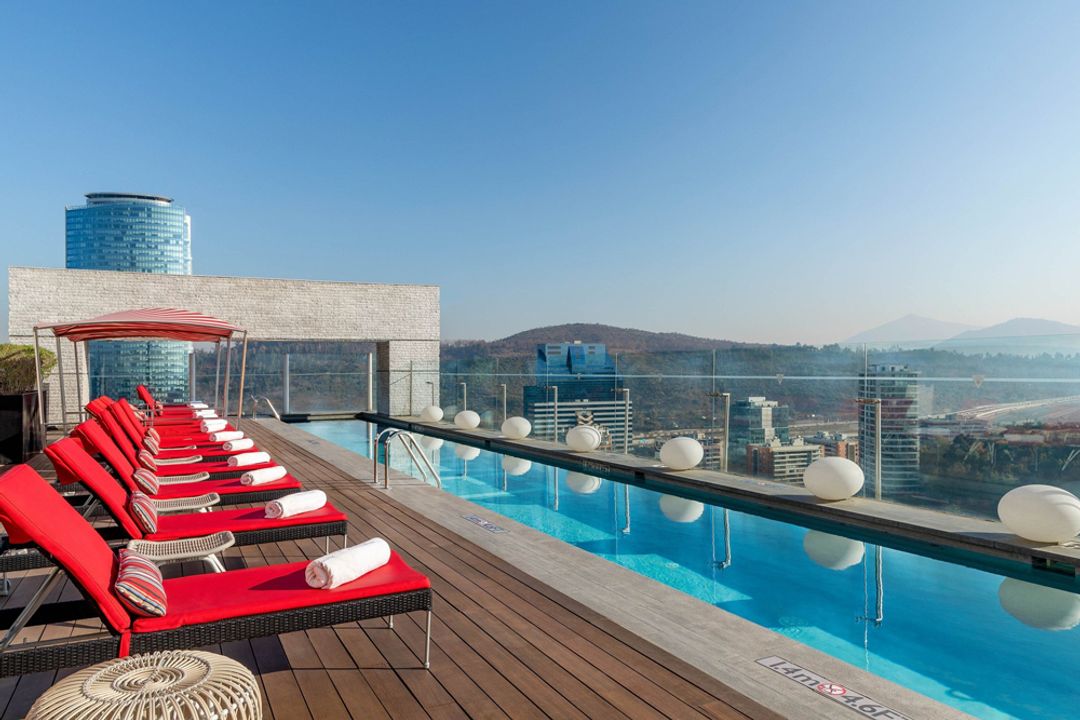
Santiago's architecture carries the weight of a city that has rebuilt itself repeatedly, through earthquake, dictatorship, and economic transformation. The tension between those histories is most visible in the contrast between El Golf and Lastarria, two neighborhoods separated by a short taxi ride but by a considerable distance in sensibility. El Golf, in the eastern reaches of Las Condes, is Santiago's financial district given physical form: glass towers, wide boulevards scaled to traffic rather than pedestrians, and hotels that orient themselves toward the corporate and the global. The Ritz Carlton Santiago and the W Santiago both occupy this zone, and their differences are instructive. The Ritz Carlton is measured and formal, the kind of property that suits a traveler who wants the city's most accomplished service infrastructure with views across the Andes on a clear winter morning. The W, also in El Golf, trades that formality for the brand's characteristic interest in sensory compression, loud materials, and lobby-as-theater.
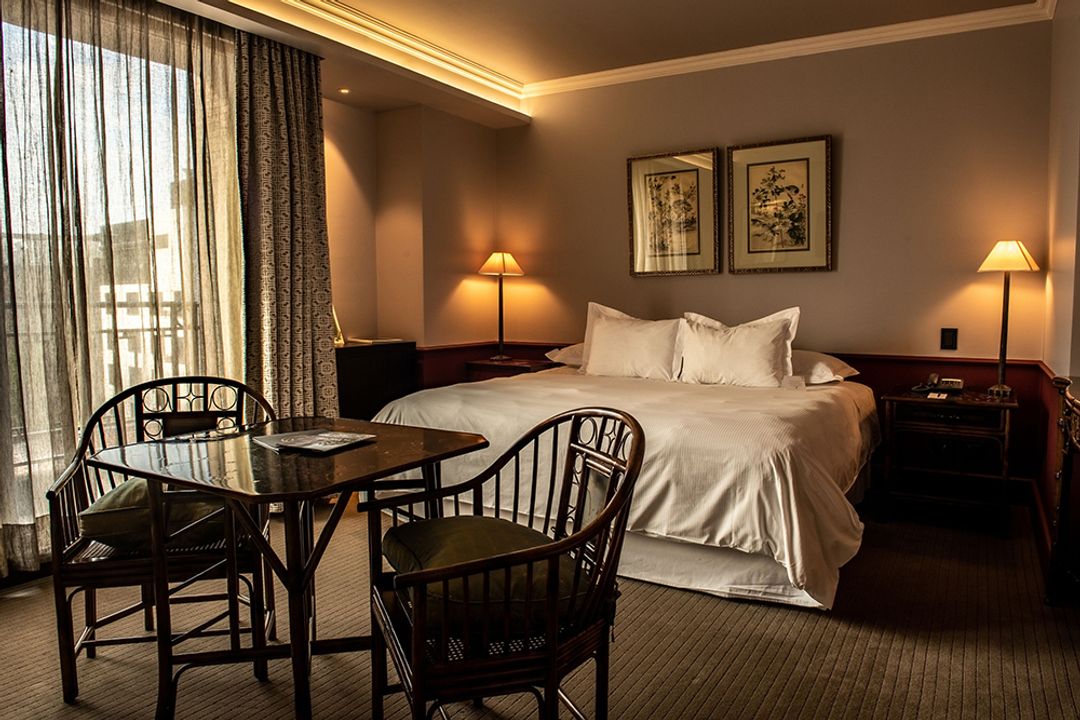
Lastarria is a different proposition entirely. The neighborhood sits adjacent to Cerro Santa Lucía, the hill that Benjamín Vicuña Mackenna transformed into a public park in the 1870s, and it has retained the pedestrian texture and cultural density that El Golf has largely surrendered. The Singular Santiago Lastarria occupies a 1929 building originally designed as a hospital, and the conversion, completed around 2013, treats the original structure with genuine respect. The interiors read as considered rather than nostalgic, preserving the building's institutional bones while introducing materials and finishes that make clear this is a contemporary intervention. For anyone whose instinct is to notice how a city fits together at street level, this is where Santiago makes most sense.
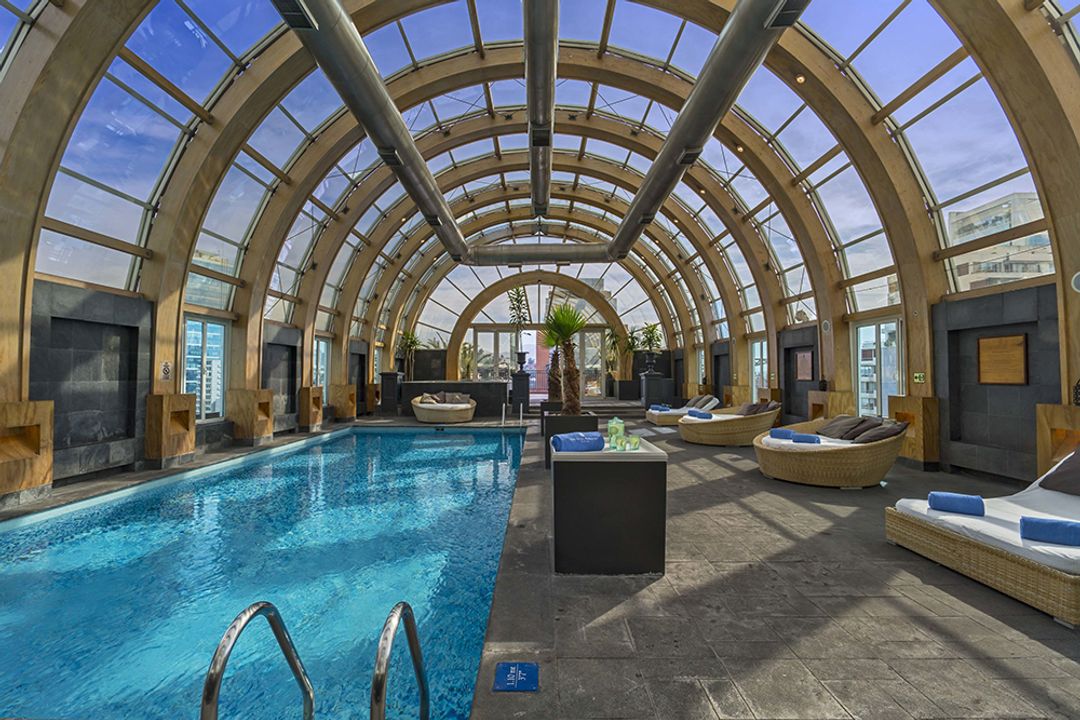
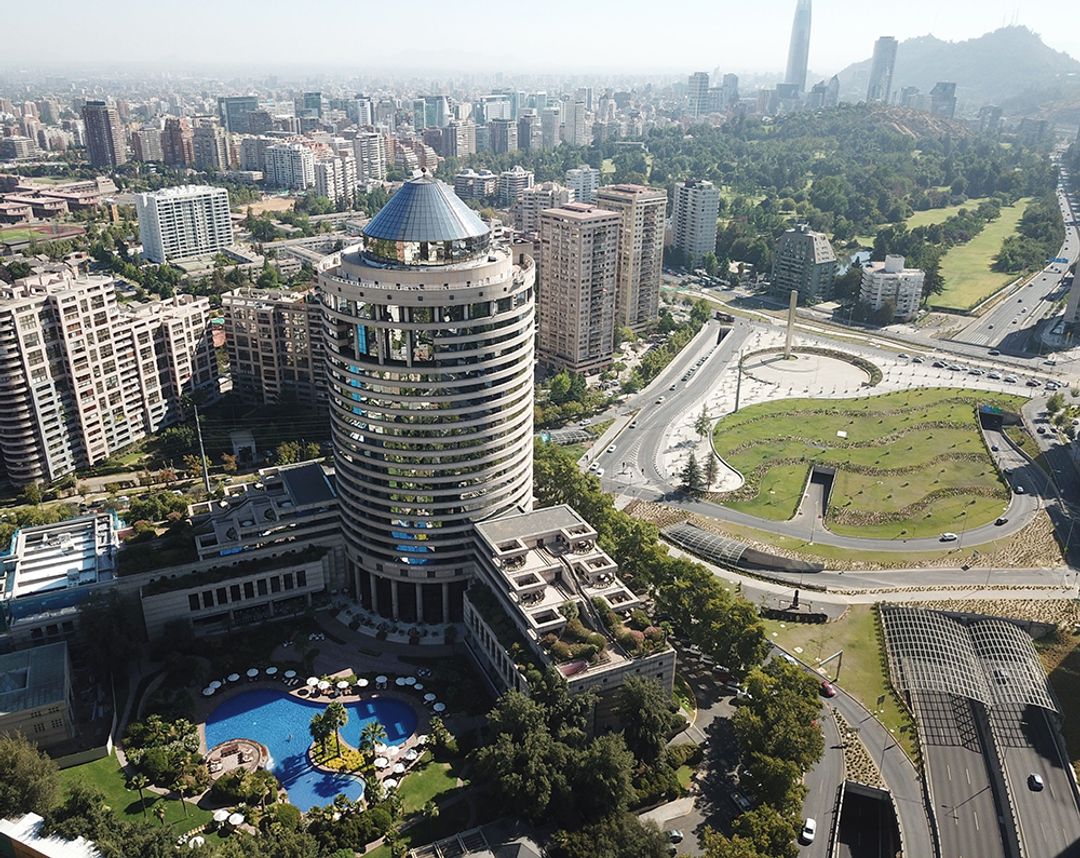
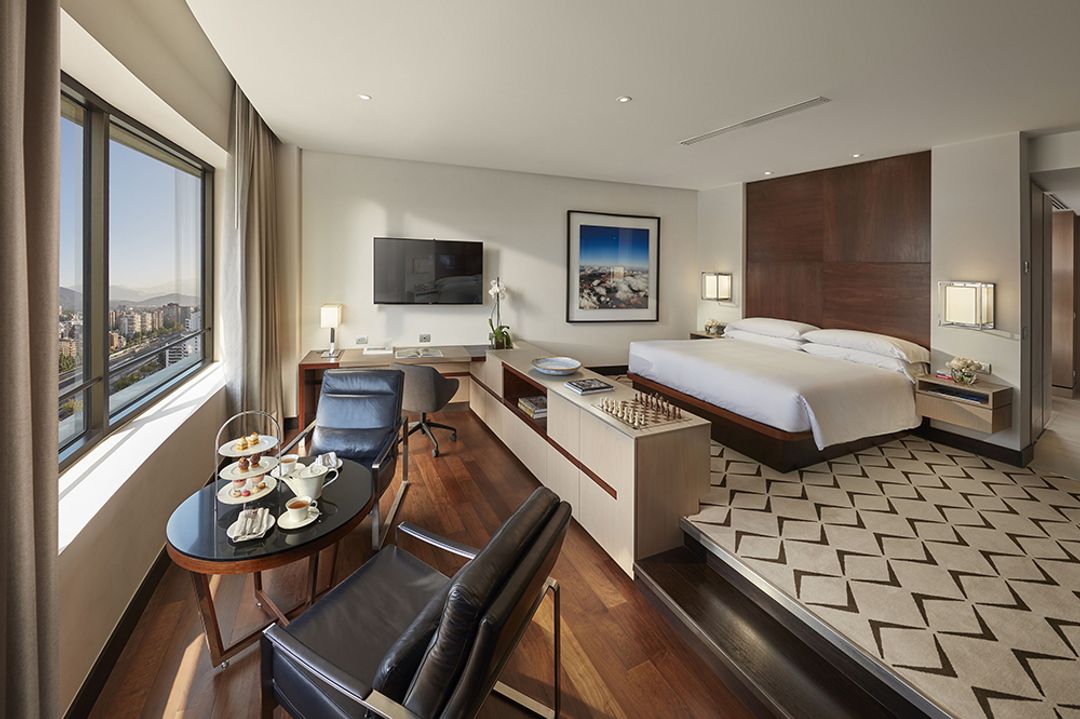
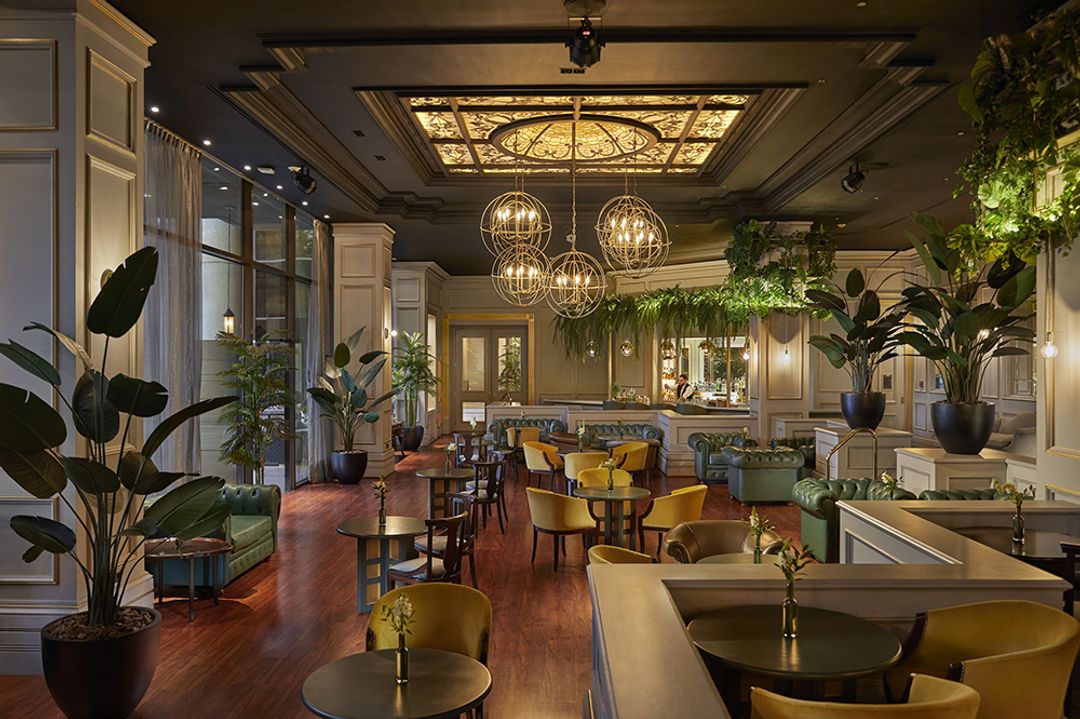
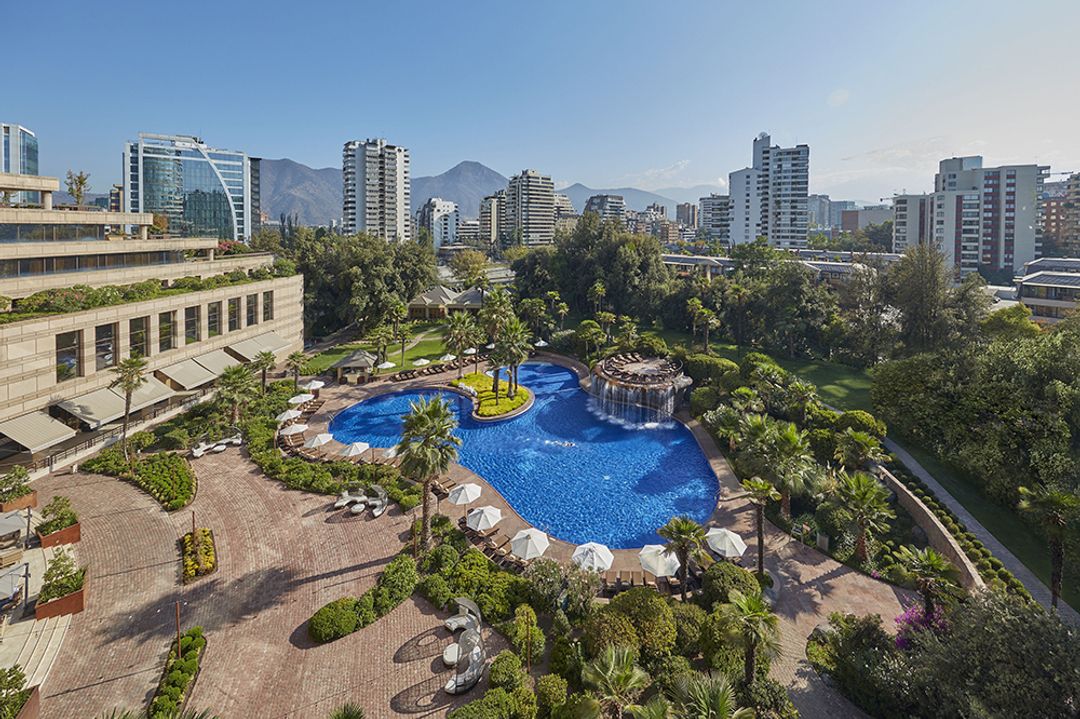
The Mandarin Oriental Santiago sits in Las Condes, nearer to the commercial and diplomatic corridors that connect to El Golf, and represents a quieter counterpoint to both the corporate spectacle of the W and the heritage character of the Singular. Its midrange positioning within the Mandarin group still delivers reliable spatial quality and the brand's characteristic attention to materials. Taken together, these four properties map a city in the middle of deciding what kind of place it wants to be: Santiago is young enough in its current form to still feel like a city with choices ahead of it, and that unresolved quality, which can read as either energy or incompleteness depending on where you stand, runs through its better hotels as much as its streets.