Best hotels in Haikou (Hainan) | A Curated Visual Guide to Top Stays
Welcome to PressBeyond, the ultimate curated visual guide for design-driven hotels! My name is Will Miller and these are my recommendations for the best boutique and luxury hotels in Haikou (Hainan).
I am the founder of PressBeyond and I am an ultra-meticulous hotel curator who loves clean visuals. I have individually analyzed and tiered each hotel included in this guide based on a variety of criteria (architecture & design, location, brand & brand affiliation, existing reviews, and my own personal experiences), and importantly, I have hand-selected the leading imagery for each hotel to provide you with easily-digestible, yet detailed and complete, like-for-like, high-level visual profiles. I felt this summarization step was a critical missing piece across existing guides, blogs, and booking platforms. My aim is to make it easier for people to identify hotel environments that resonate with them, along with enabling them to visualize the types of social experiences that those environments help foster. My brain doesn't work when exposed to cluttered content, so my goal was to create the opposite.
Underneath this, we are also a full booking engine offering 5% Venmo cash back along with other exclusive perks. For all of you design-obsessed hotel enthusiasts out there, I hope this guide helps get you to where you see yourself!
An Overview of the Boutique & Luxury Hotel Landscape in Haikou (Hainan)
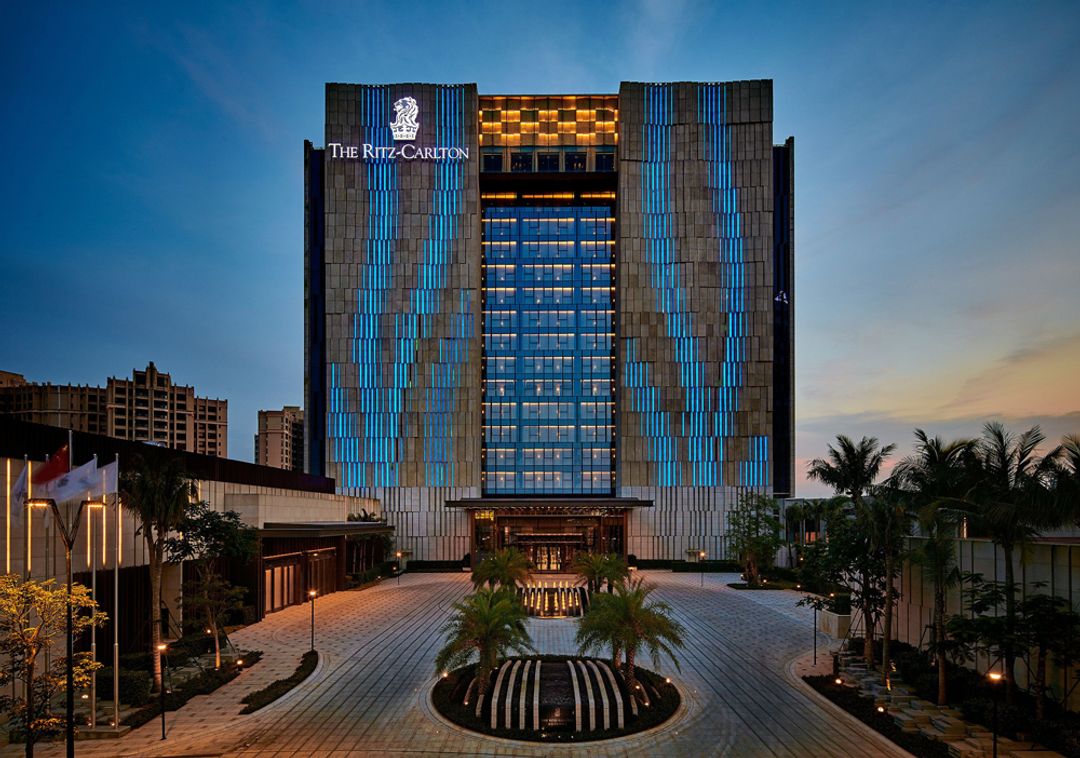
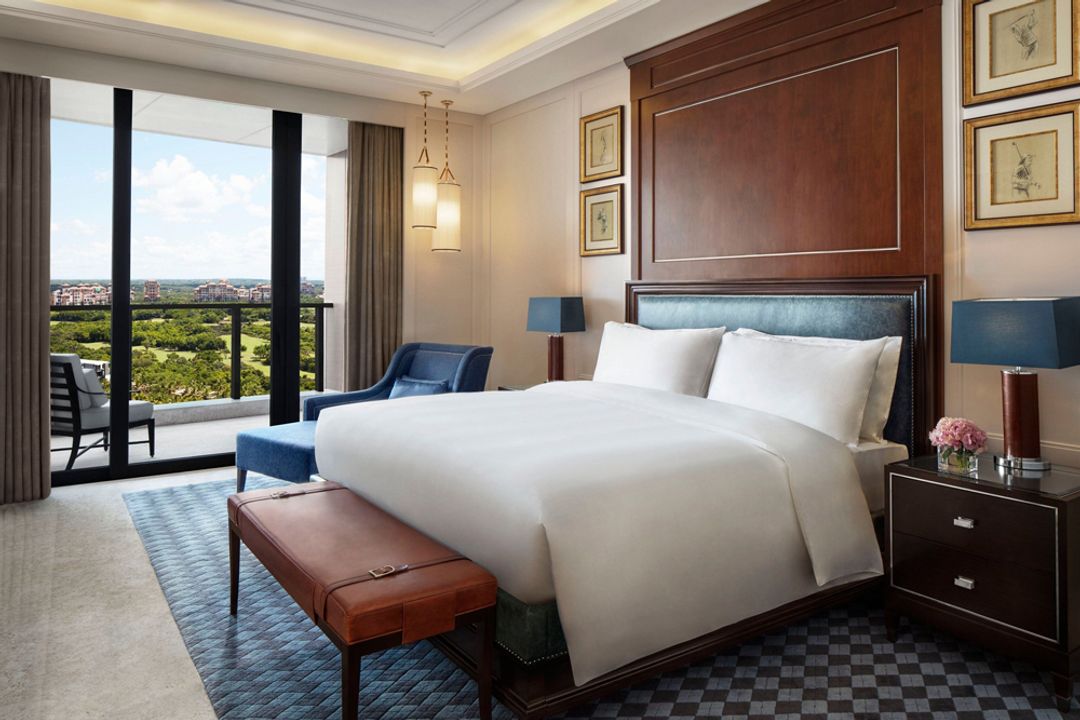
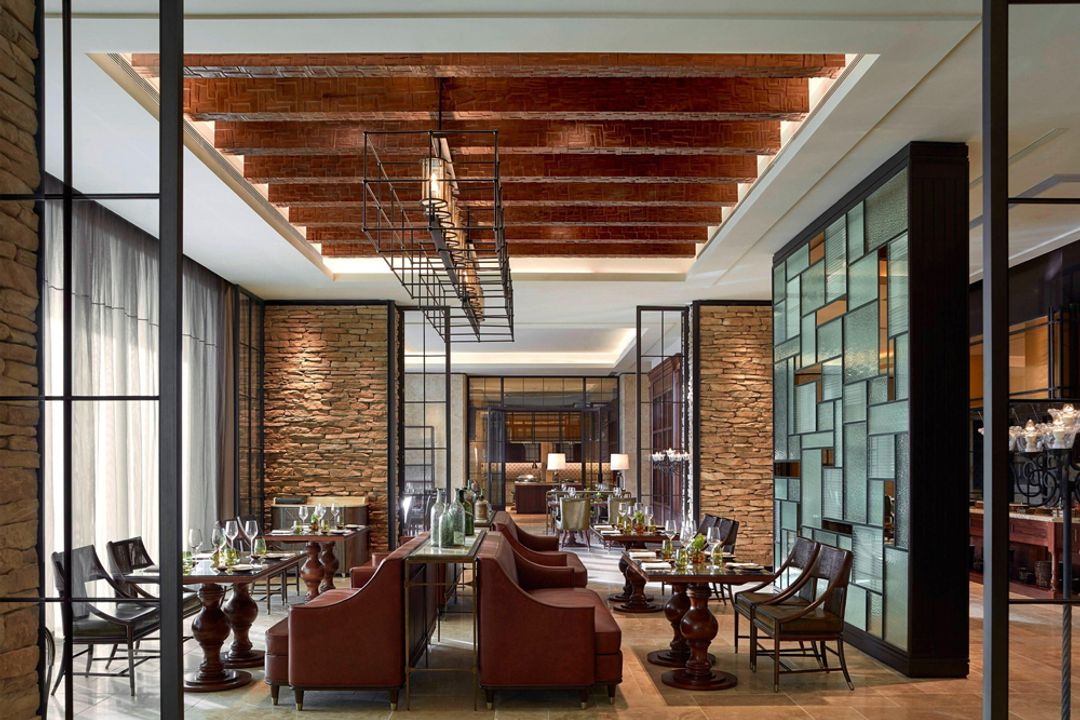
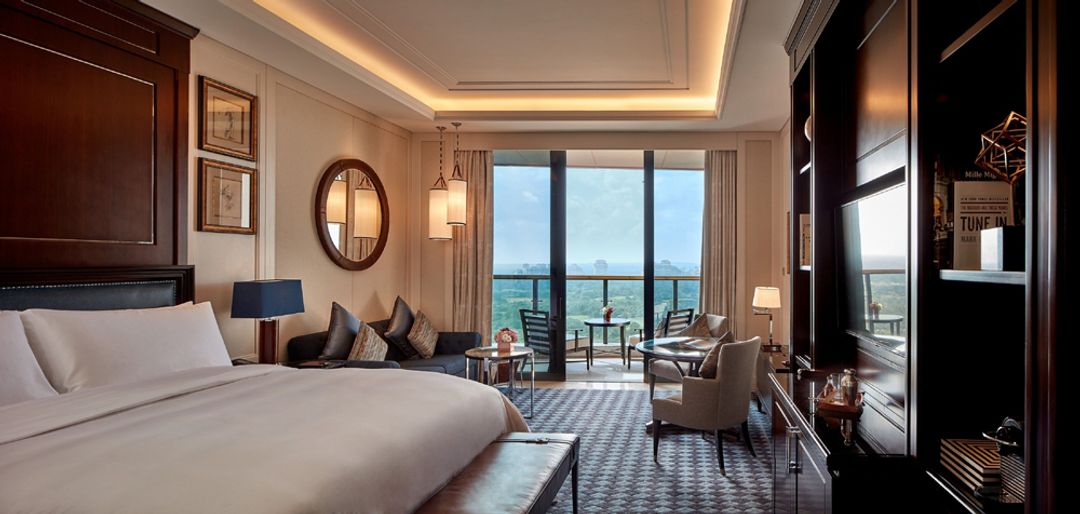
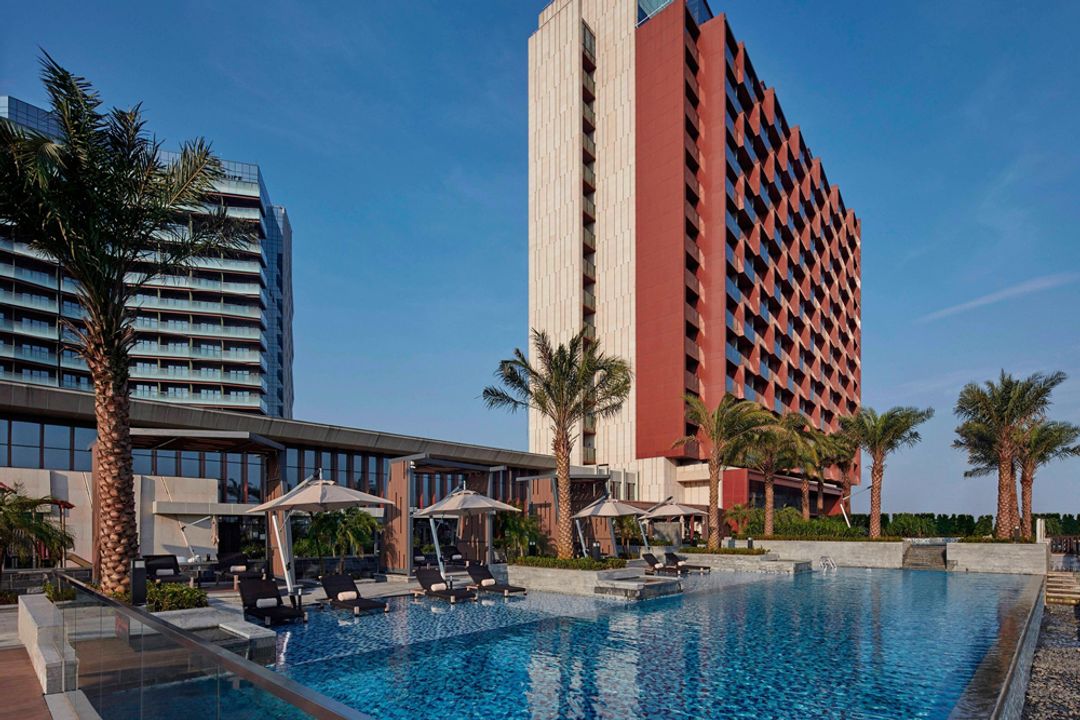
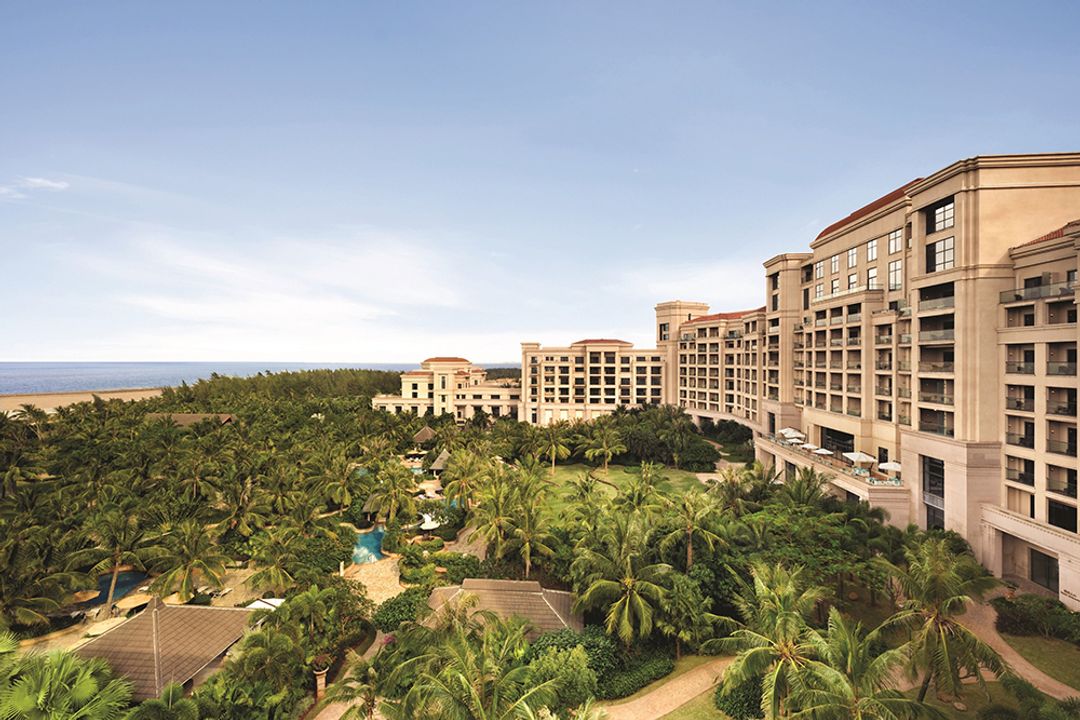
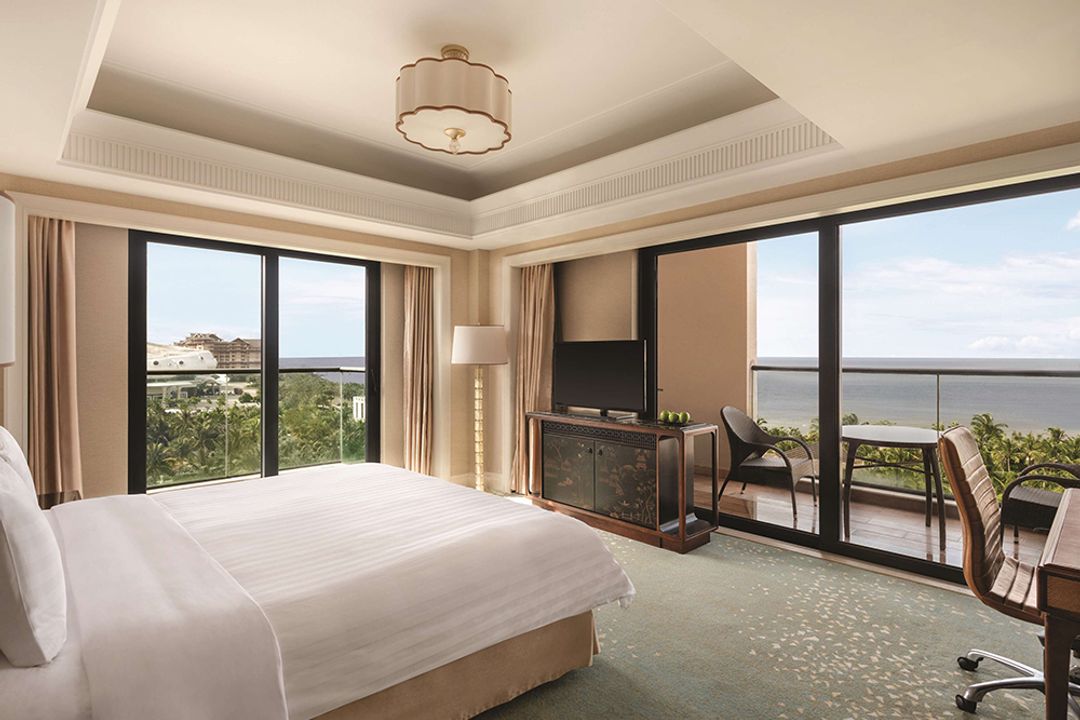
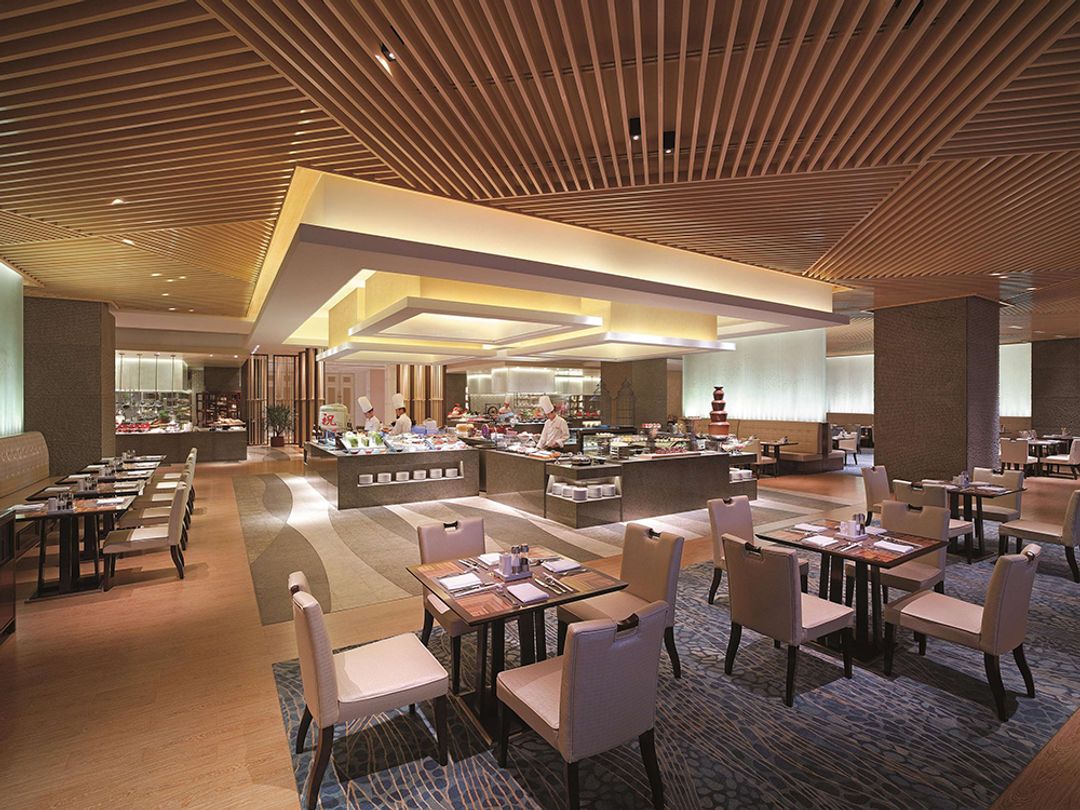
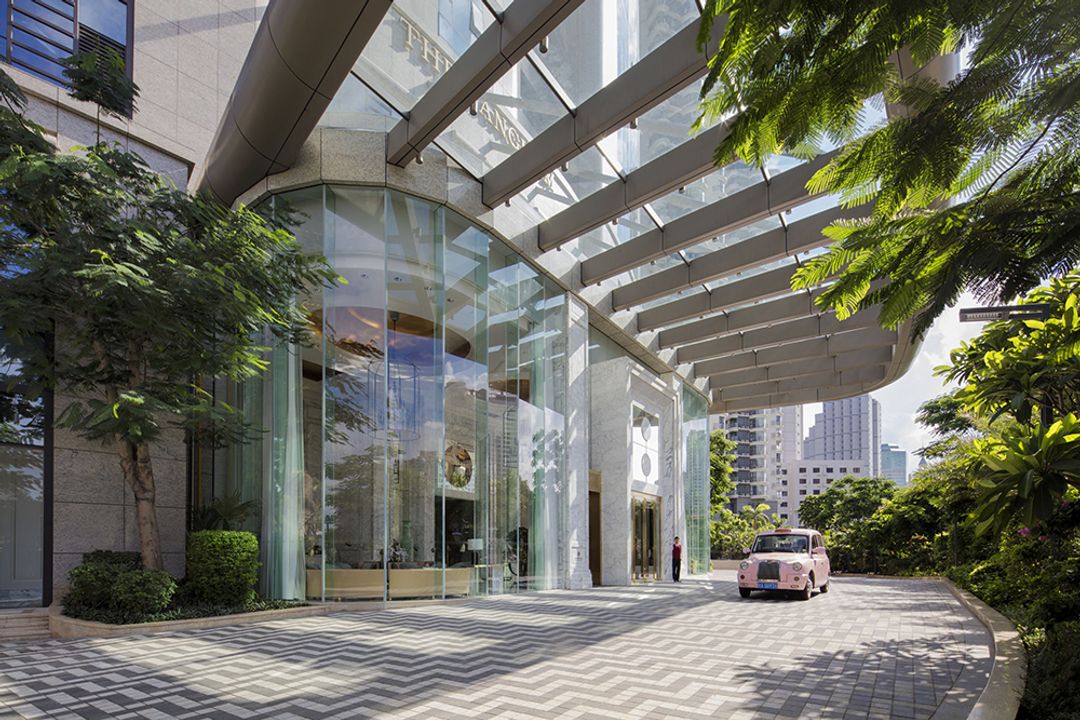
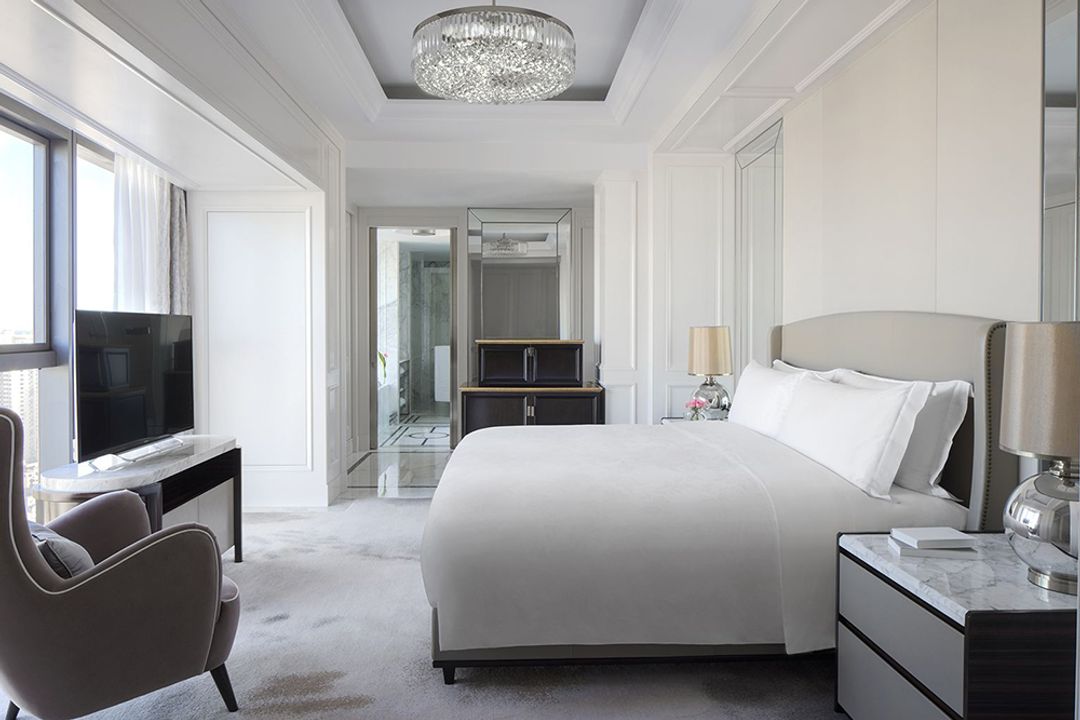
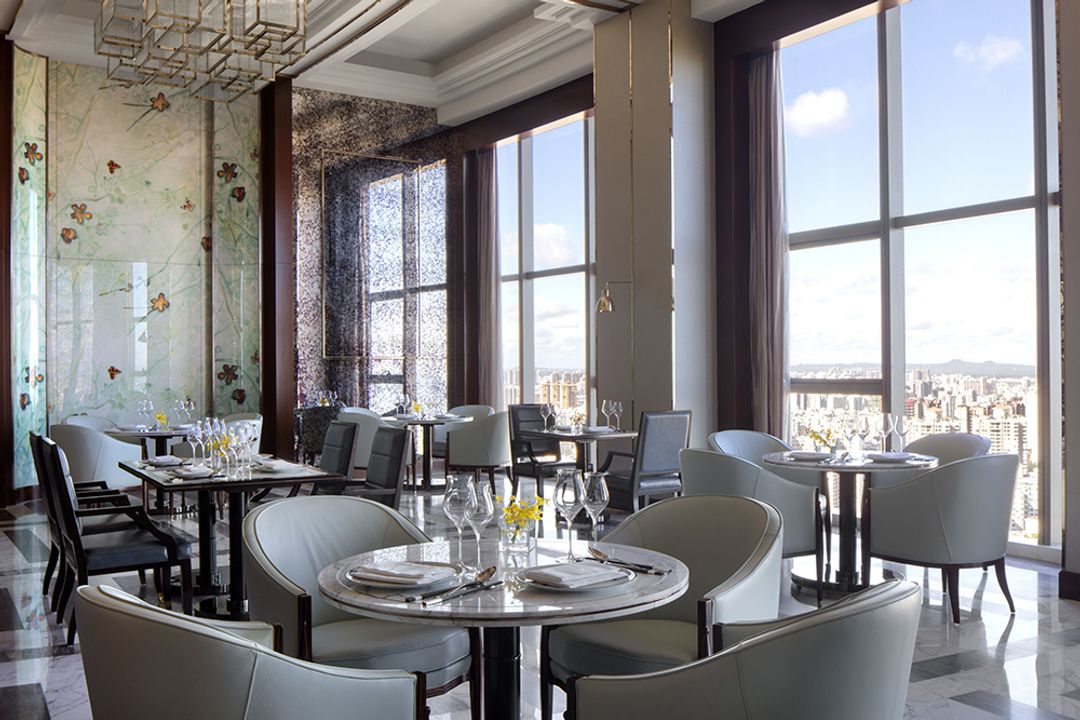
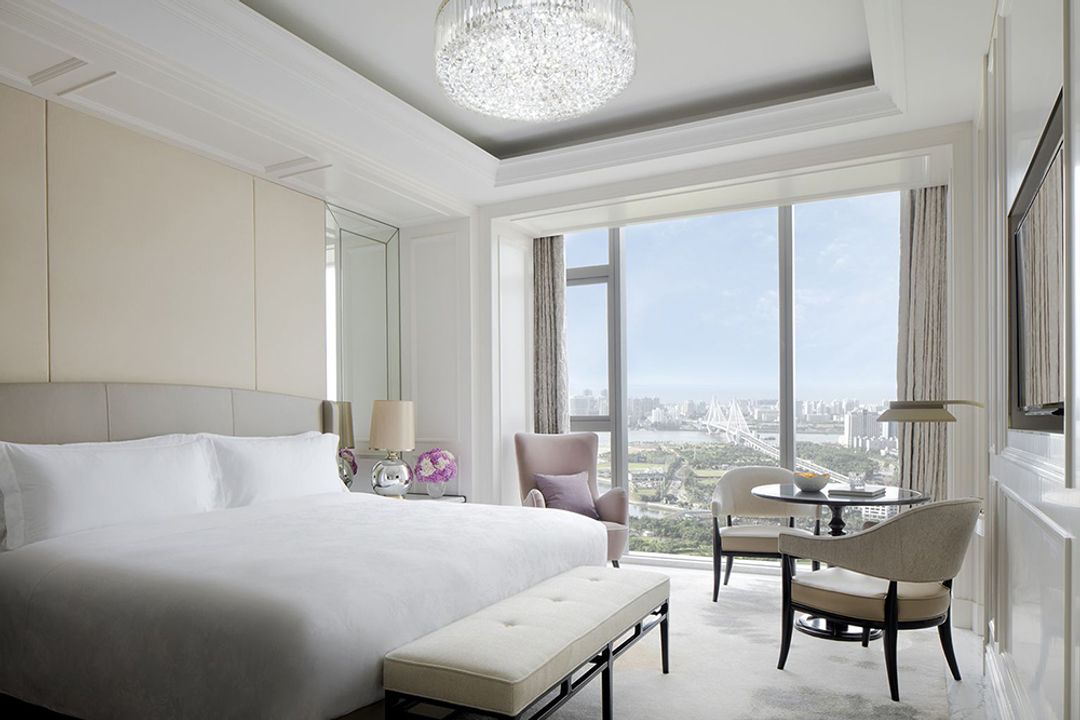
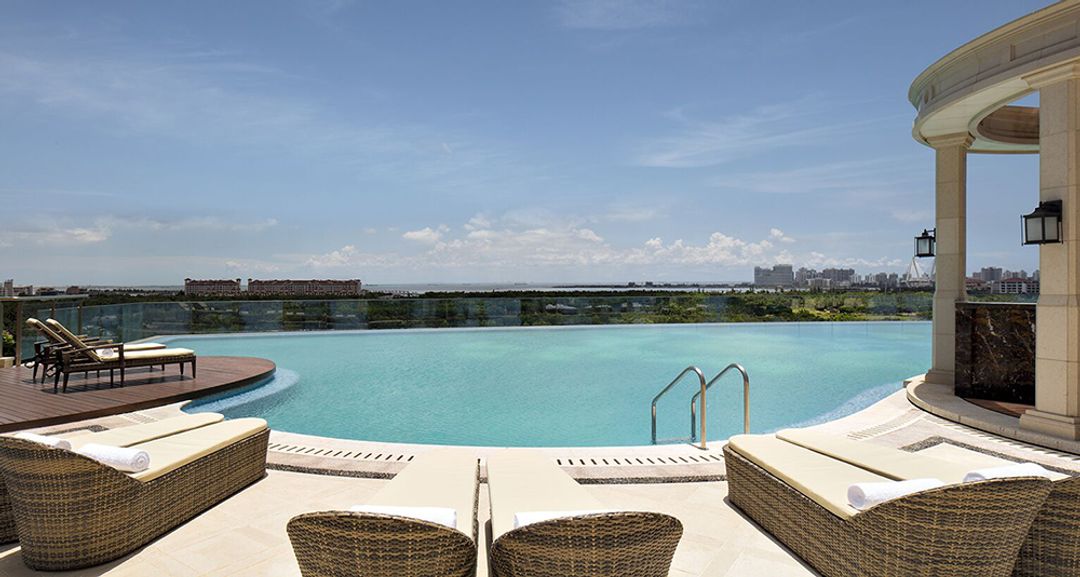
Haikou sits at an odd angle to the rest of China's luxury hospitality ambitions. The city is not Sanya — it lacks that resort coast's polished internationalism — and yet the provincial capital of Hainan has drawn serious hotel investment precisely because of what surrounds it: a free-trade zone designation, a growing convention economy, and a tropical climate that makes the mainland's winters feel very far away. The architecture here tends toward the monumental rather than the intimate, and the three properties worth considering each reflect a different logic for why a traveler might end up in this city at all. The Ritz-Carlton Haikou, positioned in Meilan District near the Mission Hills golf complex, is the most resolved of the three in terms of site and purpose. Its setting among the volcanic rock landscape of one of the world's largest golf resorts gives it a physical drama that urban hotels elsewhere have to manufacture through interiors alone. The Langham Haikou, in Longhua — the commercial and financial district closer to the city's arterial center — is aimed squarely at the corporate traveler, and its interiors carry the brand's characteristic restraint: muted palettes, a preference for material quality over gesture. At roughly $105 a night it represents the Langham proposition at a notably accessible price point for the brand, which says something about where Haikou sits in the regional hierarchy. The Grand Hotel Haikou, managed by Accor and located in Xiuying on the northeastern edge of the urban area near the port, occupies a different register entirely — functional, mid-century in its bones, and unsentimentally practical in a way that can feel, depending on your disposition, either charmless or bracingly honest. What connects all three is a certain directness about their purpose. Haikou is not yet a city that attracts travelers for its street-level texture or its design culture — it is a city that attracts travelers for specific reasons: a conference, a golf trip, a staging point before the expressway south to Sanya. The Ritz-Carlton earns its premium through landscape and amenity; the Langham earns it through brand consistency and location efficiency; the Grand earns its place through price and proximity to the port and Haikou East Station. A design-conscious traveler who finds themselves here should understand that this is a city still writing its architectural identity, and that the hotels reflect that condition faithfully.