Best hotels in Hangzhou, China | Visually Compare Top Stays Side-by-Side
Welcome to PressBeyond - a curated visual guide to design-driven hotels and the fastest way to compare them.
An Overview of the Boutique & Luxury Hotel Landscape in Hangzhou, China
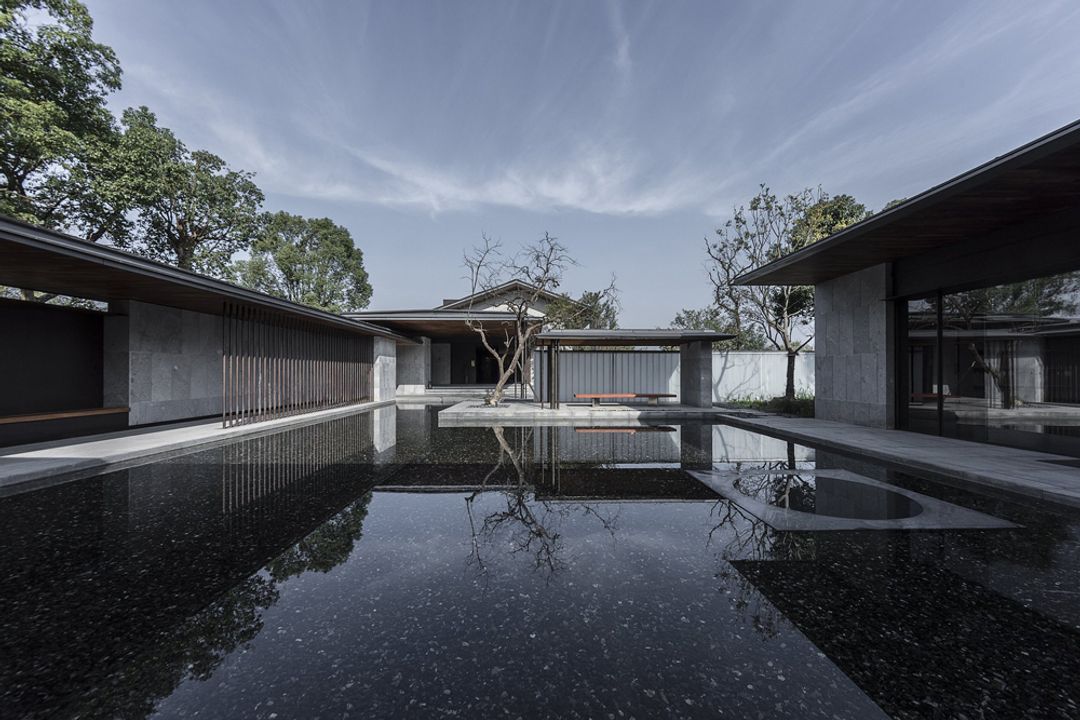
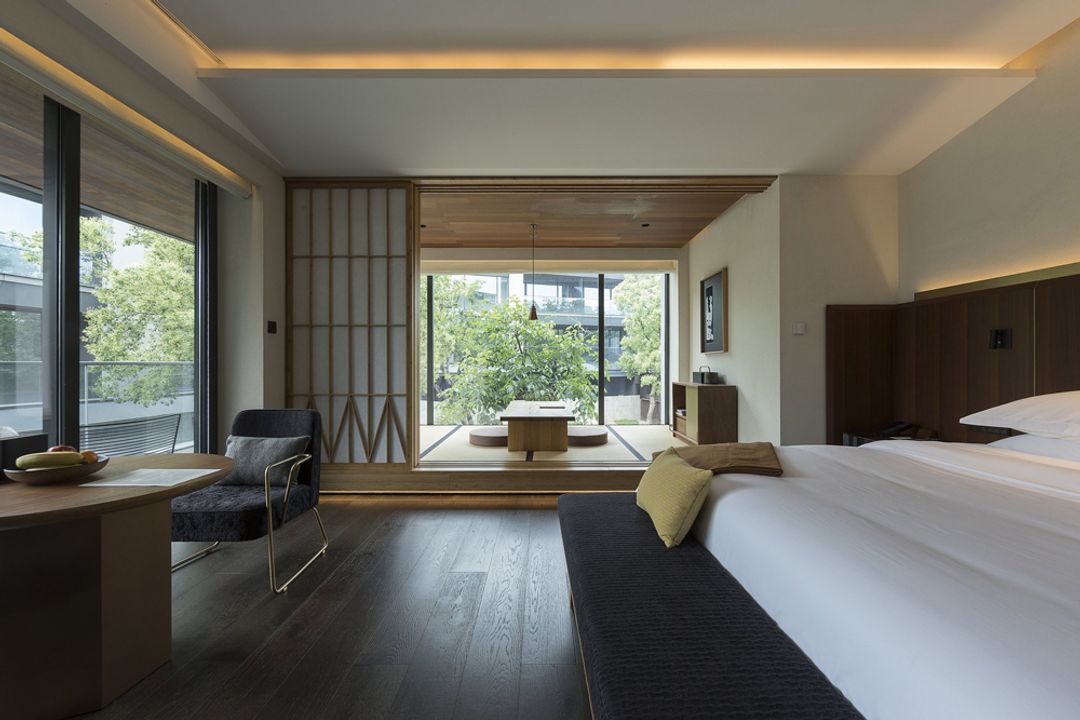
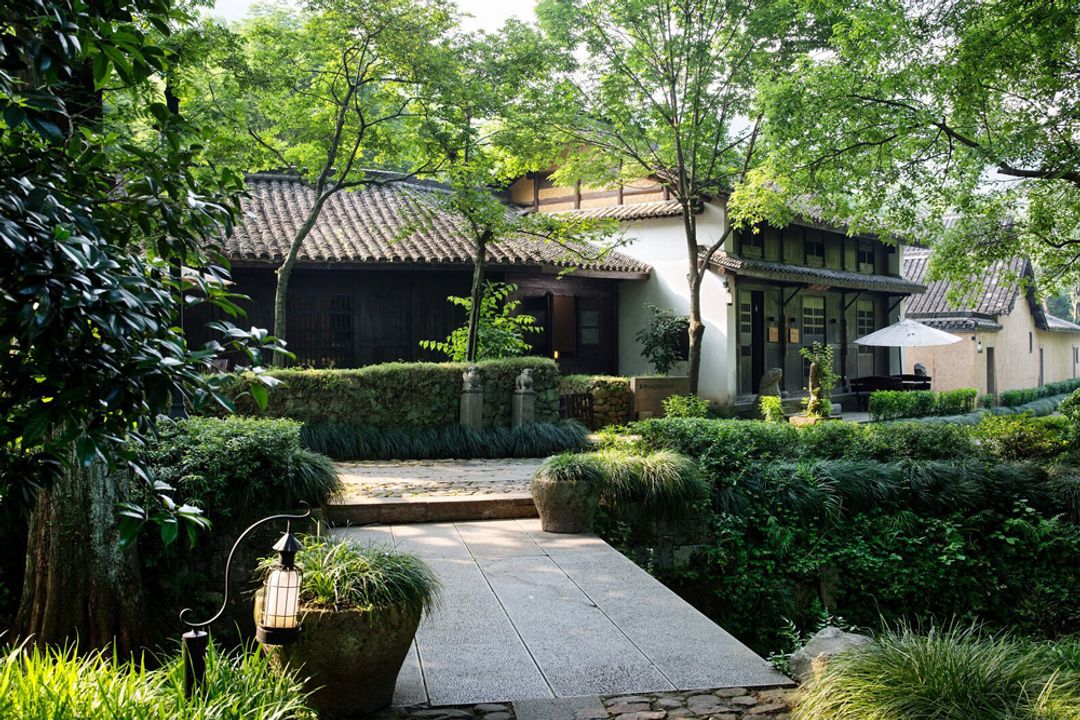
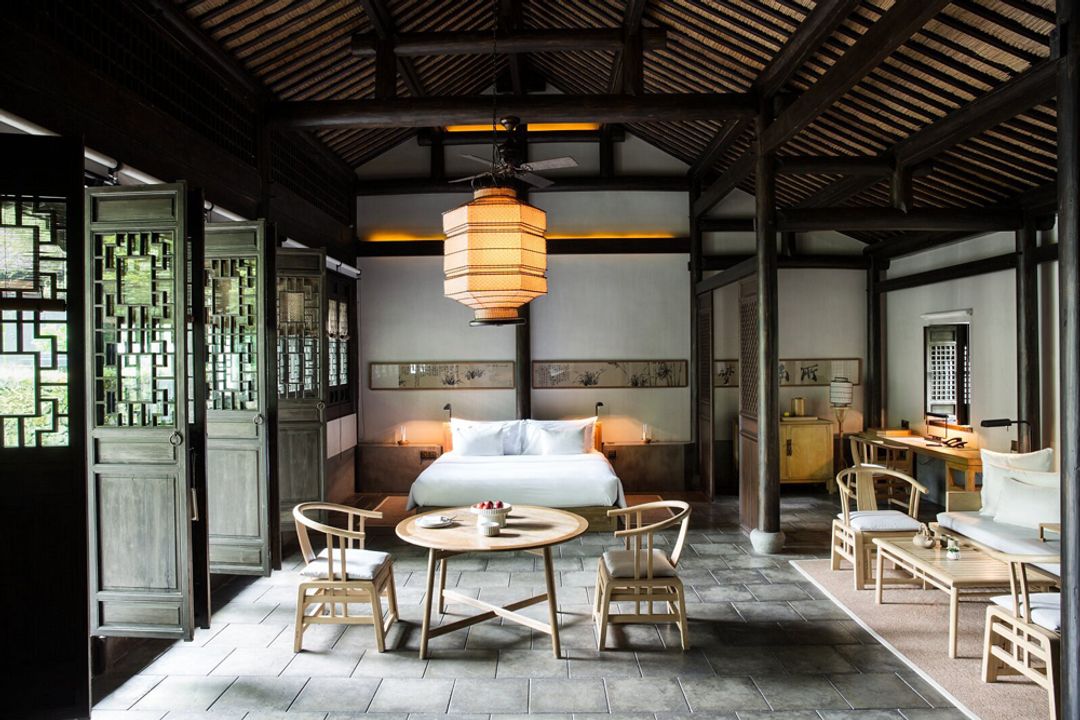
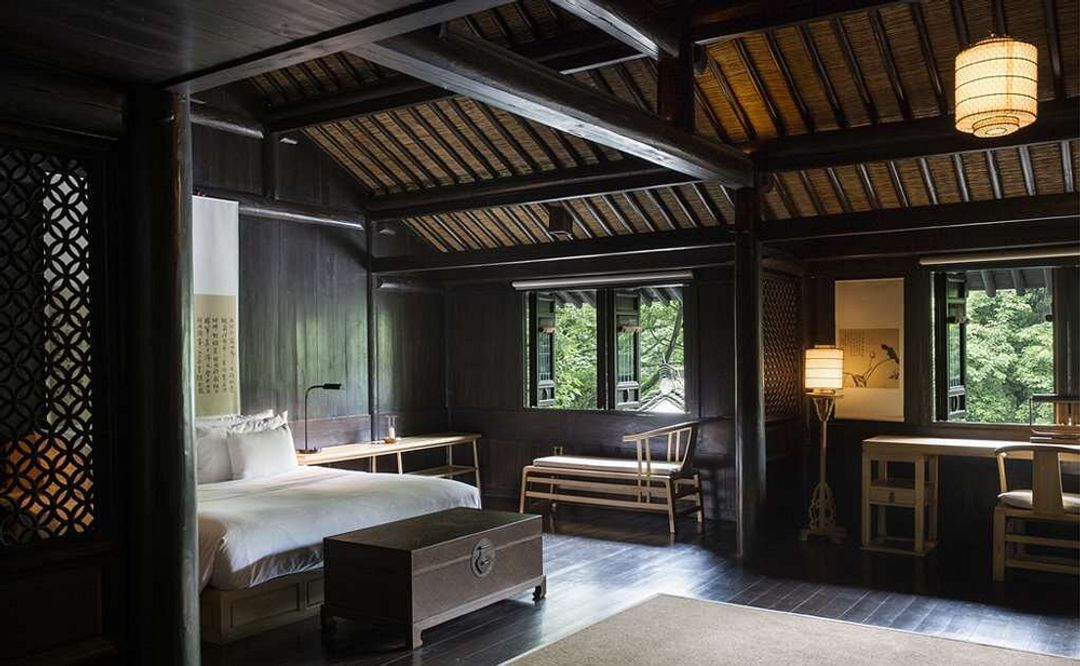
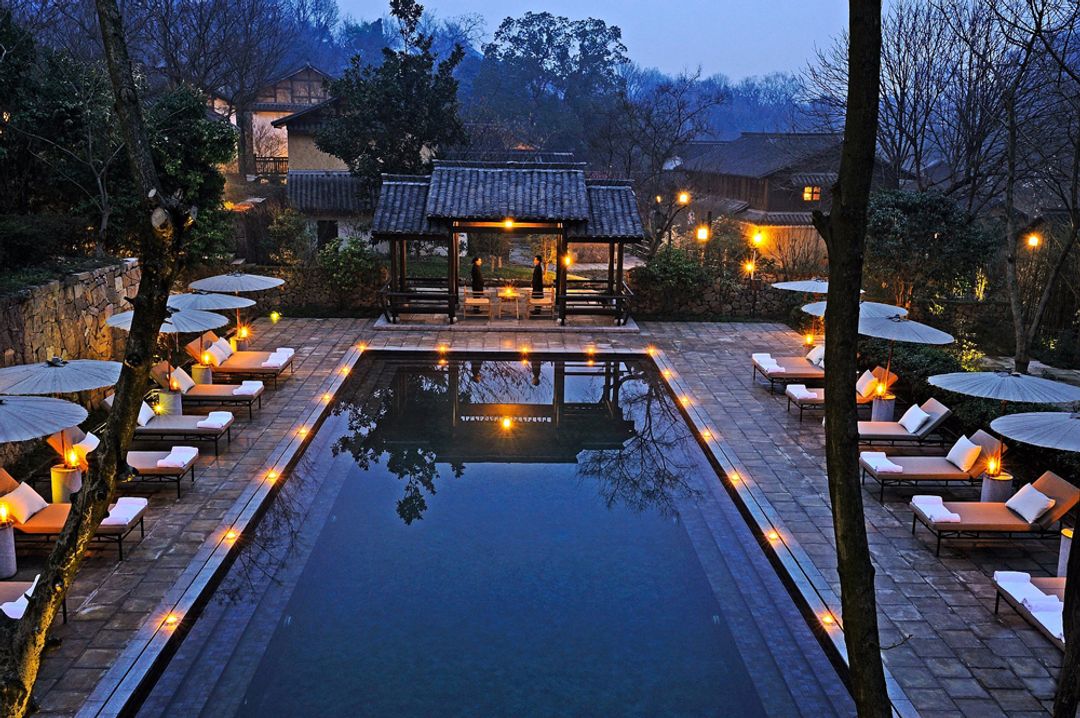
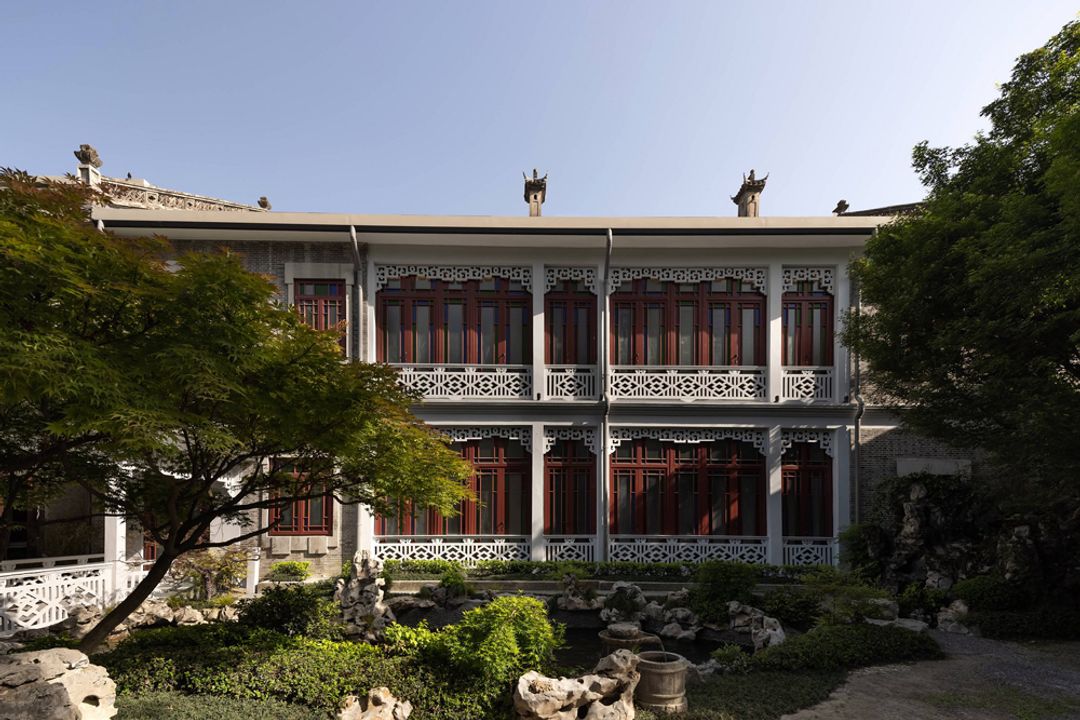
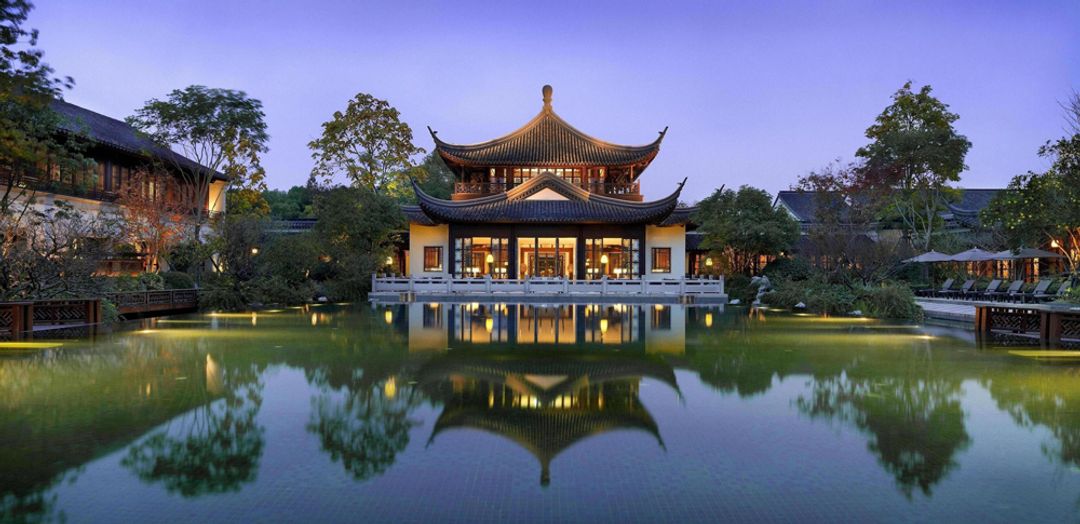
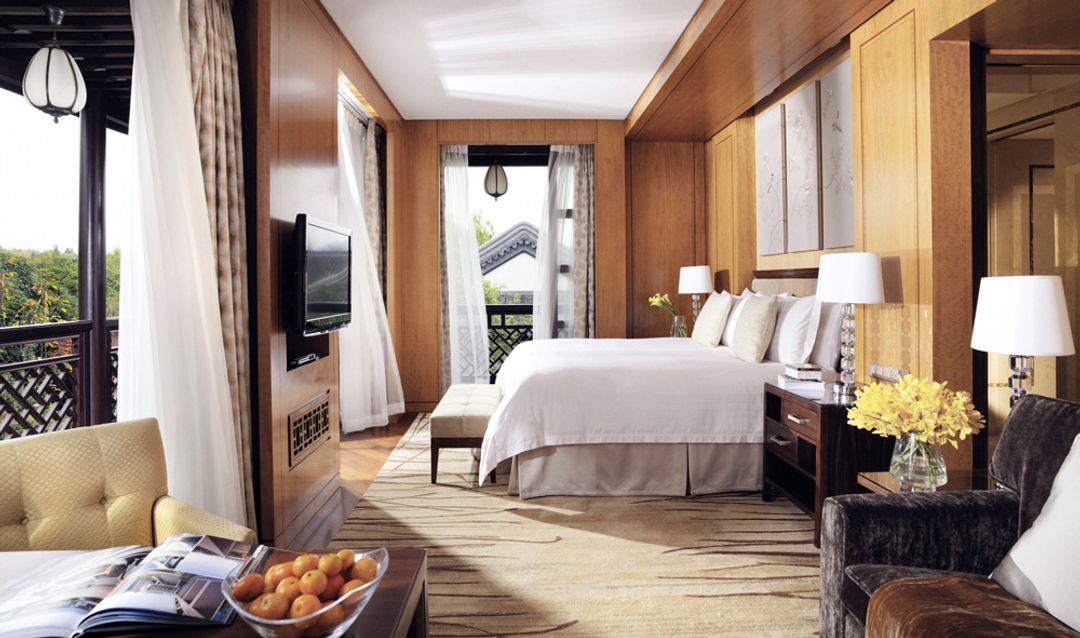
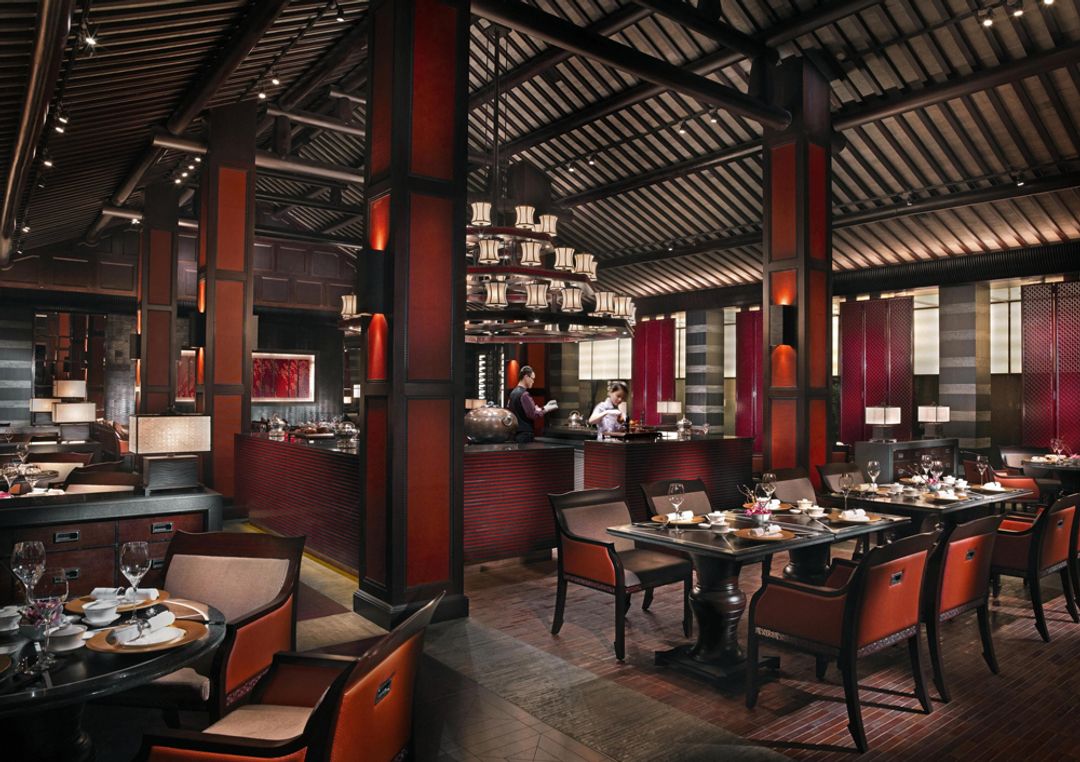
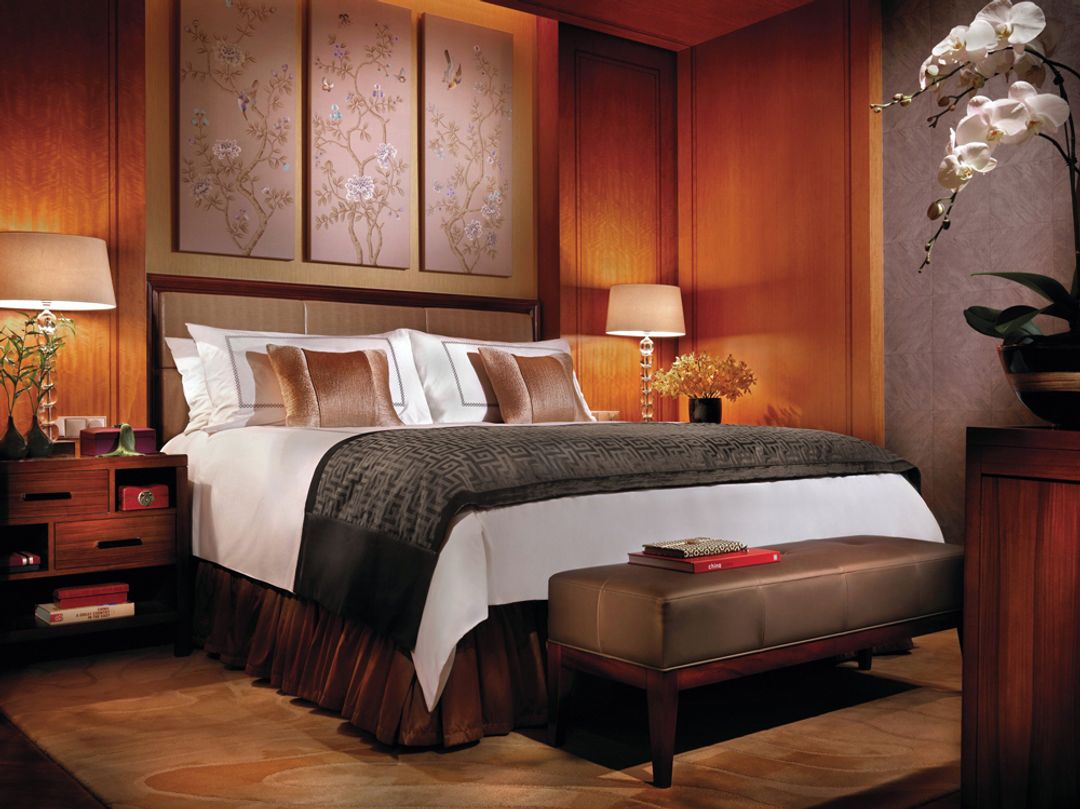
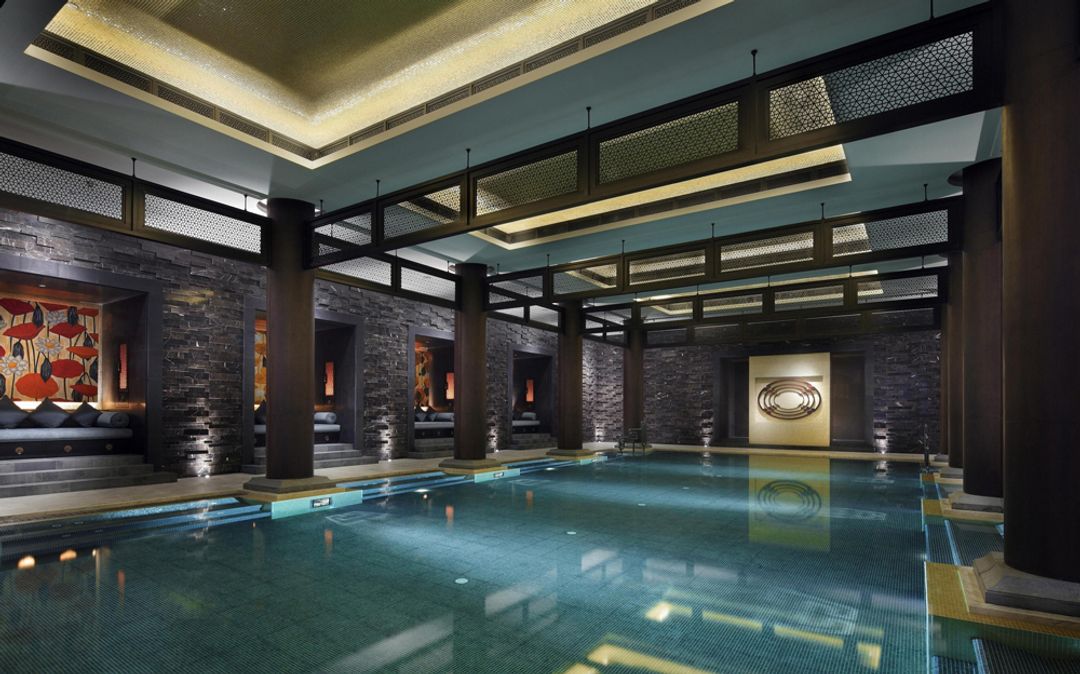
Hangzhou earns its reputation not through skyline ambition but through water. West Lake is the city's oldest text, a UNESCO landscape of causeways, pagodas, and fog-softened hills that has been drawing poets and emperors since the Tang dynasty, and the hotels that cluster around it mostly answer to that inherited mood. The Four Seasons Hotel Hangzhou at West Lake sits directly on the northern shore, its low-slung pavilion architecture following the courtyard grammar of classical Jiangnan construction, where covered walkways connect buildings rather than stacking them. It is quiet architecture in a quiet landscape, and the guest who chooses it is choosing a particular kind of withdrawal. Amanfayun, a short distance away in the Fayun Ancient Village near Lingyin Temple, goes further still, occupying a preserved hamlet of Song dynasty tea farmers' dwellings that the Aman group restored rather than rebuilt. The materiality here, hand-fired tiles, rough-plastered walls, aged timber, is archaeological rather than decorative. Few hotels anywhere offer this particular compression of history and physical stillness.
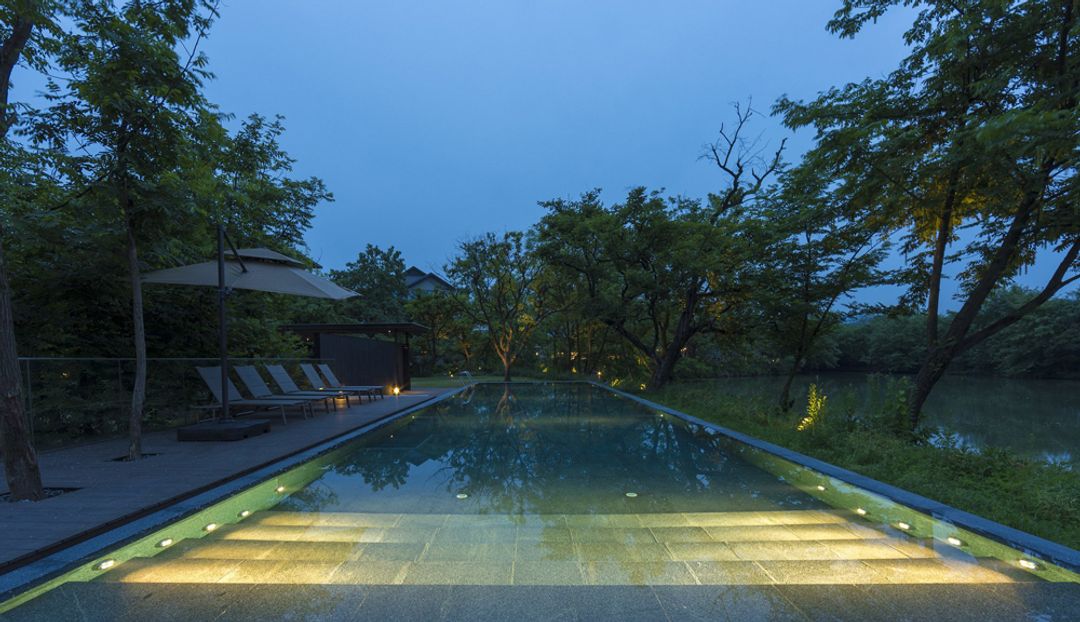
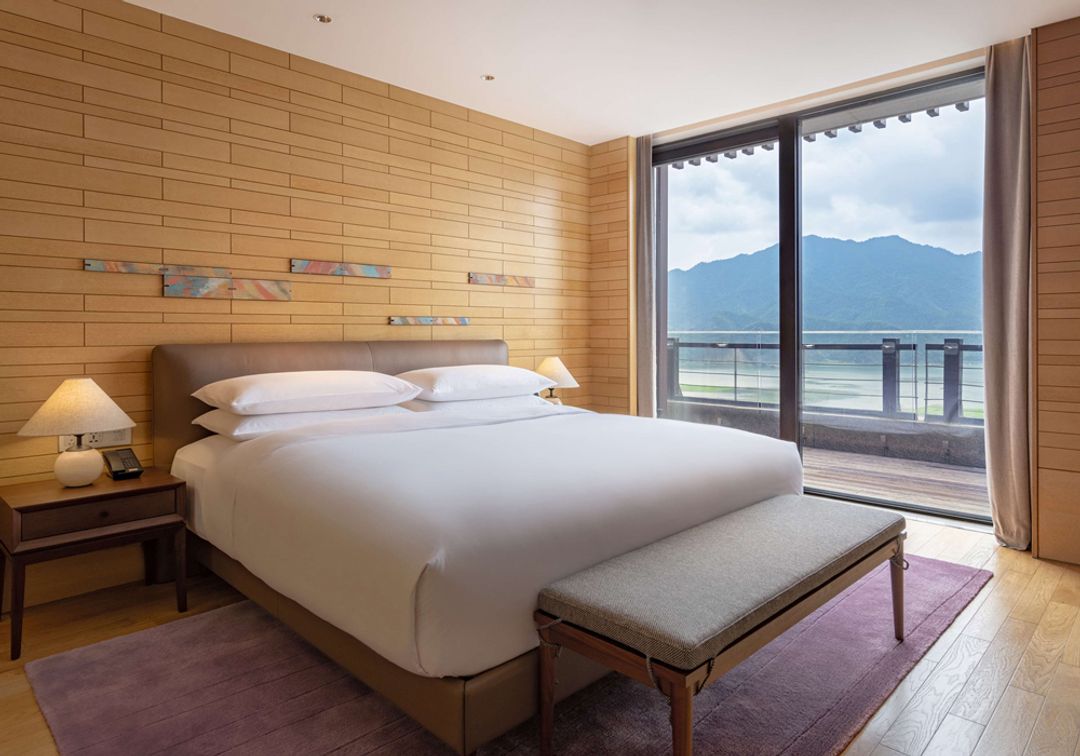
Moving northwest, Xixi Wetland represents a different reading of Hangzhou's landscape. The Muh Shoou Xixi Hotel works within this protected wetland reserve, where the city gives way to reed beds and shallow waterways, and the architecture responds in kind with a restrained contemporary palette that takes its cues from the surrounding horizontality. It is a hotel that rewards travelers who notice how a building meets the ground. Qiushui Villa on Beili Lake extends this sensibility into the ultra-private register, with a rate that signals exclusivity before the design does. For those wanting to understand what Hangzhou's design culture produces at its most deliberate and expensive, these lakeside retreats form a coherent thread.
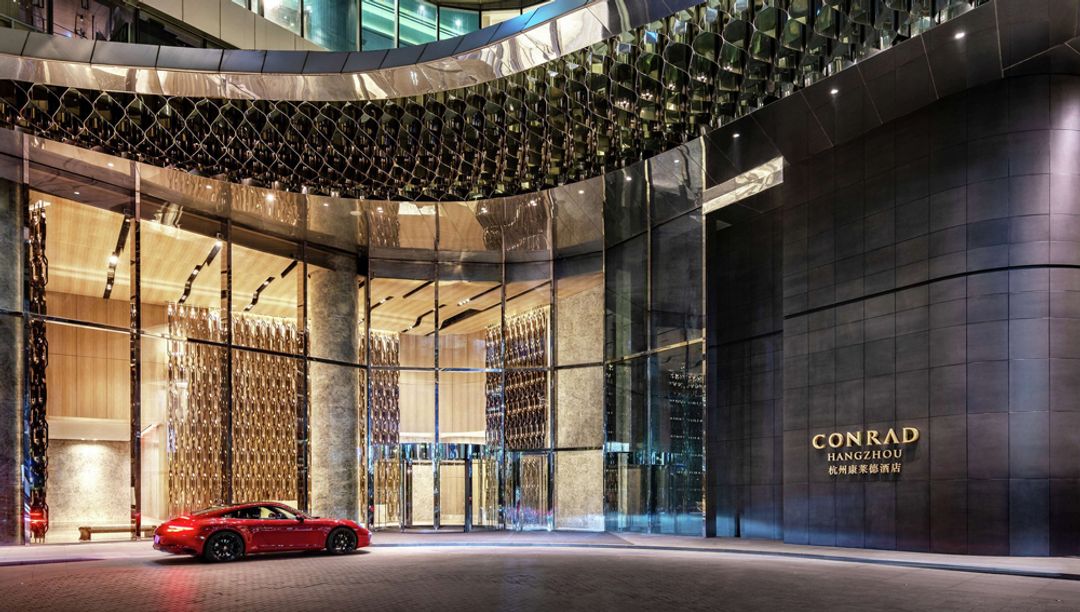
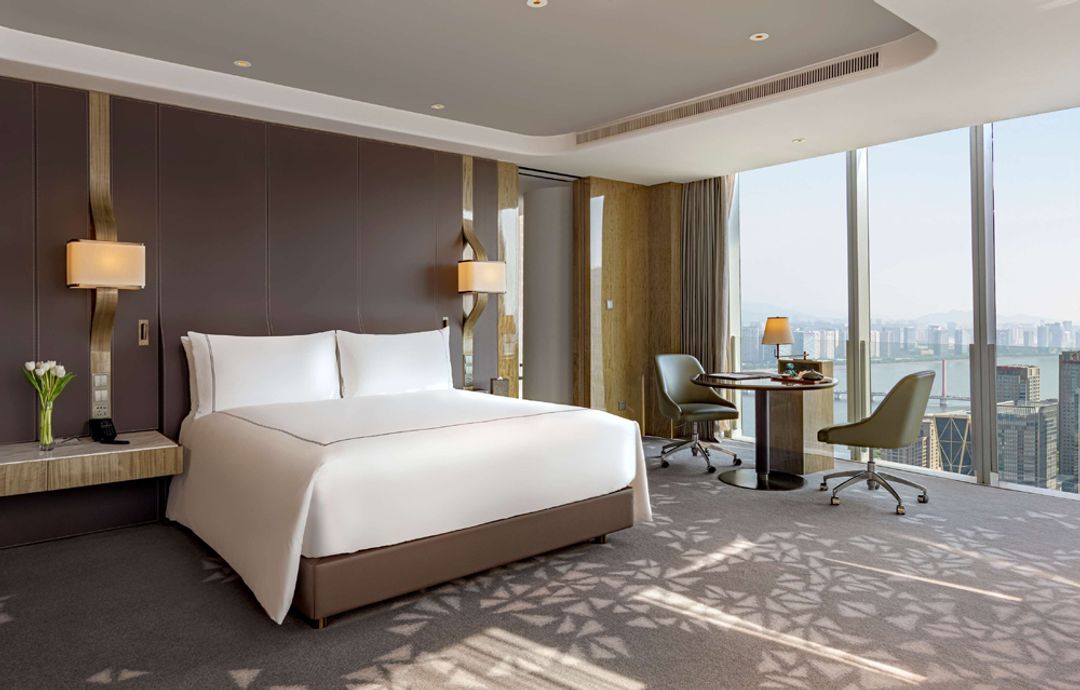
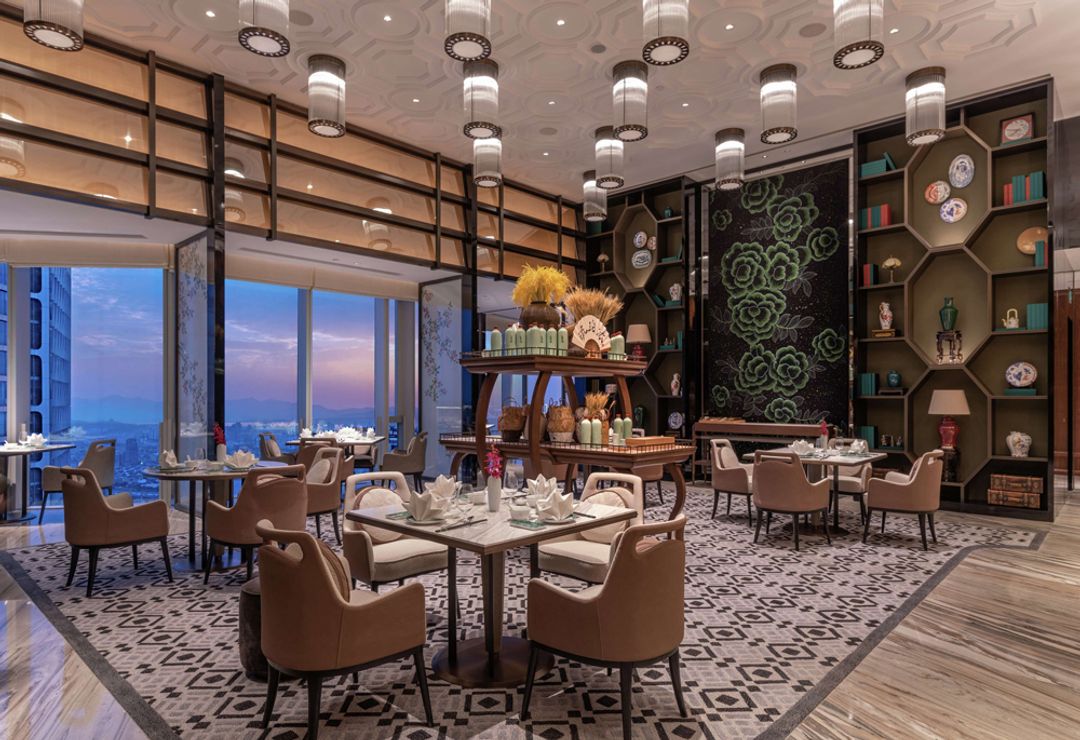
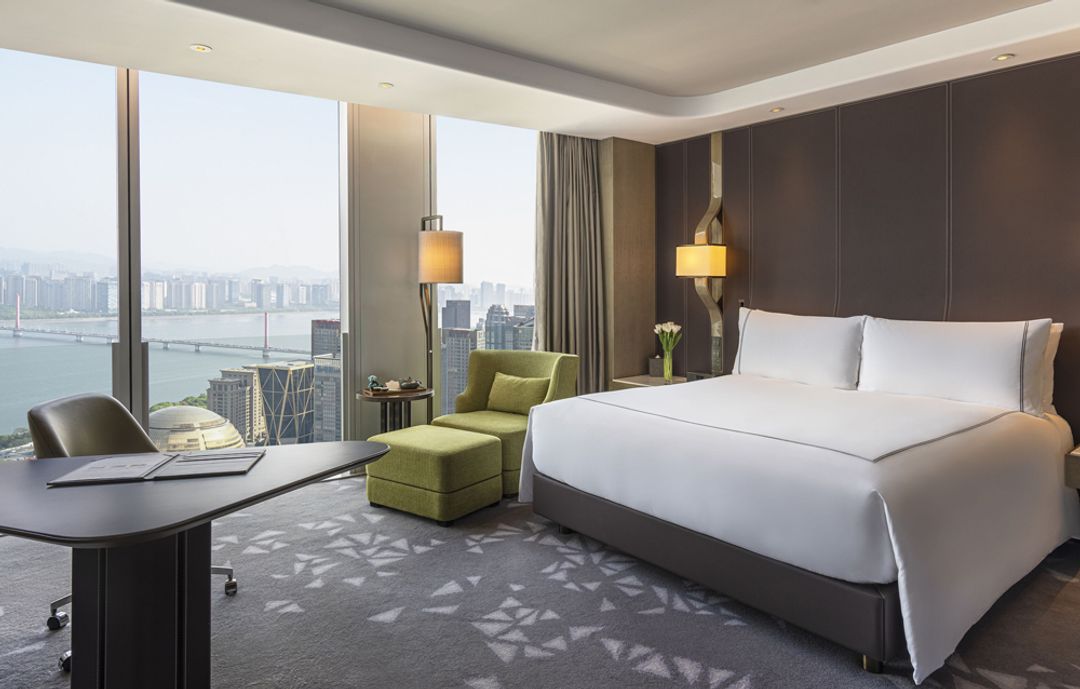
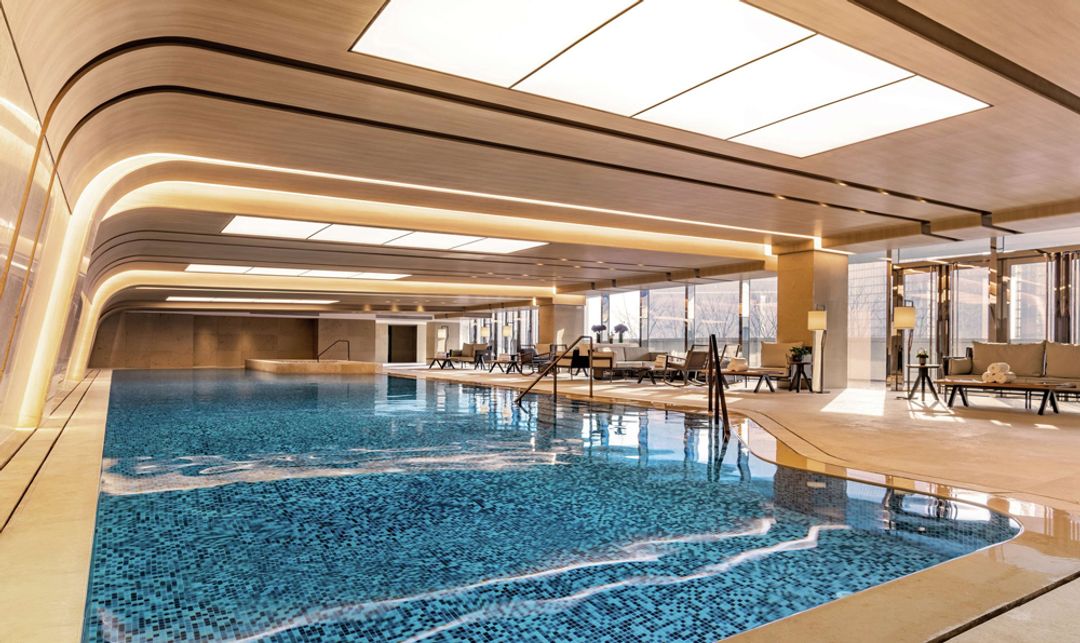
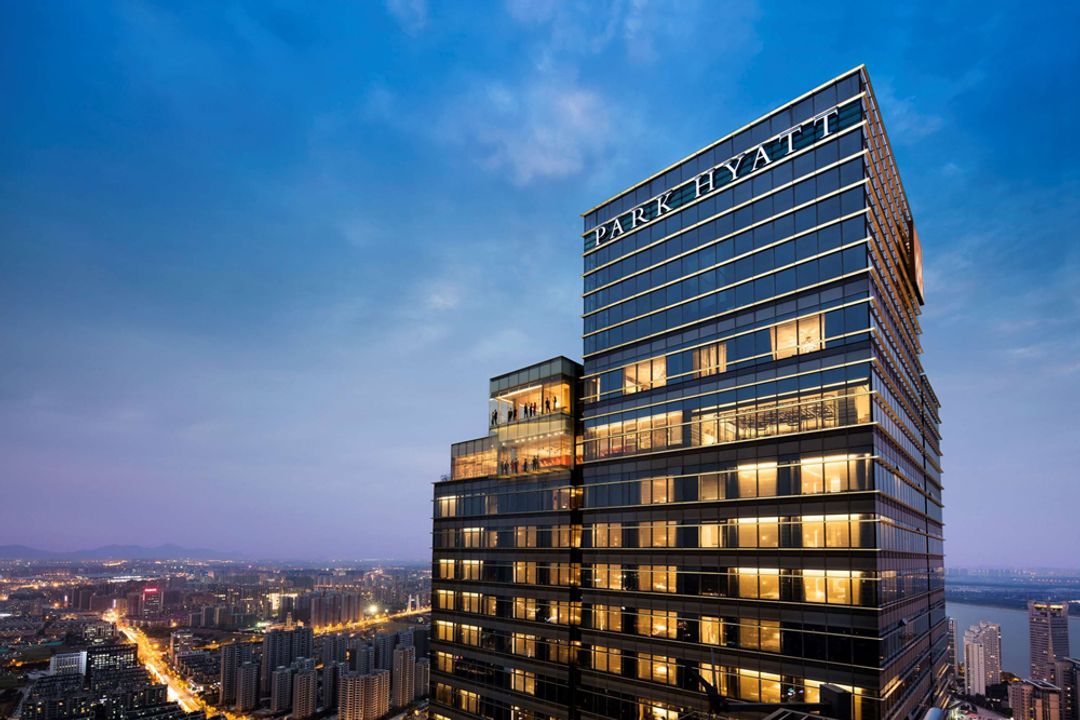
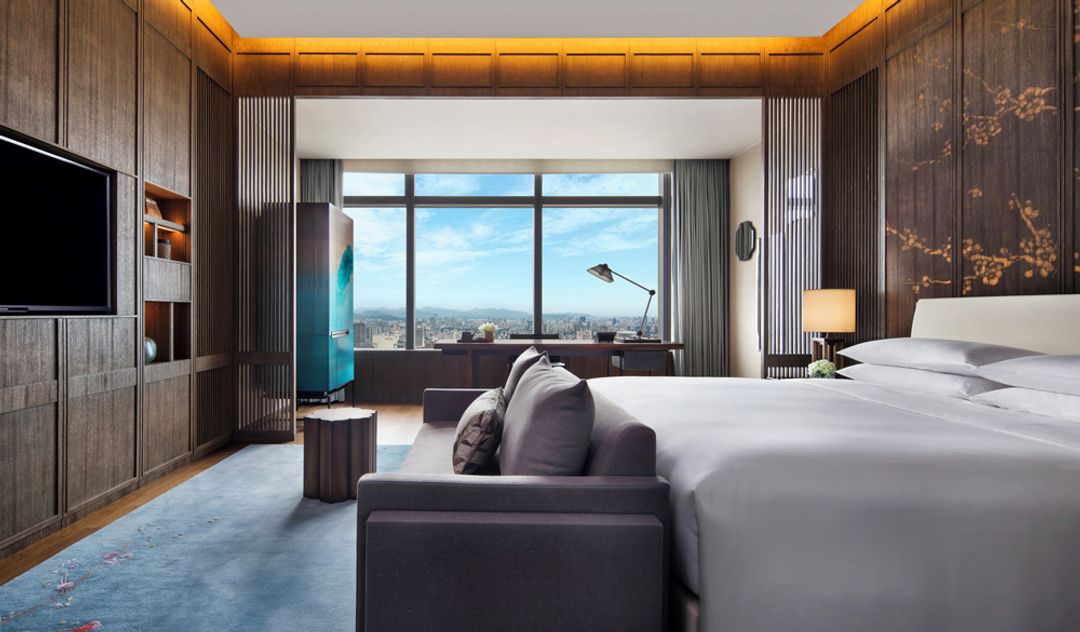
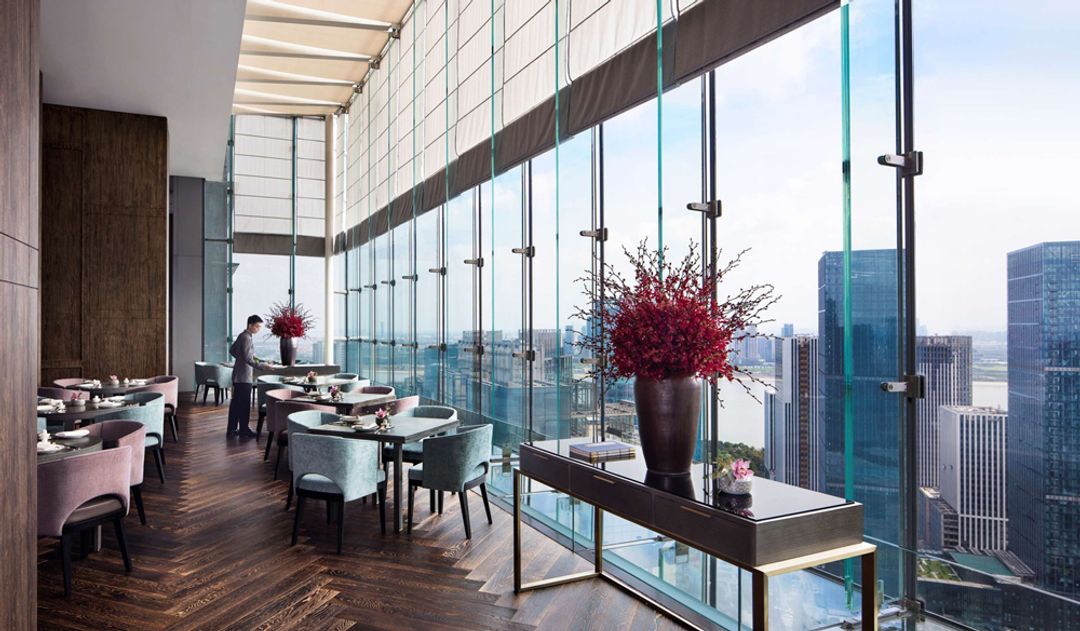
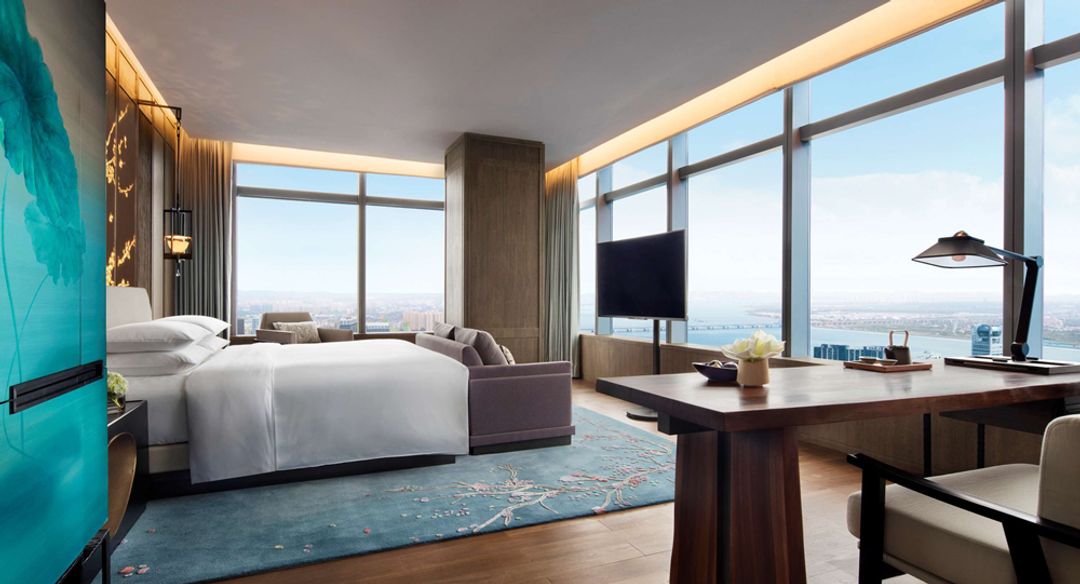
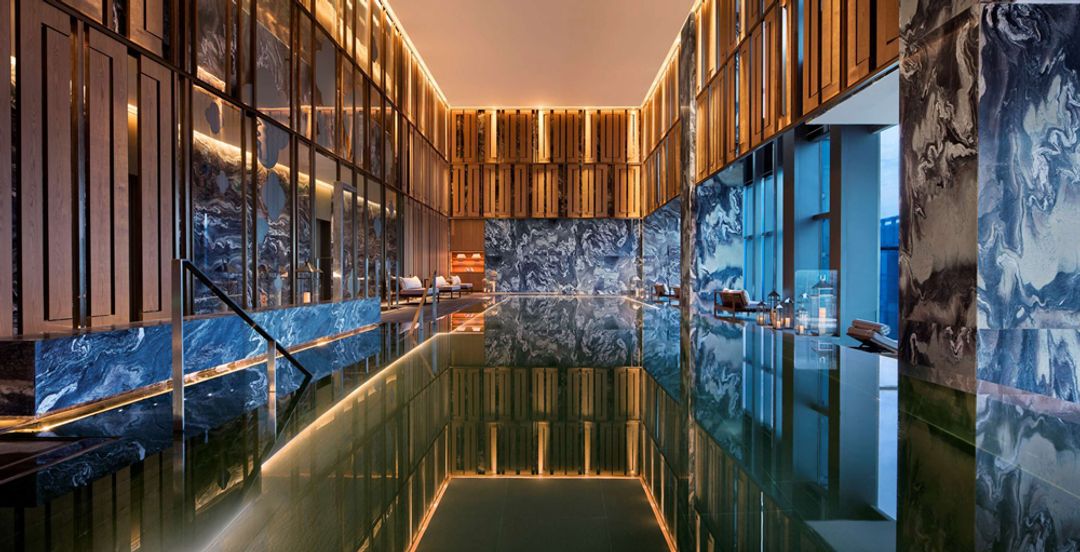
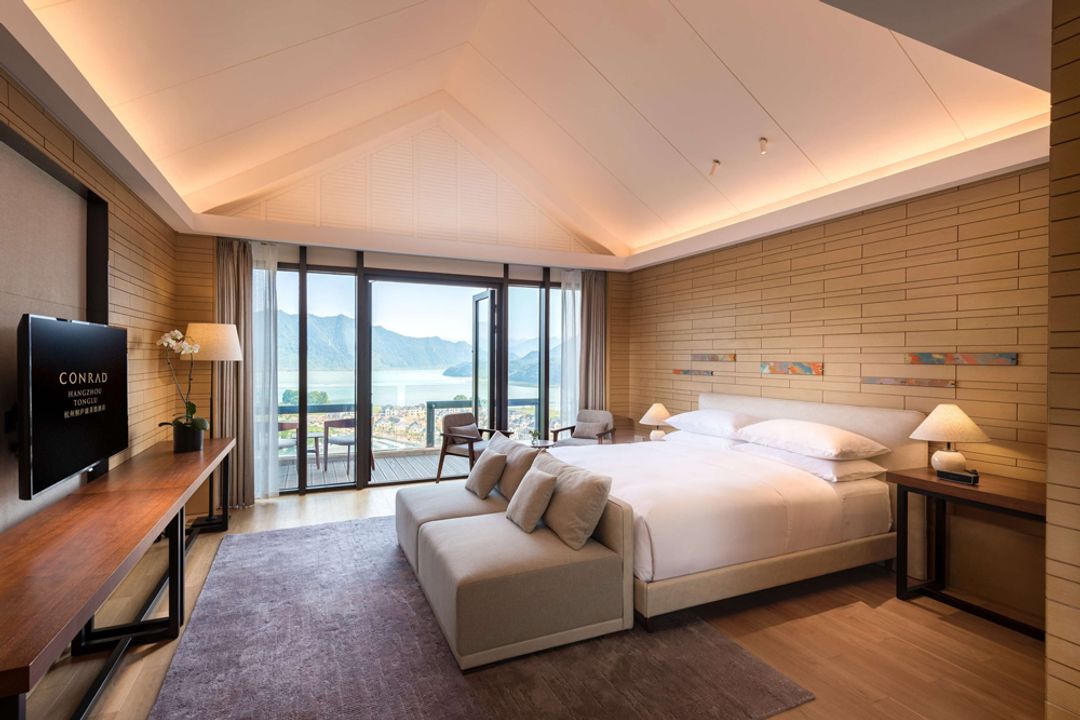
The city's newer commercial districts point in a different direction. The Park Hyatt Hangzhou rises in Qianjiang New City, the gleaming CBD across the Qiantang River where Hangzhou has been building its financial future since the 2000s. The tower offers a vertical counterpoint to everything West Lake represents, and the views across the river back toward the older city are genuinely clarifying in that regard. The Conrad Hangzhou in Jianggan District occupies similar contemporary territory, efficient and polished, with the business traveler clearly in mind. For anyone whose primary interest is the layered, slow, ink-wash Hangzhou that made the city famous, these properties work best as convenient bases rather than destinations in their own right.