Best hotels in Shenzhen | A Curated Visual Guide to Top Stays
Welcome to PressBeyond, the ultimate curated visual guide for design-driven hotels! My name is Will Miller and these are my recommendations for the best boutique and luxury hotels in Shenzhen.
I am the founder of PressBeyond and I am an ultra-meticulous hotel curator who loves clean visuals. I have individually analyzed and tiered each hotel included in this guide based on a variety of criteria (architecture & design, location, brand & brand affiliation, existing reviews, and my own personal experiences), and importantly, I have hand-selected the leading imagery for each hotel to provide you with easily-digestible, yet detailed and complete, like-for-like, high-level visual profiles. I felt this summarization step was a critical missing piece across existing guides, blogs, and booking platforms. My aim is to make it easier for people to identify hotel environments that resonate with them, along with enabling them to visualize the types of social experiences that those environments help foster. My brain doesn't work when exposed to cluttered content, so my goal was to create the opposite.
Underneath this, we are also a full booking engine offering 5% Venmo cash back along with other exclusive perks. For all of you design-obsessed hotel enthusiasts out there, I hope this guide helps get you to where you see yourself!
An Overview of the Boutique & Luxury Hotel Landscape in Shenzhen
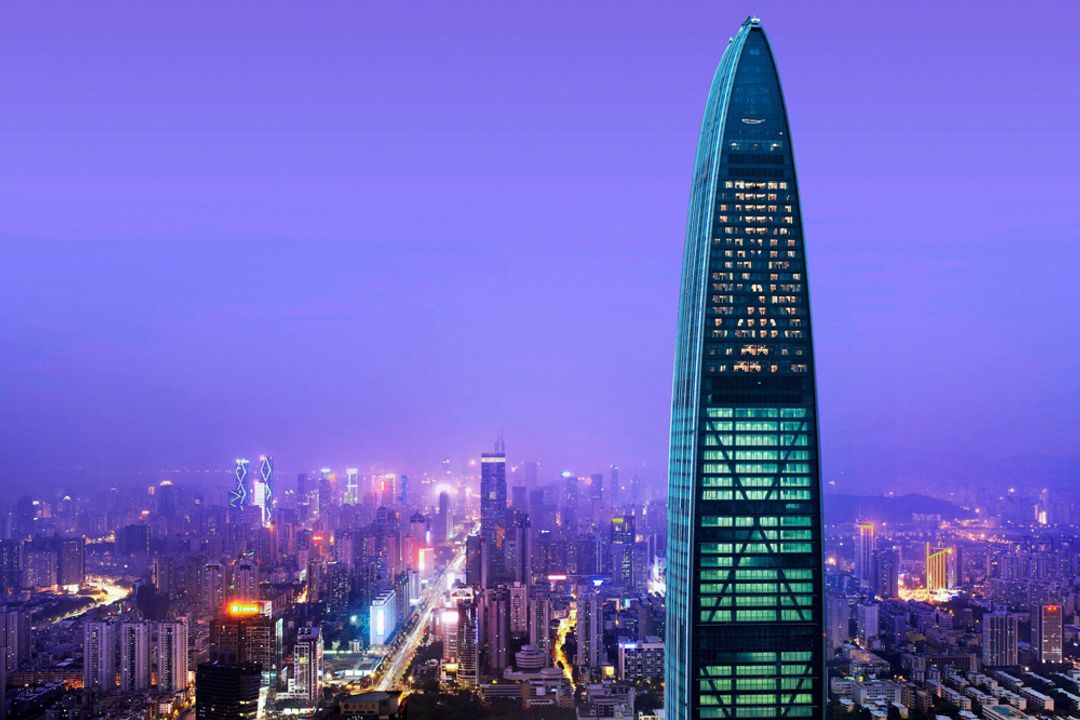
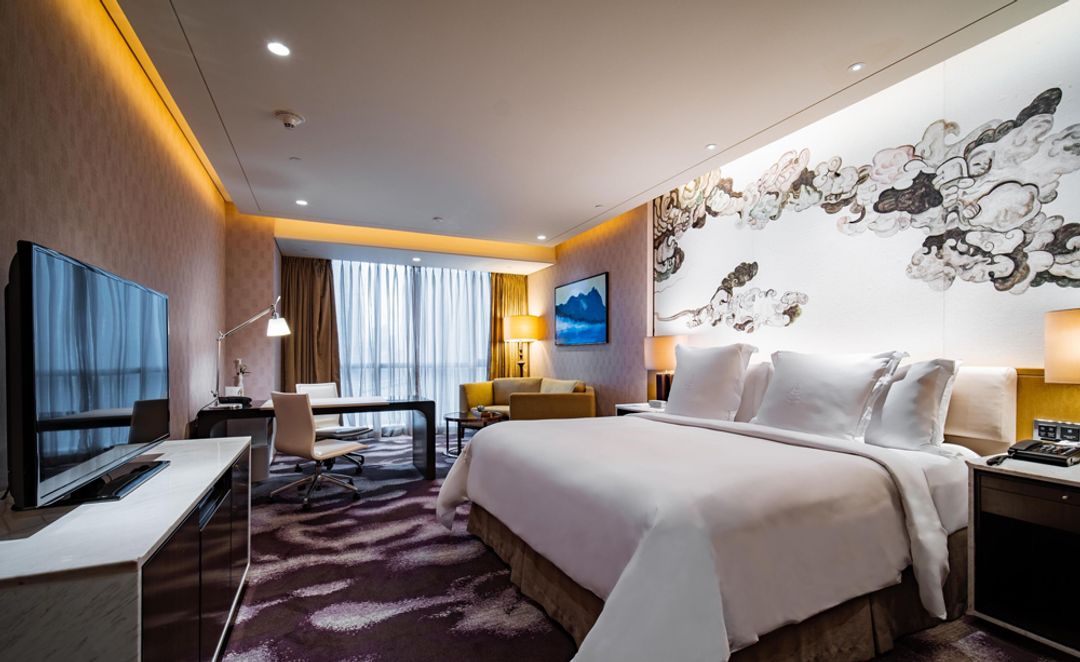
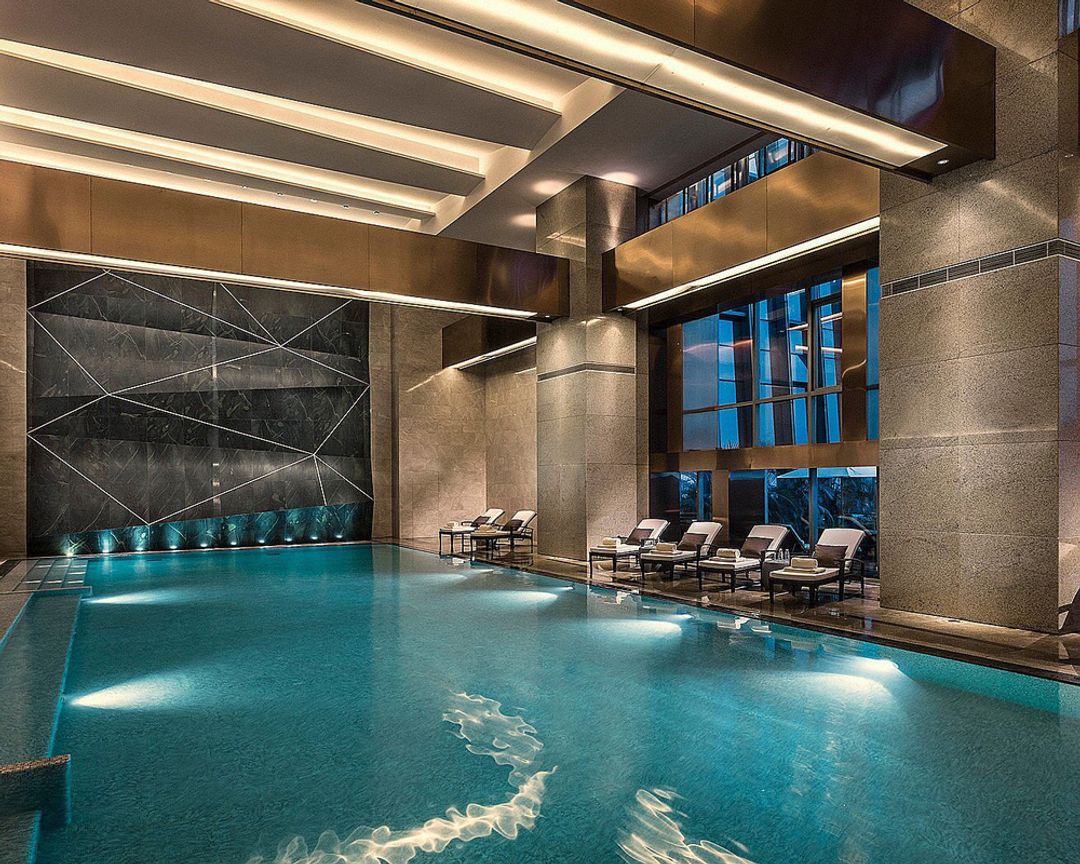
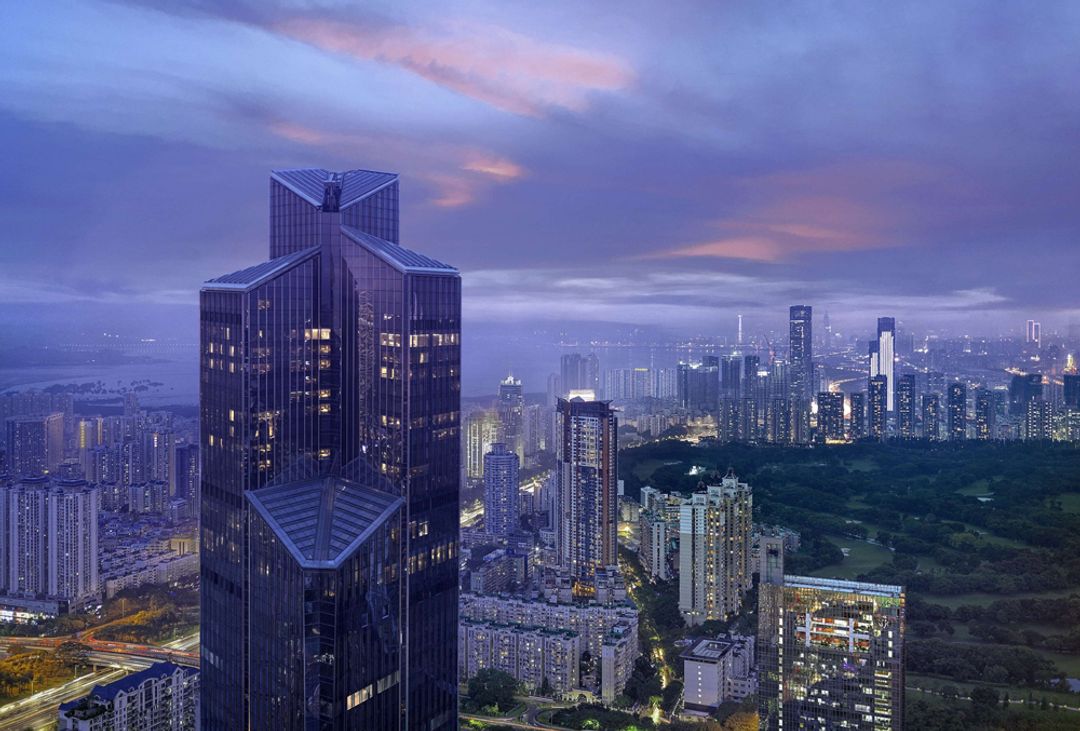
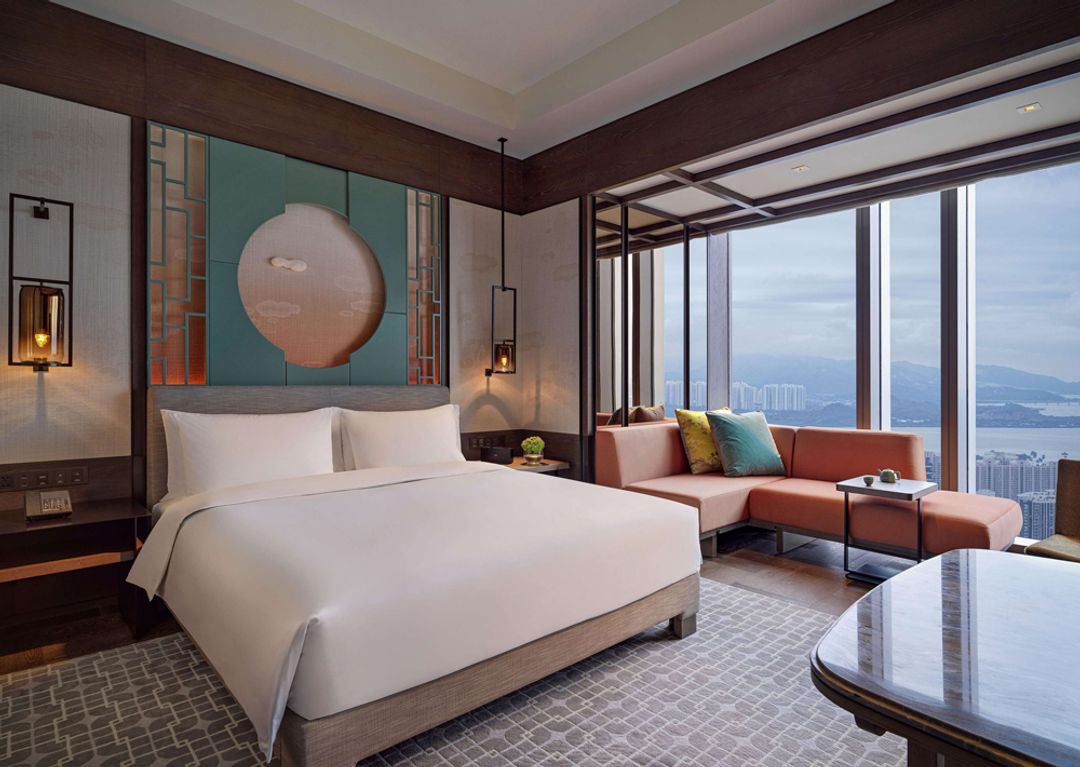
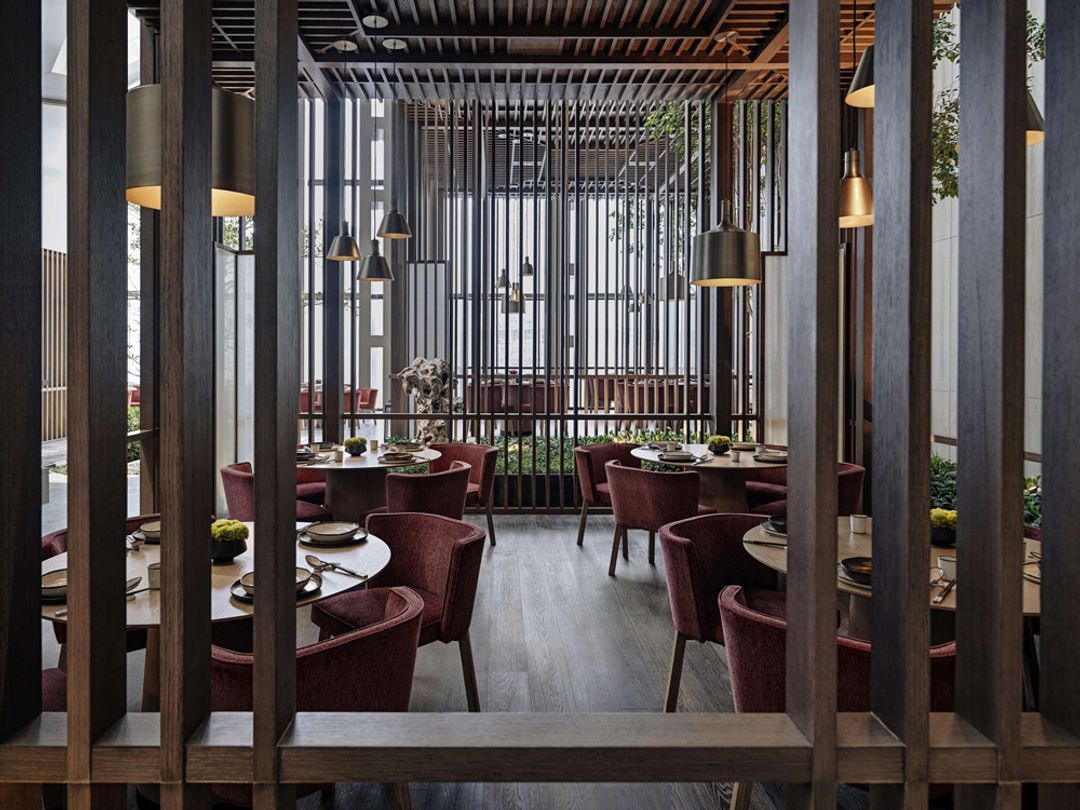
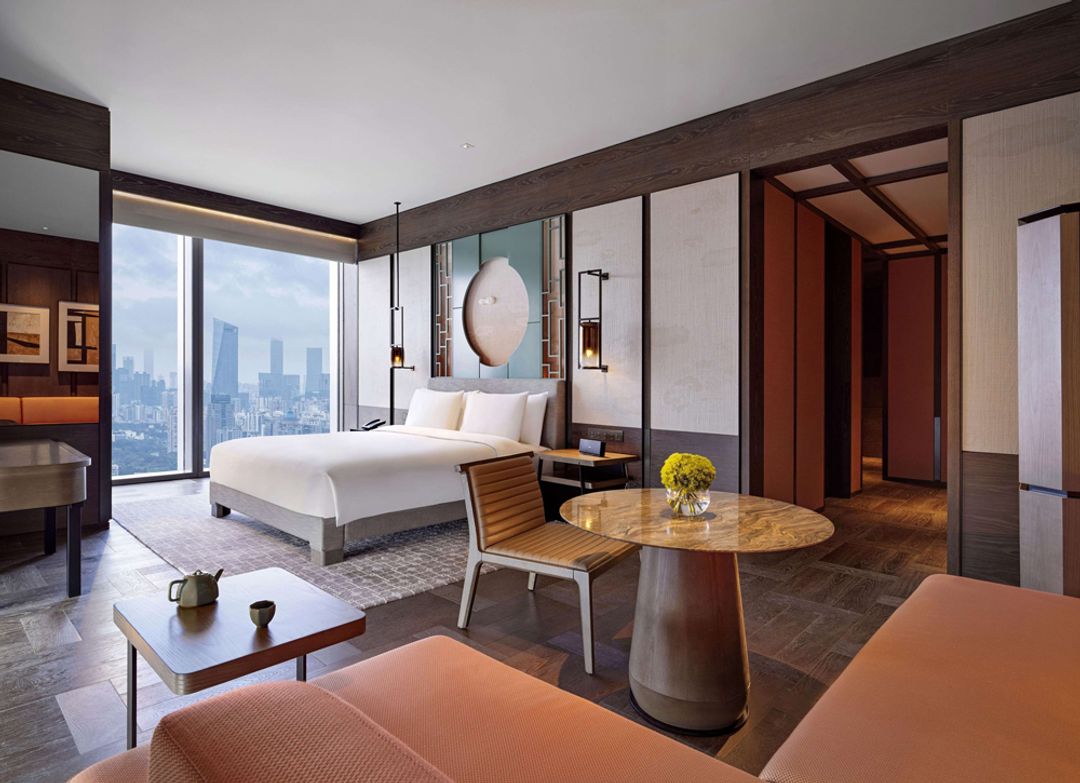
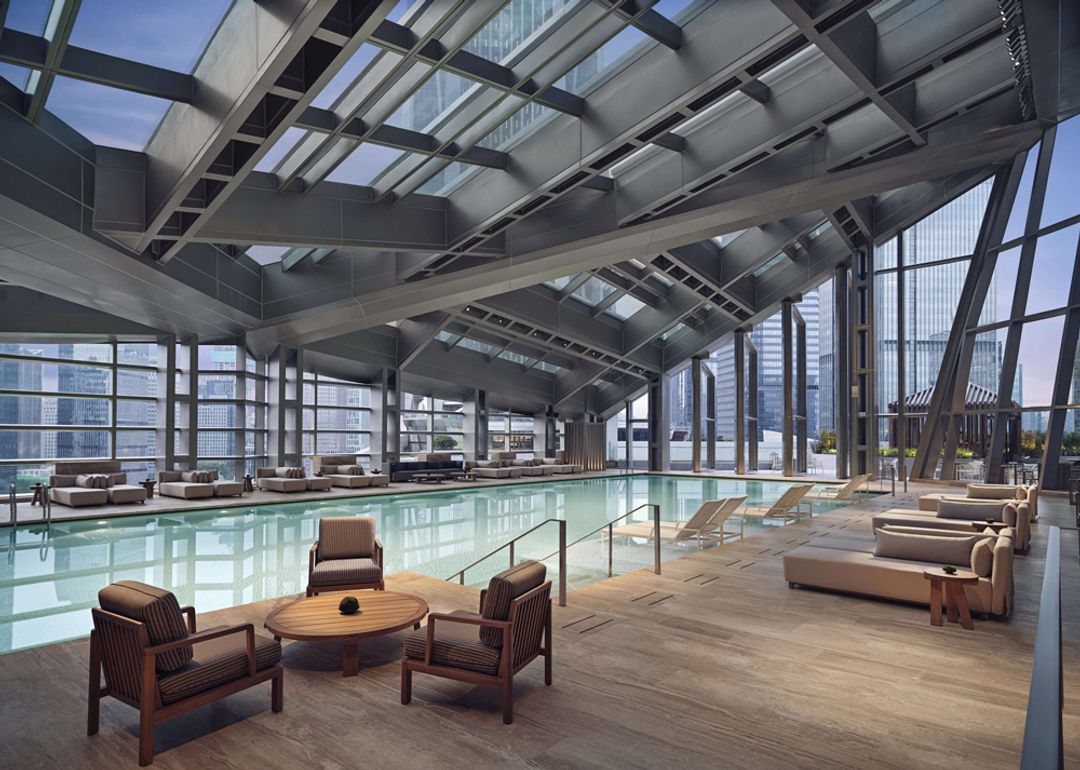
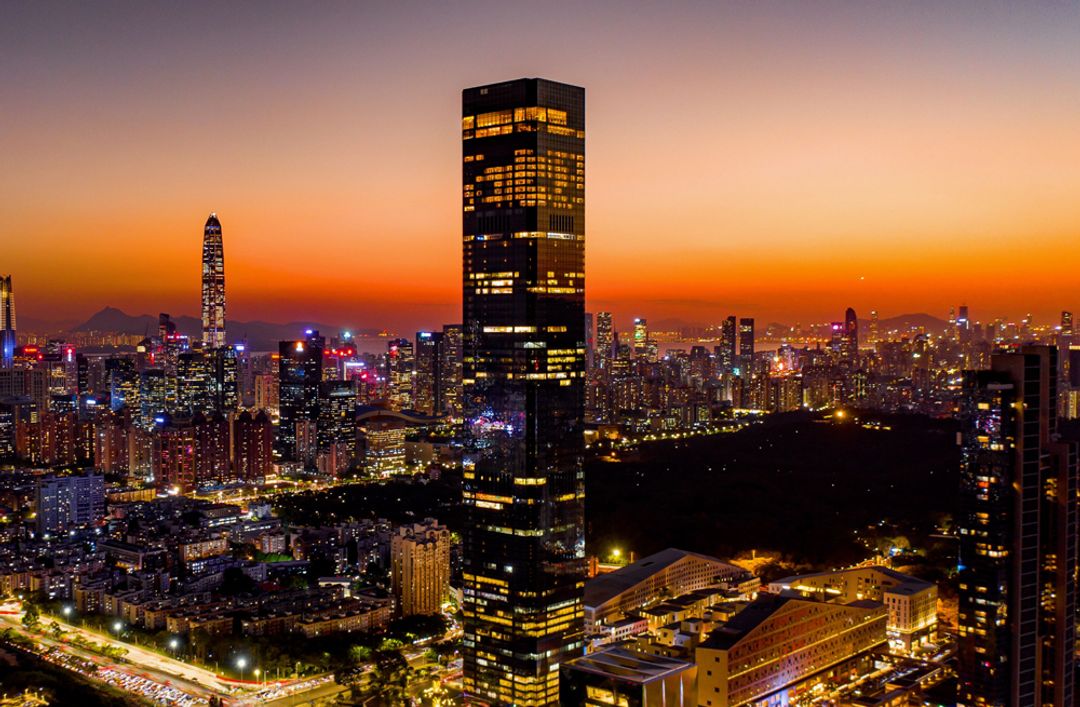
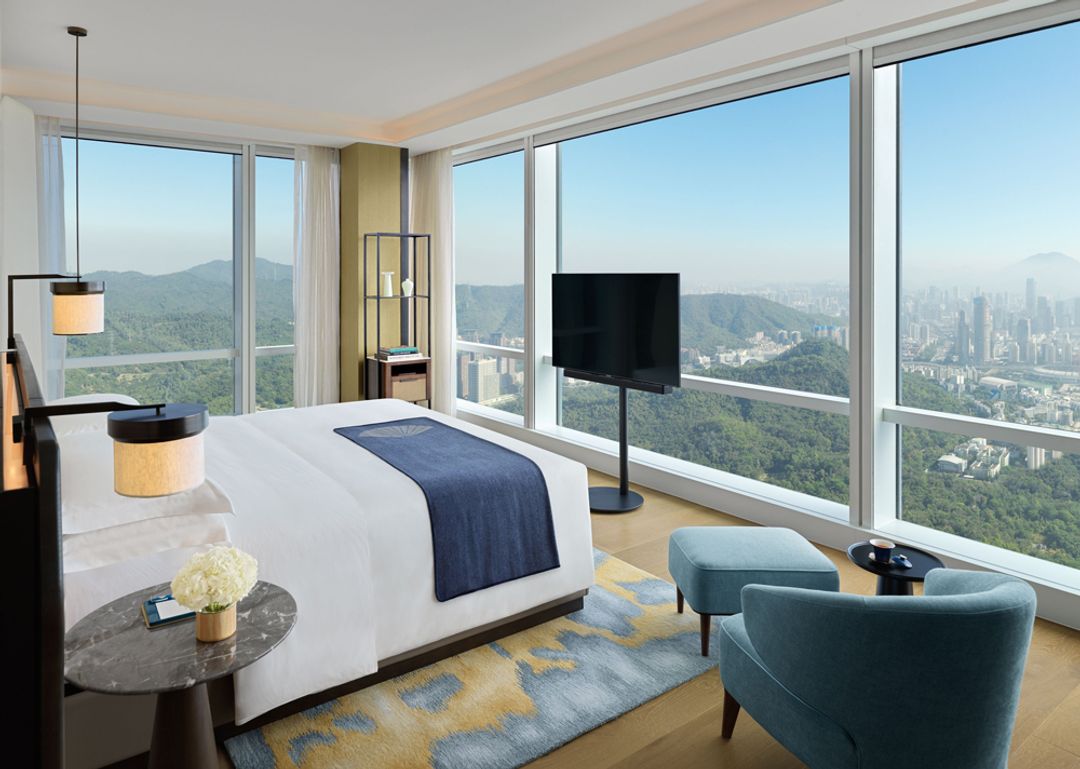
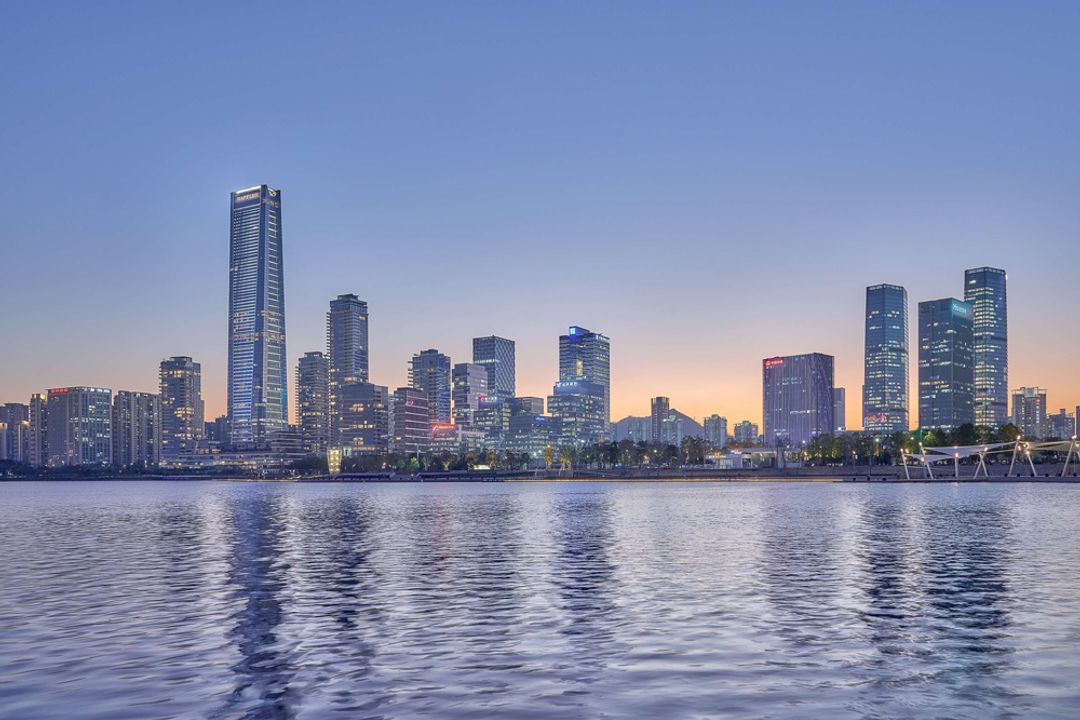
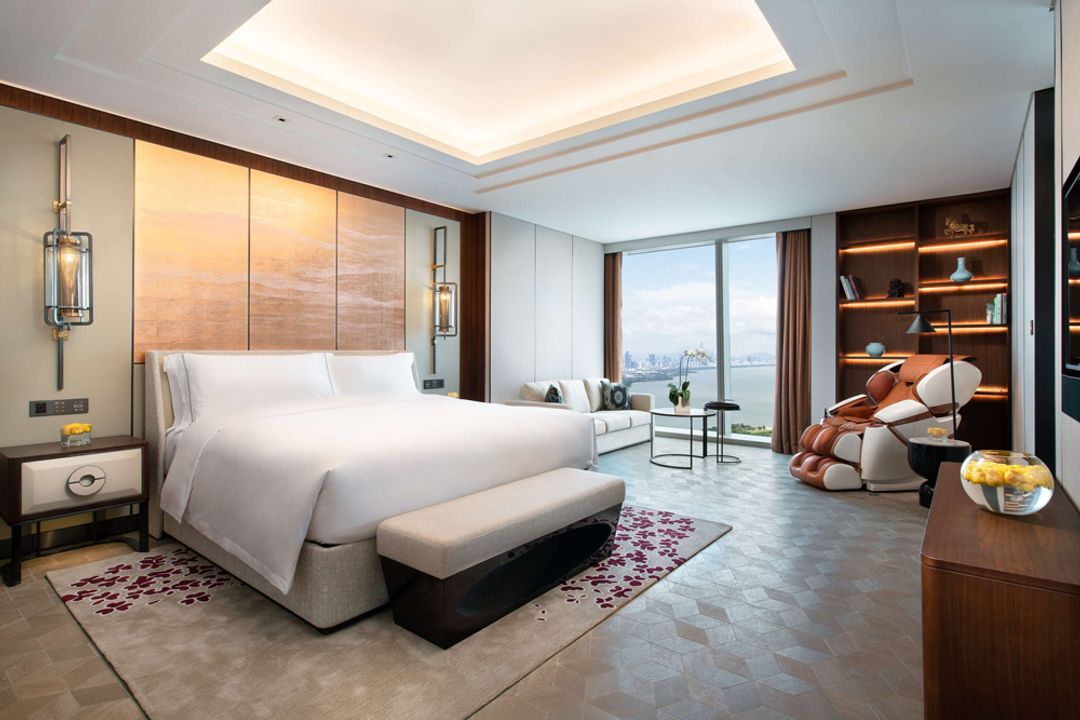
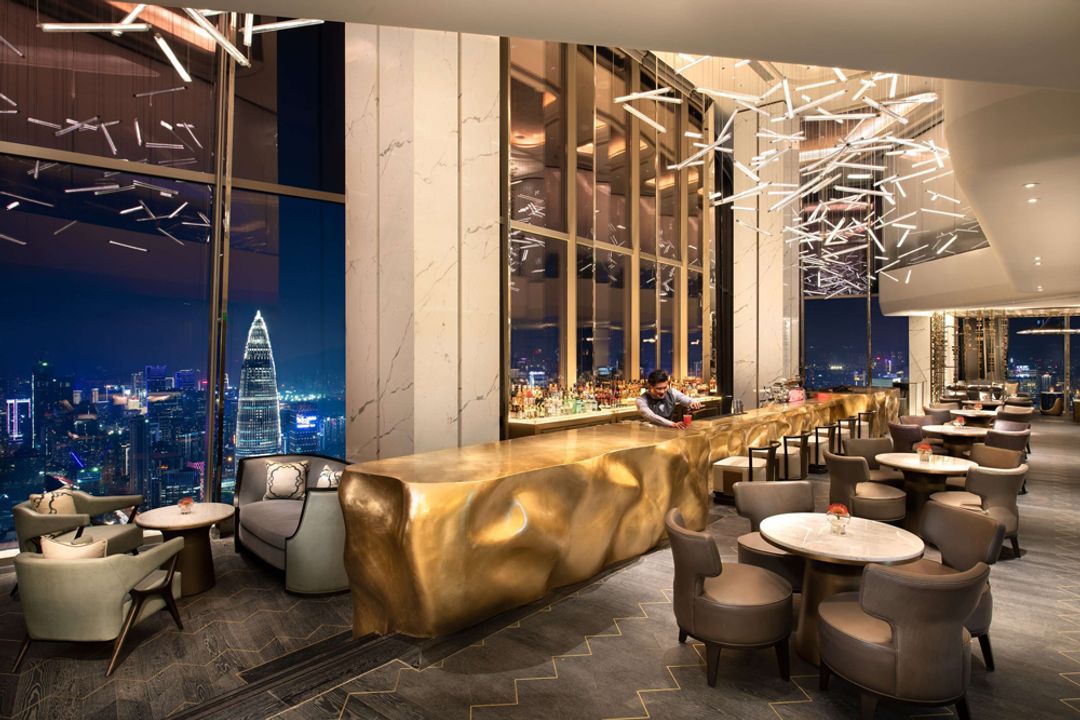
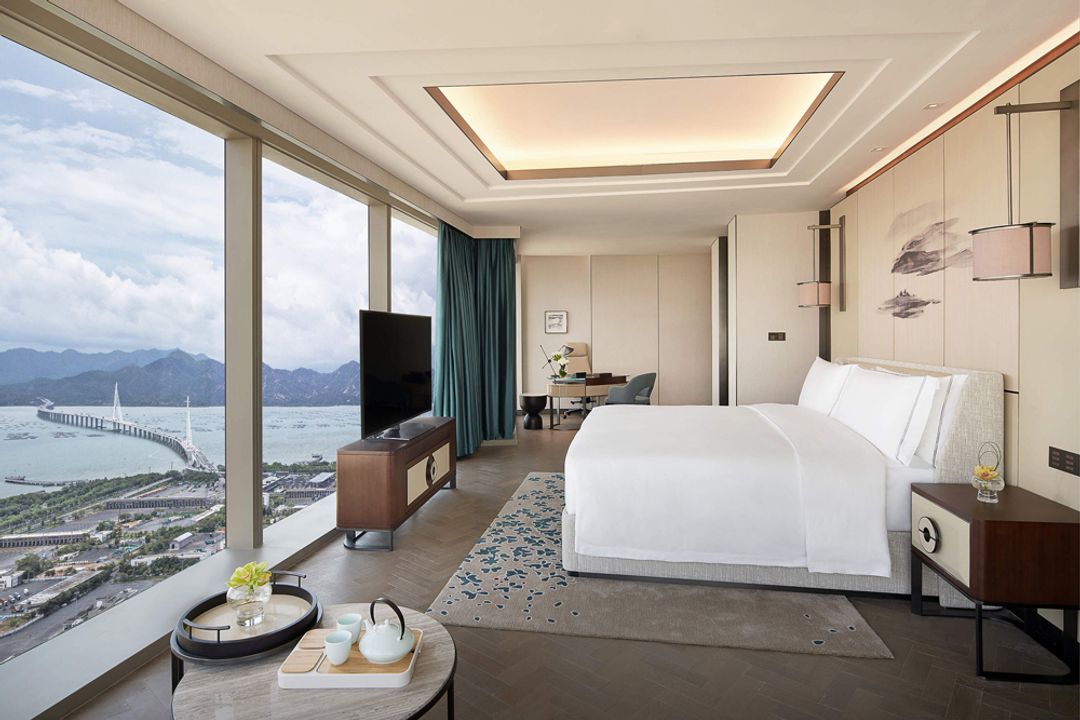
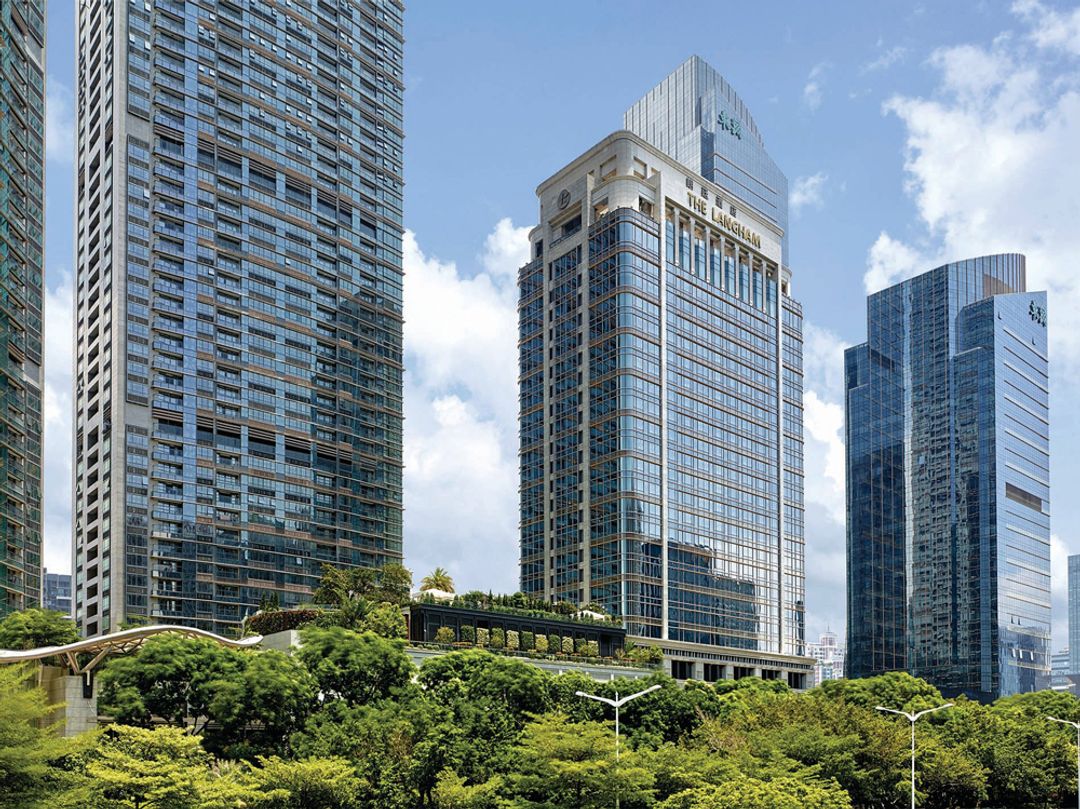
Shenzhen was built on speed — a fishing village to megalopolis in four decades — and that velocity is written into the city's towers, precincts, and hotels in ways that older Chinese cities, with their sedimentary layers of history, simply cannot replicate. The instinct here is always toward the new, which means the design-conscious traveler is less concerned with patina than with ambition. Futian, the planned central business district, is where that ambition concentrates. The Park Hyatt occupies the upper floors of the Kingkey 100 supertower, and the altitude alone changes the relationship between guest and city — this is Shenzhen as abstraction, a grid of light extending to the horizon. Nearby, the Mandarin Oriental and Four Seasons anchor the Futian convention corridor, where the architecture tends toward the monumental. The Mandarin Oriental's interiors bring a restraint that reads as deliberate counter-programming against the district's maximalism, while the Four Seasons, at a notably sharper price point, earns its standing through execution rather than spectacle. The Ritz-Carlton and Langham round out the Futian cluster, both operating at a level where strong service compensates for interiors that feel more considered than genuinely distinctive. The more interesting argument for where to stay in Shenzhen right now is Nanshan, specifically the Raffles Shenzhen, which sits within Kingkey's mixed-use development in a district that reads as the city's most self-consciously forward-looking quarter. Nanshan is where the tech industry built its campuses — Tencent's headquarters by NBBJ is a short distance away — and the surrounding urbanism feels lighter and less relentlessly corporate than Futian. The Raffles is priced accordingly as a serious splurge, but the positioning in Shenzhen's most architecturally curious district gives it an edge that the Futian hotels, however accomplished, struggle to match. Luohu, older and more textured, is where Shenzhen's original commercial energy still concentrates, and the St. Regis there occupies a different register entirely — less about skyline theater, more about proximity to the city's street-level density and its border-crossing history with Hong Kong. For a traveler whose interest is in understanding how Shenzhen actually works rather than simply surveying it from altitude, that position carries genuine value. The city rewards an itinerary that moves between these districts rather than settling into one, and the hotels, taken together, map something real about a place still working out what it wants to be.