Best hotels in Liberia, Costa Rica | Visually Compare Top Stays Side-by-Side
Welcome to PressBeyond - a curated visual guide to design-driven hotels and the fastest way to compare them.
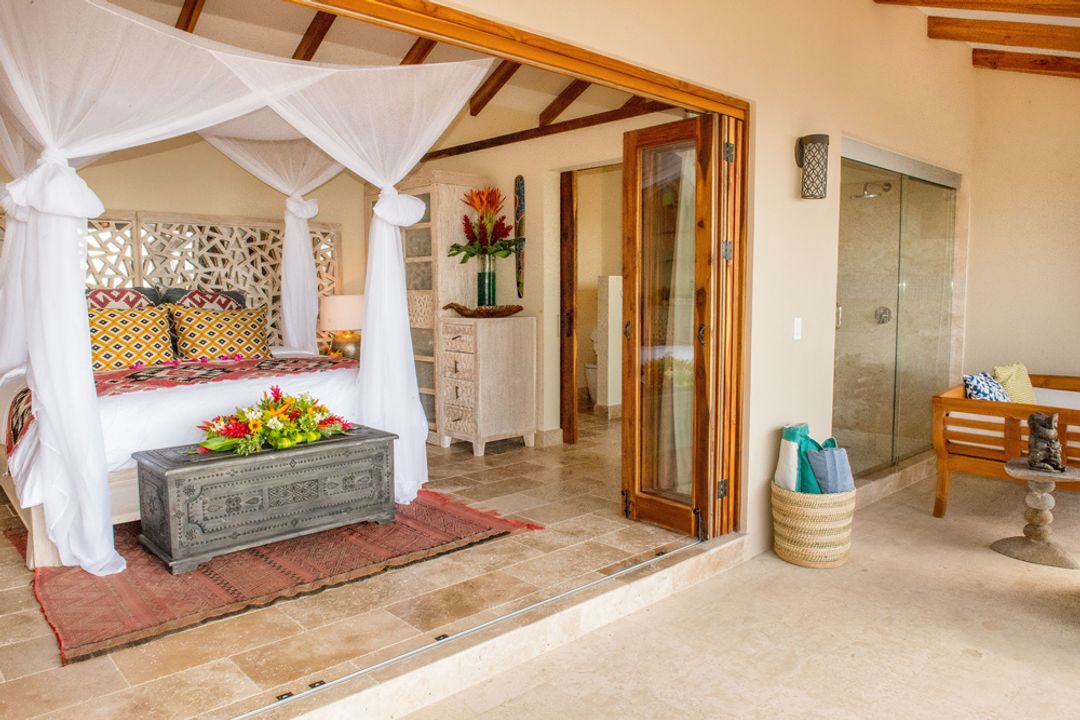
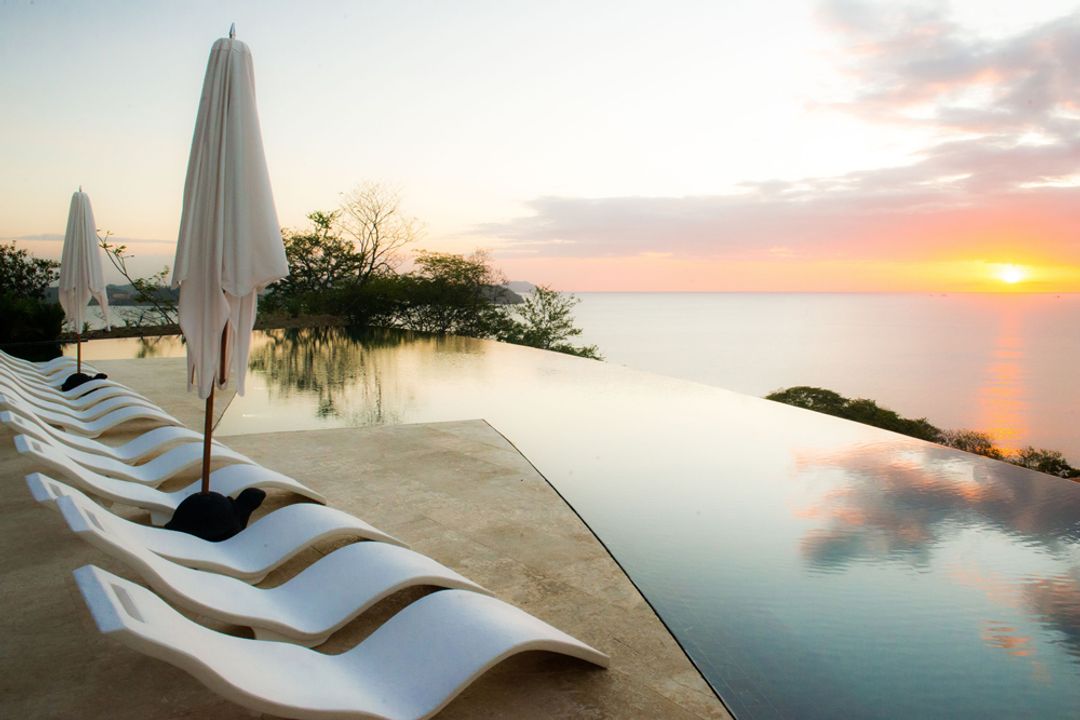
An Overview of the Boutique & Luxury Hotel Landscape in Liberia, Costa Rica
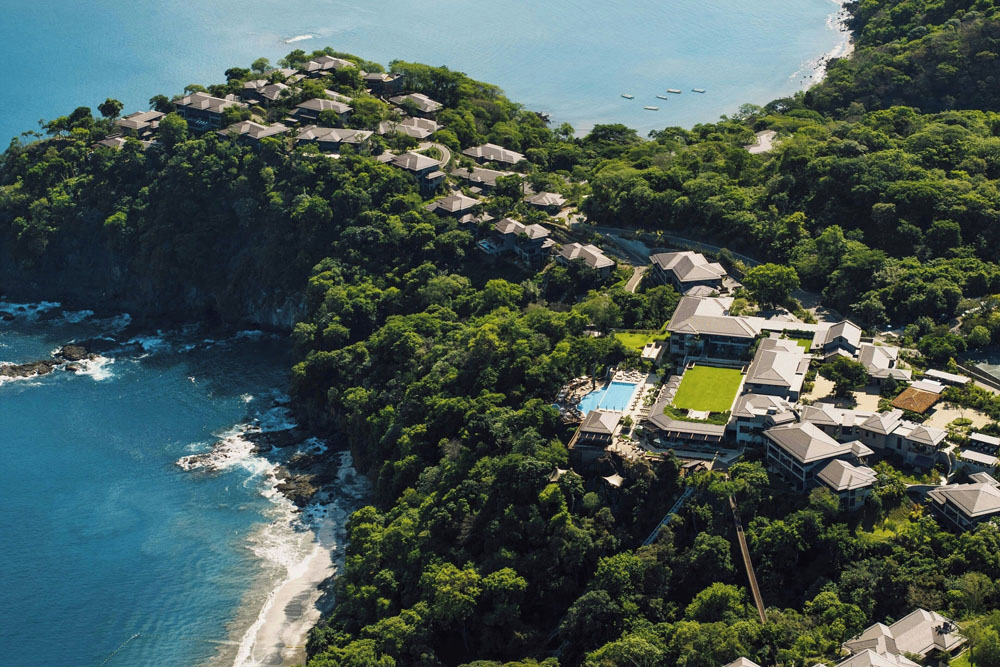
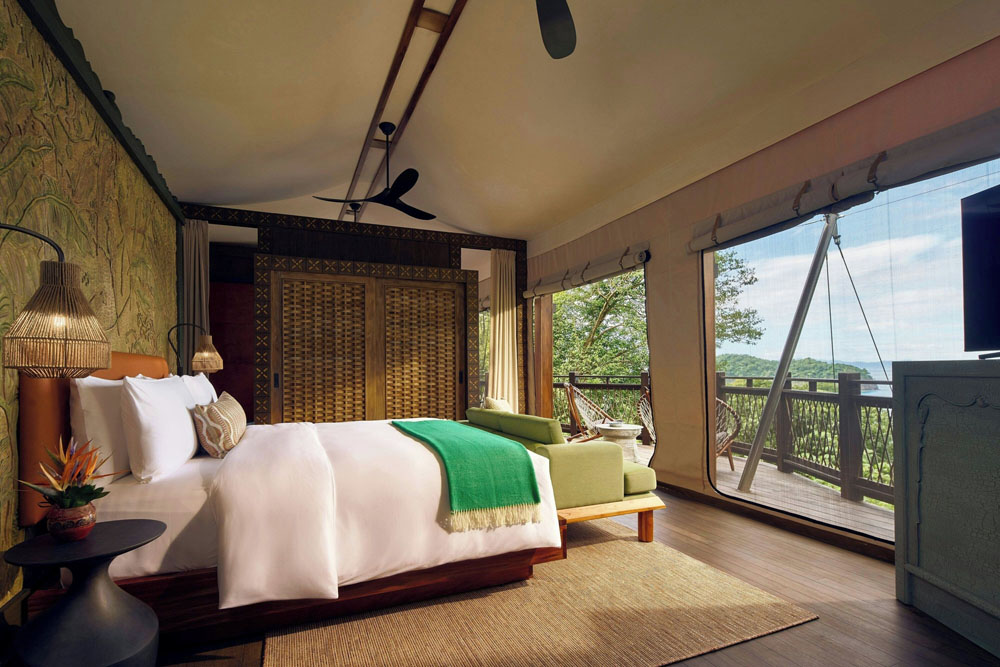
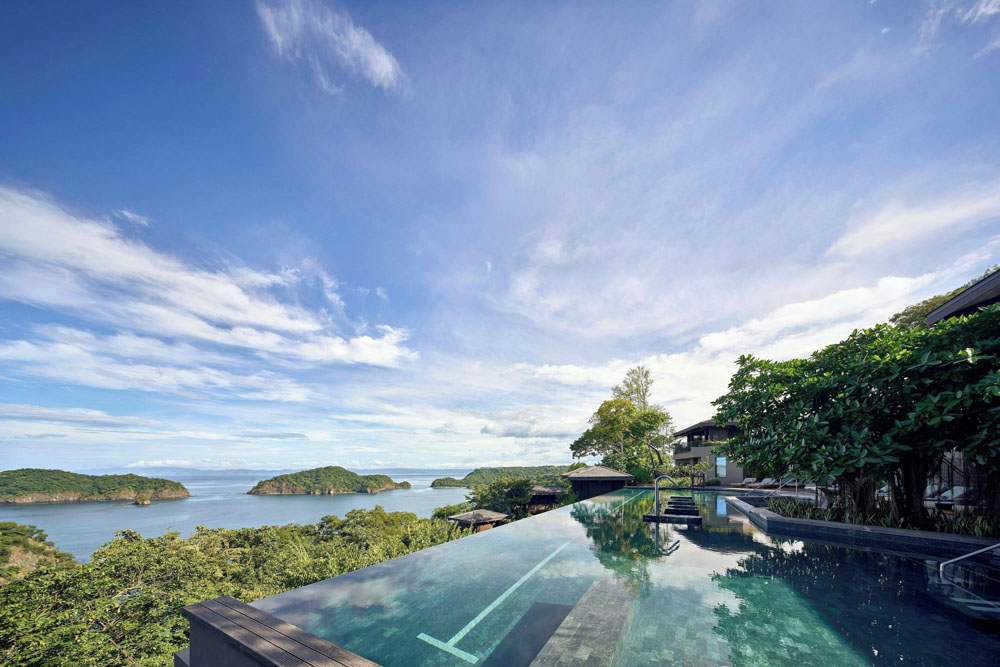
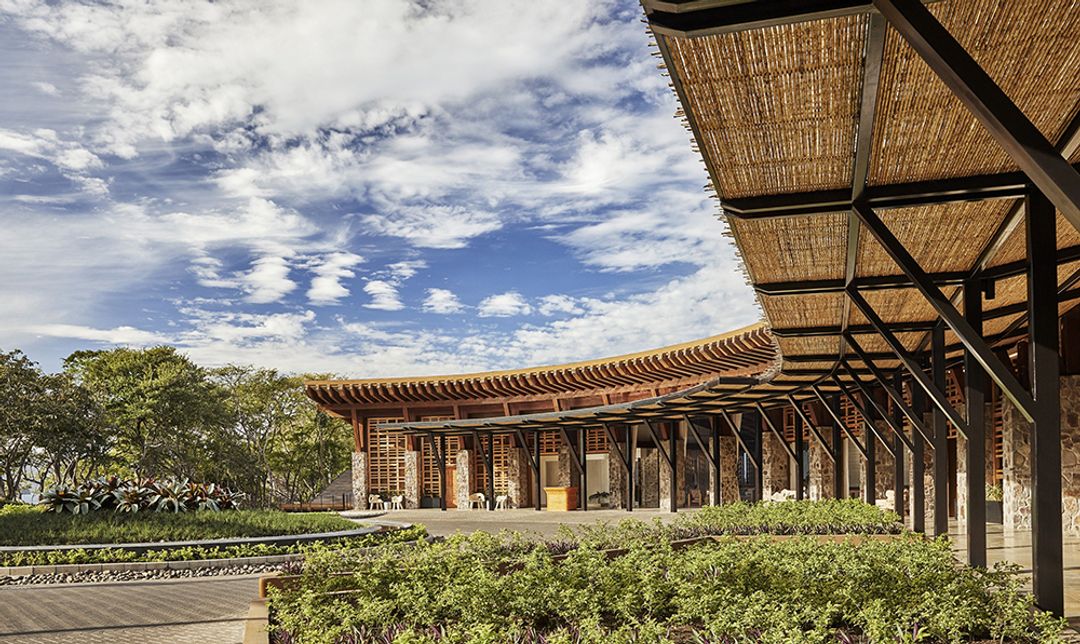
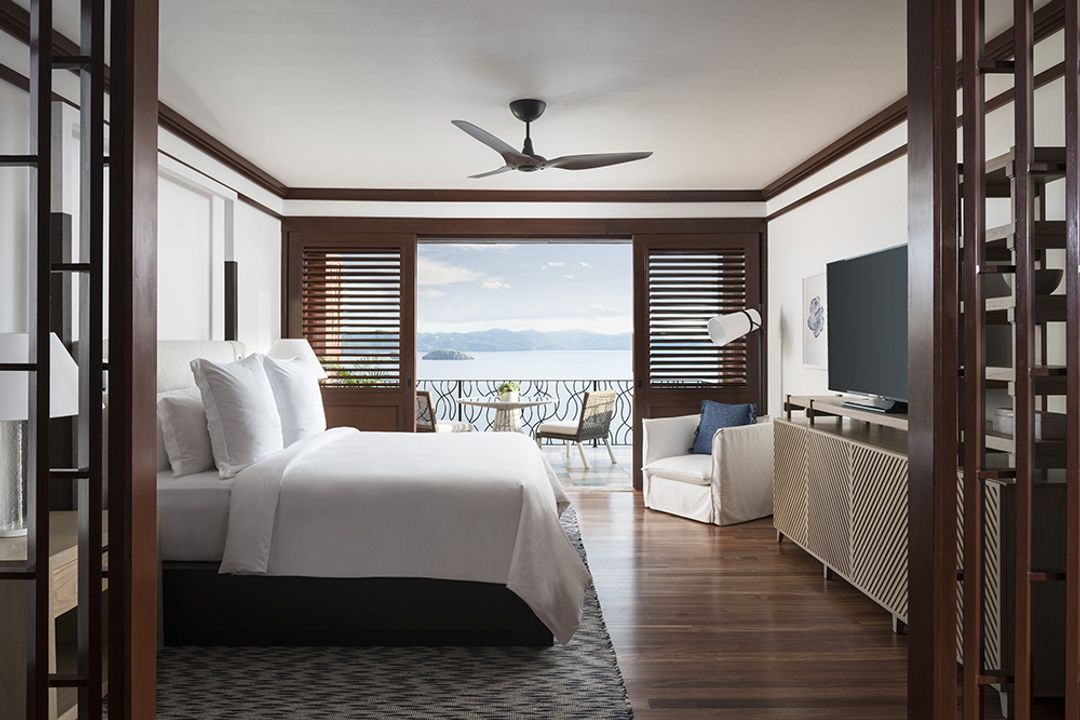
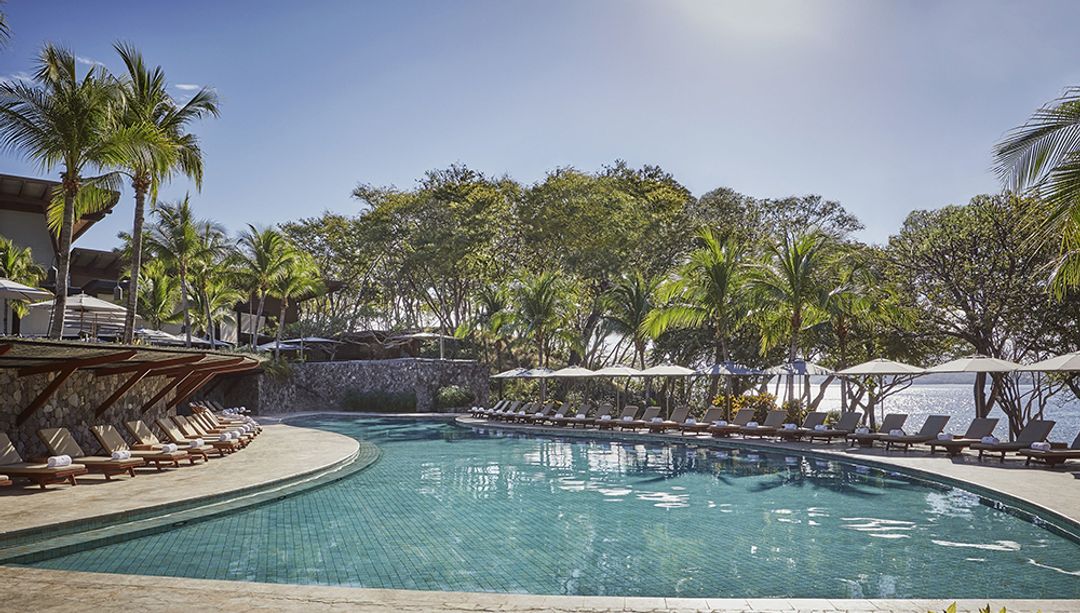
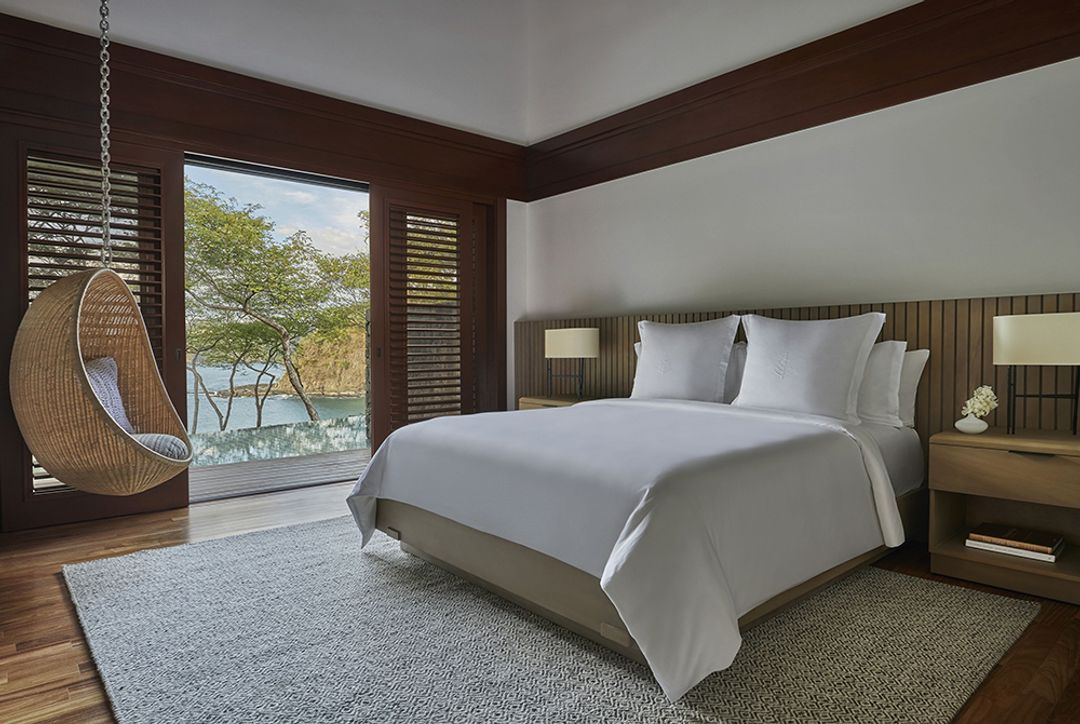
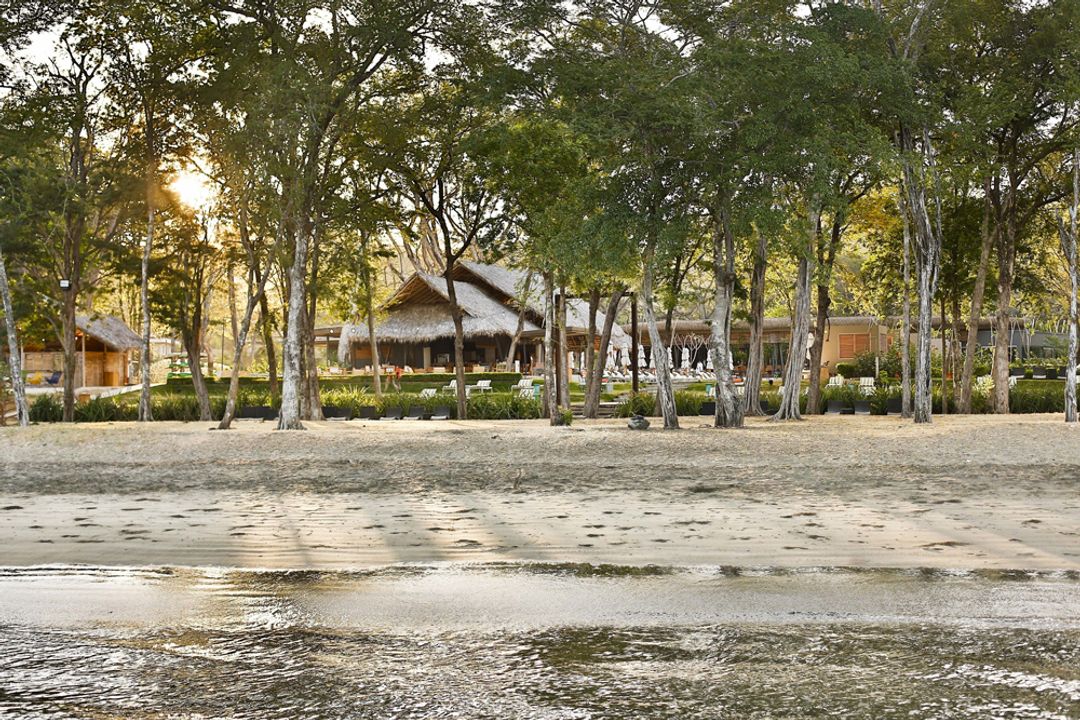
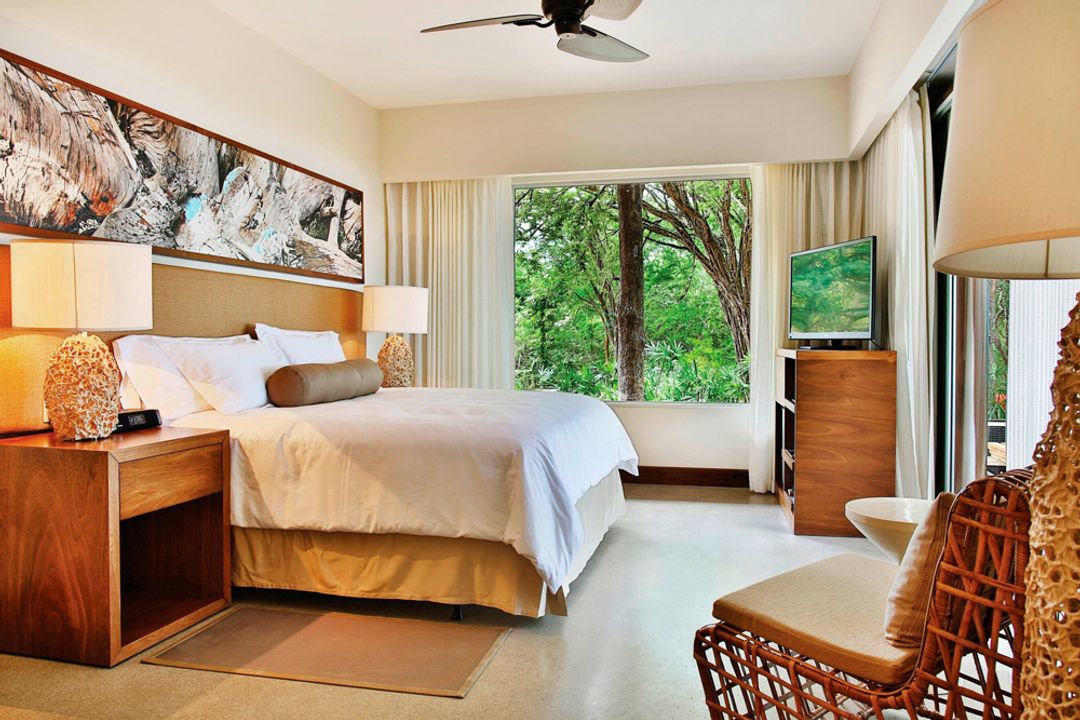
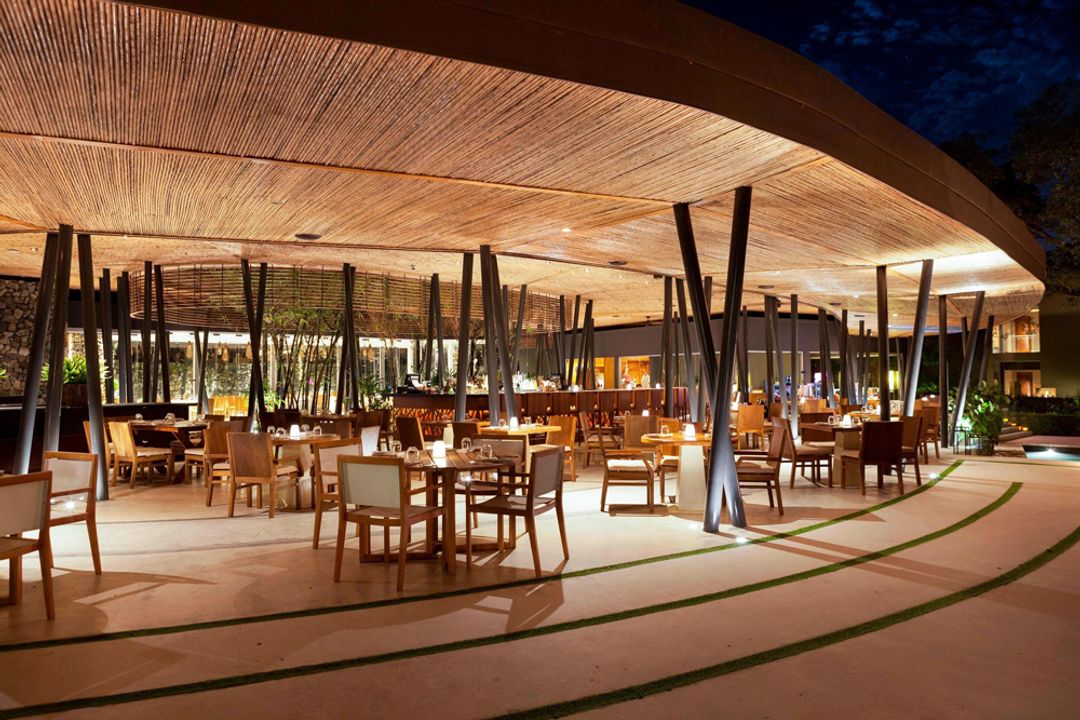
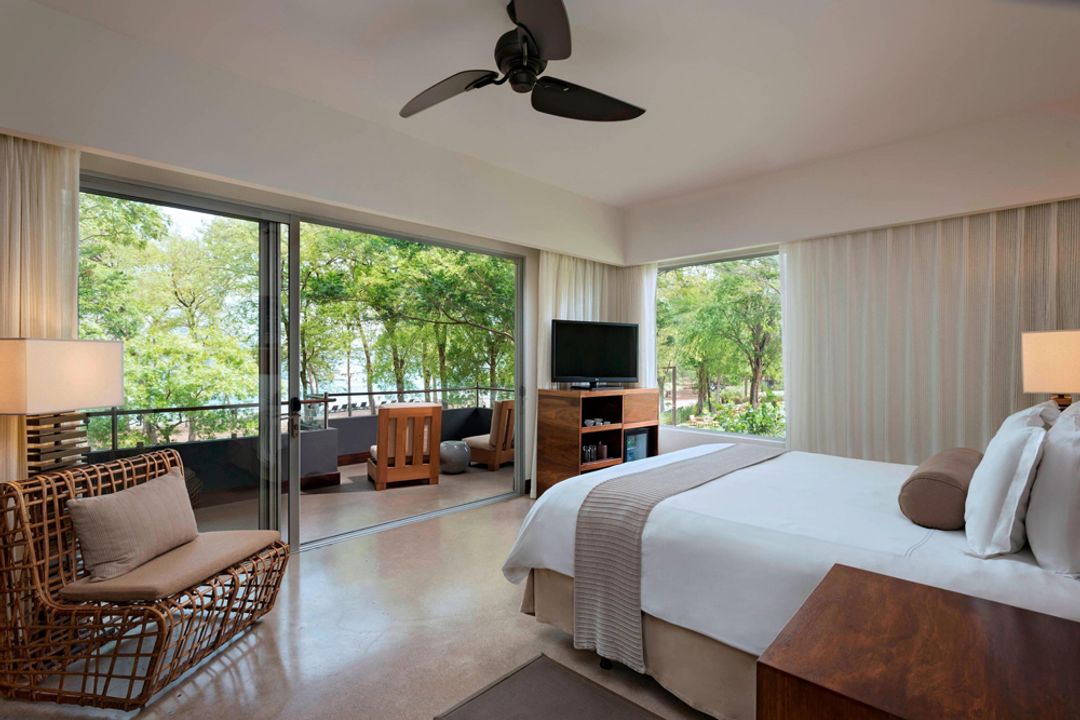
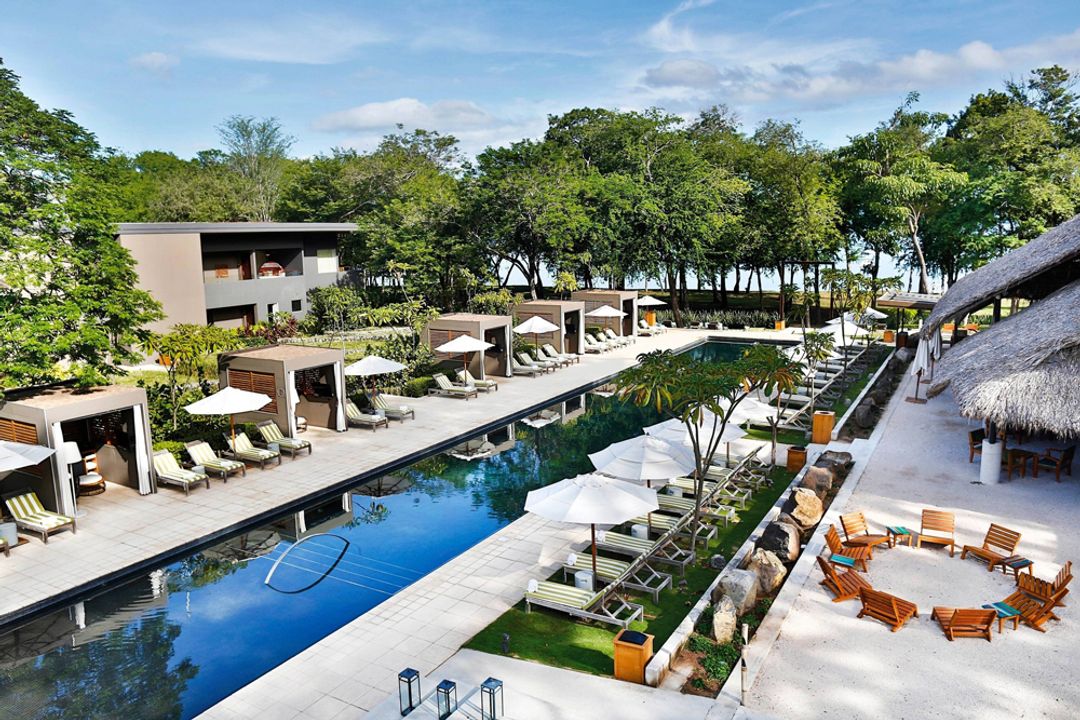
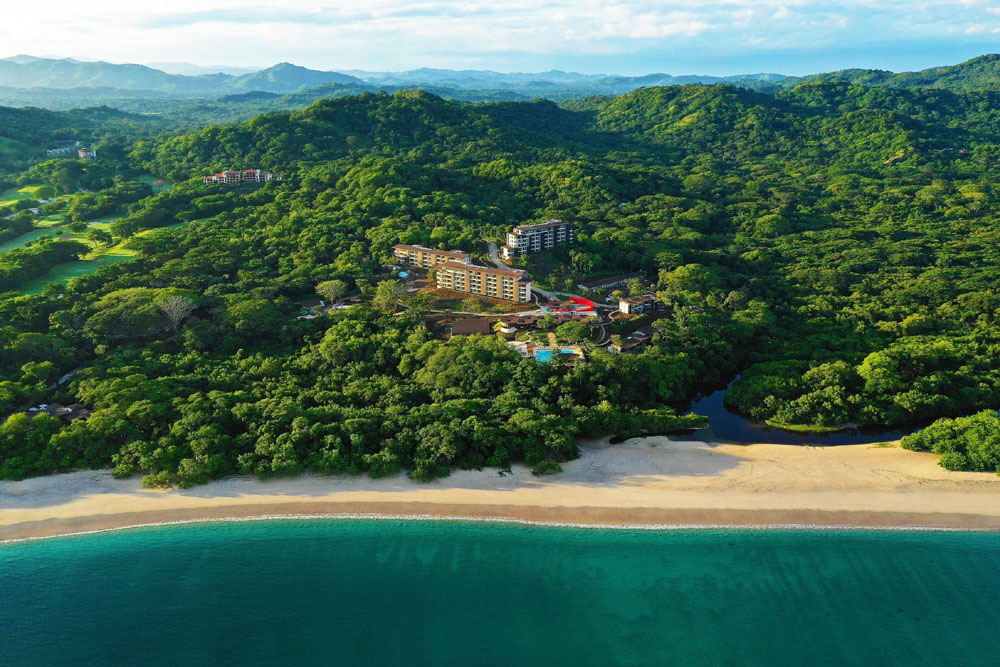
Liberia, the capital of Guanacaste province, functions as the gateway rather than the destination, its small colonial center and Daniel Oduber Quirós International Airport serving as the hinge point for a coastline that spreads south and west toward the Pacific. The serious hotel territory lies beyond the city limits, organized around two geographic anchors: the Peninsula Papagayo, a private 1,400-acre concession jutting into the Gulf of Papagayo, and a looser arc of beach communities stretching toward Playa Conchal. At Papagayo, the concentration of investment is extraordinary. The Four Seasons Resort Costa Rica sits at the peninsula's tip with access to two bays, its low-slung casitas arranged to minimize visual impact on the dry tropical forest, a design posture that defines the resort's entire sensibility. Nearby, Nekajui, a Ritz-Carlton Reserve, takes an even more restrained approach, with just 34 rooms set into the hillside, the architecture deferring consistently to the landscape rather than competing with it.
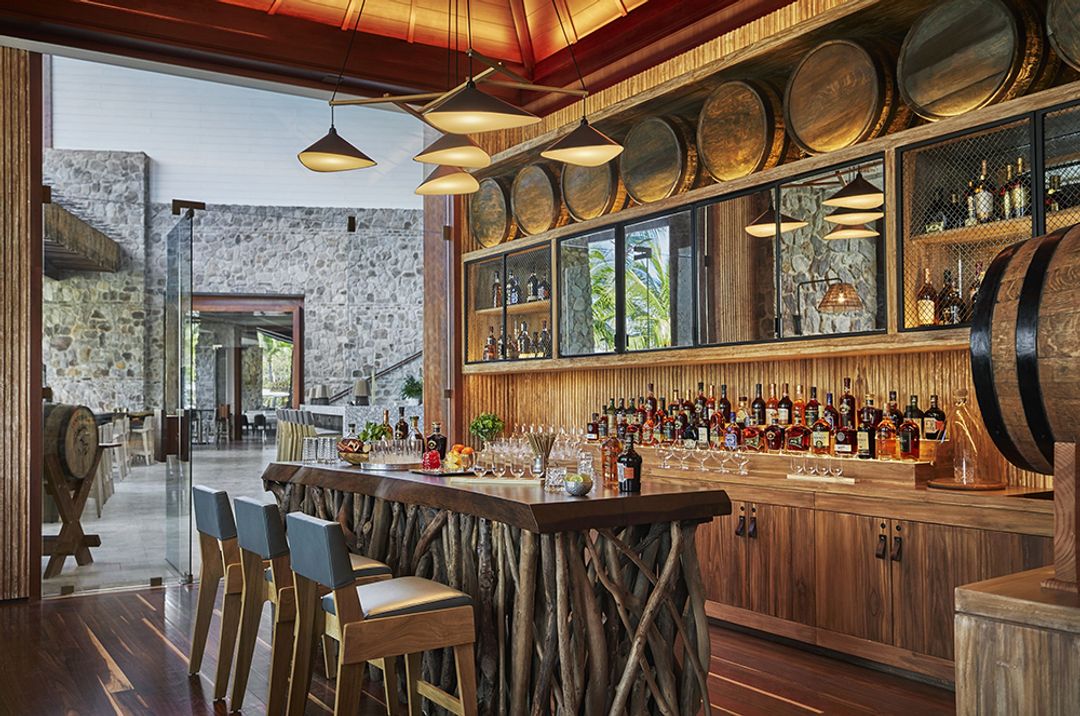
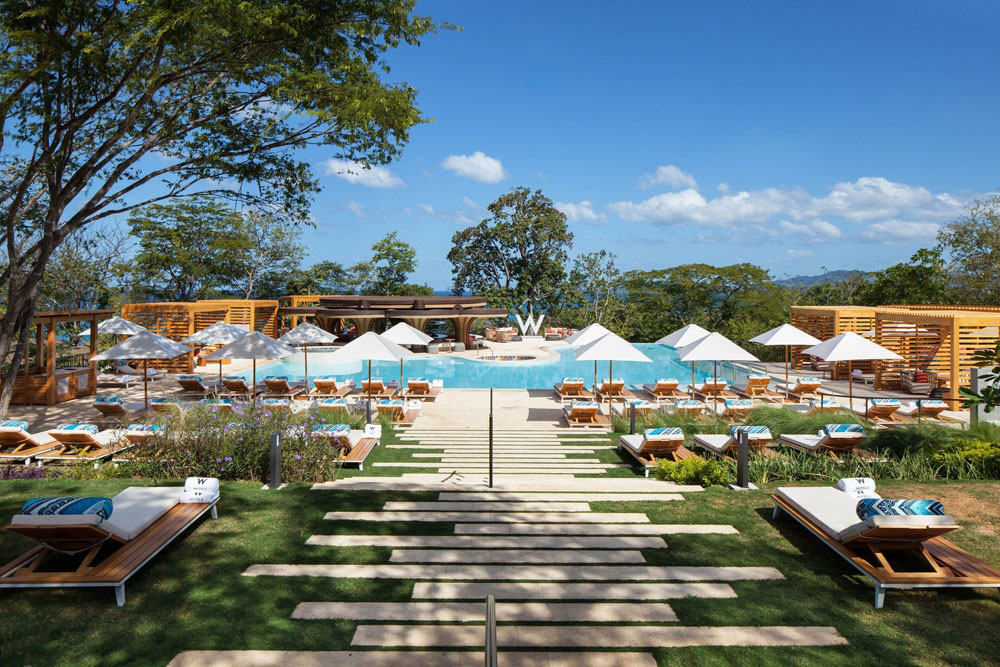
Not every property at Papagayo reaches for that quietude. El Mangroove, an Autograph Collection hotel positioned at the gulf's edge near the Papagayo marina town of Coco, reads differently: its design plays on the mangrove ecosystem it sits beside, with open-air walkways, raw materials, and a palette borrowed from the tidal zone. It is smaller, looser in program, and noticeably more sociable in character. South along the coast, the W Costa Rica at Reserva Conchal operates at full resort scale near Playa Conchal, the W brand's characteristic fondness for graphic interiors and theatrical common spaces landing somewhat incongruously amid the Guanacaste scrubland, though the beach access and wave pool infrastructure attract a different kind of visitor entirely.
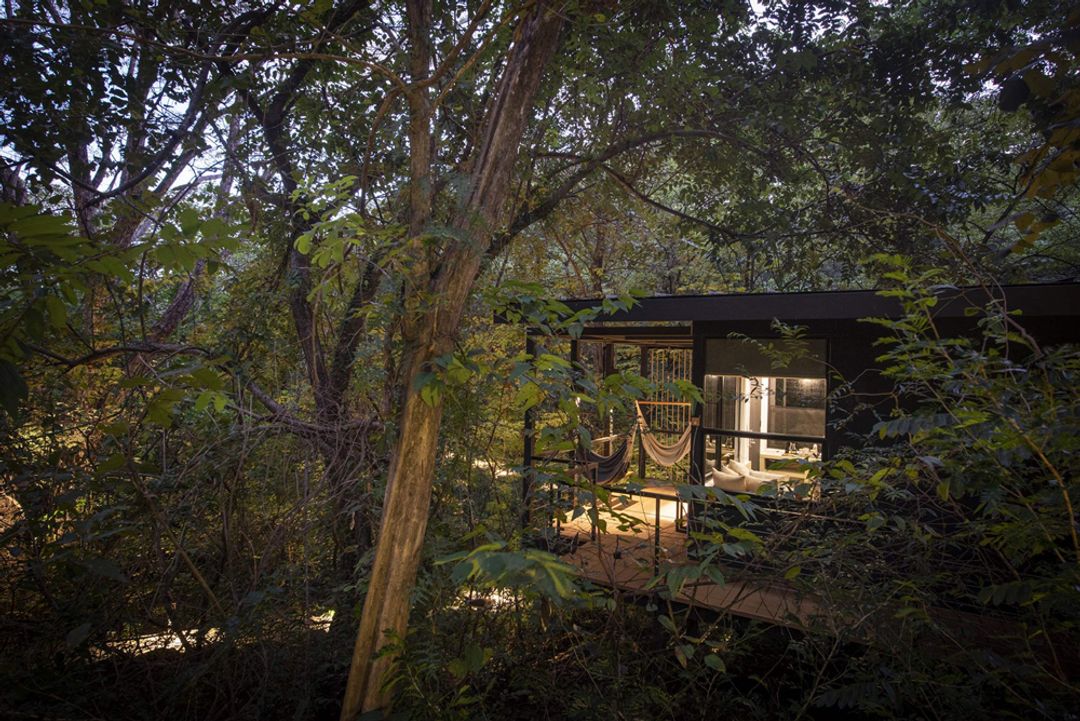
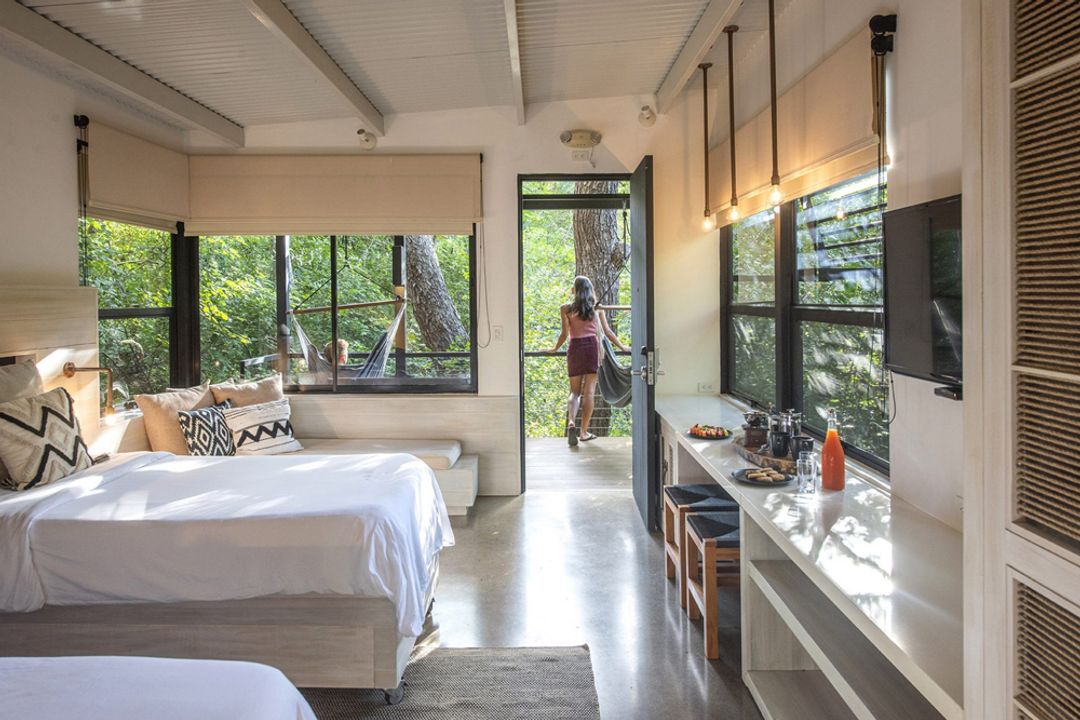
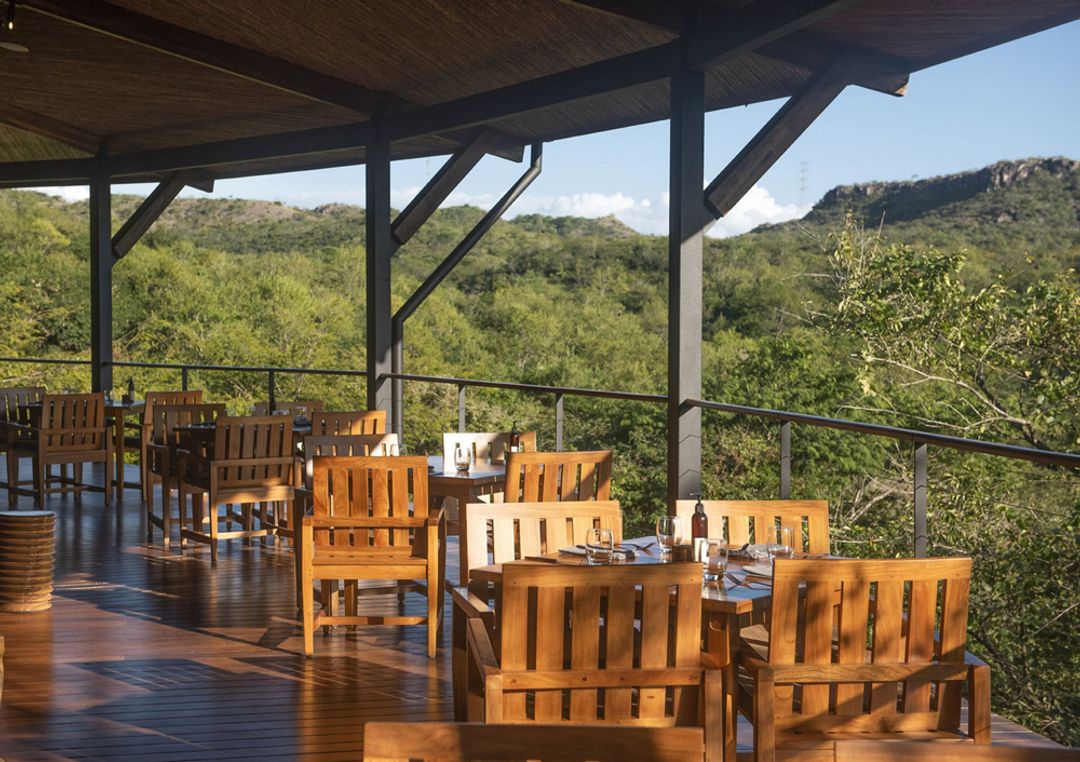
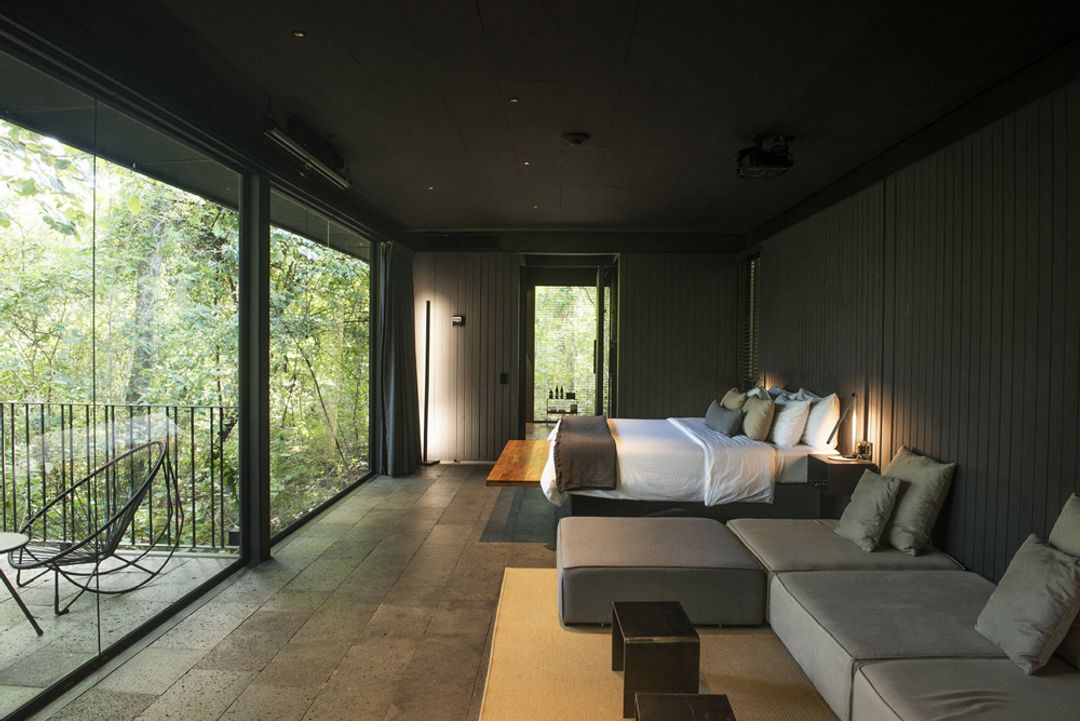
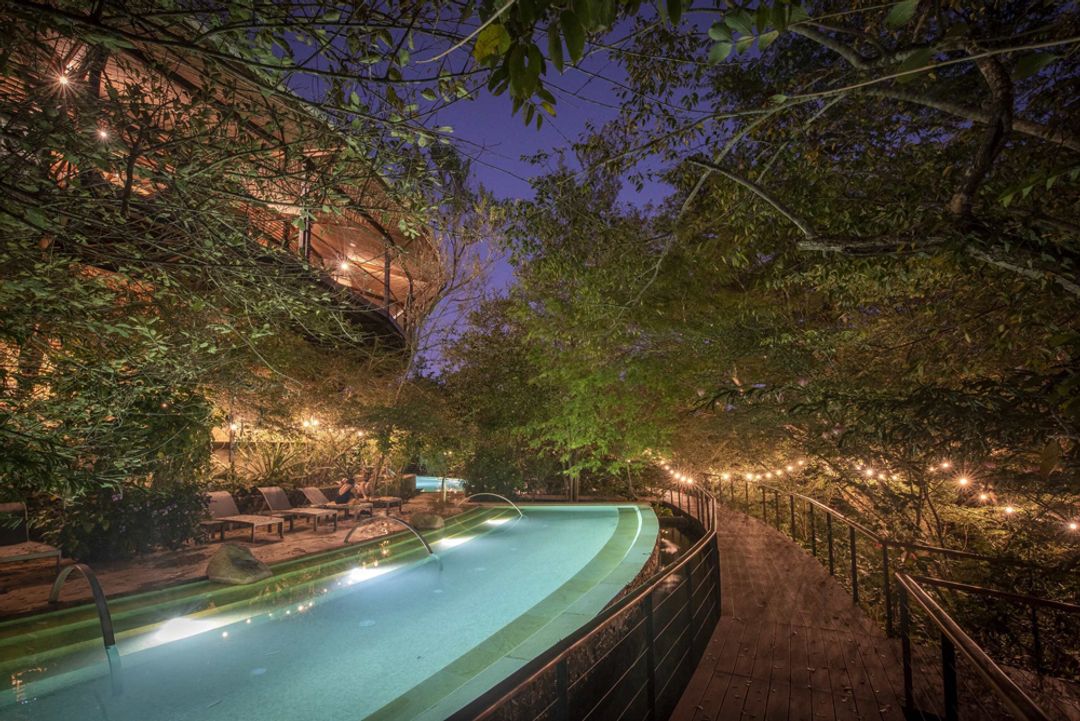
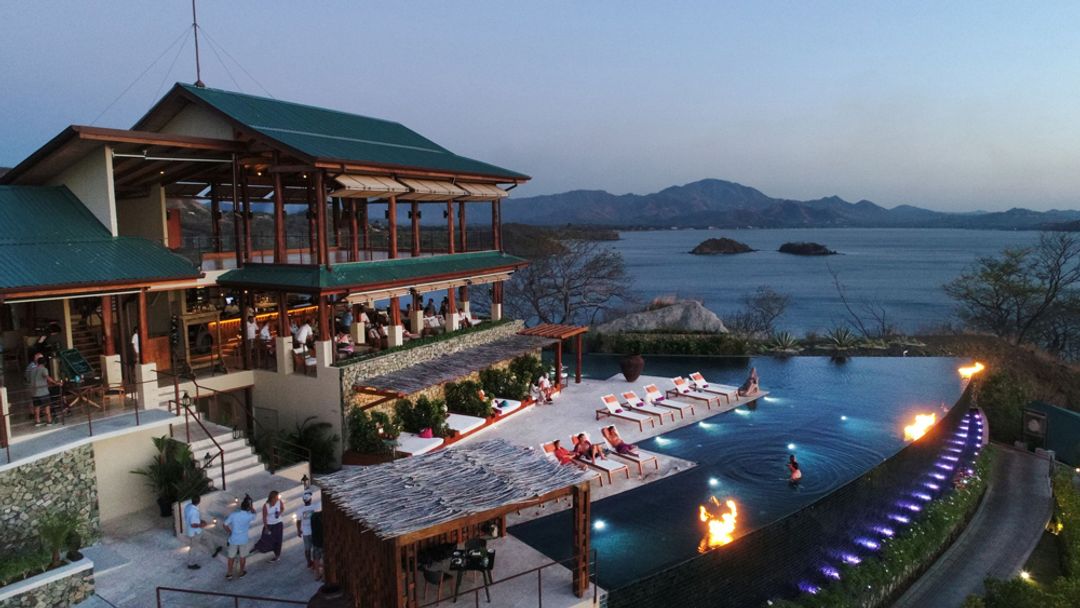
The two properties that genuinely depart from the coastal resort template are Casa Chameleon at Las Catalinas and Rio Perdido near Bagaces. Las Catalinas is a planned pedestrian village north of Tamarindo whose Mediterranean-inflected architecture, tile roofs, and car-free streets feel deliberately invented, and Casa Chameleon sits above the town's cove with the compact intensity of a boutique hotel rather than a sprawl. Rio Perdido occupies a private canyon reserve inland from the coast, its architecture spare and utilitarian in a way that feels calibrated to the volcanic landscape, the hot springs, and the canyon's river trails. For anyone whose instinct is to trade ocean views for something stranger and more specific, it is the most compelling proposition in the portfolio.