Best hotels in Istria | A Curated Visual Guide to Top Stays
Welcome to PressBeyond, the ultimate curated visual guide for design-driven hotels! My name is Will Miller and these are my recommendations for the best boutique and luxury hotels in Istria.
I am the founder of PressBeyond and I am an ultra-meticulous hotel curator who loves clean visuals. I have individually analyzed and tiered each hotel included in this guide based on a variety of criteria (architecture & design, location, brand & brand affiliation, existing reviews, and my own personal experiences), and importantly, I have hand-selected the leading imagery for each hotel to provide you with easily-digestible, yet detailed and complete, like-for-like, high-level visual profiles. I felt this summarization step was a critical missing piece across existing guides, blogs, and booking platforms. My aim is to make it easier for people to identify hotel environments that resonate with them, along with enabling them to visualize the types of social experiences that those environments help foster. My brain doesn't work when exposed to cluttered content, so my goal was to create the opposite.
Underneath this, we are also a full booking engine offering 5% Venmo cash back along with other exclusive perks. For all of you design-obsessed hotel enthusiasts out there, I hope this guide helps get you to where you see yourself!
An Overview of the Boutique & Luxury Hotel Landscape in Istria
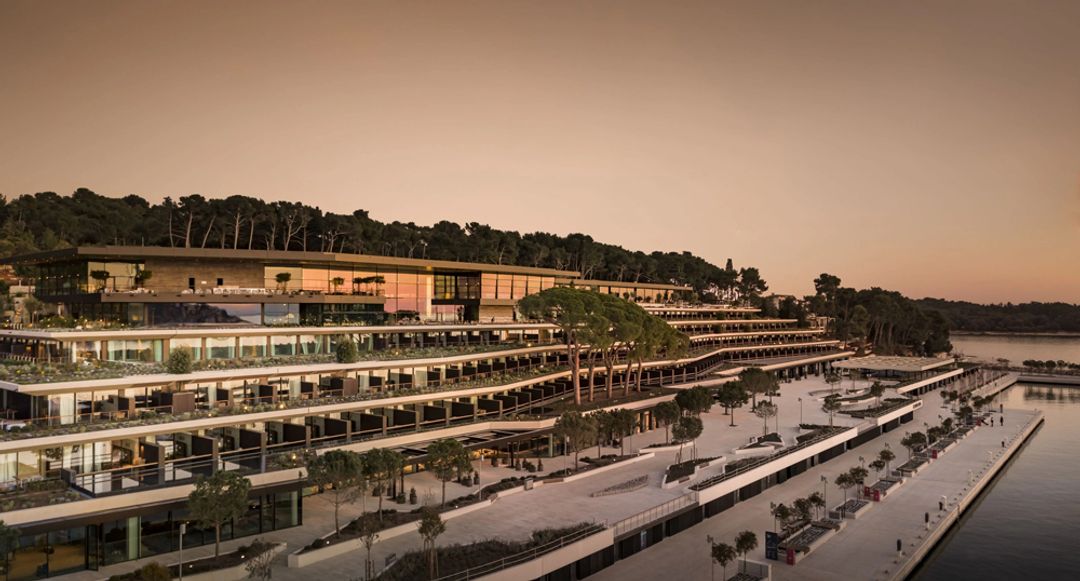
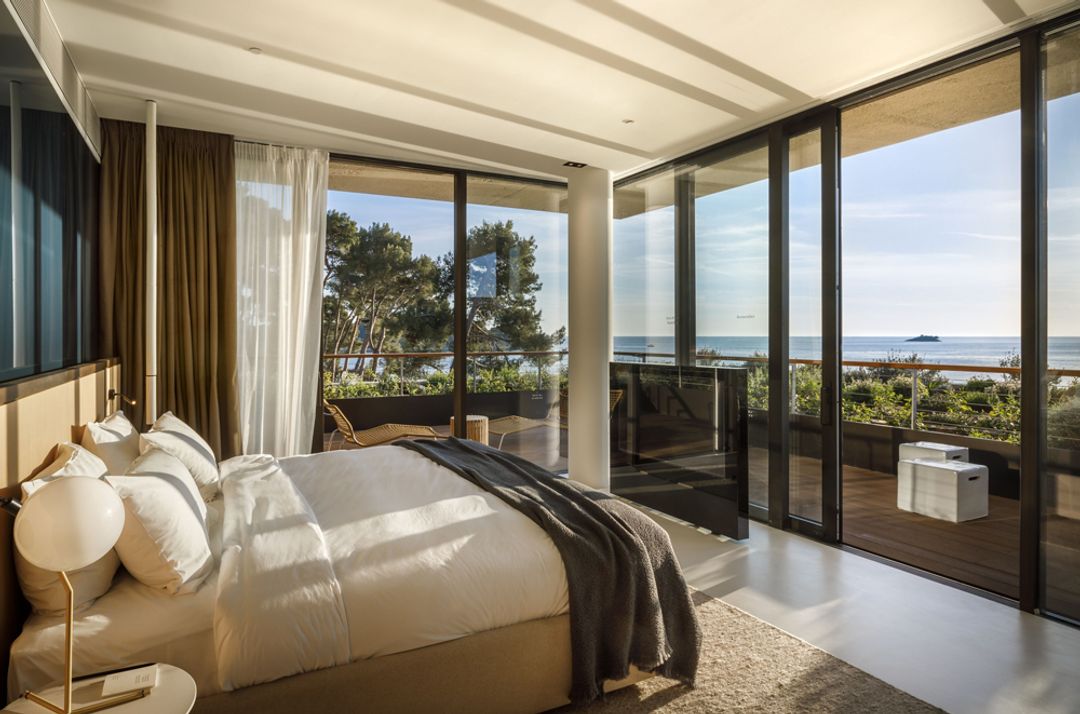
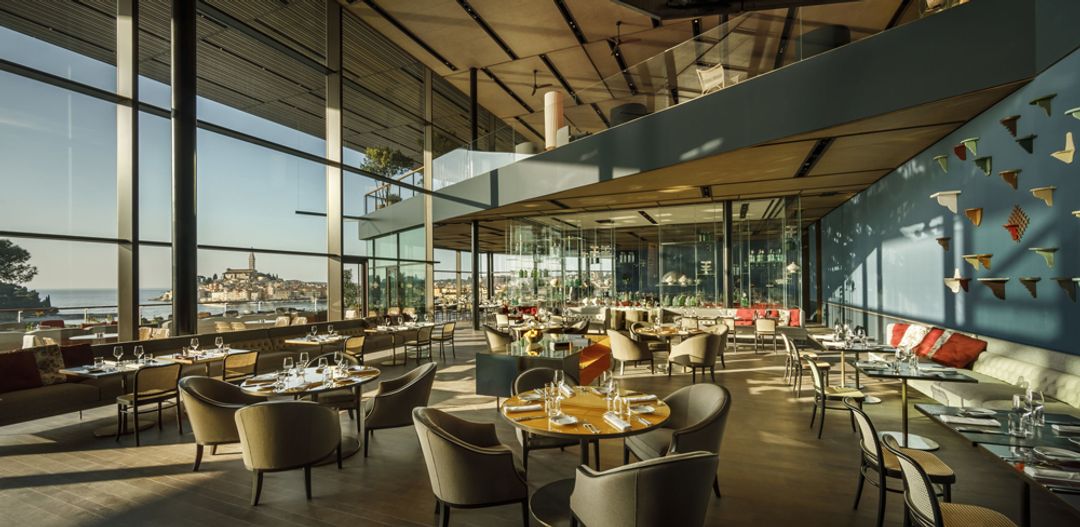
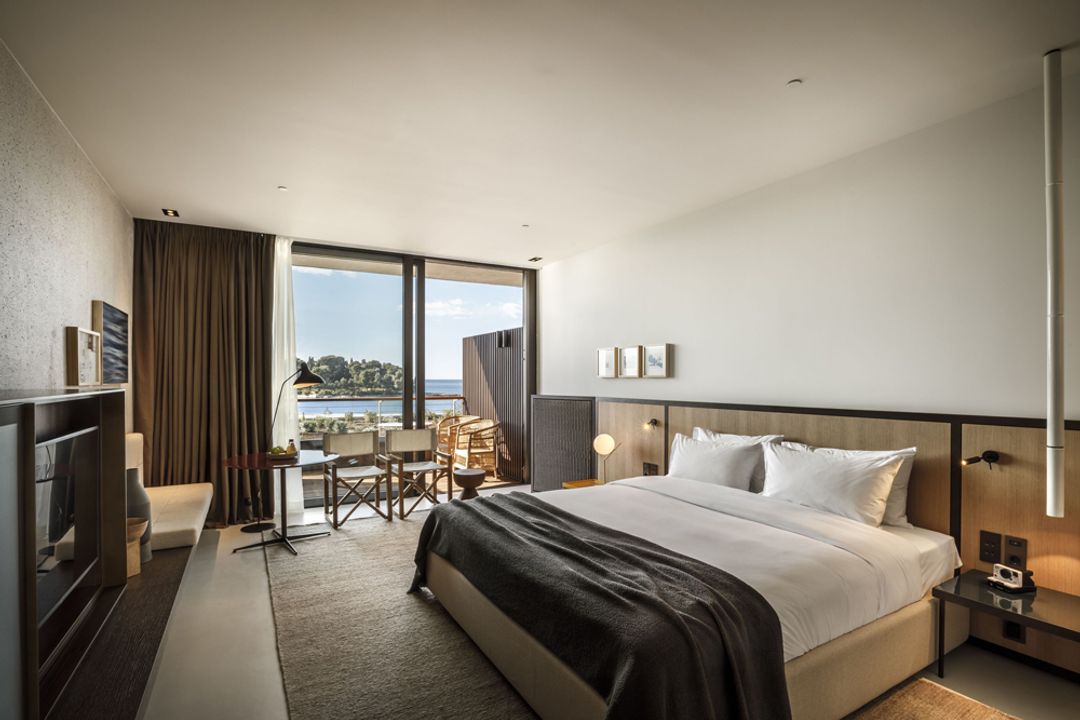
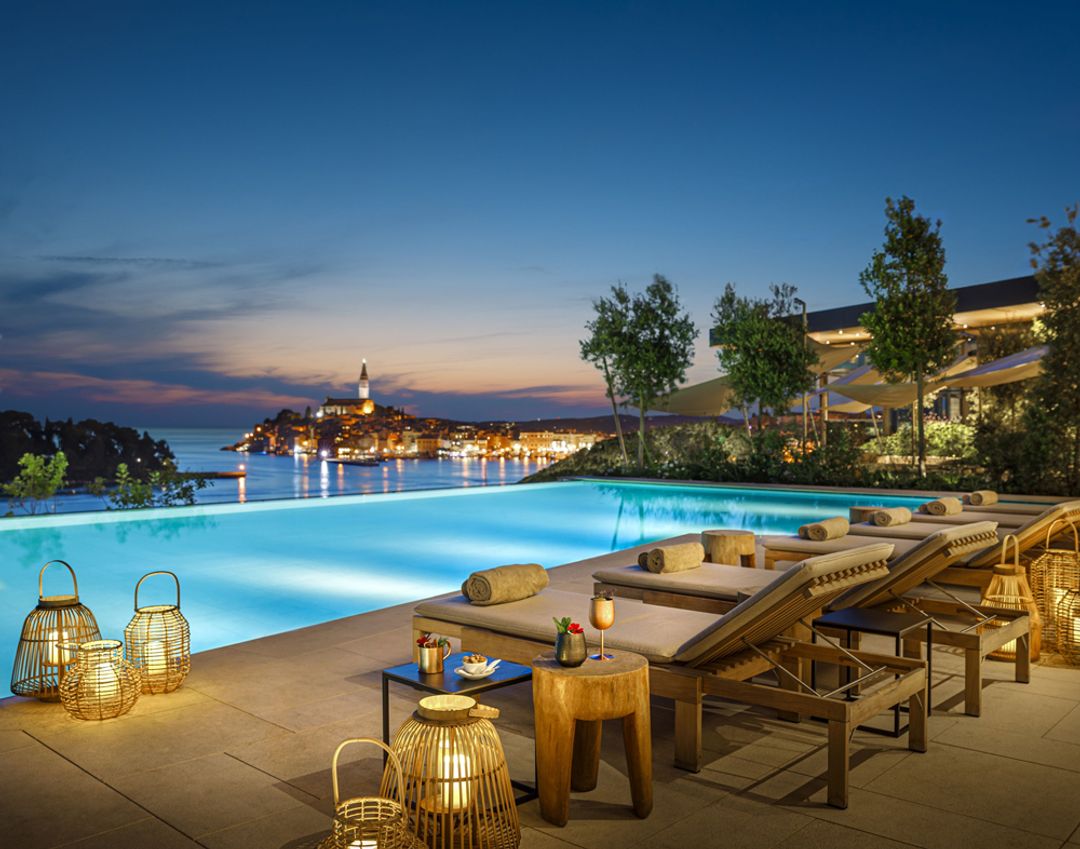
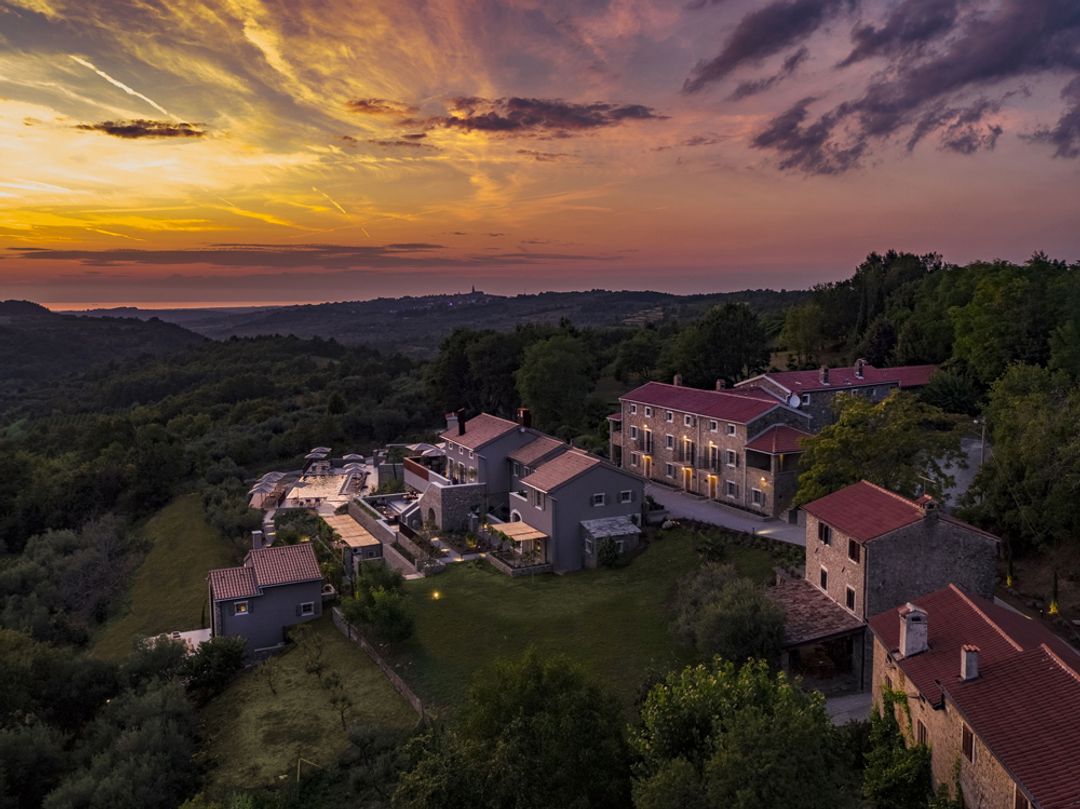
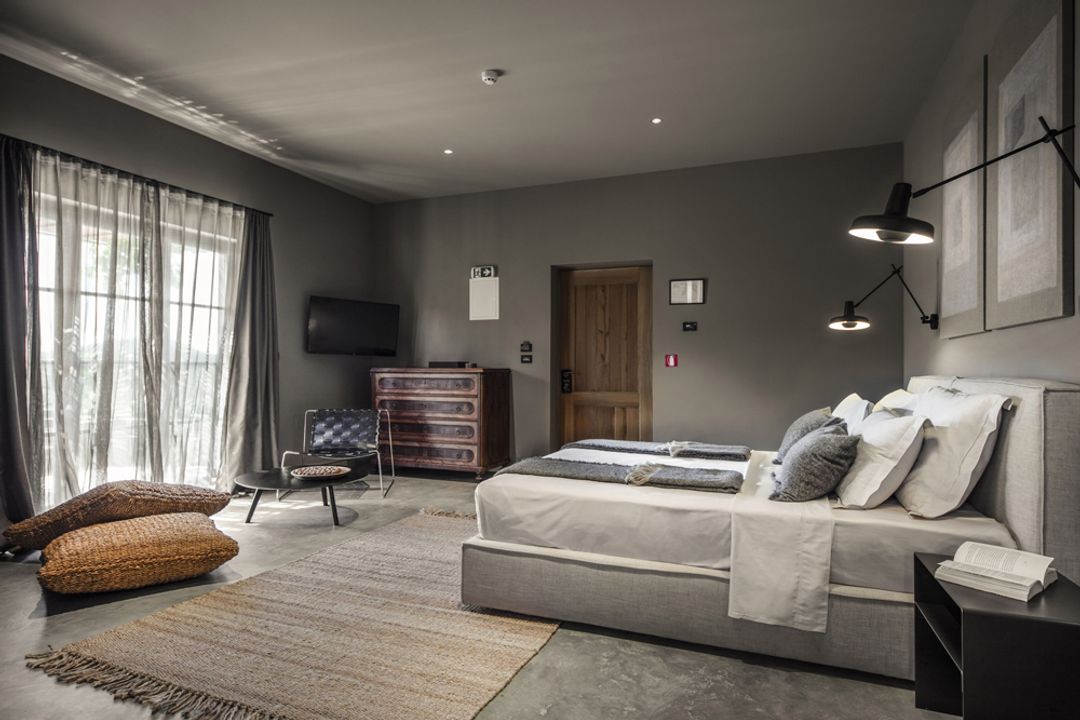
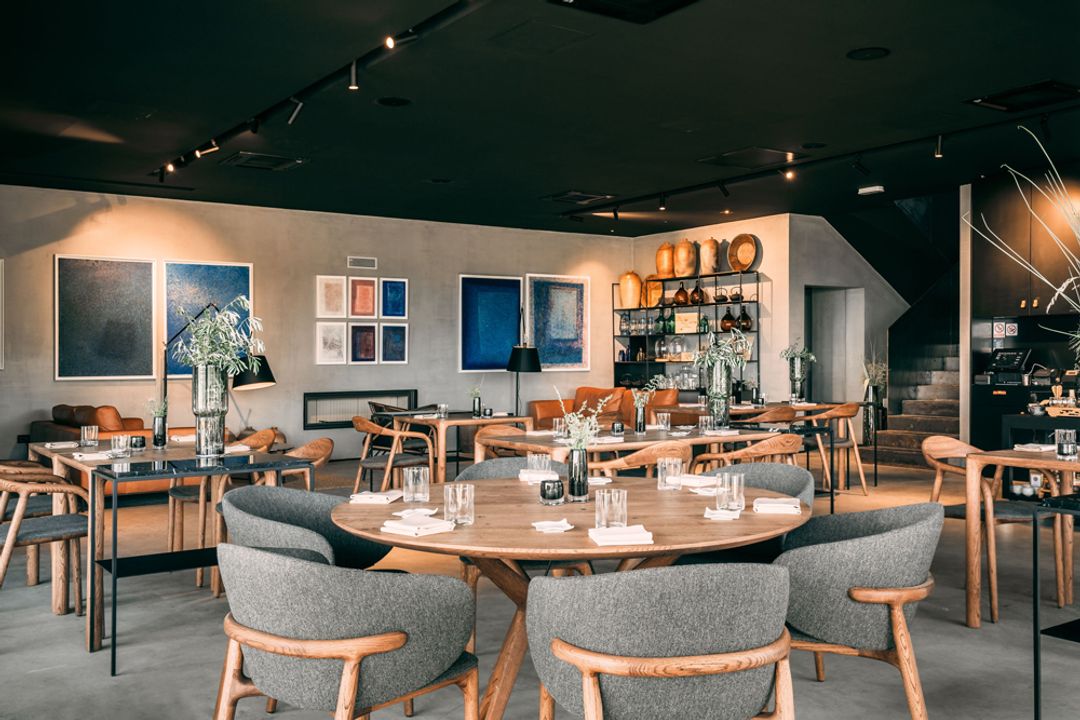
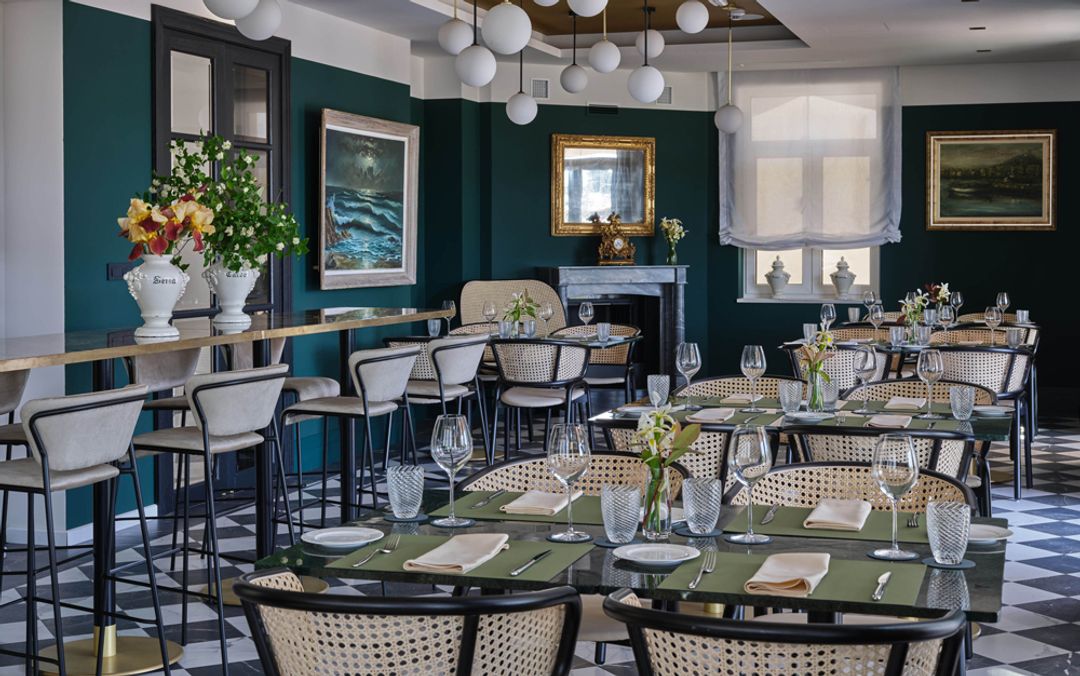
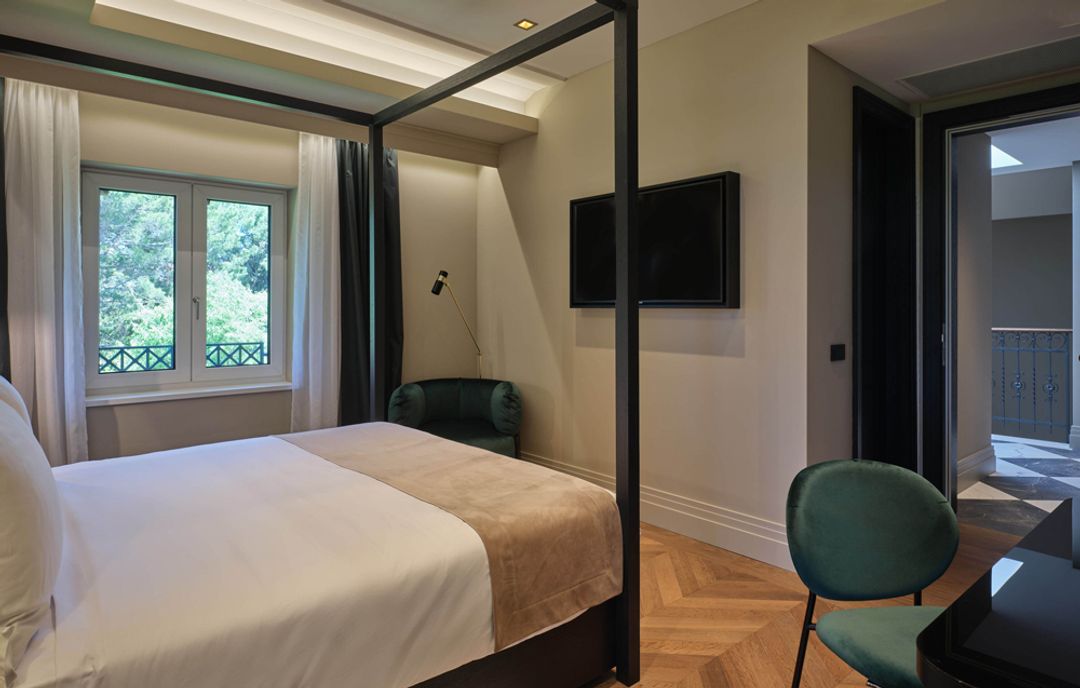
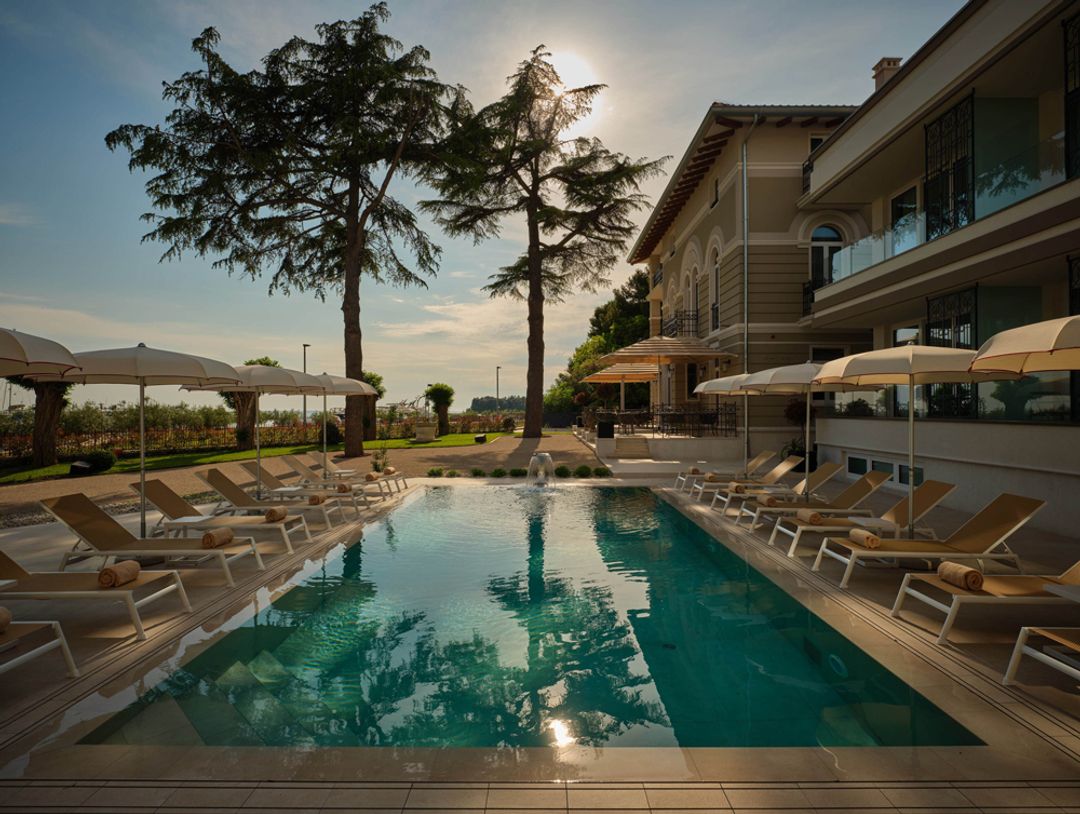
Istria wears its Venetian inheritance differently depending on where you stand. In Rovinj, the campanile and the compressed medieval streets make it easy to mistake the hillside town for somewhere on the Adriatic's western shore — and that atmospheric density is exactly what the Grand Park Hotel Rovinj, designed by 3LHD Architects and completed in 2019, pushes against. Positioned on the water's edge just south of the old town, the hotel is a deliberate exercise in contemporary restraint: travertine, dark timber, and glass in a low horizontal composition that defers to the landscape rather than competing with the terracotta skyline above. The indoor-outdoor pool sequence and the Lone Bay setting give it a resort quality, but the architecture keeps it disciplined. For design travelers, it is one of the more considered new-build hotel arguments in the northern Adriatic. The inland geography of Istria is less visited and harder to categorize. San Canzian Village and Hotel, outside Buje in the Mirna River valley, occupies a restored medieval hamlet — stone buildings, cisterns, old agricultural structures — and operates somewhere between a boutique hotel and an archaeology of rural Istrian life. The renovation approach here is additive rather than transformative: original masonry is retained, contemporary interventions are legible but secondary, and the estate's olive groves and vineyards are understood as part of the hospitality proposition, not decoration. It rewards travelers willing to trade proximity to the coast for something quieter and more materially honest. Novigrad sits between Rovinj and Poreč on the western coast — a small fishing town that has avoided the overcrowding of its more famous neighbors — and the Palazzo Rainis Hotel and Spa occupies a centuries-old bishop's palace within its compact old quarter. The building's provenance gives it an authority that no amount of new construction could manufacture: thick stone walls, arched interiors, and a position directly on the harbor front. The spa and contemporary room finishes sit somewhat uneasily against the historic shell, a tension common to adaptive reuse projects in towns where heritage protection constrains what designers can do. Still, for a traveler wanting to sleep inside the actual fabric of Istrian history rather than adjacent to it, Palazzo Rainis remains the most direct route. Together, these three properties trace three very different ways of engaging with the peninsula — coastal modernism, rural restoration, historic conversion — without exhausting what Istria offers.