Best hotels in Punta Cana, Dominican Republic | Visually Compare Top Stays Side-by-Side
Welcome to PressBeyond - a curated visual guide to design-driven hotels and the fastest way to compare them.
An Overview of the Boutique & Luxury Hotel Landscape in Punta Cana, Dominican Republic
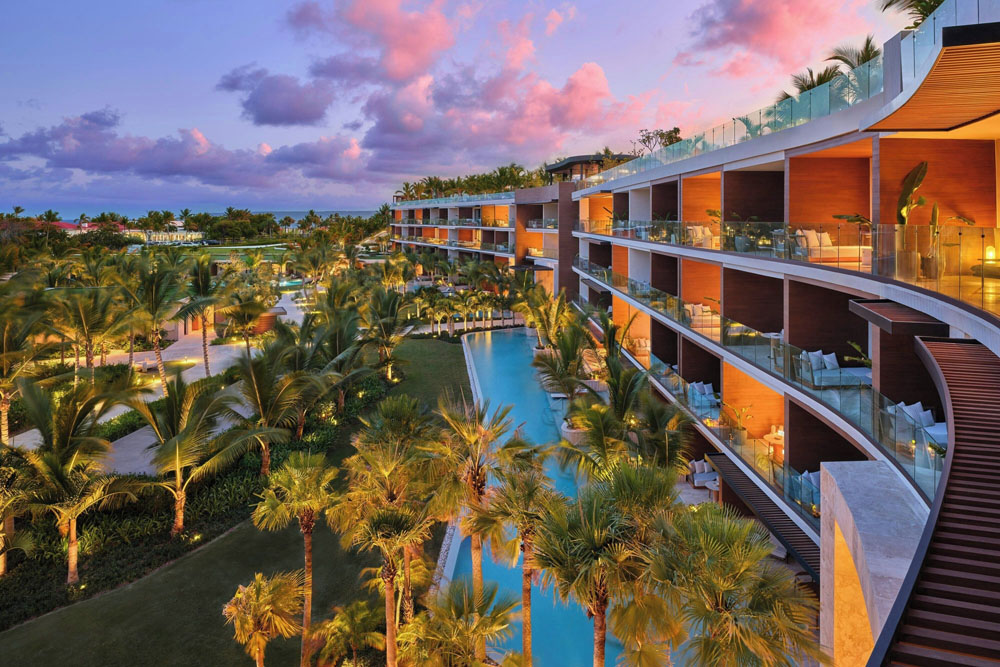
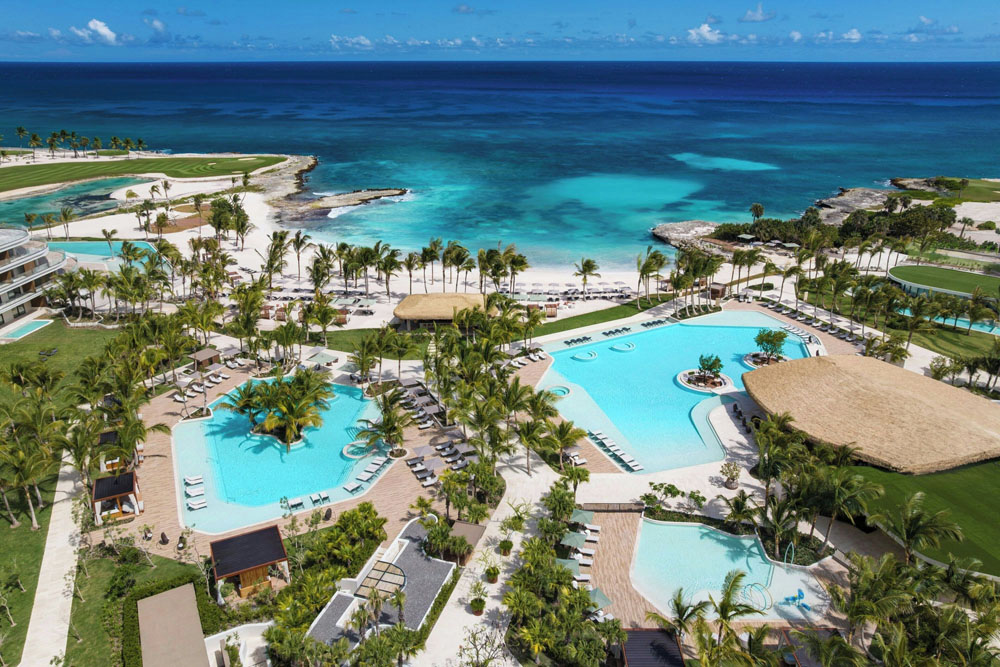
The eastern tip of the Dominican Republic is not one place but several, and understanding that distinction is the first useful thing a traveler can know before booking. Punta Cana and its neighbor Cap Cana sit within a largely purpose-built resort corridor that emerged from raw coconut plantation land over the past five decades. What grew here was not a city with hotels grafted onto it, but rather a landscape shaped from scratch by hospitality ambition, which means the architecture tends to answer to the master plan before it answers to any local vernacular. That said, the quality of those master plans varies considerably.
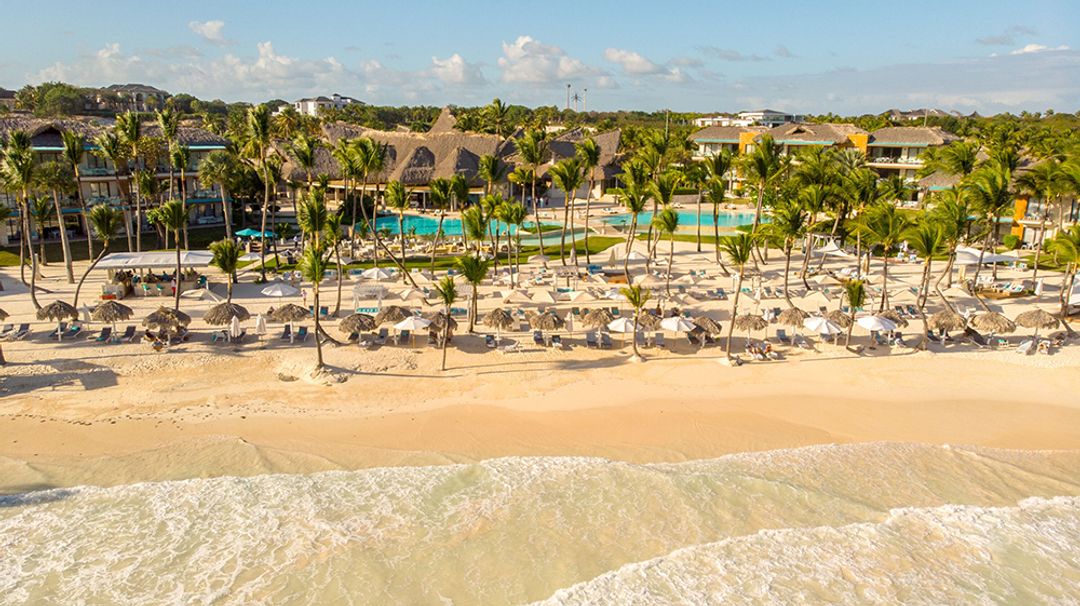
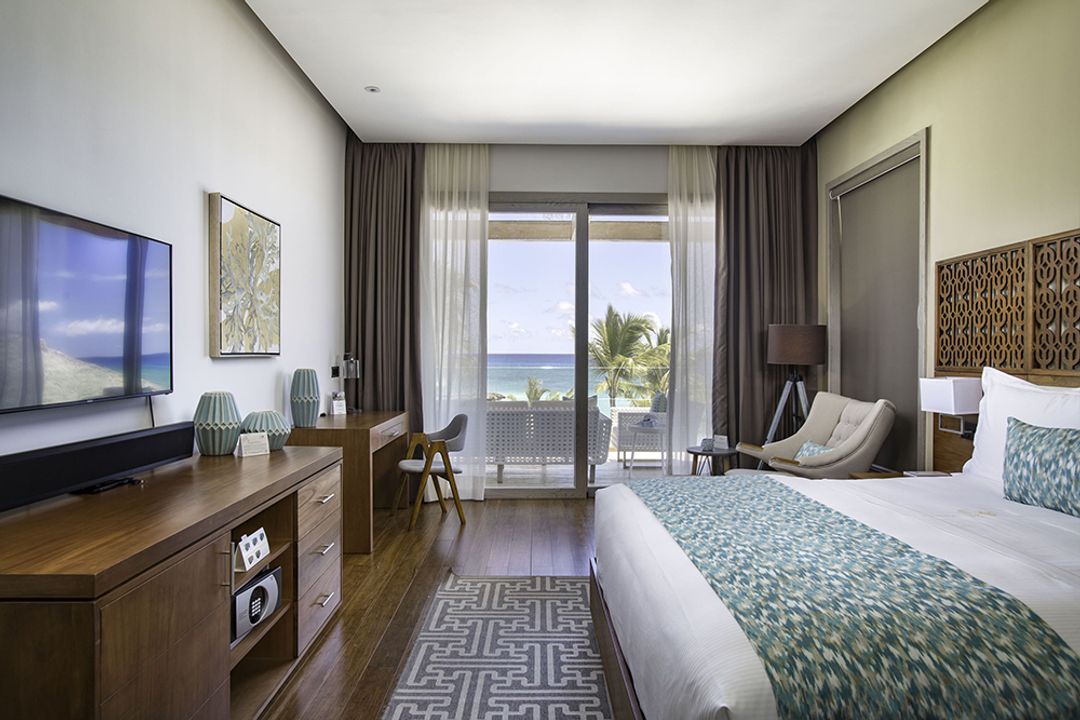
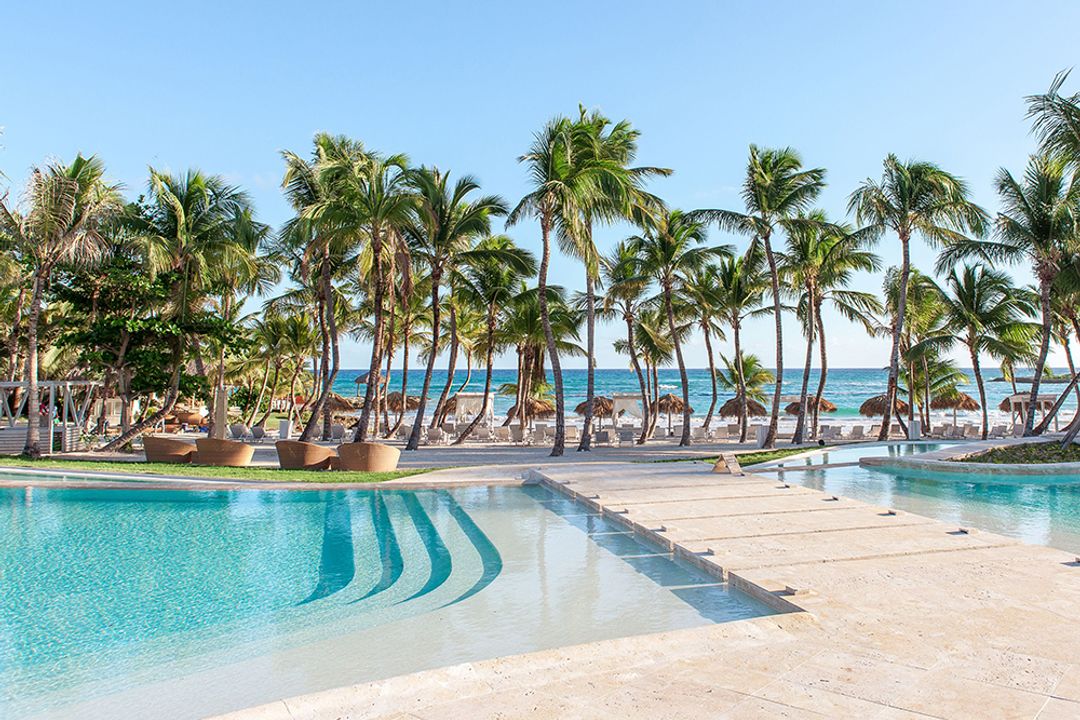
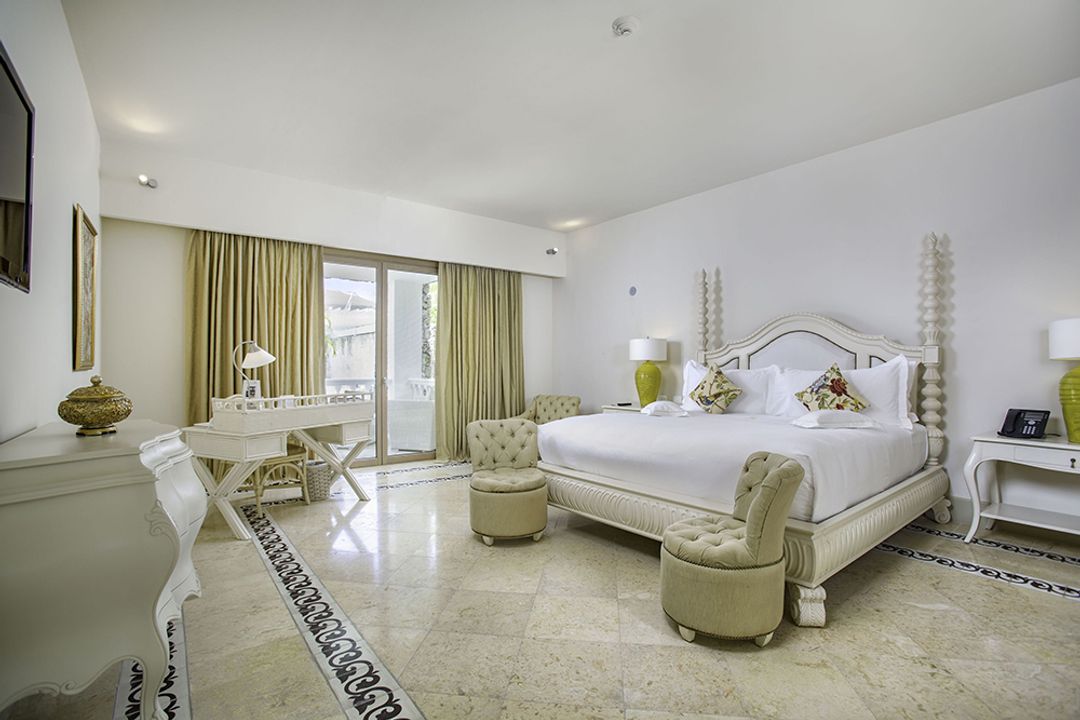
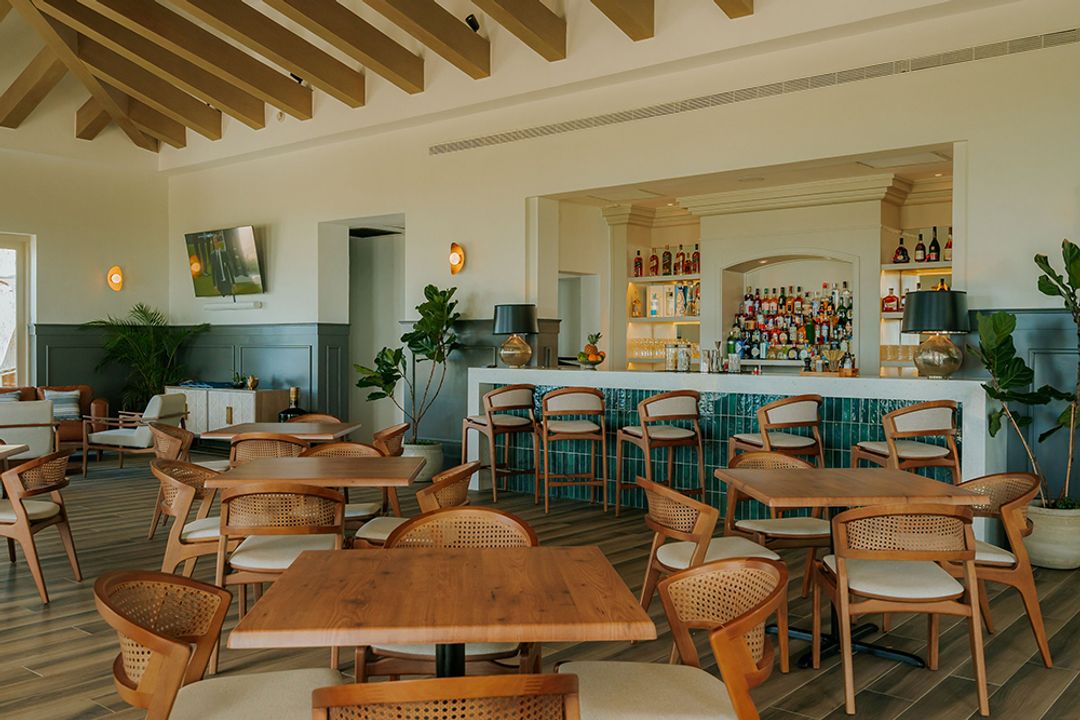
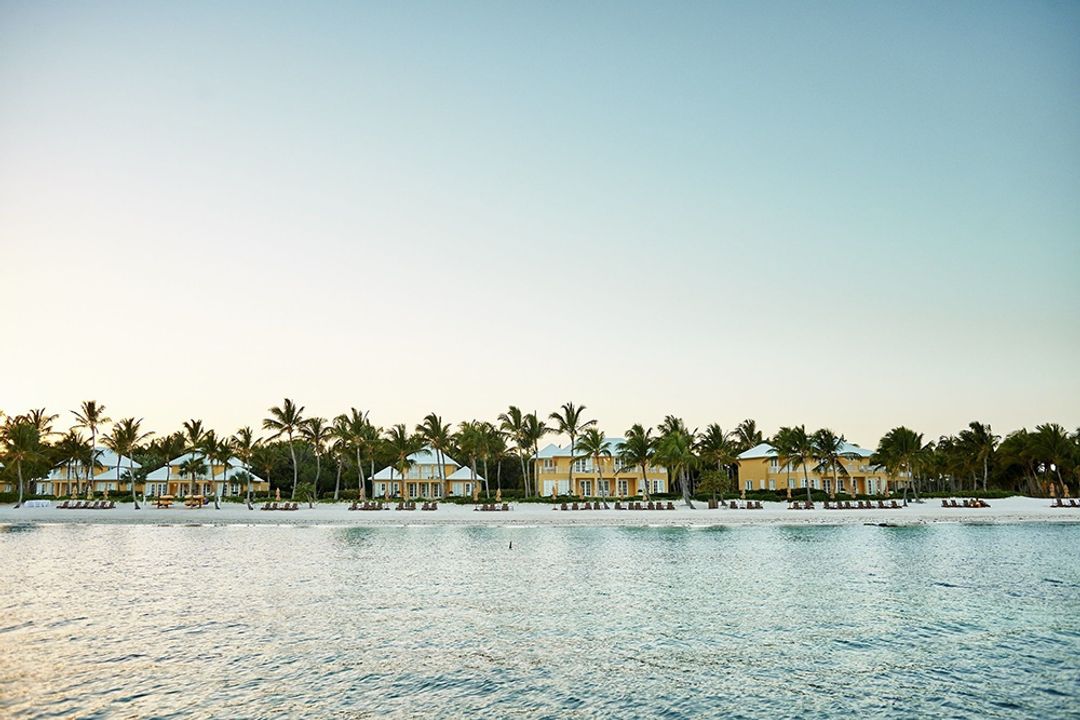
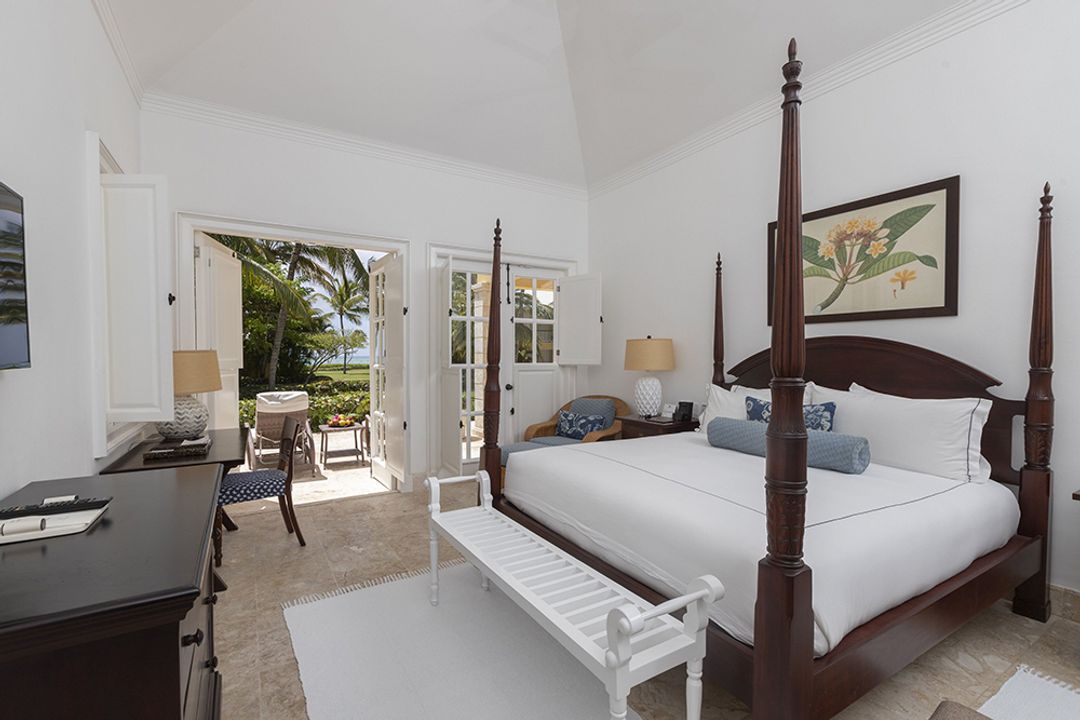
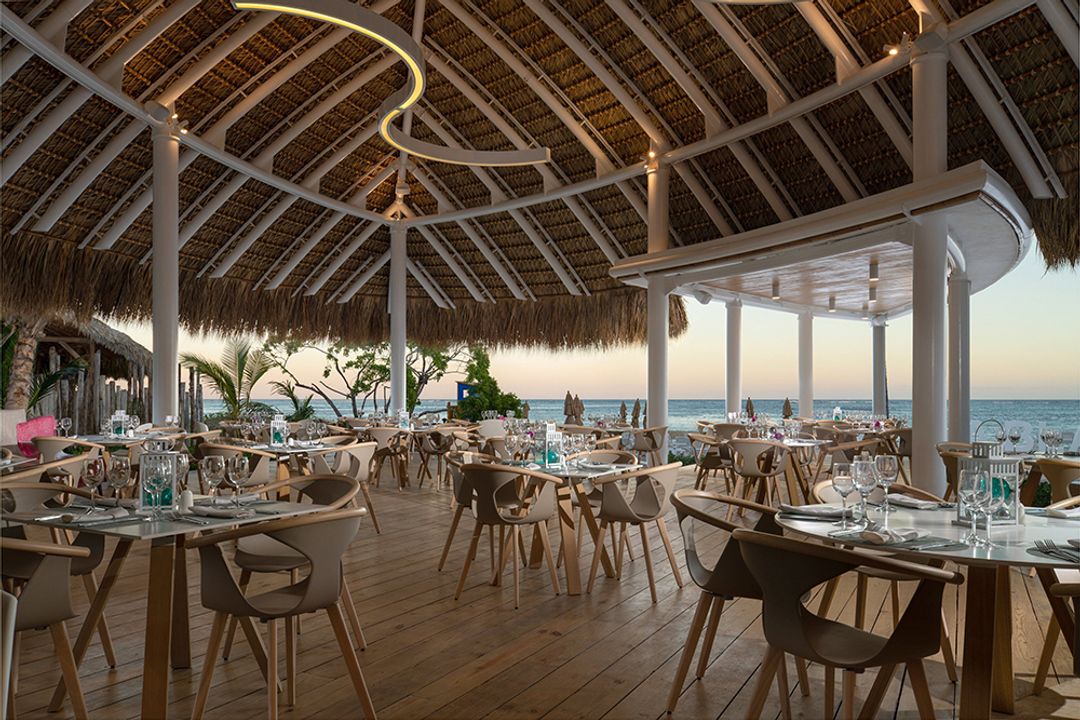
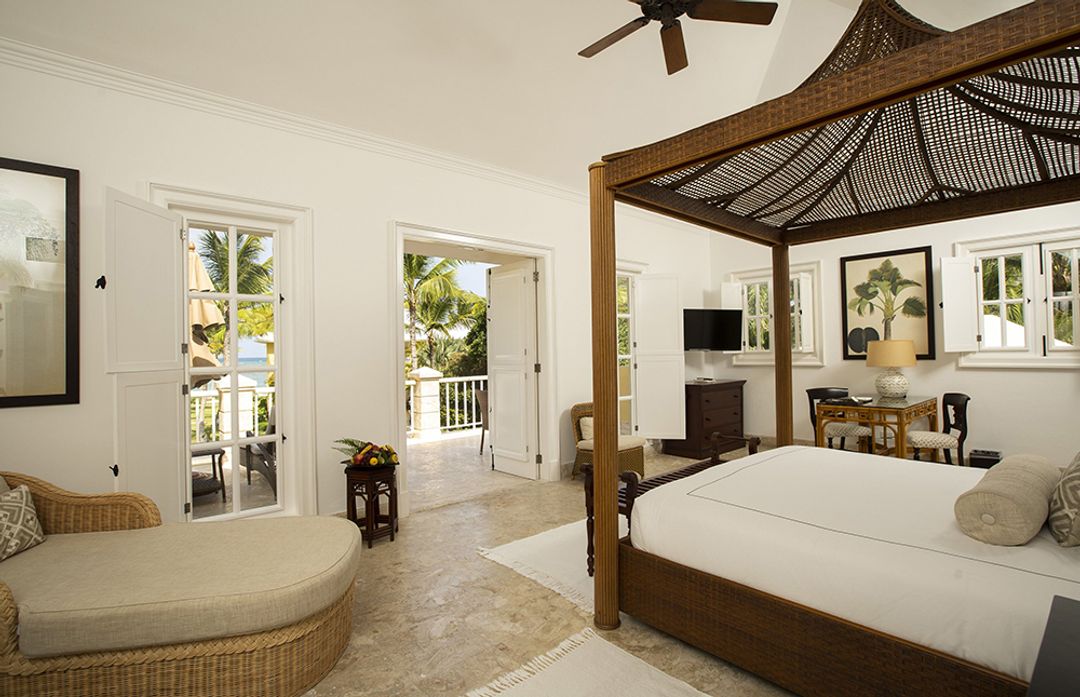
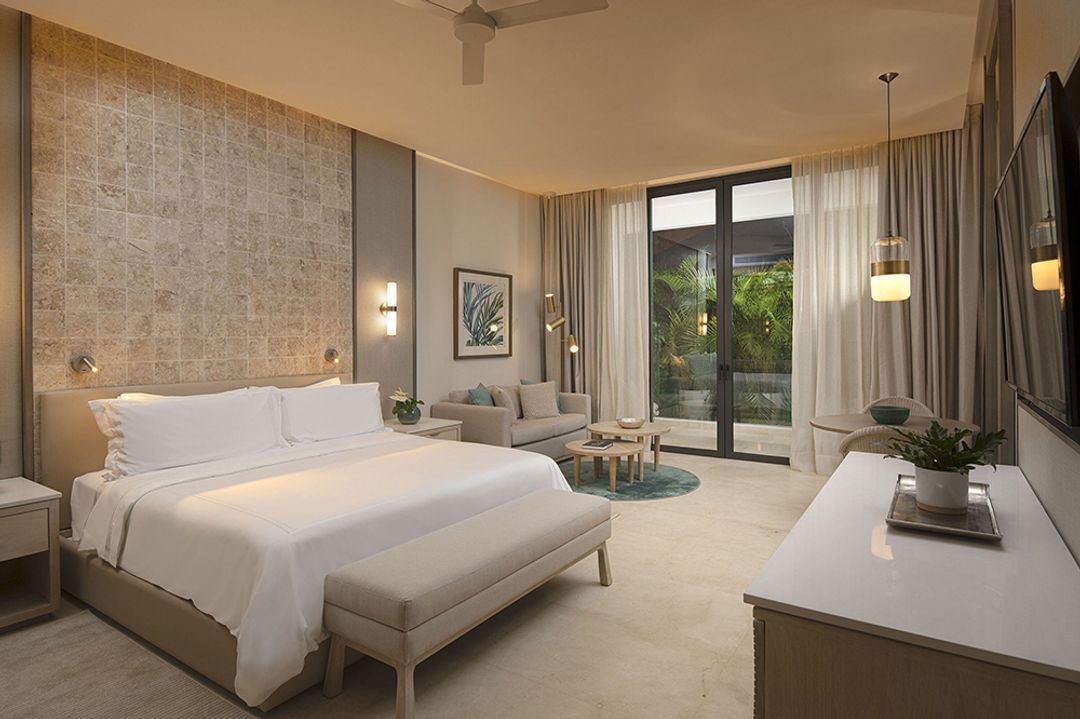
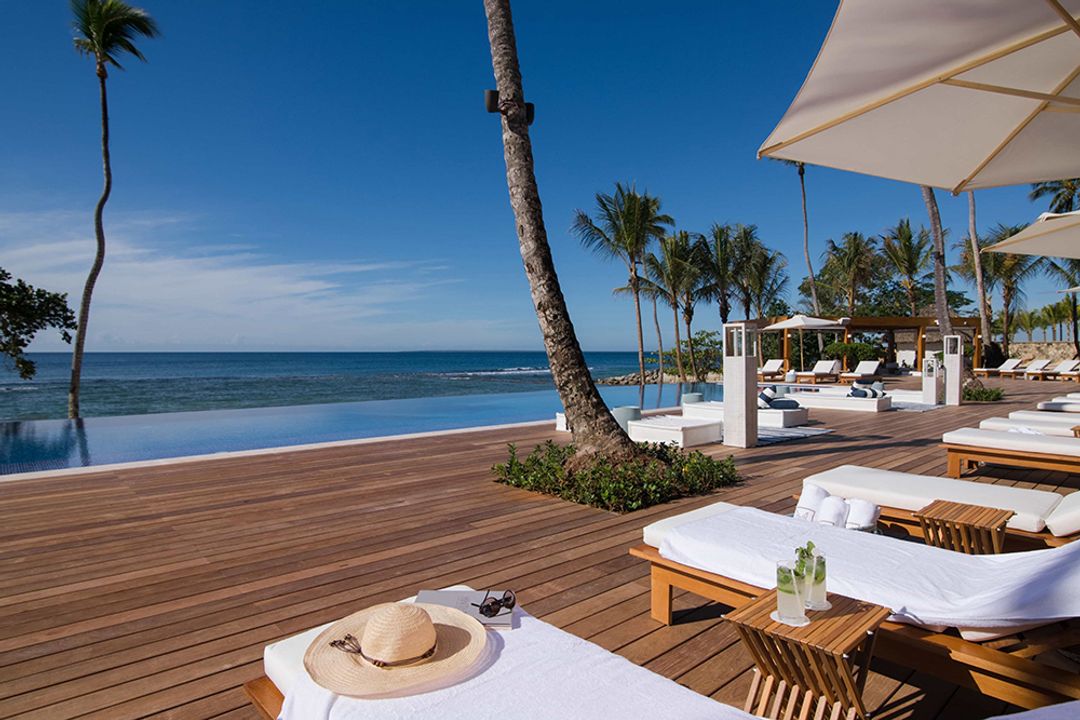
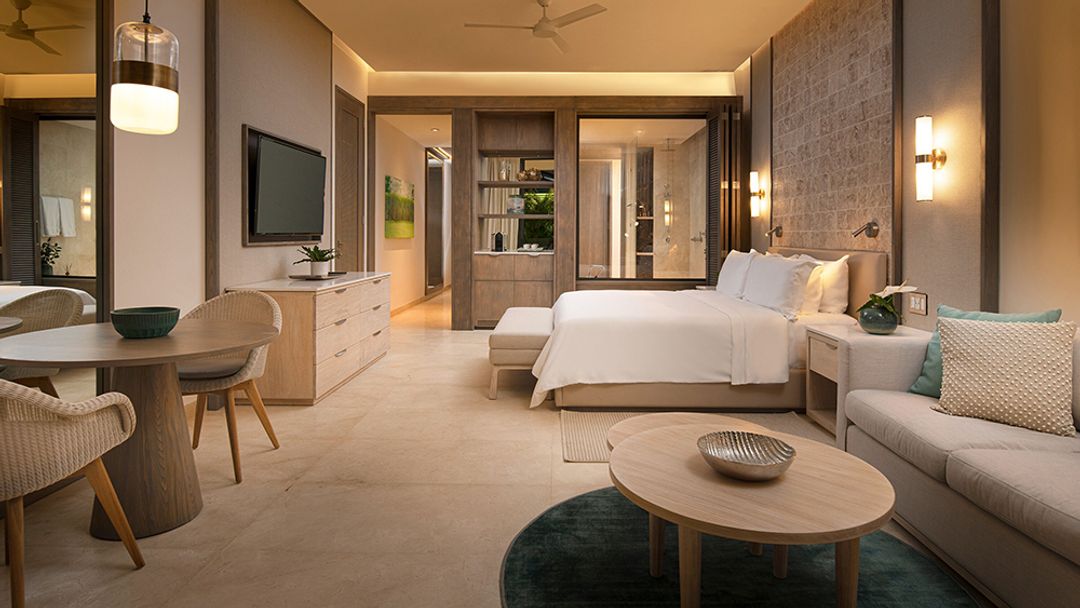
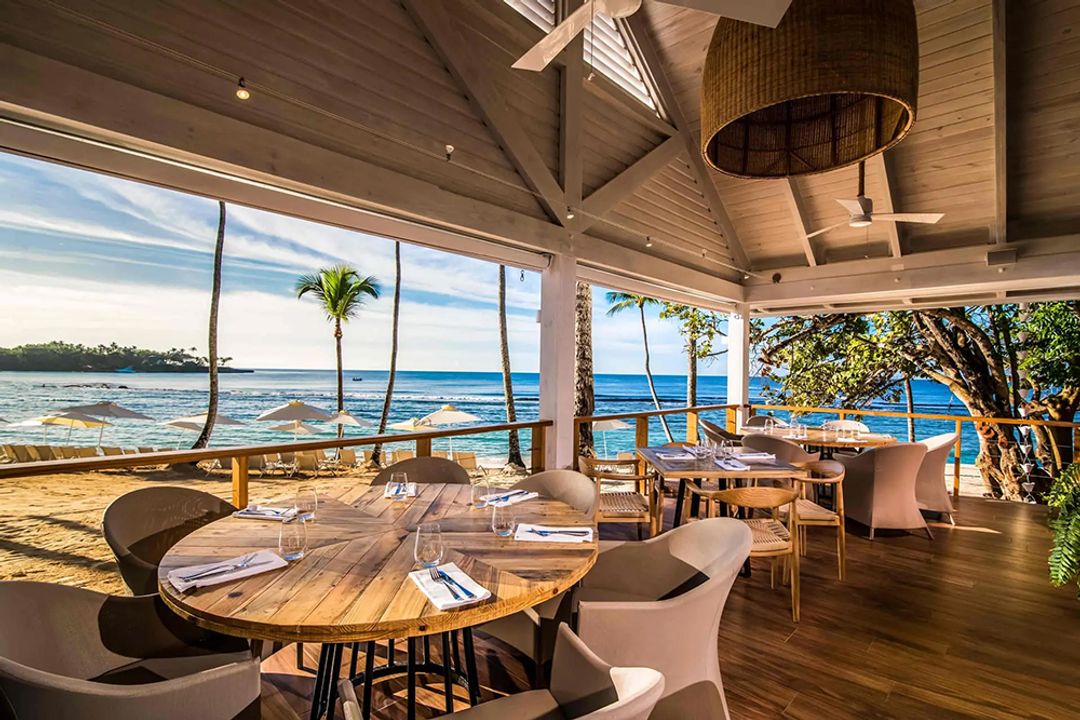
Cap Cana represents the more considered end of the spectrum. The St. Regis Cap Cana, which occupies a fortified clifftop site above Juanillo Beach, draws on the visual vocabulary of Spanish colonial architecture without descending into pastiche, and the resort's scale, though considerable, is calibrated around a marina that gives the whole compound a sense of actual place. Nearby, Eden Roc Cap Cana takes a different position, its architecture leaning into a Mediterranean resort idiom with whitewashed volumes and open-air framing that feel borrowed from the Amalfi coast but land here without apology. The effect is theatrical and, for many travelers, exactly what a Caribbean escape should be. Further up the coast, Tortuga Bay occupies a quieter register entirely. Designed in collaboration with Oscar de la Renta, whose personal aesthetic shaped both the interiors and the landscaping, it sits within the larger Puntacana Resort complex but maintains a residential intimacy that the bigger all-inclusives around it cannot replicate. The de la Renta influence is felt in the restrained palette, the careful attention to tropical materials, and the deliberate sense that this is a private house scaled up, not a hotel scaled down.
The outlier in this portfolio is Casa de Campo, which sits considerably further west in La Romana. It operates by a different set of priorities: its Pete Dye-designed golf courses, particularly Teeth of the Dog, are what drew the original clientele and still anchor the property's identity. The resort's architecture is sprawling and varied across its grounds, less architecturally singular than the Cap Cana properties but compensating with genuine variety of activity and a longer, more storied sense of place. Visitors whose instinct is to notice materials and spatial detail will find more to engage with at Tortuga Bay or Eden Roc; those who want a self-contained world with room to move will find Casa de Campo hard to argue against.