Best hotels in Manchester, England | Visually Compare Top Stays Side-by-Side
Welcome to PressBeyond - a curated visual guide to design-driven hotels and the fastest way to compare them.
An Overview of the Boutique & Luxury Hotel Landscape in Manchester, England
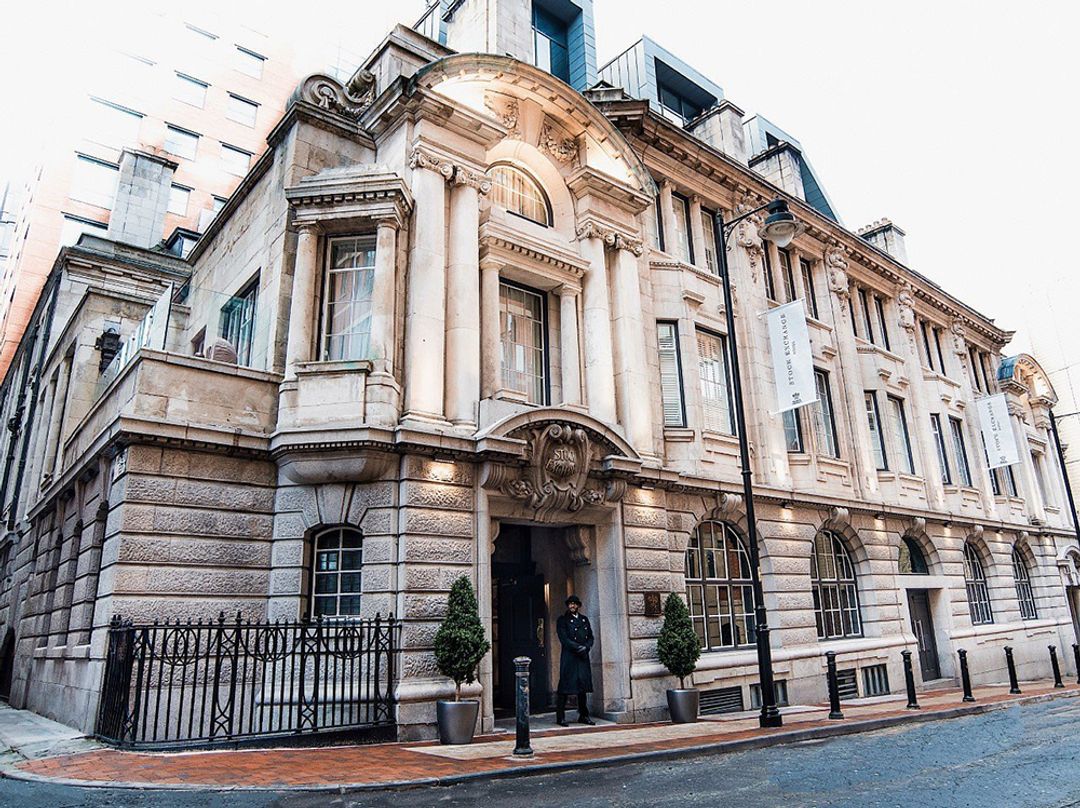
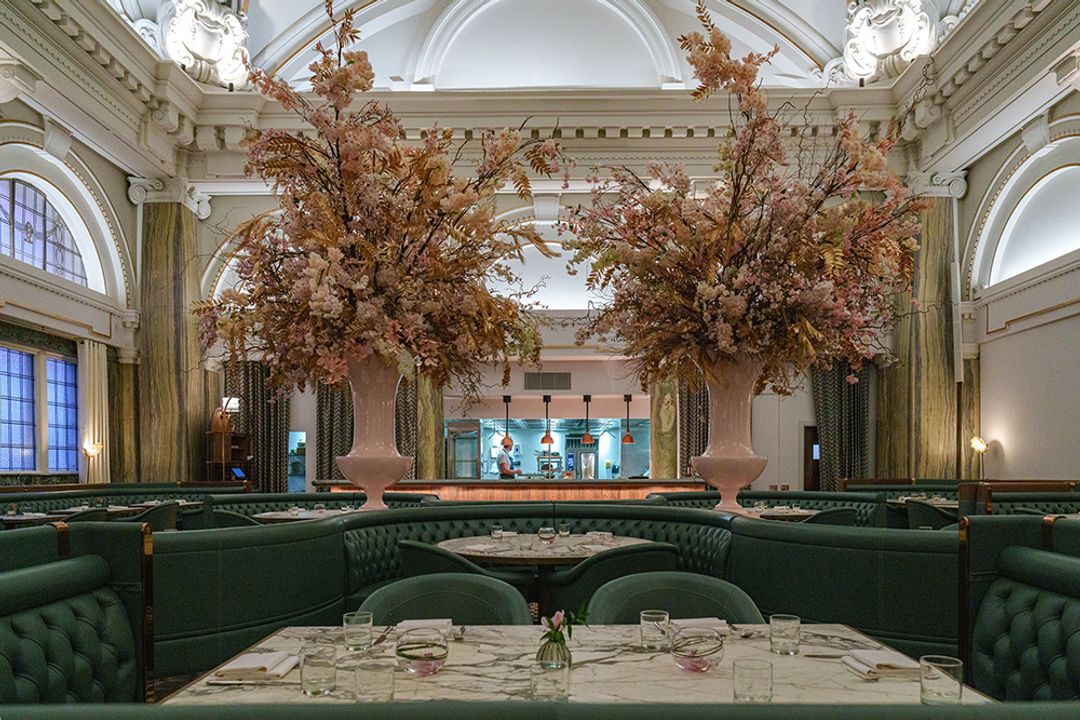
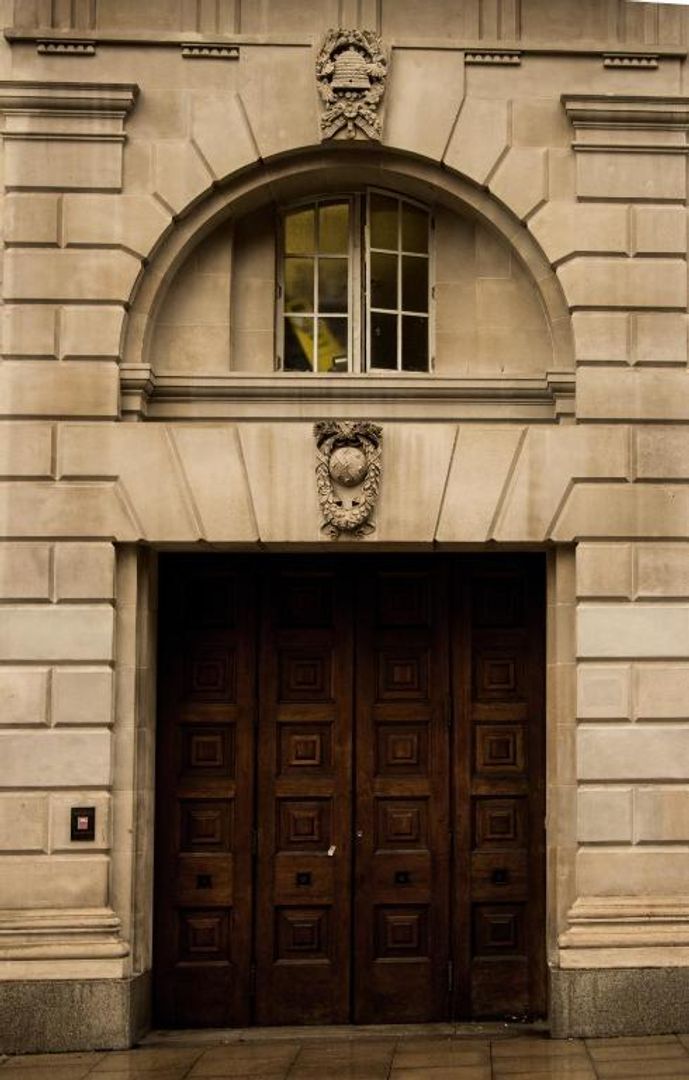
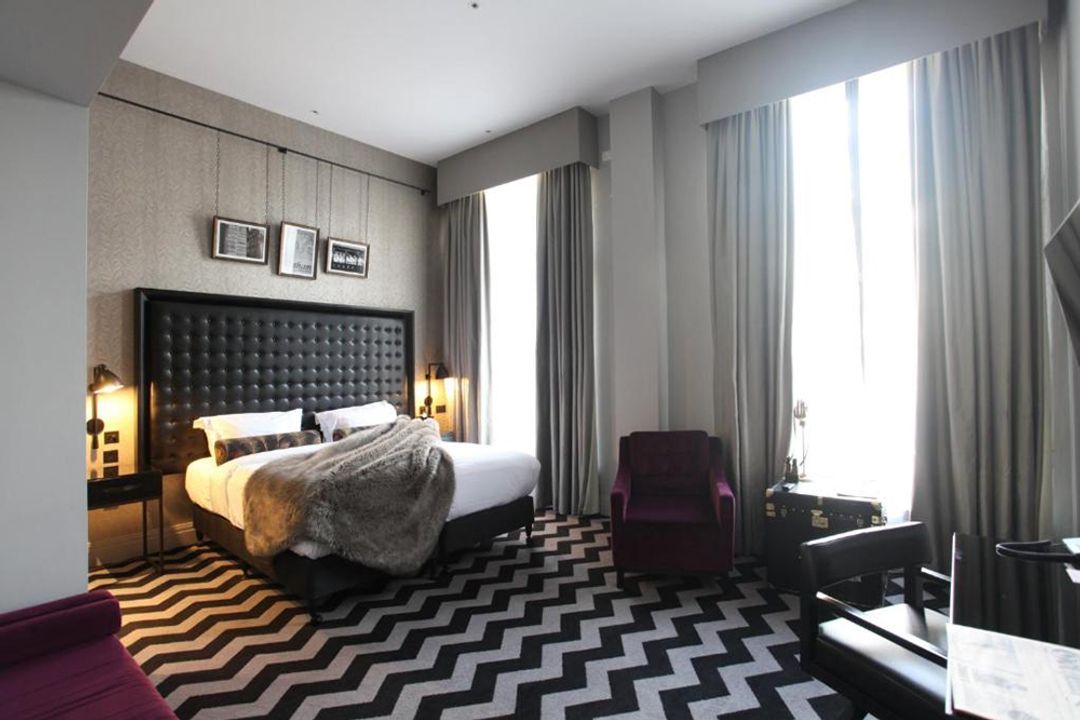
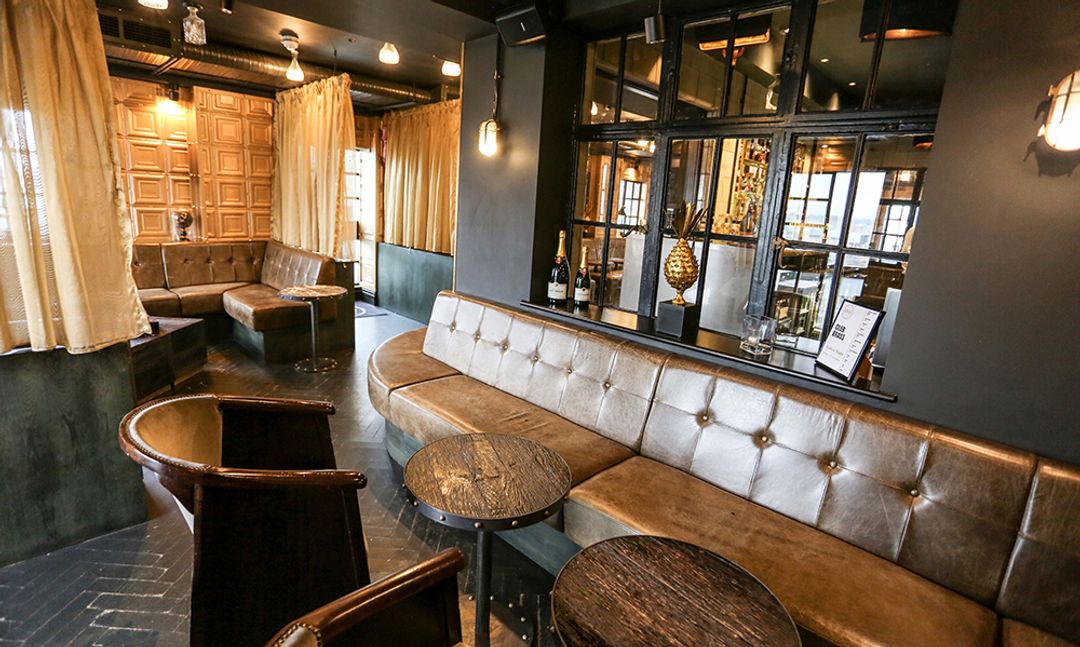
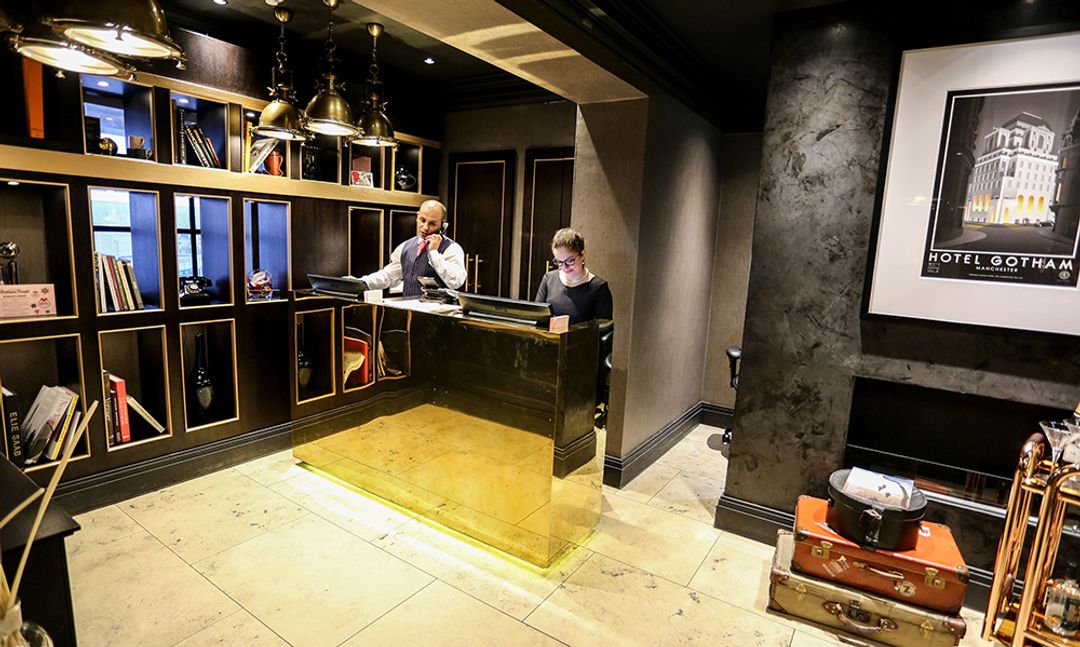
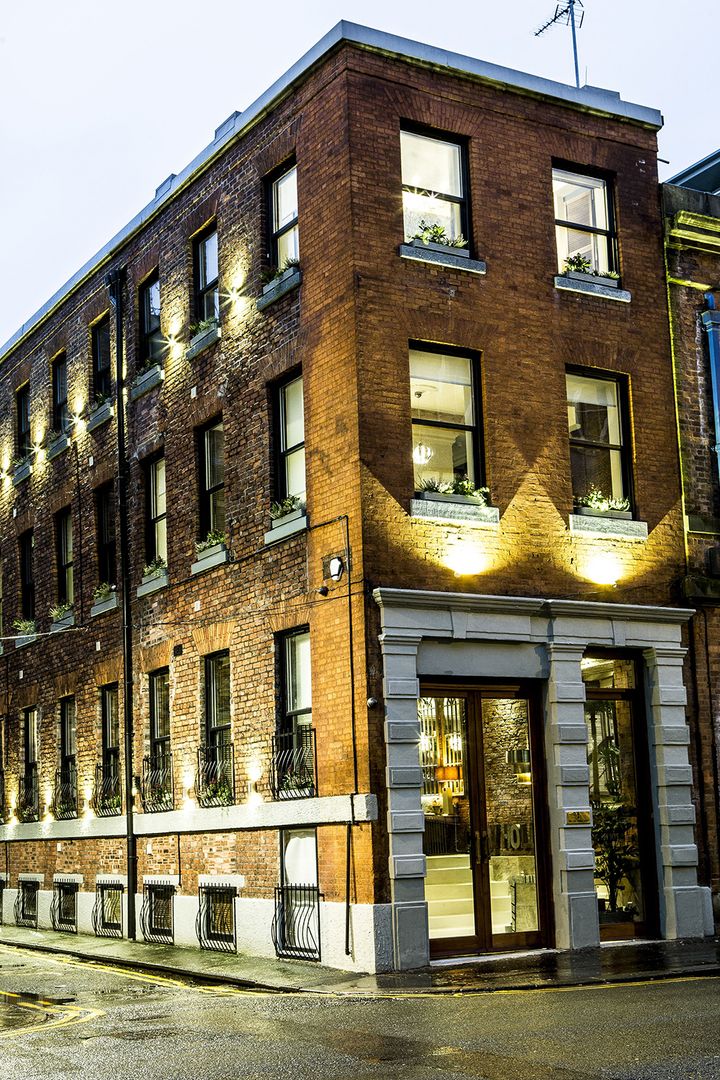
Manchester's most telling architectural moves happened in the 1890s, when the city's financial confidence materialized in stone and terracotta across the city center. Two hotels now occupy buildings from that era, and the contrast between them says something useful about how to read the place. Hotel Gotham inhabits a former Midland Bank on King Street, a Grade II-listed neo-baroque tower designed by Edwin Lutyens in 1935, and the interior conversion leans into the building's civic theatricality rather than softening it. Dark marble, deep banquettes, and a rooftop bar that frames the Victorian skyline without apologizing for any of it. A short walk east, the Stock Exchange Hotel occupies the former trading floor of the Manchester Stock Exchange on Norfolk Street, where the original Edwardian chamber has been preserved and repurposed with enough restraint to let the room's proportions do most of the work. Both properties sit within the Central Conservation Area, which makes proximity convenient, but the sensibility at each is genuinely distinct: Gotham plays to drama, the Stock Exchange to atmosphere.
The Northern Quarter runs at a different register. Loosely bounded by Piccadilly Gardens to the south and the old textile warehouses along Tib Street, the neighborhood has spent two decades accumulating independent record shops, ceramics studios, and bars that still feel like they belong to the people who built them. The Cow Hollow Hotel slots into this context without friction, a medium-scale property that prices itself closer to the area's independent spirit than to the polished confidence of King Street. It is a sensible base for anyone whose instinct is to spend the day in the neighborhood rather than just pass through it on the way somewhere else.
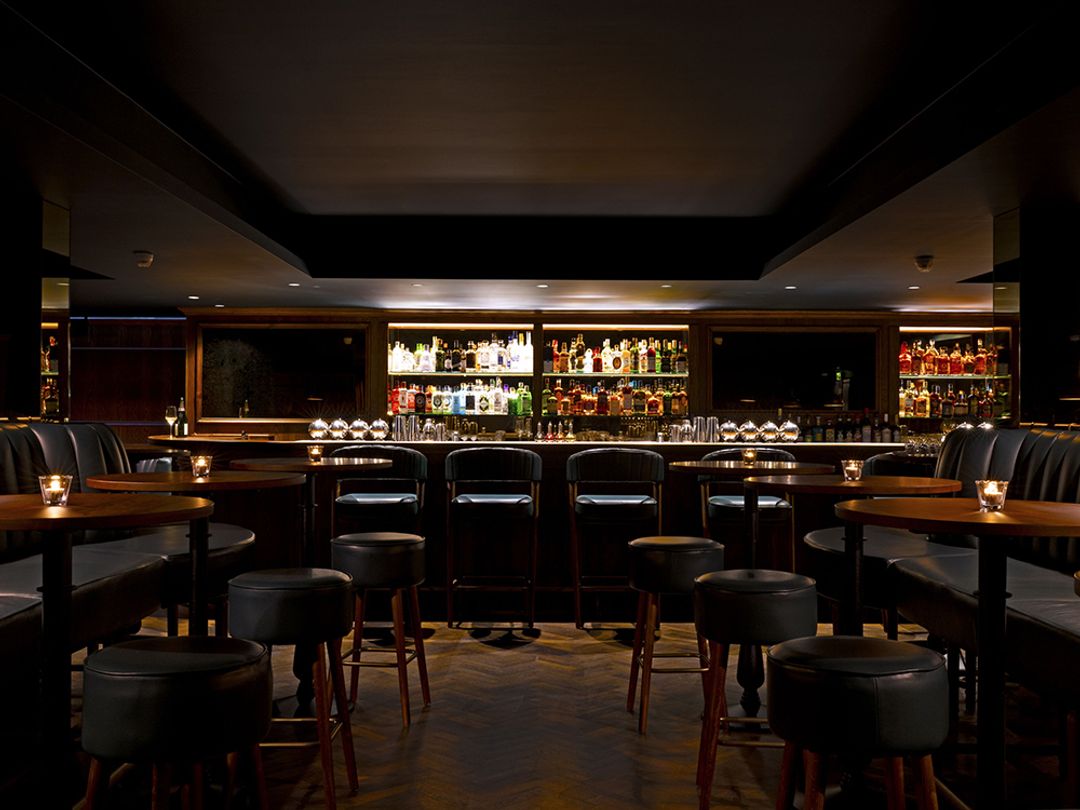
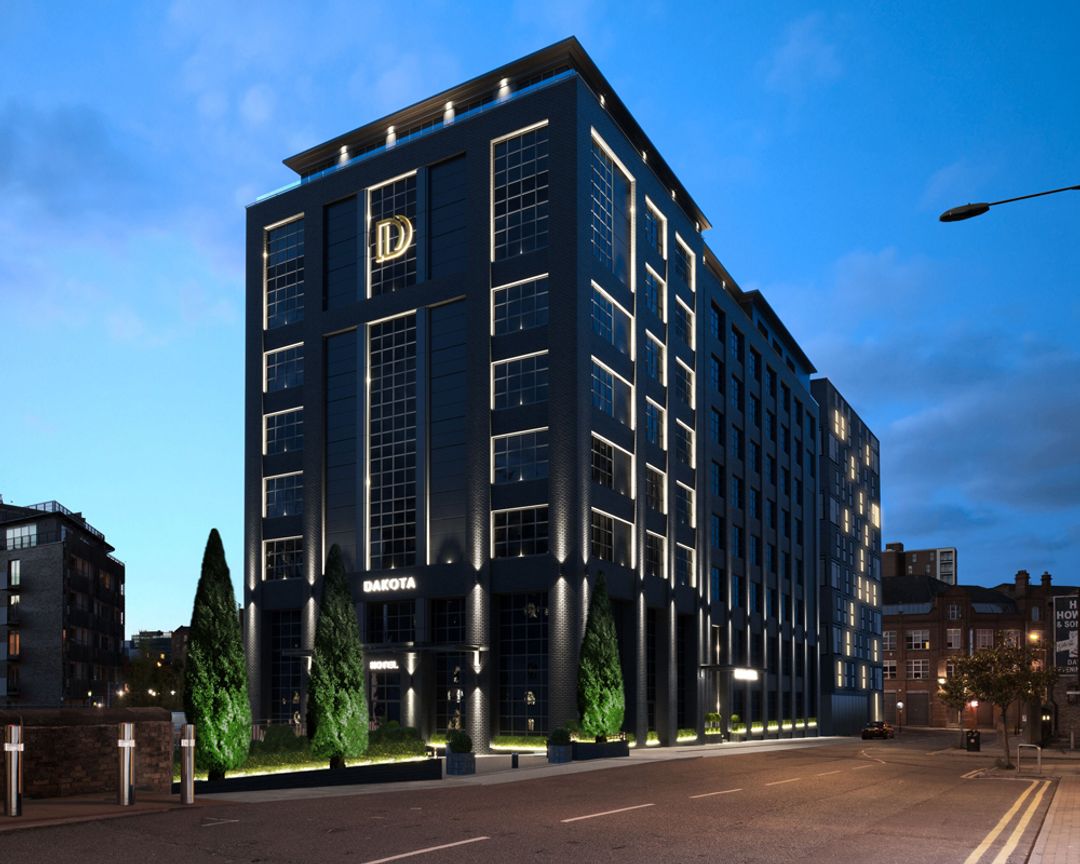
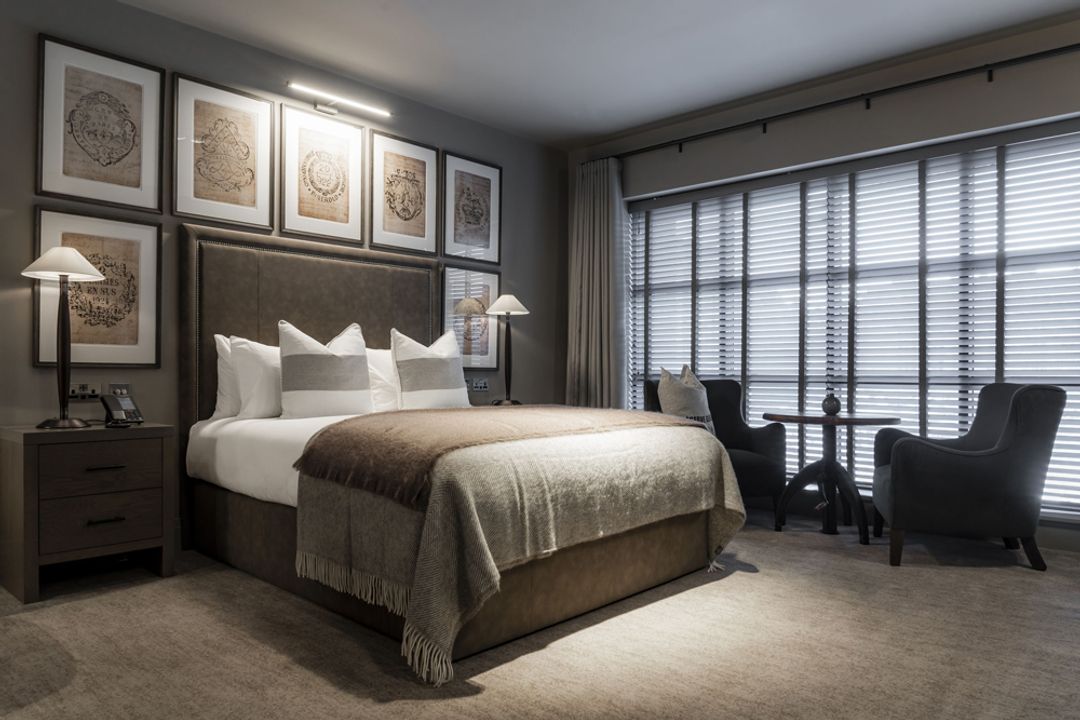
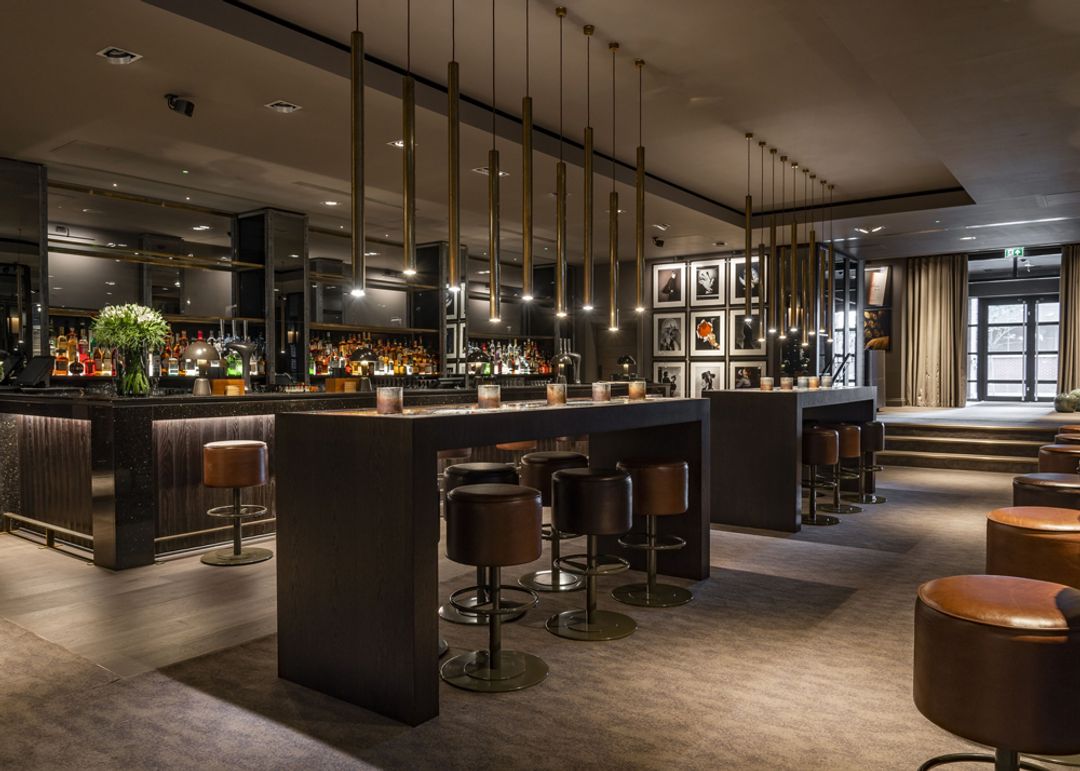
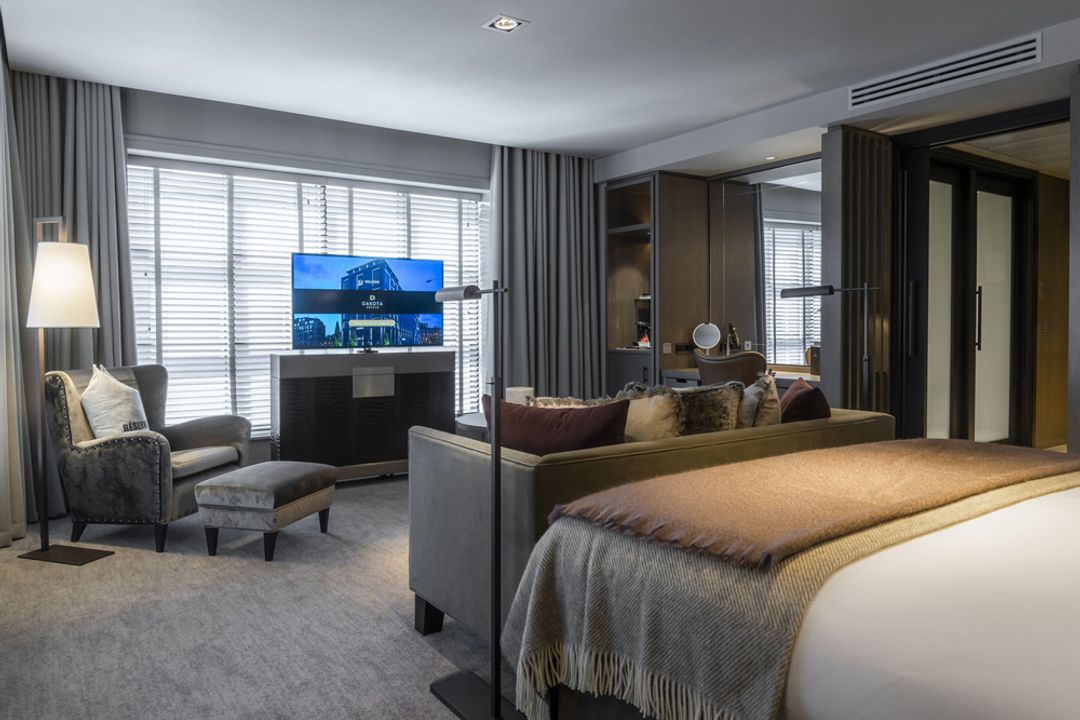
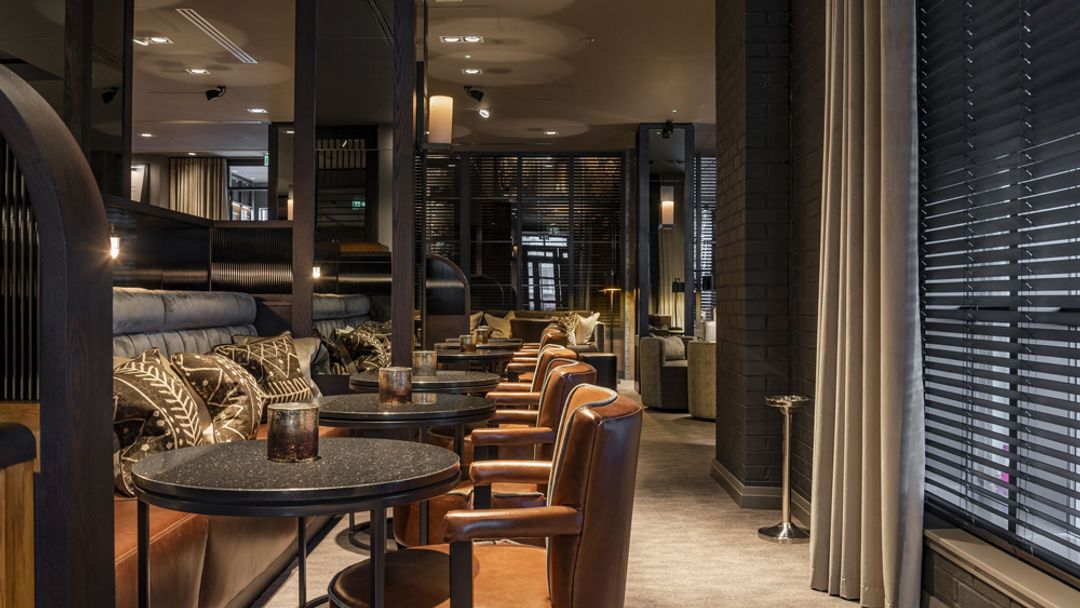
Dakota Manchester, positioned in Piccadilly Basin where the canal network pushes into the inner city, is the outlier here in terms of location and mood. The Dakota group, which developed its identity in Edinburgh and Glasgow, works in a consistent material register: dark exteriors, low lighting, bourbon-colored leather, a studied moodiness that flatters the traveler who wants their hotel to feel like a considered retreat rather than a civic monument. The Basin itself is mid-regeneration, which gives it a useful quality of being neither finished nor neglected, and the hotel reads well against that ambiguity. For the traveler arriving by train at Piccadilly and wanting to deposit bags quickly before the city makes its case, the geography is straightforwardly practical.