Best hotels in Bordeaux City, France | Visually Compare Top Stays Side-by-Side
Welcome to PressBeyond - a curated visual guide to design-driven hotels and the fastest way to compare them.
An Overview of the Boutique & Luxury Hotel Landscape in Bordeaux City, France
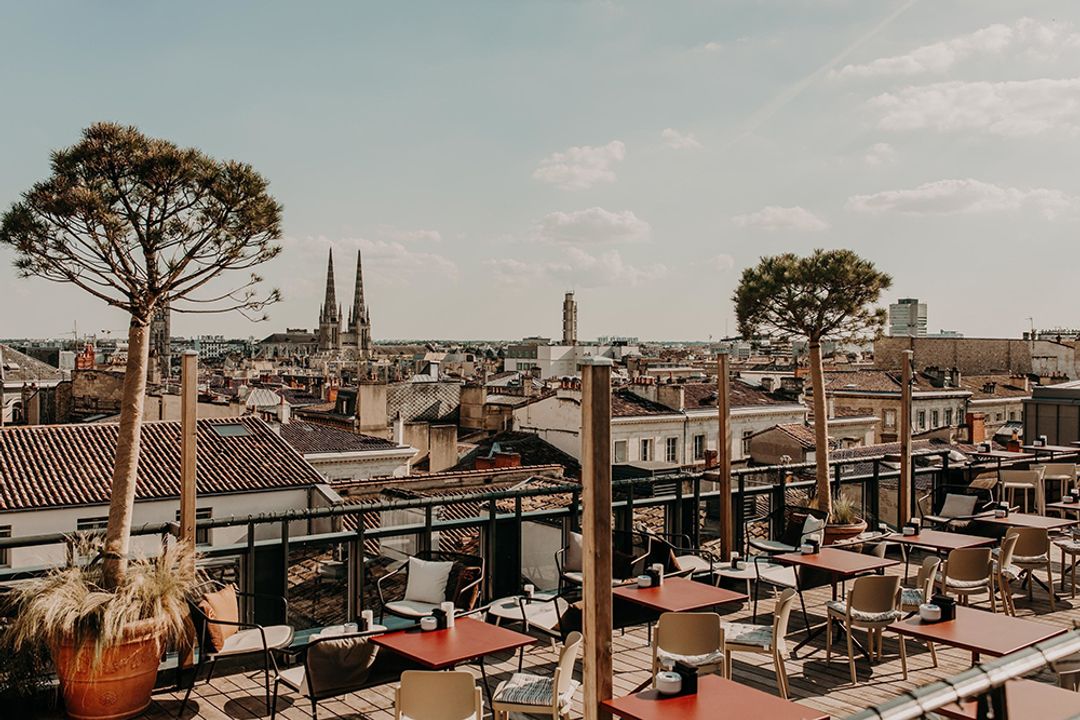
Bordeaux built its fortune on wine and stone, and the city wears that history with unusual coherence. The entire historic center is a UNESCO World Heritage site, and the neoclassical limestone that lines the quays, the grand cours, and the townhouse streets of the Chartrons and Saint-Pierre quarters gives the city a formal, almost austere beauty that distinguishes it sharply from other French provincial capitals. What makes staying here interesting is that the finest hotels have chosen not to impose themselves on this backdrop but to disappear into it, working through conversion and careful interior intervention rather than new construction.
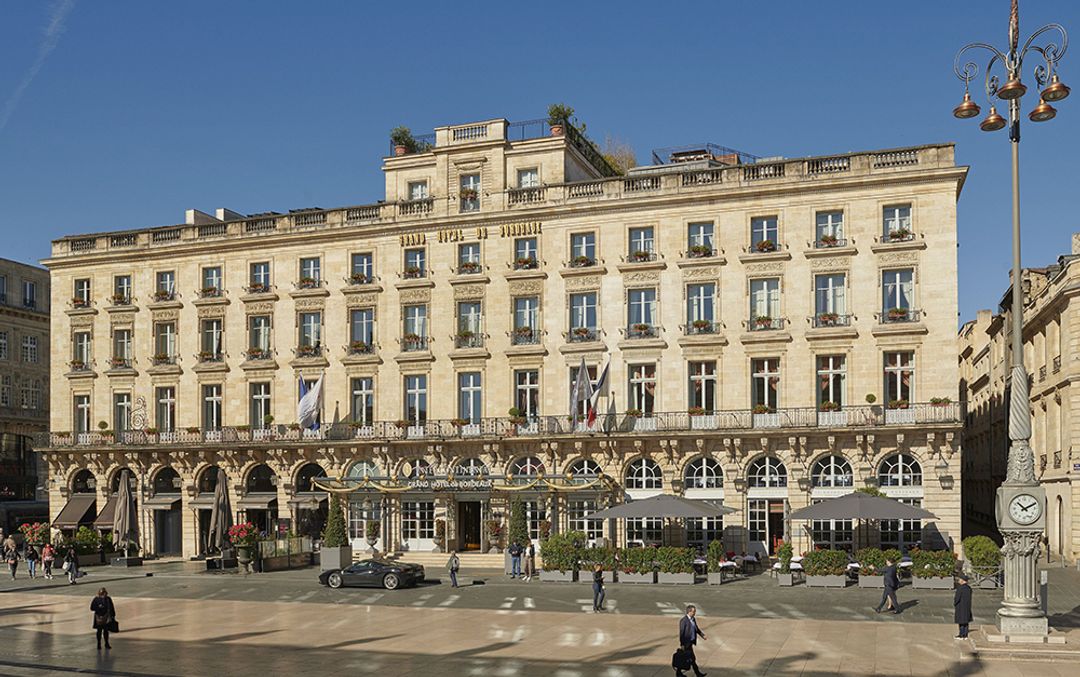
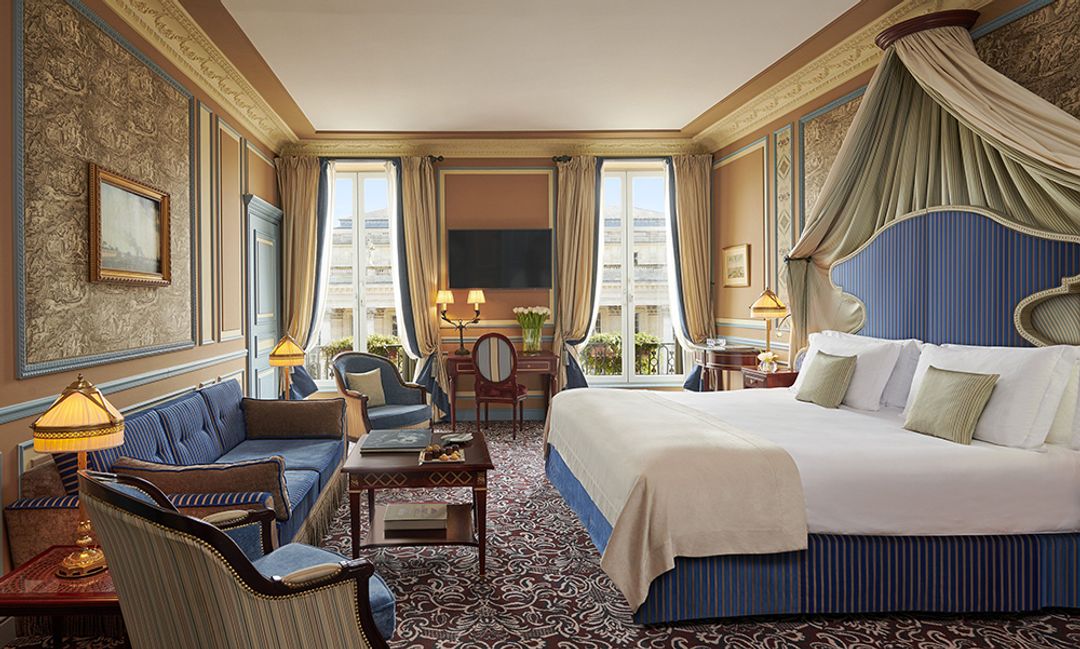
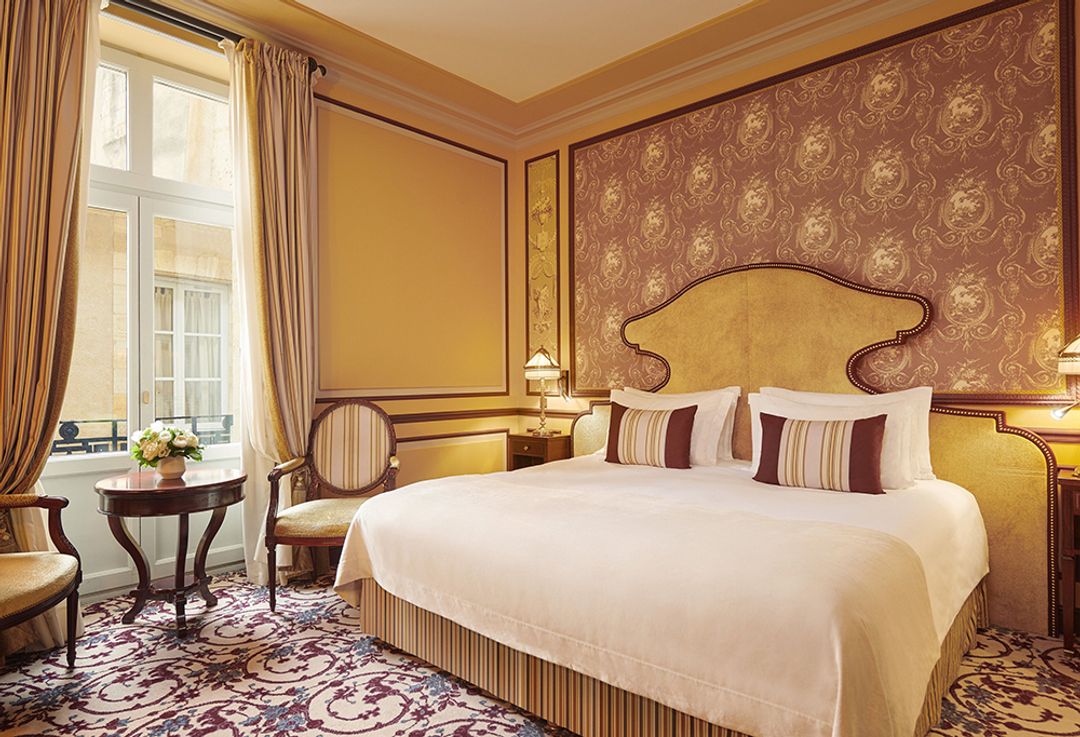
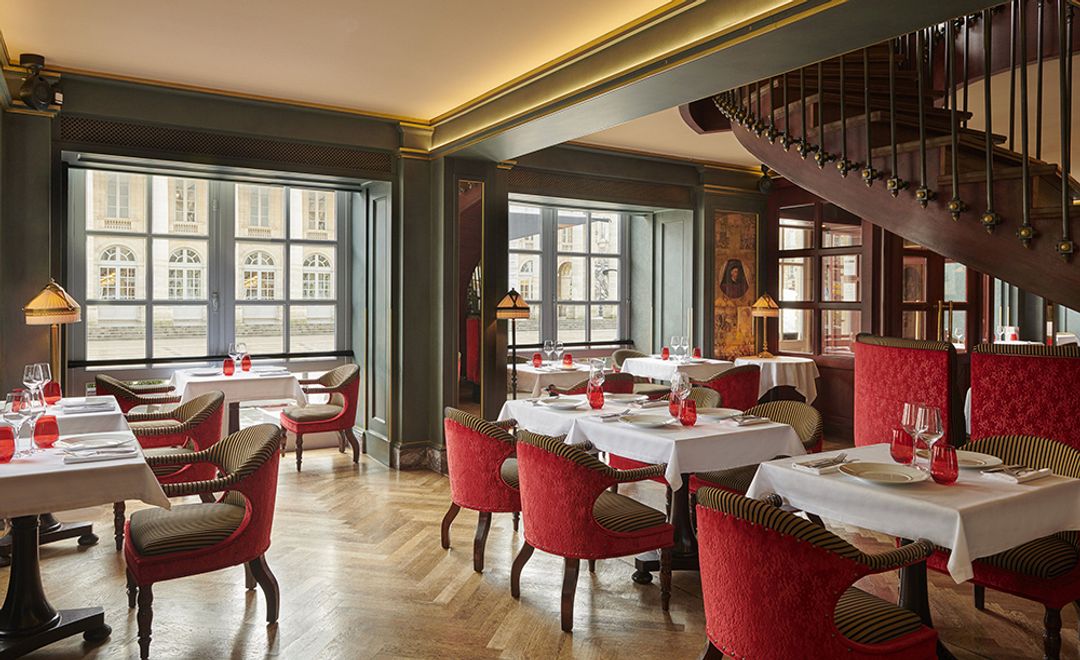
Saint-Pierre, the commercial and administrative heart of old Bordeaux, holds the Intercontinental Bordeaux Le Grand Hotel, occupying the city's neoclassical Grand Théâtre on the Place de la Comédie. The building dates to 1780, designed by Victor Louis, who also worked on the Palais Royal in Paris, and the hotel wraps around that architectural inheritance with varying degrees of success. The public spaces carry the grandeur of the original structure; the rooms are more conventional in their luxury hotel delivery, which explains its medium quality positioning despite the splurge price point. It is, nonetheless, one of the more remarkable addresses in France for sheer civic architecture, and its location places you within walking distance of the Garonne riverfront and the covered market of the Marché des Capucins.
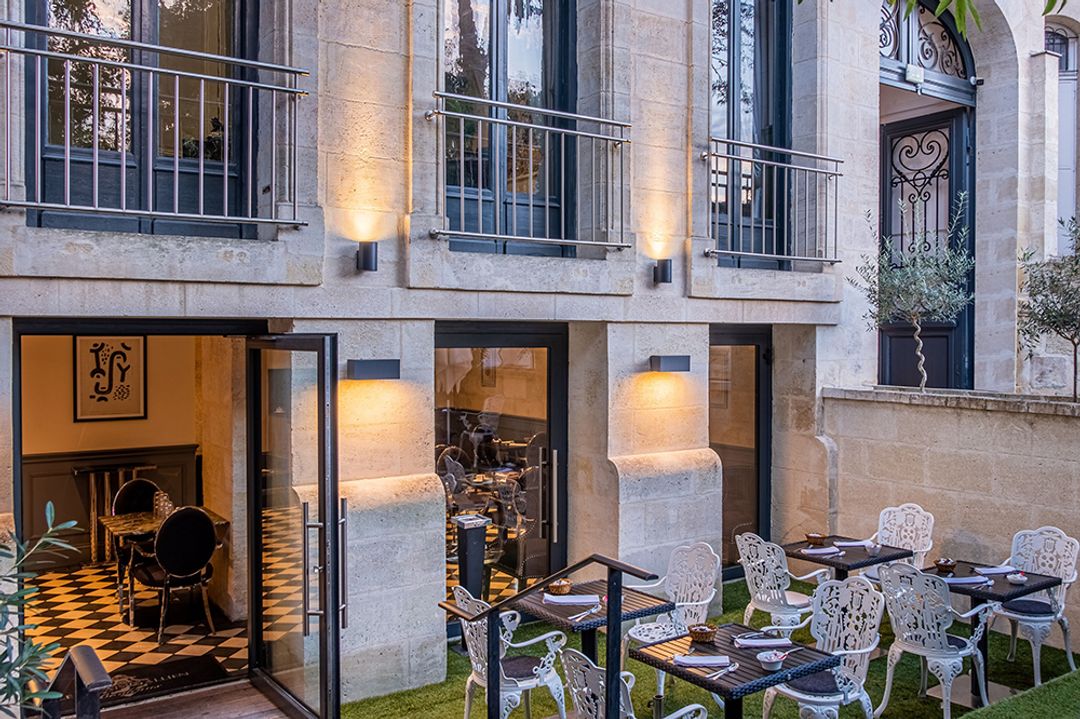
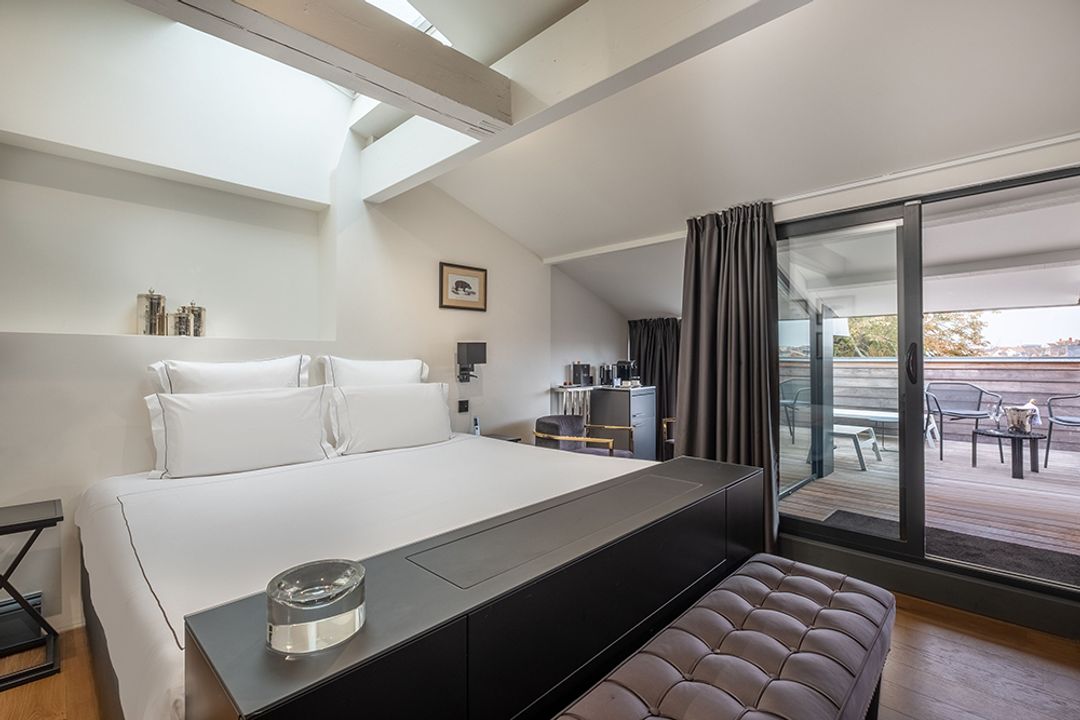
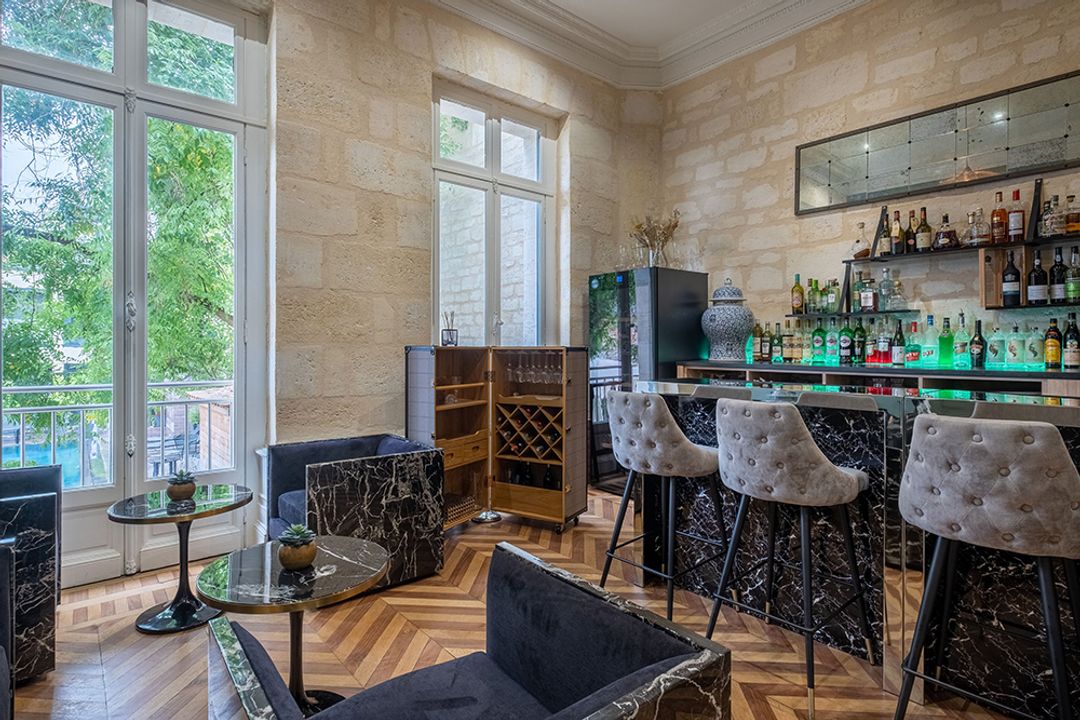
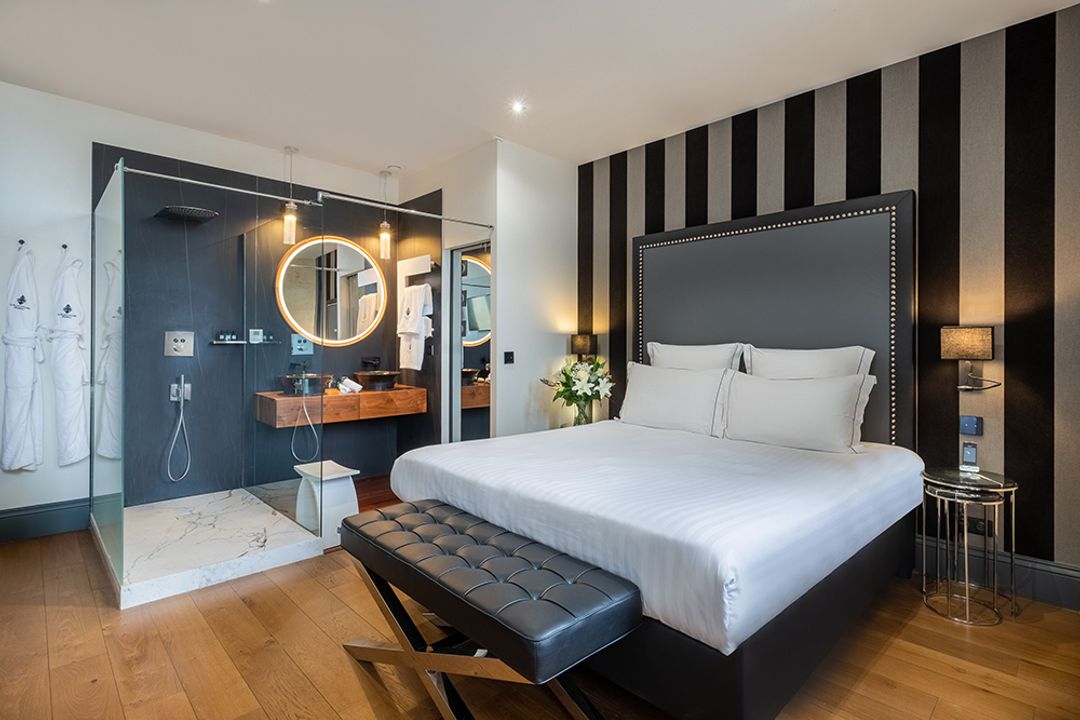
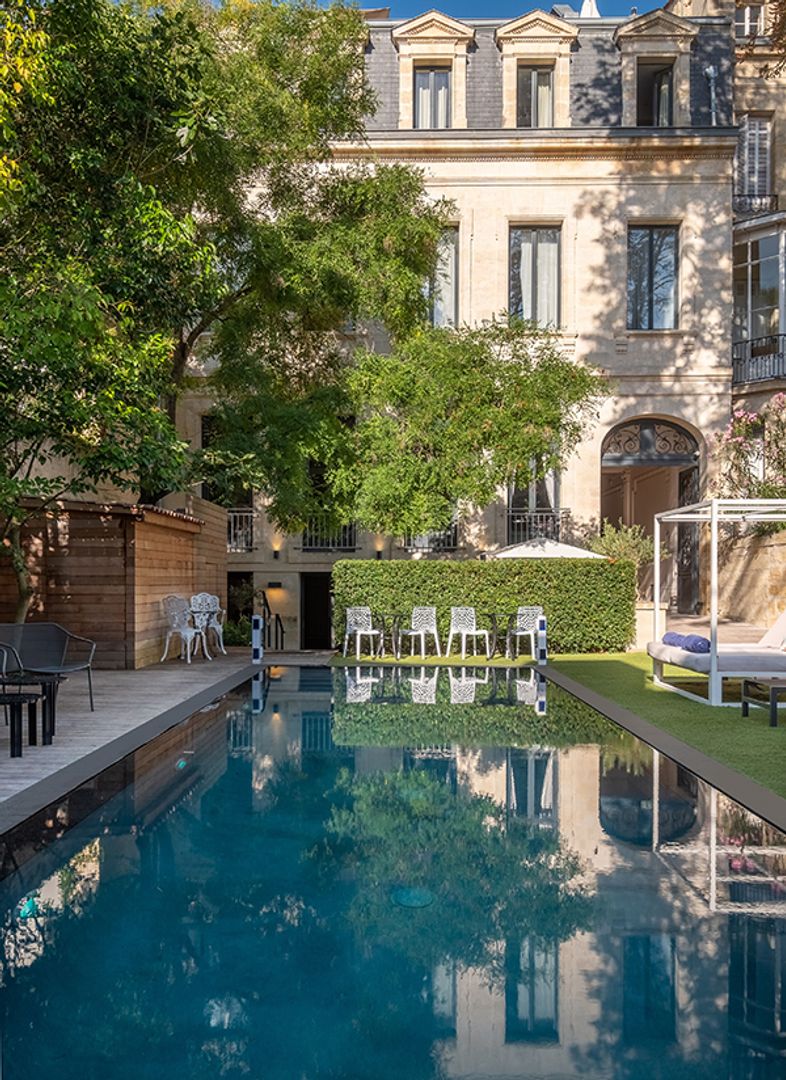
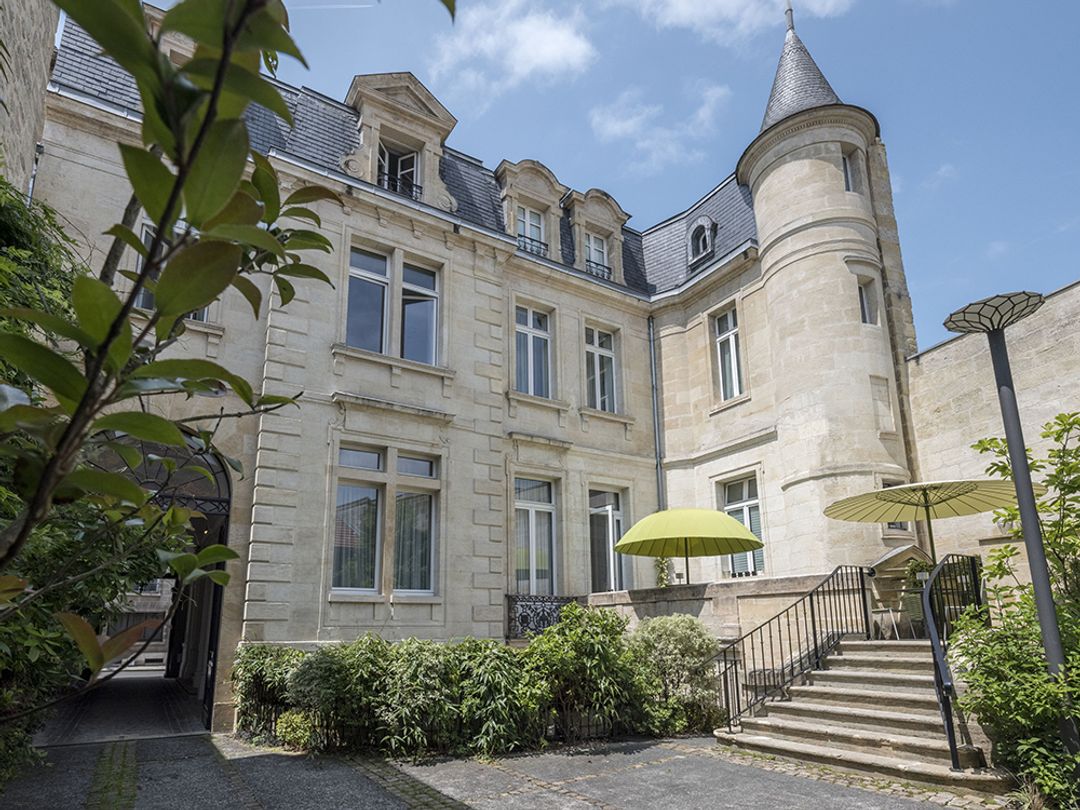
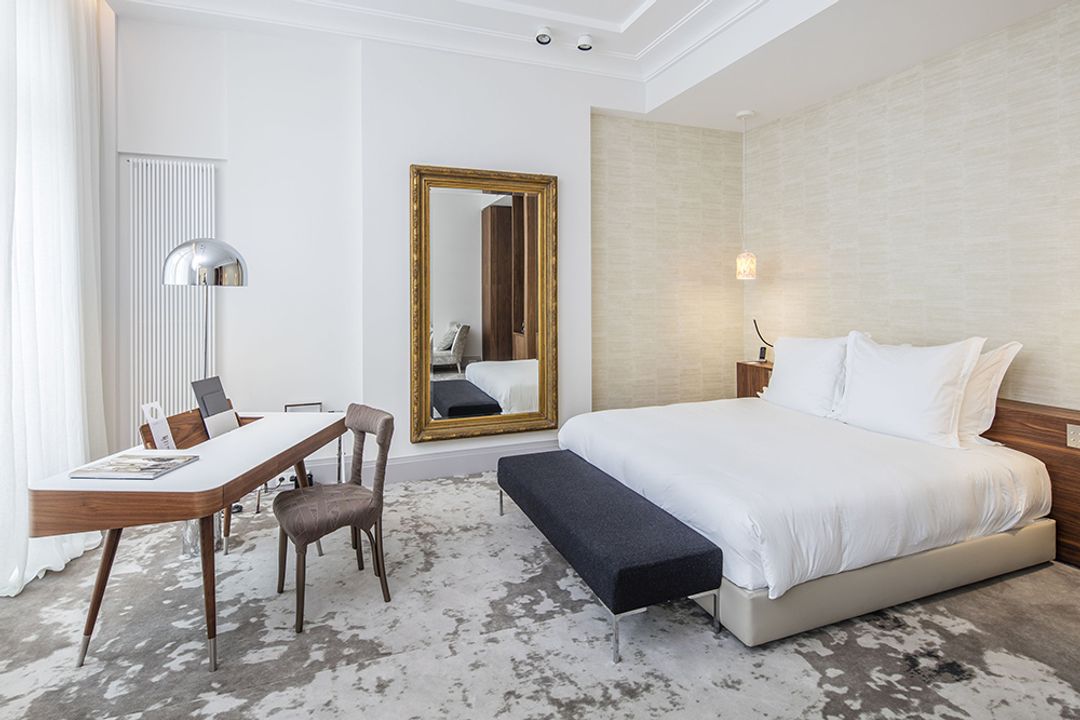
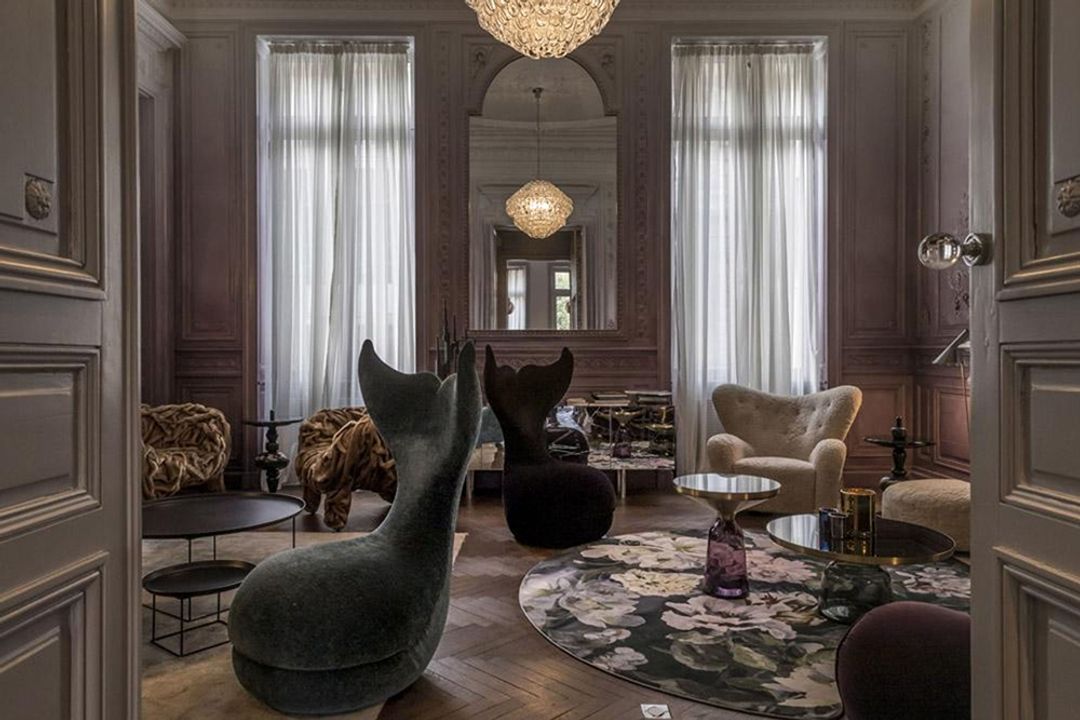
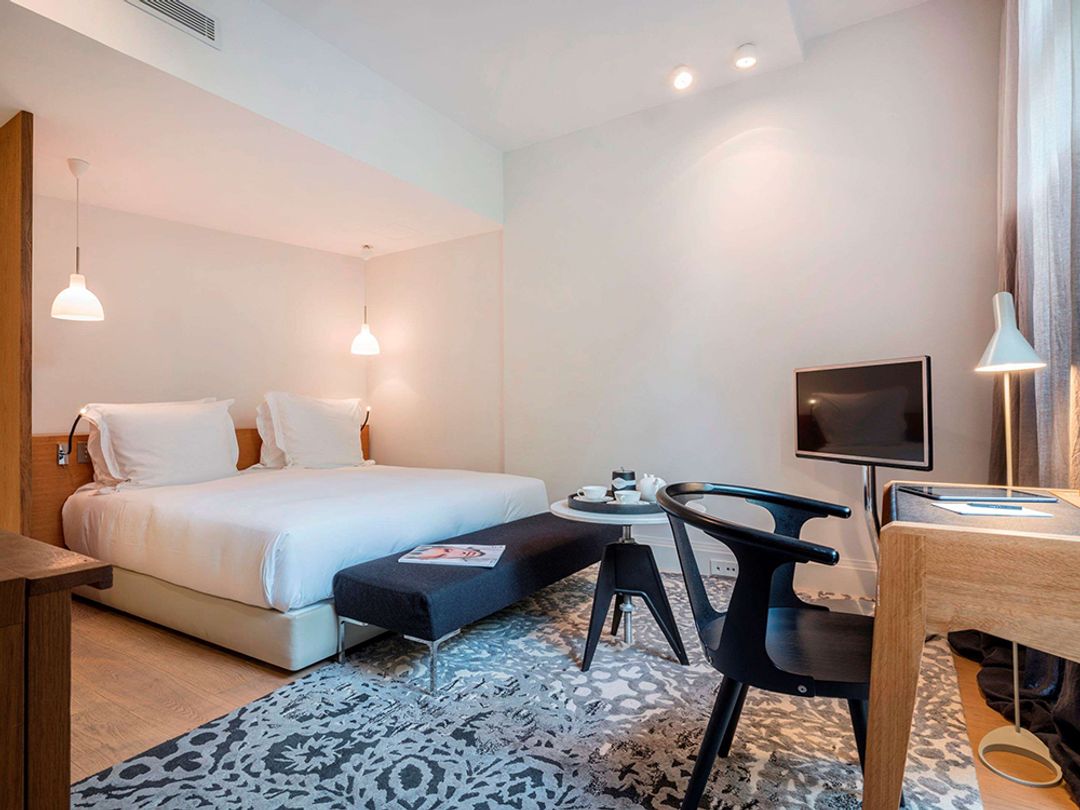
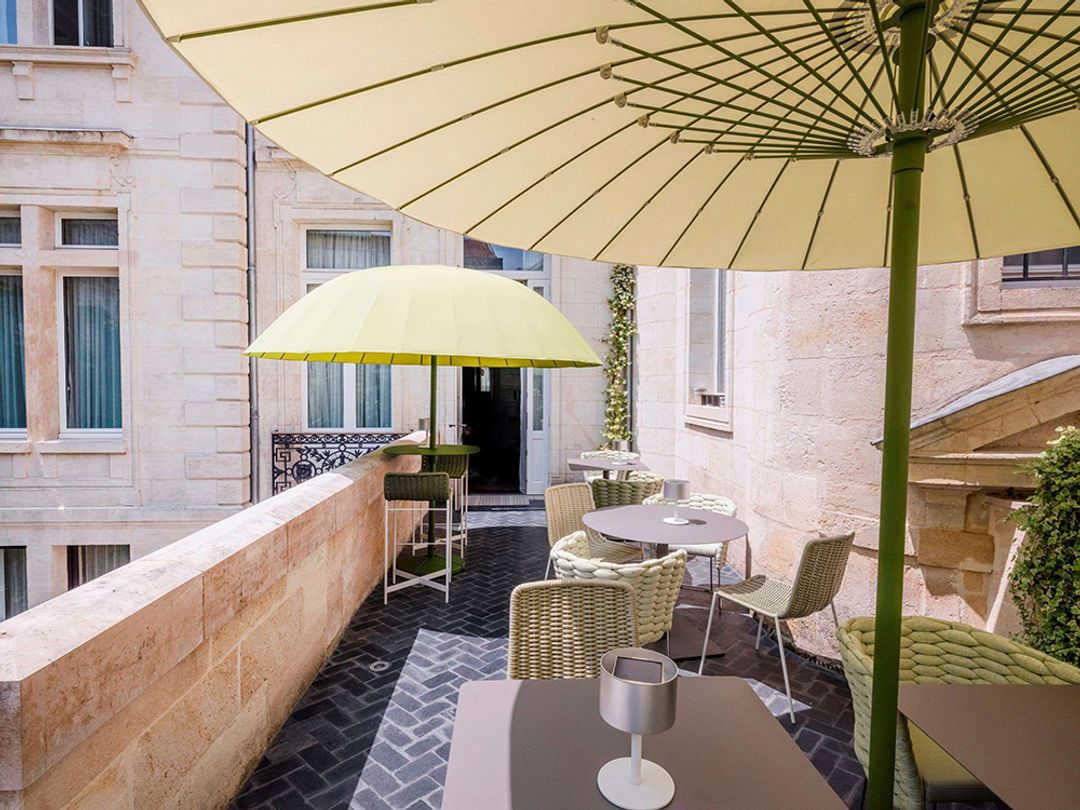
The two properties in Saint-Seurin-Fondaudège, a quieter residential quarter northwest of the center, offer a different proposition entirely. Yndo Hotel occupies a pair of 18th-century hôtels particuliers on the Rue Lafaurie de Monbadon and is among the most considered small luxury hotels in southwest France, with interiors that take the bones of the period architecture seriously rather than using them as costume. The owner-driven attention to detail shows in the textiles, the furniture selections, and the restraint applied throughout. Le Palais Gallien, nearby and similarly priced, takes its name from the Roman amphitheater ruins visible from its upper floors, one of the few fragments of ancient Burdigala surviving above ground. Both hotels suit a traveler who wants the grain of a city rather than its postcard surface, and together they make Saint-Seurin-Fondaudège, often overlooked in favor of the quayside, the most rewarding part of Bordeaux in which to base yourself.