Best hotels in Cannes, France | Visually Compare Top Stays Side-by-Side
Welcome to PressBeyond - a curated visual guide to design-driven hotels and the fastest way to compare them.
An Overview of the Boutique & Luxury Hotel Landscape in Cannes, France
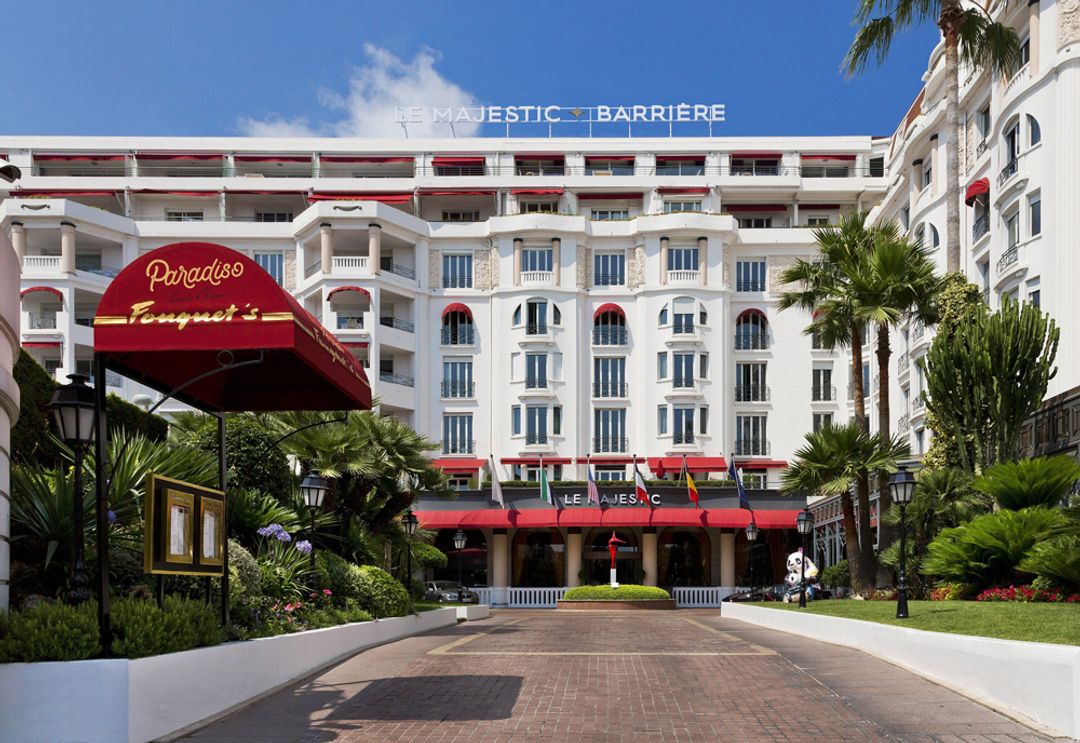
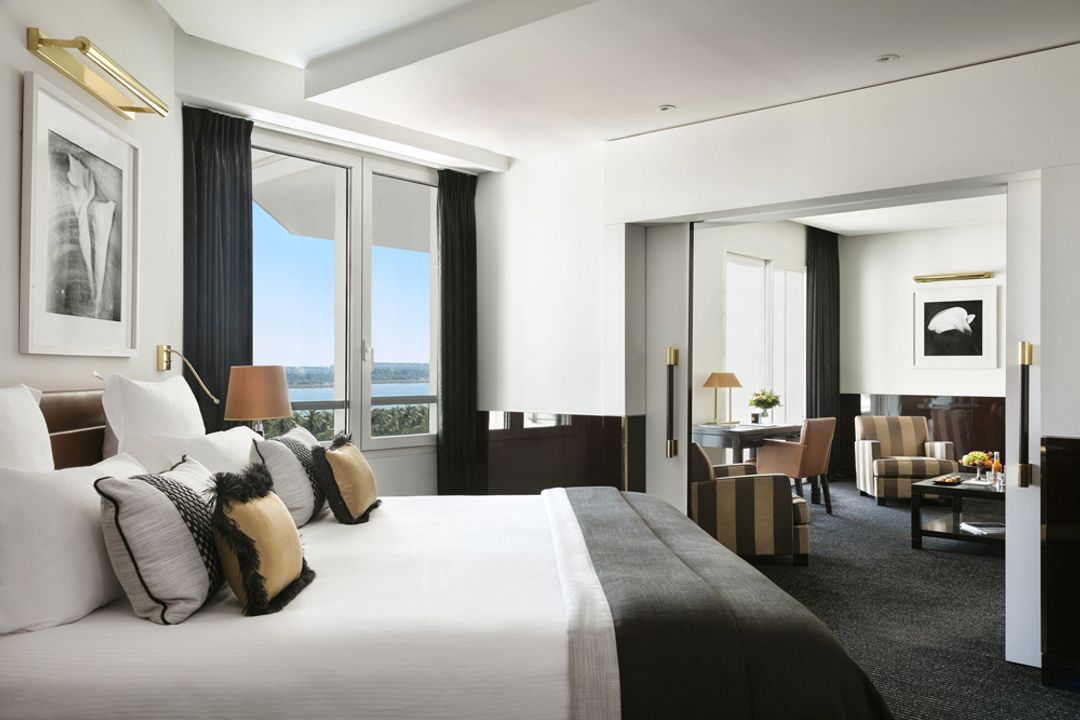
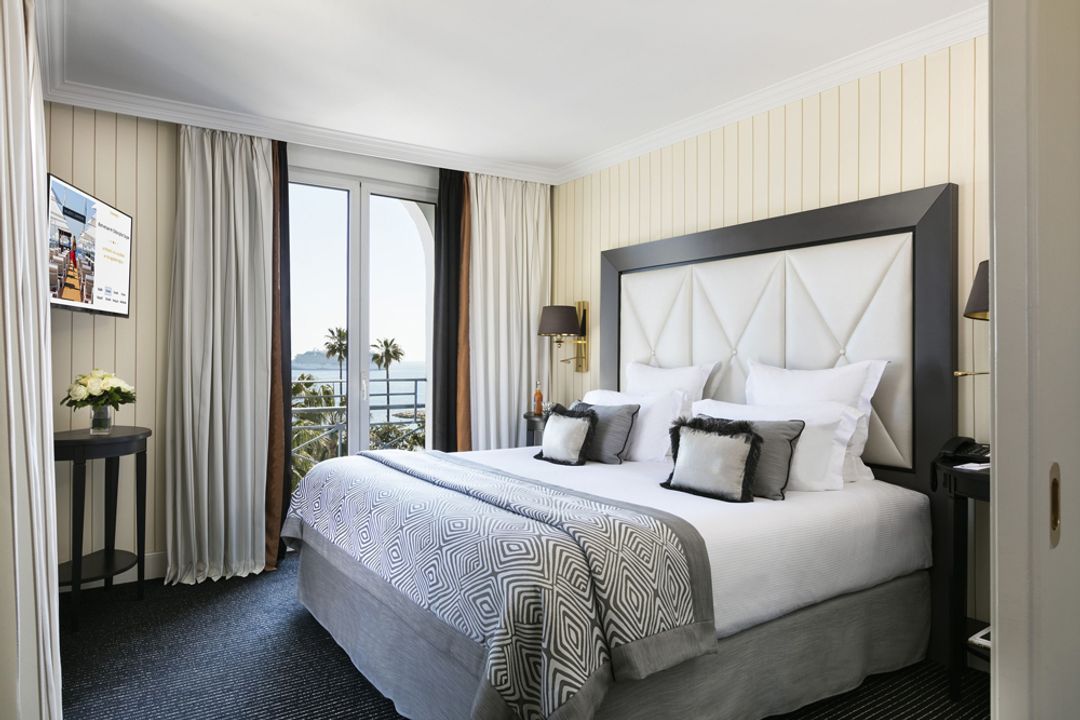
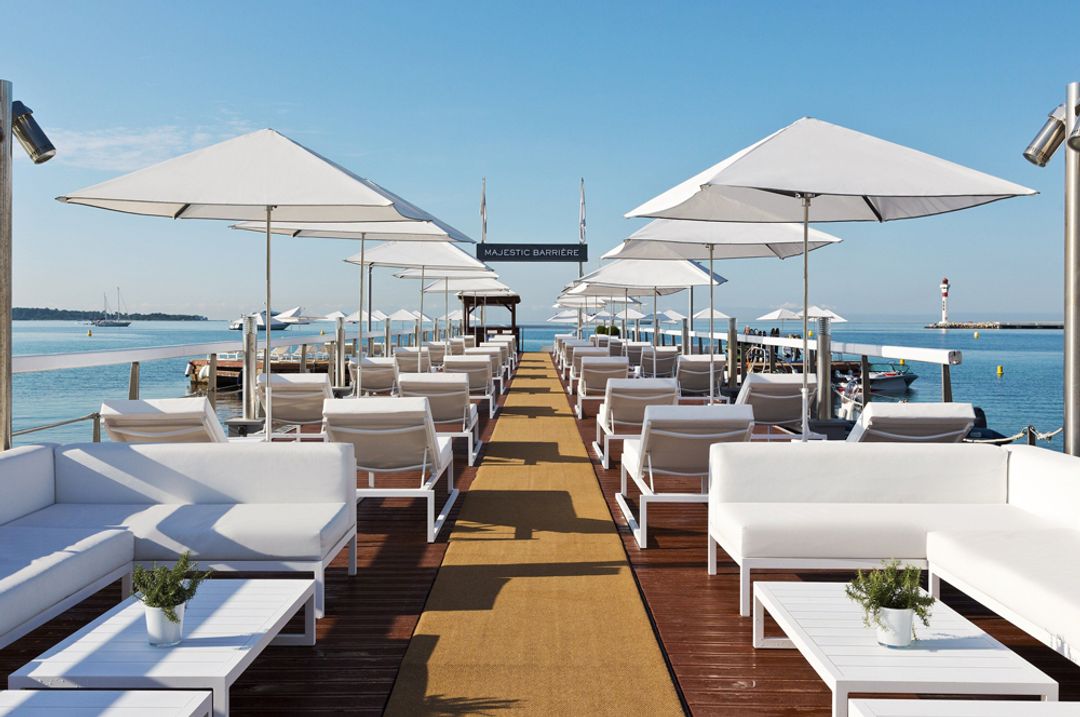
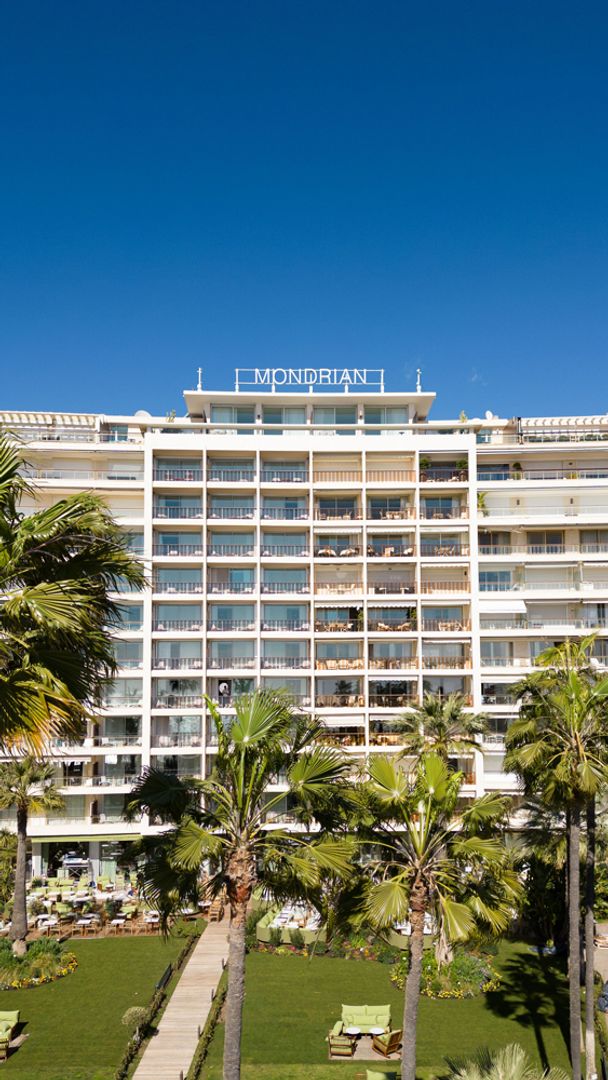
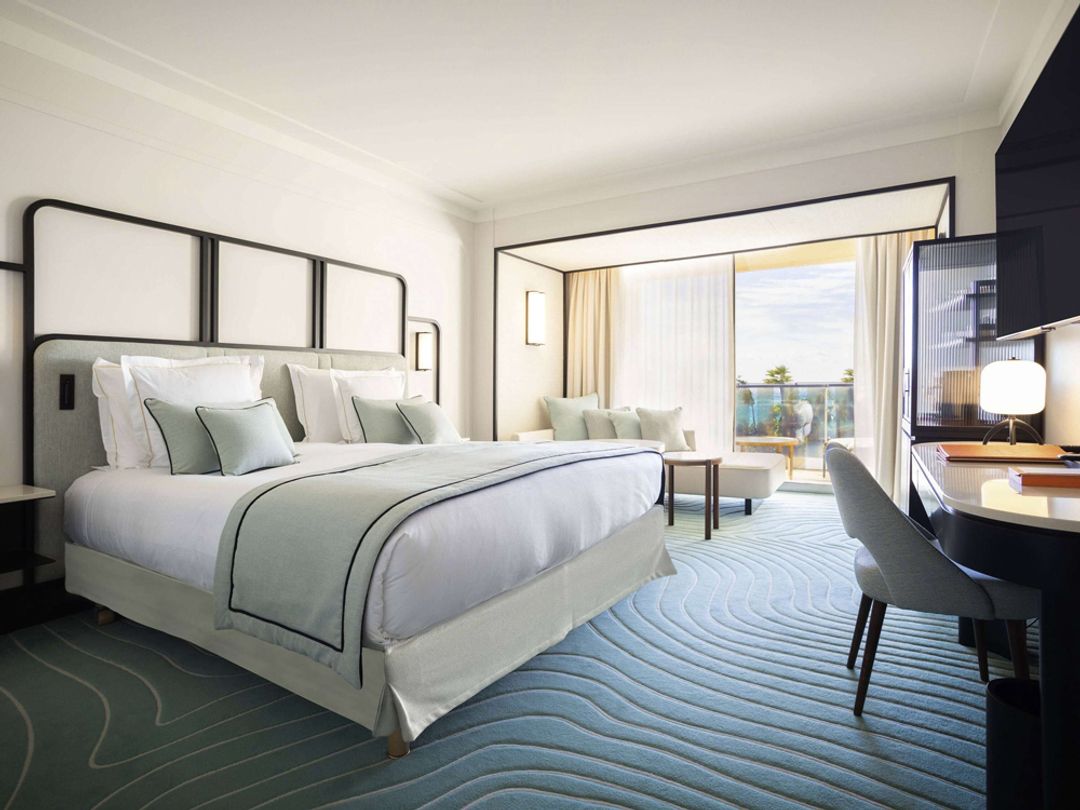
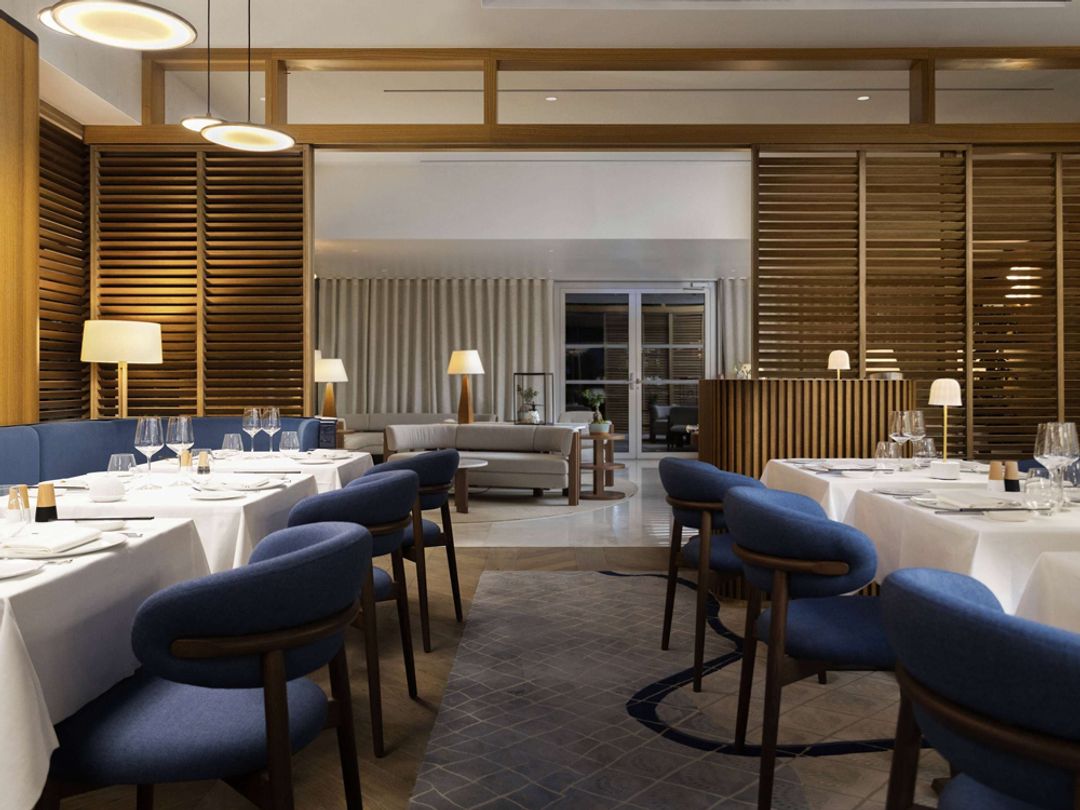
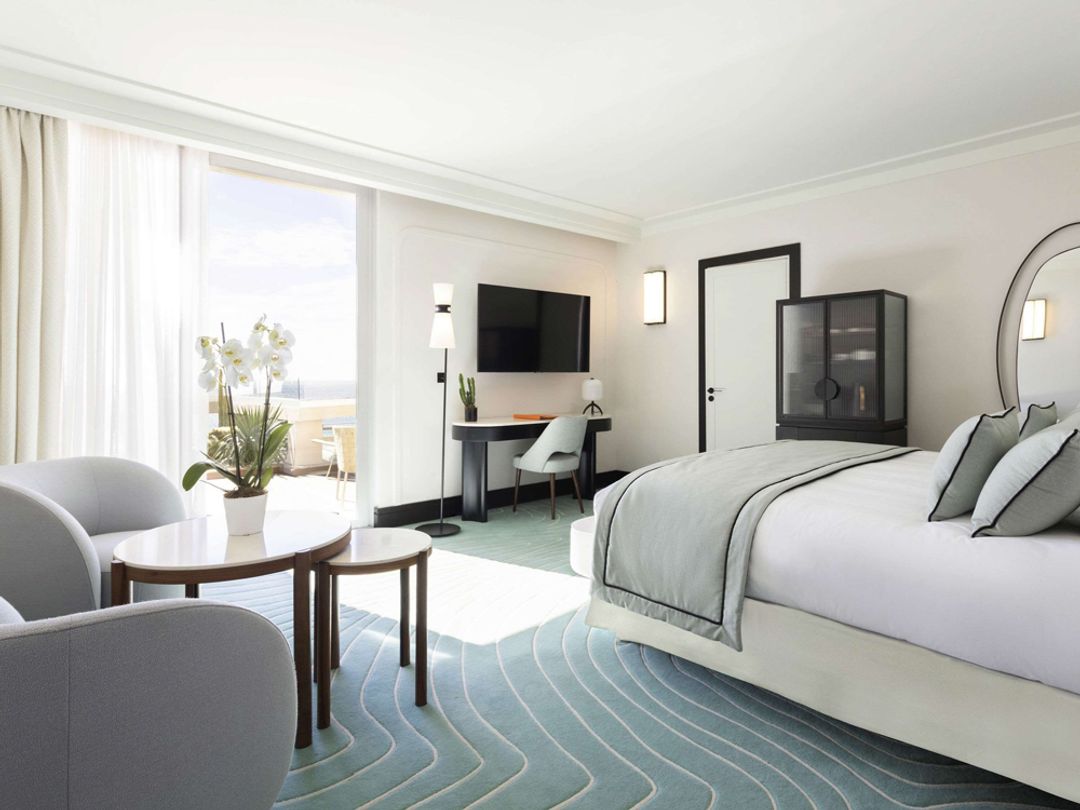
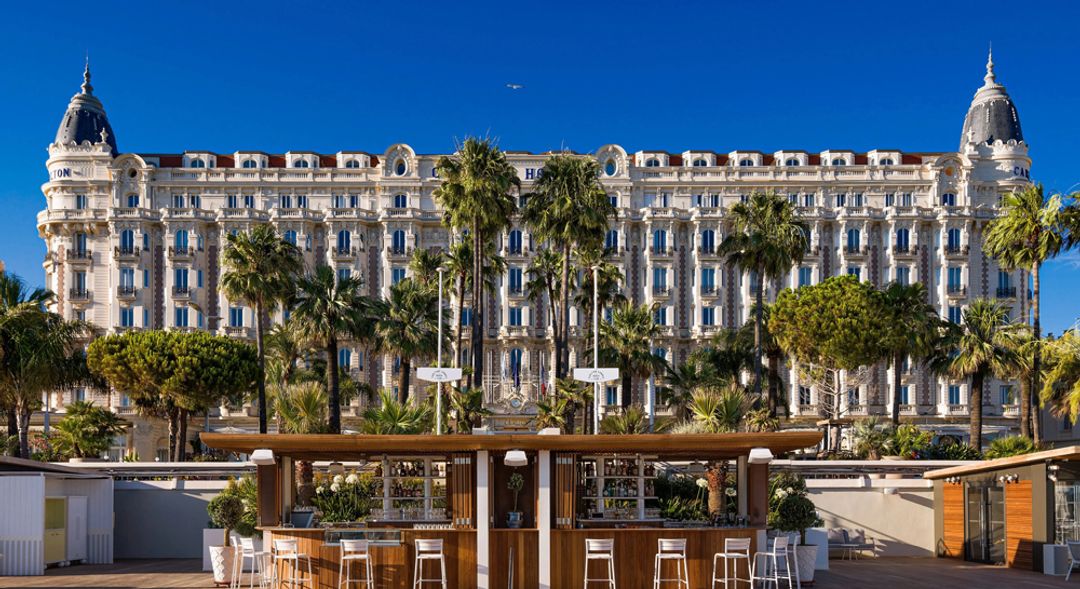
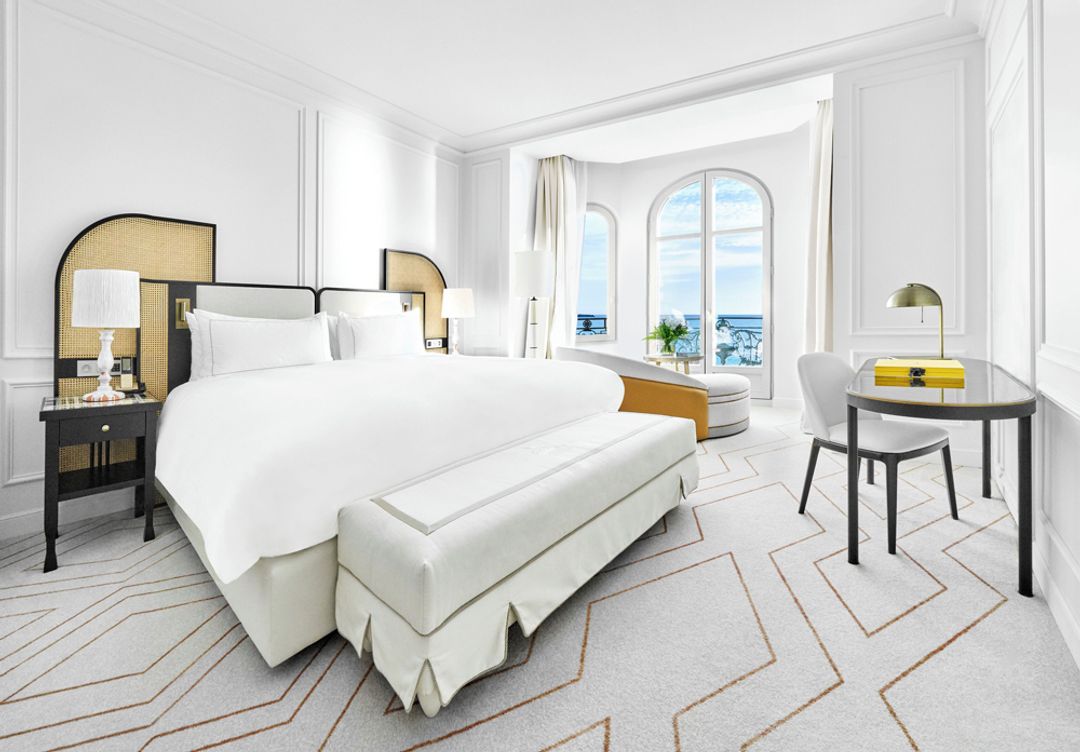
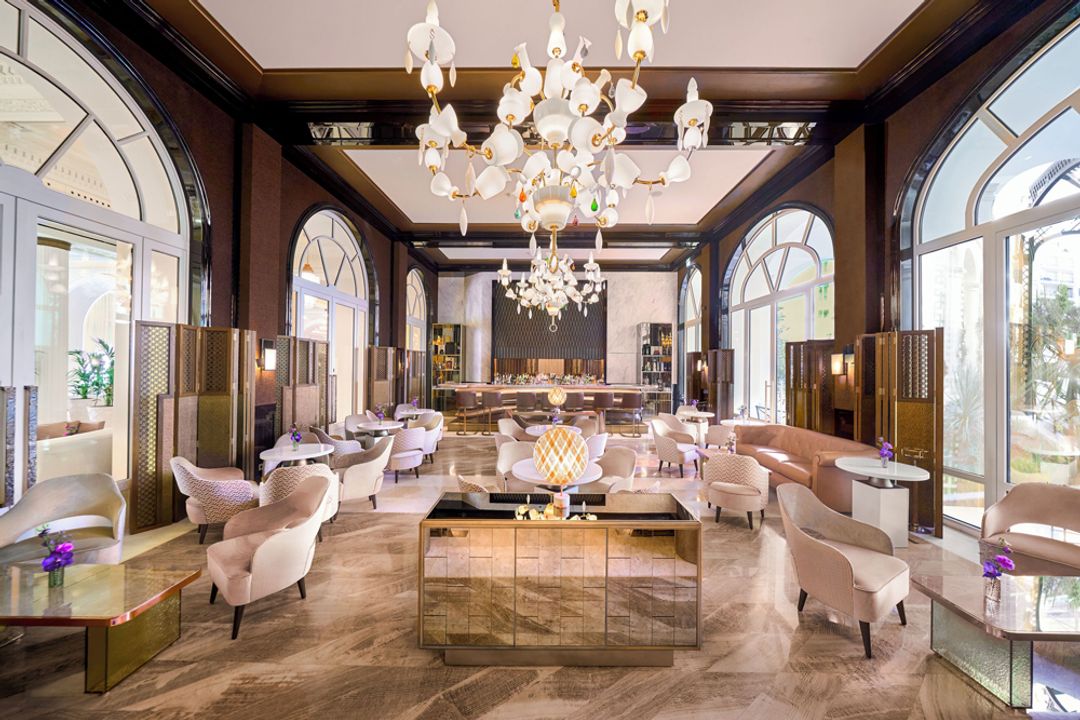
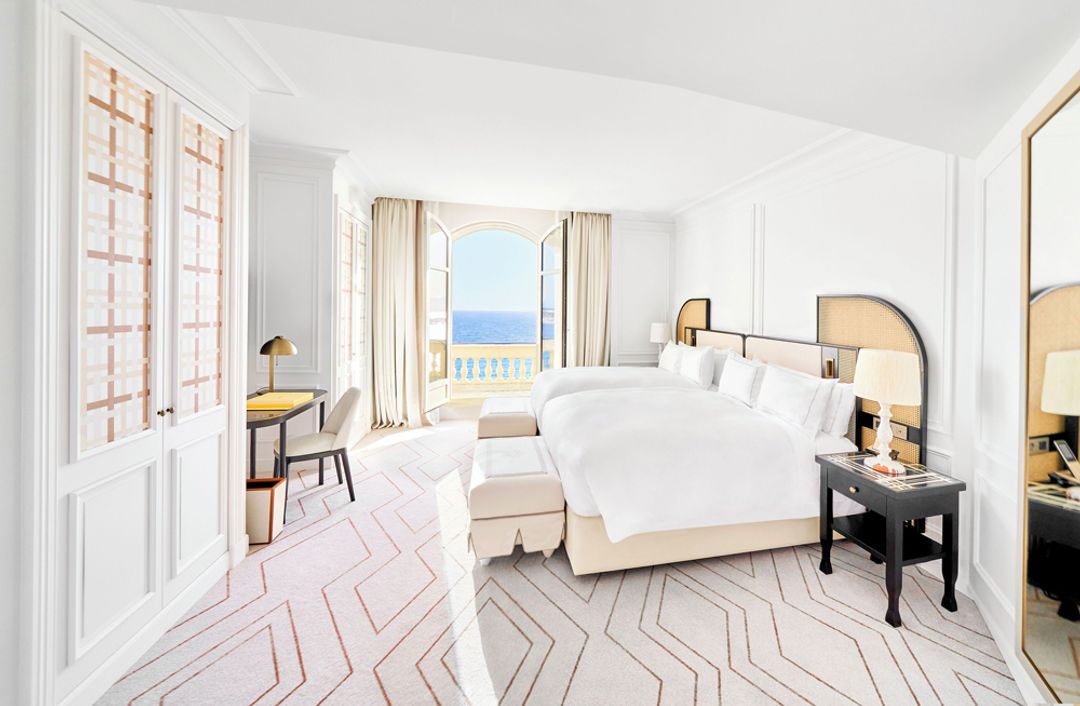
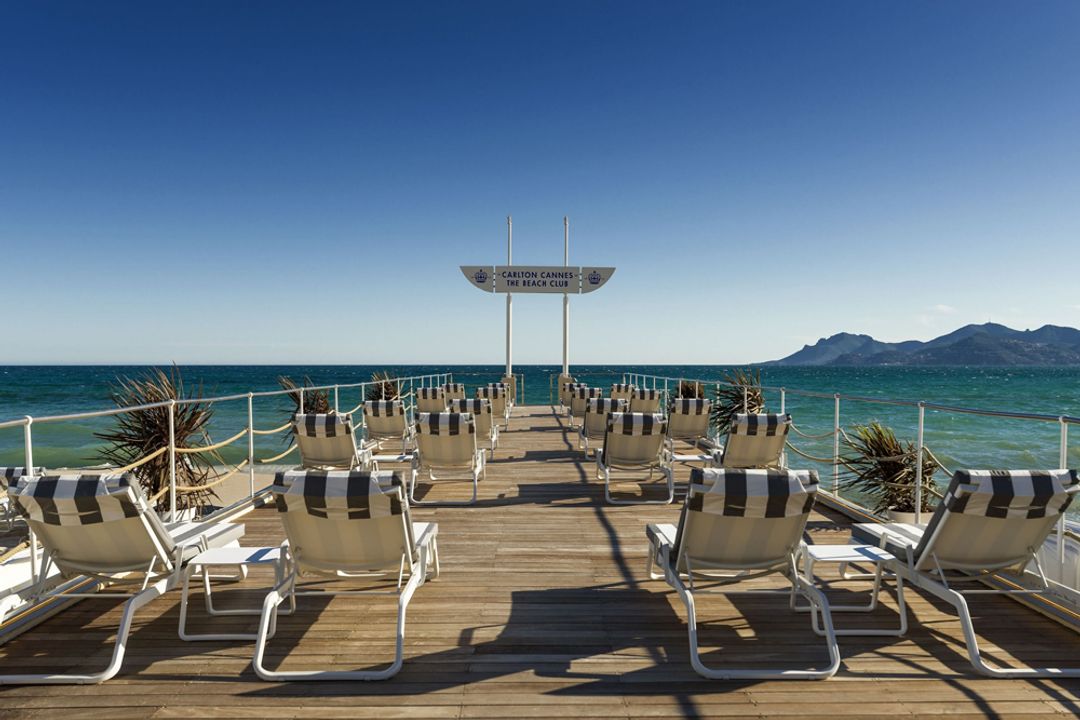
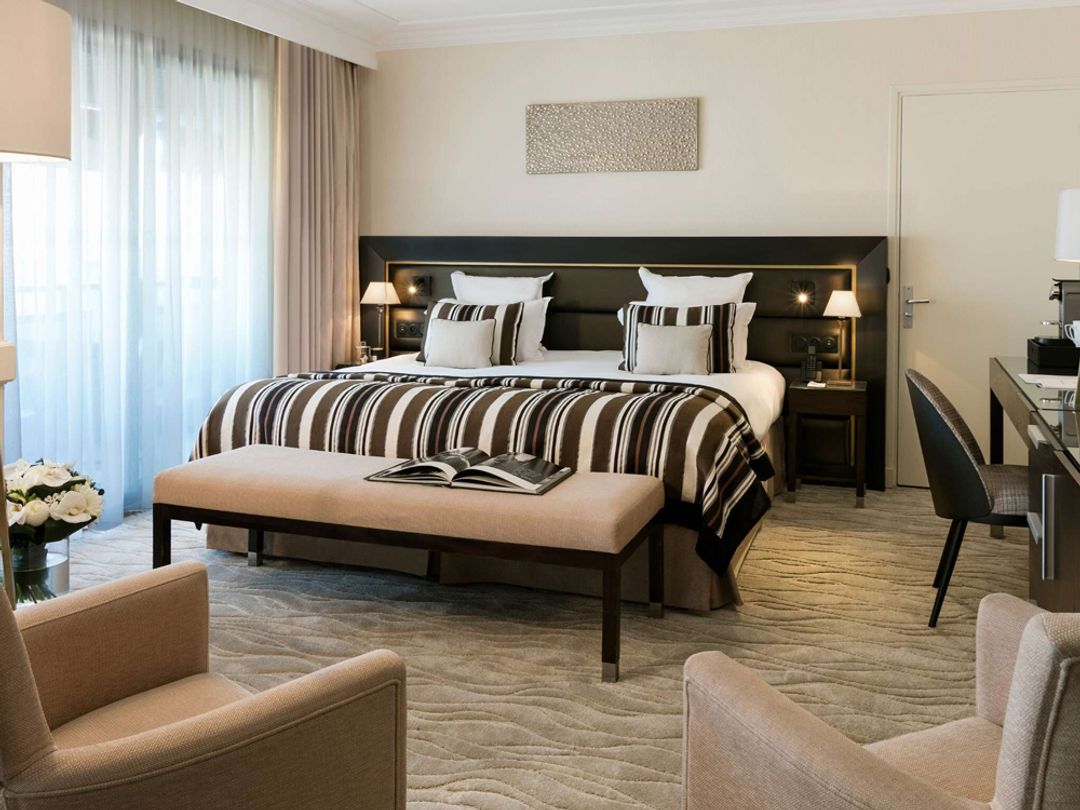
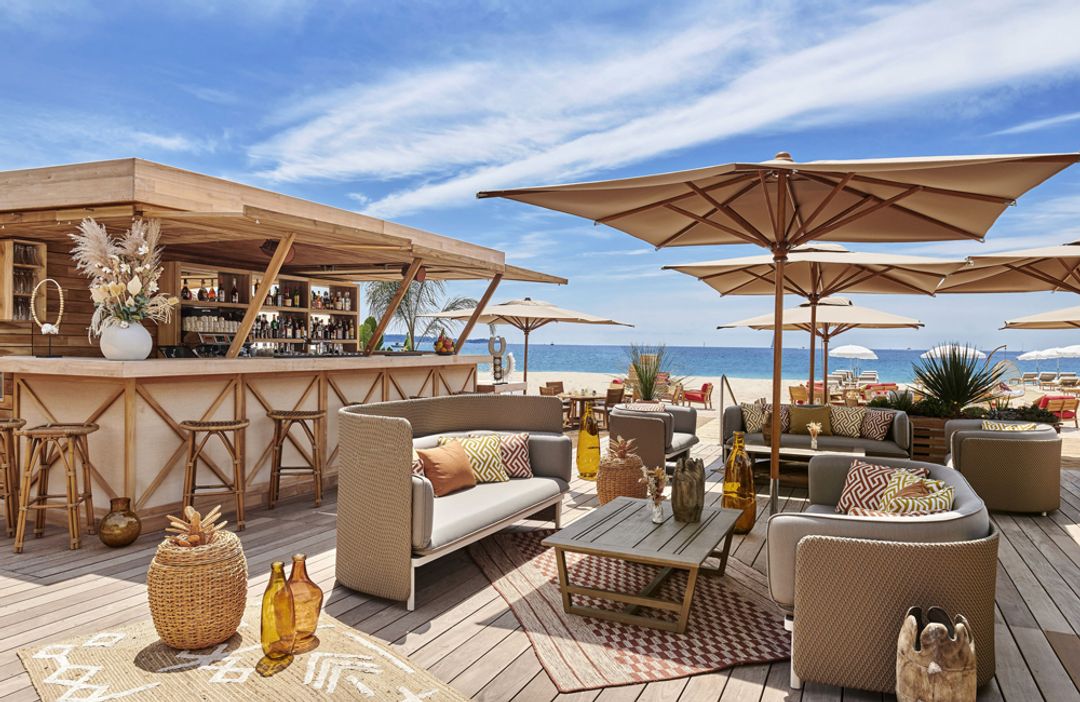
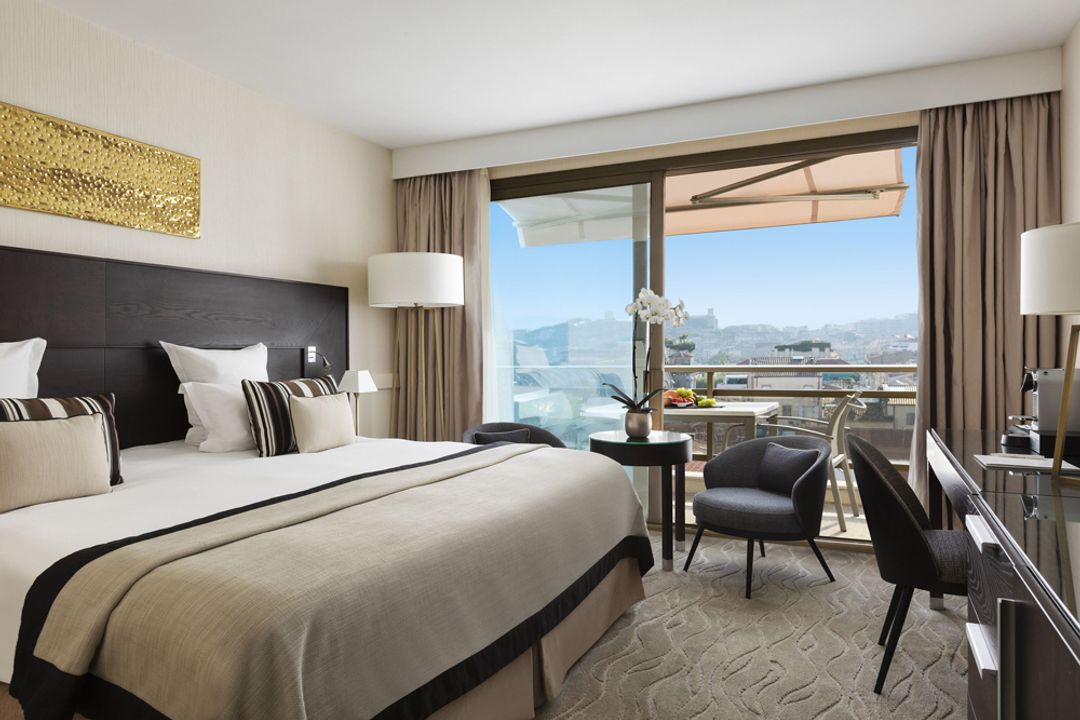
La Croisette is Cannes at its most theatrical. The Boulevard de la Croisette, that long palm-lined sweep along the Baie de Cannes, was designed to be seen from and to be seen on, and the hotels that line it have always understood this. The Carlton Cannes, a Regent Hotel, is the boulevard's most architecturally assured presence: its 1911 Belle Époque facade, with twin cupolas said to be modeled on the breasts of La Belle Otero, remains one of the most photographed buildings on the French Riviera, and recent restoration has brought its interiors closer to their original grandeur without abandoning contemporary comfort. The Mondrian Cannes occupies a different register entirely, bringing a more contemporary sensibility to the same address band, with interiors calibrated for guests whose instinct is to notice materials and finishes rather than simply arrive in the right postcode. The Hôtel Barrière Le Majestic Cannes, also on La Croisette, sits between those two poles: firmly rooted in the interwar Riviera aesthetic, it maintains the formal weight of a grand hotel while operating with enough ease to feel genuinely welcoming rather than simply ceremonial.
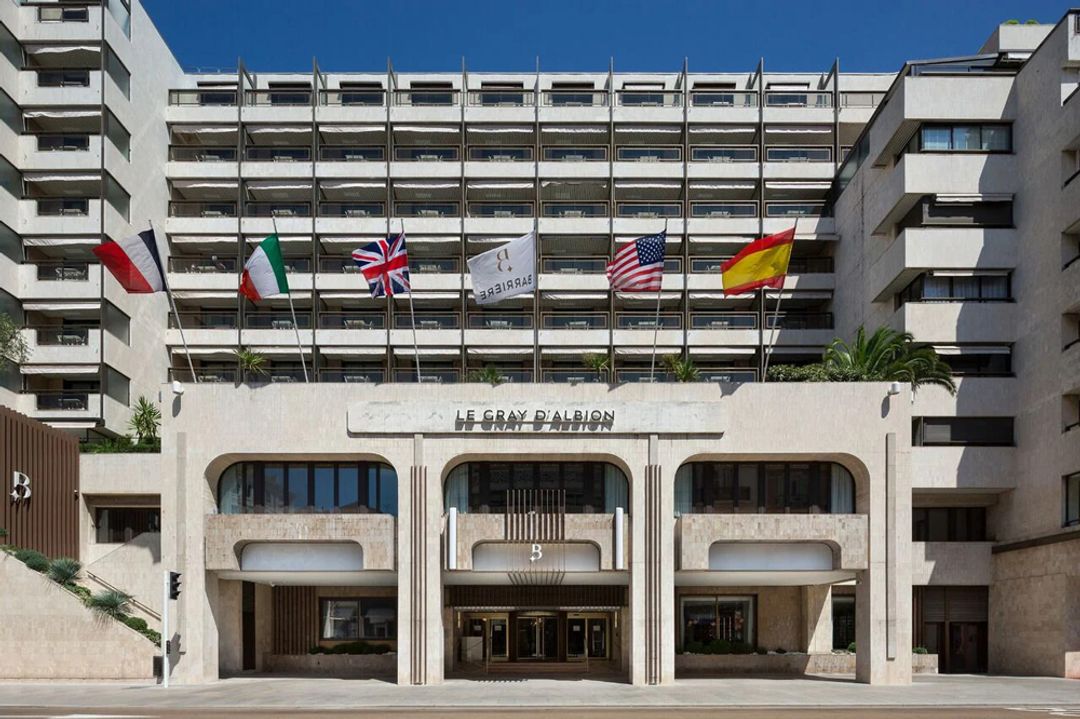
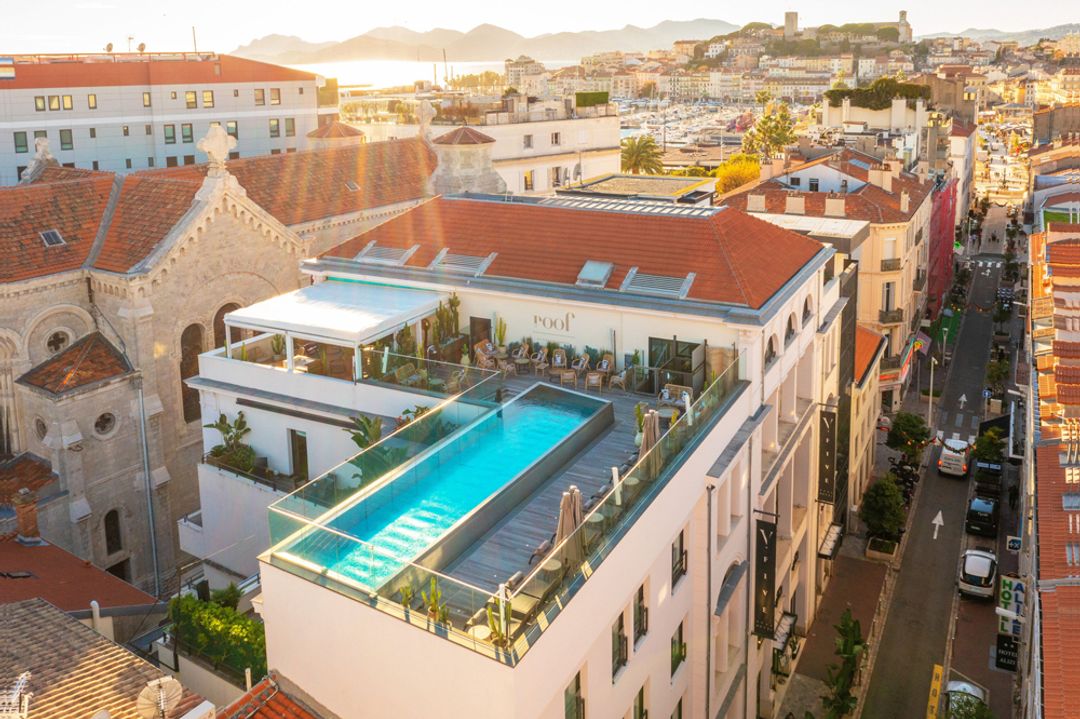
Pull back from the seafront and the city's commercial center around the Rue d'Antibes and the old port offers a quieter kind of Cannes, more year-round than the festival-circuit La Croisette. The Five Seas Hotel Cannes occupies a converted 19th-century post office near the Vieux-Port, and its interior restores the original building with a light hand, layering contemporary furniture against stone and ironwork that resists cosmetic renovation. The Hôtel Barrière Gray d'Albion, also in the Centre Ville, is a larger and more corporate proposition, useful for its proximity to the Palais des Festivals and the main shopping axis, though its architecture is decidedly of the late 20th century rather than the belle époque or the early modernist Riviera.
What Cannes rewards, more than most Riviera towns, is a considered choice about what kind of trip you are actually taking. If the film festival, the yacht basin, and the performative spectacle of the boulevard are the point, La Croisette delivers that with genuine architectural conviction, particularly at the Carlton. If the goal is a more textured, slower engagement with Provence-inflected urbanism, the Centre Ville hotels offer proximity to the covered Marché Forville, the old quarter of Le Suquet, and a version of the city that doesn't dissolve when the circus leaves town.