Best hotels in Hamburg | A Curated Visual Guide to Top Stays
Welcome to PressBeyond, the ultimate curated visual guide for design-driven hotels! My name is Will Miller and these are my recommendations for the best boutique and luxury hotels in Hamburg.
I am the founder of PressBeyond and I am an ultra-meticulous hotel curator who loves clean visuals. I have individually analyzed and tiered each hotel included in this guide based on a variety of criteria (architecture & design, location, brand & brand affiliation, existing reviews, and my own personal experiences), and importantly, I have hand-selected the leading imagery for each hotel to provide you with easily-digestible, yet detailed and complete, like-for-like, high-level visual profiles. I felt this summarization step was a critical missing piece across existing guides, blogs, and booking platforms. My aim is to make it easier for people to identify hotel environments that resonate with them, along with enabling them to visualize the types of social experiences that those environments help foster. My brain doesn't work when exposed to cluttered content, so my goal was to create the opposite.
Underneath this, we are also a full booking engine offering 5% Venmo cash back along with other exclusive perks. For all of you design-obsessed hotel enthusiasts out there, I hope this guide helps get you to where you see yourself!
An Overview of the Boutique & Luxury Hotel Landscape in Hamburg
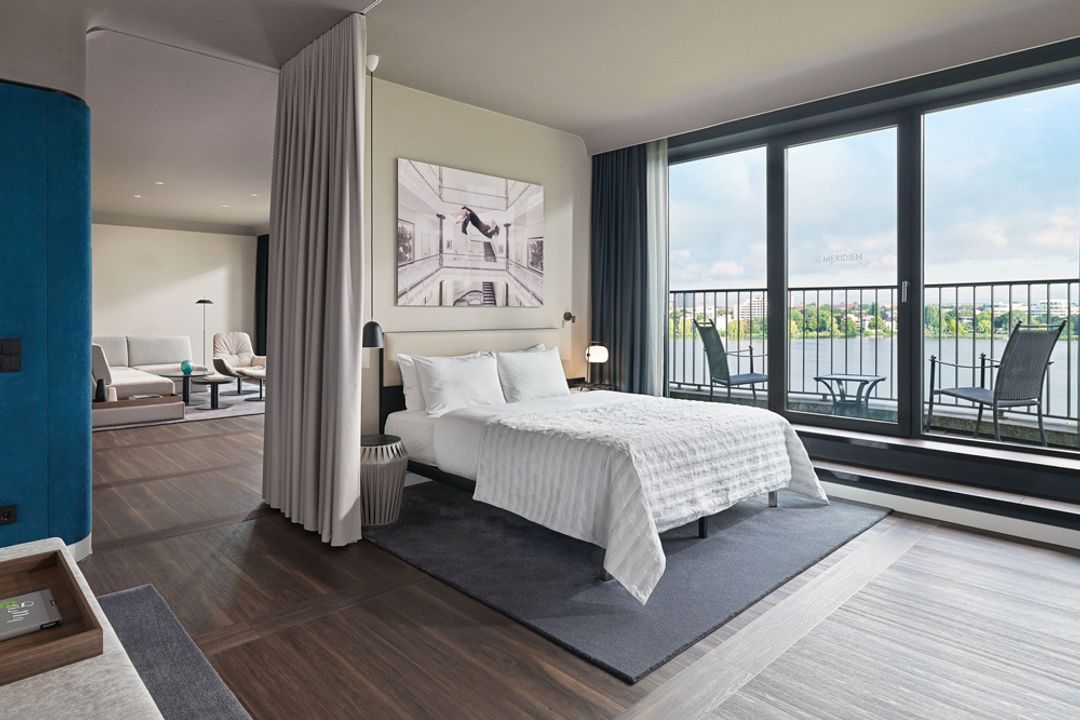
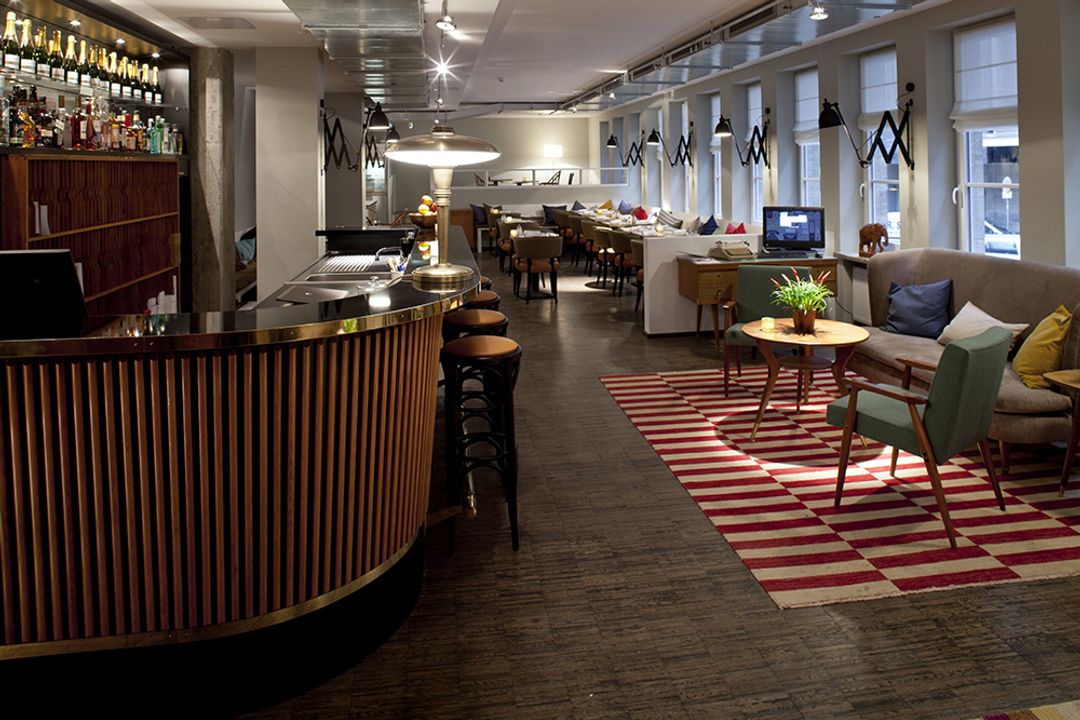
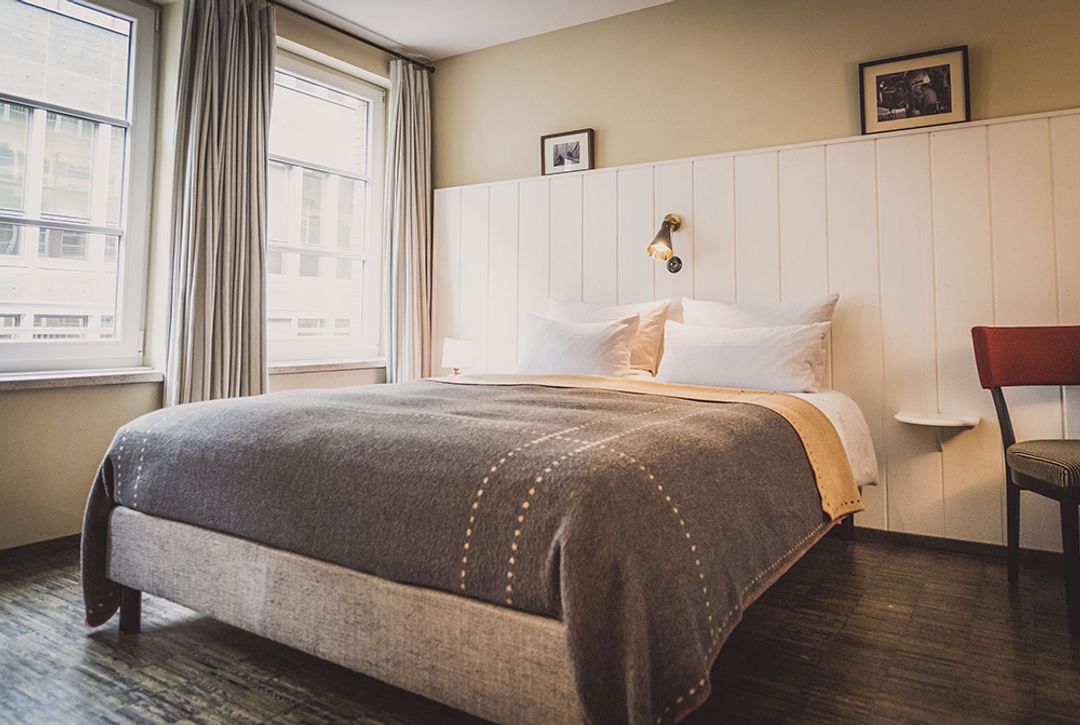
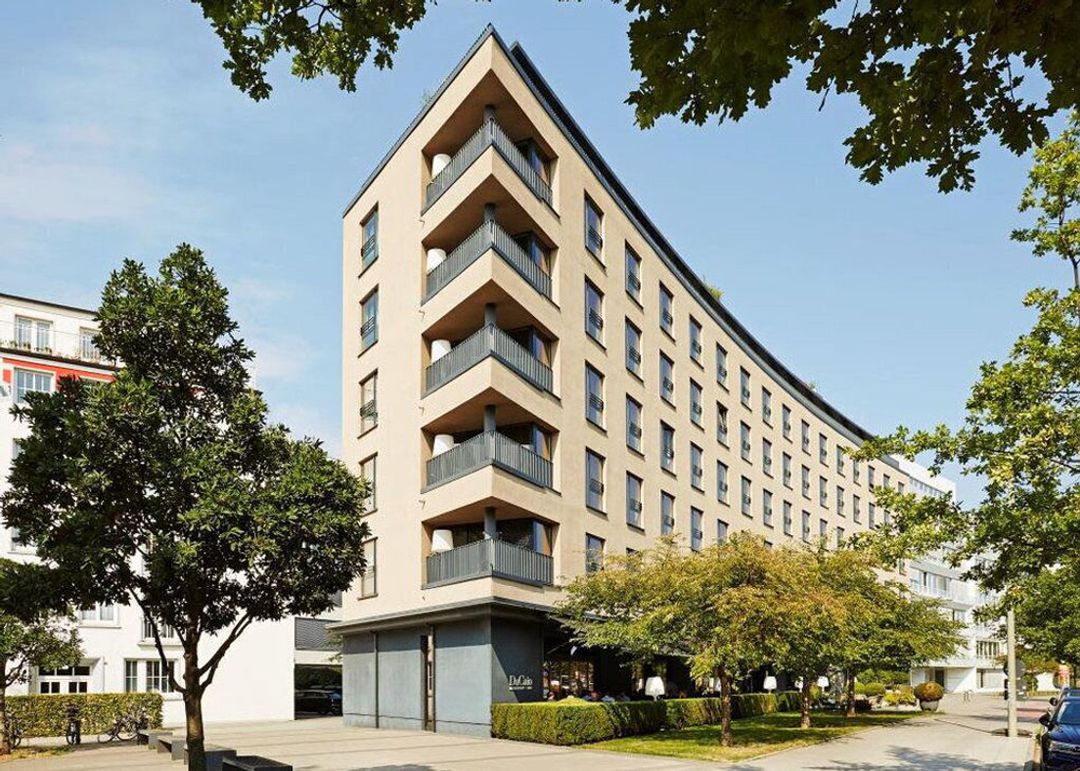
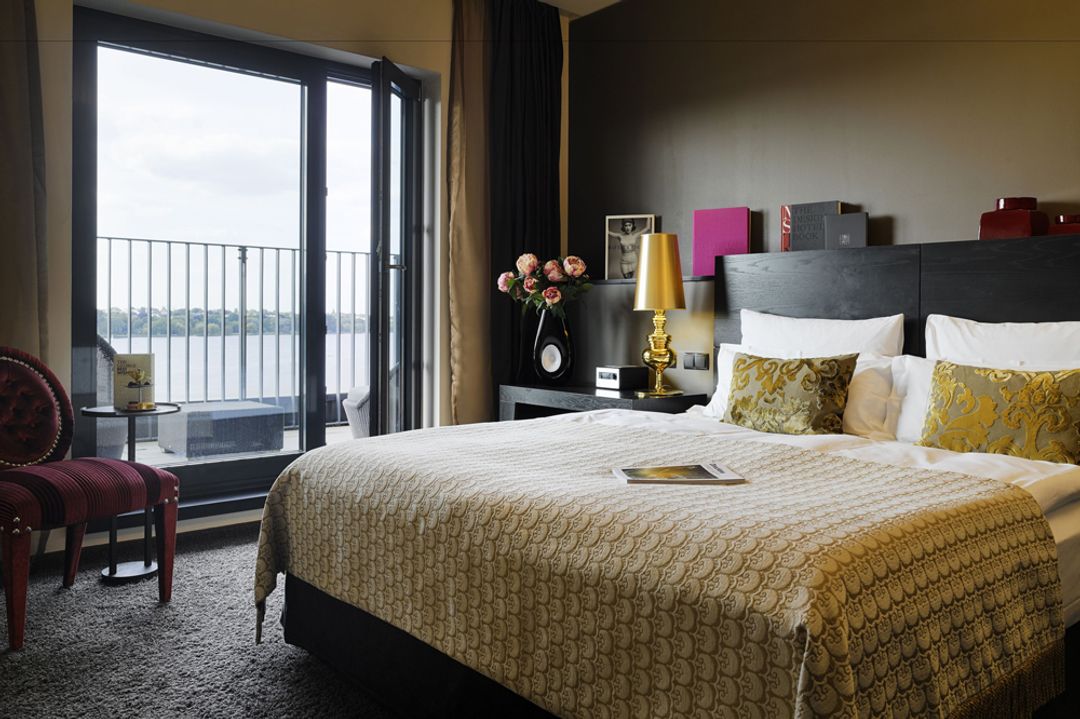
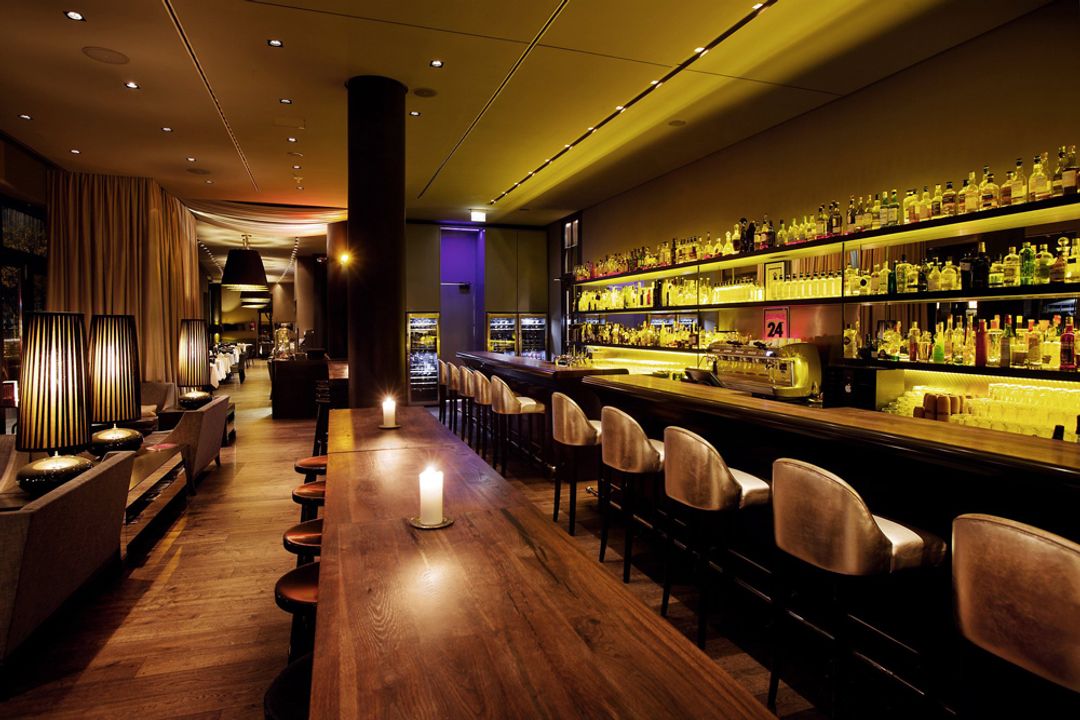
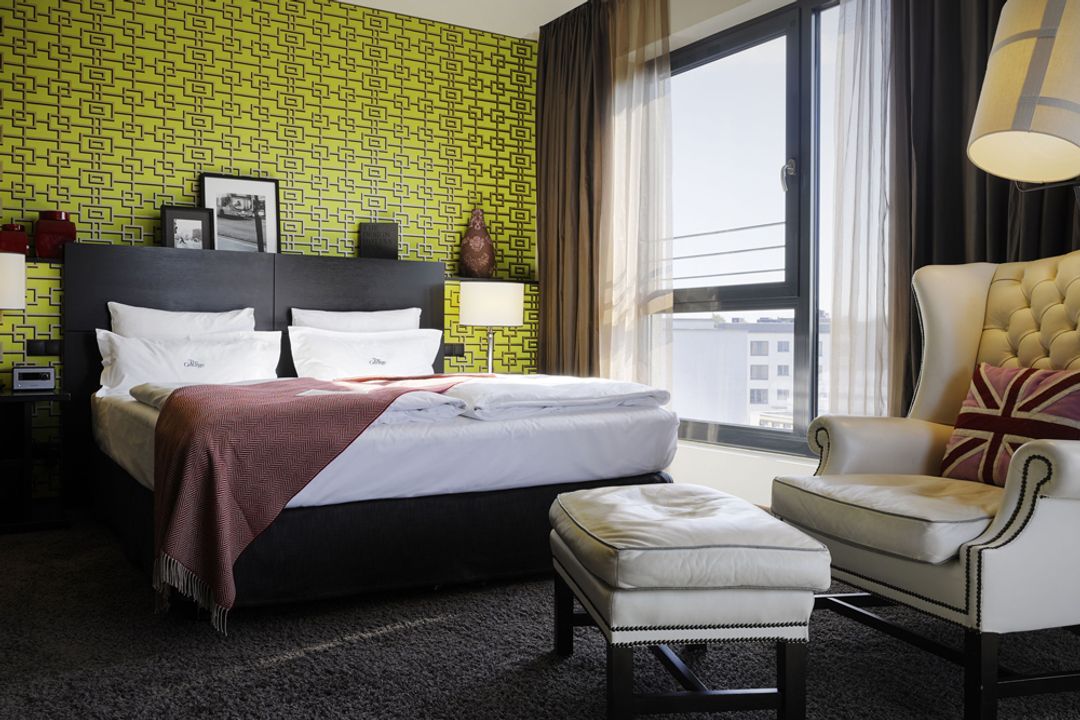
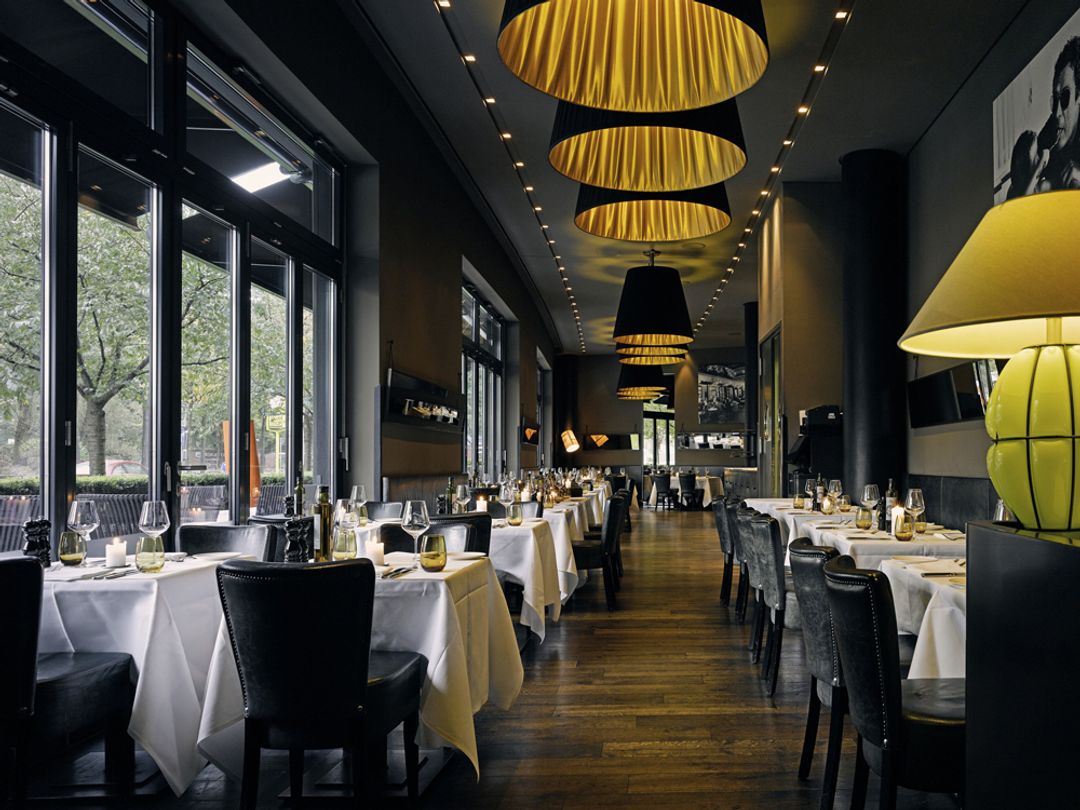
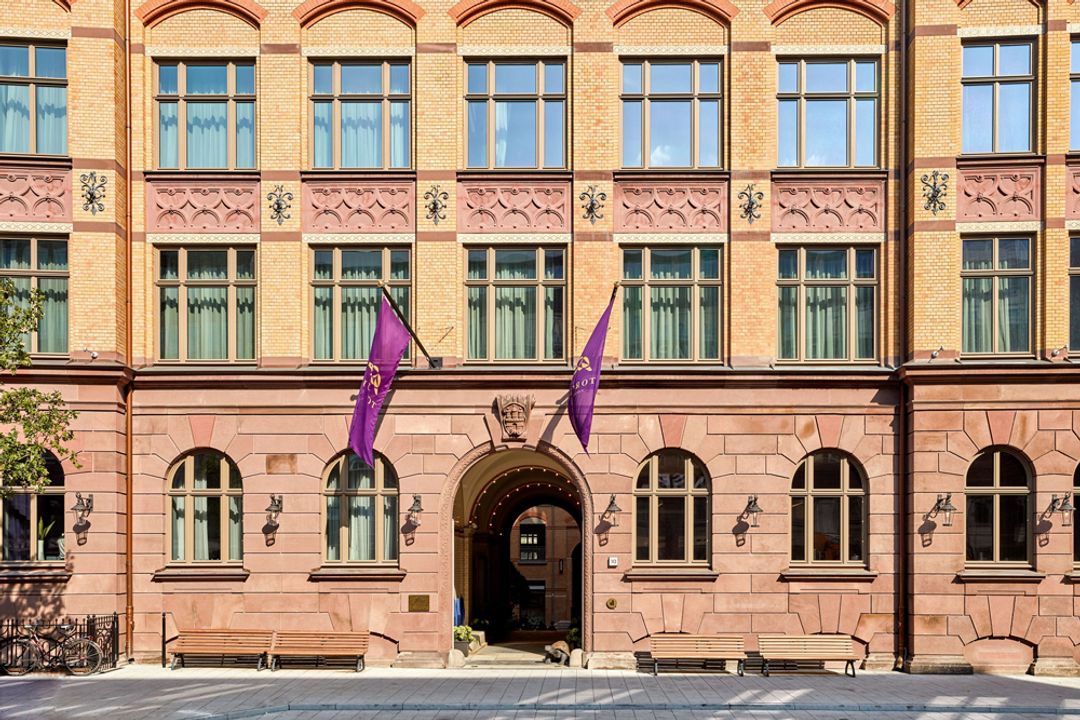
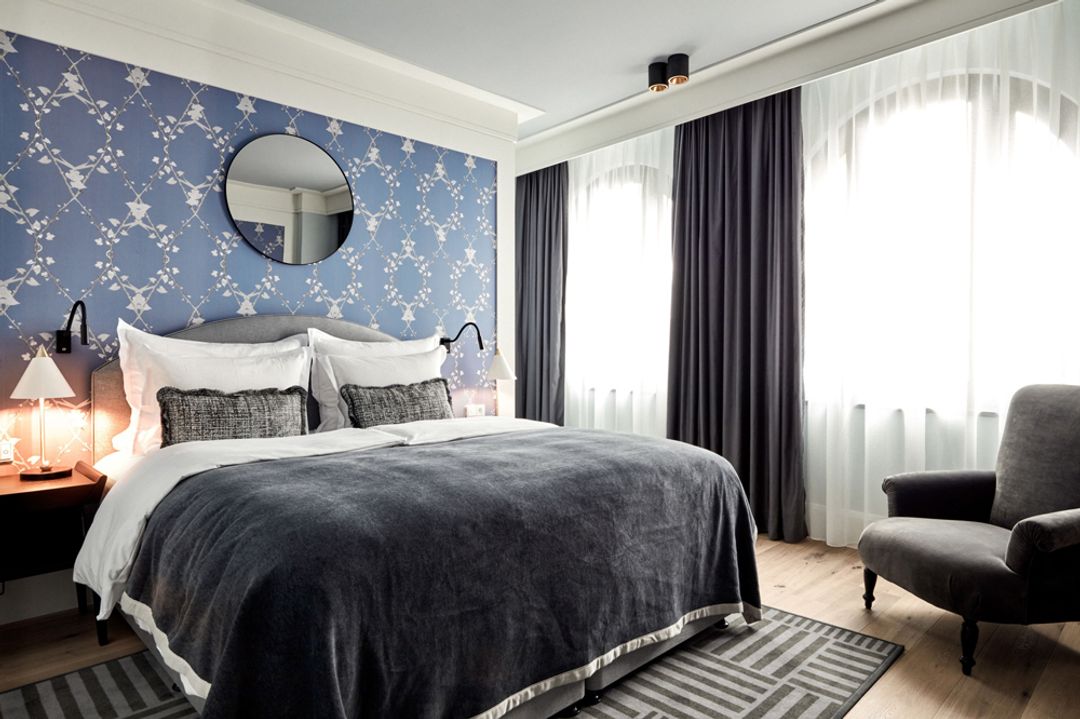
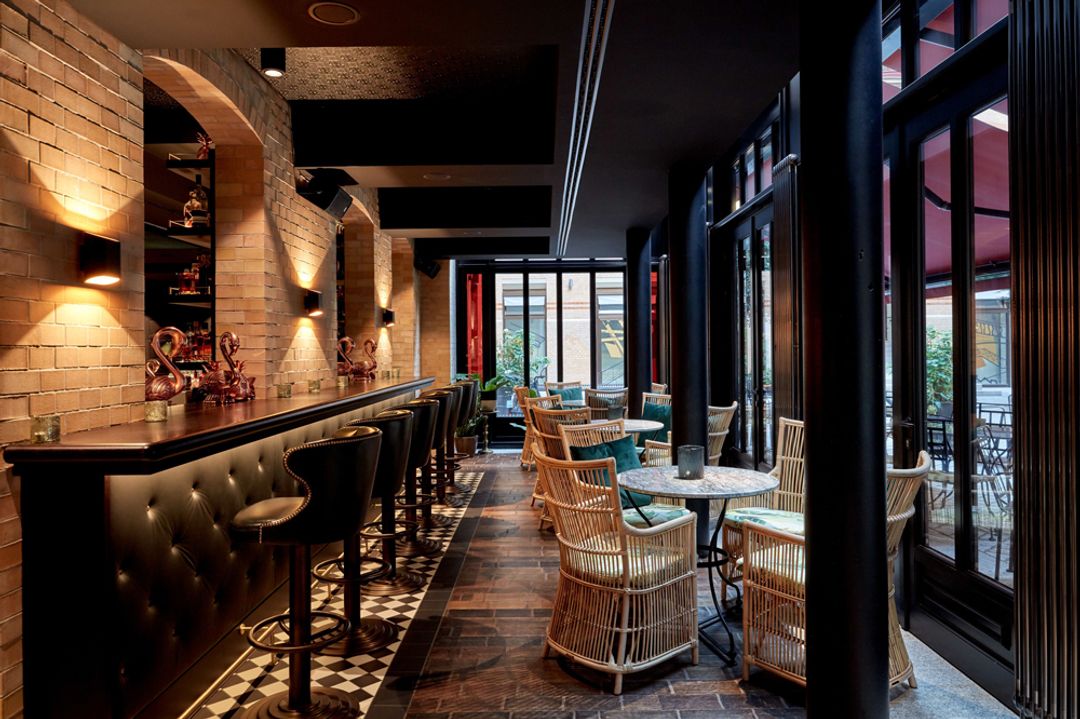
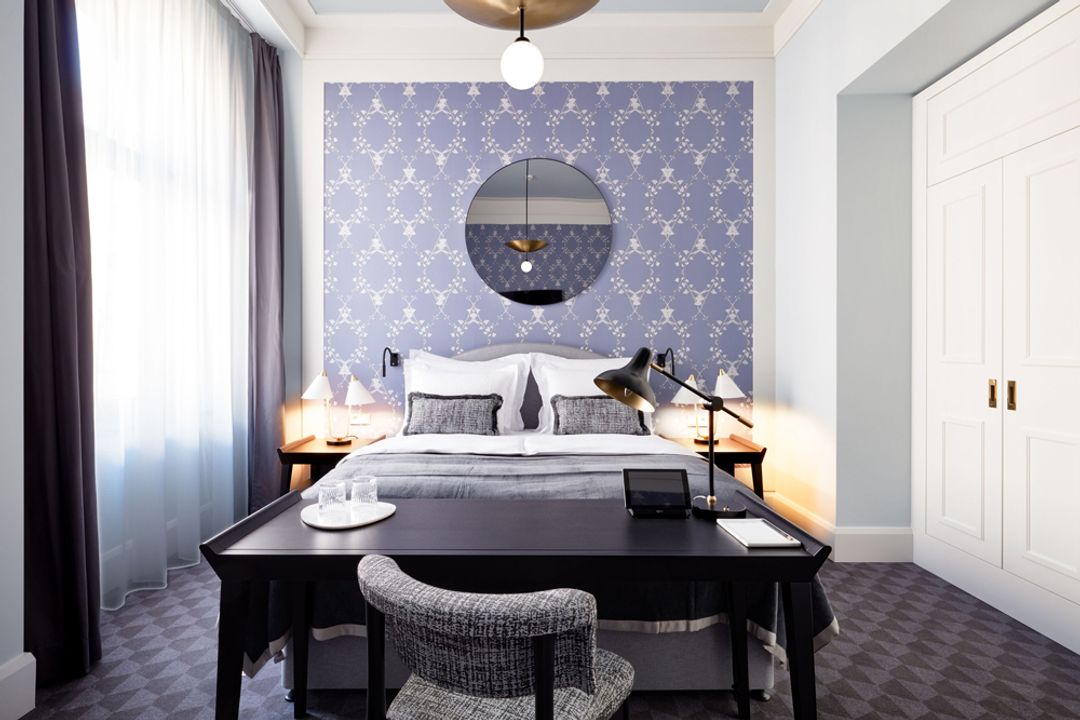
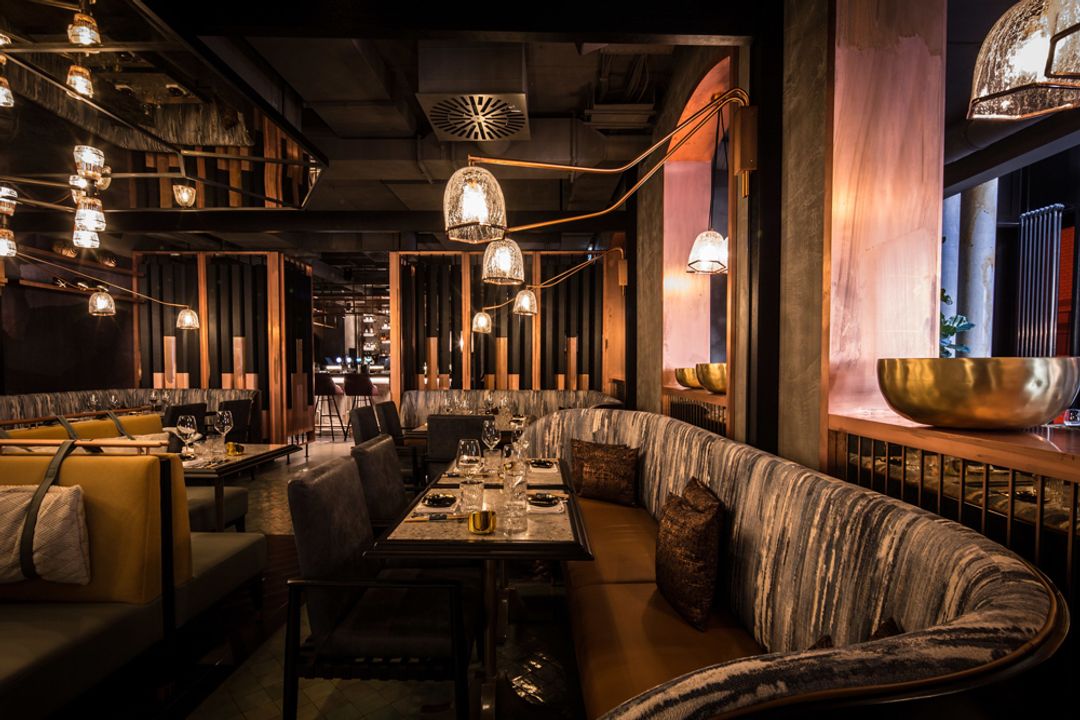
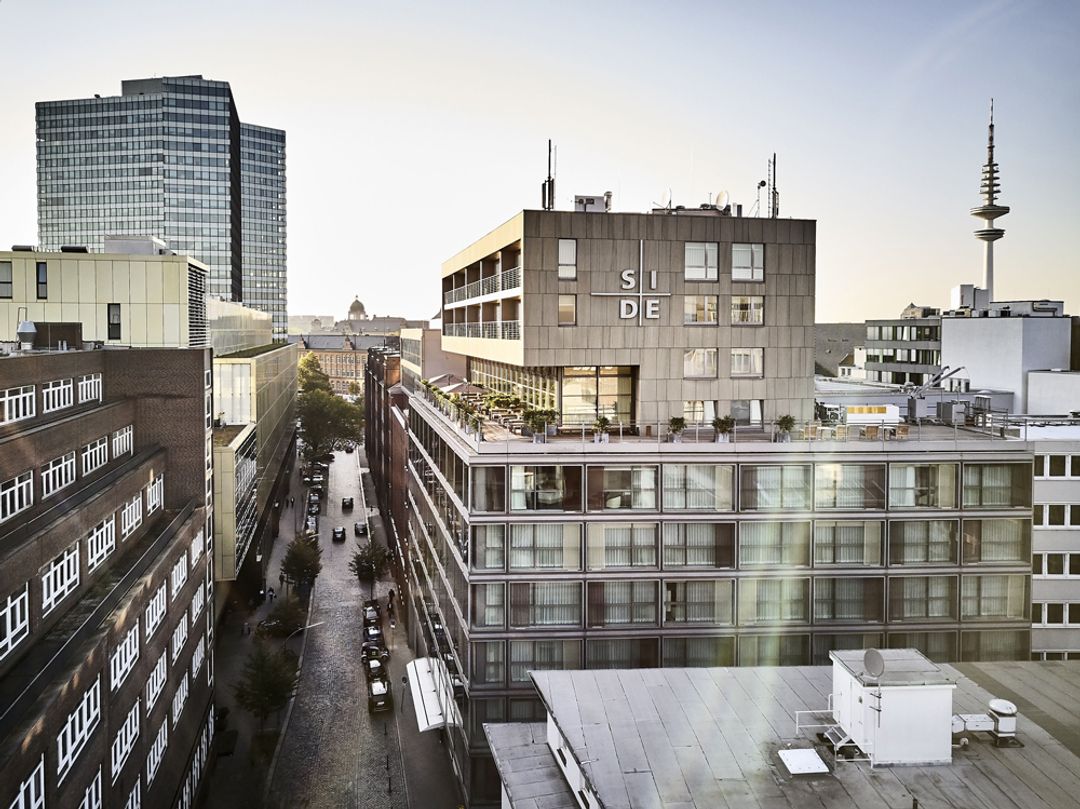
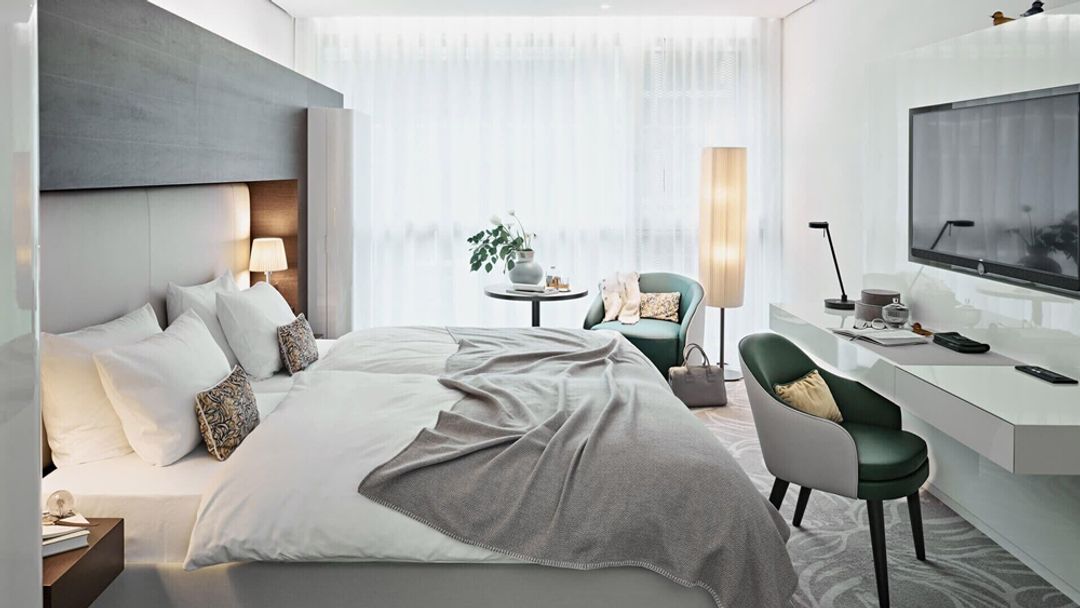
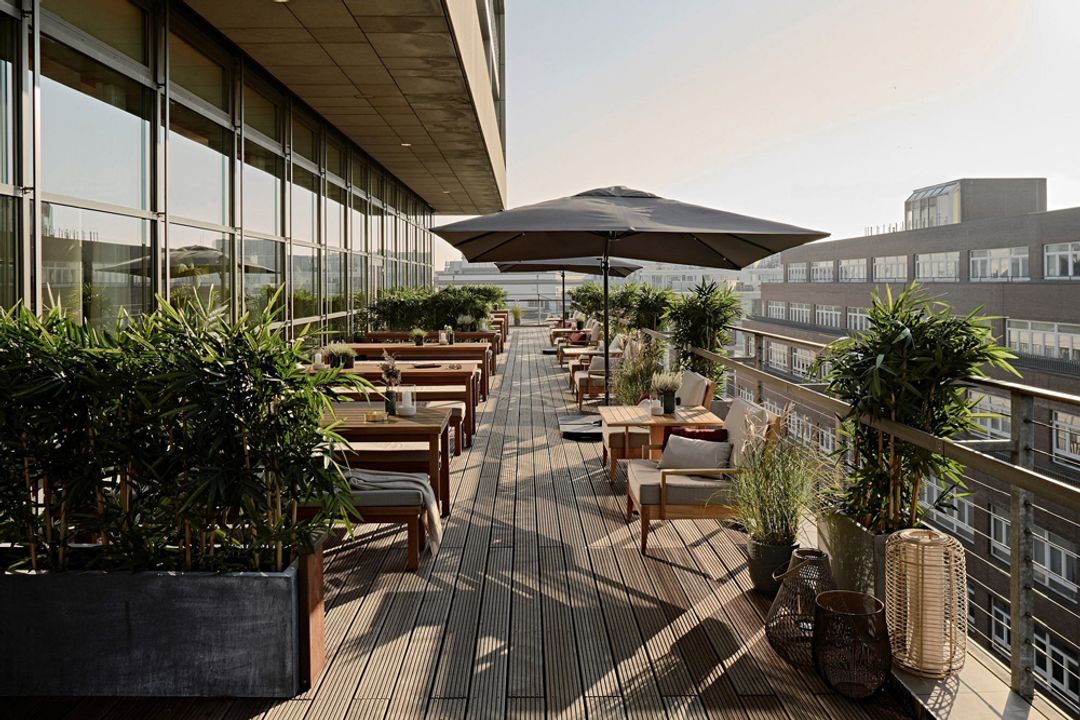
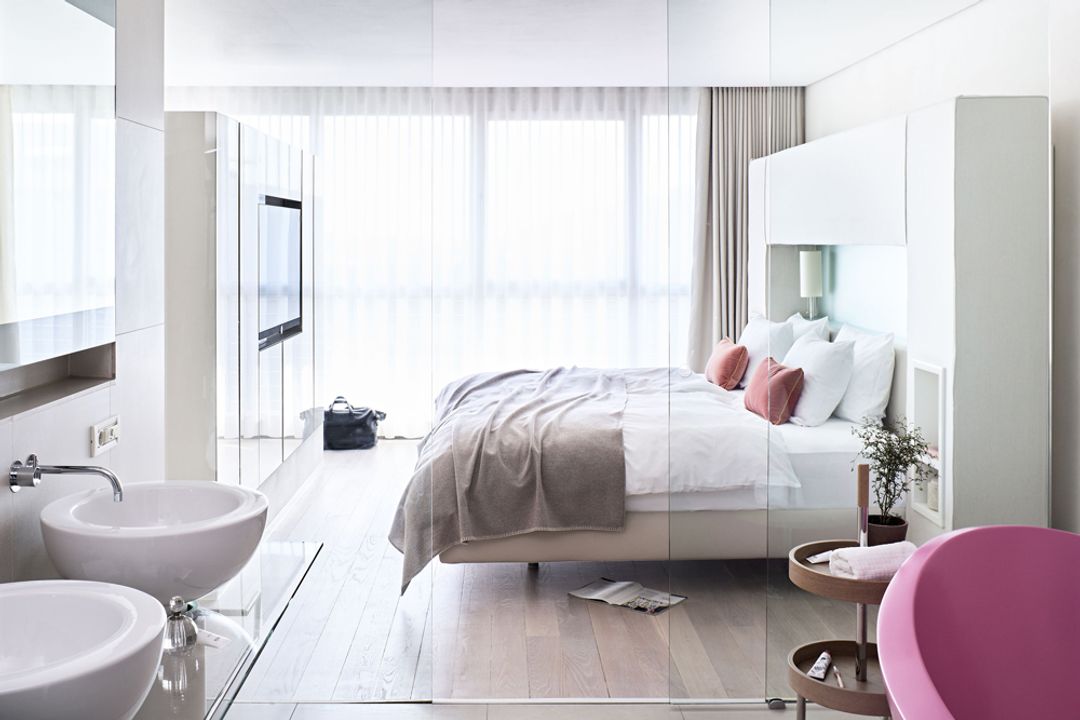
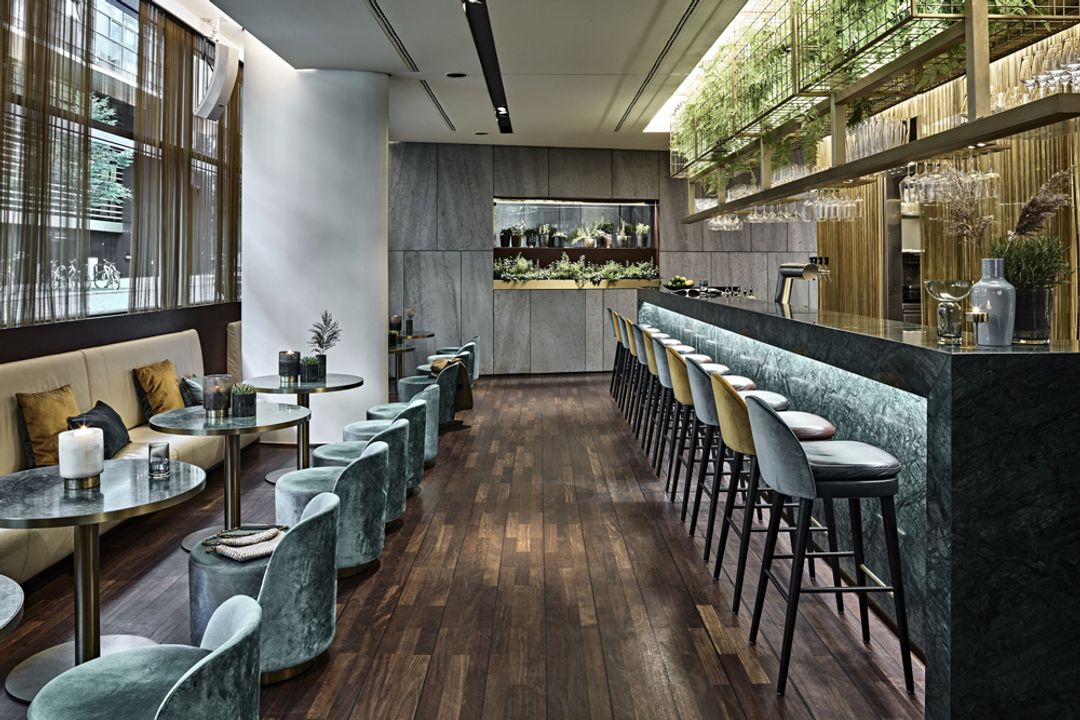
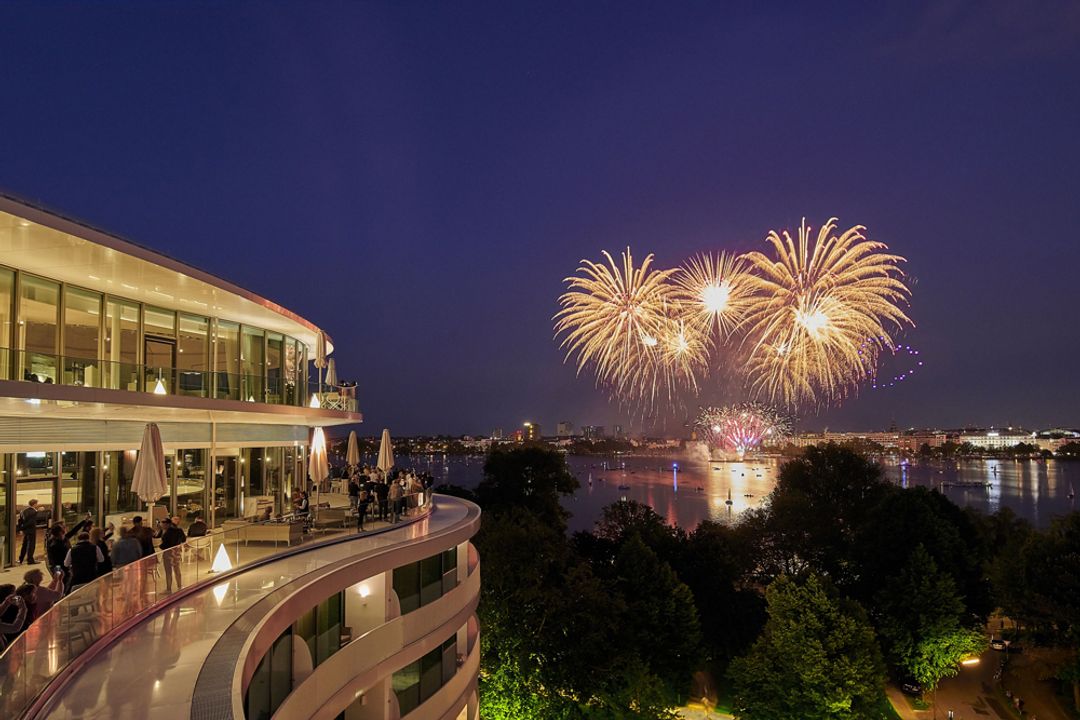
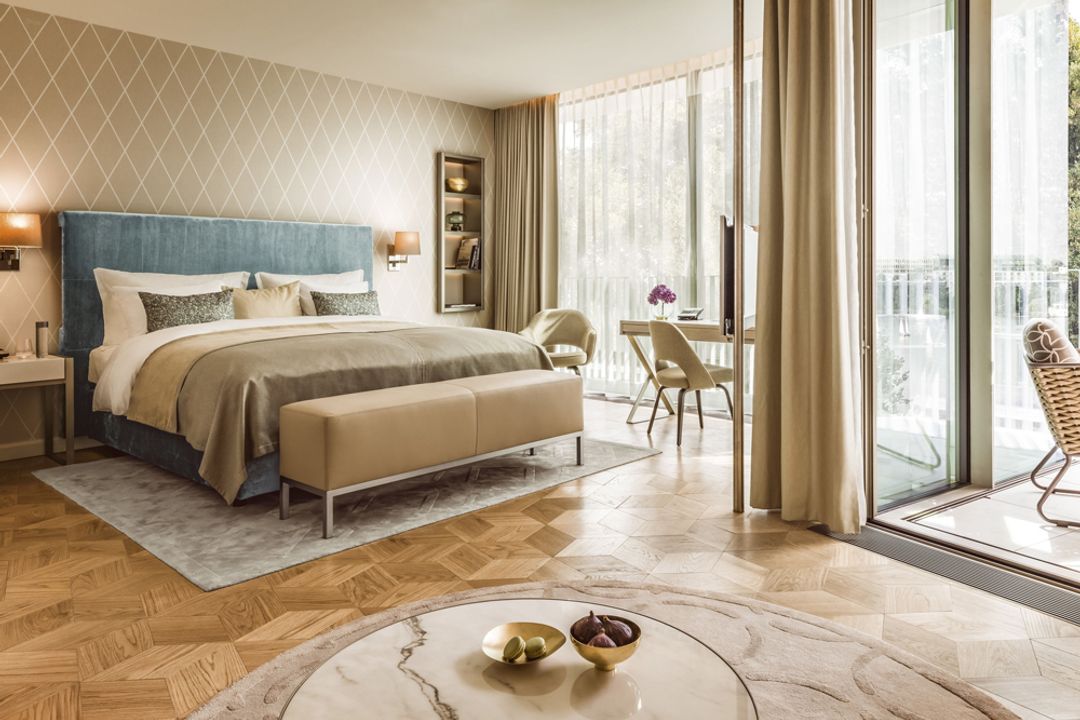
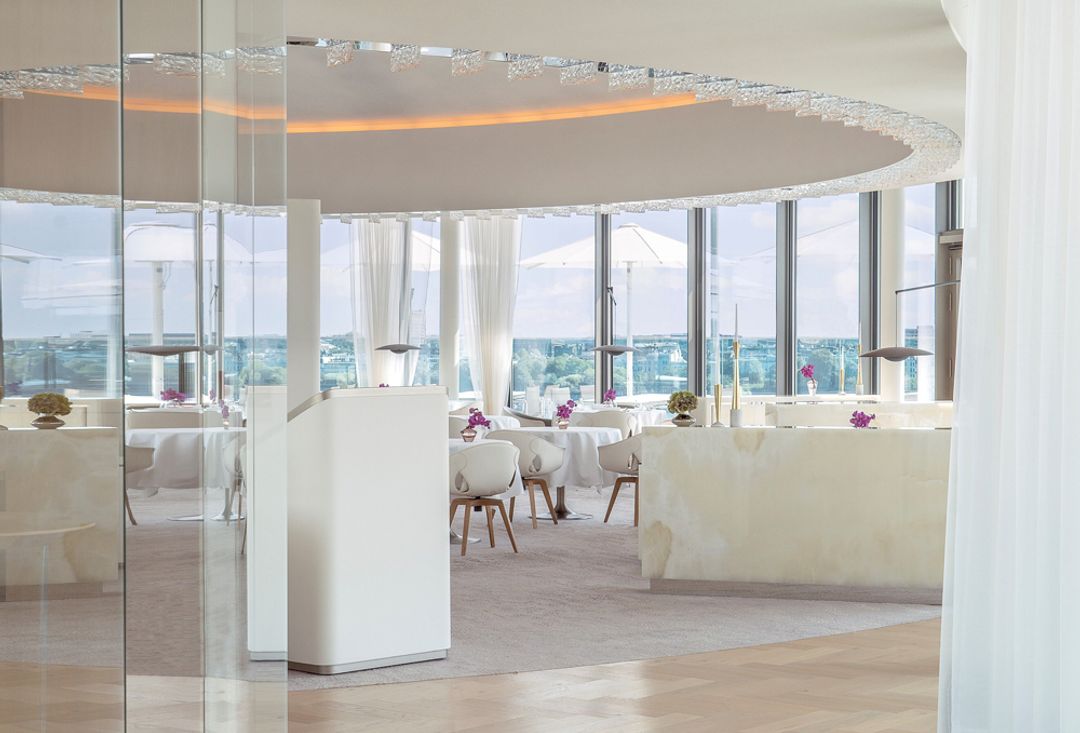
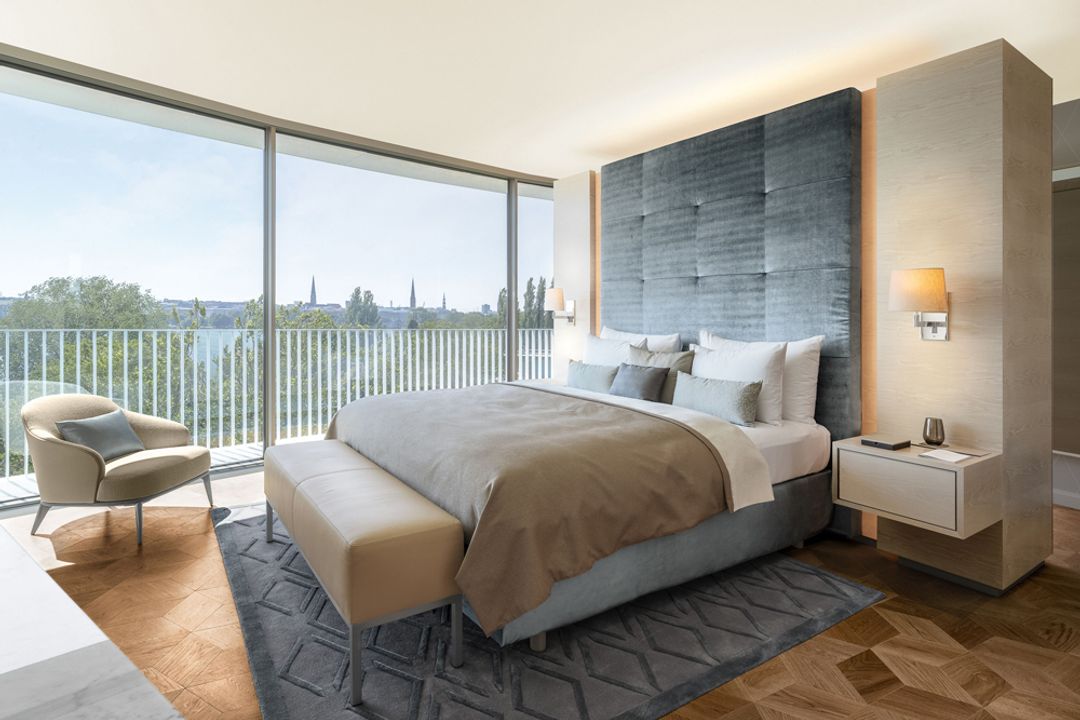
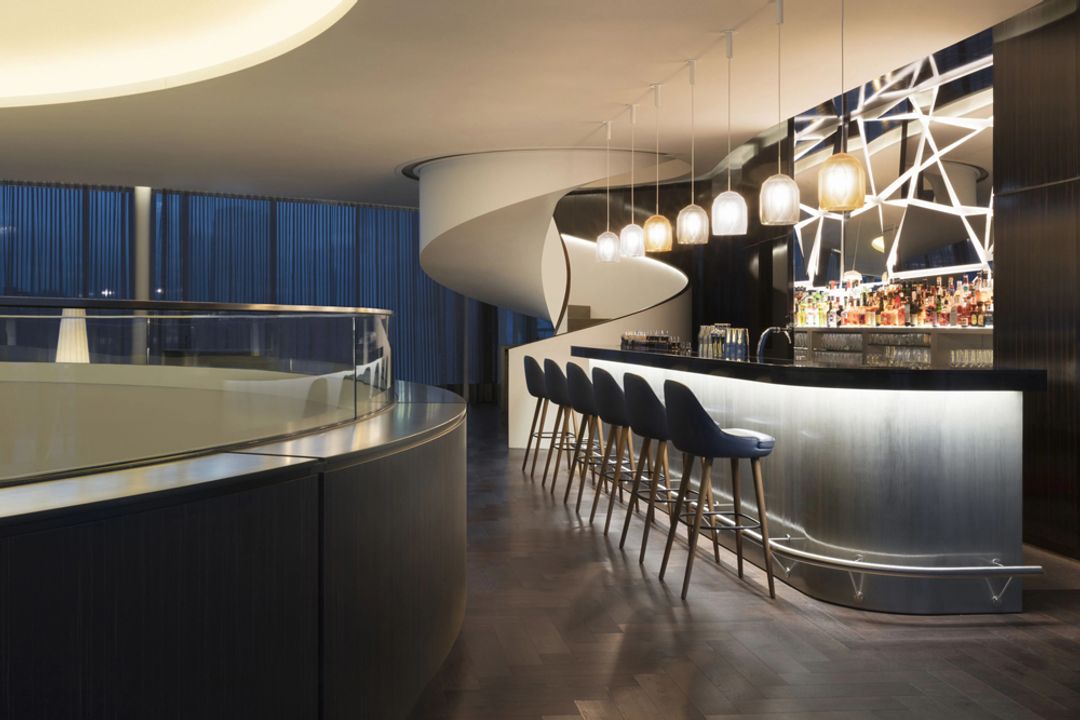
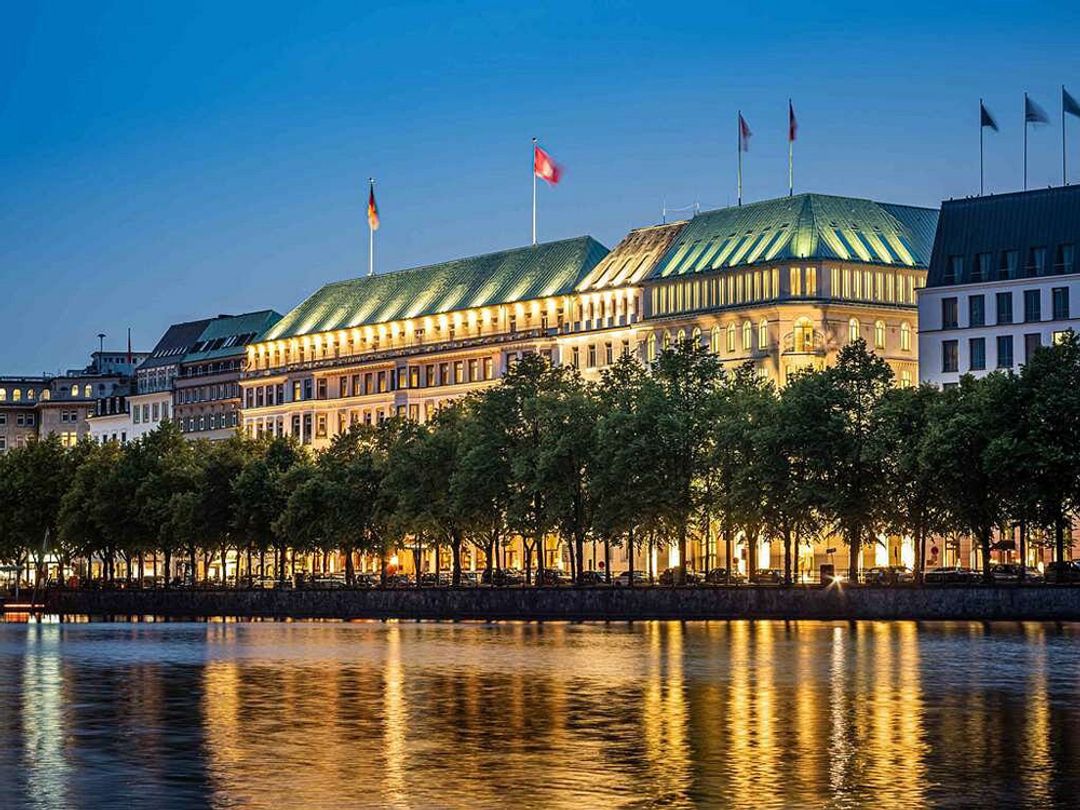
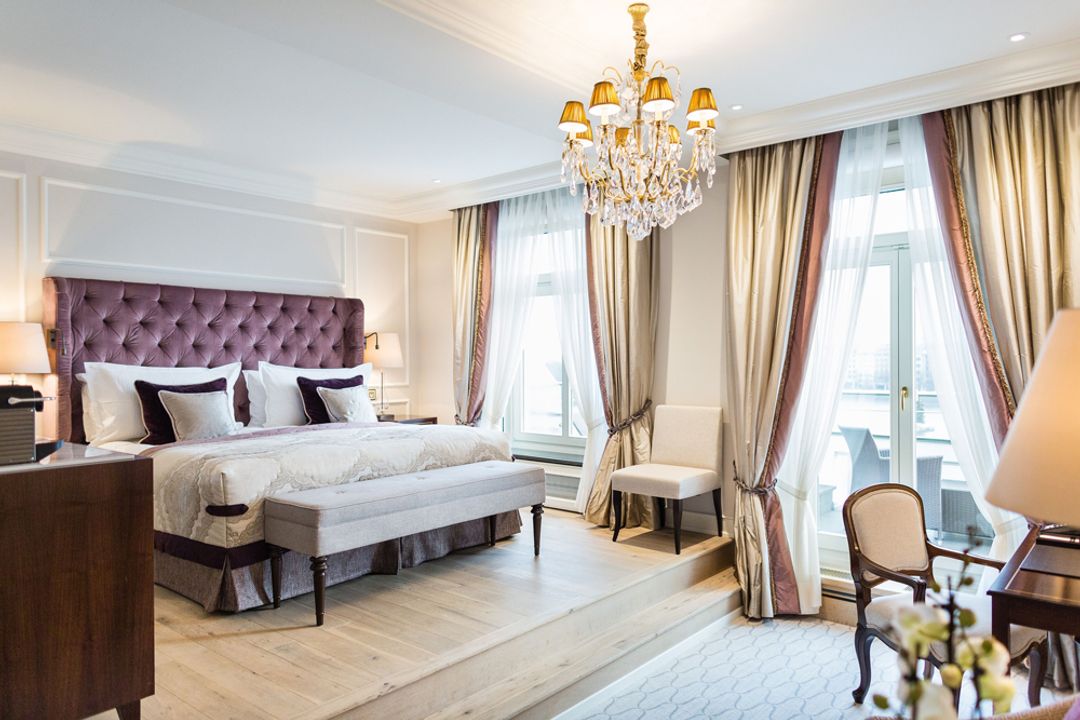
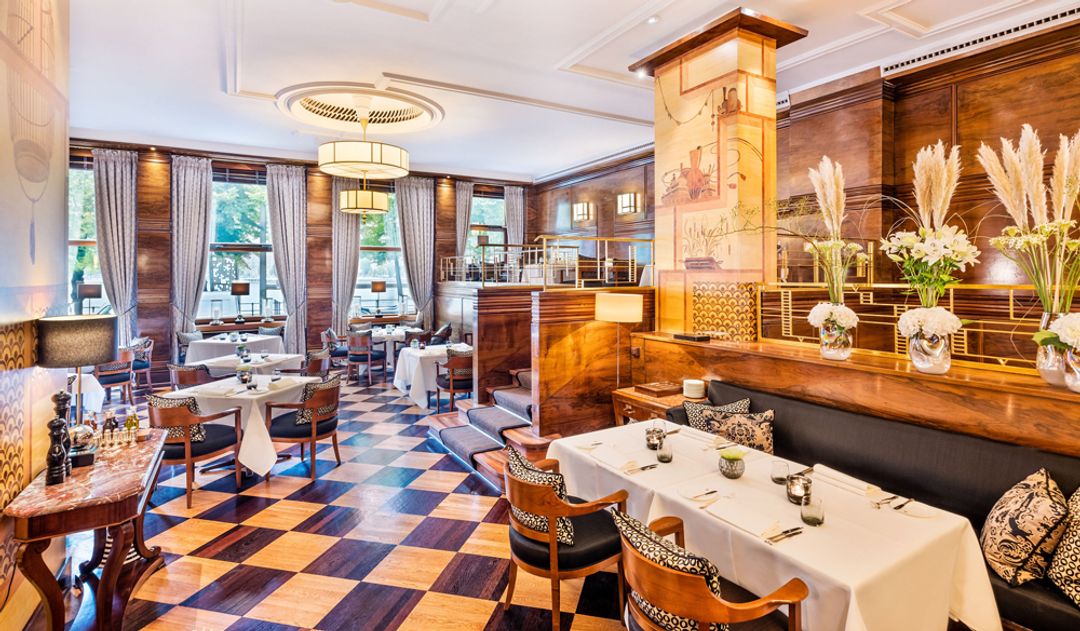
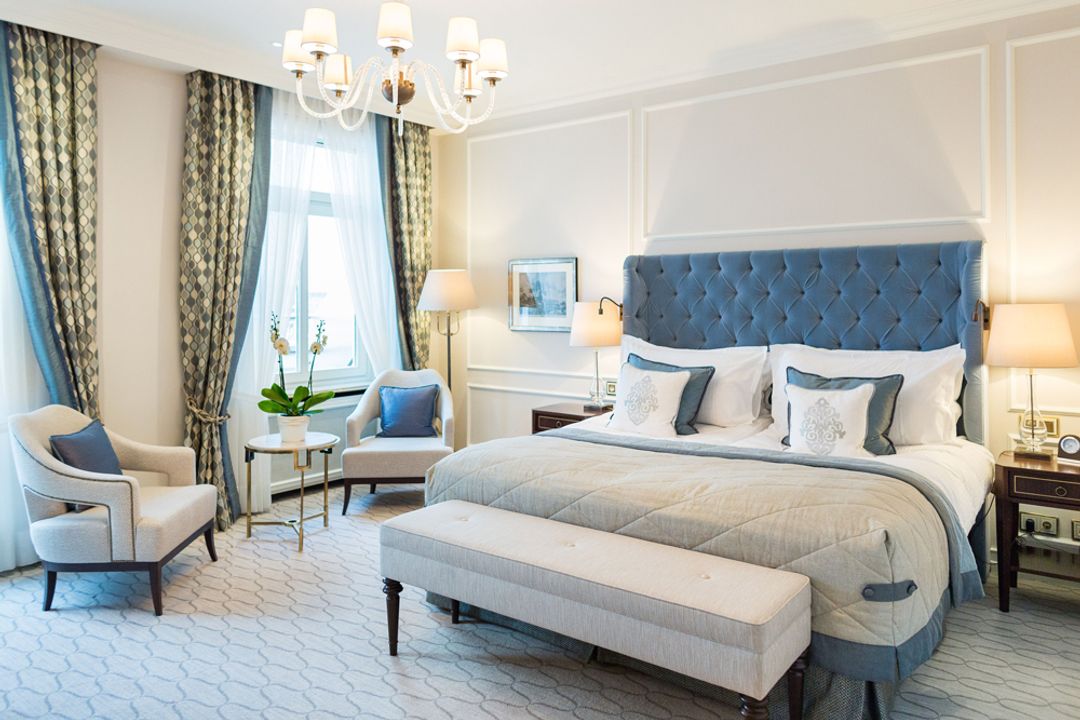
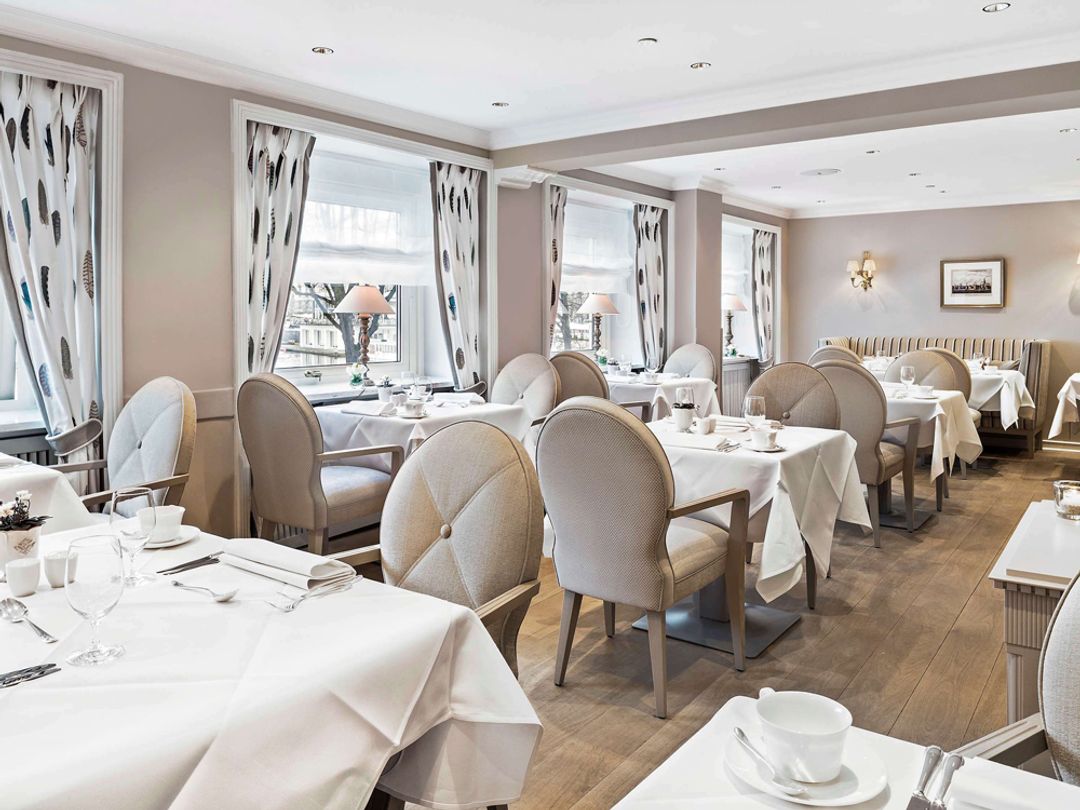
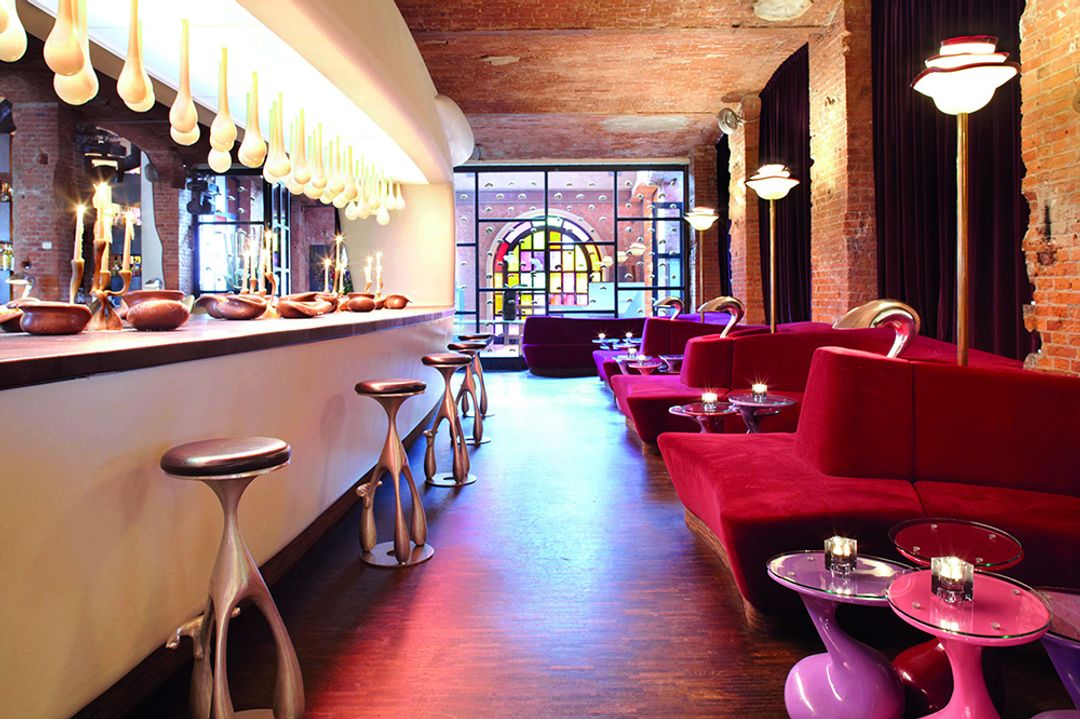
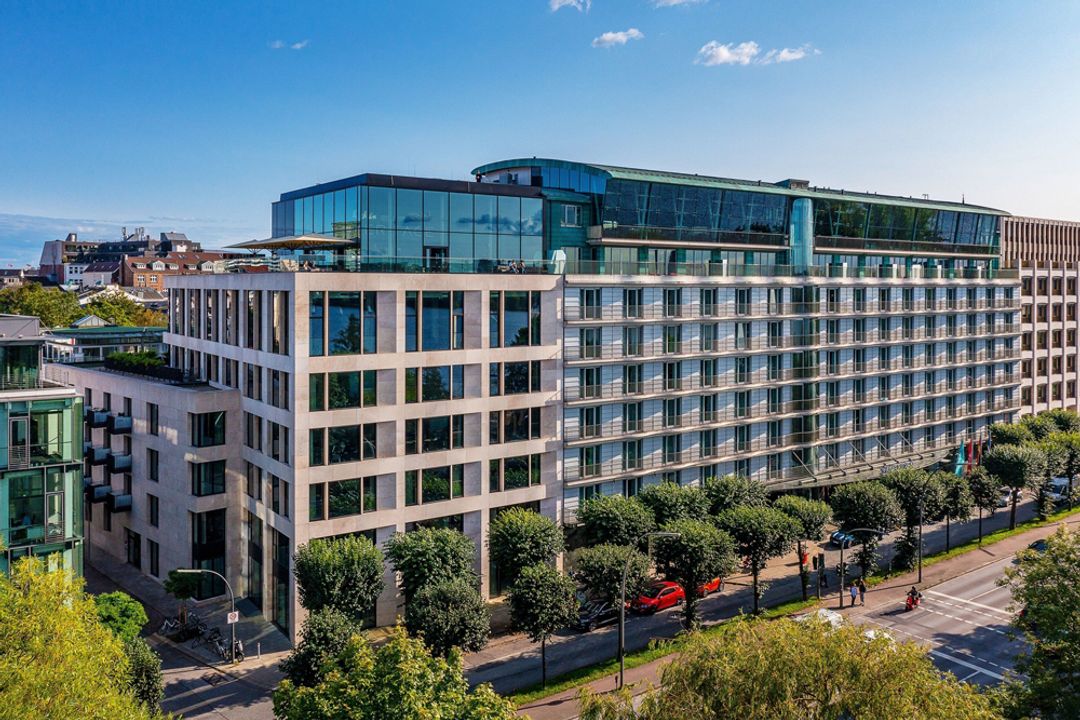
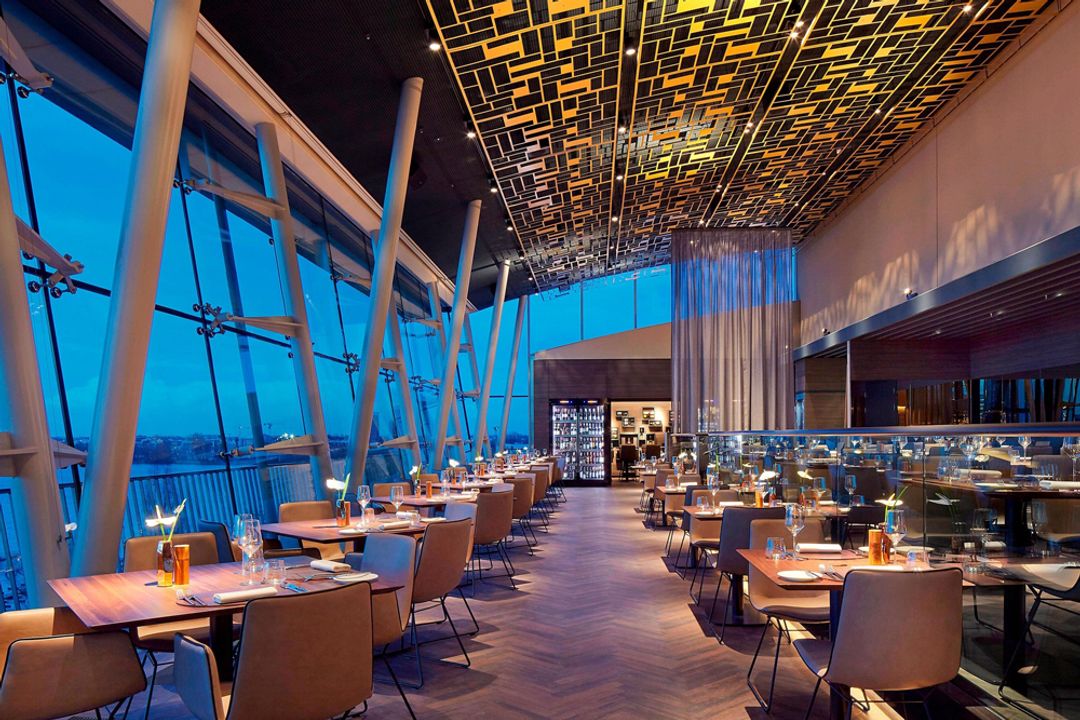
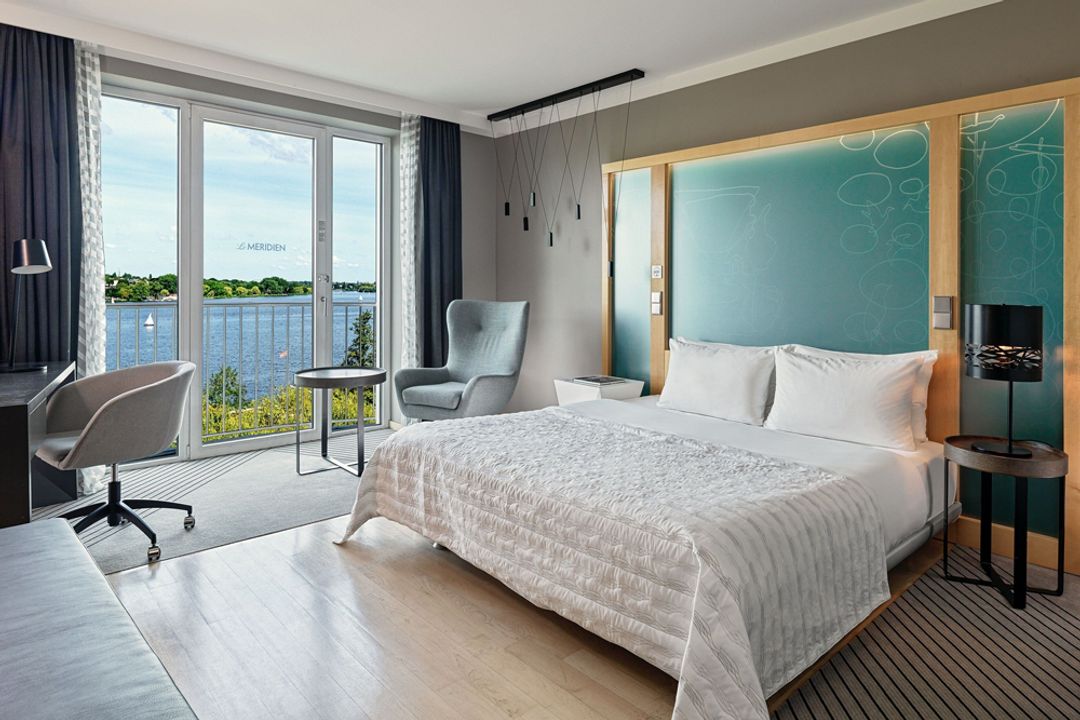
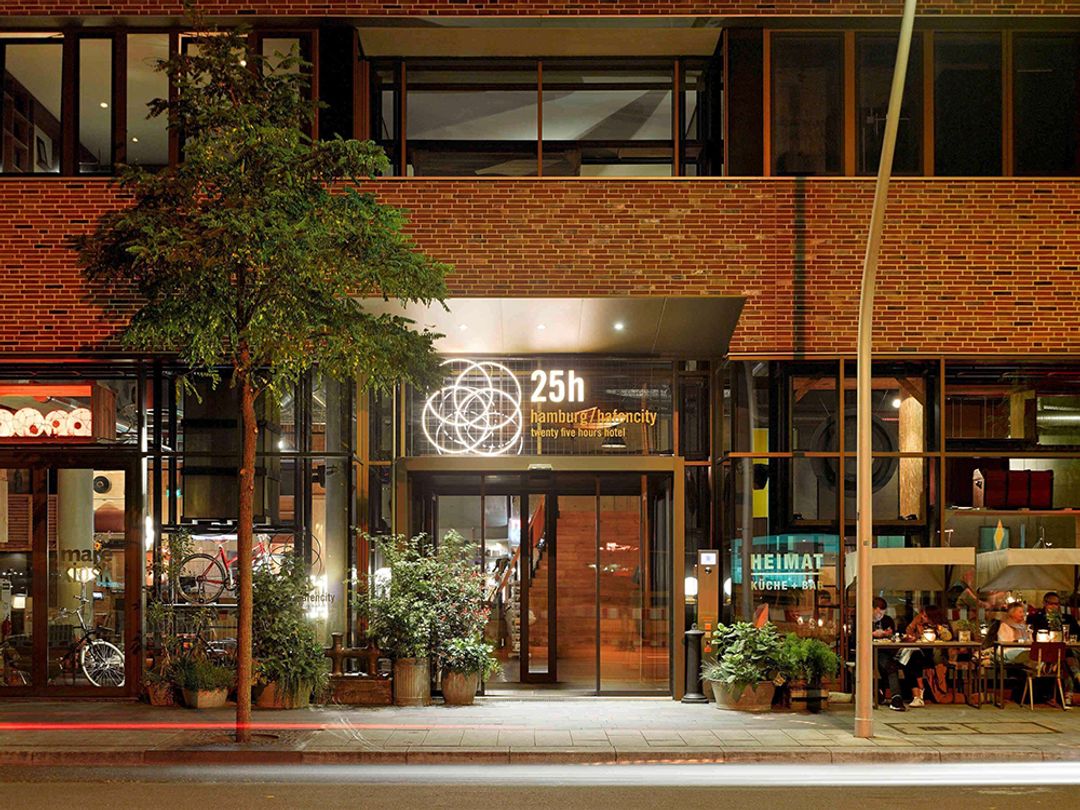
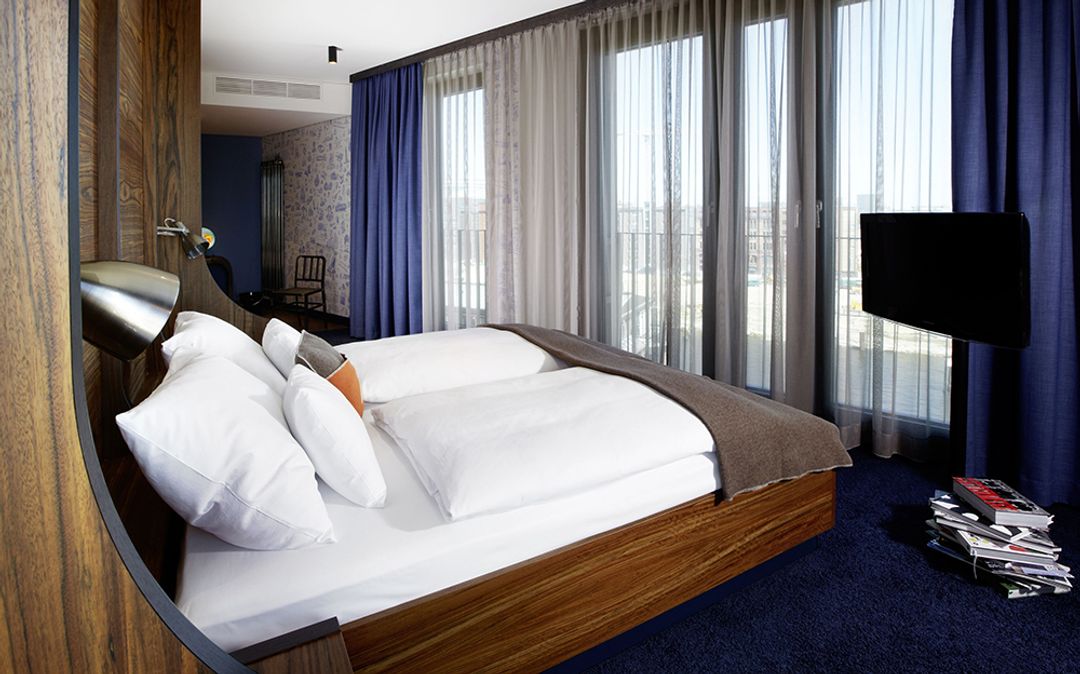
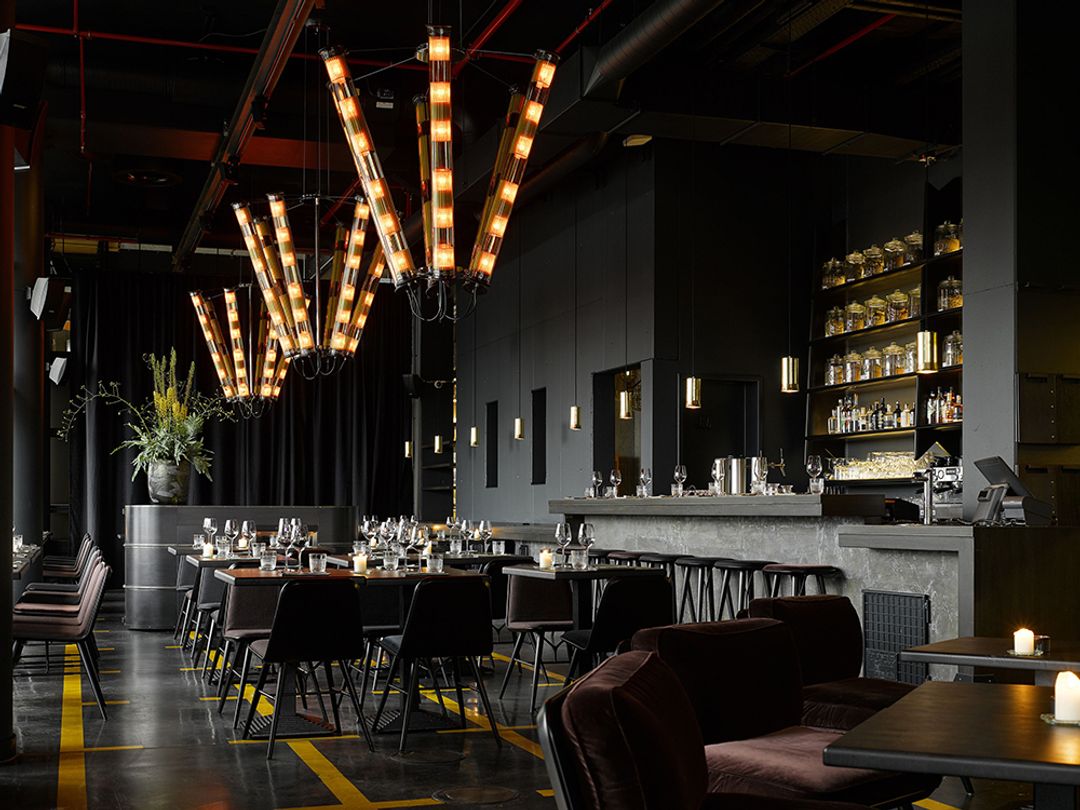
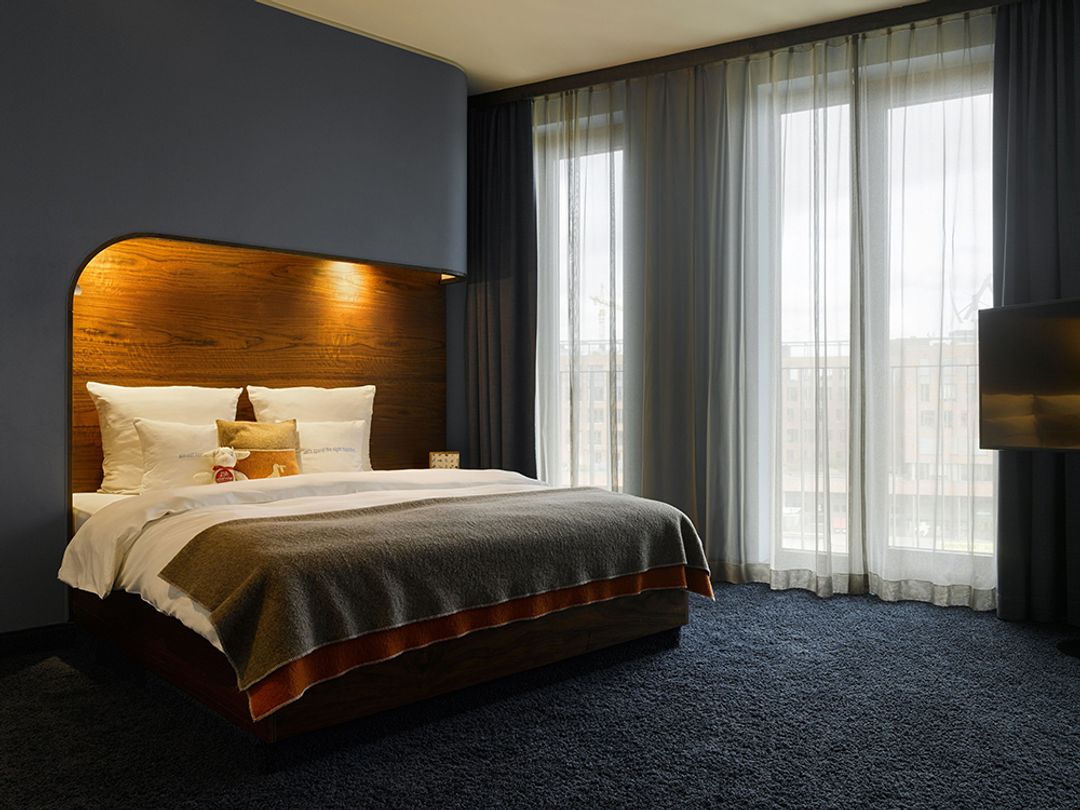
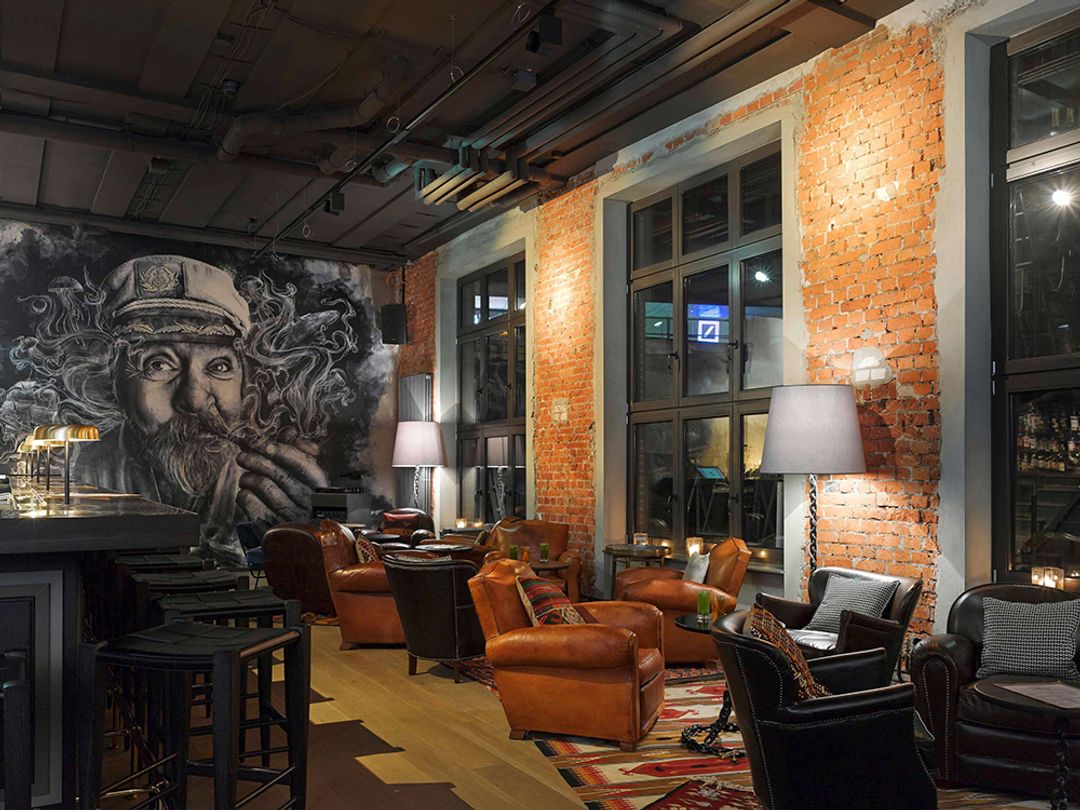
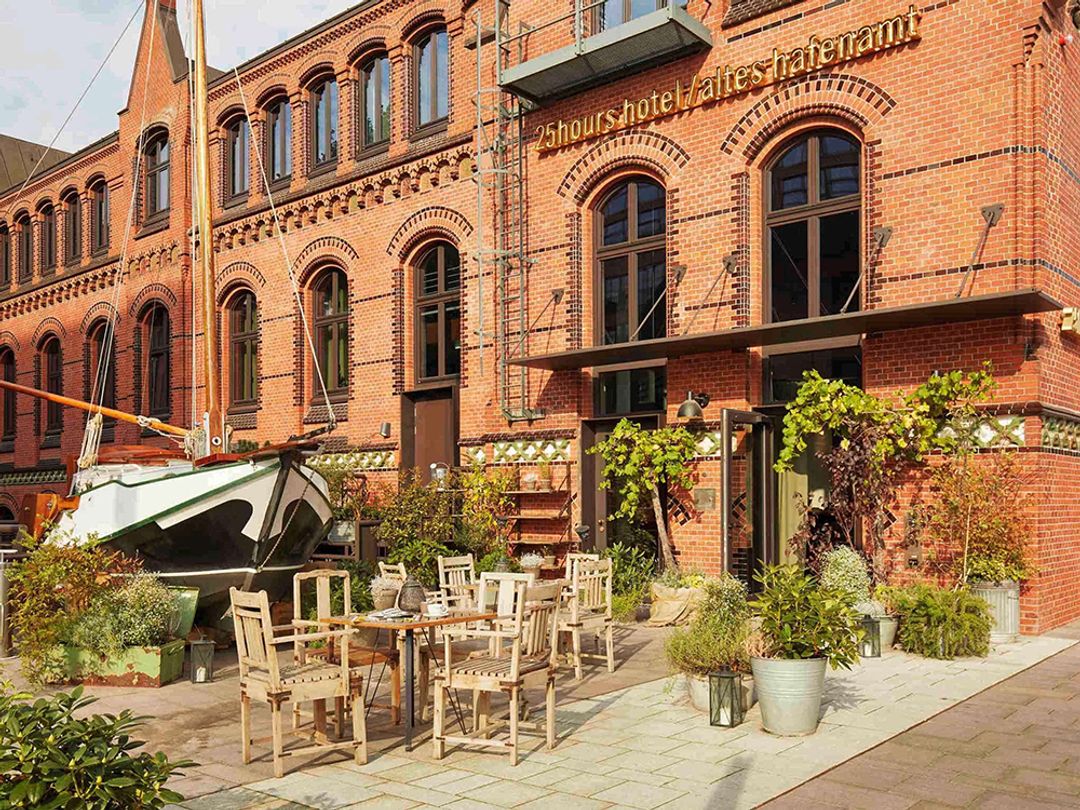
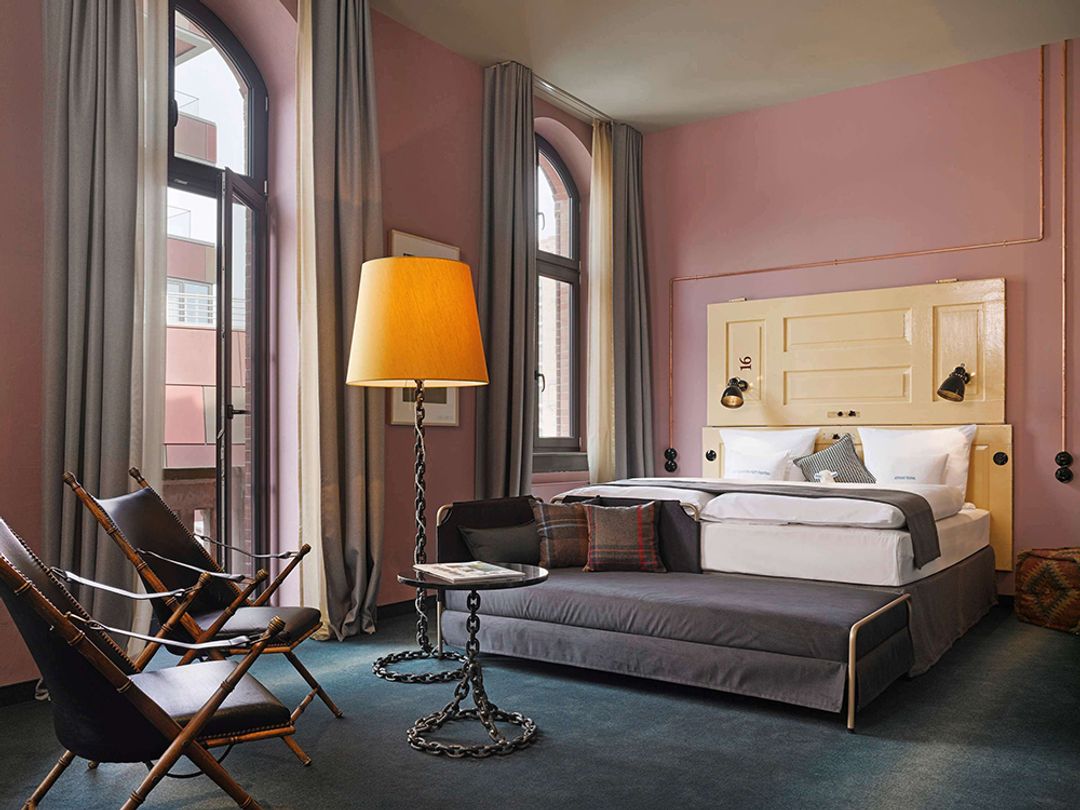
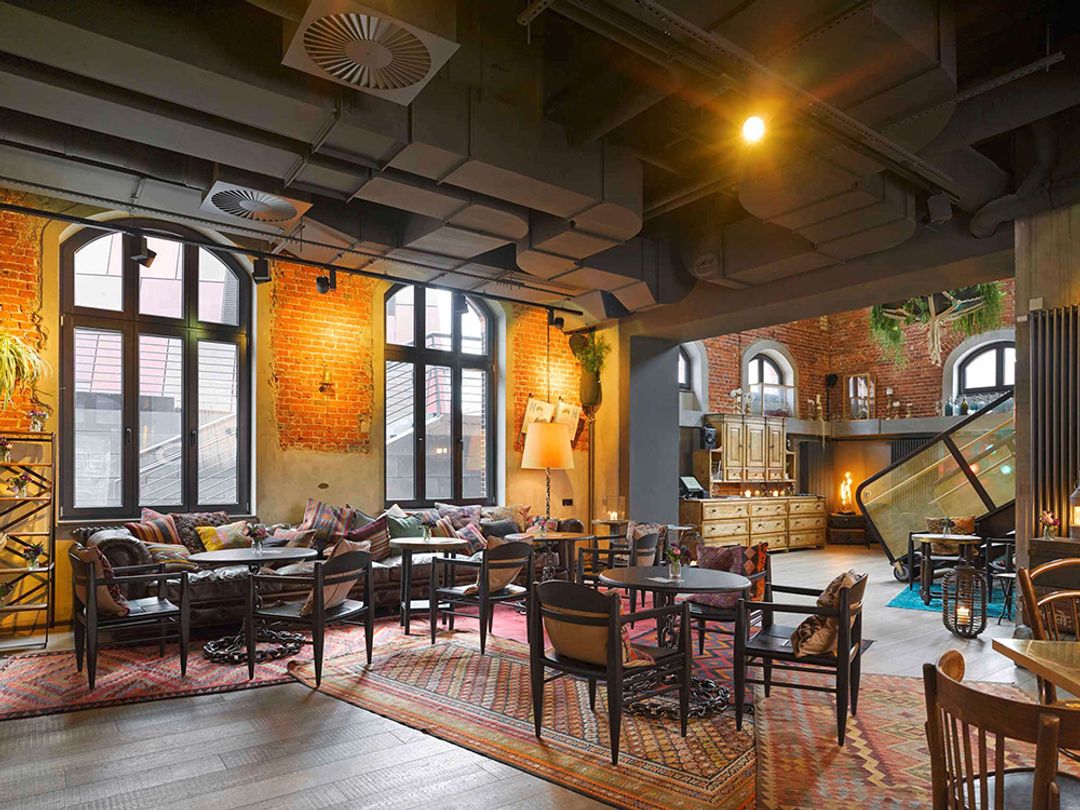
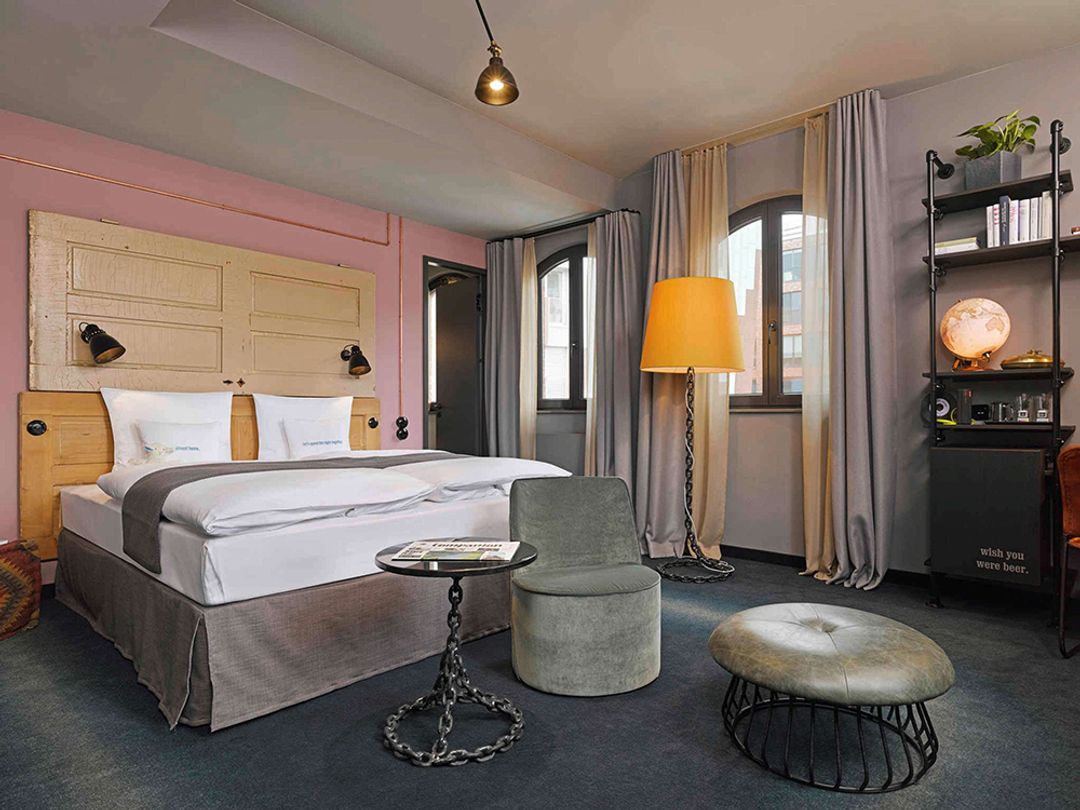
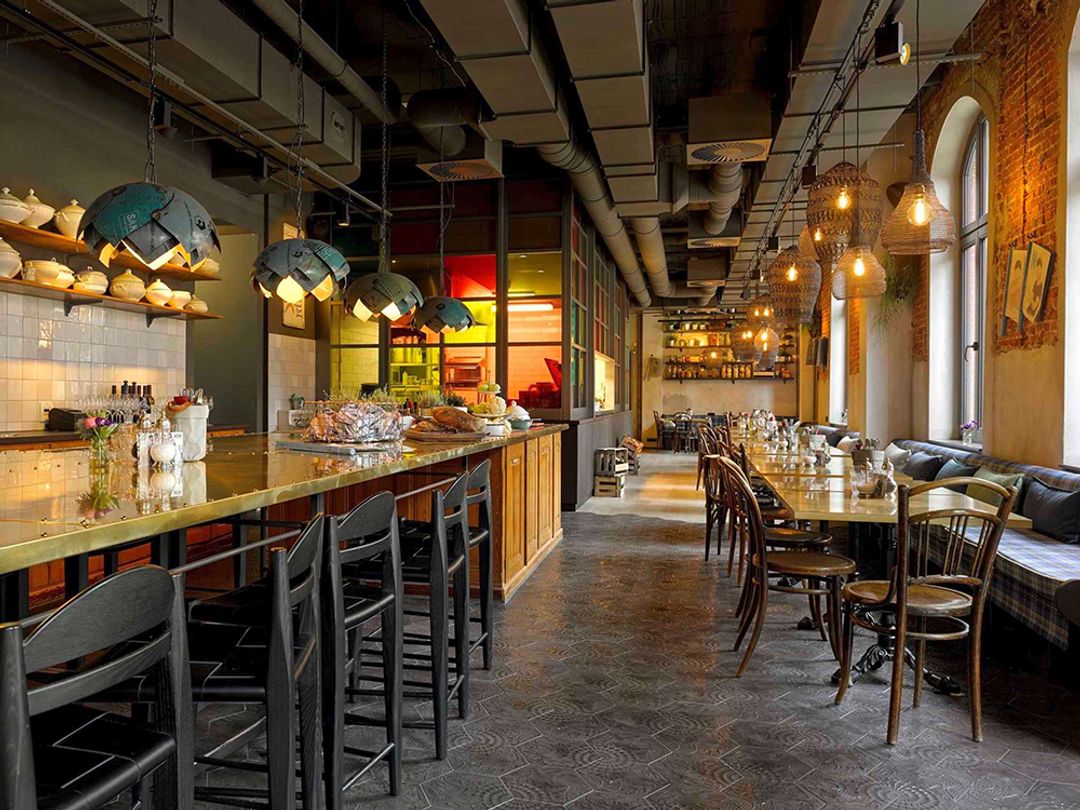
The Alster Lake has always been Hamburg's most composed address, and the hotels that face it understand exactly what that means. The Fairmont Hotel Vier Jahreszeiten, a 19th-century patrician building whose interiors have been carefully maintained rather than conceptually reinvented, operates at a register that owes more to the traditions of the Hanseatic merchant class than to contemporary hospitality design — dark wood, formal proportion, a sense that comfort here is a long-standing expectation rather than a recent ambition. The Fontenay, completed in 2018 to designs by Jan Störmer Architekten, represents the opposite impulse: a curved, glazed tower that reads as a genuine architectural statement against the water, with interiors by Matteo Thun that balance warmth with rigor. Le Meridien, also Alster-facing, is a more straightforward international proposition, worth noting for location rather than design distinction. The port has shaped Hamburg's character more deeply than almost any other European city of comparable size, and HafenCity — the former container district now rebuilt as a dense mixed-use quarter of brick and glass — provides the natural home for the two 25hours properties. The Altes Hafenamt occupies a former harbor authority building, its industrial bones preserved and reworked with the knowing, layered eclecticism that has become the 25hours signature. The adjacent HafenCity property takes a different approach, leaning into maritime references with a degree of self-aware playfulness. Neither property is trying to disappear into the neighborhood; both are, in their way, good arguments for adaptive reuse as a design philosophy rather than a heritage obligation. St. Georg and the Neustadt offer the most useful options for travelers whose instinct is toward the city's more particular, quieter energies. The George Hamburg, on the Außenalster's eastern edge, occupies a converted early 20th-century building with an interior sensibility closer to a well-edited private house than a formal hotel. In the Neustadt, SIDE Design Hotel — with Jan Störmer responsible for the architecture here too, dating to 2001 — remains one of the more considered pieces of hospitality architecture Hamburg has produced, its white atrium interior still holding up against newer arrivals. TORTUE HAMBURG, also in the Neustadt, has brought a more fashion-conscious energy to the neighborhood, its interiors referencing the area's theatrical heritage with a lighter hand than the concept might suggest.