Best hotels in Dolomites (South Tyrol) | Visually Compare Top Stays Side-by-Side
Welcome to PressBeyond - a curated visual guide to design-driven hotels and the fastest way to compare them.
An Overview of the Boutique & Luxury Hotel Landscape in Dolomites (South Tyrol)
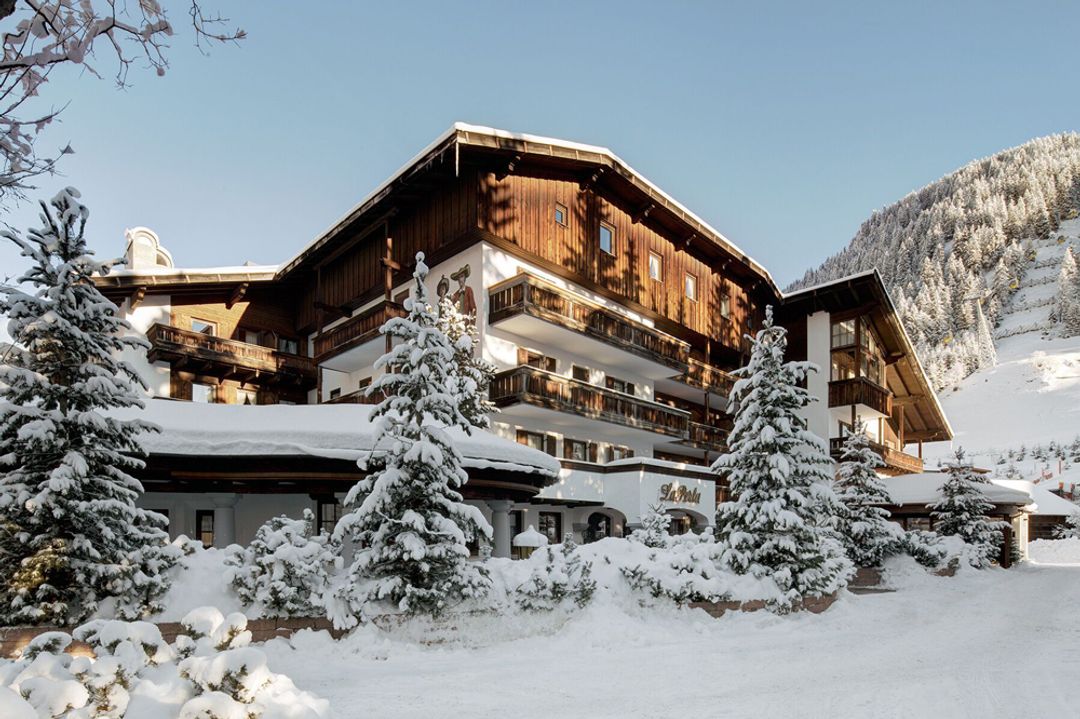
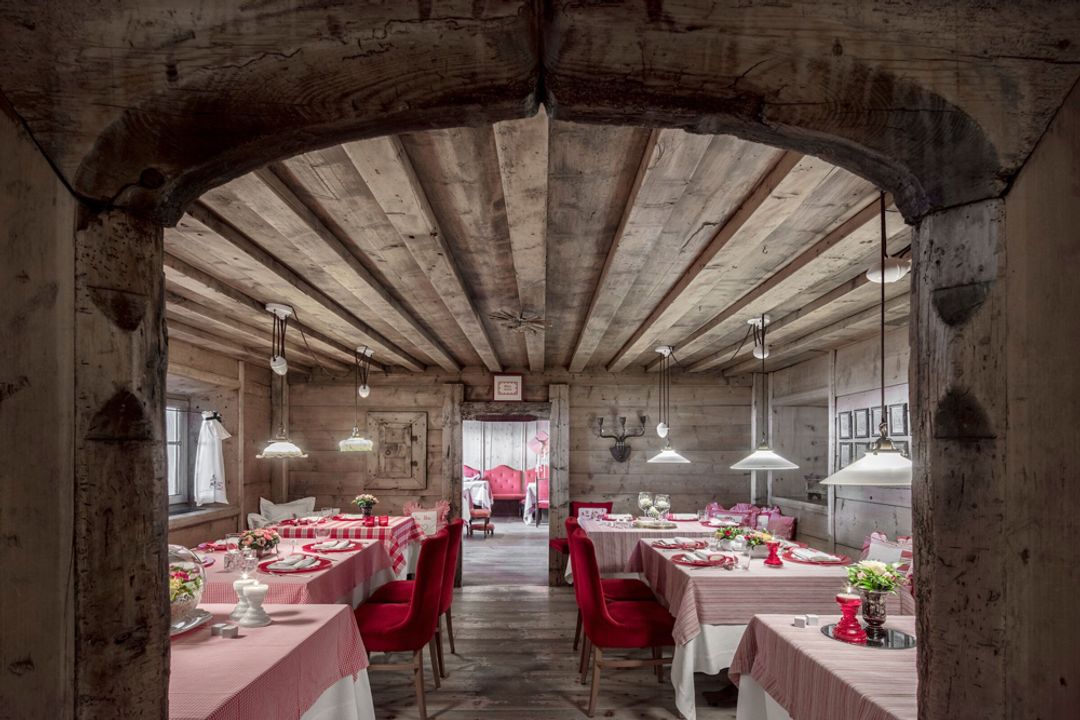
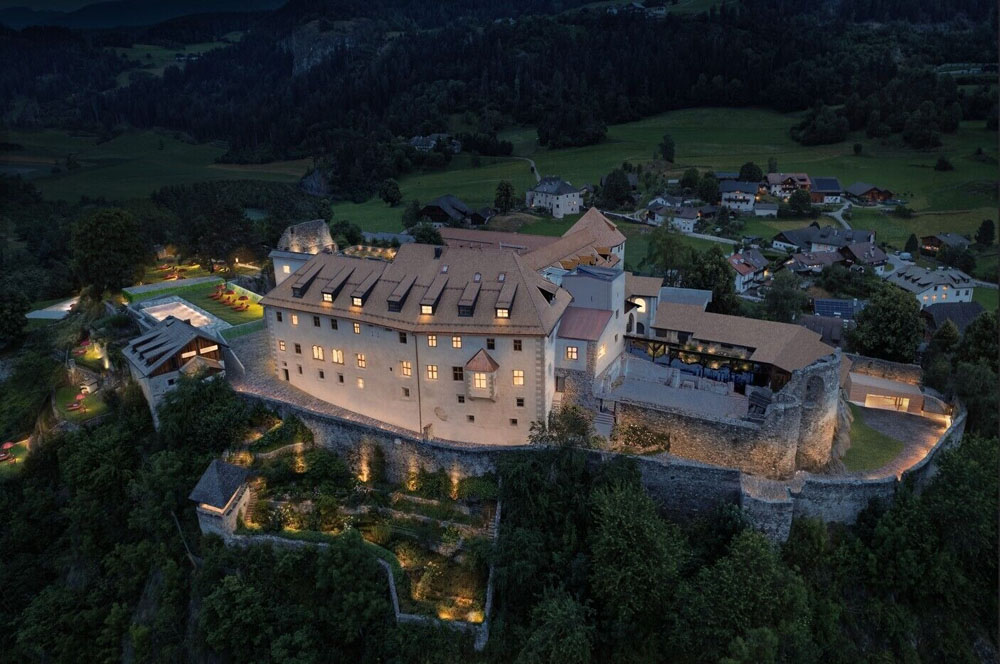
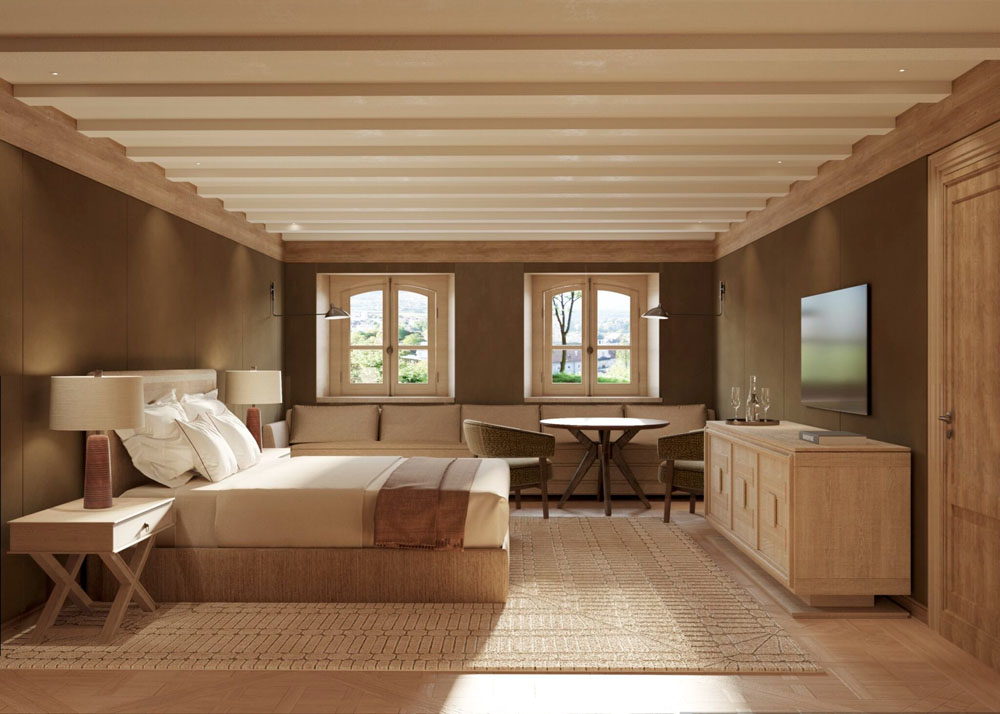
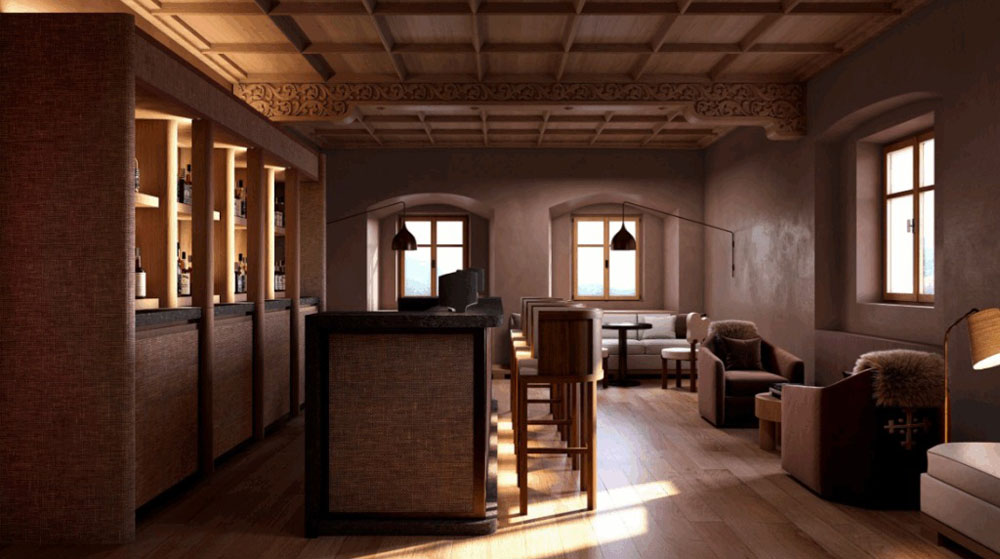
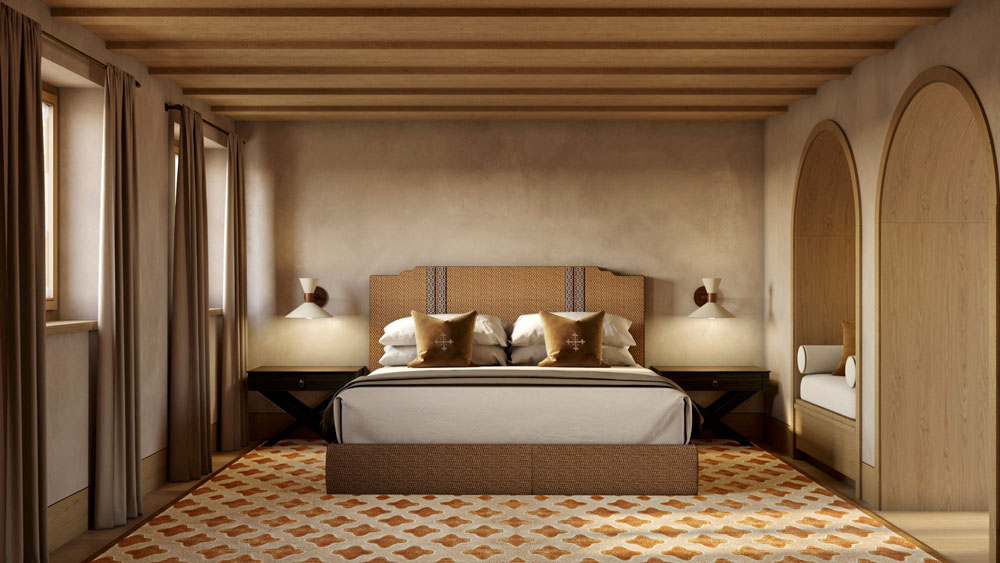
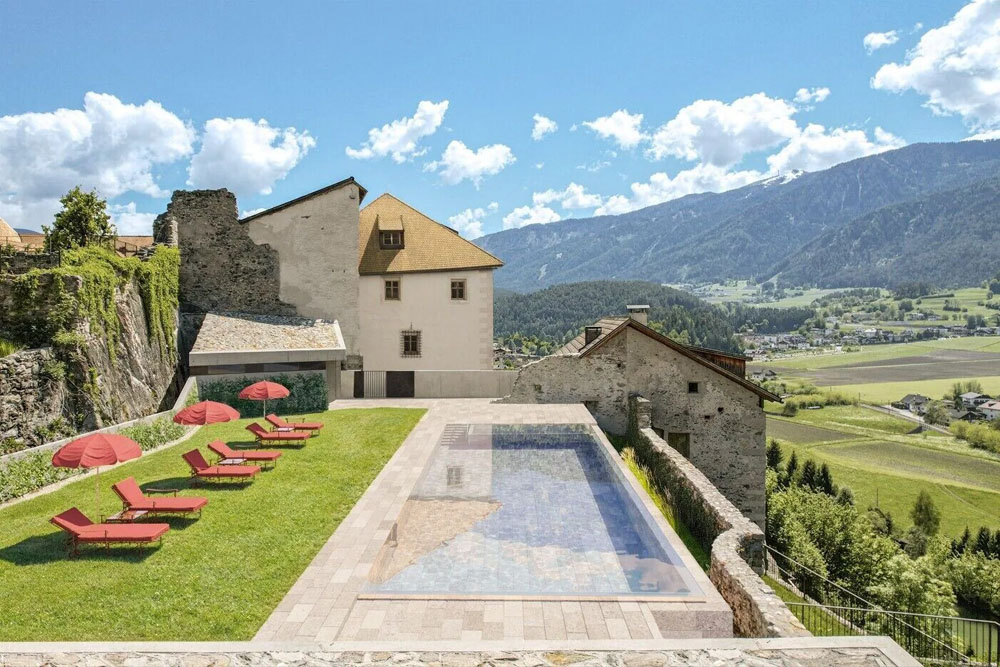
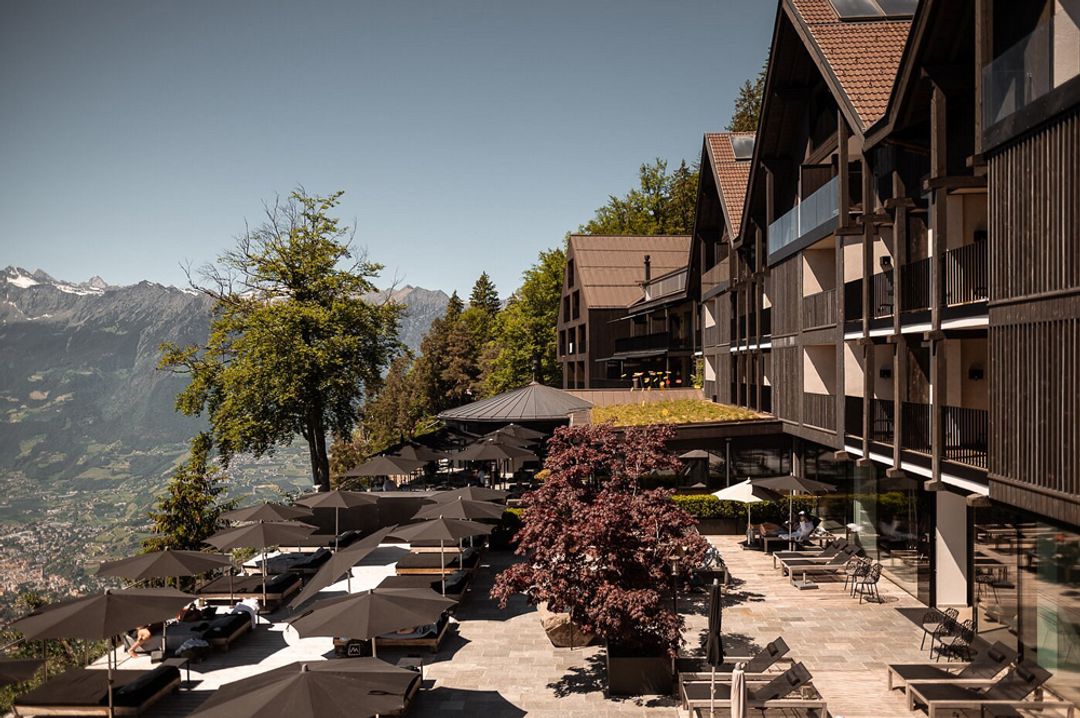
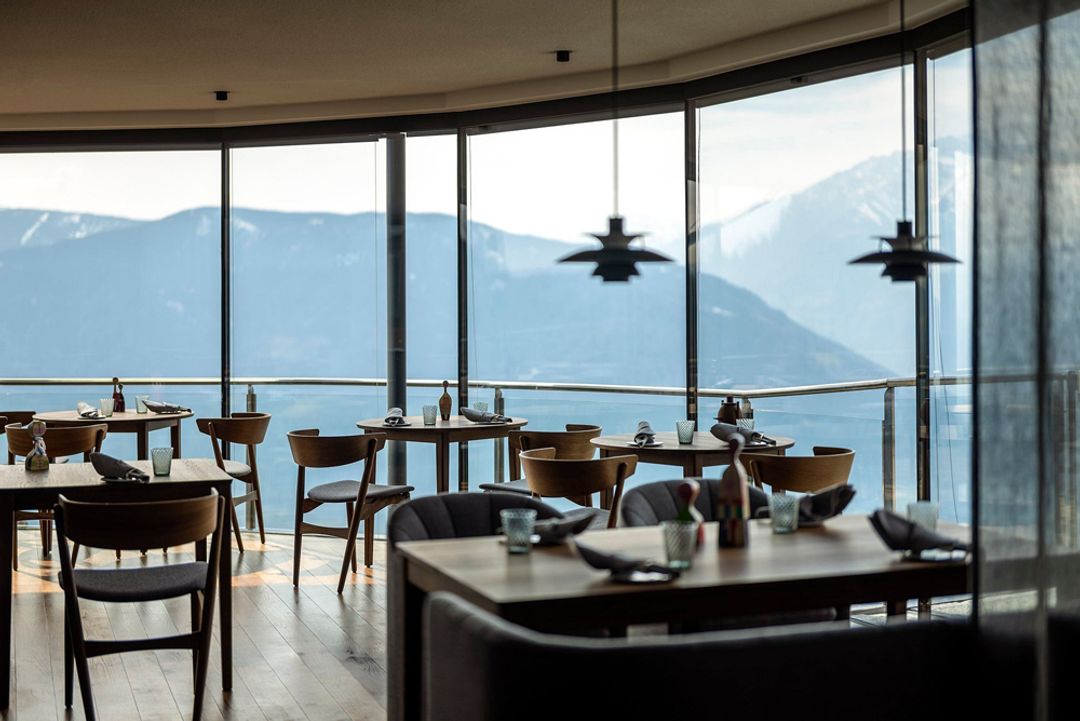
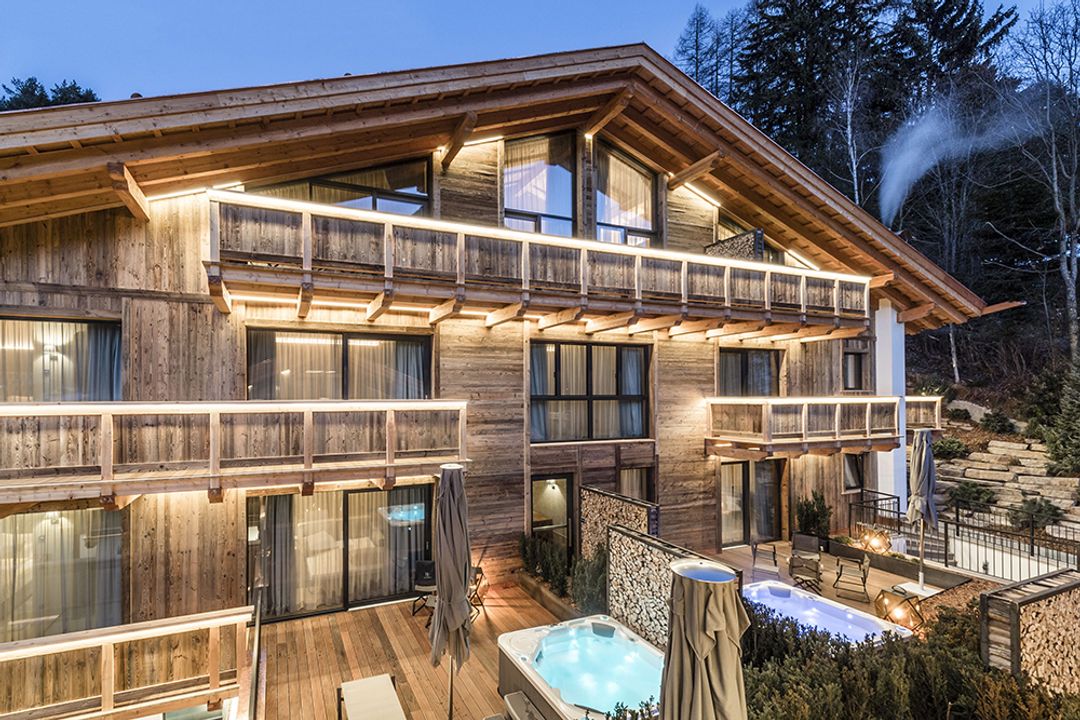
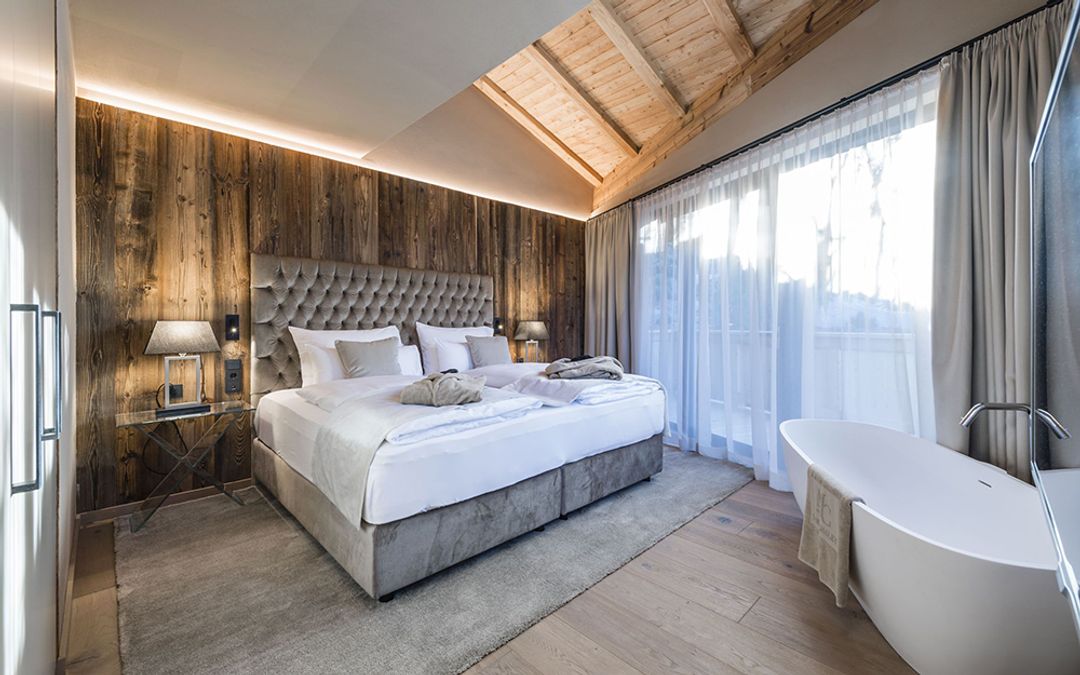
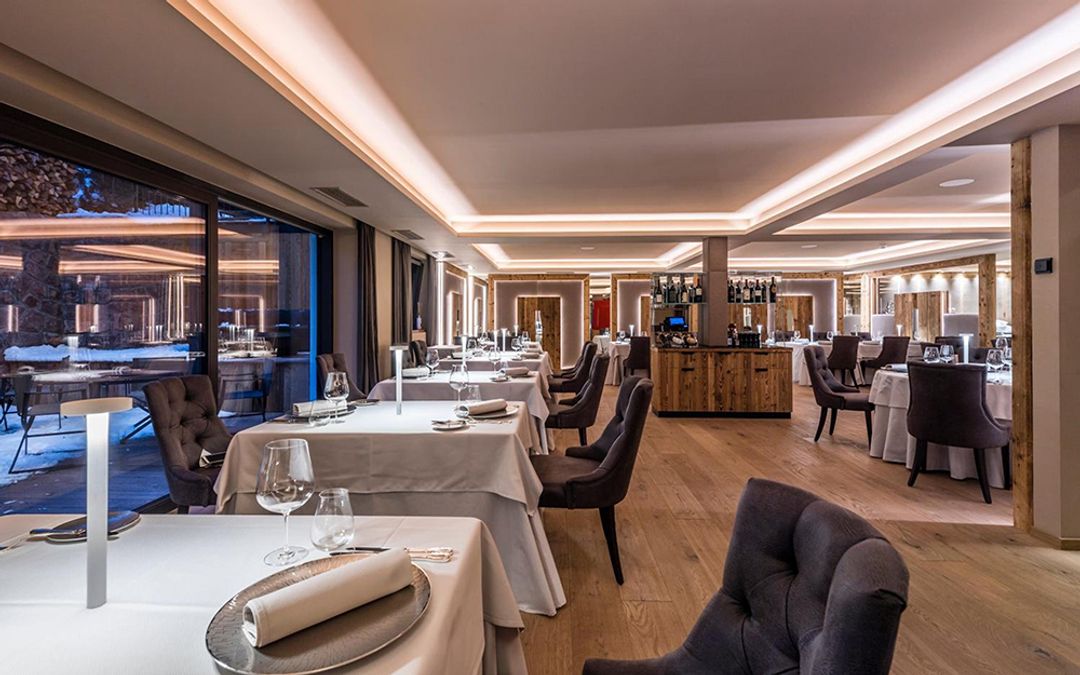
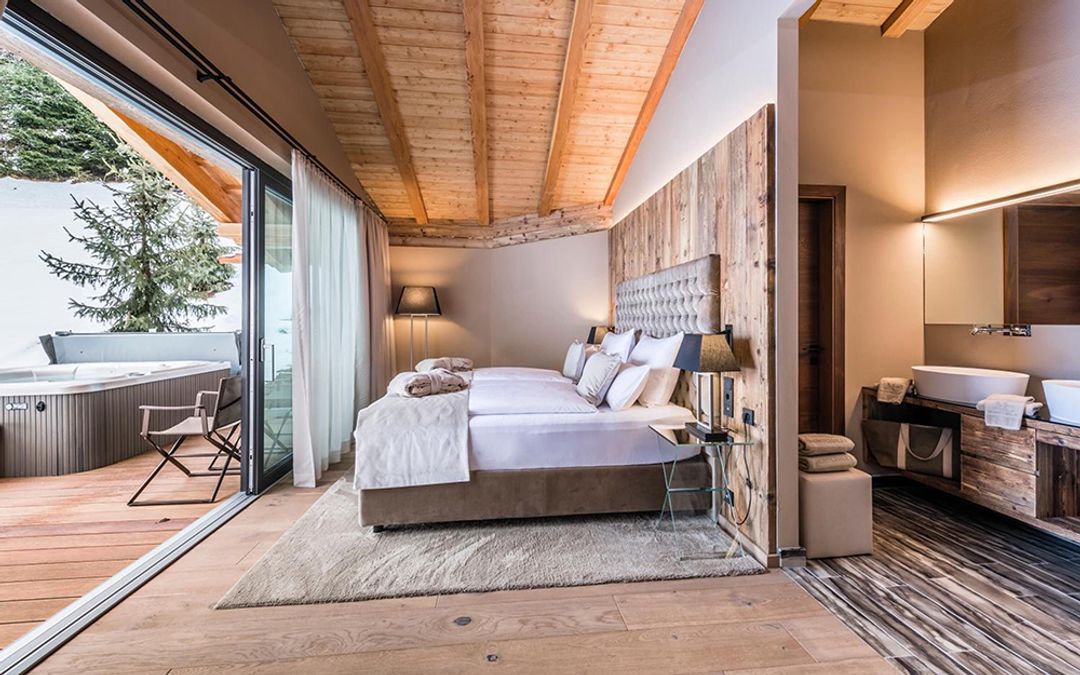
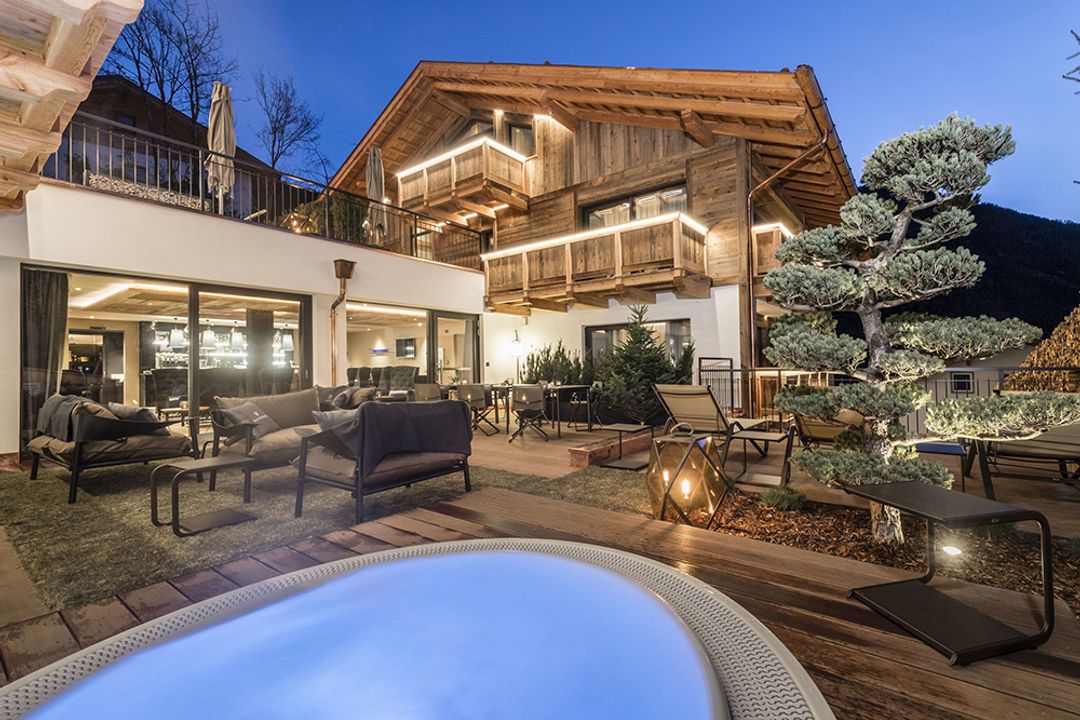
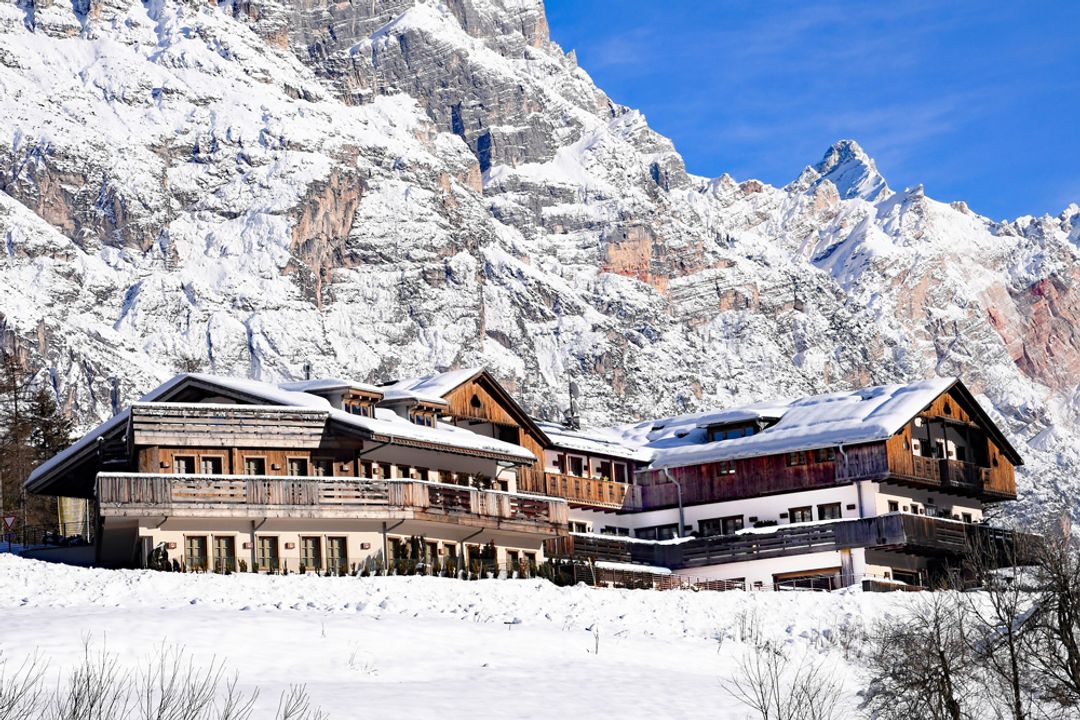
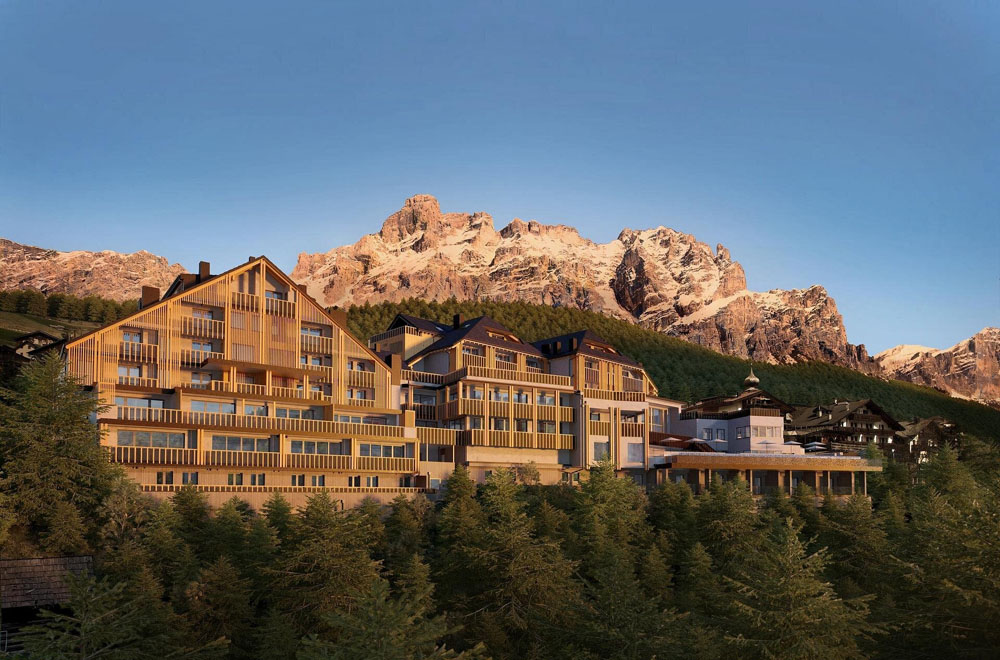
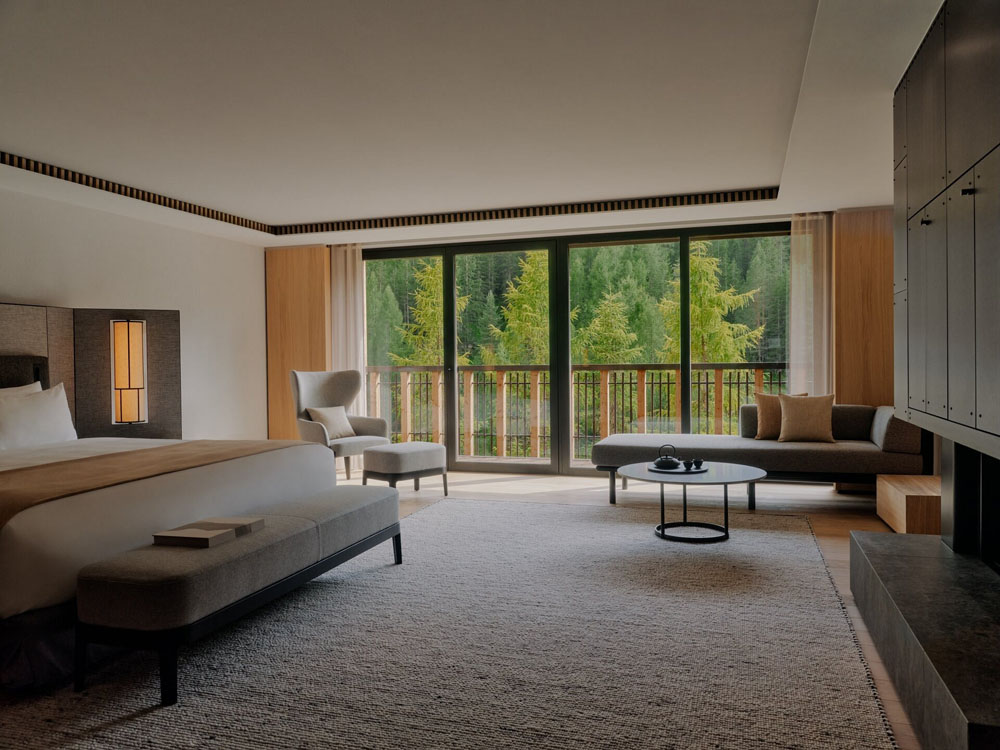
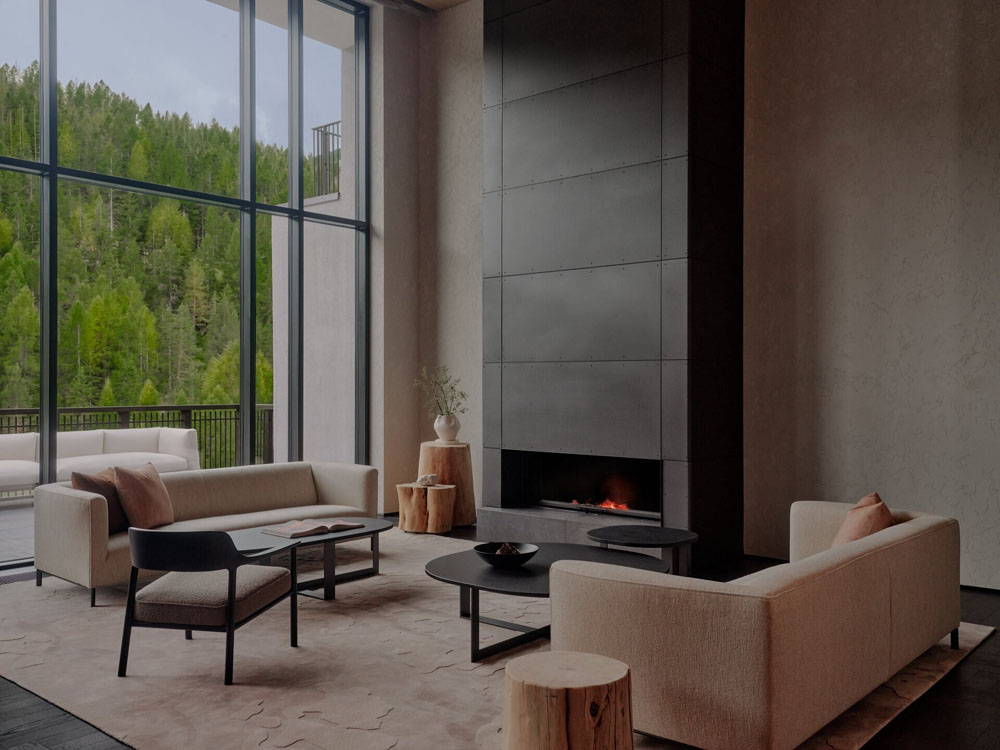
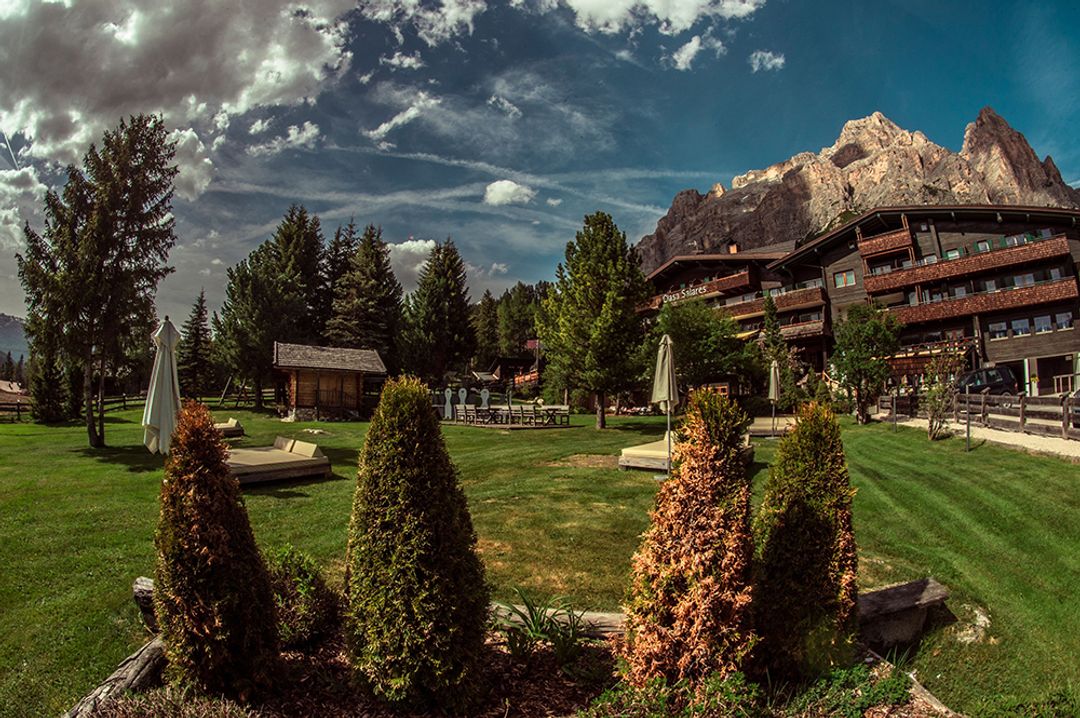
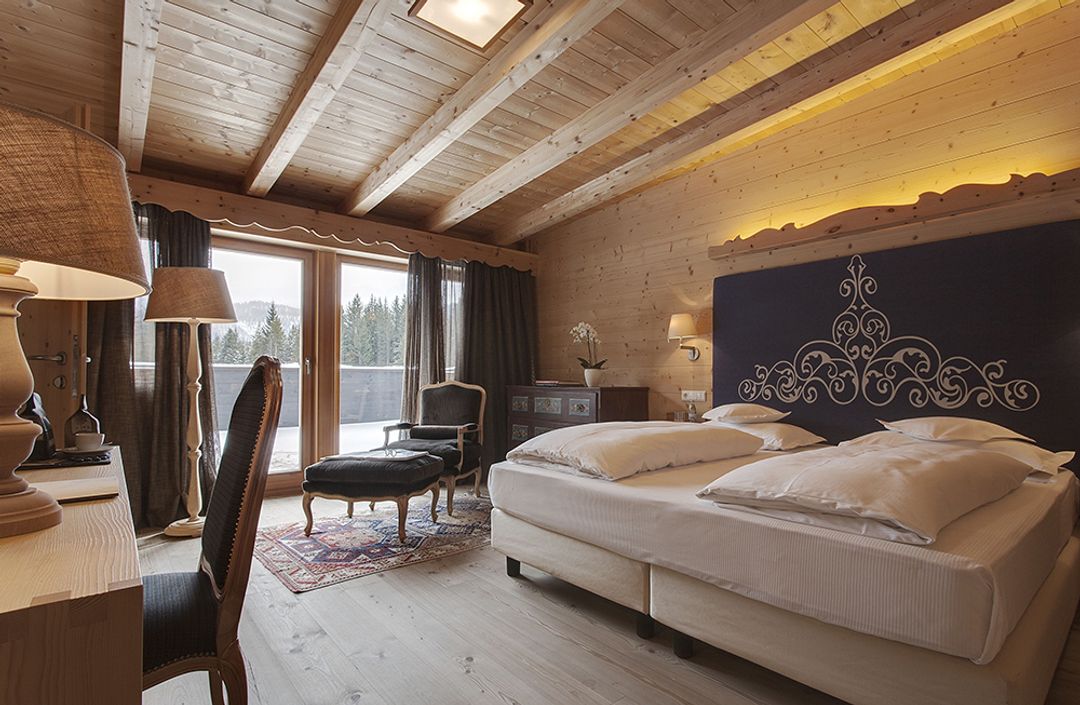
The Dolomites do not deliver a single architectural mood. Across South Tyrol, the vernacular shifts with the valleys: the Ladin culture of Alta Badia, the Germanic timber traditions of Val Gardena, the Viennese spa inheritance of Merano, the Cortina glamour that Mussolini-era modernism and postwar ski wealth built together. Staying here means choosing a valley before choosing a hotel, because the properties draw their character directly from place. In San Cassiano, Rosa Alpina operates as both emblem and outlier, a family-built Relais & Châteaux property that grew into an Aman partnership without losing the particularity that made it worth partnering with. The interiors carry a careful Ladin sensibility, local woodwork and restrained palette held against the Fanes massif. Nearby, Hotel Ciasa Salares offers a quieter, more personal version of the same Alta Badia address, its spa and cuisine ethos rooted in slow, deliberate hospitality rather than brand momentum.
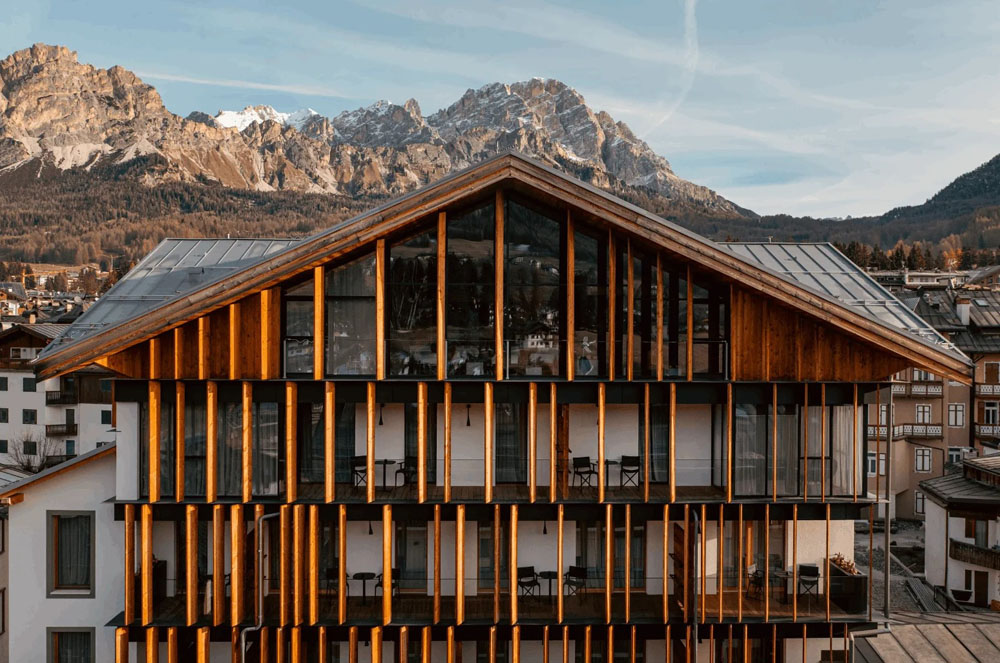
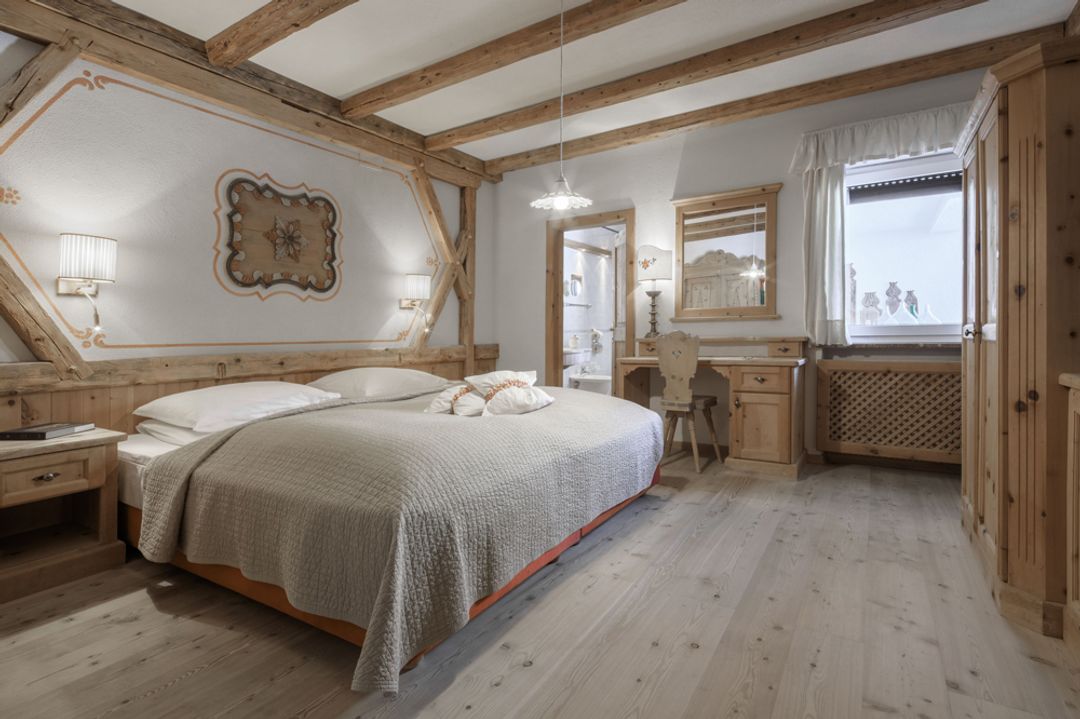
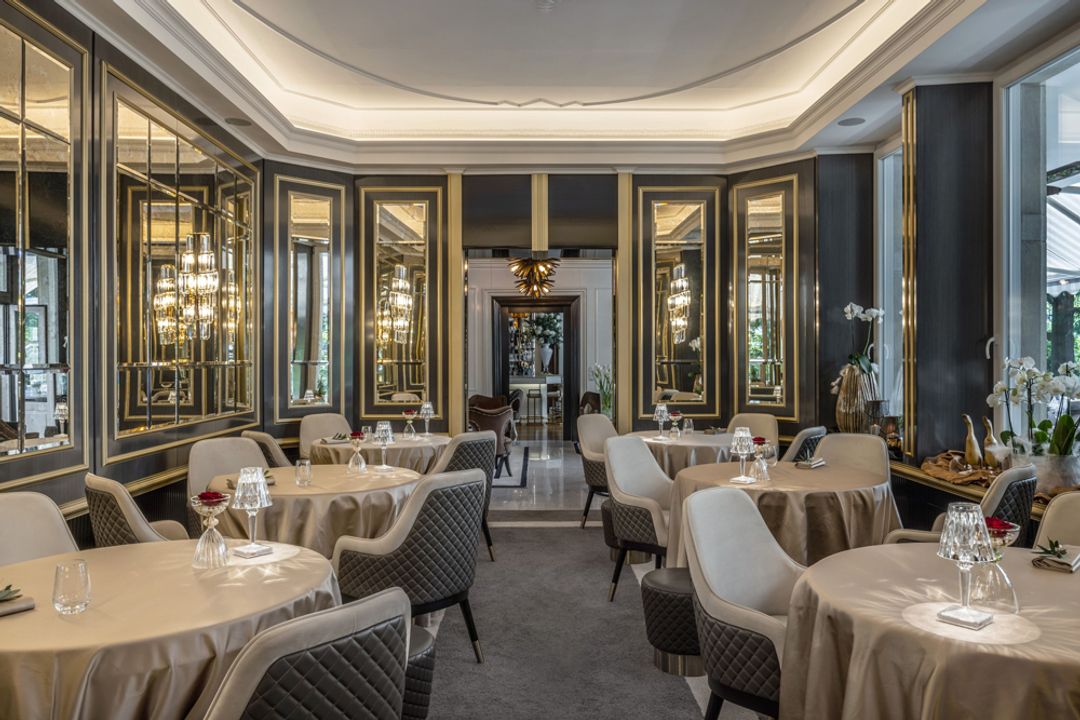
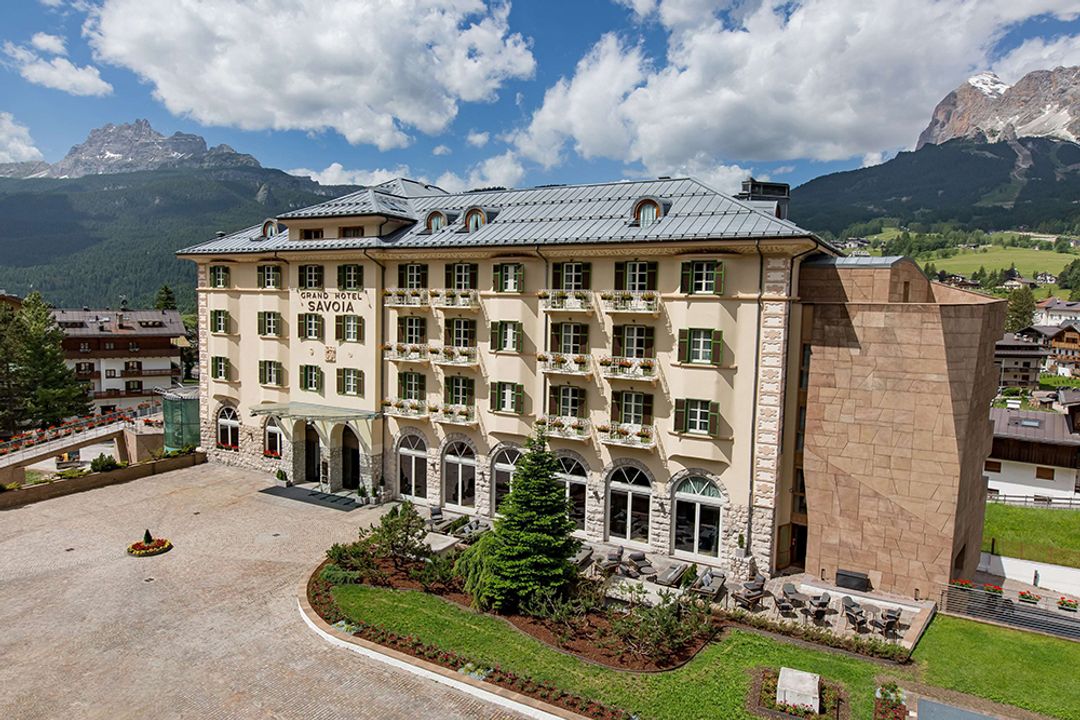
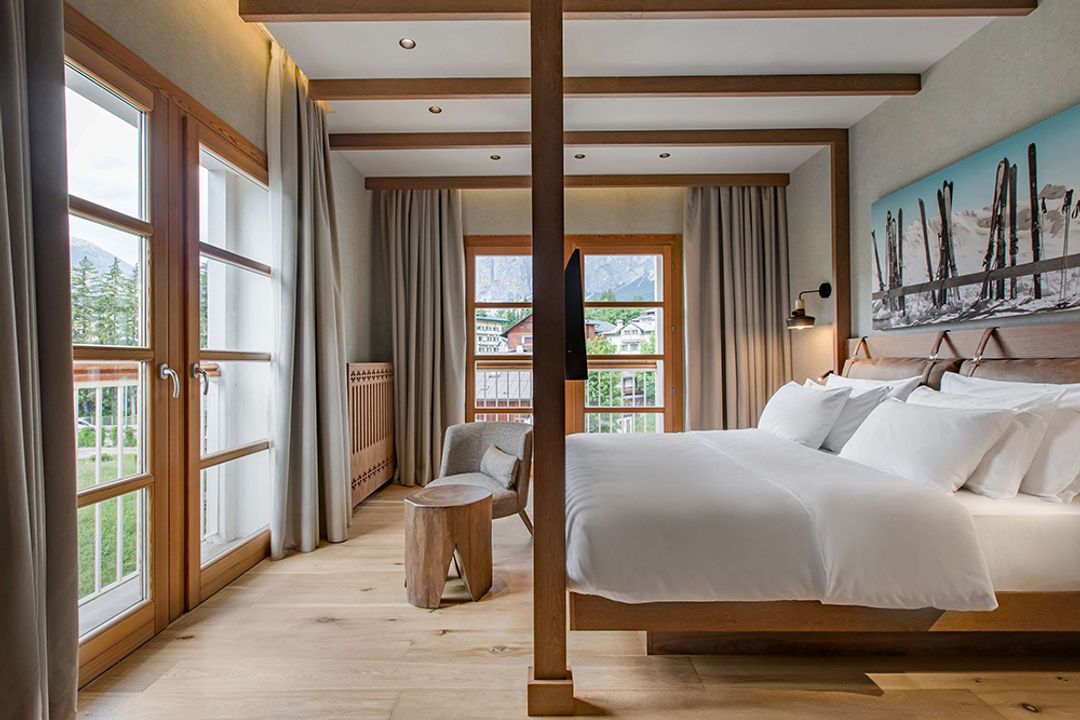
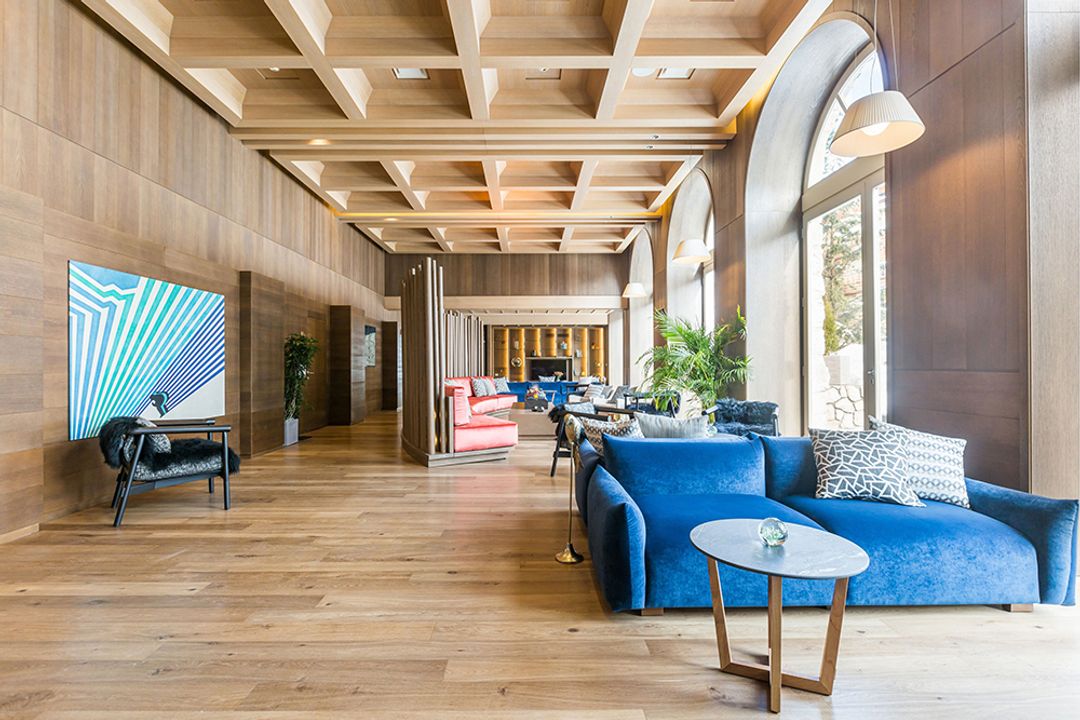
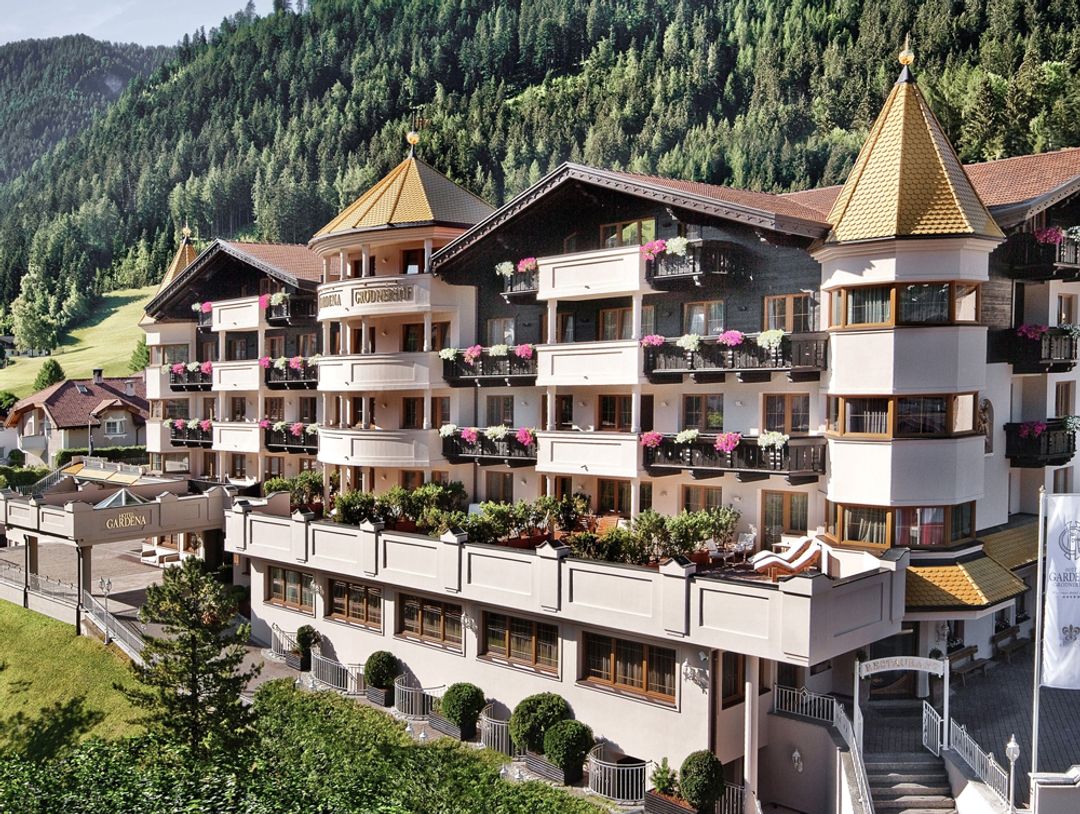
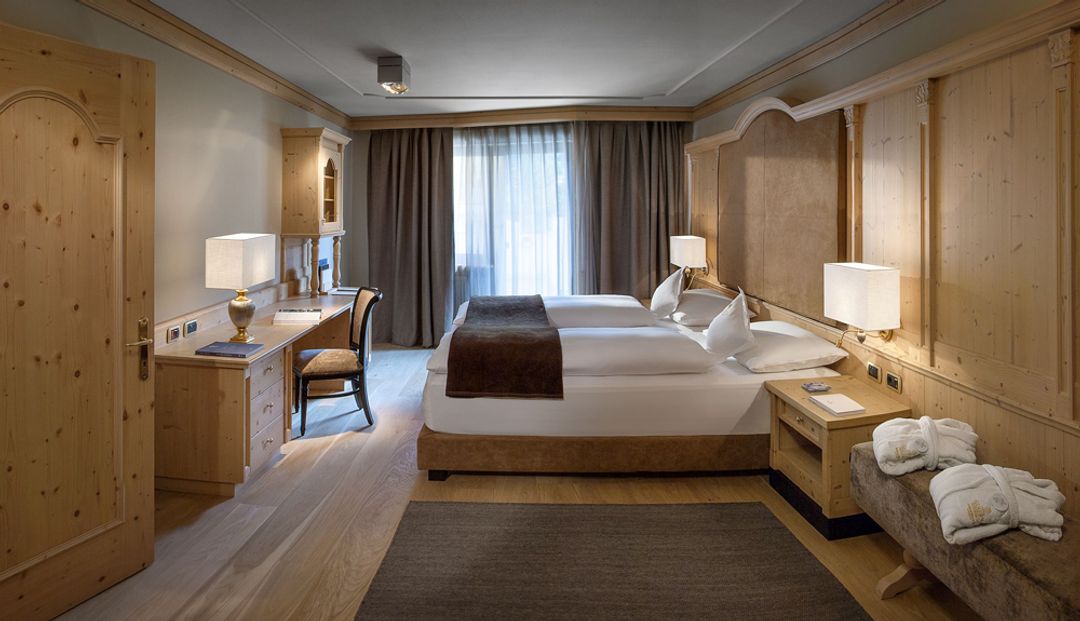
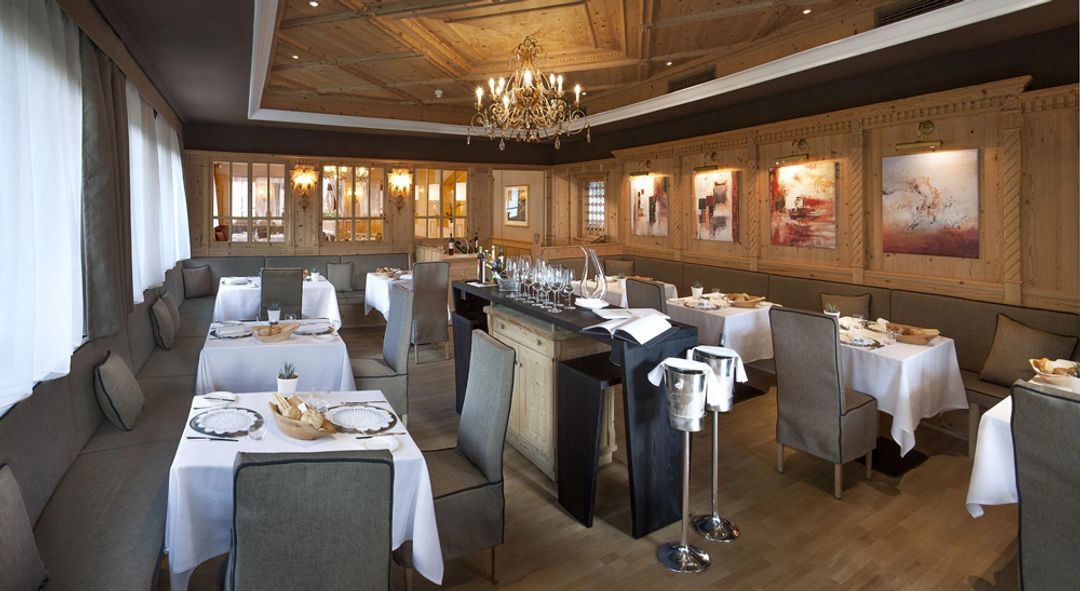
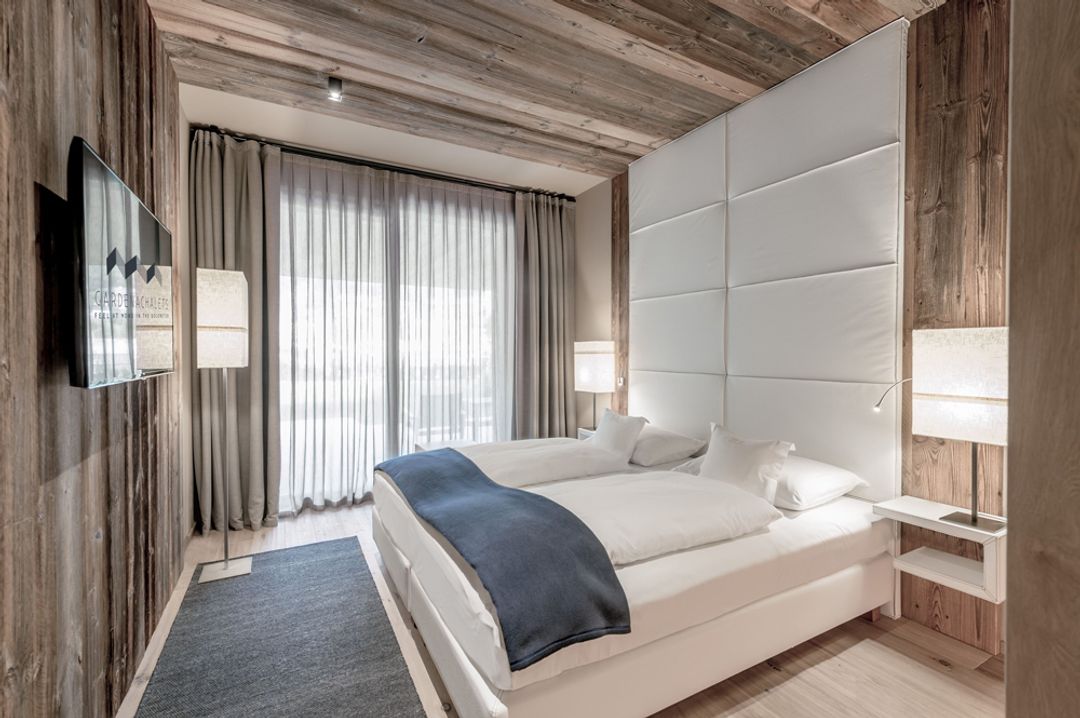
Cortina commands its own register entirely. The Grand Hotel Savoia sits on the town's main Corso with the confidence of a property that has watched Olympic winters and fashion weeks come and go since 1913. Rosapetra Spa Resort and Hotel de Len represent a more contemporary Cortina, both outside the center and both trading the town's social theater for materials and mountain proximity. In Ortisei, the Gardena Grodnerhof has been shaped over generations by the Demetz family, its interiors threading local craftsmanship into a property that earns its position at the top of the Val Gardena price range through accumulation rather than spectacle. Hotel Montchalet offers a tighter, more focused expression of the same valley.
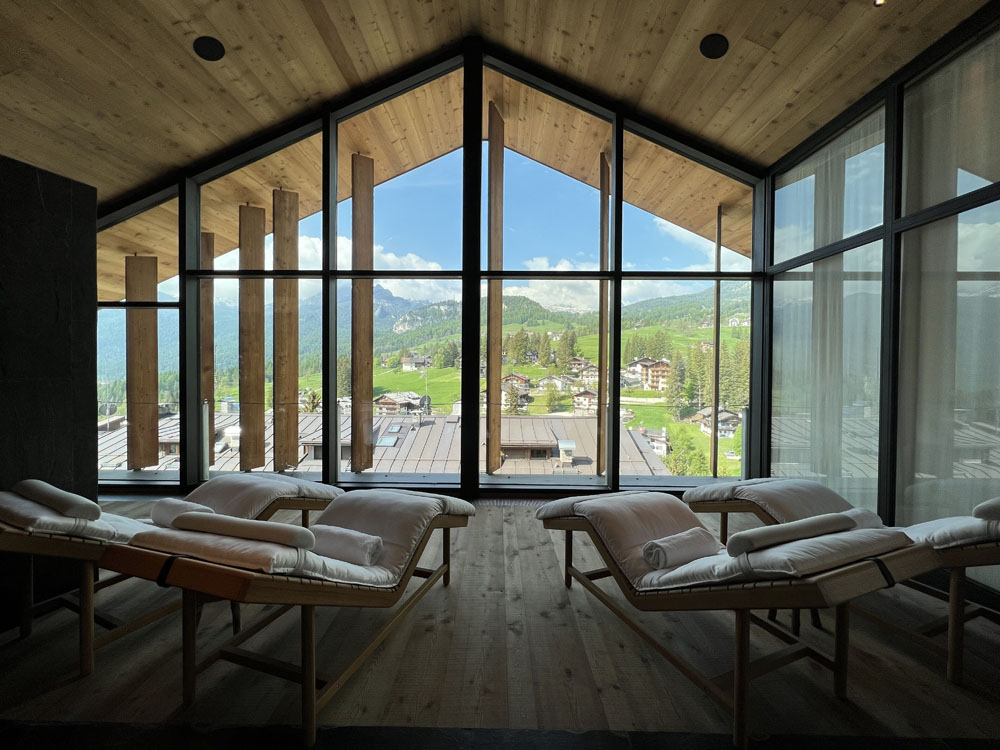
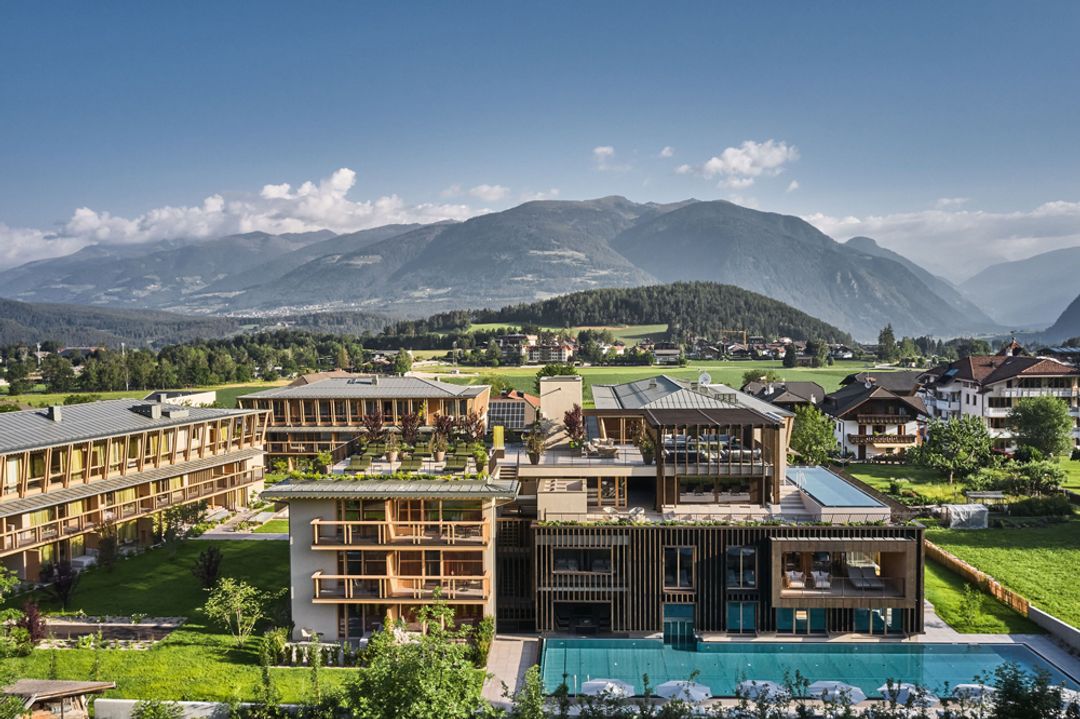
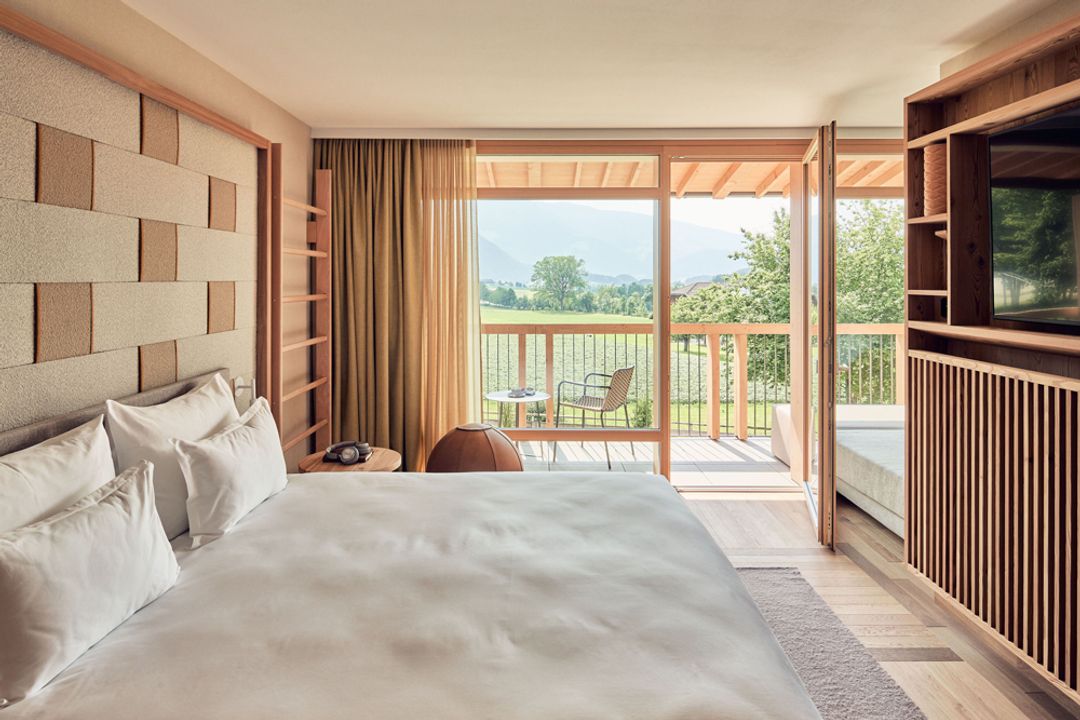
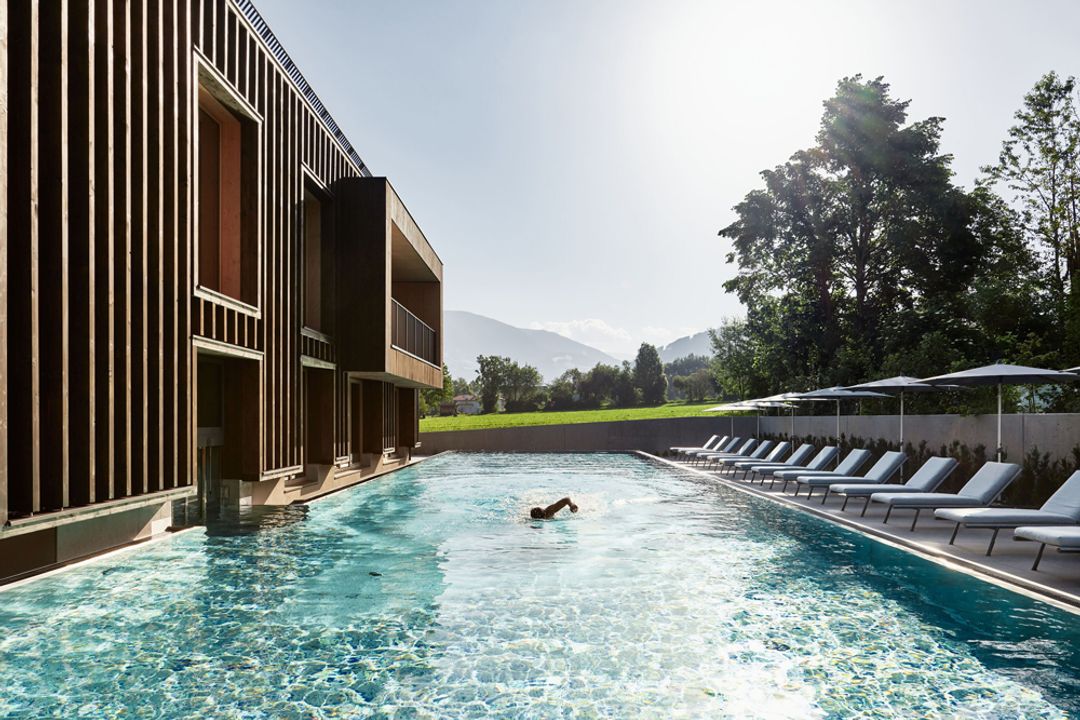
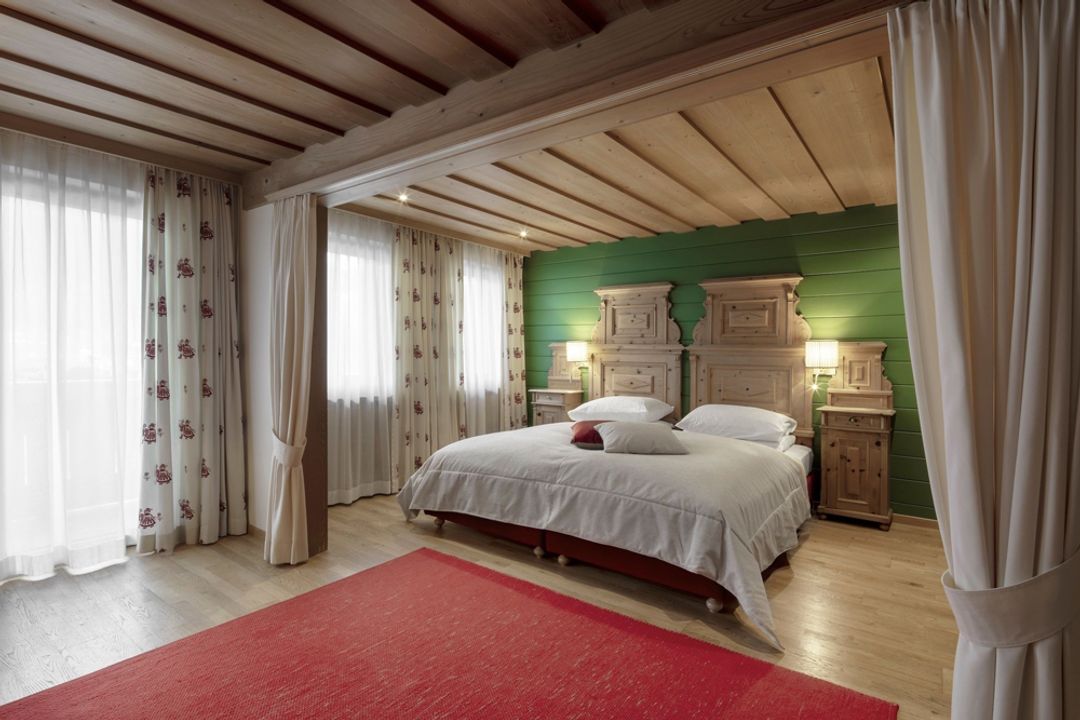
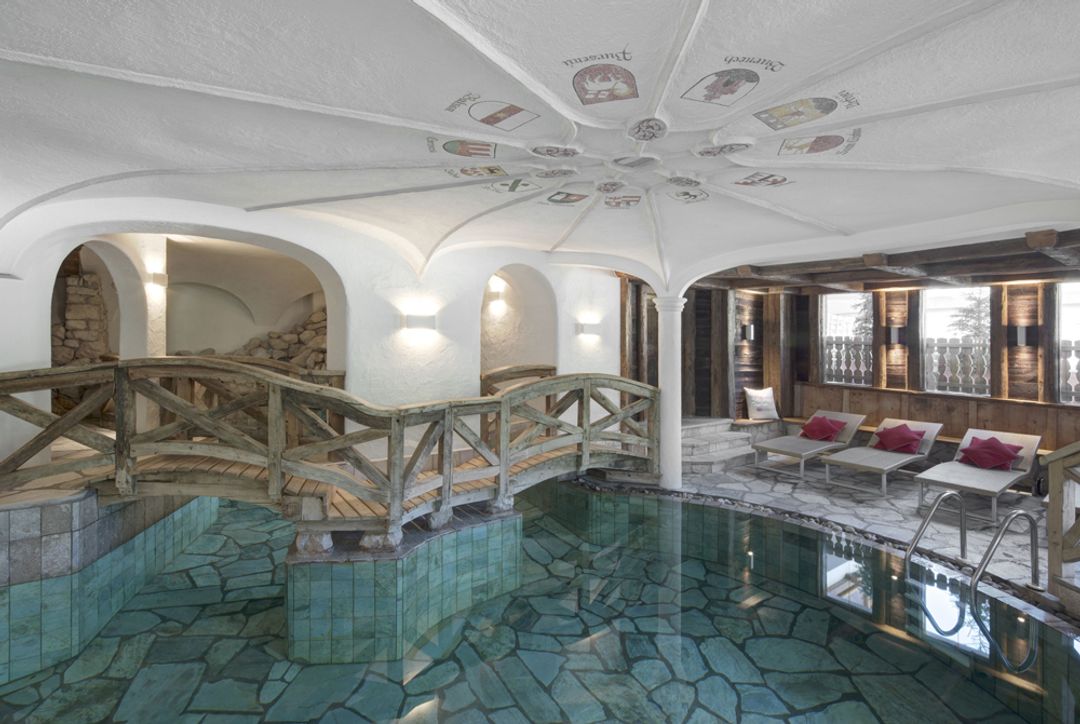
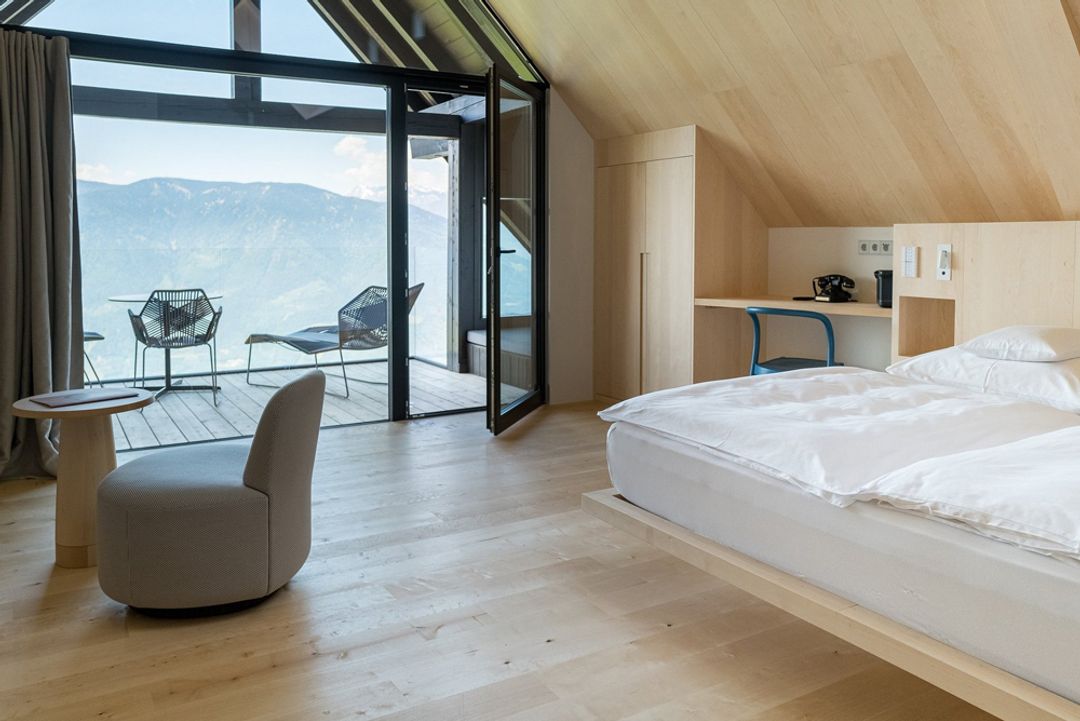
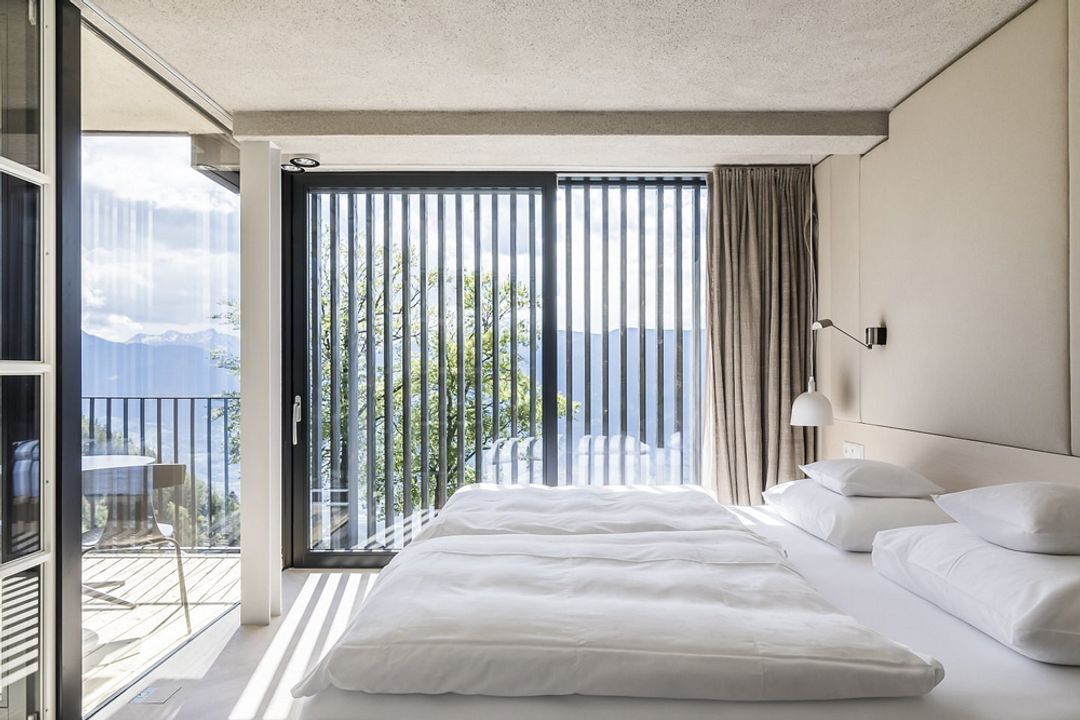
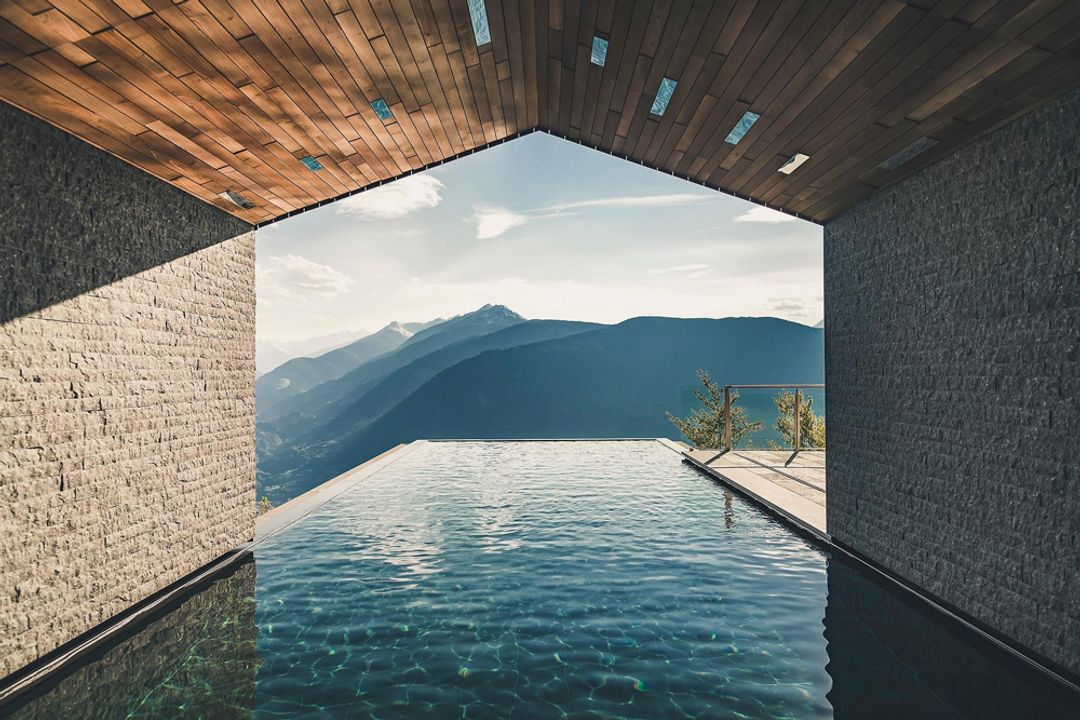
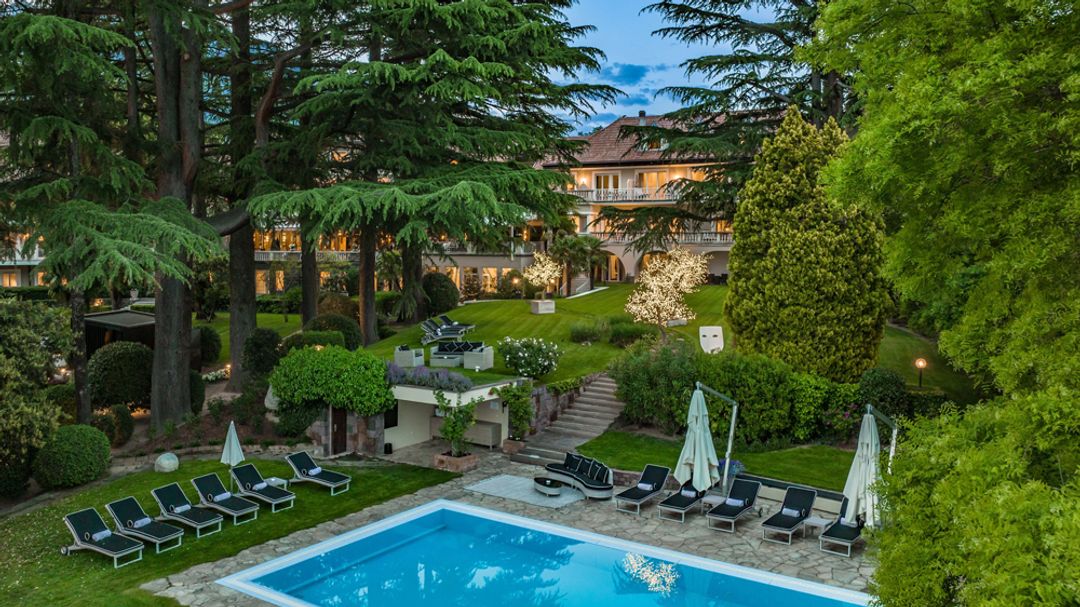
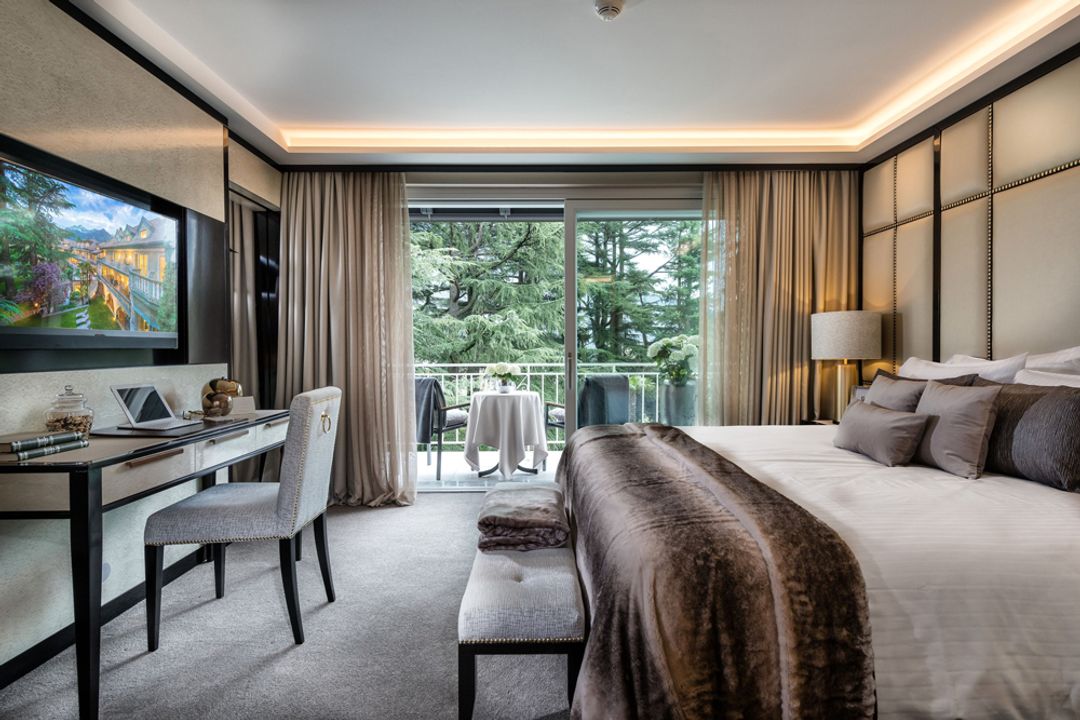
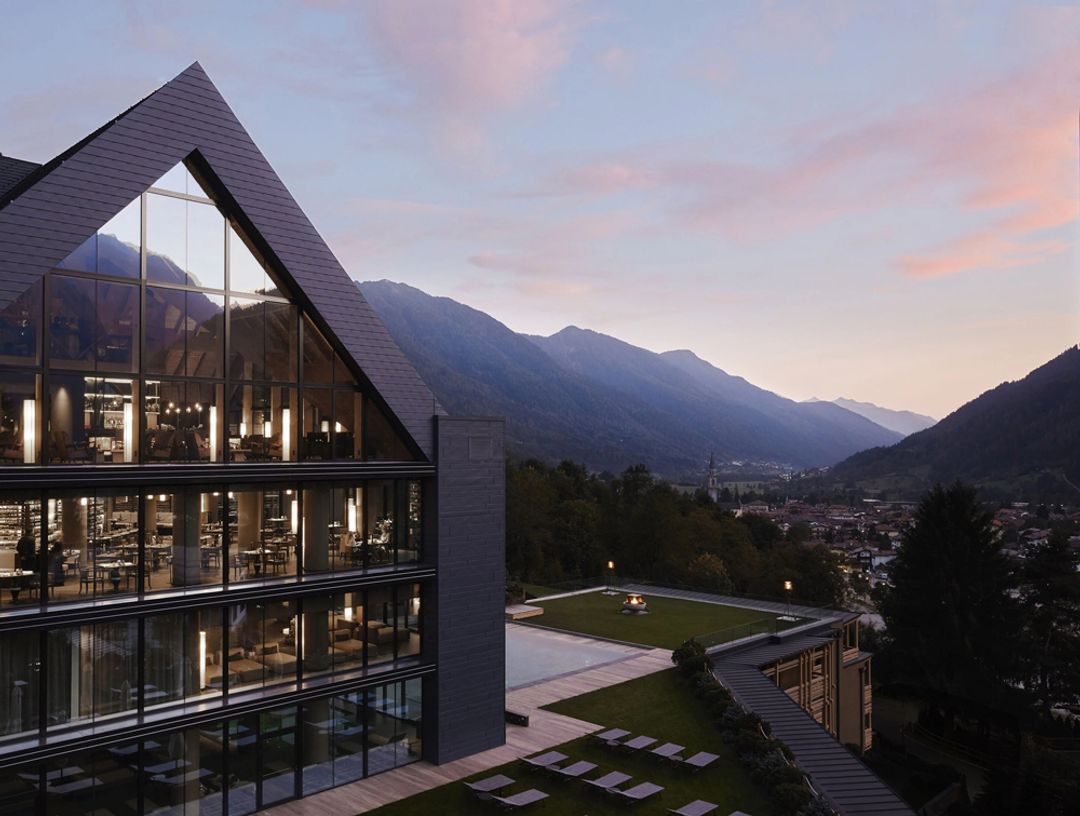
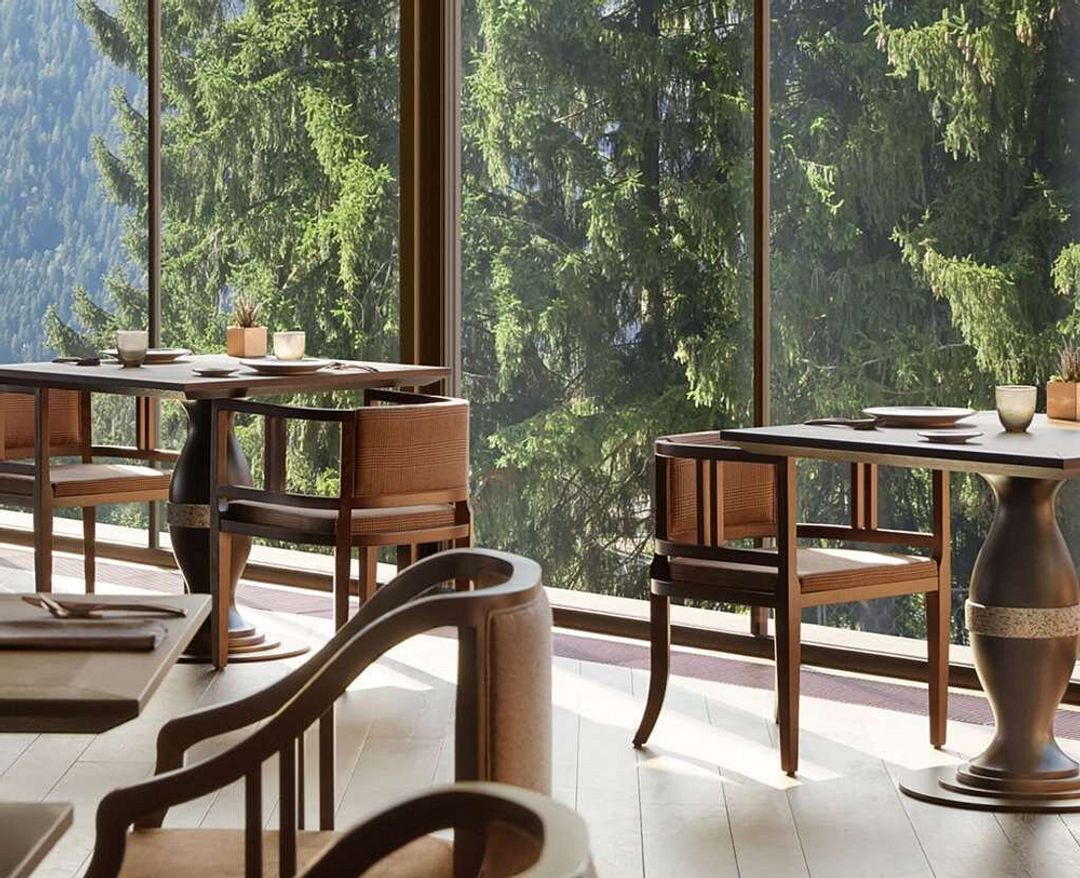
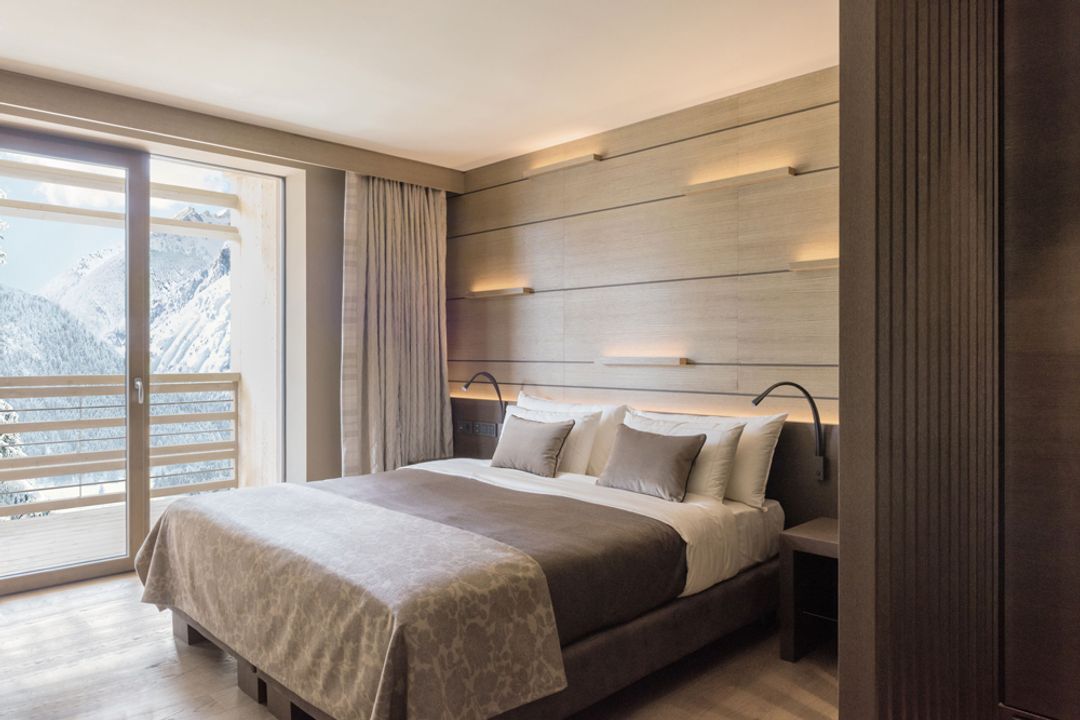
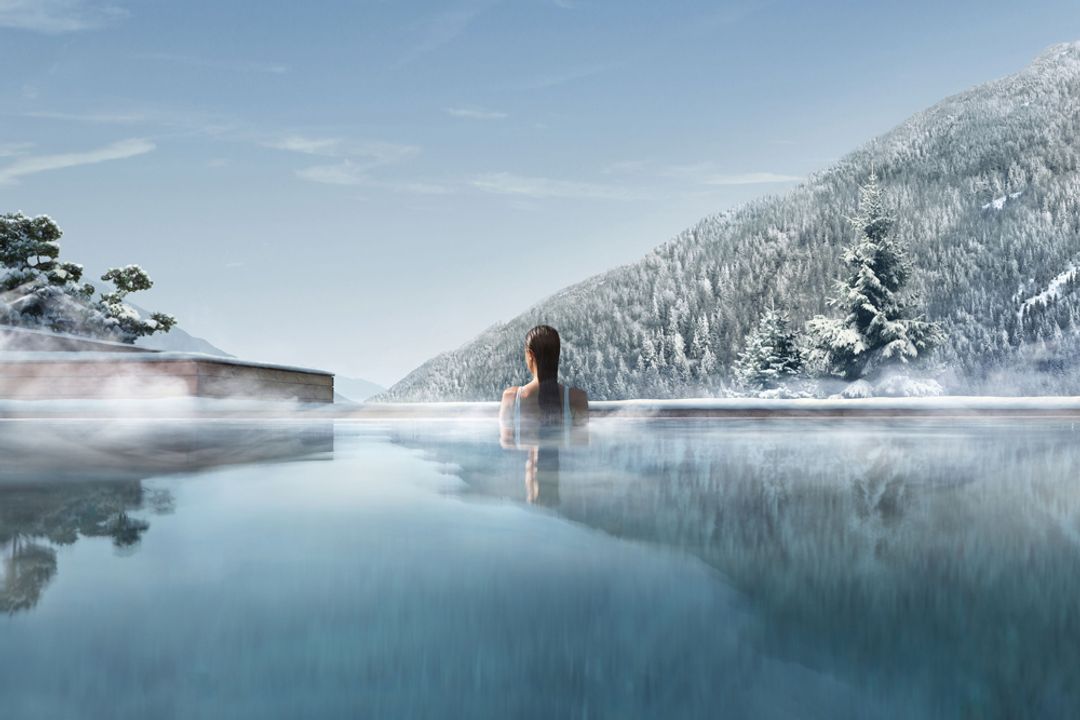
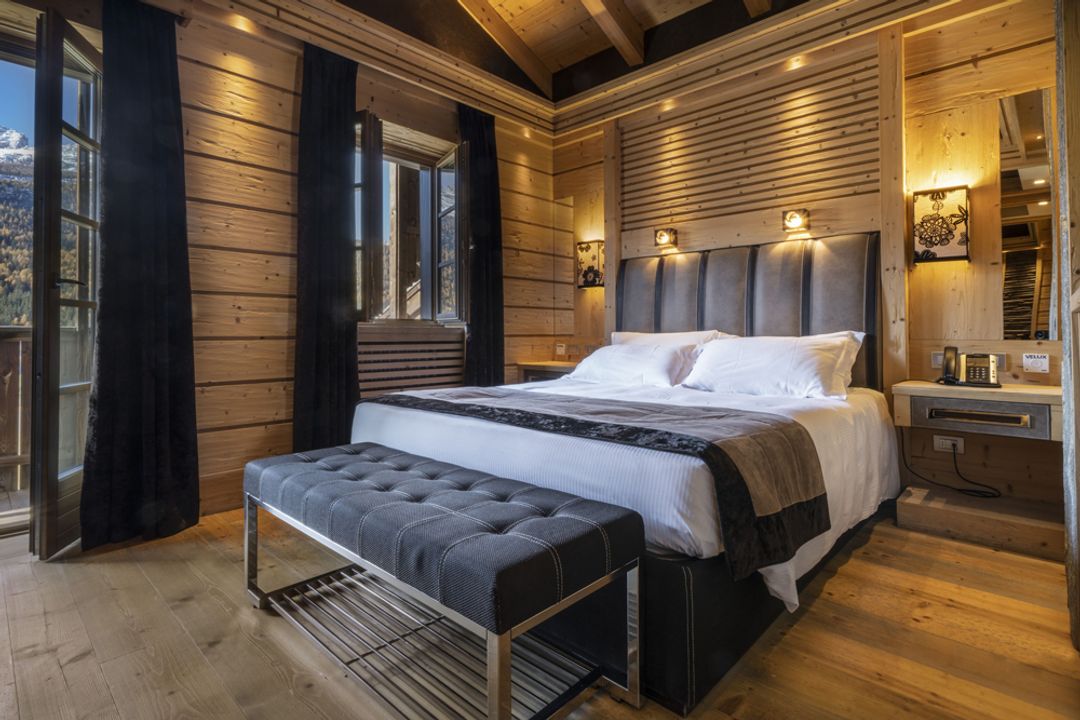
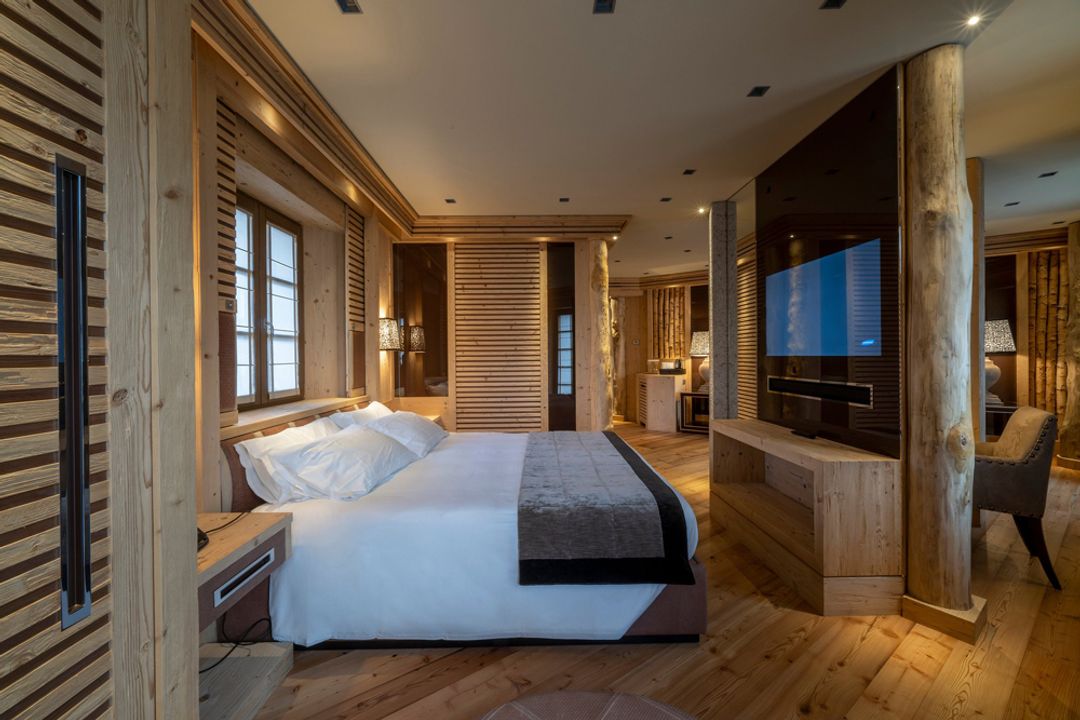
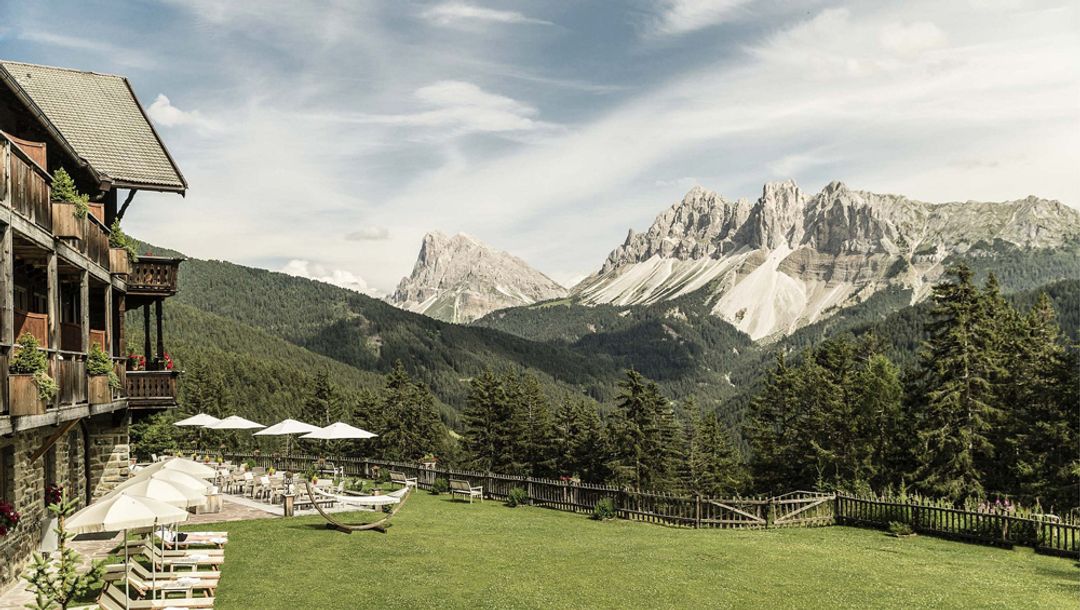
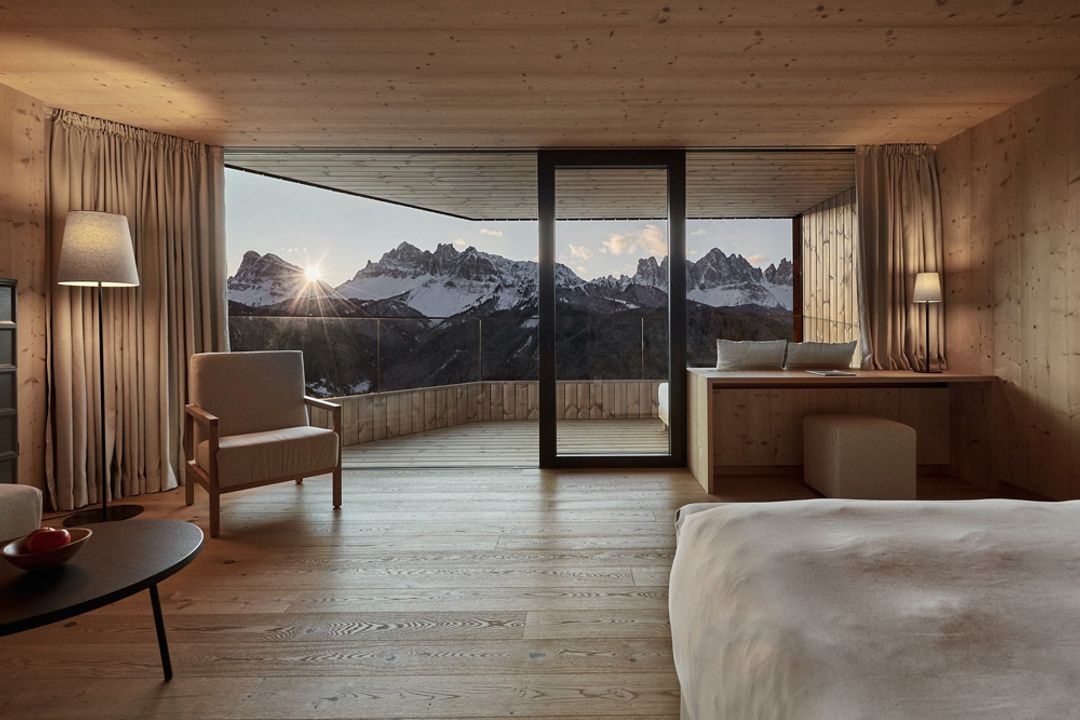
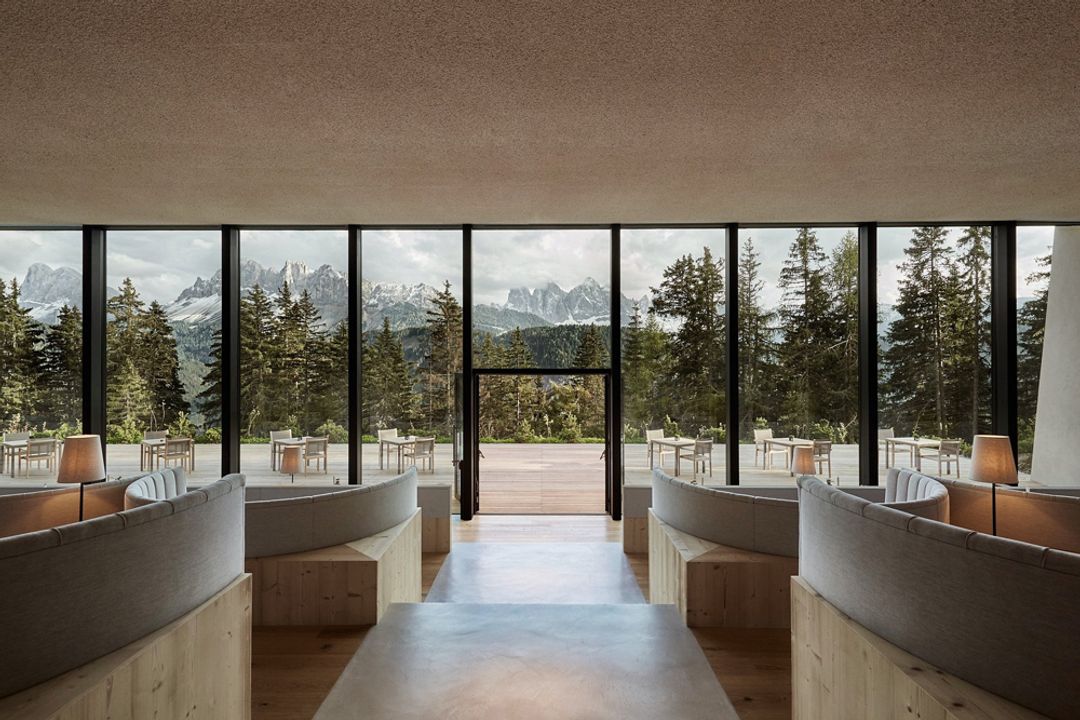
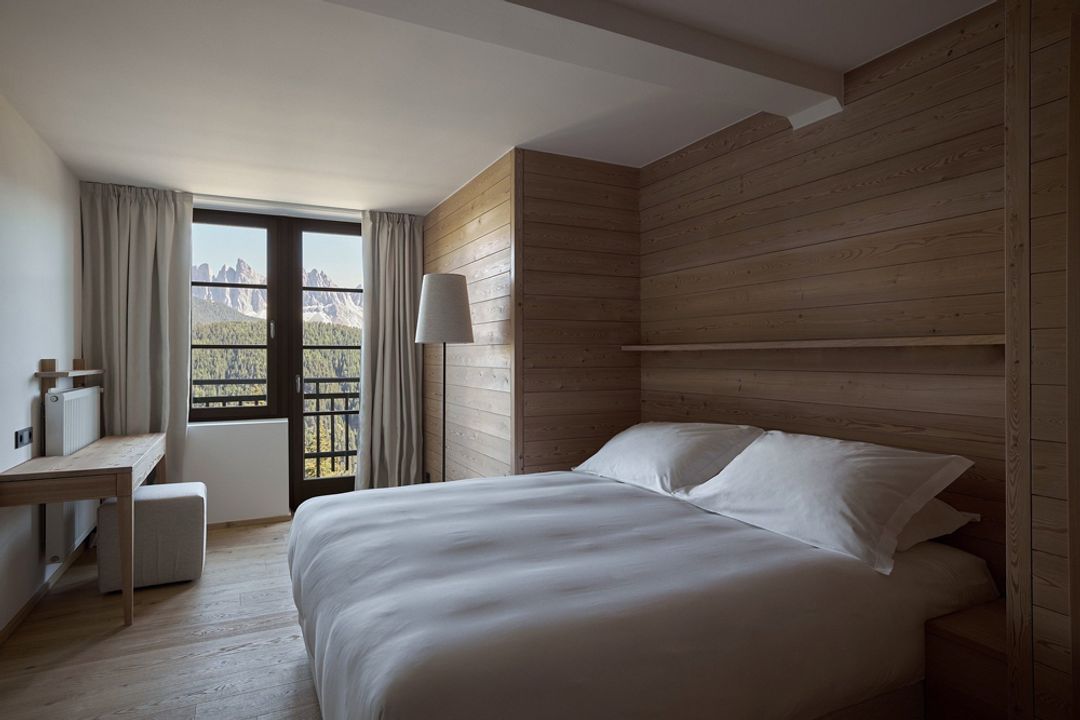
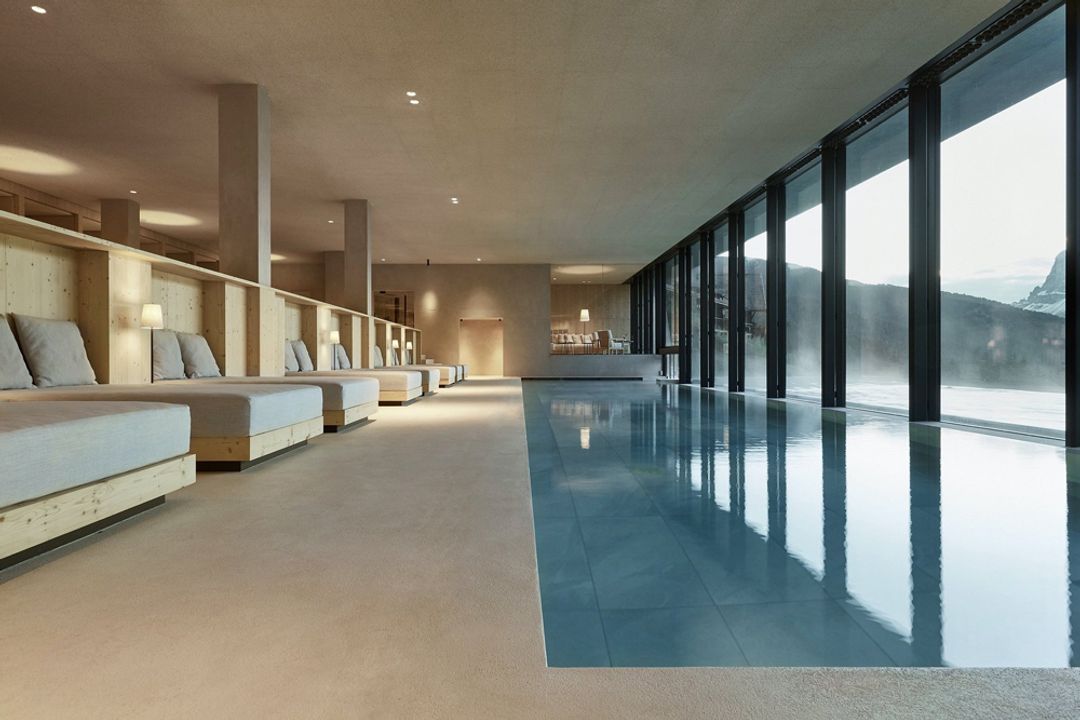
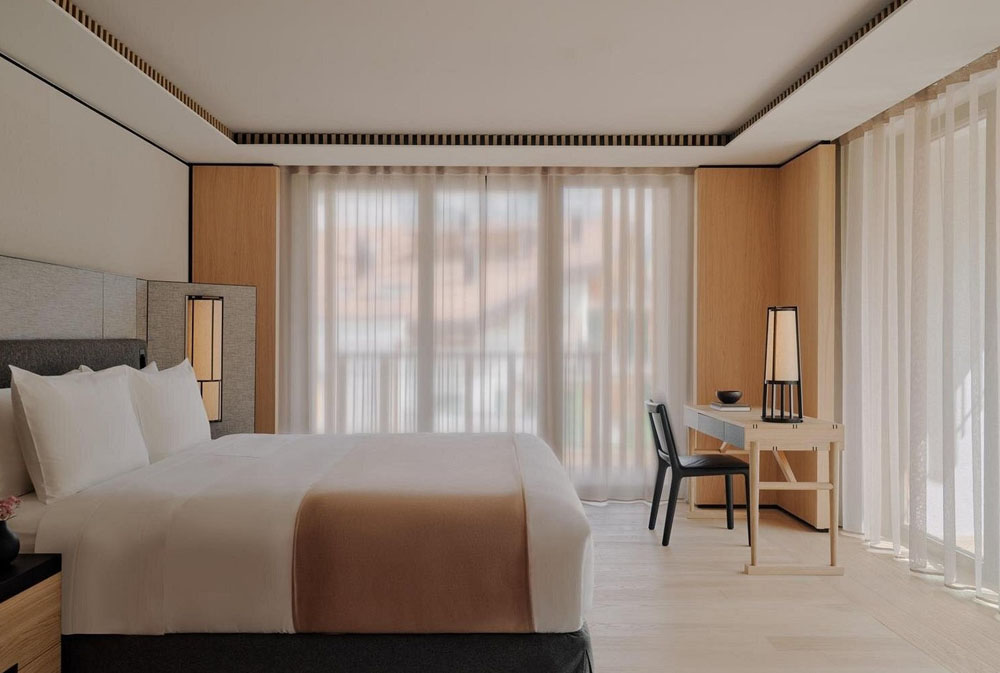
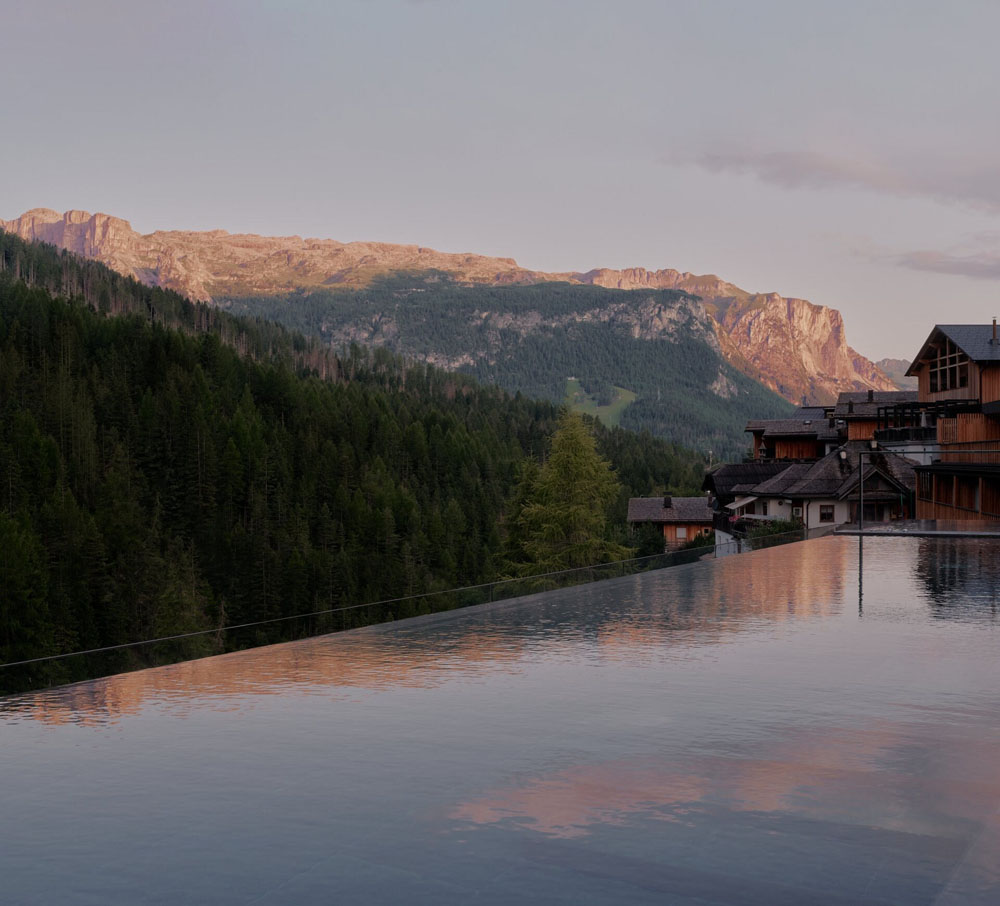
The two hotels that push hardest at what mountain hospitality can mean architecturally are Forestis Dolomites above Brixen and Falkensteiner Hotel Kronplatz in Bruneck. Forestis, completed in 2019 and designed by the Viennese office of noa* network of architecture, occupies a former sanatorium site at 1800 meters and insists on a near-total visual and thermal immersion in the forest and limestone ridges surrounding it. The rooms are monastic in their clarity, the spa designed to dissolve the boundary between heated interior and exposed alpine exterior. Falkensteiner Kronplatz, designed by Matteo Thun, applies the same discipline at Plan de Corones, its roofline following the ridge rather than asserting against it. Merano sits further west and lower, its thermal springs and Belle Époque arcades producing a different pace altogether, one that Miramonti Boutique Hotel and Villa Eden both read correctly by emphasizing stillness over the ski-town social energy found elsewhere in the region.