Best hotels in Tuscany Coast, Italy | A Curated Visual Guide to Top Stays
Welcome to PressBeyond, the ultimate curated visual guide for design-driven hotels! My name is Will Miller and these are my recommendations for the best boutique and luxury hotels in Tuscany Coast, Italy.
I am the founder of PressBeyond and I am an ultra-meticulous hotel curator who loves clean visuals. I have individually analyzed and tiered each hotel included in this guide based on a variety of criteria (architecture & design, location, brand & brand affiliation, existing reviews, and my own personal experiences), and importantly, I have hand-selected the leading imagery for each hotel to provide you with easily-digestible, yet detailed and complete, like-for-like, high-level visual profiles. I felt this summarization step was a critical missing piece across existing guides, blogs, and booking platforms. My aim is to make it easier for people to identify hotel environments that resonate with them, along with enabling them to visualize the types of social experiences that those environments help foster. My brain doesn't work when exposed to cluttered content, so my goal was to create the opposite.
Underneath this, we are also a full booking engine offering 5% Venmo cash back along with other exclusive perks. For all of you design-obsessed hotel enthusiasts out there, I hope this guide helps get you to where you see yourself!
An Overview of the Boutique & Luxury Hotel Landscape in Tuscany Coast, Italy
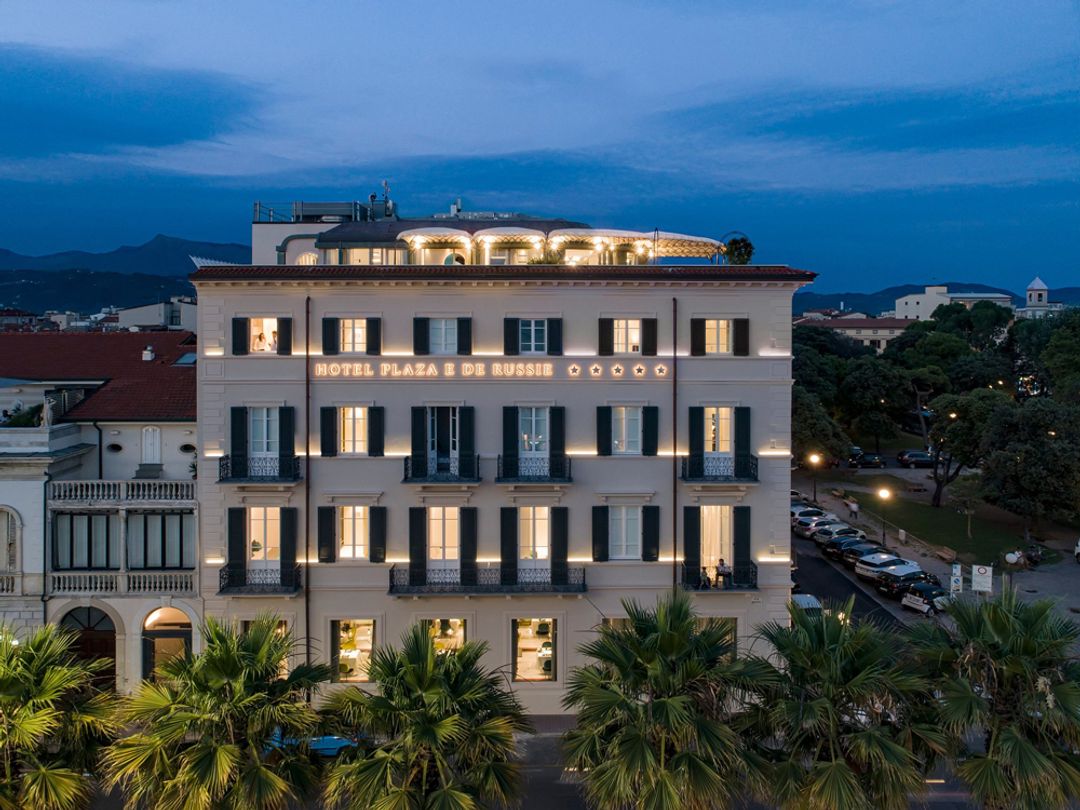
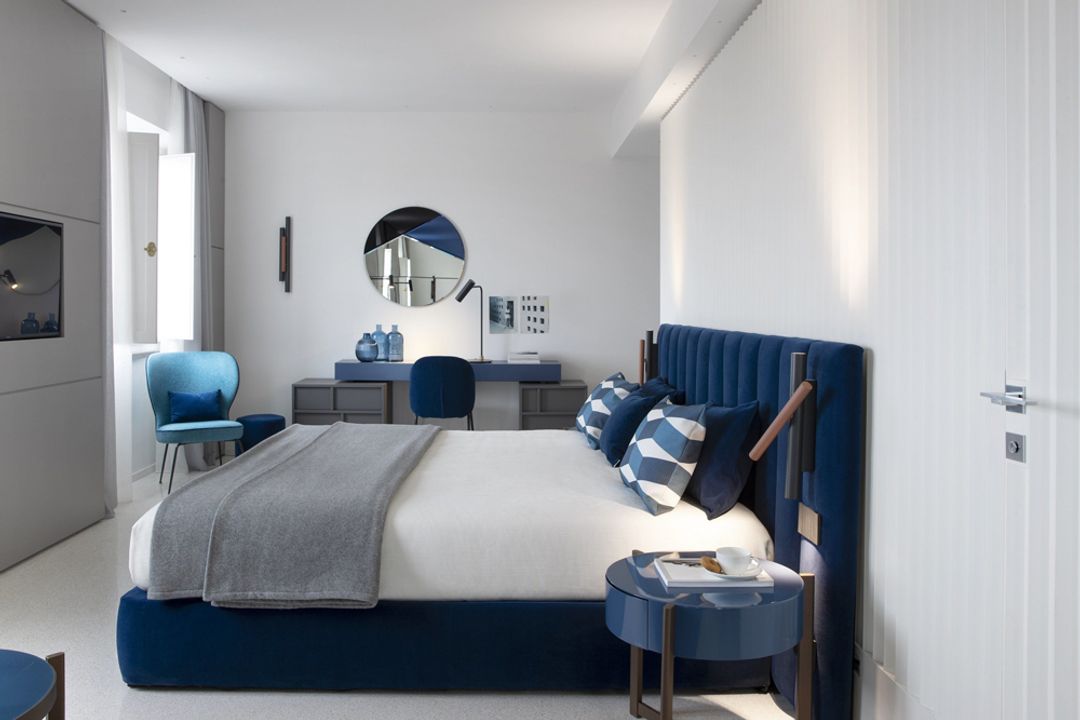
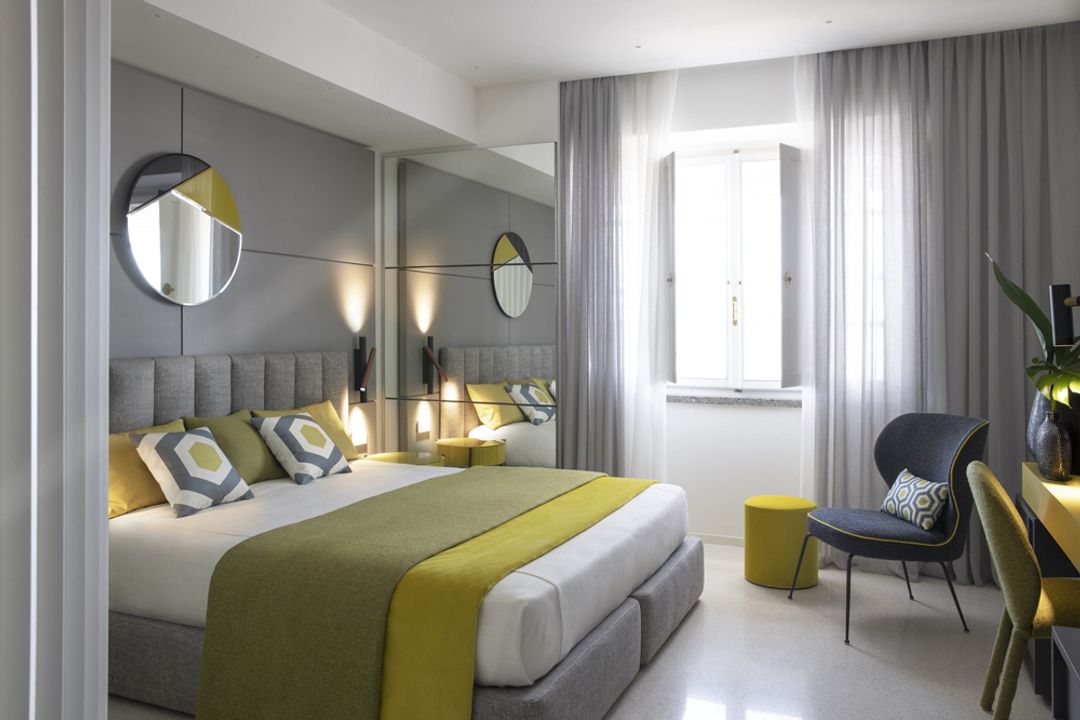
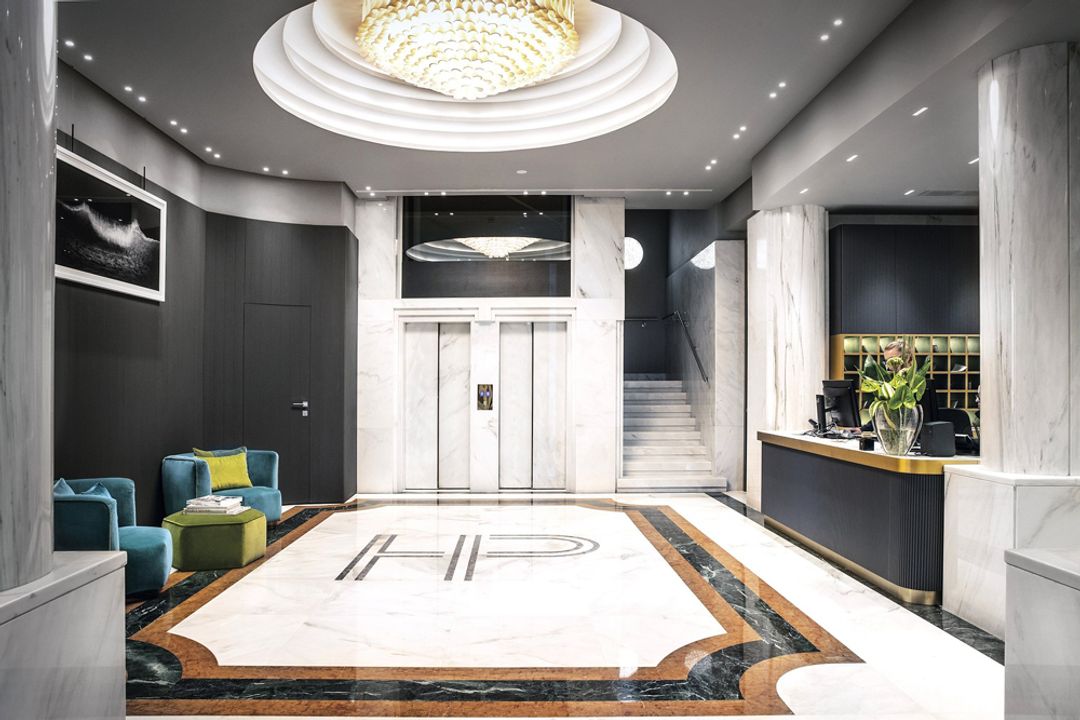
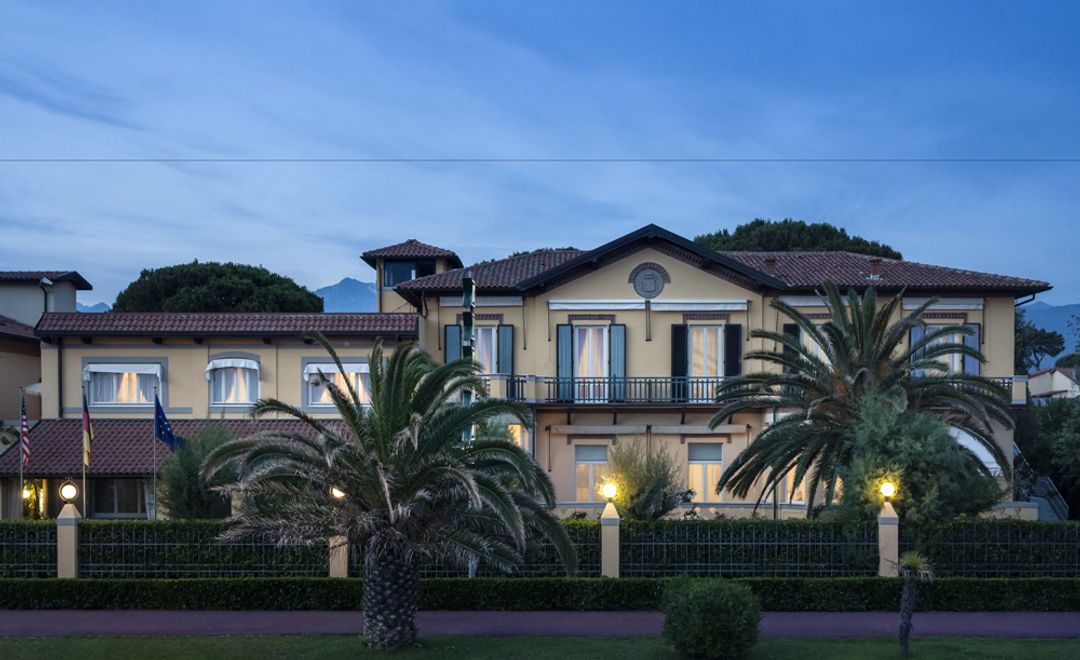
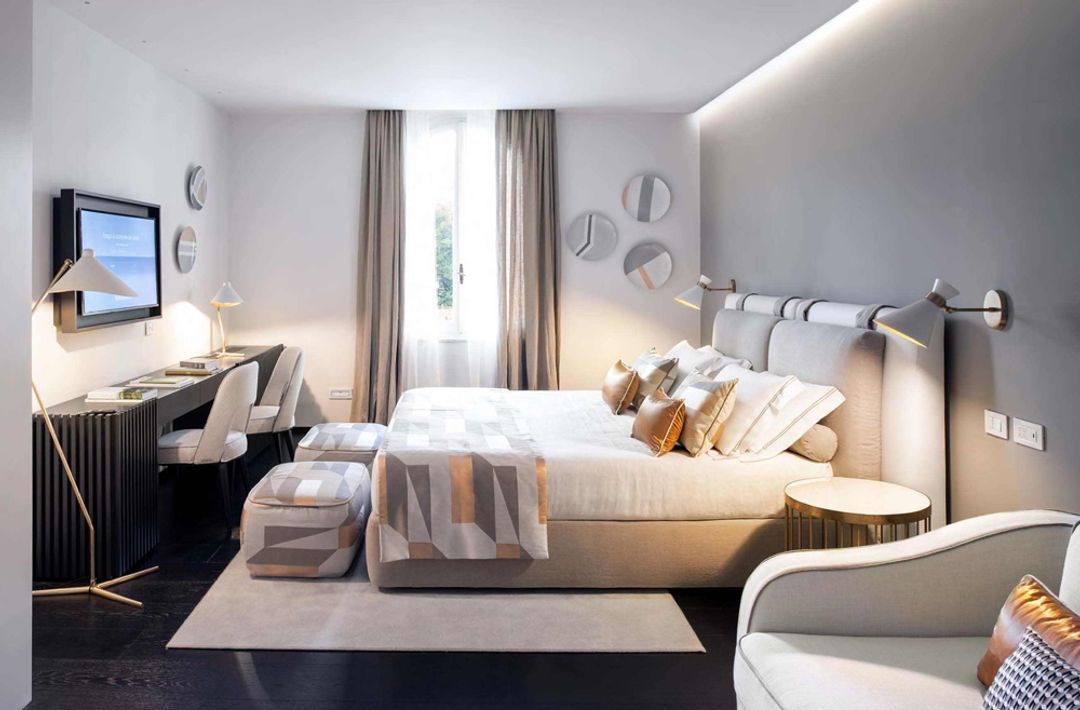
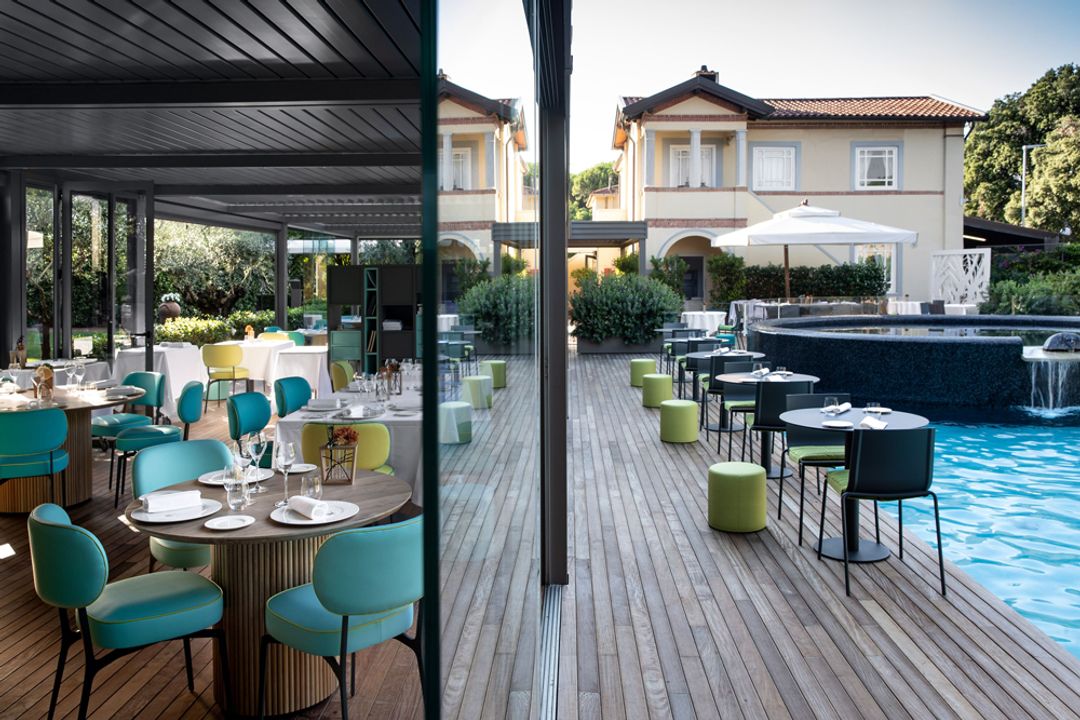
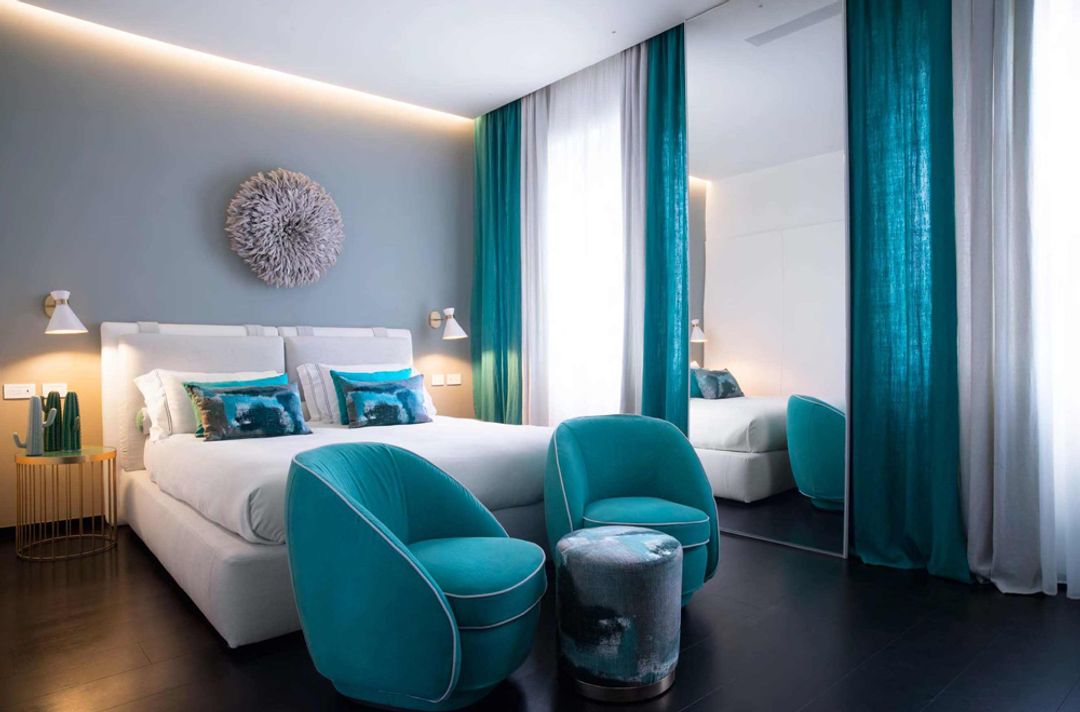
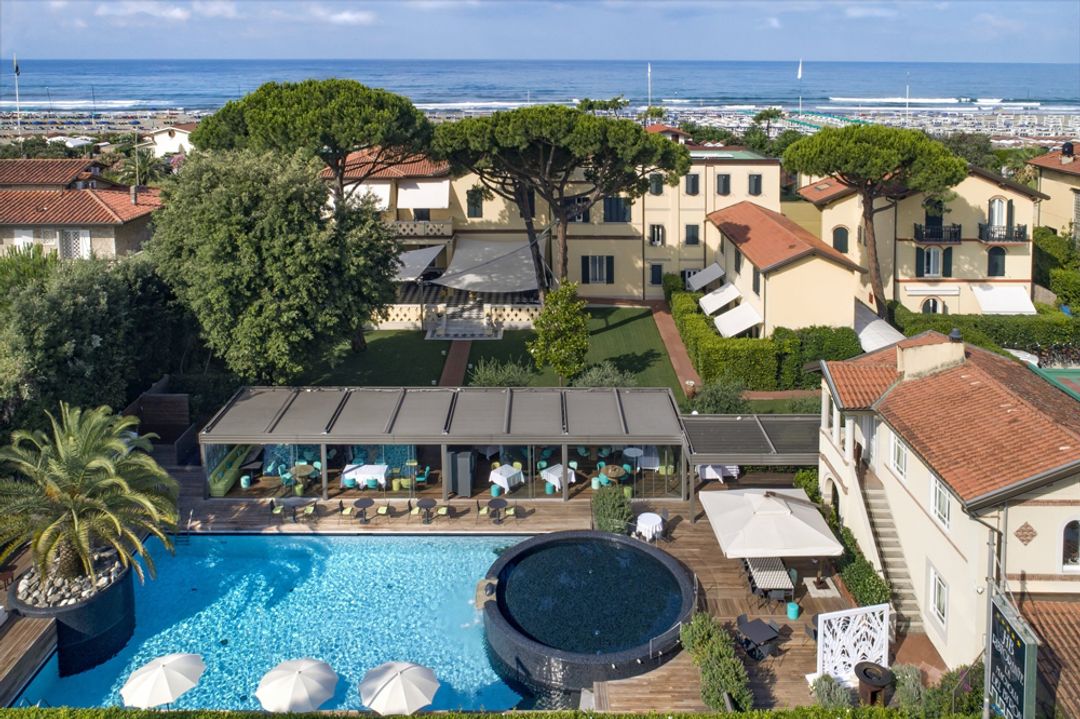
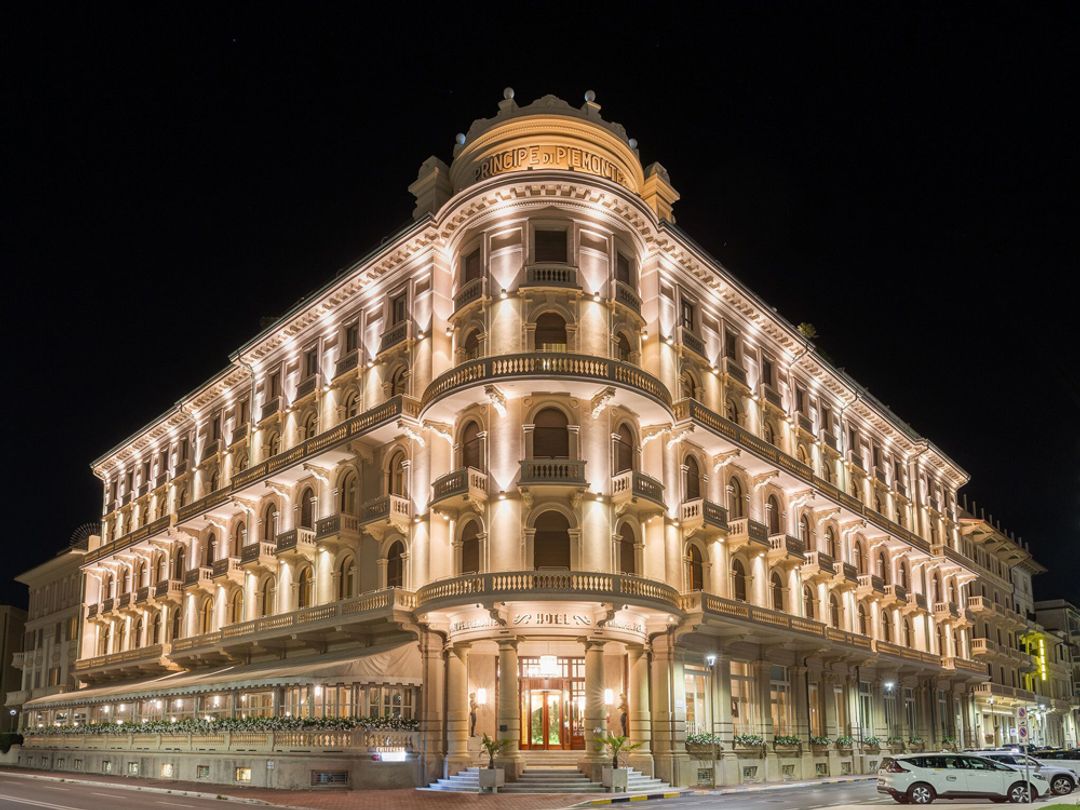
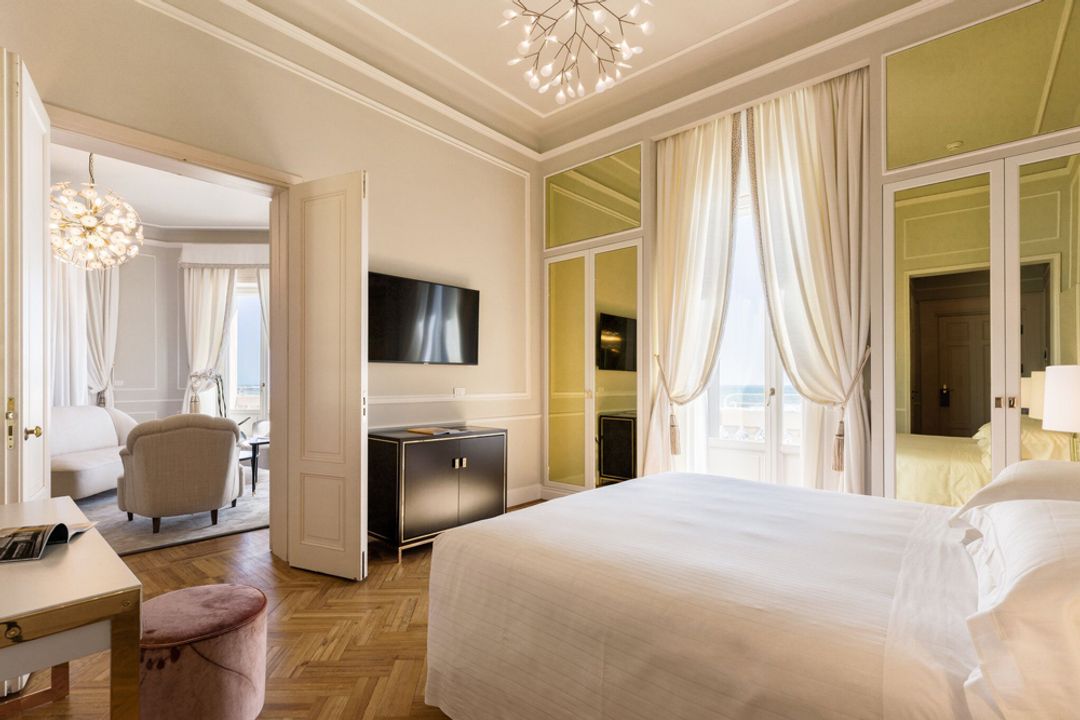
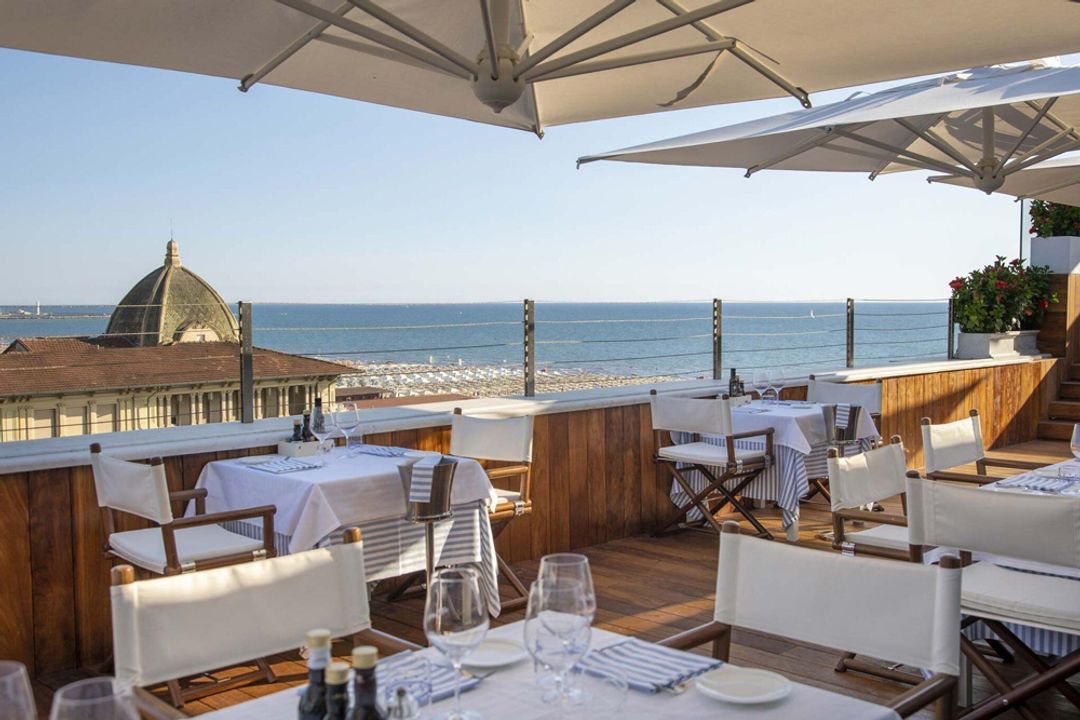
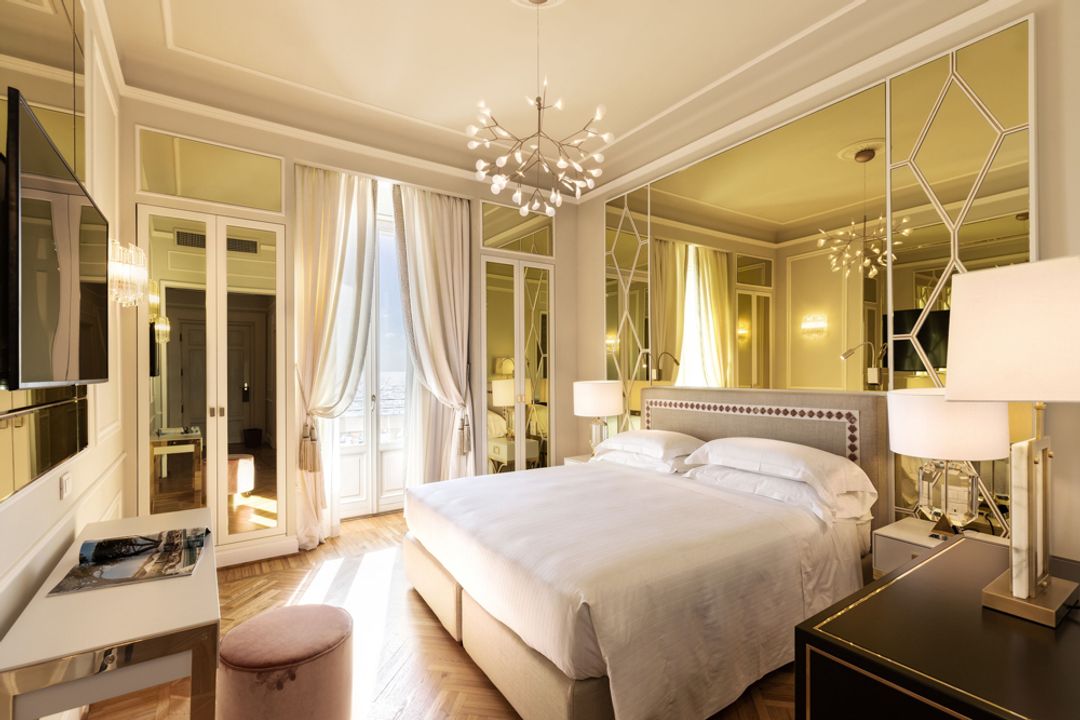
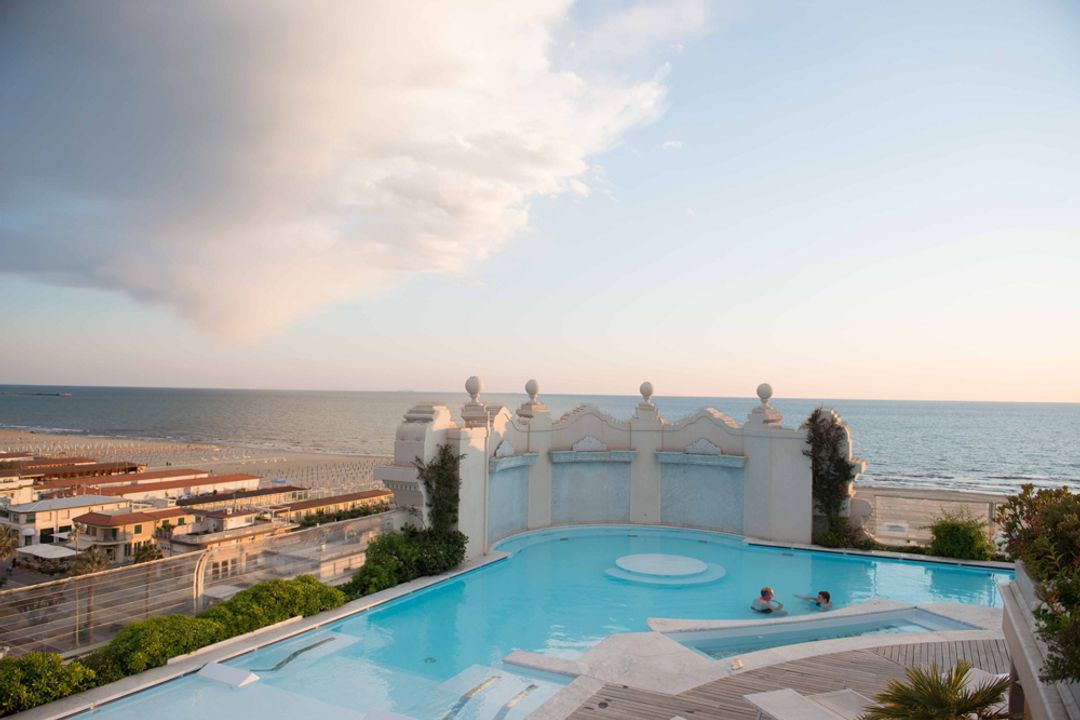
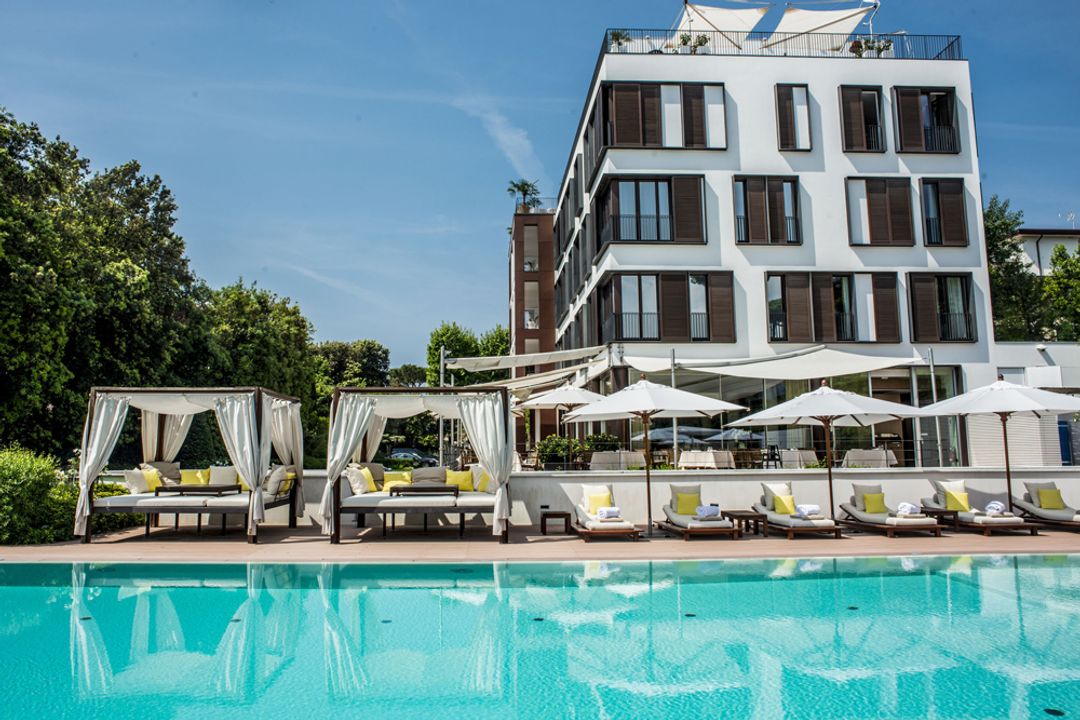
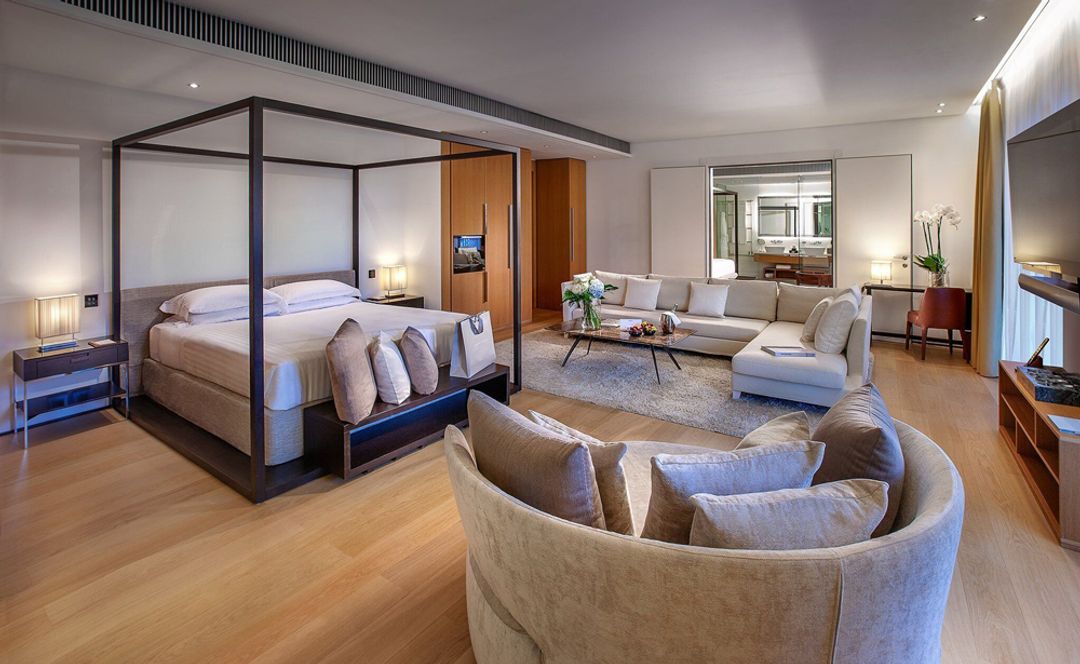
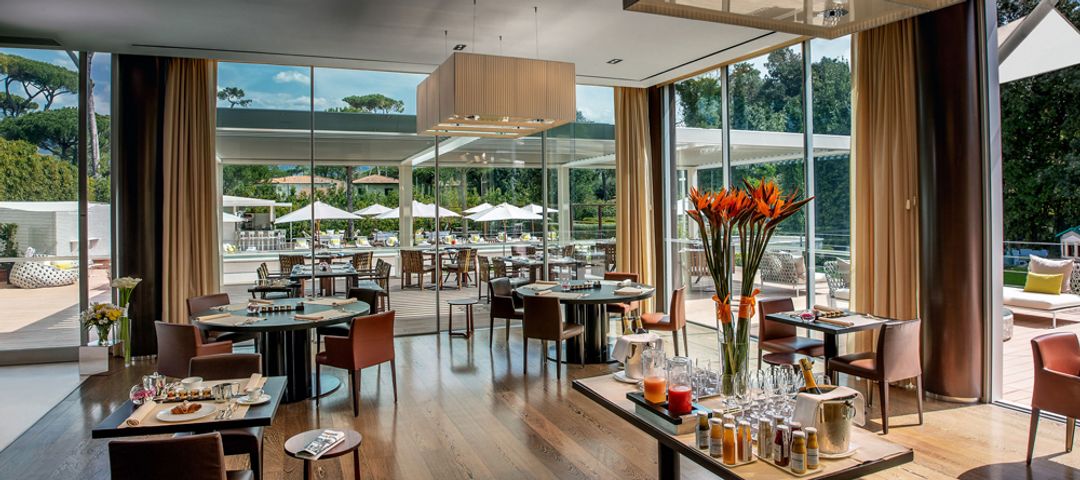
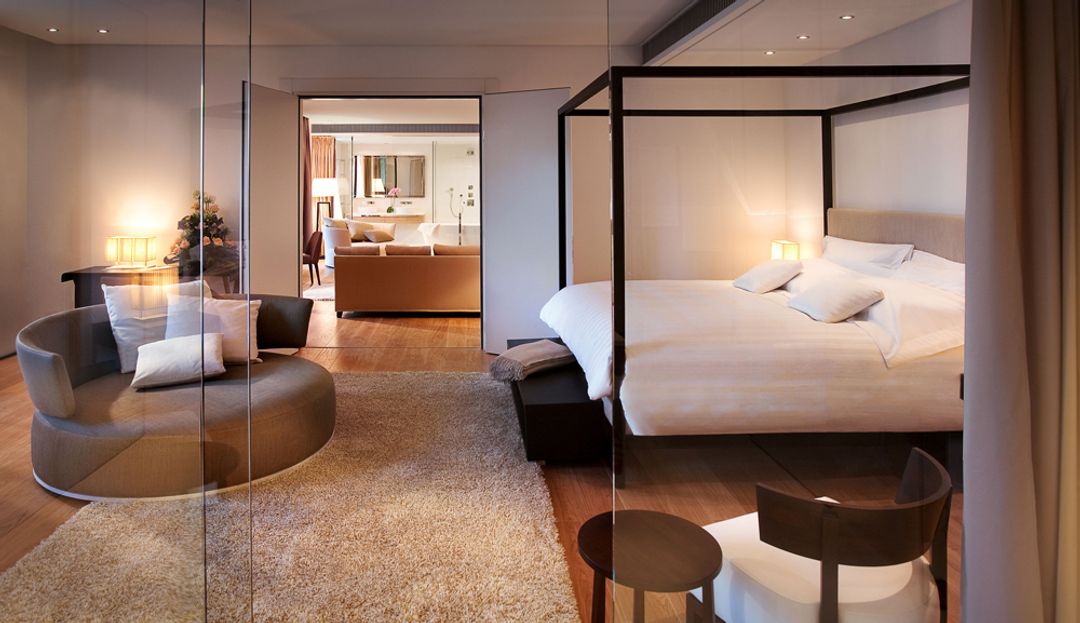
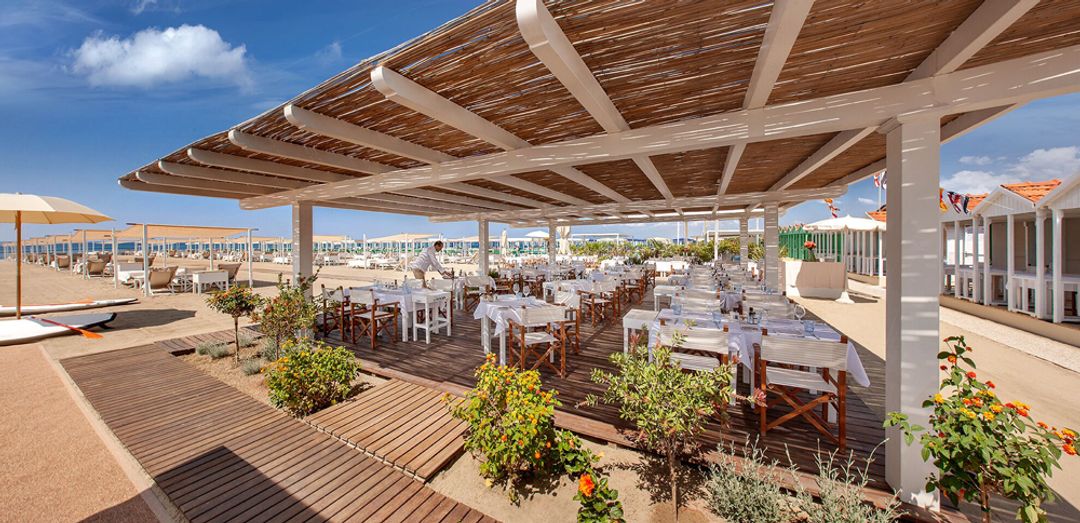
The Versilian coast has always attracted a particular kind of Italian ambition — the kind that builds Grand Hotels on seafronts, names piazzas after poets, and takes the ritual of the passeggiata with absolute seriousness. Viareggio, the larger and more architecturally layered of the two main towns here, carries the clearest physical evidence of this. Its seafront promenade is lined with Liberty-style buildings — the Italian inflection of Art Nouveau — that date mostly to the reconstruction following a catastrophic 1917 fire. The Grand Hotel Principe di Piemonte sits within this lineage, its neo-classical facade part of the boulevard's coherent architectural grammar, though the interior has been updated with a polish that leans toward contemporary comfort over period authenticity. The Hotel Plaza e de Russie, also on the Viareggio front, delivers sharper value and a more considered design sensibility — the rooms carry a restrained elegance that outperforms its price point and makes it the more interesting choice for travelers who want the seafront setting without the corporate renovation aesthetic. Forte dei Marmi operates at a different register entirely. Smaller, quieter, and long favored by Milanese industrialists and Roman professionals as a summer retreat, it has a compressed, almost secretive quality — the wealth here is understated by design. The Hotel Principe Forte dei Marmi captures this register well, its gardens and pool creating an enclosed world that feels deliberately removed from the beach clubs just beyond its walls. But it is the Hotel Byron that most precisely embodies what Forte dei Marmi means to those who understand it: a small, intensely curated property with serious interiors, exceptional service ratios, and a price that reflects the intimacy of the experience rather than the scale of the facility. Named, inevitably, for the English Romantic poets who haunted this stretch of coast, the Byron channels their literary cache without trading in nostalgia. For the design-conscious traveler, the choice between these two towns is really a choice between architectures of leisure. Viareggio offers a more complete urban experience — its Liberty facades, fish market, and working-port energy give it texture beyond the seasonal. Forte dei Marmi is more singular and harder to fully love unless you already belong to its particular social code. Both reward travelers who arrive knowing what they want from the Tuscan coast: not the hill towns and cypress lines of the interior, but a specifically Italian idea of the seaside, refined over a century into something that has almost nothing to do with the beach.