Best hotels in Muscat, Oman (Middle East) | Visually Compare Top Stays Side-by-Side
Welcome to PressBeyond - a curated visual guide to design-driven hotels and the fastest way to compare them.
An Overview of the Boutique & Luxury Hotel Landscape in Muscat, Oman (Middle East)
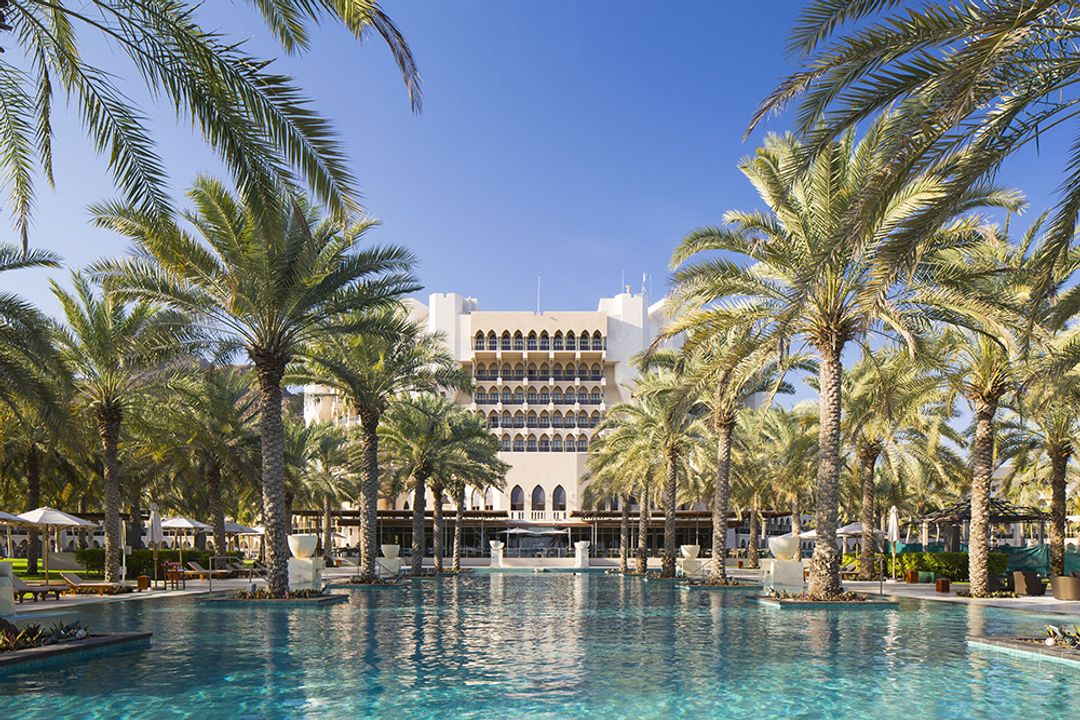
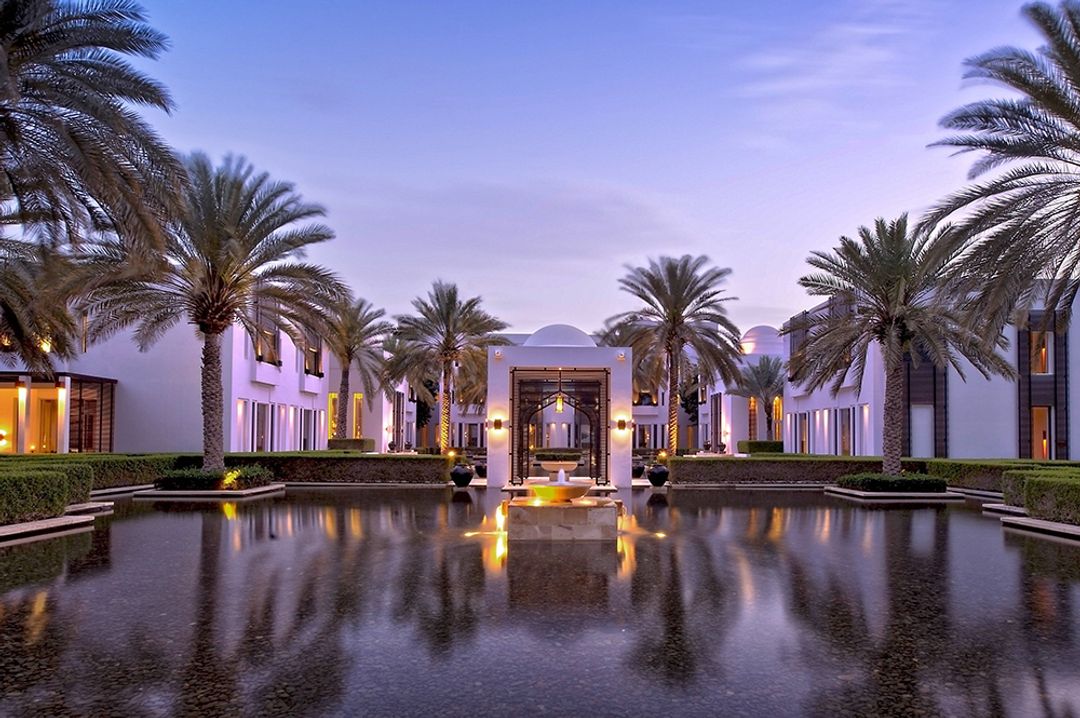
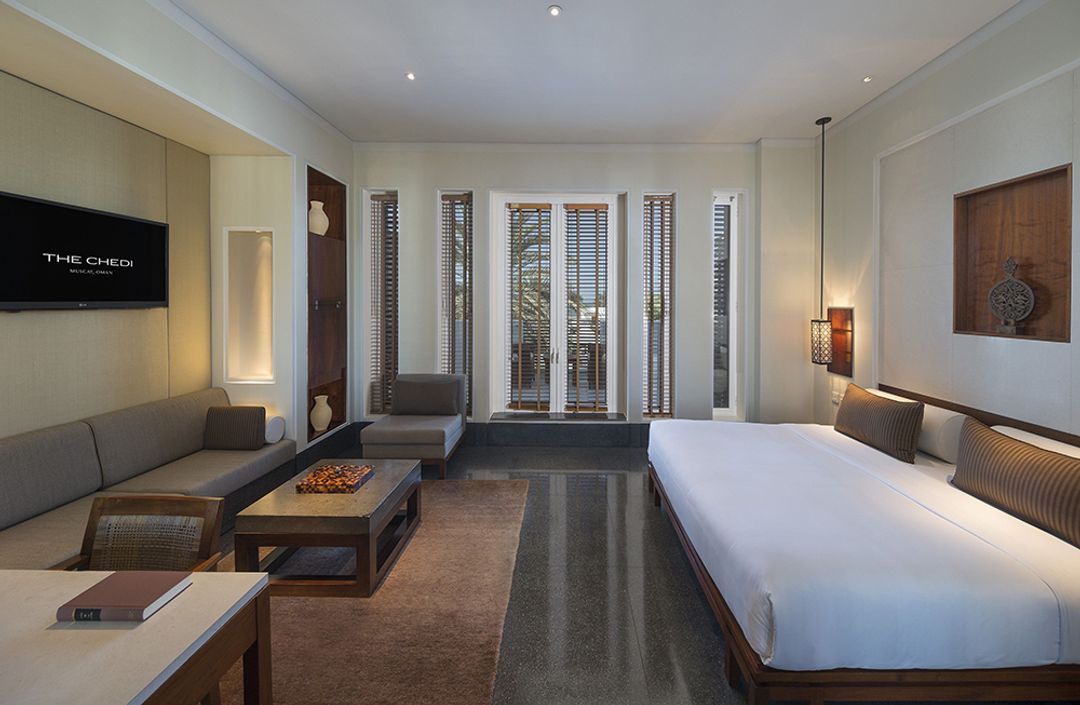
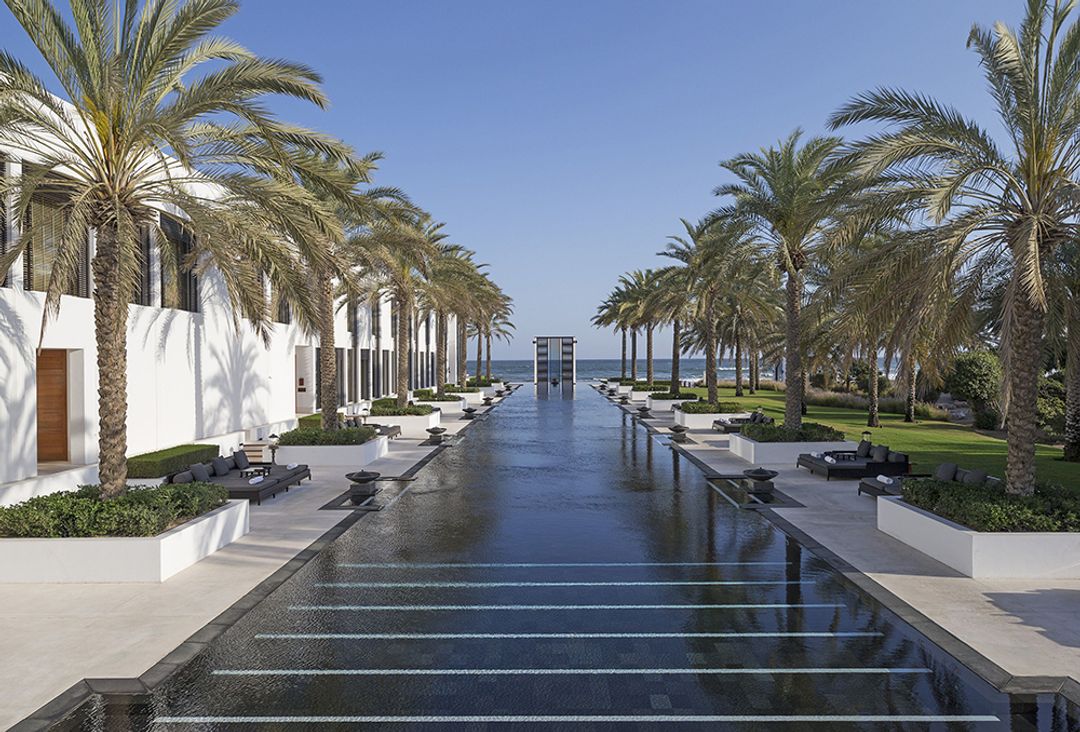
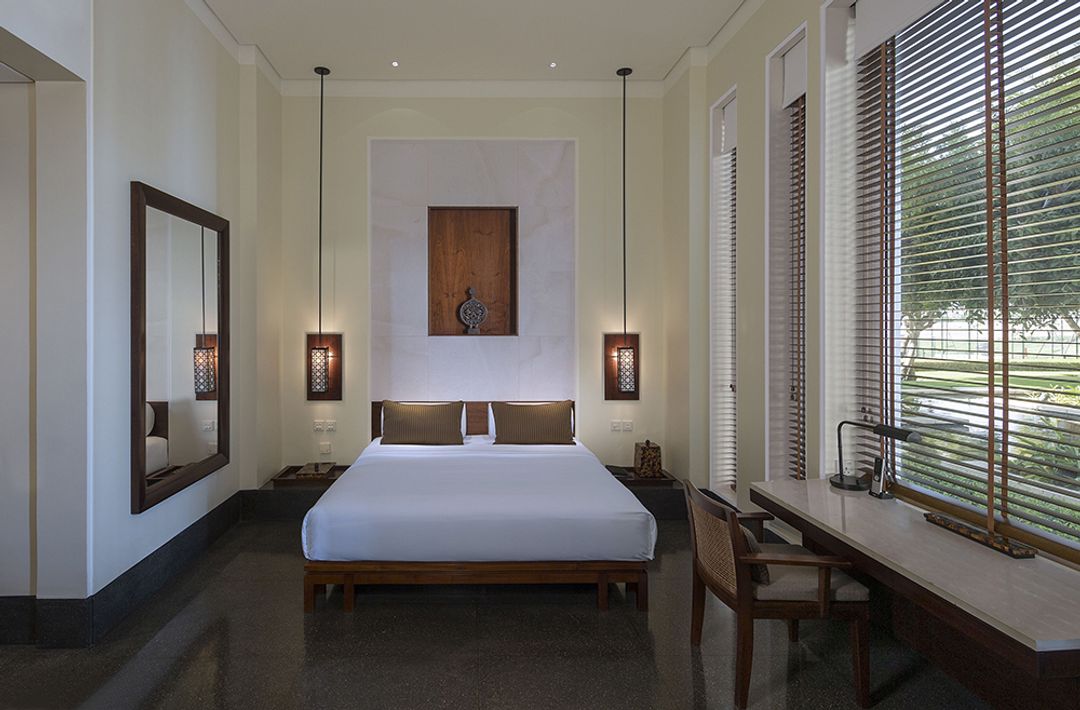
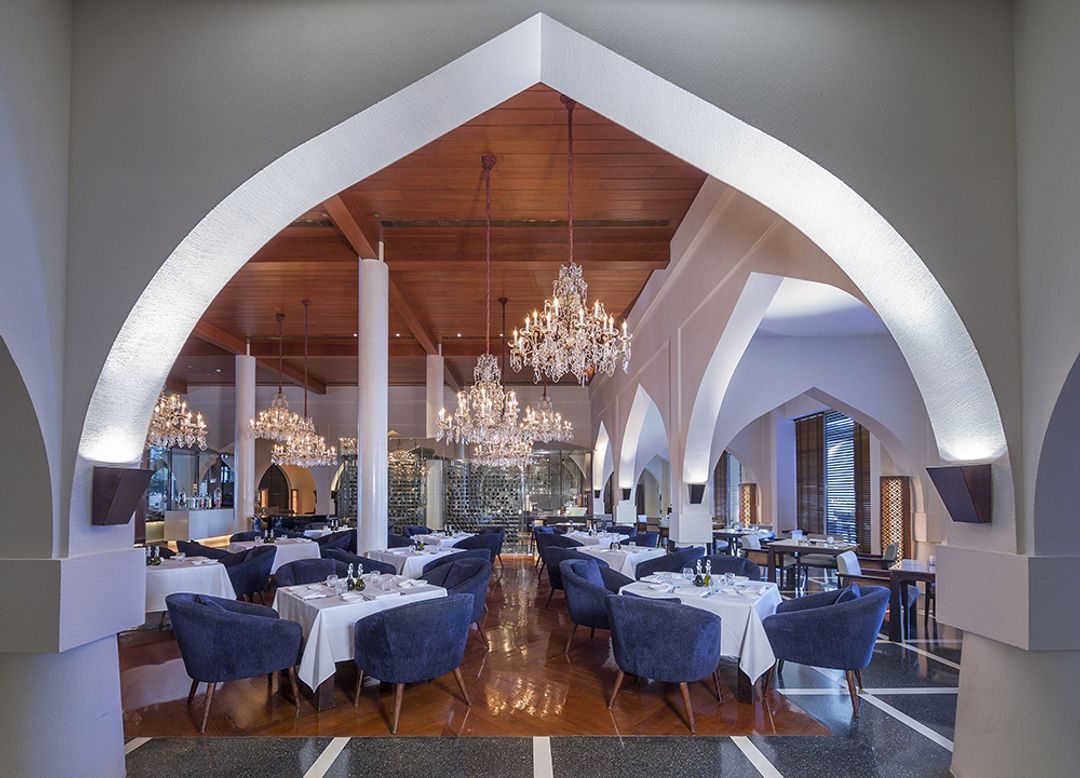
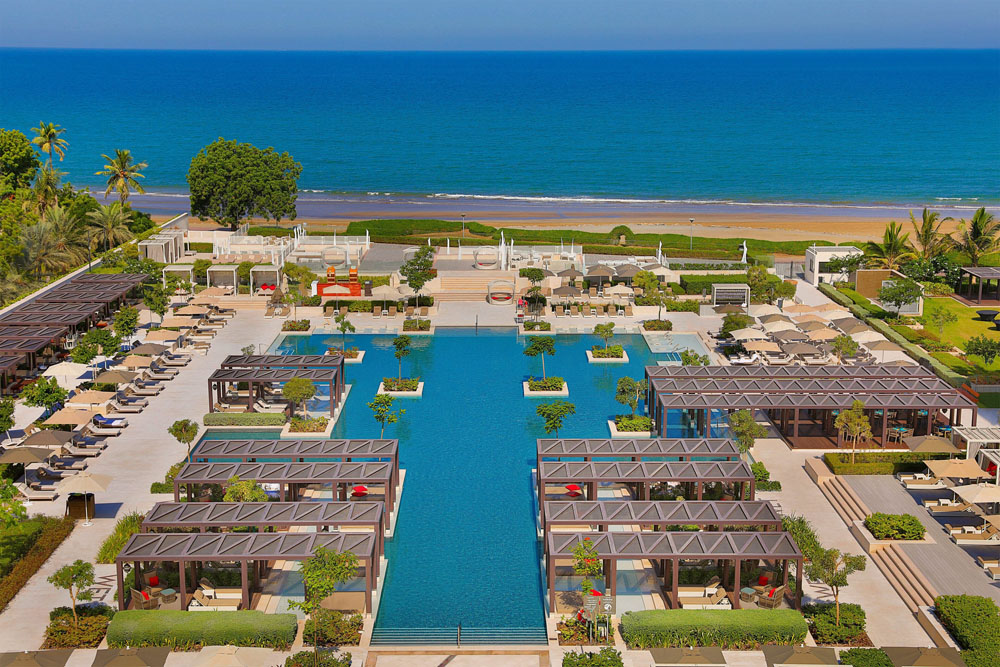
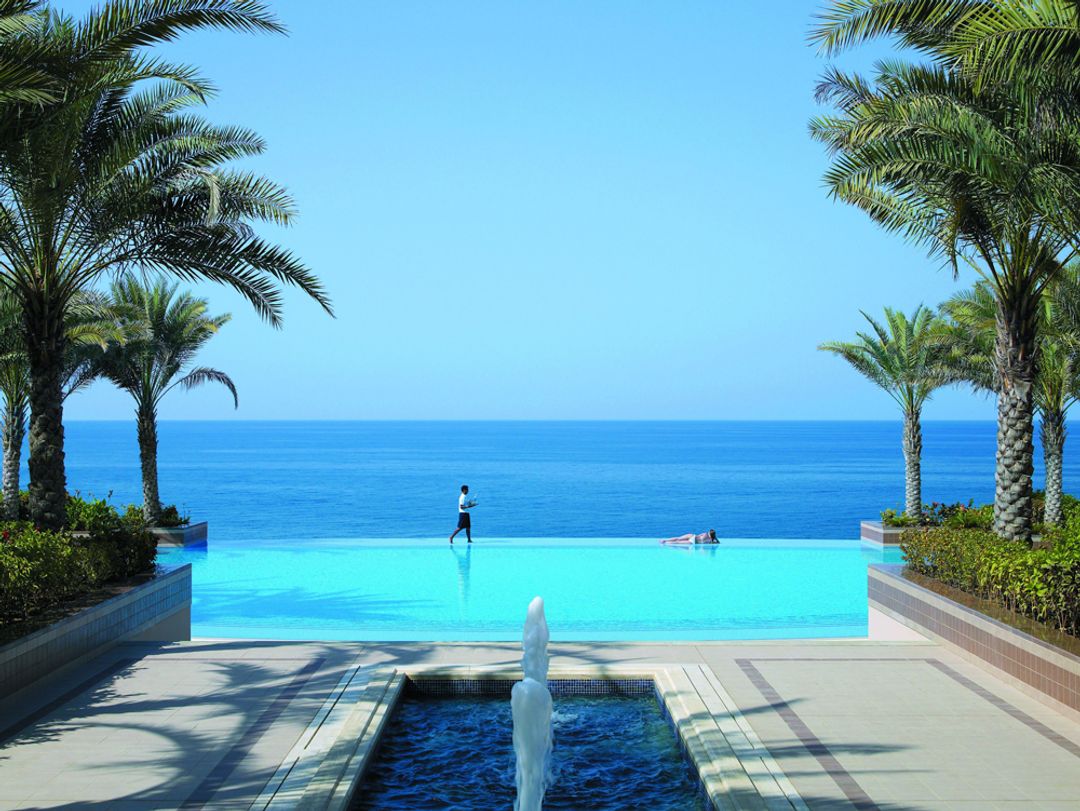
Muscat builds its hotels the way it builds everything else: close to water, dressed in white, and deferential to a skyline ordinance that keeps structures low enough to read against the Hajar Mountains. That constraint has produced something unexpected, an urban fabric where scale rarely overwhelms, and where the best hotels feel less like destinations parachuted in from elsewhere and more like extensions of the coast they occupy. The Chedi Muscat in Al Ghubrah, designed by Jean-Michel Gathy of Denniston Architects and opened in 2002, remains the clearest expression of this sensibility. Its long horizontal pools, sand-pale stone, and minimalist Omani detailing reward travelers who pay attention to how a building sits on its site. At the opposite end of the city's waterfront arc, the Al Bustan Palace, now a Ritz-Carlton, occupies a different register entirely: a 1985 palace-scale structure built to host the Gulf Cooperation Council summit, with an atrium so vast it functions more as indoor landscape than interior. The history embedded in that building is worth understanding before you arrive.
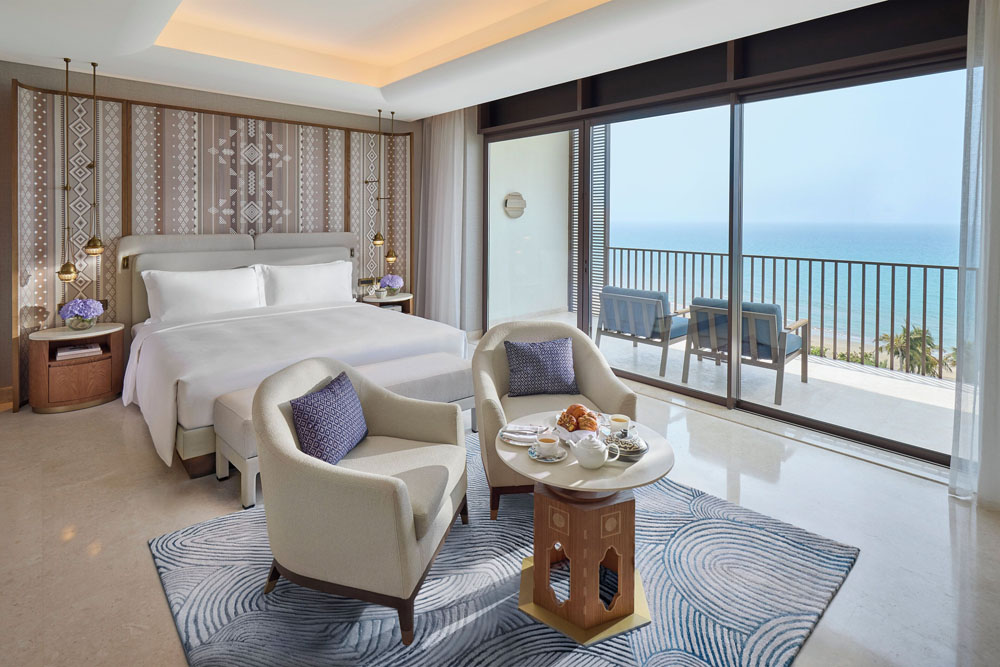
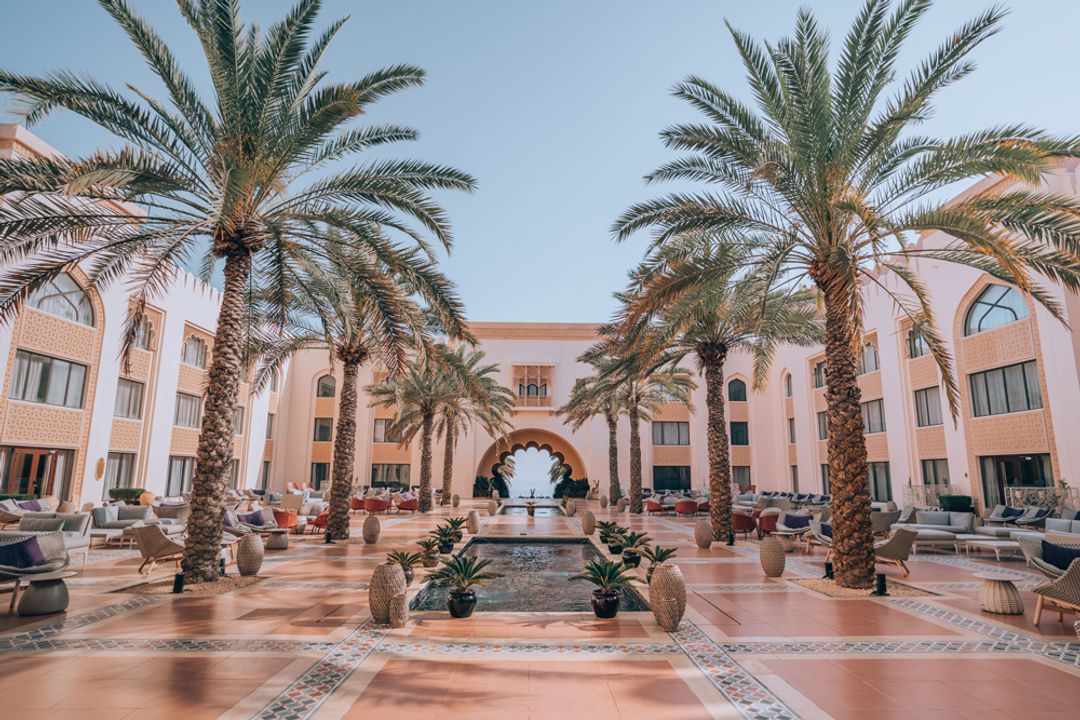
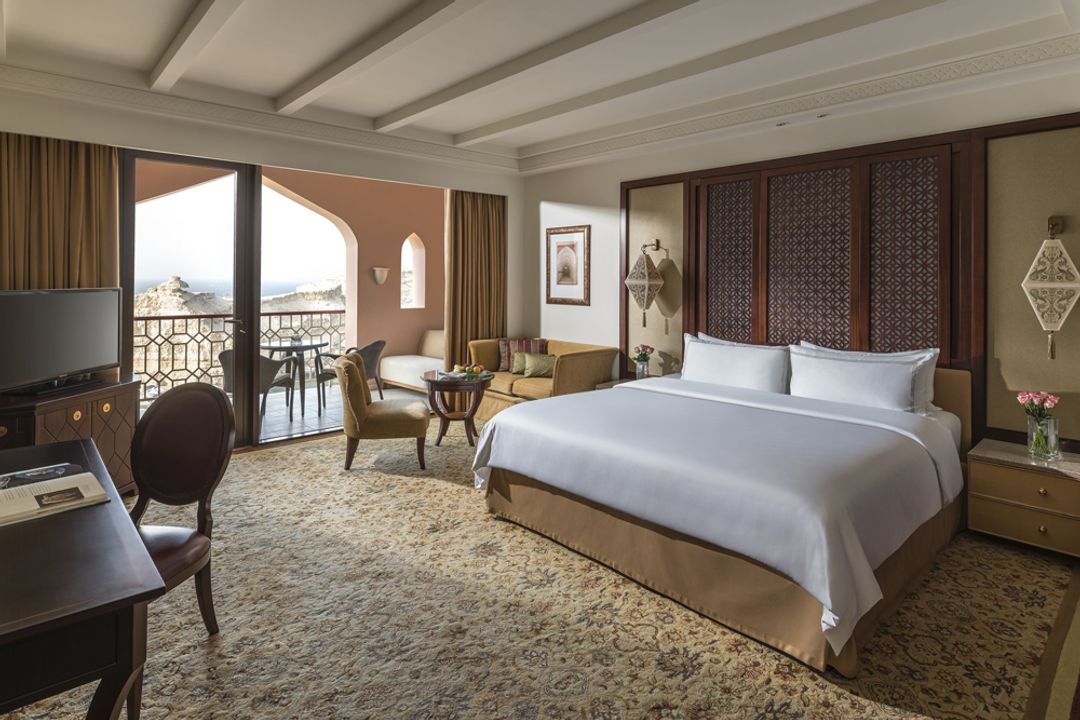
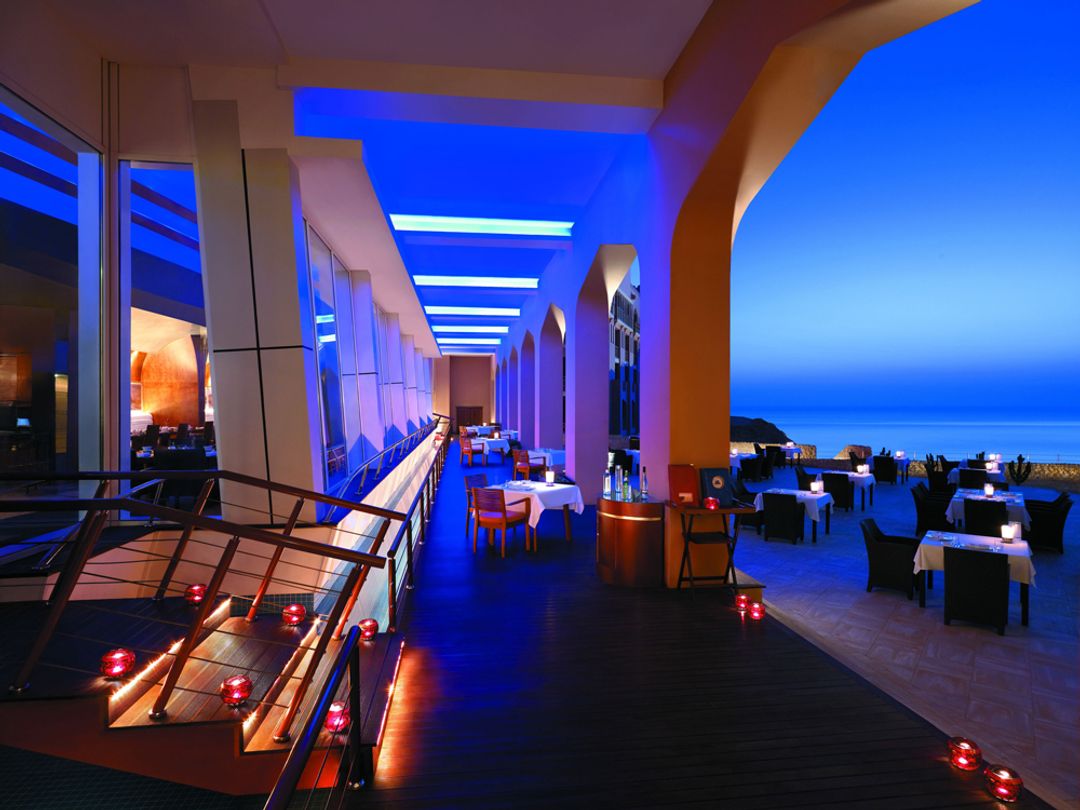
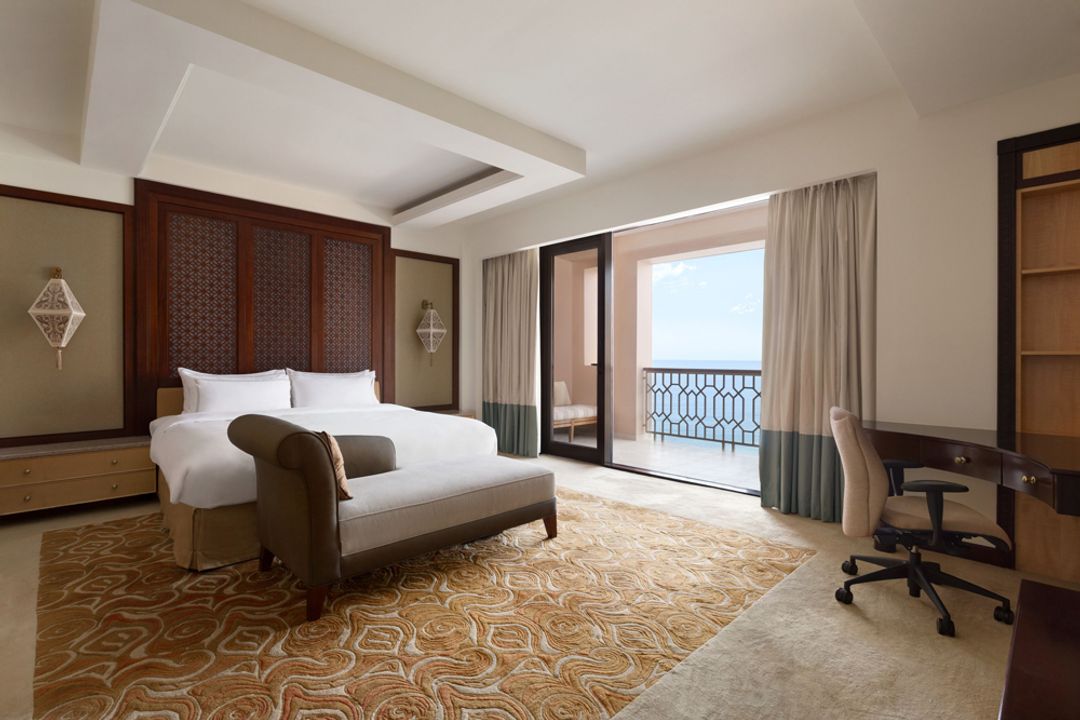
South of the city center, the Barr Al Jissah headland hosts the Shangri-La Al Husn on its own managed cove, separated from central Muscat by a stretch of cliff road that makes the journey feel like genuine departure. The Al Husn property targets the quieter end of the Shangri-La portfolio, with traditional Omani architectural references layered over a resort framework that keeps the mountains and the Gulf of Oman in constant view. It suits travelers who want the terrain to do the work.
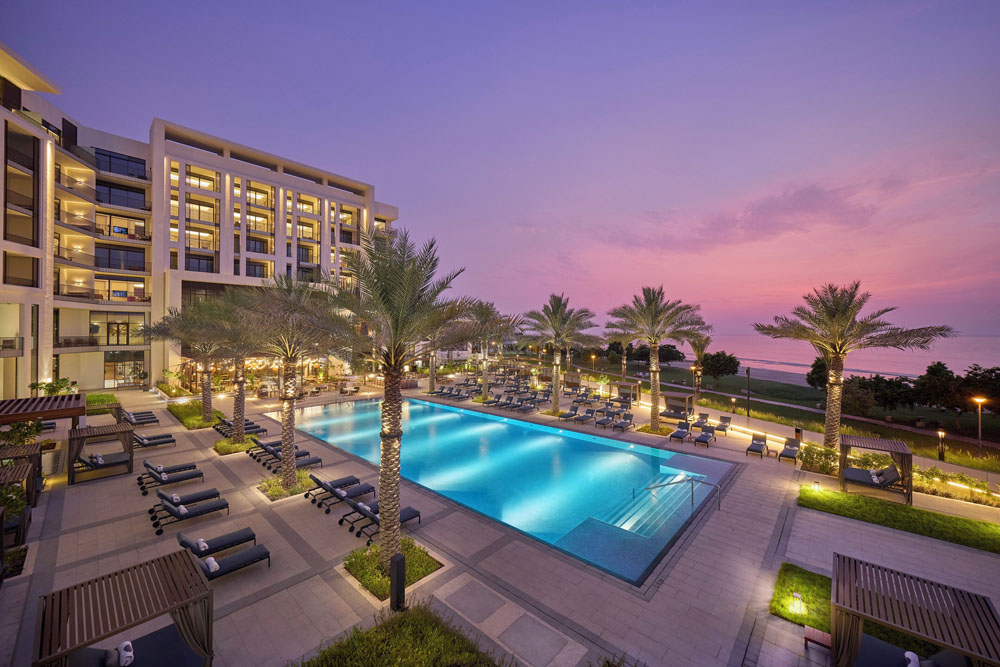
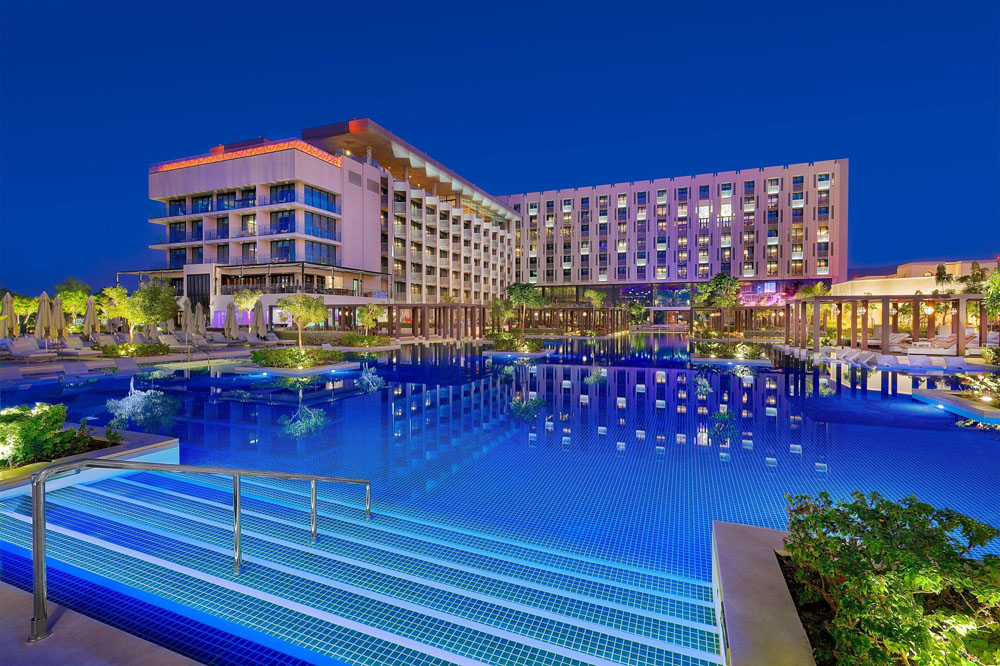
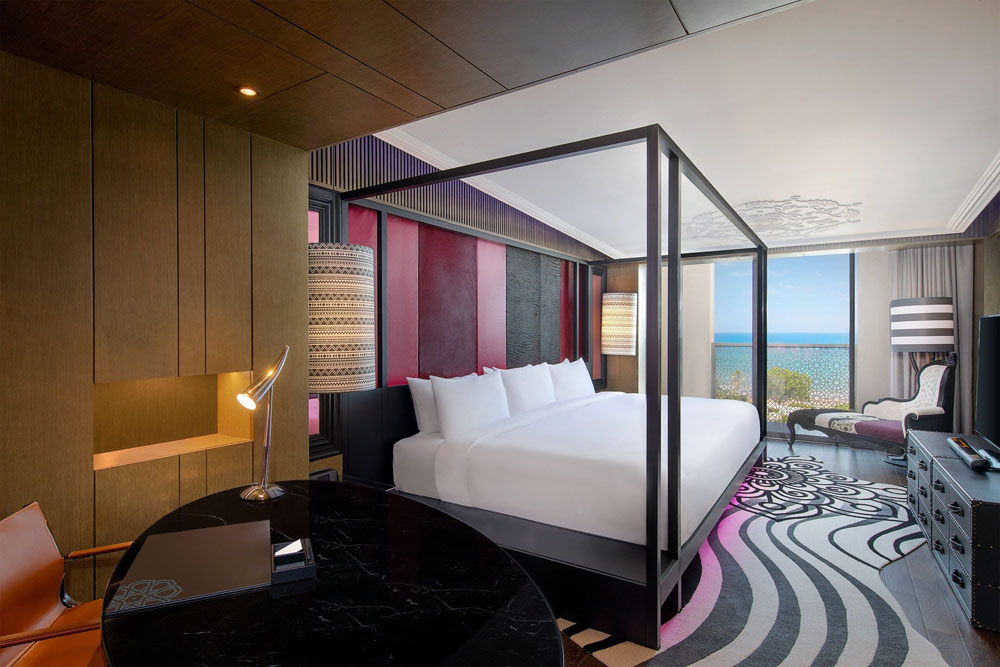
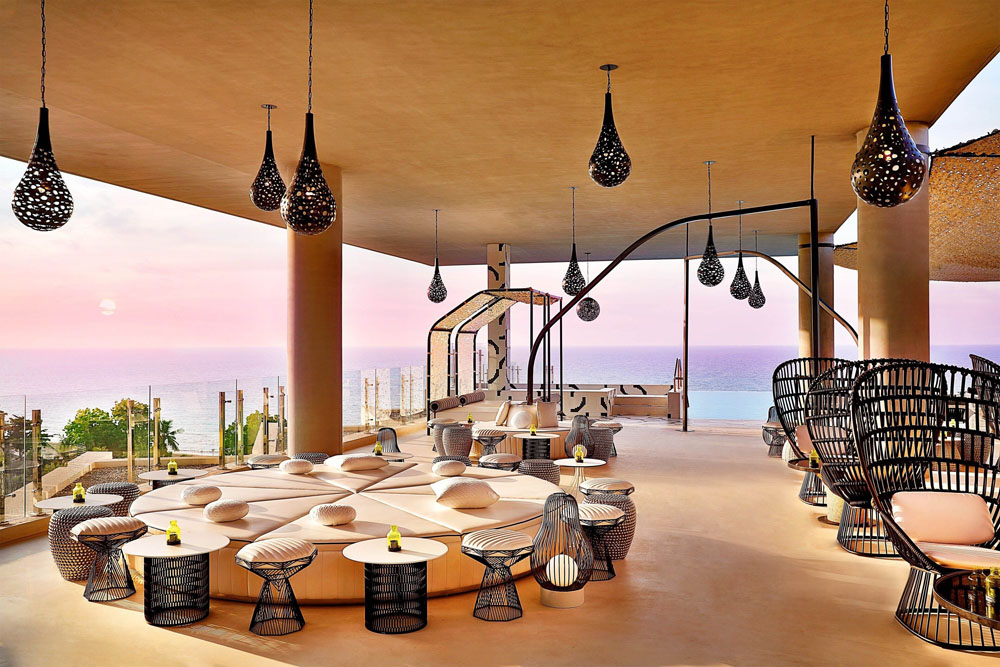
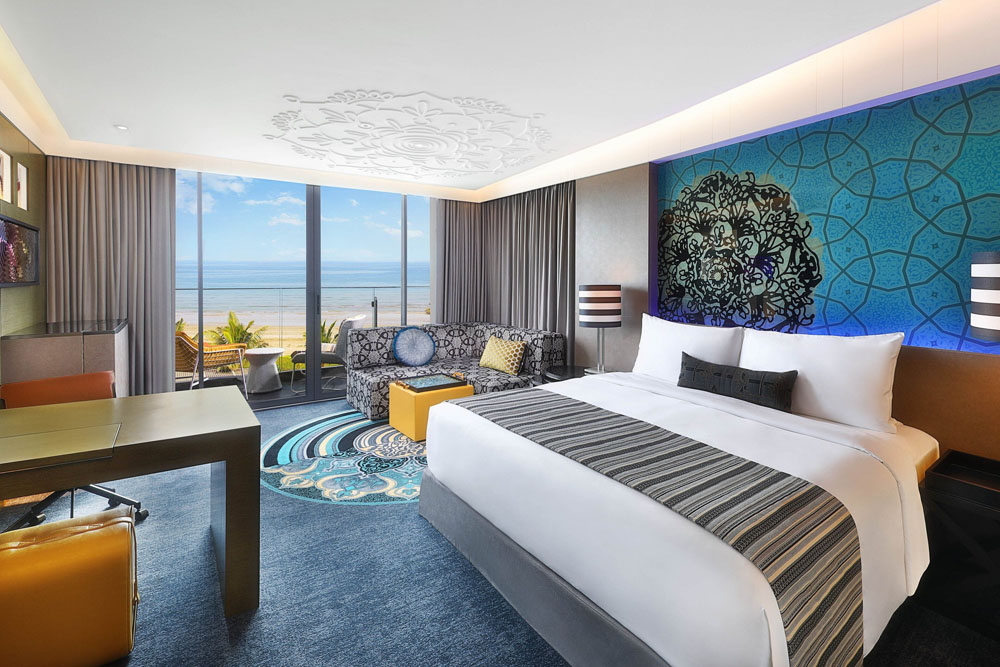
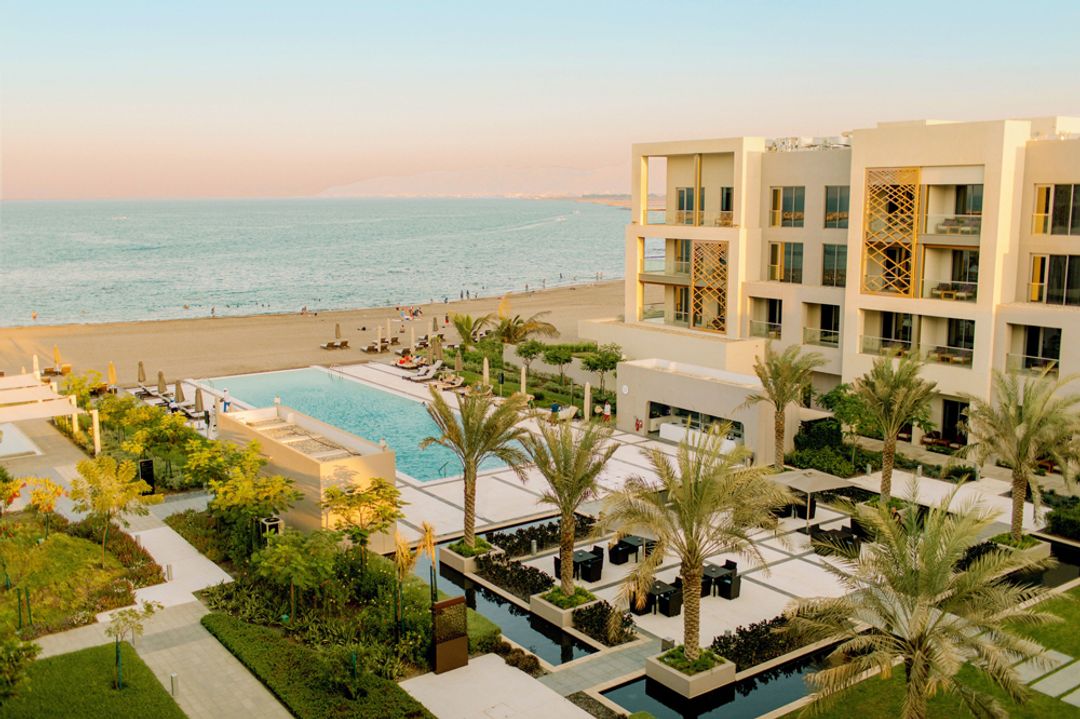
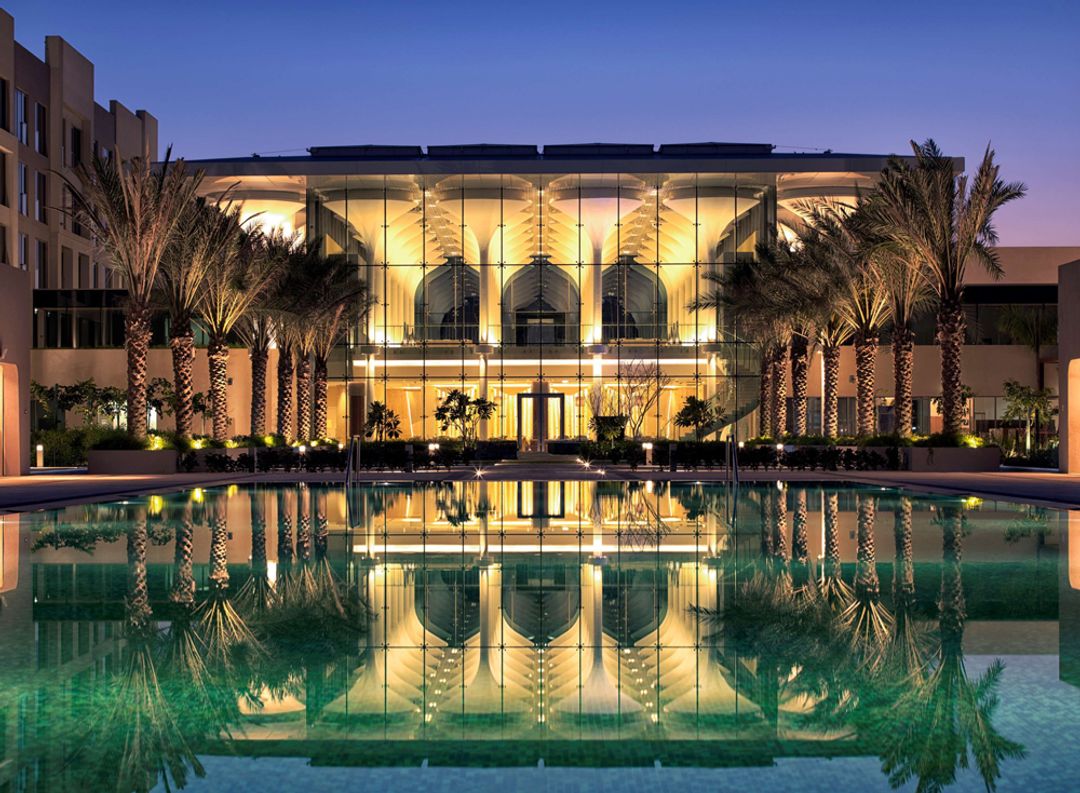
Shatti Al-Qurum, Muscat's most commercially active shoreline district, draws a different crowd and a different kind of property. The Mandarin Oriental Muscat, at over five hundred dollars a night the most expensive address in the portfolio, is aimed squarely at visitors for whom service density justifies the premium. The W Muscat, nearby, reads as the younger sibling: more surface, more noise, less depth, and priced accordingly. The Kempinski in Al Mouj sits further northeast, embedded in the marina development that represents Muscat's most explicitly contemporary planning experiment, with yacht berths and retail threading through a neighborhood that still feels unfinished around the edges. For travelers who want to understand Muscat on its own terms, the Chedi and the Al Bustan Palace remain the two most instructive places to sleep.