Best hotels in Manila | A Curated Visual Guide to Top Stays
Welcome to PressBeyond, the ultimate curated visual guide for design-driven hotels! My name is Will Miller and these are my recommendations for the best boutique and luxury hotels in Manila.
I am the founder of PressBeyond and I am an ultra-meticulous hotel curator who loves clean visuals. I have individually analyzed and tiered each hotel included in this guide based on a variety of criteria (architecture & design, location, brand & brand affiliation, existing reviews, and my own personal experiences), and importantly, I have hand-selected the leading imagery for each hotel to provide you with easily-digestible, yet detailed and complete, like-for-like, high-level visual profiles. I felt this summarization step was a critical missing piece across existing guides, blogs, and booking platforms. My aim is to make it easier for people to identify hotel environments that resonate with them, along with enabling them to visualize the types of social experiences that those environments help foster. My brain doesn't work when exposed to cluttered content, so my goal was to create the opposite.
Underneath this, we are also a full booking engine offering 5% Venmo cash back along with other exclusive perks. For all of you design-obsessed hotel enthusiasts out there, I hope this guide helps get you to where you see yourself!
An Overview of the Boutique & Luxury Hotel Landscape in Manila
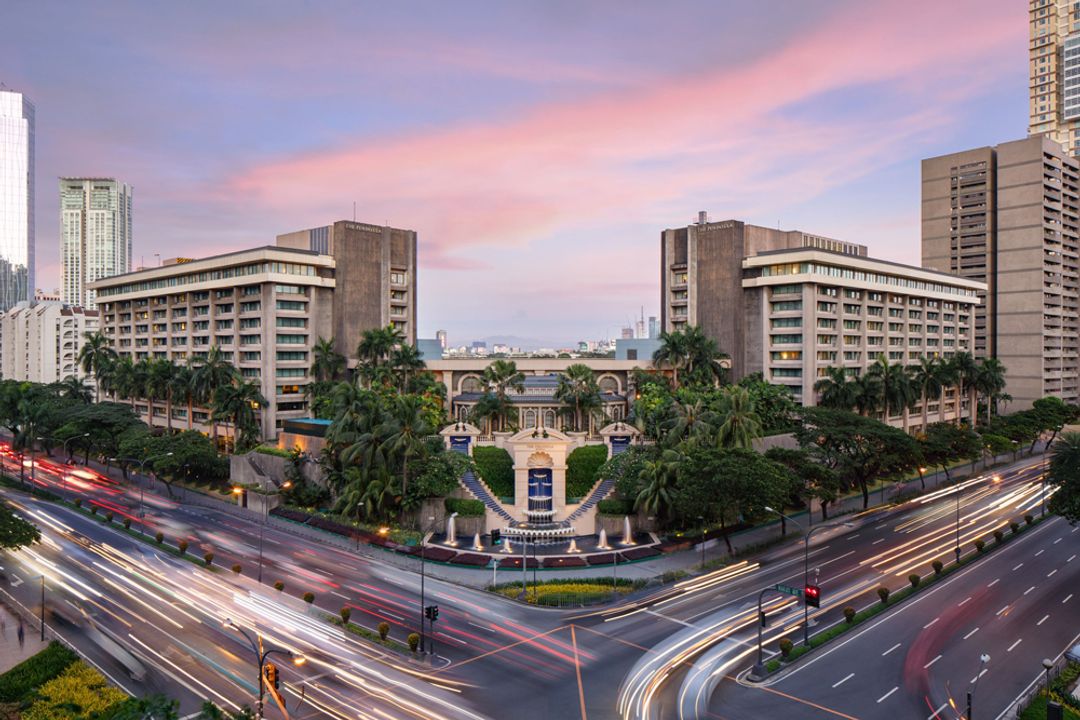
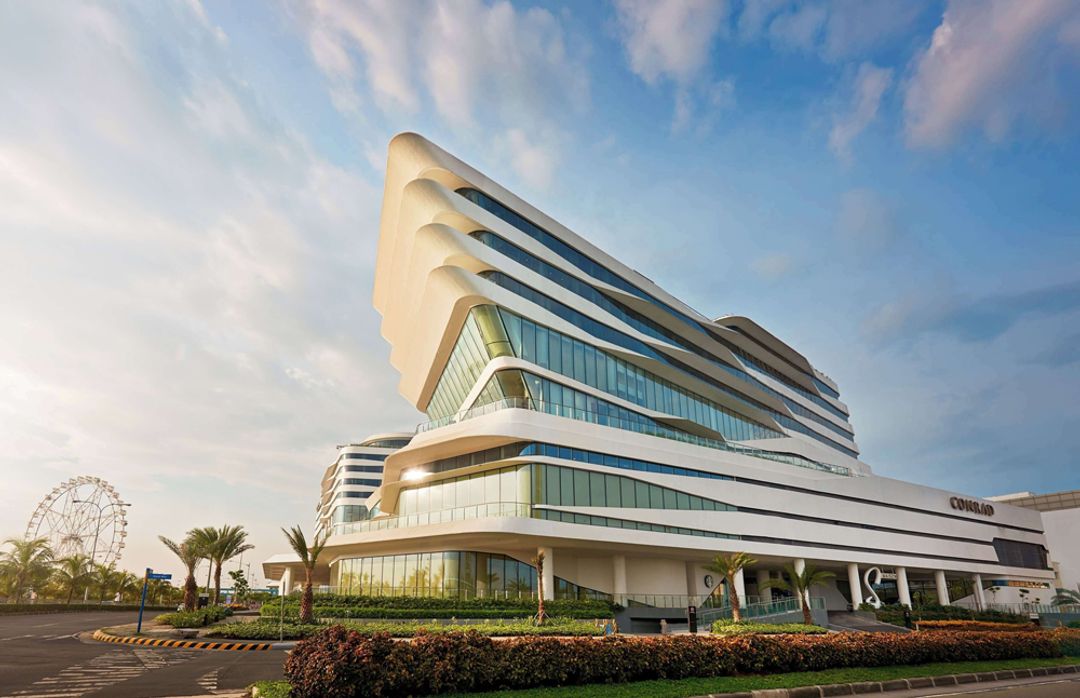
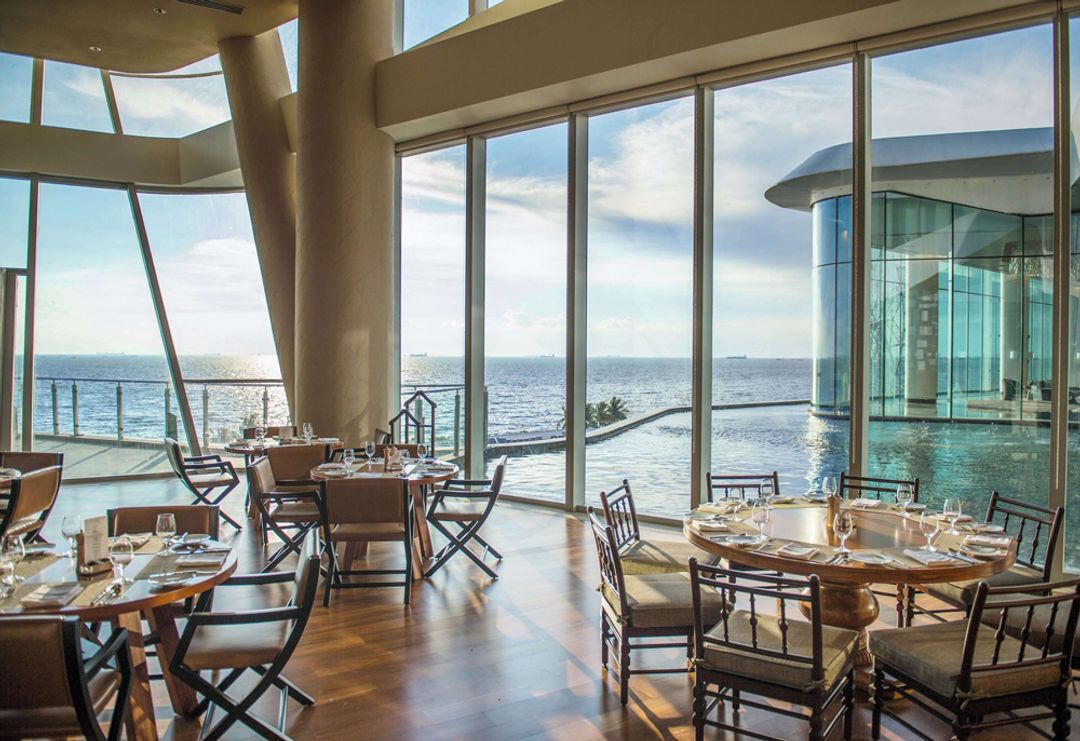
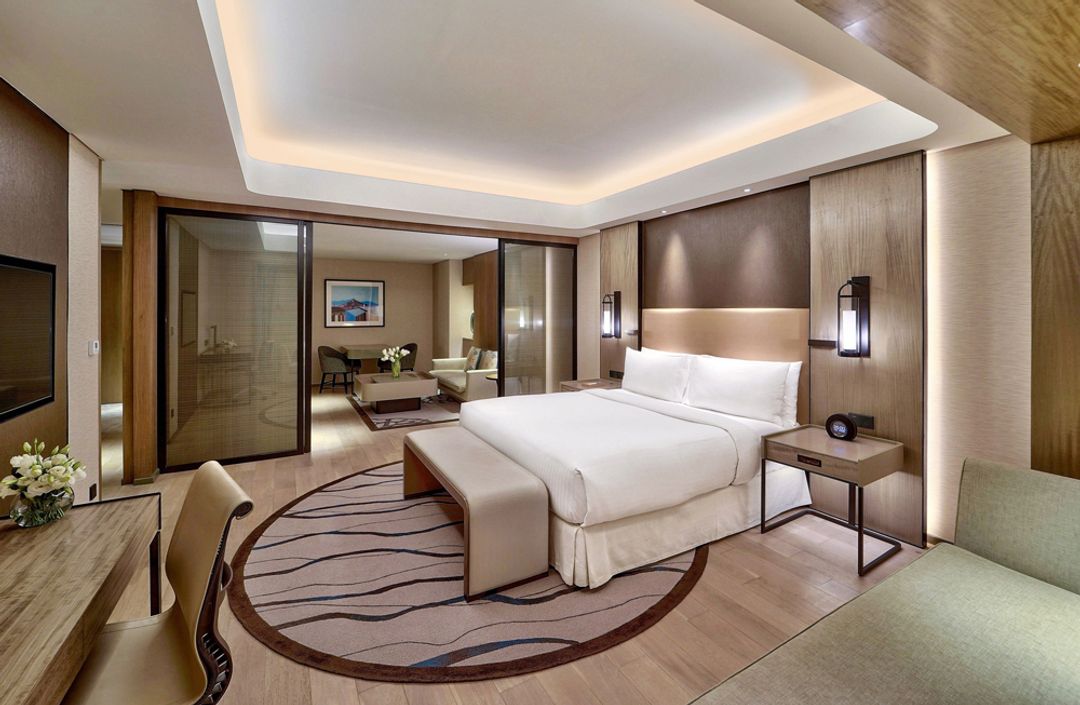
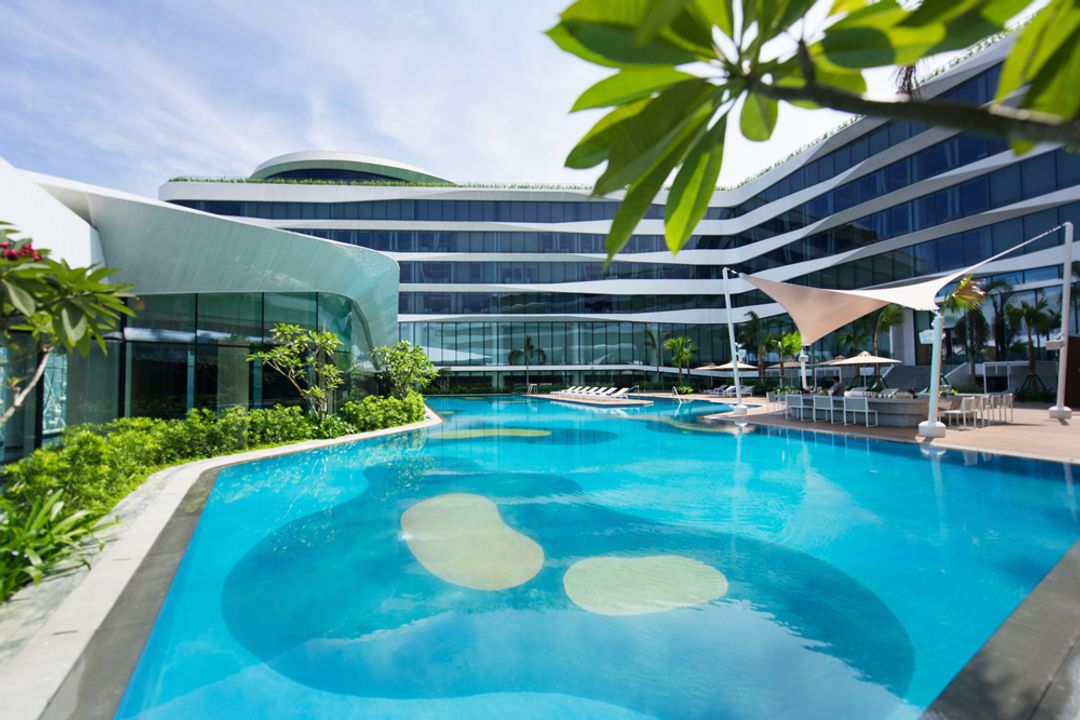
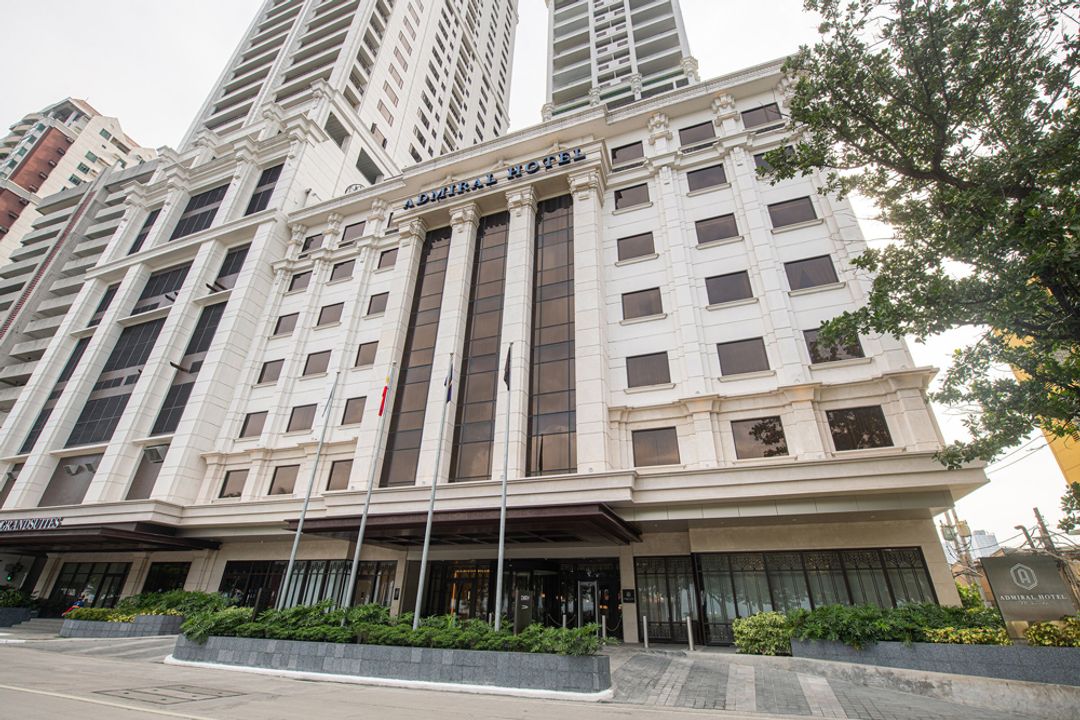
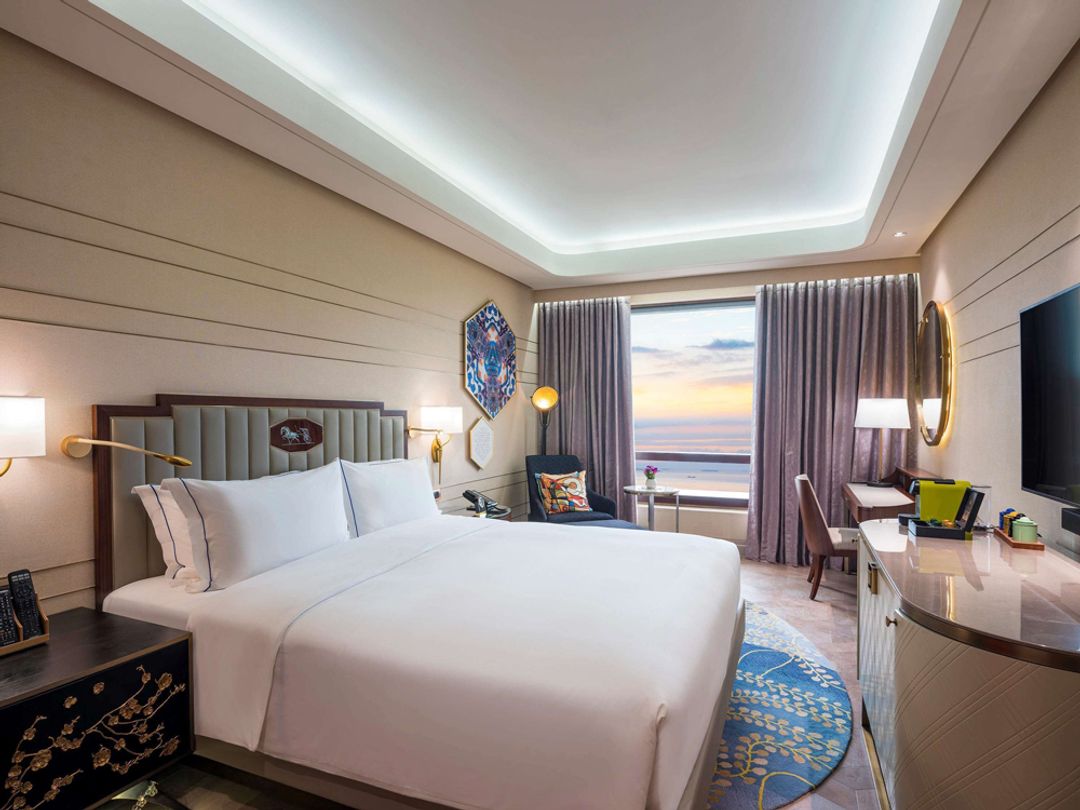
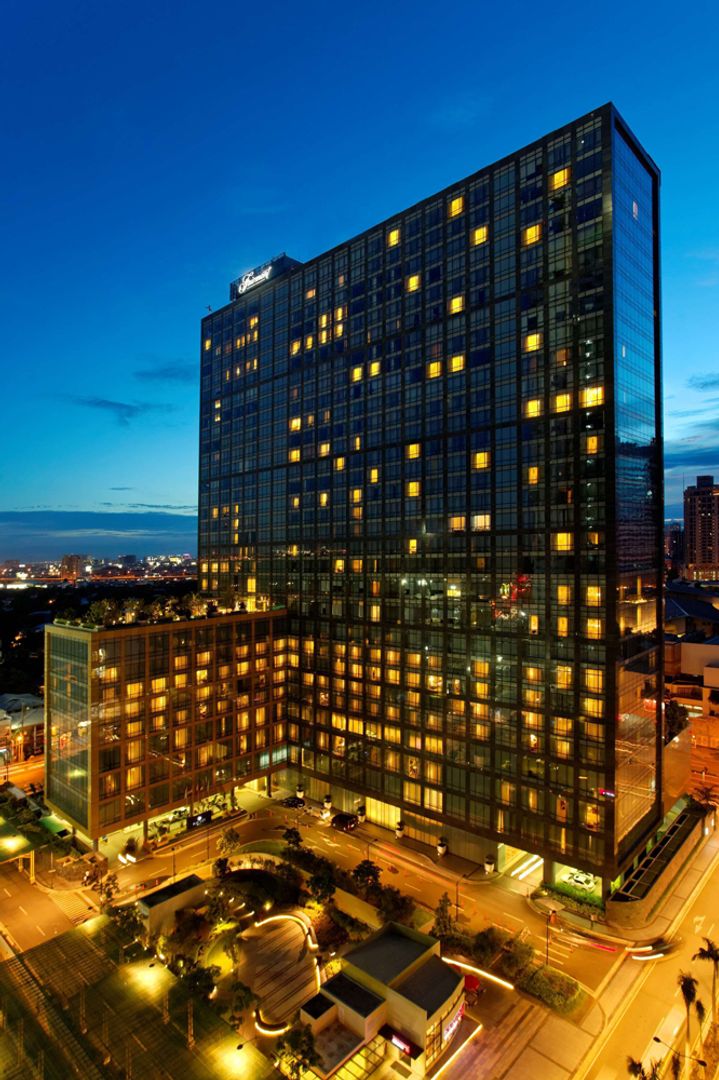
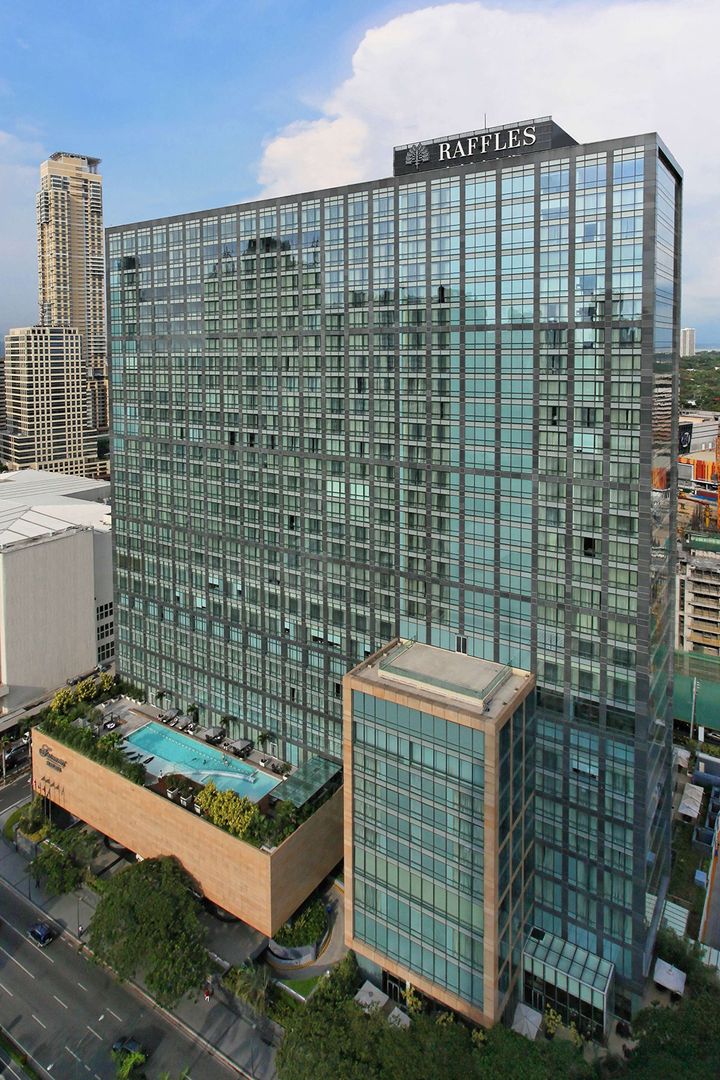
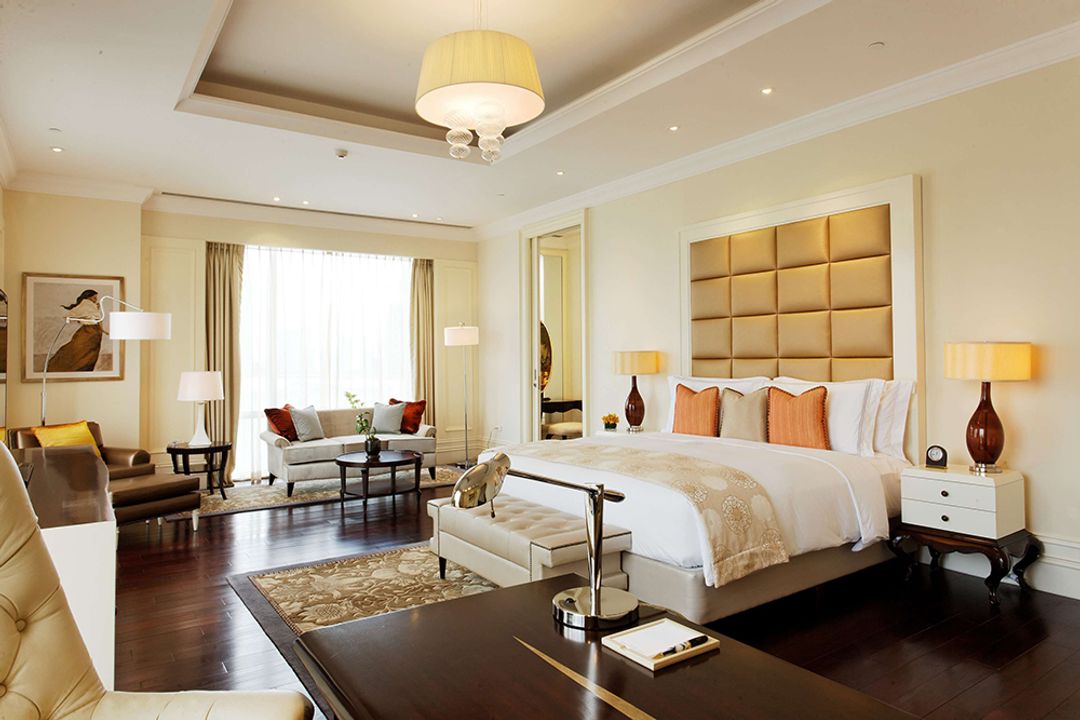
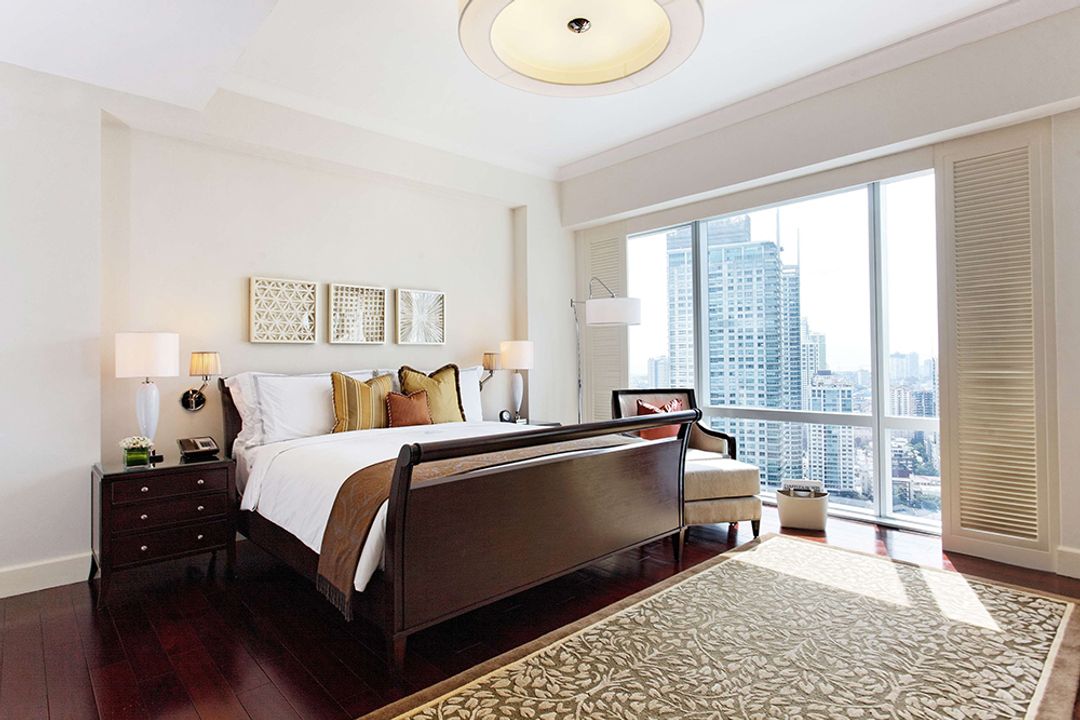
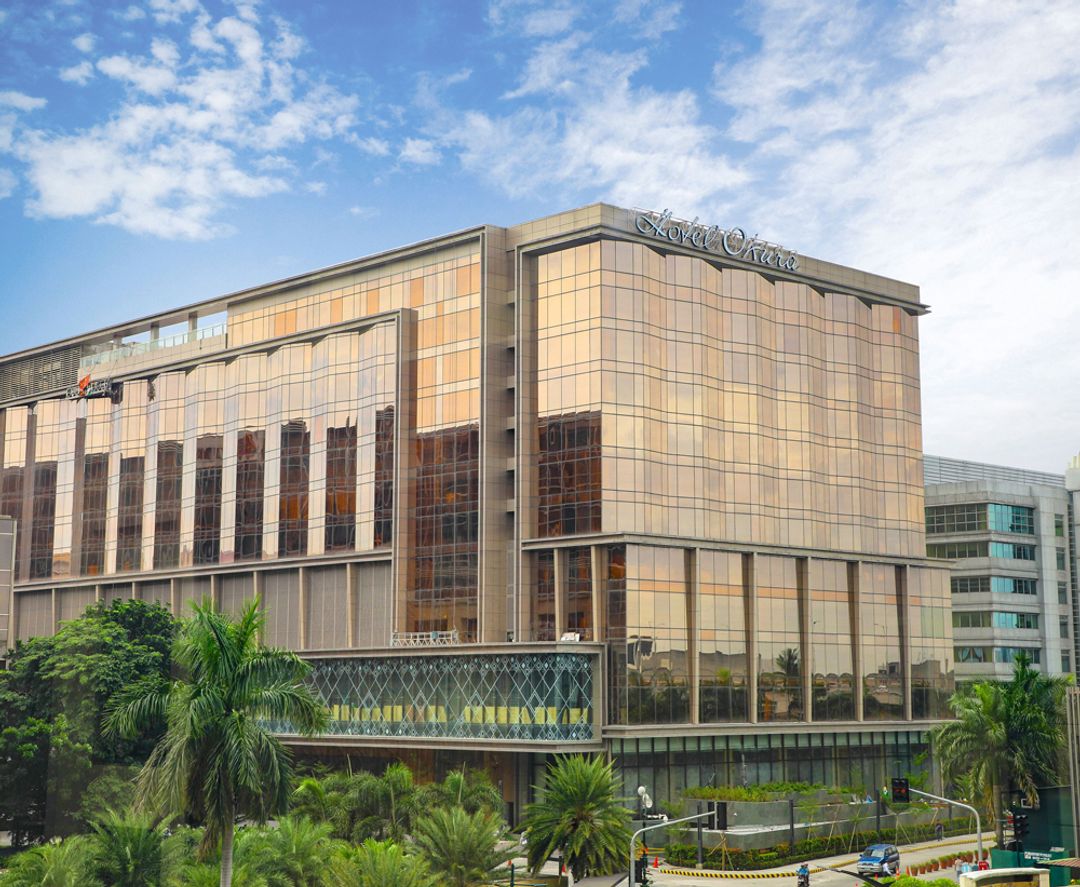
Makati arrived at its current form through a kind of imposed ambition — the Ayala family's mid-century masterplan transforming what had been farmland into the Philippines' financial district, a grid of corporate towers and air-conditioned malls that somehow, over decades, acquired genuine urban texture. The Peninsula Manila, which opened in 1976 and sits at the corner of Ayala and Makati Avenues, captures that history with more honesty than most. Its low-slung, brutalist-adjacent form is distinctly unfashionable by contemporary standards, and that's precisely what makes it interesting — a hotel that has outlasted several waves of taste and remained a social institution. Raffles Makati, by contrast, represents the district's more recent aspiration toward a certain kind of refined restraint: an all-suite property occupying the upper floors of the Raffles Residences tower, its interiors drawing on a muted, residential palette that keeps the brand's colonial heritage at arm's length. The Fairmont Makati, connected to the same mixed-use development, operates at a larger scale and broader register, the two properties sharing a podium while maintaining distinct personalities. Hotel Okura Manila sits just outside this Makati cluster, in Pasay, within the sprawling Newport World Resorts complex near the airport. The Okura brand's Japanese lineage — the original Hotel Okura Tokyo, designed in 1962 by Yoshiro Taniguchi, has long been considered a landmark of postwar Japanese modernism — carries a certain design credibility, and the Manila property translates that heritage into clean geometry and a material quietness that reads differently against the casino-resort context surrounding it. It is an interesting adjacency, and not always a comfortable one. Manila Bay draws the remaining two properties and offers something genuinely different in atmosphere. The Conrad Manila and the Admiral Hotel Manila, part of Accor's MGallery collection, both face the bay and benefit from a quality of light and openness that Makati's inland towers cannot offer. The Admiral occupies a building with deeper roots in the city's mid-century hospitality history, a provenance that the MGallery positioning — which trades on restored heritage properties — suits reasonably well. Sunsets over Manila Bay remain one of the city's most reliable pleasures, and a hotel that faces west, whatever its other qualities, holds a geographic advantage that no amount of interior design can manufacture elsewhere.