Best hotels in Silicon Valley, California | Visually Compare Top Stays Side-by-Side
Welcome to PressBeyond - a curated visual guide to design-driven hotels and the fastest way to compare them.
An Overview of the Boutique & Luxury Hotel Landscape in Silicon Valley, California
Silicon Valley is not a city. It is a corridor, stretching from San Jose north through Santa Clara, Sunnyvale, Mountain View, and Palo Alto before softening into Menlo Park and the wooded edges of the San Francisco Peninsula. There is no skyline to orient yourself by, no dense downtown that hotels naturally cluster around. Instead, the geography is low, horizontal, and campus-scaled, and the hotels that serve it tend to reflect that flatness, spreading out across landscaped acreage rather than stacking themselves skyward.
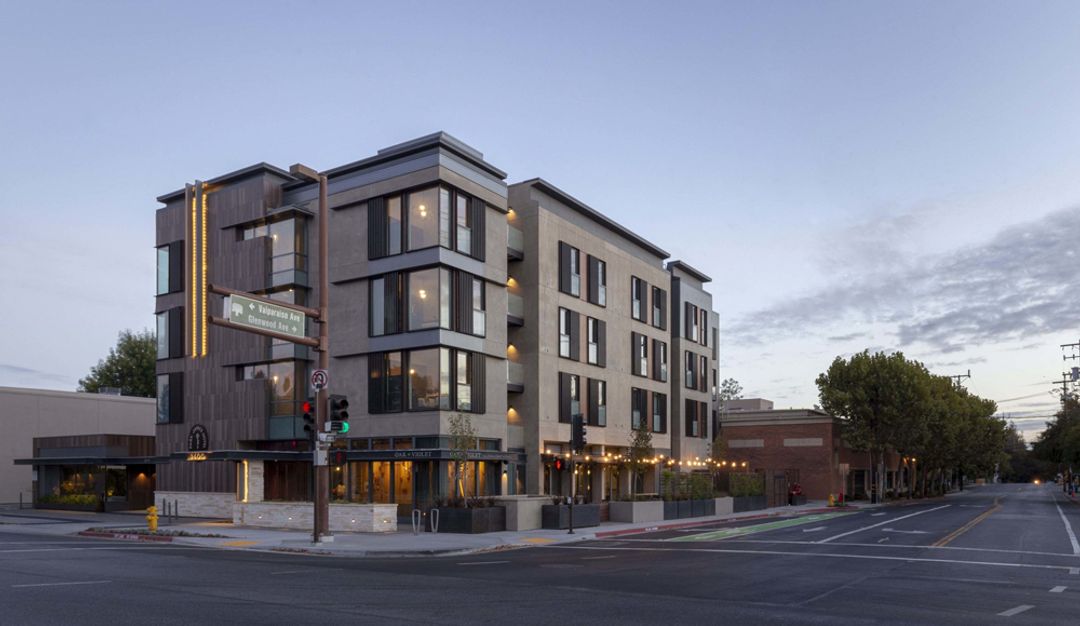
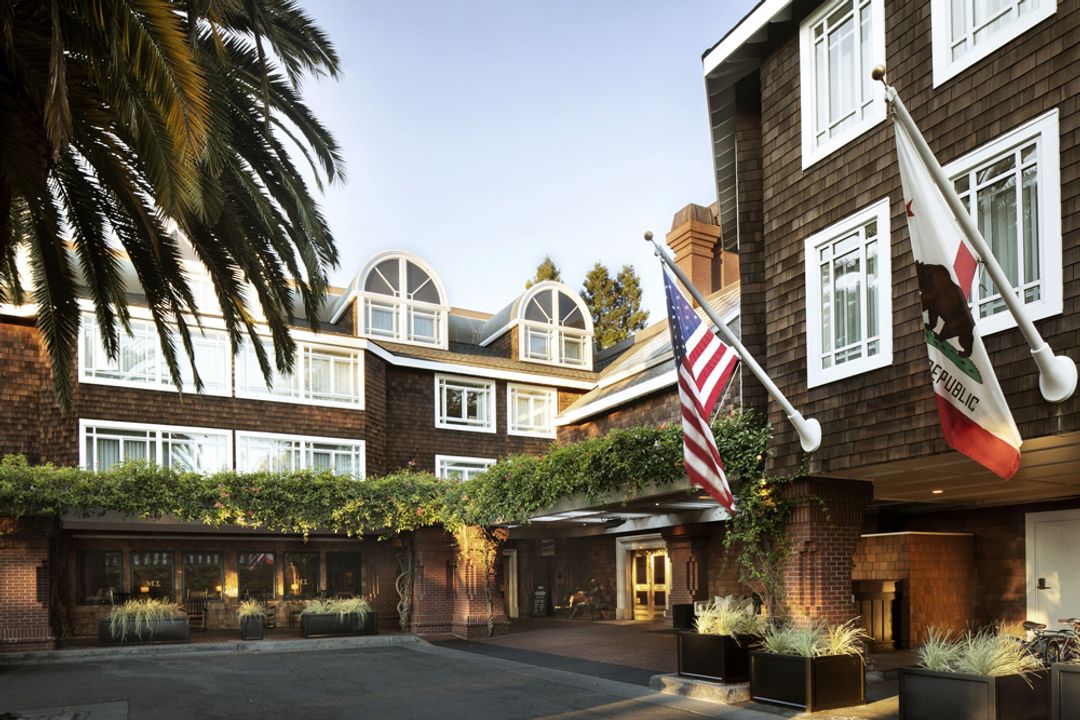
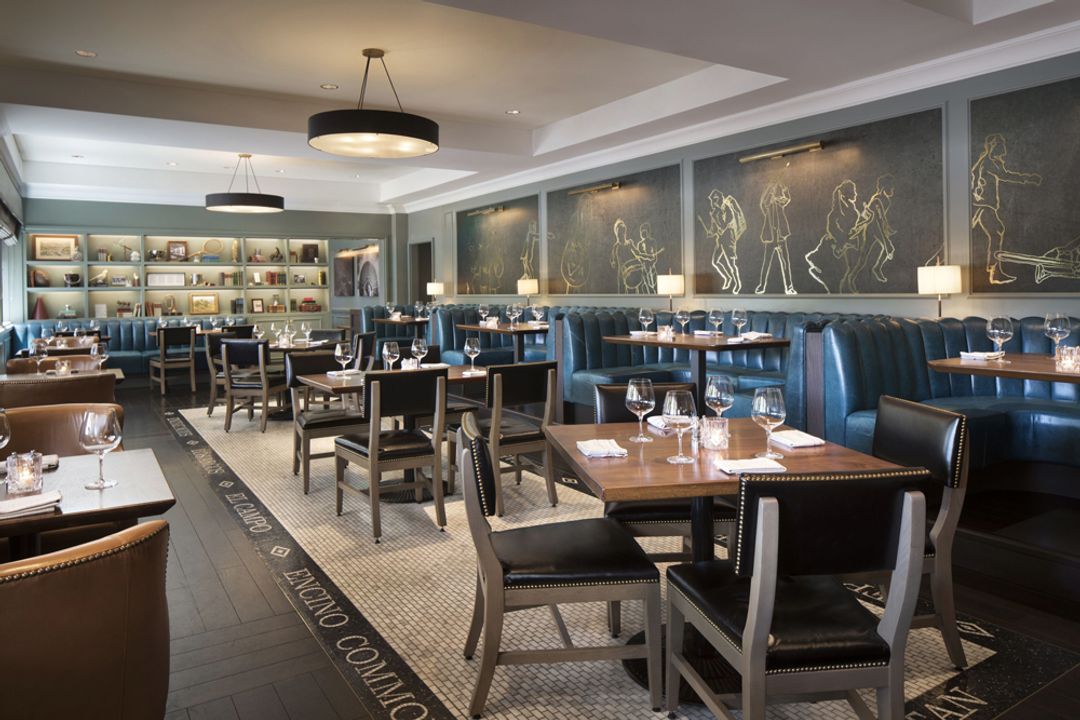
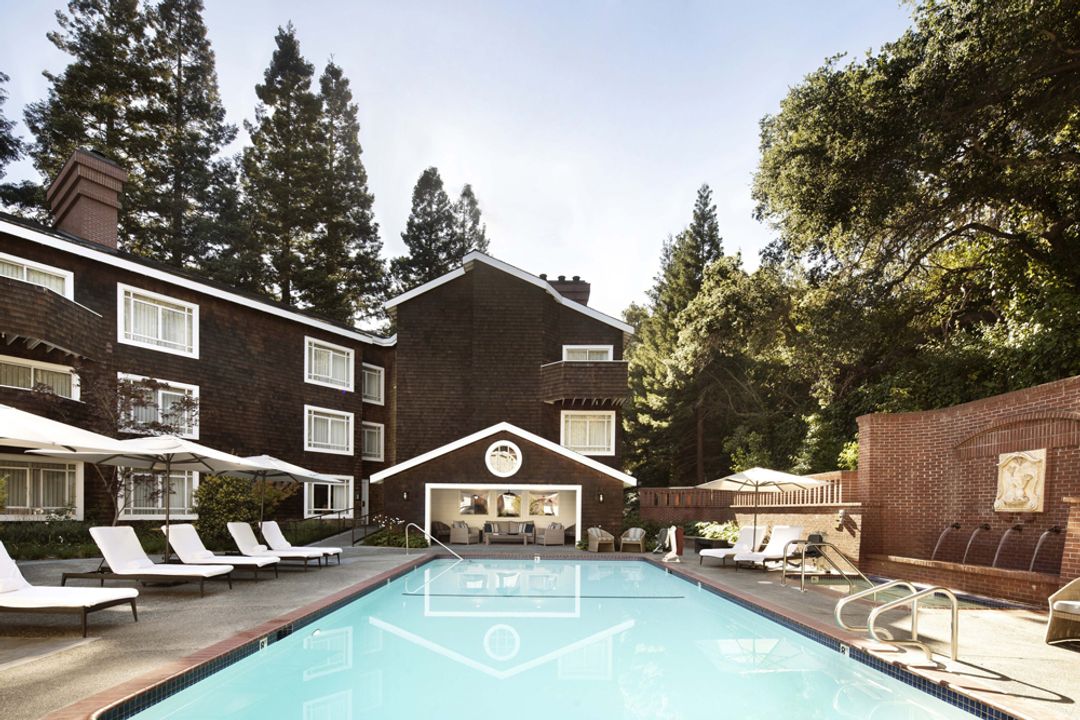
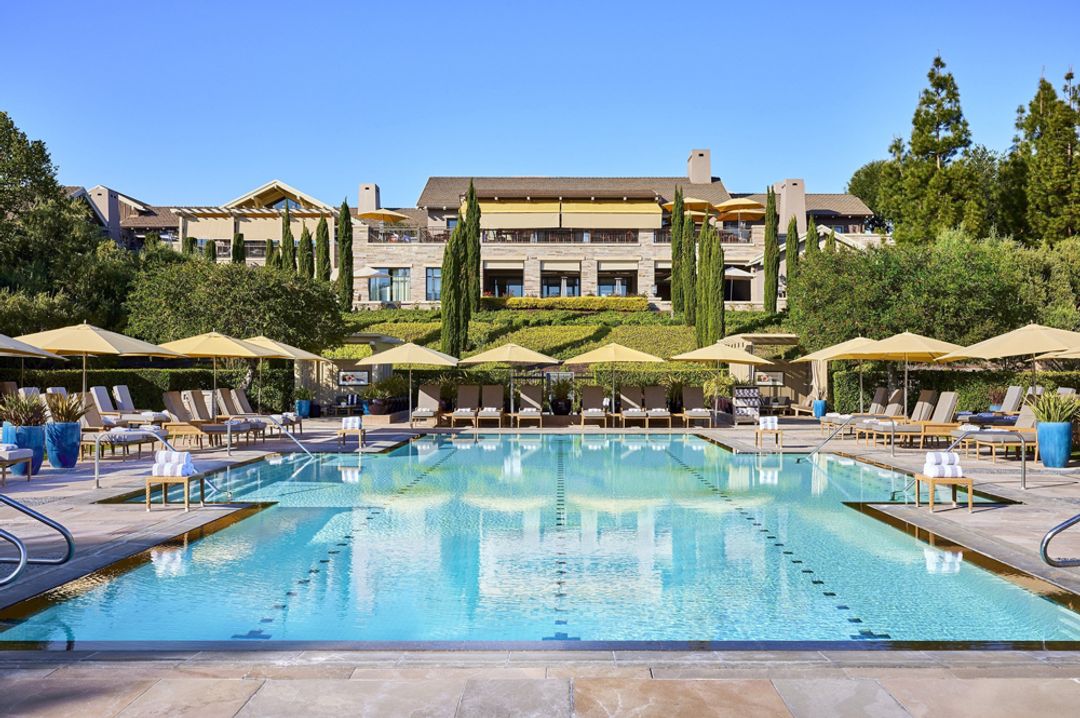
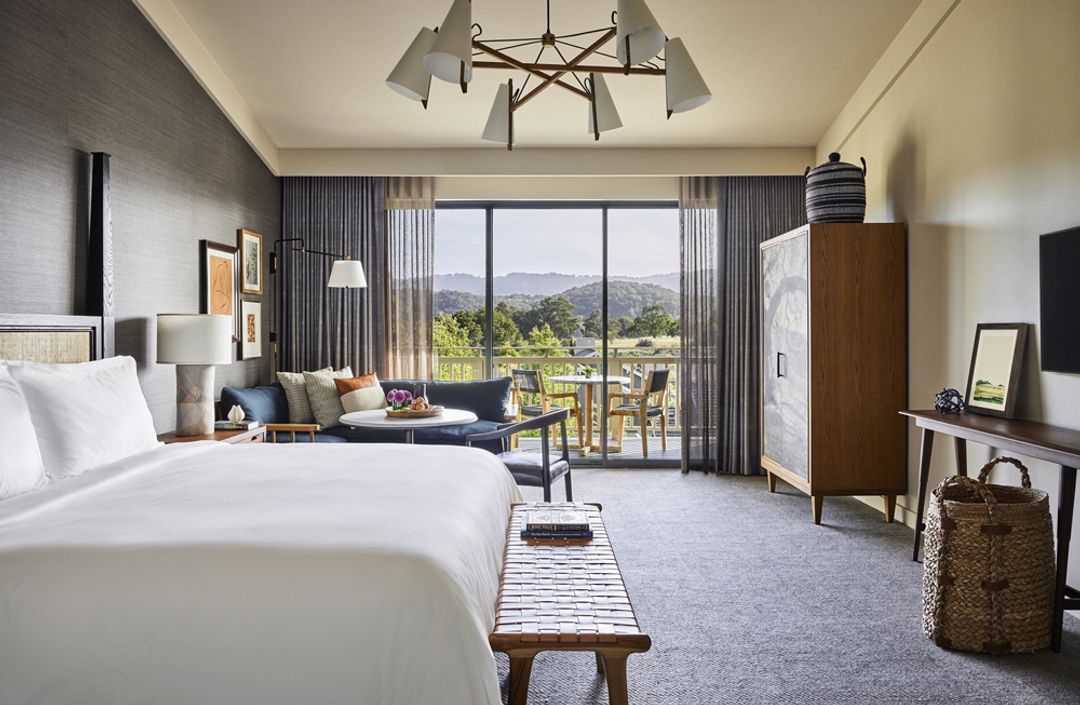
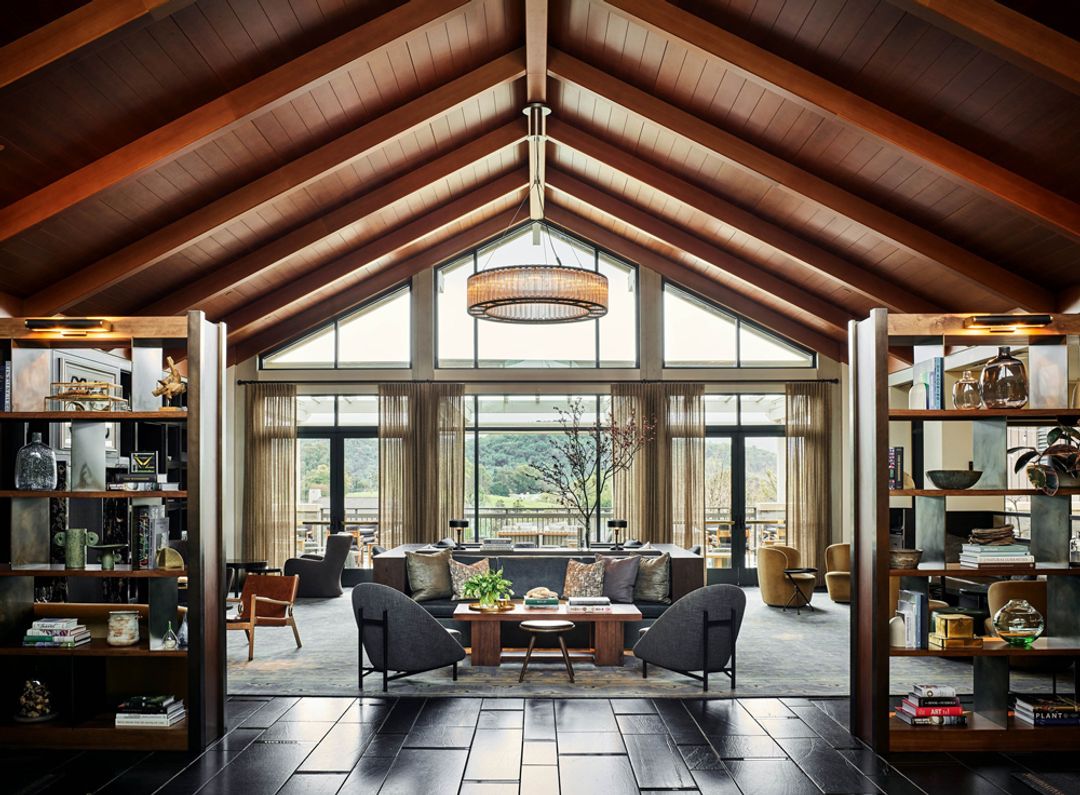
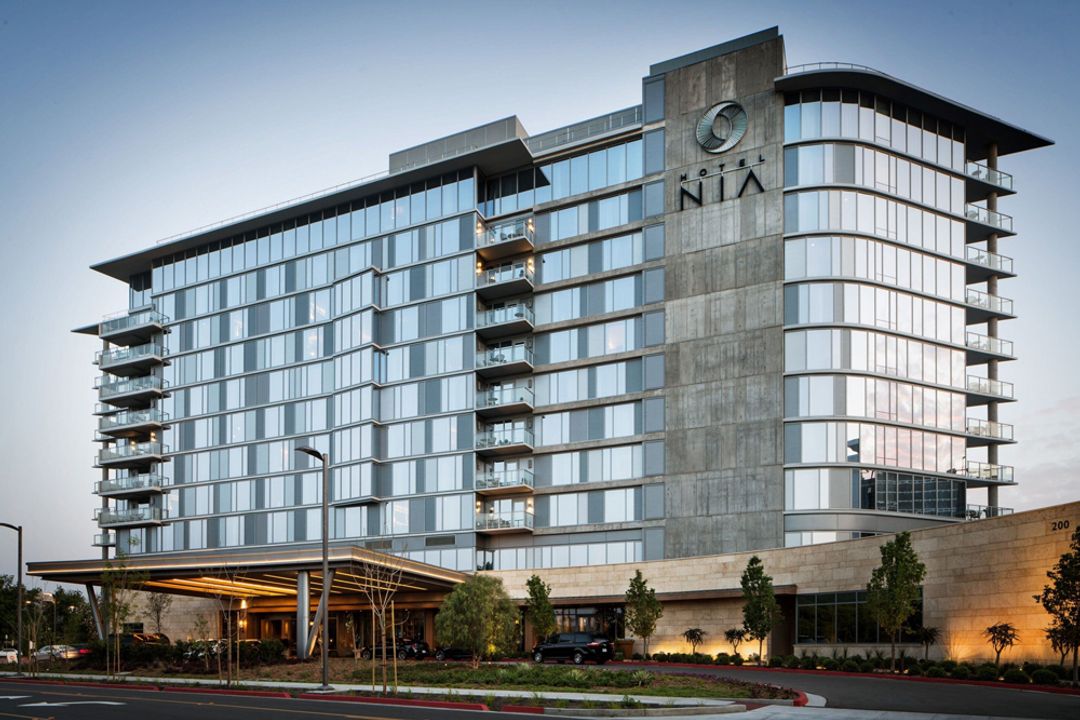
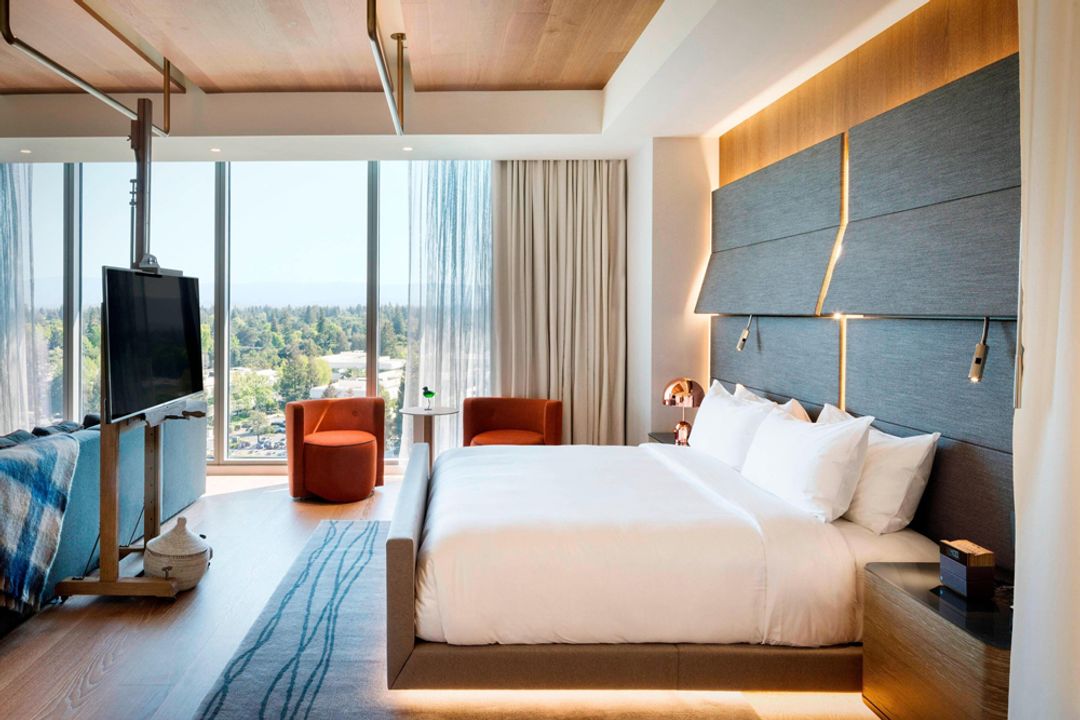
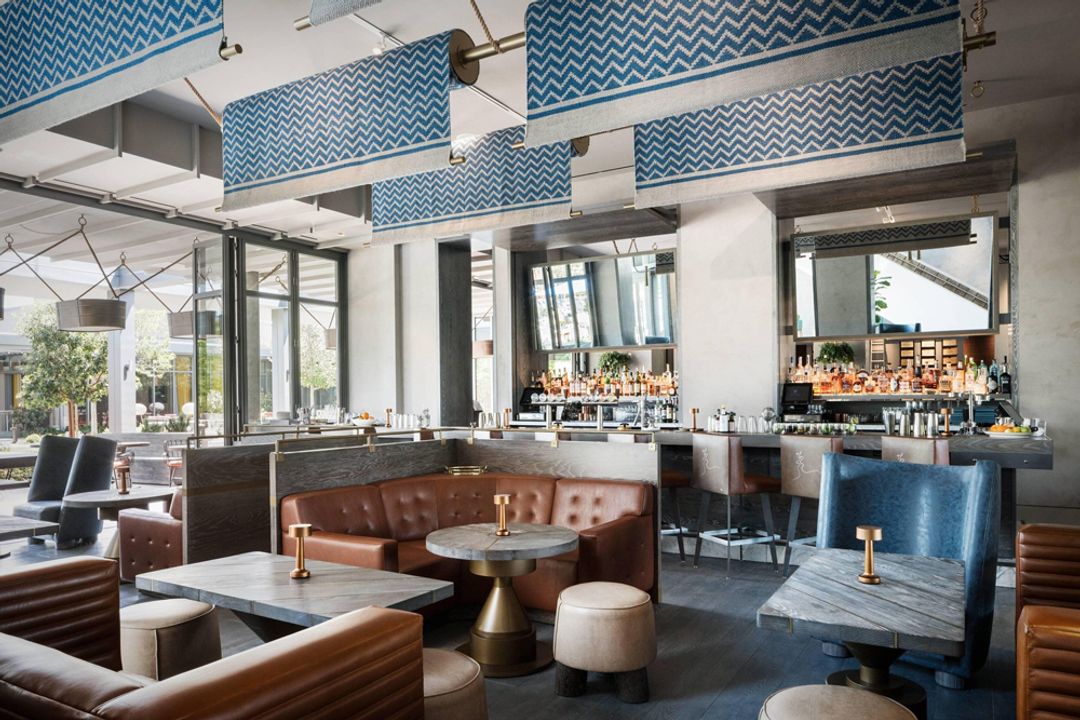
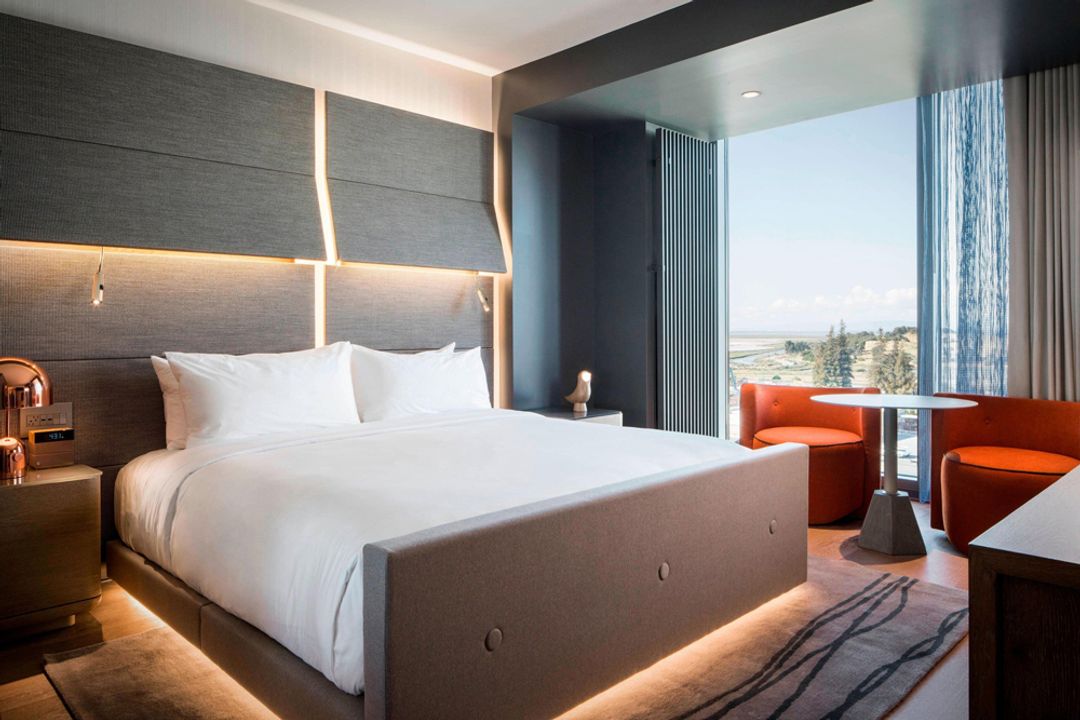
Menlo Park holds the strongest concentration of genuinely considered properties. Rosewood Sand Hill sits at the top of Sand Hill Road on 16 acres of meadow and California oak, designed by Hart Howerton with interiors that reference the region's ranchland past without tipping into theme. It remains the preferred address for venture capital conversations conducted away from offices, and the setting earns that reputation on architectural terms alone. Nearby, Hotel Nia, part of Marriott's Autograph Collection, takes a more urban-contemporary approach, with warm materials and a social ground floor better suited to someone traveling for meetings than for retreat. Park James, also in Menlo Park, occupies a smaller footprint with a boutique sensibility and a café culture energy that feels closer to a European business hotel than a Silicon Valley conference property. The Stanford Park Hotel works the same neighborhood with slightly more traditional expectations, its architecture deferential and its clientele reliably tied to the university across El Camino Real.
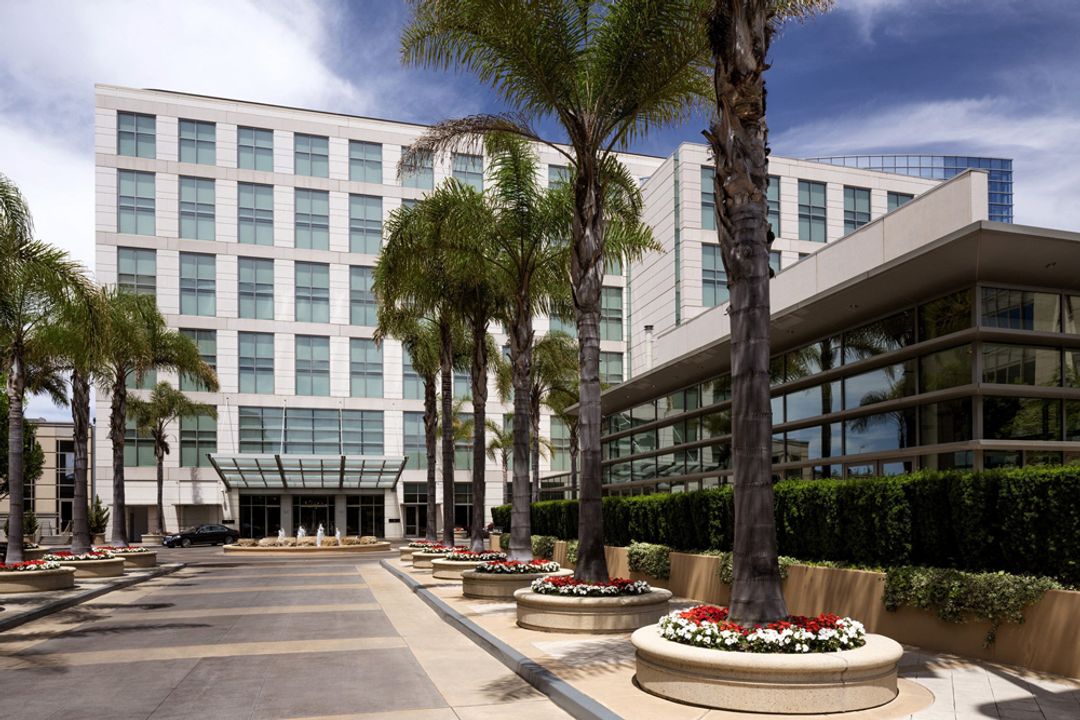
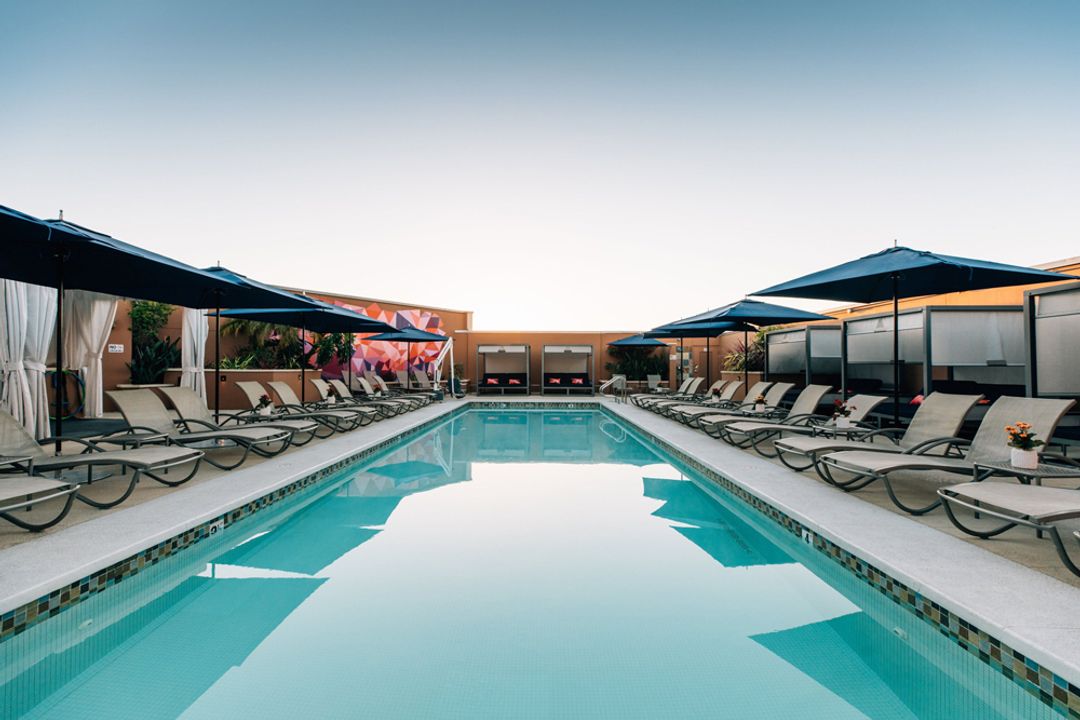
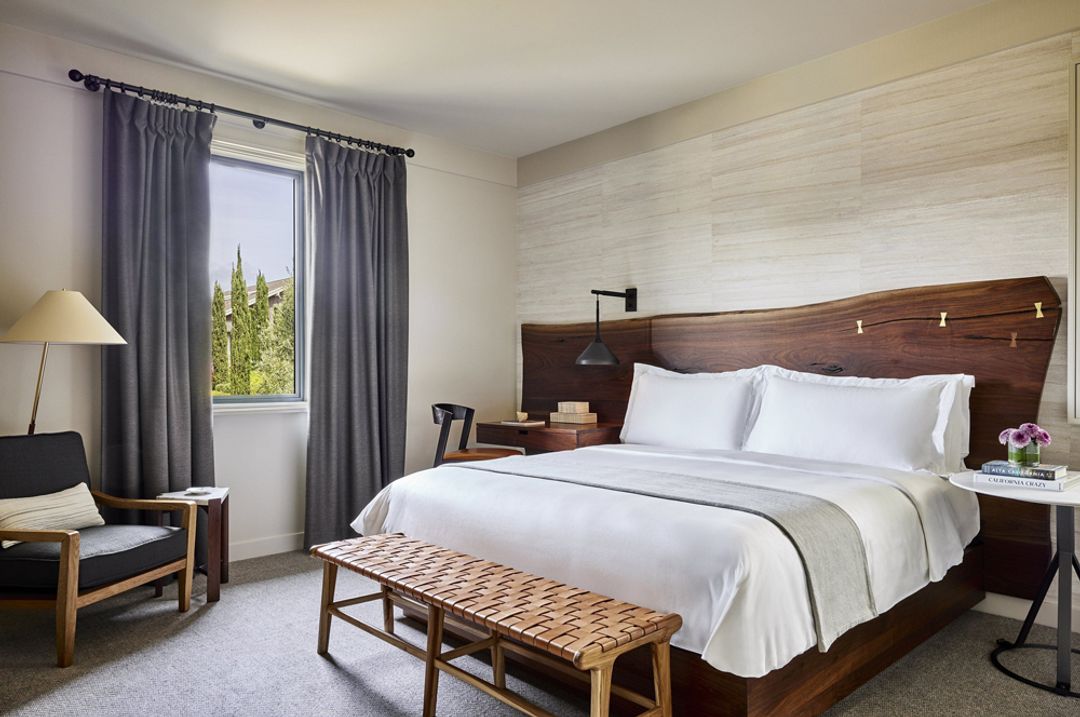
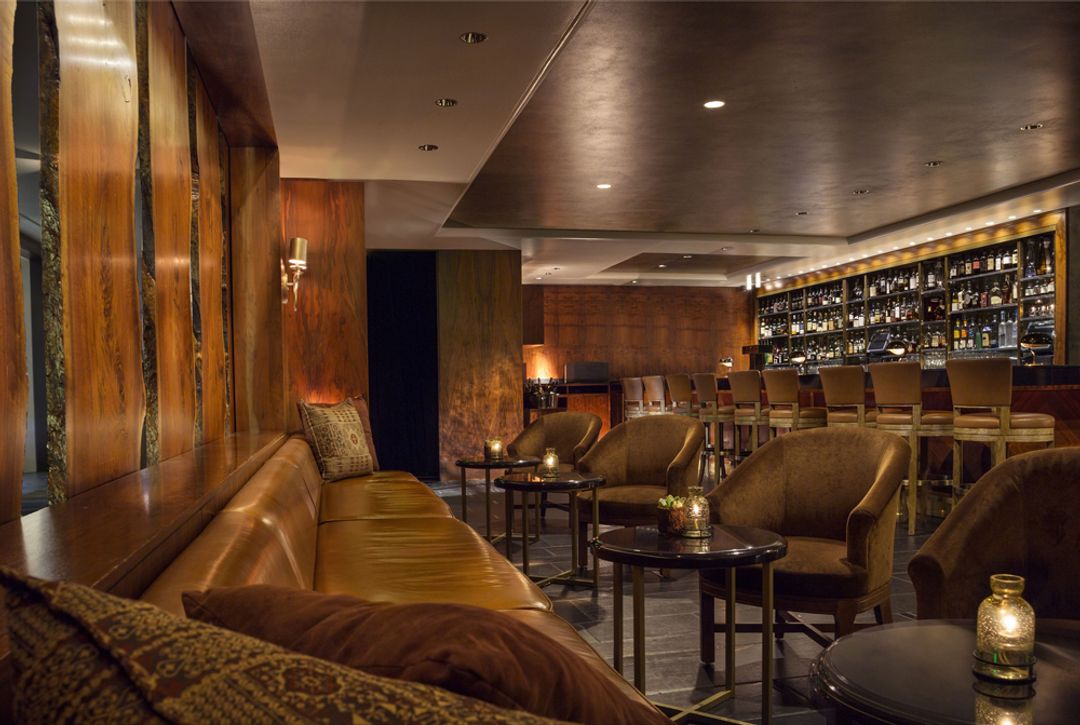
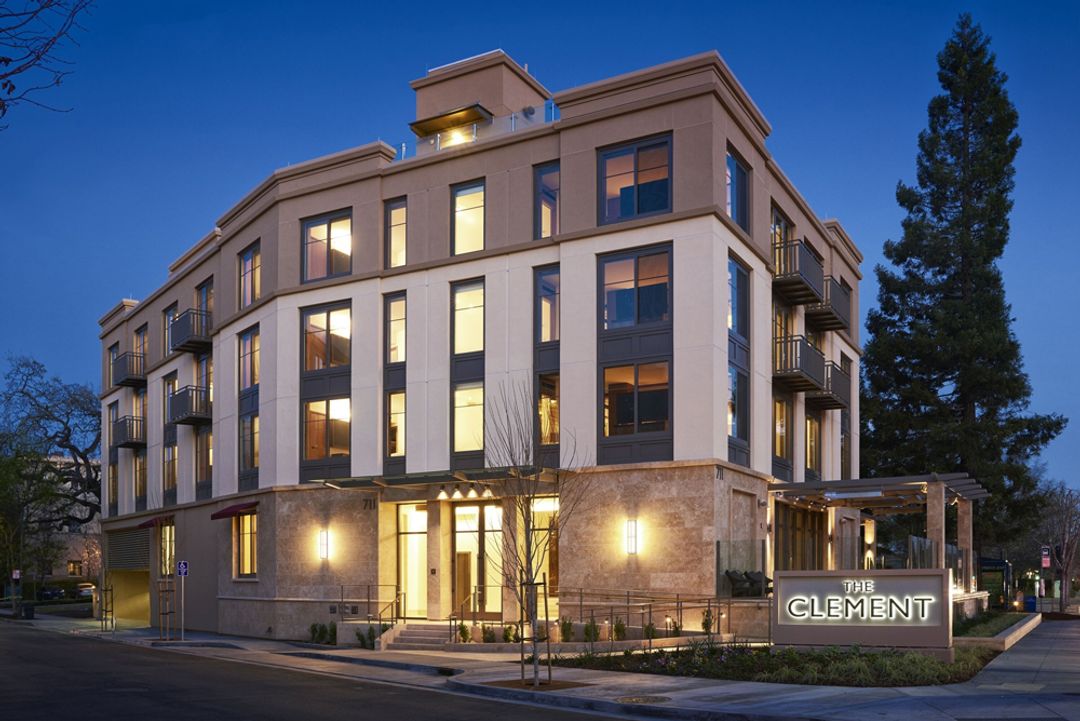
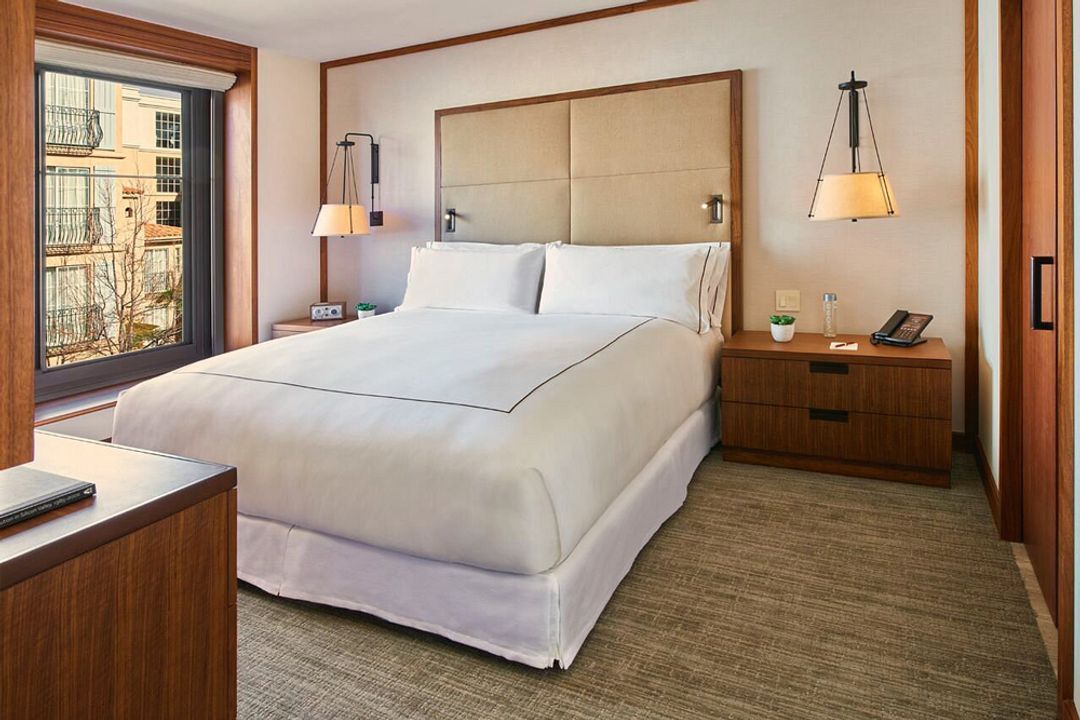
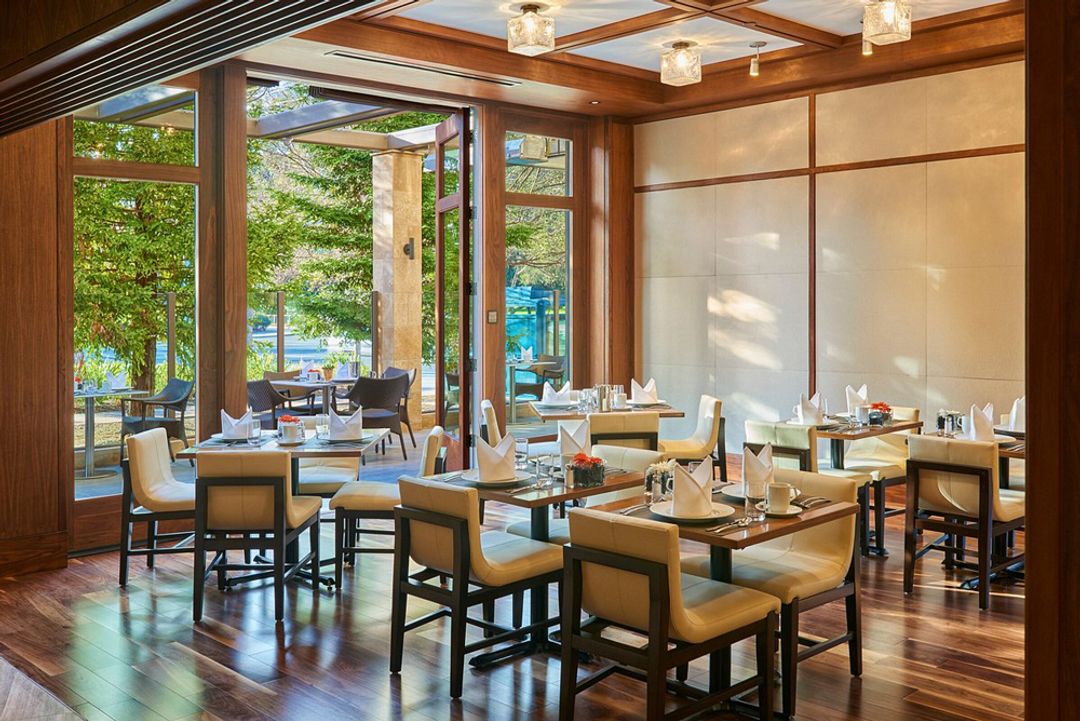
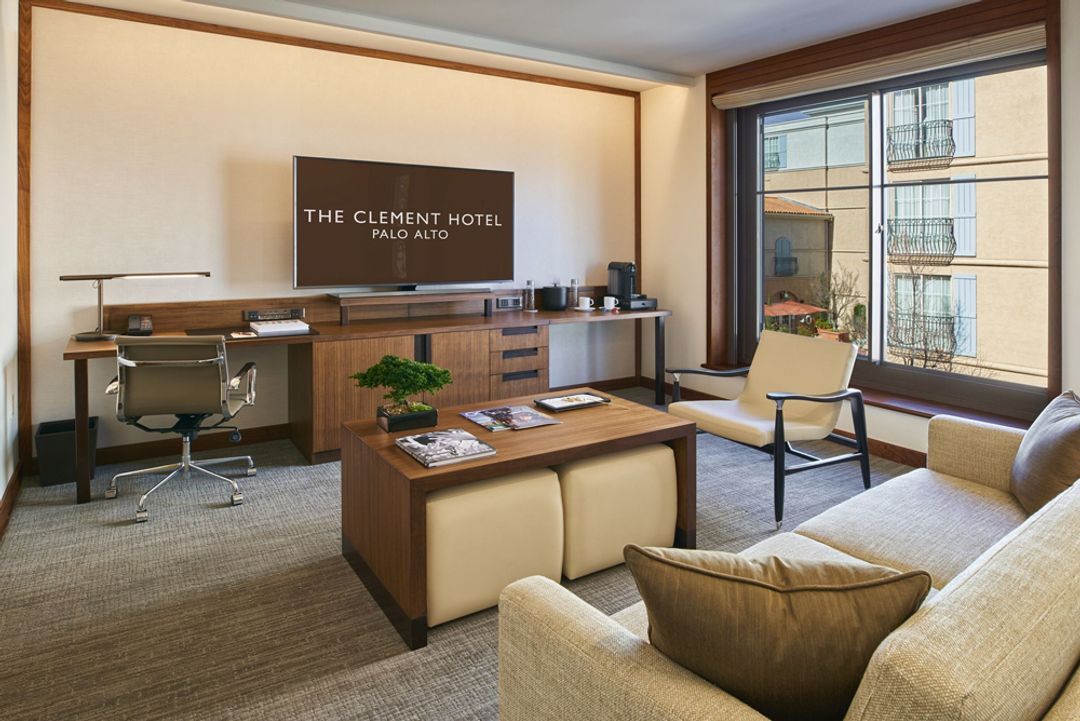
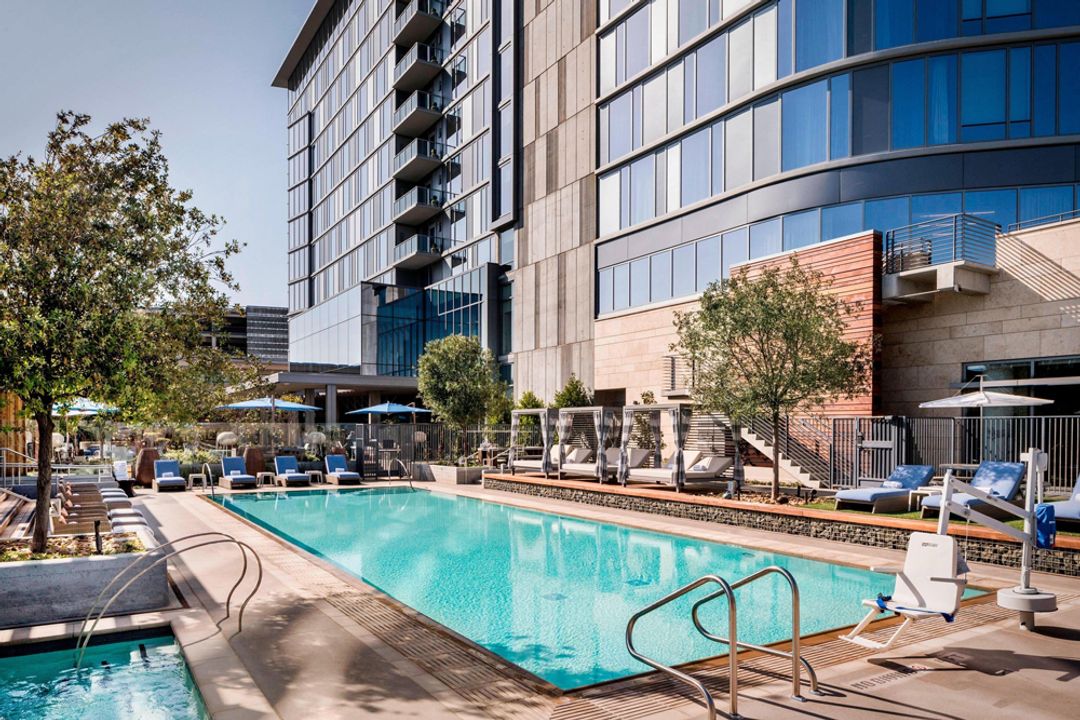
Palo Alto proper is where the register shifts most noticeably. The Clement Palo Alto operates as an all-inclusive urban resort, an unusual format for this market, with rates that reflect the comprehensiveness of the offering rather than just the room. The approach suits a certain kind of traveler who wants containment and consistency, everything accounted for and none of it requiring navigation. East Palo Alto, historically the most economically distinct municipality in the area, is now home to the Four Seasons Silicon Valley, a property that arrived ahead of the neighborhood's fuller development and still feels somewhat decontextualized from its surroundings, though the service standard is exactly what the brand promises. Taken together, these properties map a region still working out what hospitality means when the product being sold is proximity to capital rather than proximity to culture.