Best hotels in Houston, TX | Visually Compare Top Stays Side-by-Side
Welcome to PressBeyond - a curated visual guide to design-driven hotels and the fastest way to compare them.
An Overview of the Boutique & Luxury Hotel Landscape in Houston, TX
Houston is an oil city that never had to make up its mind about what it wanted to be, and that ambivalence shows in its architecture — extravagantly, and not always unpleasantly. The absence of zoning laws for most of its history produced a built environment where a glass tower can rise next to a bungalow, where mid-century modernism and Gilded Age excess coexist without obvious embarrassment. That same appetite for accumulation runs through the city's top hotels, which are less a coherent statement about Houston than a set of individual bets placed by money with strong opinions.
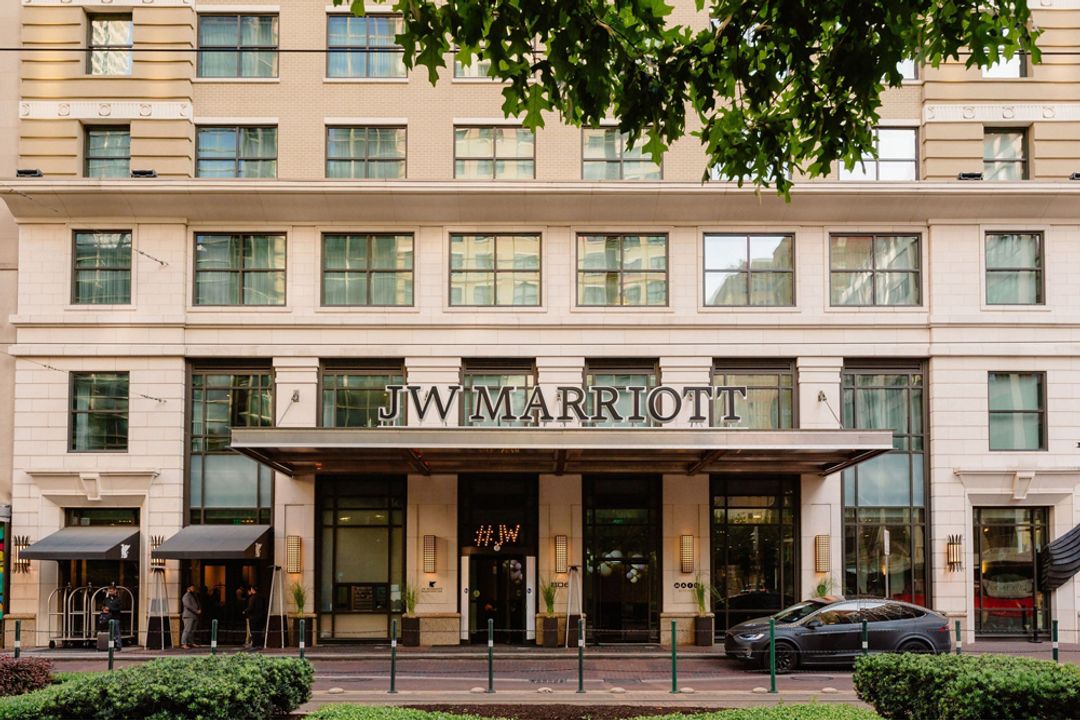
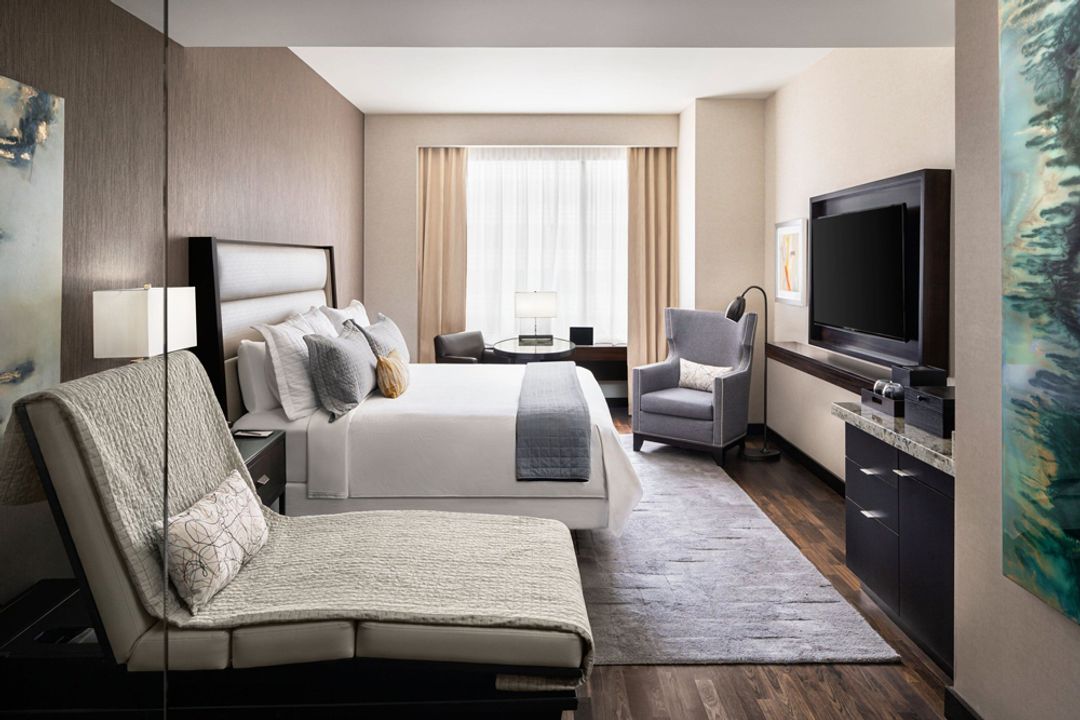
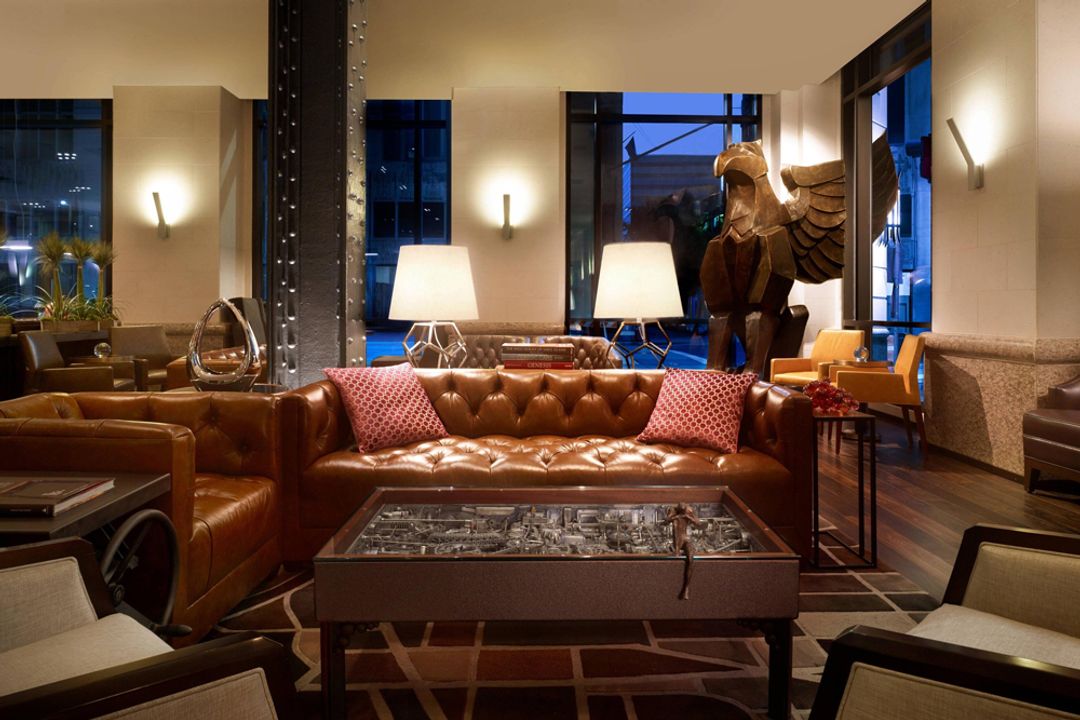
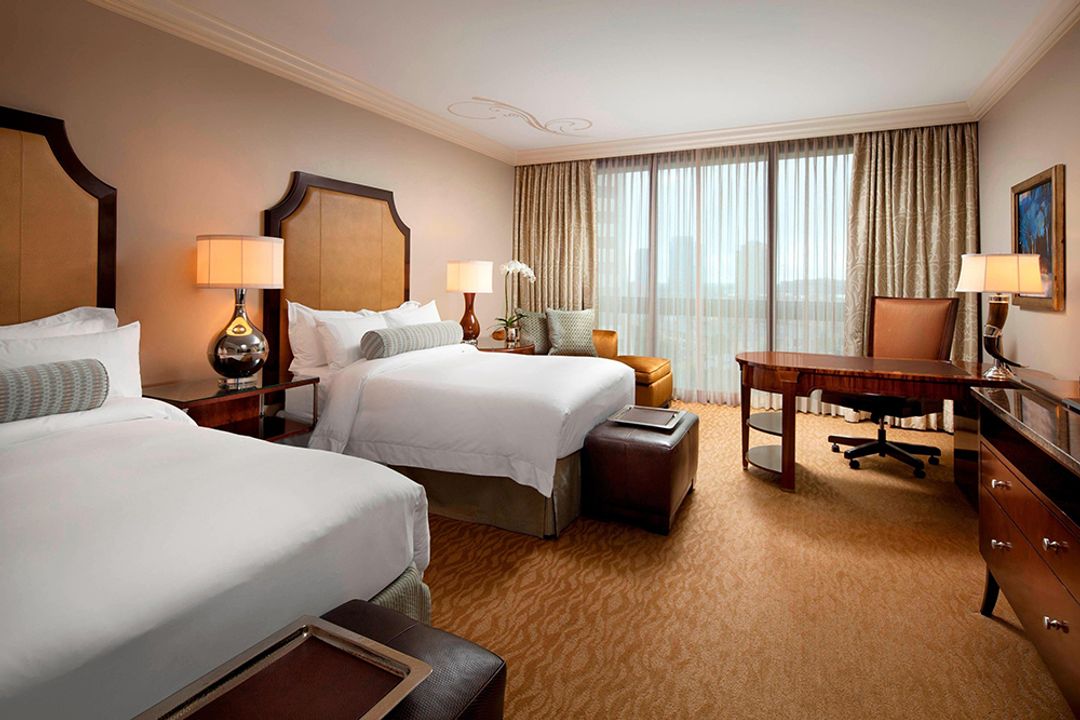
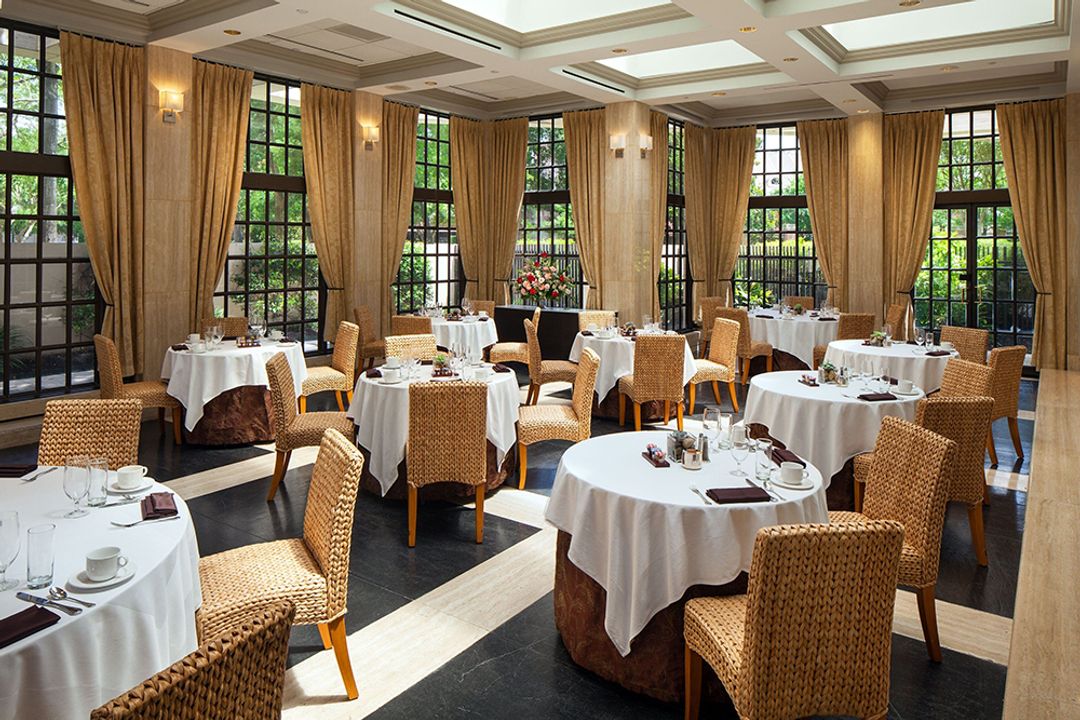
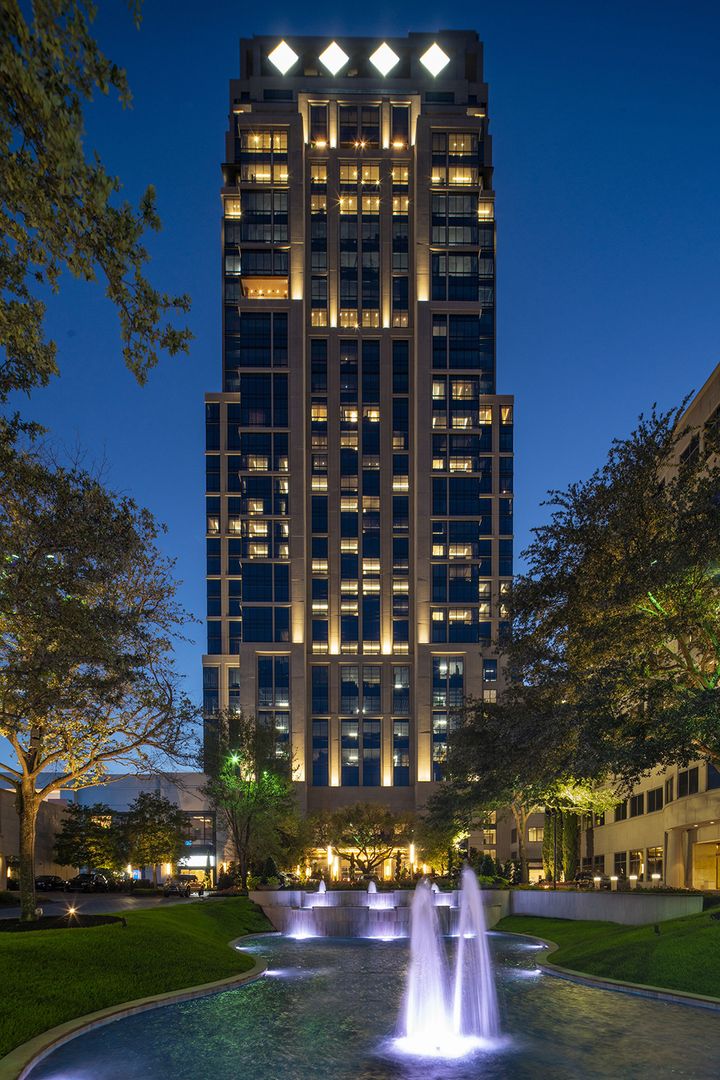
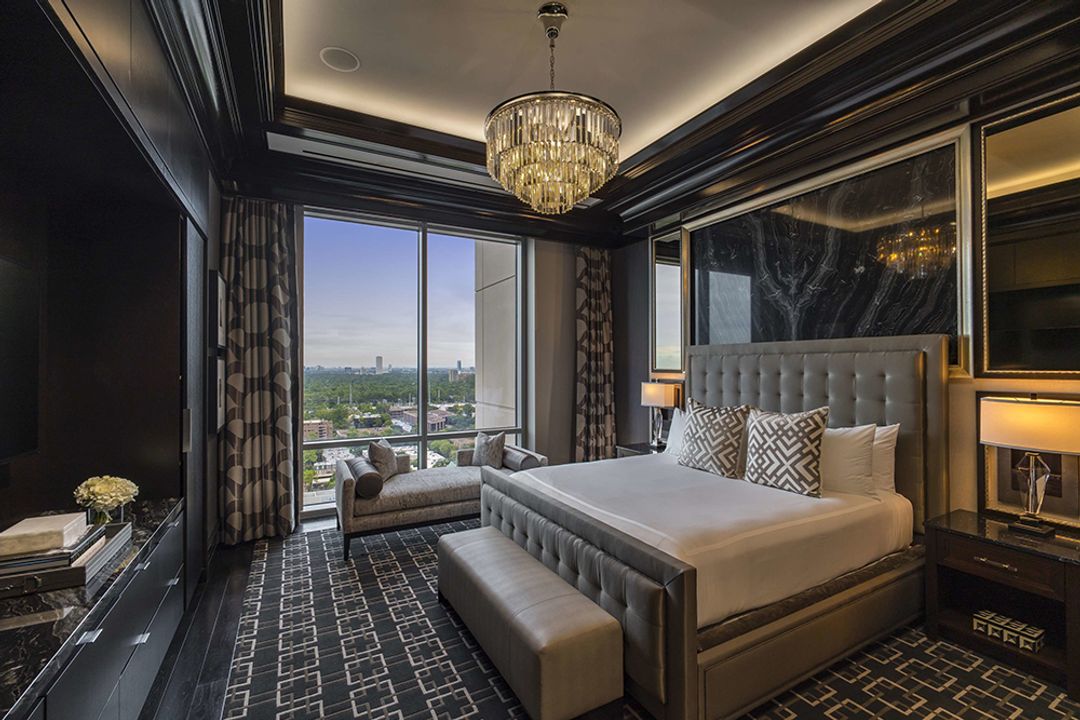
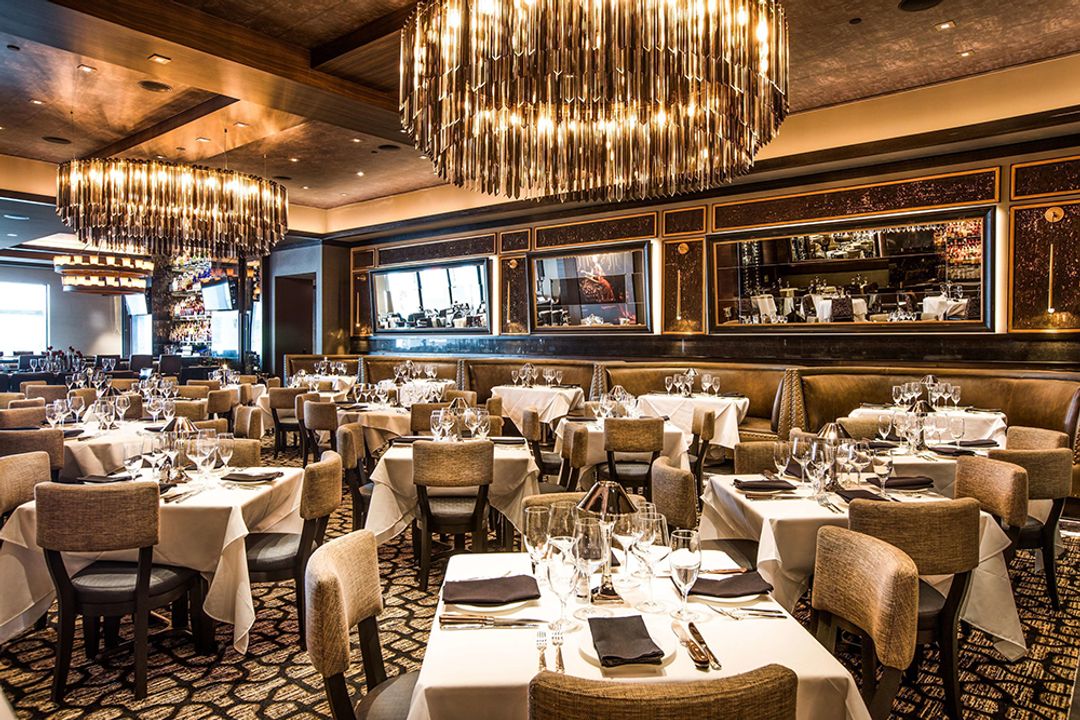
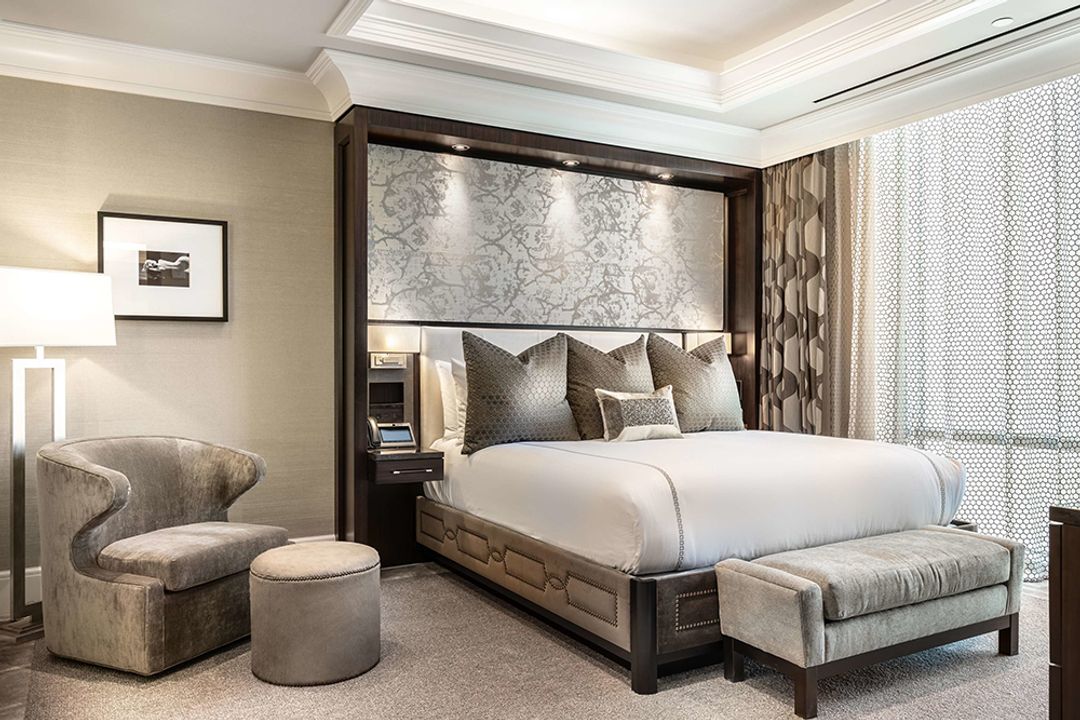
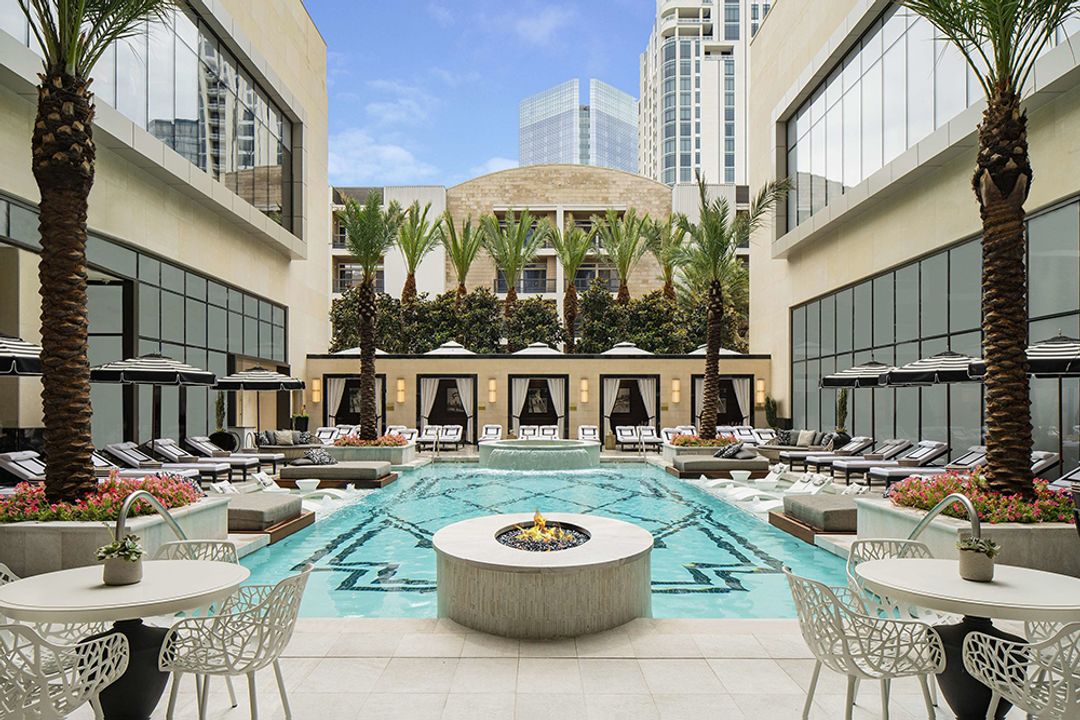
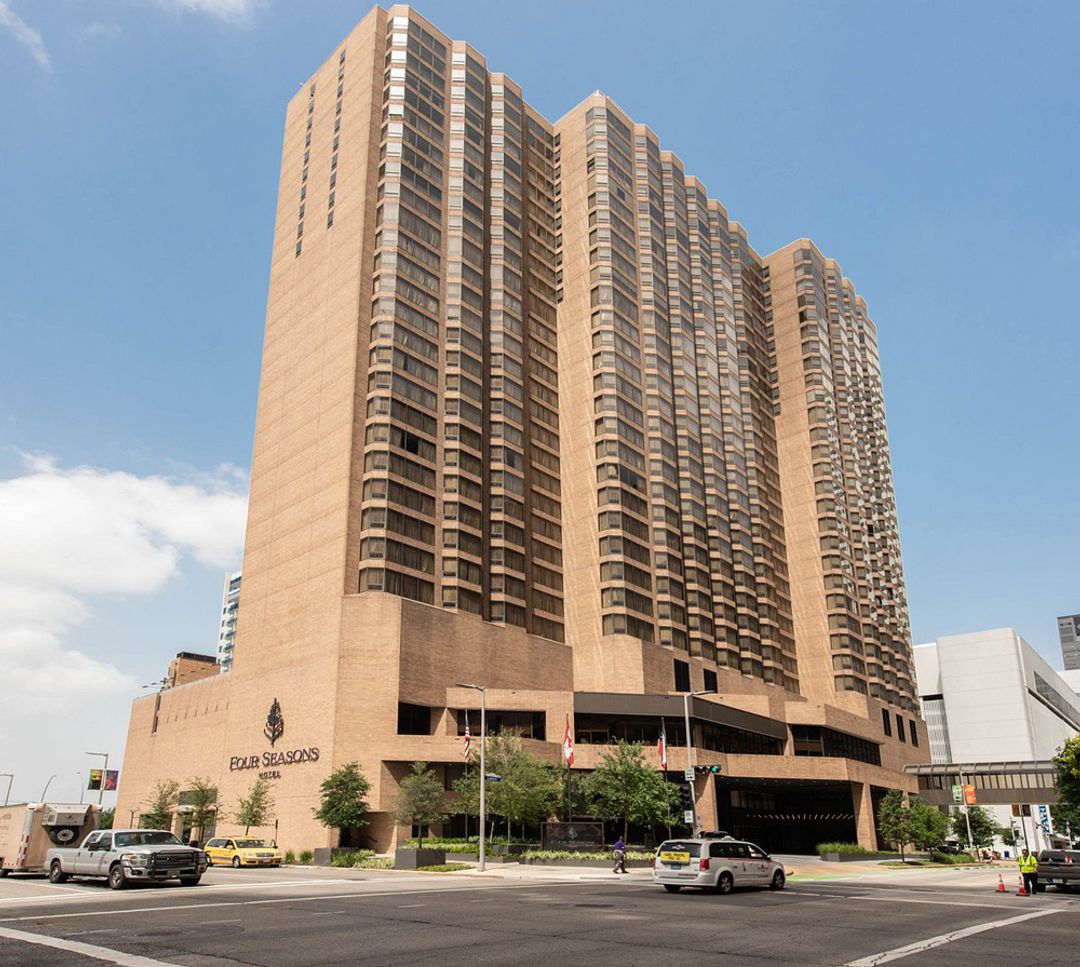
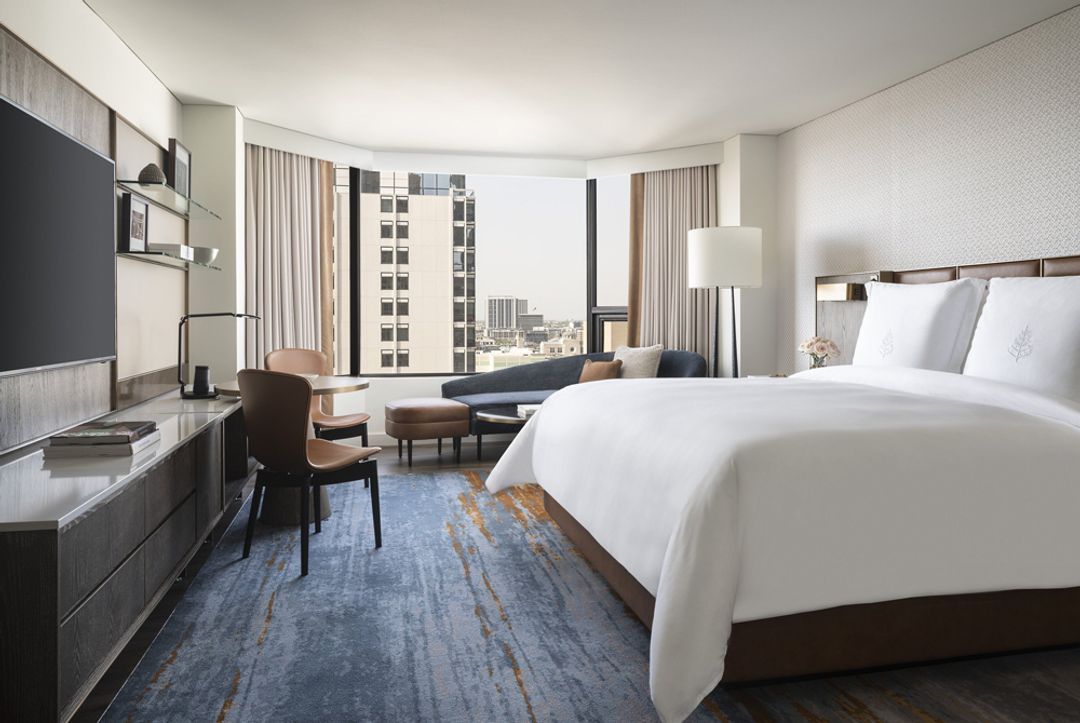
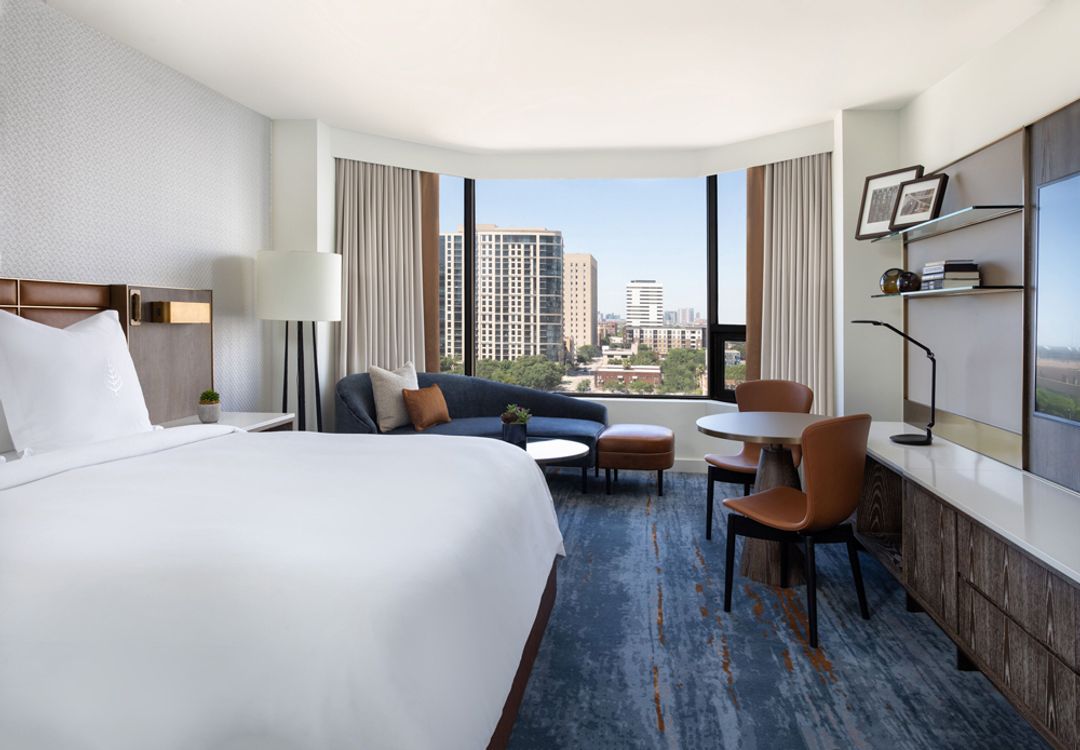
The clearest expression of that instinct sits in Uptown, where The Post Oak Hotel, developed by Tilman Fertitta and opened in 2018, operates as a vertical private club with a helipad and a Rolls-Royce fleet. The building, designed by Rottet Studio's Lauren Rottet, is all bronzed metal, polished stone, and controlled drama — a monument to Uptown's conviction that more is a design position rather than a failure of restraint. It is the hotel for someone whose aesthetic runs toward the assertive and who wants to be within reach of the Galleria without staying inside the mall itself. Downtown offers a different register. The Four Seasons, long the establishment choice for energy-sector visitors and visiting heads of state, sits near Discovery Green and benefits from the civic investment that has gradually made Downtown a credible place to spend an evening. The JW Marriott Downtown Houston, in the former JPMorgan Chase building on Main Street, takes a more architecturally considered position: the conversion preserves the tower's corporate modernist bones while delivering interiors that read as genuinely contemporary rather than renovated-by-committee.
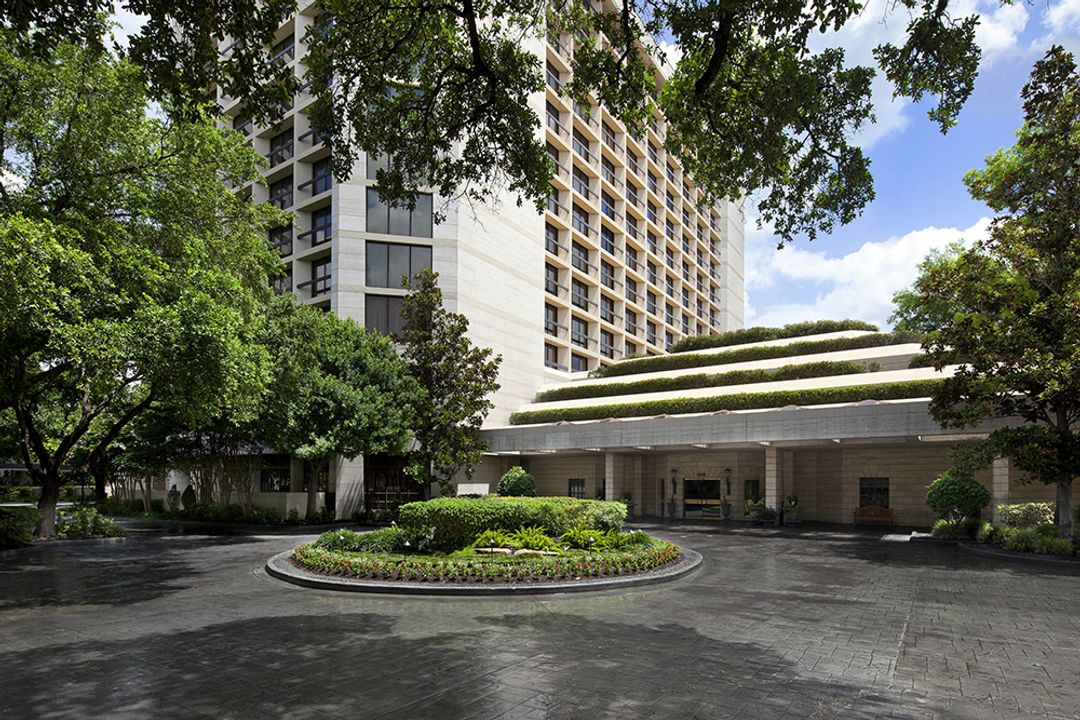
River Oaks, the old-money residential enclave west of Downtown, provides the most unexpected address in the portfolio. The St. Regis Houston, set on the edge of the neighborhood near the River Oaks District shopping corridor, draws its appeal from understatement relative to its Uptown counterpart. It suits the traveler who prefers a hotel that doesn't announce itself at full volume, and who wants proximity to some of Houston's better galleries and restaurants without the commute from Downtown. Across all four properties, the consistent thread is Houston's willingness to spend seriously, even where the architectural vision is uneven. For anyone who reads cities through their buildings, that unevenness is, in its own way, the most honest thing about the place.