Best hotels in Macau | A Curated Visual Guide to Top Stays
Welcome to PressBeyond, the ultimate curated visual guide for design-driven hotels! My name is Will Miller and these are my recommendations for the best boutique and luxury hotels in Macau.
I am the founder of PressBeyond and I am an ultra-meticulous hotel curator who loves clean visuals. I have individually analyzed and tiered each hotel included in this guide based on a variety of criteria (architecture & design, location, brand & brand affiliation, existing reviews, and my own personal experiences), and importantly, I have hand-selected the leading imagery for each hotel to provide you with easily-digestible, yet detailed and complete, like-for-like, high-level visual profiles. I felt this summarization step was a critical missing piece across existing guides, blogs, and booking platforms. My aim is to make it easier for people to identify hotel environments that resonate with them, along with enabling them to visualize the types of social experiences that those environments help foster. My brain doesn't work when exposed to cluttered content, so my goal was to create the opposite.
Underneath this, we are also a full booking engine offering 5% Venmo cash back along with other exclusive perks. For all of you design-obsessed hotel enthusiasts out there, I hope this guide helps get you to where you see yourself!
An Overview of the Boutique & Luxury Hotel Landscape in Macau
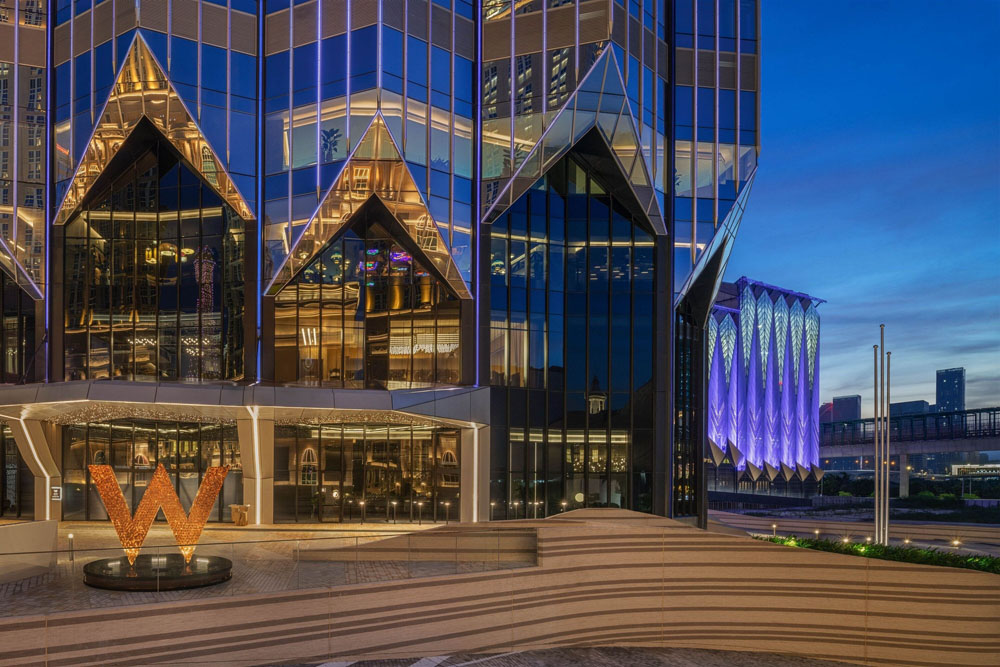
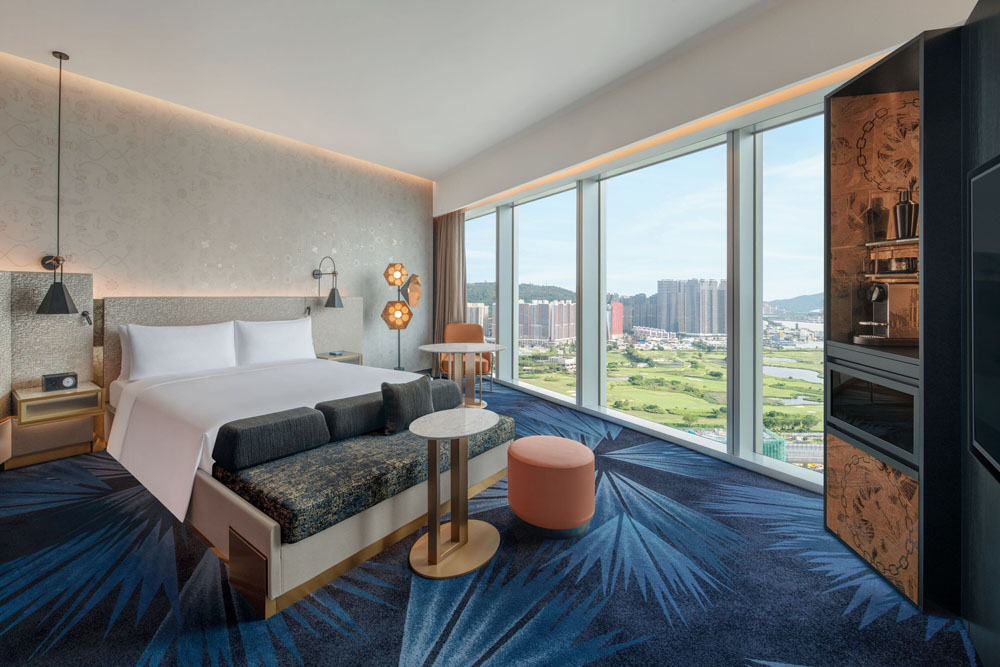
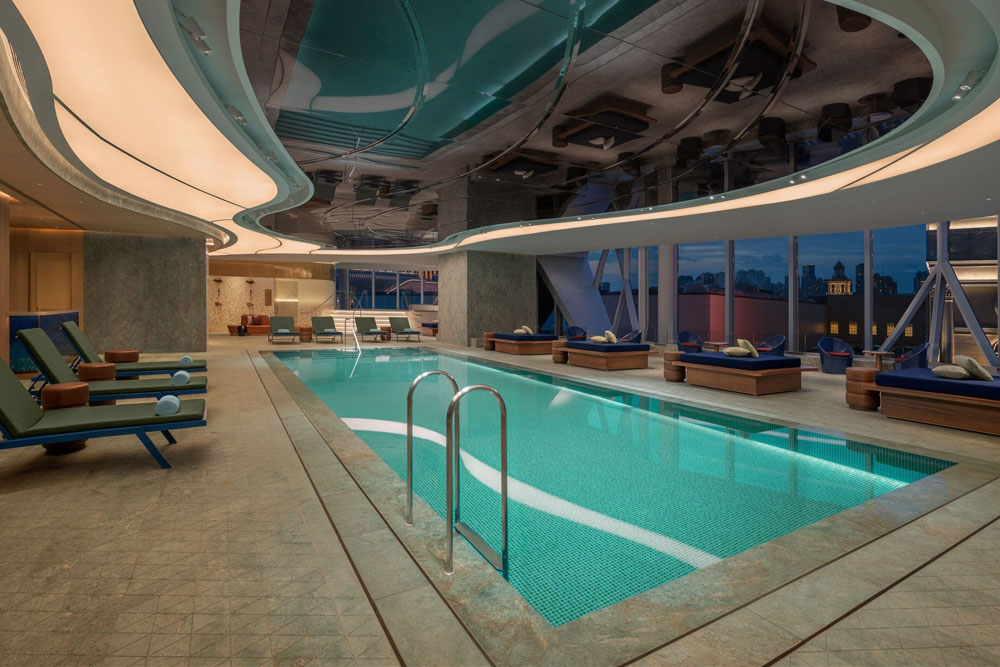
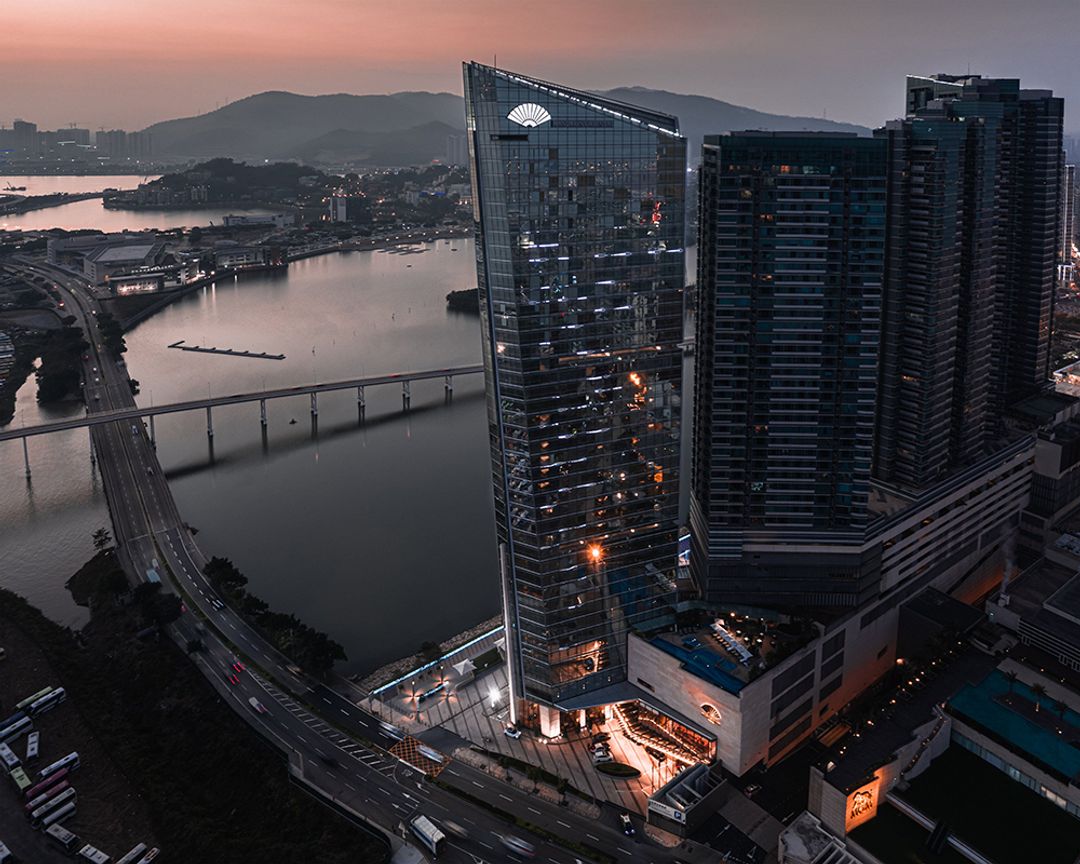
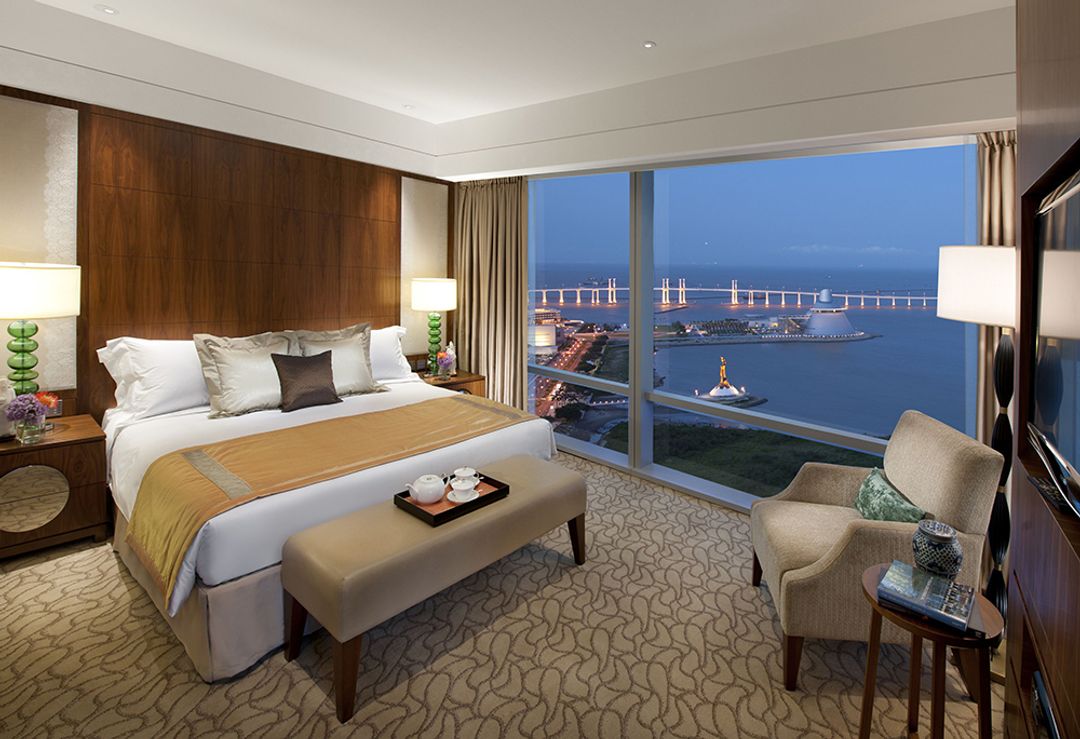
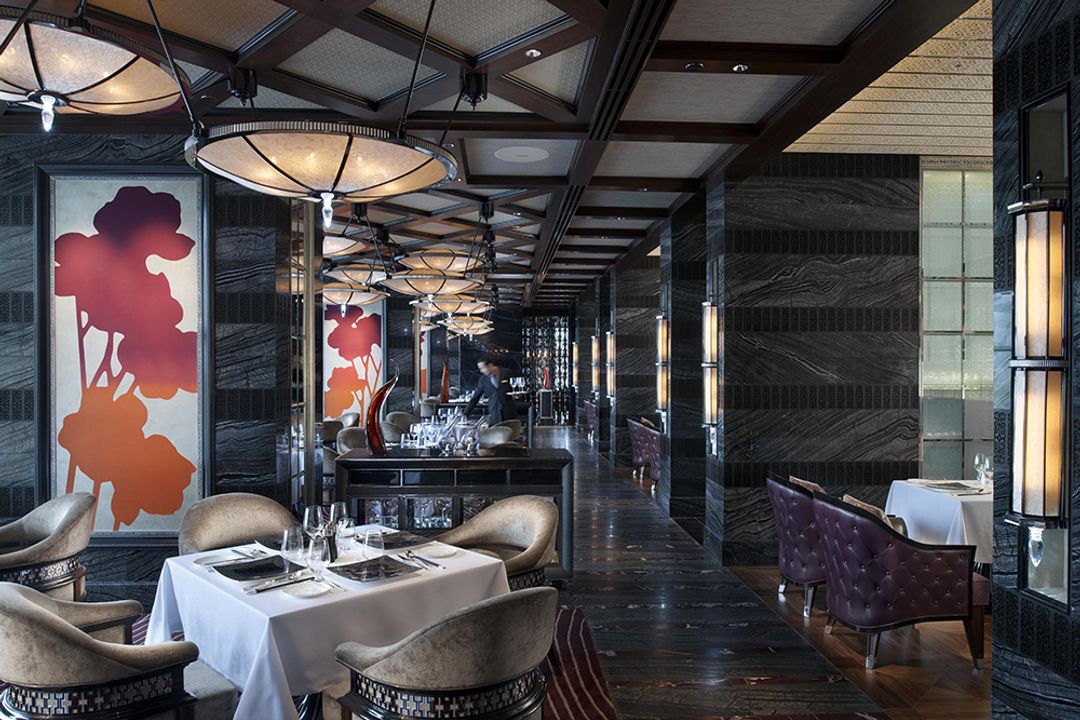
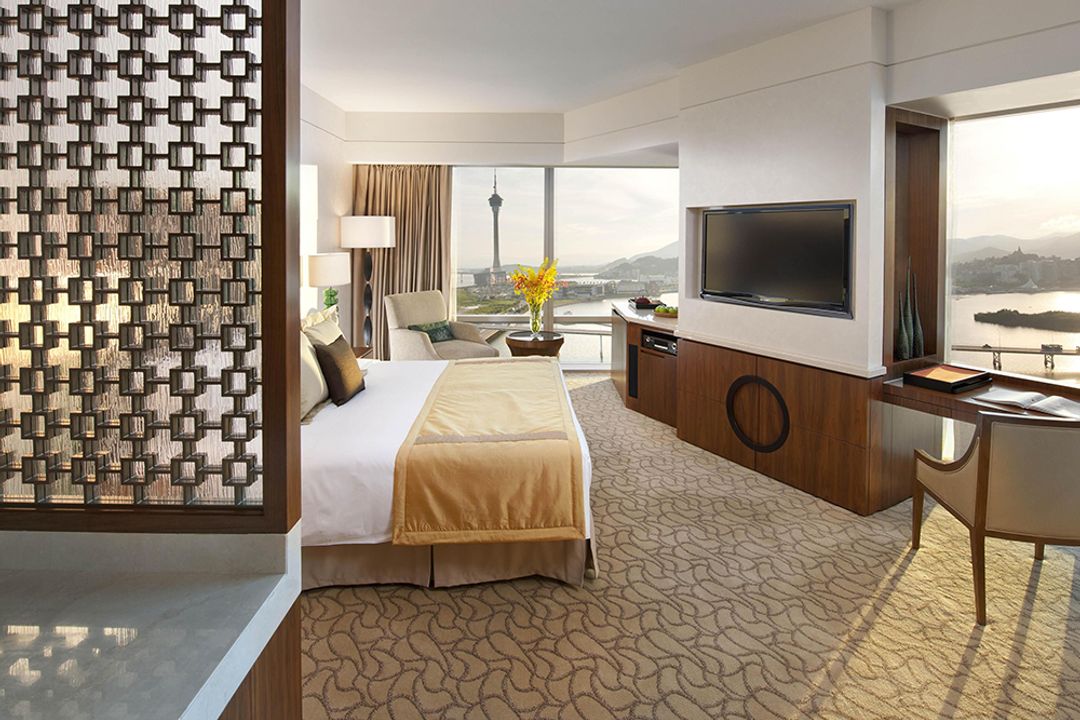
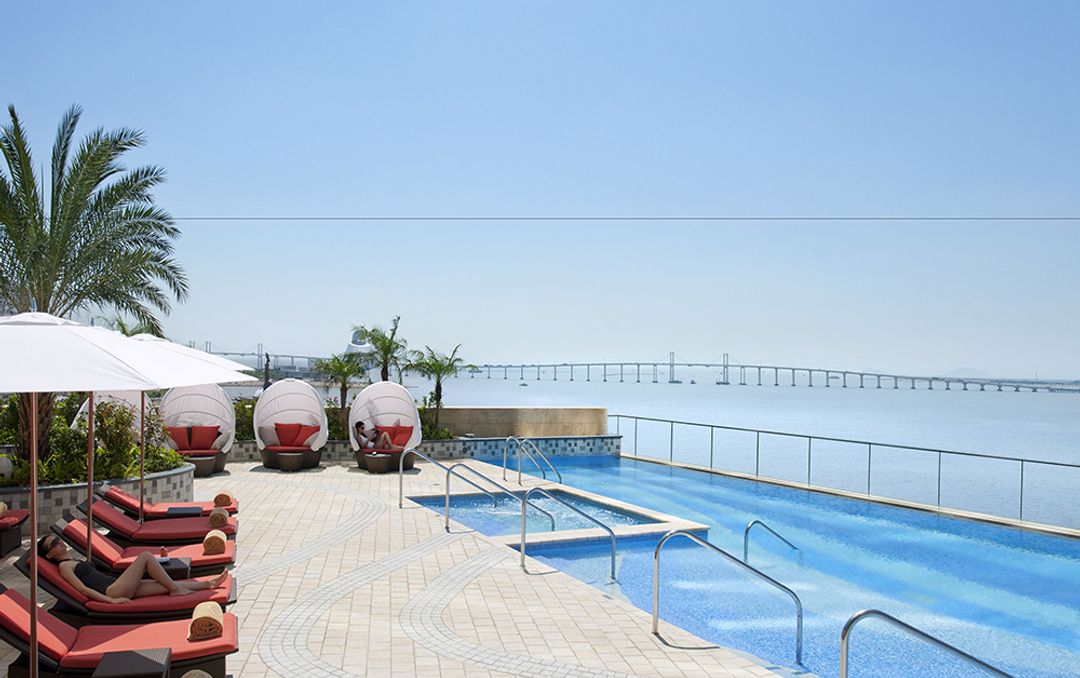
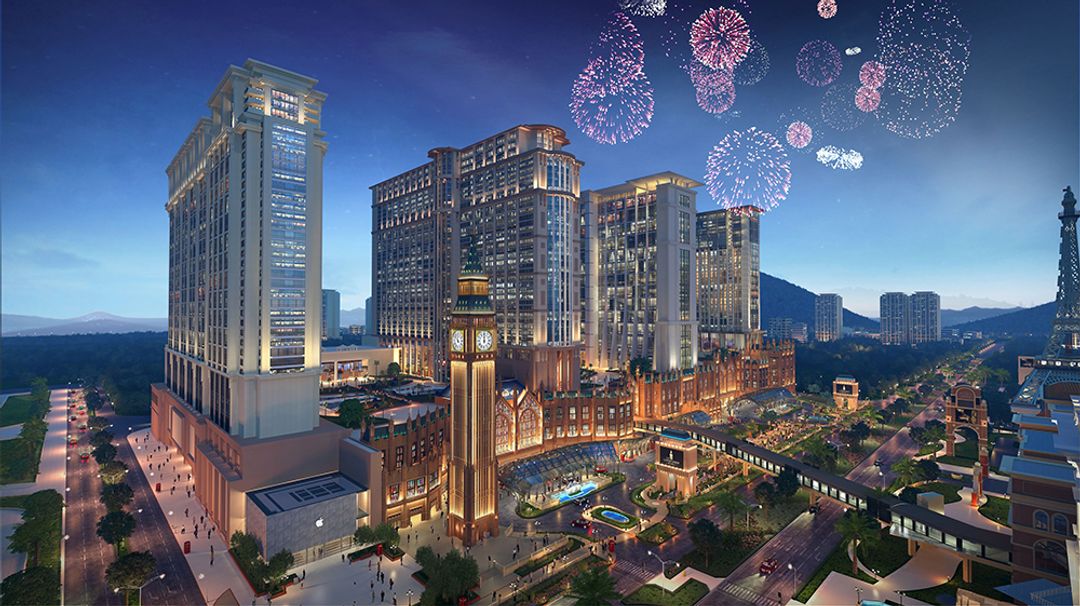
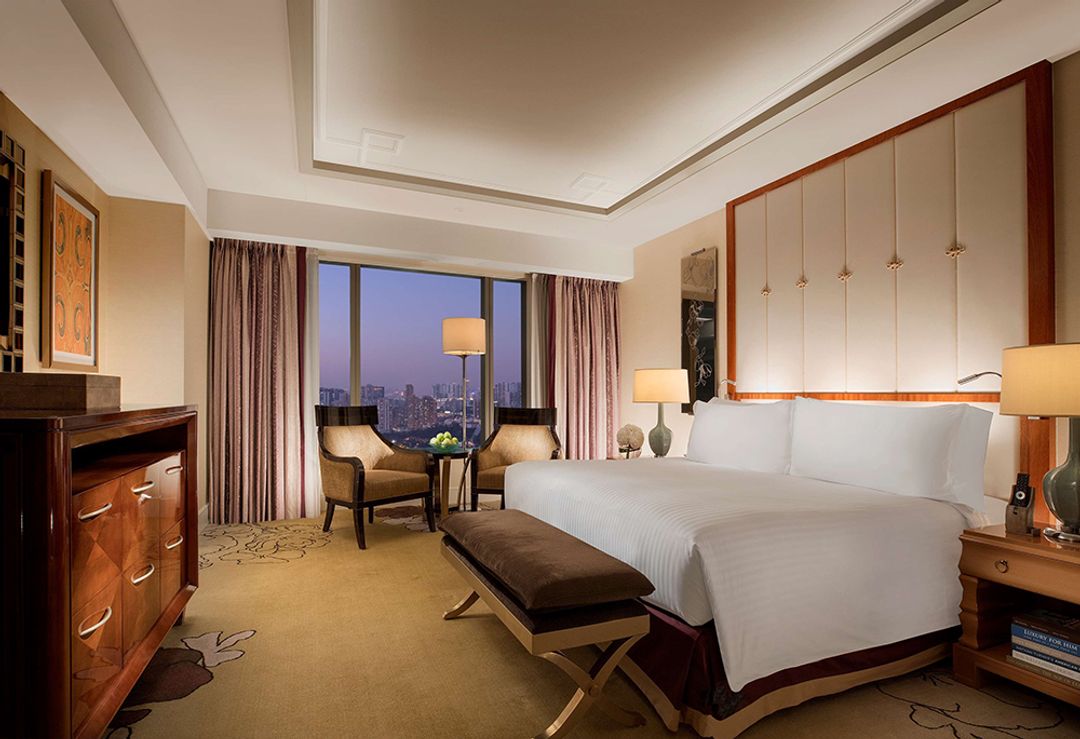
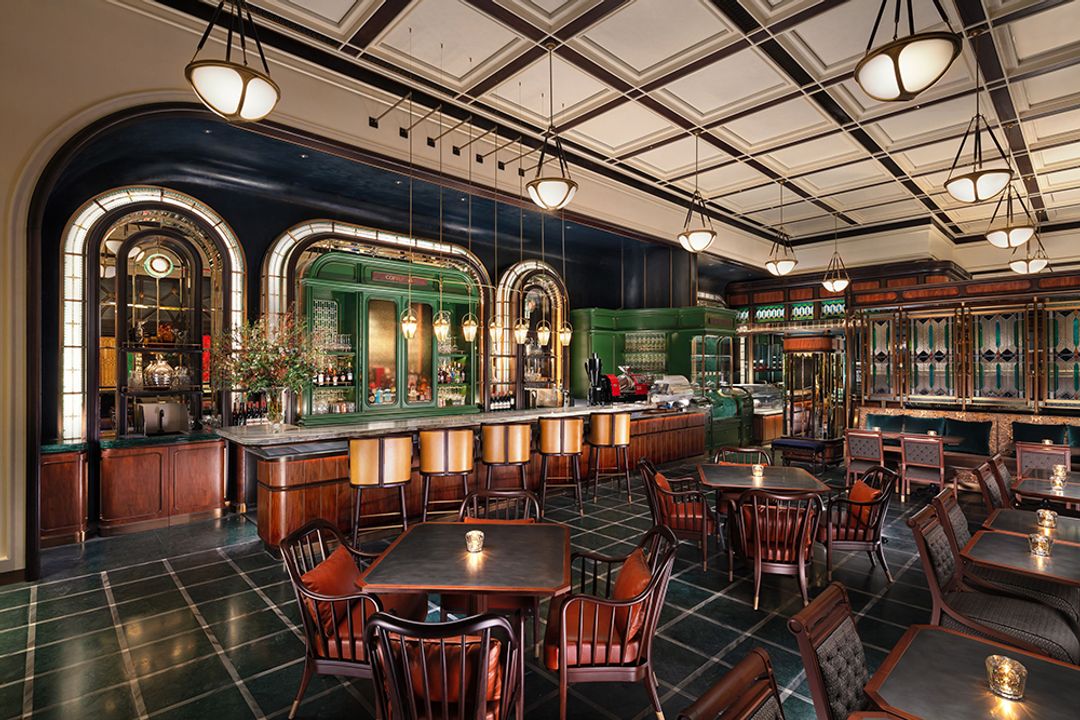
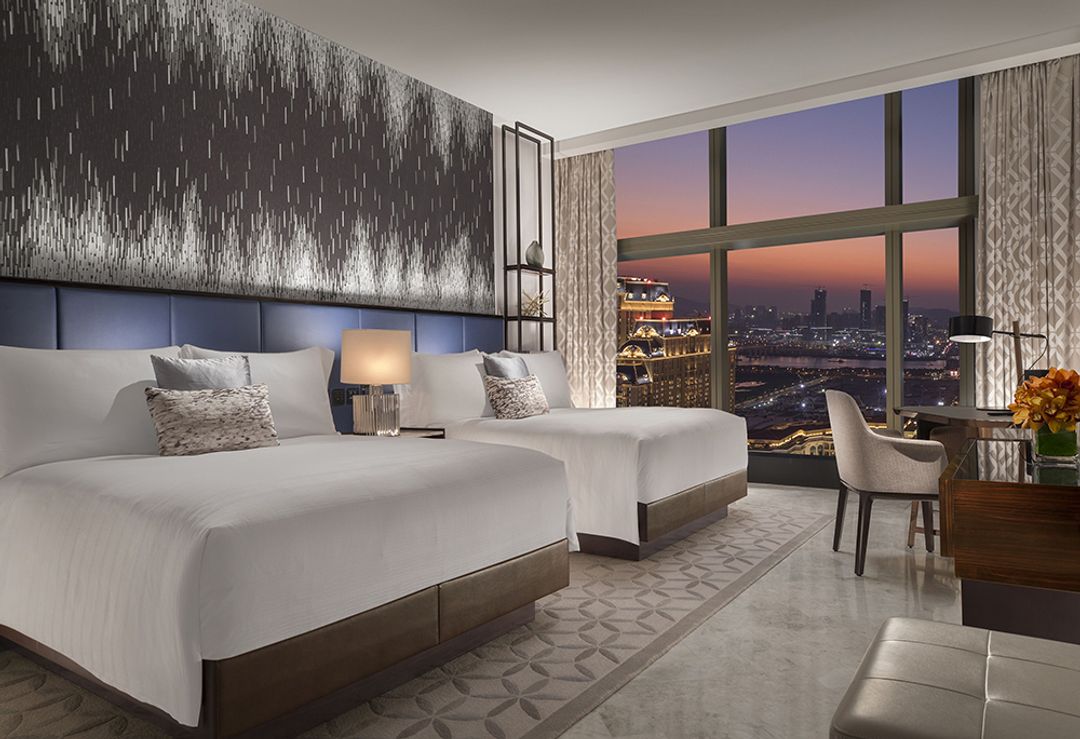
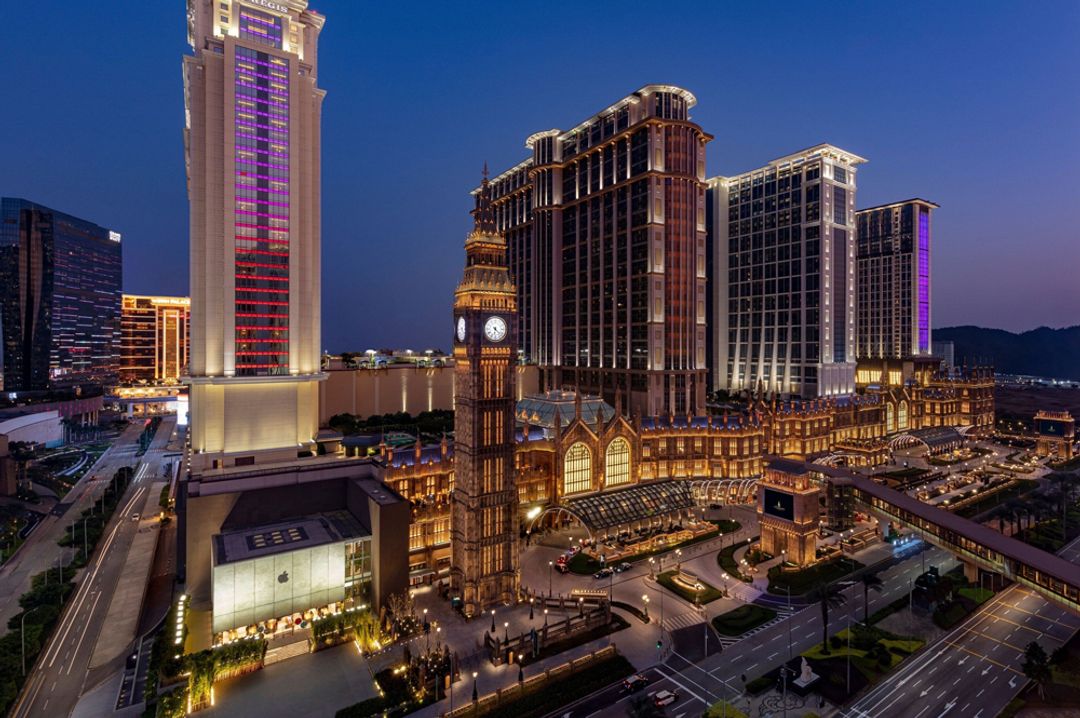
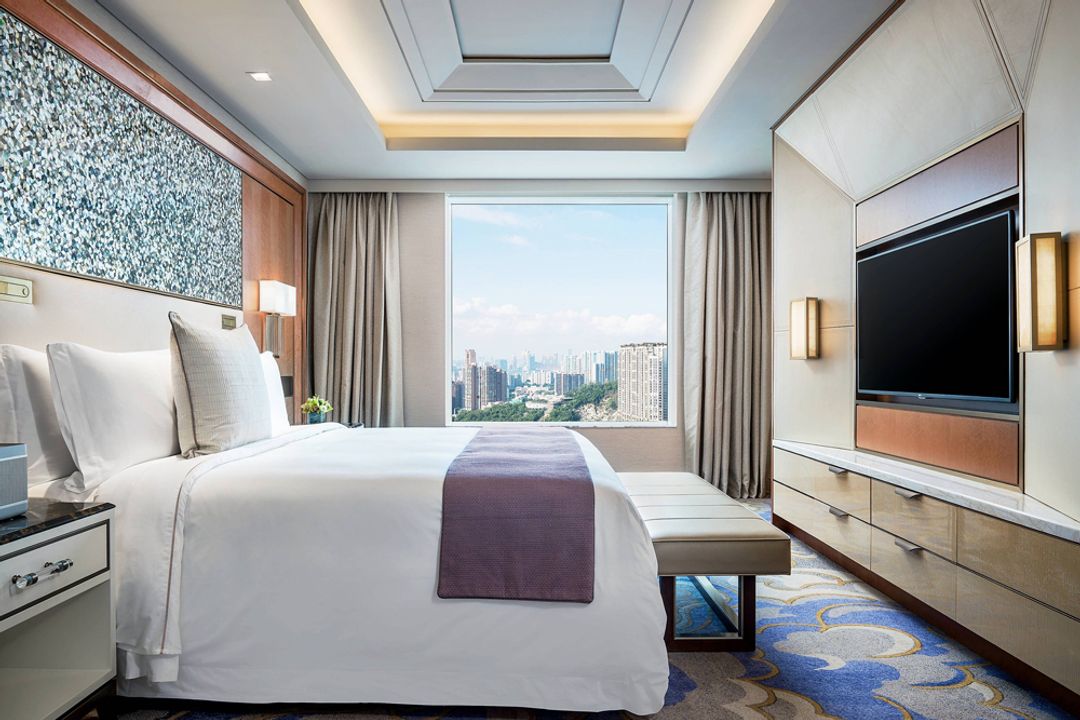
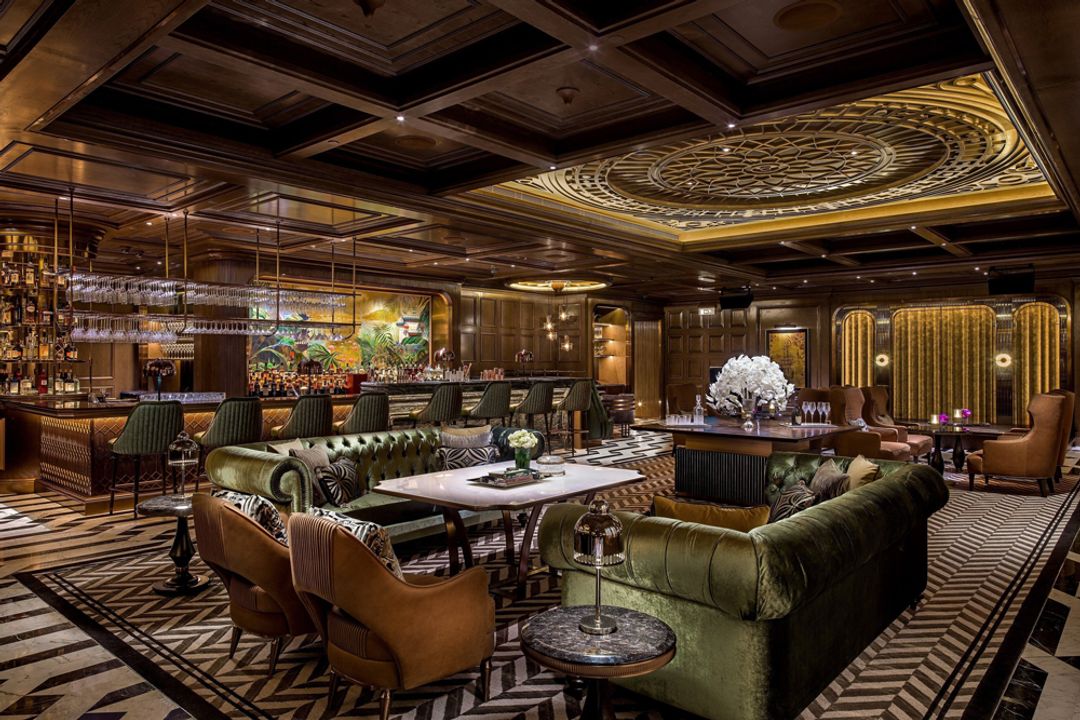
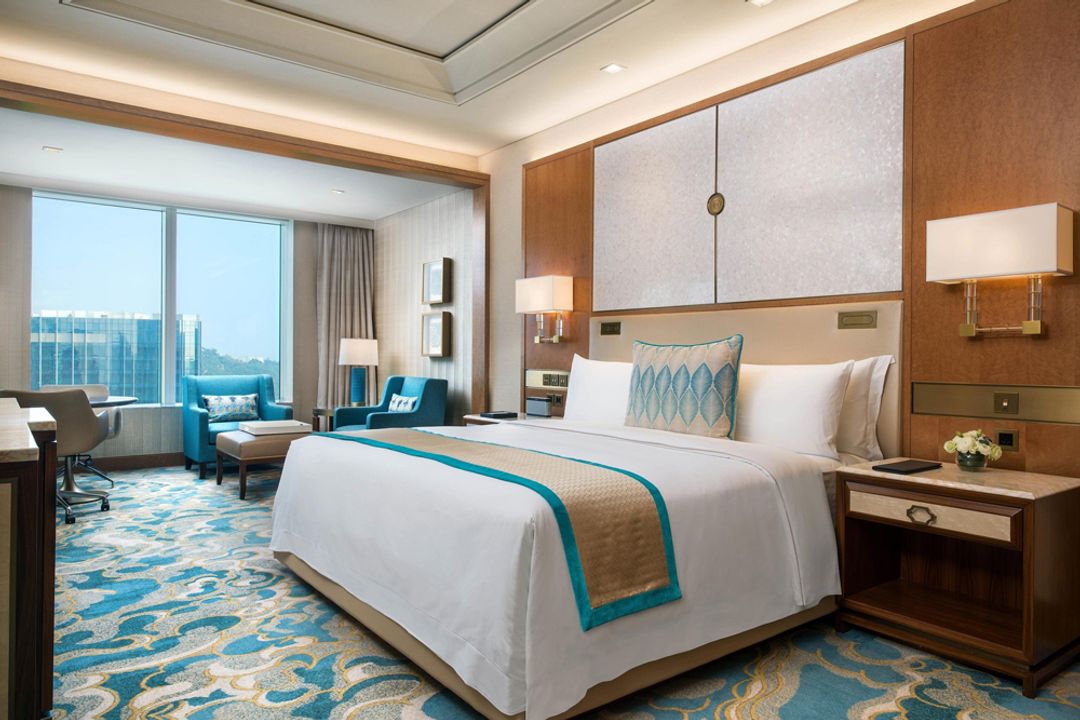
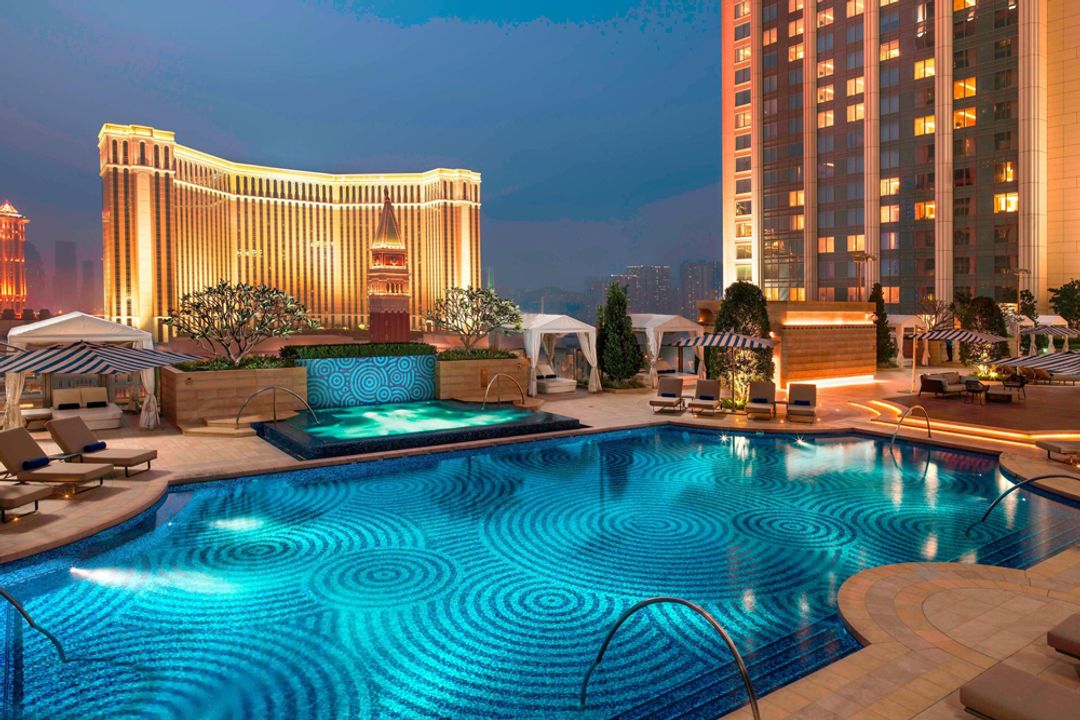
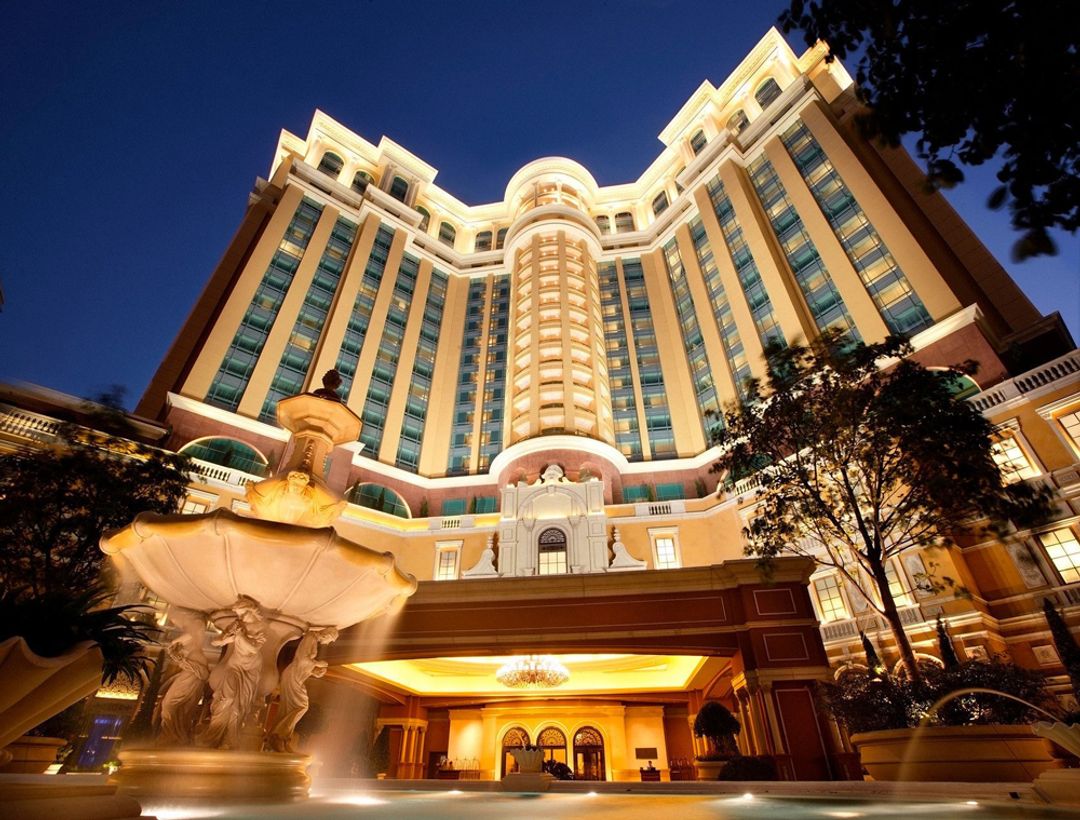
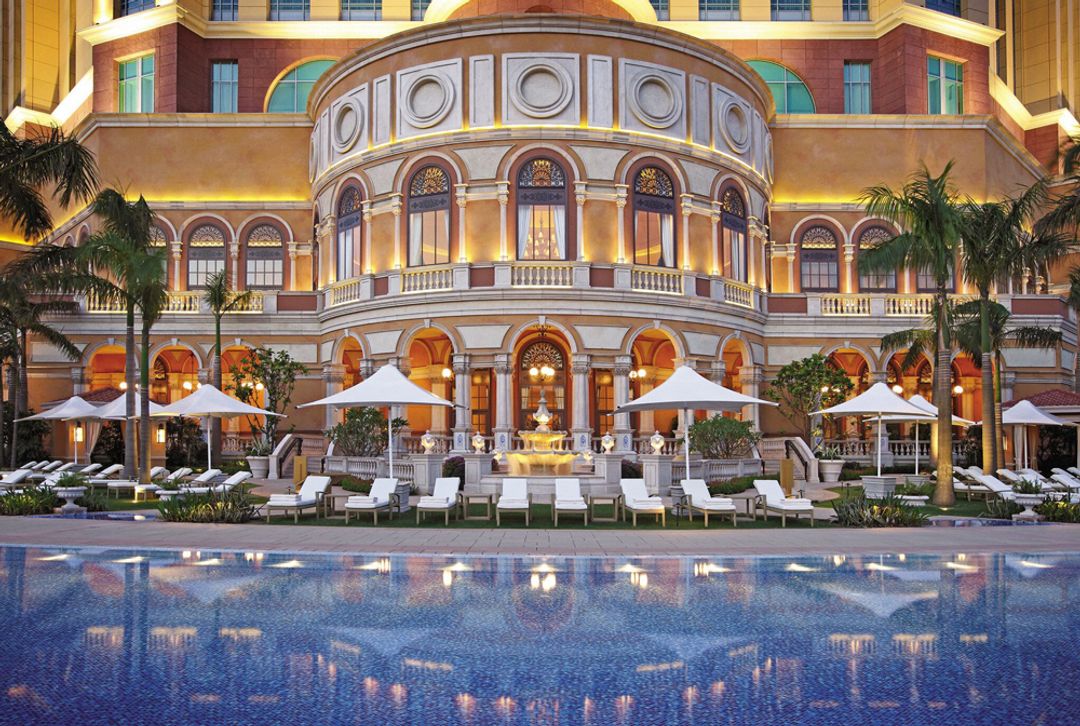
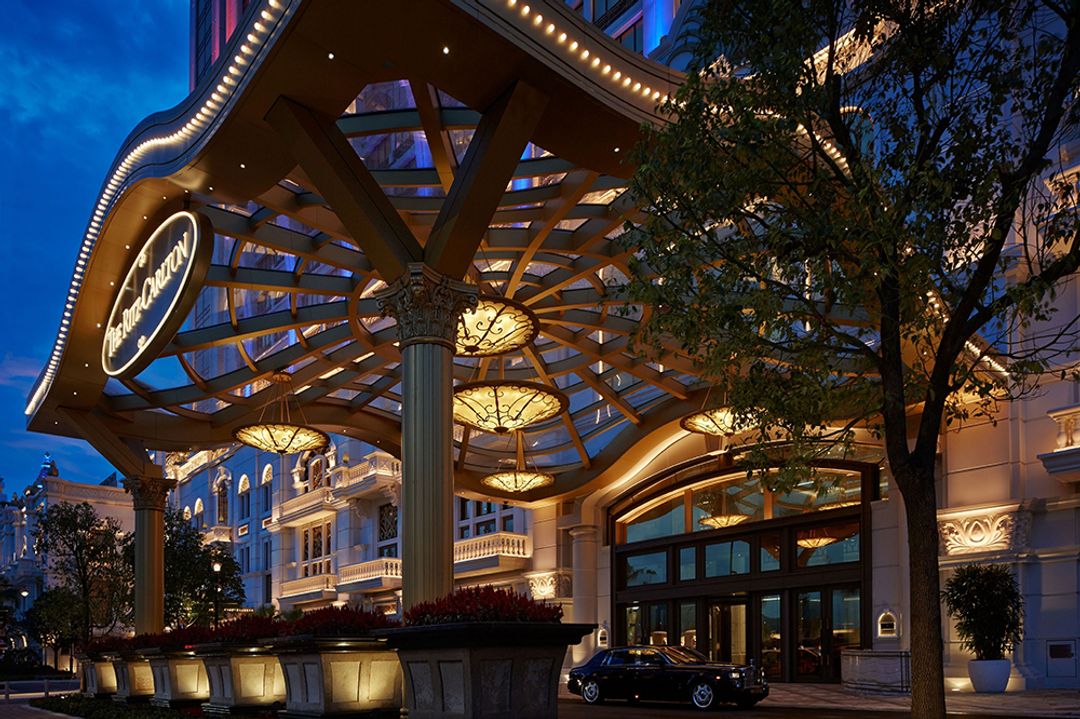
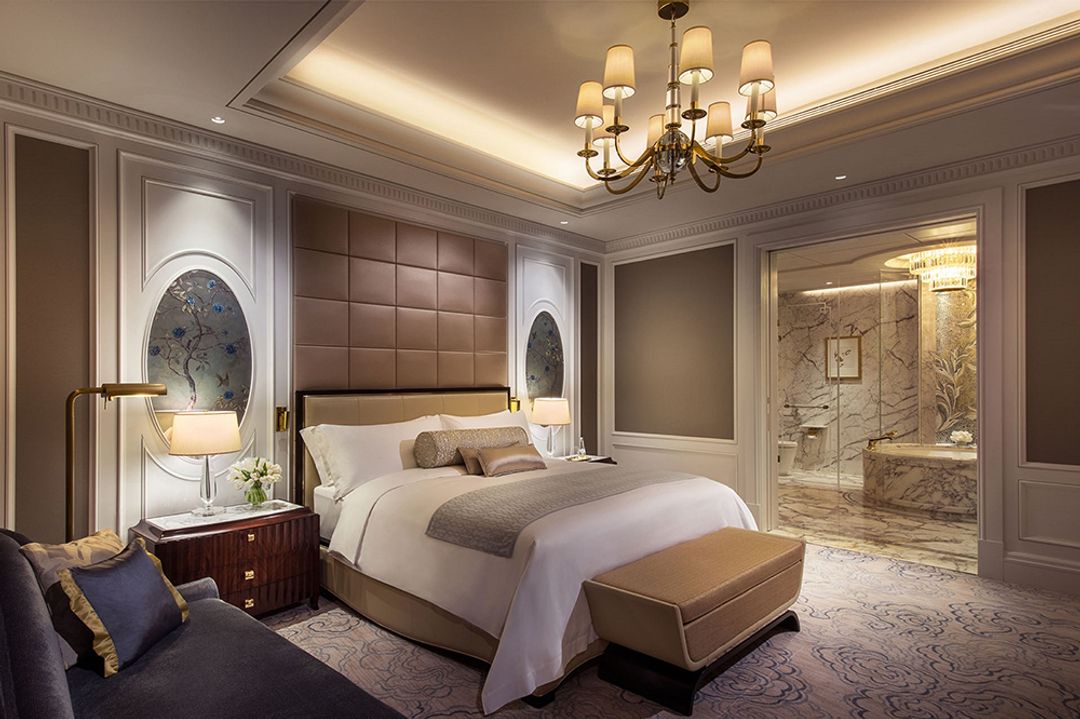
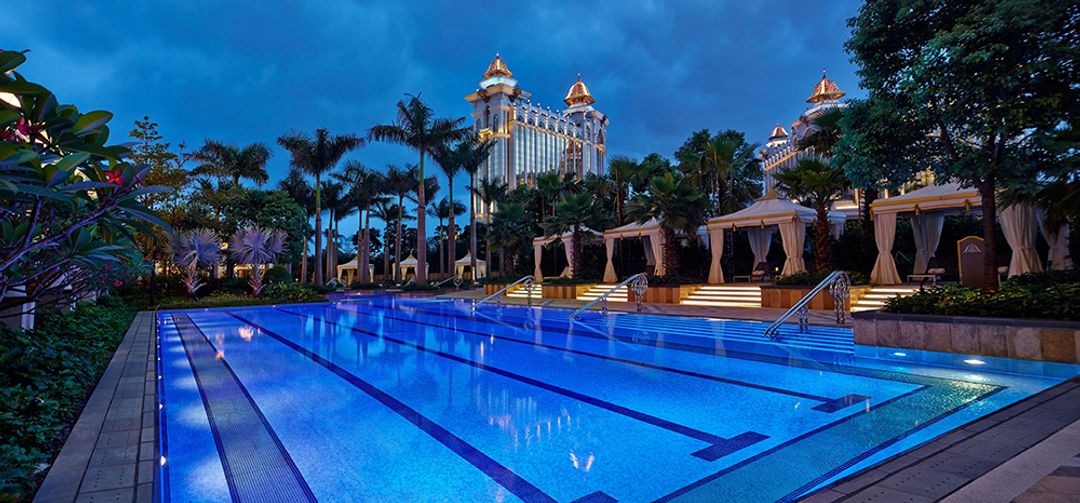
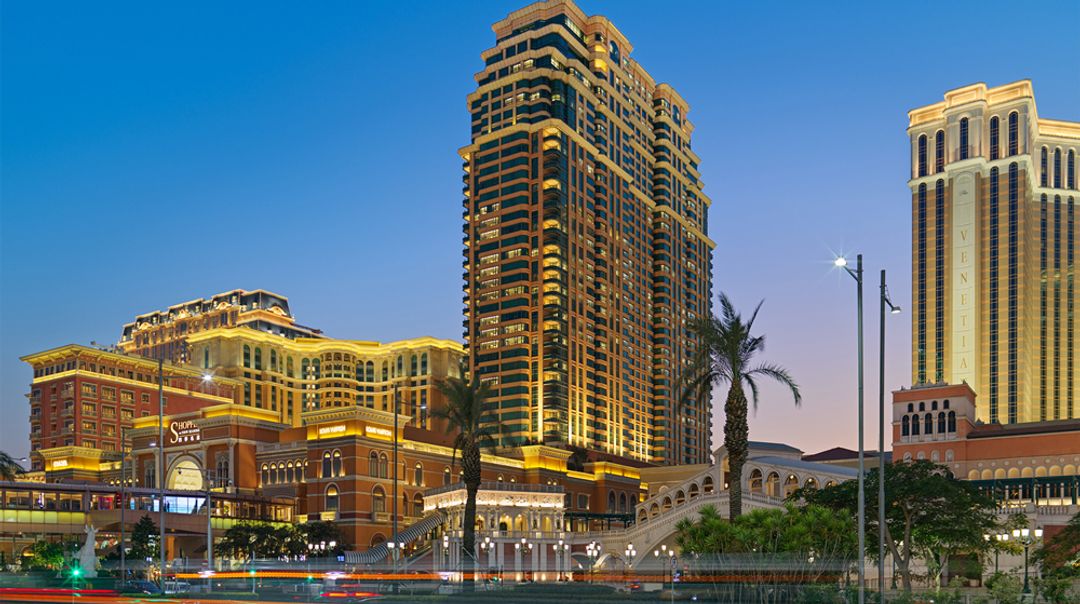
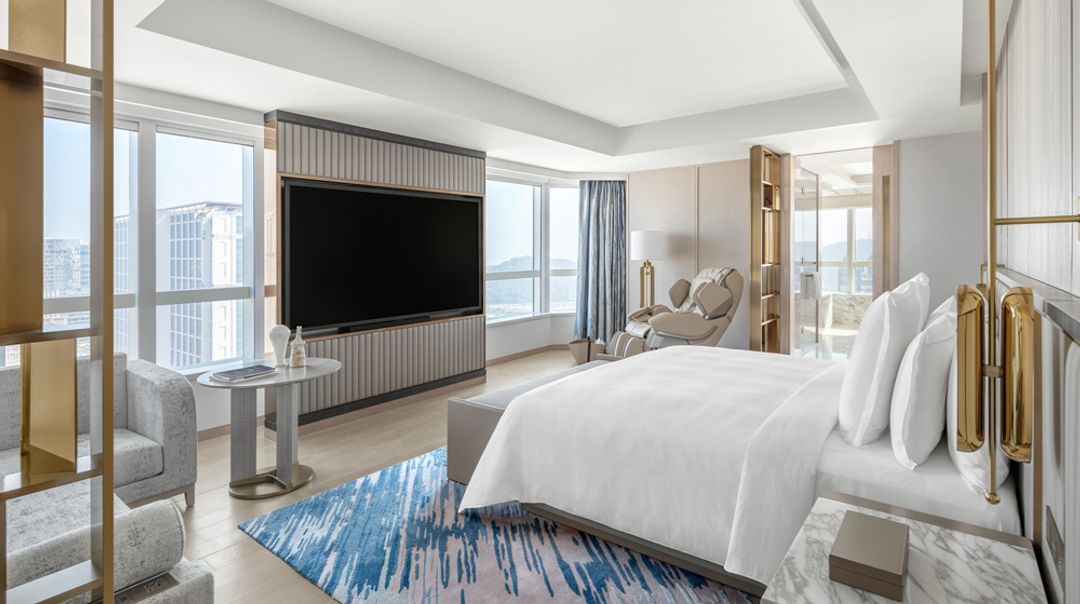
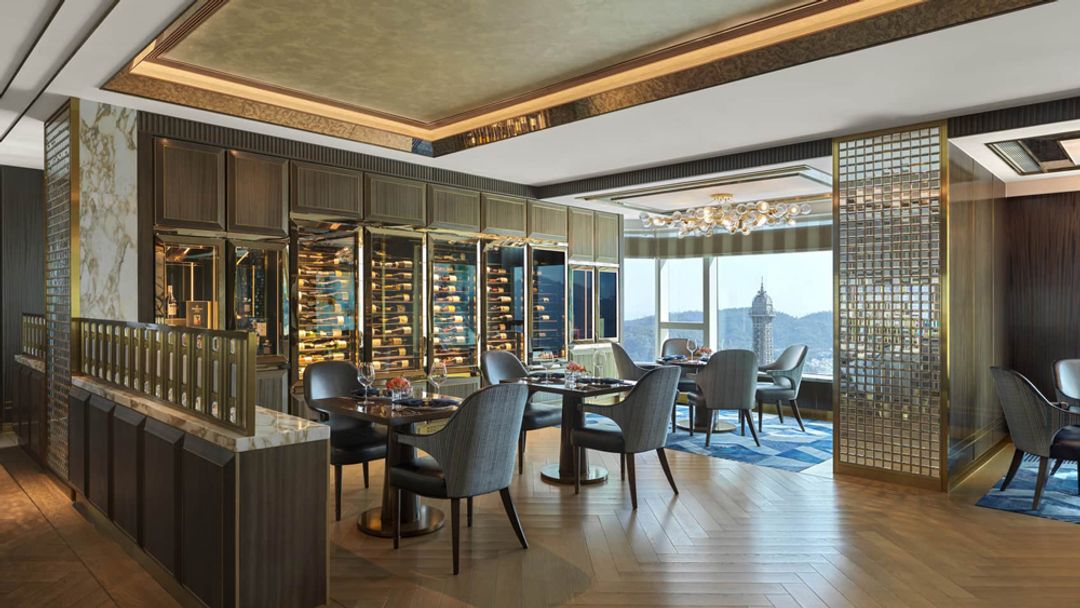
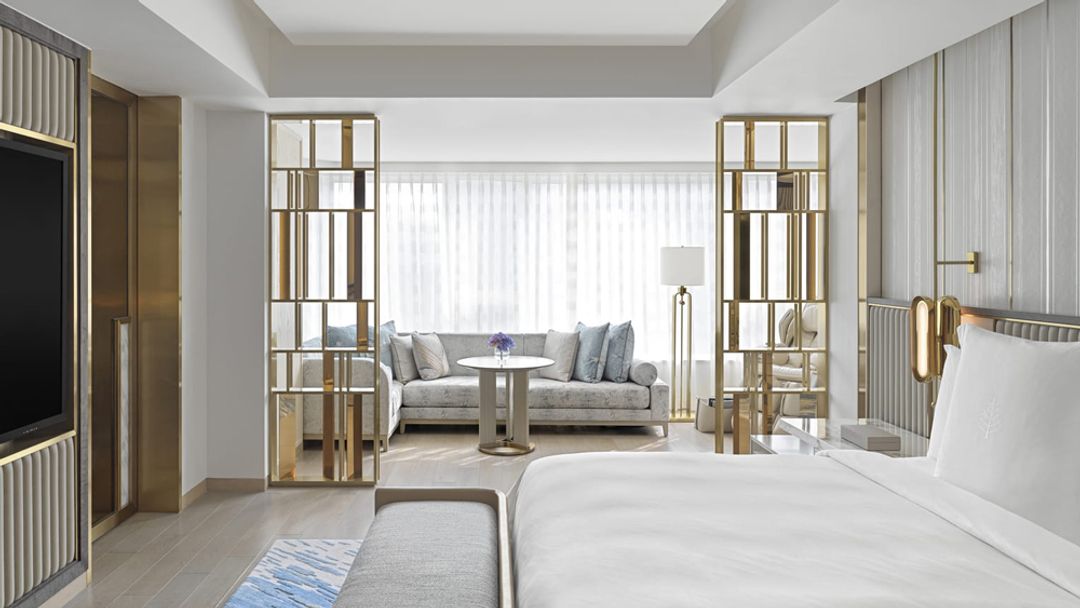
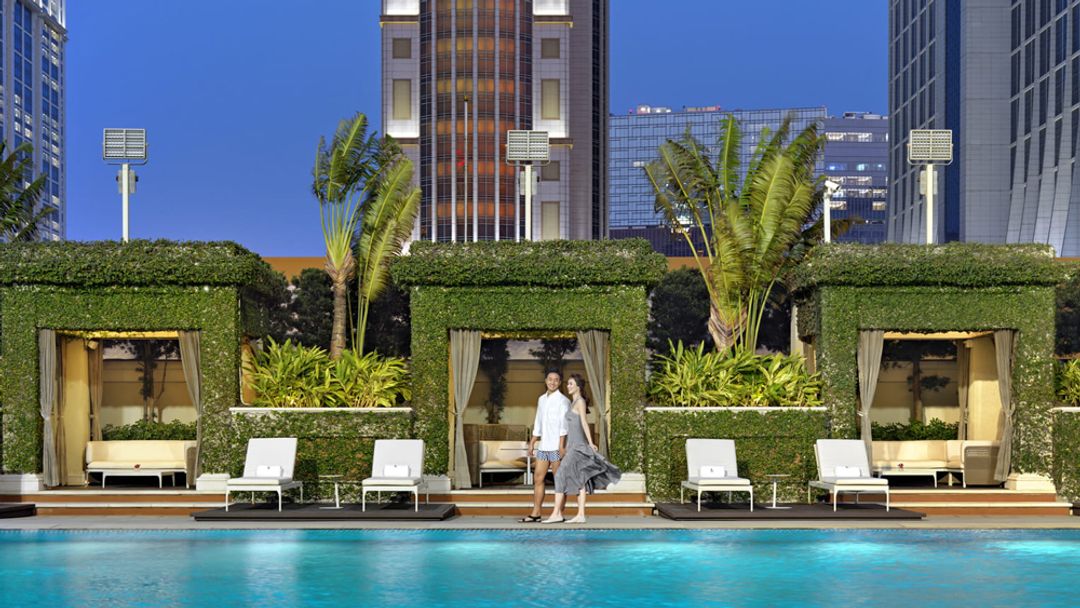
The Portuguese colonial facades of the Macau Peninsula and the casino megastructures of Cotai are not just different neighborhoods — they represent different theories about what a city can be. The Mandarin Oriental Macau sits on the peninsula side of this argument, occupying a low-profile tower along the waterfront with interiors that exercise genuine restraint against a backdrop where restraint is the exception. At around $285 a night, it reads as the more considered choice for travelers who want proximity to the Baroque streetscapes of the historic core, the São Domingos church, the layered plasterwork of the Largo do Senado — details that Cotai, built on reclaimed land from scratch, simply cannot offer. Cotai is its own proposition entirely. The strip was reclaimed from the sea between Taipa and Coloane, and what rose on it was less a neighborhood than a controlled experiment in hospitality at casino scale. The Four Seasons Hotel Macao anchors one end of that experiment with a more tempered architectural language than its neighbors, connected to the Venetian and Plaza Casino complex but maintaining enough spatial separation to feel coherent on its own terms. The Conrad Macao and the St. Regis occupy the Cotai Central development — now rebranded as the Londoner — where the interior design ambitions are higher than the exteriors might suggest, the St. Regis in particular delivering the brand's characteristic formality with dark lacquered surfaces and the full silver service ritual. At the apex of the Cotai offer sits the Ritz-Carlton Macau, positioned in the Galaxy Macau complex and aimed squarely at the ceiling of the market, with nightly rates reflecting that positioning. For those who want to go further still, the Grand Suites at the Four Seasons operate as a semi-independent address within the same complex — essentially a private residence club grafted onto the hotel, with rates that place it in a different conversation altogether. The W Macau at Studio City offers the most architecturally interesting context on the strip — Robert A.M. Stern designed the Studio City complex with a cinematic art deco vocabulary, and the two golden towers connected by a figure-eight Ferris wheel give it a visual identity that no other Cotai property can claim. The W itself delivers the brand's familiar high-contrast interiors at a rate that undercuts almost every neighbor on the strip, making it the most straightforward recommendation for design-conscious travelers who want Cotai's energy without its most extravagant price tags.