Best hotels in Stockholm | Visually Compare Top Stays Side-by-Side
Welcome to PressBeyond - a curated visual guide to design-driven hotels and the fastest way to compare them.
An Overview of the Boutique & Luxury Hotel Landscape in Stockholm
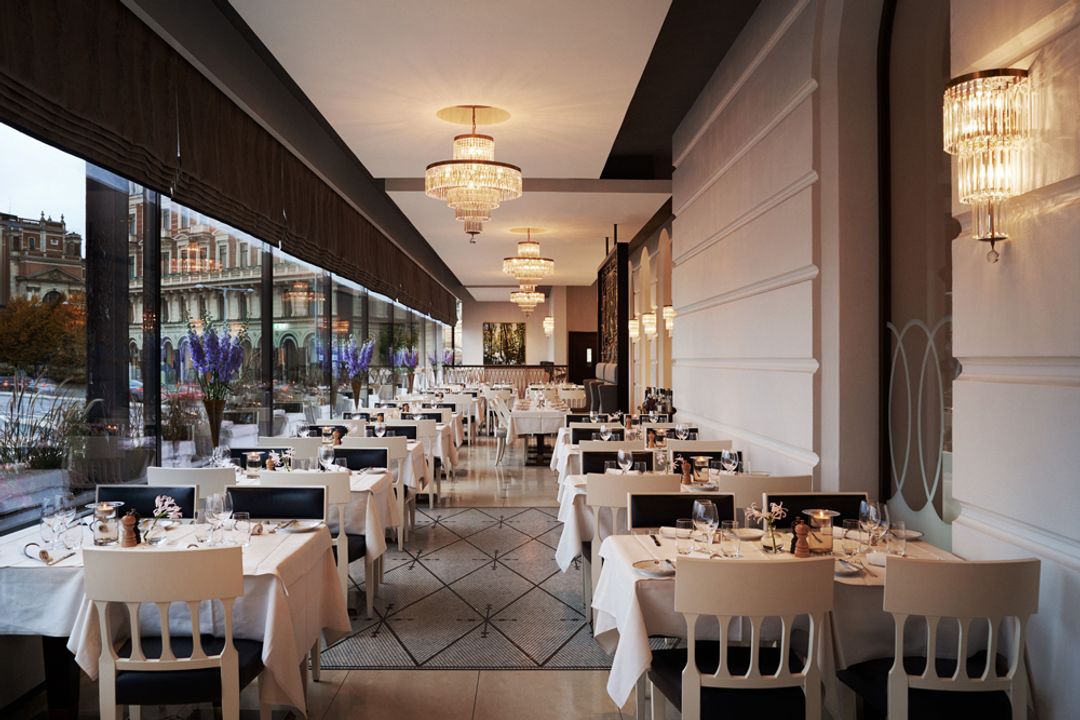
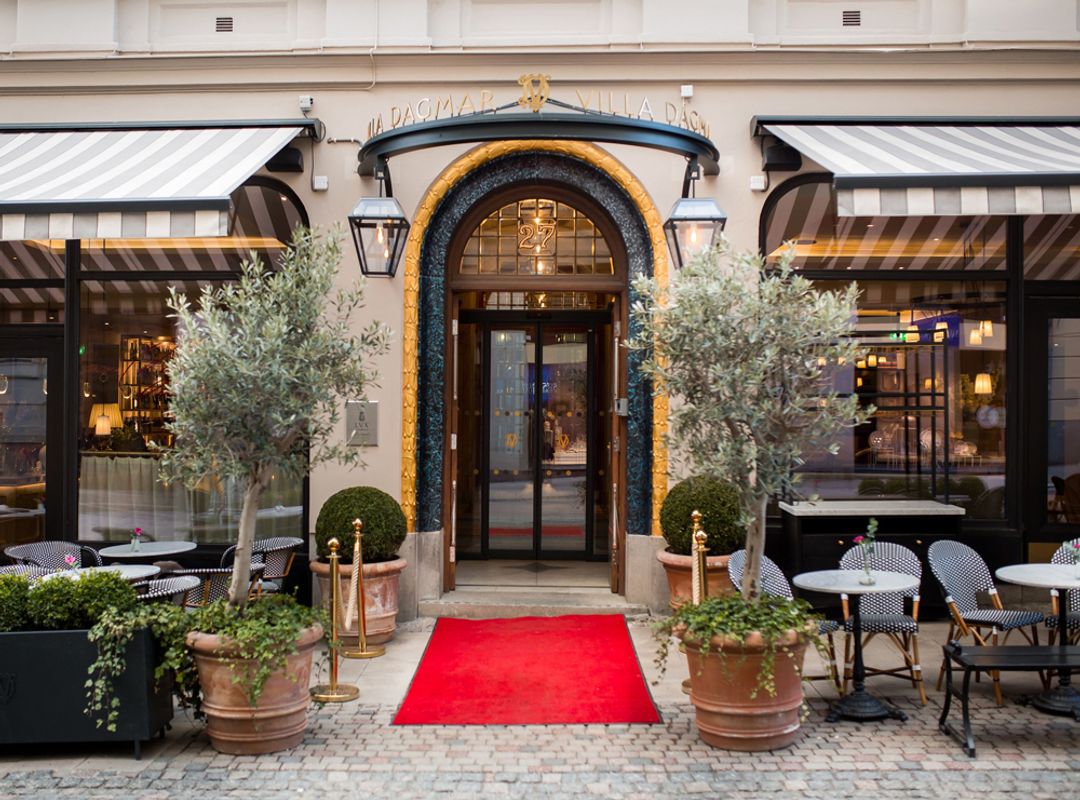
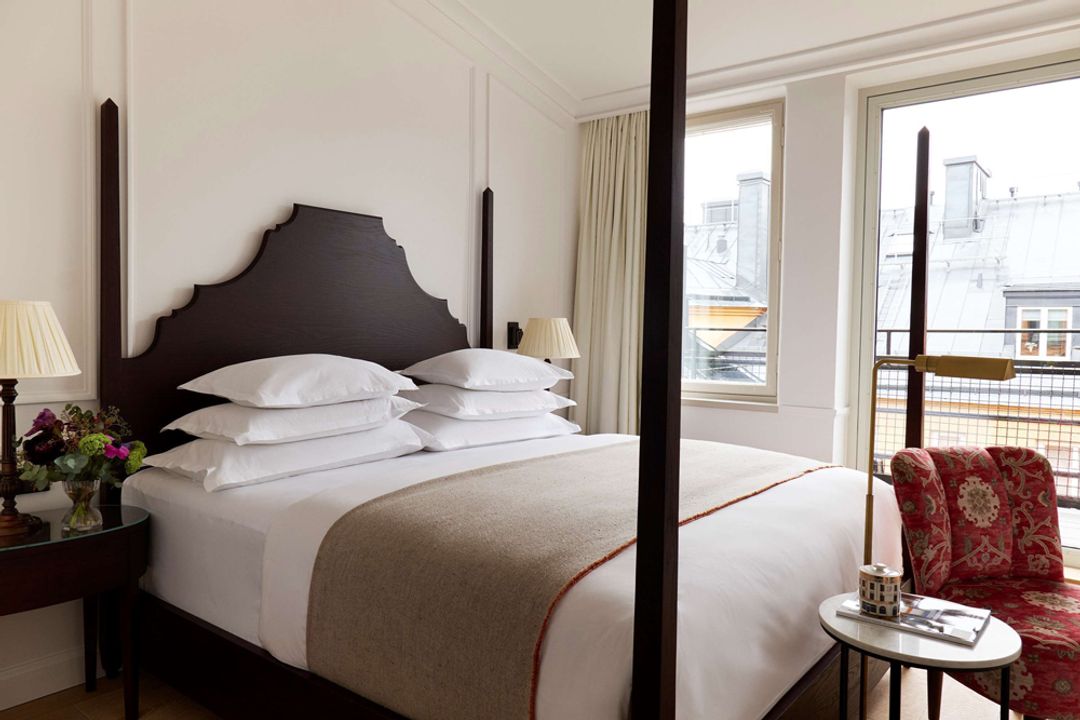
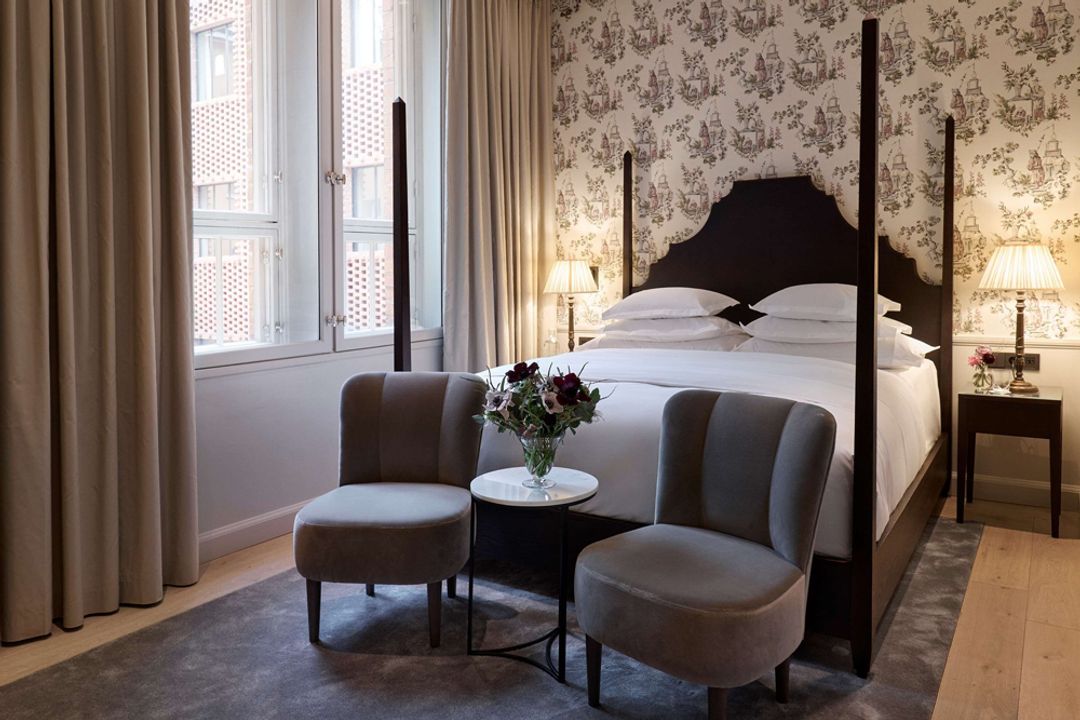
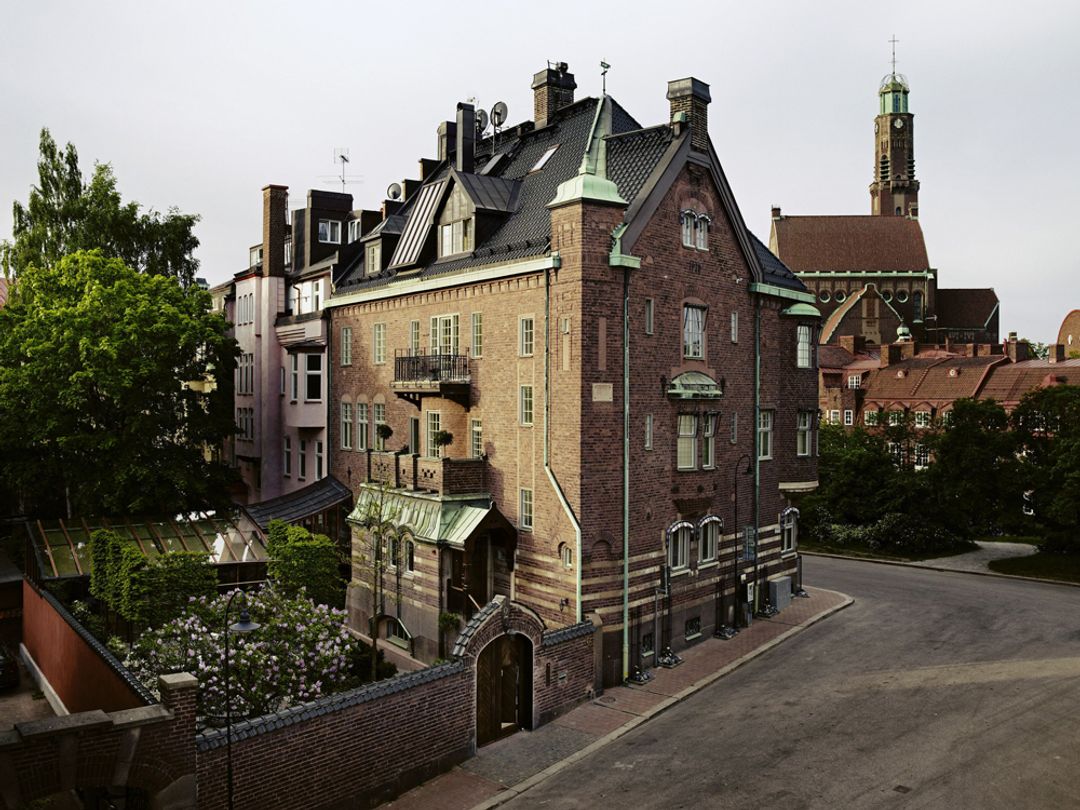
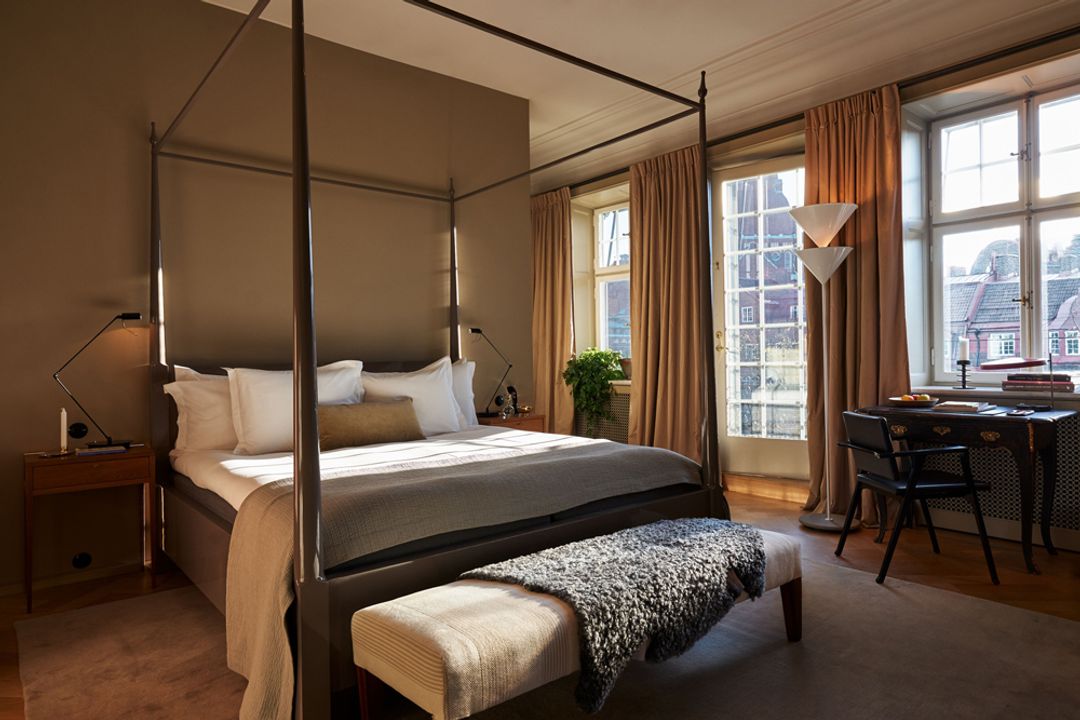
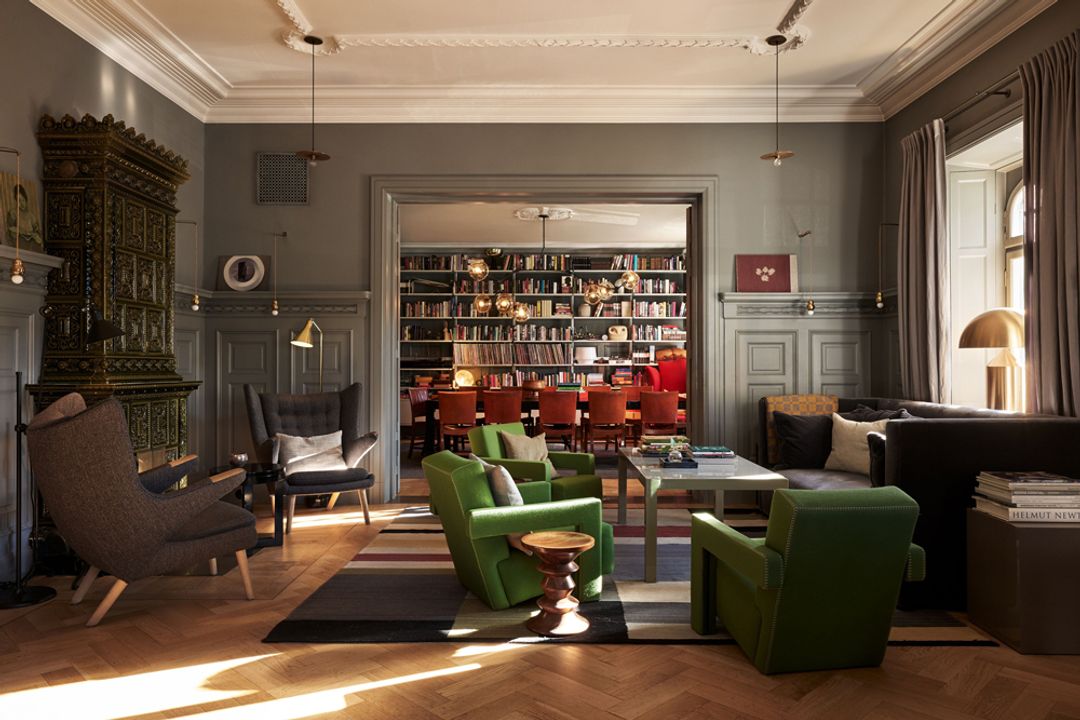
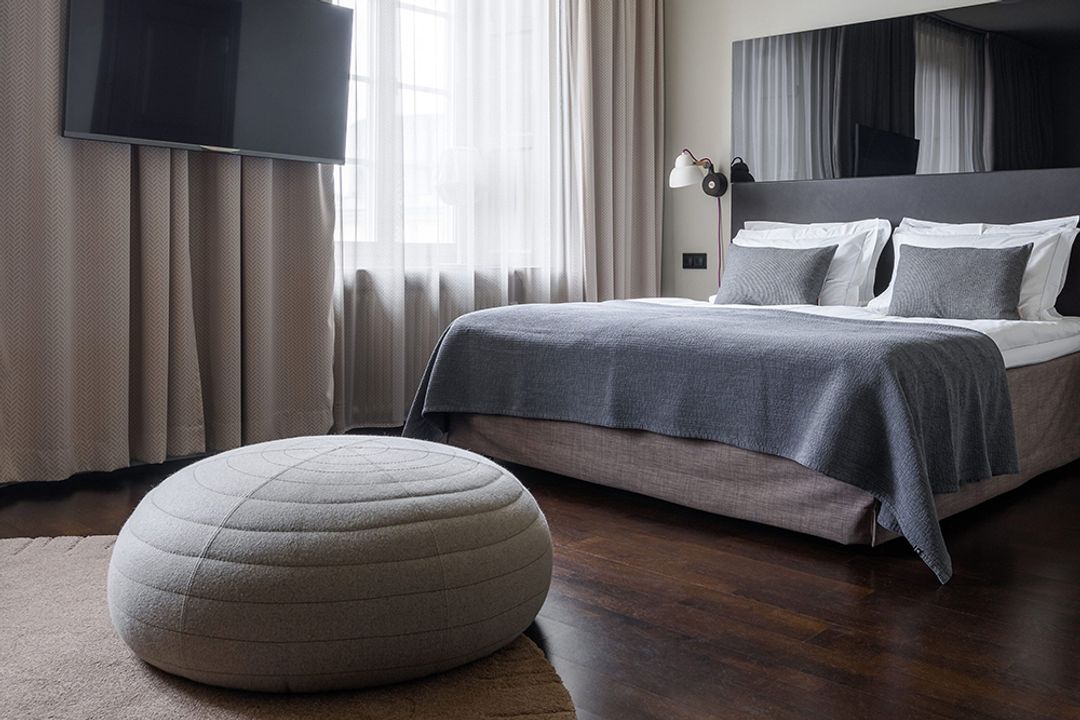
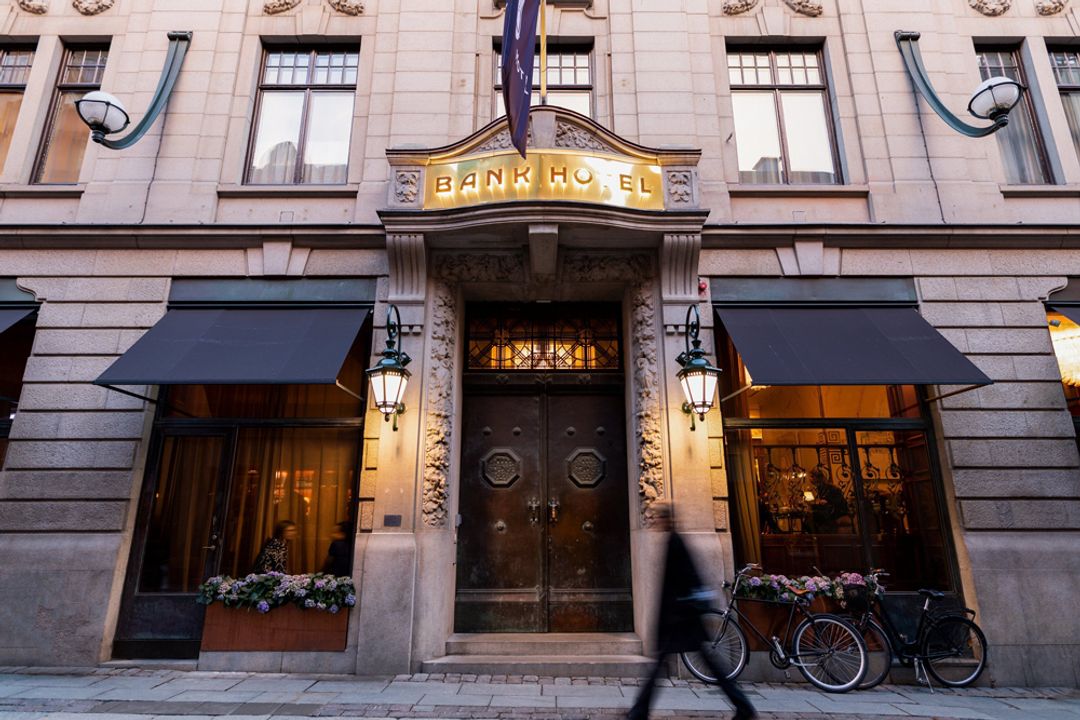
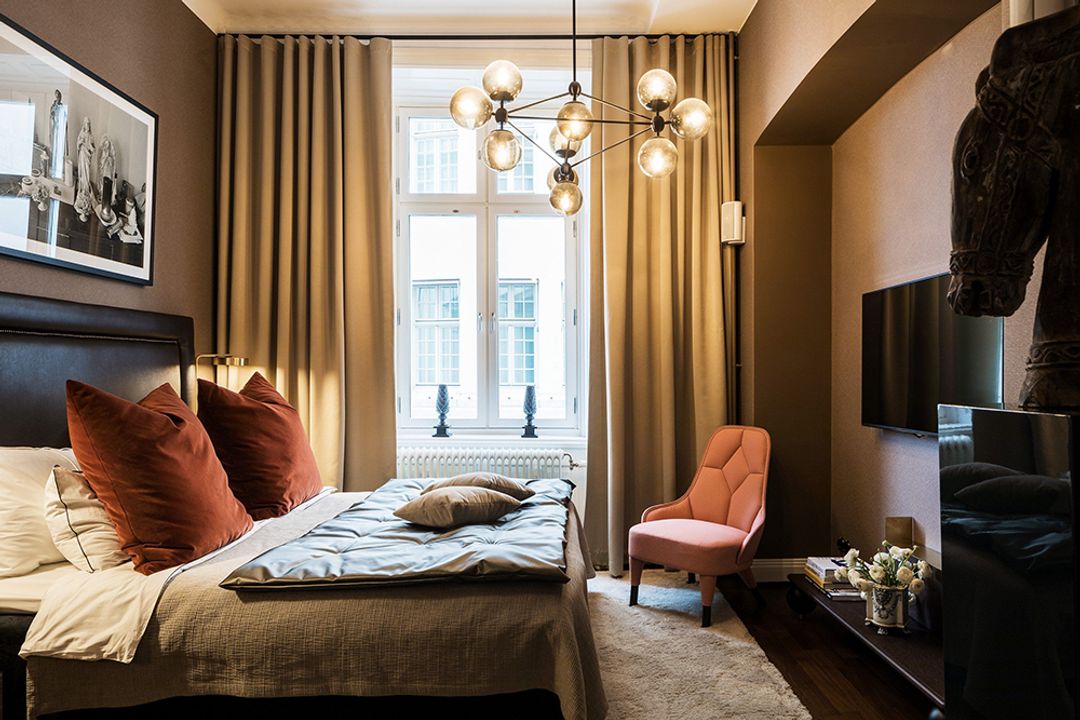
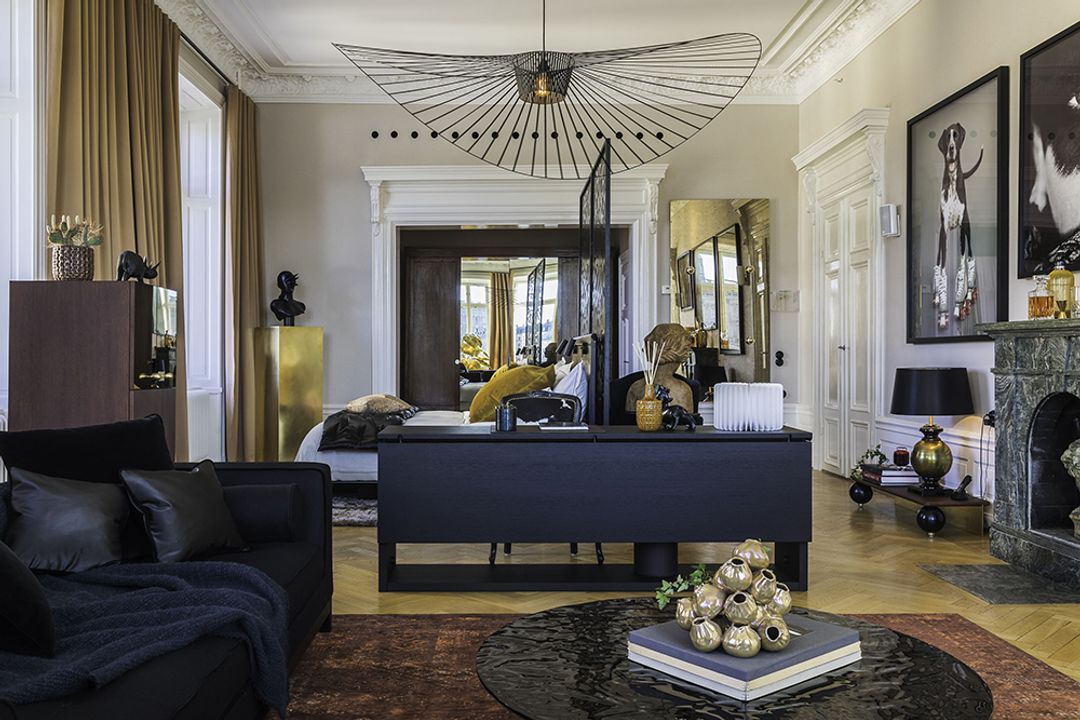
Stockholm's relationship with domestic interiors has always been more serious than its relationship with grand architectural gestures, which is why the city's most compelling hotels tend to be intimate rather than monumental. Ett Hem in Östermalm makes this argument most forcefully — Ilse Crawford's 2012 conversion of a 1910 Arts and Crafts townhouse functions less like a hotel than a private residence that happens to have twelve rooms, all worn-in leather, open fireplaces, and ceramics on kitchen shelves. A few streets away, Villa Dagmar occupies a late nineteenth-century building with a similarly residential sensibility, and the Nobis Group's Bank Hotel brings a considered, quieter register to the same neighborhood — Östermalm being, more broadly, the part of the city where old money and Scandinavian restraint converge into something that feels genuinely unhurried.
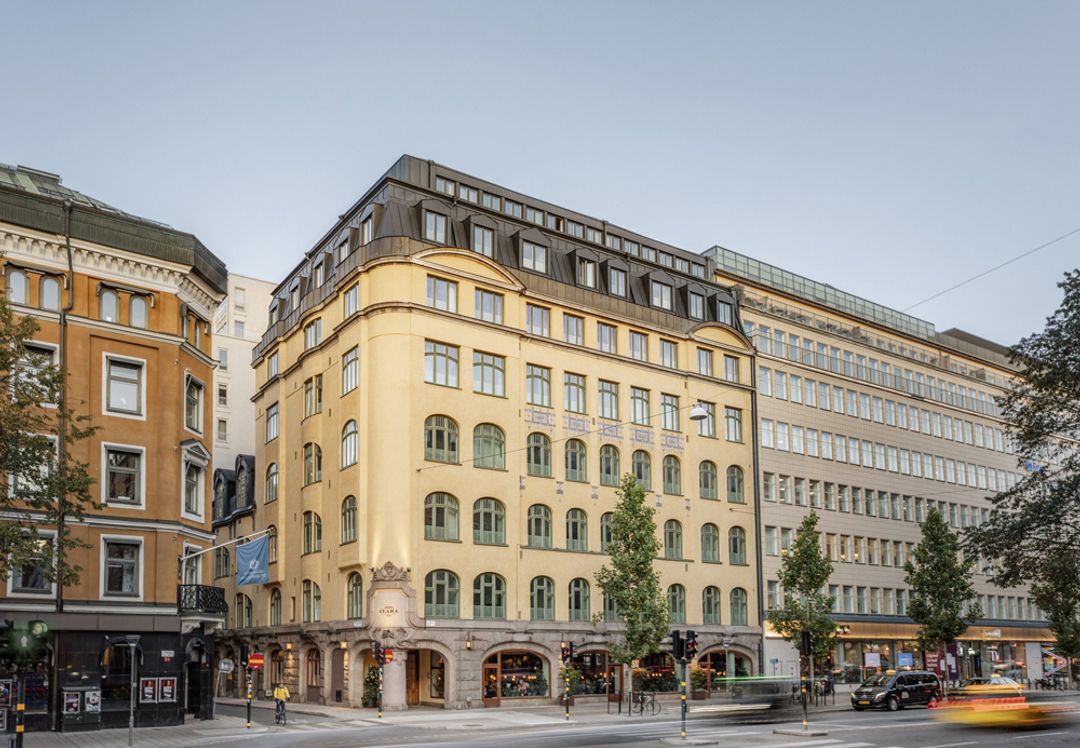
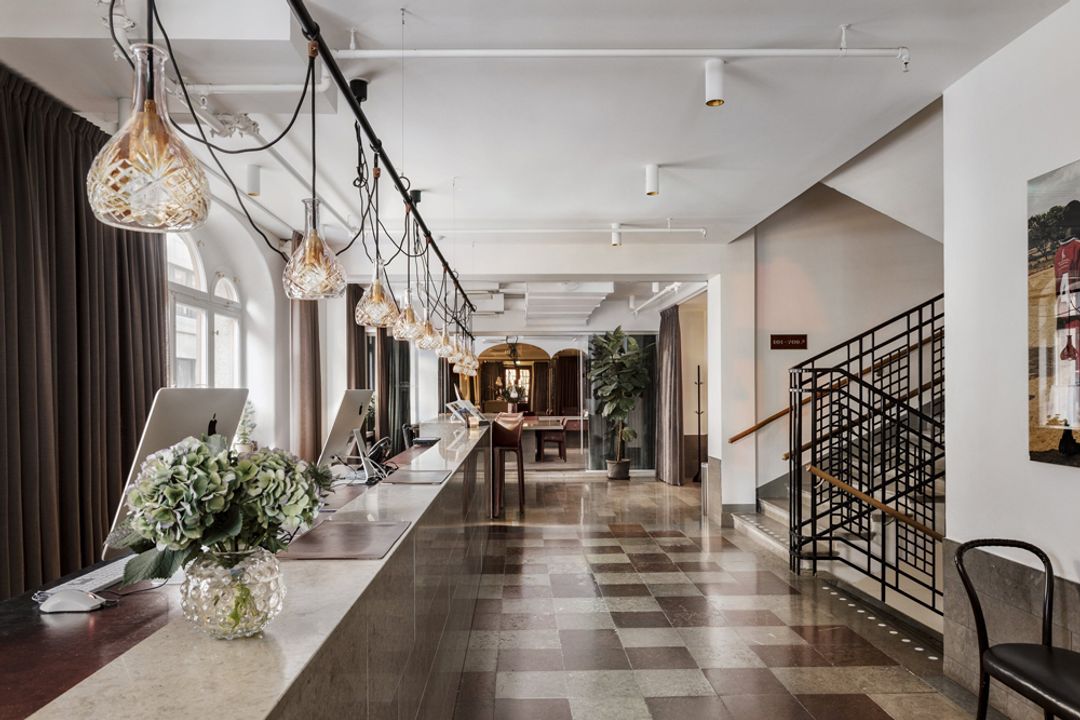
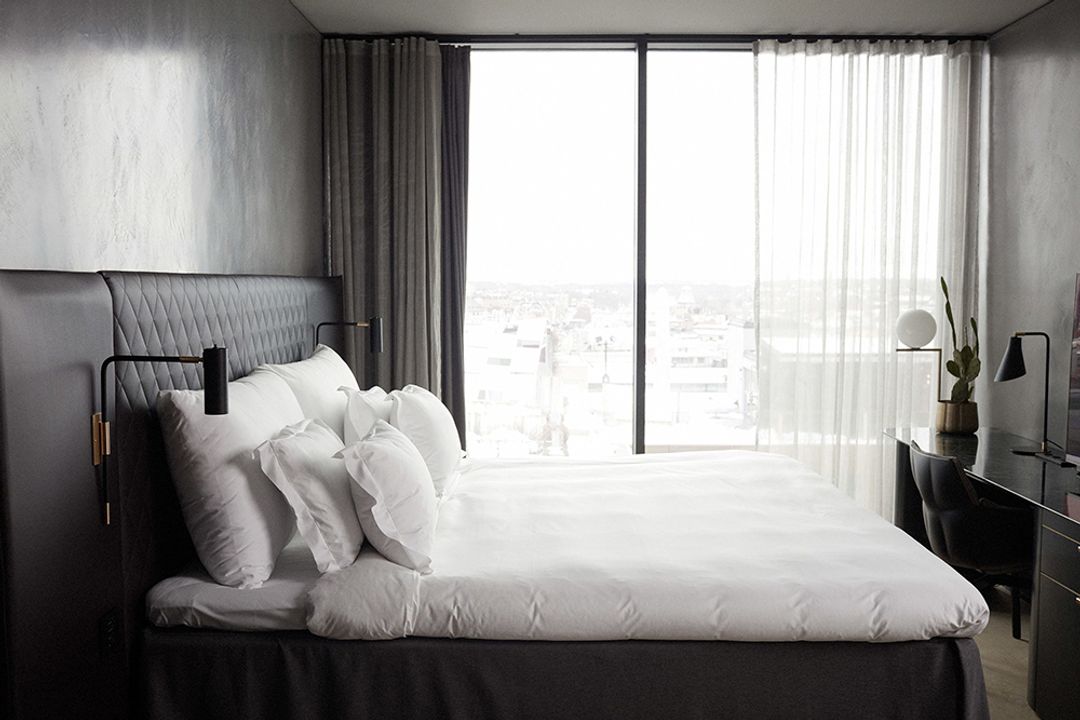
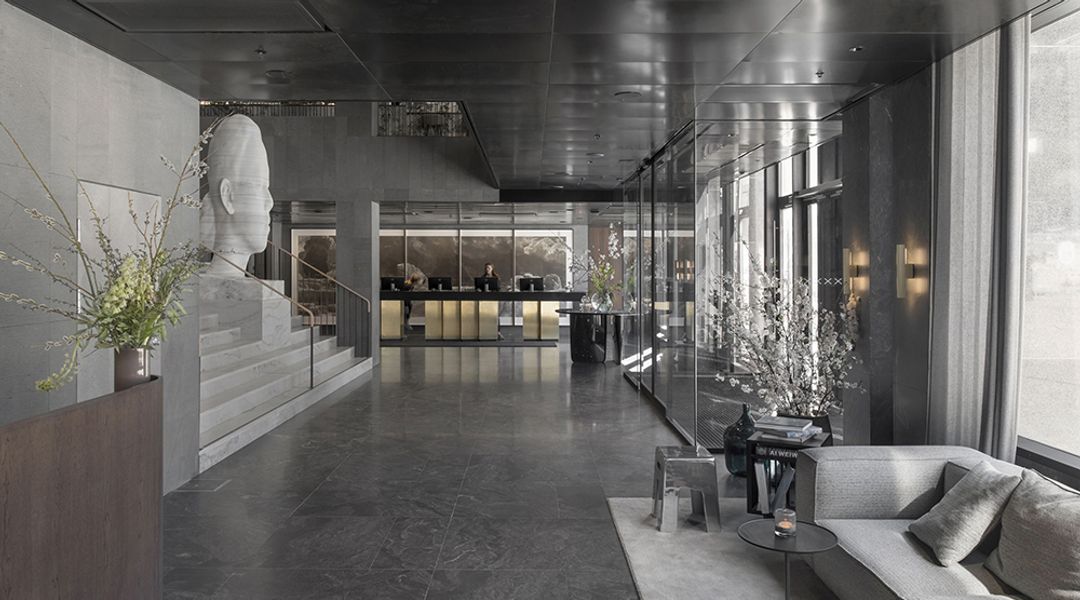
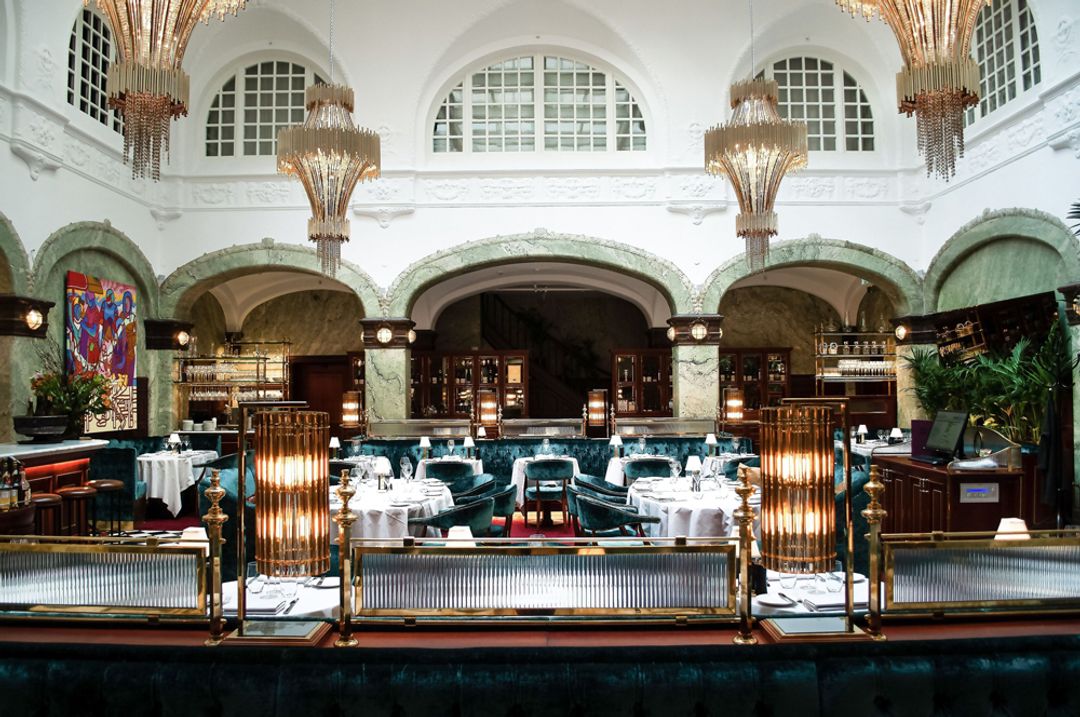
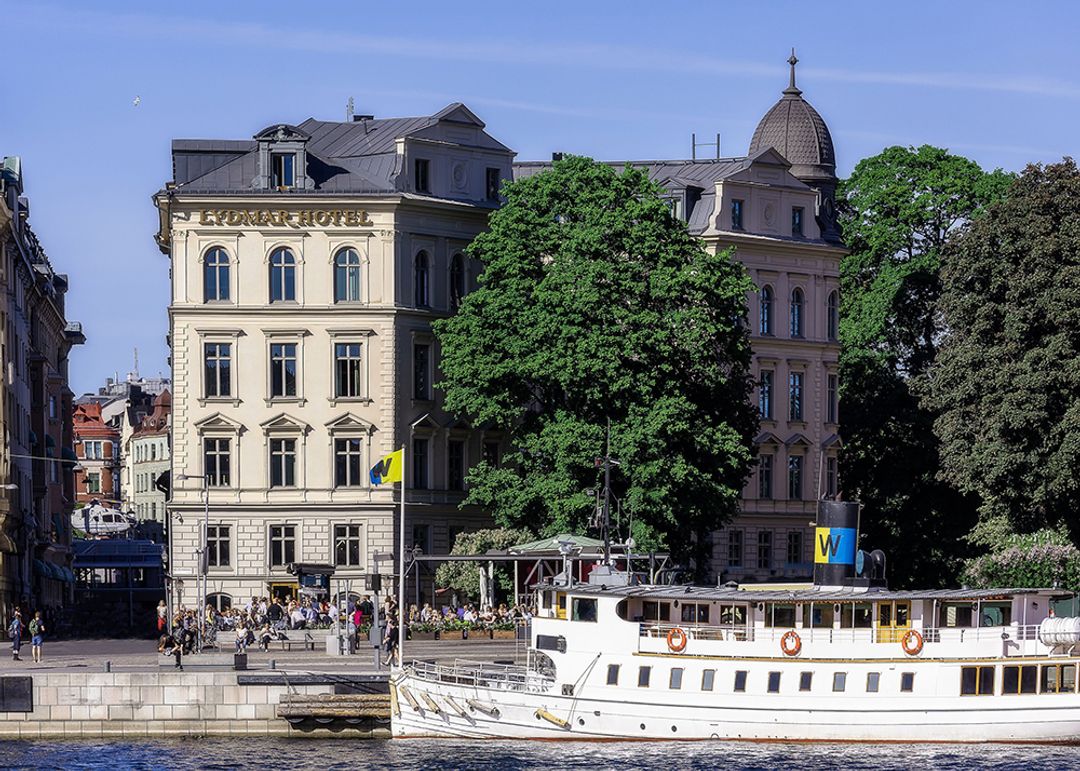
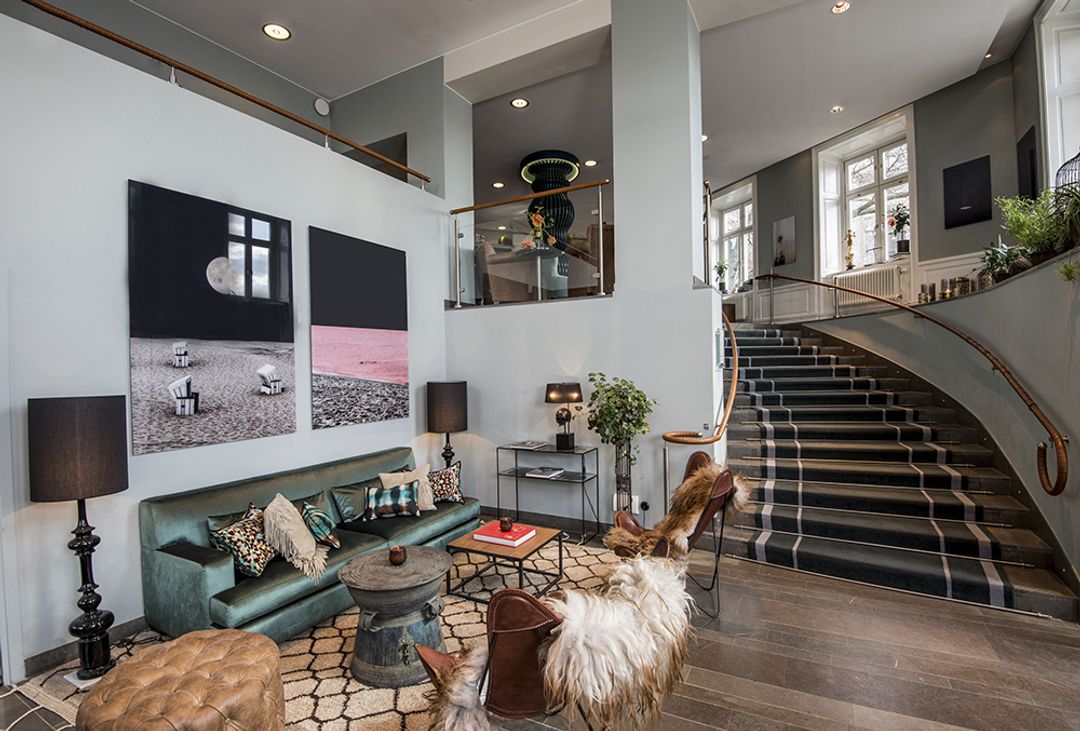
The axis running through Norrmalm and Norrmalmstorg tells a different story. The Lydmar, long a fixture of Stockholm's arts and music world, wears its cultural affiliations lightly — rotating art installations, no particular design ideology — and sits near Nobis Hotel Stockholm, which occupies twin neoclassical palaces from 1875, the Wallenberg family buildings converted with a Nordic cool that favors pale stone and controlled proportion. Sveavägen's Miss Clara by Nobis, housed in a former girls' school designed by Helgo Zettervall in 1910, extends the group's interest in preserved institutional architecture, the classroom origins still legible in its high ceilings and generous corridors. Hotel At Six on Brunkebergstorg is the sharpest contemporary statement in this cluster — the 2017 building by Wingårdhs carries genuine architectural ambition, and the lobby commission, anchored by a large-scale work by Reuben Östlund's frequent collaborator, signals a hotel that takes its position in the city's cultural conversation seriously.
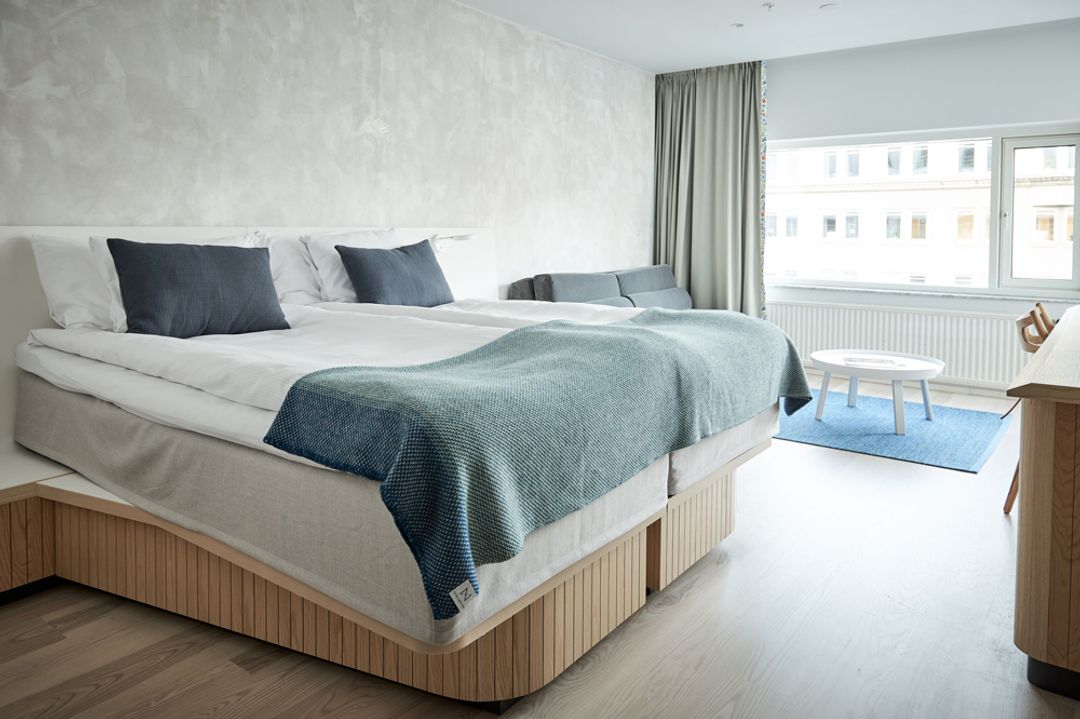
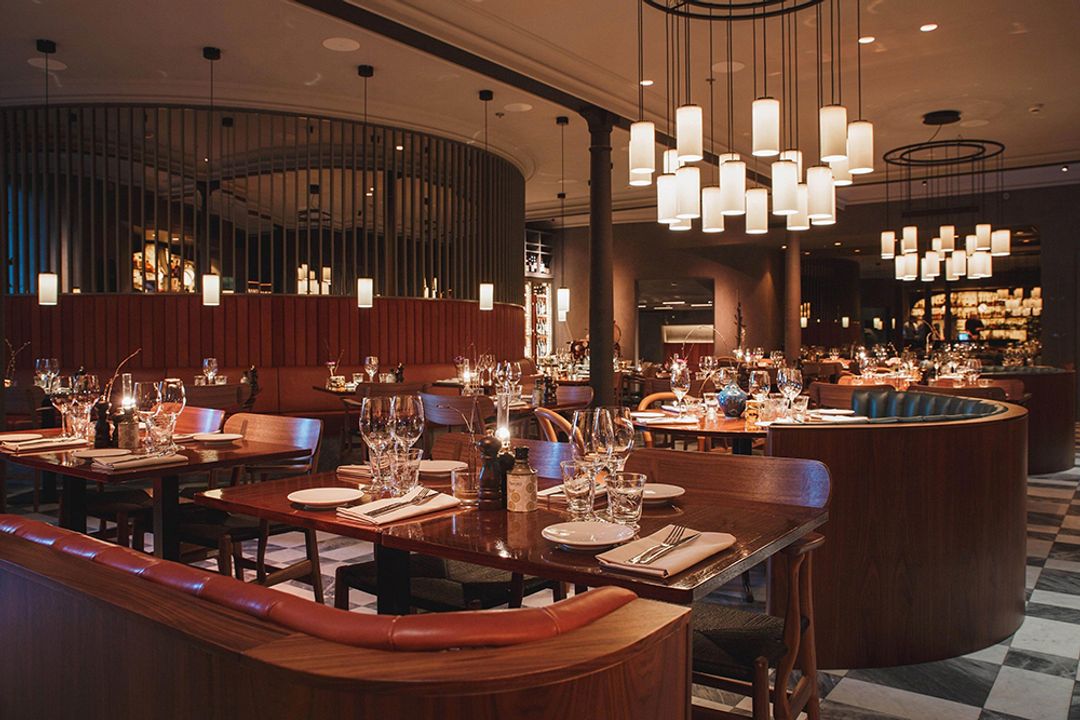
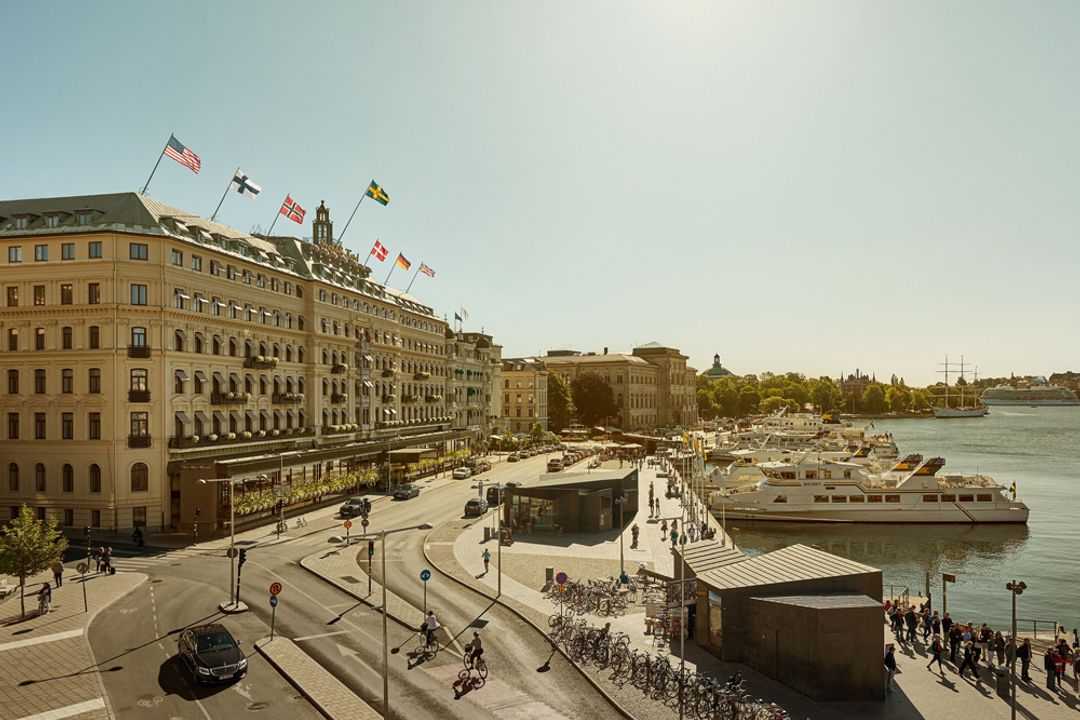
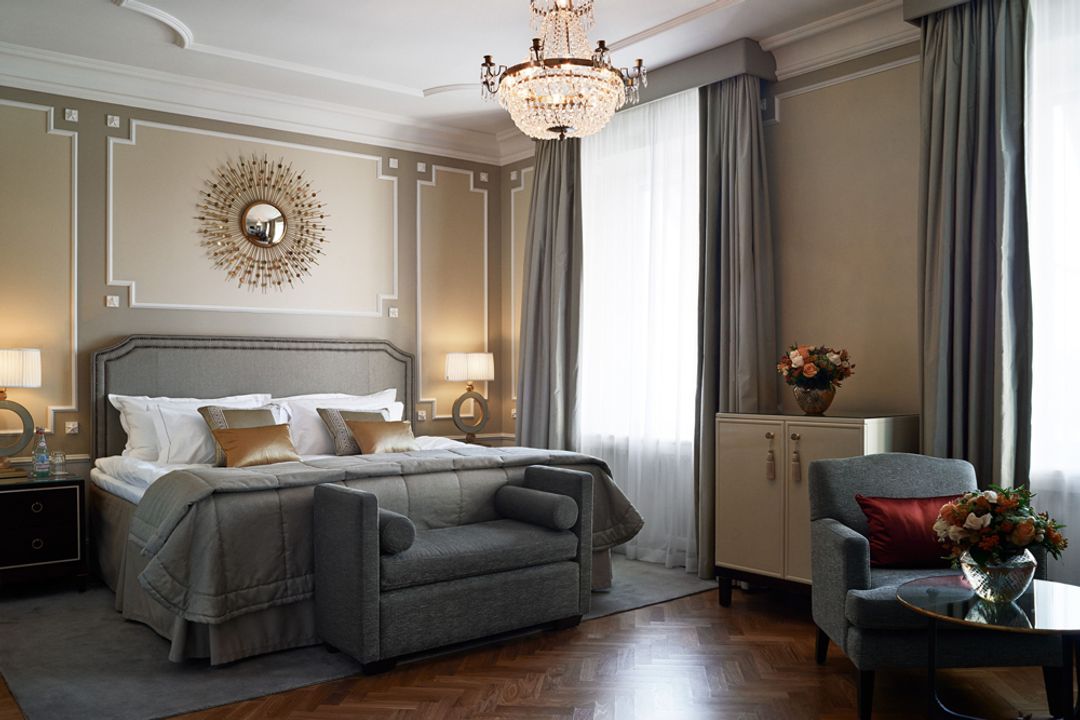
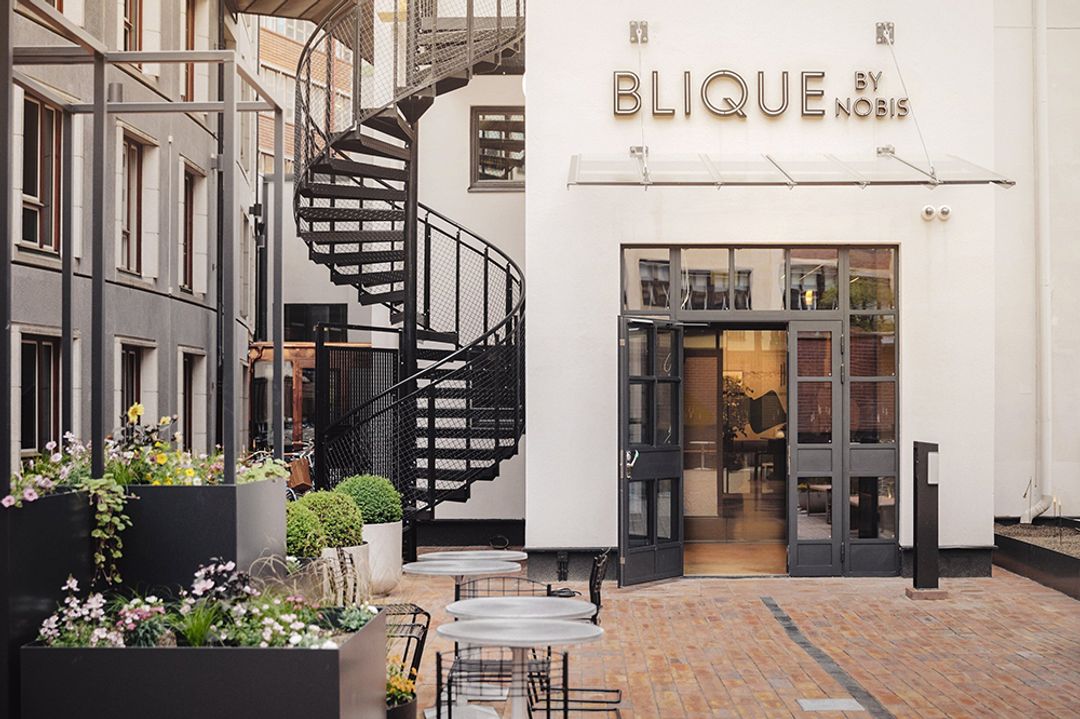
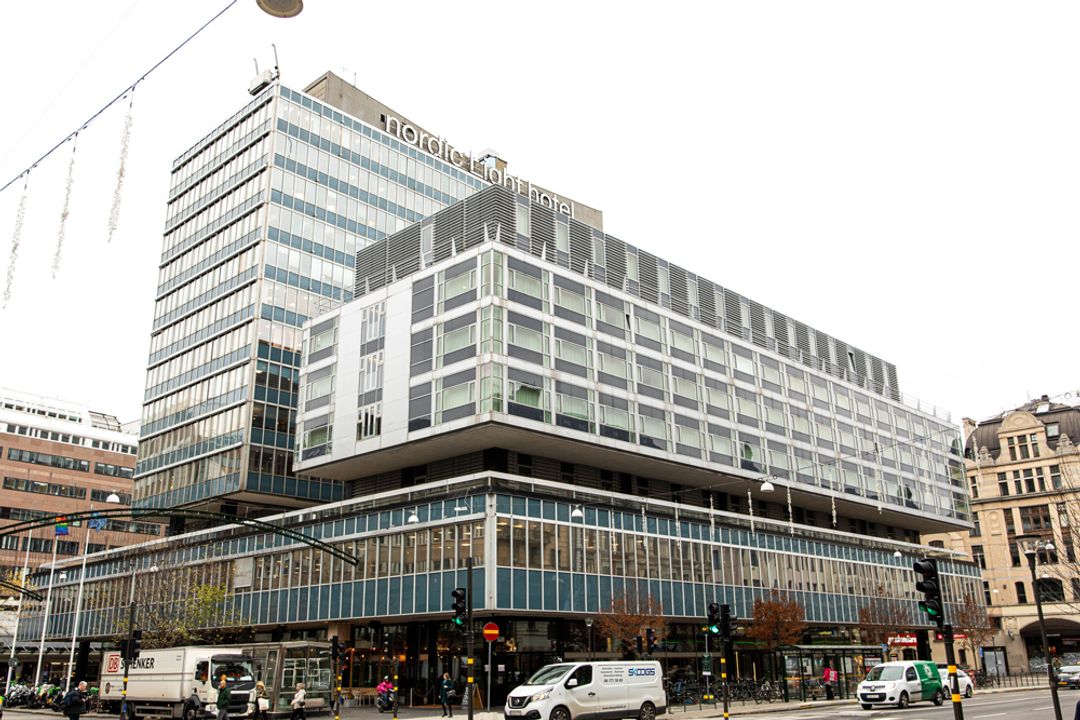
Vasastaden's Blique by Nobis sits in a converted 1930s industrial building near the Hagaparken, a deliberate remove from the center that suits the neighborhood's creative-residential character. At the other end of the register, the Grand Hotel on the waterfront remains the city's most ceremonially positioned address — its 1874 facade facing the Royal Palace across Strömmen, its interiors recently updated without surrendering the period weight that gives it meaning. Nordic Light Hotel near Central Station trades more in functional convenience than design distinction, but its light-responsive interiors are a reasonable gesture toward the northern preoccupation with how winter changes a room.