Best hotels in Phuket, Thailand | Visually Compare Top Stays Side-by-Side
Welcome to PressBeyond - a curated visual guide to design-driven hotels and the fastest way to compare them.
An Overview of the Boutique & Luxury Hotel Landscape in Phuket, Thailand
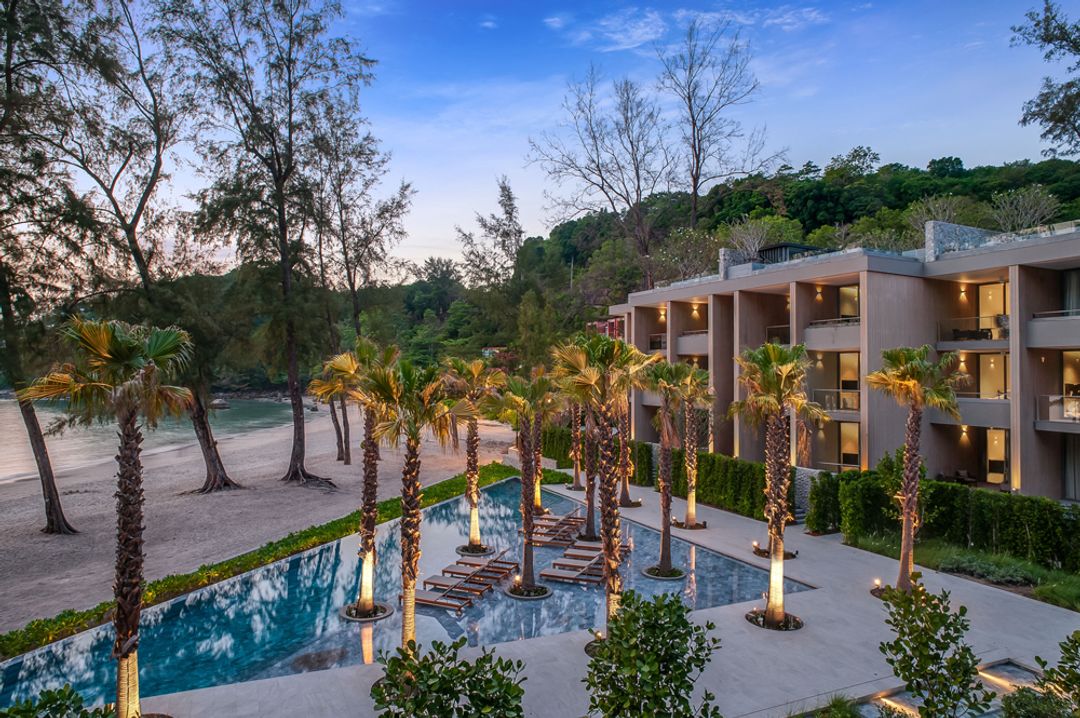
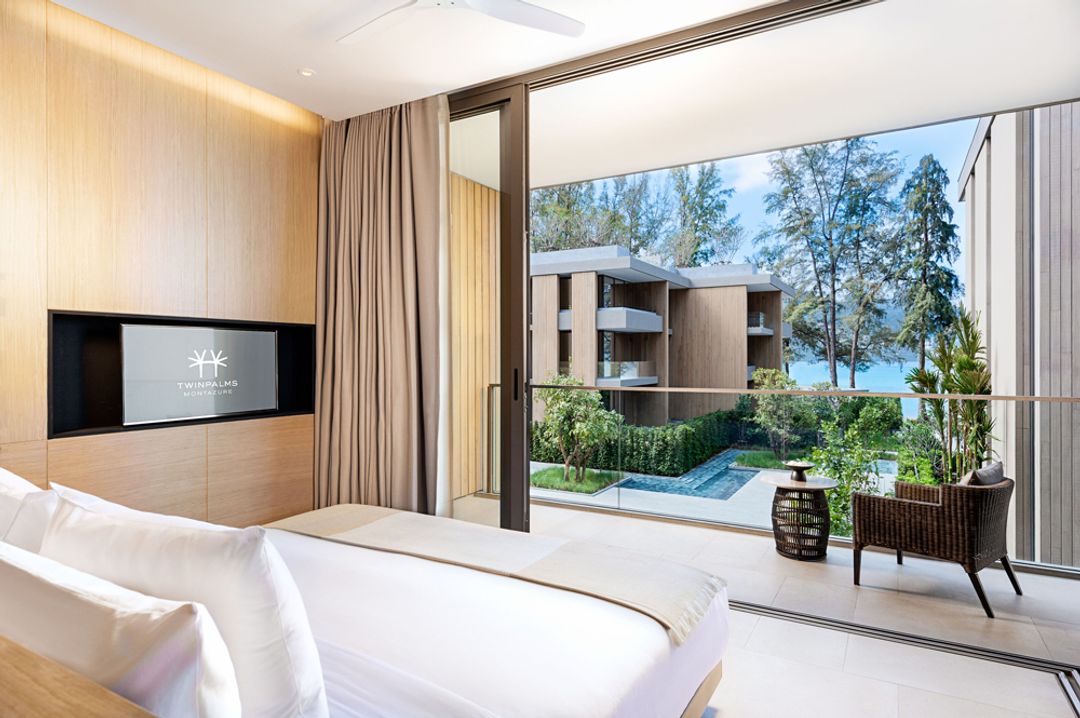
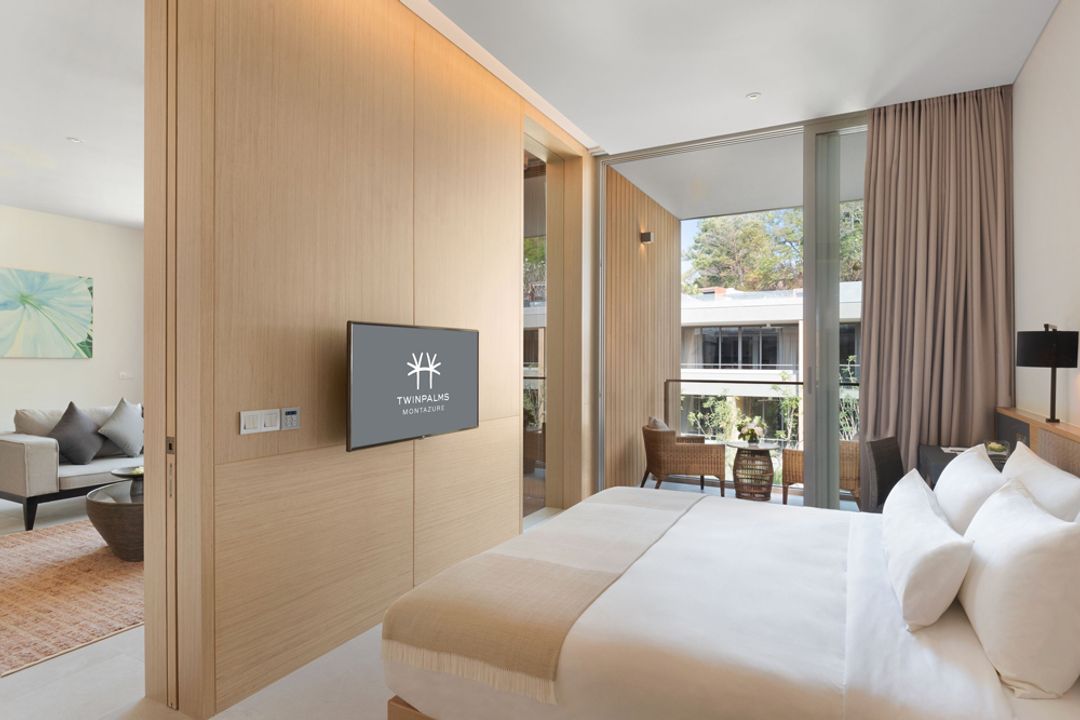
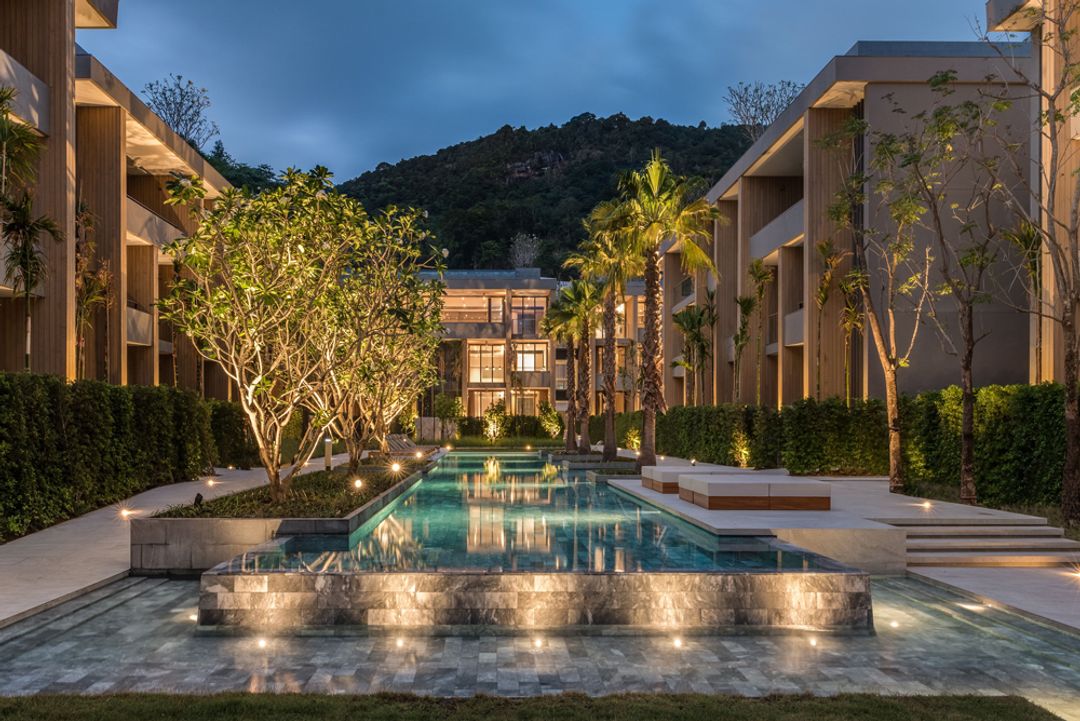
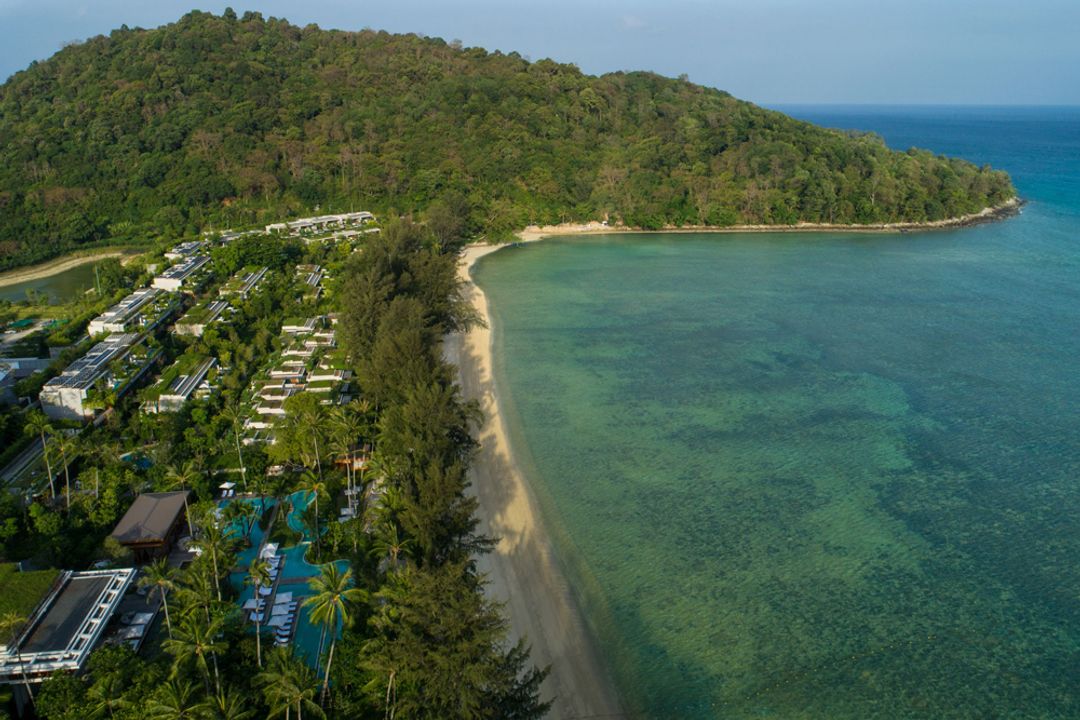
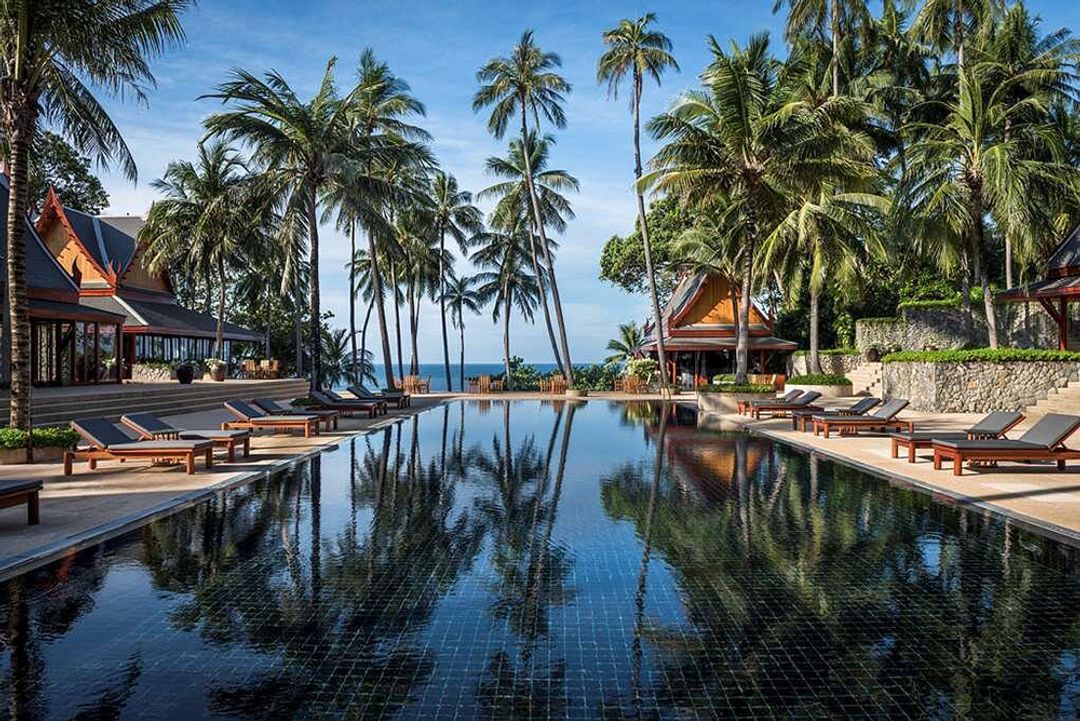
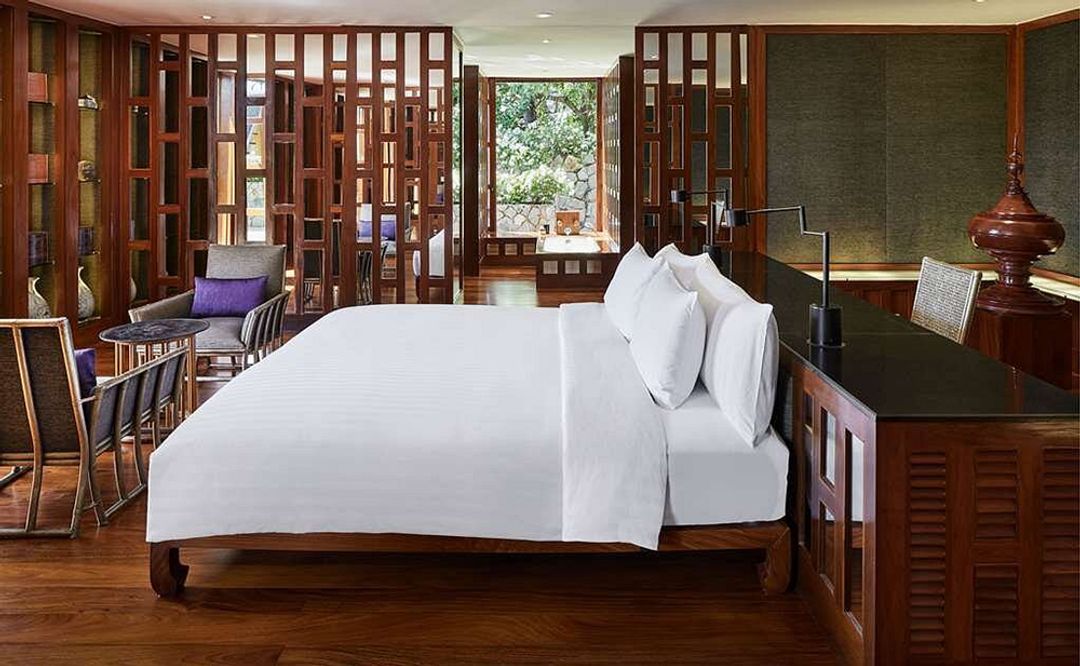
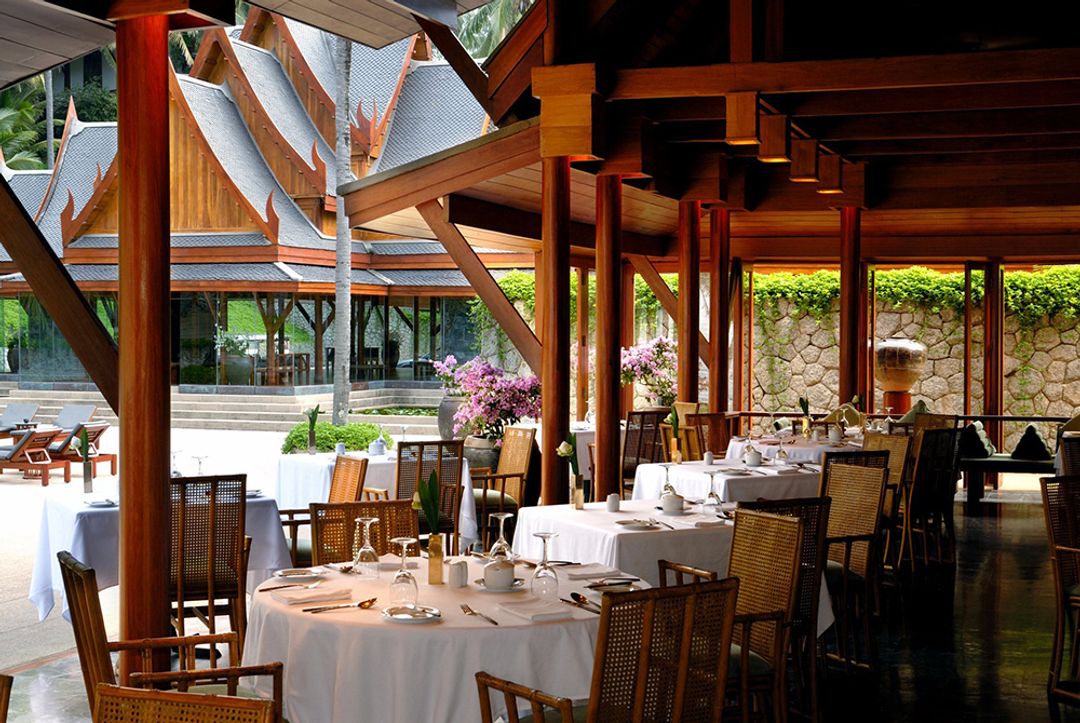
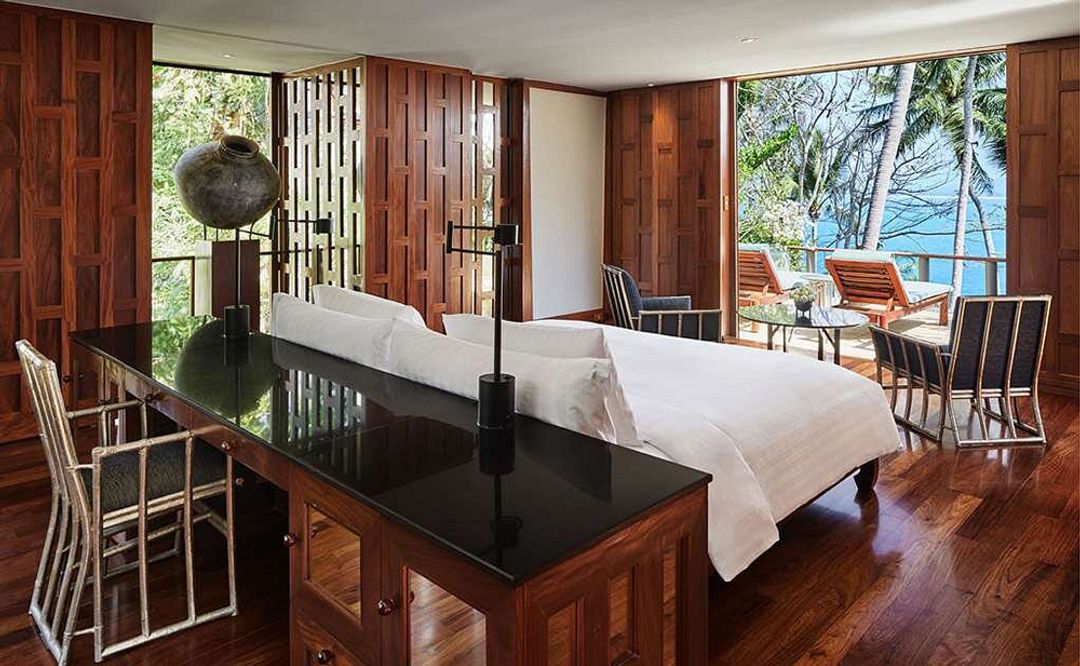
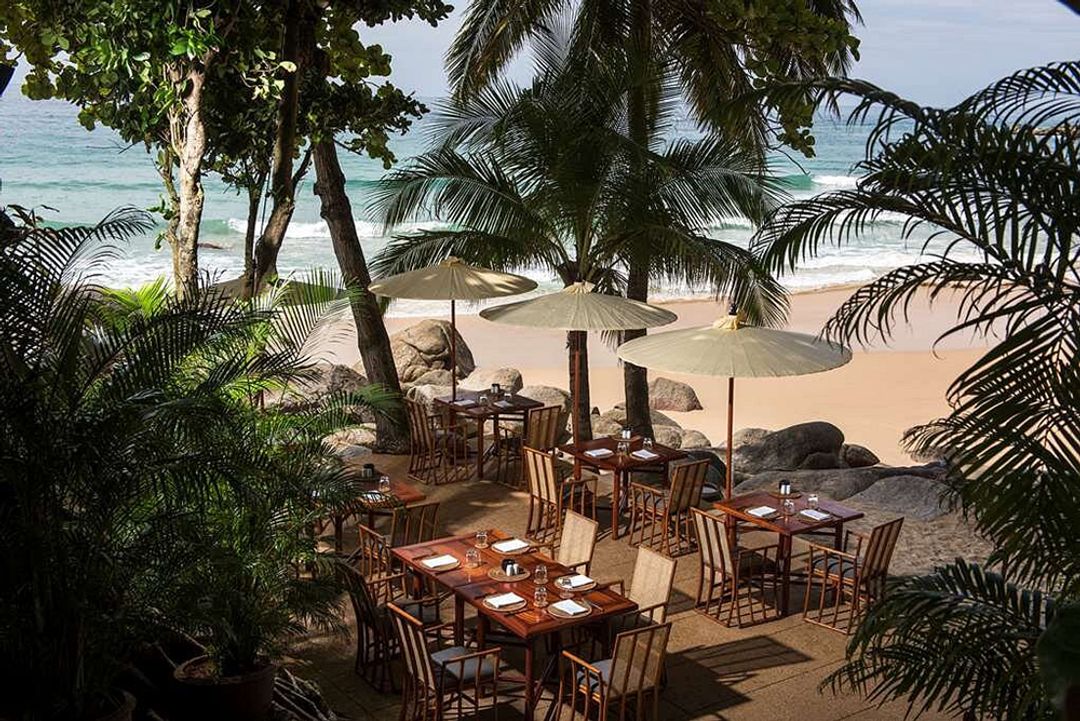
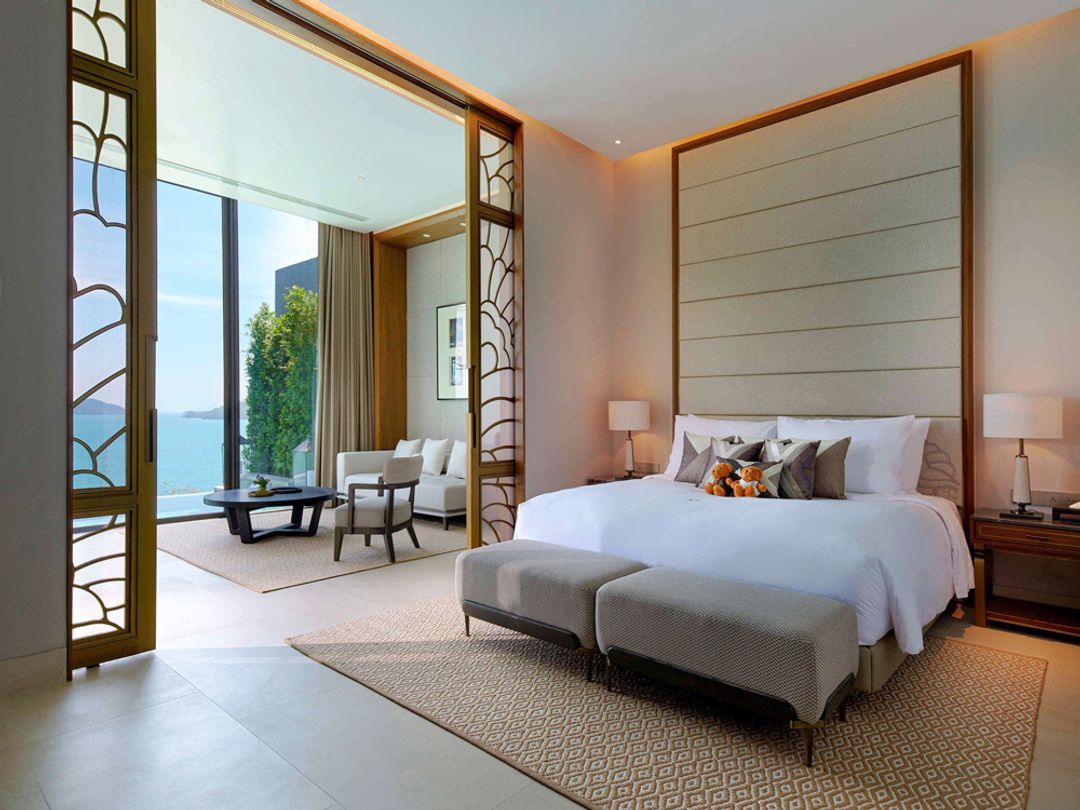
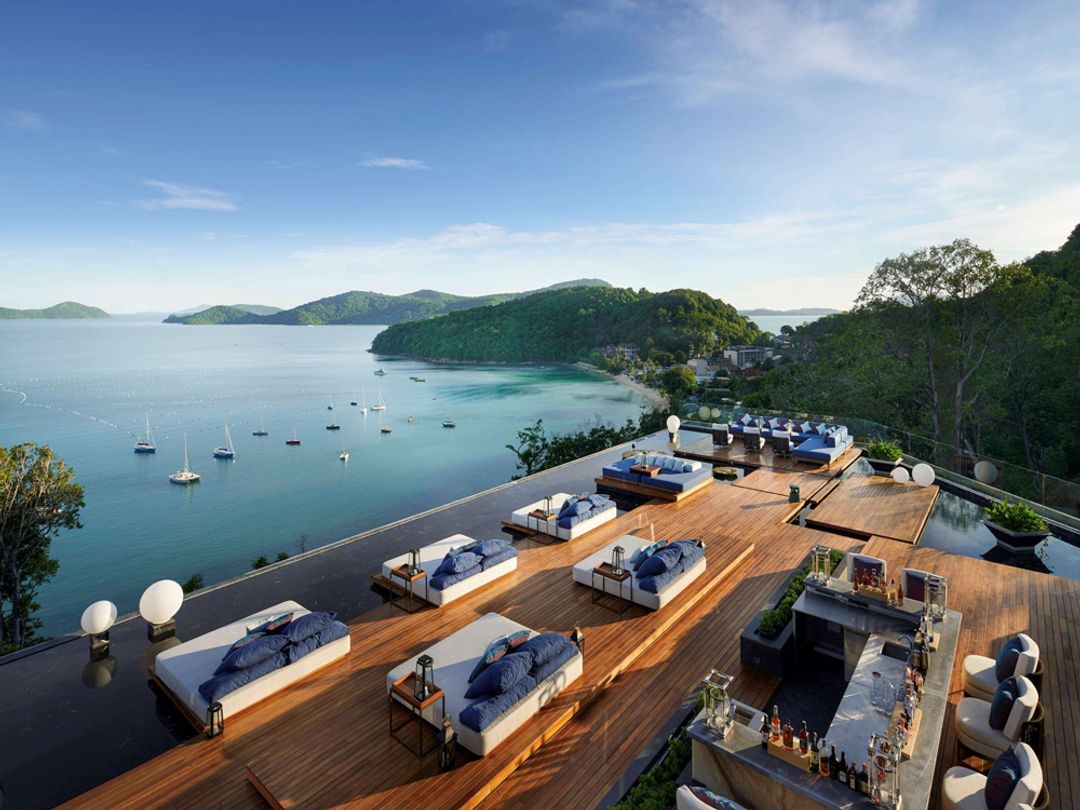
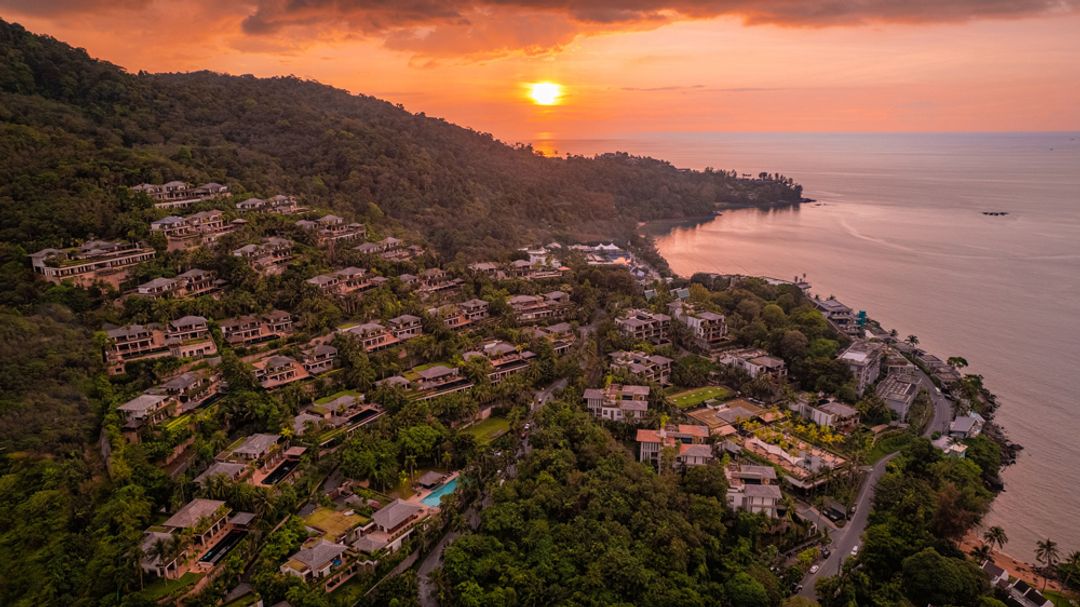
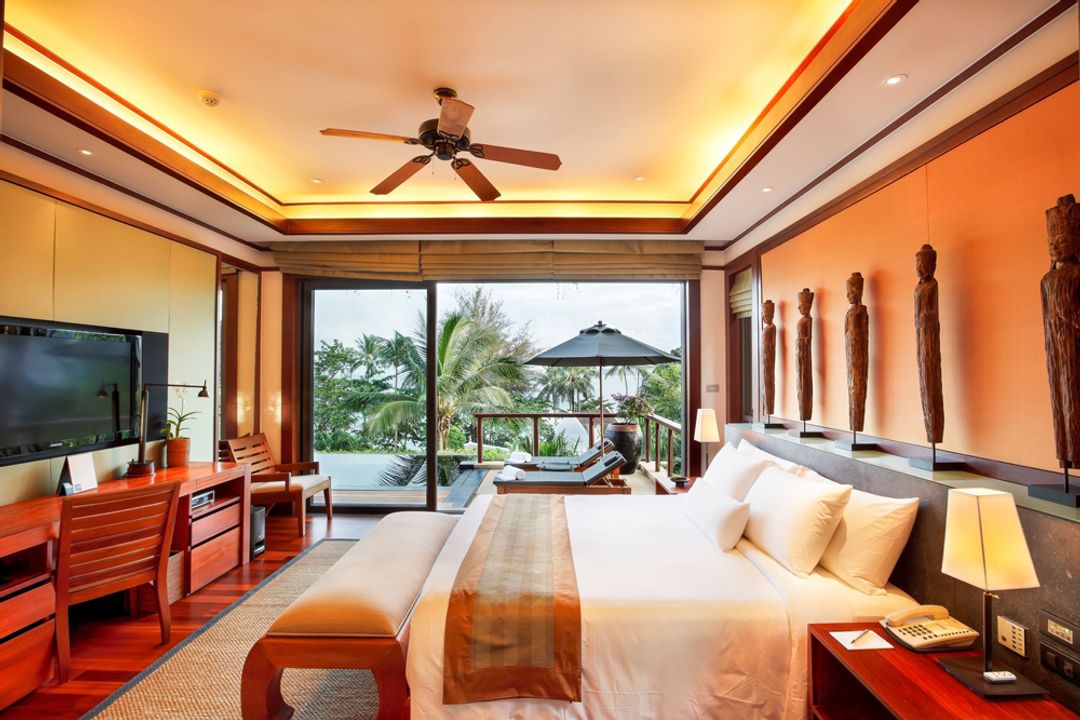
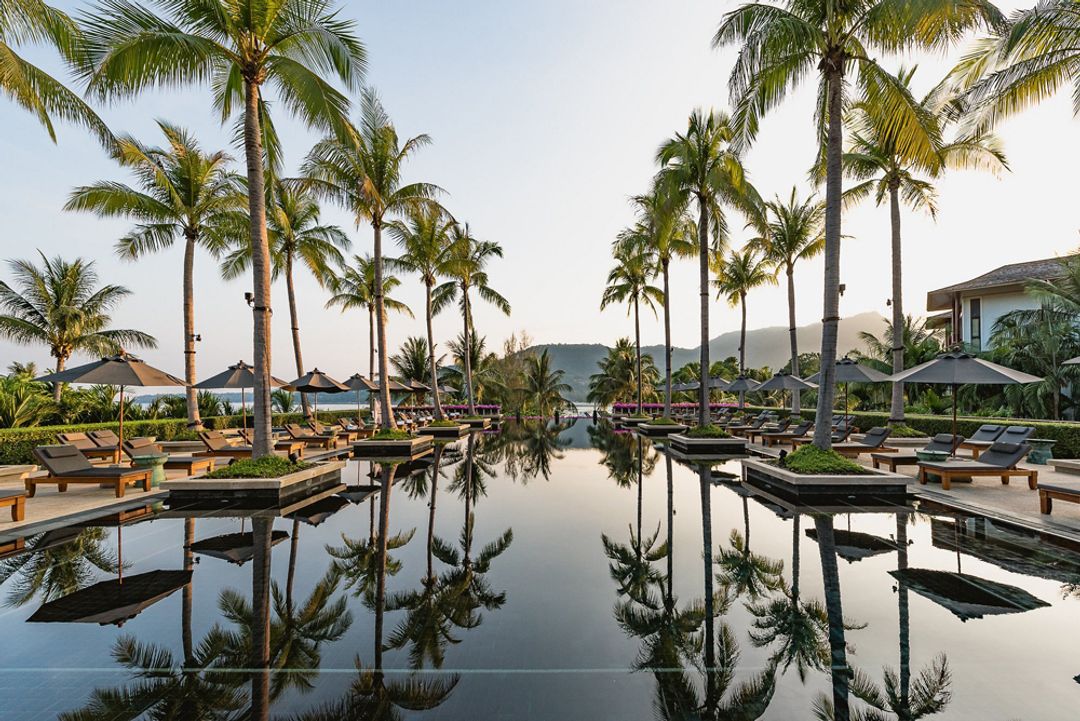
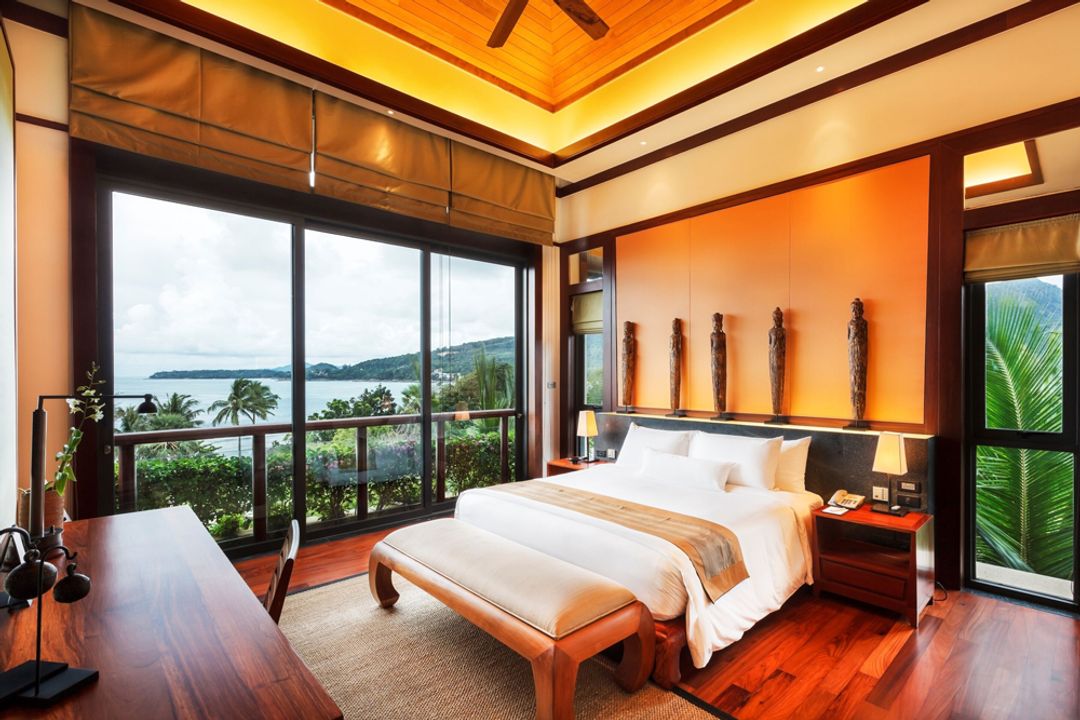
Phuket's west coast has been built over so relentlessly that arriving there now requires a kind of archaeological patience, reading through layers of development to find what made this island worth wanting in the first place. The properties that earn serious attention are the ones that understood, early, that land and water deserved more than a backdrop role. Amanpuri, which opened in Surin in 1988 as Aman Resorts' first property, set a standard that still disciplines everything around it: Ed Tuttle's pavilion architecture, pitched roofs referencing Thai temple forms, the whole compound arranged on a hillside above its private beach with a restraint that feels almost confrontational against the noise of Phuket's busier stretches. Rosewood Phuket on Tri Trang Bay takes a different approach, its design organized around dramatic rocky headland terrain, the structures pushed into the landscape rather than placed on top of it. At Kamala Beach, Twinpalms MontAzure delivers something more spare and rectilinear, its Minimalist Thai-Mediterranean sensibility sitting at a price point that makes it one of the island's most defensible choices for anyone whose instinct is to notice materials.
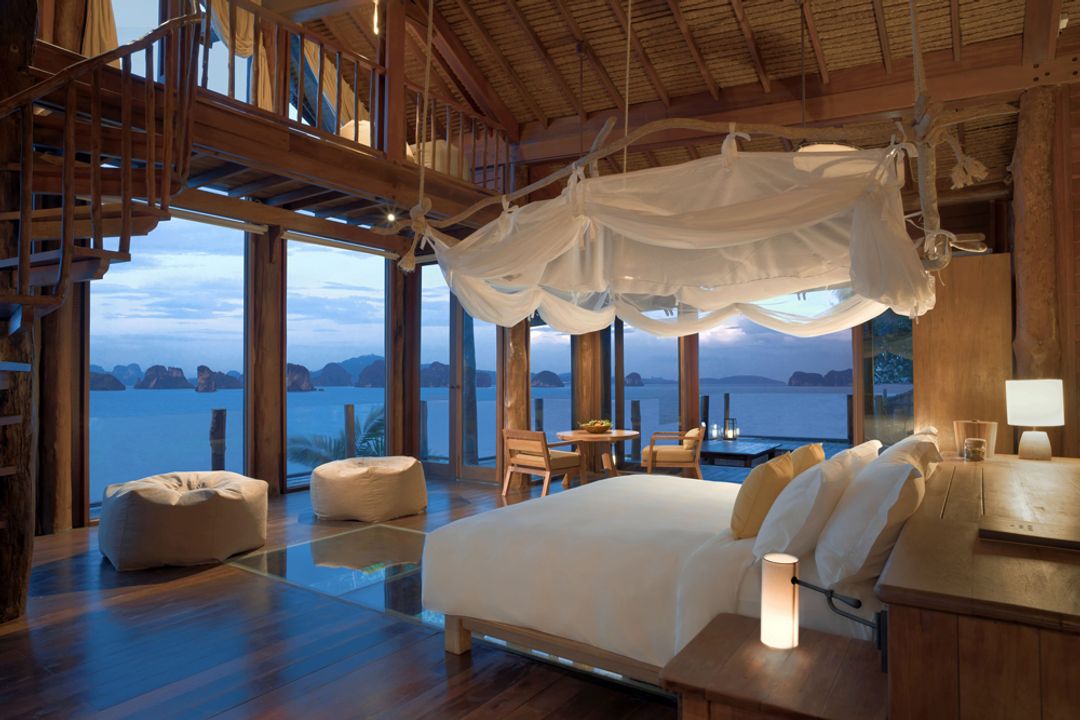
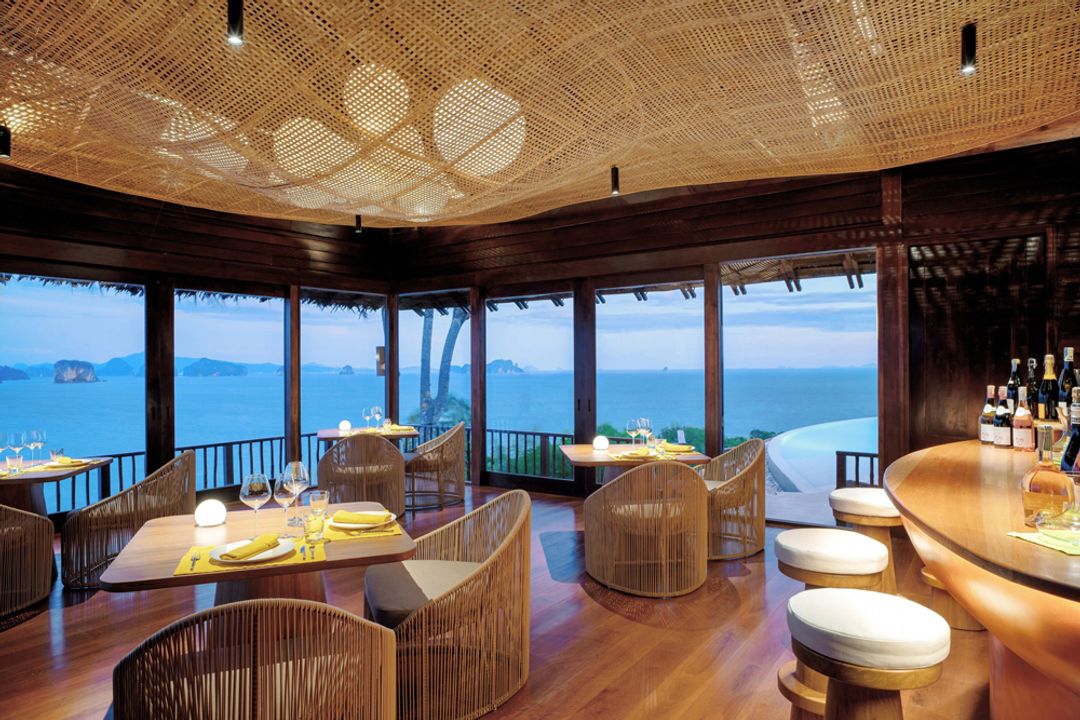
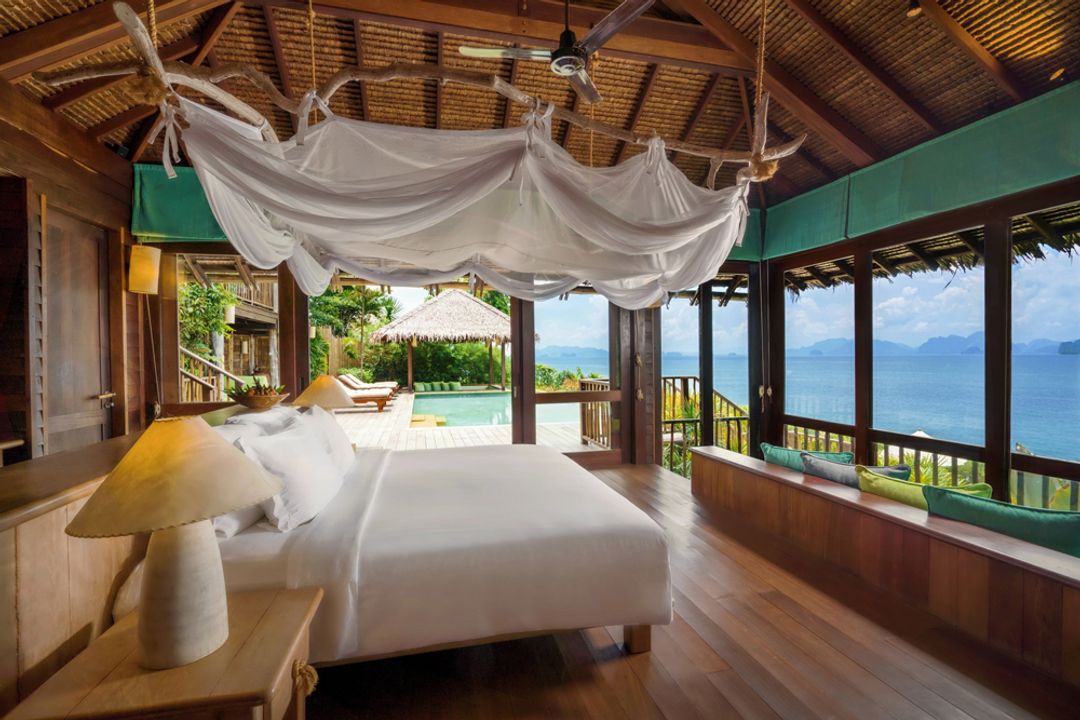
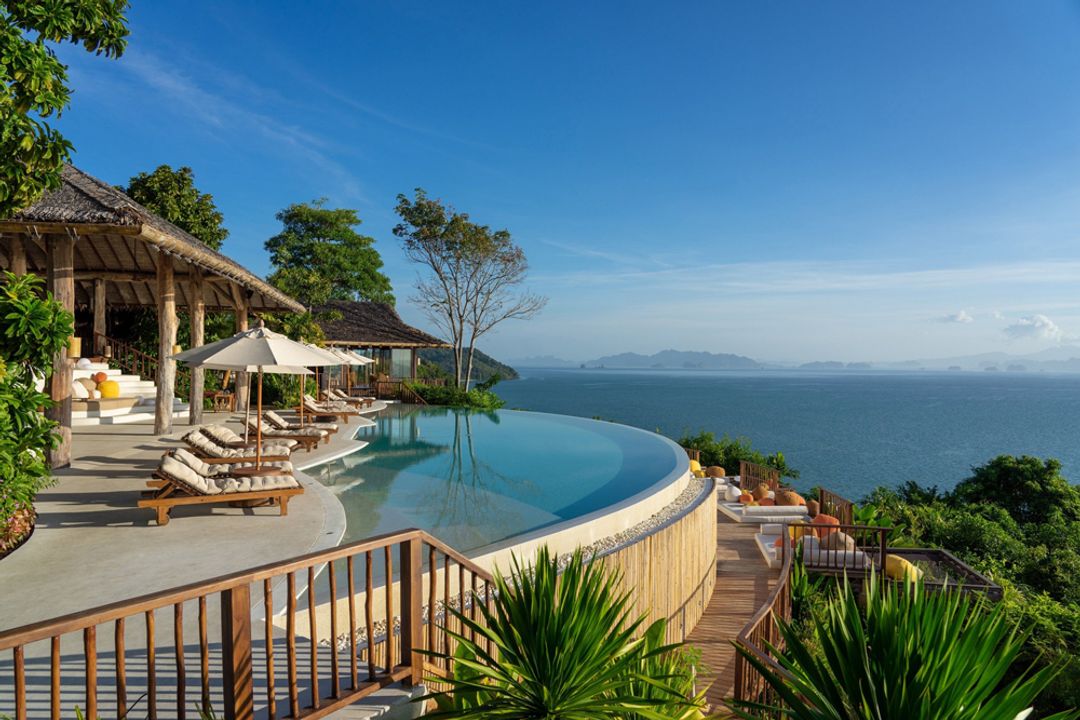
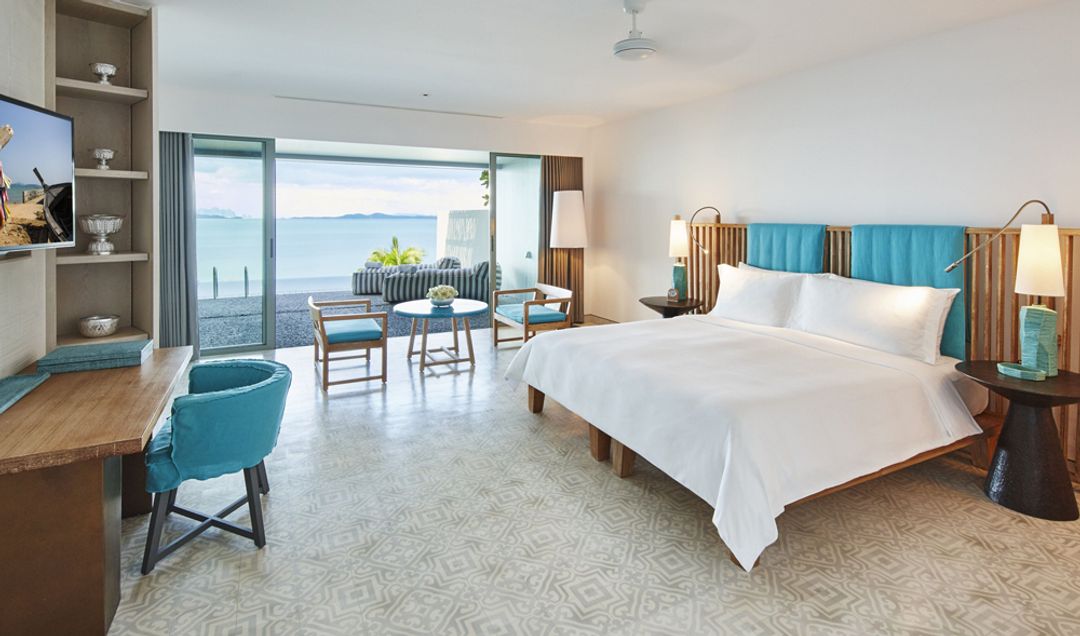
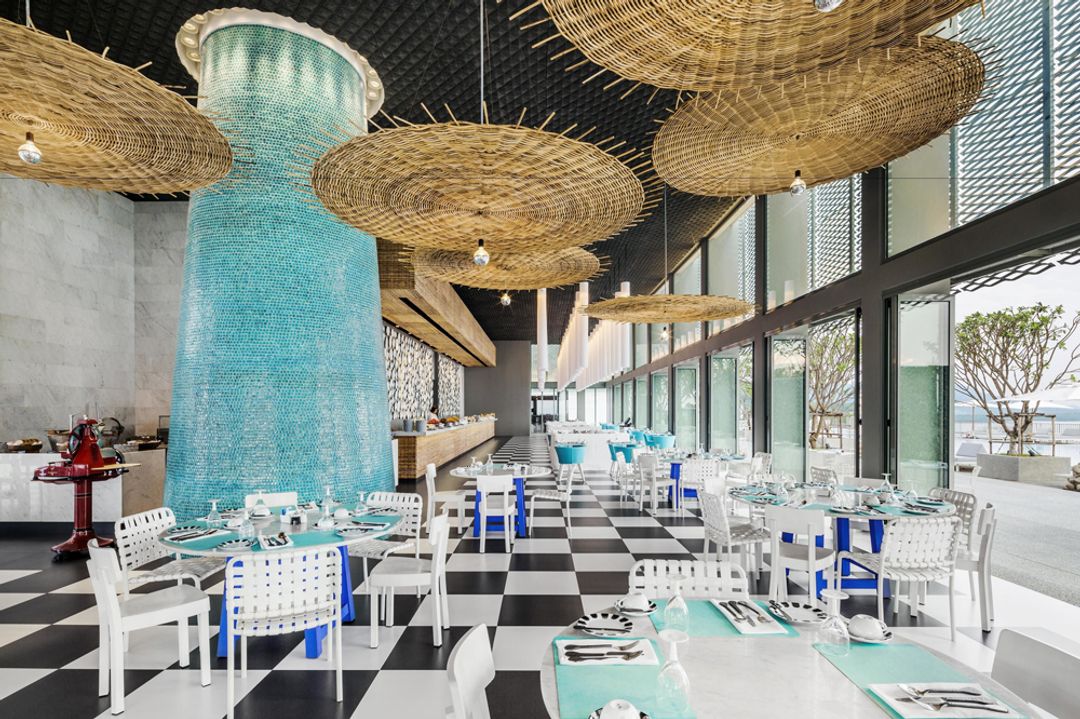
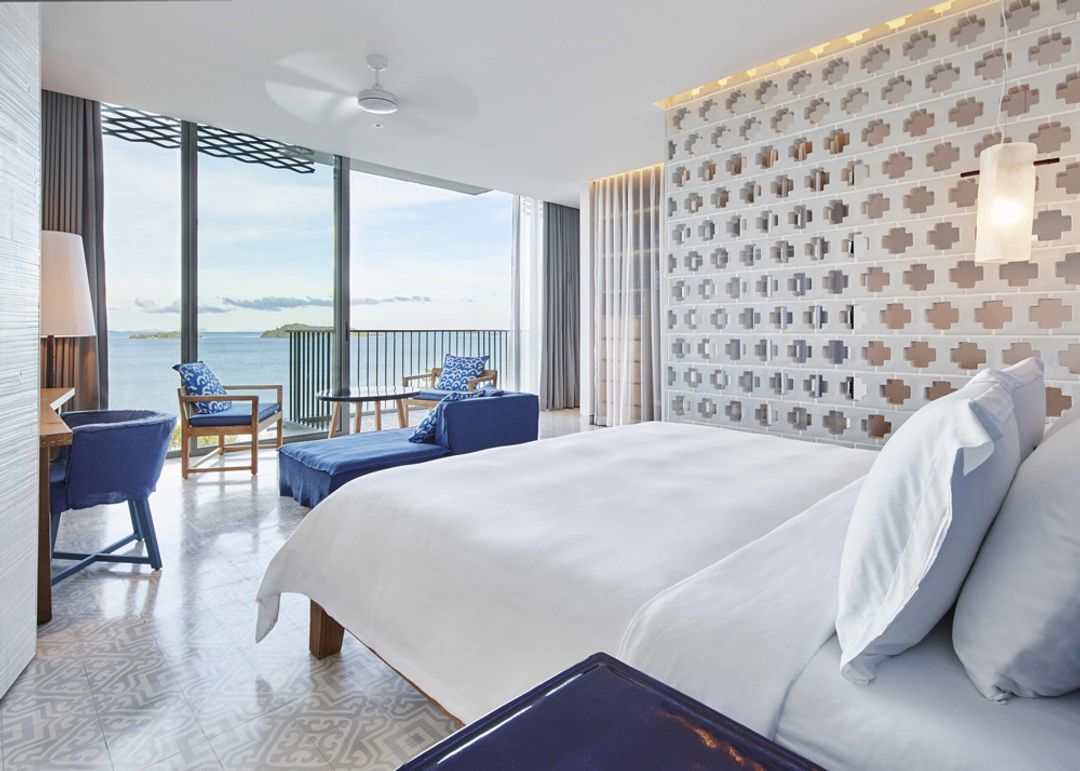
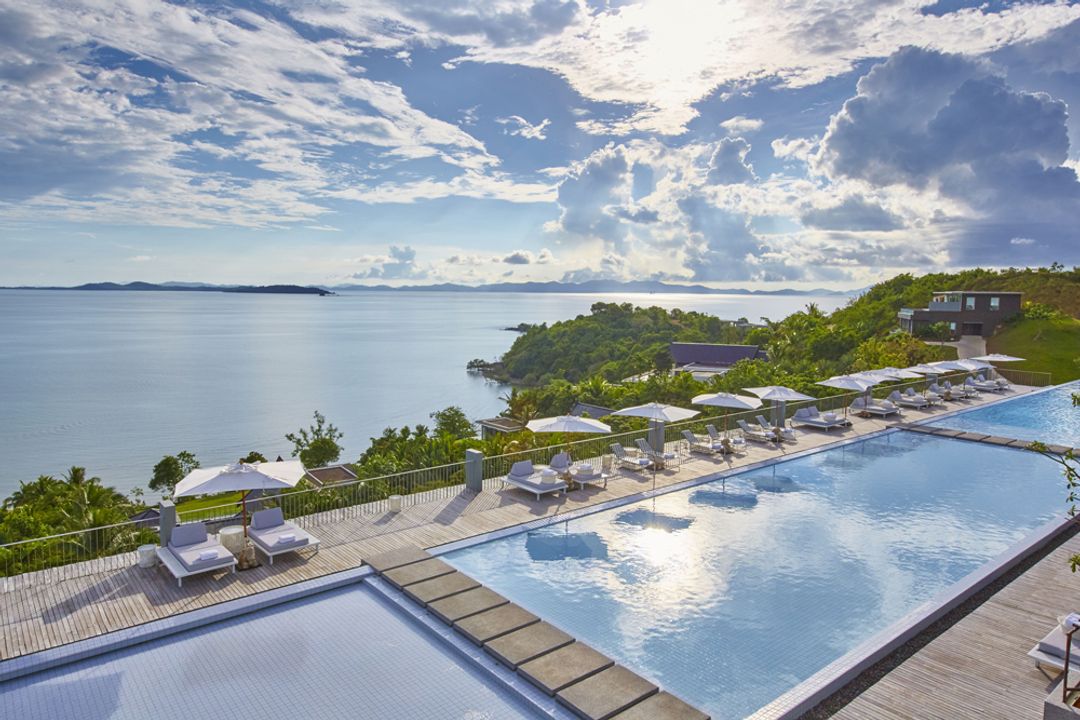
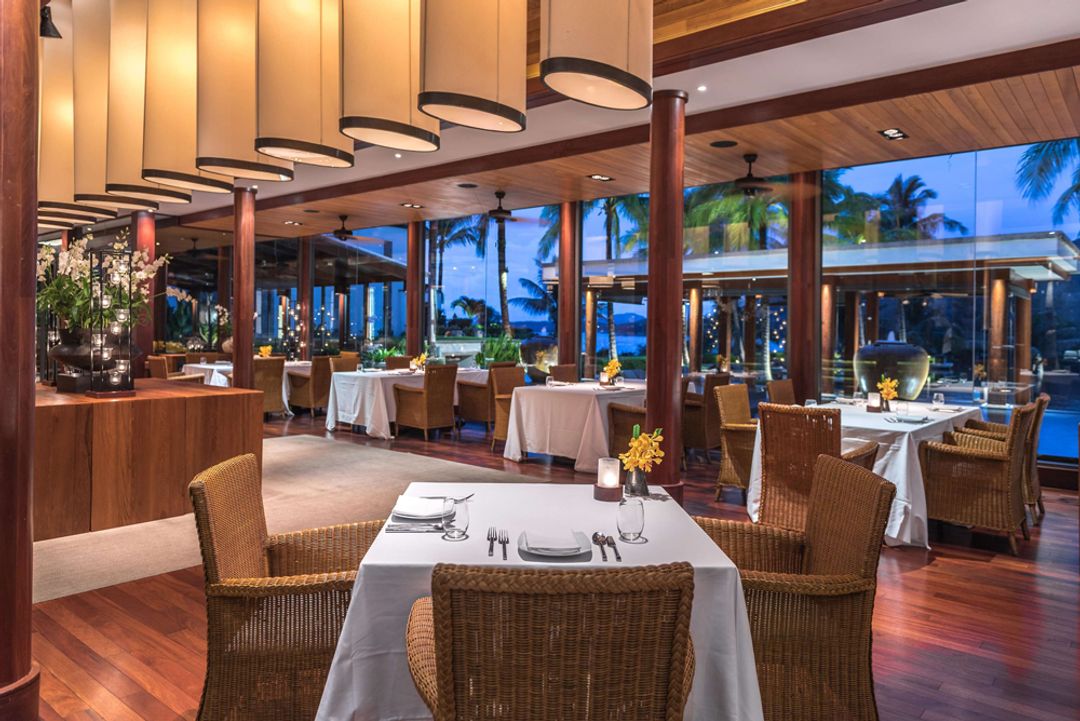
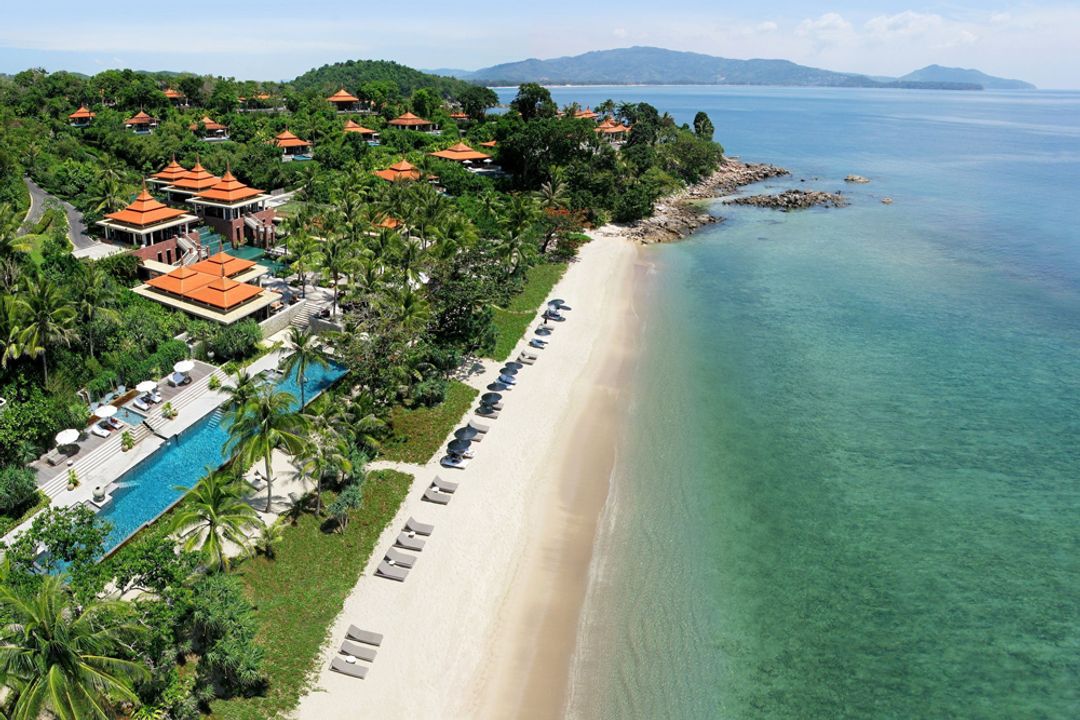
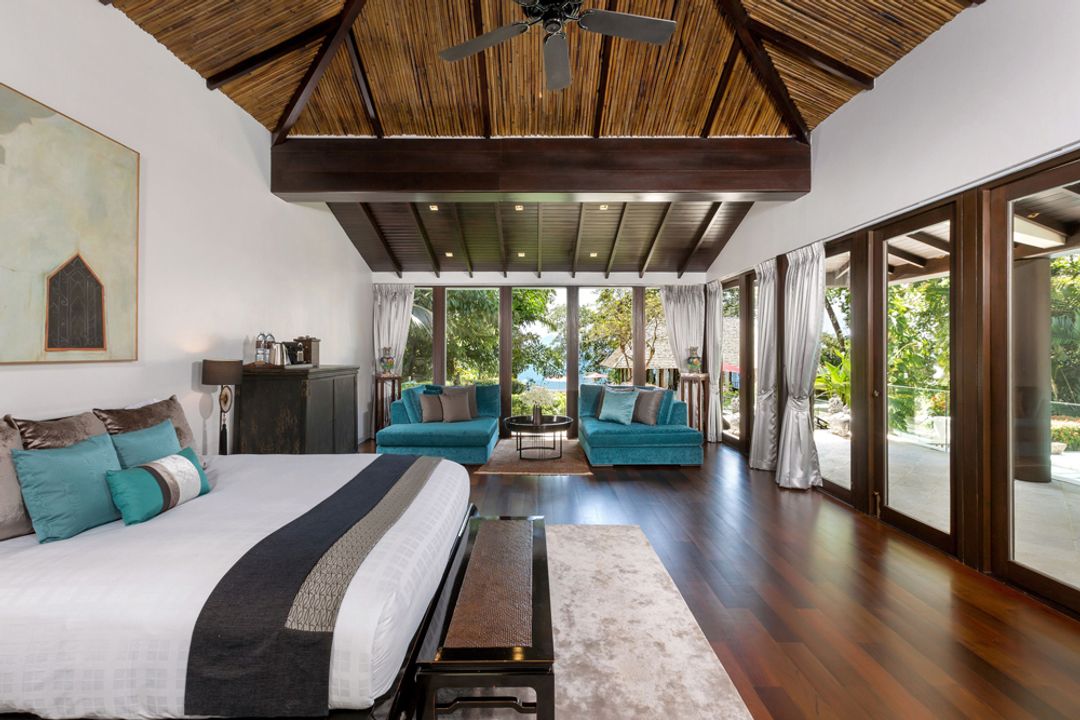
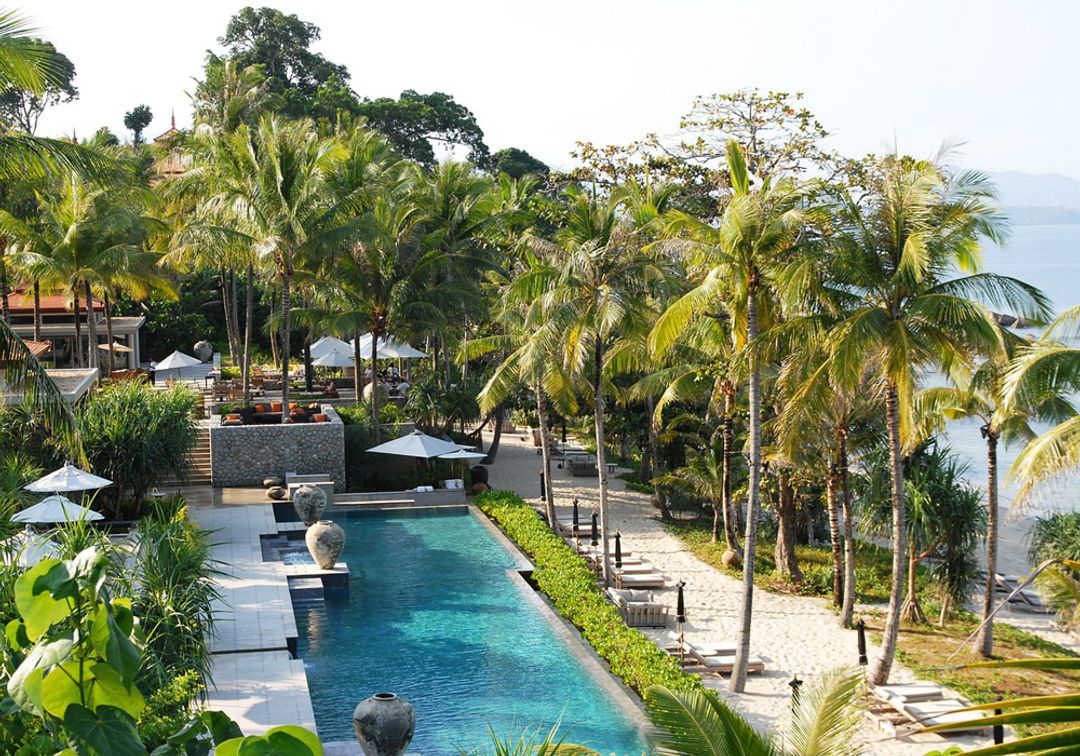
The east coast and the outer islands offer a different proposition entirely, one that requires accepting ferry crossings and longer transfers as the cost of actual distance from the package-tourism belt. Six Senses Yao Noi sits on Koh Yao Noi in Phang Nga Bay, surrounded by the karst formations that make this stretch of water one of the most photographed in Southeast Asia, and it earns its position rather than borrowing it. COMO Point Yamu, on Cape Yamu facing the same bay, is the work of Paola Navone, whose signature chromatic intensity and mix of industrial and craft references give the property a personality unusual for Thai resort architecture. Trisara on Nai Thon Bay keeps its private pool villas set into steep jungle above the Andaman, a layout that prioritizes seclusion over spectacle.
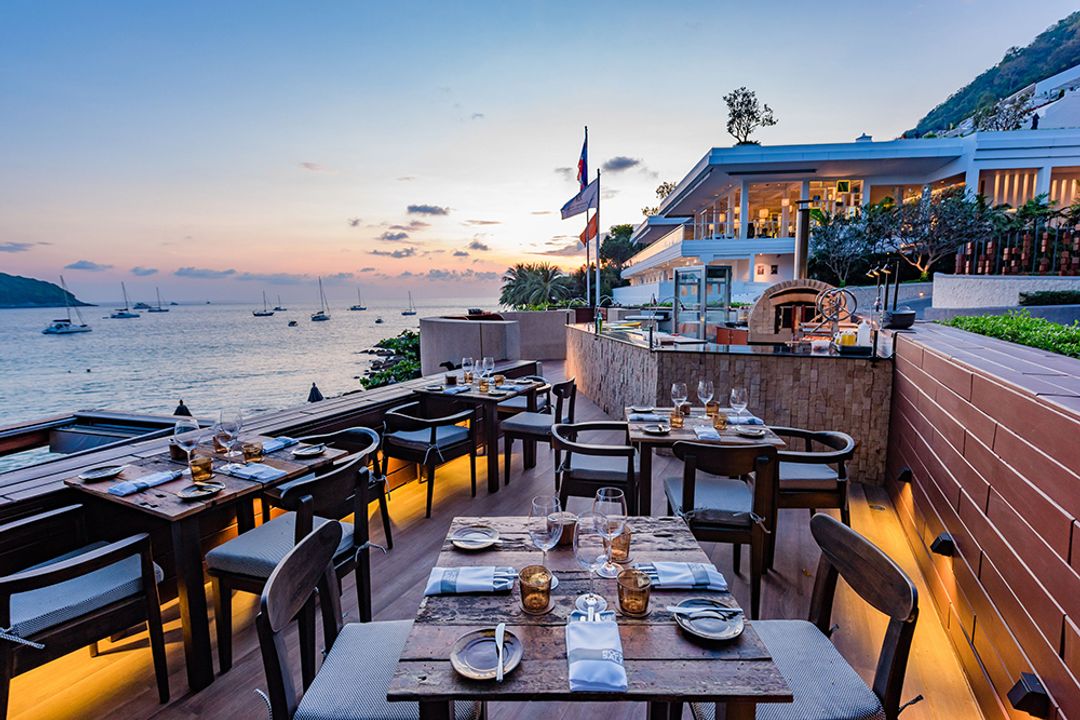
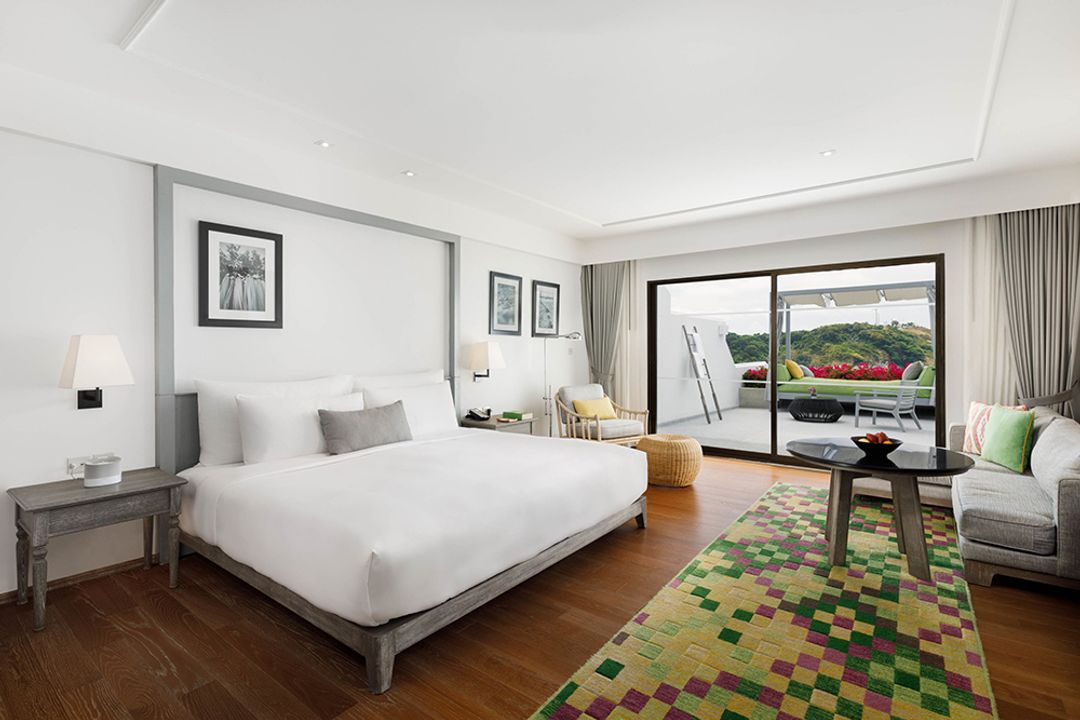
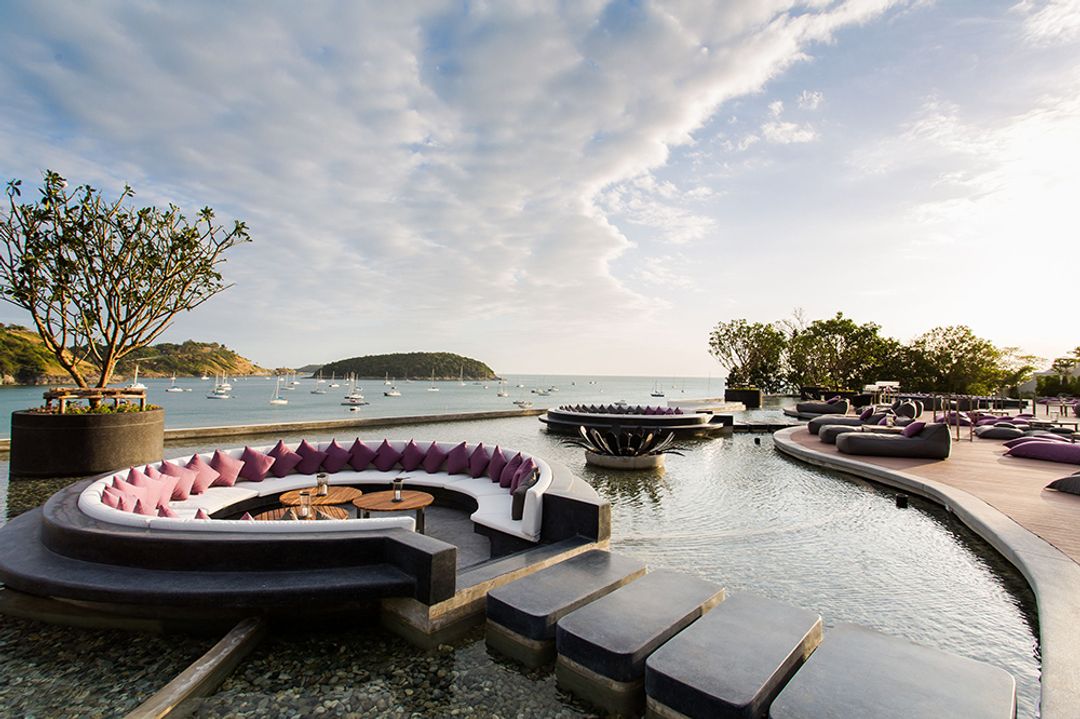
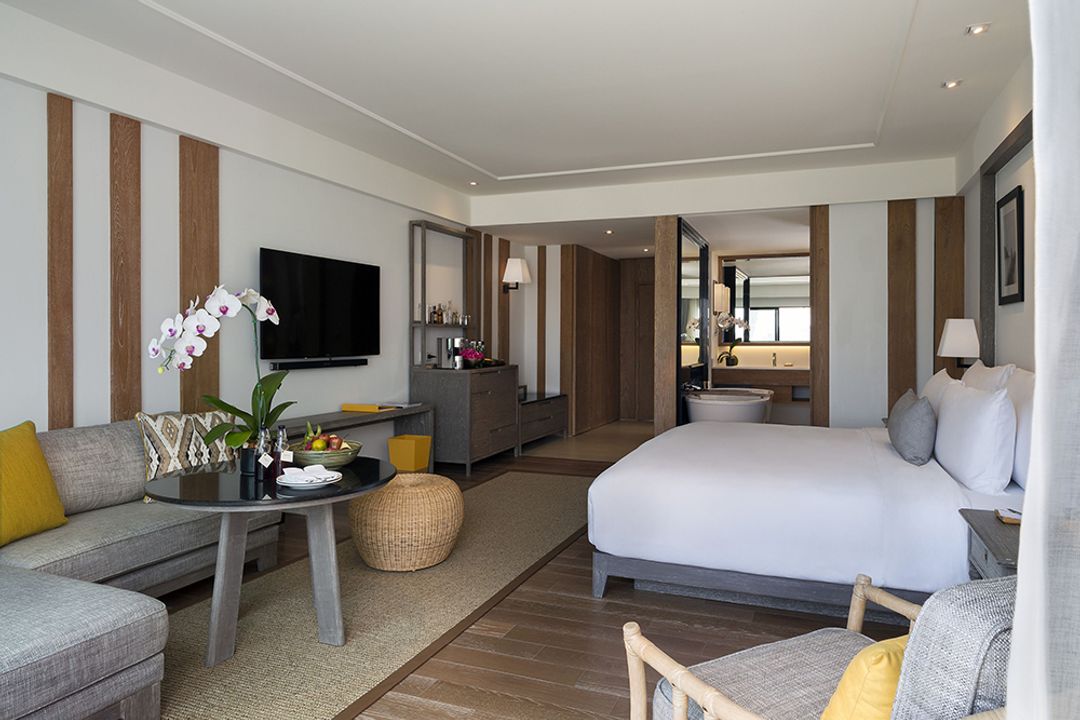
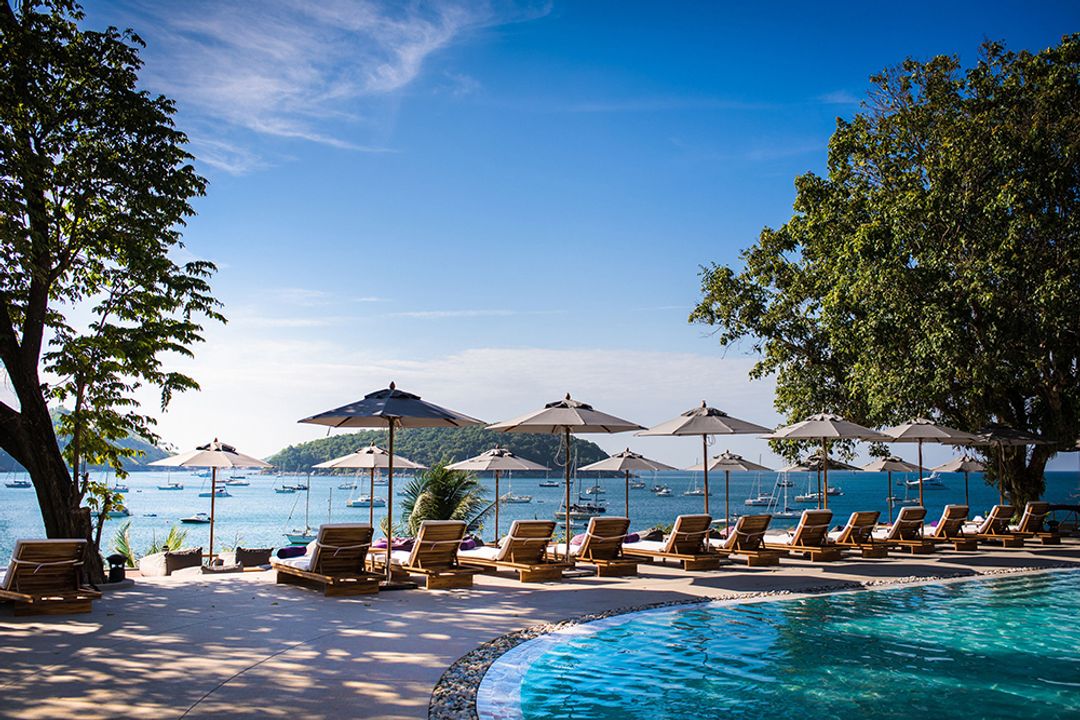
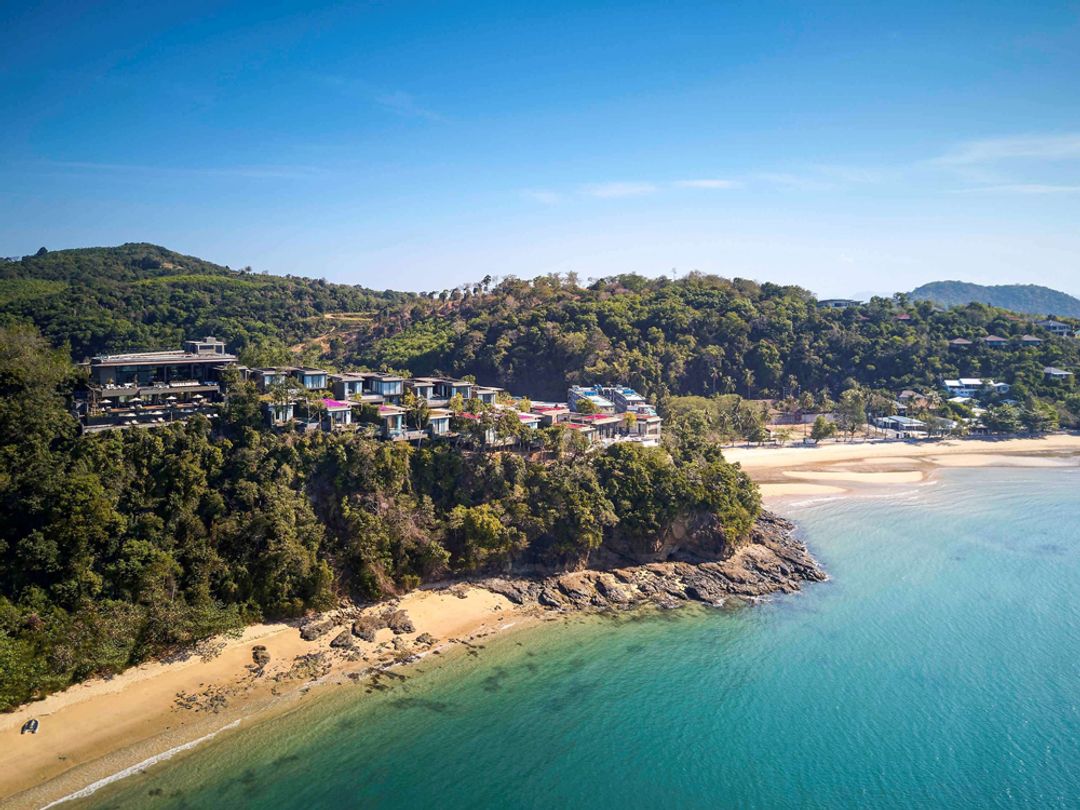
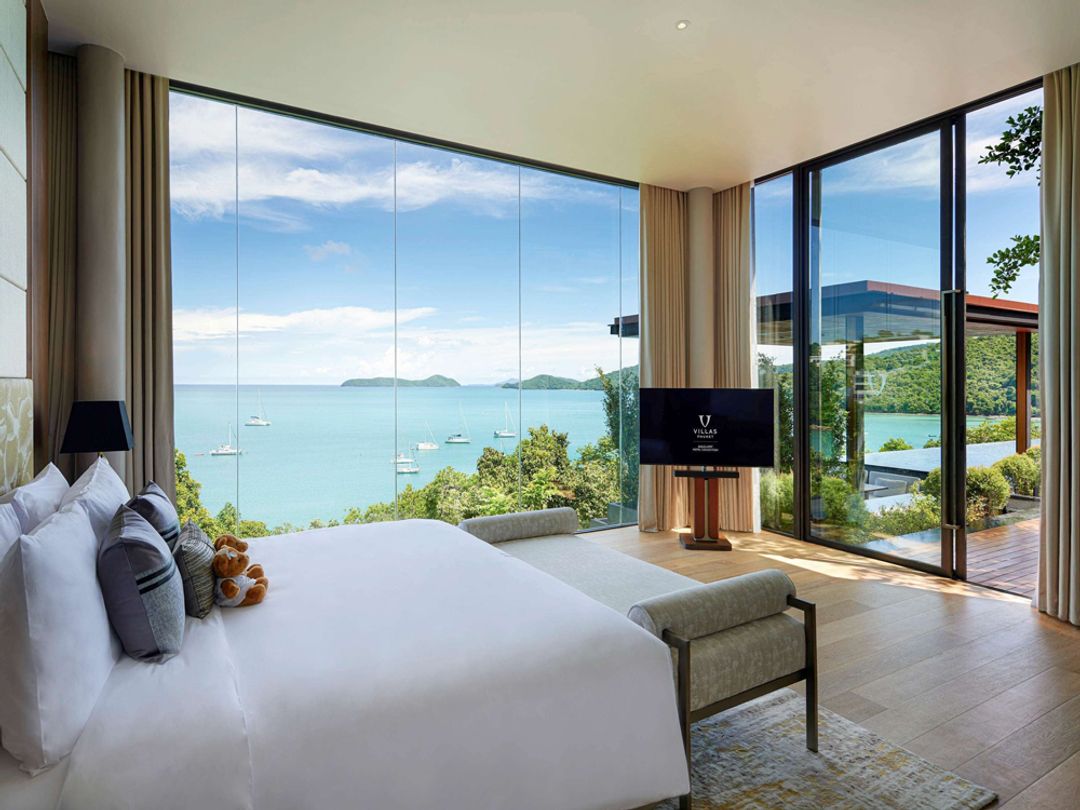
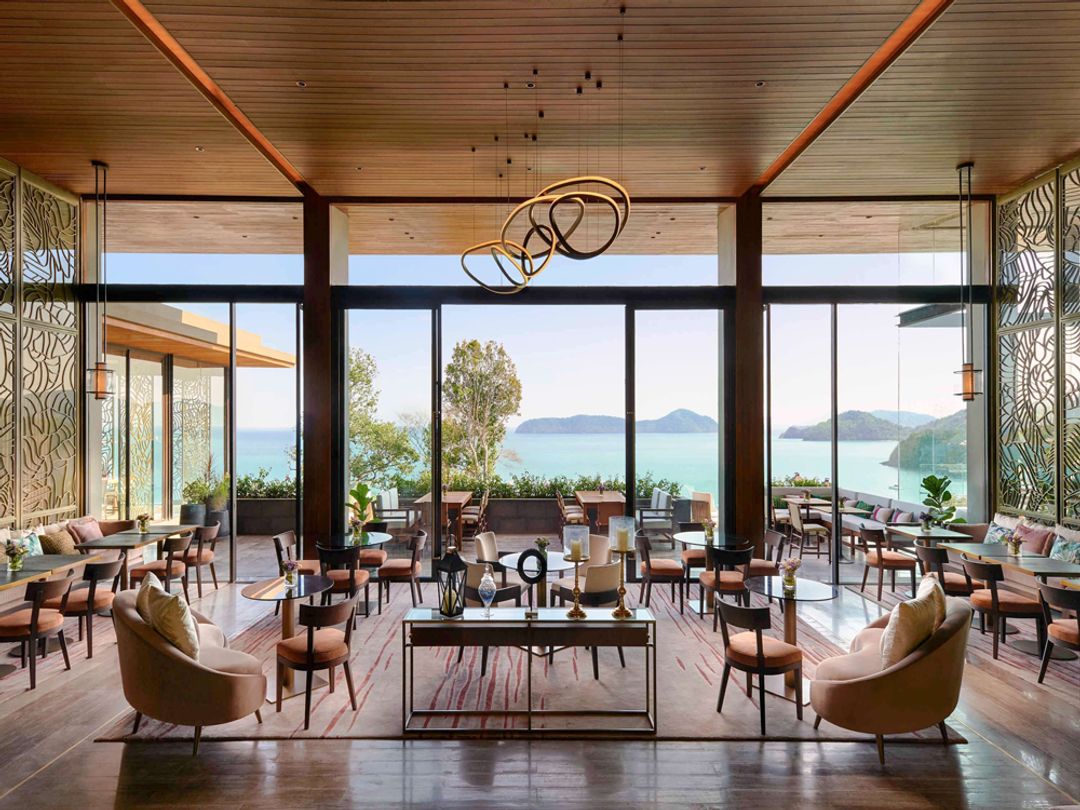
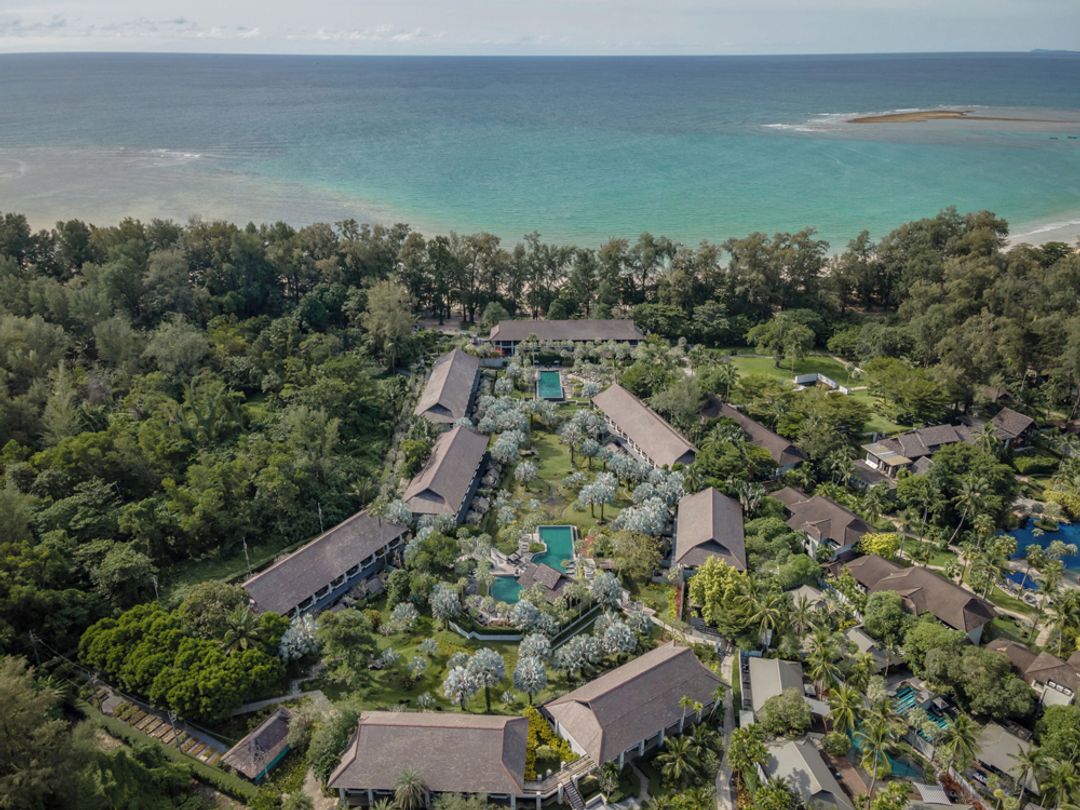
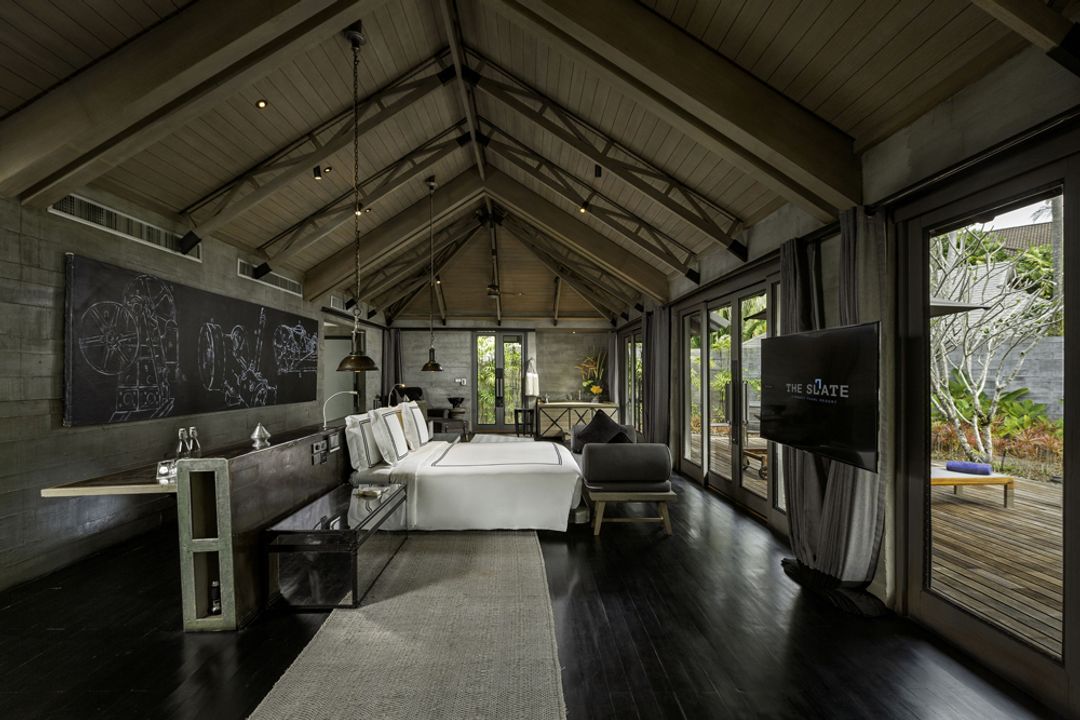
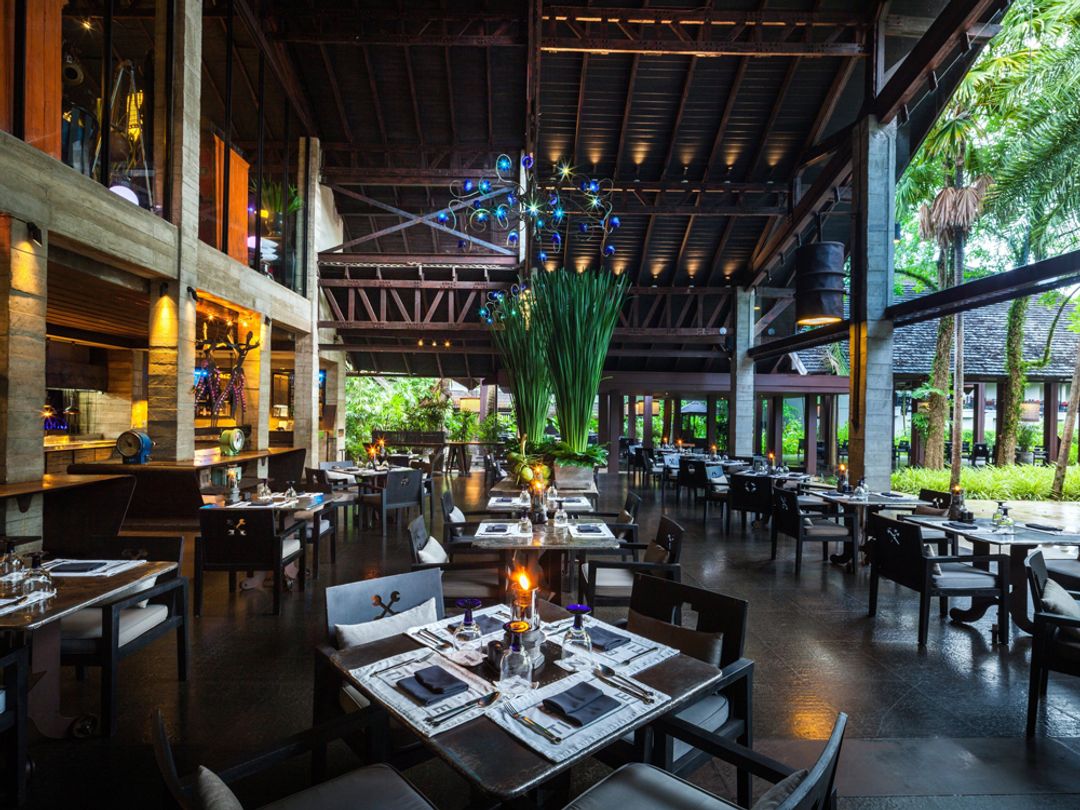
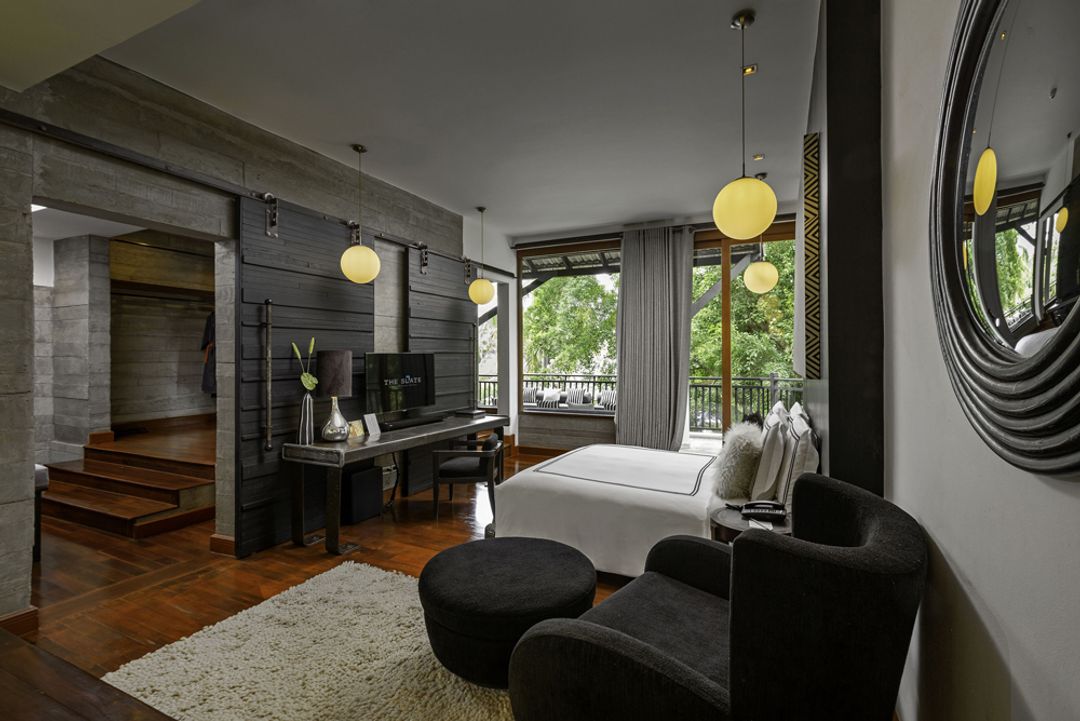
The Nai Harn Phuket, on the island's southern tip at Rawai, is worth isolating as the case for quality without theatre. It occupies a mid-century property that has been renovated with genuine care, and at its price point it outperforms almost everything else on the island for travelers who want considered design and a beach without the performance. The Slate at Nai Yang, with its tin-mine industrial references, is earnest if uneven. V Villas at Ao Yon Bay aims for absolute privacy and delivers it, though at a rate that demands complete conviction.