Best hotels in Salzburg, Austria | Visually Compare Top Stays Side-by-Side
Welcome to PressBeyond - a curated visual guide to design-driven hotels and the fastest way to compare them.
An Overview of the Boutique & Luxury Hotel Landscape in Salzburg, Austria
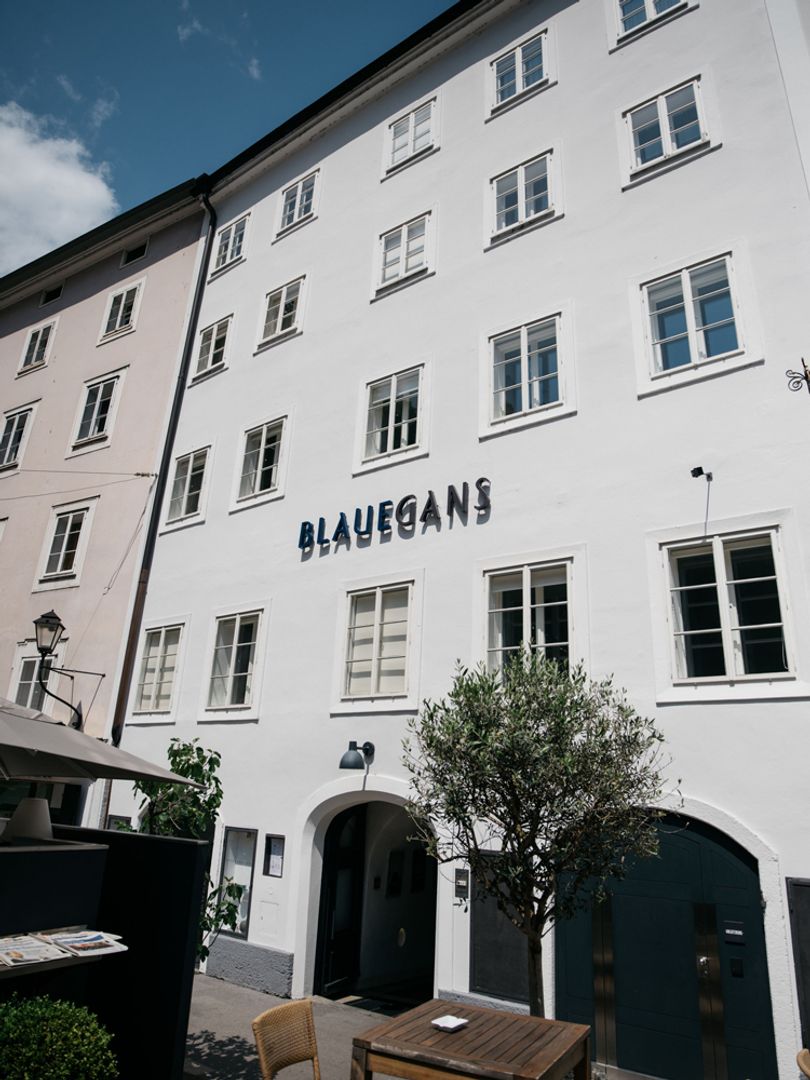
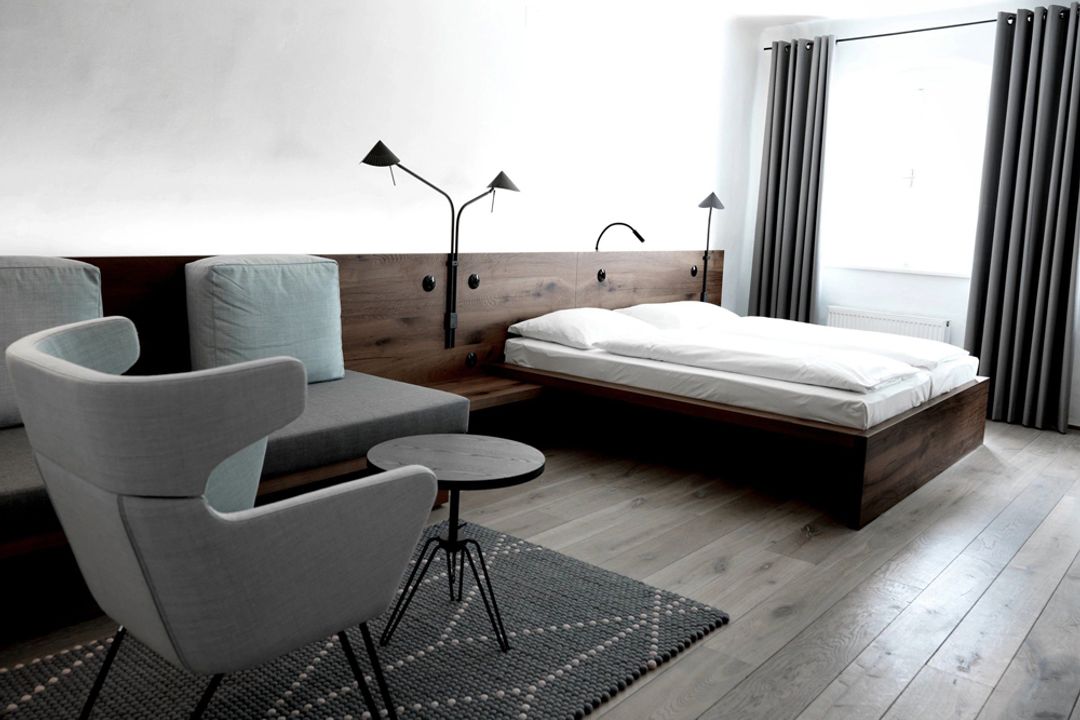
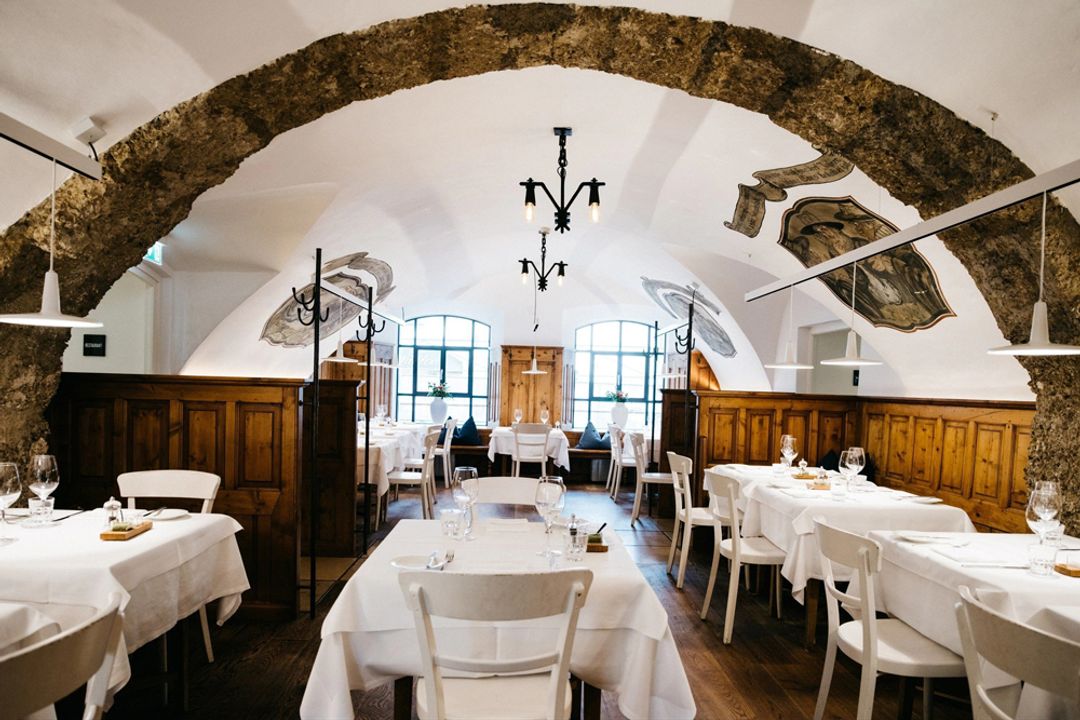
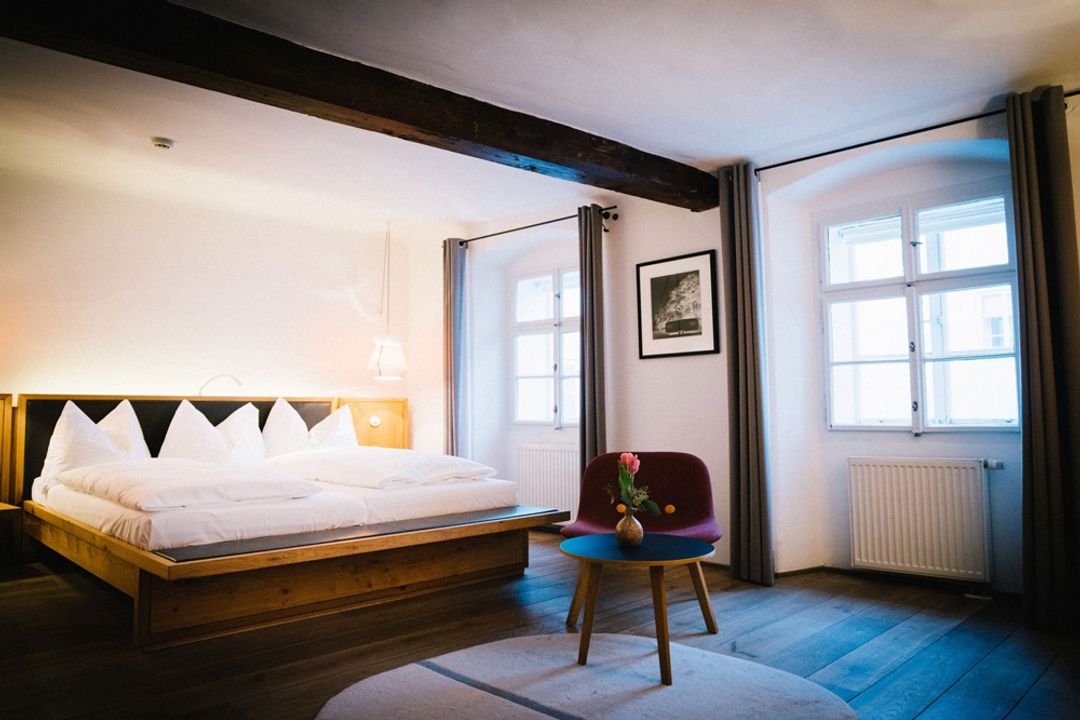
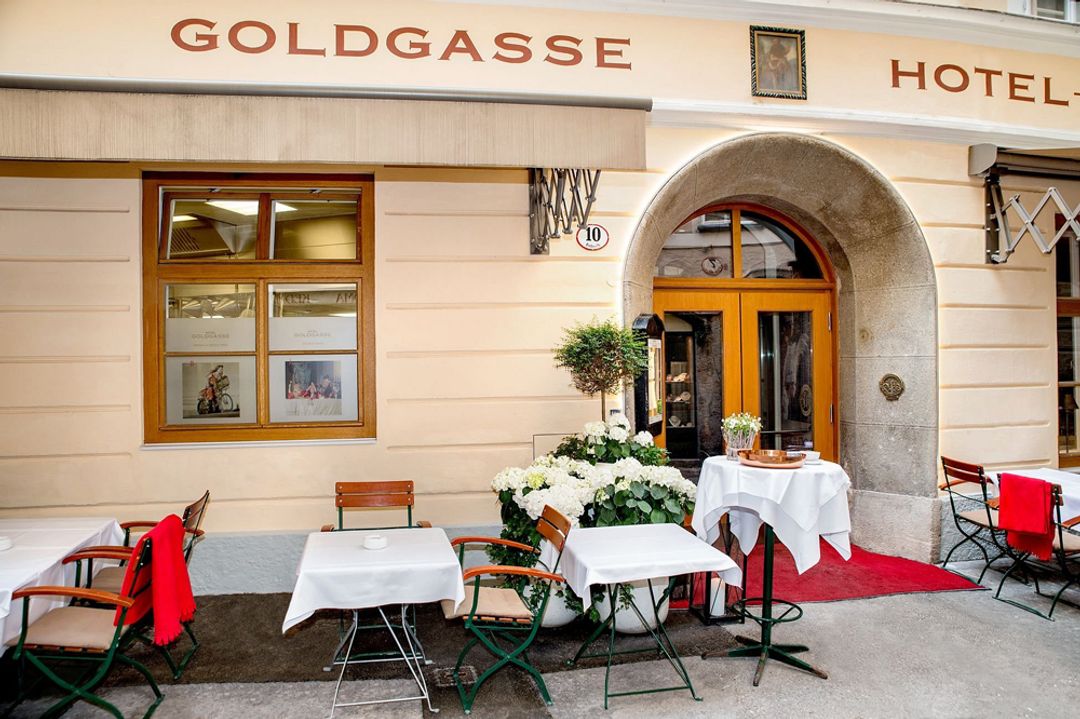
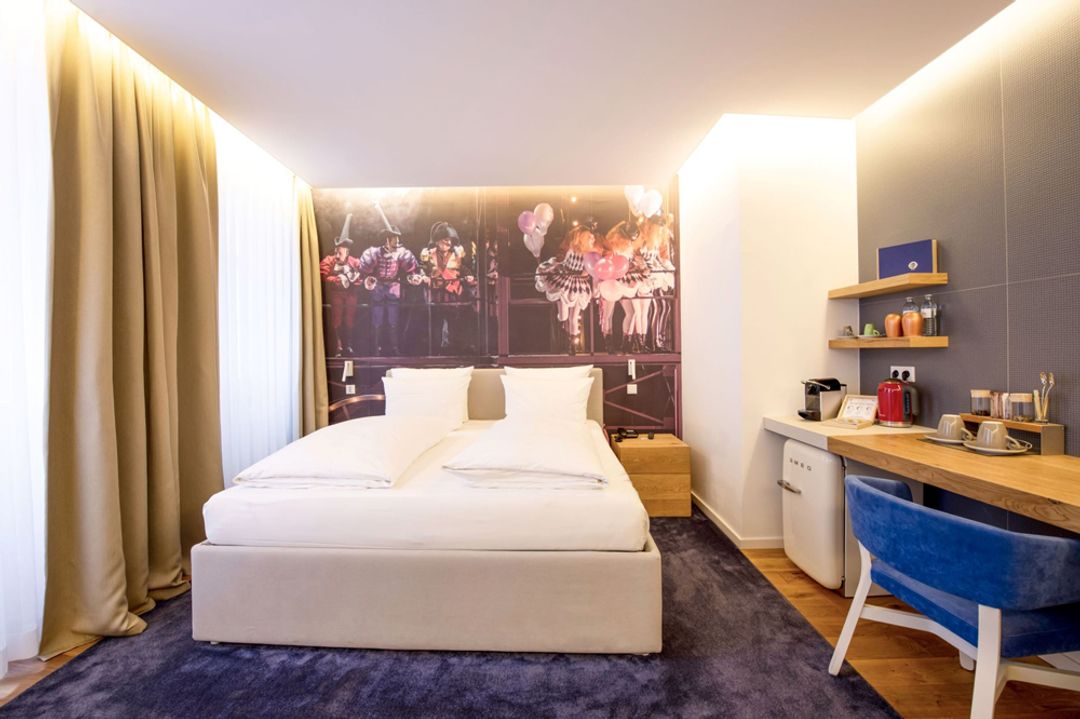
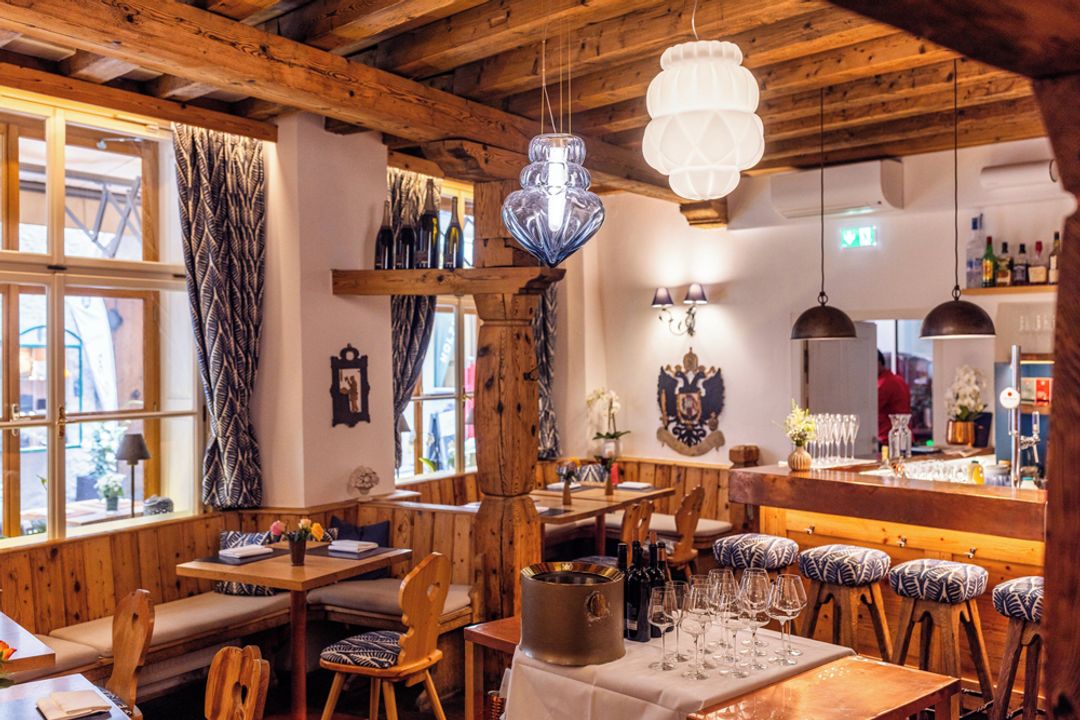
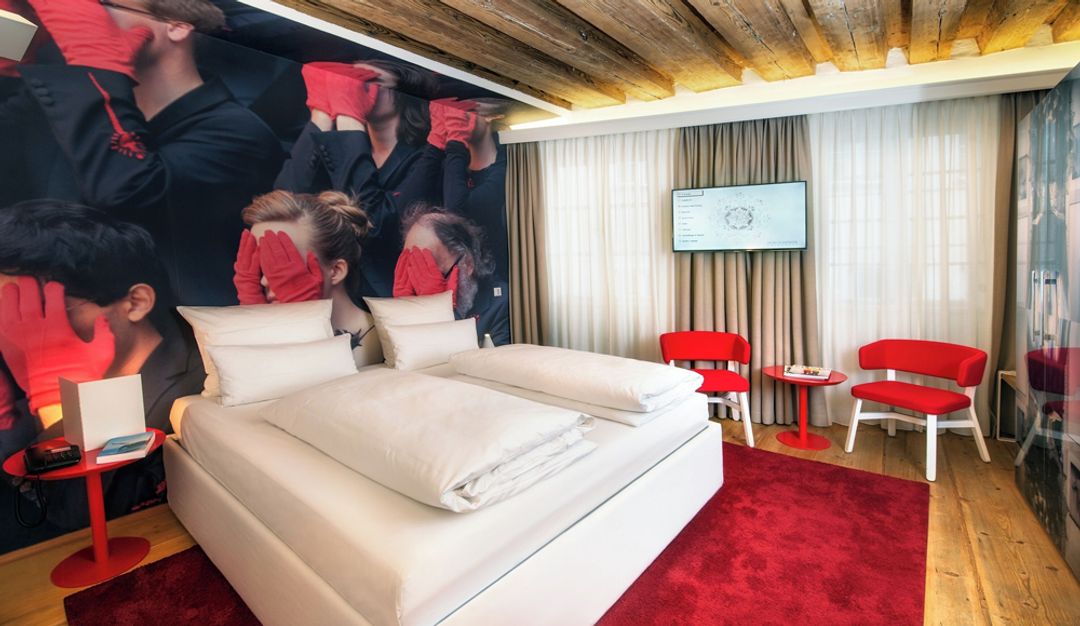
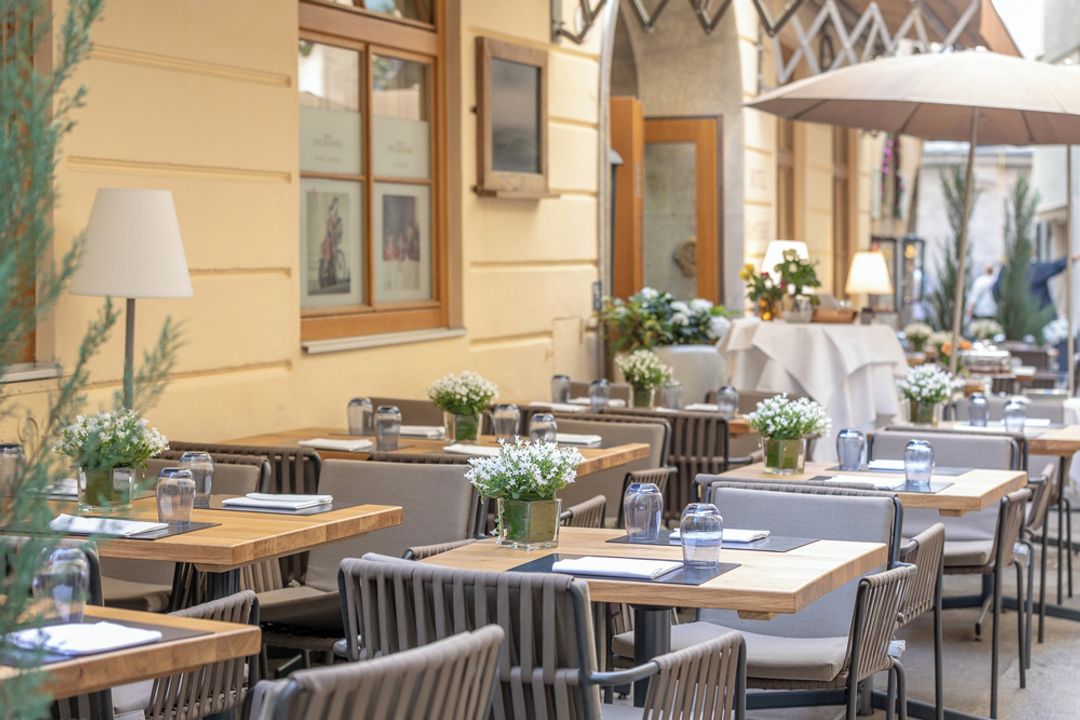
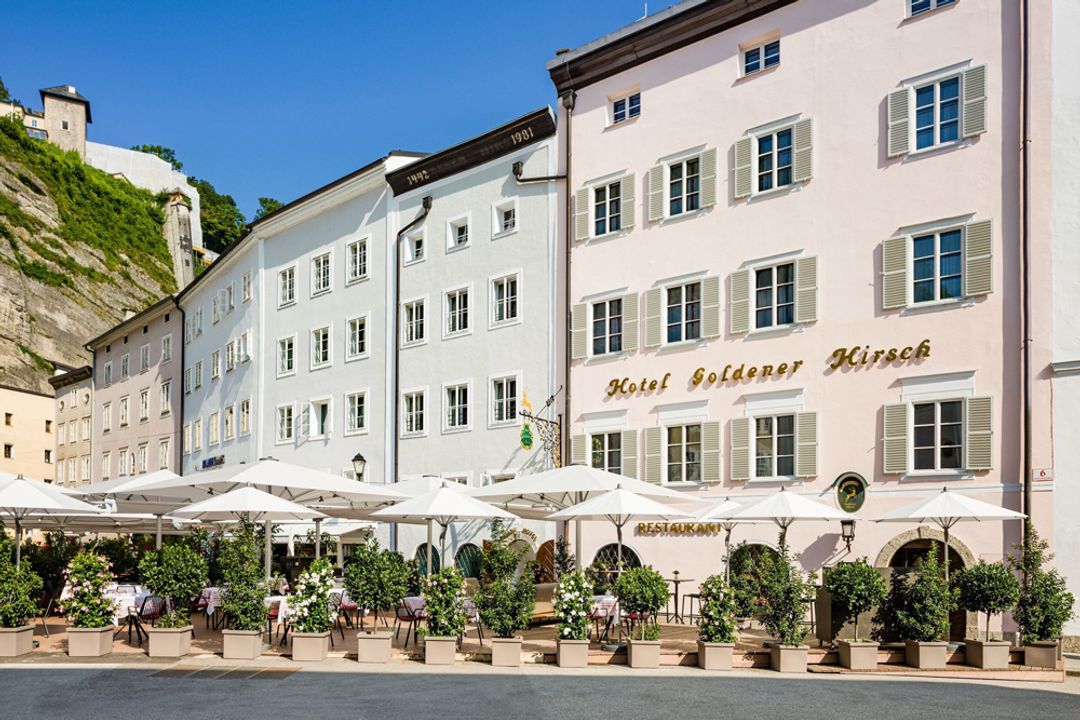
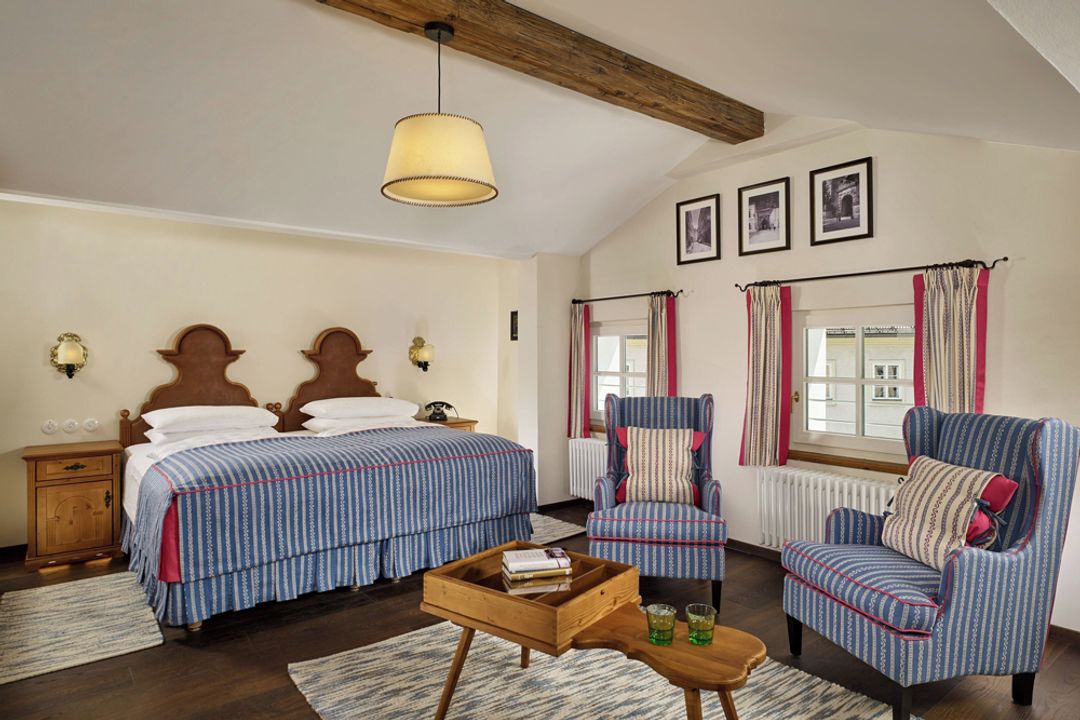
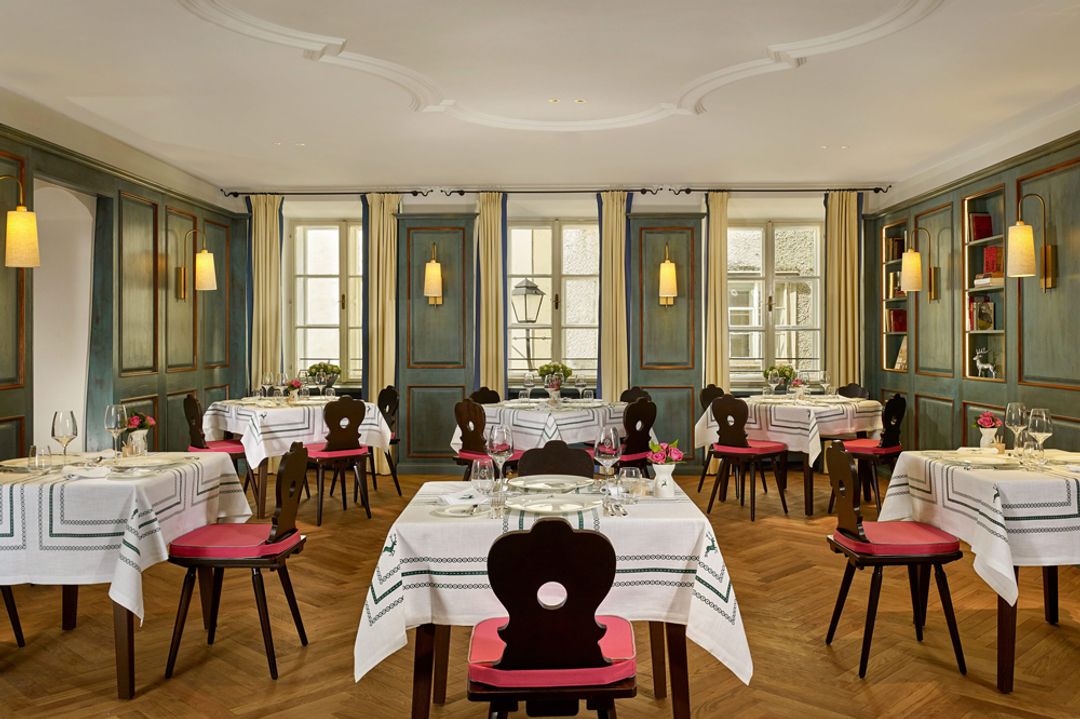
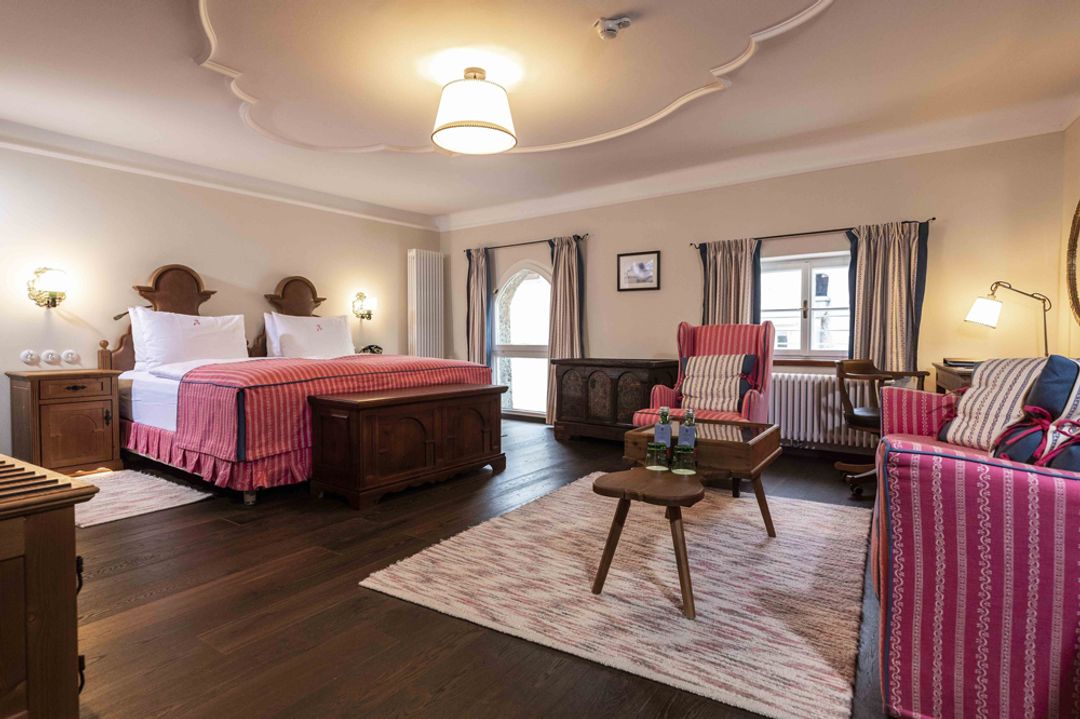
Salzburg is a city that wears its Baroque ambition openly. The Old Town sits beneath the Hohensalzburg Fortress like a stage set that has never been struck, and the hotels within it are in constant negotiation with stonework, narrow passages, and centuries of accumulated civic grandeur. The Arthotel Blaue Gans, housed in a building with roots in the fifteenth century, has navigated that tension with more confidence than most, threading contemporary Austrian art through its interiors without apologizing for the friction. A short walk away, Hotel Goldgasse occupies a similarly ancient shell with a quieter hand, its rooms understated enough to let the architecture carry the atmosphere. Then there is the Goldener Hirsch, a Luxury Collection property on the Getreidegasse that has been receiving guests since 1407 and leans firmly into that inheritance, its painted ceilings and wrought-iron detailing offering an experience that reads more as preservation than hospitality design in any contemporary sense.
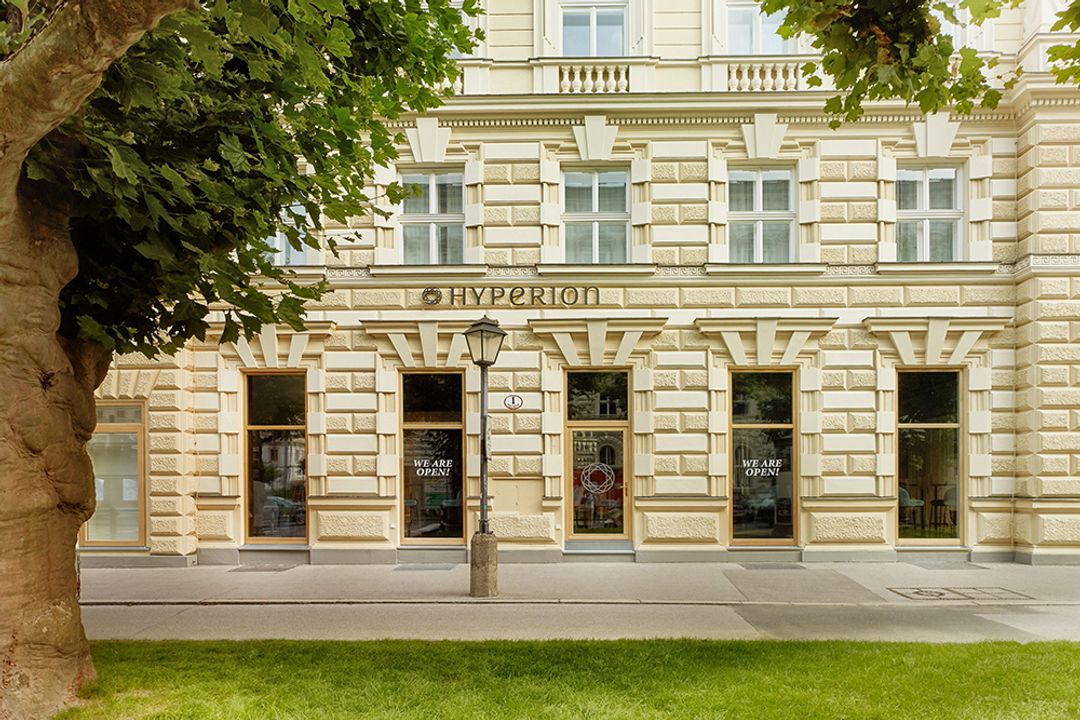
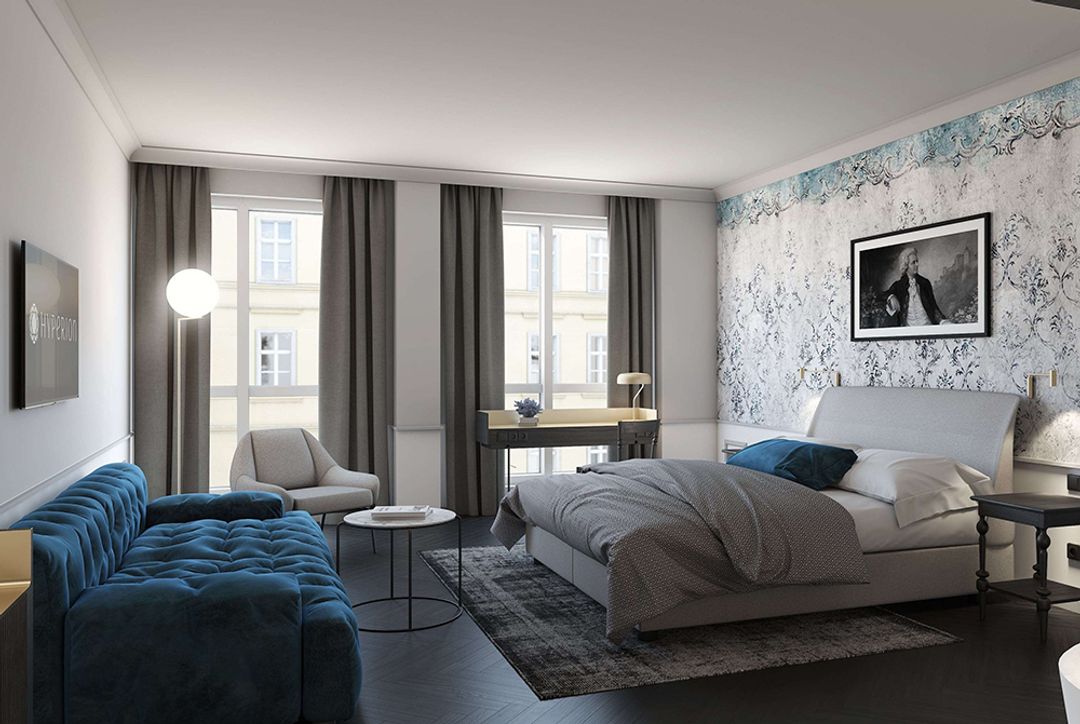
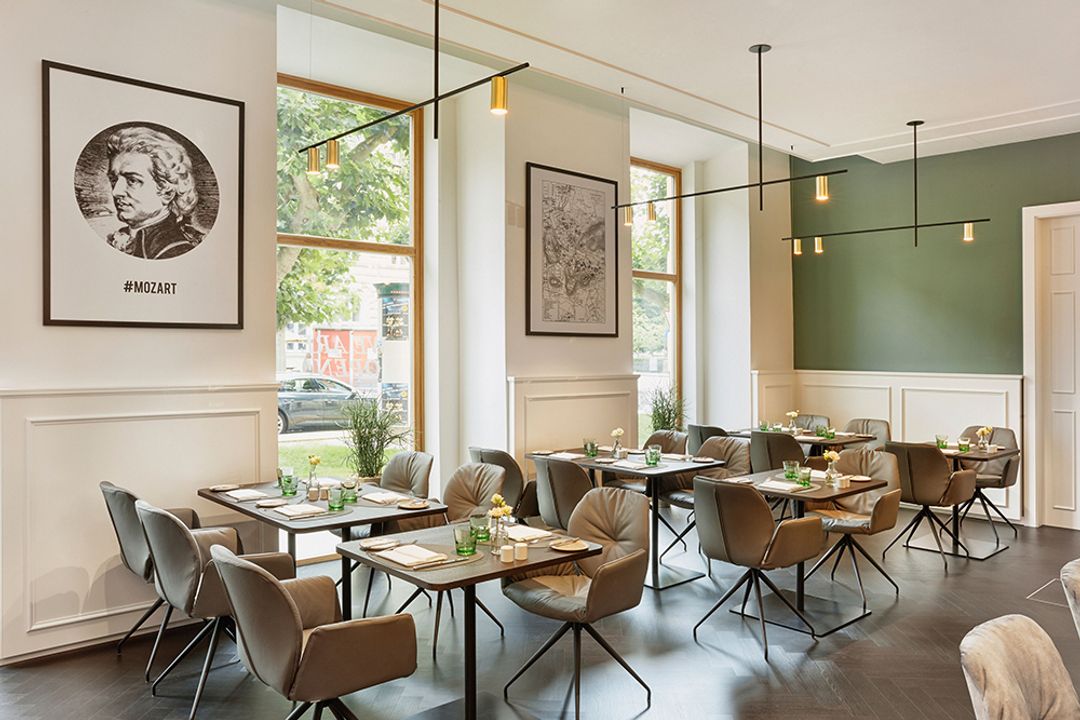
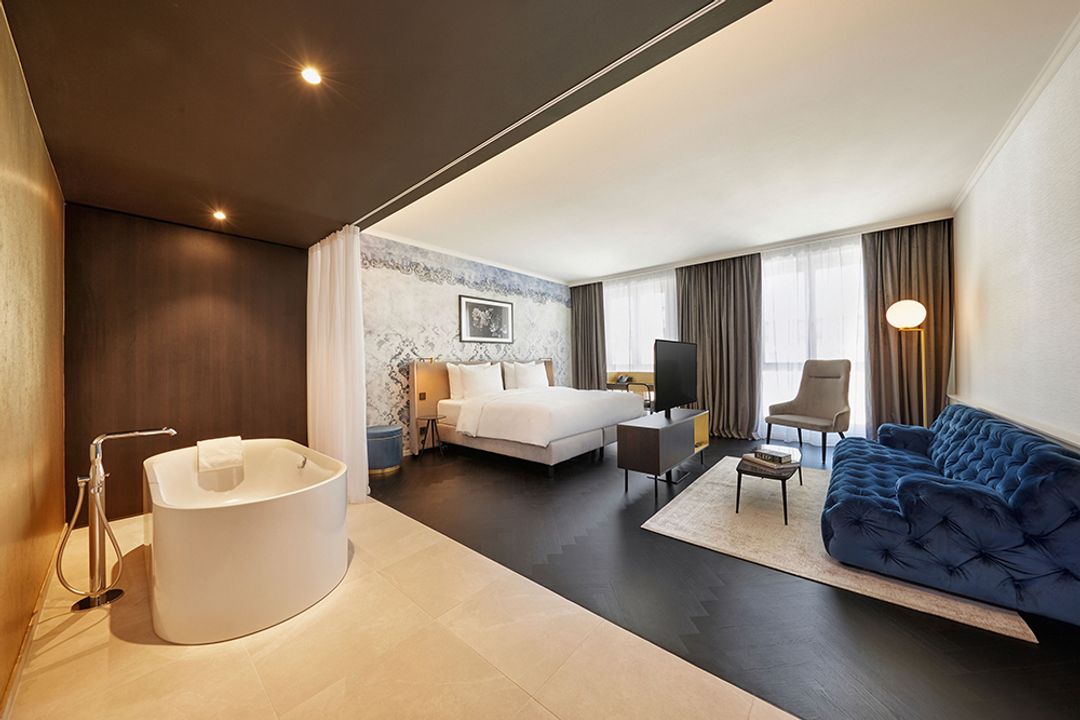
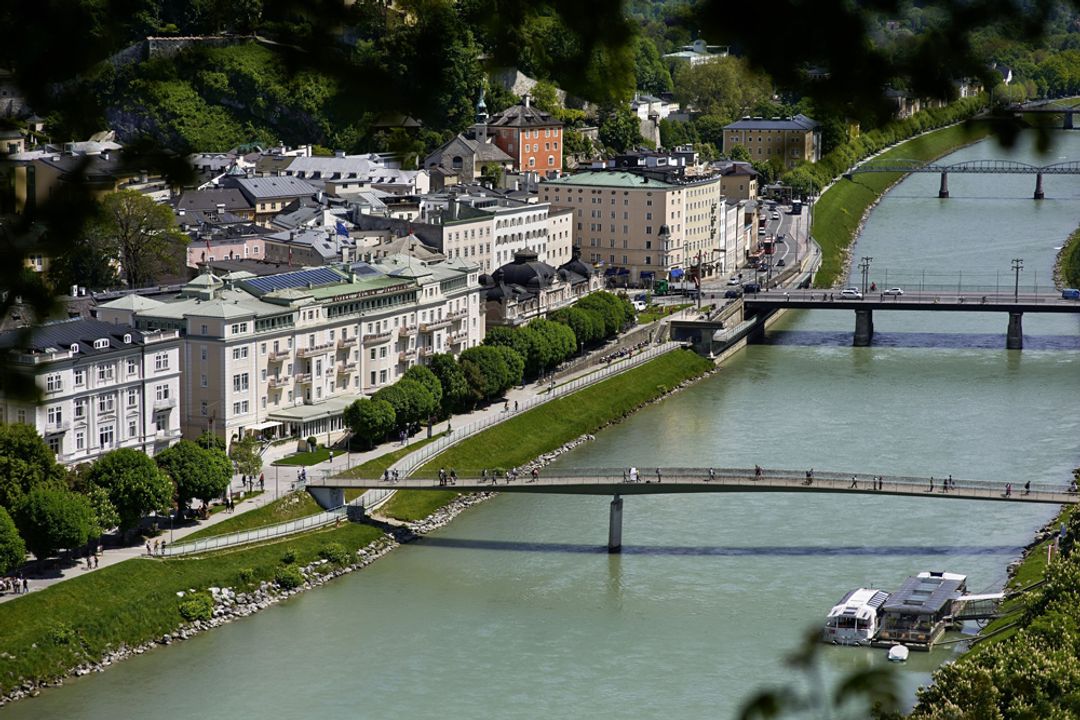
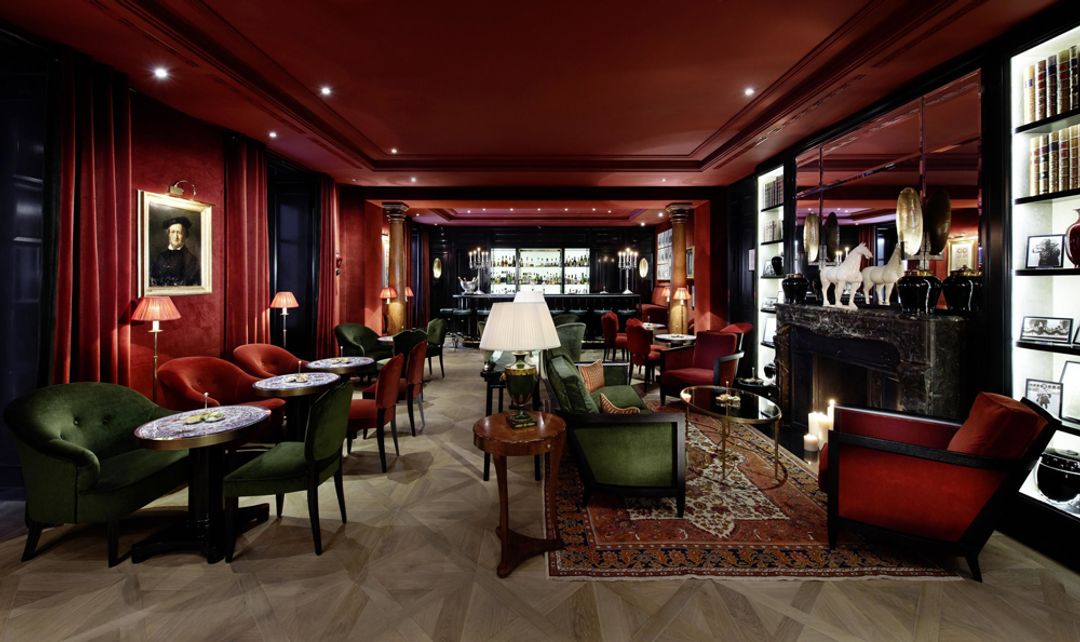
Along the Salzach, the Hotel Sacher Salzburg extends the reputation of its Vienna sibling into this smaller, more concentrated city. The interiors are dense with red velvet and oil paintings, which will either feel correct or suffocating depending on your instincts, but the building's position on the riverbank gives it a territorial confidence that the Old Town properties, hemmed in by their own streets, cannot match. Just north, near the formal geometry of Mirabell Palace and its gardens, the Hyperion Hotel Salzburg offers something more calibrated to travelers who prefer their materials contemporary. It brings a certain Central European hotel professionalism to a neighborhood whose references are almost entirely historical.
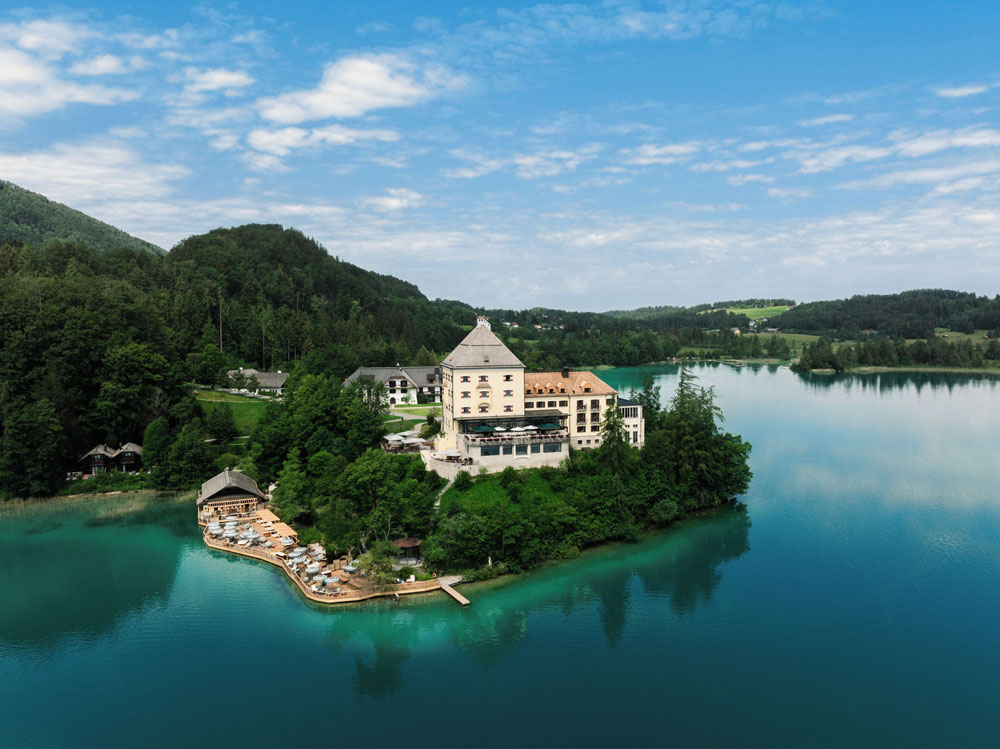
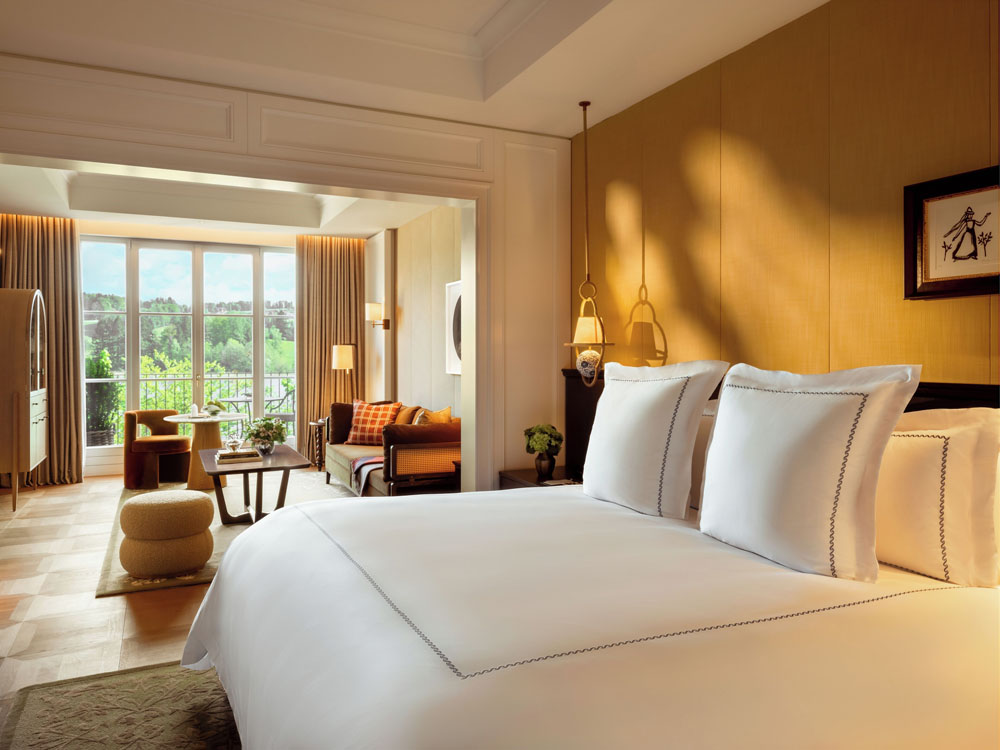
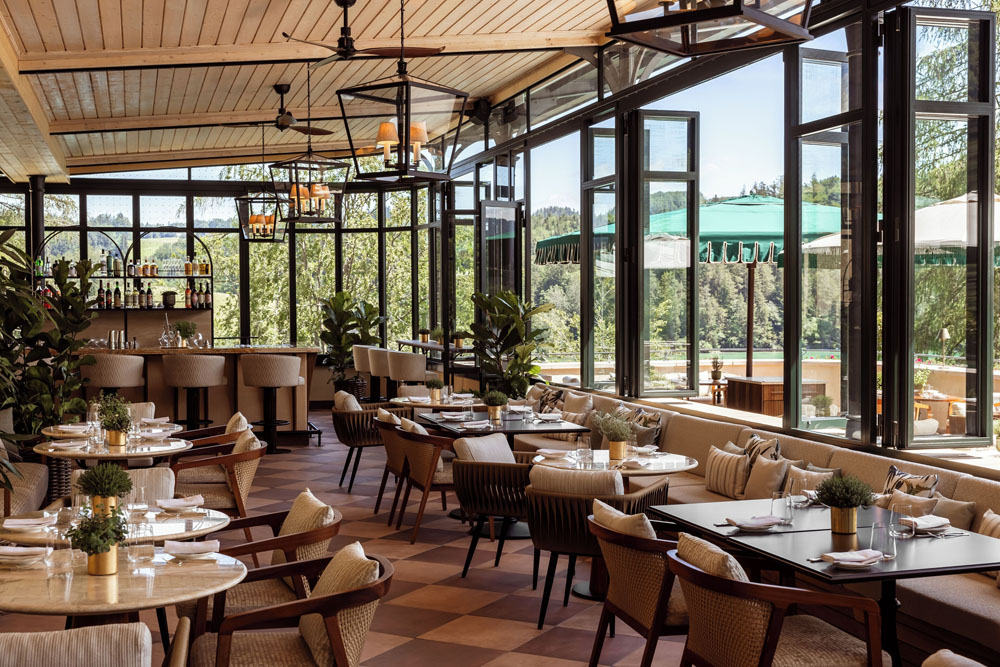
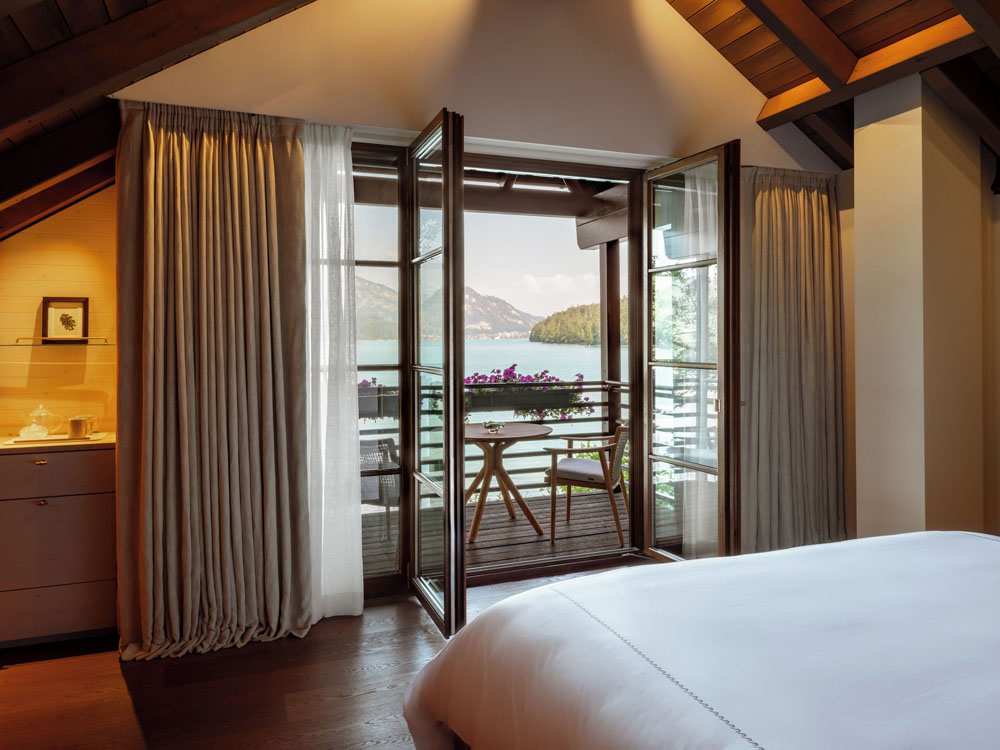
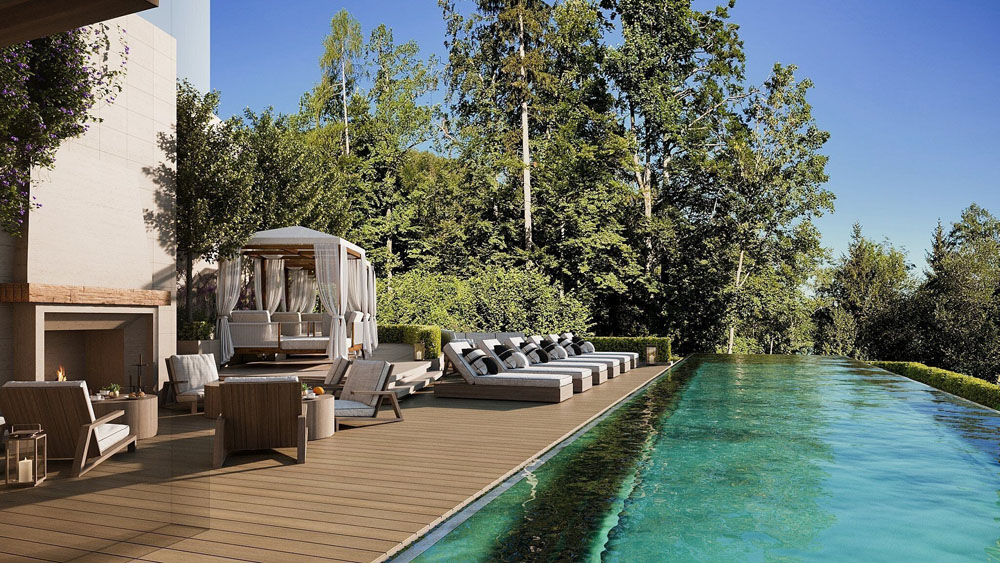
The outlier in any Salzburg stay is Rosewood Schloss Fuschl, which sits roughly thirty minutes east of the city on Lake Fuschl, a fifteenth-century hunting castle that the Rosewood group has restored into its flagship European property. The setting, a promontory over the Salzkammergut lake, does the structural work that no interior designer could replicate. For anyone whose appetite for Baroque stone runs out before their trip does, Fuschl provides the counterpoint: space, water, and a version of Austrian grandeur that trades urban compression for alpine openness. It is not a city hotel that happens to be in the countryside; it is a genuinely different proposition, and the distance from Salzburg is worth treating as a feature rather than an inconvenience.