Best hotels in Siem Reap, Cambodia | Visually Compare Top Stays Side-by-Side
Welcome to PressBeyond - a curated visual guide to design-driven hotels and the fastest way to compare them.
An Overview of the Boutique & Luxury Hotel Landscape in Siem Reap, Cambodia
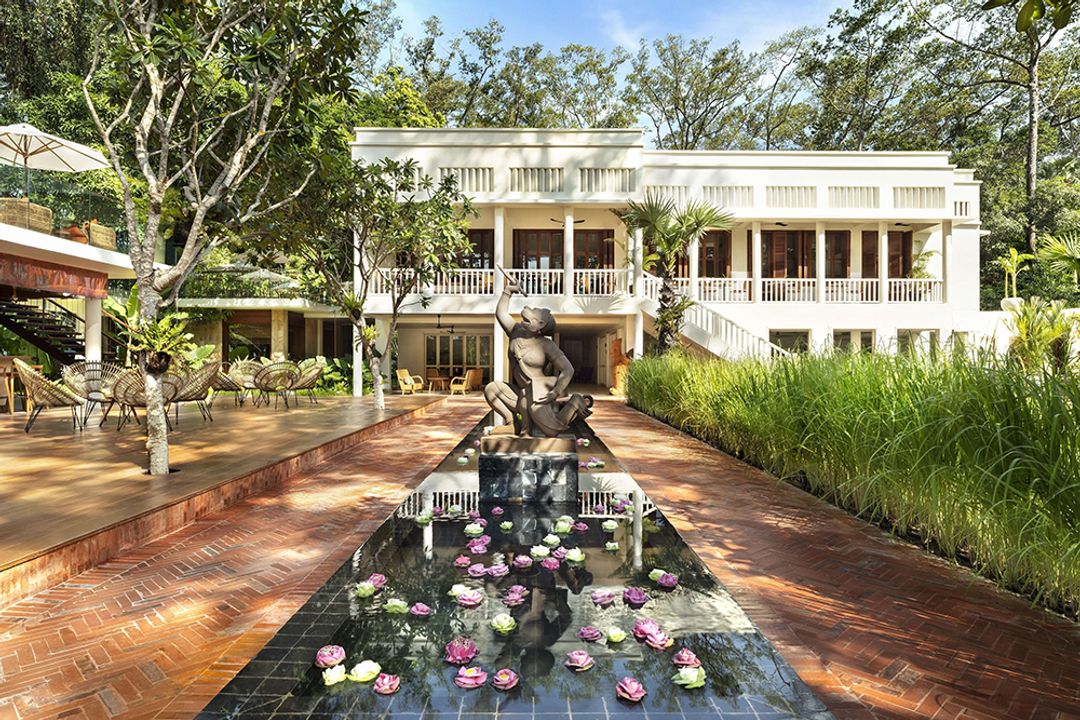
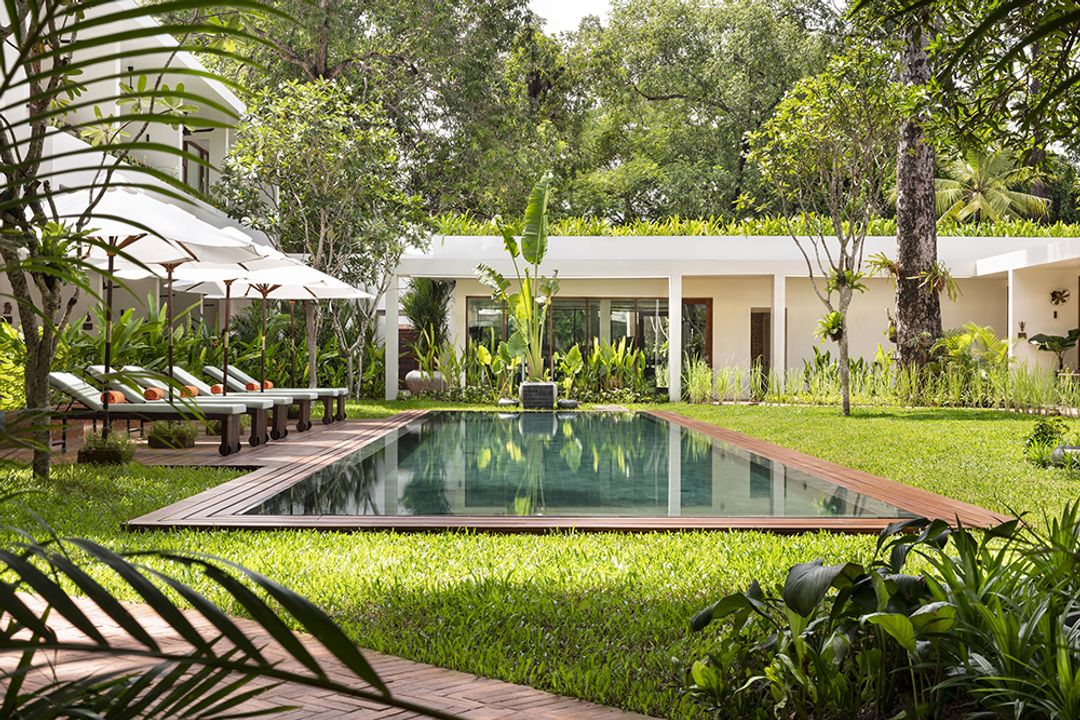
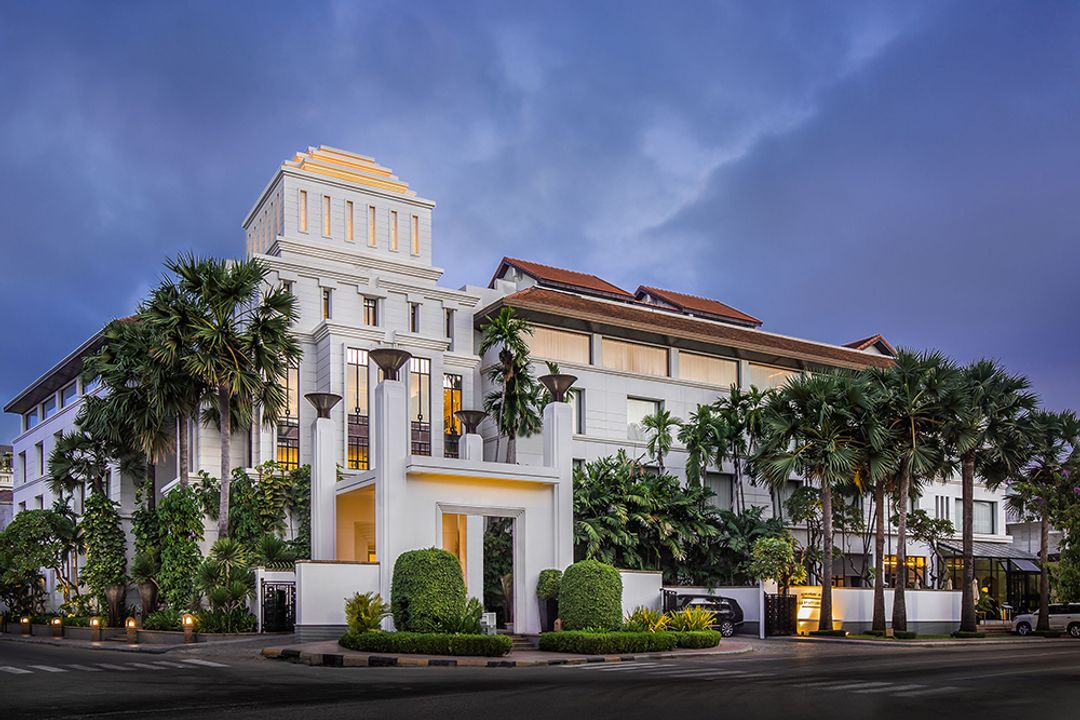
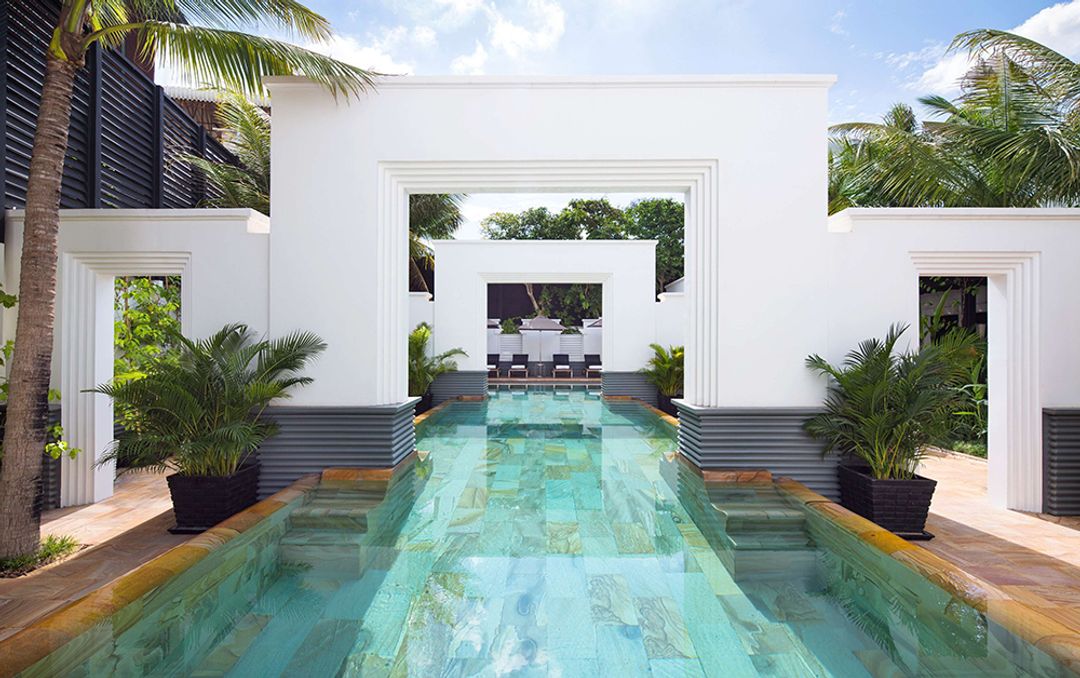
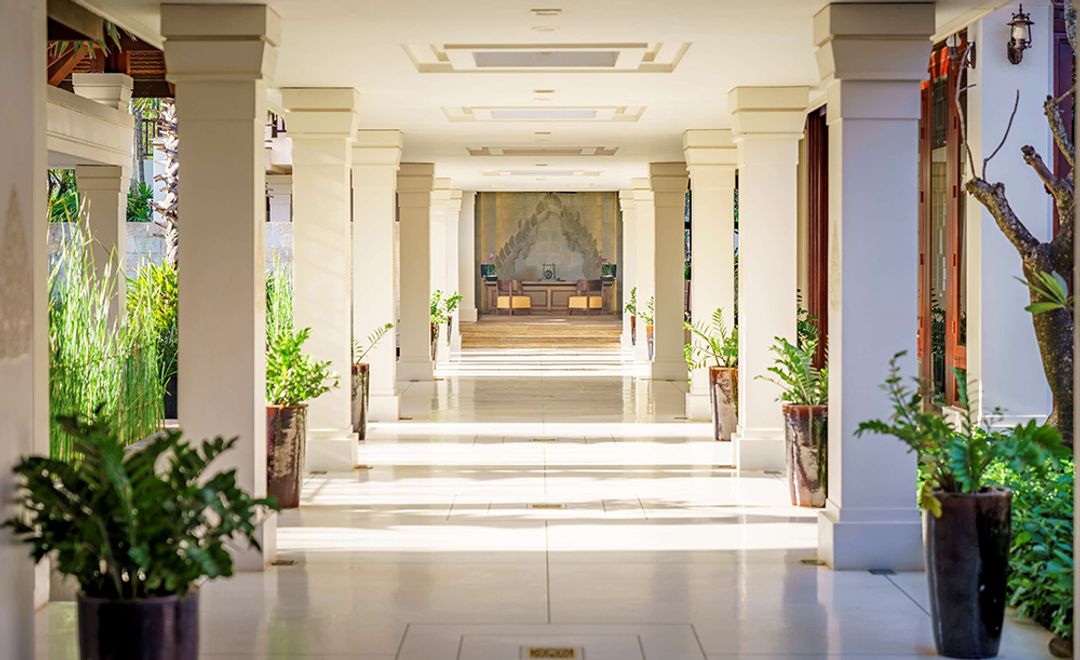
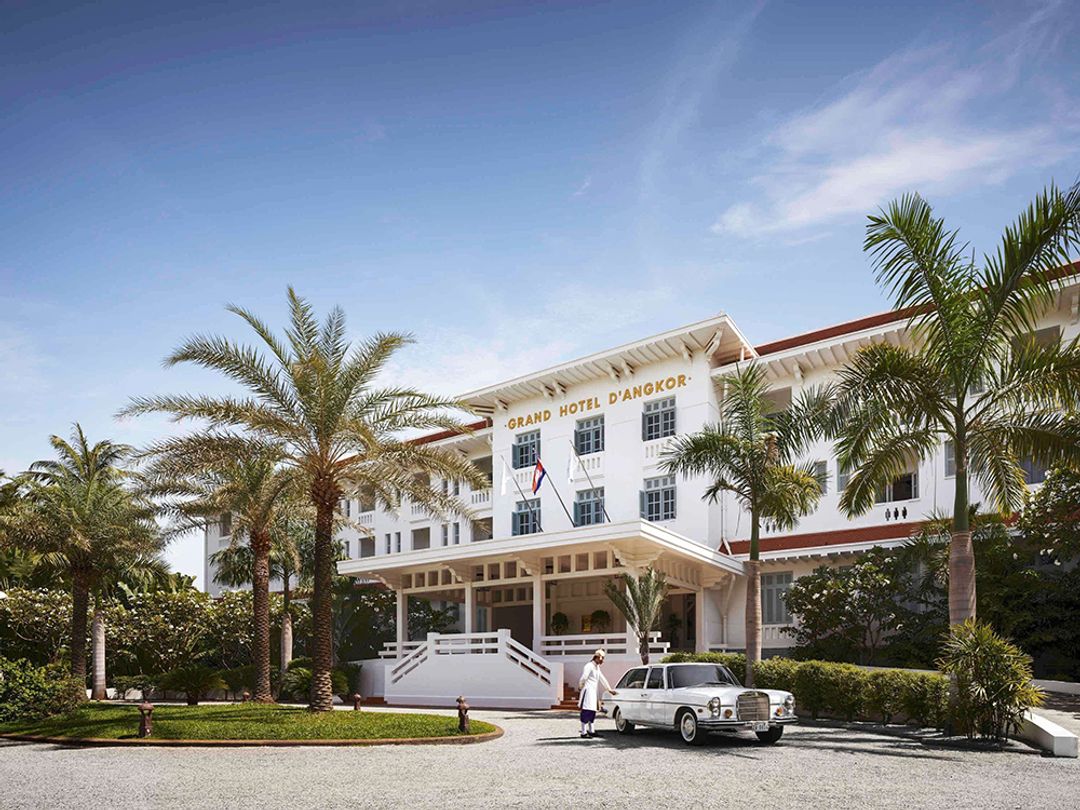
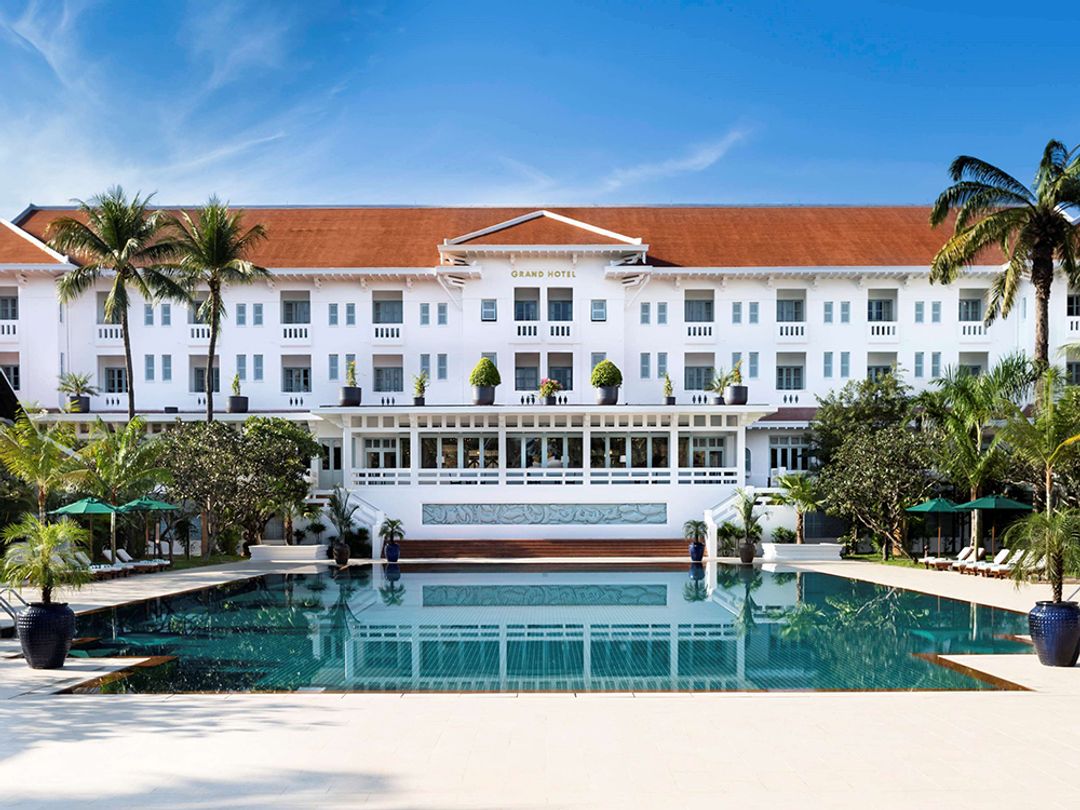
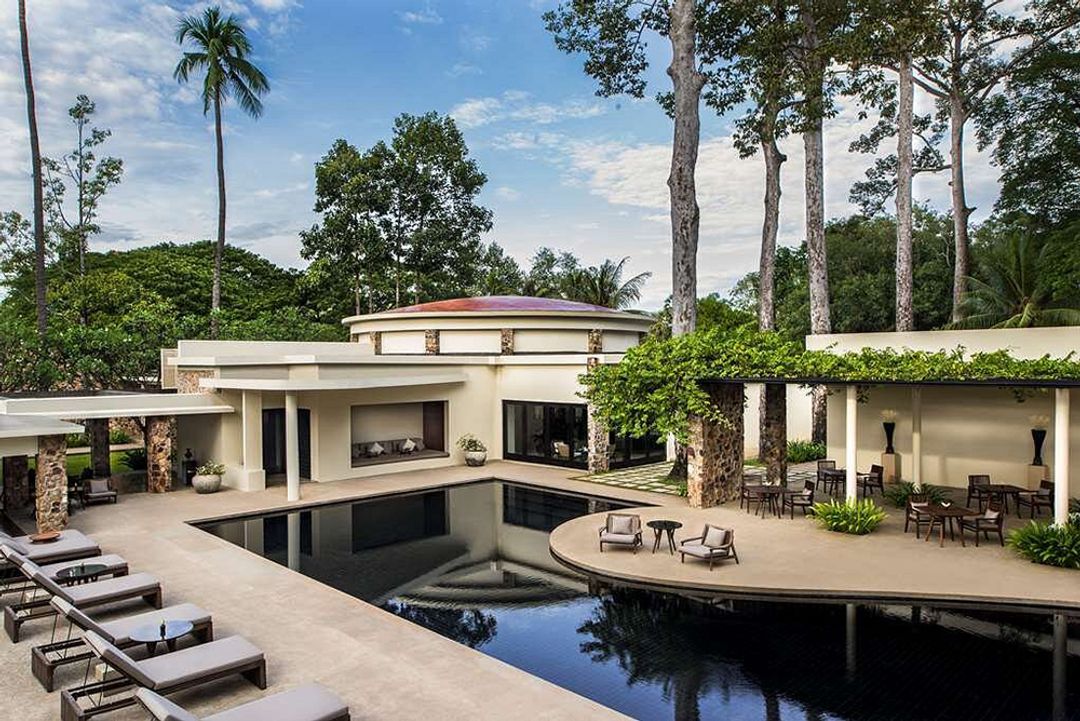
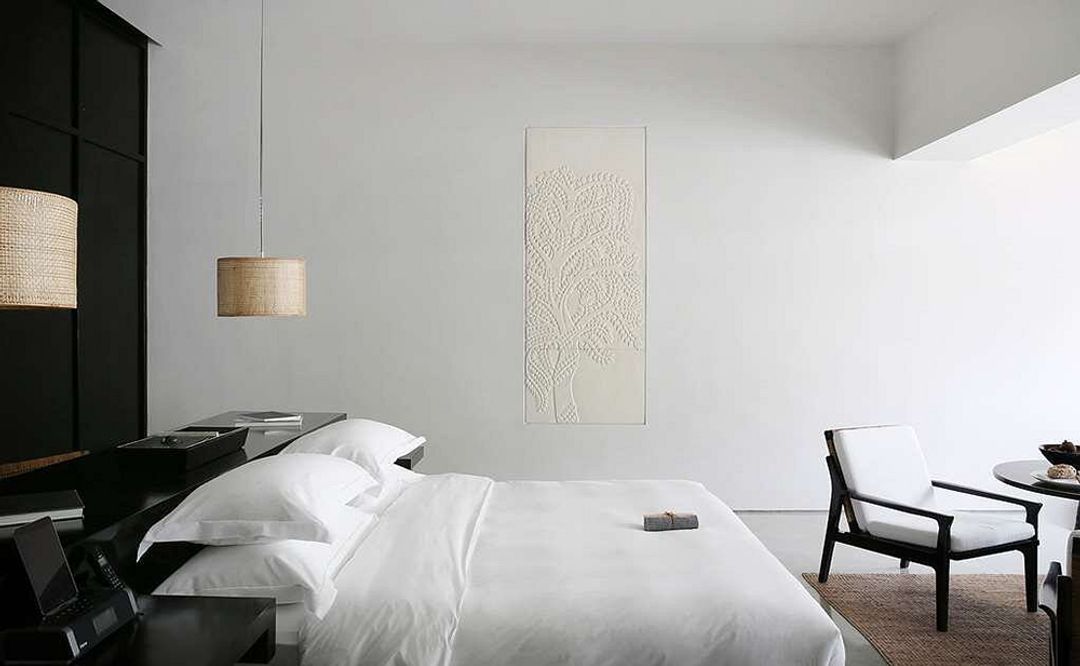
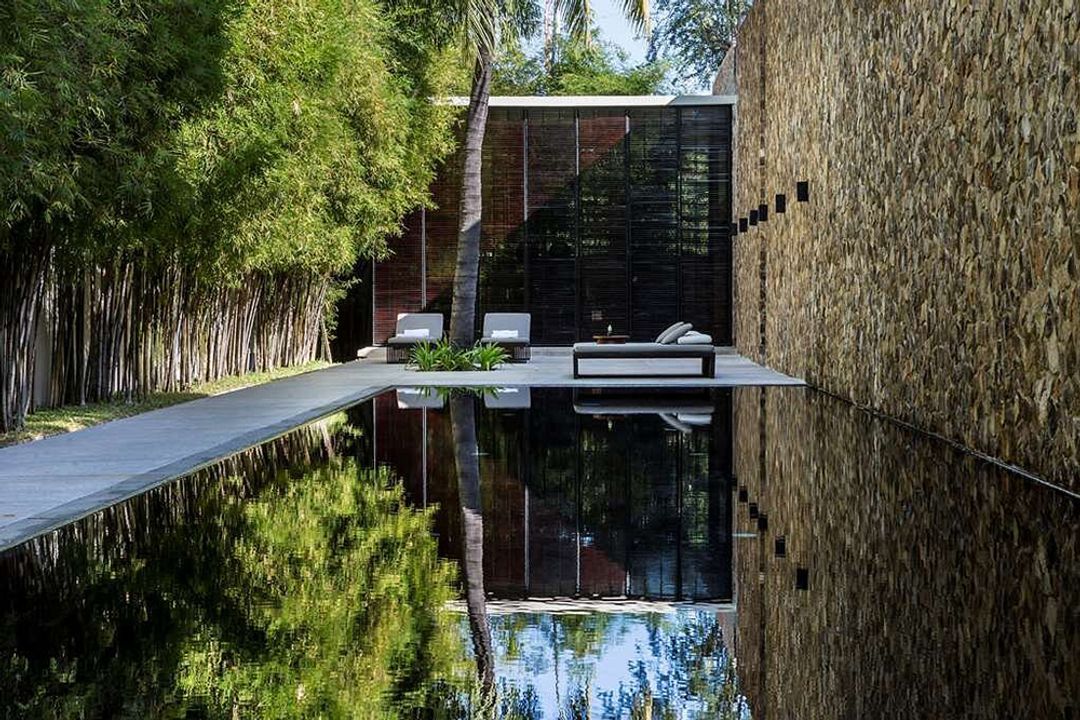
The French Quarter and the area around the Royal Gardens represent two genuinely different ways of being in Siem Reap, and the hotels that anchor each reflect that difference with some precision. The Raffles Grand Hotel d'Angkor, sitting along Vithei Charles de Gaulle since 1932, is the city's most architecturally complete colonial artifact: its white colonnaded facade, swimming pool installed in 1955, and period interiors occupy a register somewhere between preservation and theater. Nearby, Amansara operates out of a former royal guest villa commissioned by Norodom Sihanouk in the 1960s, designed in a mod-Khmer idiom that feels almost startlingly coherent — pool suites arranged around a central courtyard, everything rendered in pale concrete and teak, with a restraint that the Aman brand has consistently earned rather than merely claimed. These two properties sit within walking distance of each other yet belong to entirely different eras of taste.
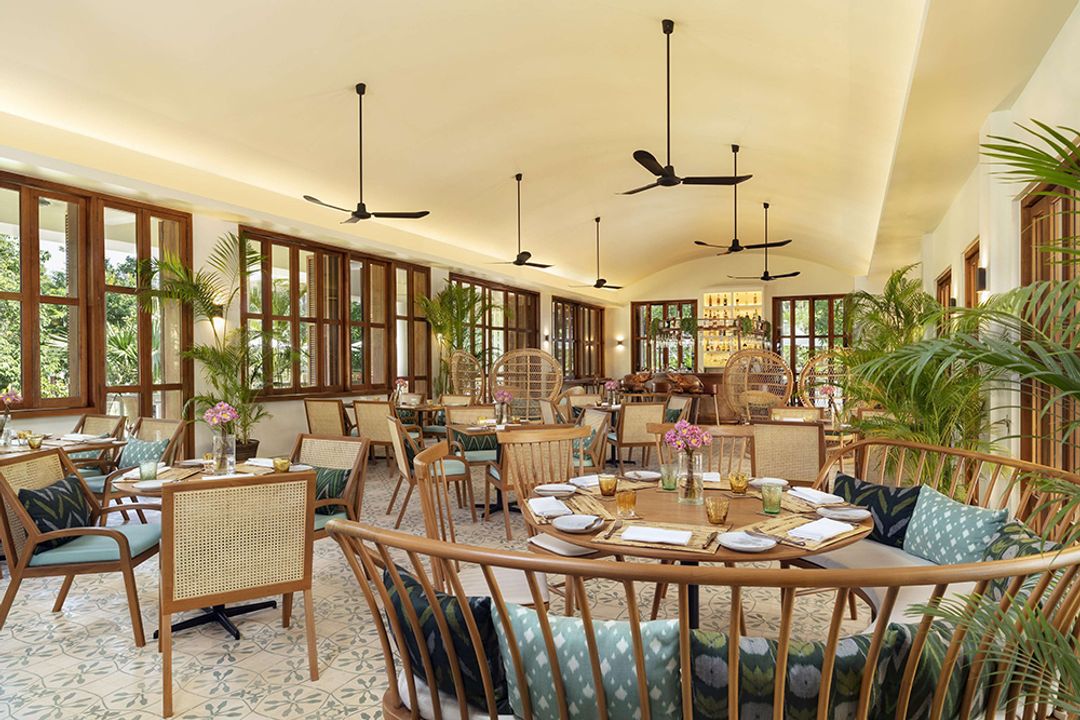
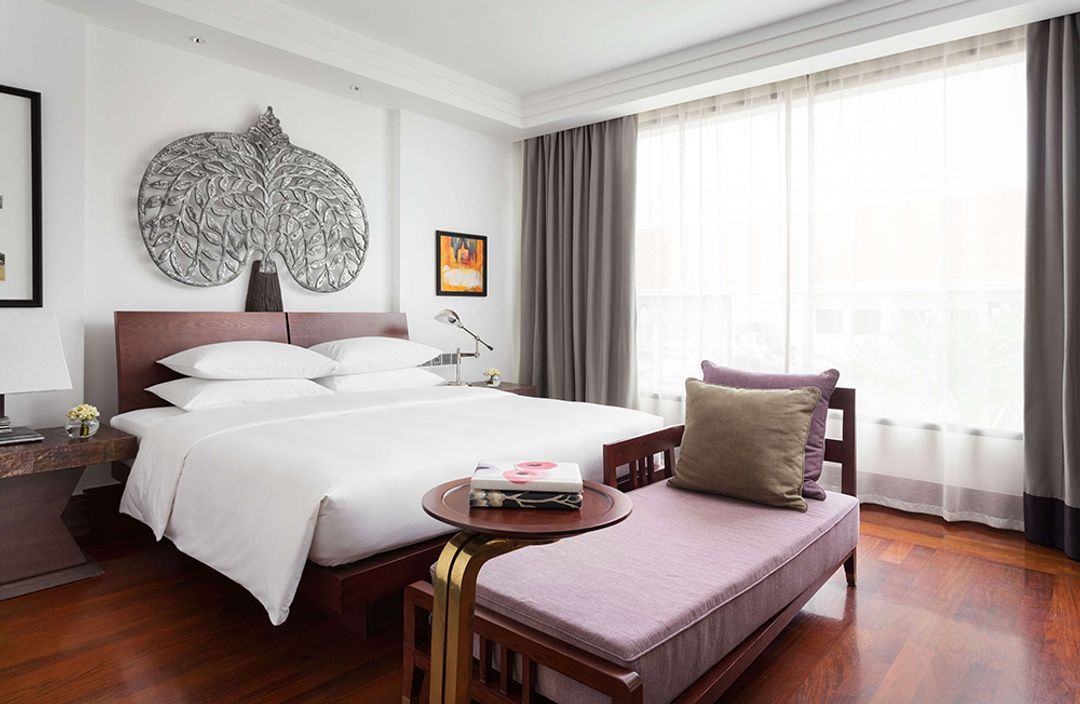
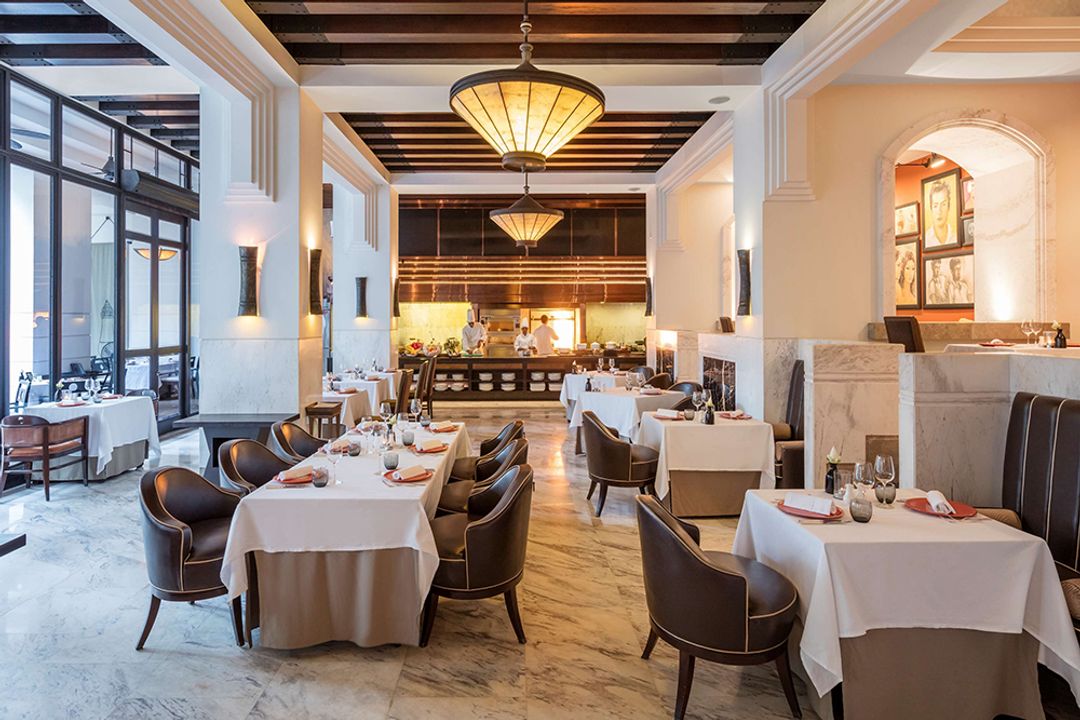
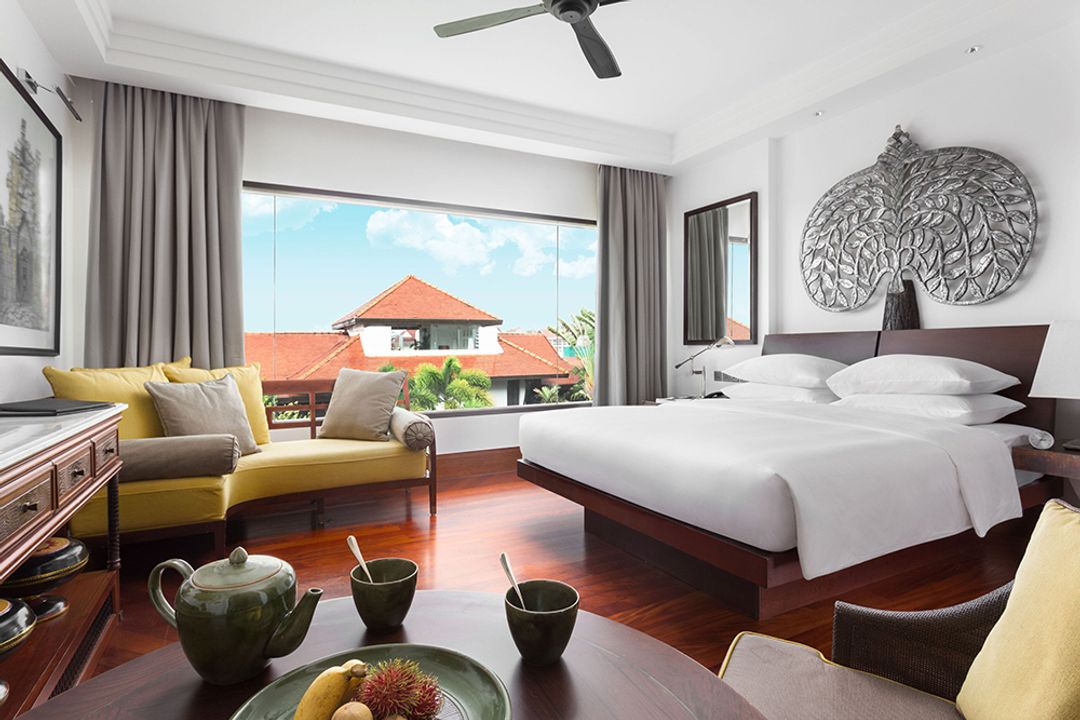
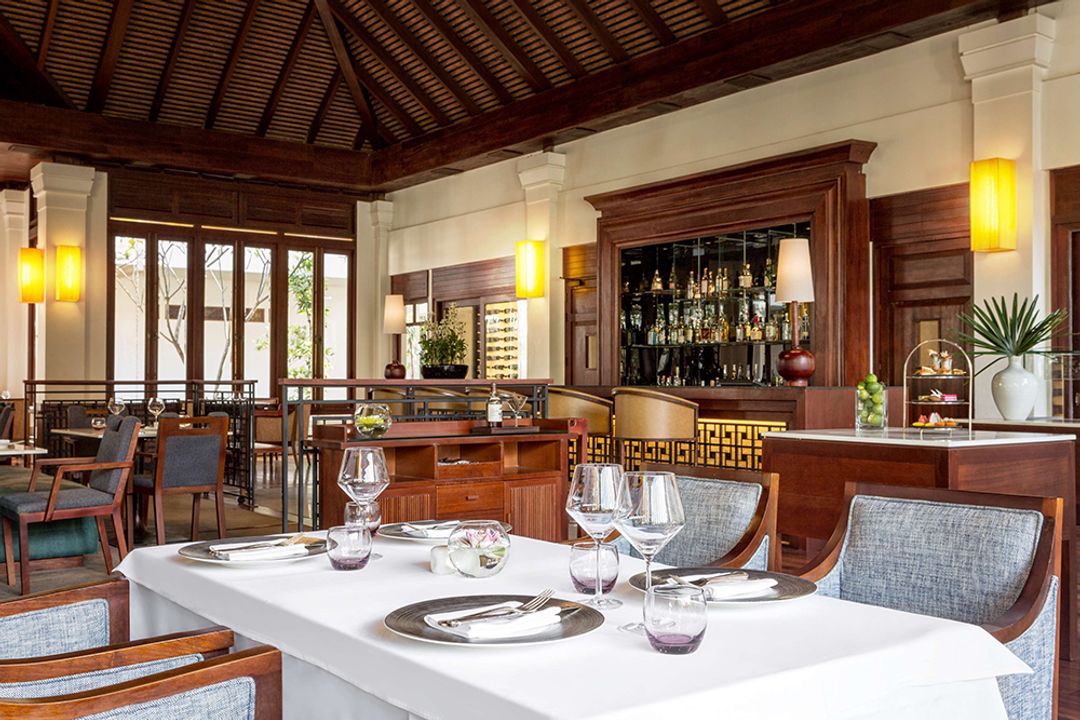
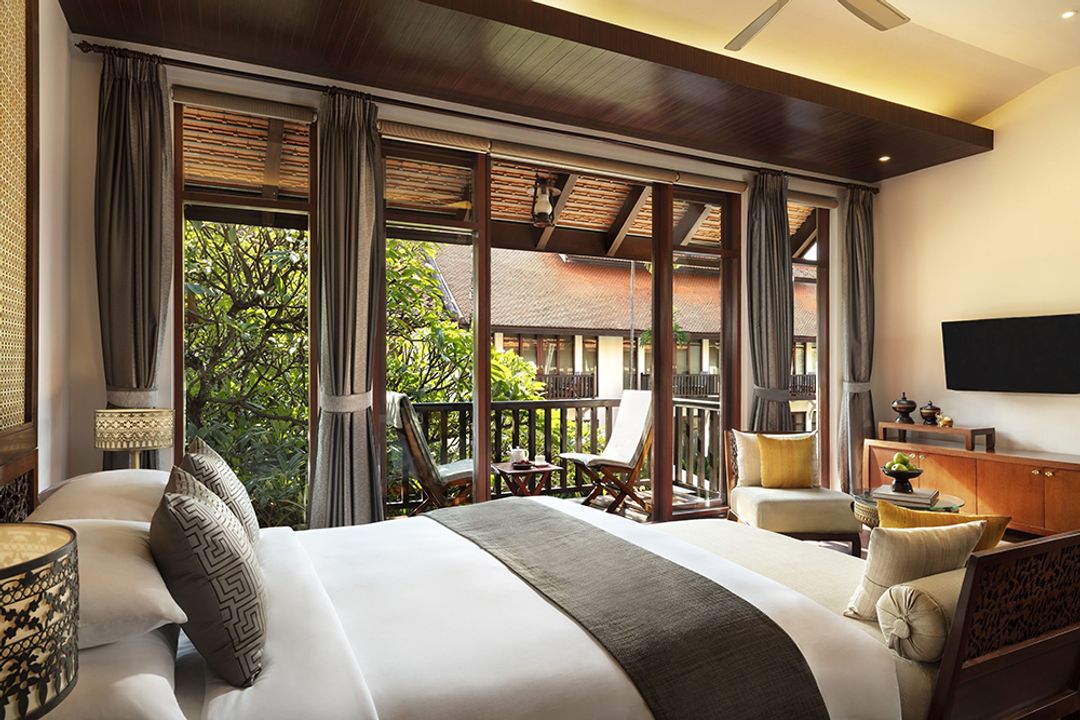
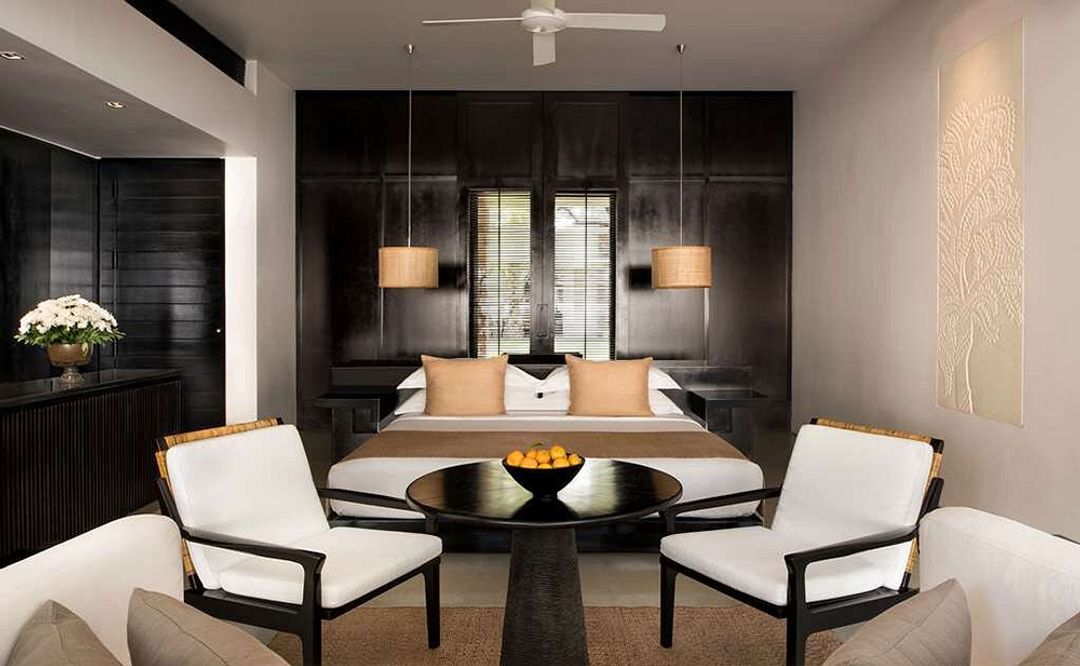
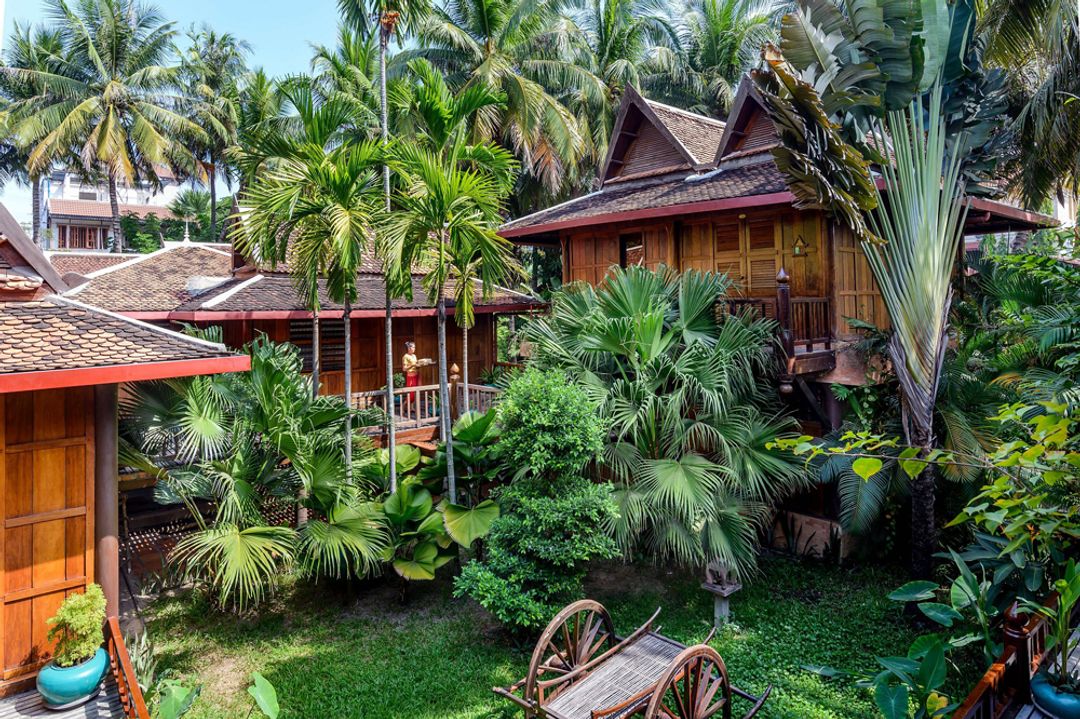
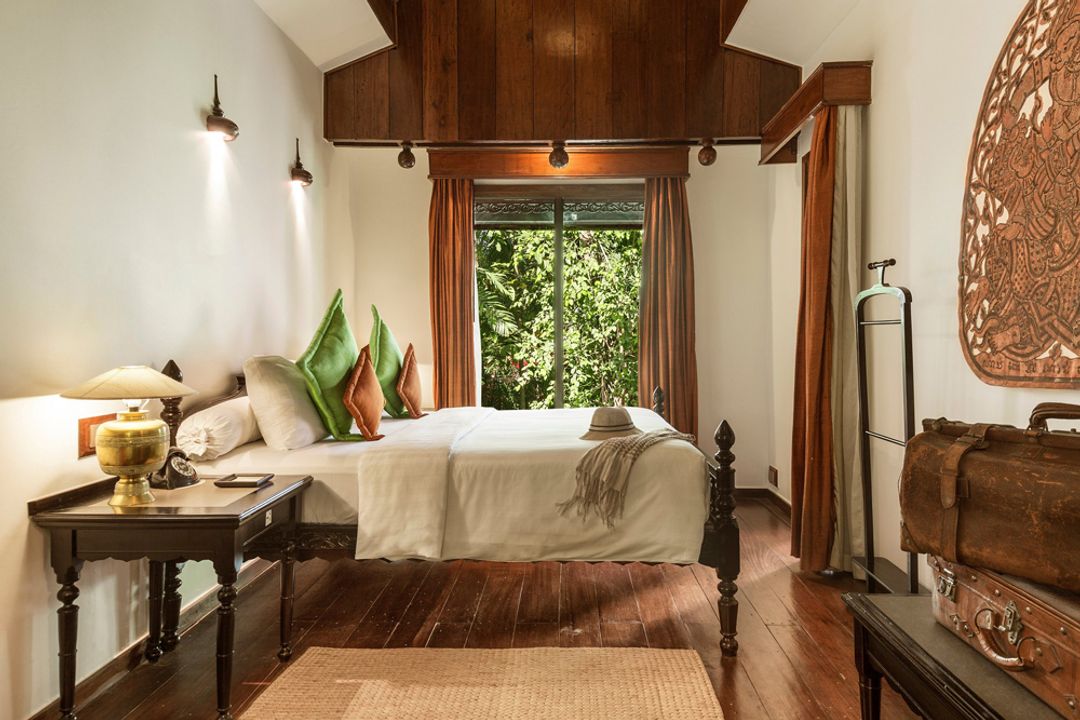
The French Quarter draws a wider range of hotels and a wider range of travelers. FCC Angkor by Avani occupies a French colonial compound on the river, its open-air restaurant and unpolished verandas giving it the feel of a place that has been genuinely inhabited rather than restored to specification. The Park Hyatt Siem Reap, redesigned with interiors by HBA, takes a more considered contemporary approach, weaving dark timber, hand-woven textiles, and Khmer craft references into a property that reads as deliberately modern without disclaiming the city's material traditions. Angkor Village Hotel, also in the quarter, offers smaller-scale wooden pavilion architecture set in a garden, quieter and more modest in ambition, but coherent on its own terms.
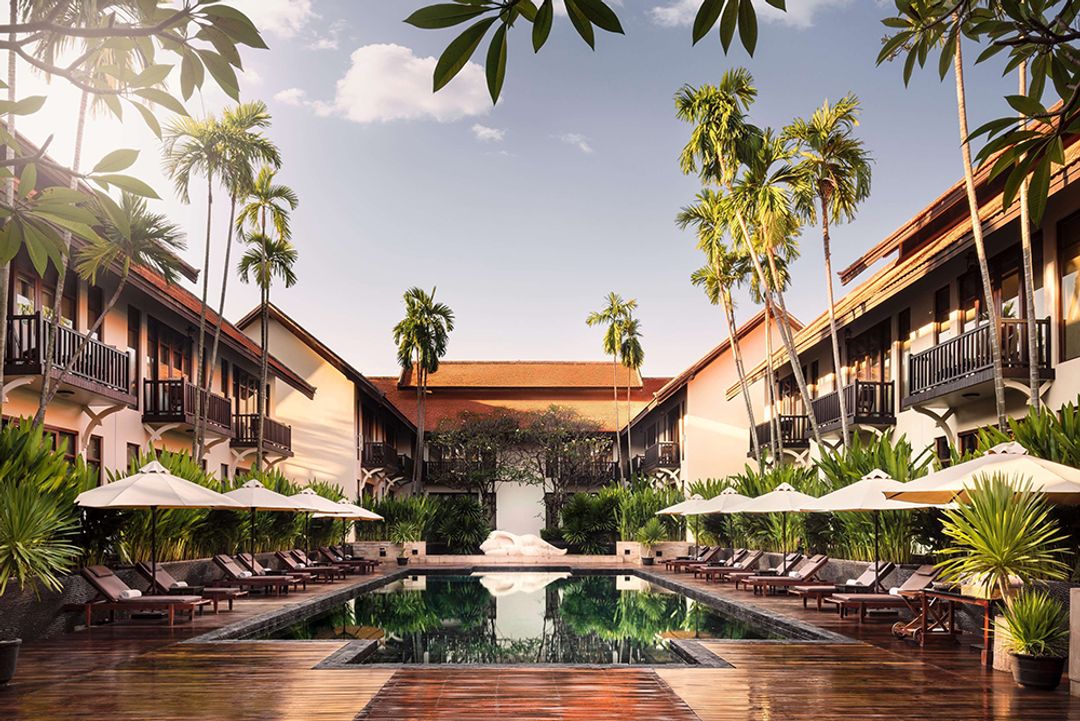
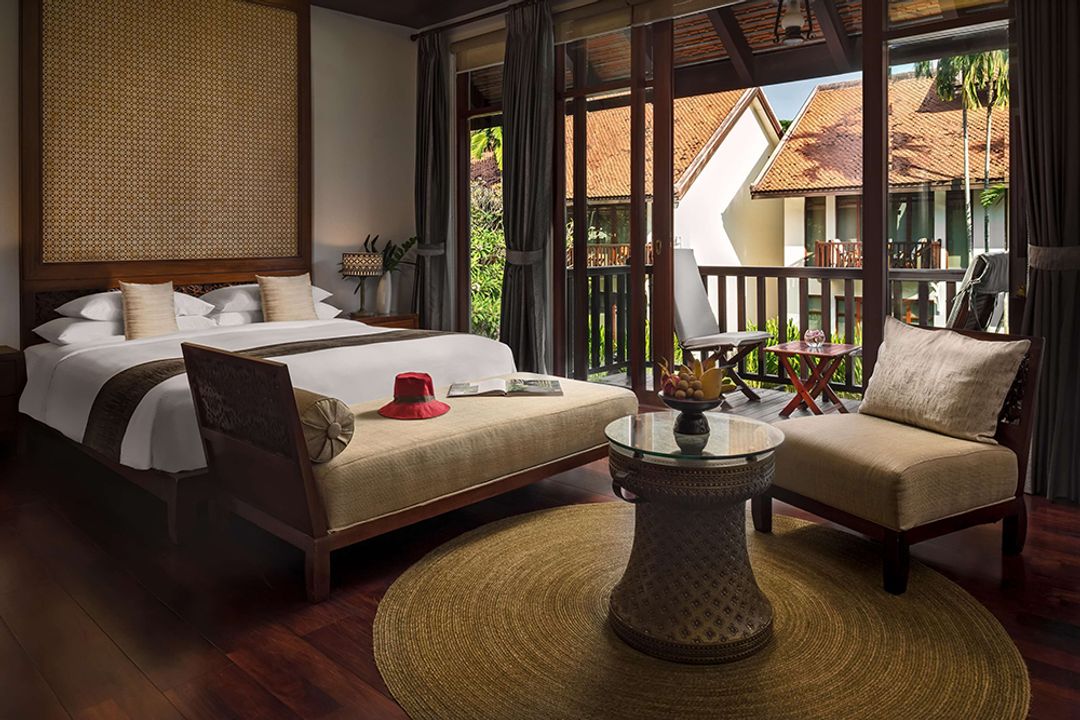
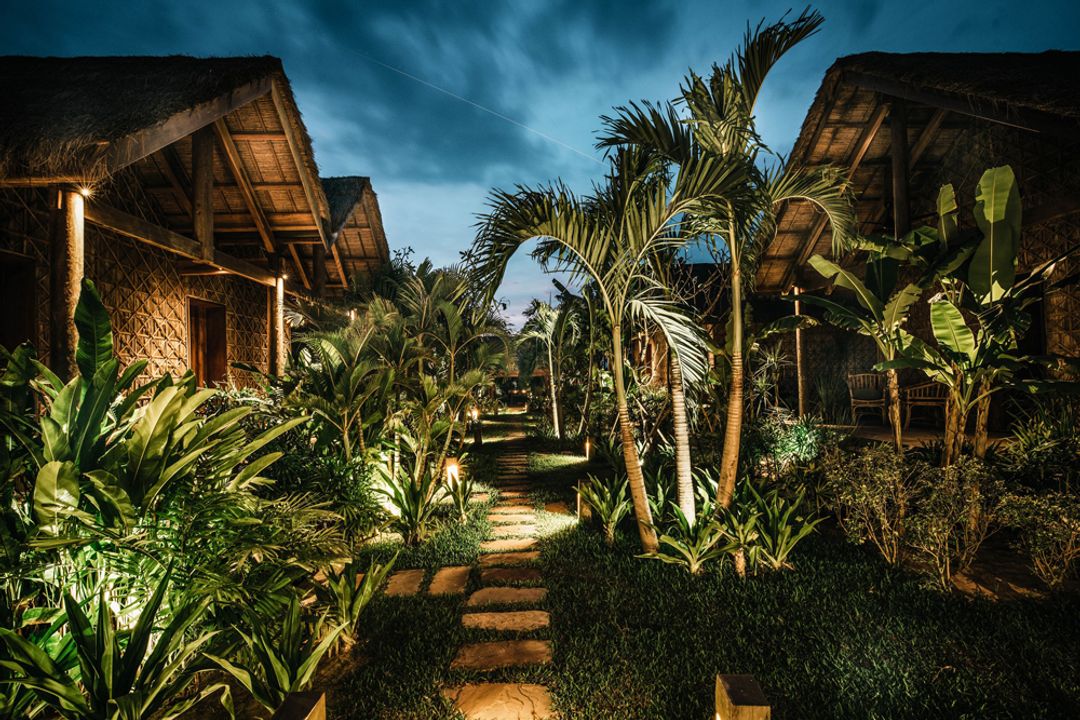
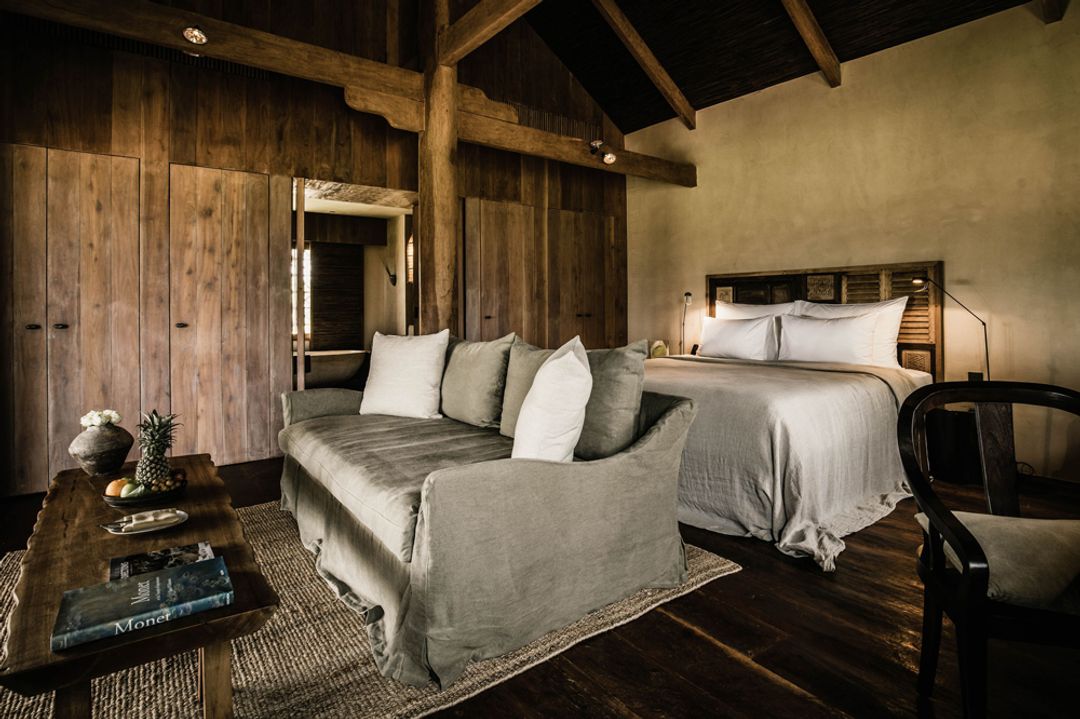
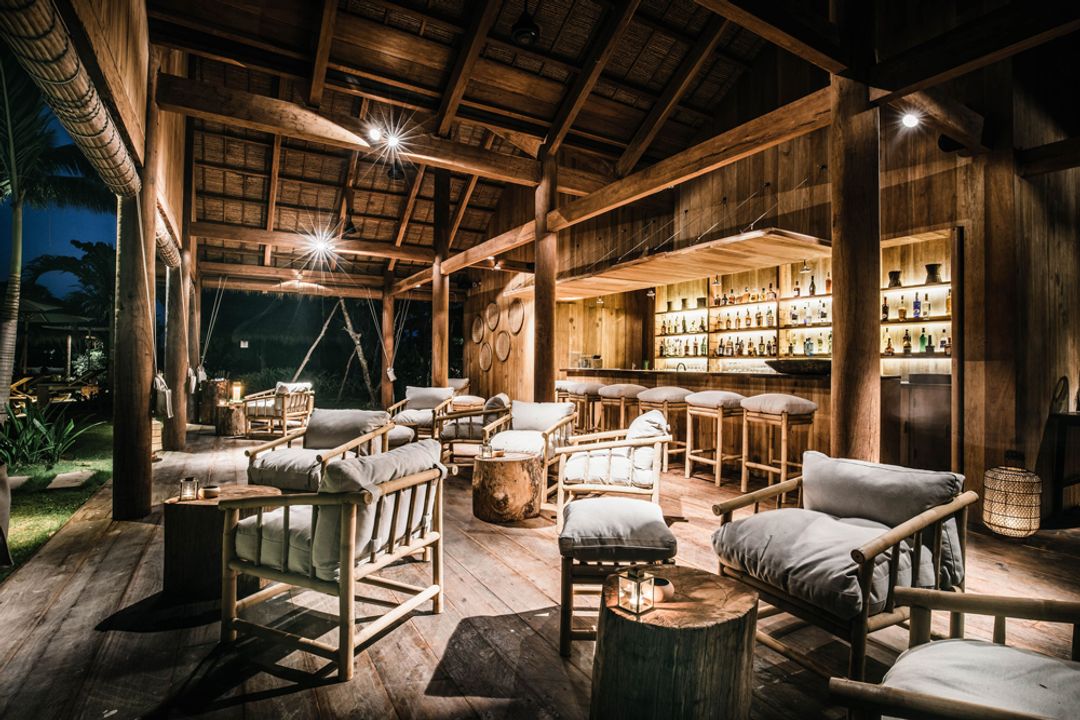
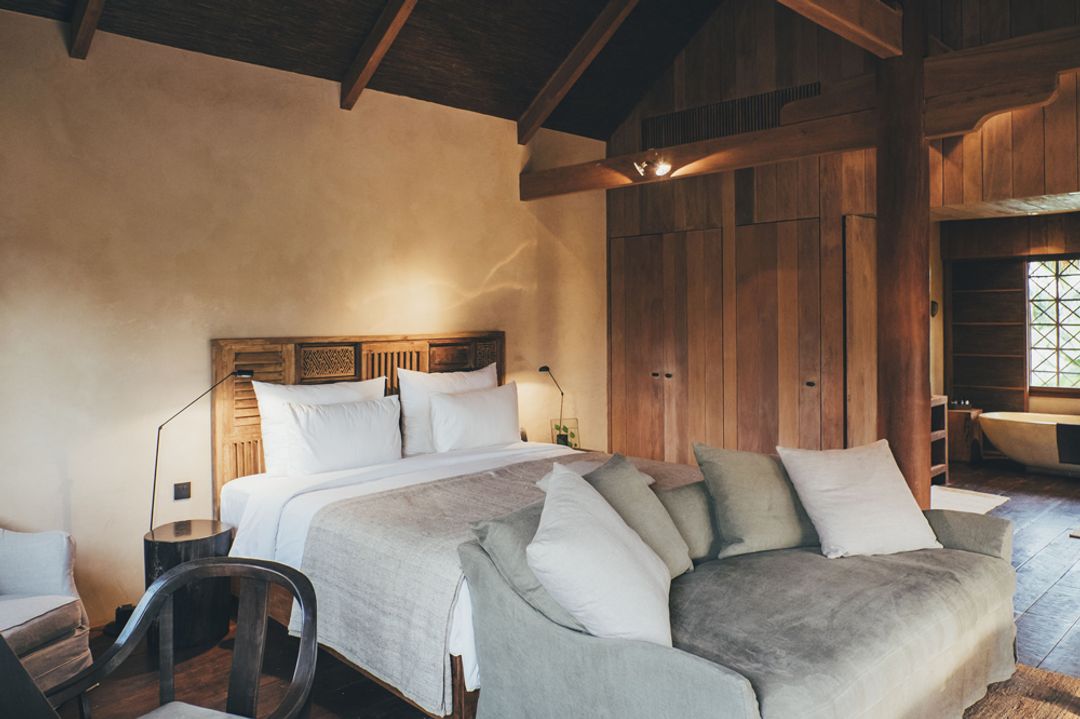
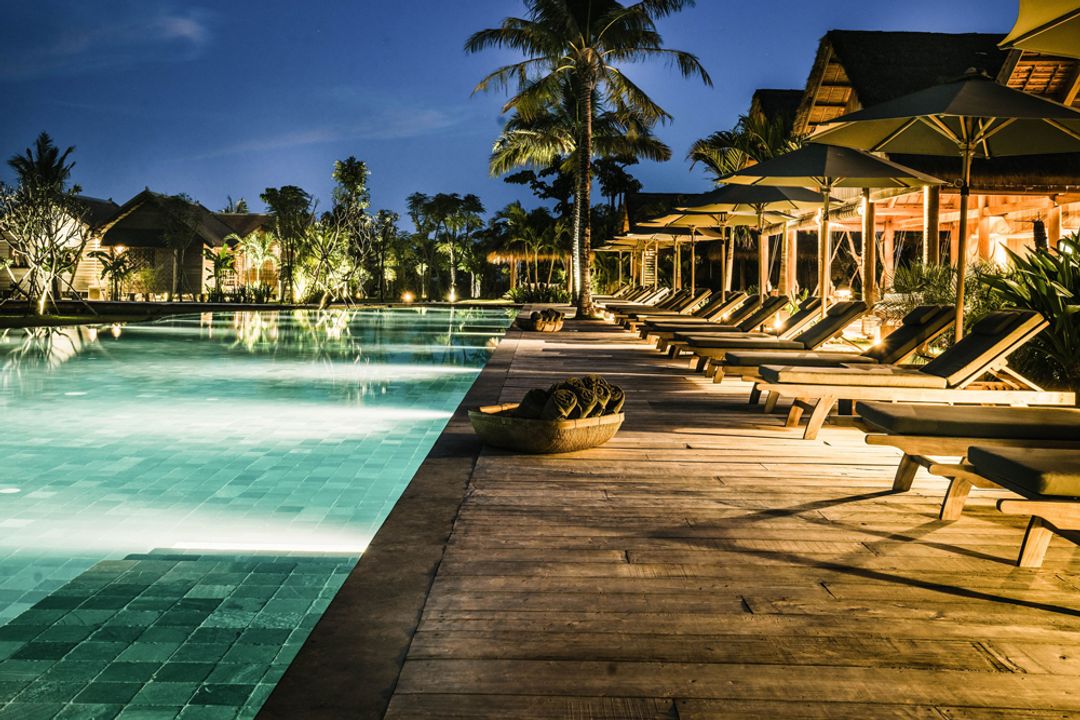
For anyone willing to move away from the central grid entirely, Zannier Hotels Phum Baitang on the city's outskirts makes a case worth considering. The property is built as a working village of raised wooden stilt houses set among rice paddies, and while the vernacular architecture is curated rather than accidental, it reflects a genuine effort to engage with Cambodian rural building traditions rather than import a generic resort typology. The Anantara Angkor Resort, positioned in the Kruos neighborhood, occupies a quieter middle ground between colonial grandeur and boutique ambition. For a traveler whose instinct is to notice how a building sits on its land, Siem Reap rewards deliberate choices about where to stay, because the distance between these properties is not merely geographic.