Best hotels in Mumbai | A Curated Visual Guide to Top Stays
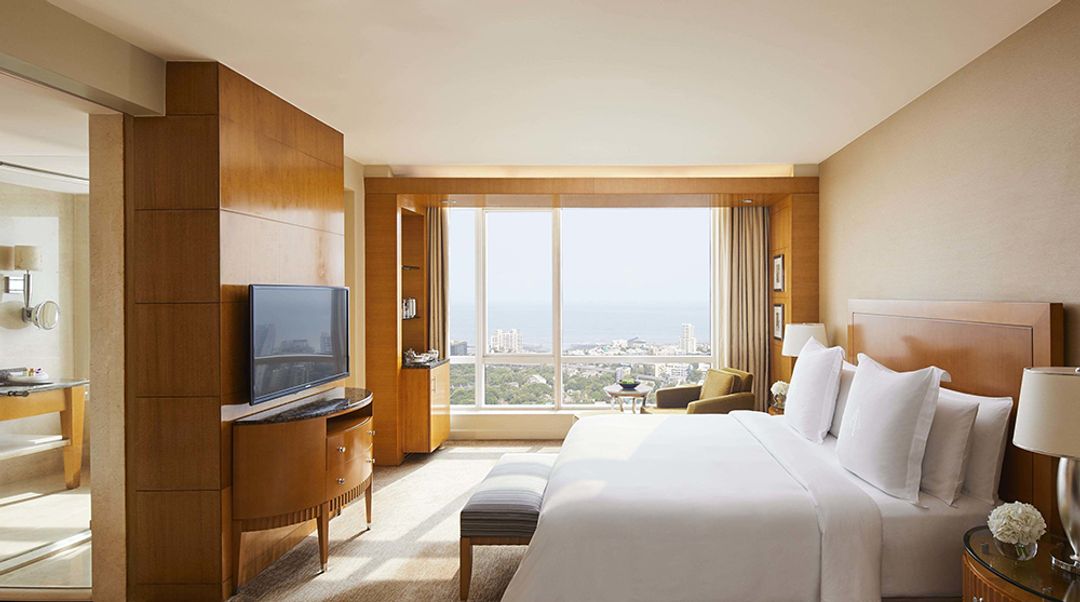
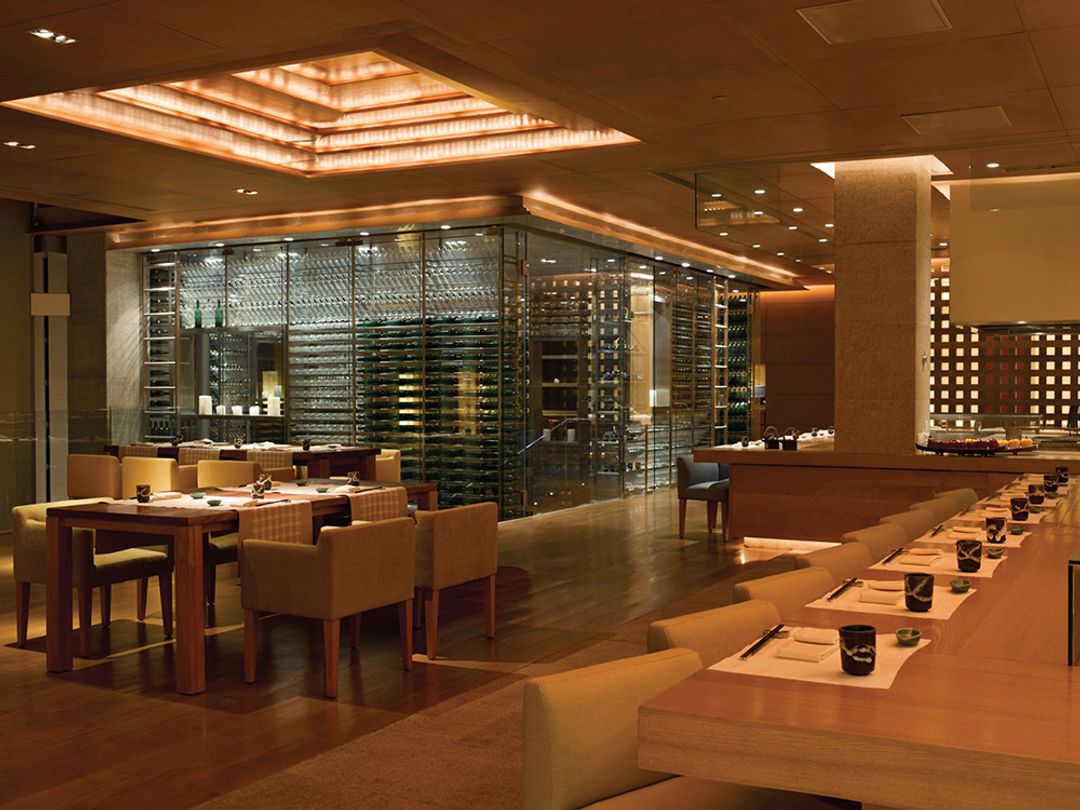
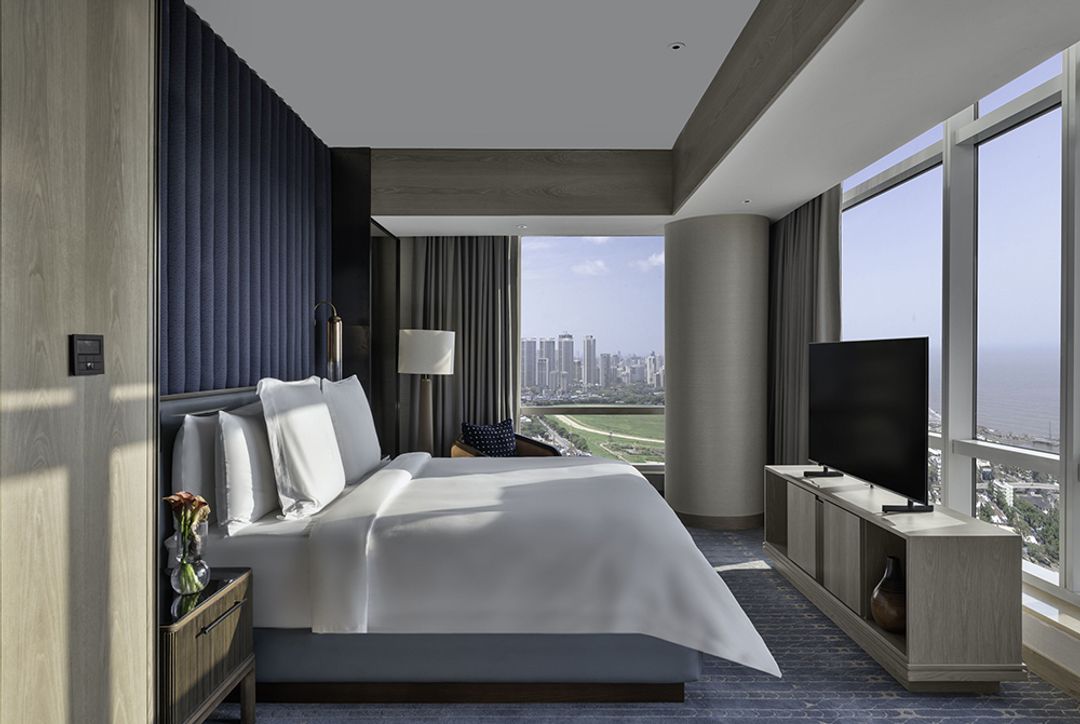
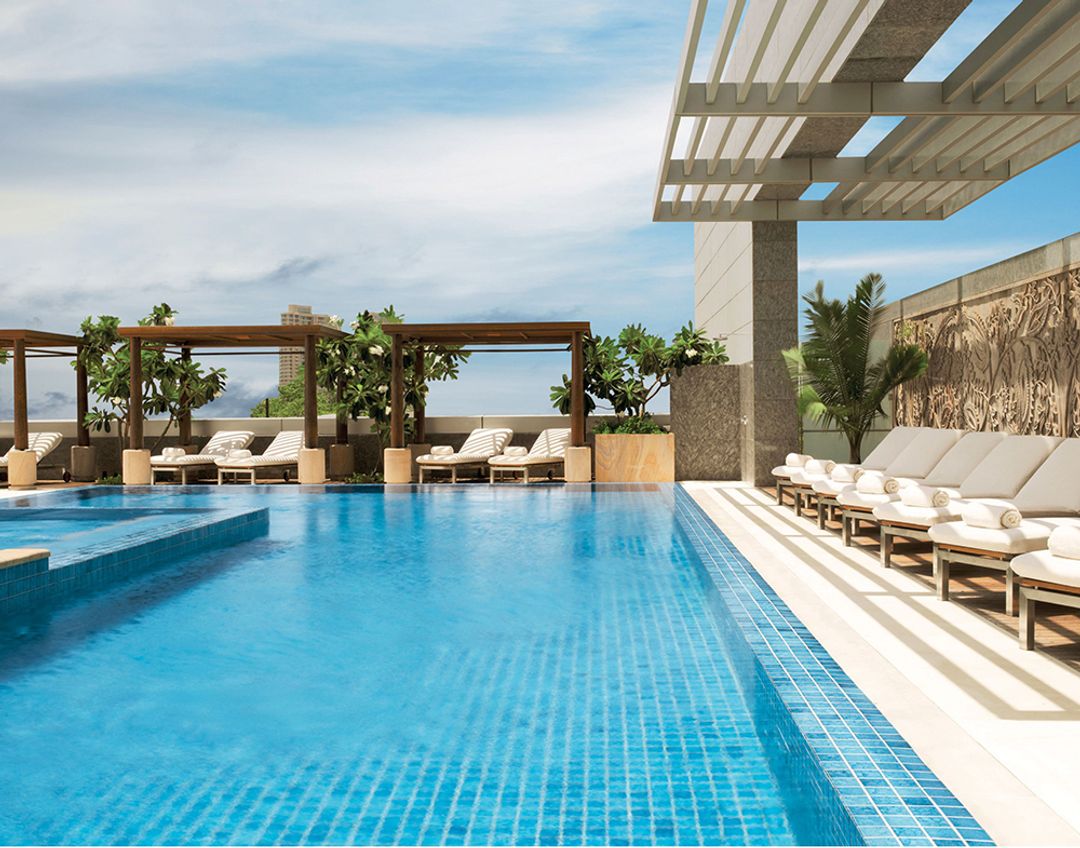
Welcome to PressBeyond, the ultimate curated visual guide for design-driven hotels! My name is Will Miller and these are my recommendations for the best boutique and luxury hotels in Mumbai.
I am the founder of PressBeyond and I am an ultra-meticulous hotel curator who loves clean visuals. I have individually analyzed and tiered each hotel included in this guide based on a variety of criteria (architecture & design, location, brand & brand affiliation, existing reviews, and my own personal experiences), and importantly, I have hand-selected the leading imagery for each hotel to provide you with easily-digestible, yet detailed and complete, like-for-like, high-level visual profiles. I felt this summarization step was a critical missing piece across existing guides, blogs, and booking platforms. My aim is to make it easier for people to identify hotel environments that resonate with them, along with enabling them to visualize the types of social experiences that those environments help foster. My brain doesn't work when exposed to cluttered content, so my goal was to create the opposite.
Underneath this, we are also a full booking engine offering 5% Venmo cash back along with other exclusive perks. For all of you design-obsessed hotel enthusiasts out there, I hope this guide helps get you to where you see yourself!
An Overview of the Boutique & Luxury Hotel Landscape in Mumbai
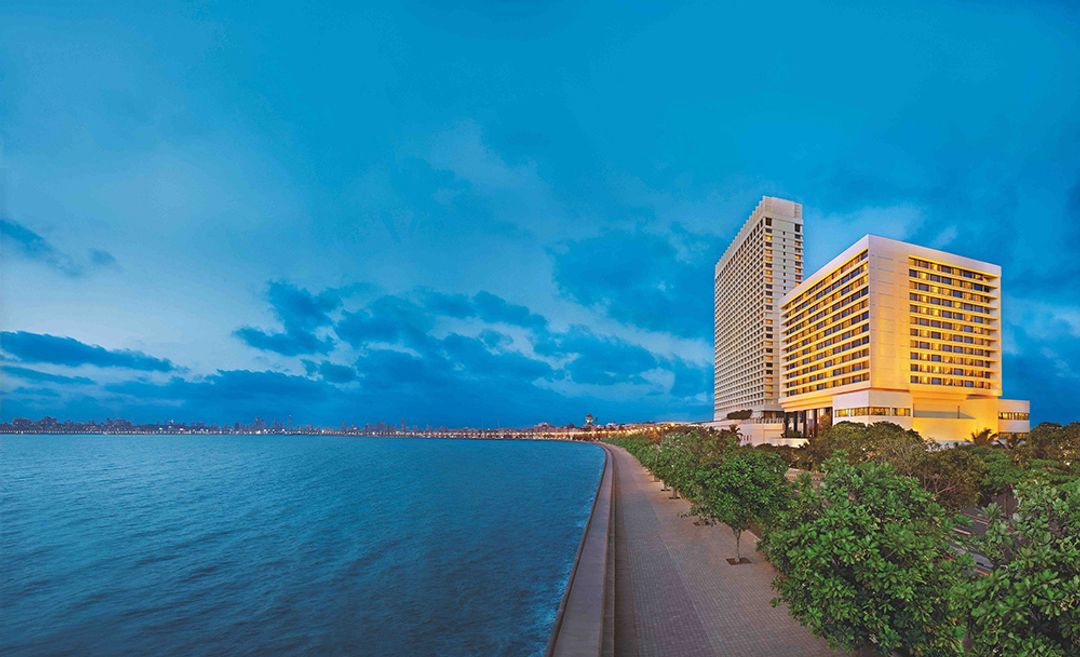
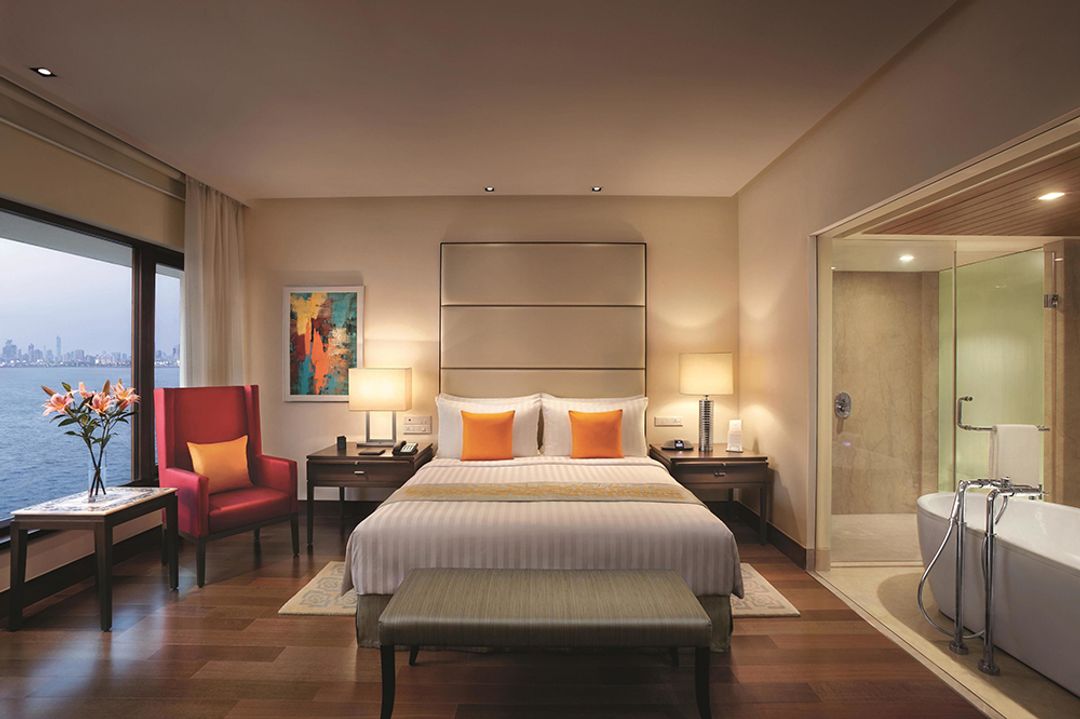
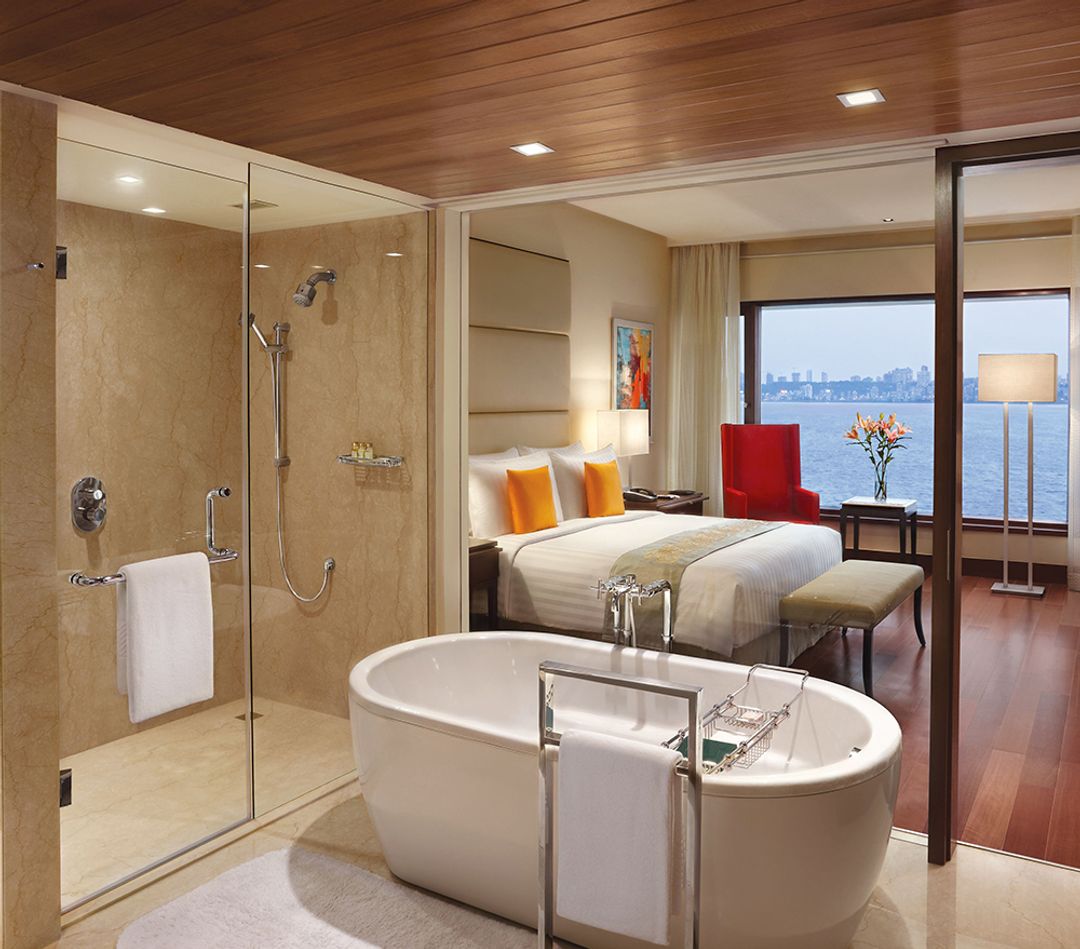
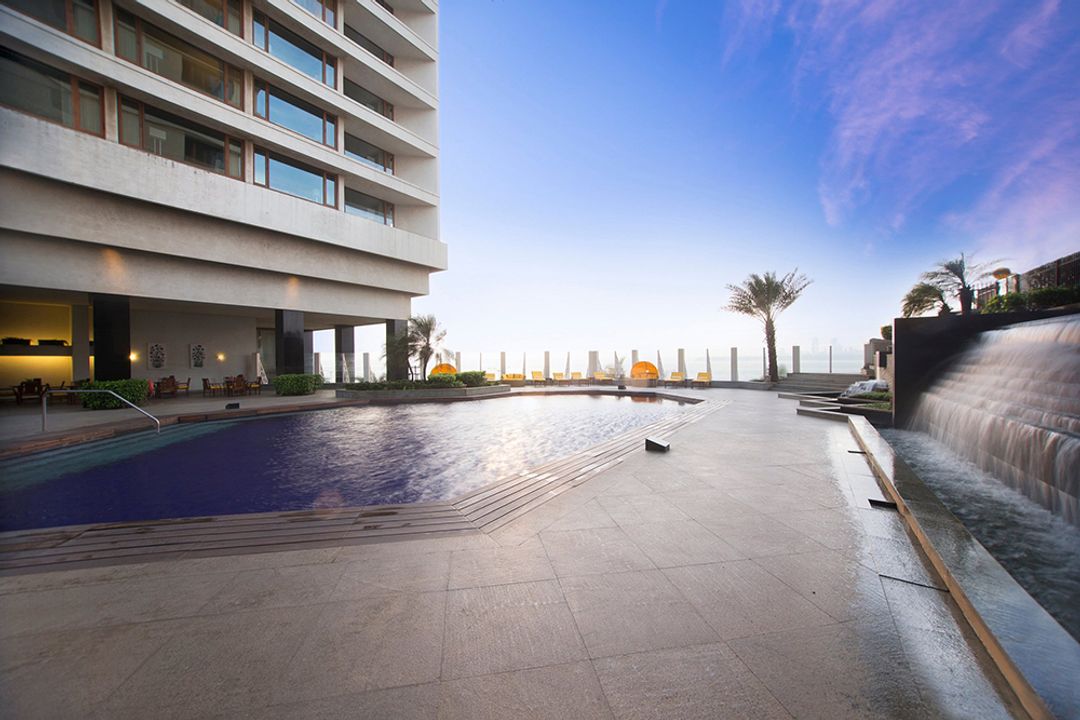
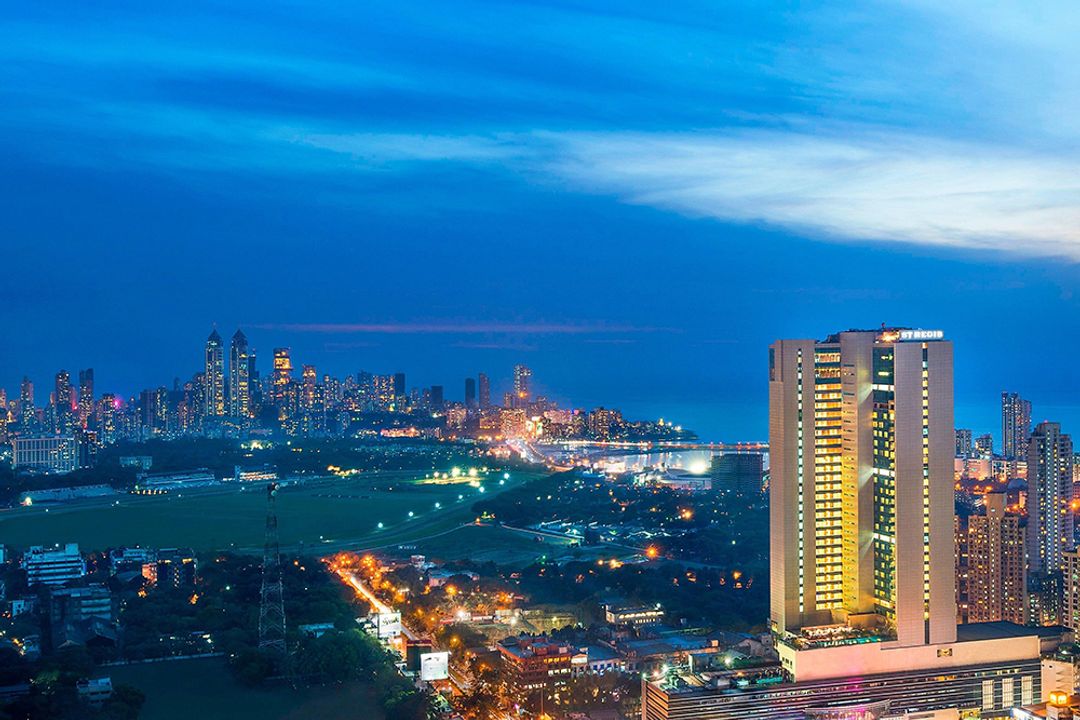
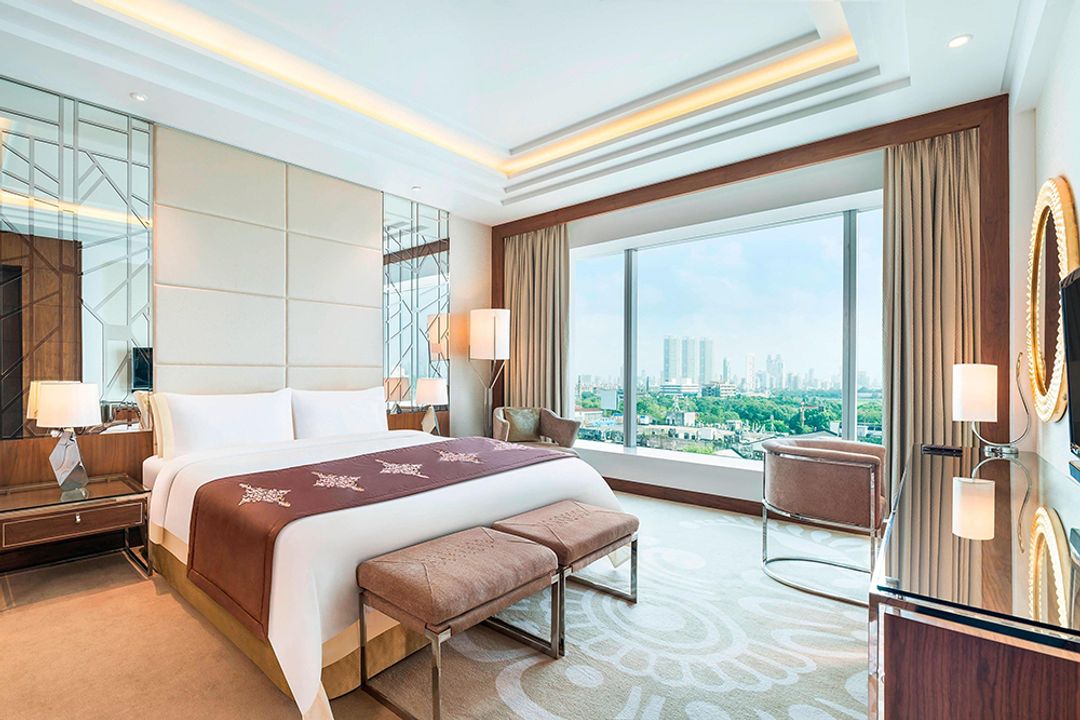
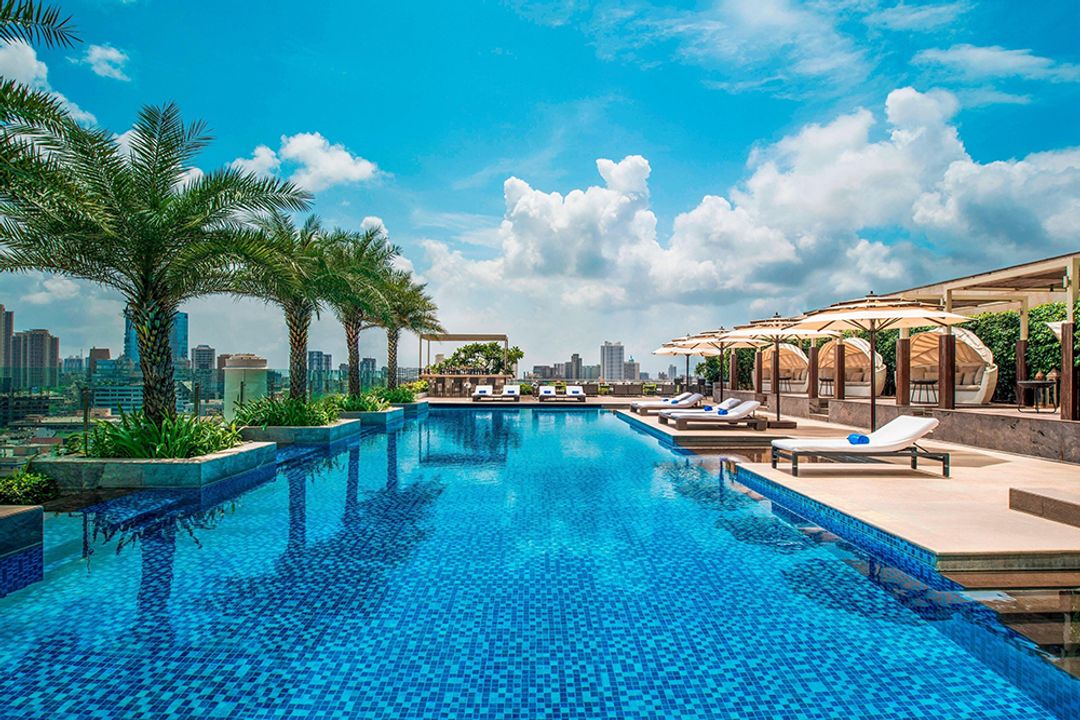
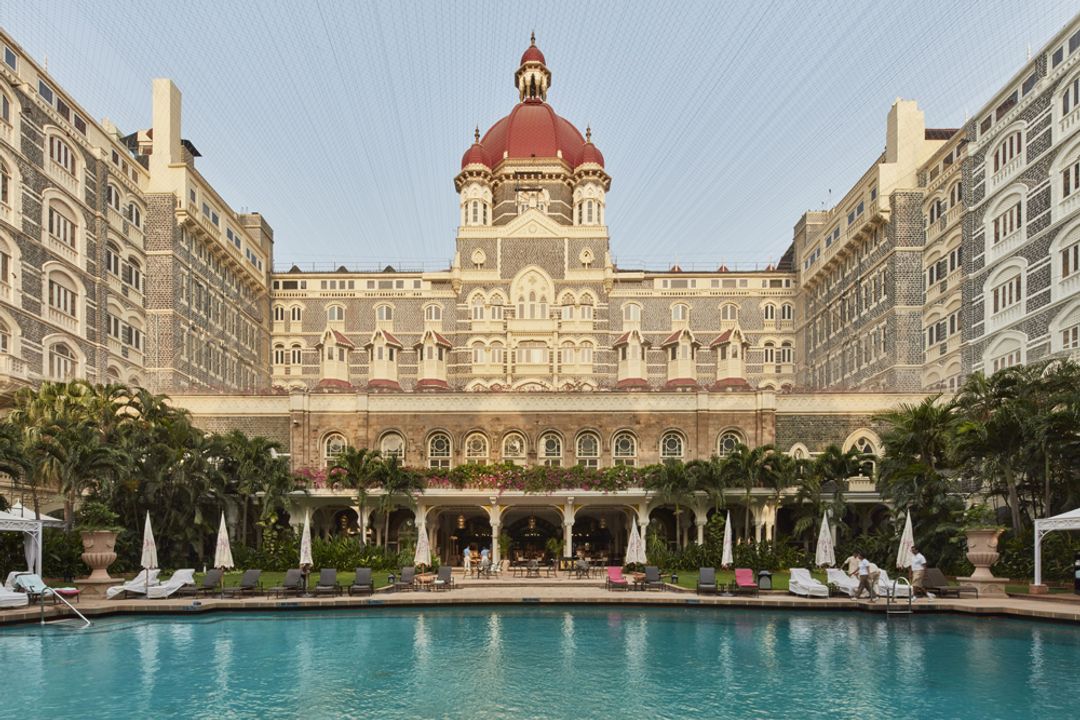
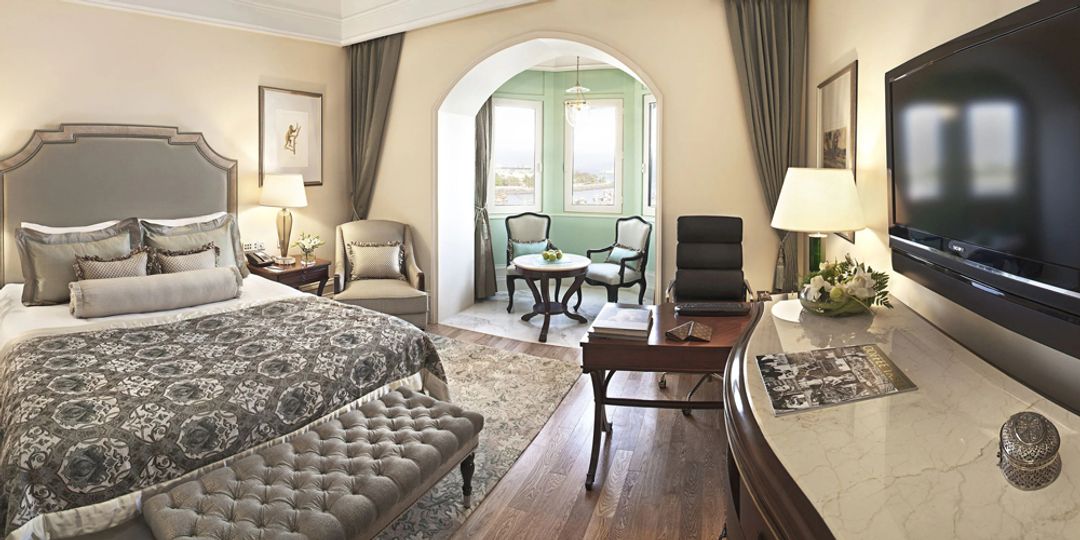
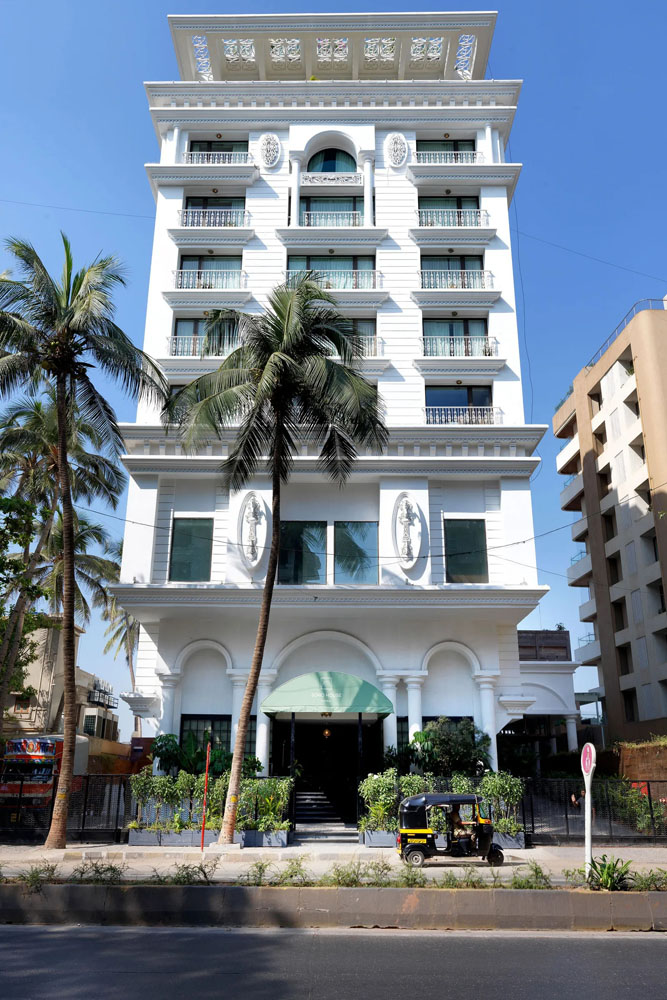
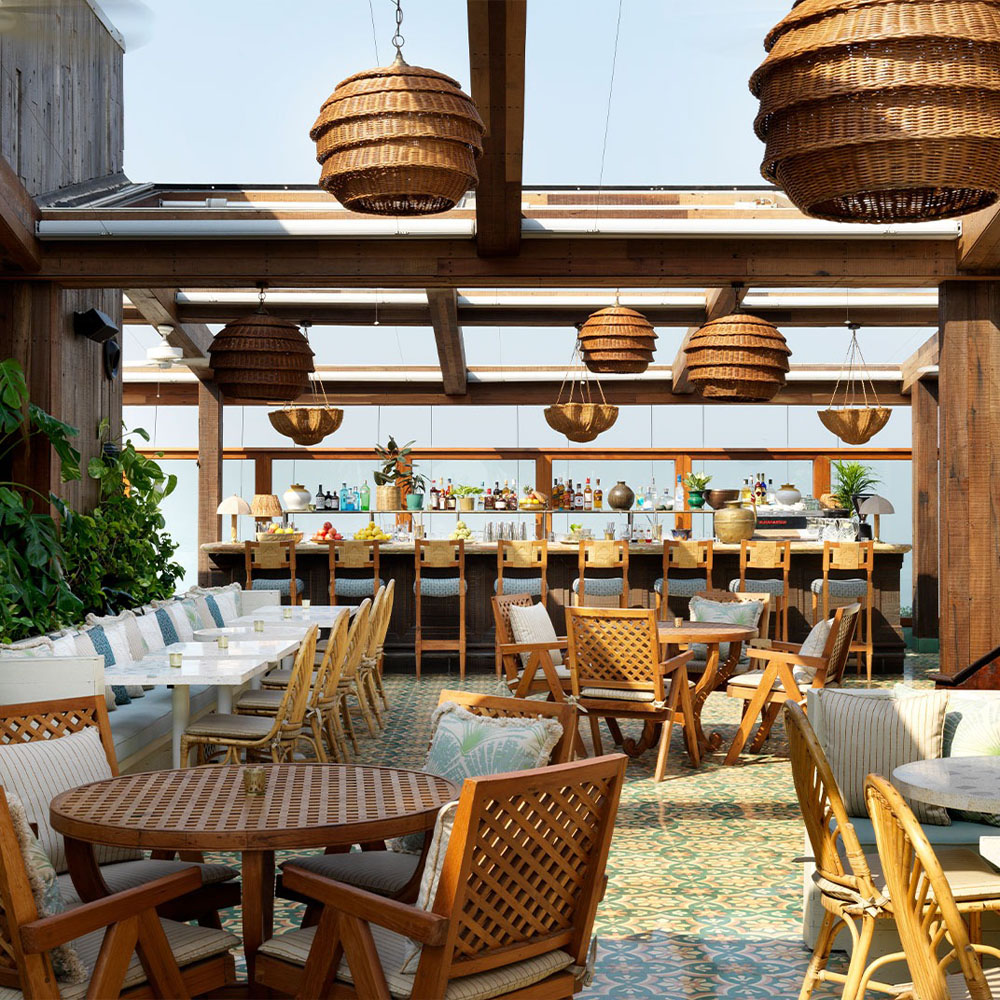
The Taj Mahal Palace in Colaba remains one of the most architecturally charged hotels in Asia — not because of its scale, though it is enormous, but because of what it survived and what it preceded. Completed in 1903 to a design attributed to Sitaram Khanderao Vaidya and D.N. Mirza, with its Indo-Saracenic dome and Florentine Gothic tracery, it was built at a moment when Bombay was asserting itself as a city of commercial consequence and cosmopolitan ambition. That argument still reads clearly from the waterfront. Colaba itself rewards the design traveler willing to walk — the Gothic Revival ensemble of the Chhatrapati Shivaji Maharaj Vastu Sangrahalaya next door, the Victorian arcade of the Taj's older tower — all of it forms a dense architectural deposit that no other part of the city quite replicates. The stretch from Nariman Point through Worli and down into Lower Parel charts a different trajectory, one shaped more by mid-century modernism and its later commercial revisions. The Oberoi Mumbai at Nariman Point sits at the southern tip of the reclaimed land that defines Back Bay, a sleek tower whose guest-room views over the Arabian Sea still feel like a deliberate formal argument about horizon and water. Moving north, the Four Seasons in Worli occupies the lower floors of a residential skyscraper, its interiors leaning toward a restrained contemporary idiom that suits the neighborhood's transition from mill district to financial address. The St. Regis Mumbai in Lower Parel — at 30 floors, one of the taller hotel towers in the city — anchors a cluster of luxury development that has rapidly colonized what were once the working compounds of the cotton industry. The contrast between that industrial history and the current polish of Senapati Bapat Marg is still legible if you look slightly beyond the hotel's facade. Juhu Beach, to the north, operates on a register entirely apart. Soho House Mumbai occupies a 1940s mansion on the seafront that previously belonged to Bollywood royalty — the creative and film industry crowd that gravitates here has shaped the property's deliberately casual character, all rattan, faded grandeur, and deliberately unhurried pace. It is the furthest from central Mumbai in both geography and temperament, and for travelers more interested in the city's creative industries than its financial architecture, the distance is precisely the point.