Best hotels in Osaka, Japan | Visually Compare Top Stays Side-by-Side
Welcome to PressBeyond - a curated visual guide to design-driven hotels and the fastest way to compare them.
An Overview of the Boutique & Luxury Hotel Landscape in Osaka, Japan
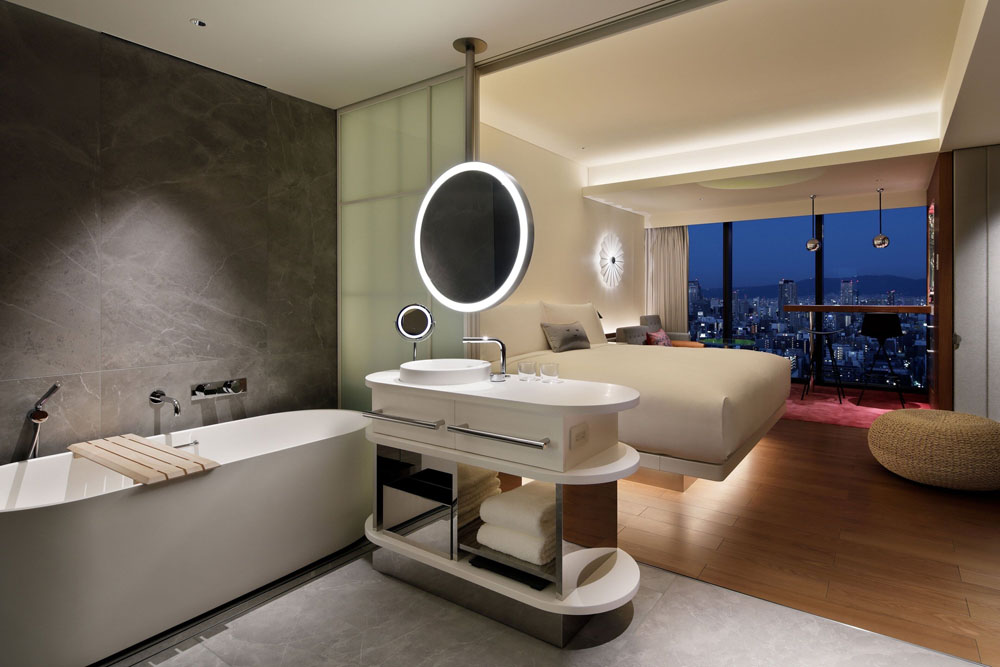
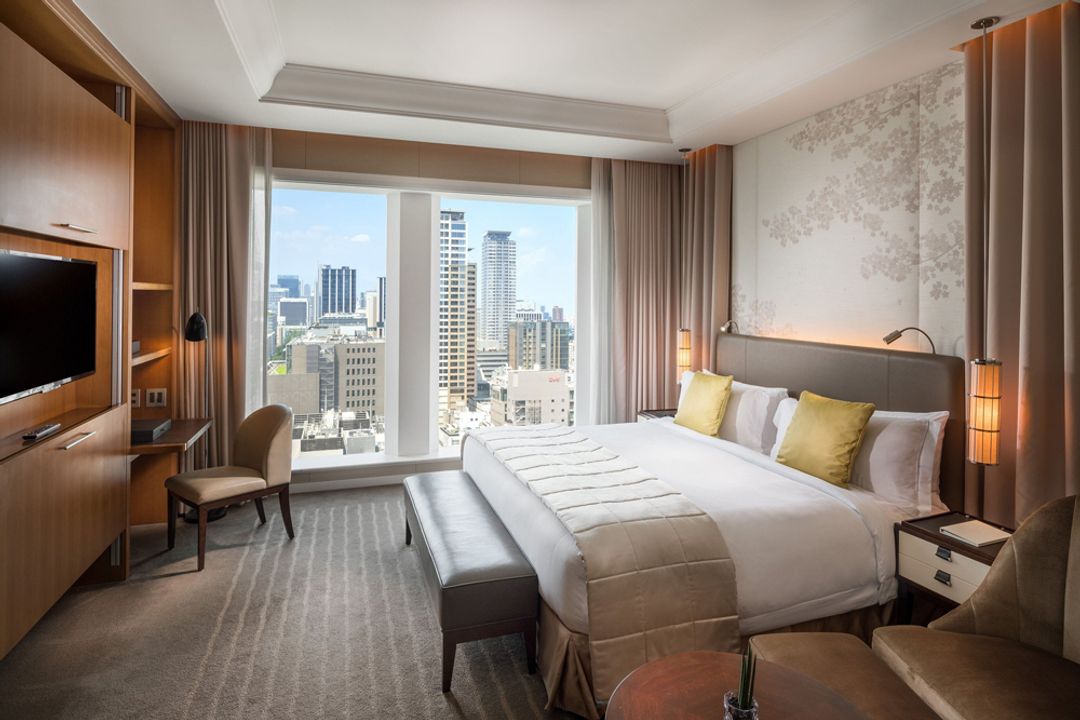
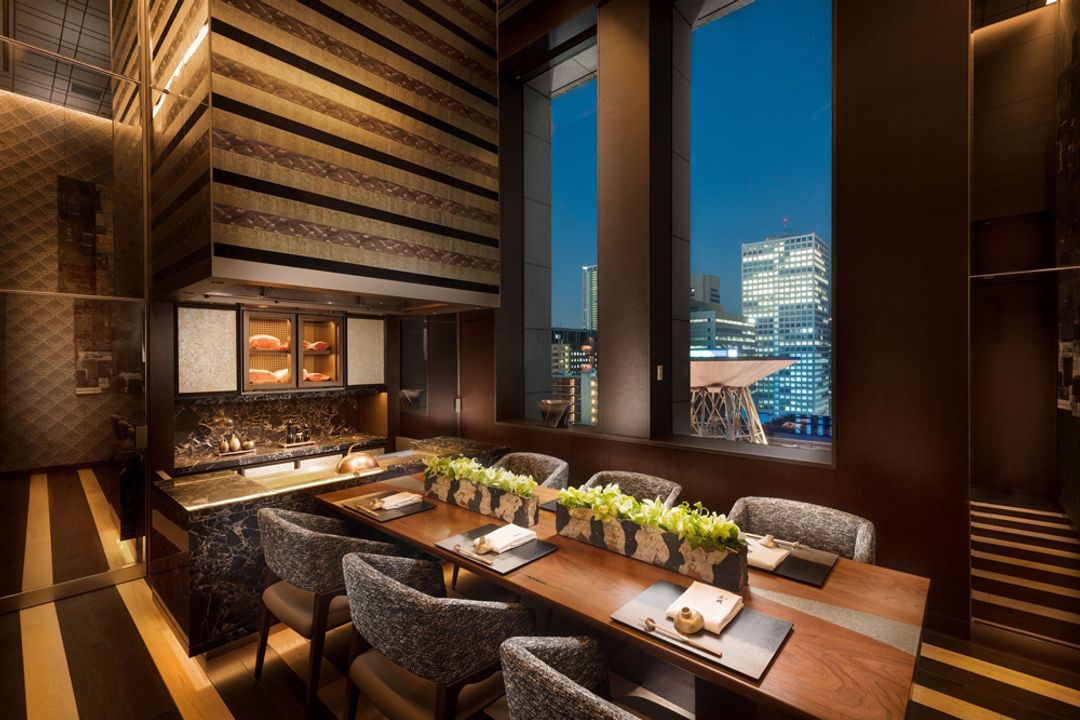
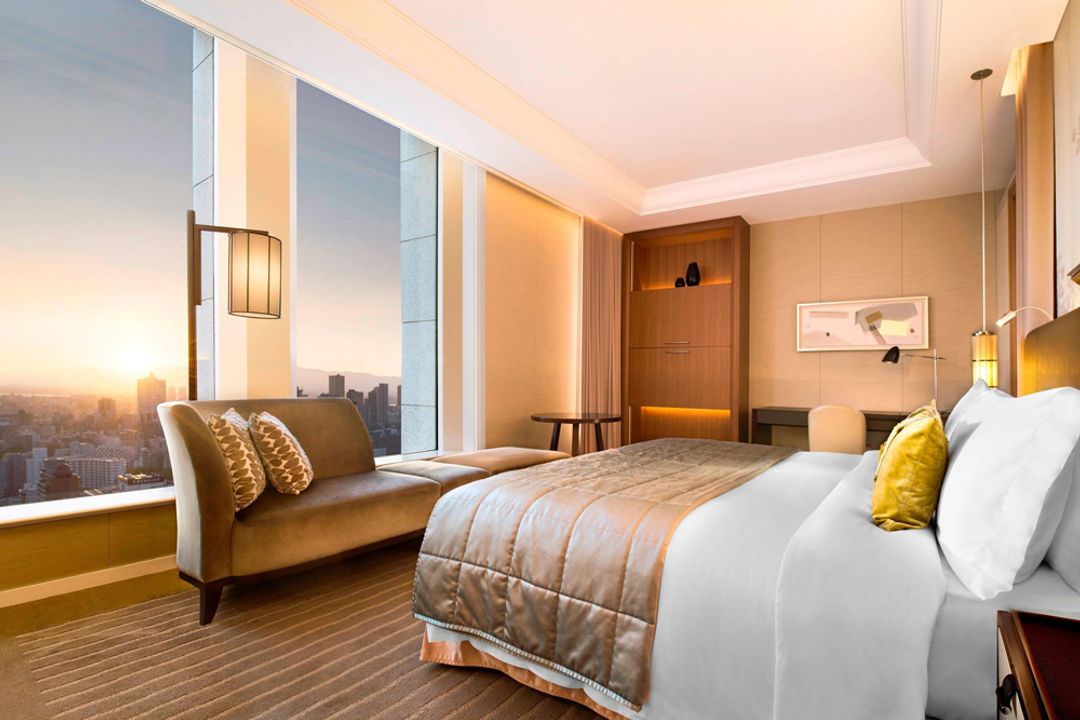
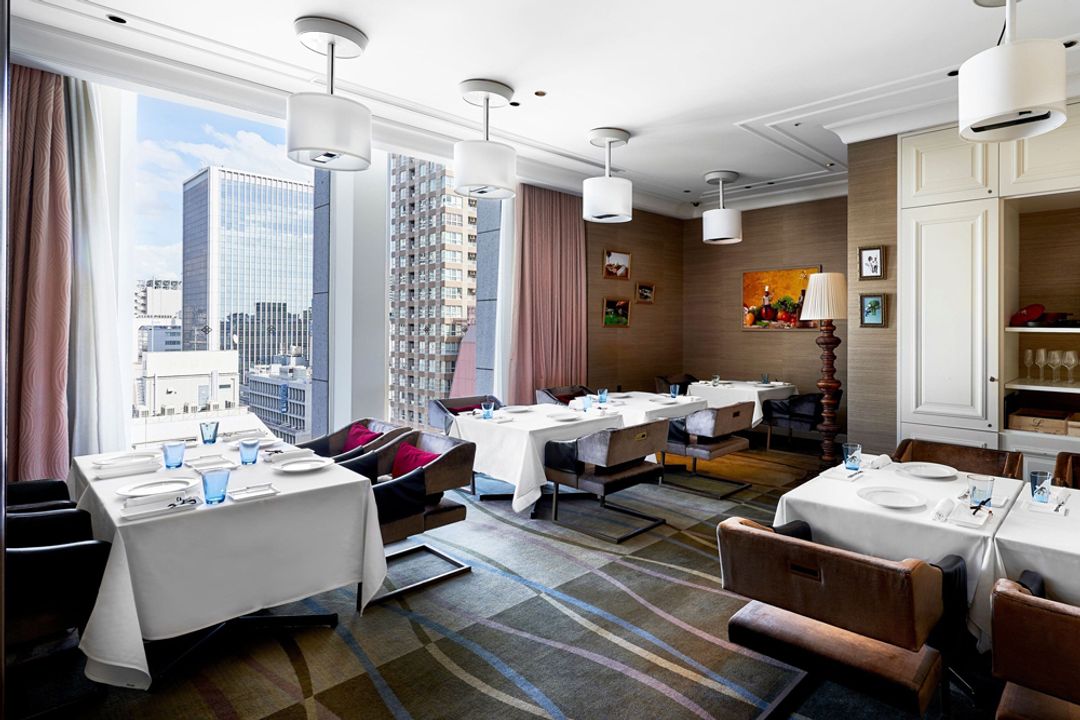
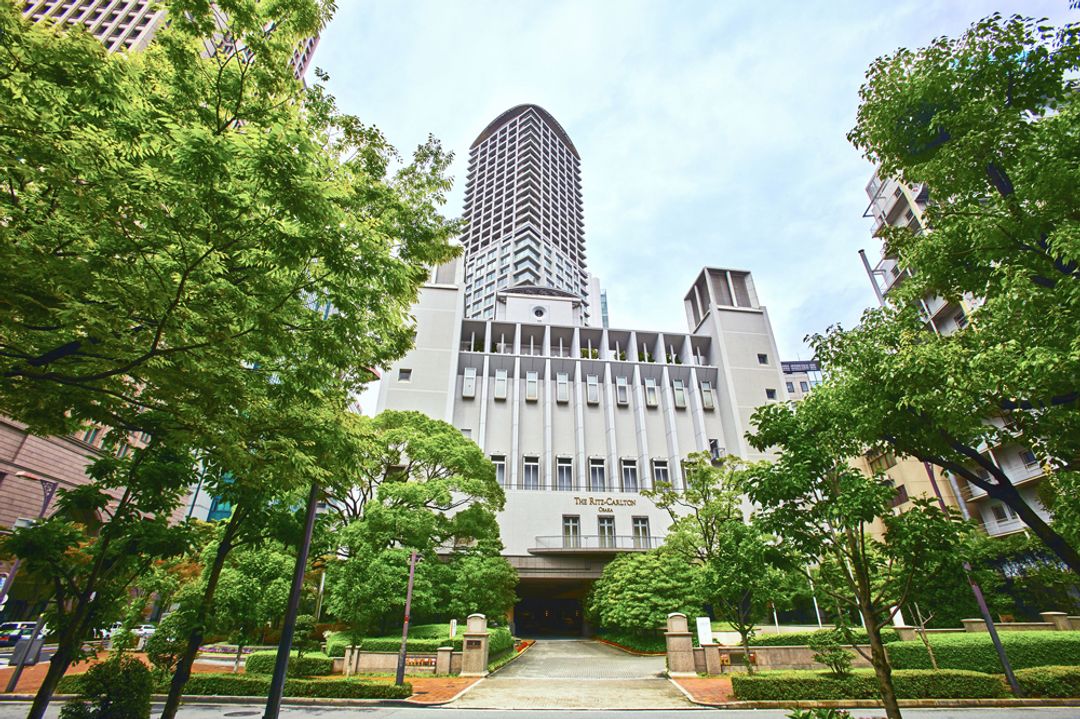
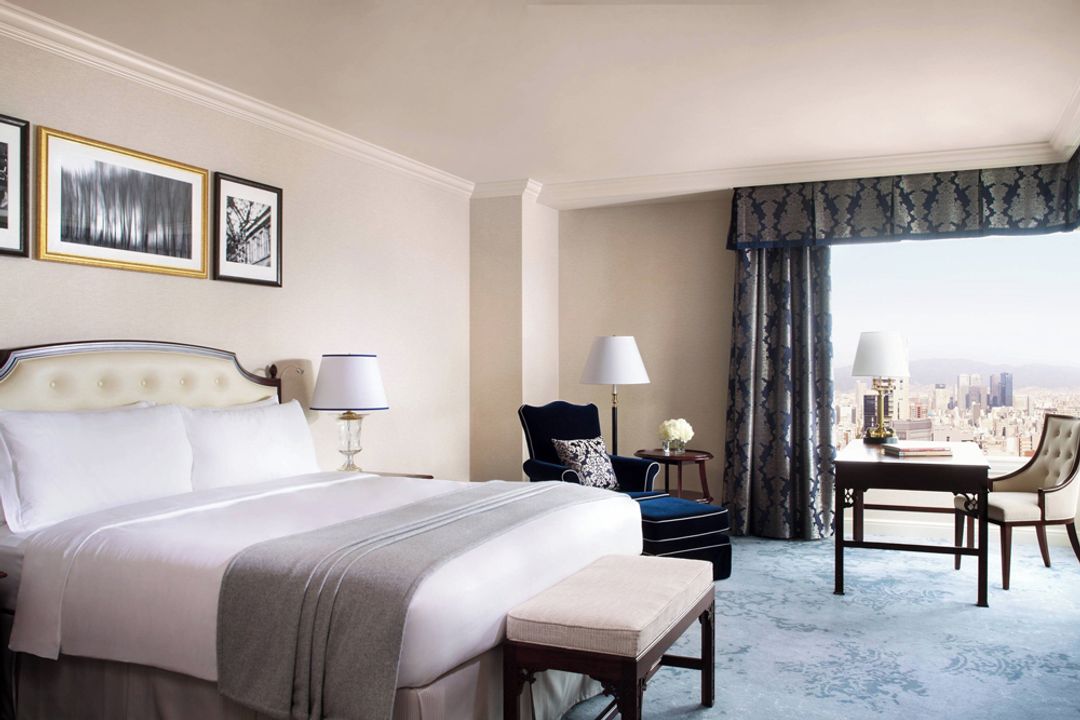
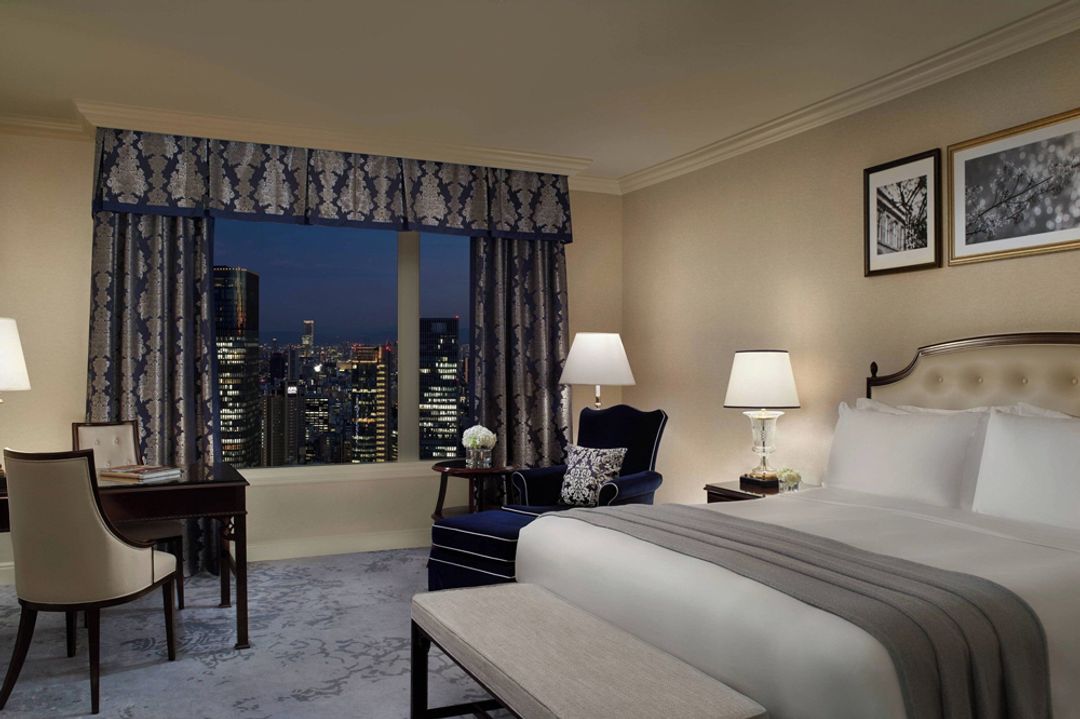
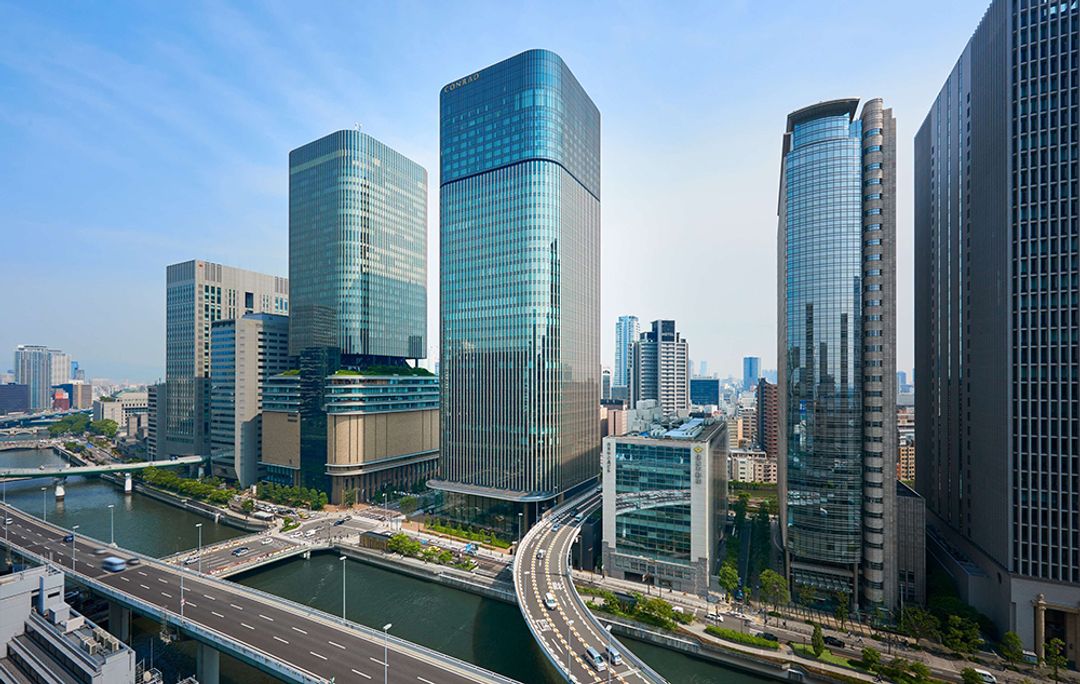
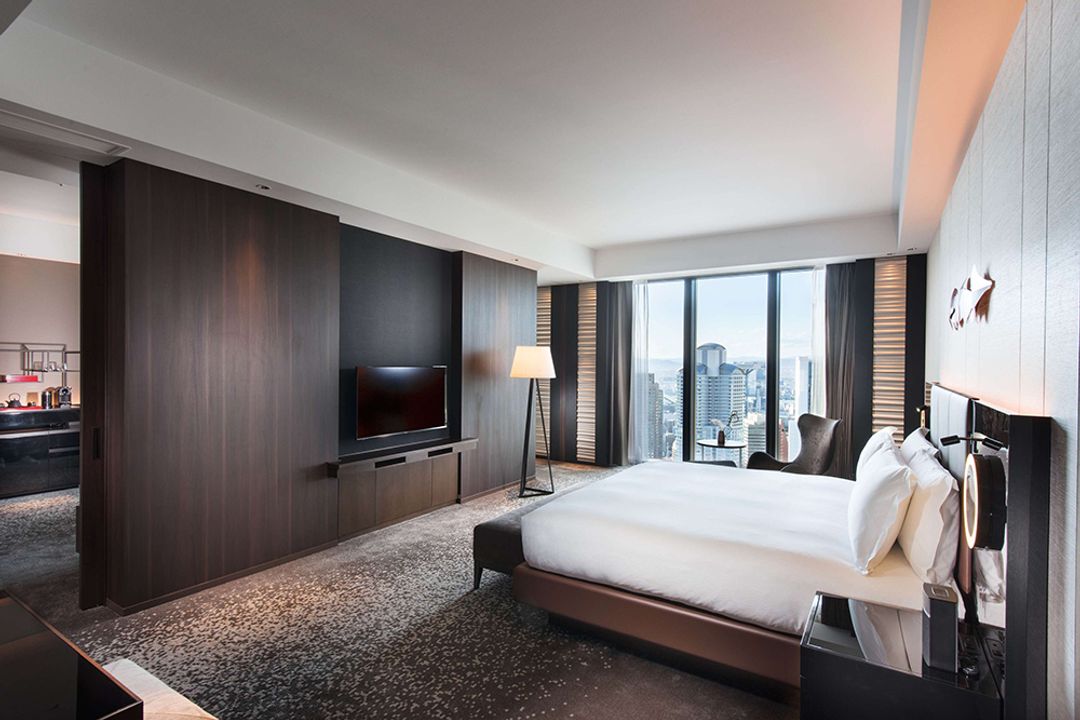
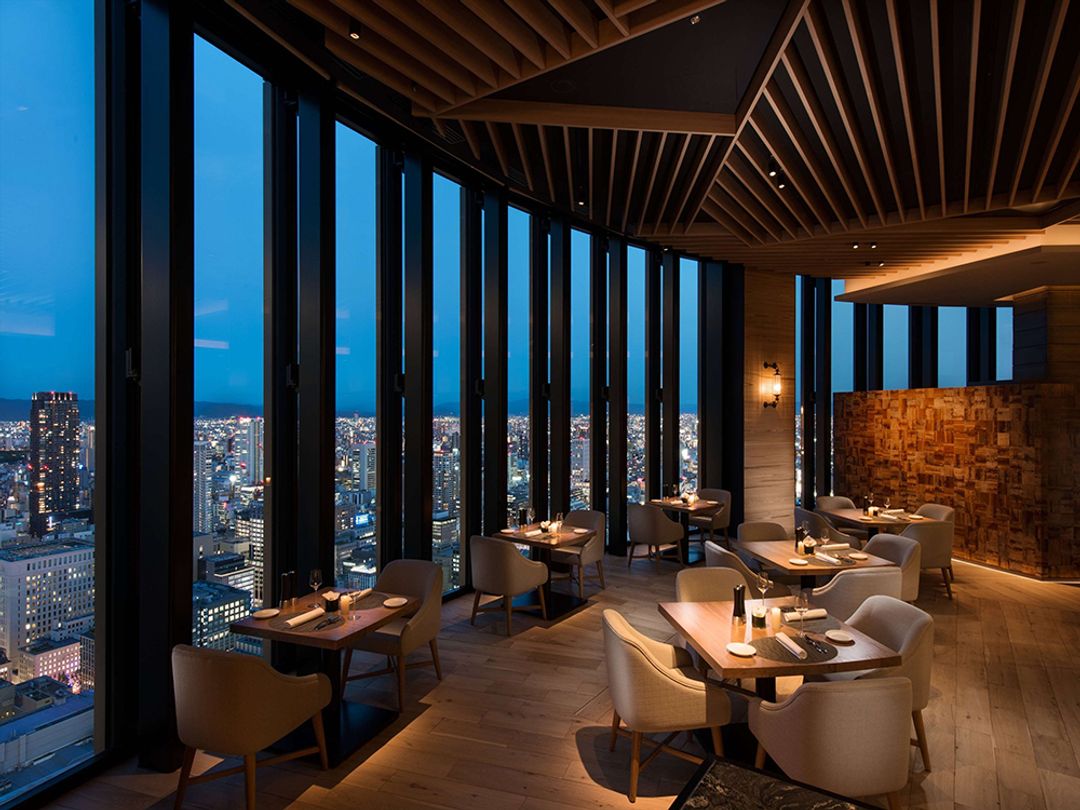
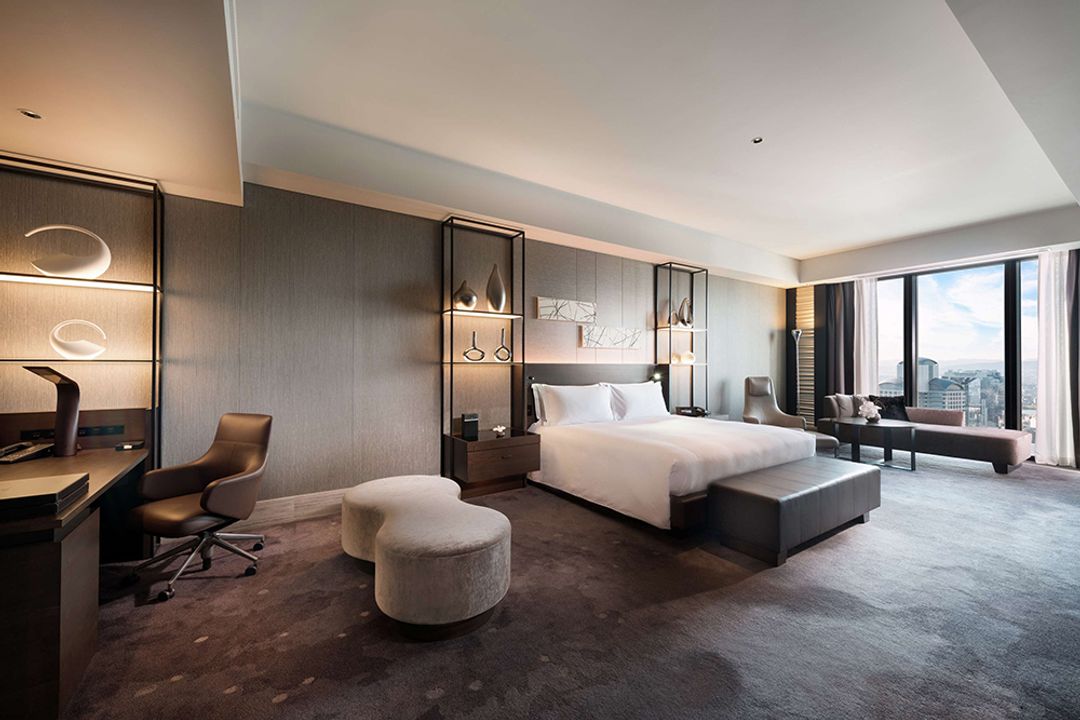
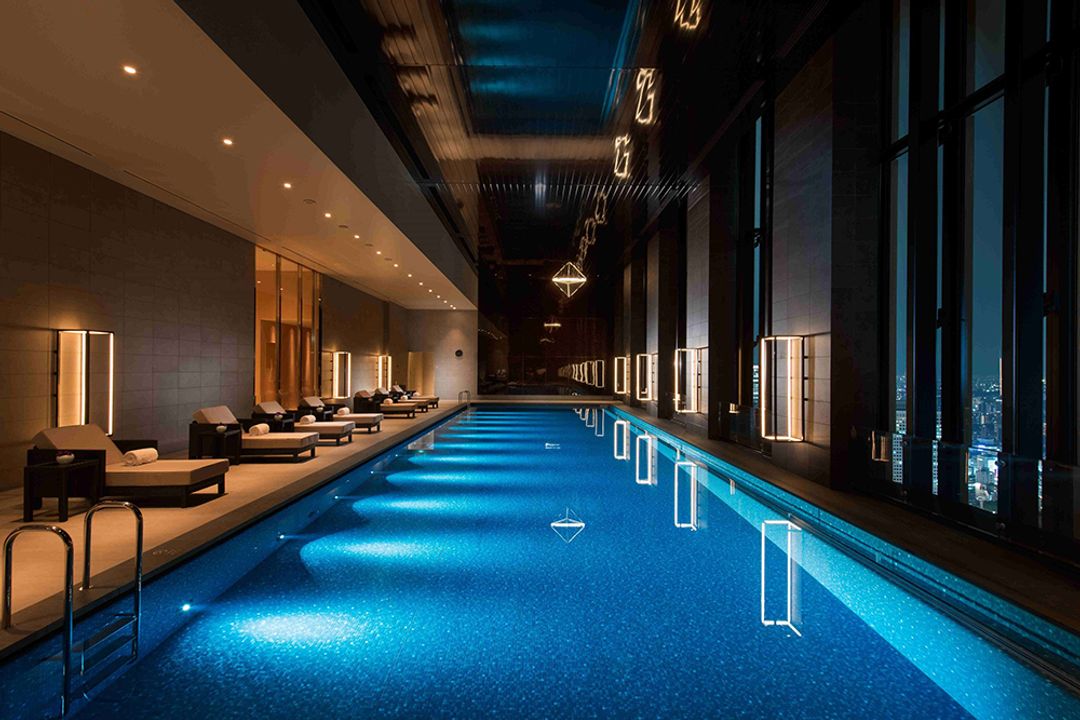
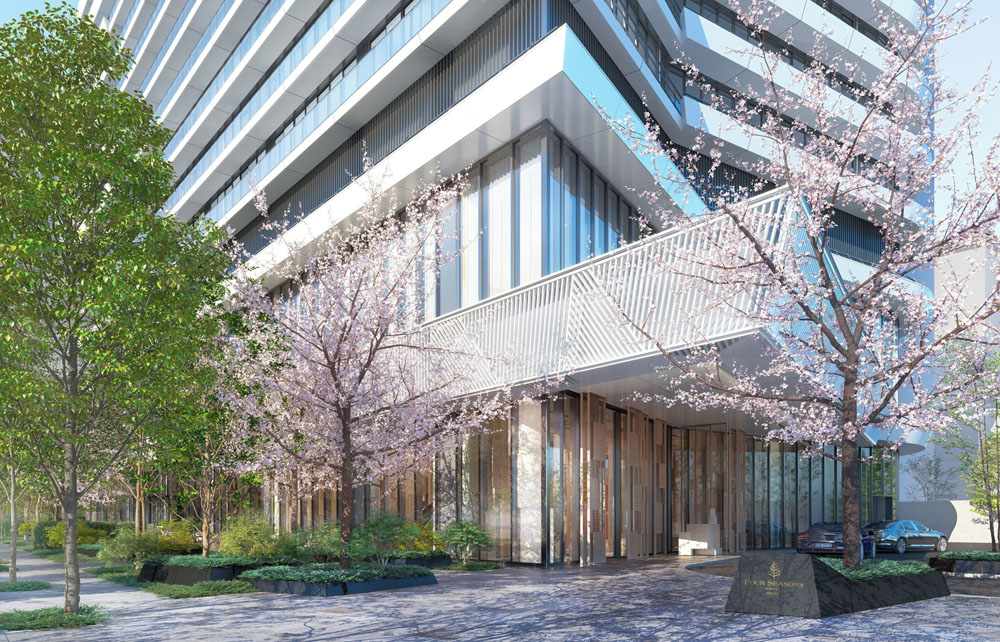
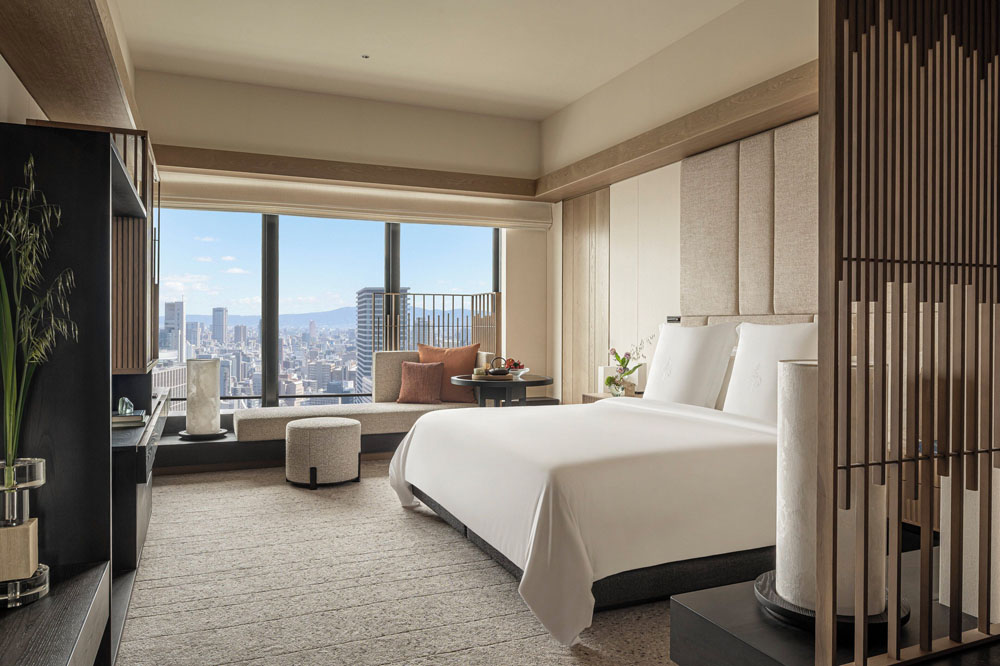
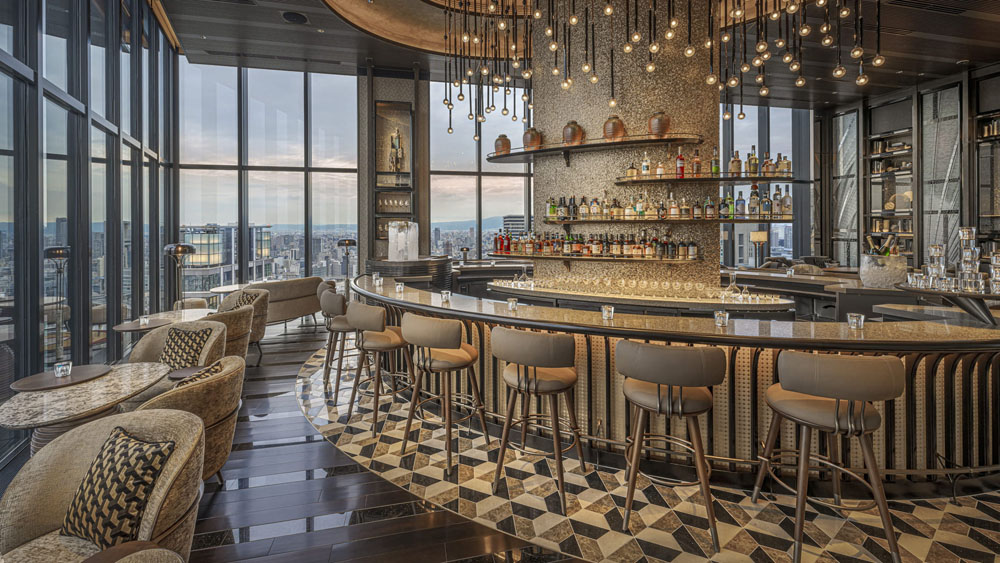
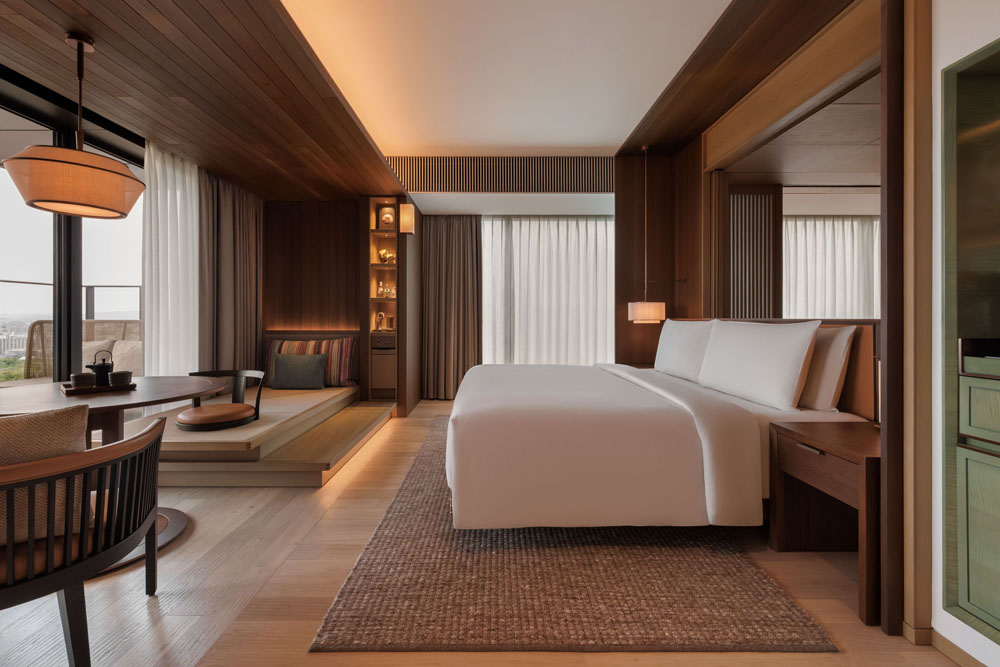
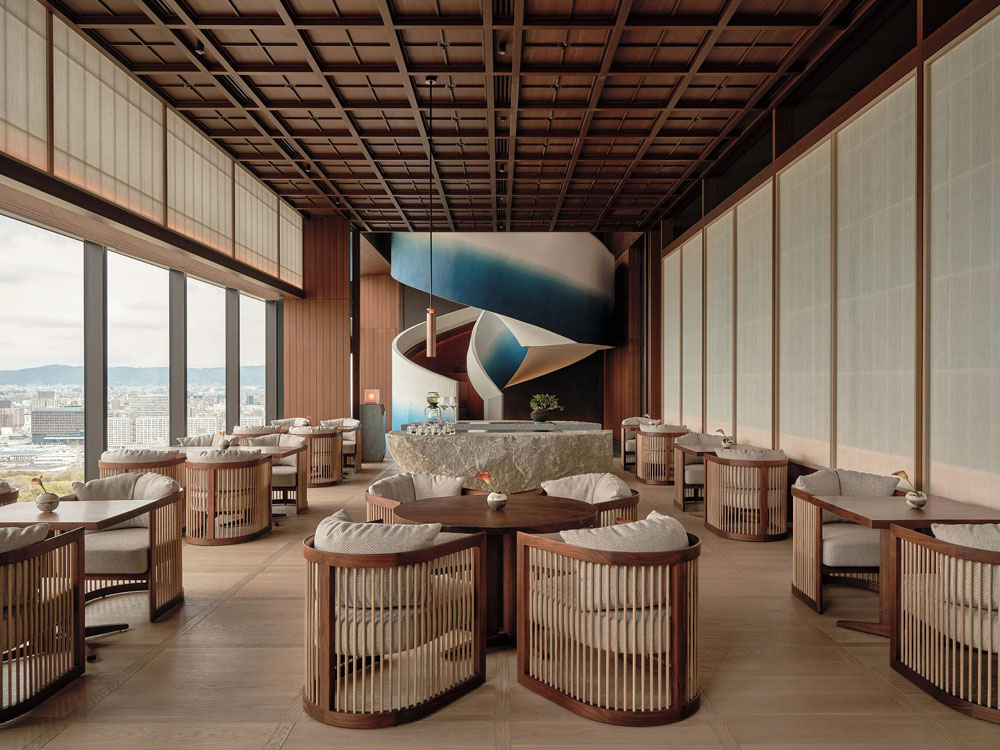
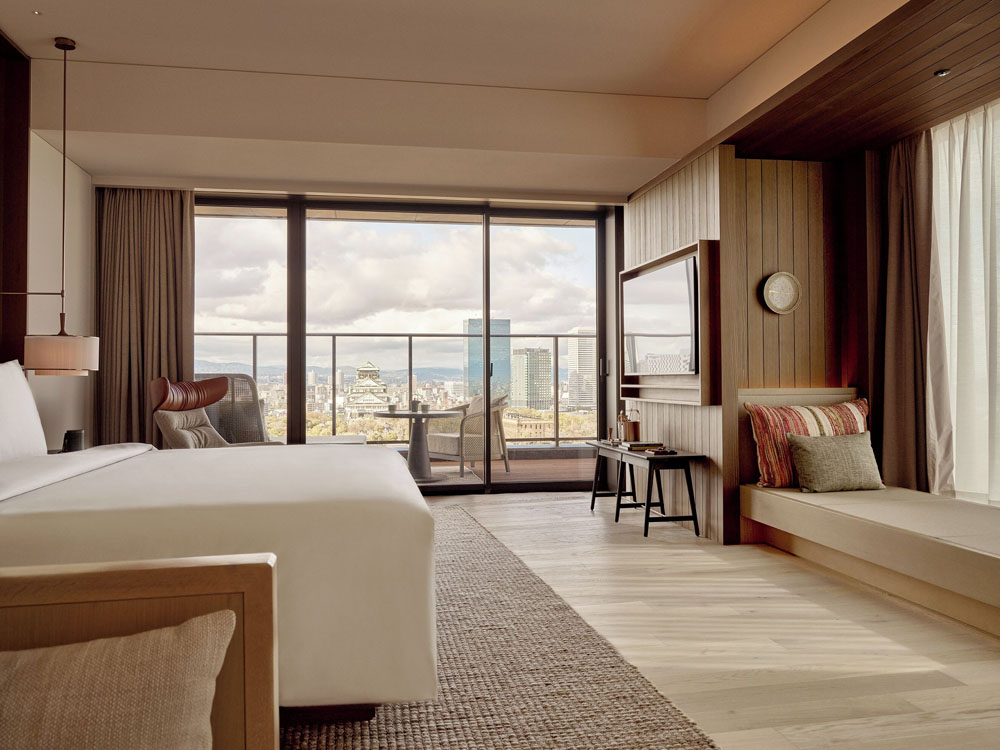
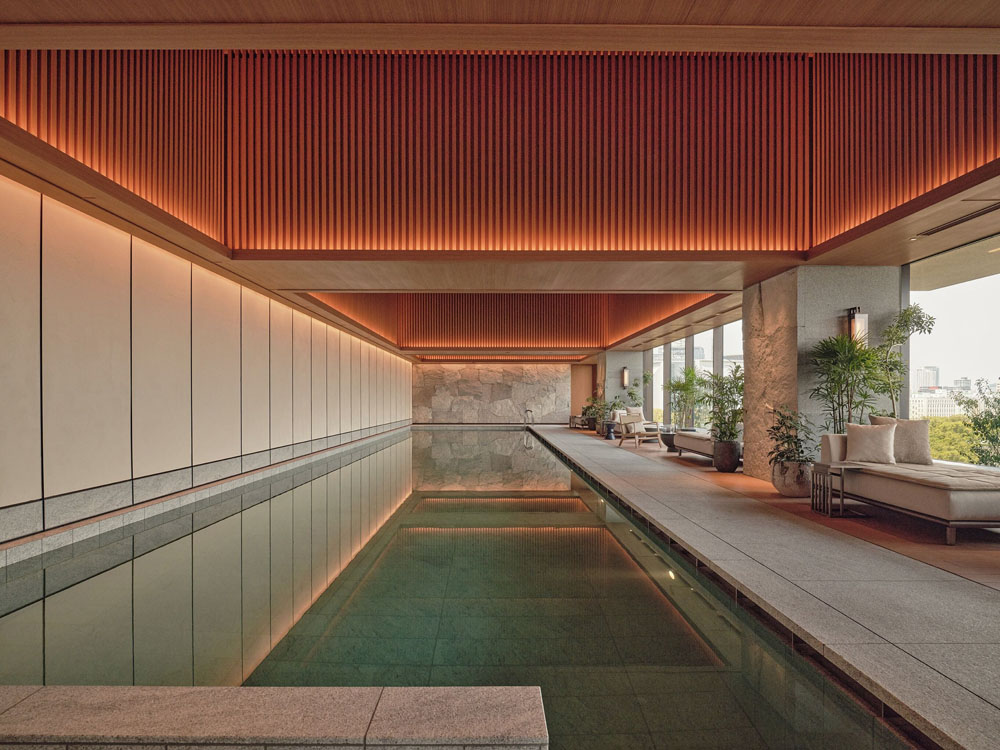
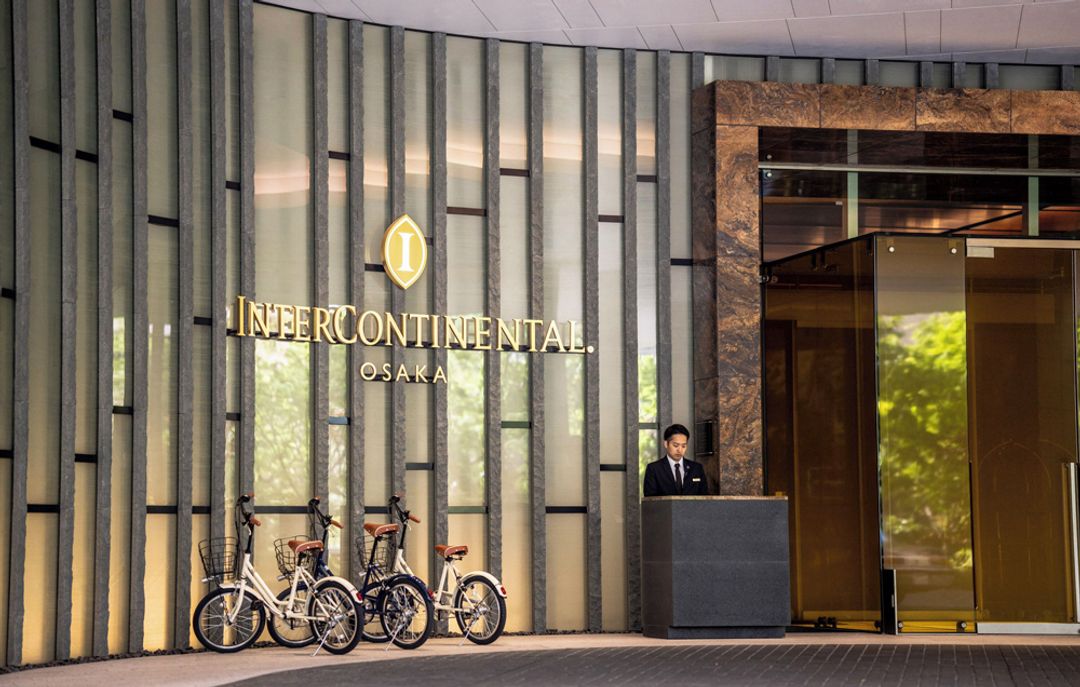
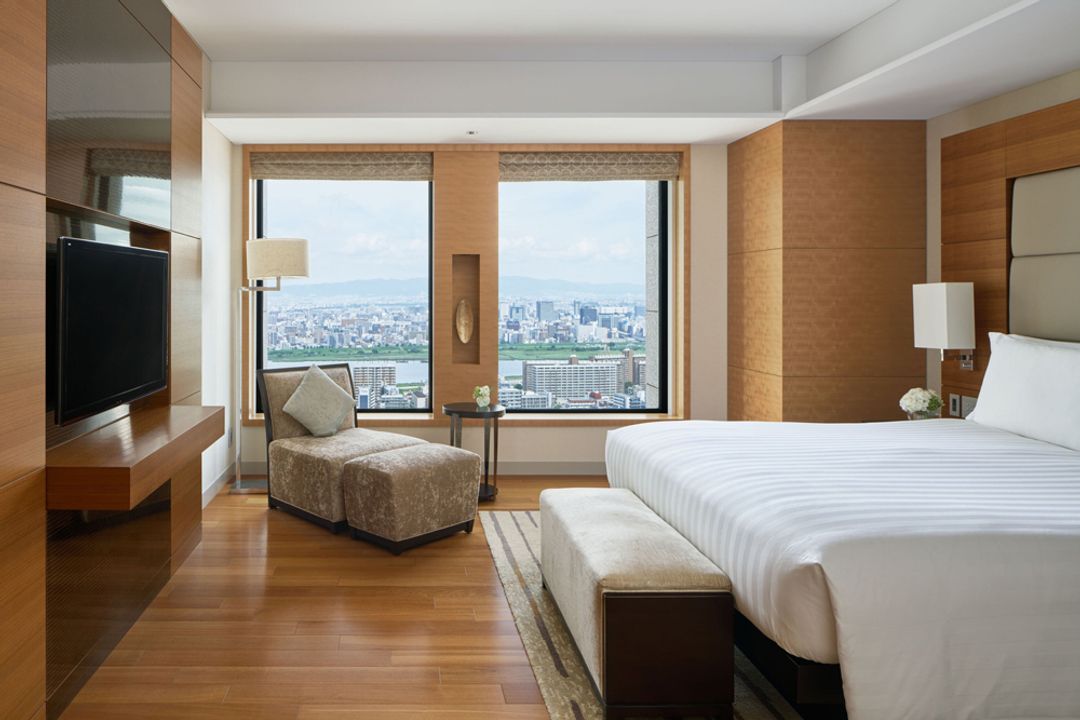
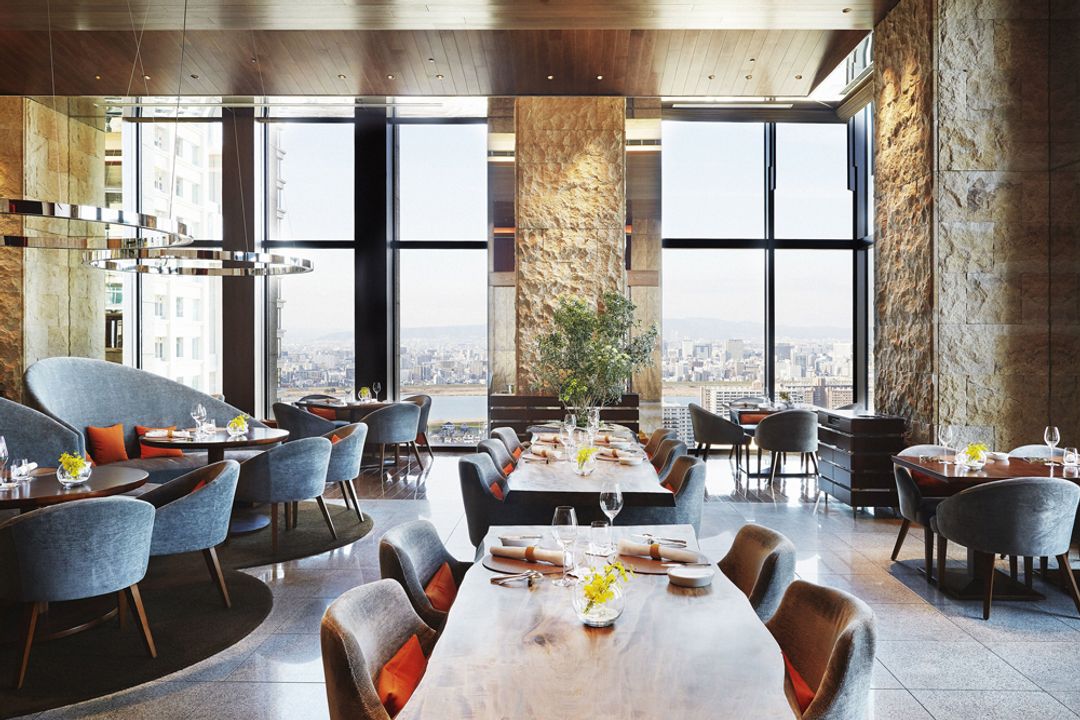
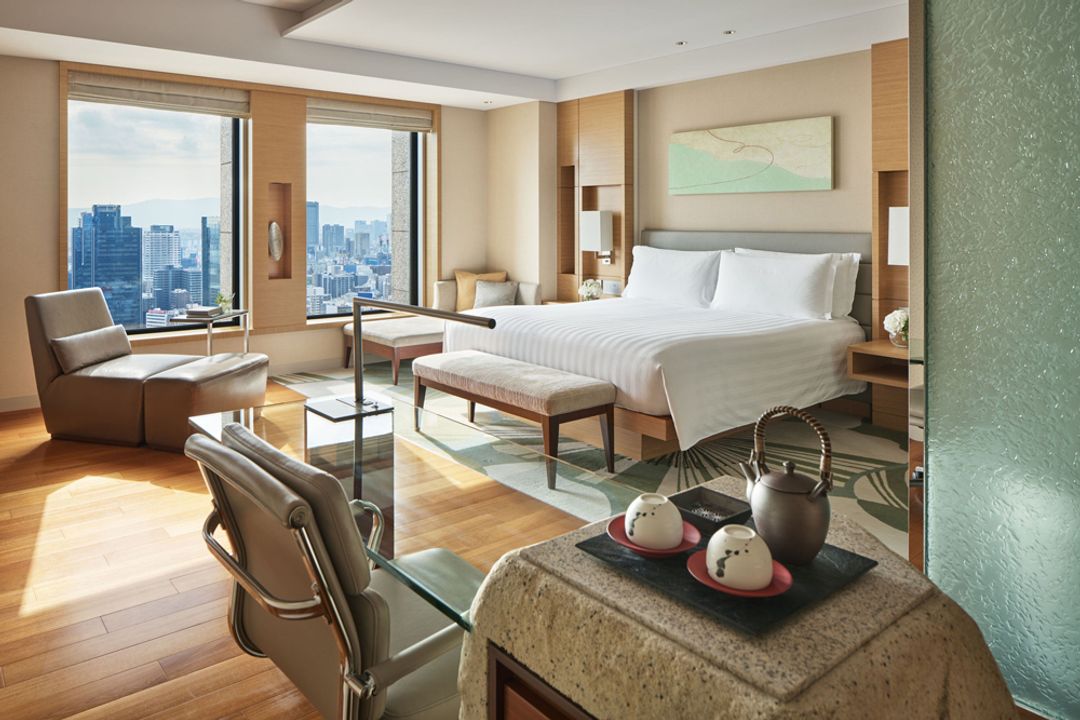
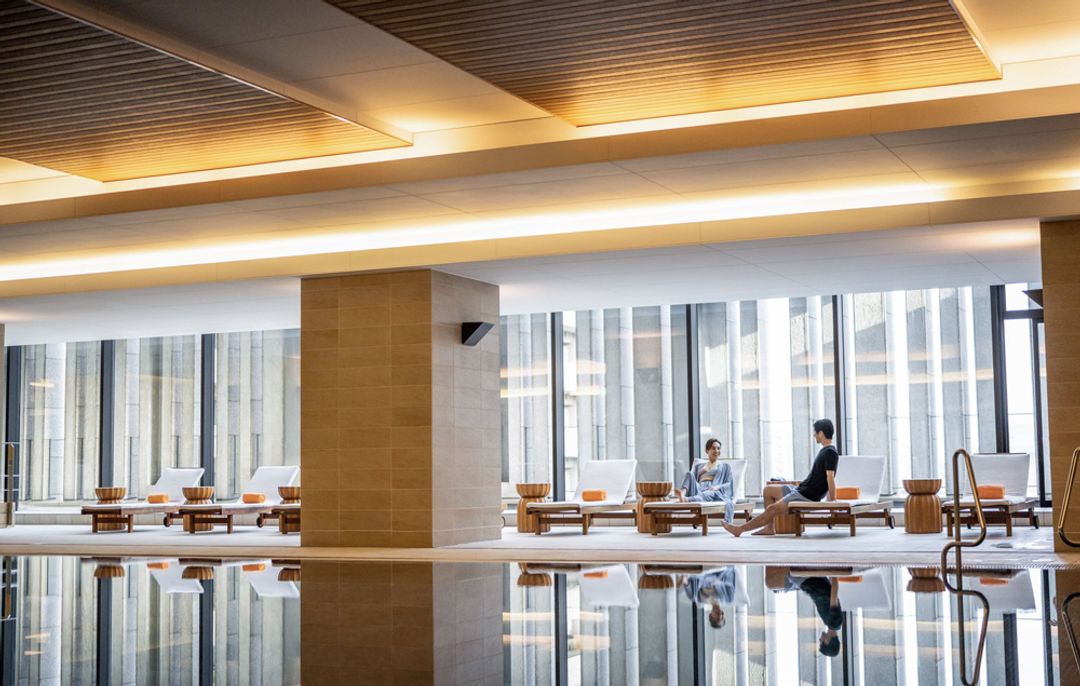
Osaka's northern business belt runs from Umeda through Nakanoshima and along the Dojima River, and this is where the city's most architecturally ambitious hotels have congregated. The Conrad Osaka occupies the upper floors of Nakanoshima Festival Tower West, Nikken Sekkei's 2017 glass tower that rises from the old Asahi Broadcasting site, and the hotel makes deliberate use of its elevation, positioning public spaces to frame views over the river islands below. Nearby, the Four Seasons Hotel Osaka settled into Dojima in 2024, adding another high-floor address to a corridor where altitude has become the primary design statement. The Ritz-Carlton Osaka takes a different position entirely: housed in a 1997 tower but decorated in European neoclassical style, all marble and dark timber paneling, it reads as a period room transported to the Osaka skyline, an approach that has aged into something genuinely eccentric. The InterContinental shares the same Umeda complex and serves travelers who want proximity to the rail interchange above almost everything else.
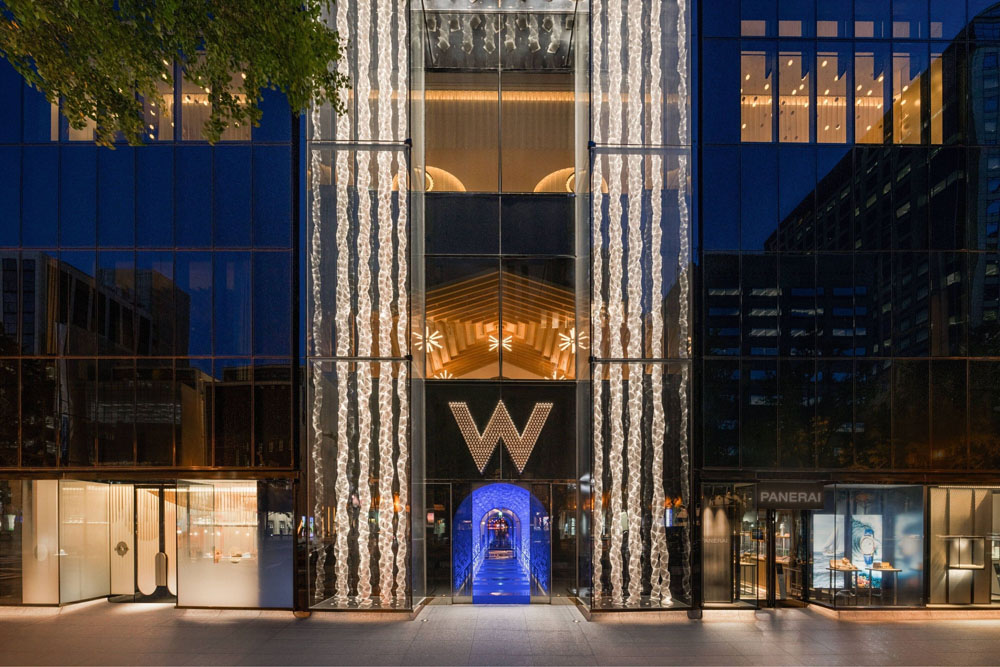
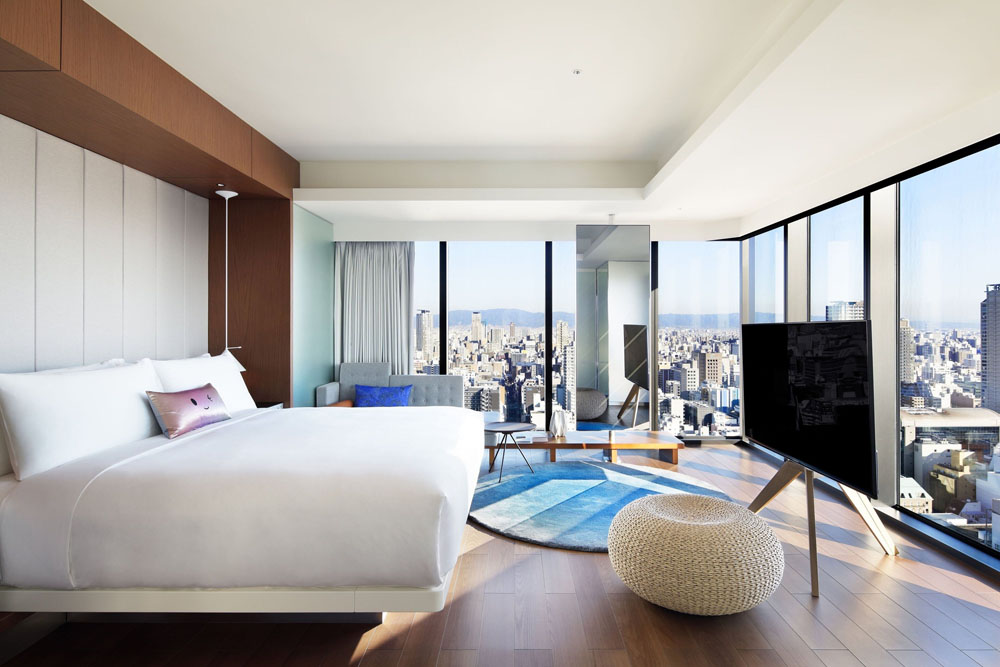
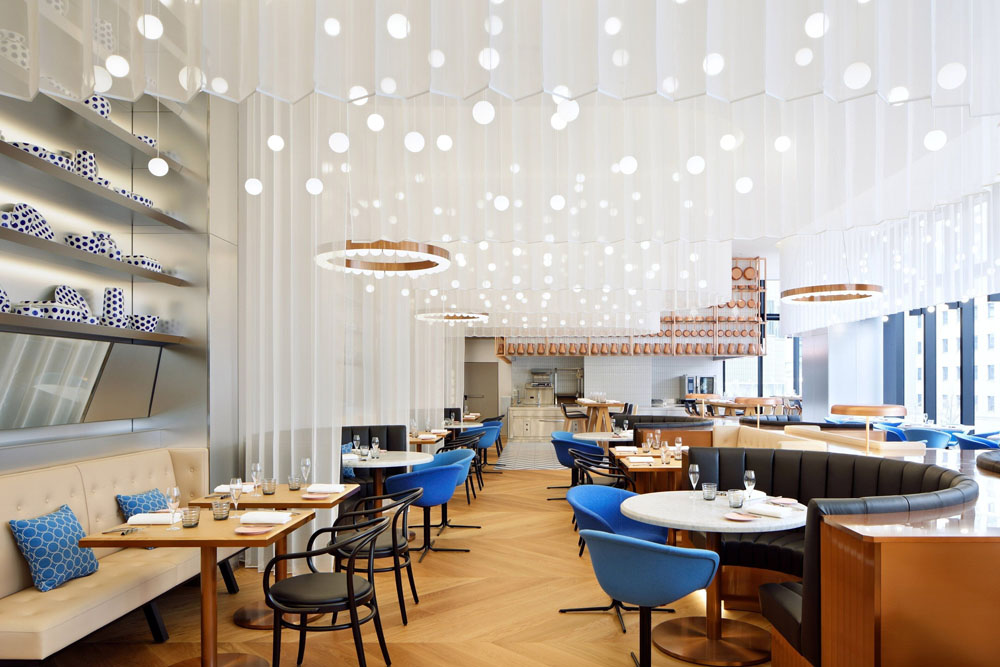
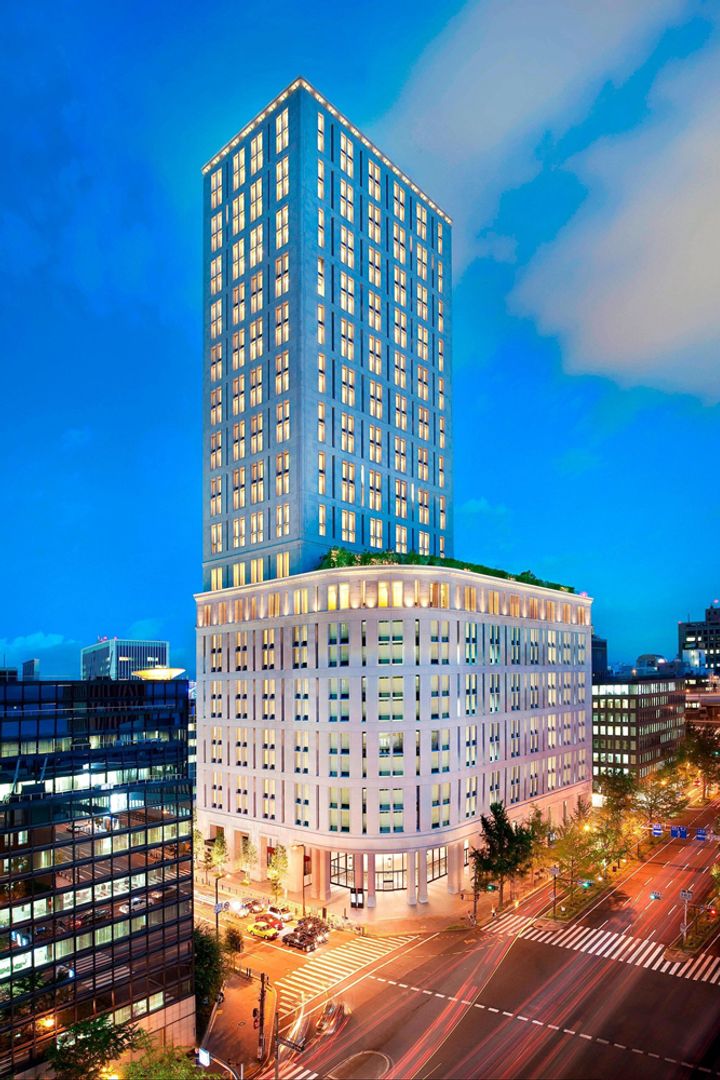
South along Midosuji, the St. Regis Osaka occupies the lower floors of a tower on the boulevard that has historically functioned as the city's formal commercial spine, lined with ginkgo trees and modernist banking architecture. The Beaux-Arts interiors, designed with polished restraint, suit the avenue's character better than a contemporary intervention might have. The W Osaka in Shinsaibashi is the sharpest contrast available: Suppose Design Office contributed to the public interiors, and the hotel reads as an extension of the neighborhood's appetite for graphic retail culture, neon adjacency, and fashion-forward surface treatments.
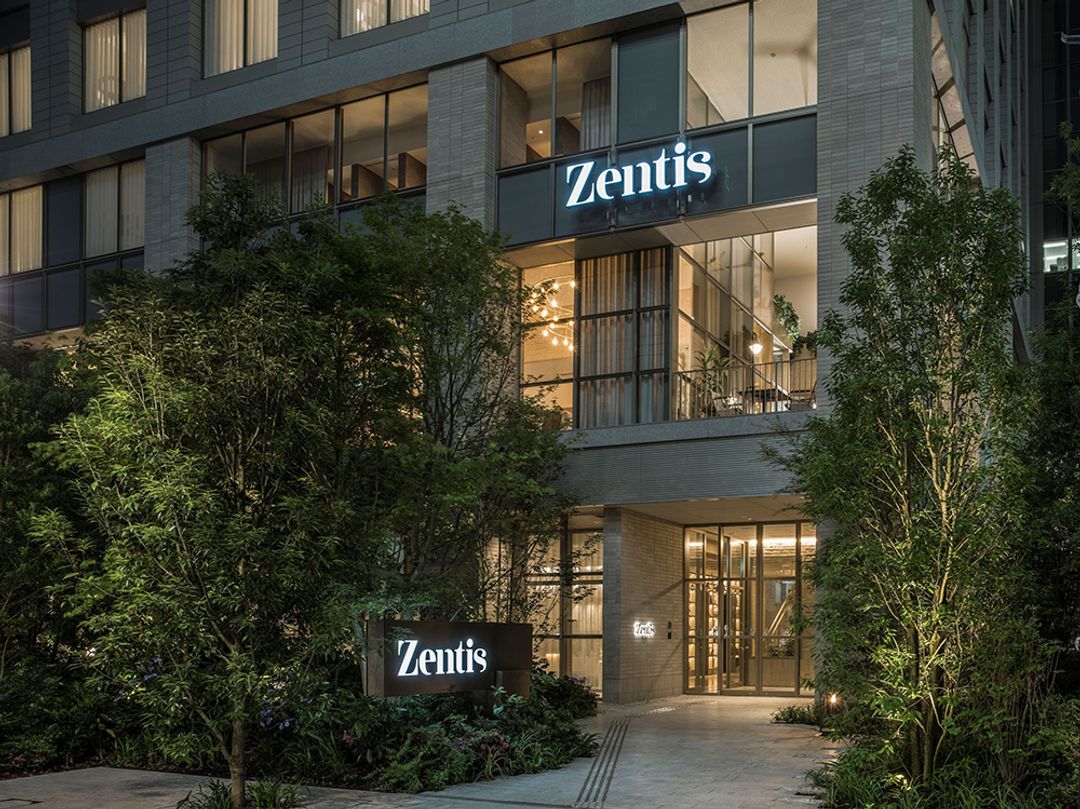
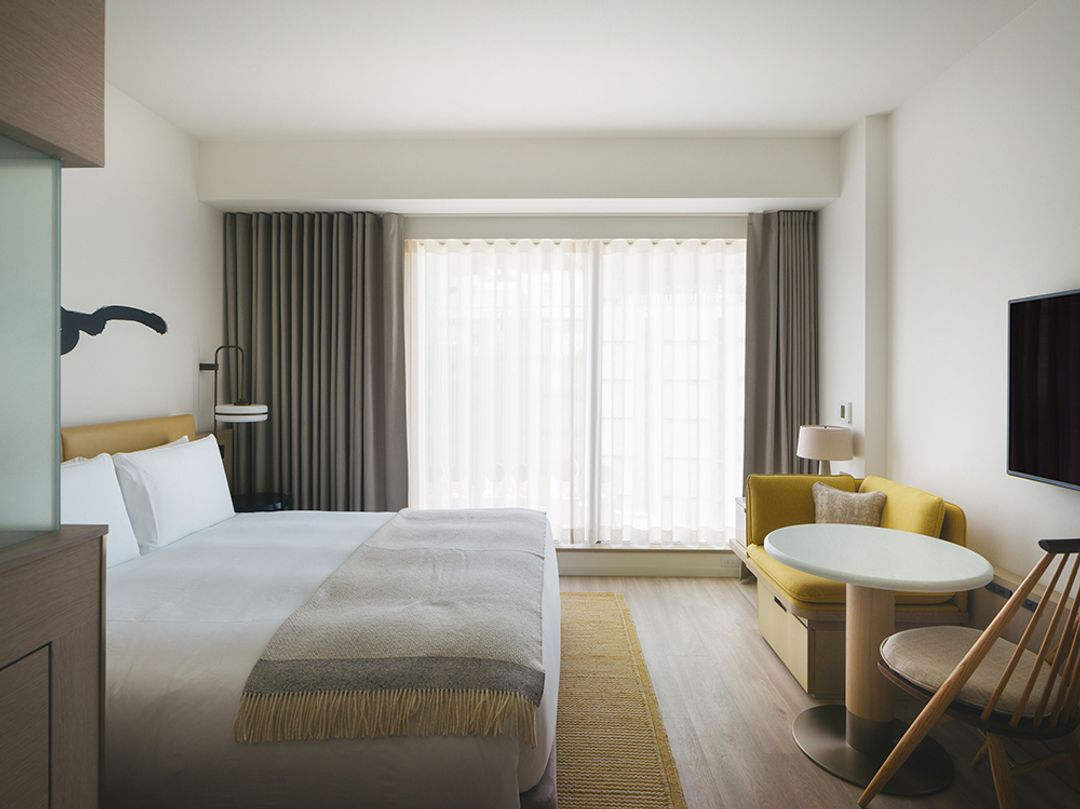
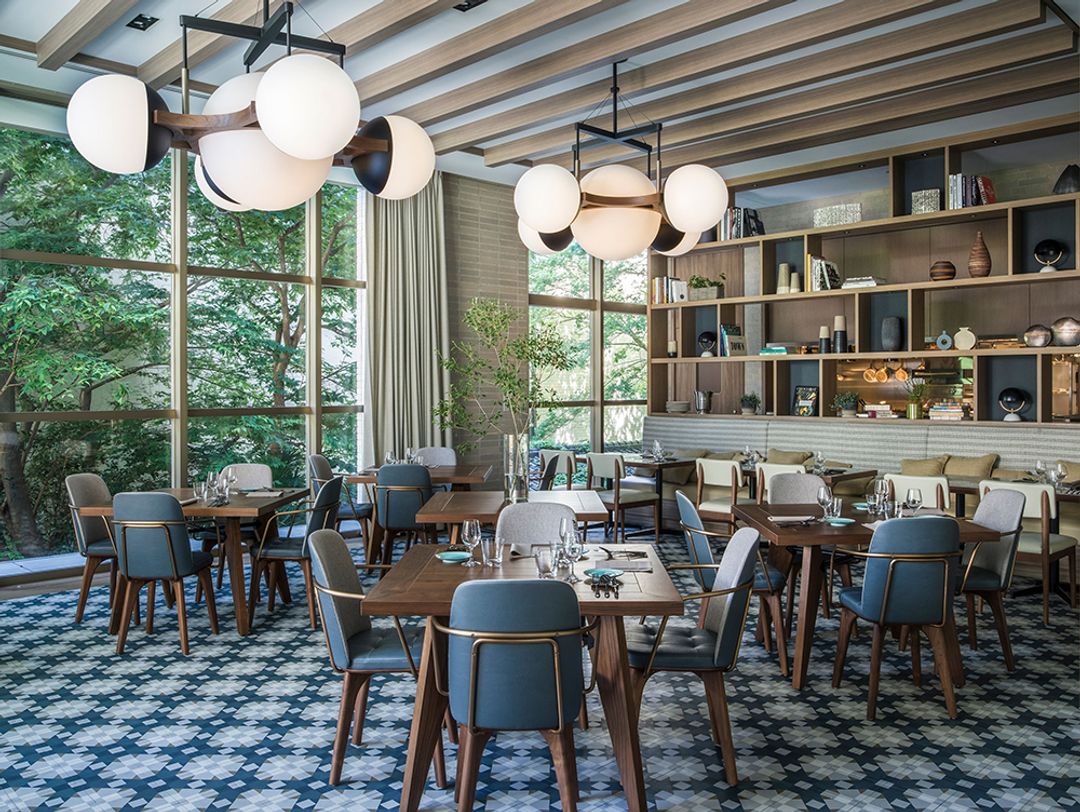
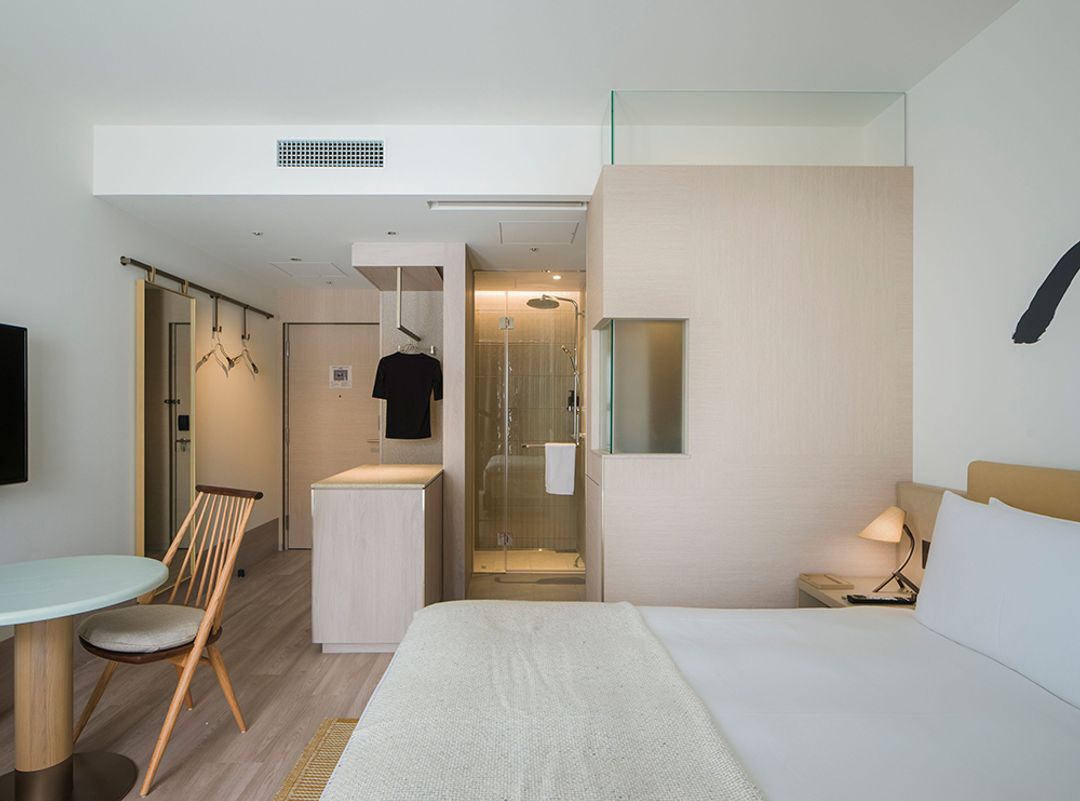
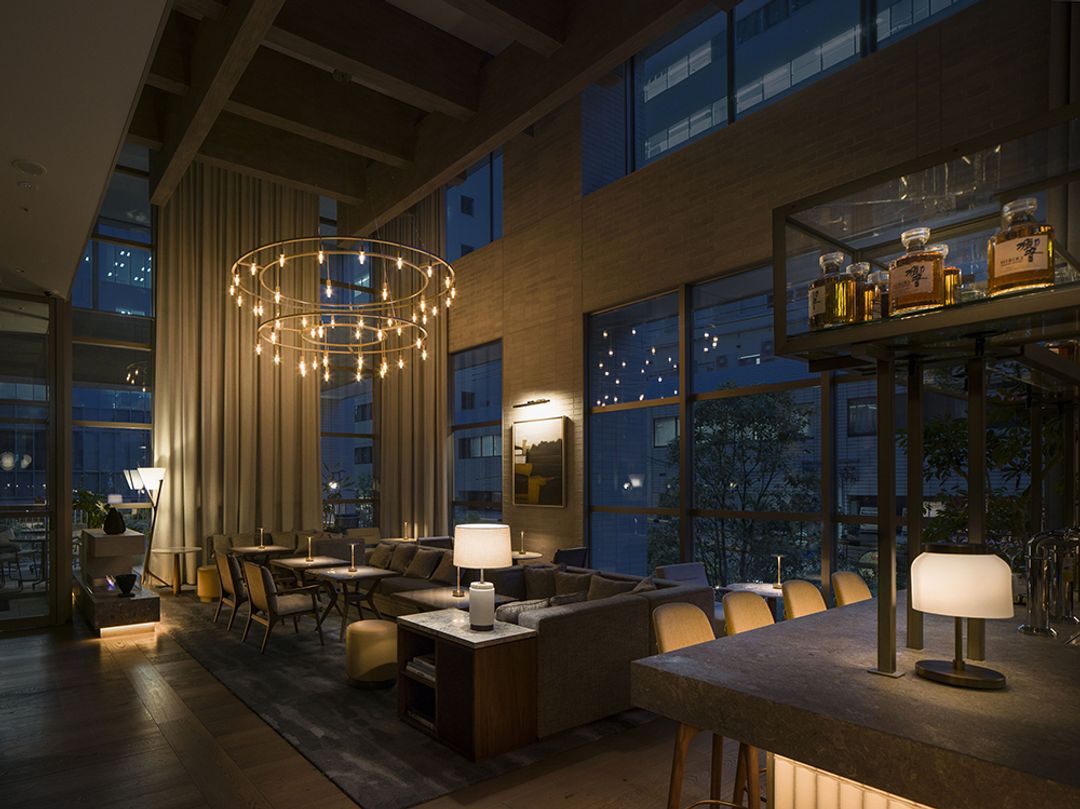
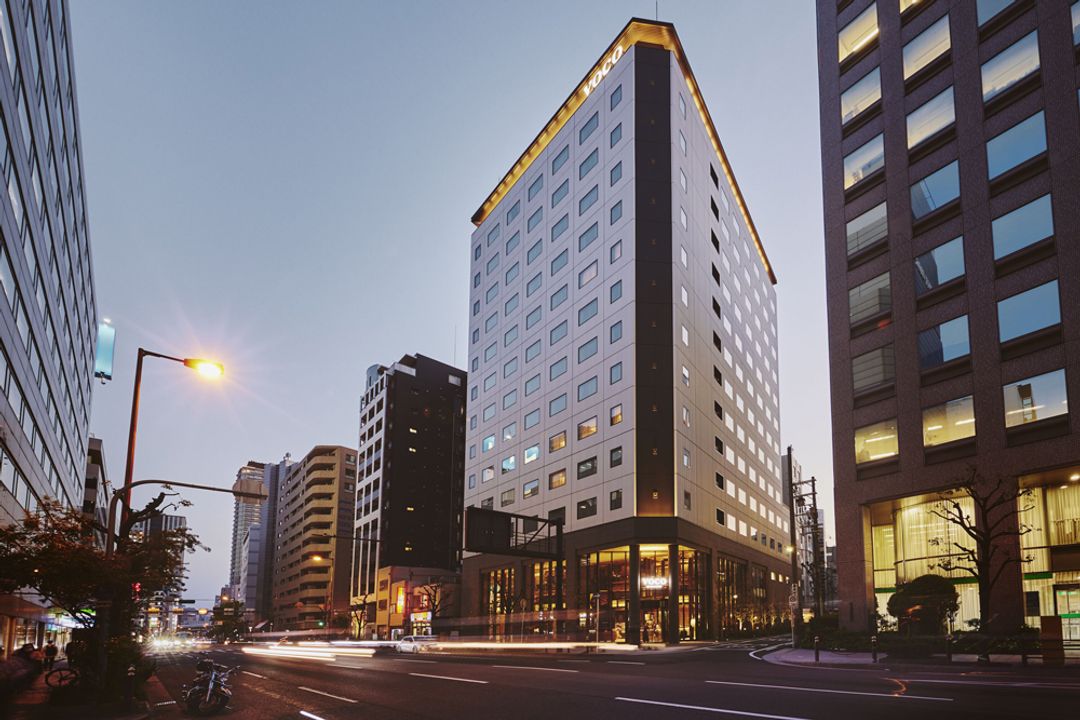
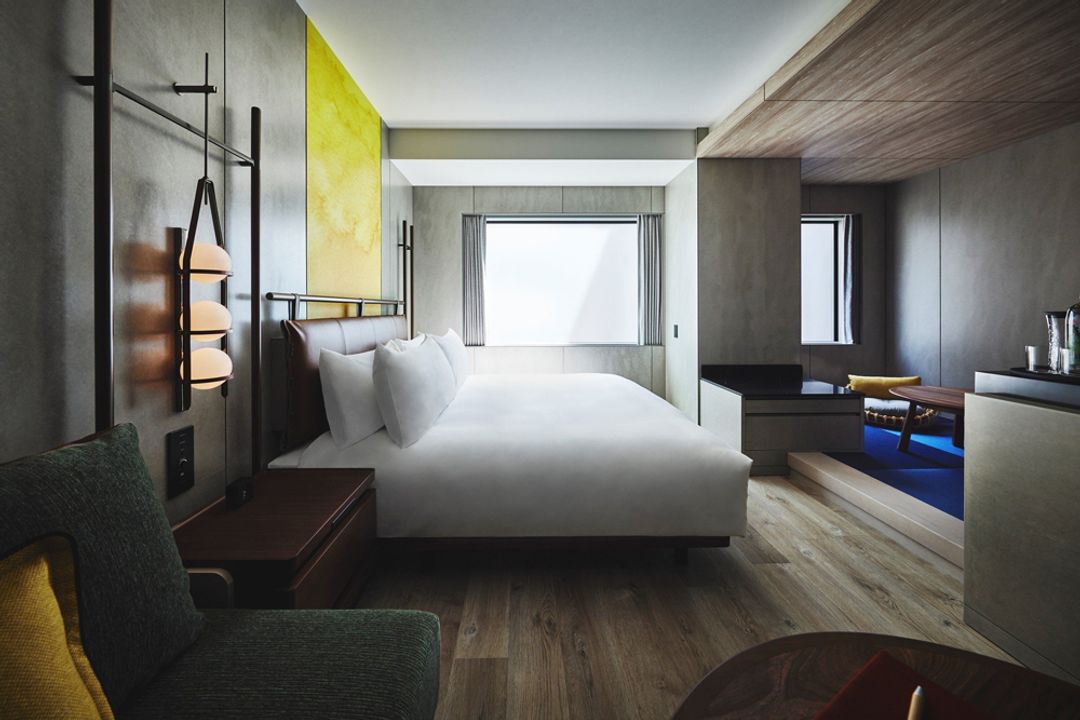
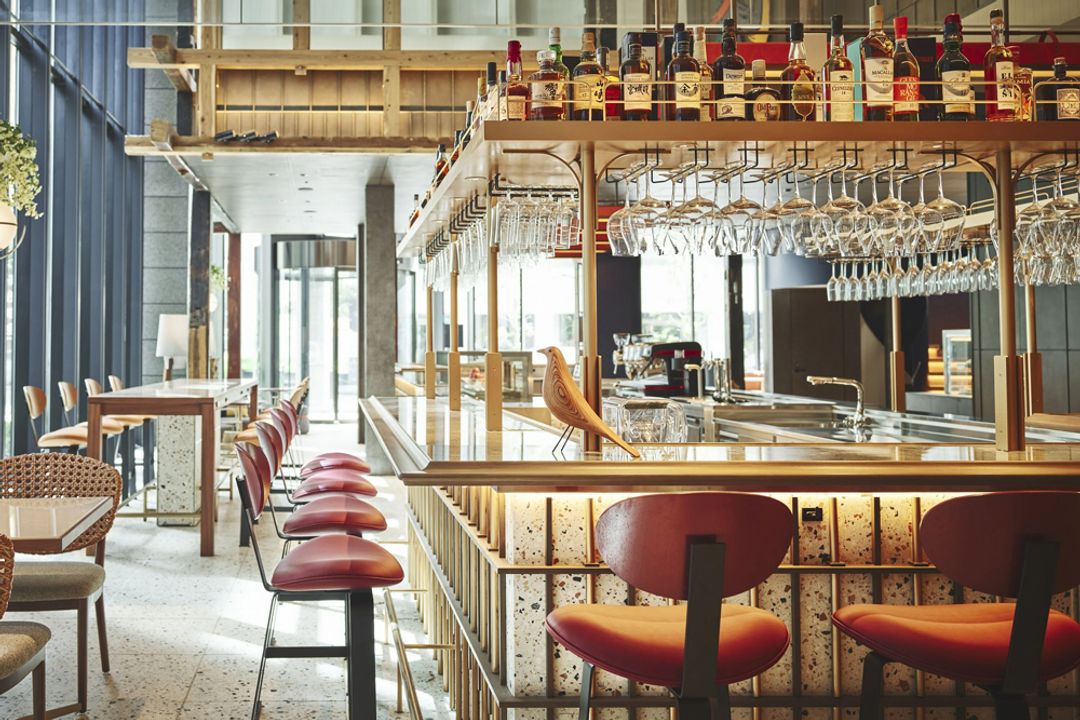
The mid-tier addresses repay more attention than their rates suggest. Zentis Osaka, on the Dojimahama waterfront, was designed with a consistent materiality throughout, warm woods and considered lighting, that gives it more coherence than many properties twice its price. The voco Osaka Central, near Utsubo Park, sits in a quieter residential pocket west of the commercial center, and its position gives guests a version of Osaka that the tower hotels never quite reach, slower, greener, and oriented toward the neighborhood rather than the skyline. For anyone whose travel instinct runs toward texture over altitude, this western fringe offers the better ground-level read of the city.