Best hotels in Luang Prabang | A Curated Visual Guide to Top Stays
Welcome to PressBeyond, the ultimate curated visual guide for design-driven hotels! My name is Will Miller and these are my recommendations for the best boutique and luxury hotels in Luang Prabang.
I am the founder of PressBeyond and I am an ultra-meticulous hotel curator who loves clean visuals. I have individually analyzed and tiered each hotel included in this guide based on a variety of criteria (architecture & design, location, brand & brand affiliation, existing reviews, and my own personal experiences), and importantly, I have hand-selected the leading imagery for each hotel to provide you with easily-digestible, yet detailed and complete, like-for-like, high-level visual profiles. I felt this summarization step was a critical missing piece across existing guides, blogs, and booking platforms. My aim is to make it easier for people to identify hotel environments that resonate with them, along with enabling them to visualize the types of social experiences that those environments help foster. My brain doesn't work when exposed to cluttered content, so my goal was to create the opposite.
Underneath this, we are also a full booking engine offering 5% Venmo cash back along with other exclusive perks. For all of you design-obsessed hotel enthusiasts out there, I hope this guide helps get you to where you see yourself!
An Overview of the Boutique & Luxury Hotel Landscape in Luang Prabang
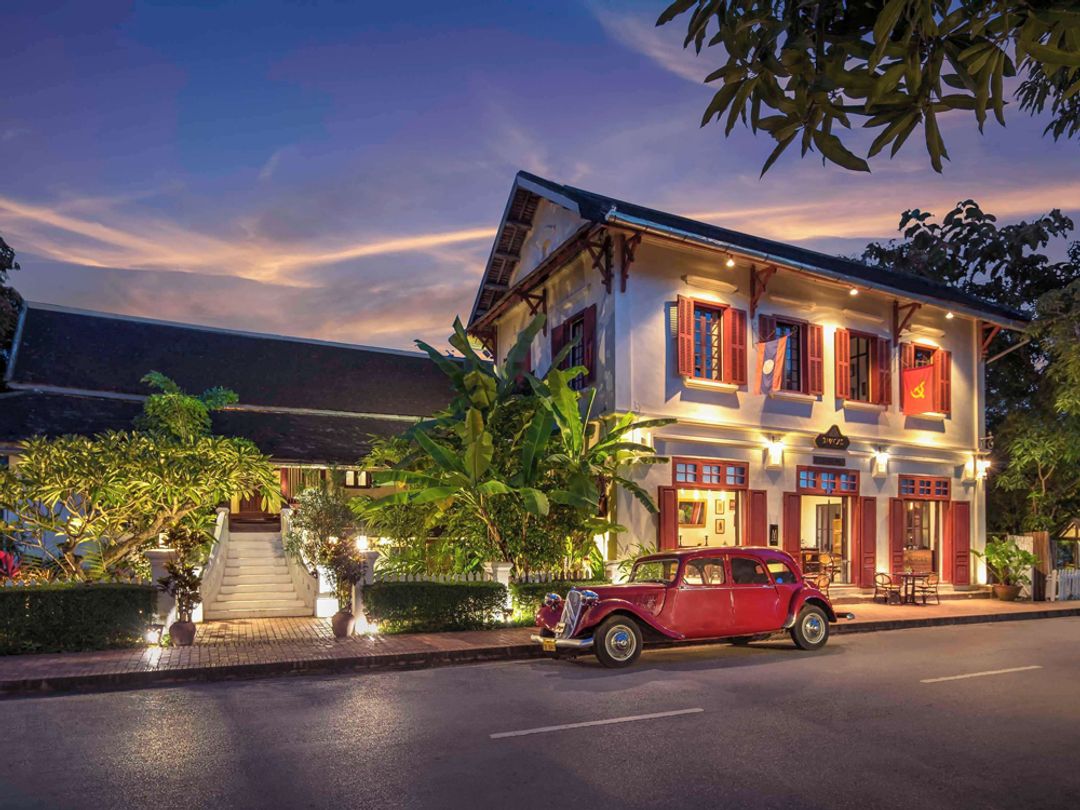
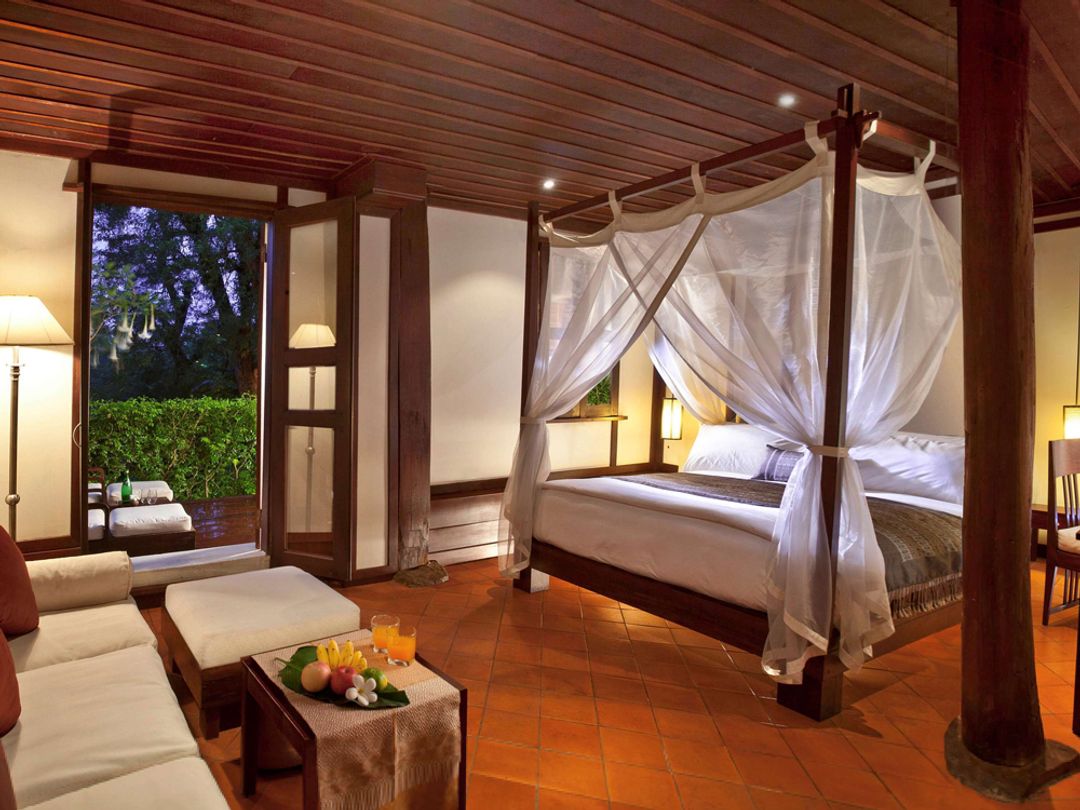
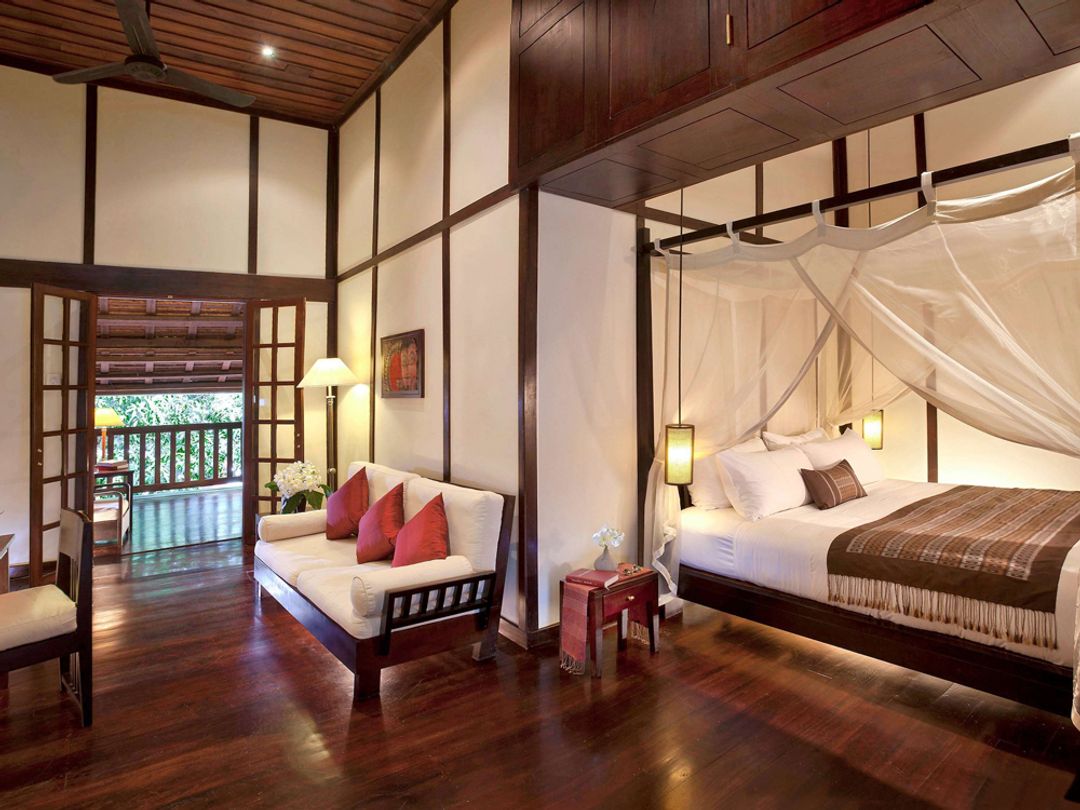
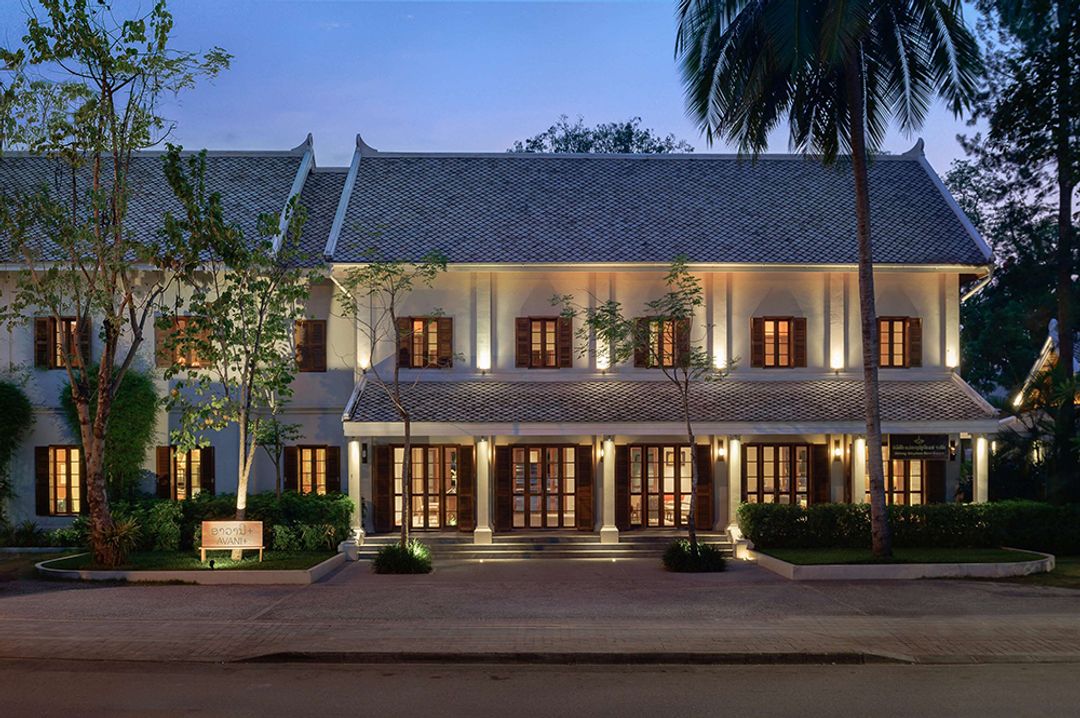
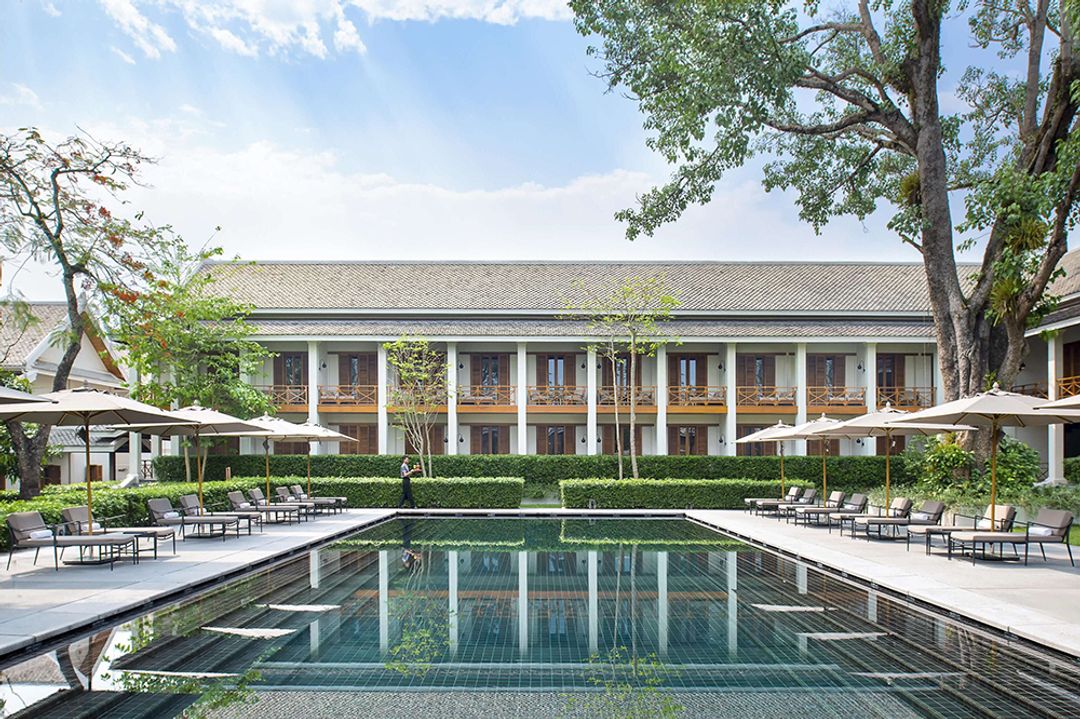
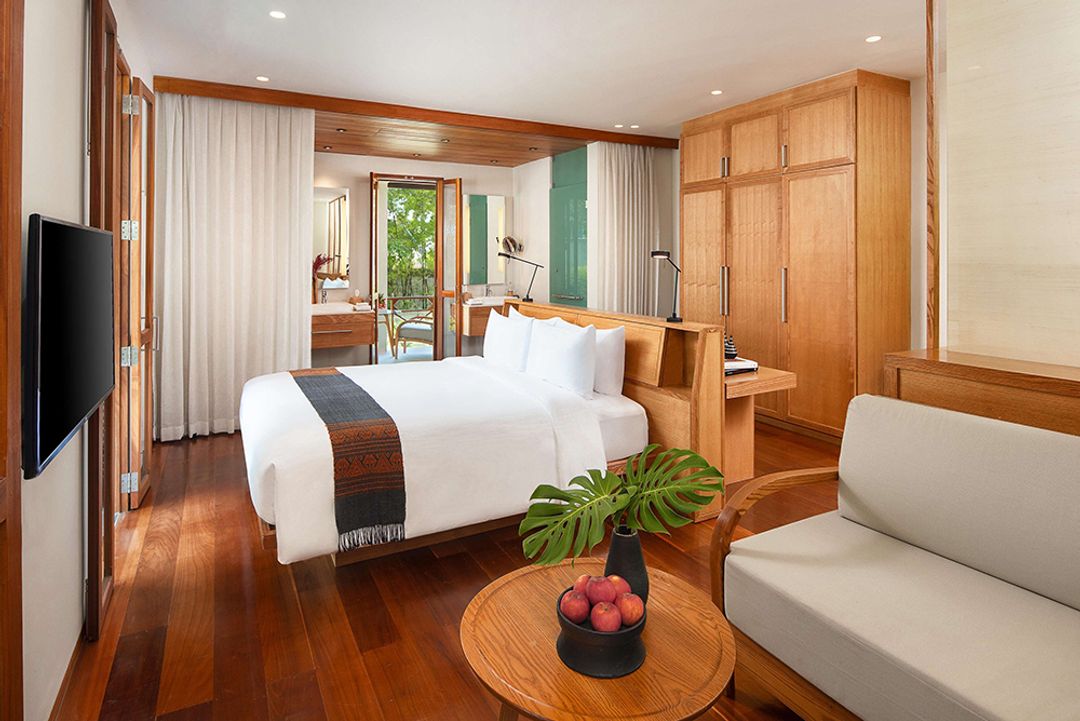
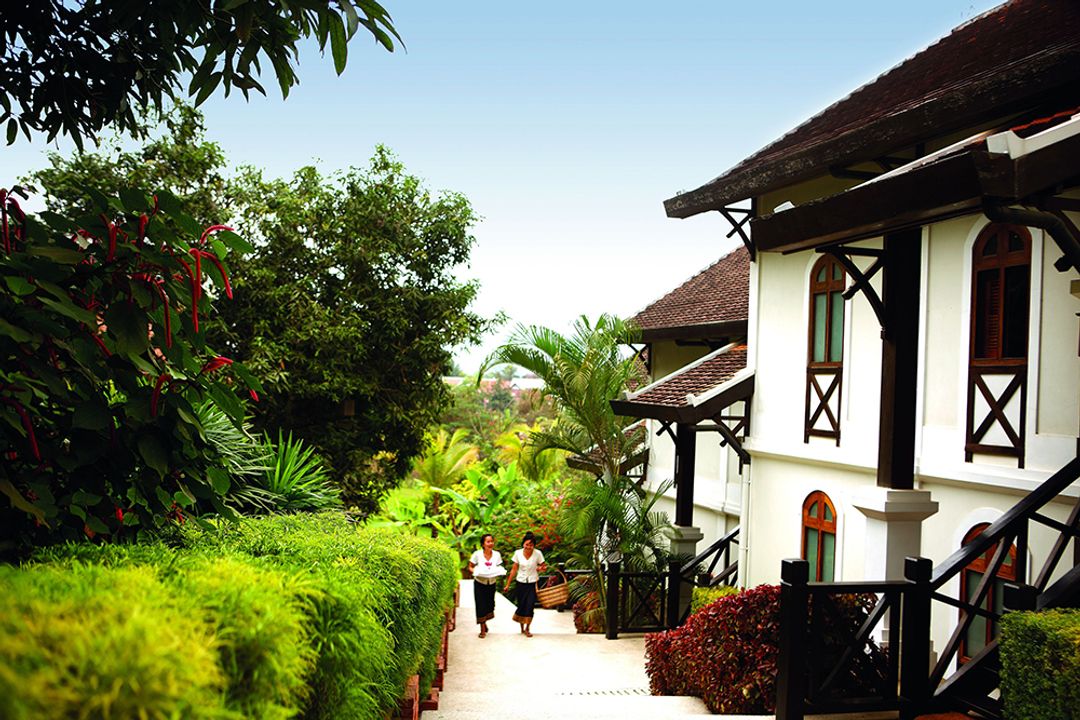
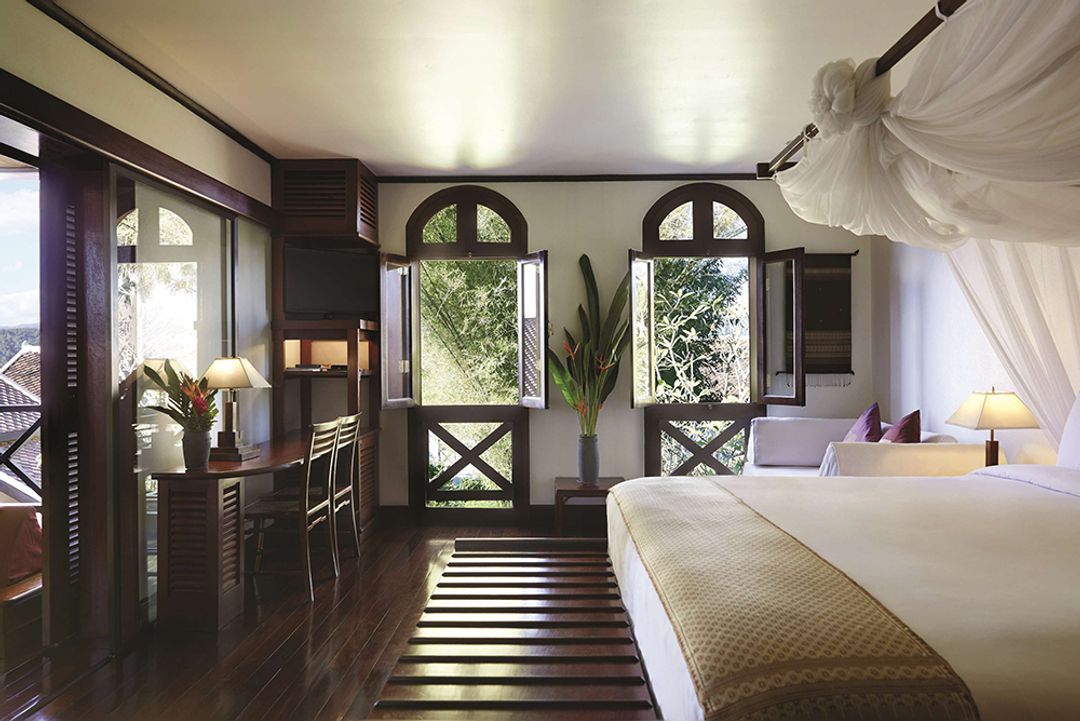
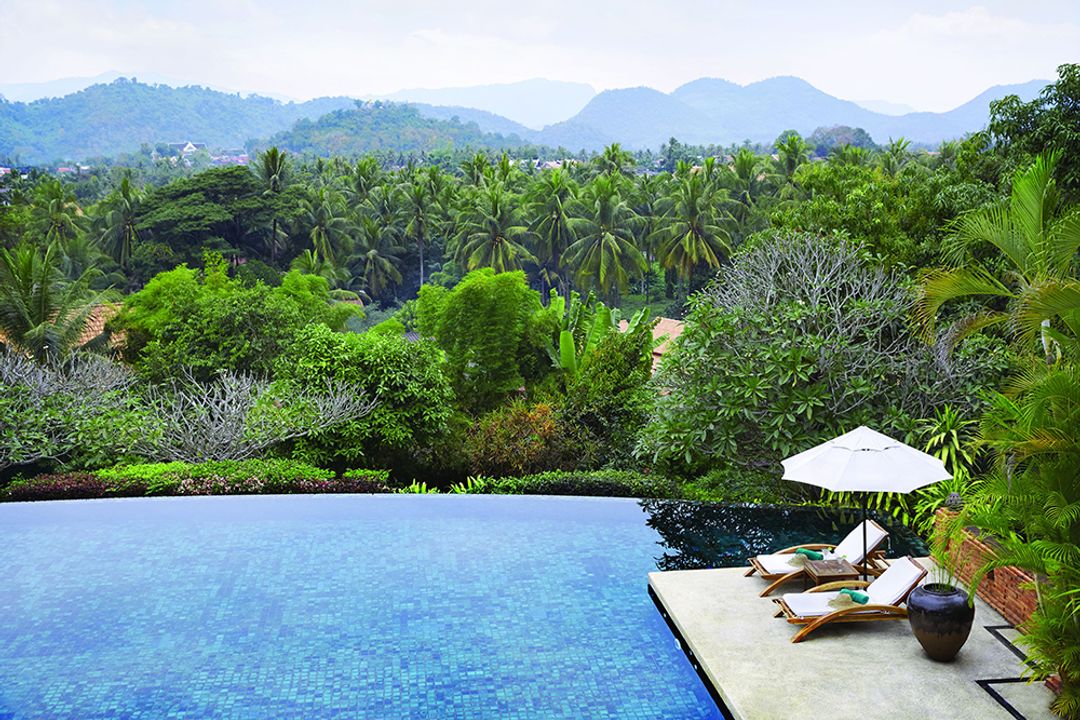
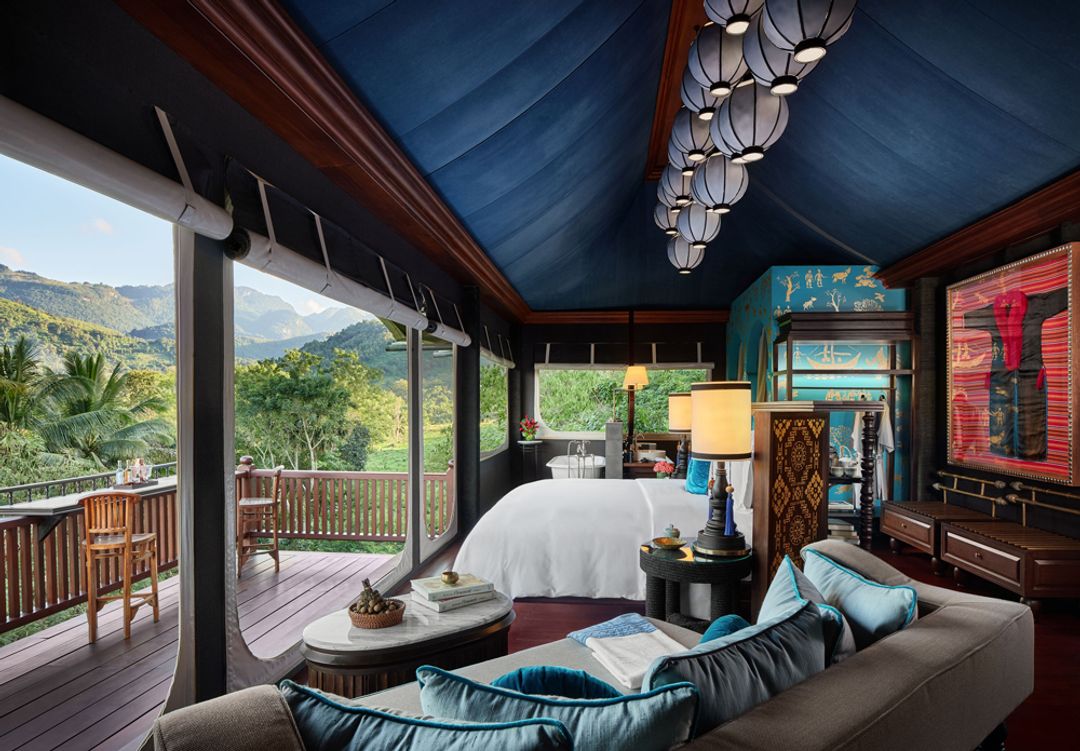
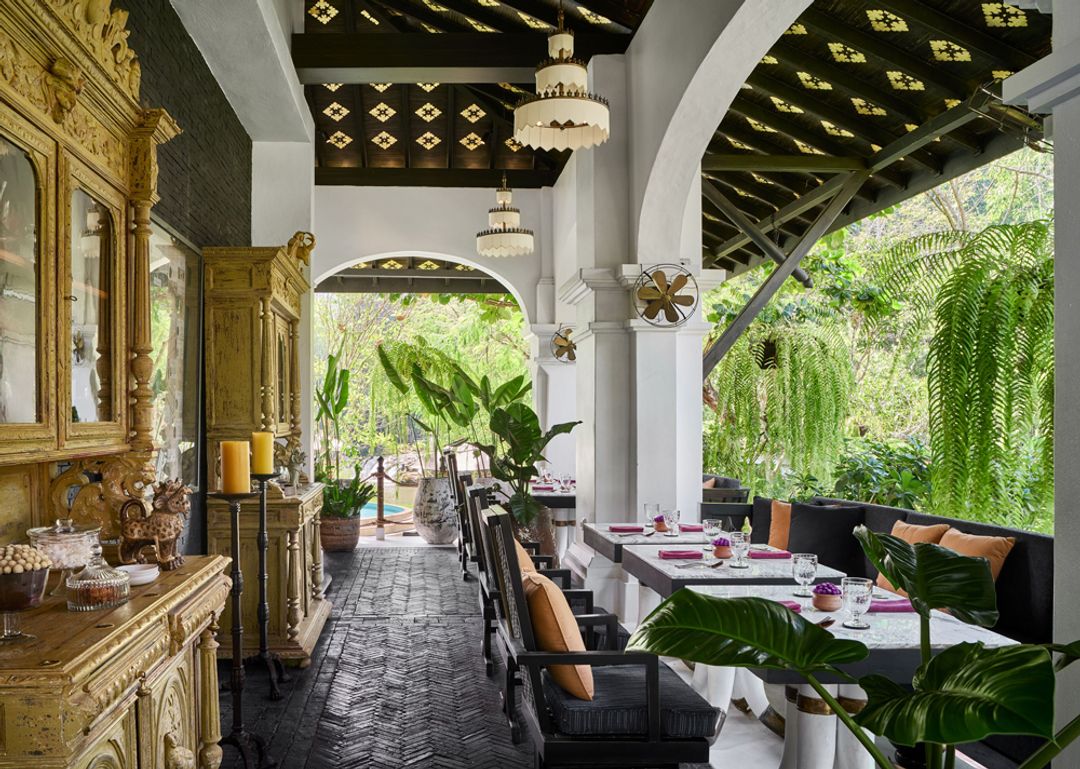
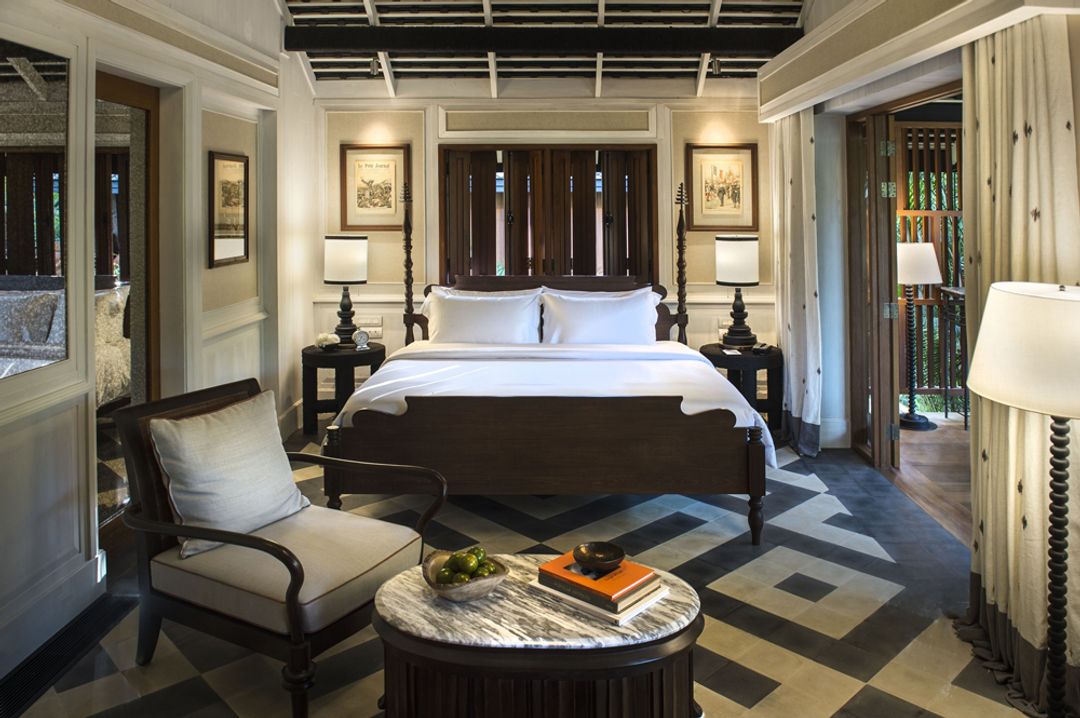
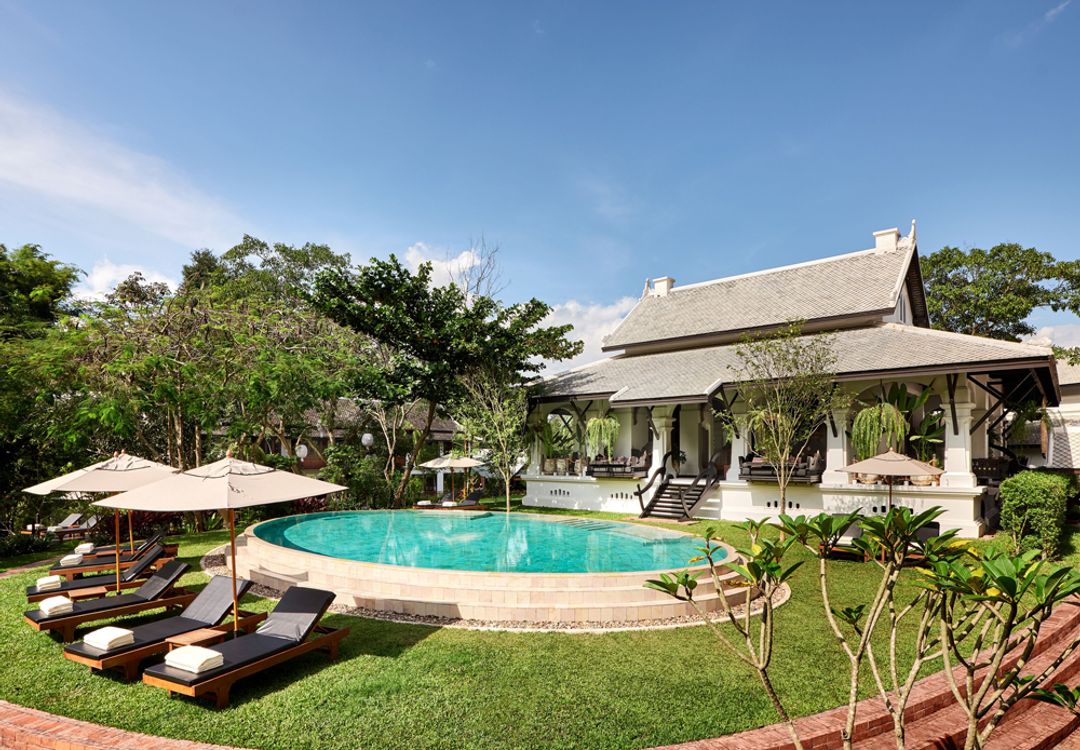
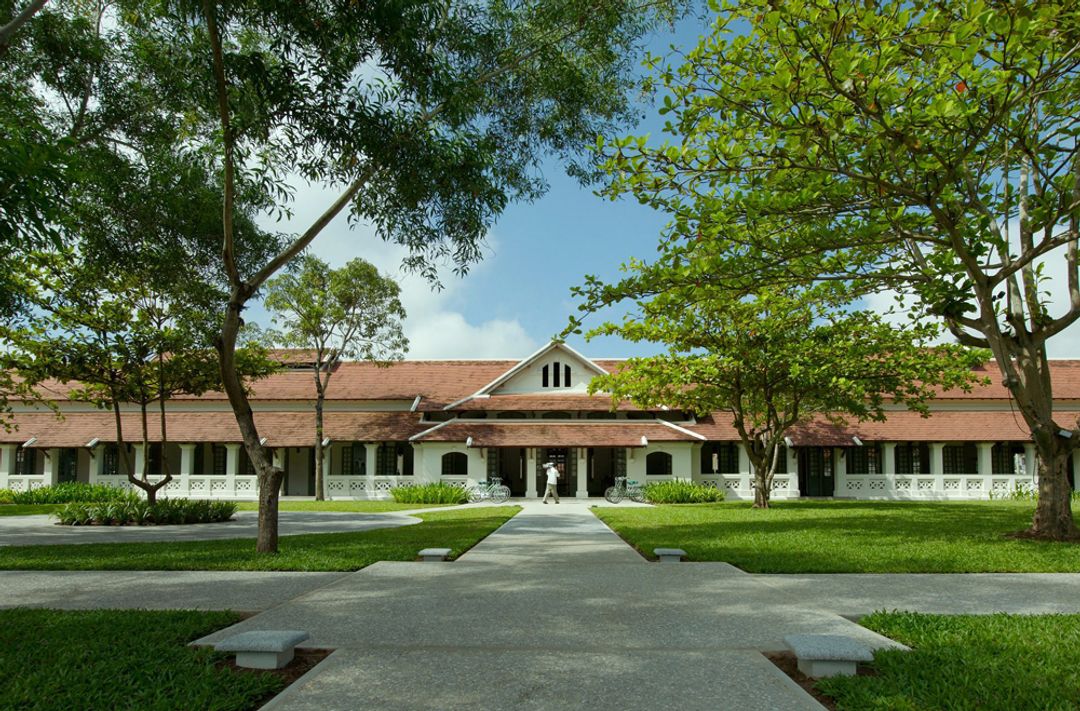
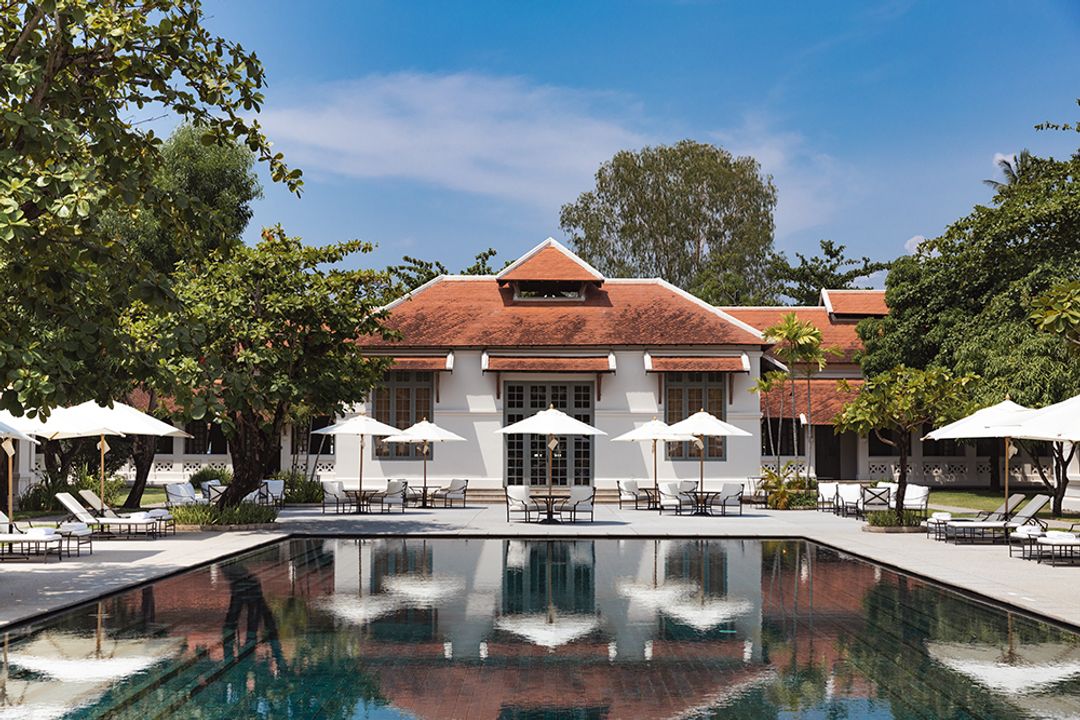
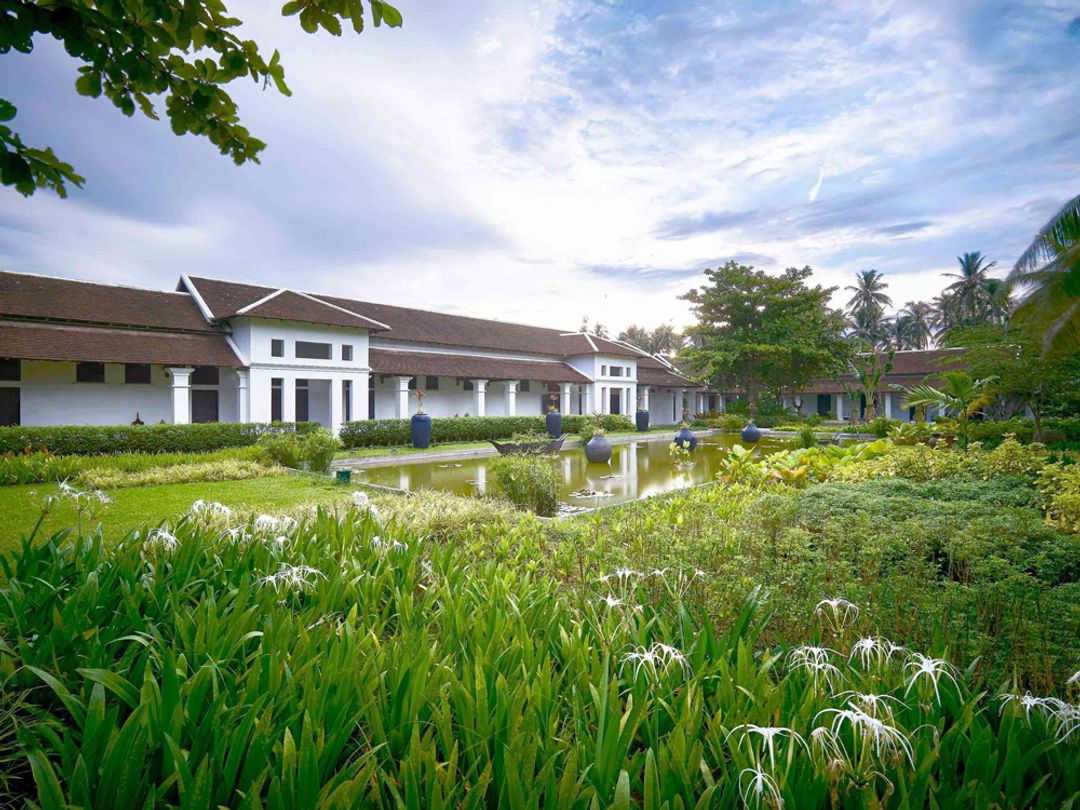
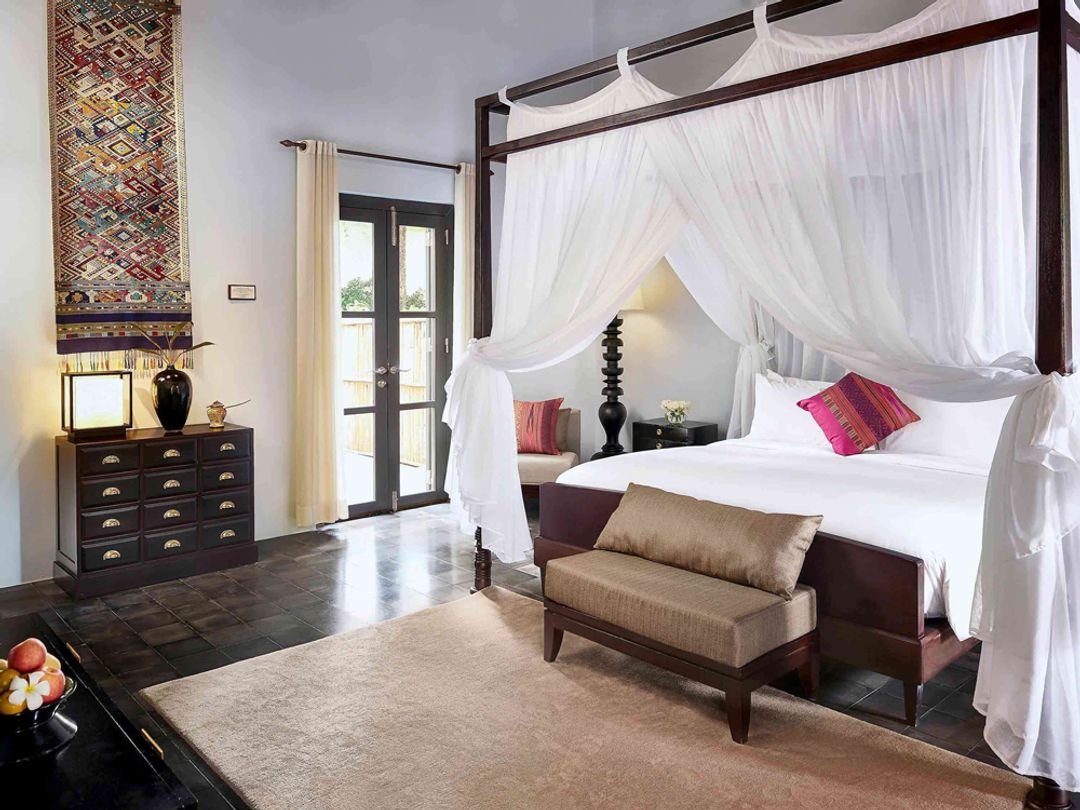
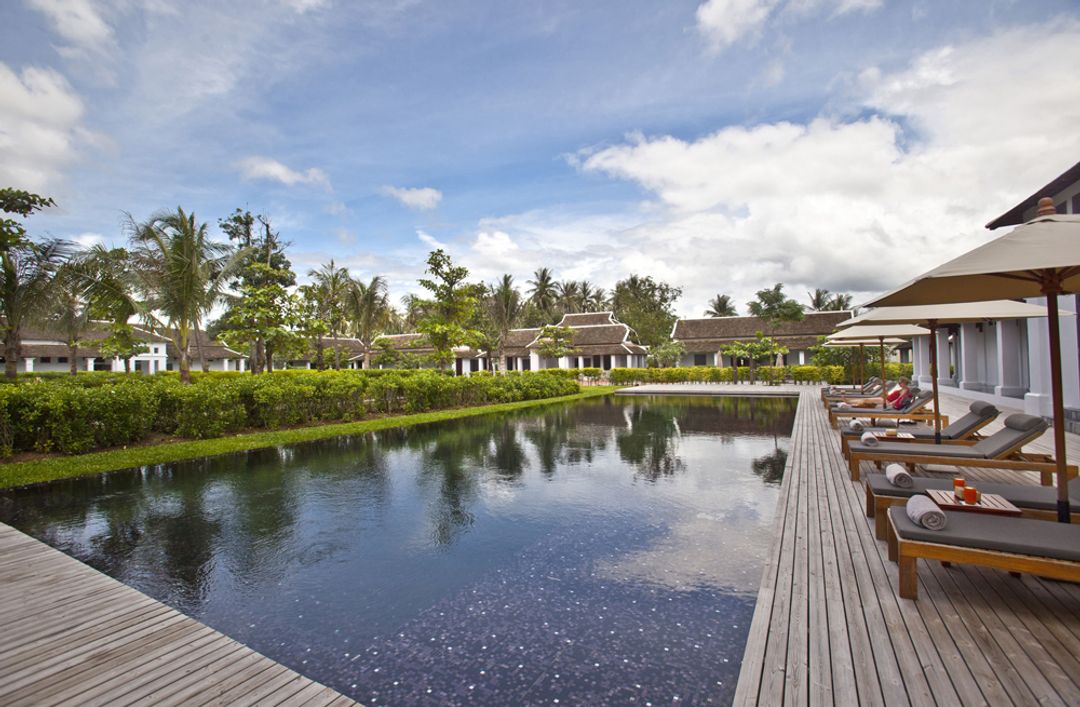
The French left Luang Prabang with something rare: a colonial urbanism so thoroughly absorbed into the existing Lao fabric that it became indistinguishable from it. The result is a town of exceptional material coherence — ochre plaster, teak shutters, bougainvillea climbing monastery walls — where the challenge for any hotel is not how to stand out but how to belong. The properties that manage this most convincingly tend to be the ones working from within the historic grain rather than arriving with a design concept from elsewhere. 3 Nagas MGallery occupies three restored traditional Lao houses in the Historic District, and its intelligence lies in its restraint: original timber structures, period furniture, a scale that mirrors the residential streets around it. At the other end of the budget spectrum, Amantaka — housed in the former French provincial hospital in the city center, a colonial-era complex of whitewashed pavilions arranged around a pool — does something formally similar at a far greater price. Its architecture, preserved and amplified by Amanresorts' characteristic minimalism, treats the town's heritage as a condition rather than a decoration. The Sofitel Luang Prabang in Ban Mano and the Avani+ near the Night Market both occupy converted colonial estates, the former a French governor's residence whose gardens are a significant part of the experience. La Residence Phou Vao climbs the hill of the same name, above the main town, and earns its elevation honestly — the views across the Mekong valley and the layered rooflines of the monasteries are the point, and the terrace pool is positioned accordingly. These are properties where topography does much of the design work. The most architecturally ambitious entry in Luang Prabang right now is the Rosewood, which sits outside town in the hills and was conceived as a tented camp scaled up into something more permanent — a series of villas and pavilions by Jean-Michel Gathy of Denniston, the Malaysian firm responsible for several of Aman's most discussed properties elsewhere in Asia. Where the in-town hotels negotiate with existing fabric, the Rosewood proposes an alternative relationship to the landscape altogether: forest canopy, river views, a deliberate removal from the street. Whether a traveler prefers the Rosewood's seclusion or the irreplaceable texture of walking out from 3 Nagas into a morning of monks and mist says something real about what they're actually looking for.