Best hotels in Seville, Spain | Visually Compare Top Stays Side-by-Side
Welcome to PressBeyond - a curated visual guide to design-driven hotels and the fastest way to compare them.
An Overview of the Boutique & Luxury Hotel Landscape in Seville, Spain
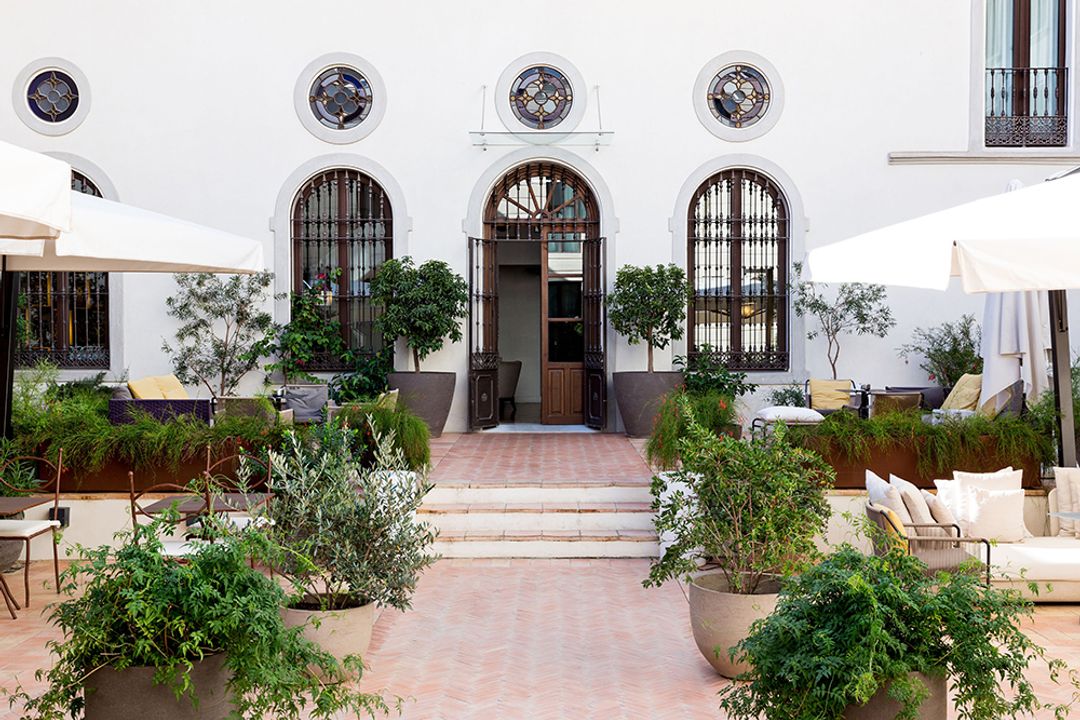
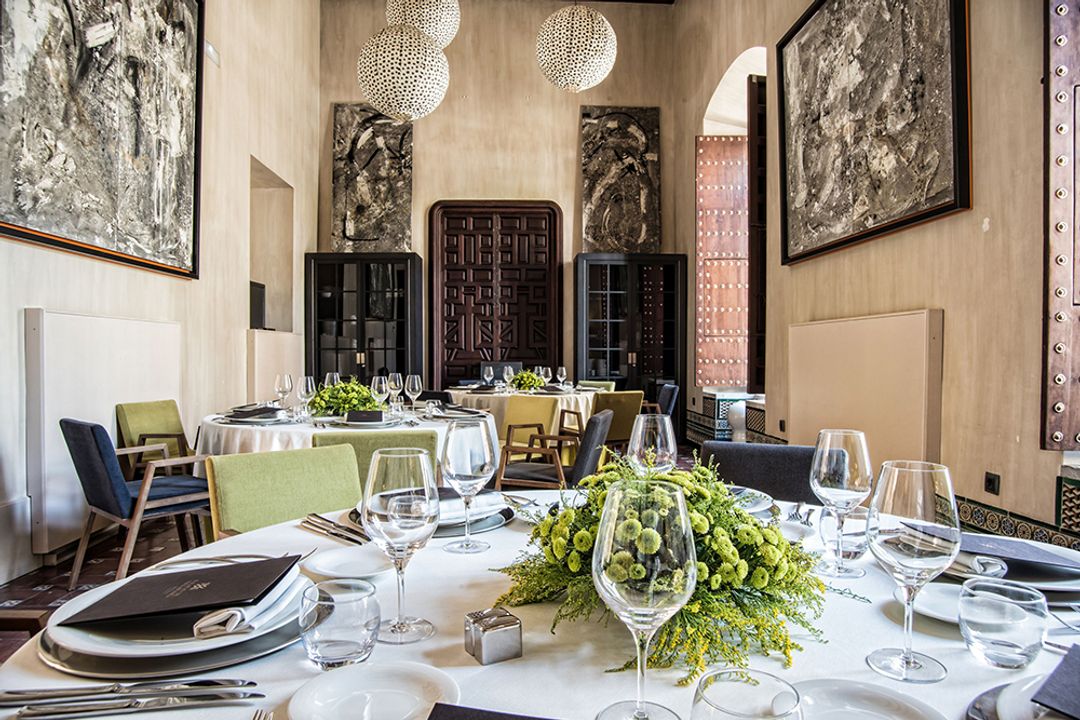
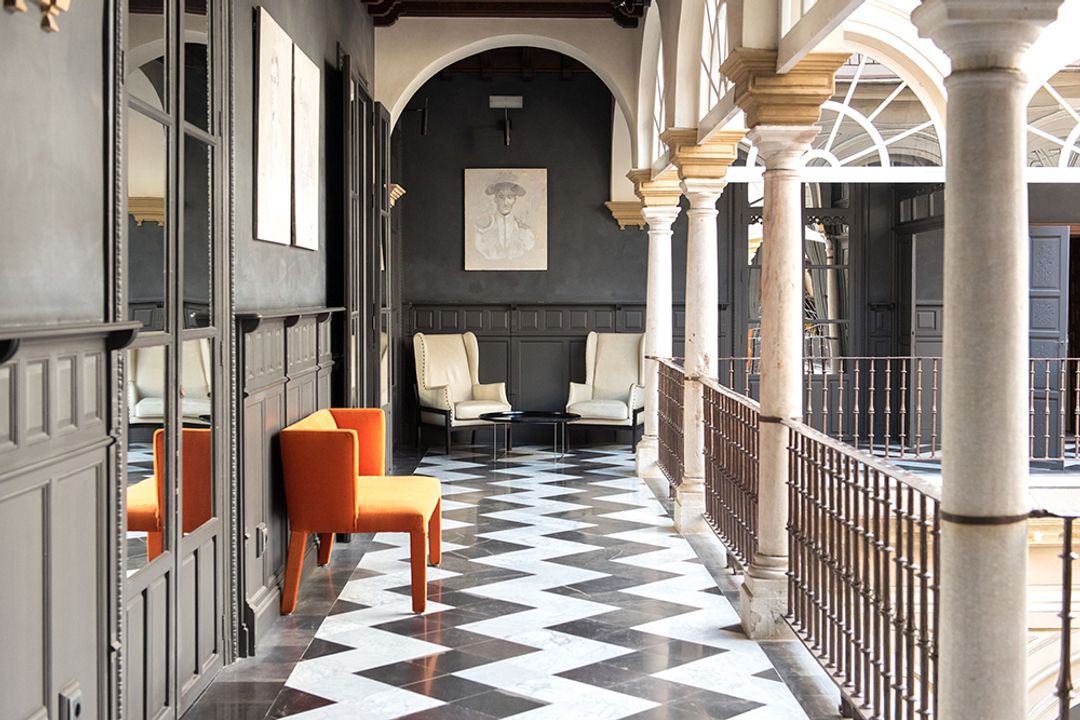
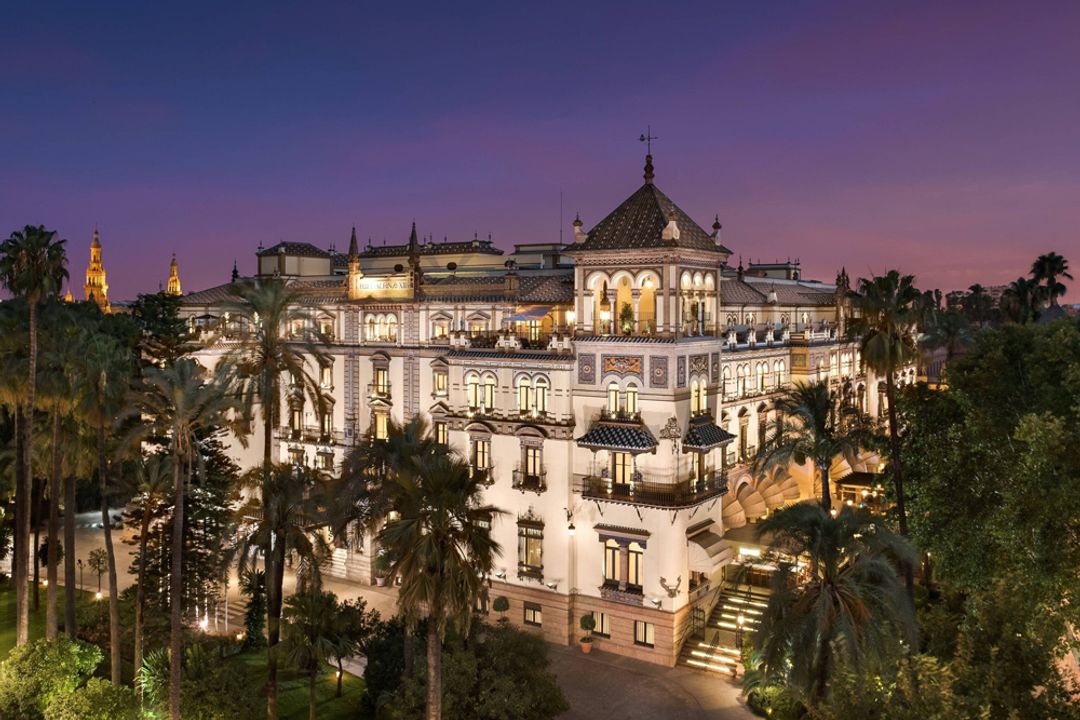
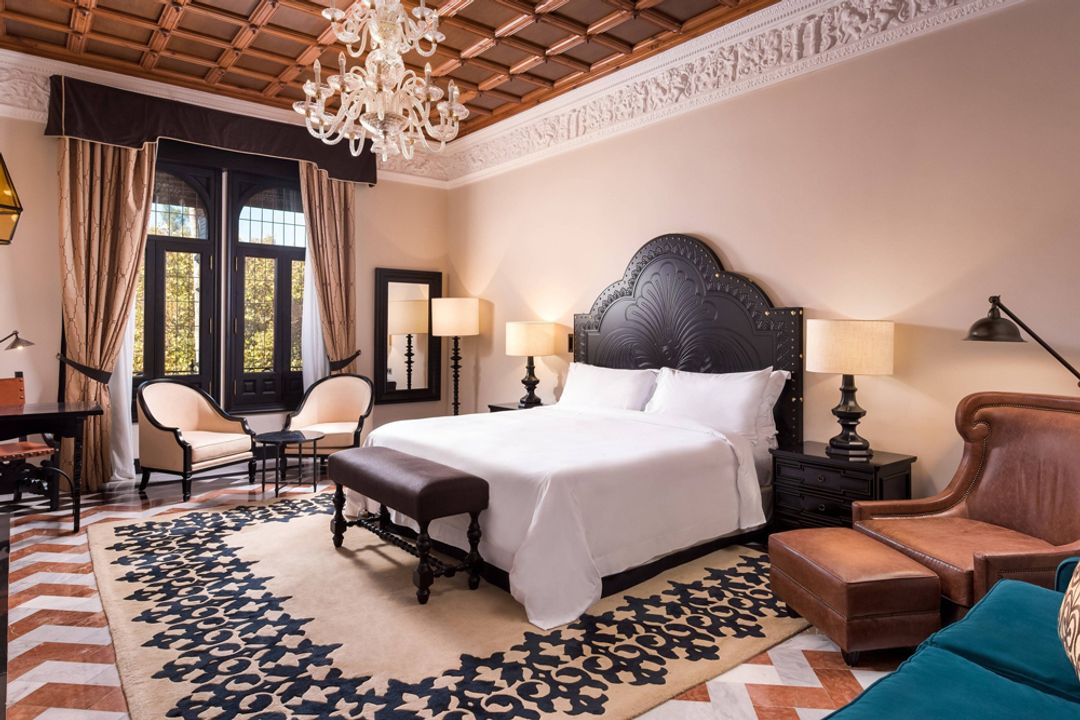
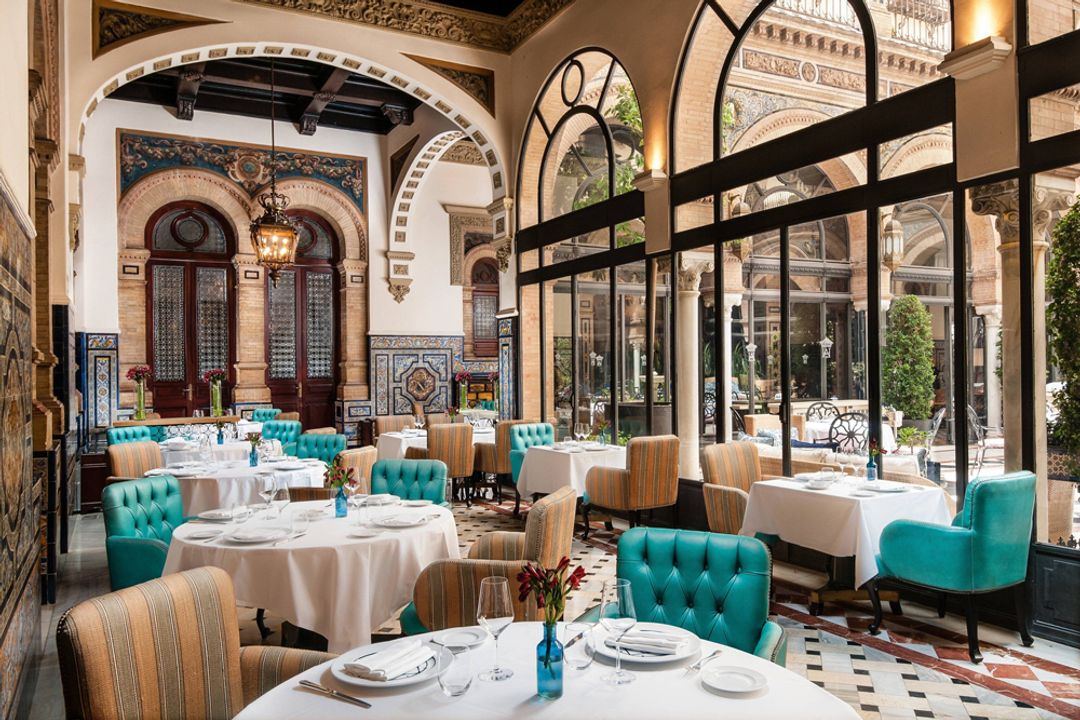
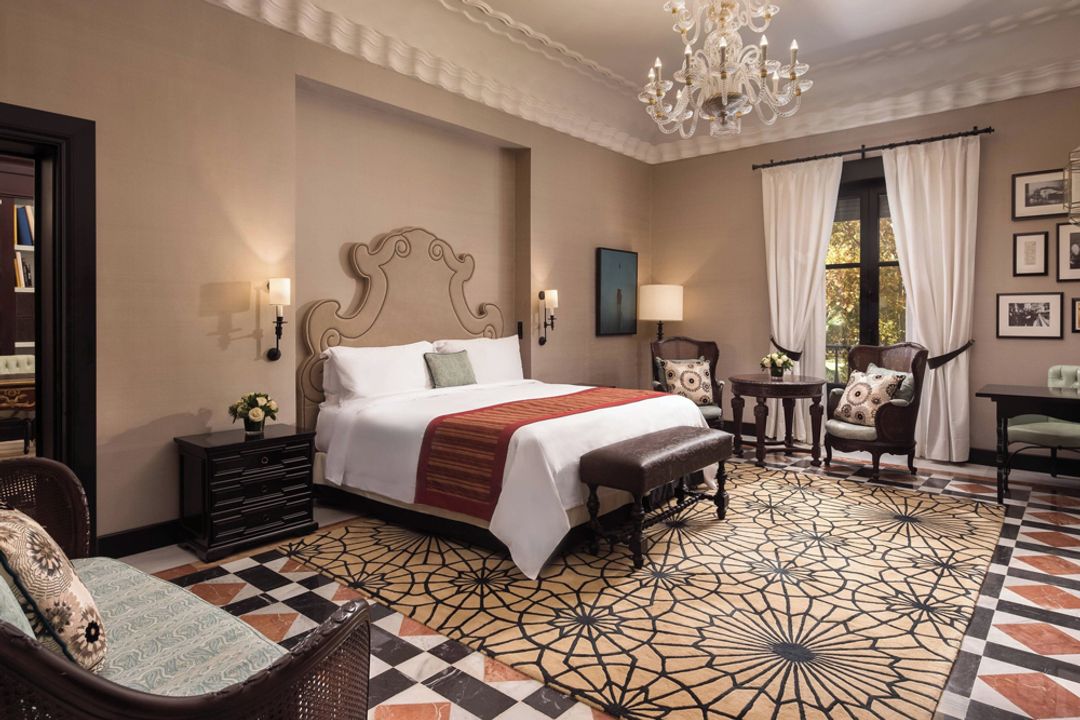
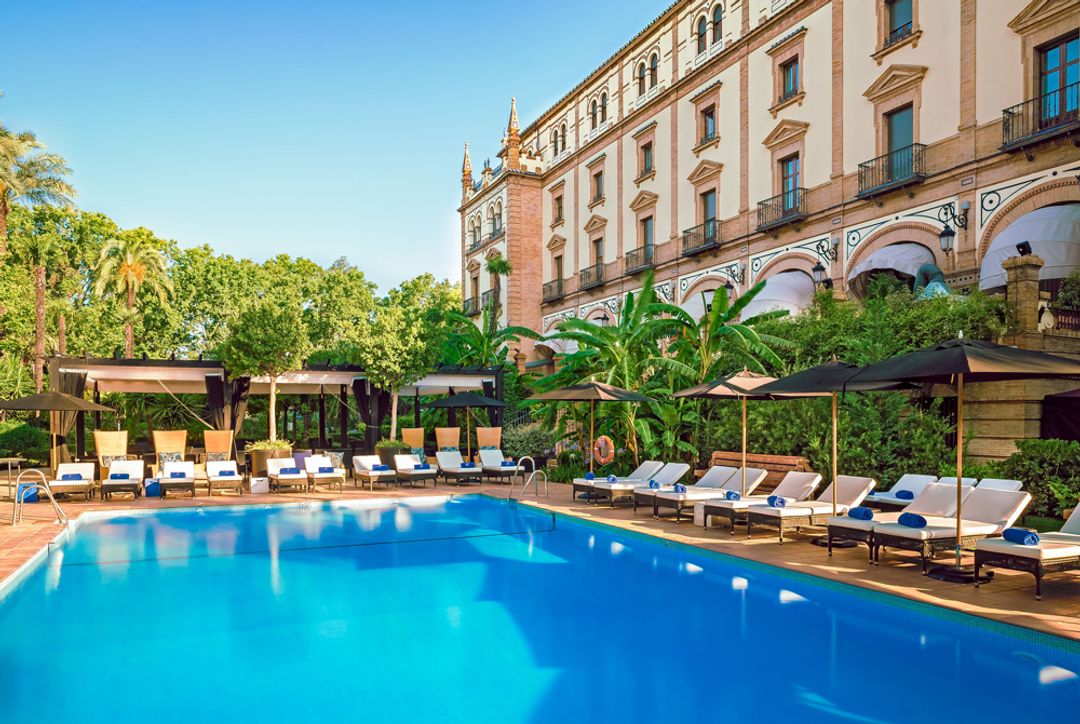
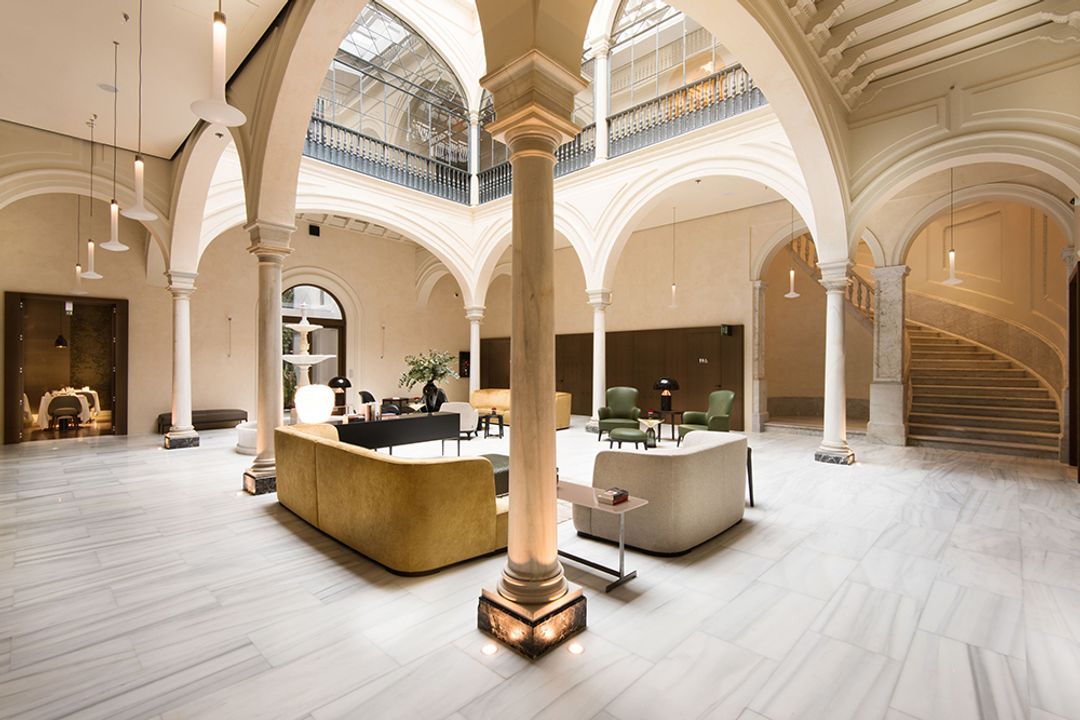
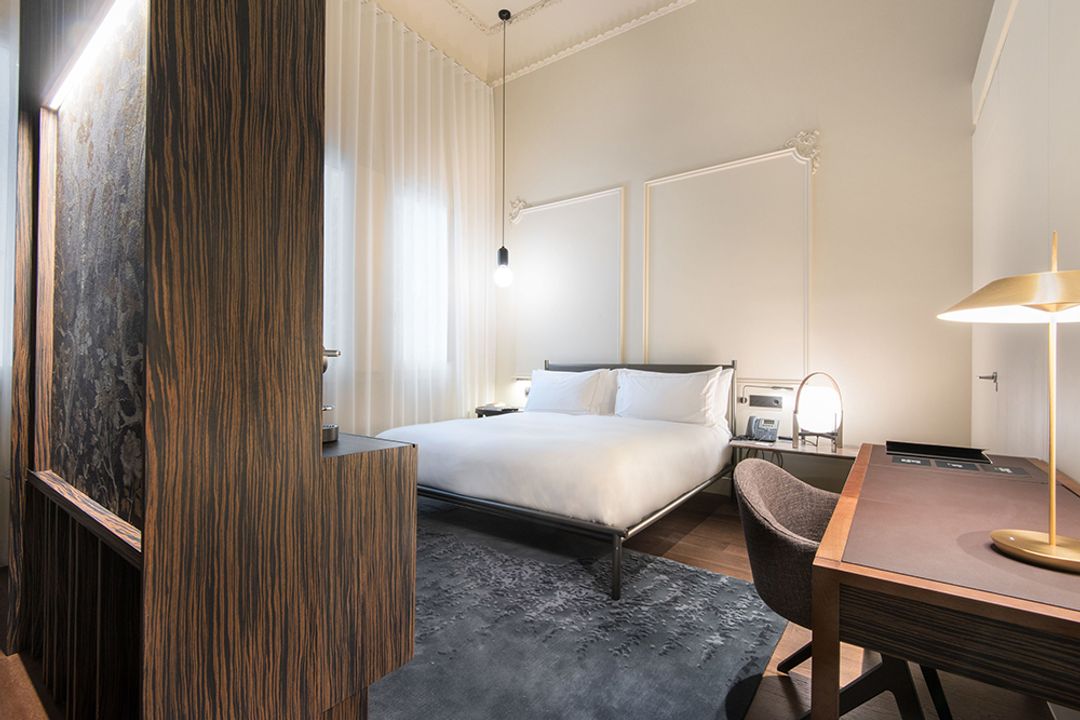
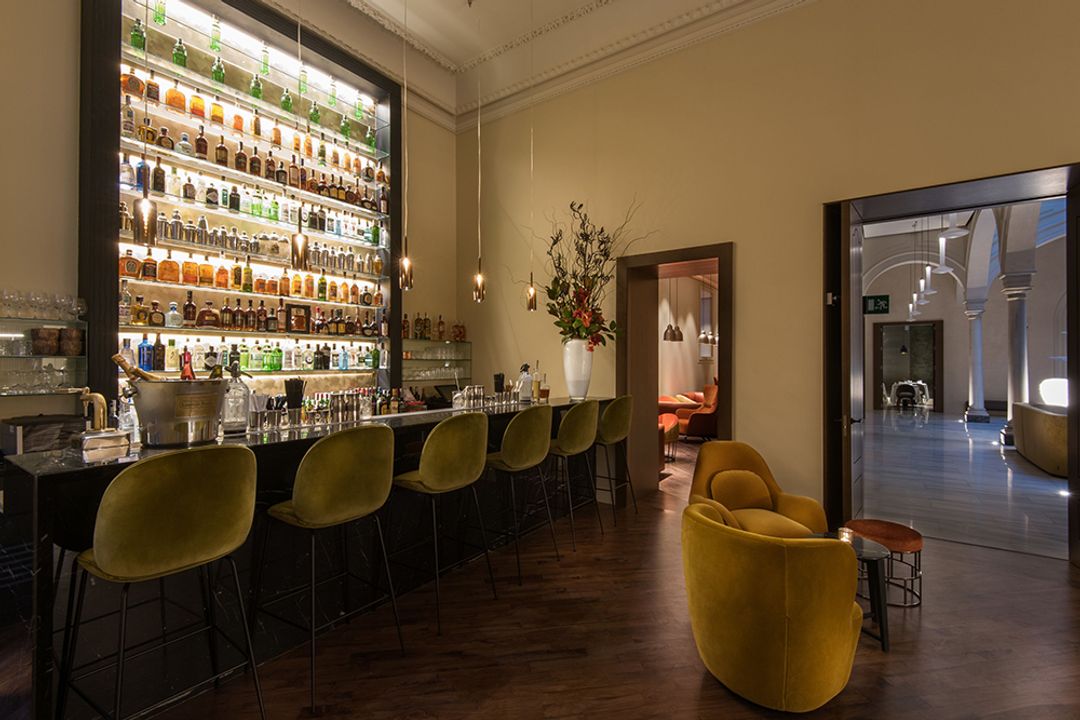
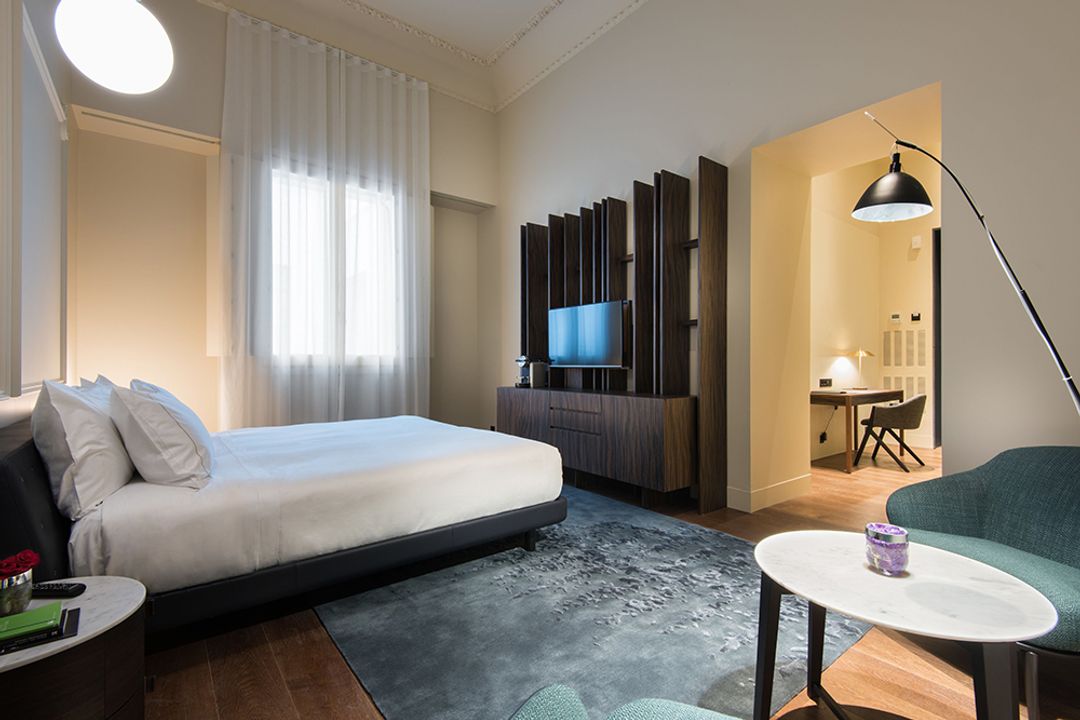
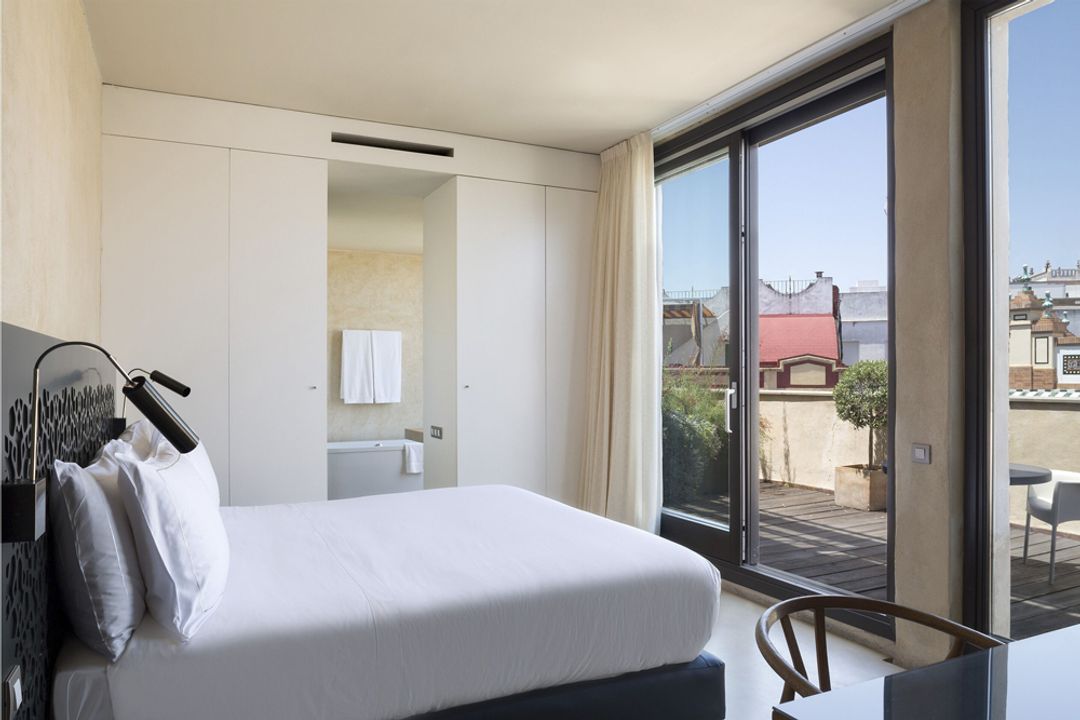
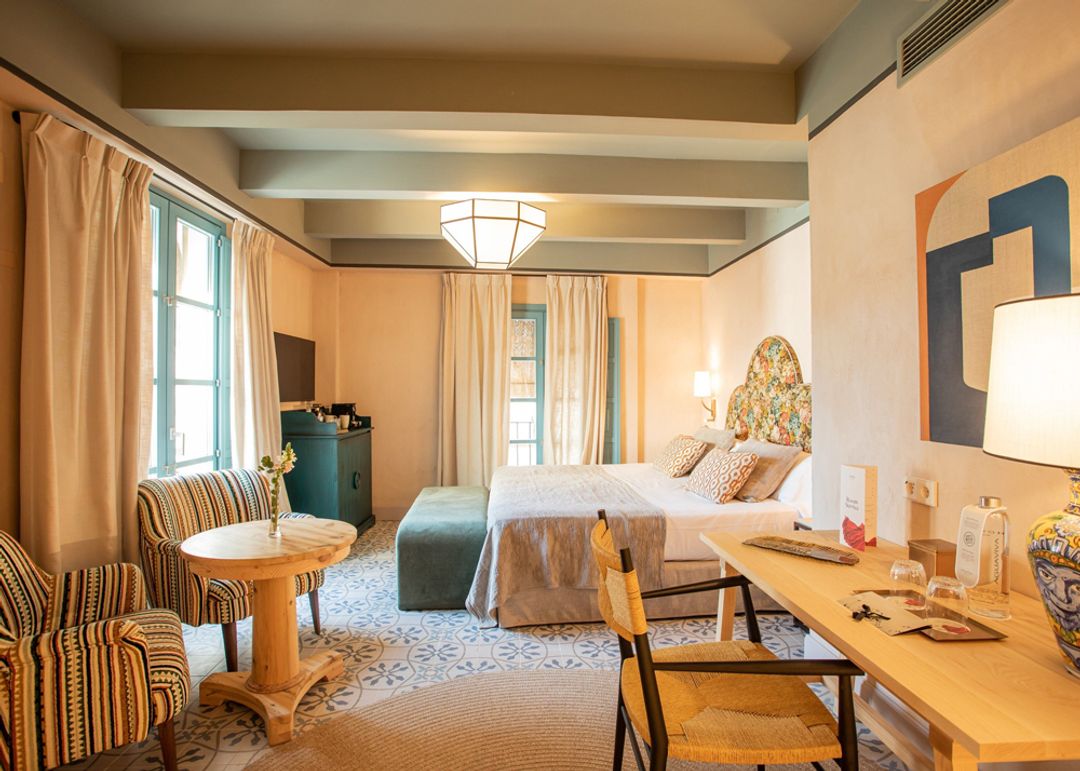
Seville is a city that performs its history through architecture rather than merely preserving it, and nowhere is that more evident than in the dense quarter around the cathedral. Santa Cruz, the old Jewish barrio, concentrates the highest density of significant hotel properties within a few narrow streets. The Alfonso XIII, commissioned by Alfonso XIII himself for the 1929 Ibero-American Exposition and completed by architect José Espiau y Muro, remains the city's most consequential hospitality building, a Mudéjar Revival set piece whose tiled courtyards and coffered ceilings read as a genuine expression of early twentieth-century Andalusian ambition rather than pastiche. A short walk away, the Hotel Mercer Sevilla occupies a seventeenth-century palace off Calle Dos de Mayo, its interiors handled with the restrained confidence that the Mercer group brought to its Barcelona property, layering contemporary furniture against exposed stonework without forcing a collision. The Palacio de Villapanes, also in Santa Cruz, takes a similar approach inside another baroque palace, its courtyard garden functioning as the quiet counterweight to the cathedral crowds outside.
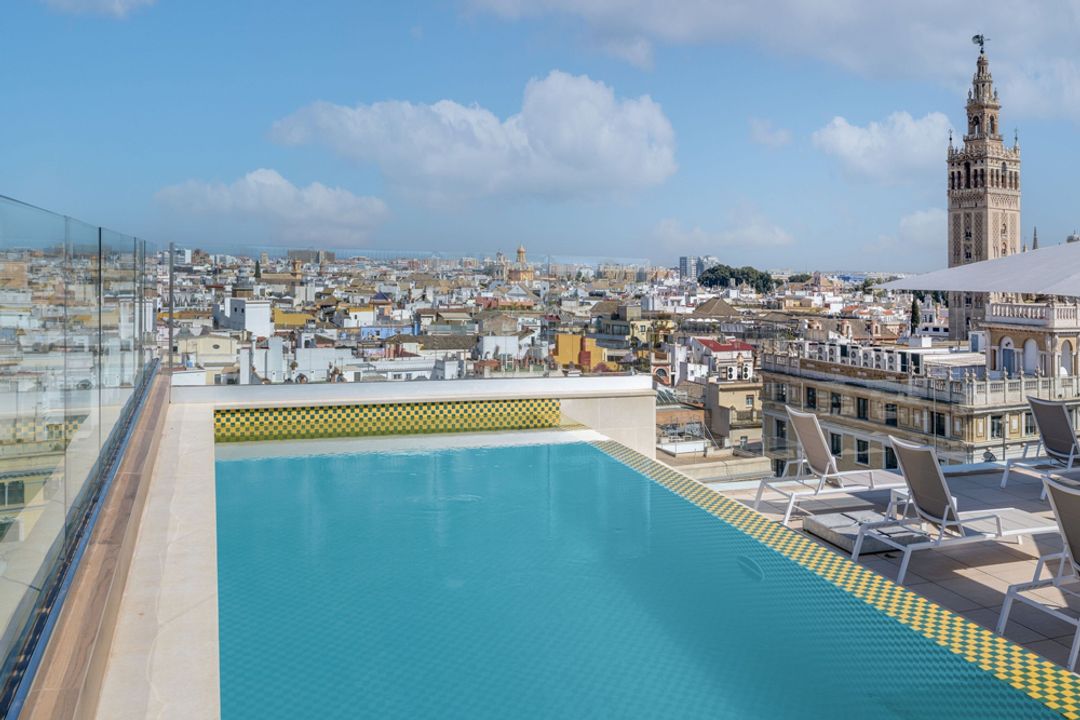
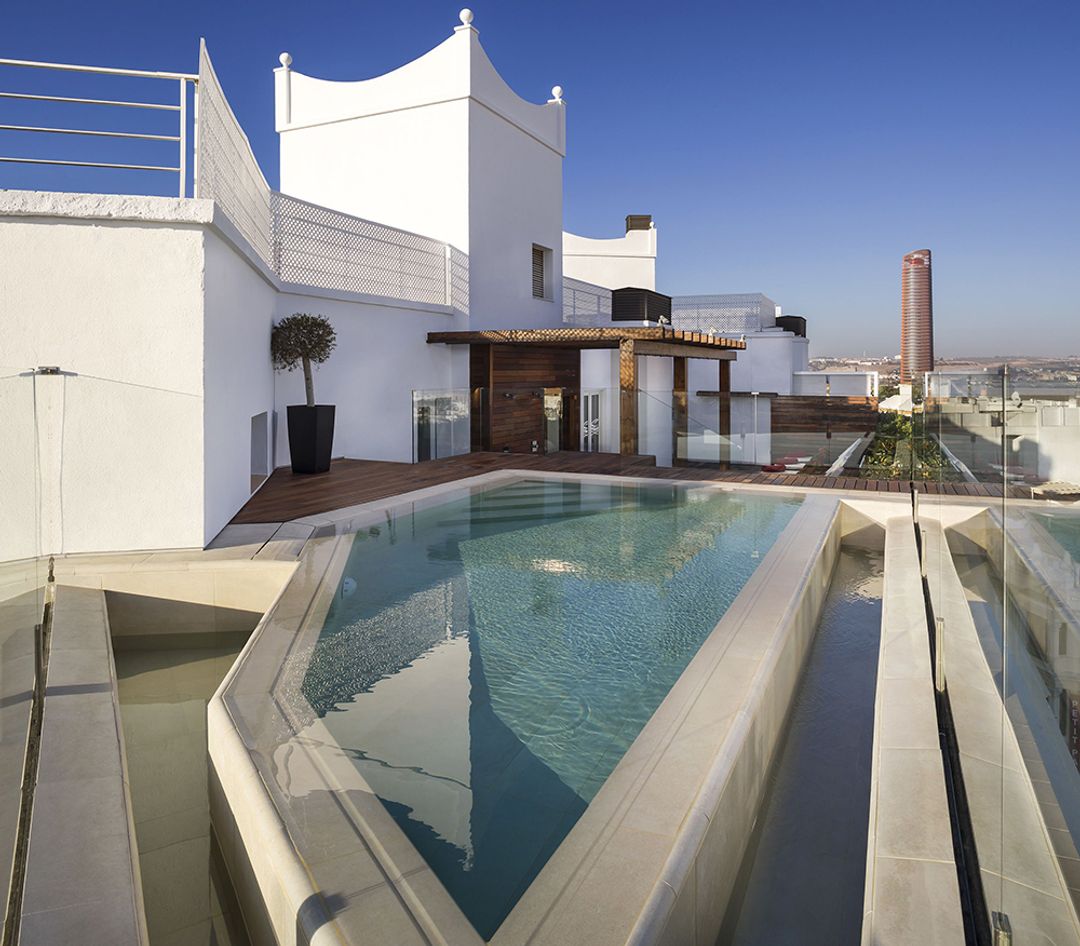
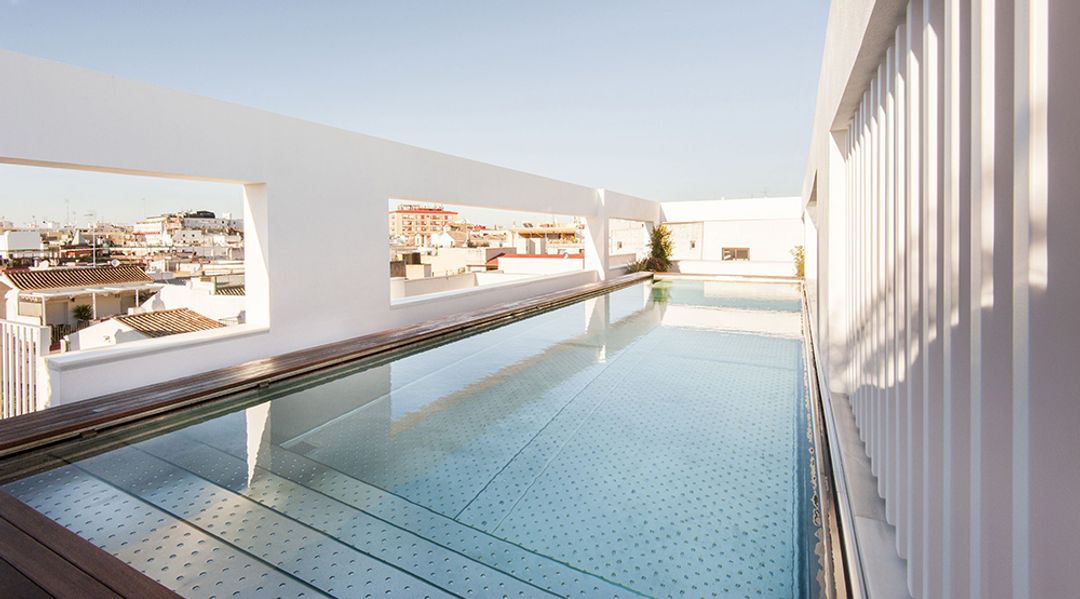
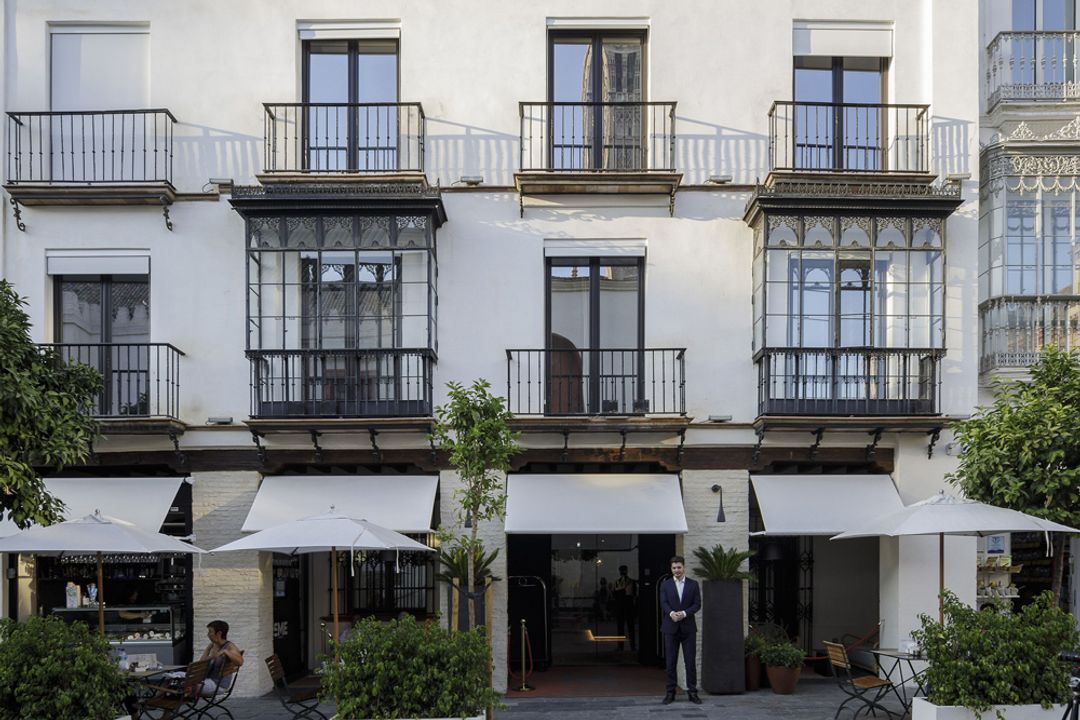
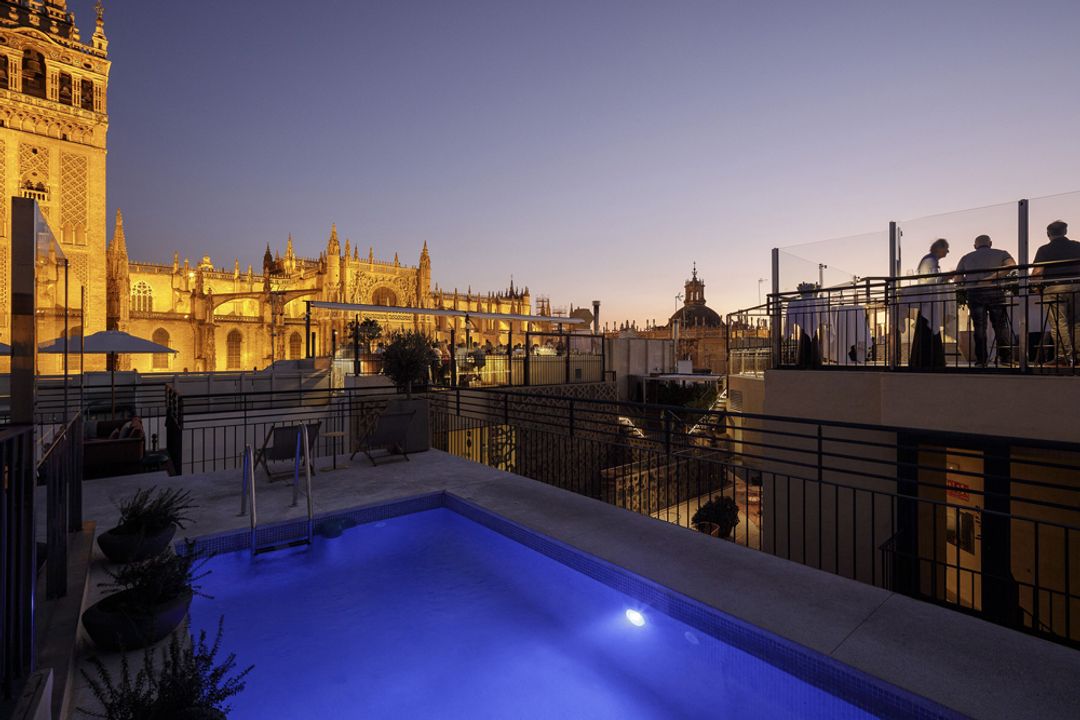
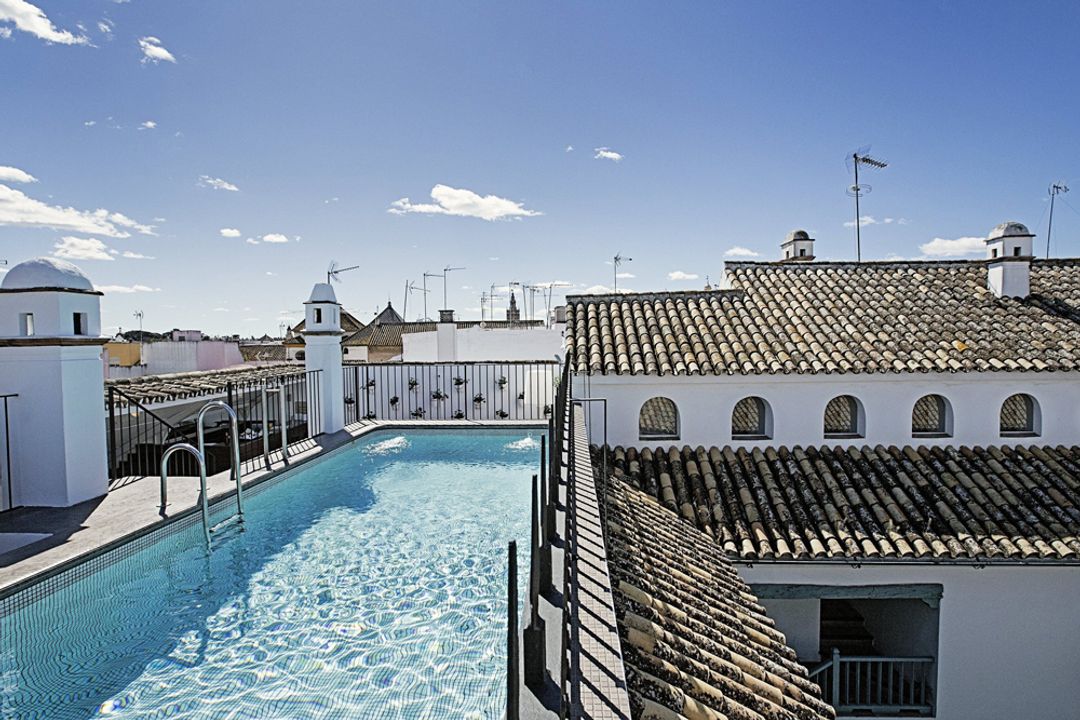
The EME Catedral Mercer Hotel offers a more compressed version of this district at a lower price point, and its rooftop terrace with direct sightlines to Giralda is among the more arresting views available for the money in any Spanish city. For travelers whose instinct is to notice materials and spatial sequence rather than thread count, EME rewards the trade-off.
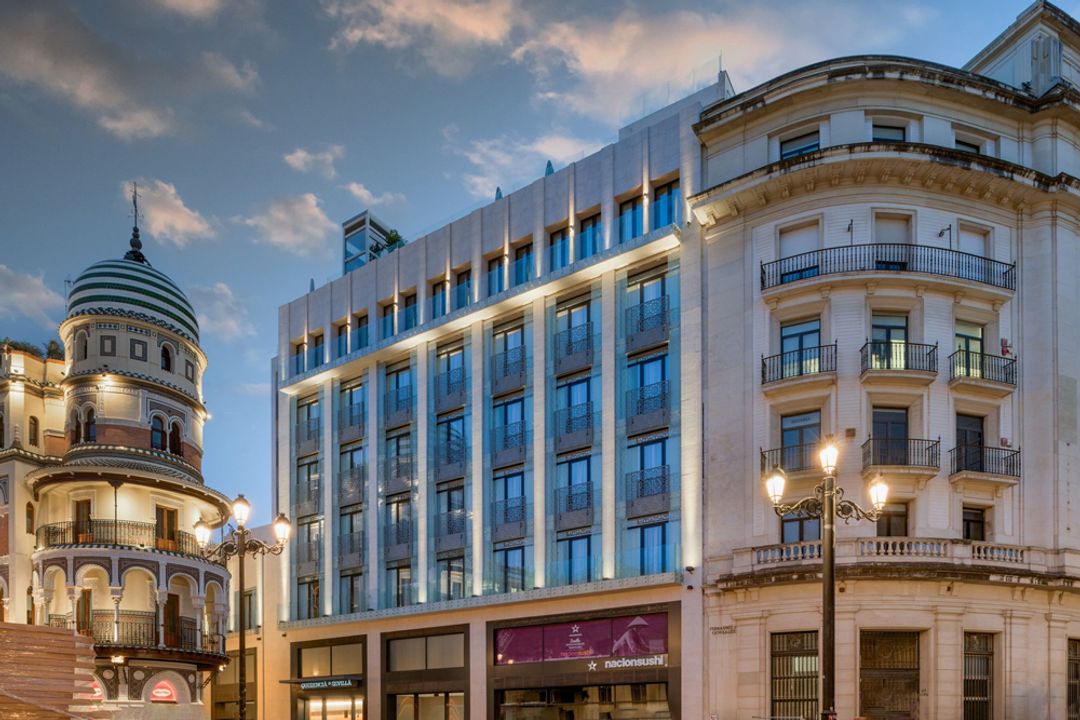
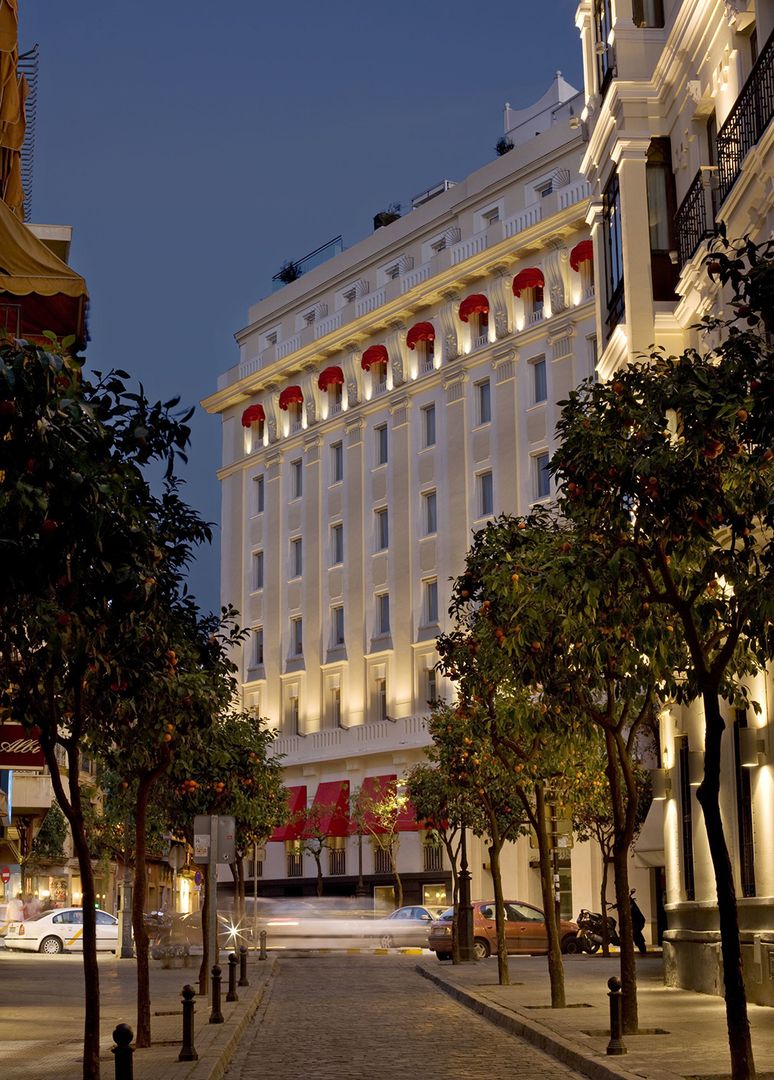
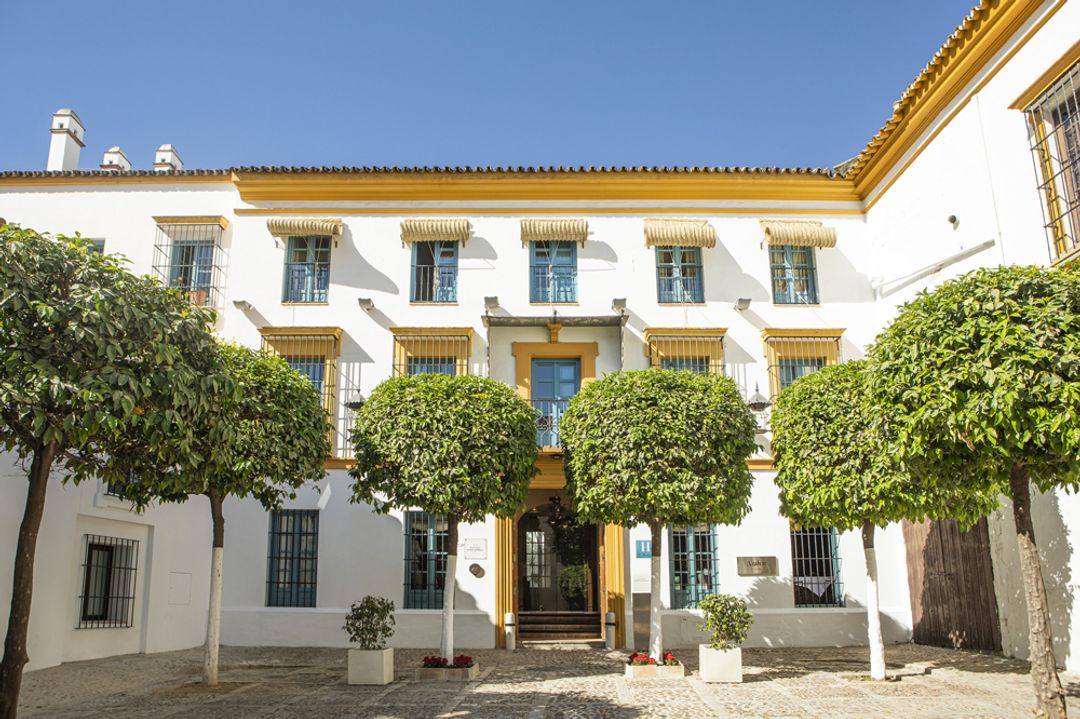
Moving toward the river and the old commercial core, the picture shifts. Hotel Colon in Centro was built in 1929, another exposition legacy, and its Belle Époque facade has housed bullfighters, flamenco artists, and heads of state in roughly equal measure. Gran Meliá's stewardship has kept it well maintained without transforming it. The Querencia de Sevilla Autograph Collection, also in Centro, works in a more contemporary register and represents reasonable value for a city where historic palace conversions tend to command a premium. In Alfalfa, slightly removed from the cathedral axis, Hotel Hospes Las Casas del Rey occupies a former noble residence and brings the quieter, more residential character of that barrio into the room rate. Anyone willing to walk fifteen minutes to the major monuments gains a neighborhood that still functions as a place rather than a monument to itself, and the Hospes property reflects that unhurried quality in both its courtyard and its price.