Best hotels in Zermatt | A Curated Visual Guide to Top Stays
Welcome to PressBeyond, the ultimate curated visual guide for design-driven hotels! My name is Will Miller and these are my recommendations for the best boutique and luxury hotels in Zermatt.
I am the founder of PressBeyond and I am an ultra-meticulous hotel curator who loves clean visuals. I have individually analyzed and tiered each hotel included in this guide based on a variety of criteria (architecture & design, location, brand & brand affiliation, existing reviews, and my own personal experiences), and importantly, I have hand-selected the leading imagery for each hotel to provide you with easily-digestible, yet detailed and complete, like-for-like, high-level visual profiles. I felt this summarization step was a critical missing piece across existing guides, blogs, and booking platforms. My aim is to make it easier for people to identify hotel environments that resonate with them, along with enabling them to visualize the types of social experiences that those environments help foster. My brain doesn't work when exposed to cluttered content, so my goal was to create the opposite.
Underneath this, we are also a full booking engine offering 5% Venmo cash back along with other exclusive perks. For all of you design-obsessed hotel enthusiasts out there, I hope this guide helps get you to where you see yourself!
An Overview of the Boutique & Luxury Hotel Landscape in Zermatt
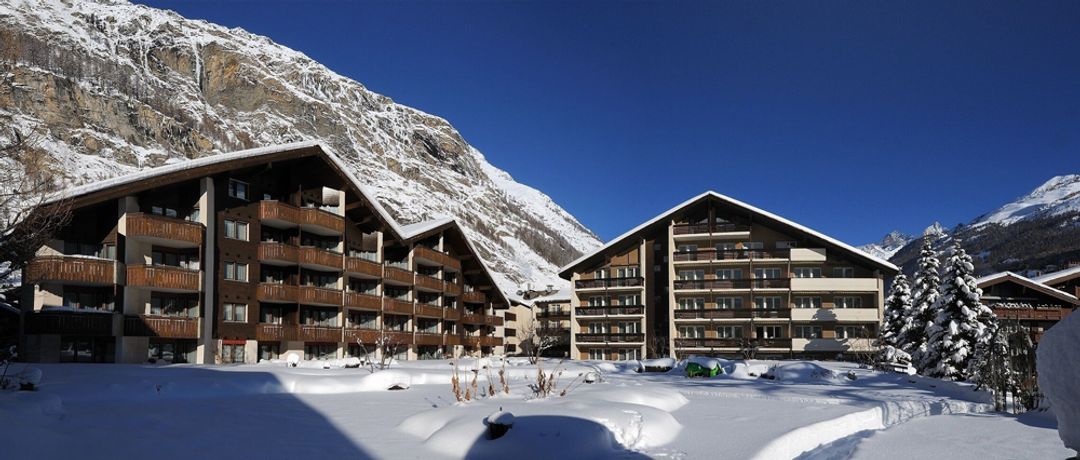
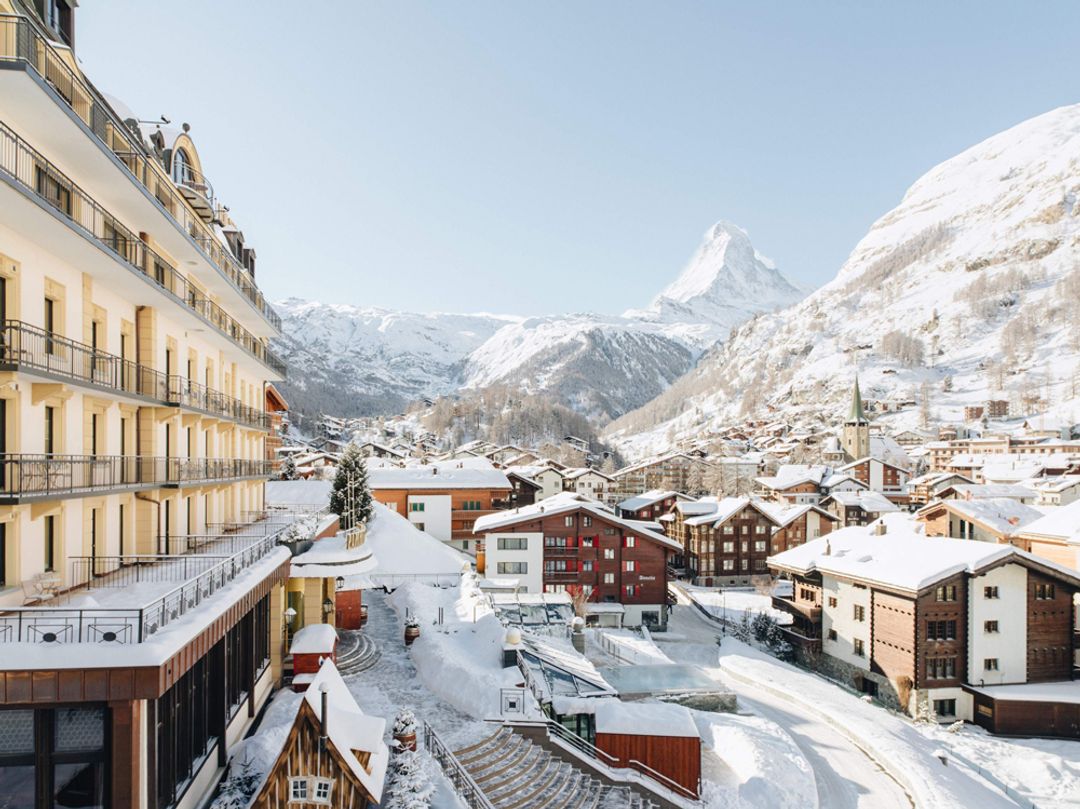
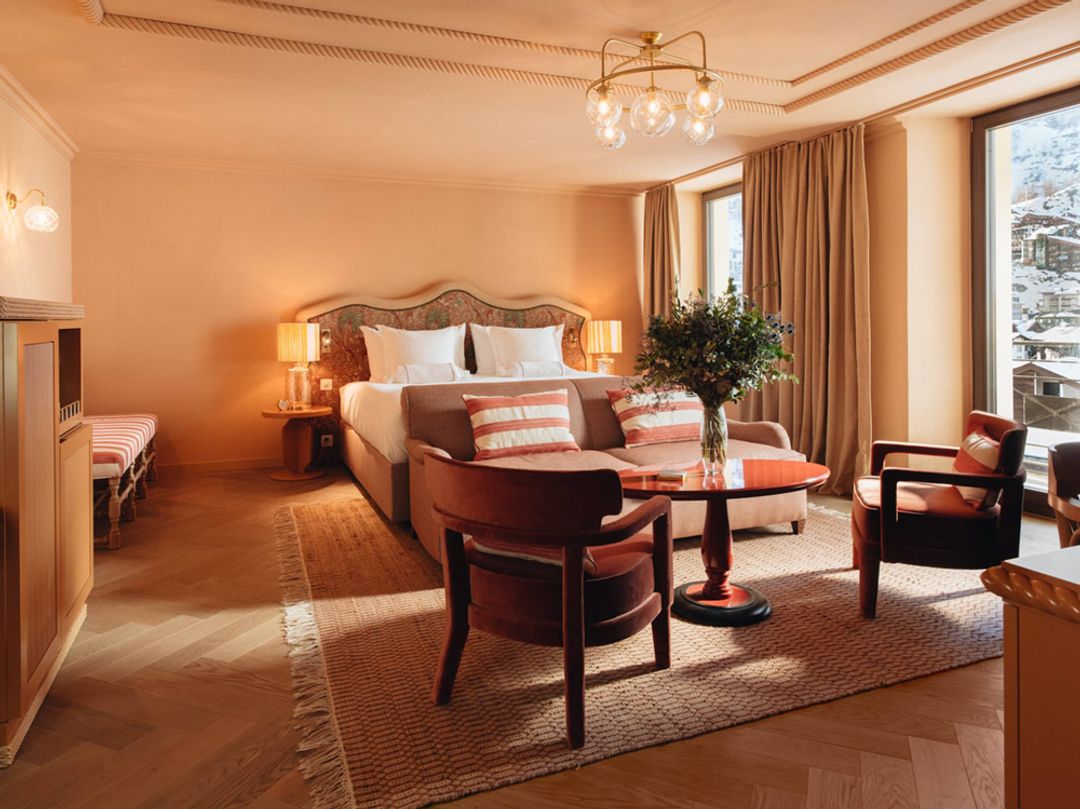
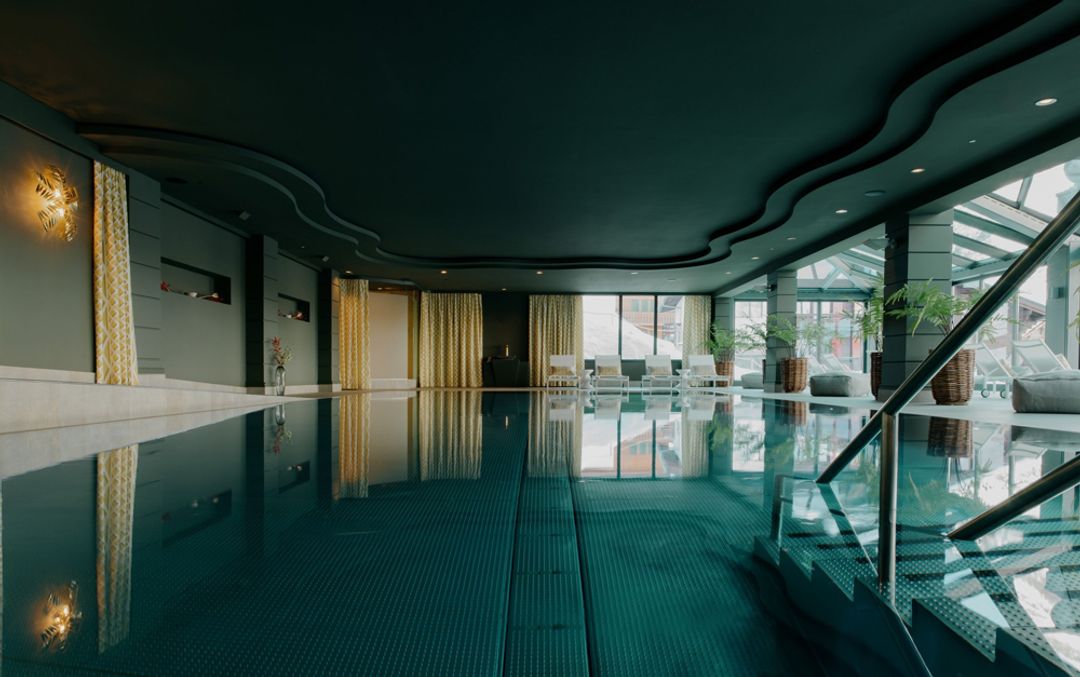
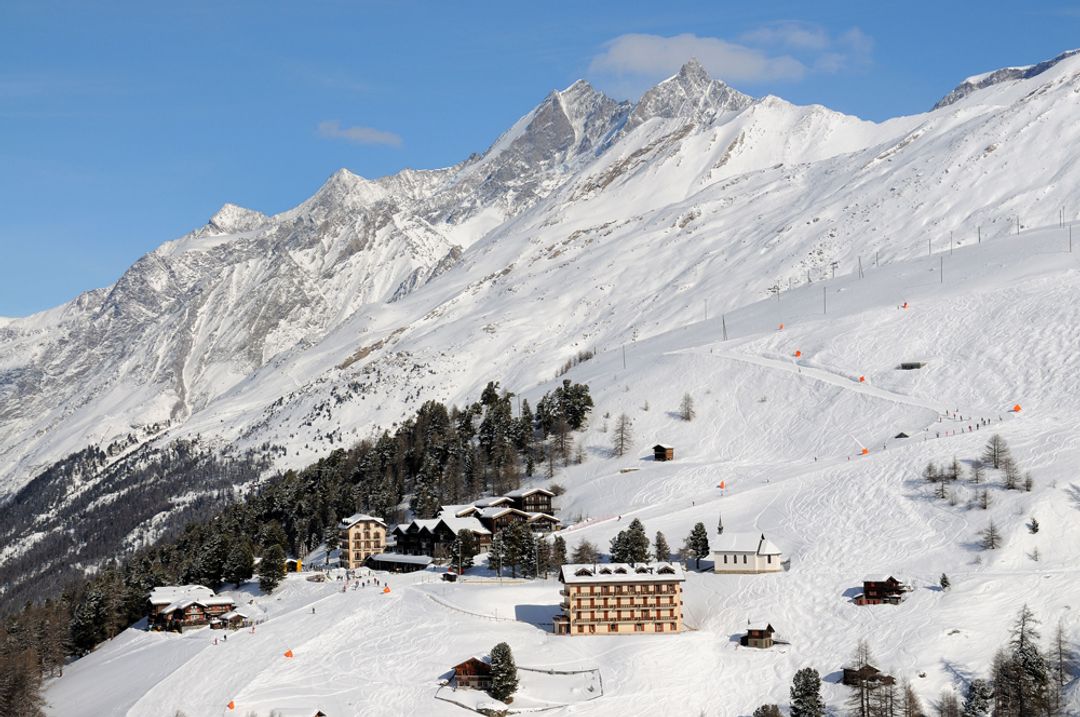
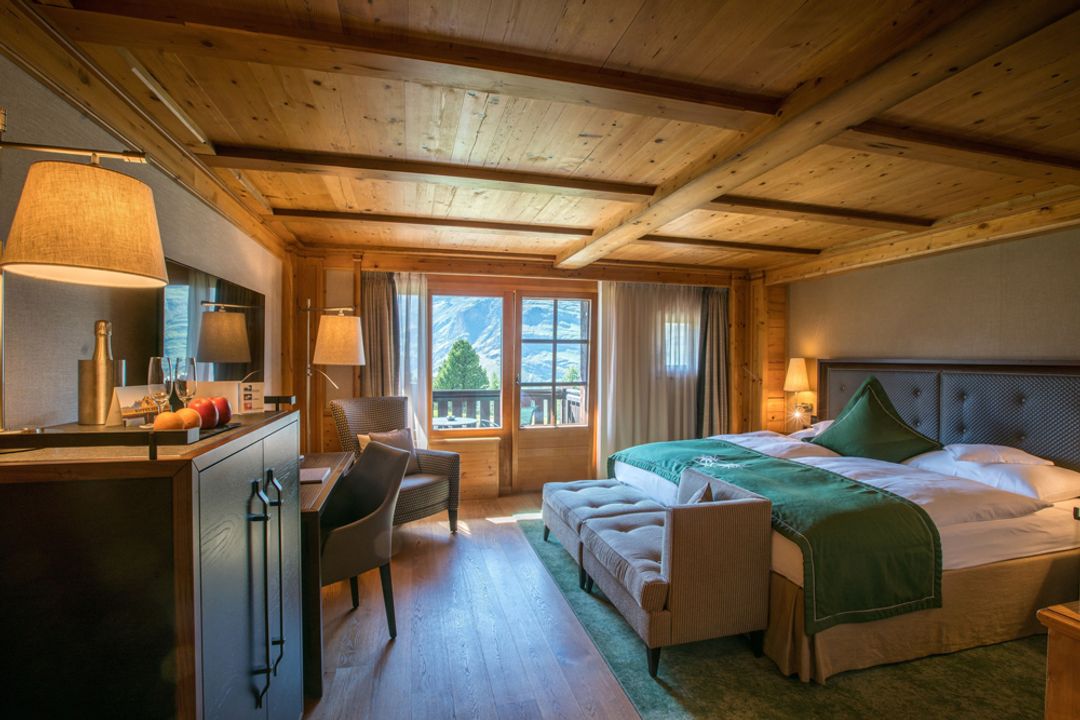
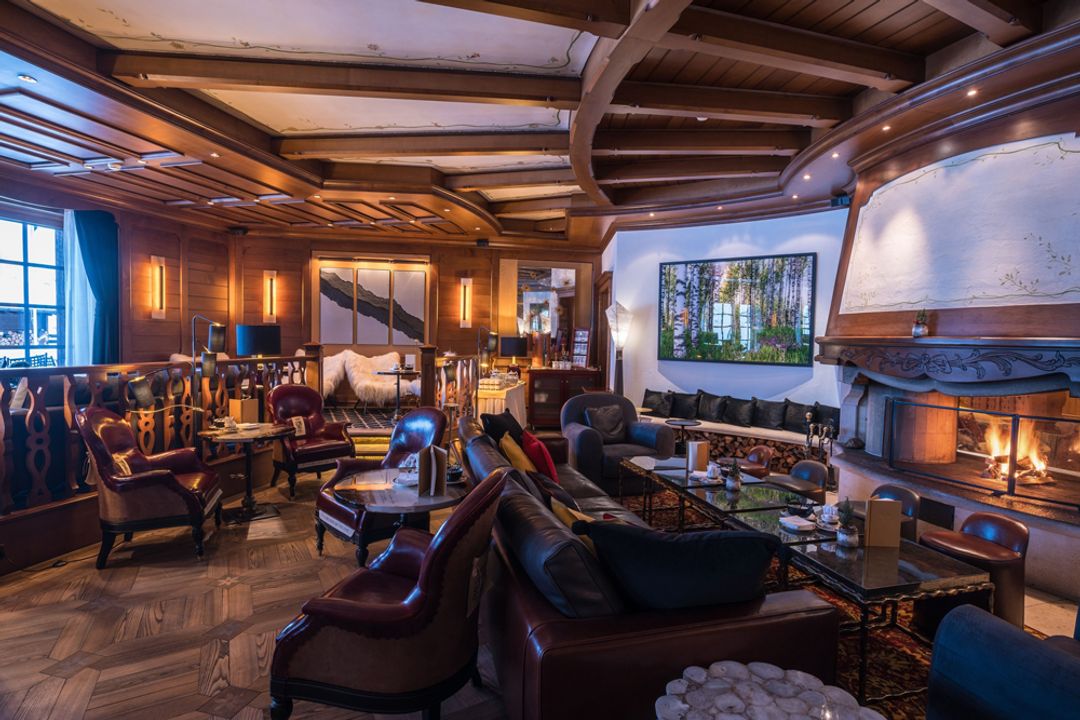
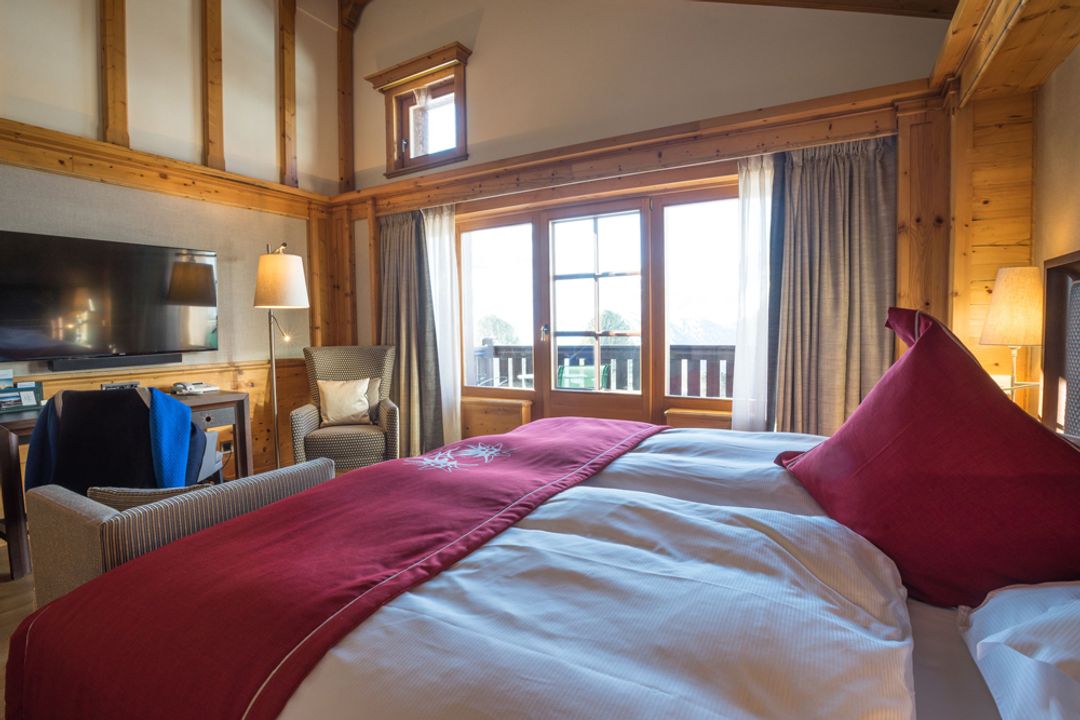
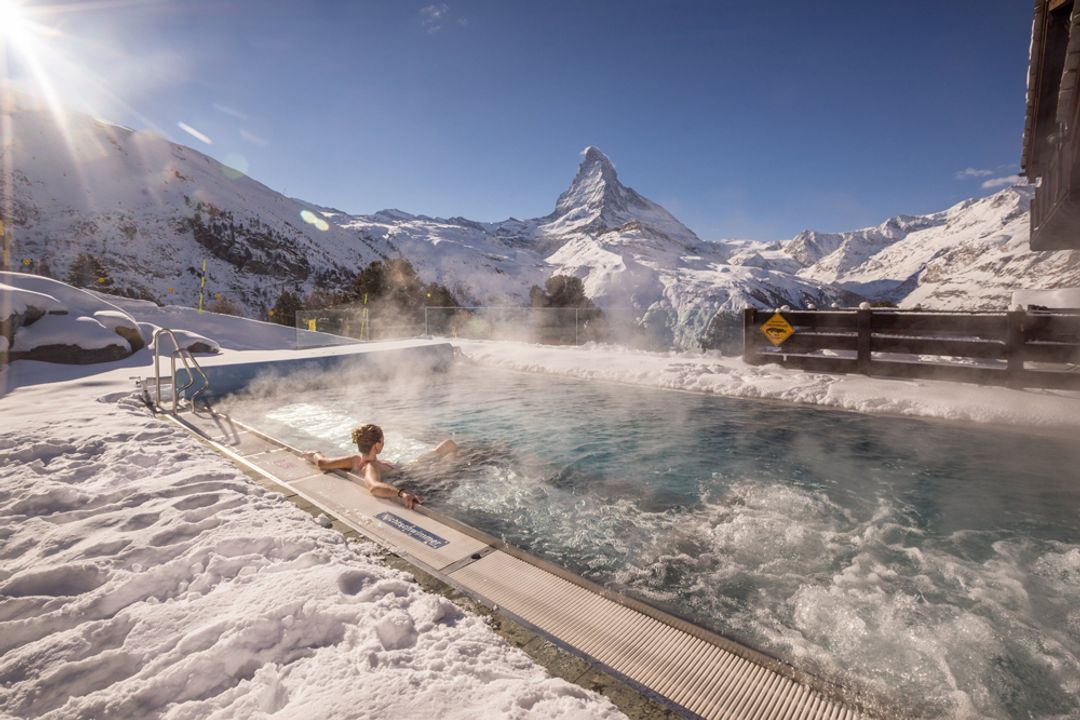
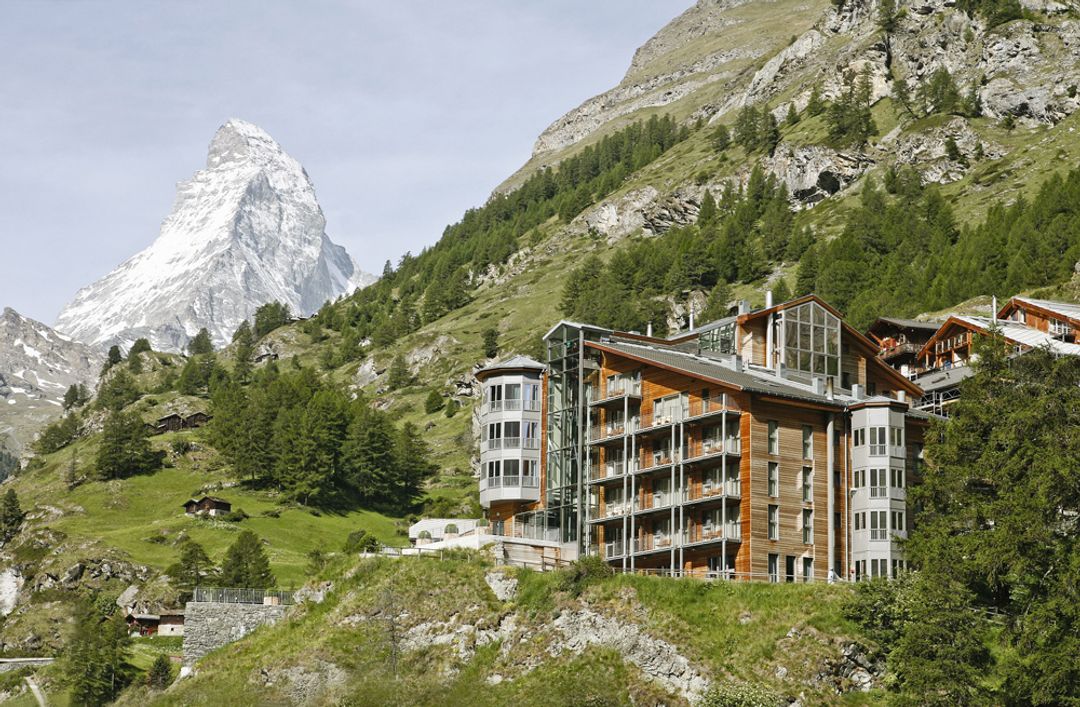
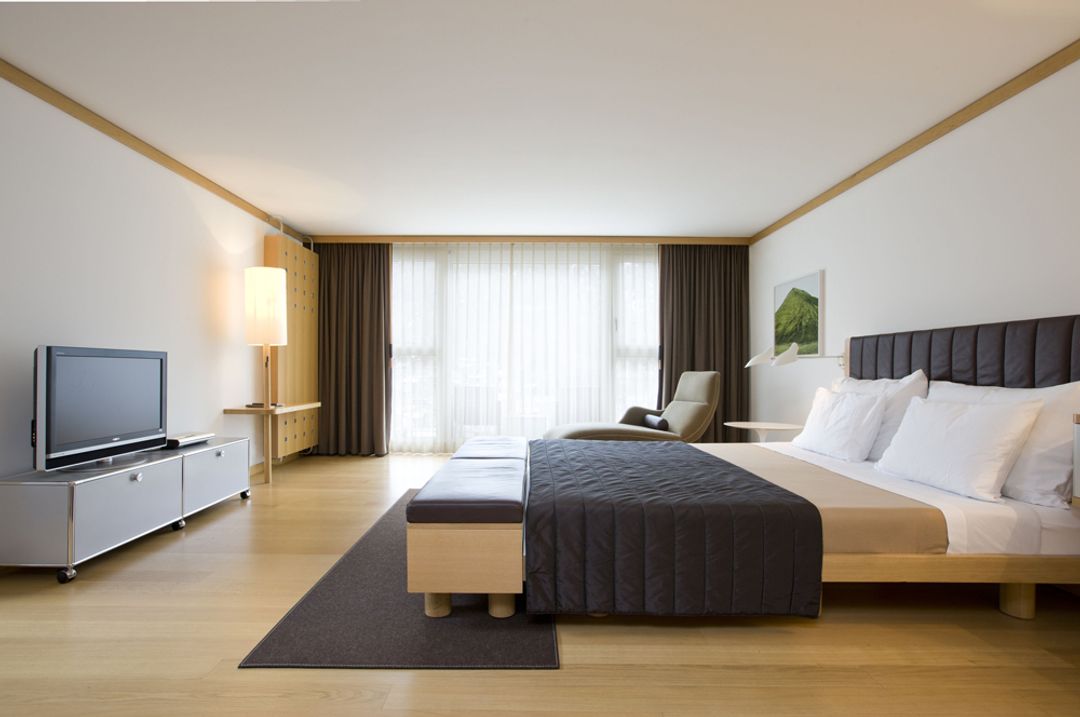
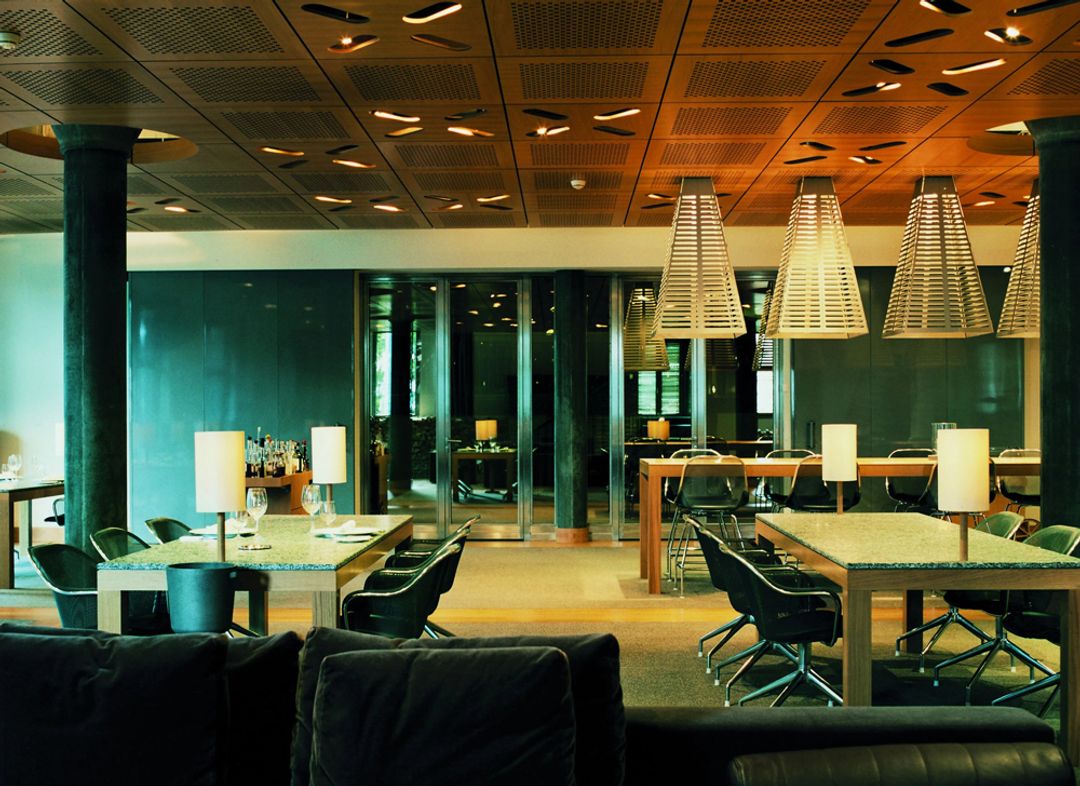
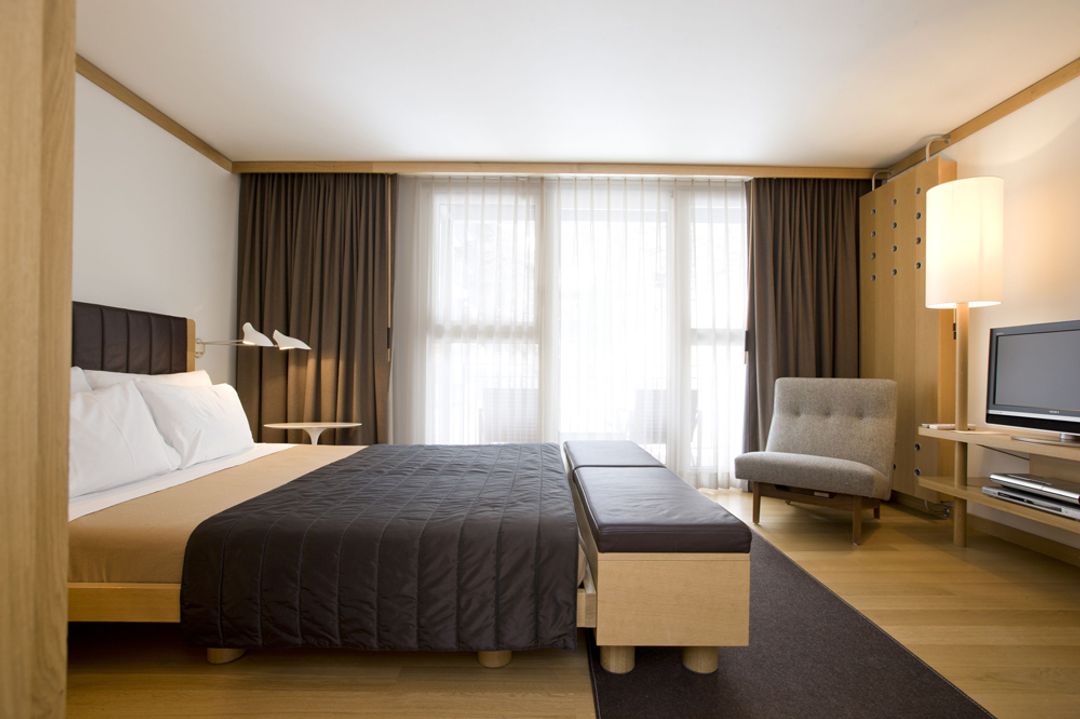
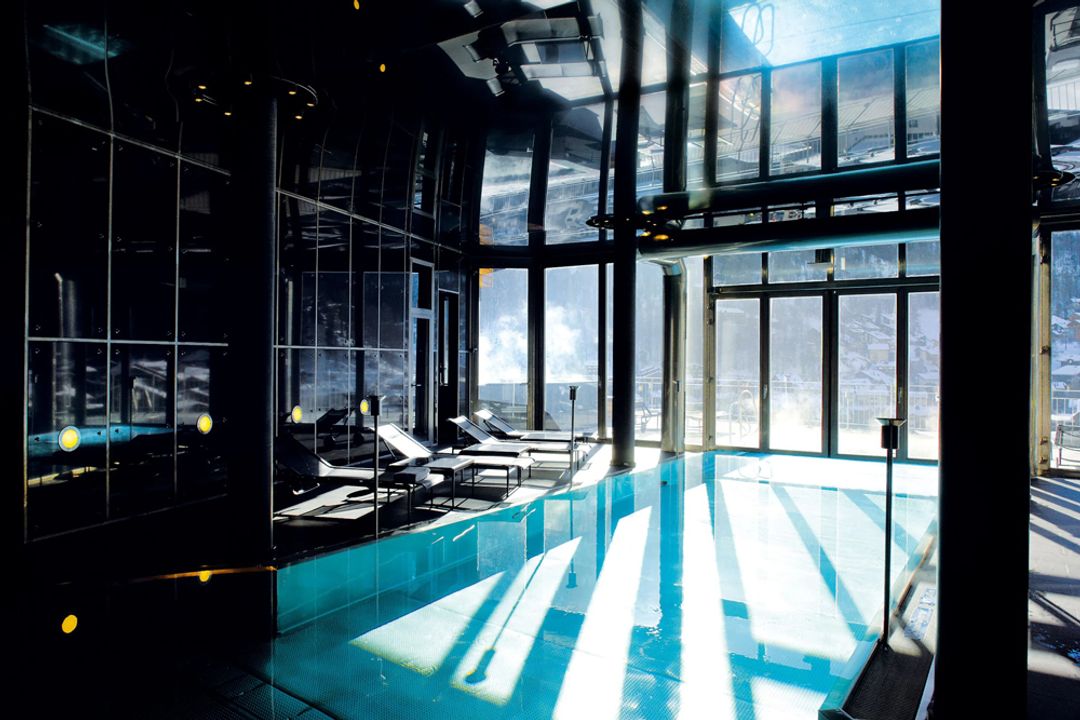
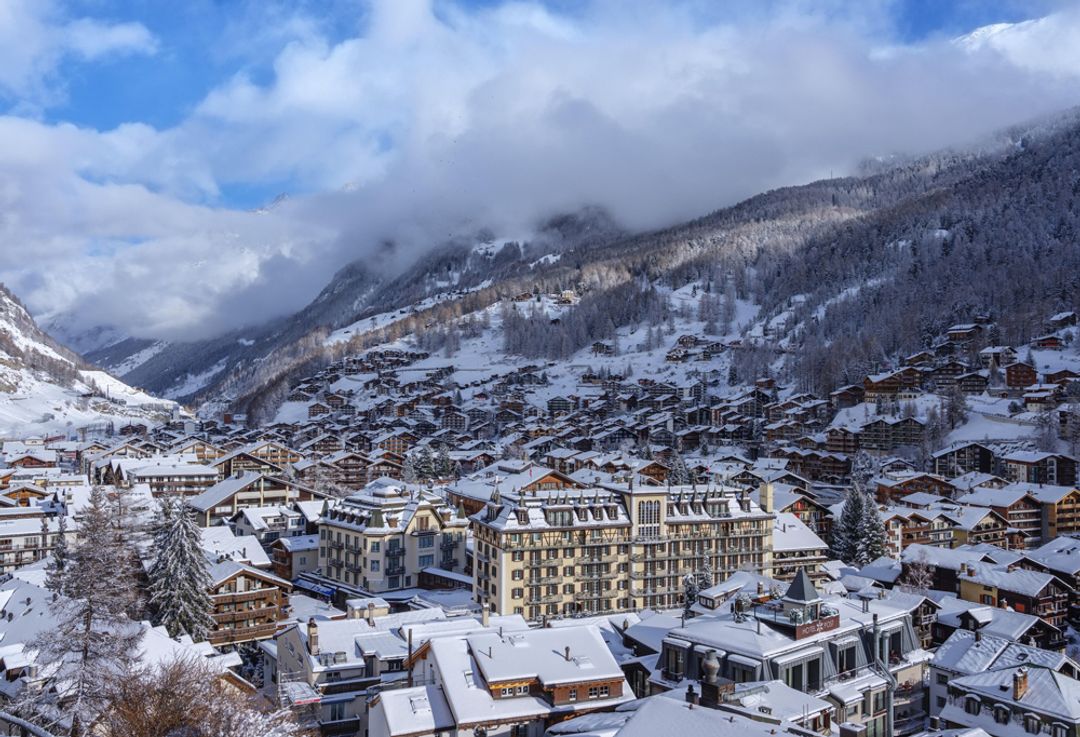
The car ends at the edge of town — Zermatt's ban on combustion engines has been in place since 1930, and arriving by train from Täsch still feels like crossing into a different set of rules entirely. The Matterhorn is visible almost everywhere, which means every hotel has had to reckon, architecturally and philosophically, with the same overbearing neighbor. The most interesting responses have been structural ones: either go higher and claim proximity, or dig in and make the mountain incidental. The Omnia does the former with real conviction. Accessed via a tunnel cut directly into the rock face and a private elevator that surfaces at Triftweg, it occupies a position above the village that feels earned rather than merely expensive. Piero Lissoni had no involvement here — the hotel was developed in the early 2000s with an interior sensibility that mixes alpine materiality, dark timber, and a spare international modernism, the whole thing cantilevered over the village in a way that makes the building itself an act of positioning. At the opposite end of the spatial register, the Mont Cervin Palace on Bahnhofstrasse is a grand Belle Époque structure that has been in continuous operation since 1852, its formal architecture grounding the upper end of the main street with a kind of institutional confidence that newer properties can only approximate. The Riffelalp Resort, at 2222 meters, operates on a different logic altogether — reachable only by the Gornergrat cogwheel railway and sitting above the treeline in genuine alpine isolation, it is the one property in Zermatt where the Matterhorn appears at eye level rather than overhead. Down in the village, the Hotel Schweizerhof Zermatt and BEAUSiTE represent a more urban mode of alpine hospitality, both positioned along the pedestrian arteries that connect the station to the upper quarter. The Schweizerhof, with its warmly contemporary interiors and a spa program that has been quietly expanded in recent years, holds the midpoint between traditional chalet register and something more considered. BEAUSiTE, on Brunnmattgasse, sits slightly off the main axis and has cultivated a more restrained atmosphere — its design leans toward refined functionality, the kind of place where the architecture doesn't perform its own altitude. Together they suggest that Zermatt's most interesting design thinking happens not on the slopes or the terraces, but in how these buildings negotiate the tension between spectacle and shelter.