Best hotels in Aspen, Colorado | Visually Compare Top Stays Side-by-Side
Welcome to PressBeyond - a curated visual guide to design-driven hotels and the fastest way to compare them.
An Overview of the Boutique & Luxury Hotel Landscape in Aspen, Colorado
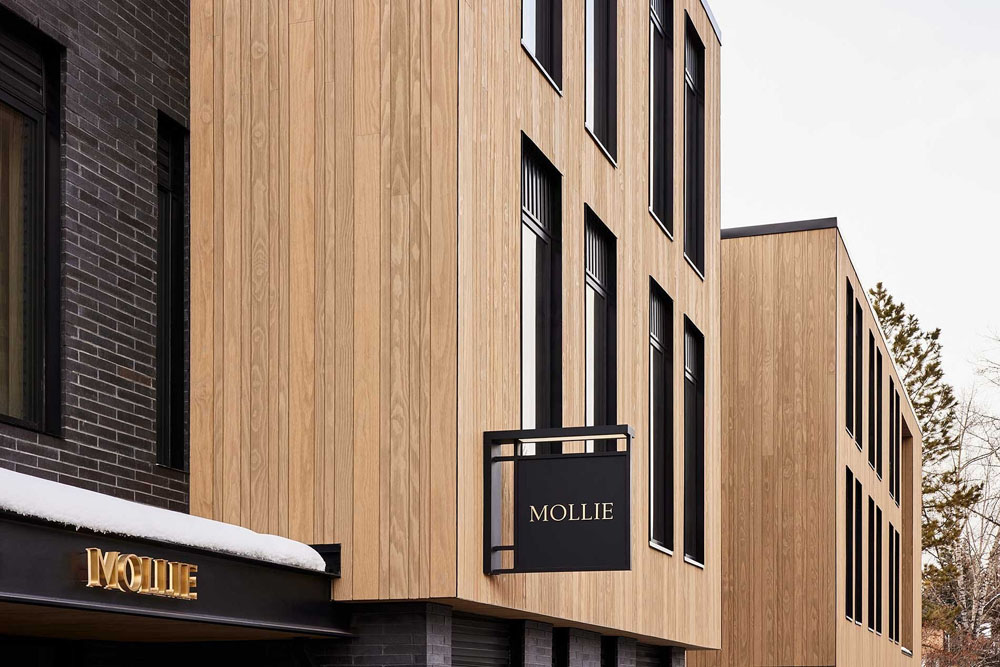
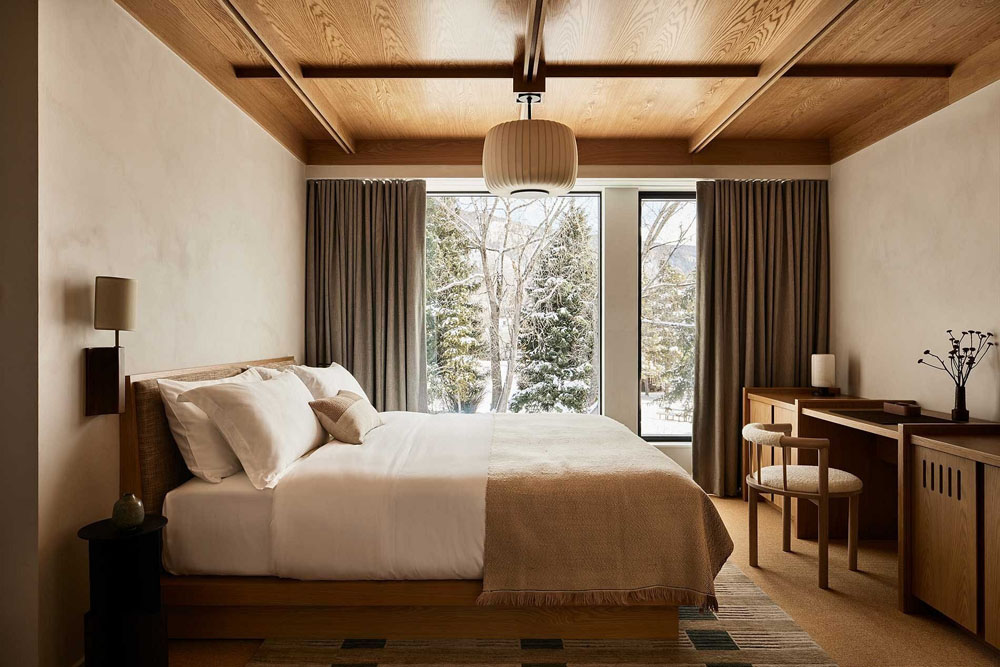
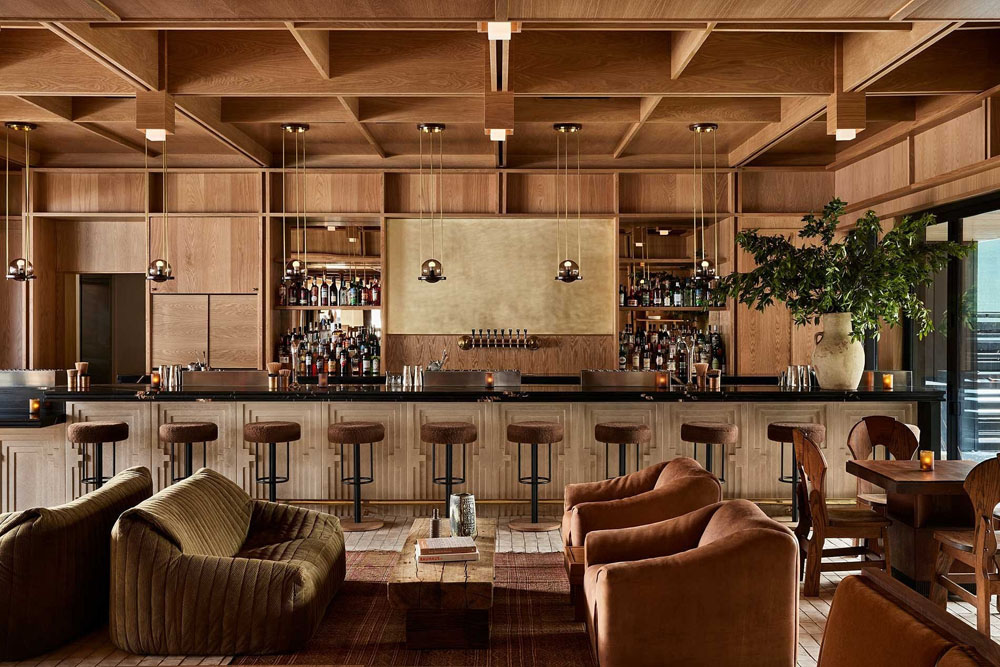
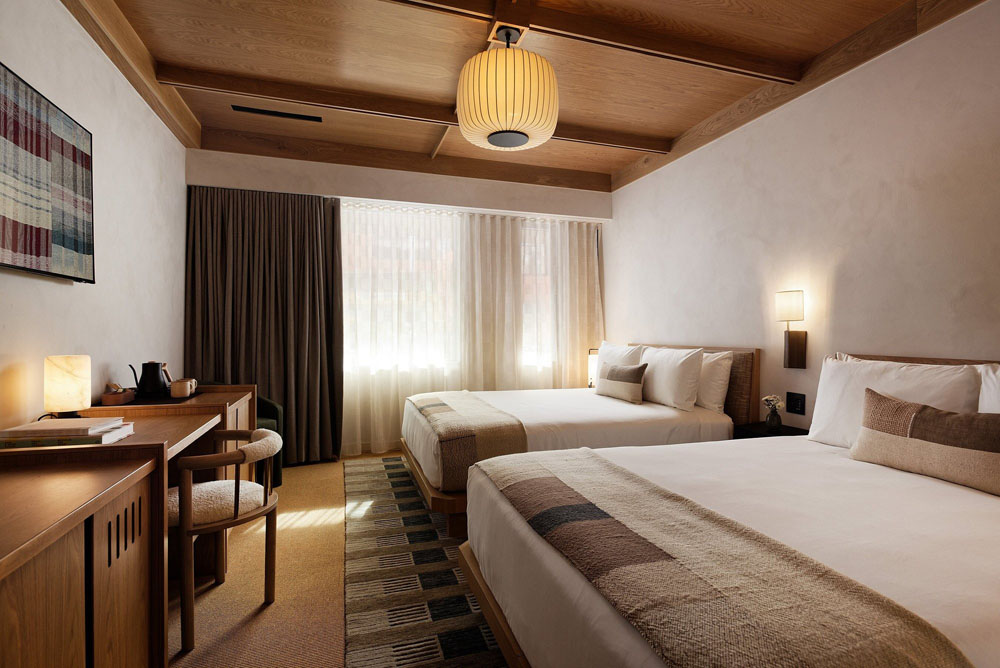
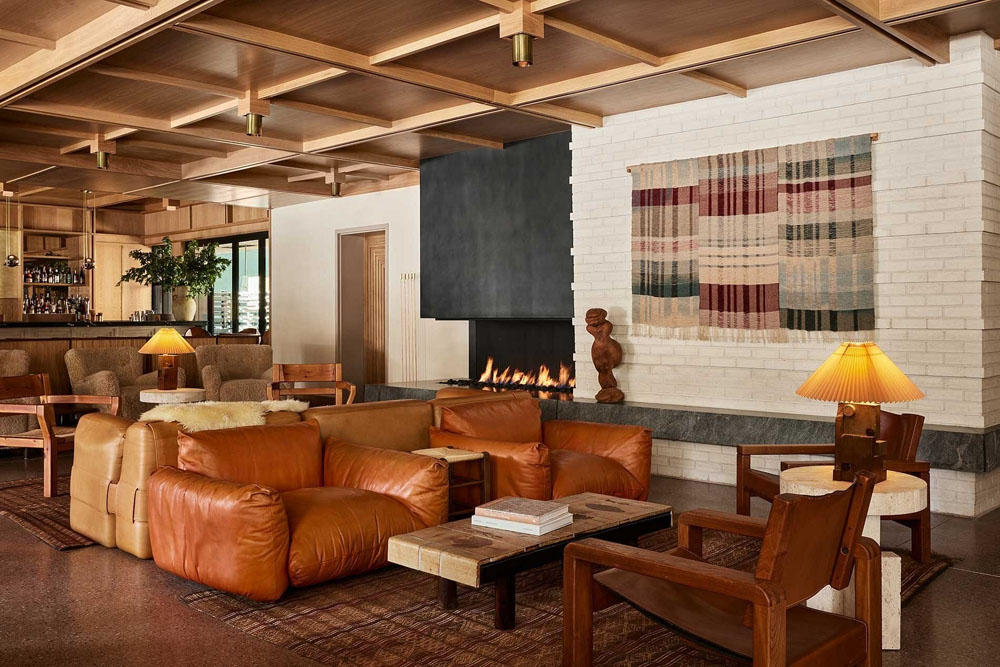
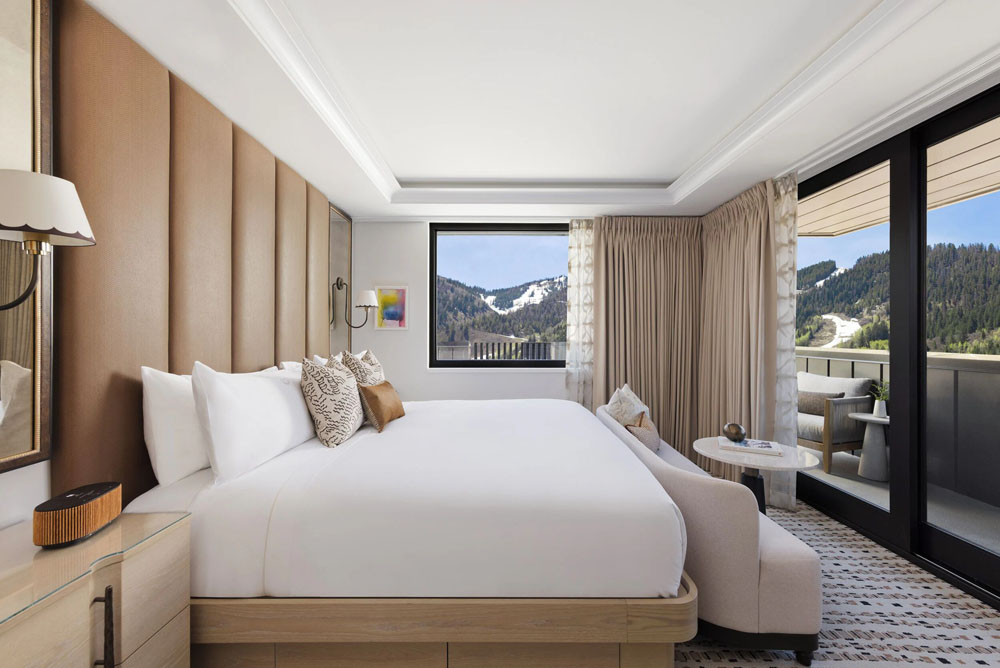
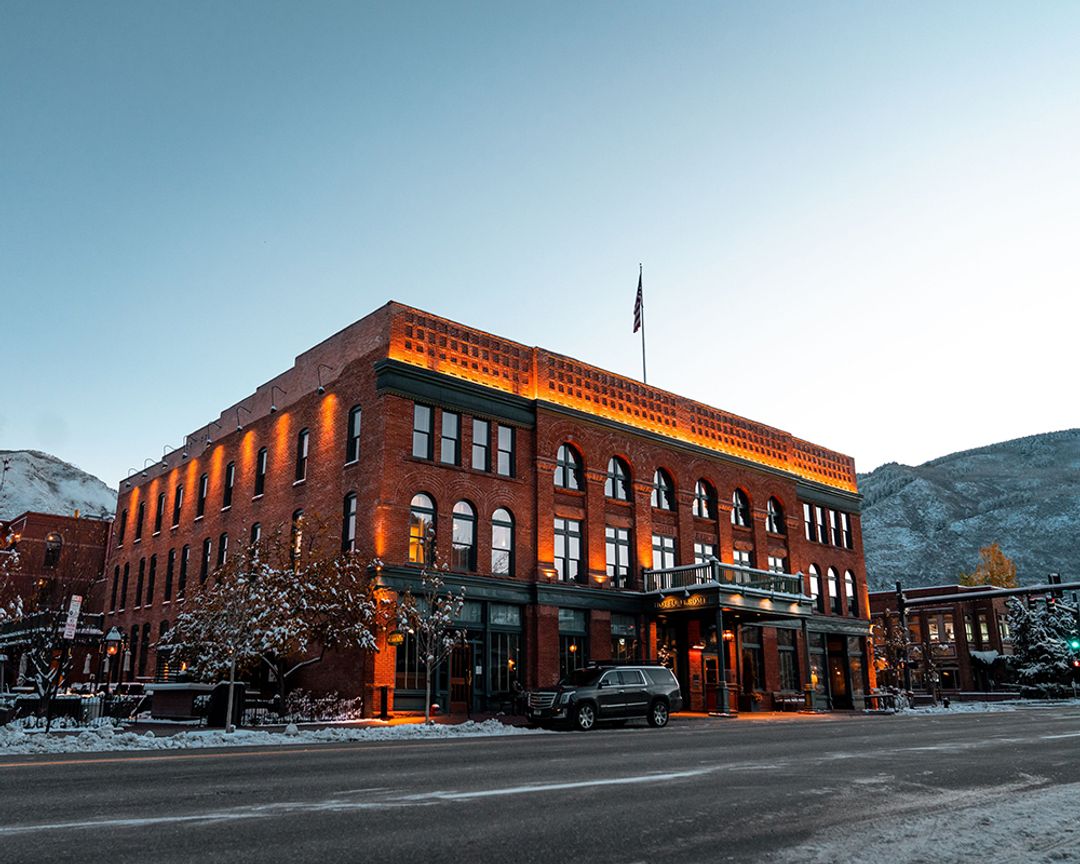
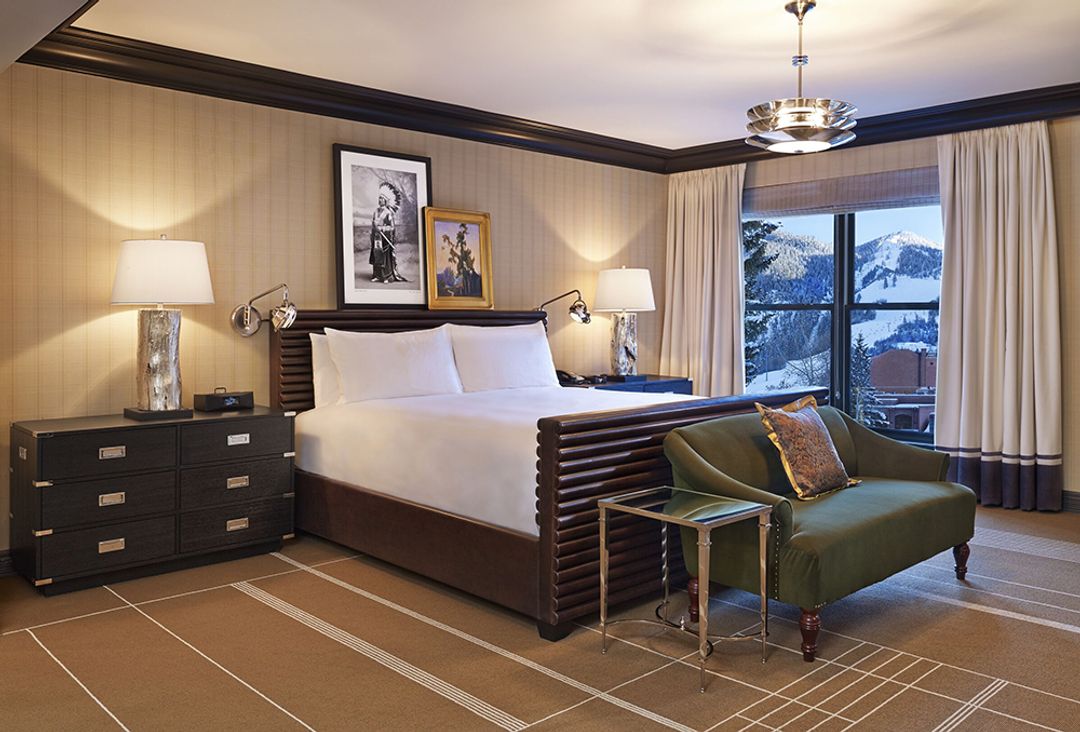
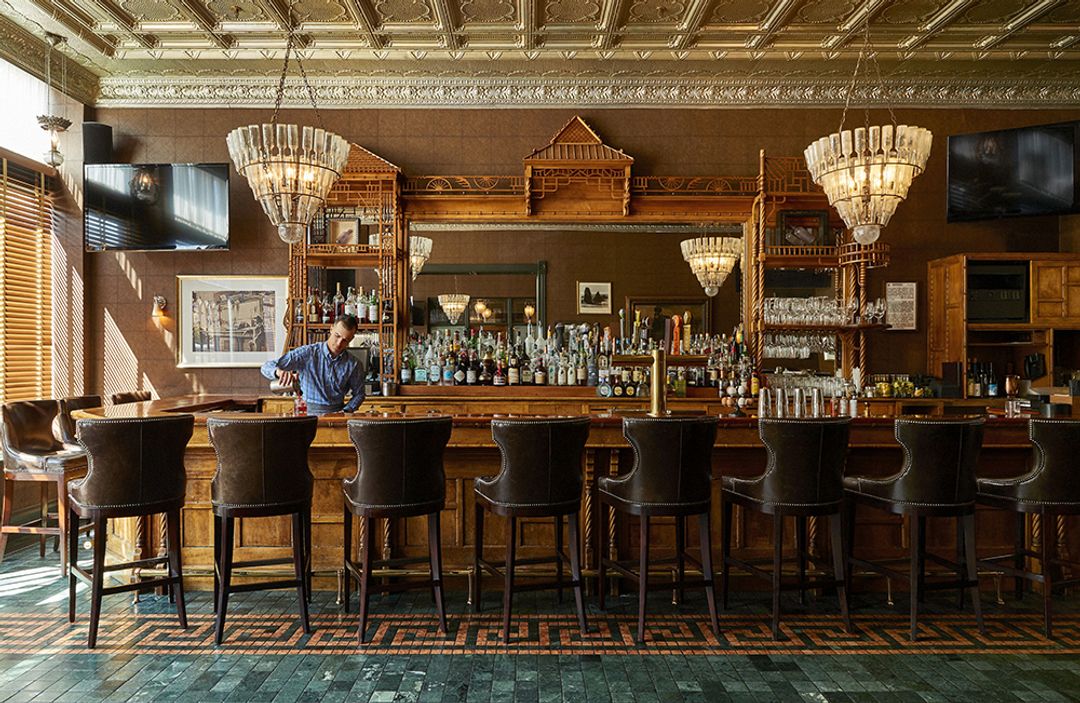
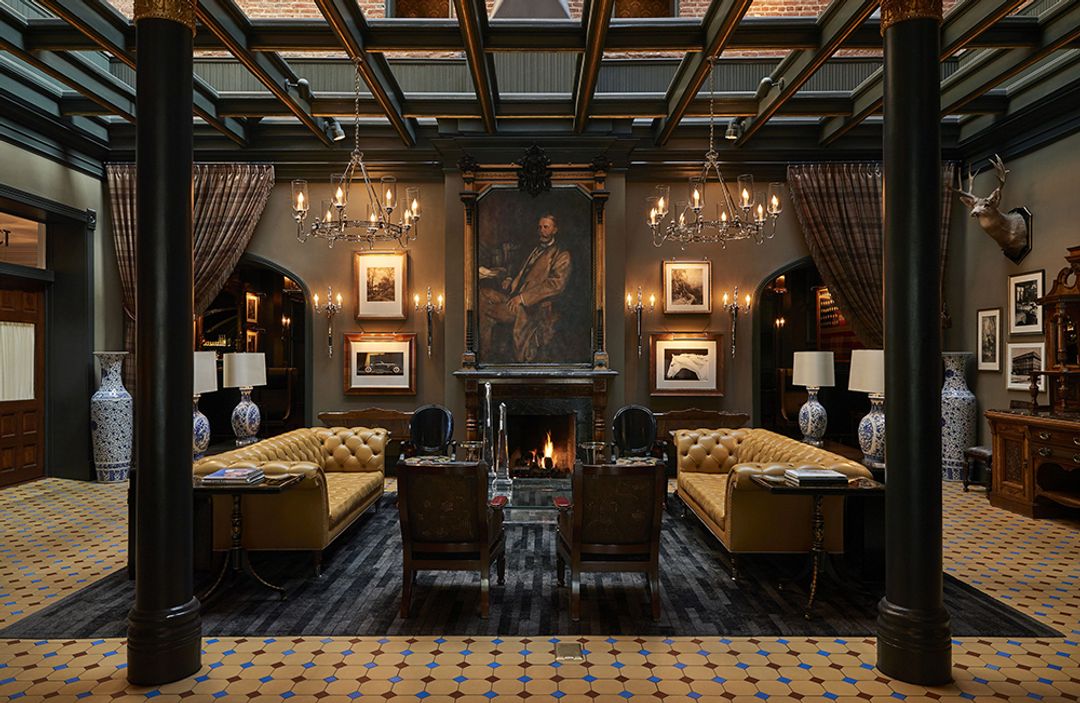
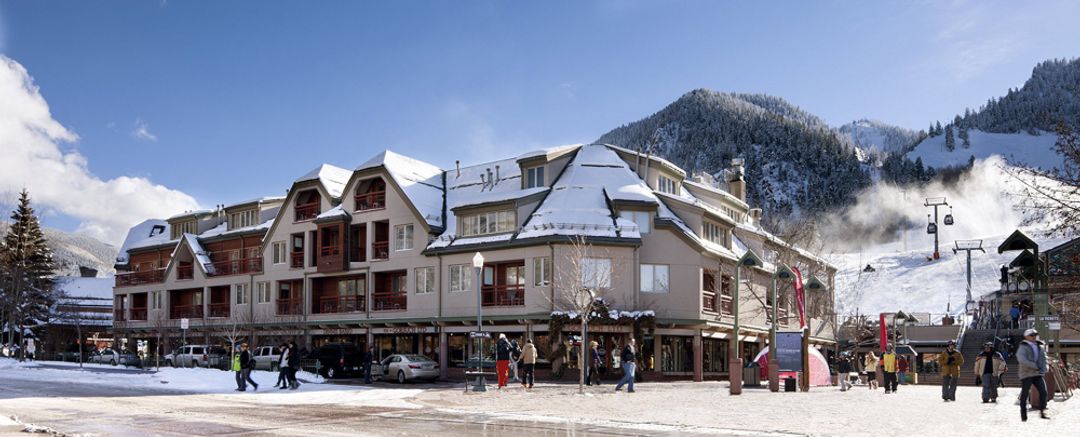
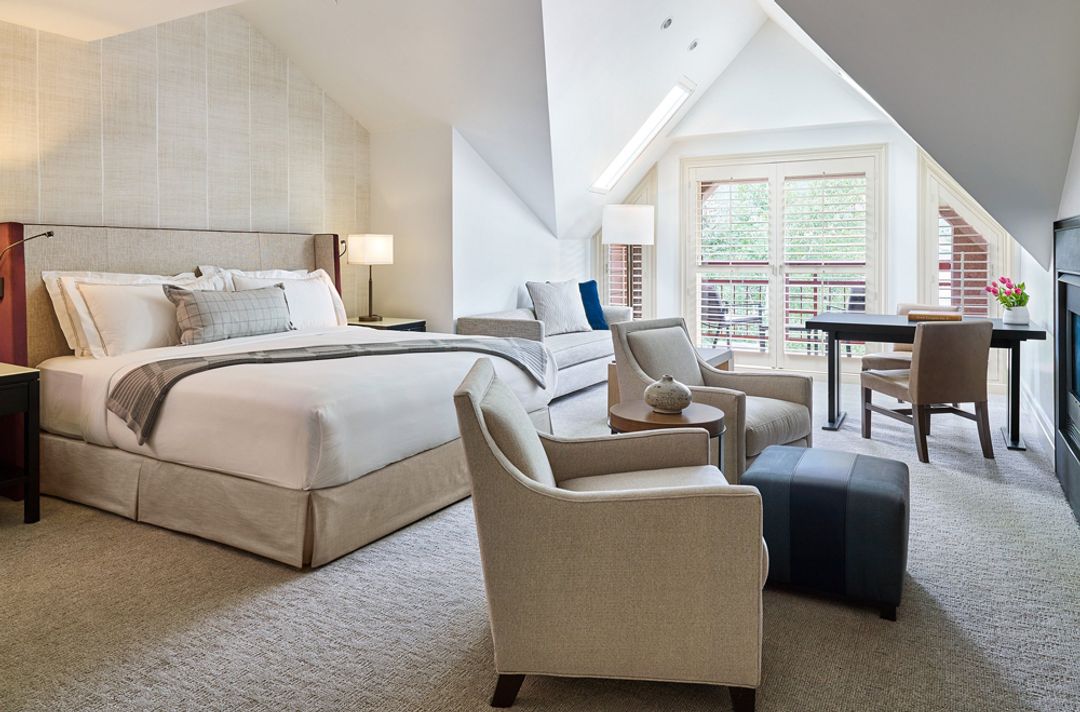
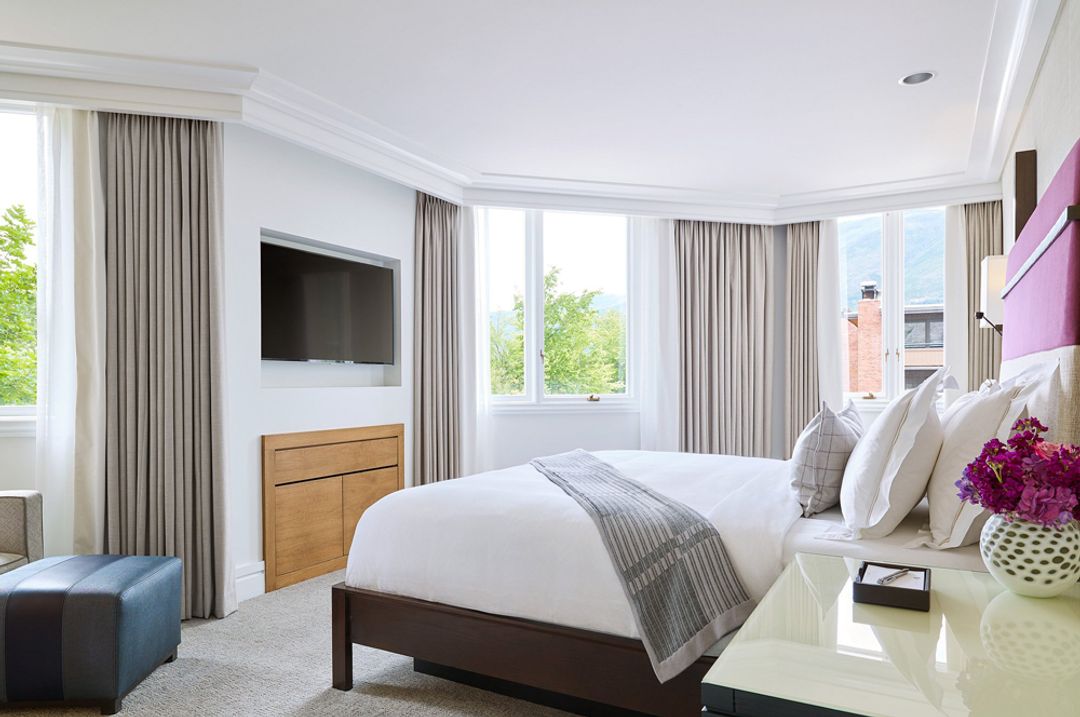
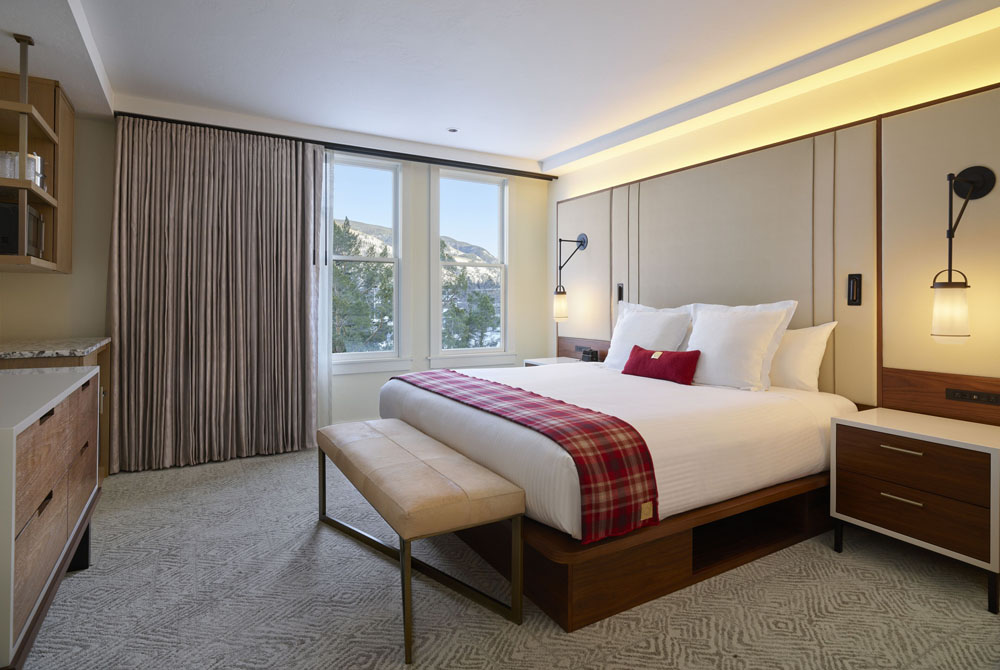
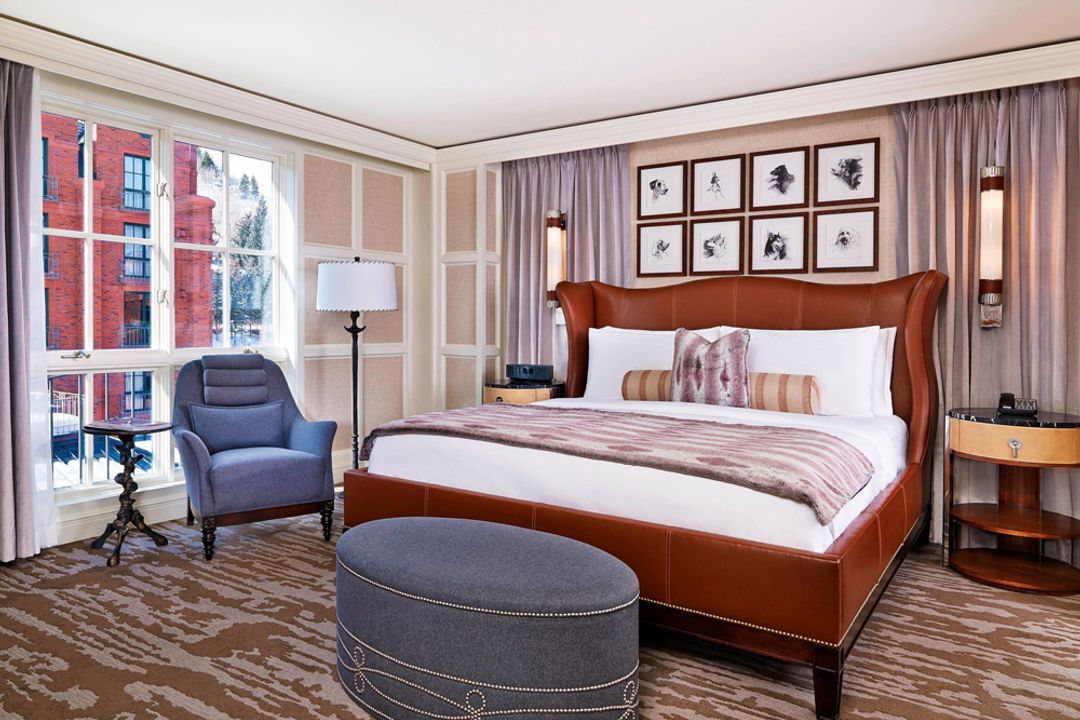
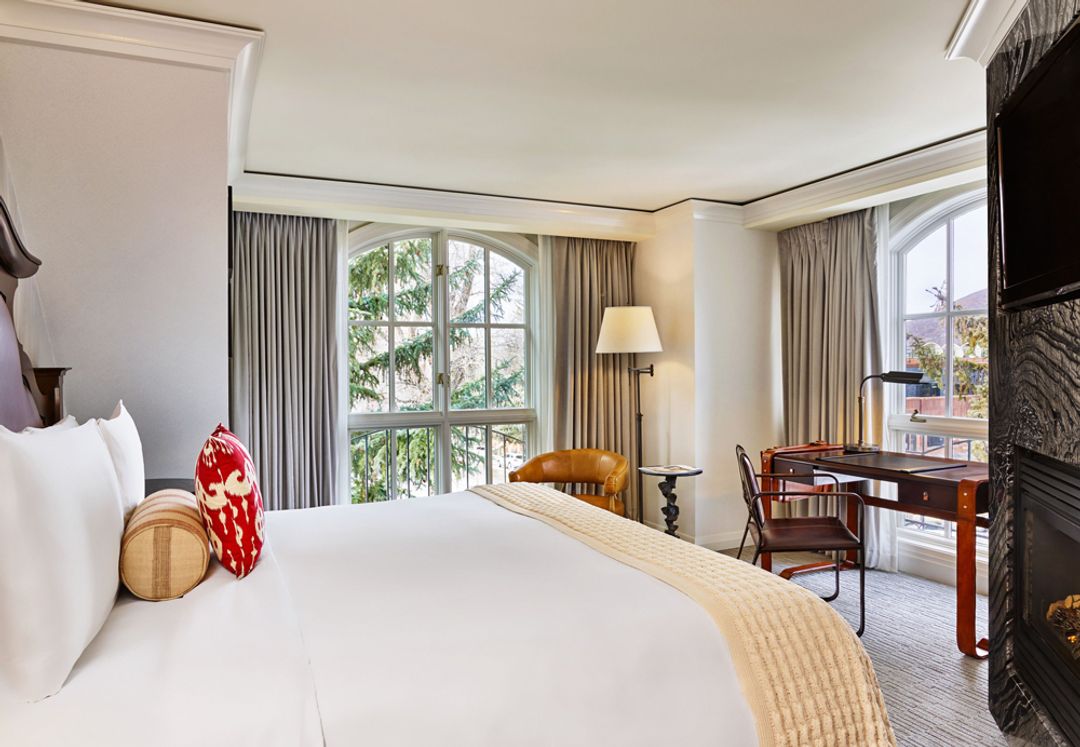
Aspen is a small town that has always carried more weight than its geography warrants, a former silver-mining settlement turned arts-and-skiing enclave where the built environment is caught between Victorian mining-era bones and the ambitions of a globally wealthy clientele. The tension is most productively resolved at Hotel Jerome, the 1889 landmark on Main Street that Auberge Resorts has kept in careful conversation with its original character — pressed-tin ceilings, a saloon bar that functions as genuine social infrastructure, and a renovation sensibility that treats history as something to inhabit rather than veneer. A few blocks away, Mollie Aspen represents a newer confidence in restraint: warm tones, considered materiality, and rates that feel almost counterintuitive given the address, making it genuinely useful for anyone whose instinct is to notice rooms rather than rack rates.
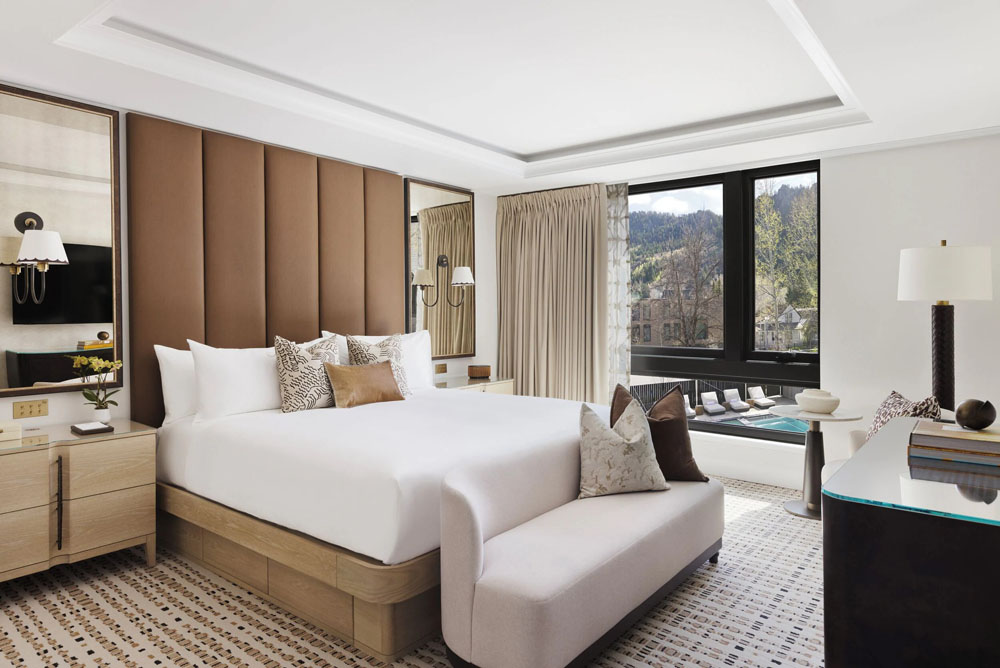
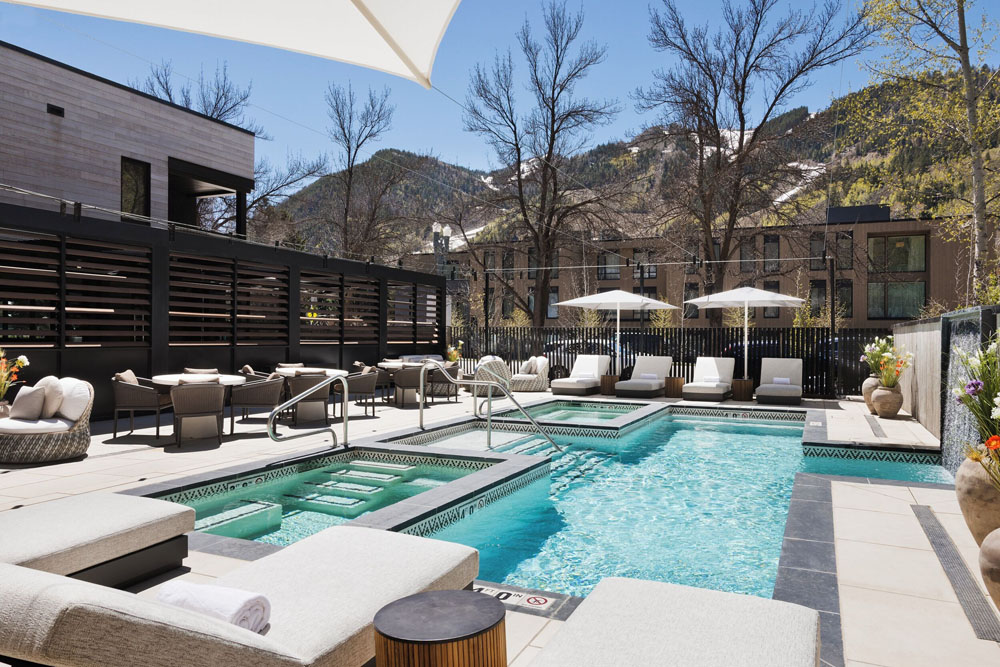
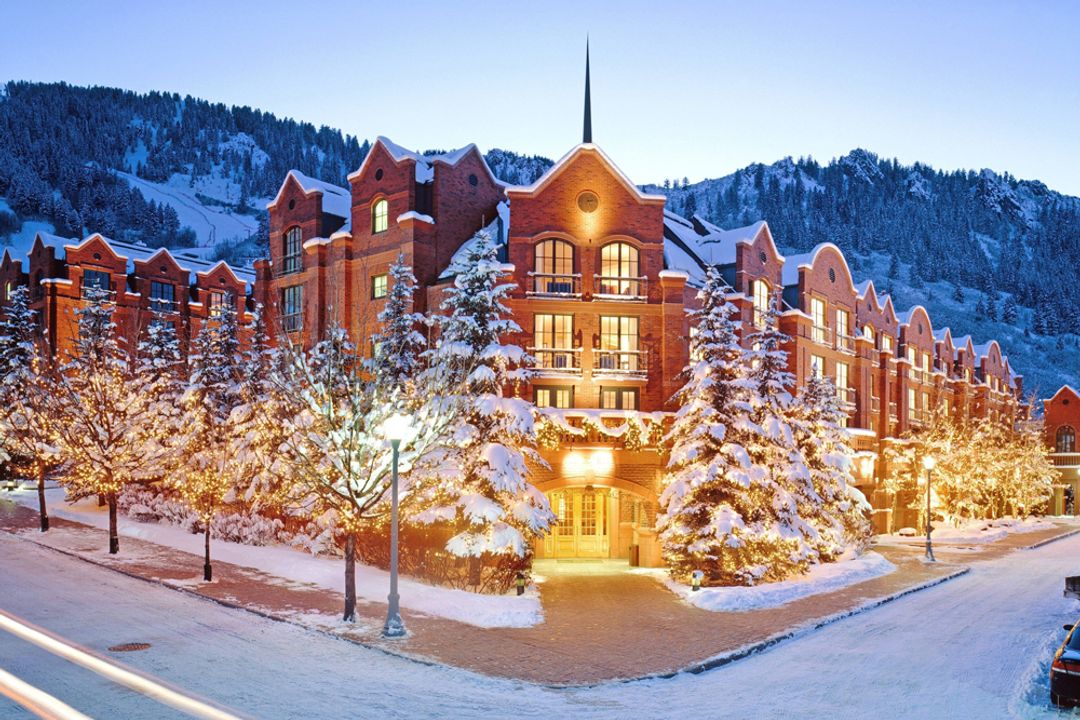
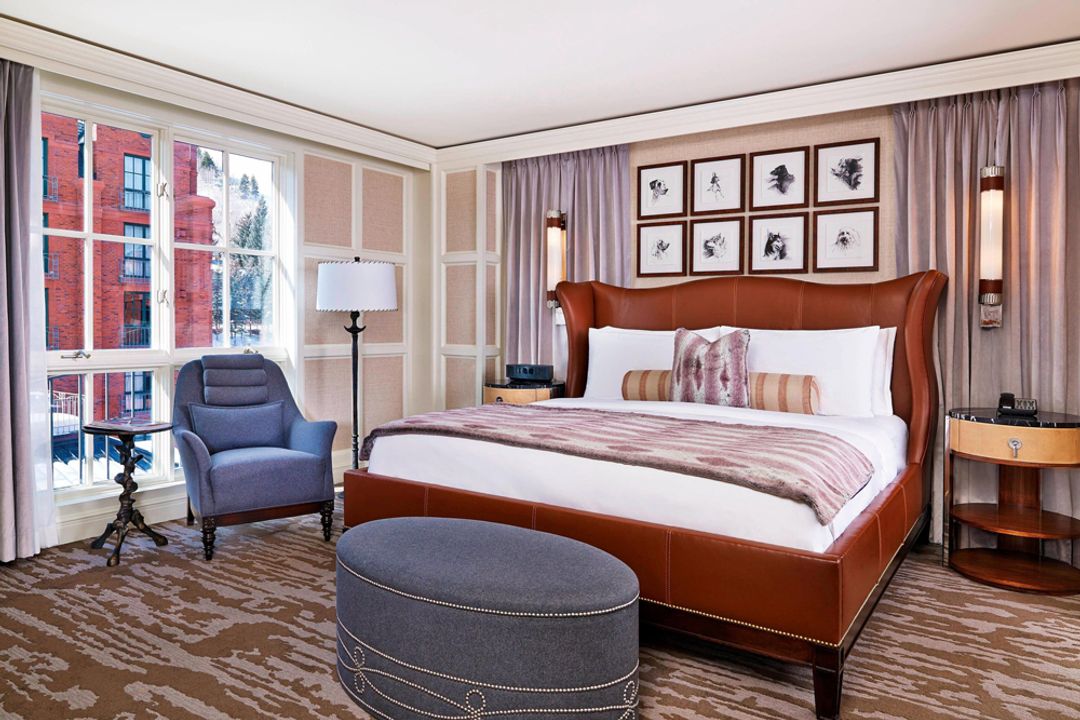
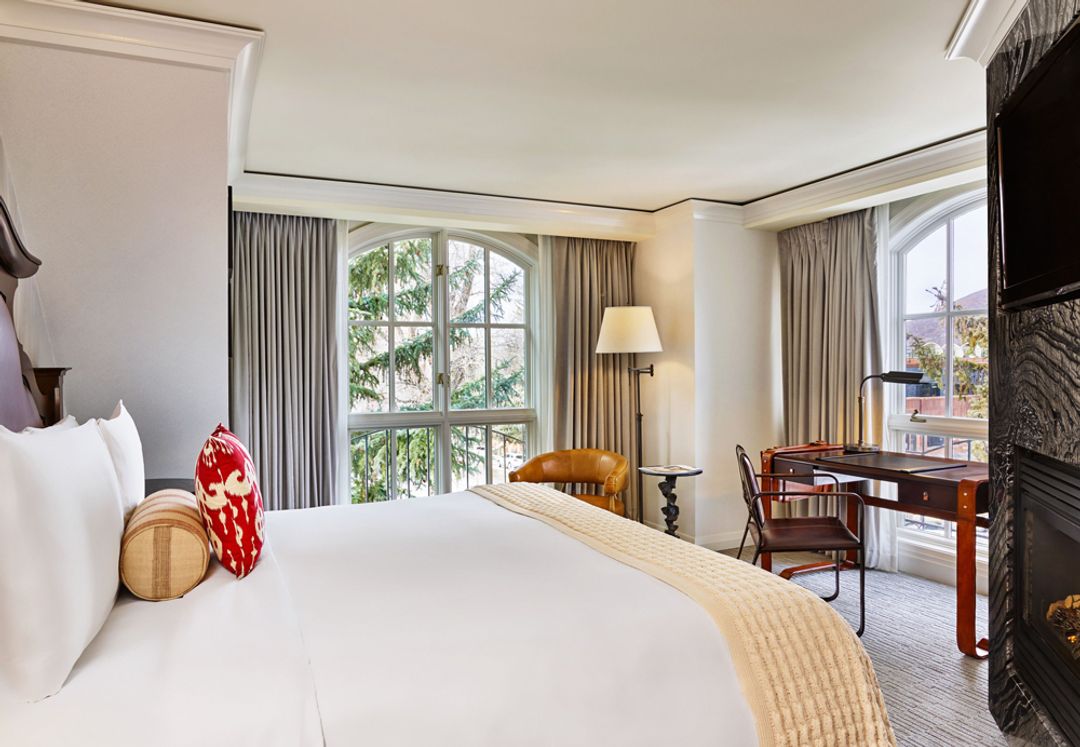
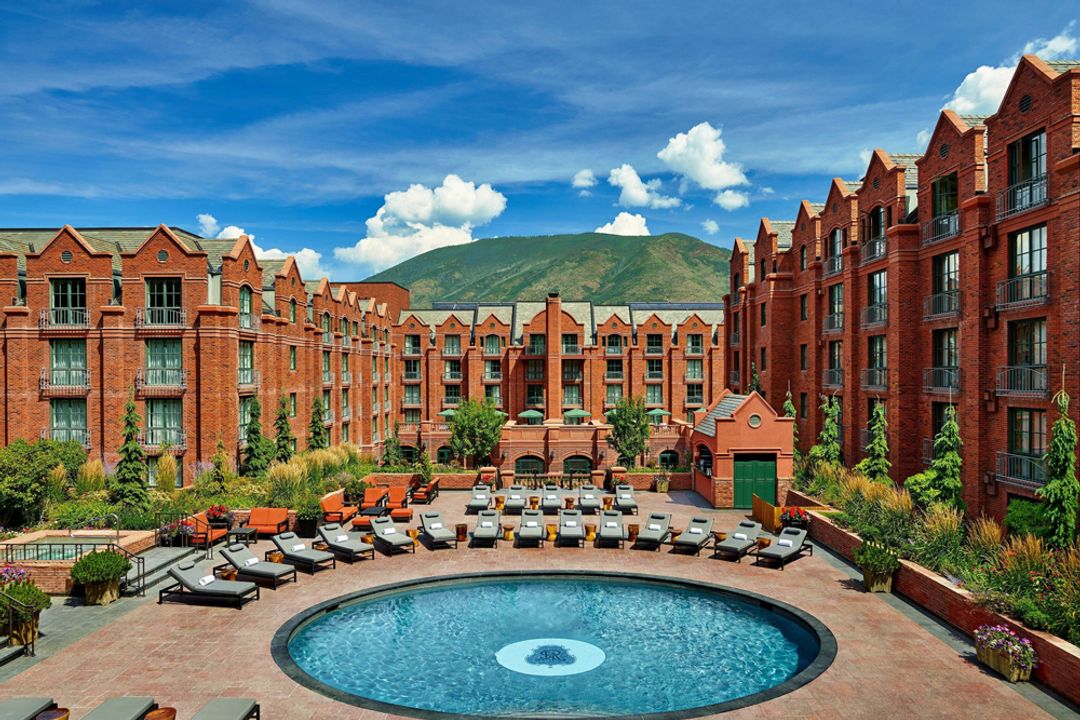
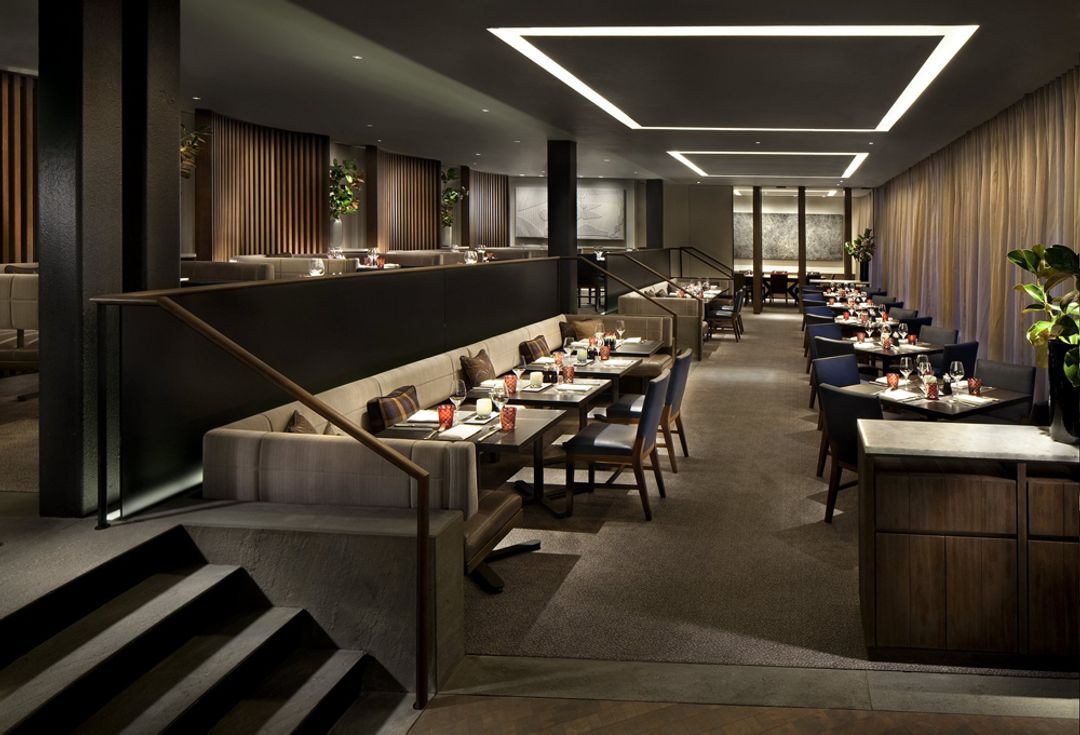
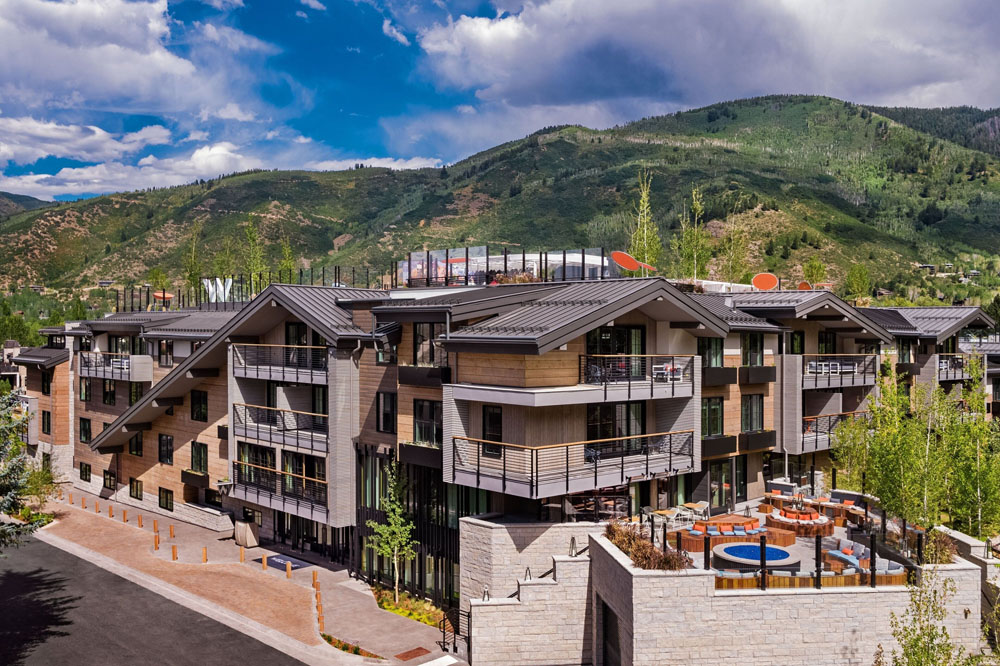
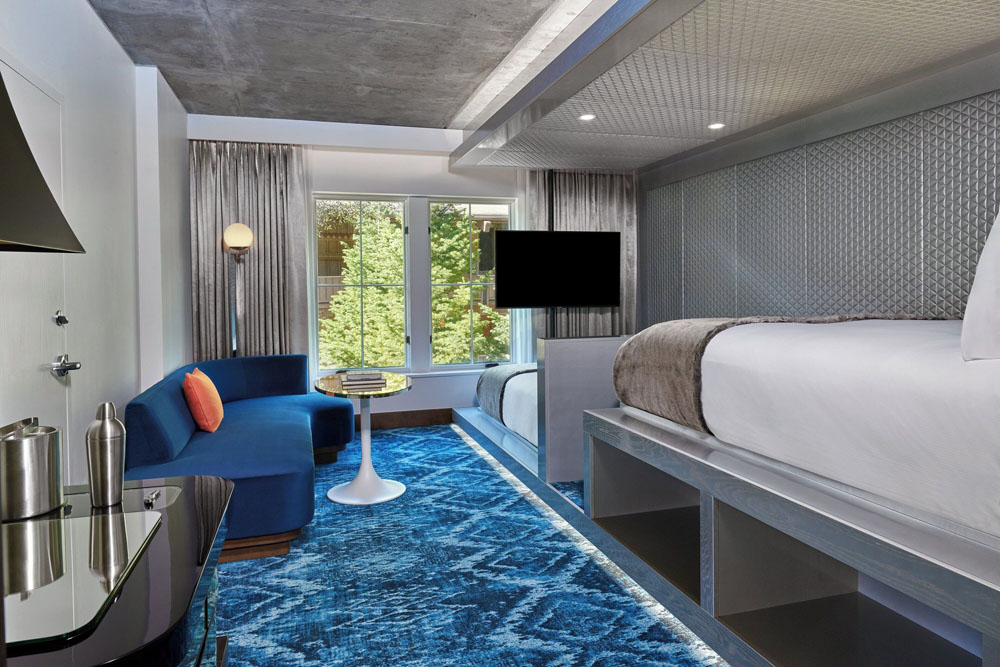
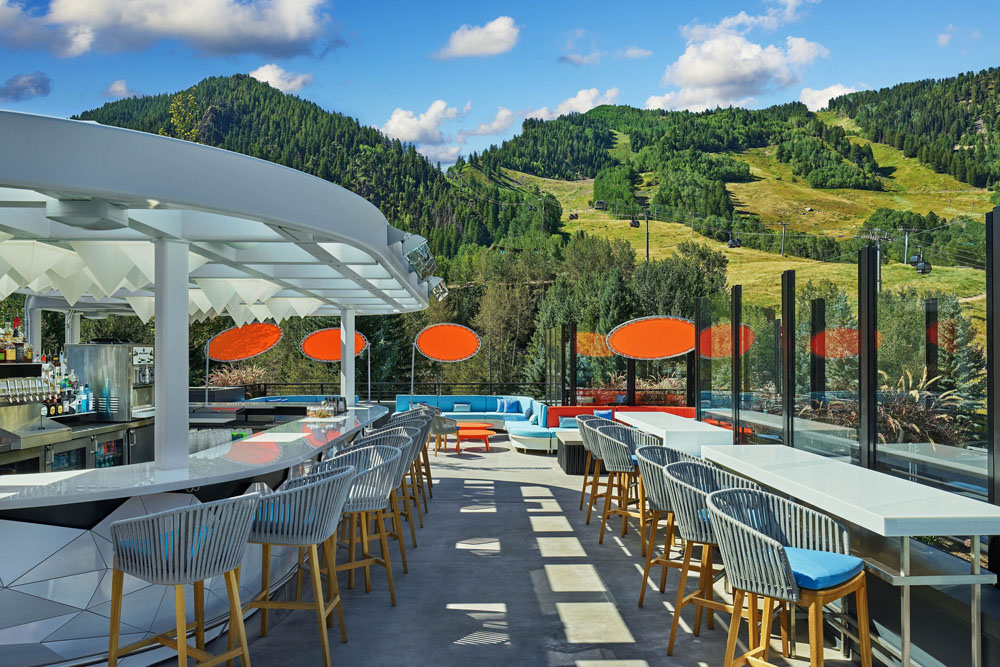
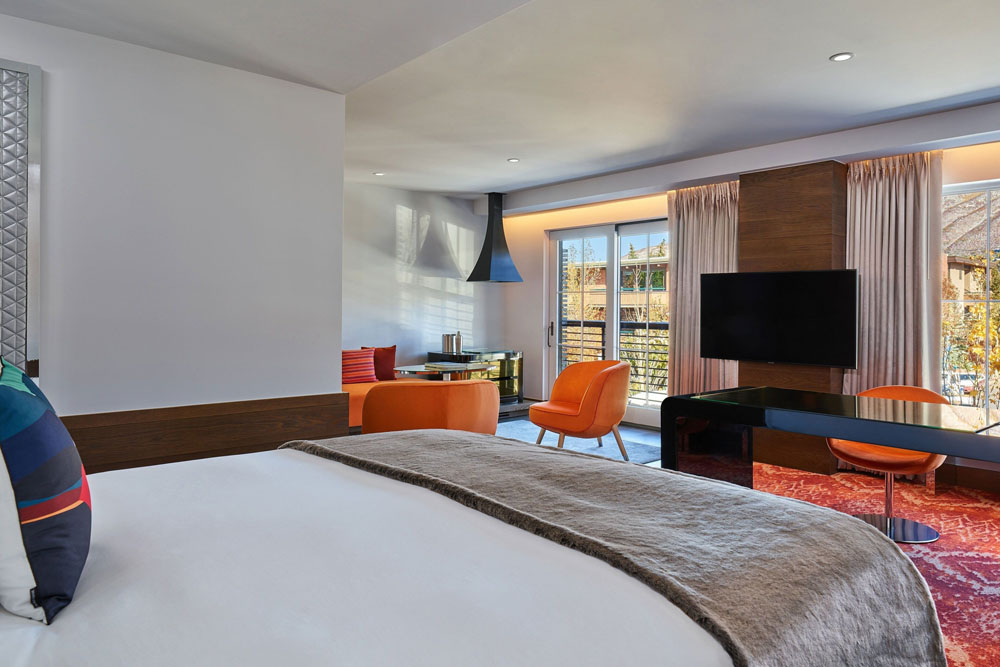
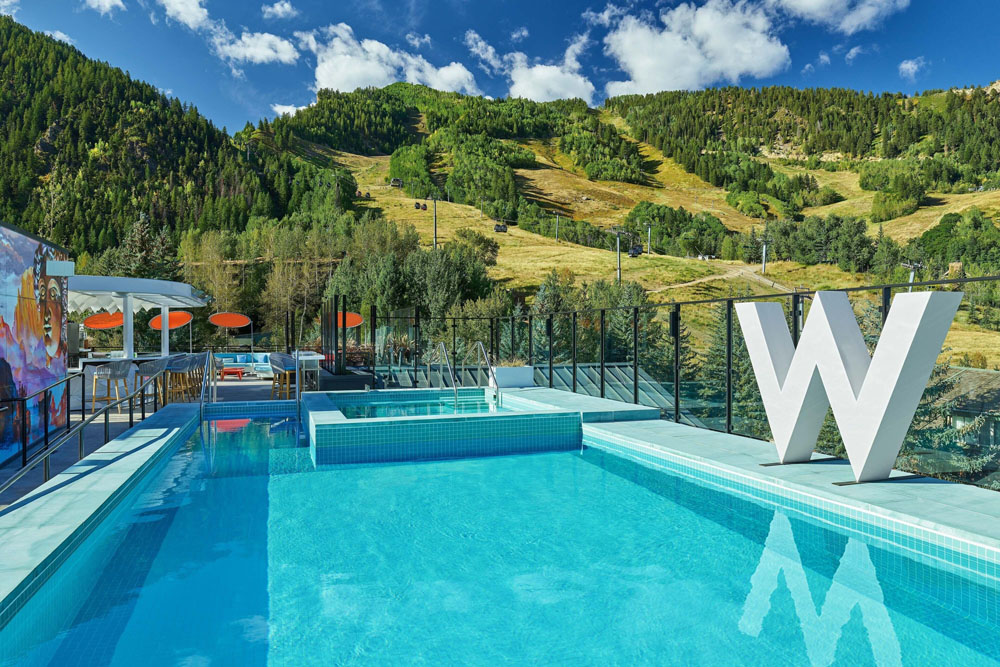
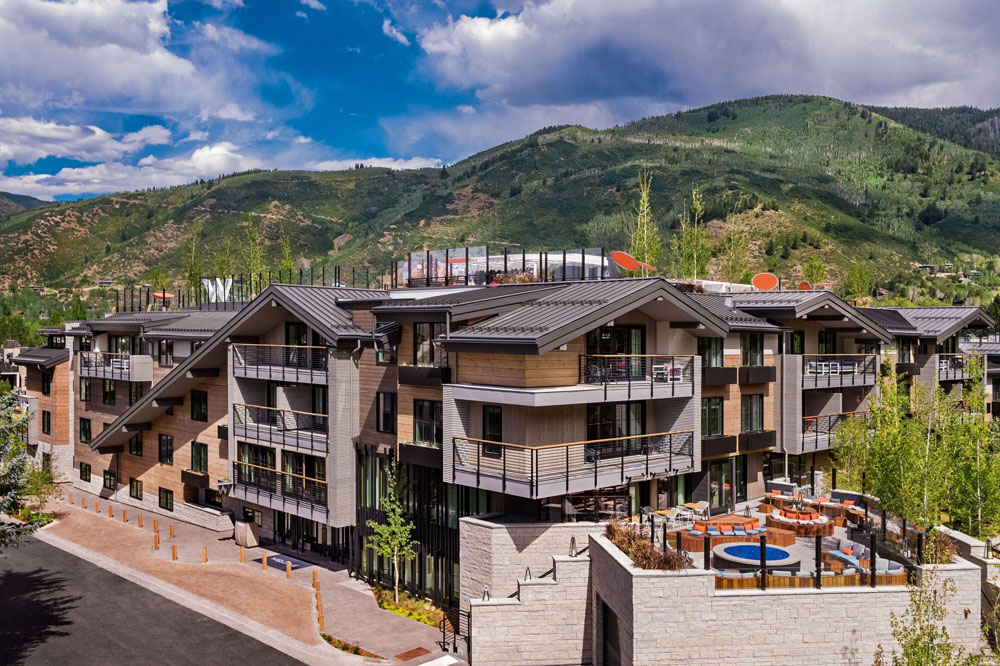
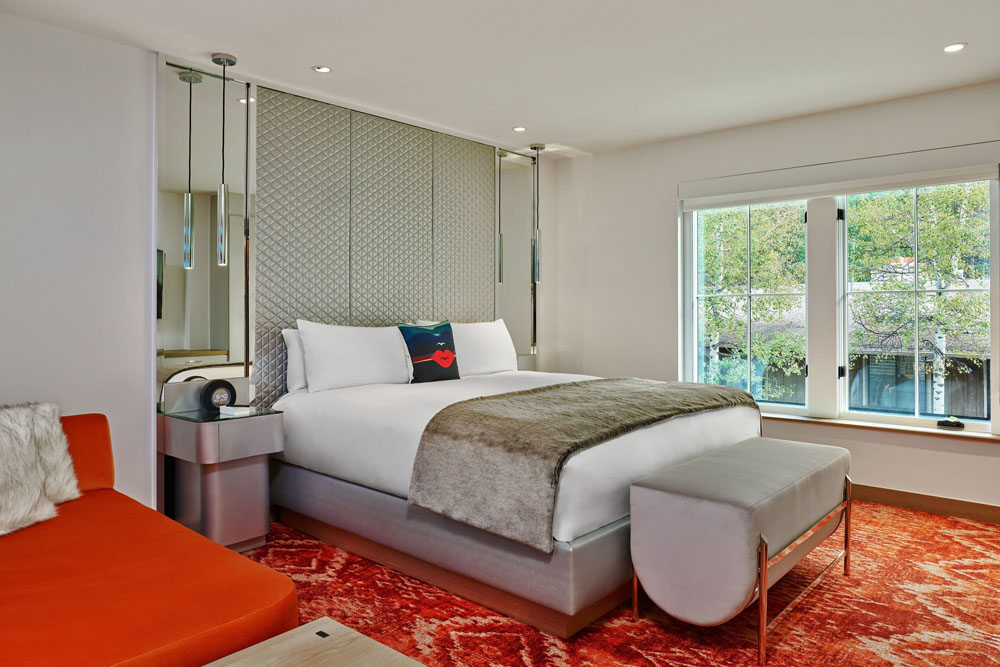
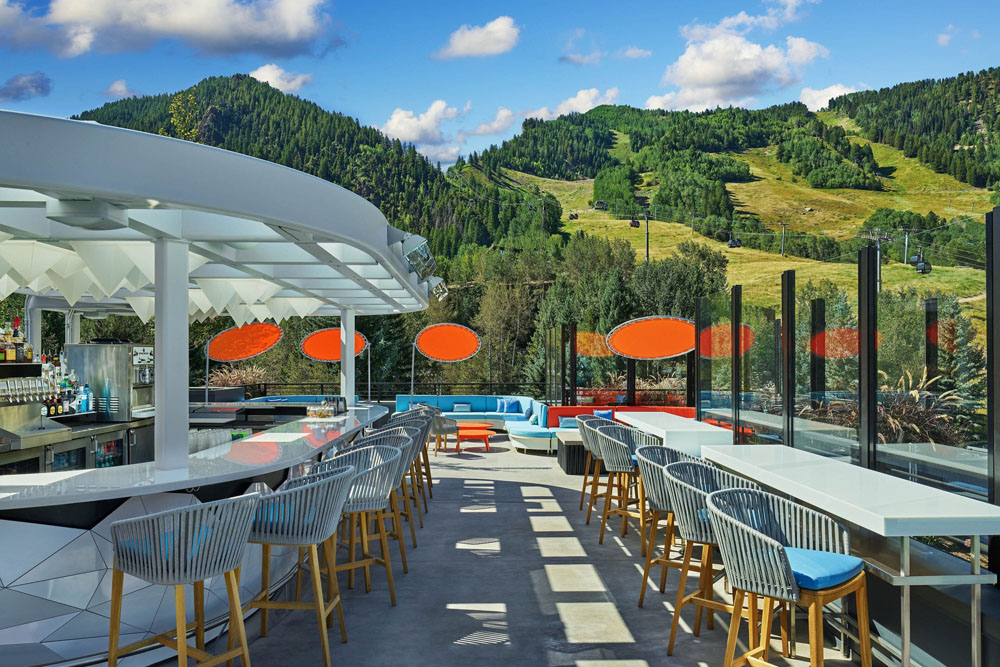
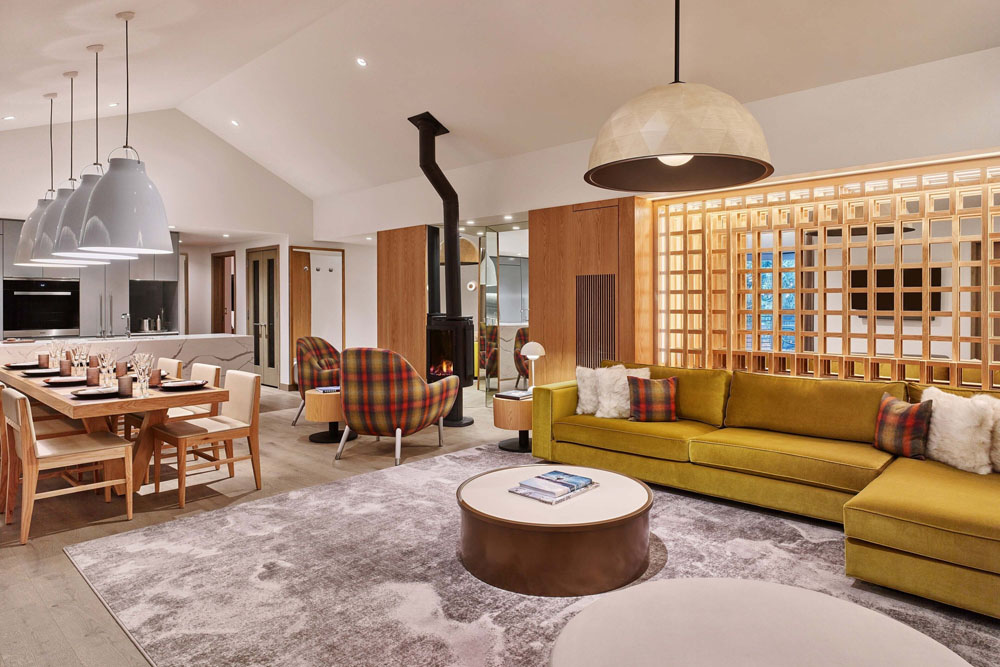
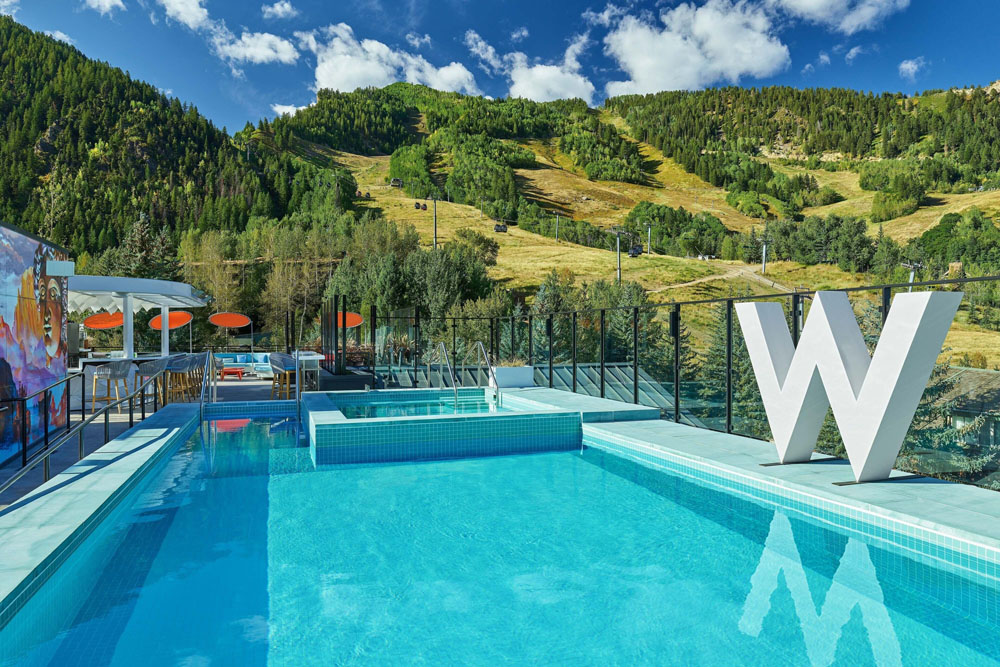
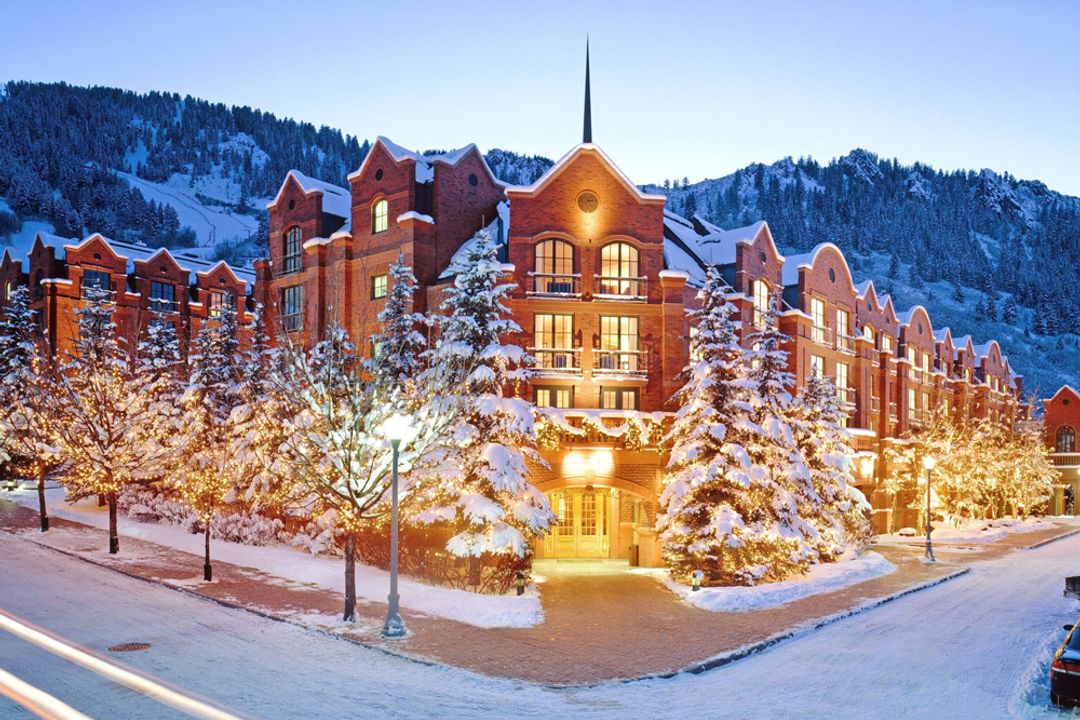
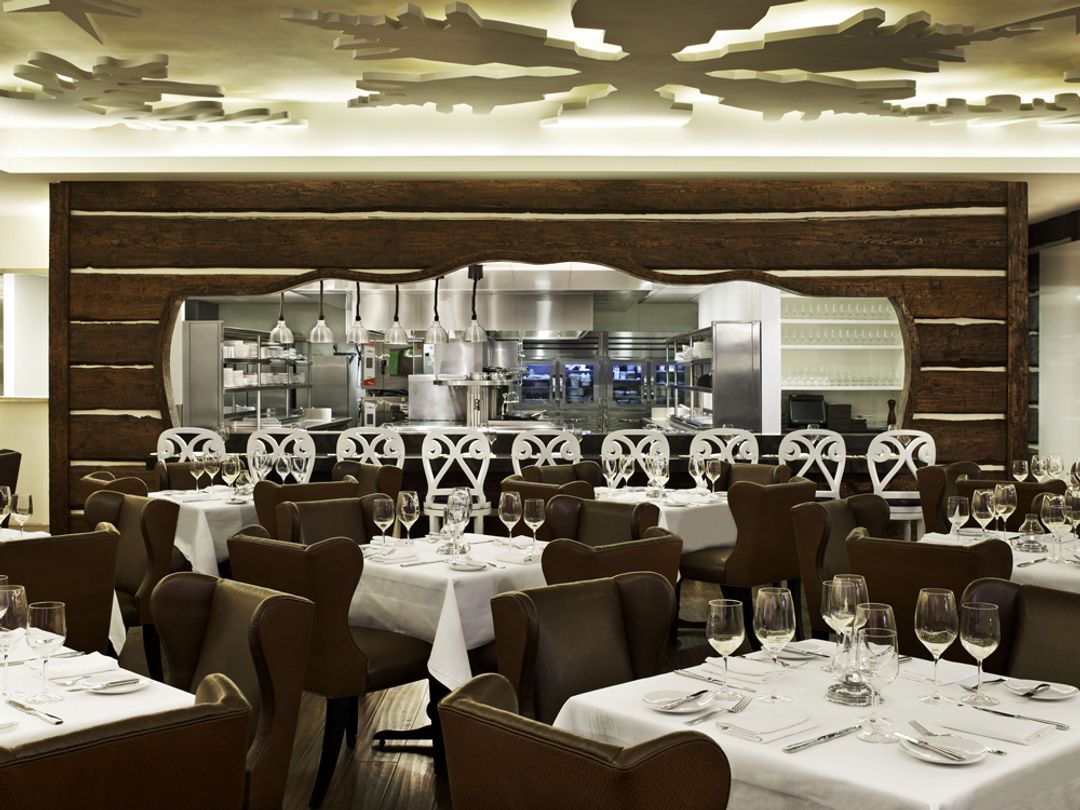
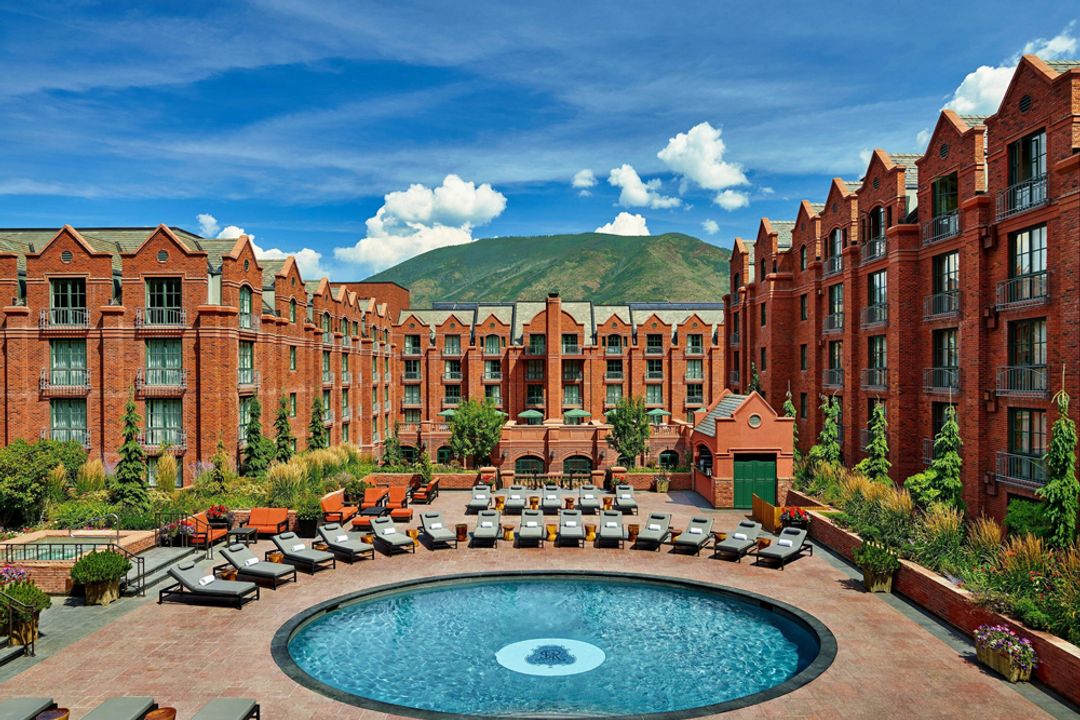
The properties at the base of Aspen Mountain occupy a different register entirely. The Little Nell, which opened in 1989 and remains the only ski-in, ski-out hotel in the immediate core, has sustained its position through a combination of location and service rather than architectural ambition, though its interiors carry a consistent warmth that many larger mountain properties fail to achieve. The St. Regis Aspen, set slightly upslope, leans more formally into the grand resort model, its Beaux-Arts posture contrasting with the W Aspen, which imports a brasher, more urban energy to the mountain base through Rockwell Group's interiors and a rooftop that reads more Meatpacking District than Colorado. The Sky Residences above the W extend that vocabulary into fractional ownership territory, as does the St. Regis Residence Club, which operates at rates that reflect real estate speculation as much as hospitality. The Limelight, owned by Aspen Hospitality, occupies a more grounded position in this cluster, prioritizing access and practicality over aspiration.
What differentiates these properties most sharply is not price but proximity to the mountain versus Main Street, and what that proximity implies about how someone wants to use Aspen. Skiers willing to pay the premium for slope-side access will find it concentrated in the Nell and St. Regis corridor. Travelers more interested in the town itself, in its Bauhaus legacy through the Aspen Institute or the programming around the music festival, will find the Main Street properties a more coherent base.