Best hotels in Austin, TX | Visually Compare Top Stays Side-by-Side
Welcome to PressBeyond - a curated visual guide to design-driven hotels and the fastest way to compare them.
An Overview of the Boutique & Luxury Hotel Landscape in Austin, TX
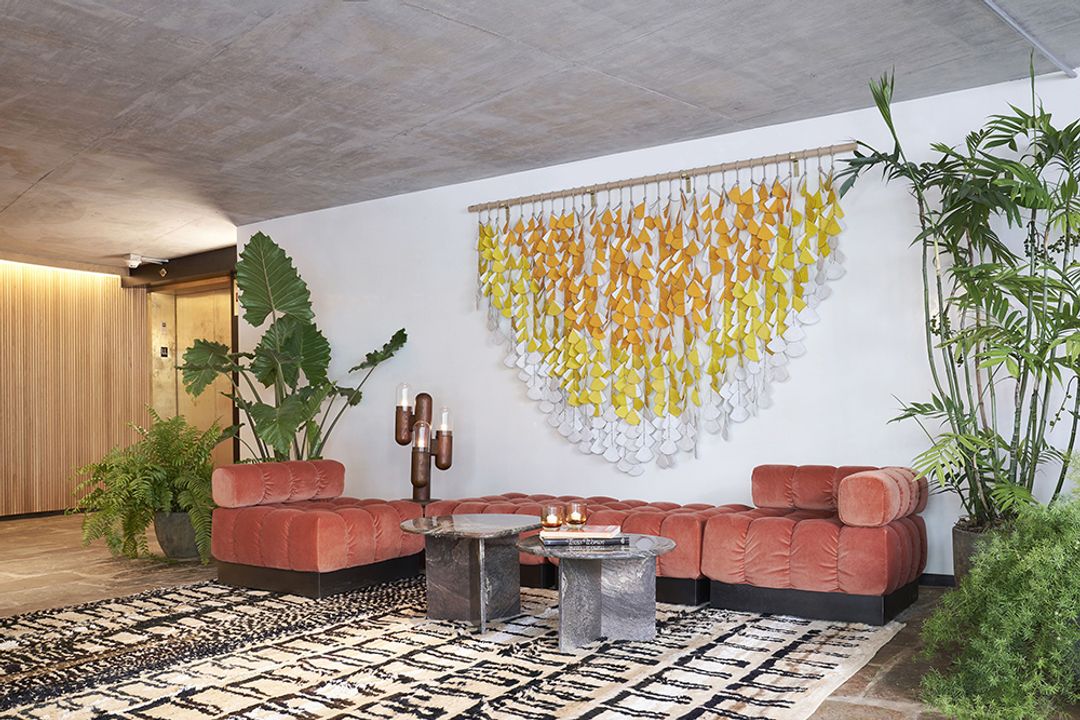
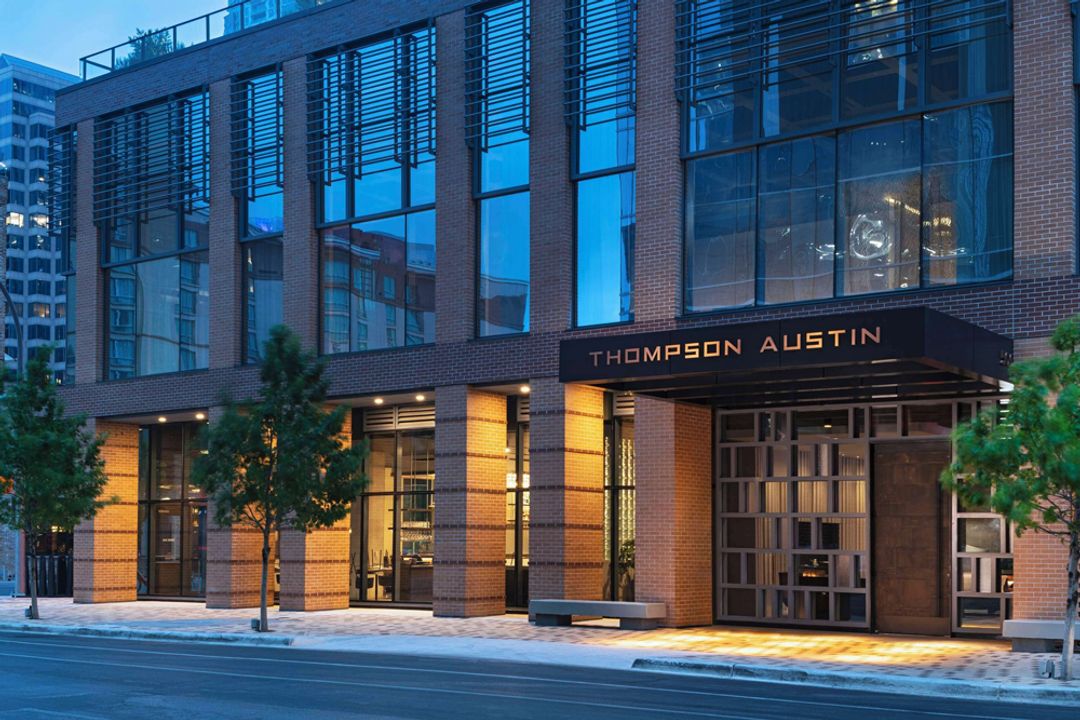
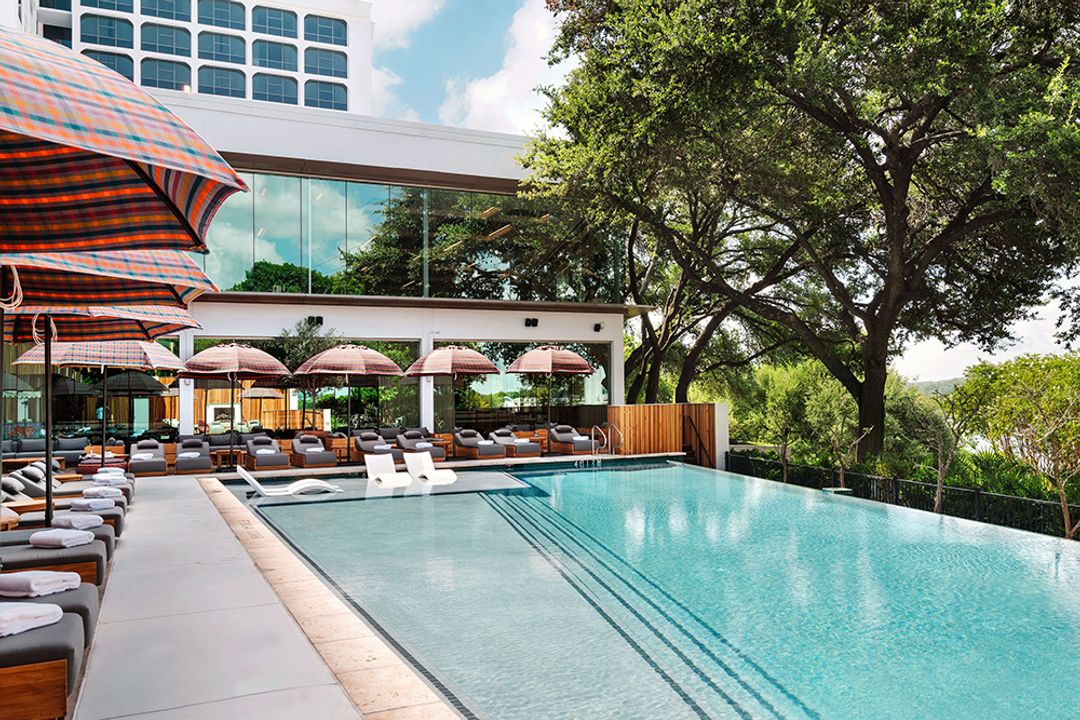
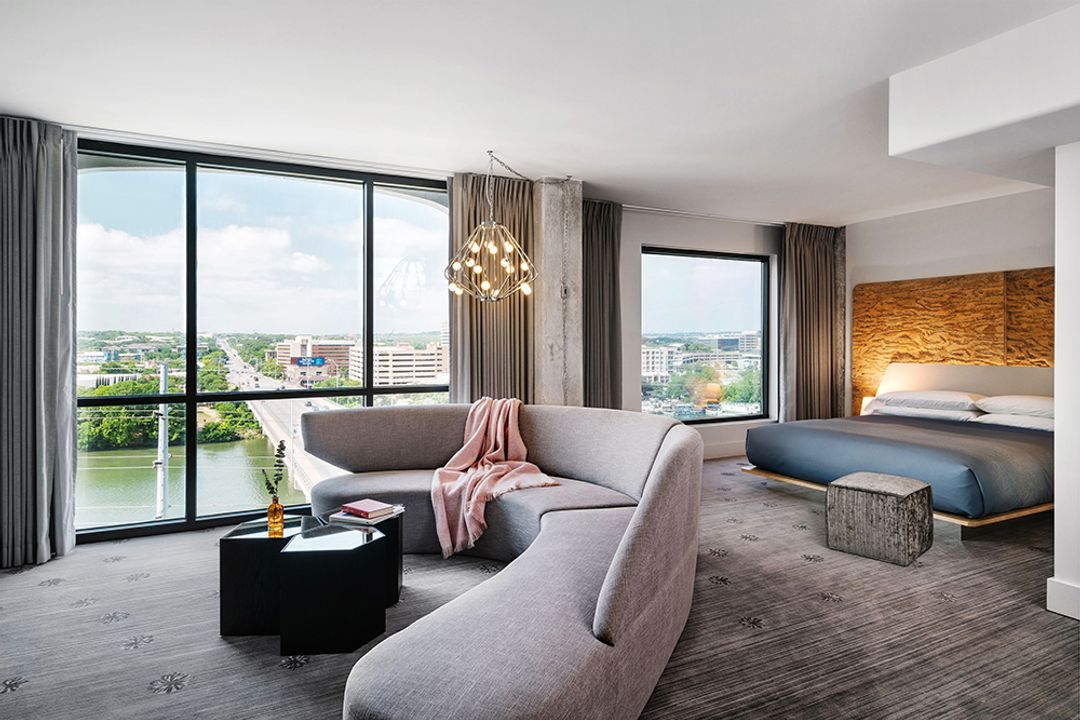
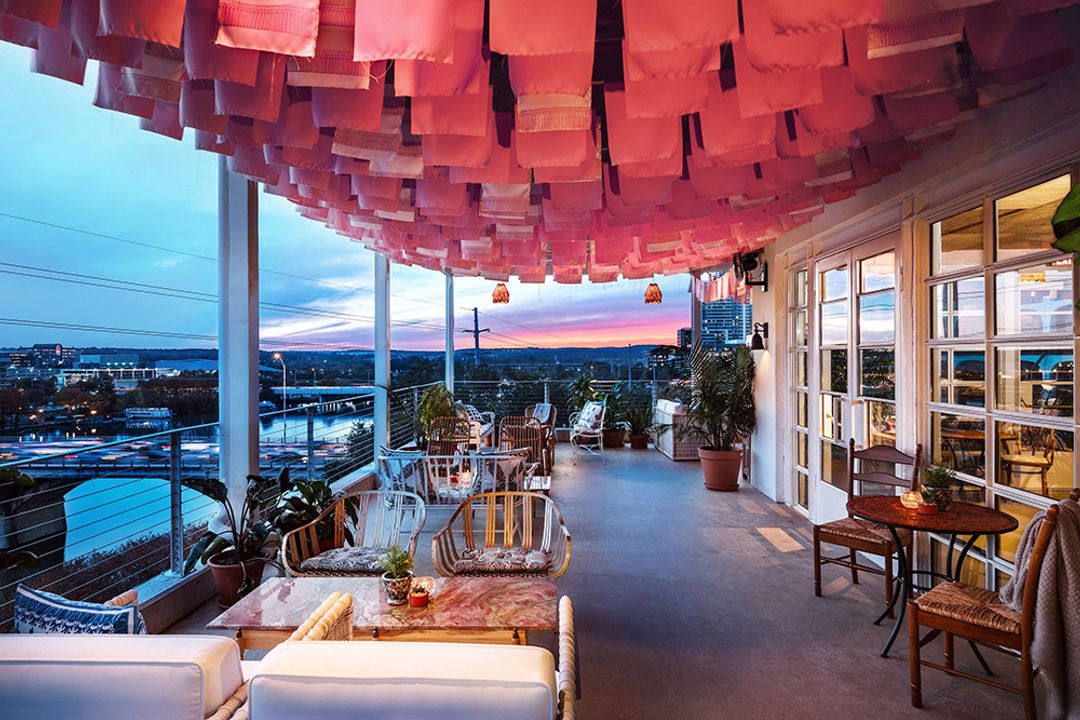
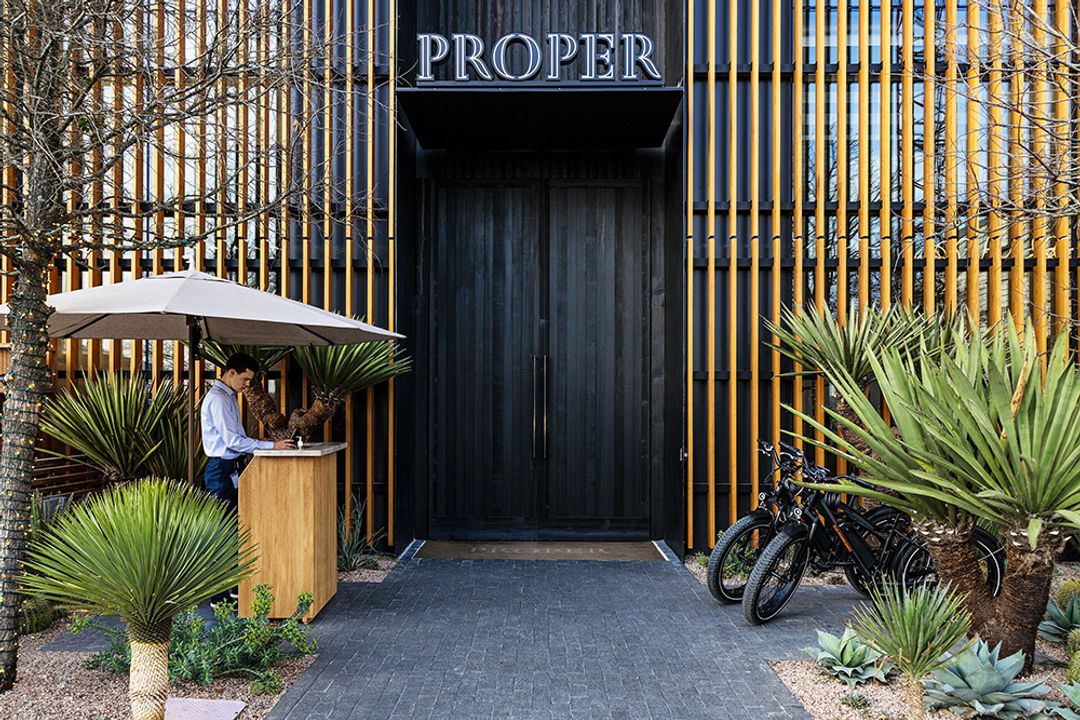
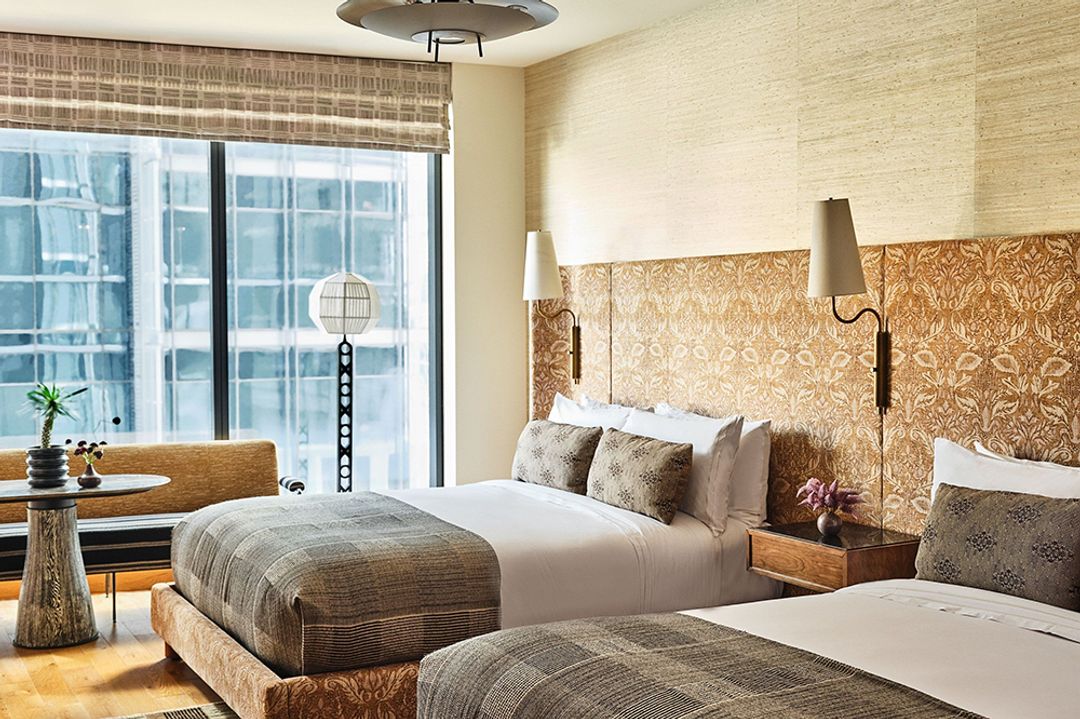
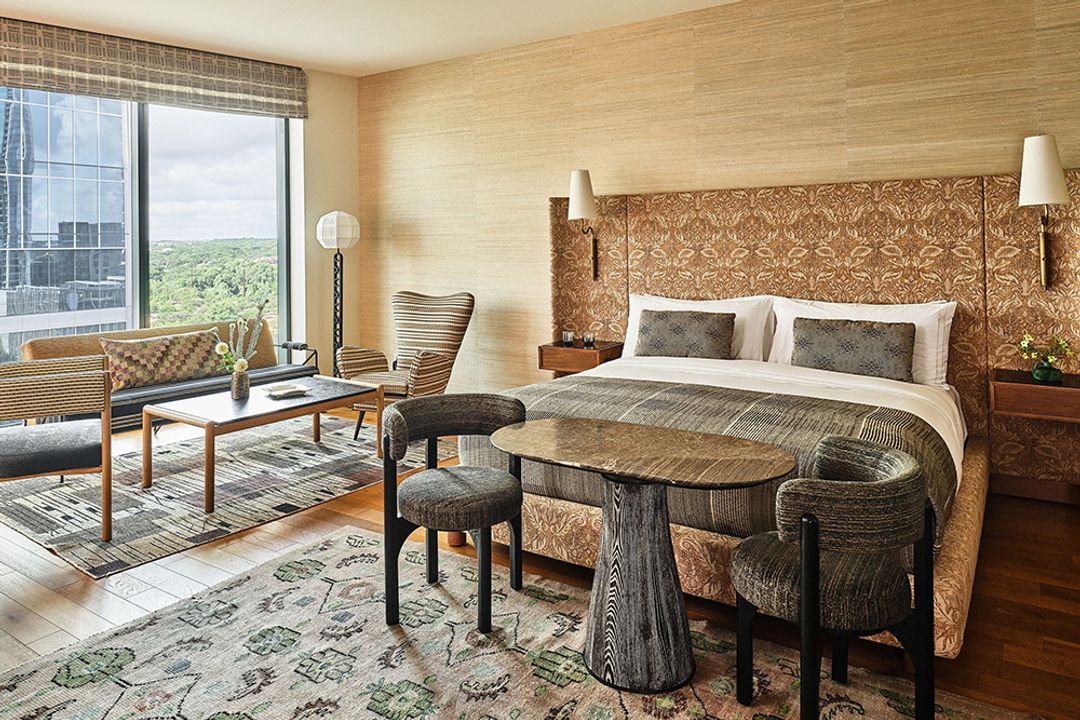
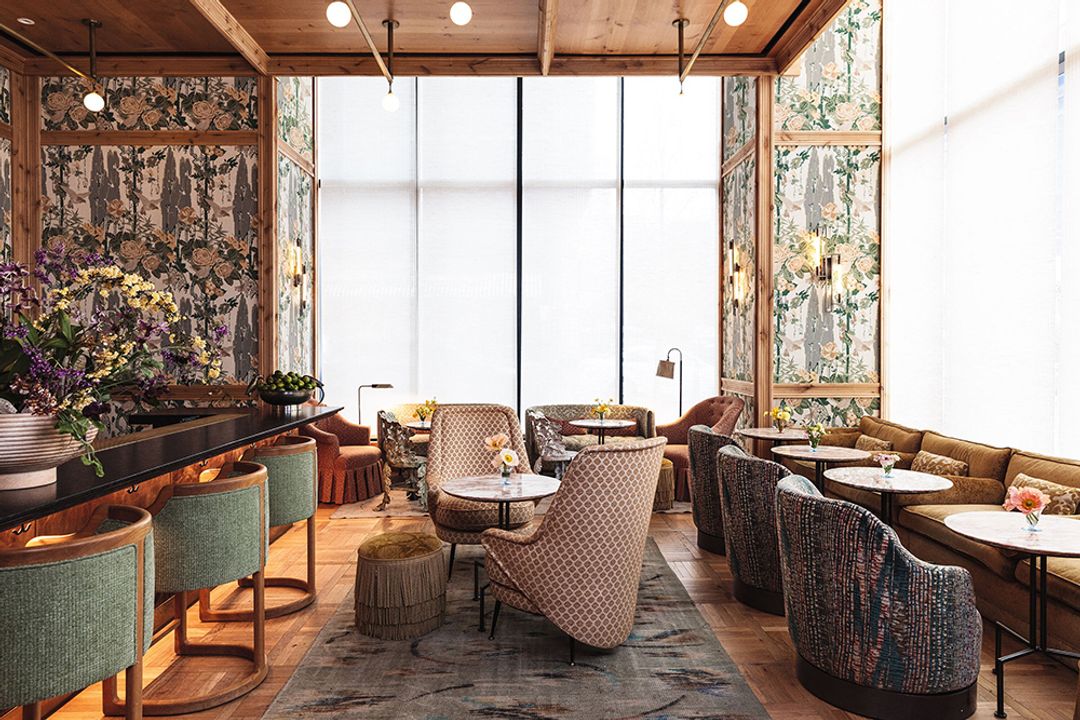
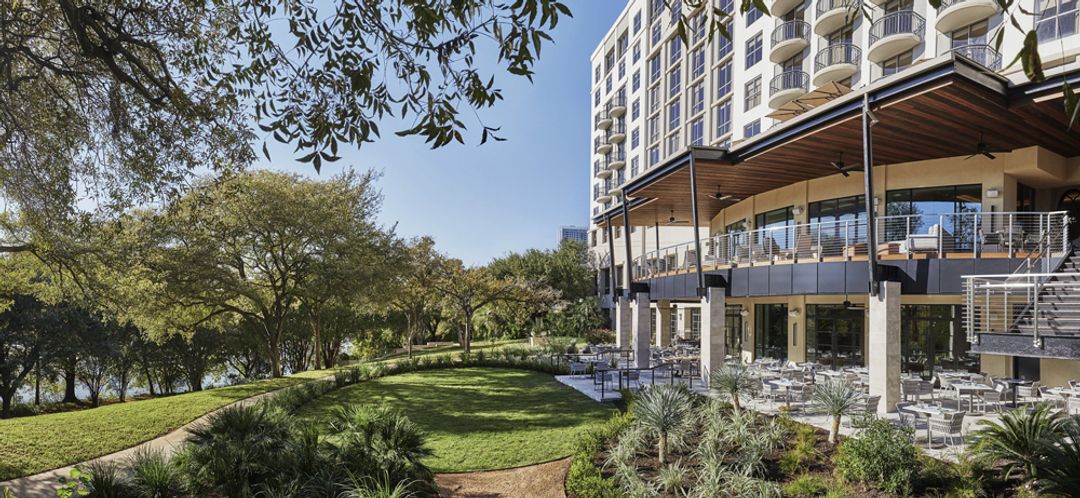
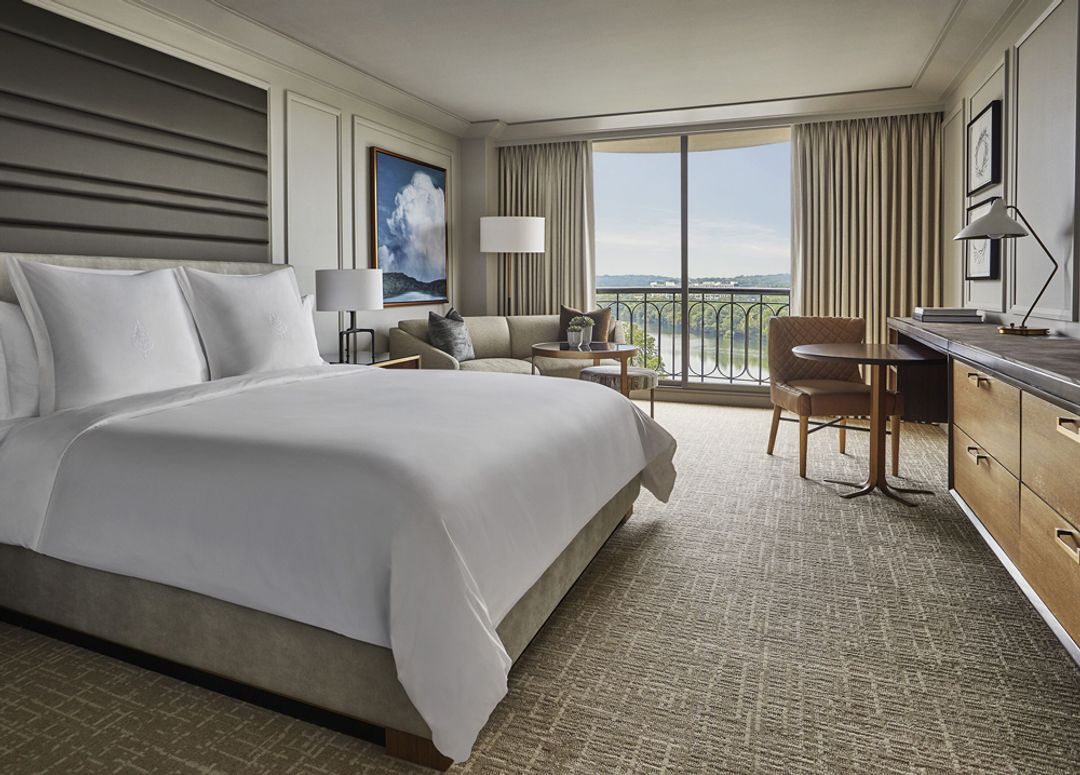
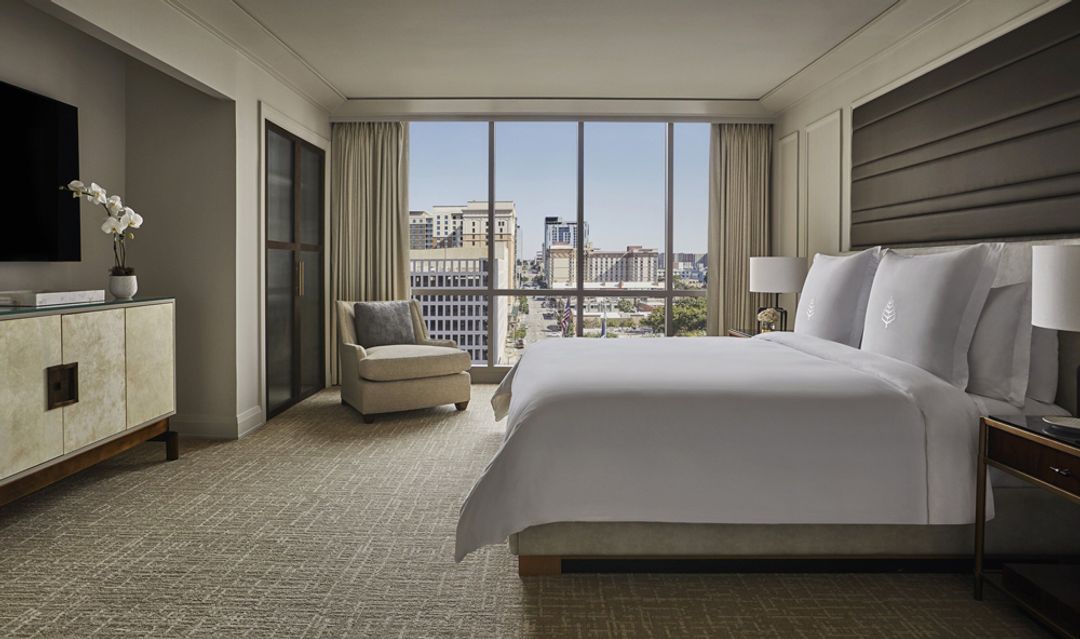
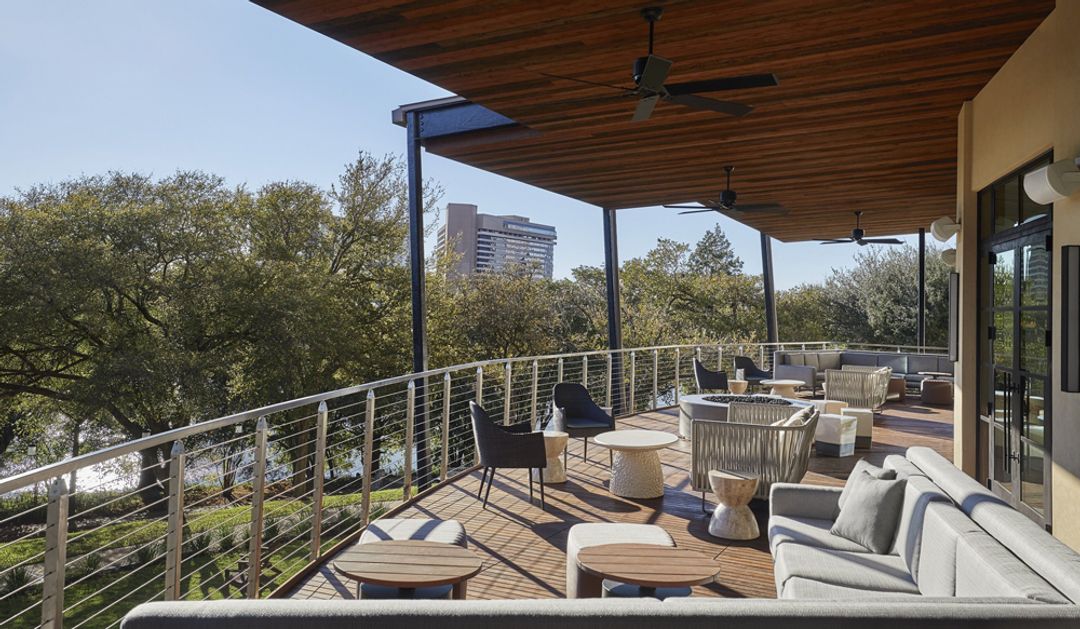
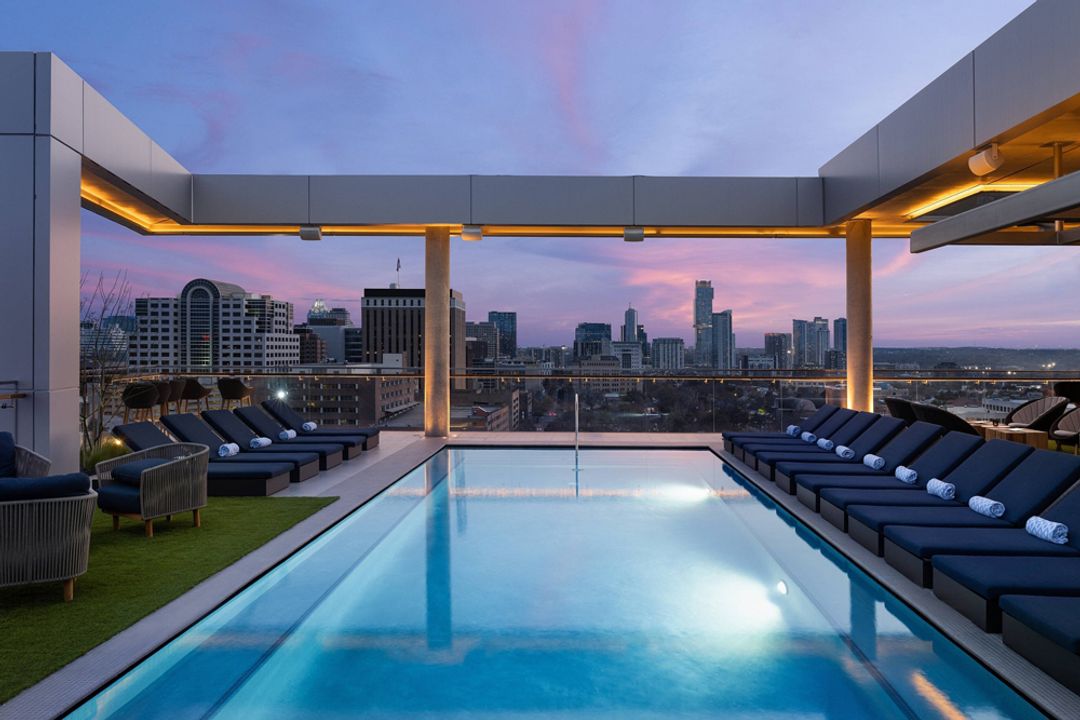
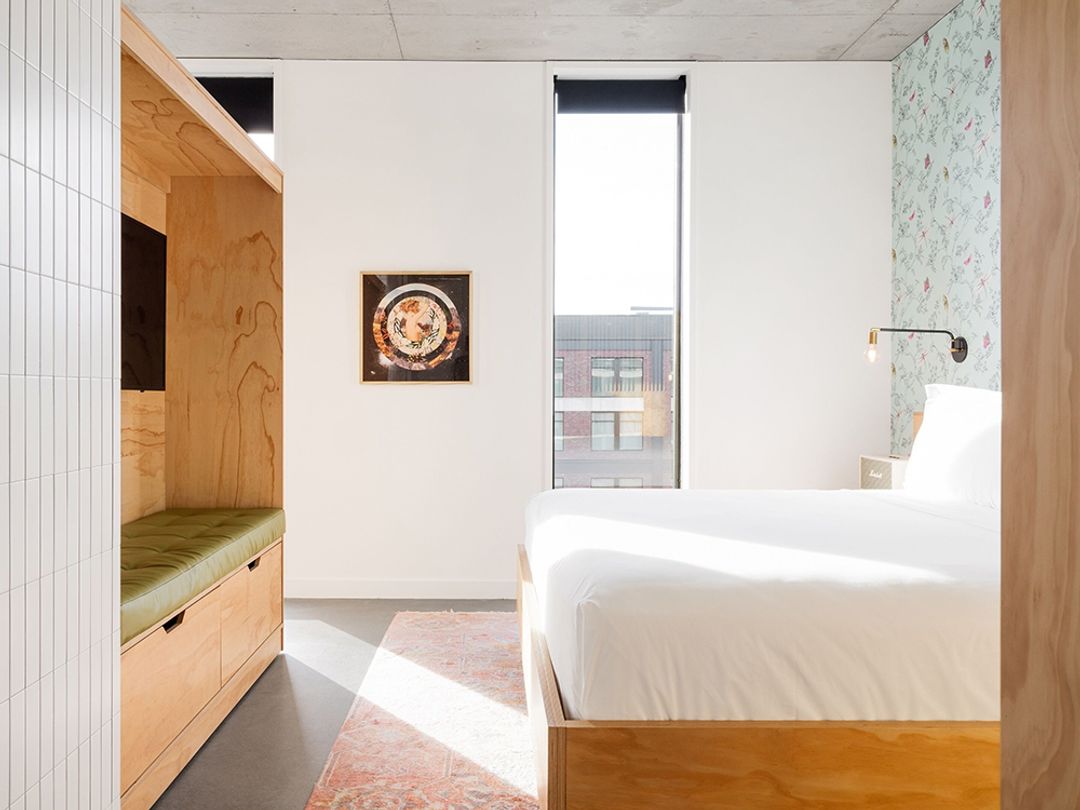
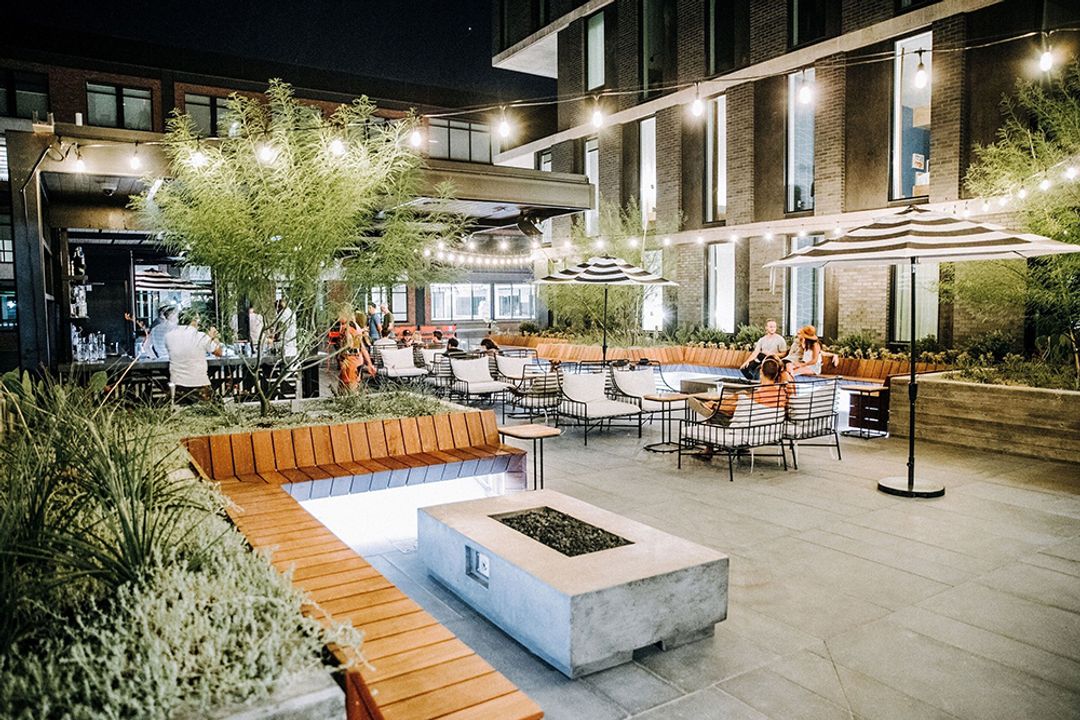
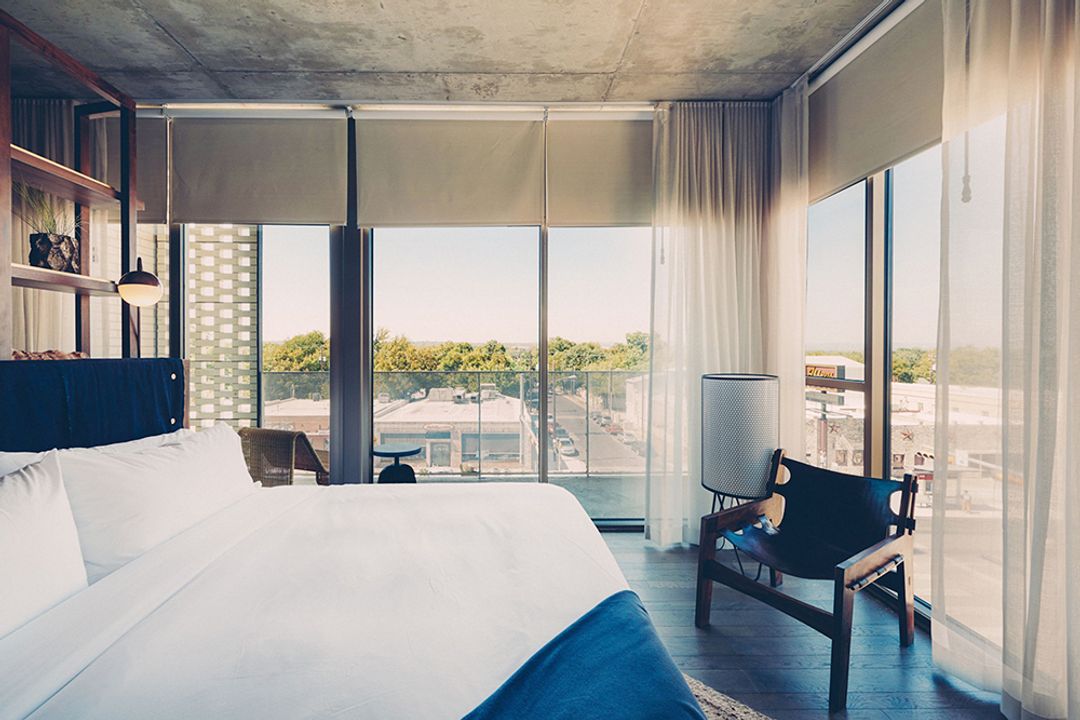
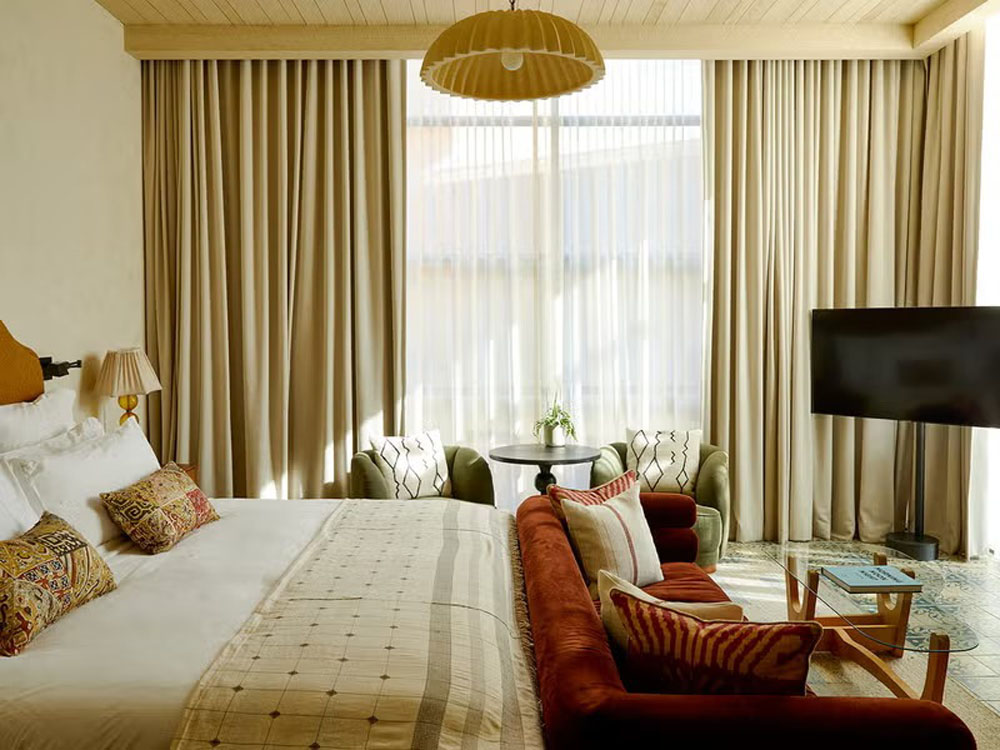
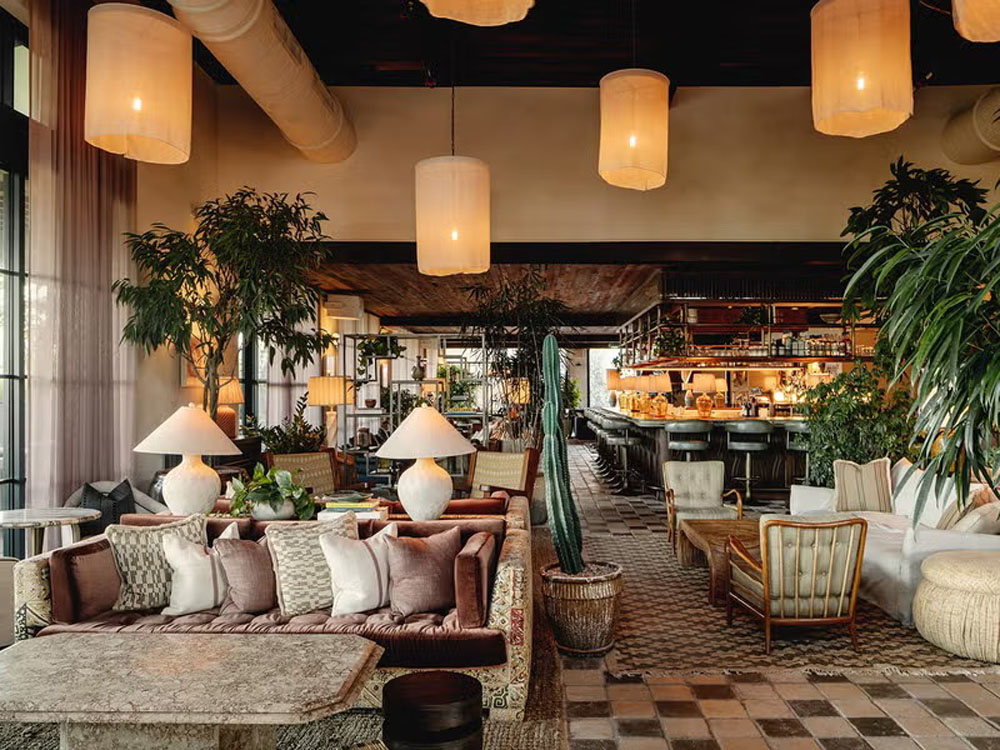
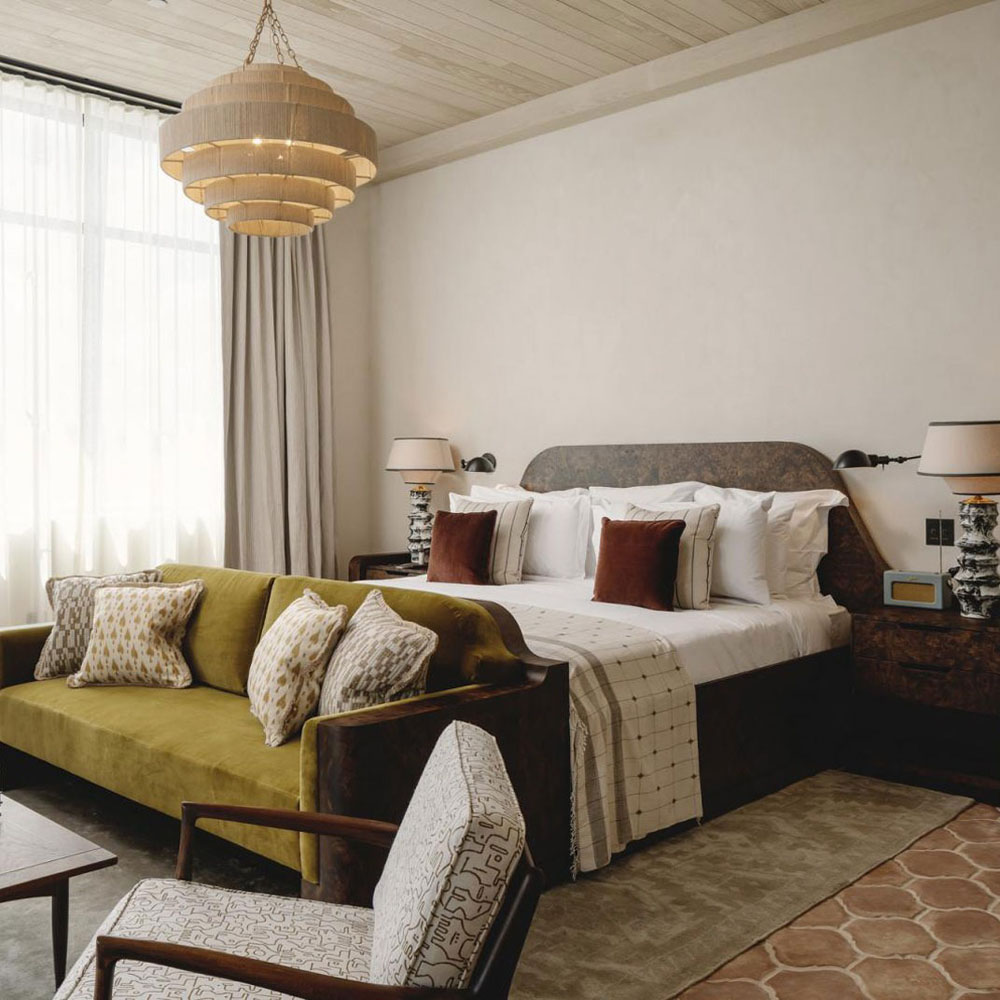
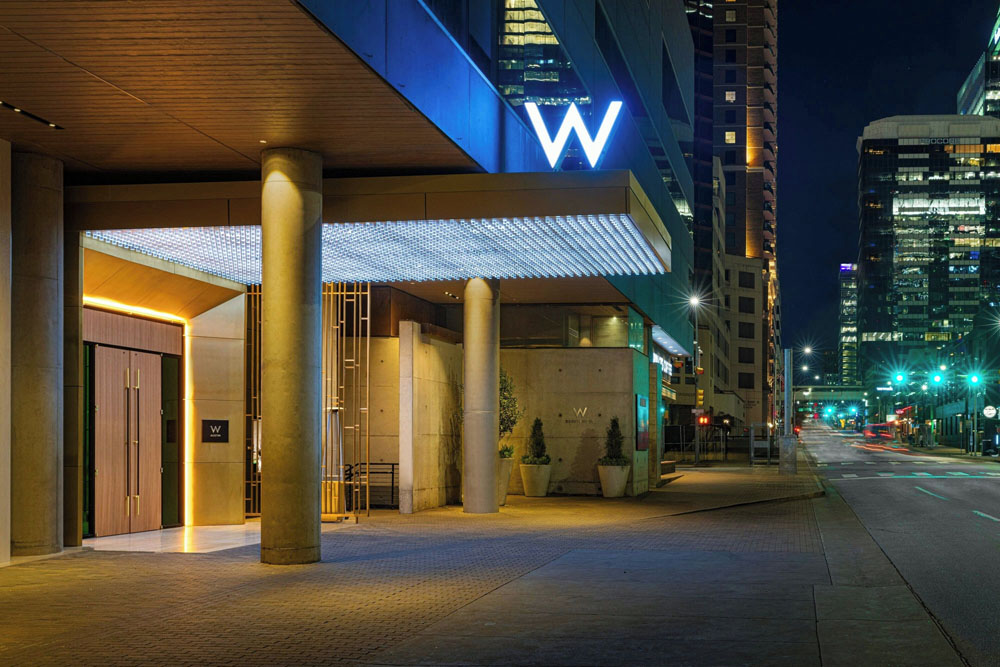
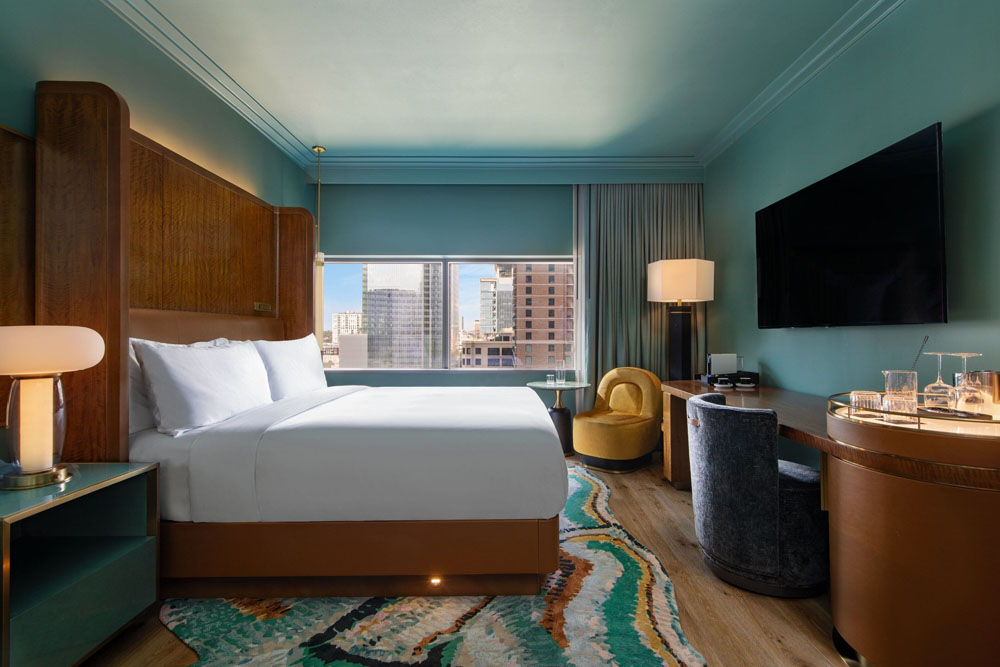
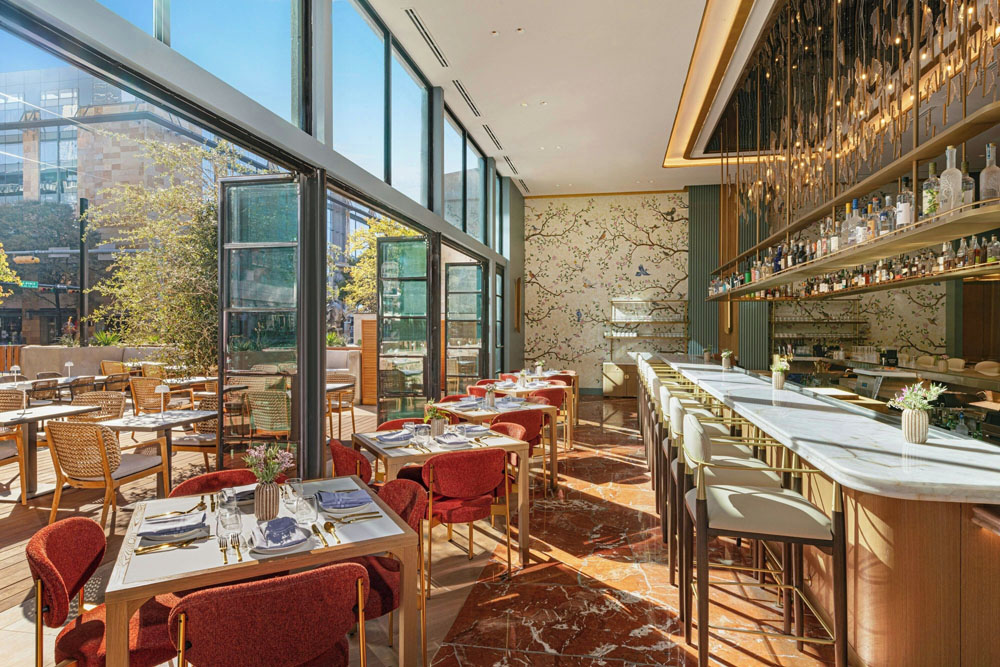
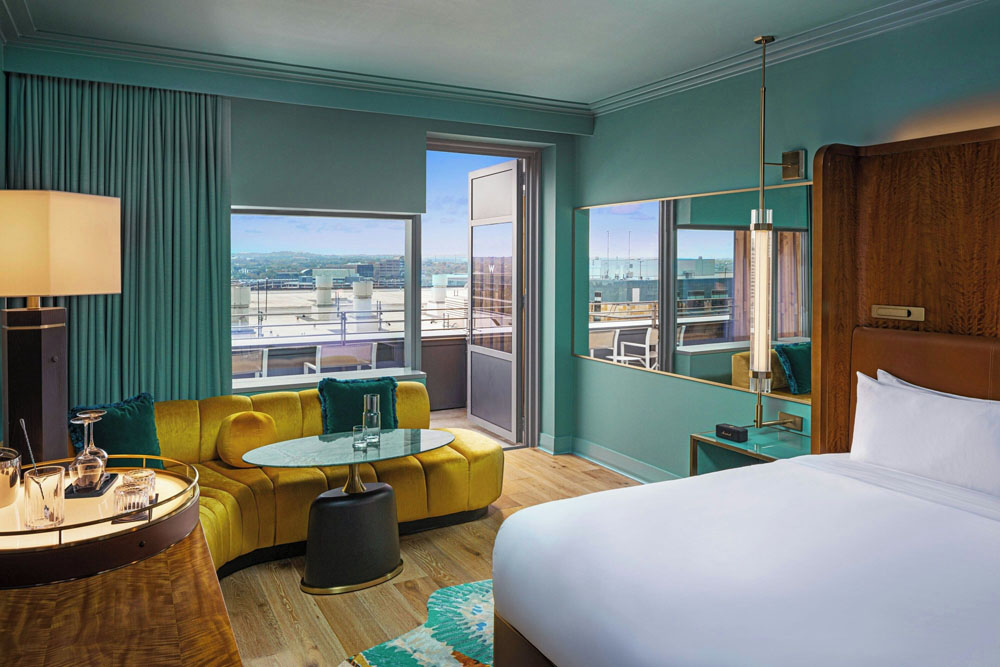
Austin's most architecturally considered hotels cluster in two places that tell very different stories about the city. Downtown, along Waller Creek and into the Second Street District, is where the big institutional moves happen. The Four Seasons sits on Town Lake with the kind of permanence that newer arrivals still measure themselves against, while the Thompson Austin brings a sharper contemporary edge to the same Waller Creek corridor. Nearby, the Austin Proper Hotel, designed by Kelly Wearstler, occupies a tower at Second and Lavaca where her signature material layering, warm ochres, burnished metals, and tactile textiles, translates with surprising restraint into a Texas context. The W Austin shares the same neighborhood but operates at a remove from the Proper's specificity, leaning on its adjacency to the Moody Theater rather than any distinctive architectural gesture of its own.
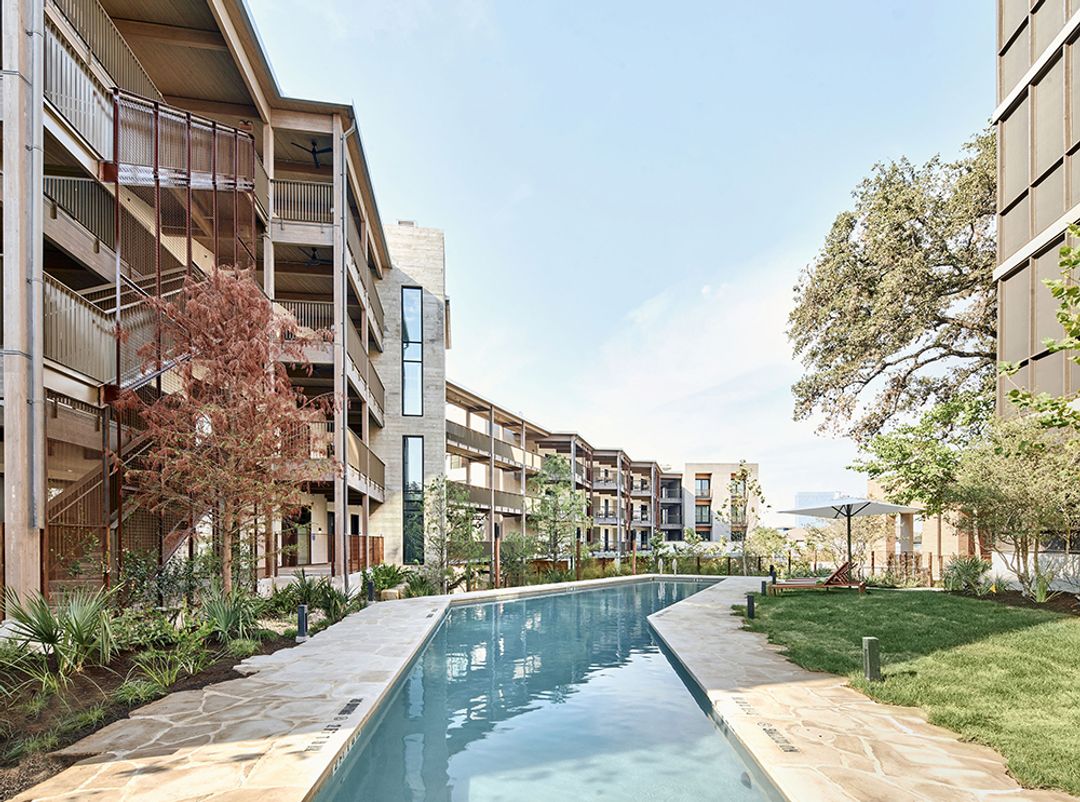
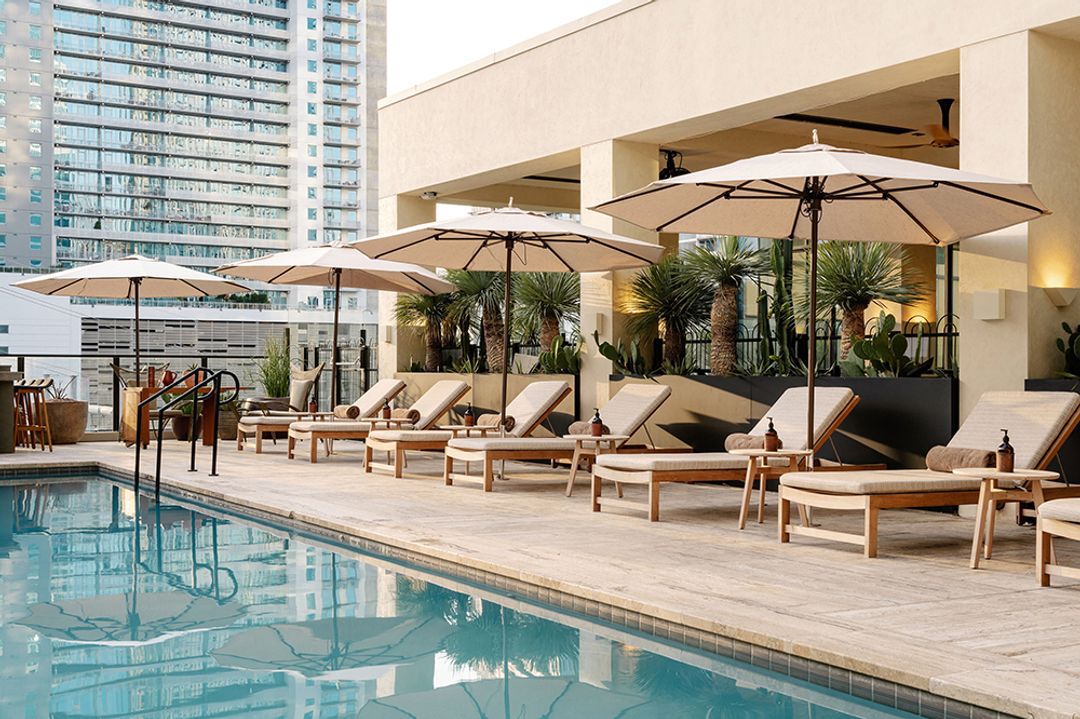
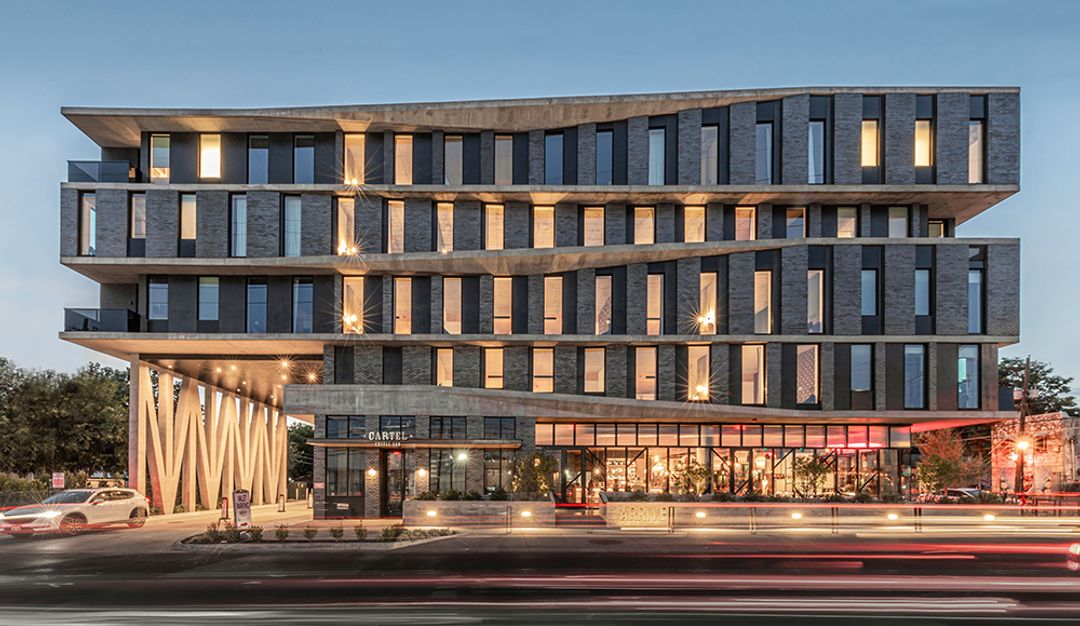
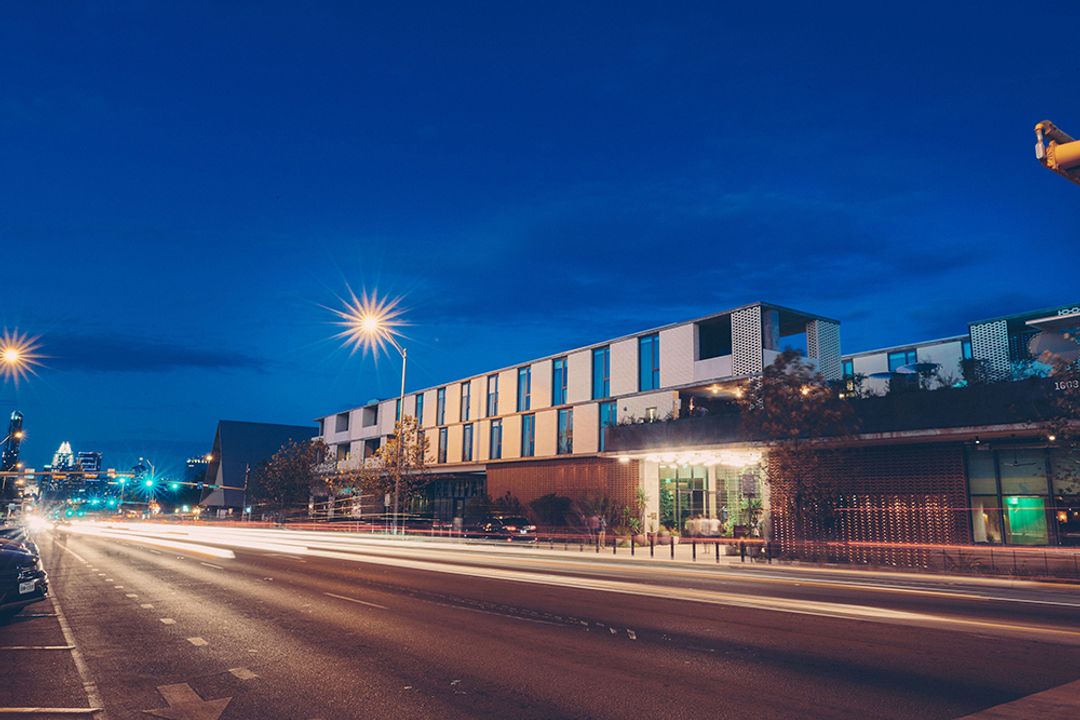
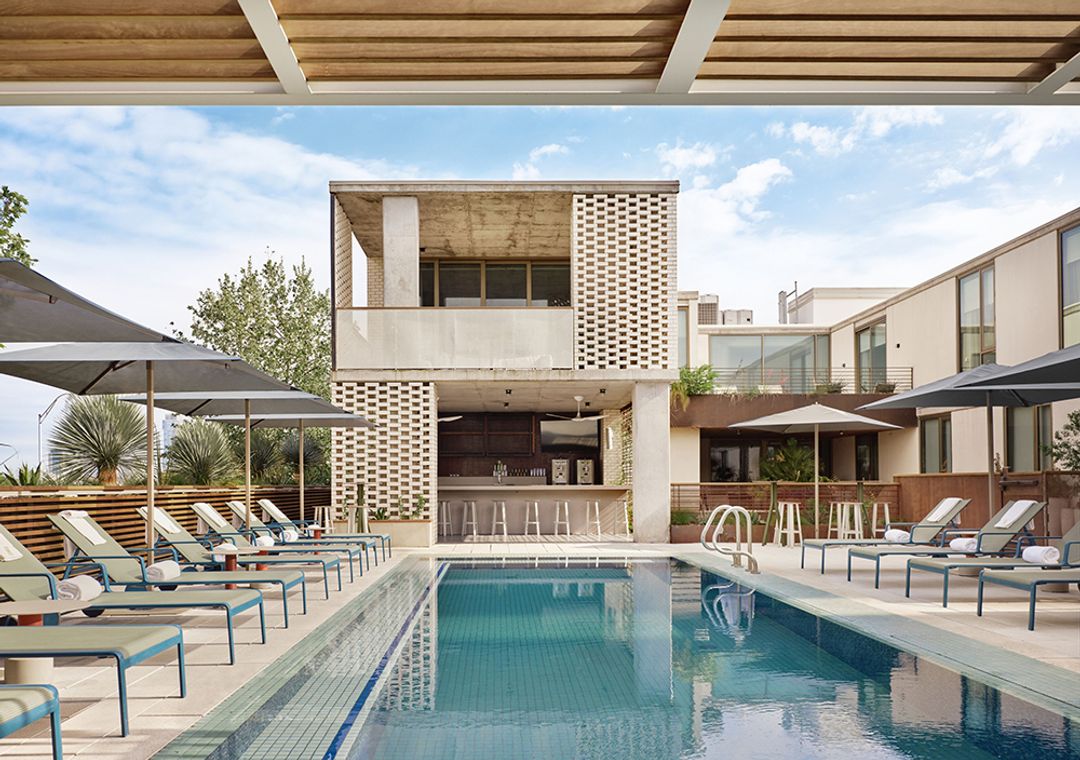
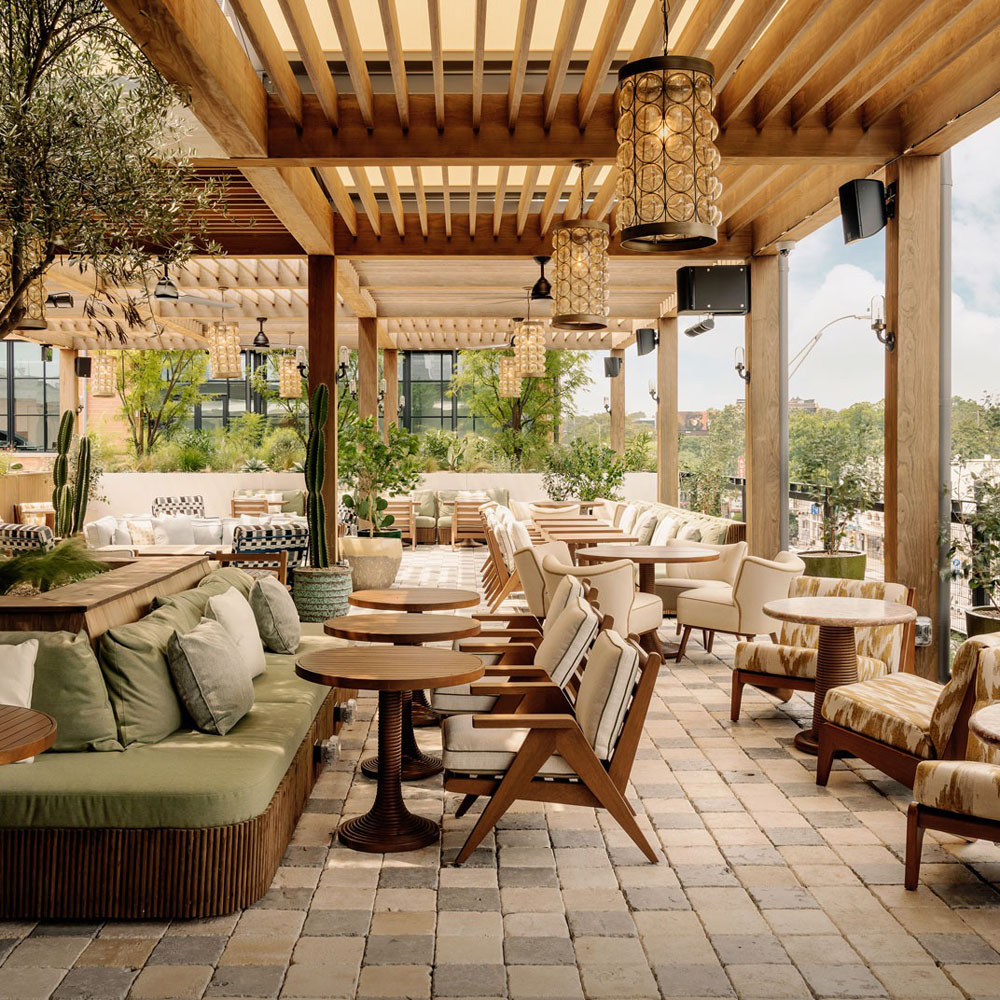
South Congress and the areas flanking it reward travelers whose instinct is to notice how a building sits on its site. Hotel Magdalena, developed by the team behind South Congress Hotel and designed with the Austin landscape in mind, reads almost like a motel reimagined through a mid-century camp lens, low-slung timber structures arranged around a pool, materiality doing most of the work. South Congress Hotel itself holds its end of the avenue with more conventional confidence. Soho House Austin, in a restored warehouse nearby, brings its familiar members-club warmth to a neighborhood that already had plenty of personality before it arrived. Across the water on East Cesar Chavez, ARRIVE Austin occupies a smaller footprint and a more casual register, suited to the scrappier texture of the east side.
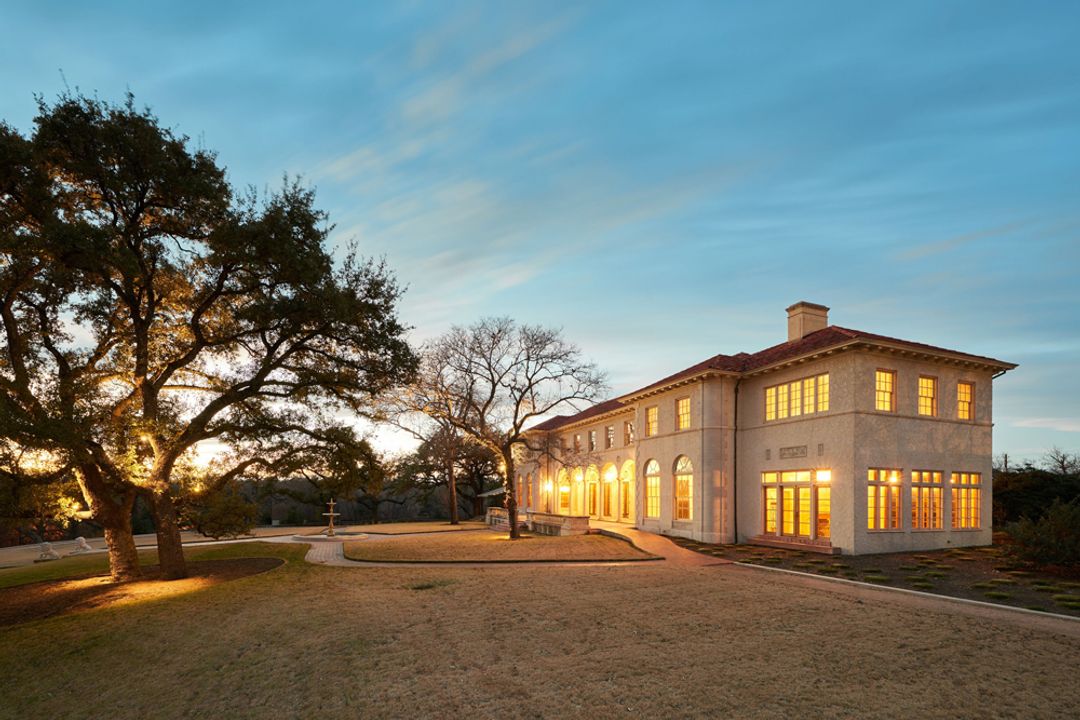
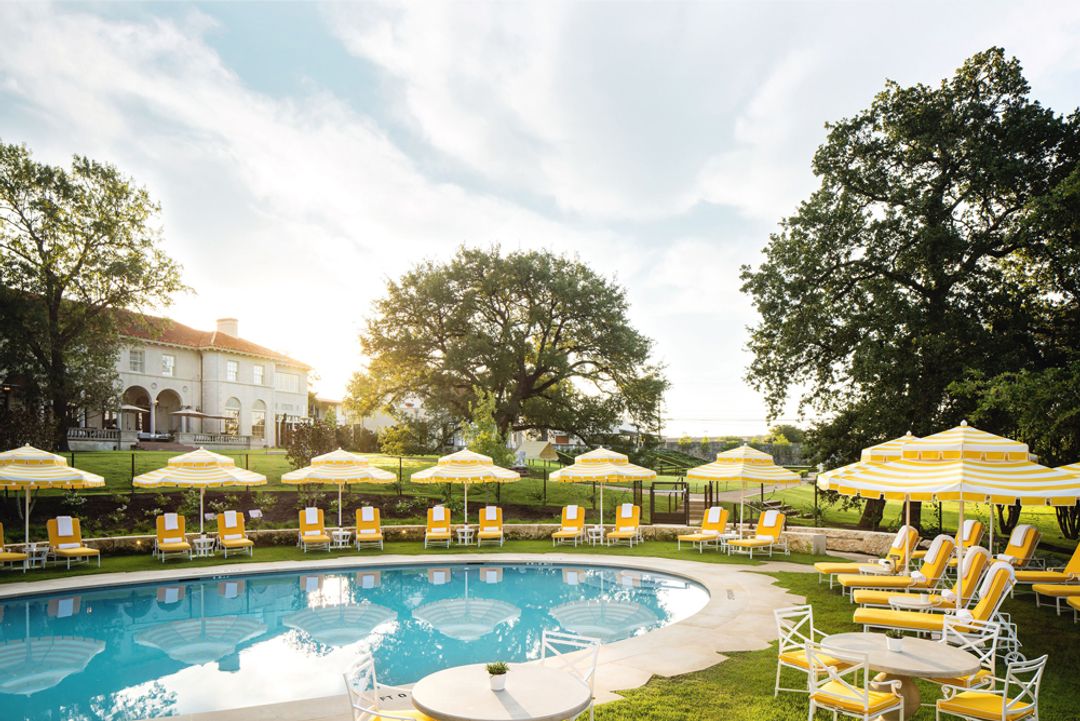
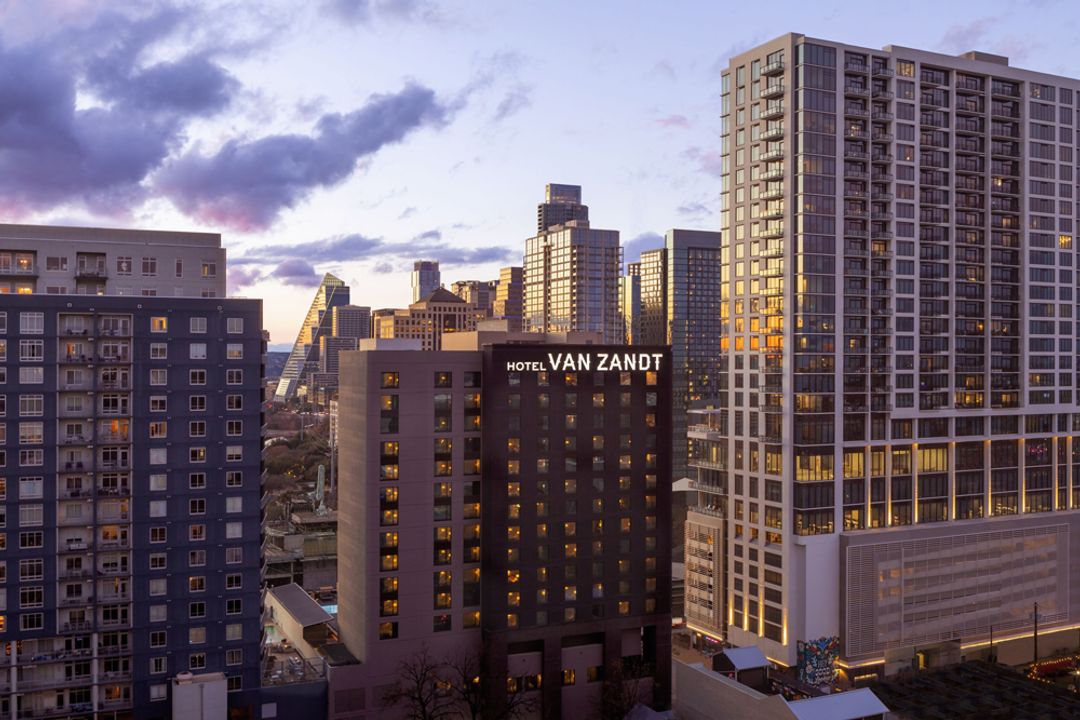
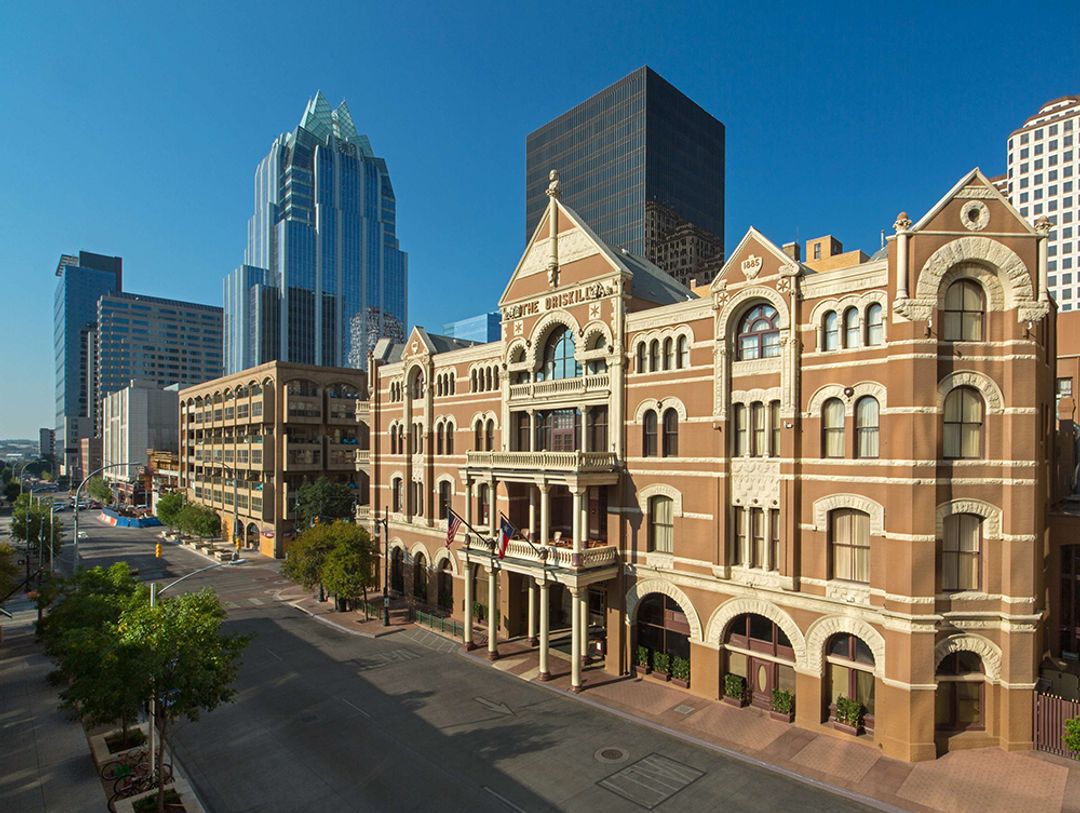
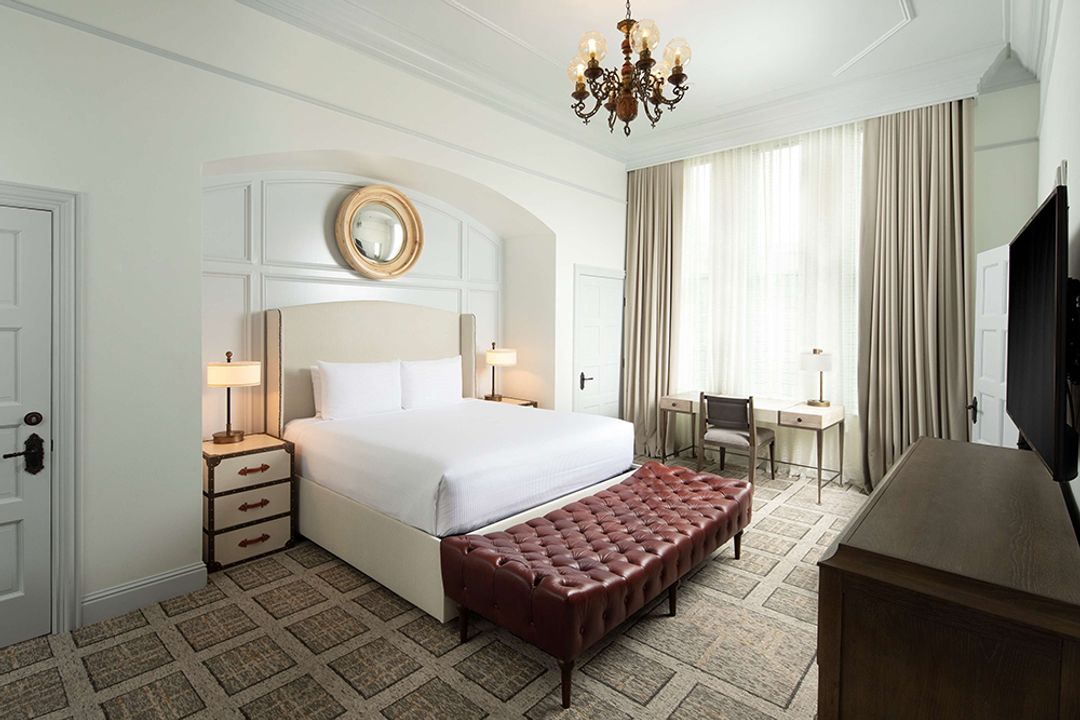
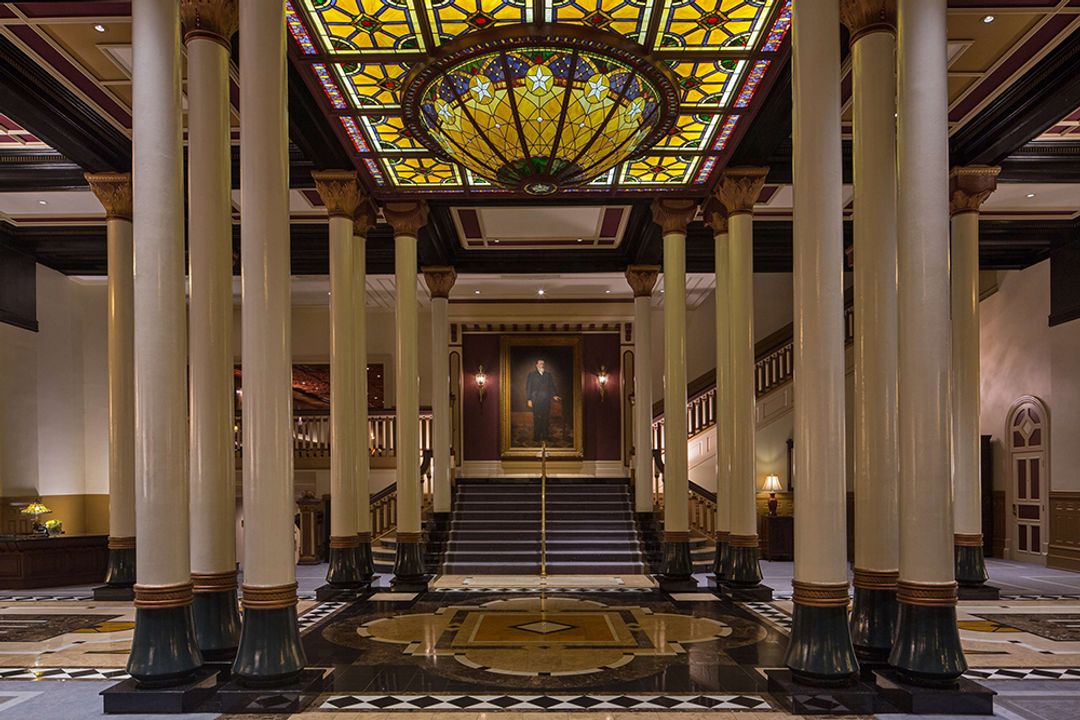
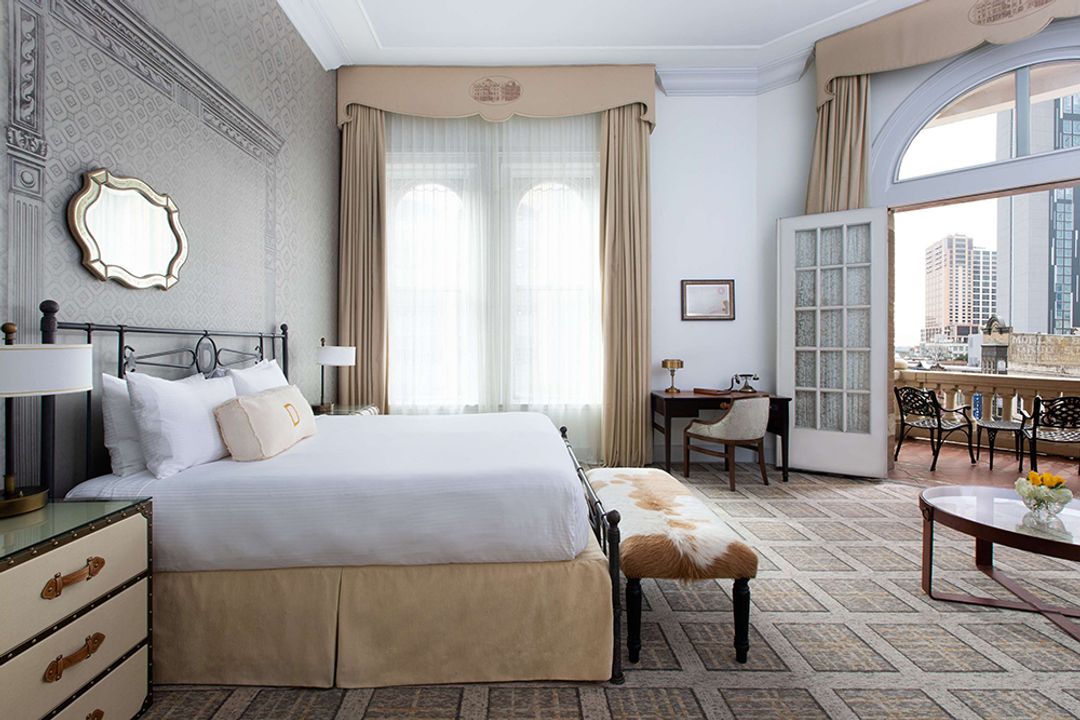
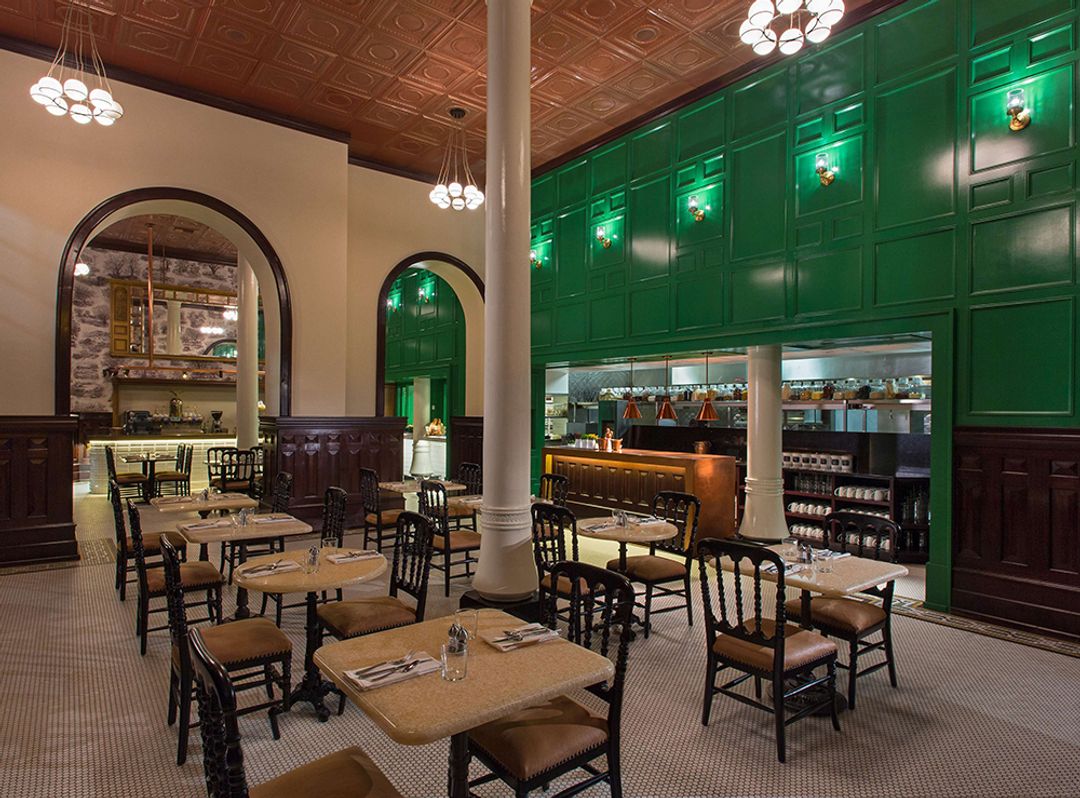
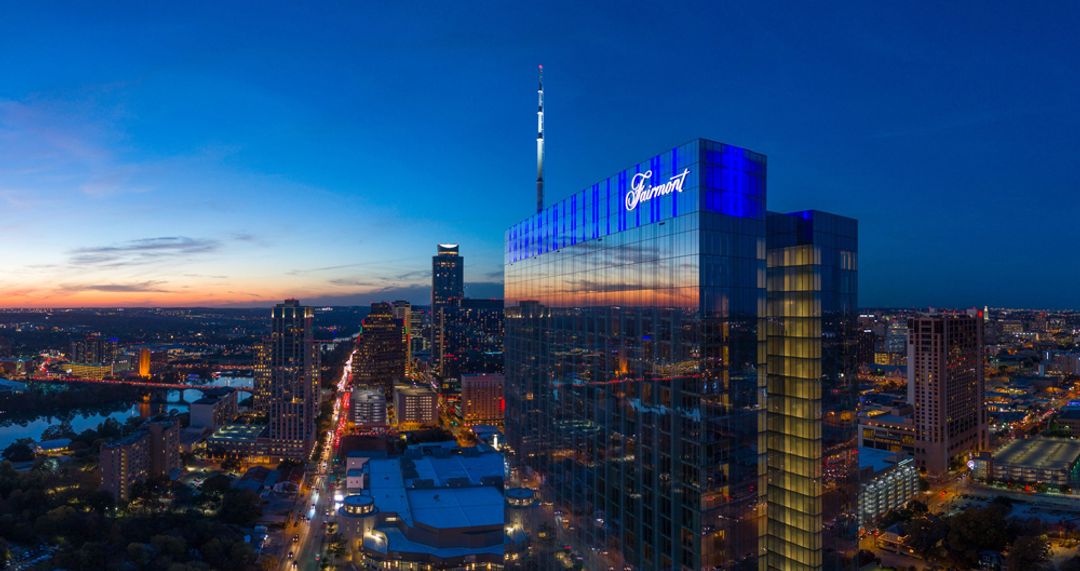
Two hotels outside these central clusters deserve mention for distinctly different reasons. The Commodore Perry Estate, an Auberge property set in a 1928 Italian Renaissance Revival mansion in Hancock, offers something genuinely unusual for Austin: age, accumulated surface, and a landscape that took decades to settle into itself. It is the anti-tower, and the contrast with downtown makes both feel sharper. The Driskill, anchoring Sixth Street since 1886, functions as the city's architectural conscience in ways no newer property can replicate, its Romanesque arches and ornate bar a reminder that Austin had civic ambition before it had a tech economy. Between these poles, Hotel Van Zandt on Rainey Street and the Fairmont's sheer scale on Cesar Chavez round out a map that is genuinely more varied than its live-music reputation might suggest.