Best hotels in Brussels, Belgium | Visually Compare Top Stays Side-by-Side
Welcome to PressBeyond - a curated visual guide to design-driven hotels and the fastest way to compare them.
An Overview of the Boutique & Luxury Hotel Landscape in Brussels, Belgium
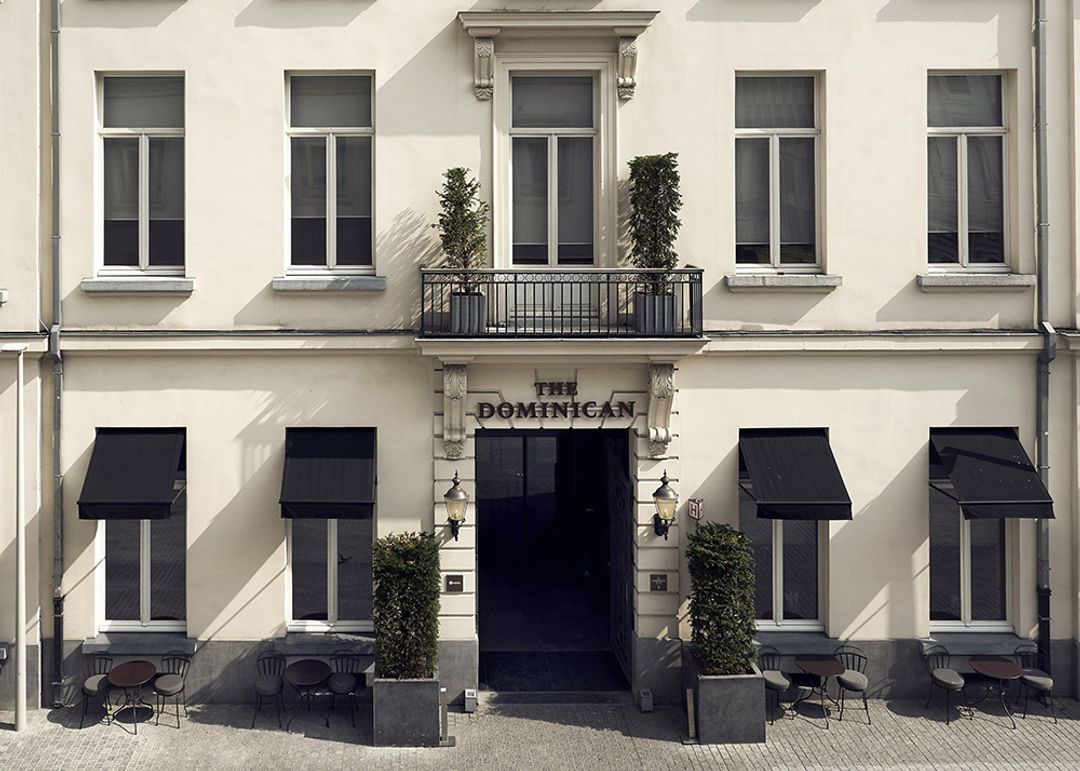
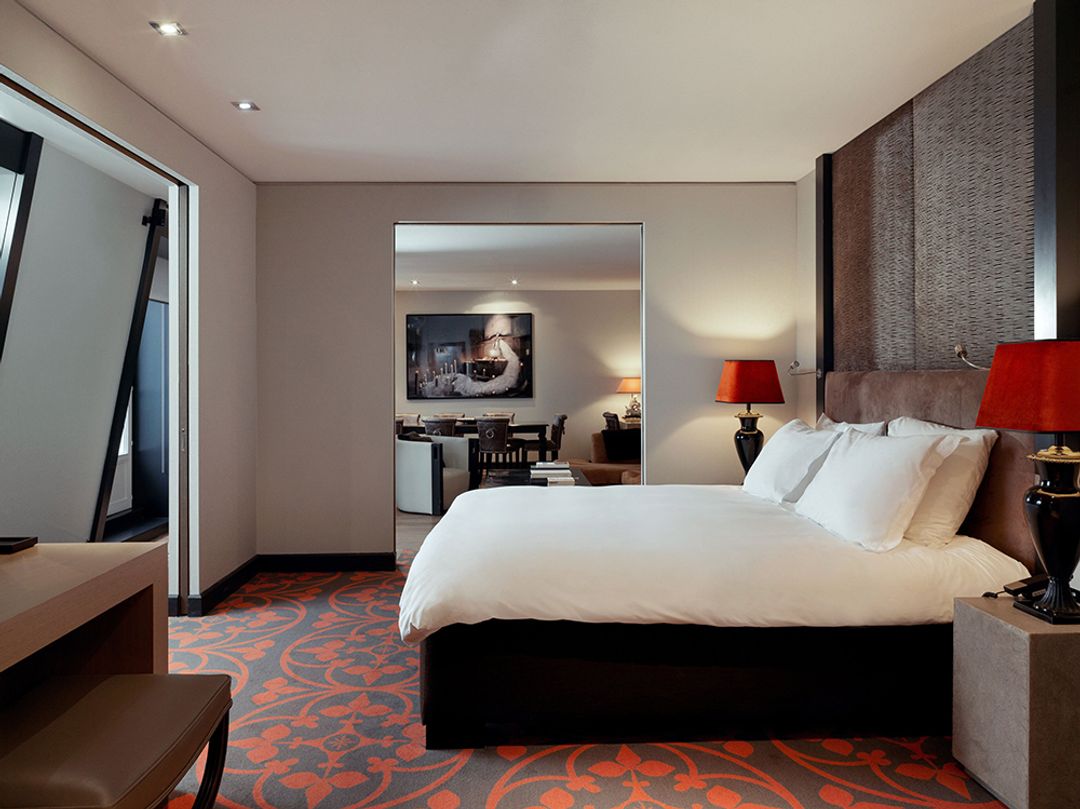
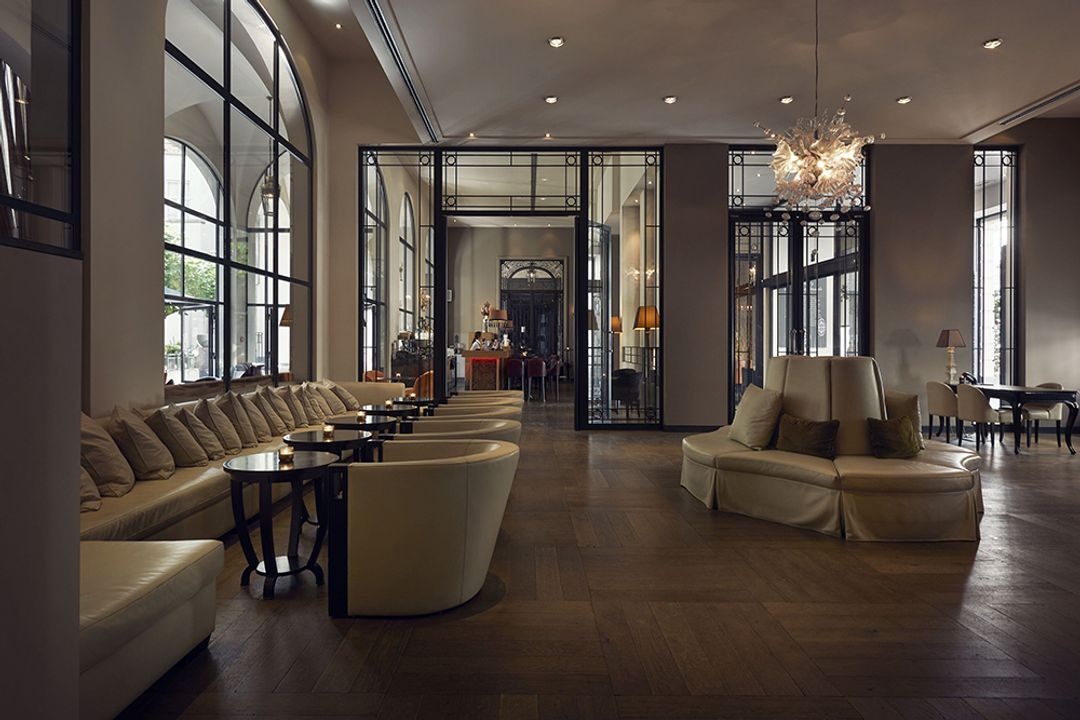
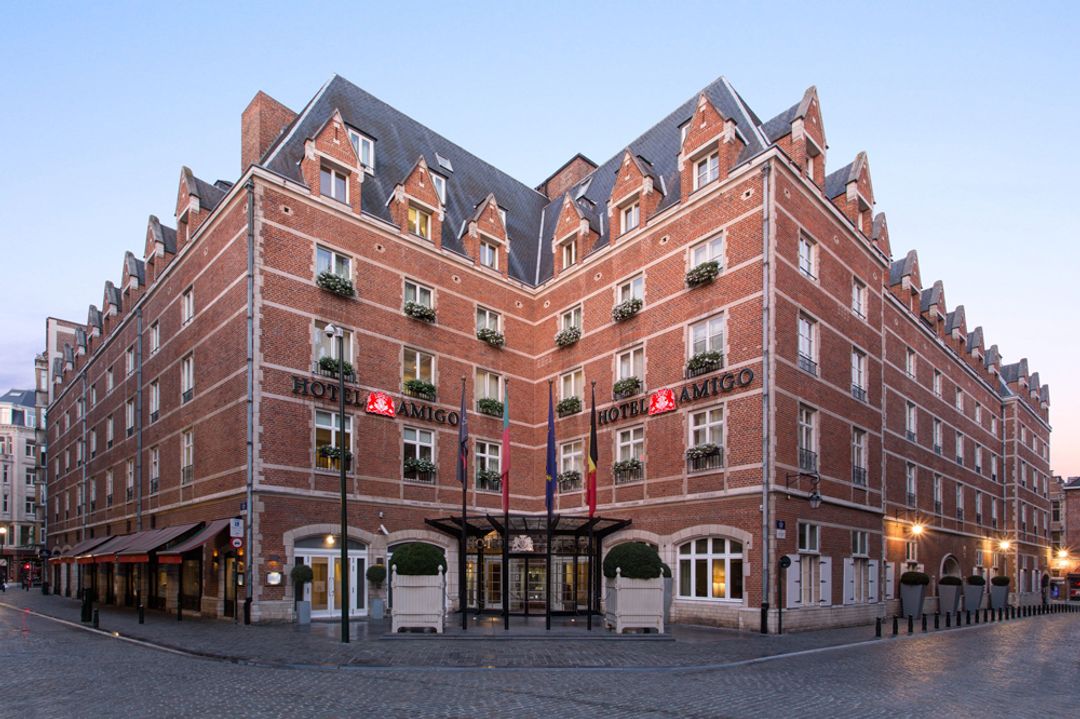
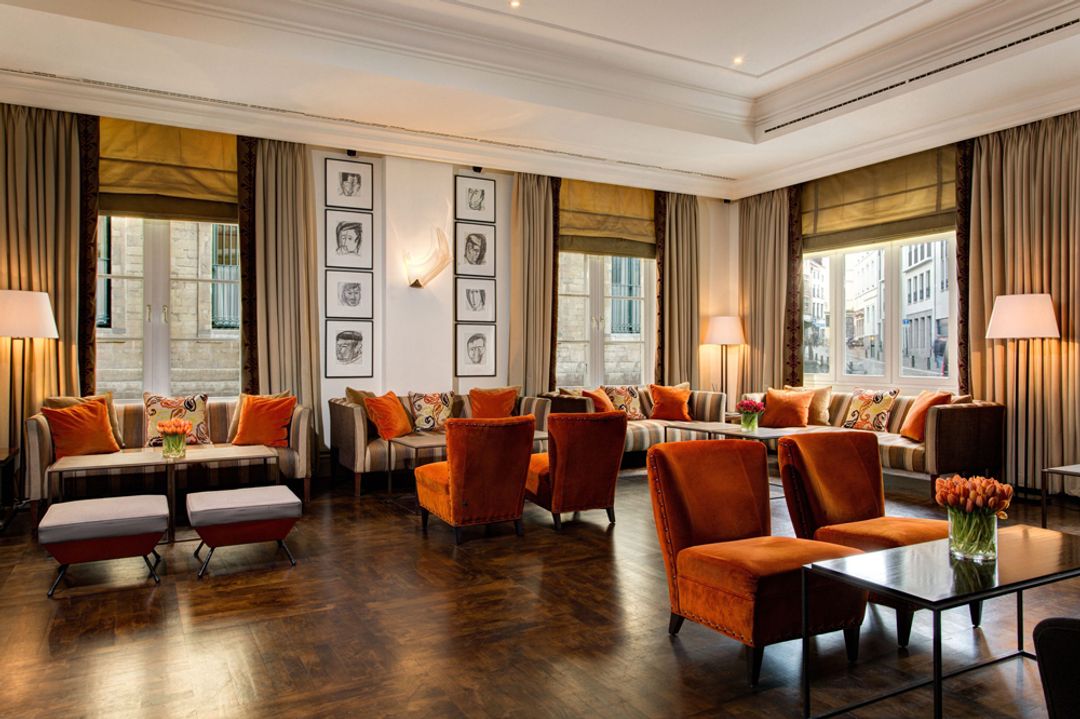
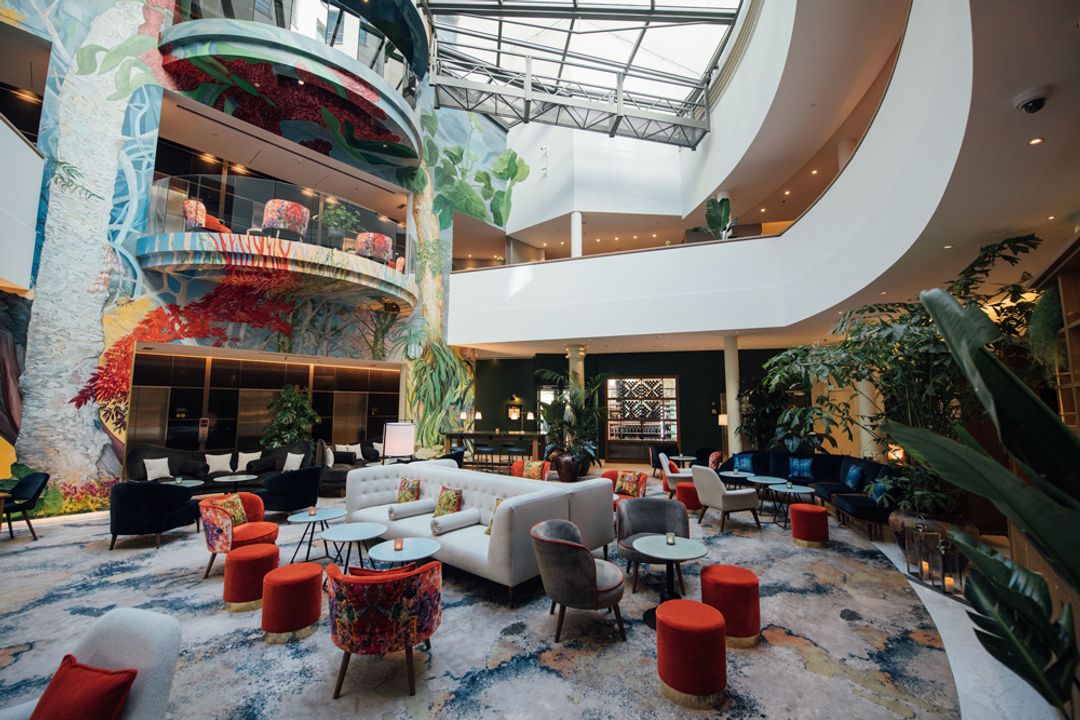
Brussels rewards those who read buildings. It is a city of violent architectural contrasts, where nineteenth-century hausmannisation, Art Nouveau excess, and the particular brutalism of the European Quarter coexist without obvious resolution. The hotels reflect these tensions honestly. Around the Grand Place, where the guild houses still hold their gilded facades, Hotel Amigo occupies a former sixteenth-century prison site just steps from the square. Rocco Forte's intervention here is characteristically restrained, with interiors that draw on Belgian artistic heritage, Flemish references woven into the upholstery and artwork rather than announced. The Dominican, a few streets north in a converted Dominican priory, works a different register entirely: its atrium lobby, where the cloister geometry is preserved beneath a glazed roof, gives the place a sobriety that suits the neighborhood's more monastic street scale.
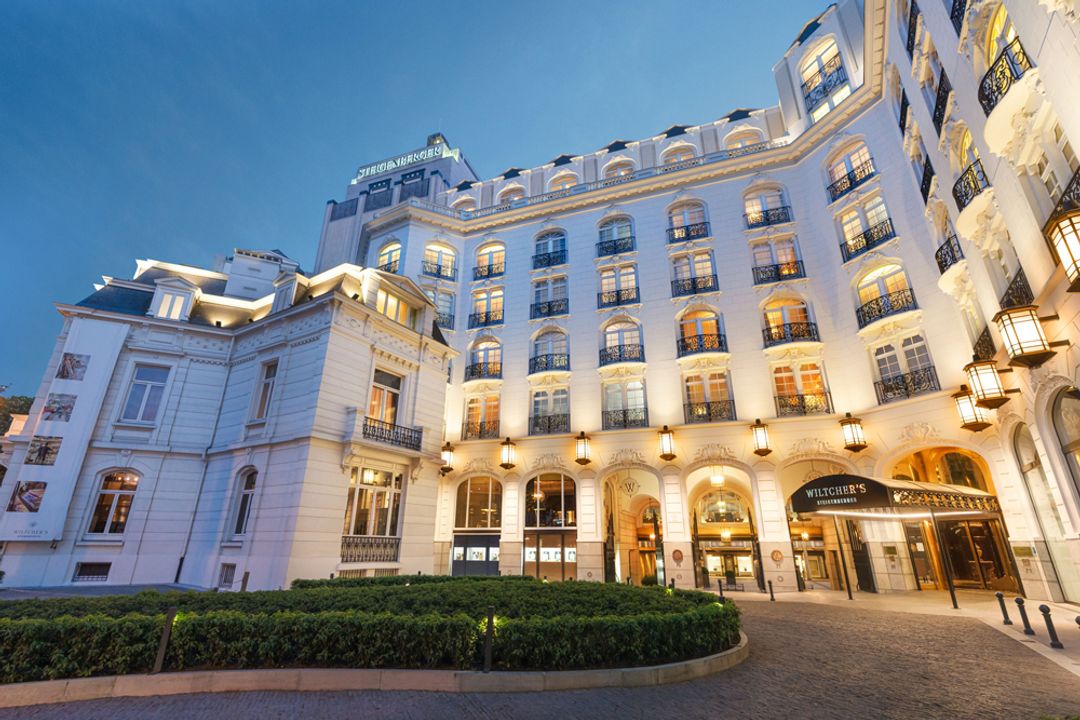
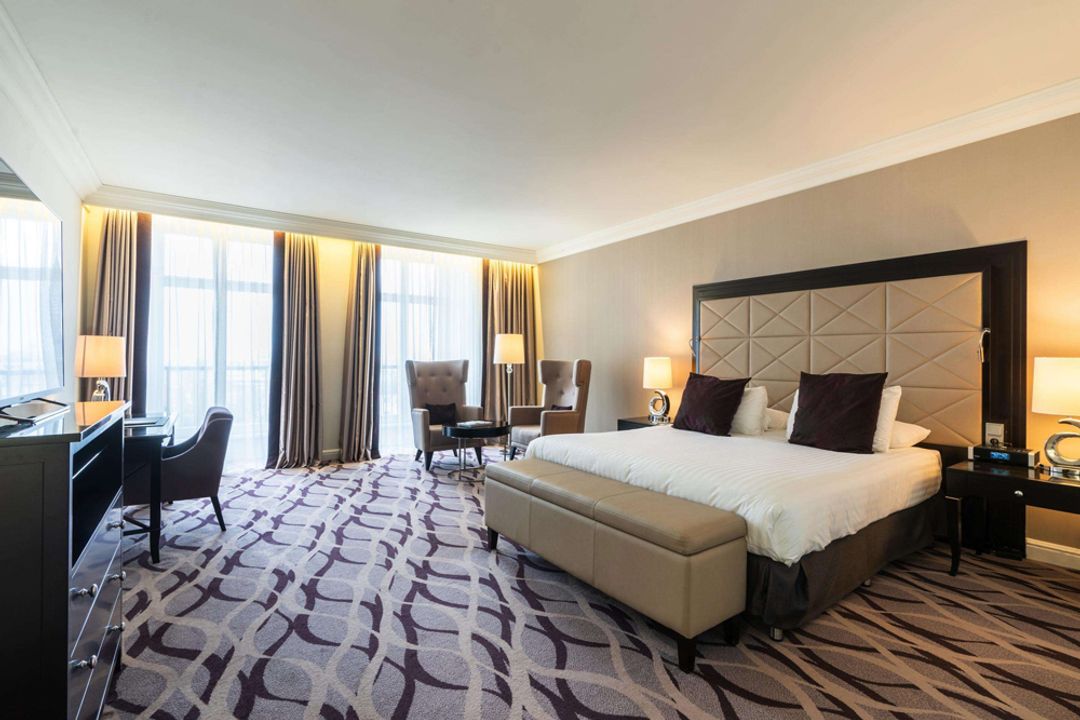
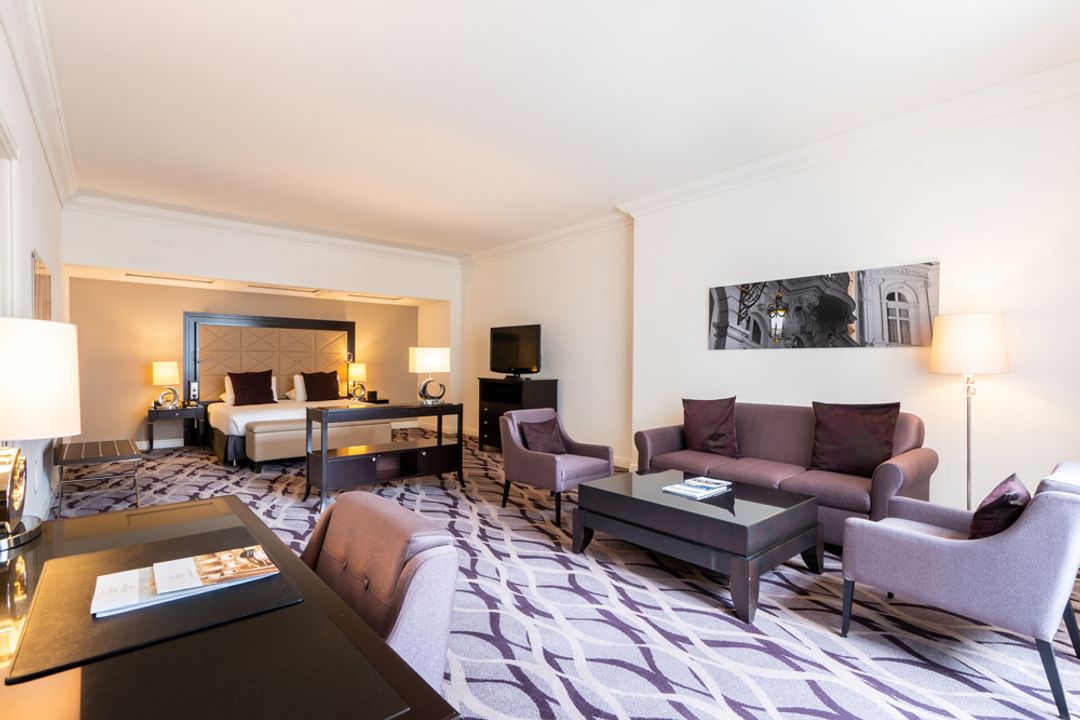
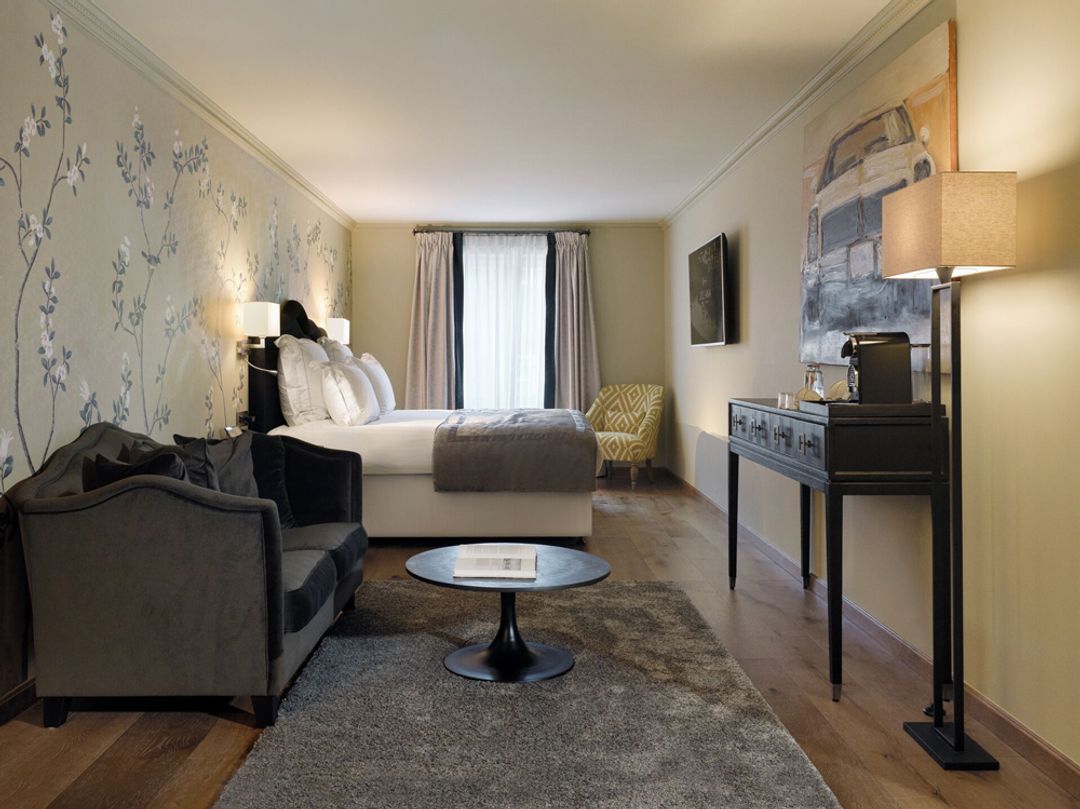
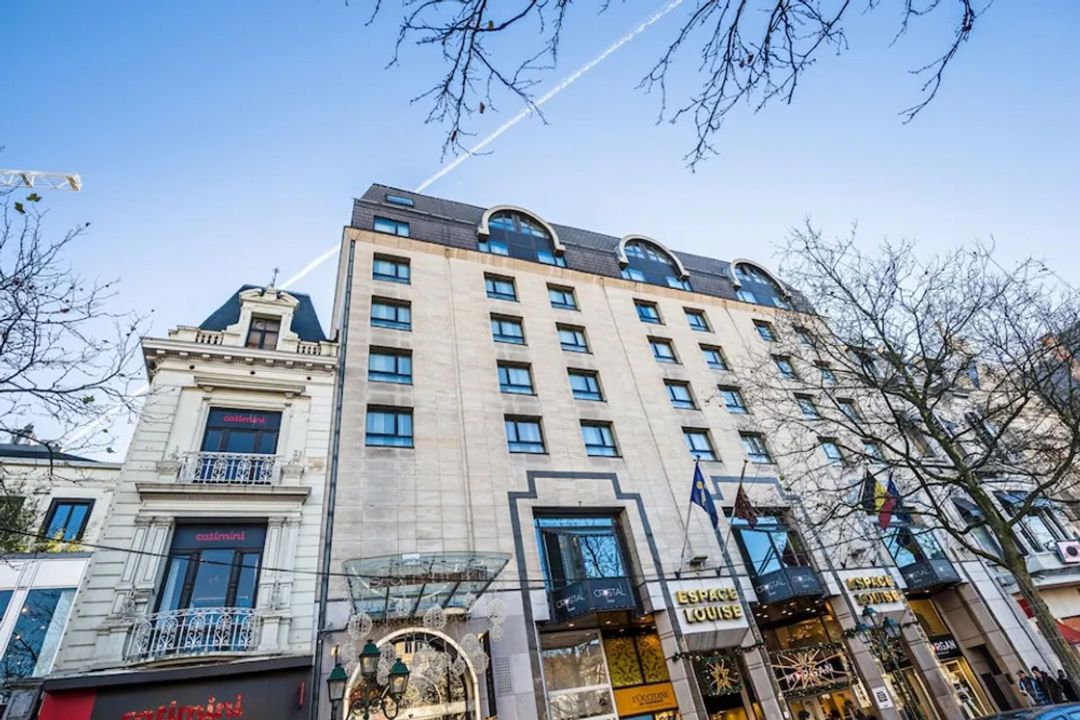
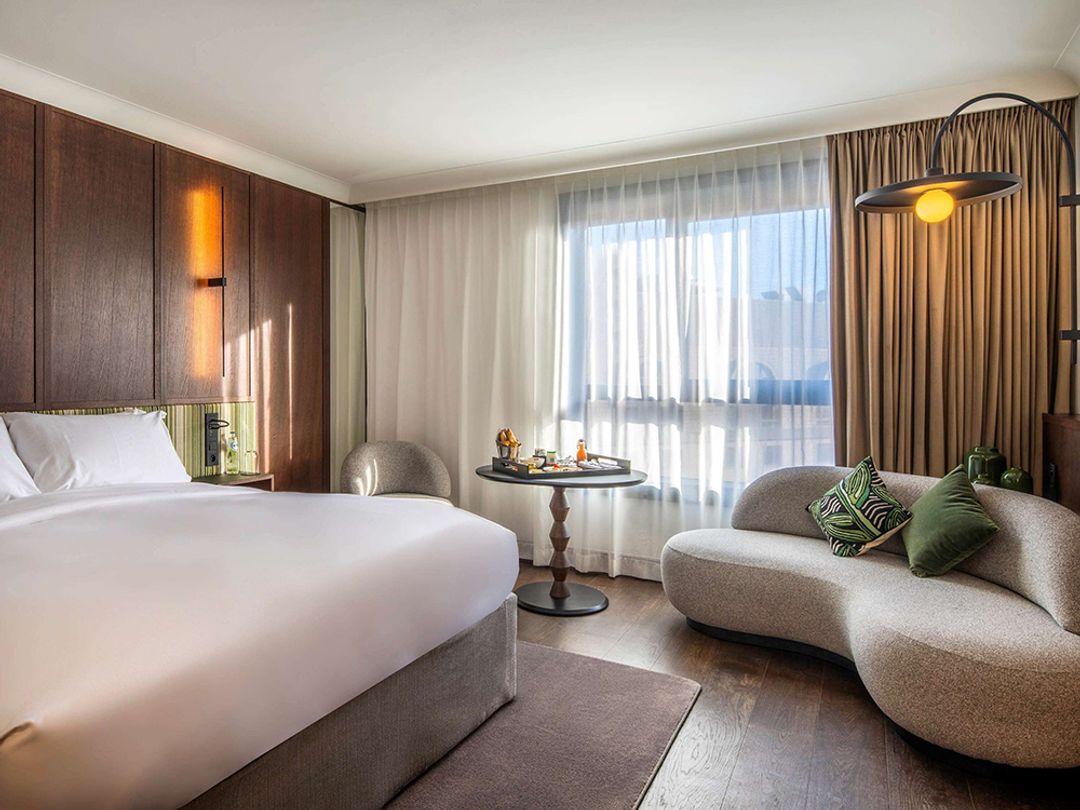
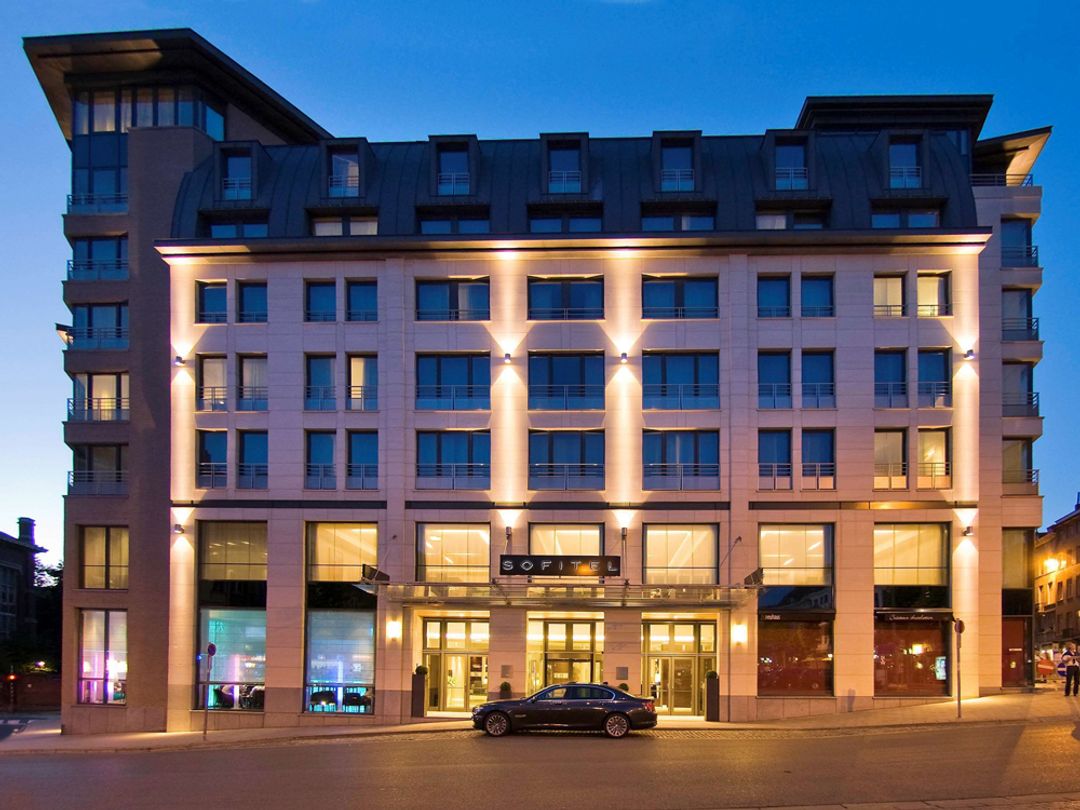
Avenue Louise tells a different story. This long, tree-lined artery running south from the Pentagon district toward the Bois de la Cambre has always been Brussels at its most formally bourgeois, and both the Steigenberger Icon Wiltcher's and Le Louise Hotel Brussels MGallery operate in that tradition. The Wiltcher's carries real historical weight, having hosted enough heads of state and literary figures over the decades that its conventional grandeur feels earned rather than performed. The MGallery property works a softer contemporary palette, more attuned to the boutique traveler who finds the avenue's wide sidewalks and antique galleries preferable to the tourist pressure of the center. Nearby, the Sofitel Brussels Europe anchors the Jourdan Square end of the city, close to the European Parliament, where the architecture tends toward the institutional and the hotel's position reflects it.
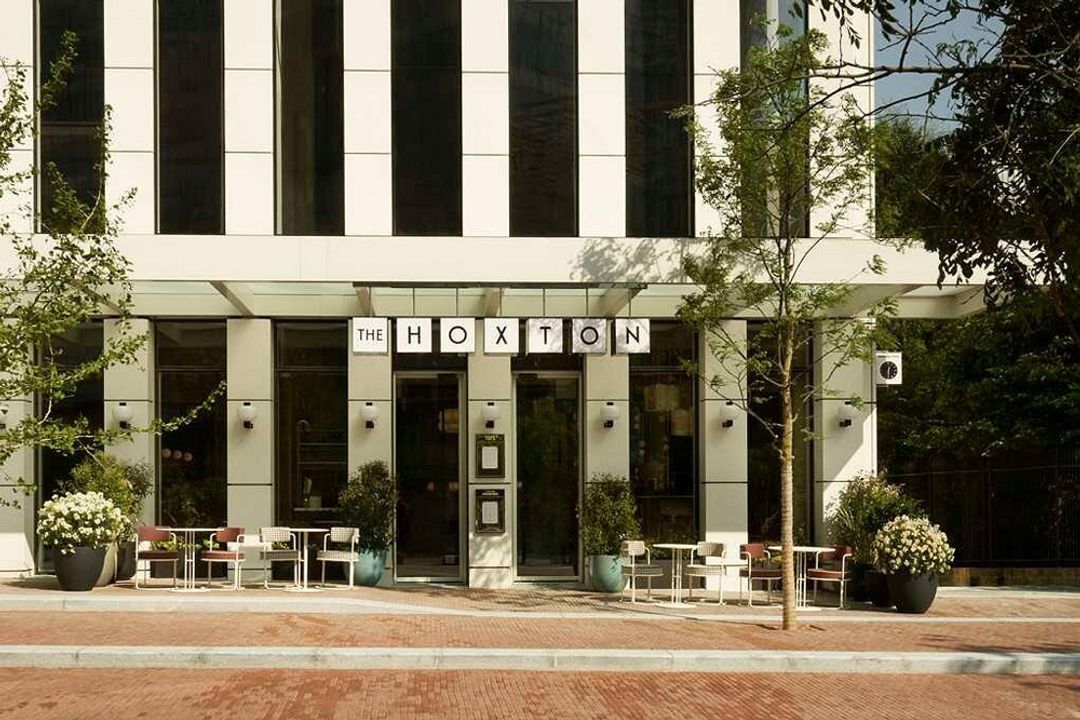
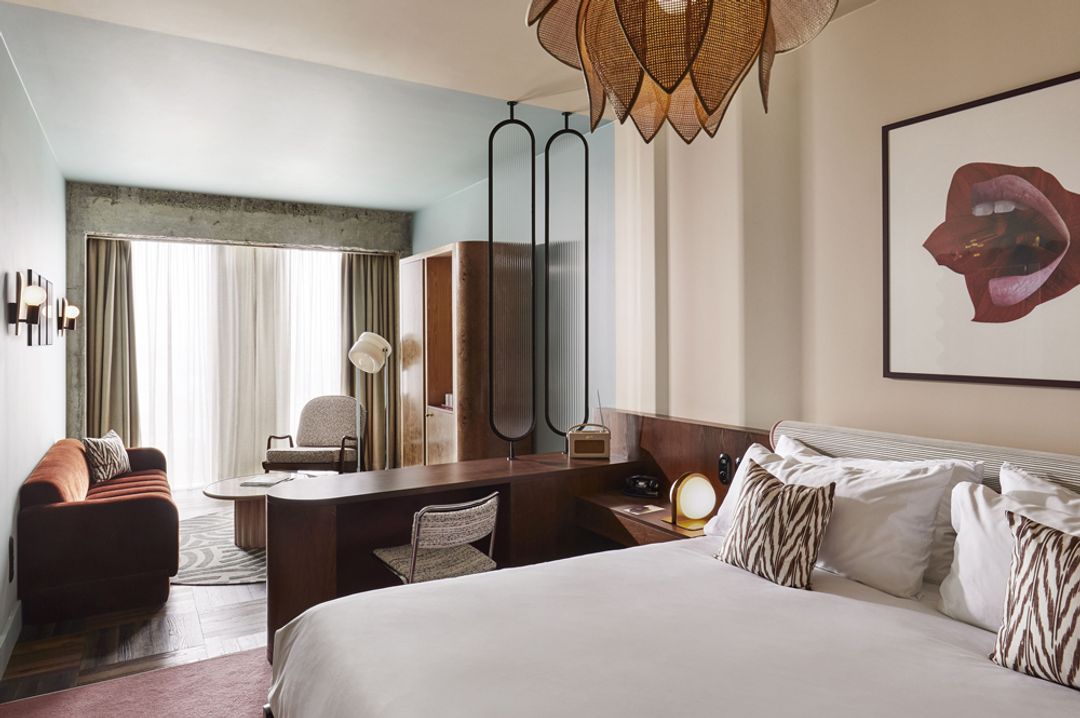
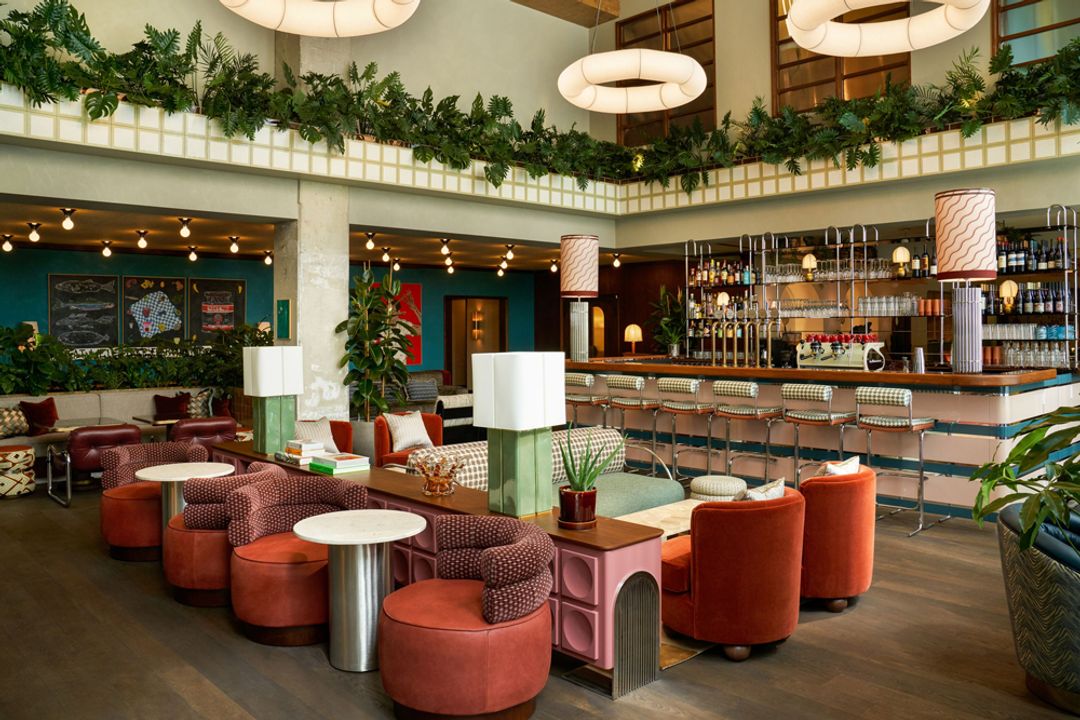
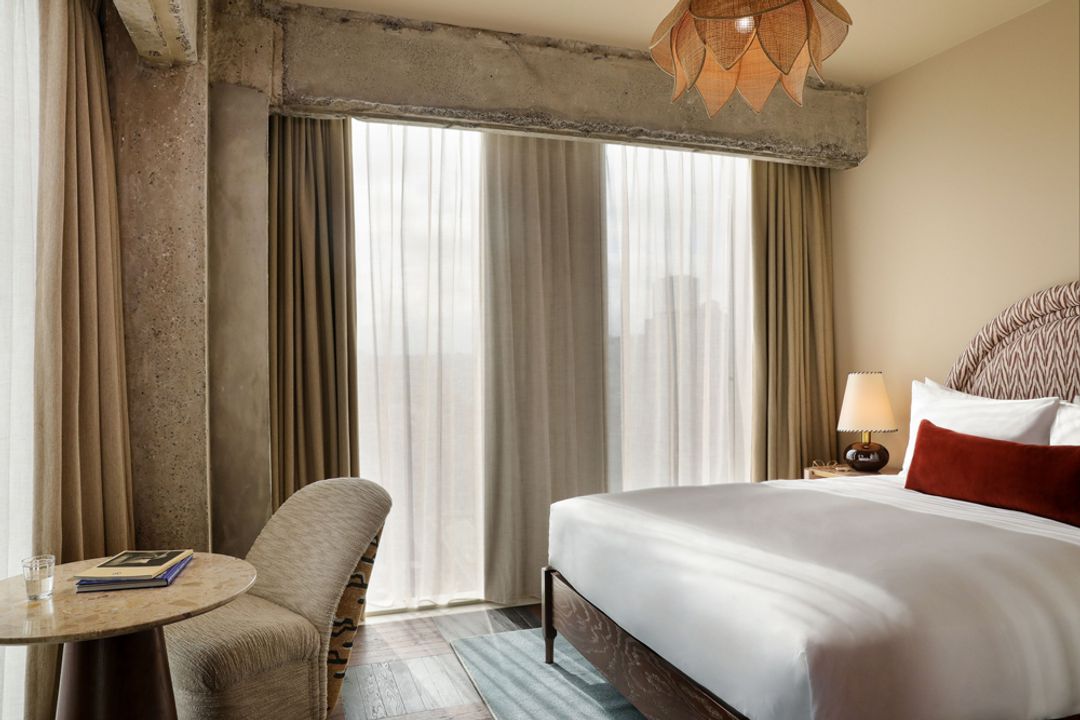
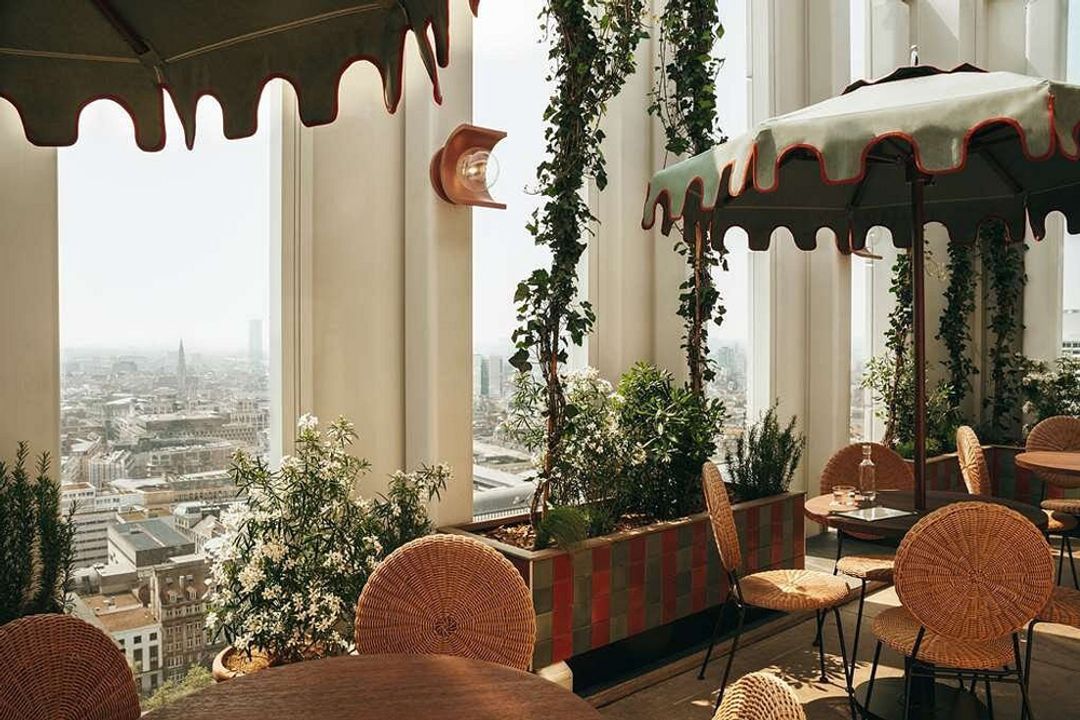
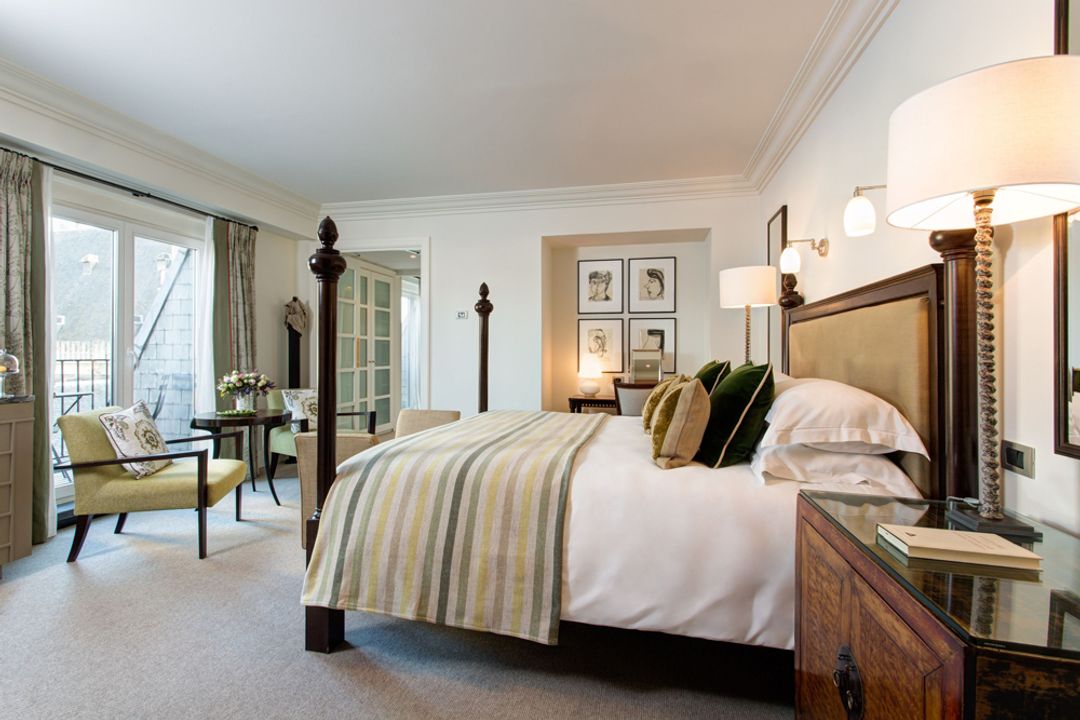
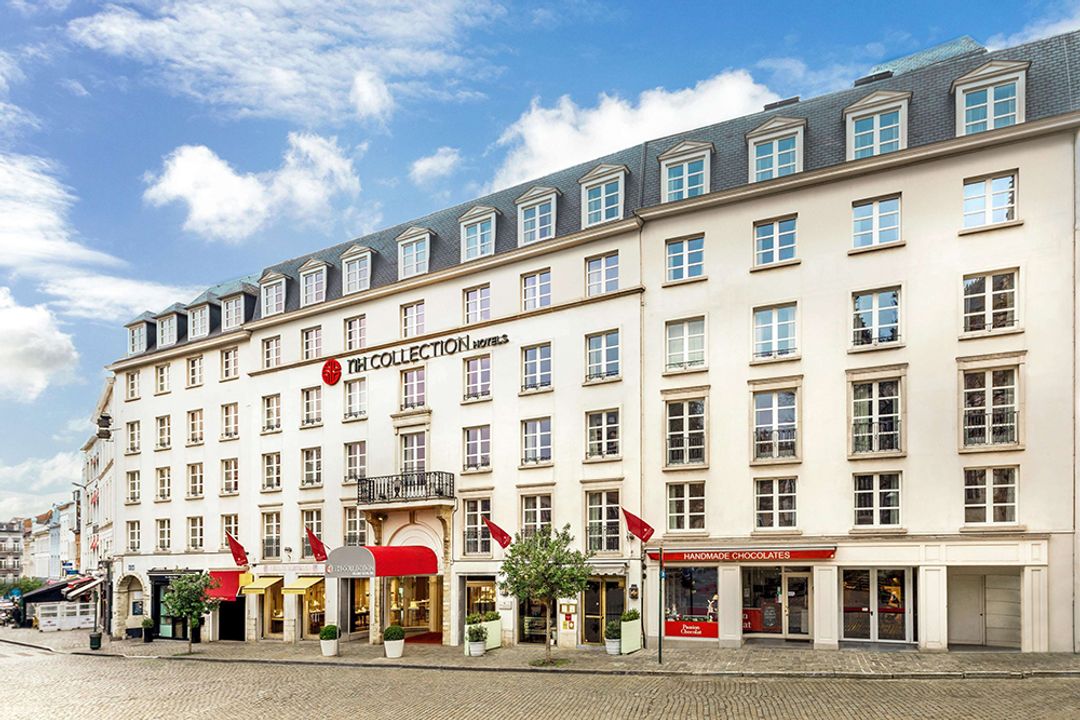
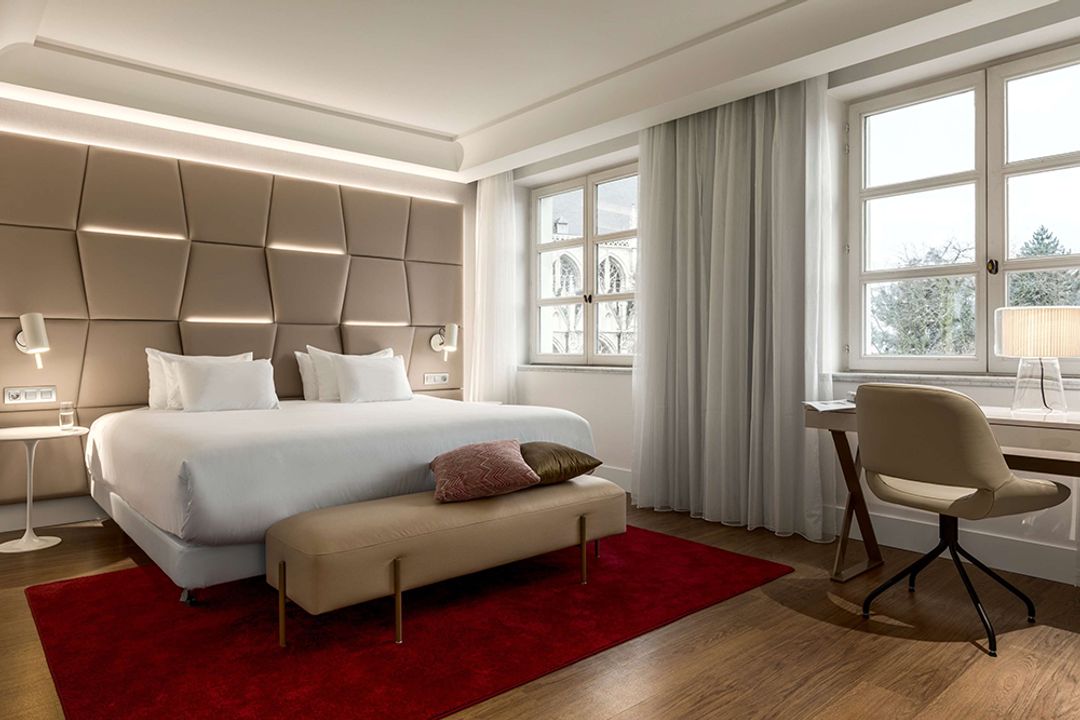
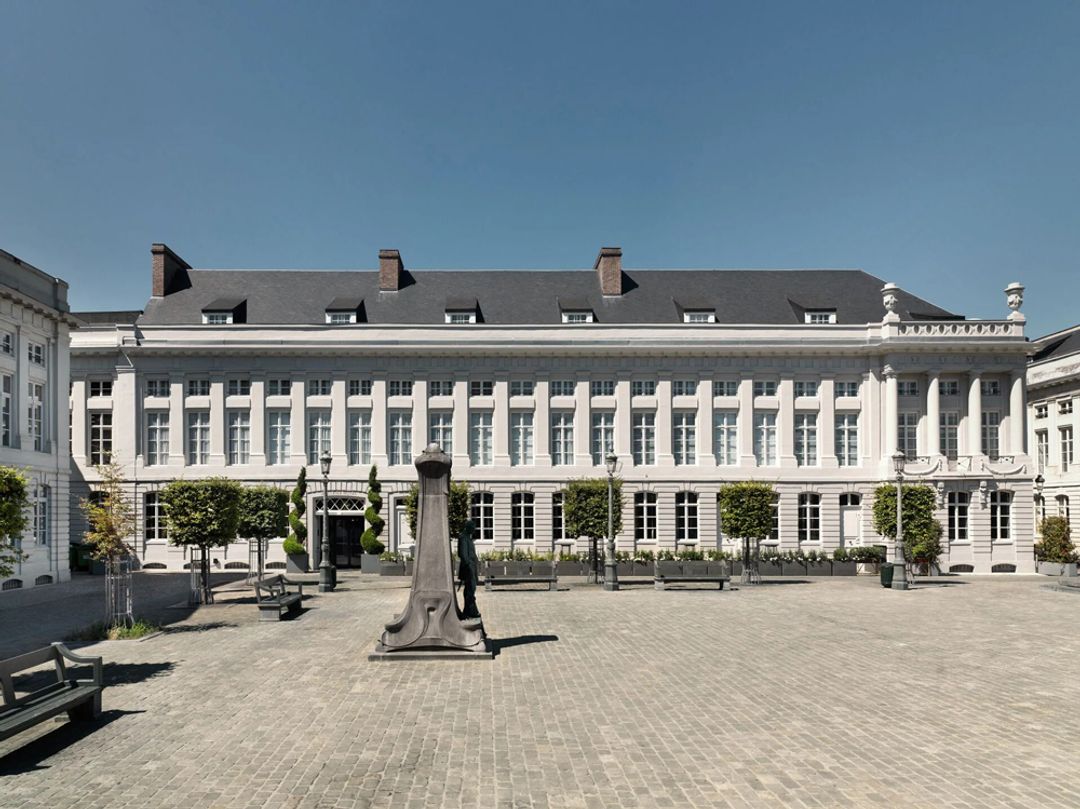
The more interesting recent arrivals are further from the obvious clusters. The Hoxton Brussels opened in the Botanical Gardens quarter, a neighborhood whose arts infrastructure and younger demographic the brand reads correctly, and the conversion has the brand's characteristic ease with existing fabric, high ceilings and loosely industrial detailing kept largely intact. At Place des Martyrs, the Juliana Hotel occupies one of Brussels' most undersung civic spaces, a neoclassical square that sat semi-derelict for decades before recent restoration. Anyone whose instinct runs toward architectural irony will appreciate staying in a building that the city spent forty years ignoring. The NH Collection Grand Sablon, positioned near the antiques market that defines the upper town's weekend character, offers a foothold in the neighborhood most closely associated with the city's appetite for beautiful objects.