Best hotels in Helsinki, Finland | Visually Compare Top Stays Side-by-Side
Welcome to PressBeyond - a curated visual guide to design-driven hotels and the fastest way to compare them.
An Overview of the Boutique & Luxury Hotel Landscape in Helsinki, Finland
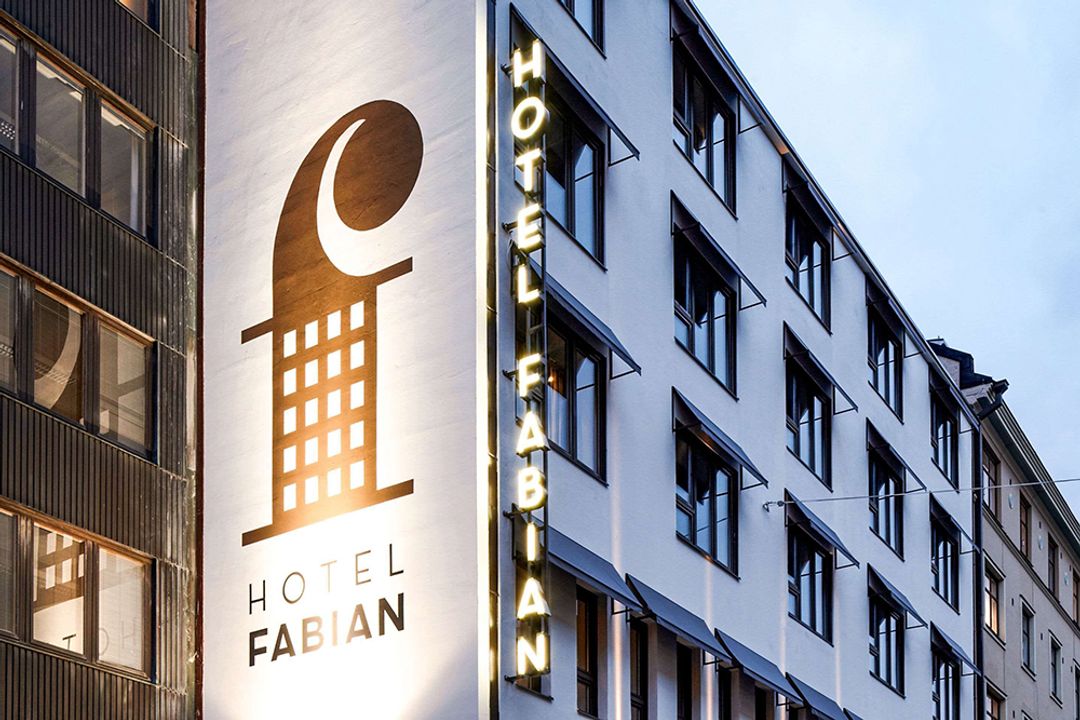
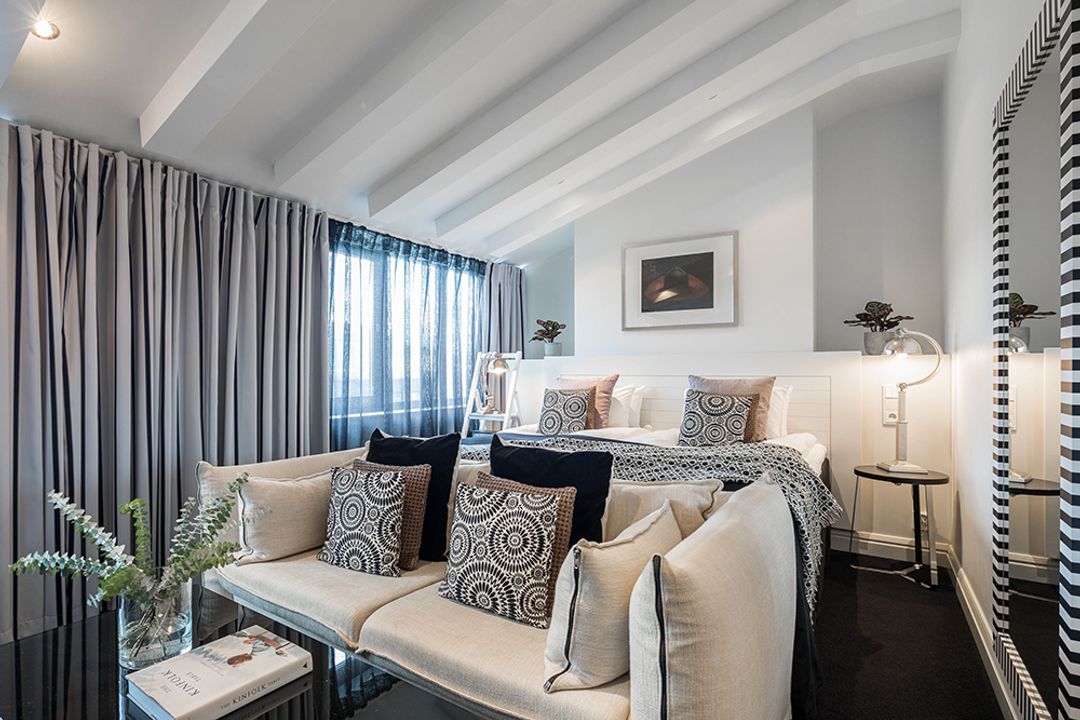
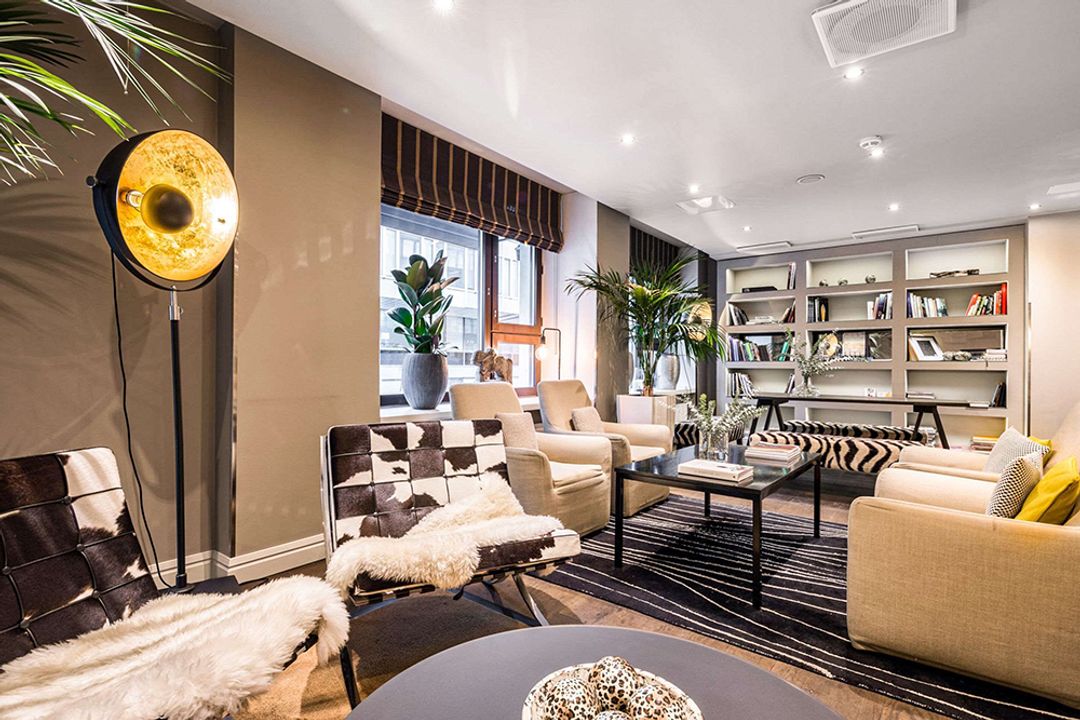
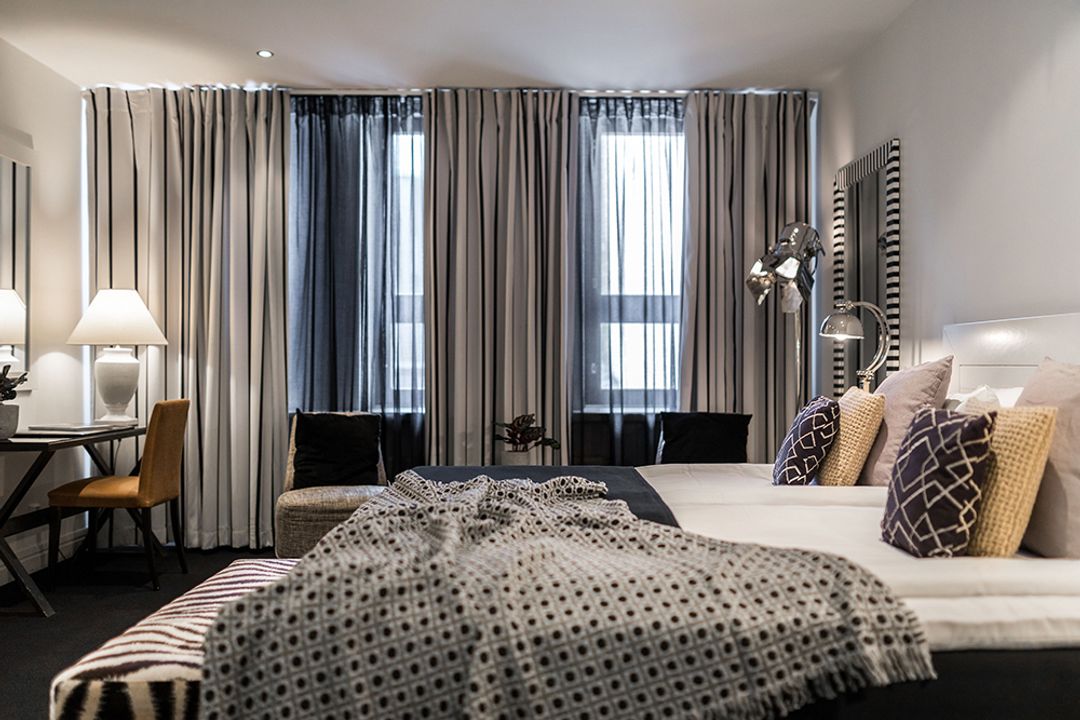
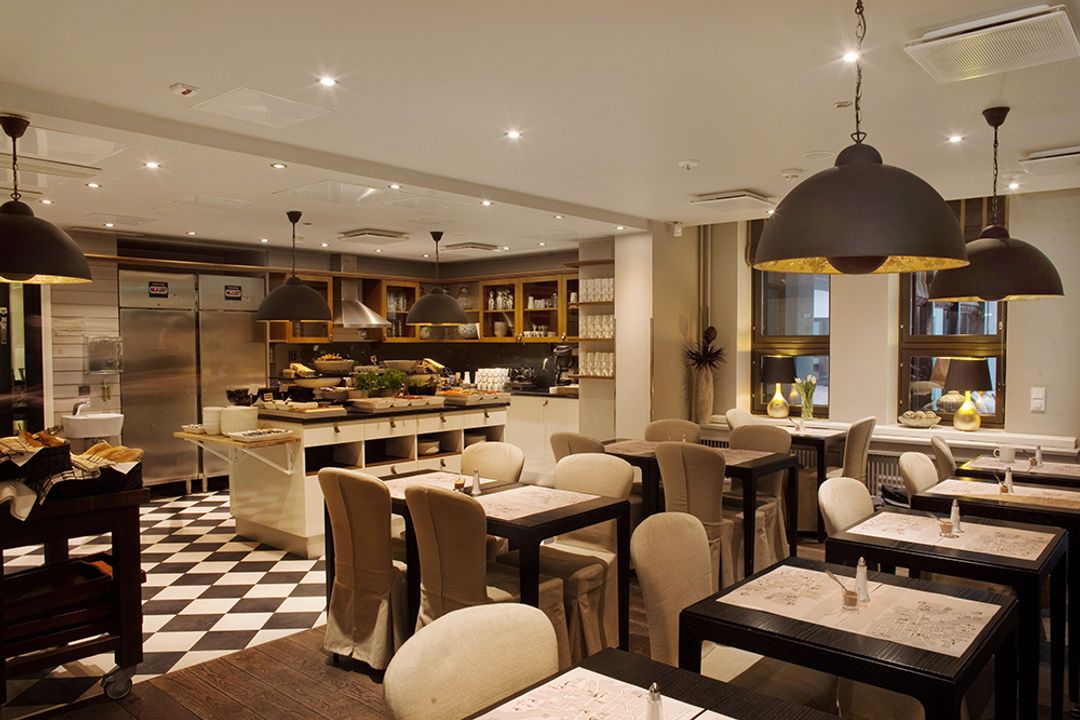
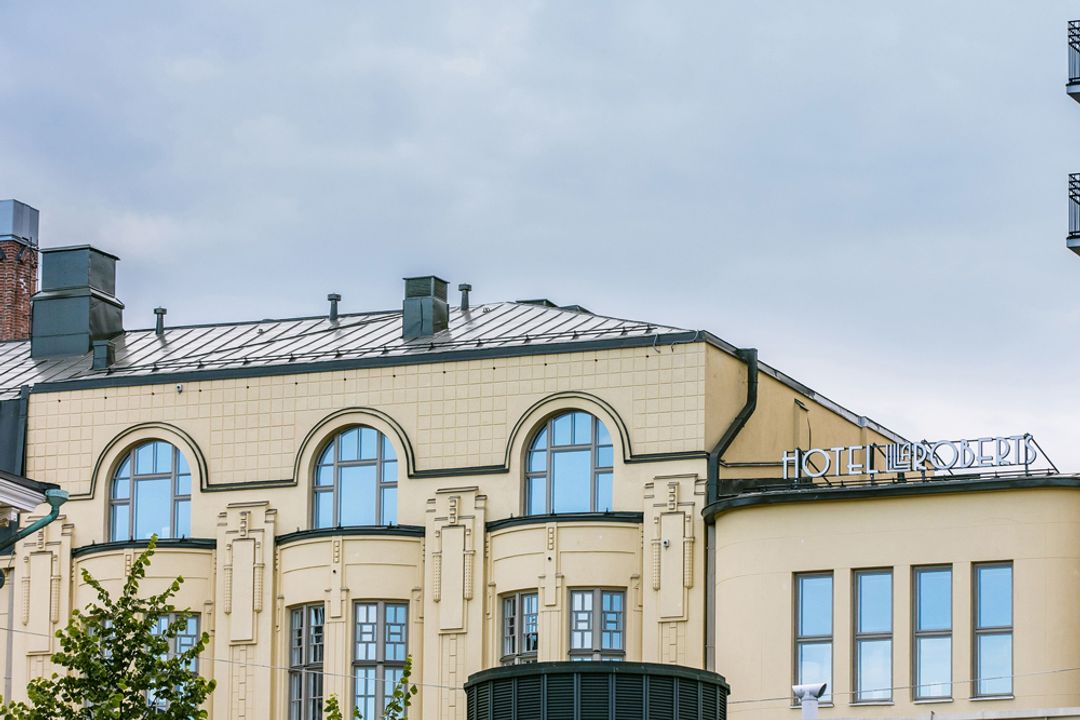
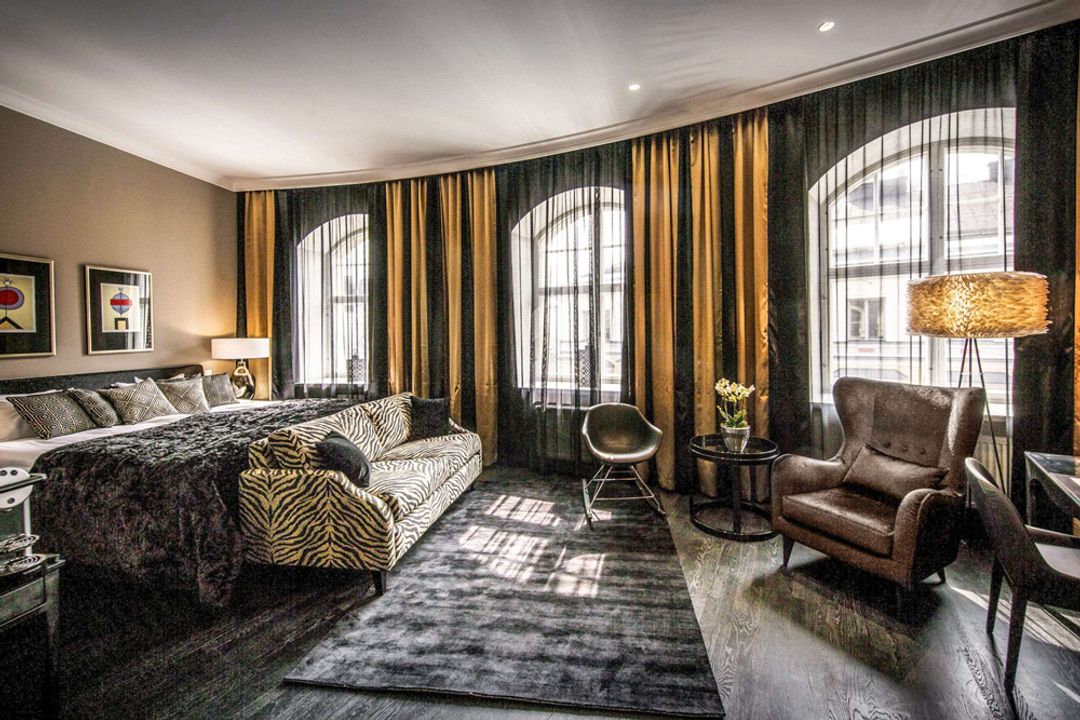
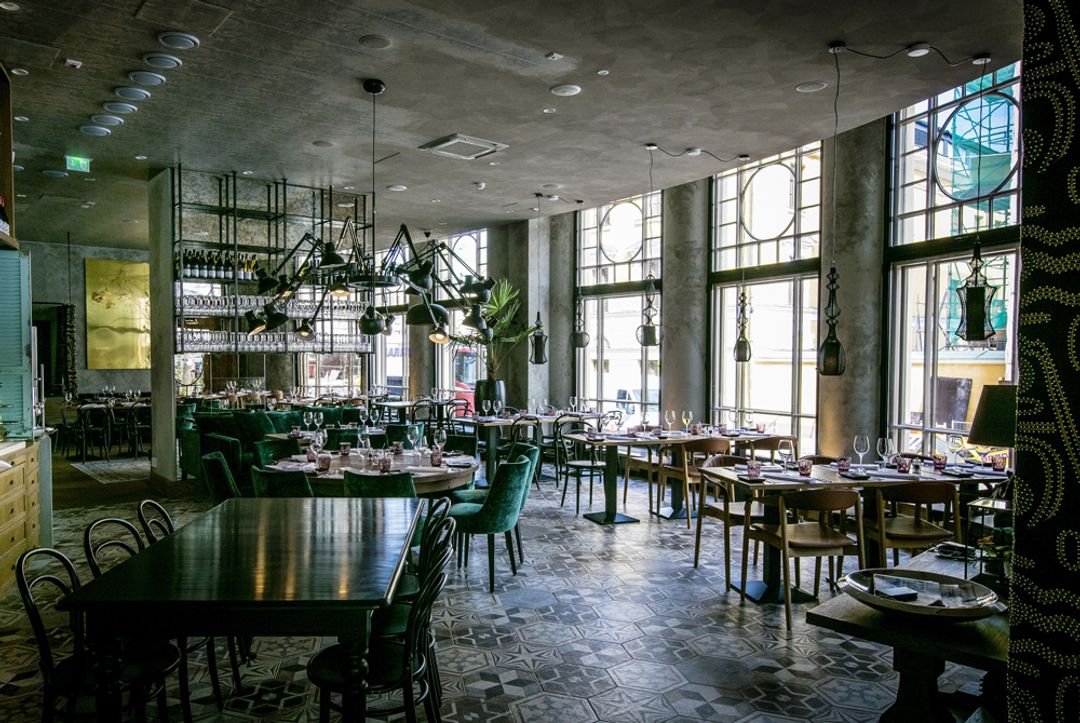
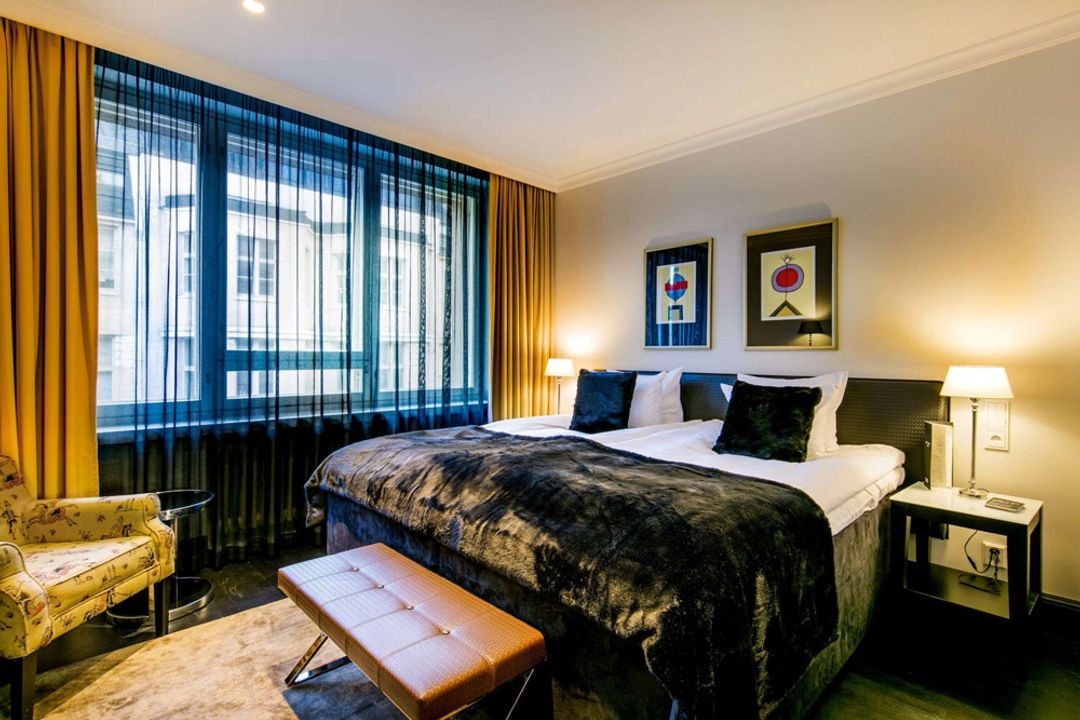
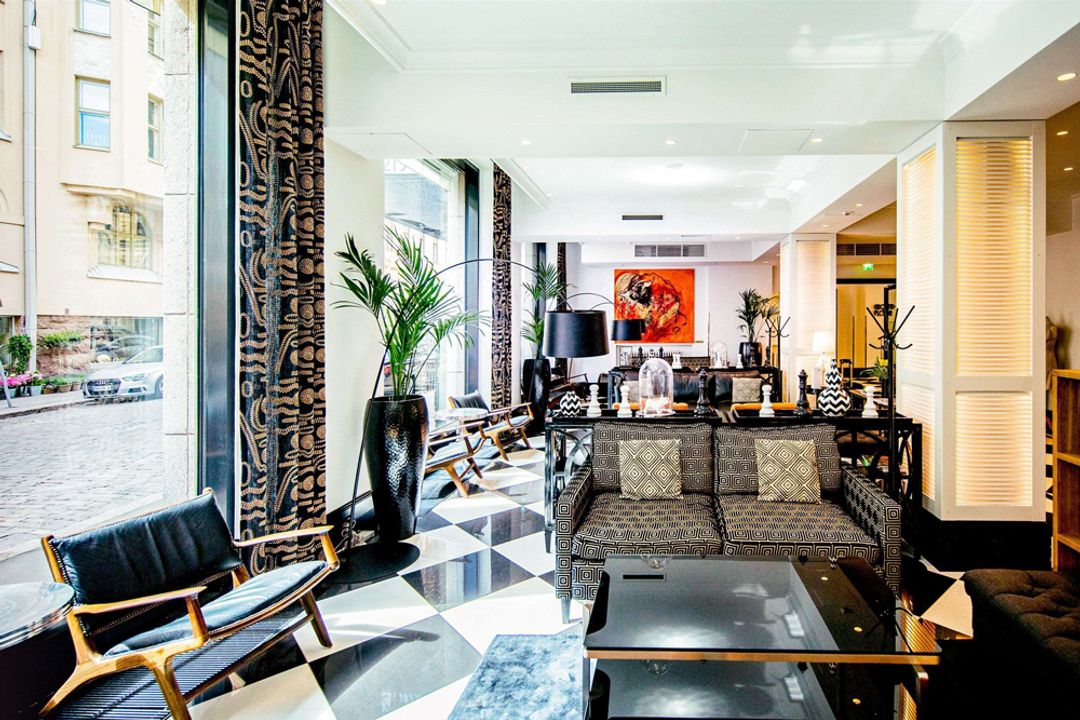
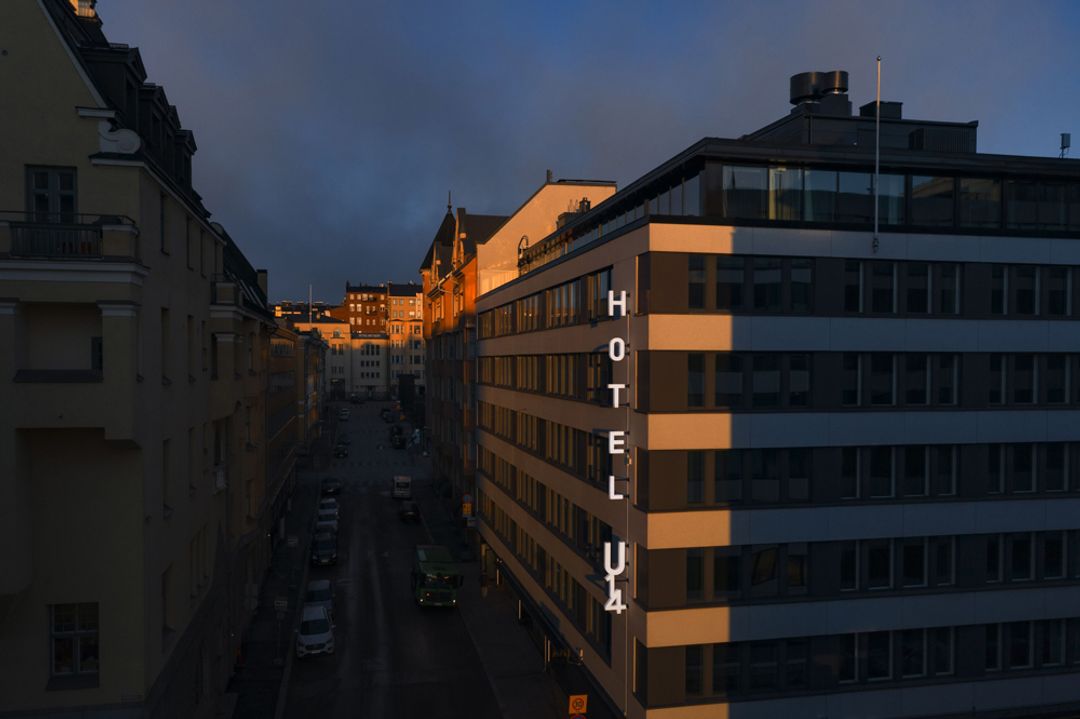
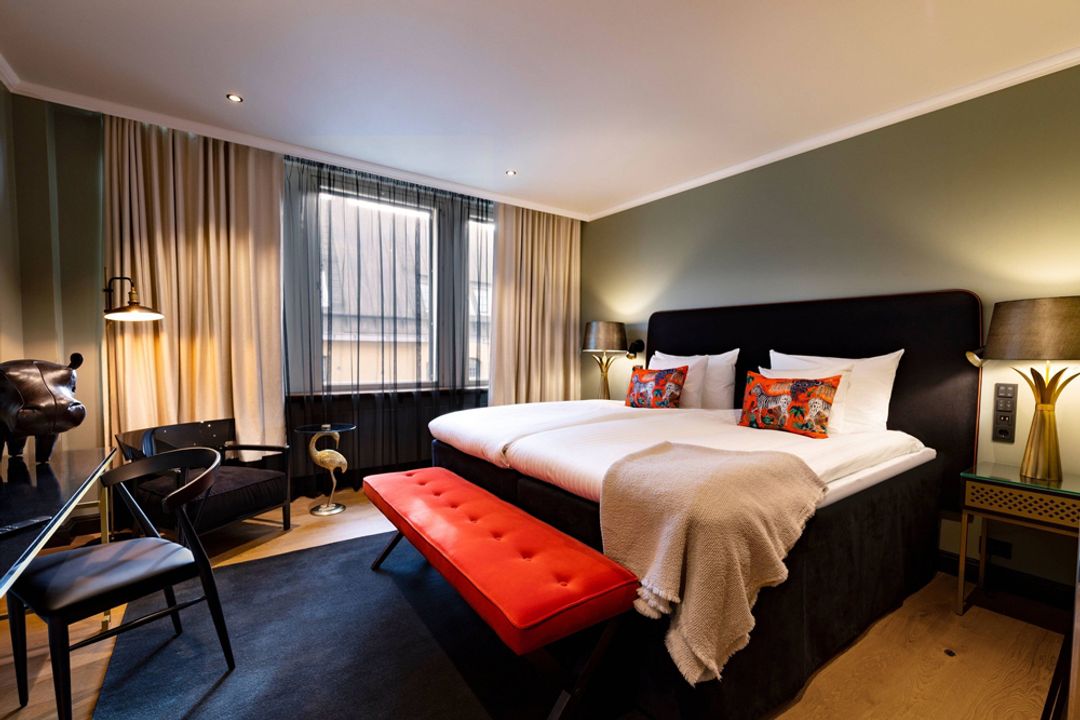
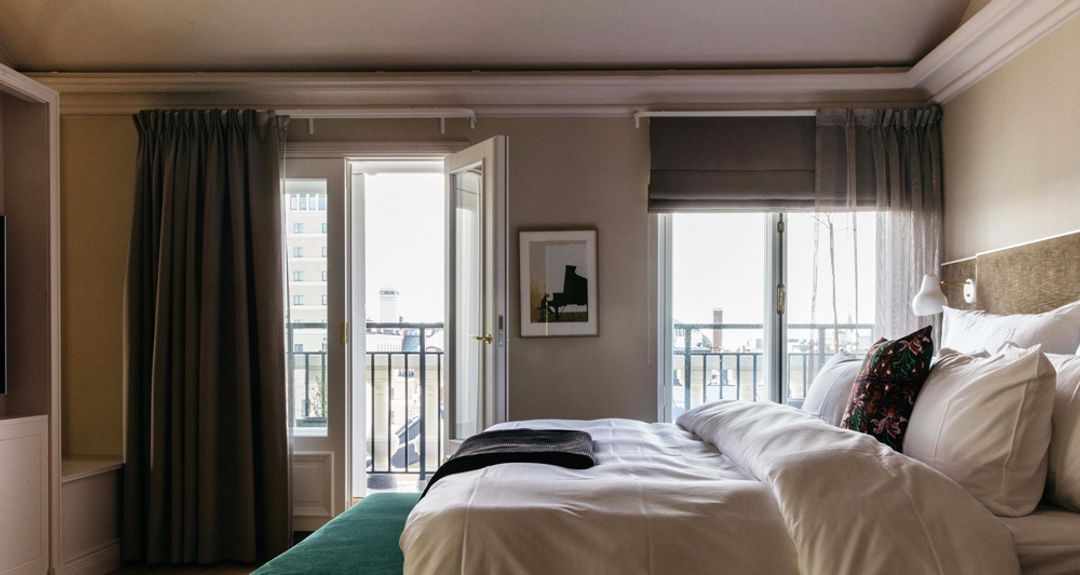
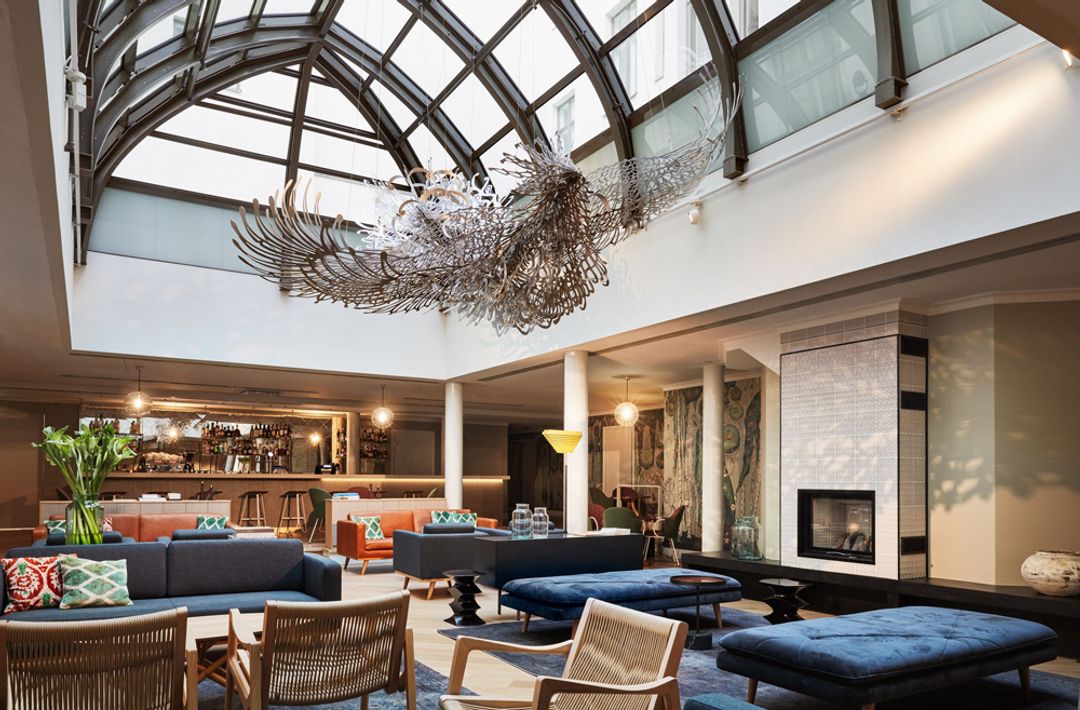
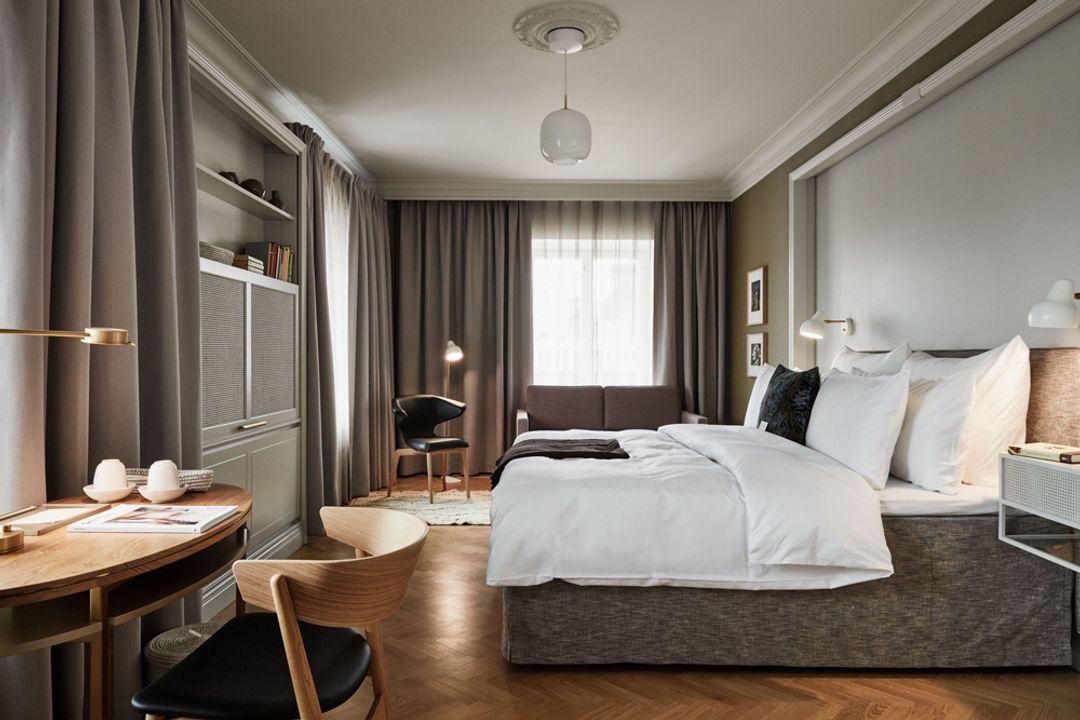
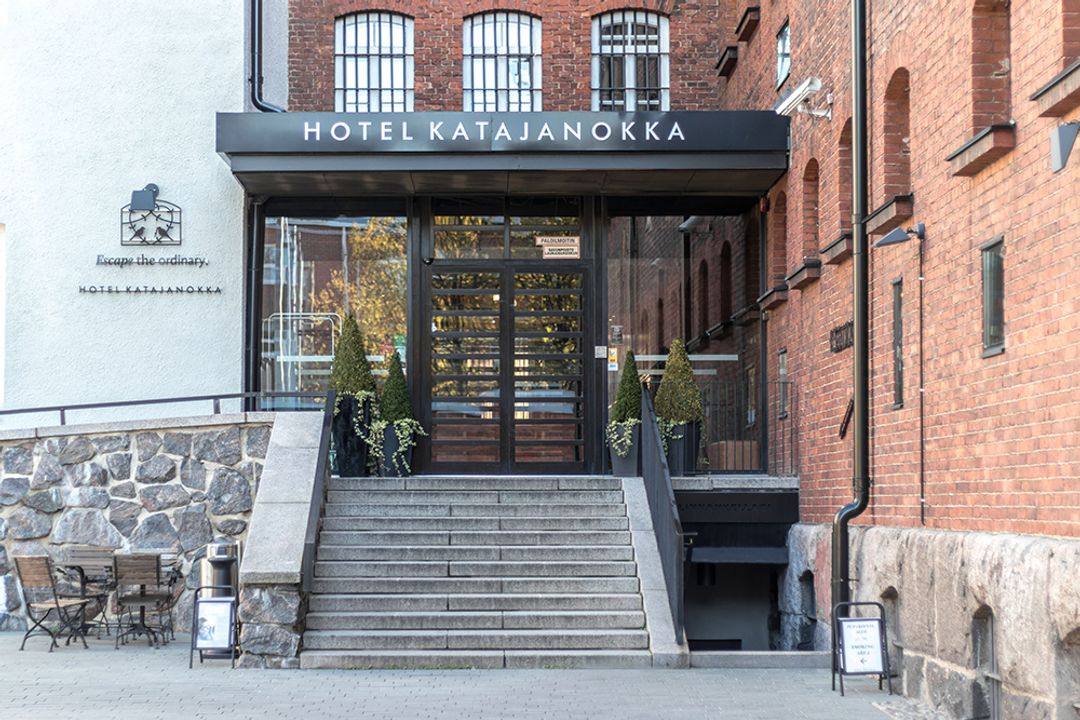
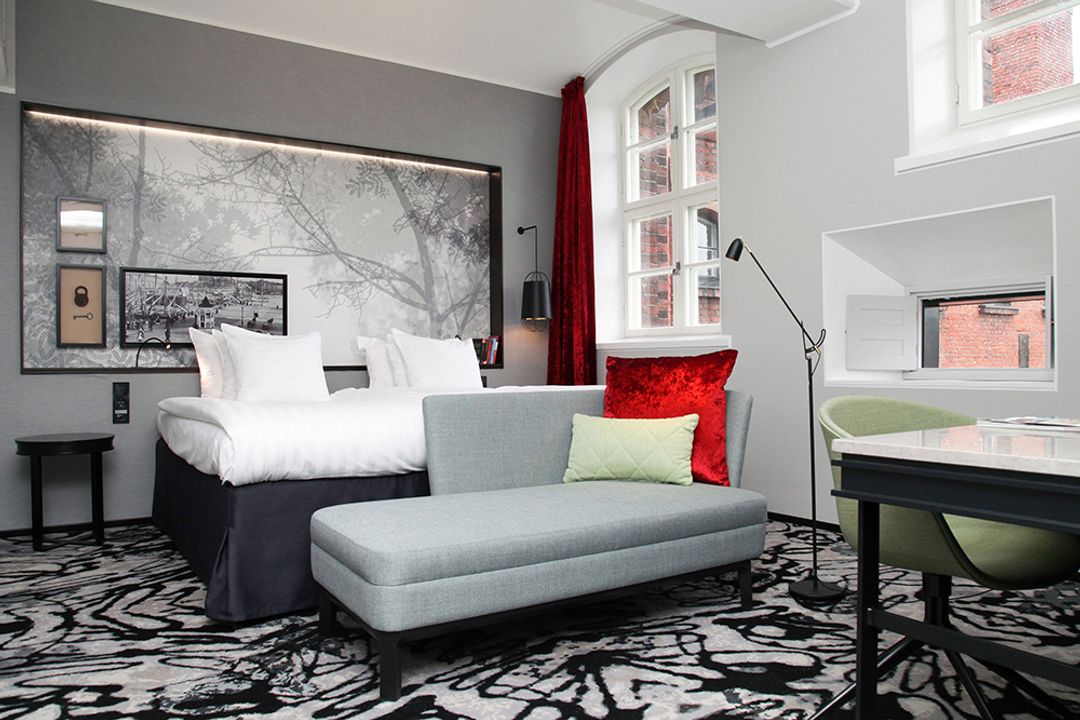
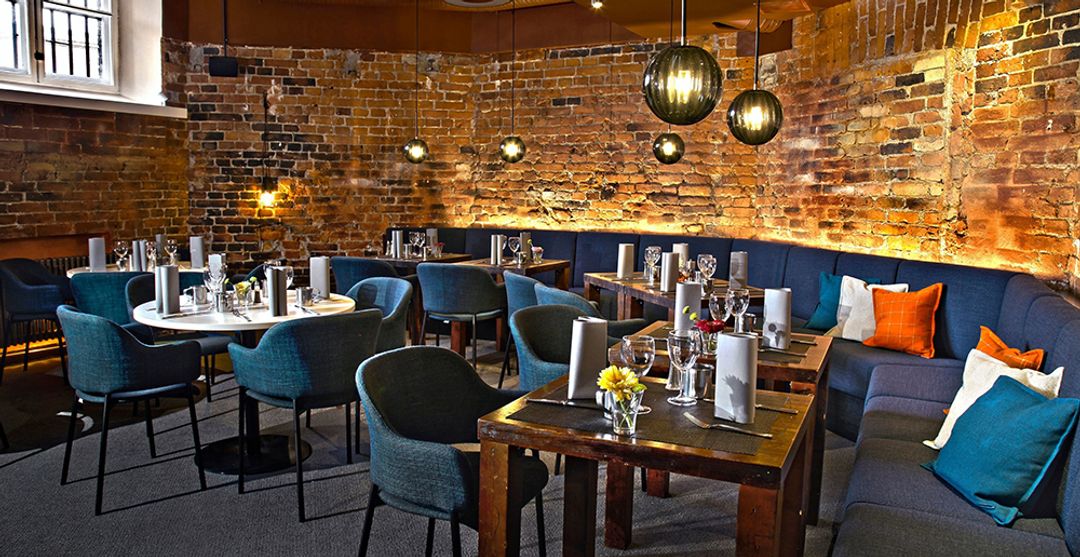
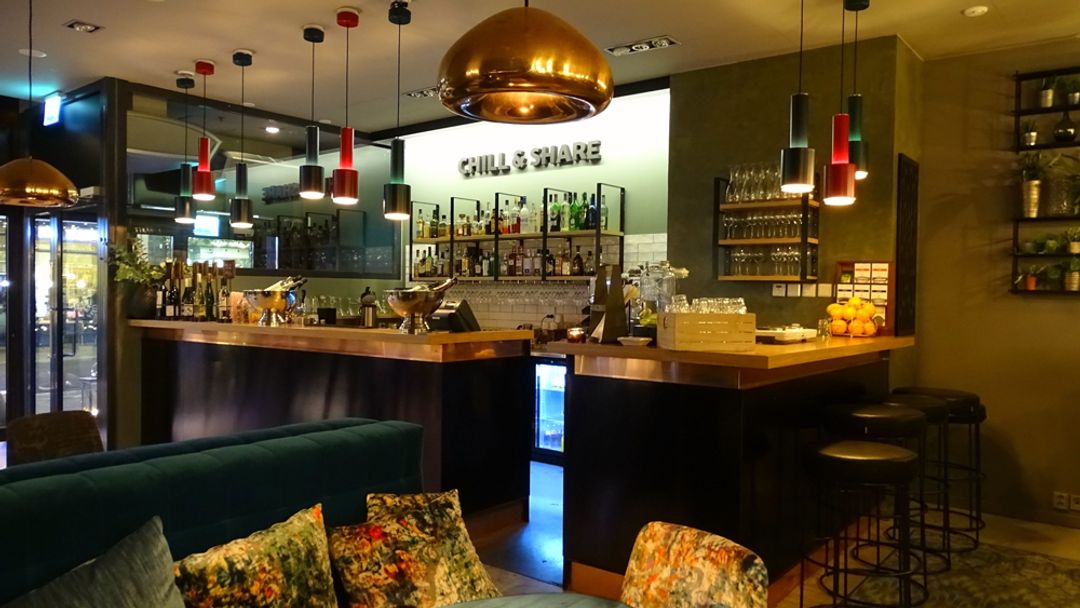
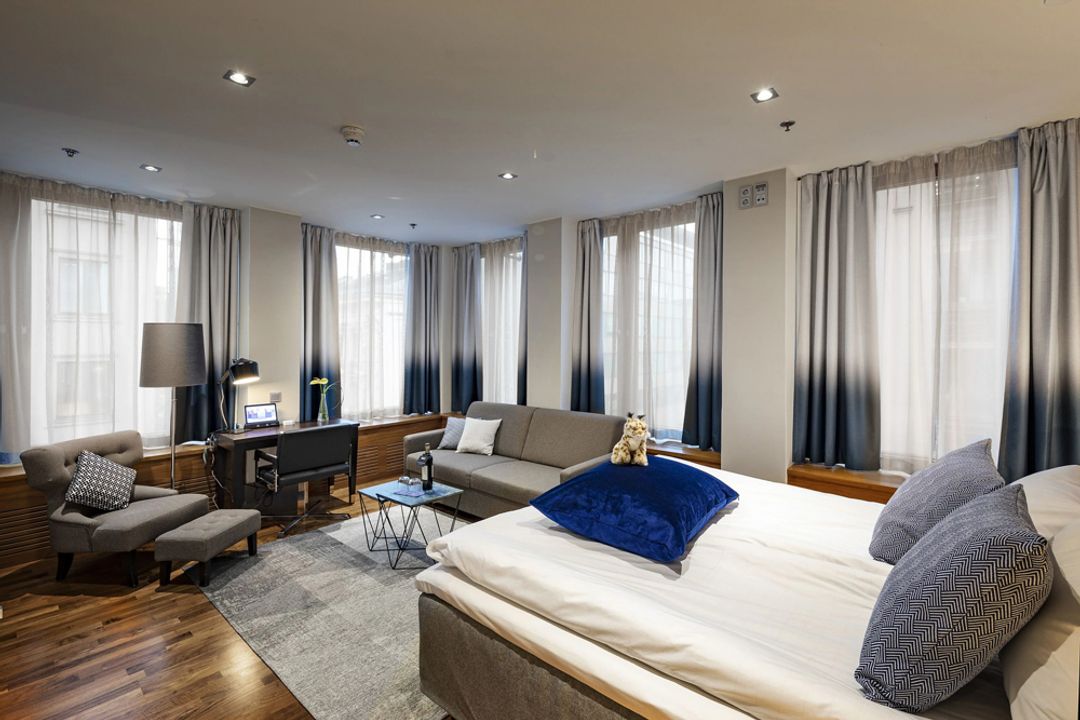
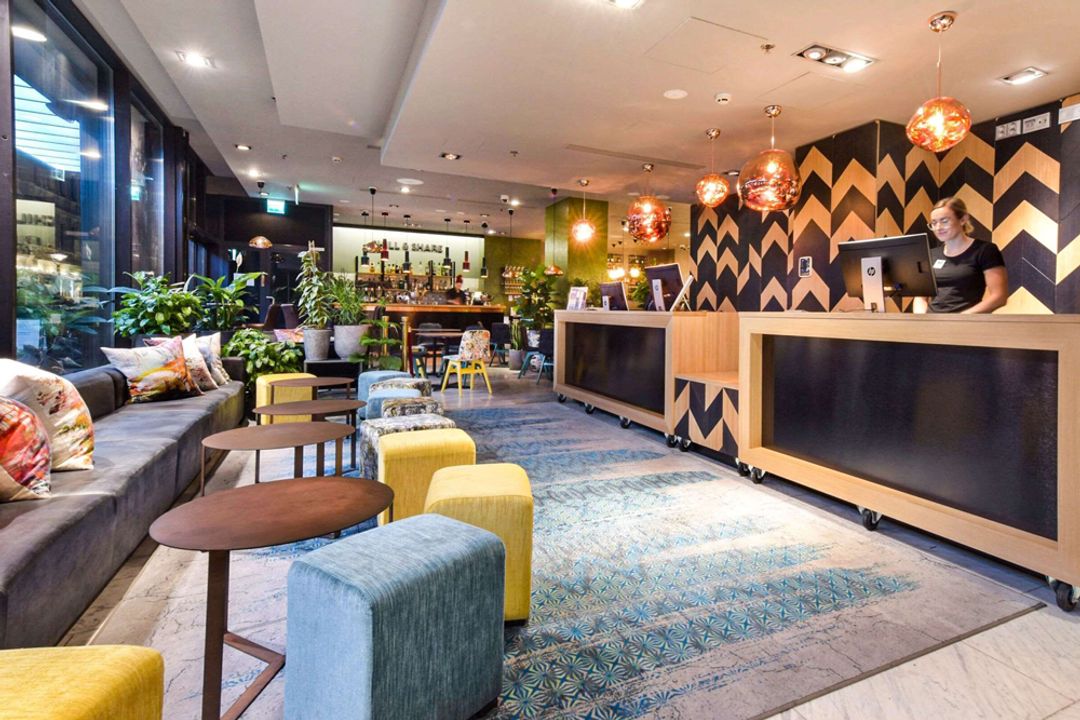
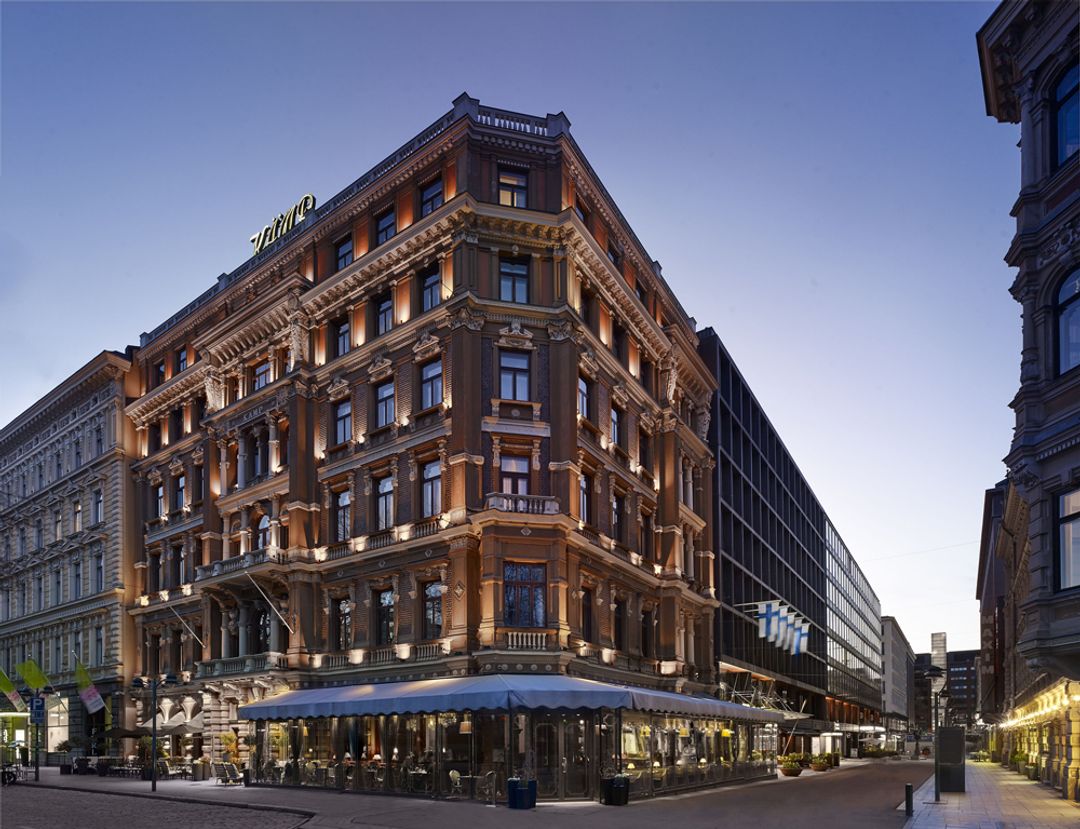
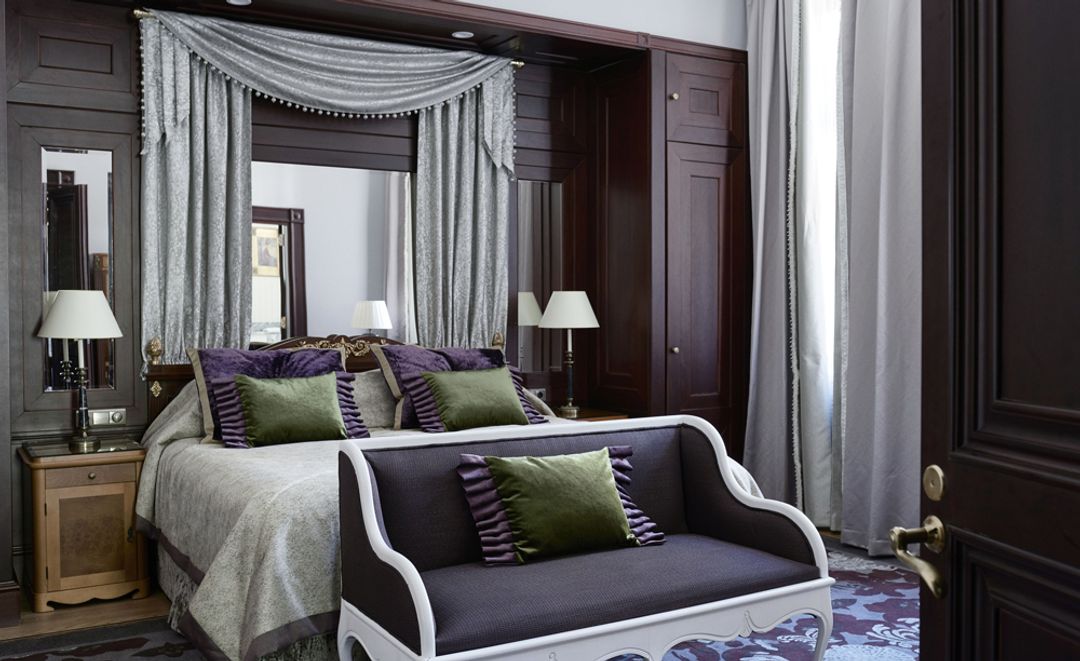
Helsinki rewards travelers who pay attention to granite. The city's neoclassical and National Romantic buildings sit heavy and confident against a Baltic light that shifts from silver to amber depending on the season, and the hotels that work best here tend to understand that weight rather than fight it. The most concentrated stretch of considered hospitality runs through Kaartinkaupunki, the elegant grid between Senate Square and the esplanade, where Hotel Fabian occupies a restrained early-twentieth-century building with interiors calibrated to Nordic quiet, and Hotel Lilla Roberts brings a warmer, more chromatic sensibility to a 1908 functionalist office block. Hotel U14, part of Marriott's Autograph Collection, completes the neighborhood's trinity with a somewhat shinier contemporary execution. Across the water on the Katajanokka peninsula, the old Russian-era county prison has been converted into Hotel Katajanokka Helsinki, its cell corridors and barrel-vaulted brick intact beneath a more conventional hotel overlay. It is an improbable building to sleep in, and that is precisely the point.
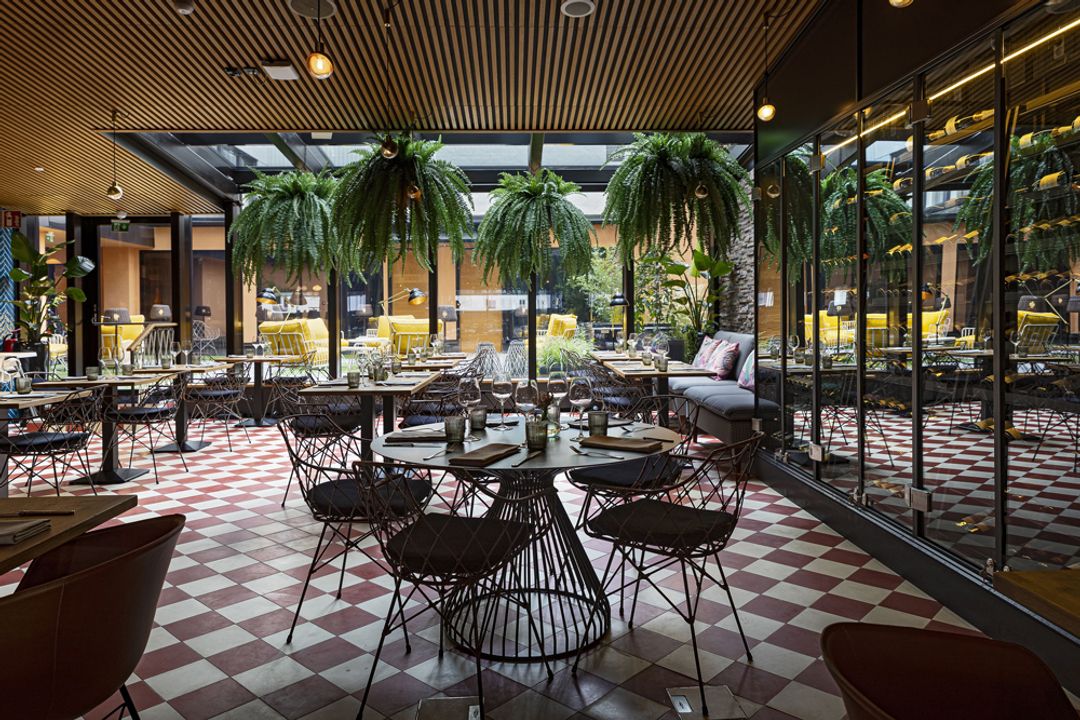
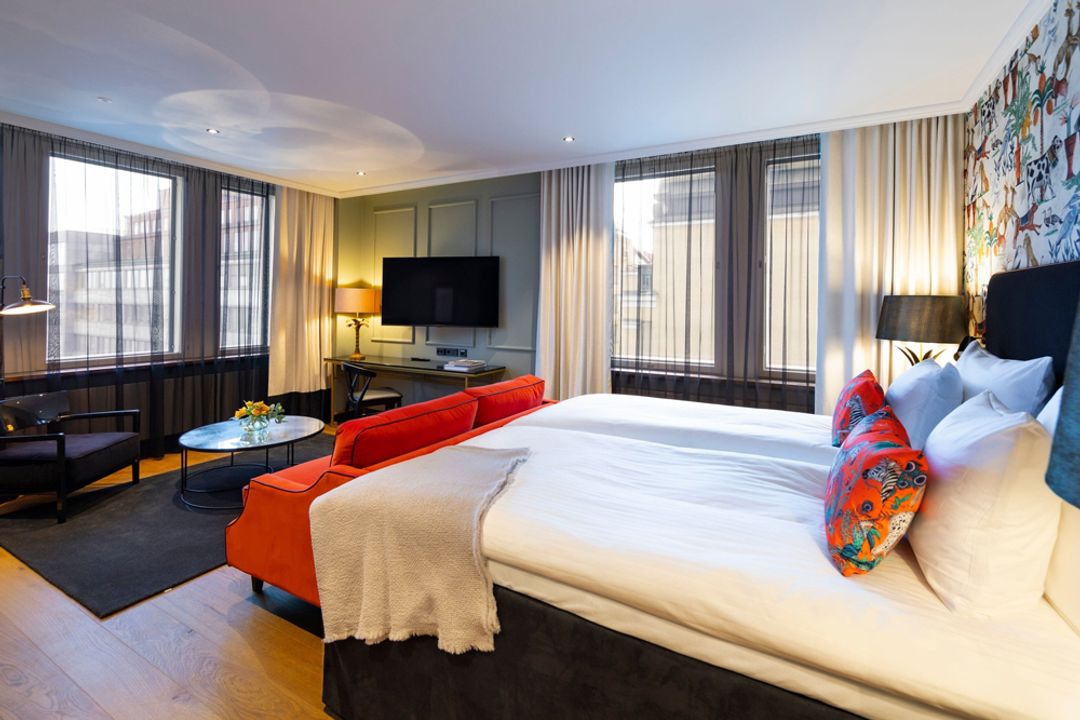
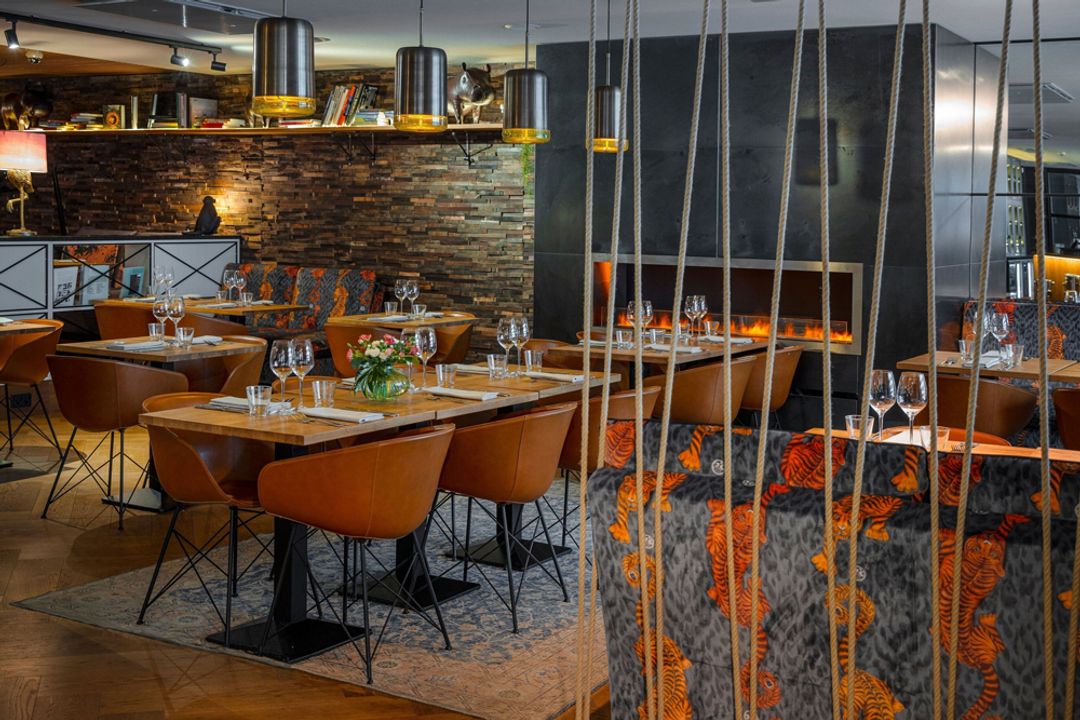
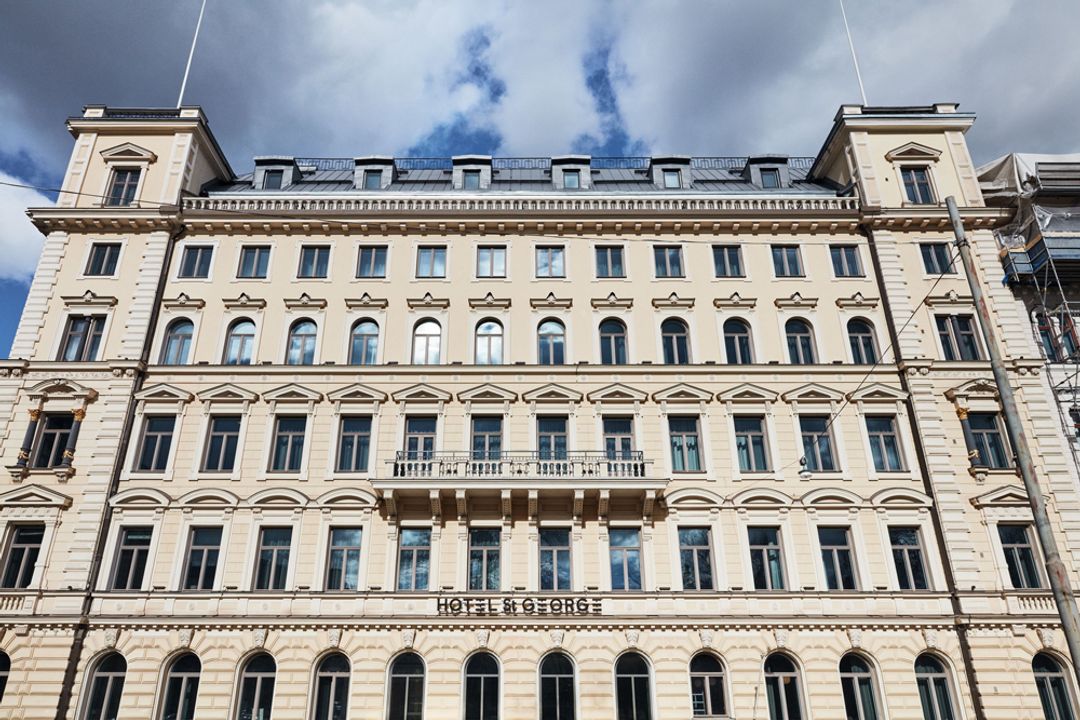
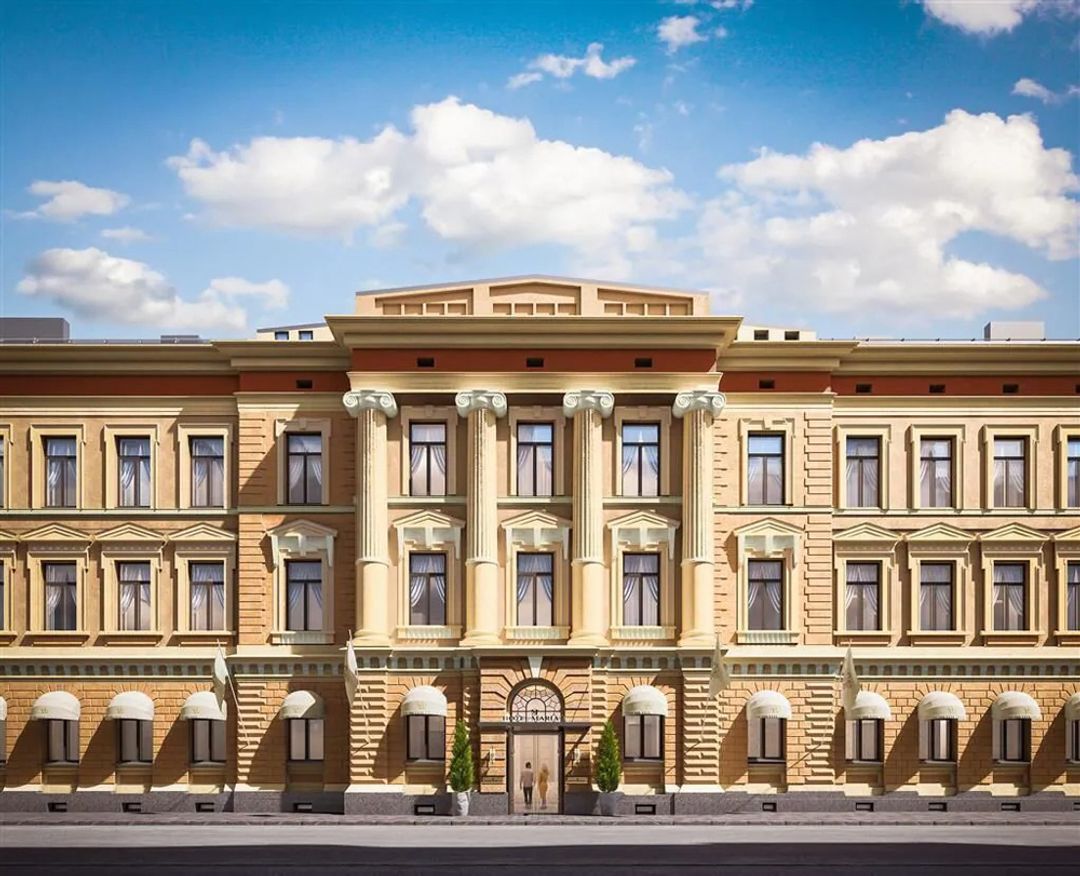
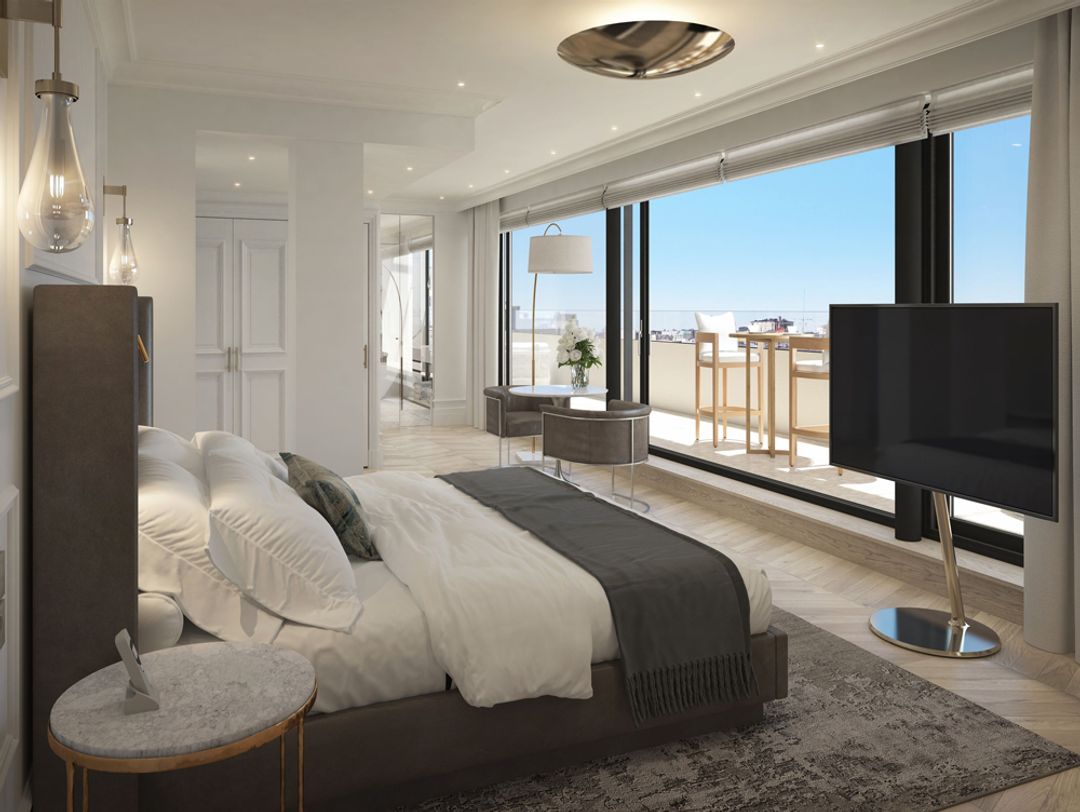
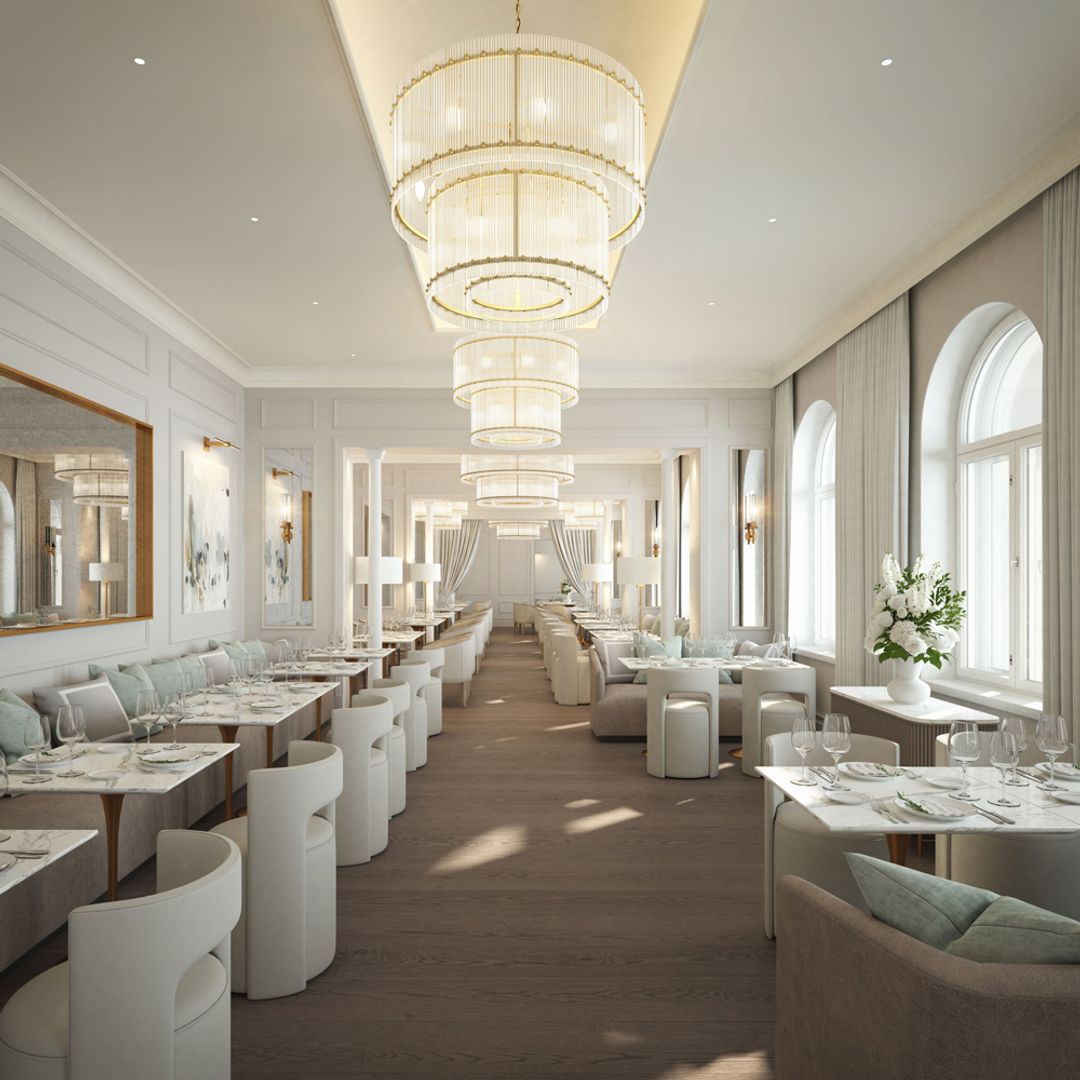
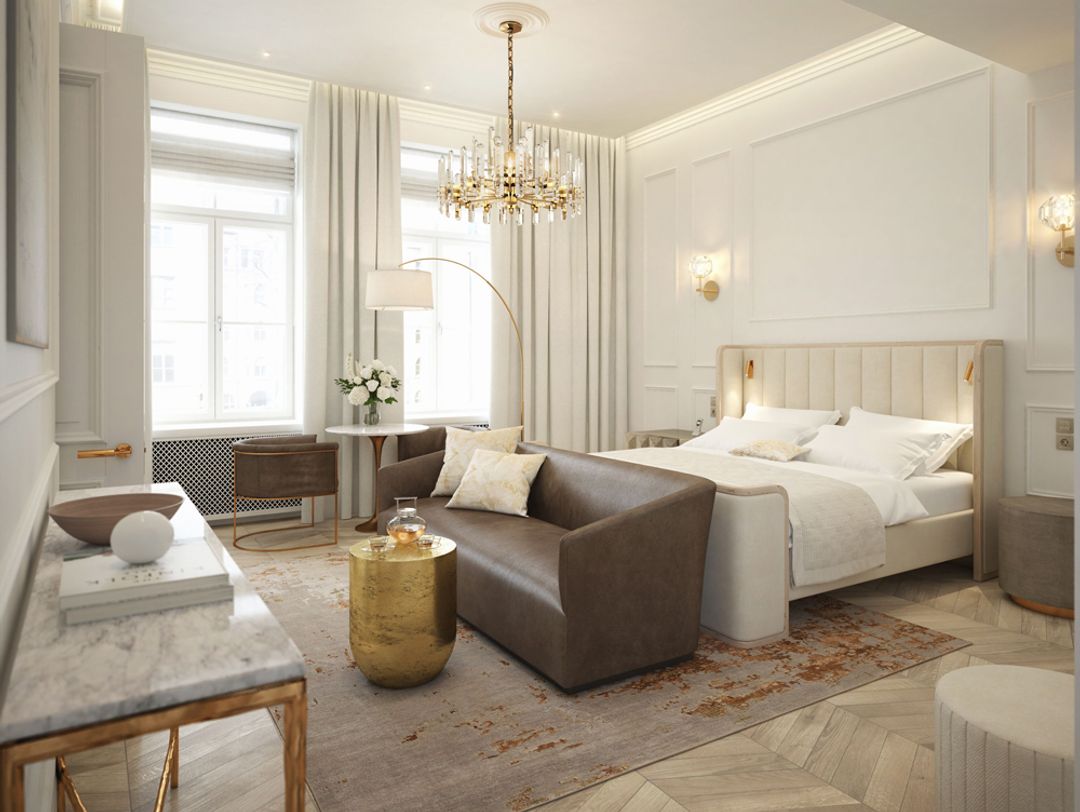
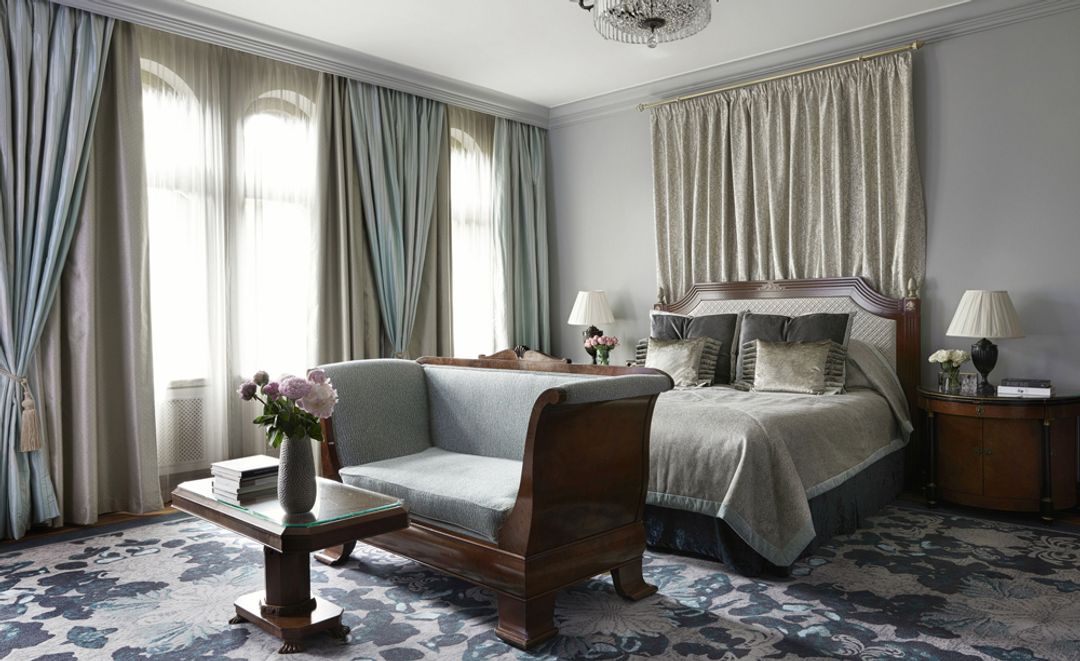
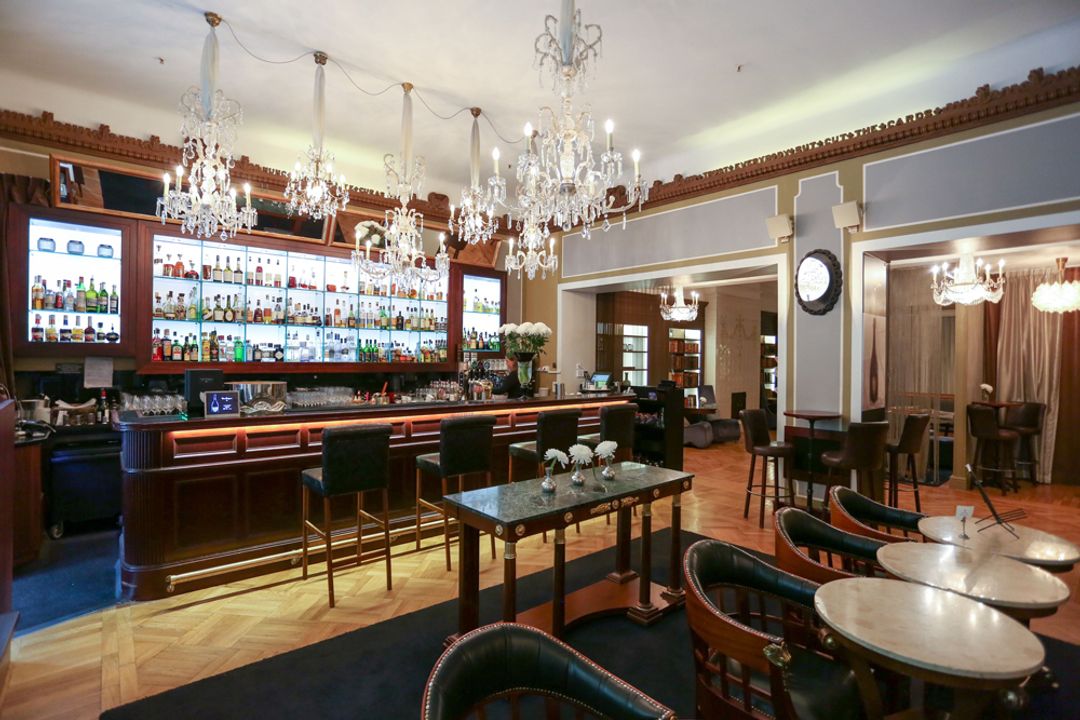
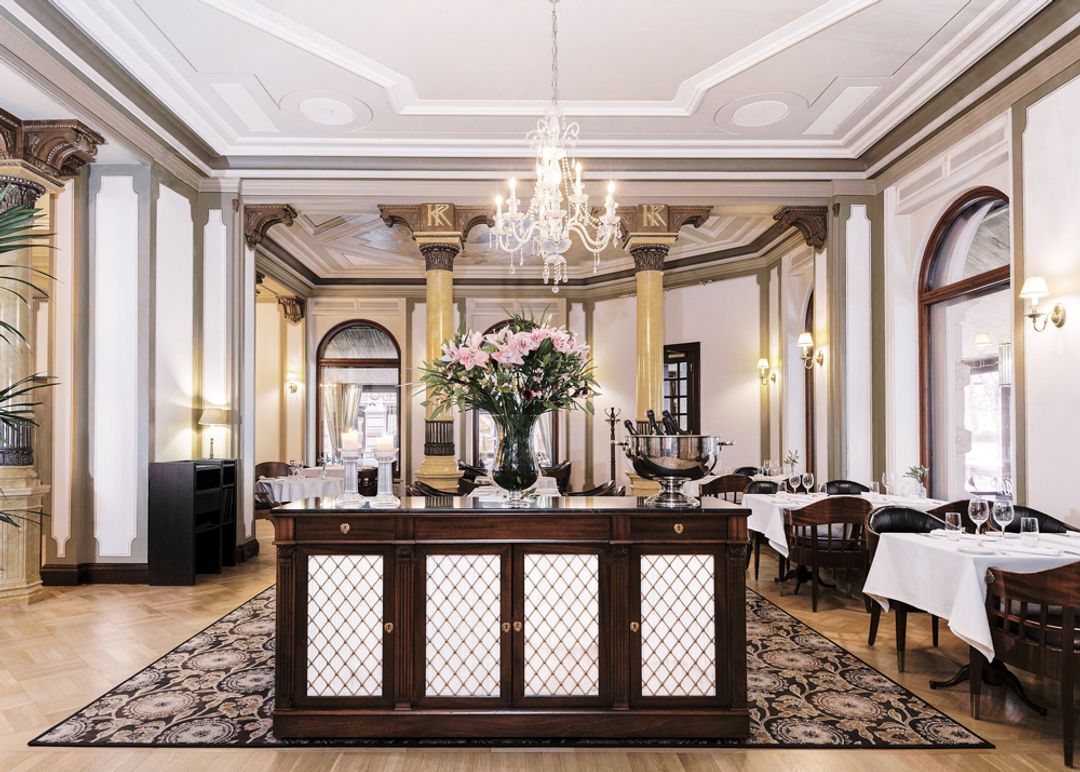
The Esplanade axis pulls toward grander gestures. Hotel Kamp, the 1887 Gesellius, Lindgren and Saarinen-adjacent landmark on Pohjoisesplanadi, represents the closest Helsinki comes to the grande dame tradition, its interiors carrying the weight of a century of Finnish cultural life. Writers, composers, and independence-era politicians all passed through its rooms, and that biographical density still shapes how the hotel presents itself. Moving inland toward Kamppi, Hotel St. George Helsinki occupies a neo-Renaissance building with interiors by Stylt Trampoli, the Swedish design studio, where art, library, and hospitality blur into something closer to a private members' club. The Maria, in the older Kruununhaka district near the cathedral, is the newest and most architecturally deliberate of the group, a nineteenth-century building reworked with a Scandinavian restraint that feels genuinely specific rather than imported.
Hobo Hotel, near the central station, plays a different register entirely: younger, louder, more chromatic, pitched at a traveler whose instinct is to treat the hotel as a social space rather than a retreat. Helsinki's scale makes all of these neighborhoods walkable from one another in a way that larger capitals cannot offer, and the city's geography, a peninsula wrapped by archipelago water and forest, means that even the most central addresses sit close to open sky. Where you sleep here shapes less what you can reach and more what you see first when you step outside.